
- Chinese
- French
- German
- Portuguese
- Spanish
- Russian
- Japanese
- Korean
- Arabic
- Irish
- Greek
- Turkish
- Italian
- Danish
- Romanian
- Indonesian
- Czech
- Afrikaans
- Swedish
- Polish
- Basque
- Catalan
- Esperanto
- Hindi
- Lao
- Albanian
- Amharic
- Armenian
- Azerbaijani
- Belarusian
- Bengali
- Bosnian
- Bulgarian
- Cebuano
- Chichewa
- Corsican
- Croatian
- Dutch
- Estonian
- Filipino
- Finnish
- Frisian
- Galician
- Georgian
- Gujarati
- Haitian
- Hausa
- Hawaiian
- Hebrew
- Hmong
- Hungarian
- Icelandic
- Igbo
- Javanese
- Kannada
- Kazakh
- Khmer
- Kurdish
- Kyrgyz
- Latin
- Latvian
- Lithuanian
- Luxembou..
- Macedonian
- Malagasy
- Malay
- Malayalam
- Maltese
- Maori
- Marathi
- Mongolian
- Burmese
- Nepali
- Norwegian
- Pashto
- Persian
- Punjabi
- Serbian
- Sesotho
- Sinhala
- Slovak
- Slovenian
- Somali
- Samoan
- Scots Gaelic
- Shona
- Sindhi
- Sundanese
- Swahili
- Tajik
- Tamil
- Telugu
- Thai
- Ukrainian
- Urdu
- Uzbek
- Vietnamese
- Welsh
- Xhosa
- Yiddish
- Yoruba
- Zulu
- Kinyarwanda
- Tatar
- Oriya
- Turkmen
- Uyghur





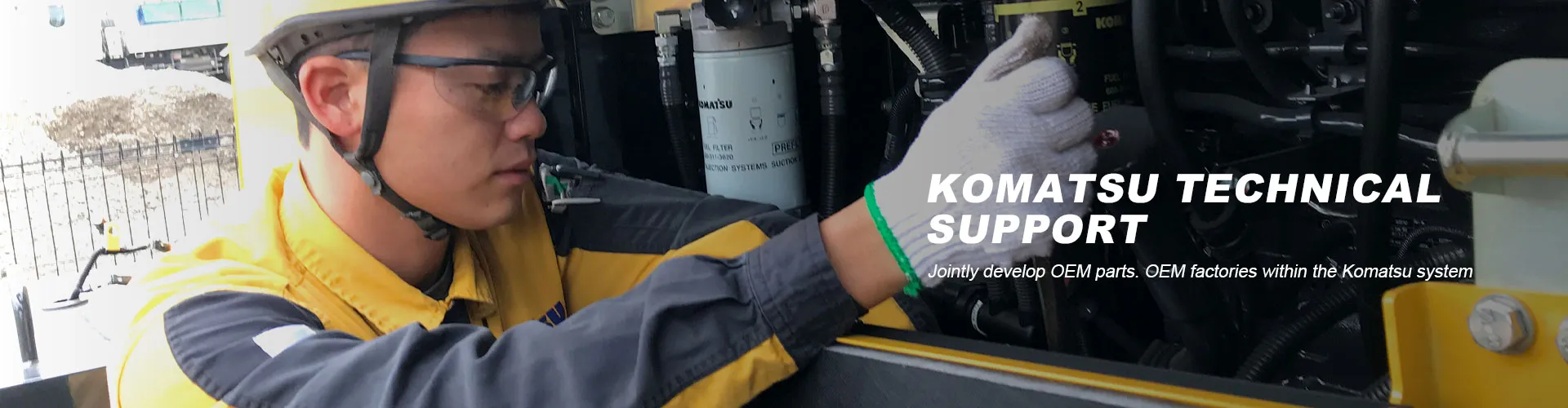
zenoah komatsu goped engine
When you hear 'Zenoah Komatsu Goped engine,' most folks either think of the legendary two-stroke Zenoah engines on stand-alone scooters or assume it's a Komatsu-built motor for some industrial vehicle. That's where the confusion starts. In my line of work, sourcing and moving parts within the Komatsu network, this specific combination points to a more intricate reality. It’s not an official Komatsu product per se, but a retrofit scenario, a hybrid solution born from necessity, often involving the adaptation of a genuine Zenoah air-cooled two-stroke engine—maybe a G2D or G5D series—onto a Komatsu utility vehicle or compact equipment platform, sometimes colloquially called a 'goped' in certain markets. The demand for these isn't in the manuals; it's in the field, where standard parts are unavailable or cost-prohibitive.
The Origin of the Hybrid Demand
You see this pattern in regions where older Komatsu compact carriers or pedestrian-operated machines are still in service, but the original engine model has been discontinued or the supply chain is fractured. The official distributor might not stock that 20-year-old power unit anymore. That’s where third-party solutions and companies that understand the interchangeability come in. The Zenoah engines, known for their durability and simple carbureted setup, become a logical mechanical substitute. They're roughly in the same 25-50cc range, similar mounting patterns with some fabrication, and their parts are globally available. It's a fix, not a factory recommendation.
I’ve dealt with requests from mining or agriculture operations in Southeast Asia and South America where a small Komatsu utility vehicle’s engine gave out. The machine itself is still solid, but waiting for an OEM engine would halt operations for months. The local mechanic’s answer? Slap on a Zenoah Komatsu Goped engine. They’d call us not for the engine itself, but for specific Komatsu-side components: the drive coupler, the throttle linkage bracket, or the engine mount plate from the original setup to make the marriage work. That’s the nuance.
This is precisely the gap companies like Jining Gaosong Construction Machinery Co., Ltd. operate in. As an OEM product supplier within the Komatsu system and a third-party sales company, their role isn't to promote these hybrids, but to provide the legitimate Komatsu parts that make such adaptations possible or to offer alternative genuine solutions. Their site, https://www.takematsumachinery.com, often becomes a resource for mechanics trying to cross-reference what they need from the original Komatsu assembly to mate with the Zenoah block.
Technical Realities and Common Pitfalls
The retrofit is never plug-and-play. The Komatsu Goped reference usually implies a machine with a centrifugal clutch direct to a shaft or chain. The Zenoah engine’s output shaft might be a different diameter or have a different keyway. You need an adapter bushing, machined locally. More critically, the carburetor orientation and the fuel tank position often clash with the machine’s frame. I’ve seen installations where the air filter ends up sucking in dirt directly from a wheel because there was no space to route it properly.
Governance is another headache. The original Komatsu engine likely had a governor integrated for safety, limiting the machine's top speed. The standard Zenoah engine doesn’t. Operators remove the governor for more power, which leads to premature failure of the drive train not rated for those RPMs. We get calls for replacement drive chains or sprockets soon after a “successful” engine swap, which tells the whole story.
Then there’s the cooling. These are air-cooled engines. In an industrial application, the machine might be moving slowly or idling a lot. The original design might have had ducting. The retrofit often lacks that, leading to overheating. You find guys rigging up external fan shrouds or cutting holes in body panels. It works, but it’s a far cry from engineered reliability.
The Supplier's Perspective: Filling the Gaps
From my interactions and understanding of entities like Jining Gaosong, their value in this chaotic ecosystem is providing authenticity where it counts. A mechanic doing this swap might need the genuine Komatsu fuel line fitting that threads into the tank, or the specific throttle cable end. Sourcing these small, seemingly insignificant OEM parts is a major hurdle in many countries. Their business model—acting as an OEM supplier and a third-party sales channel—allows them to address these parts supply challenges directly. They aren’t selling the Zenoah engine, but they might sell you the Komatsu seal, gasket, or bolt kit that ensures the retrofit doesn’t leak or shake apart.
It’s a pragmatic approach. They recognize that the ideal of a 100% OEM repair isn’t always economically viable for the end customer. By ensuring the hybrid repair uses as many genuine interface parts as possible, the machine’s core integrity is maintained. The engine might be third-party, but the connection to the machine is still true Komatsu spec. This reduces points of failure.
I recall a case where a client in Africa needed the splined coupling that connected the engine to the hydraulic pump on a small Komatsu carrier. The Zenoah engine’s shaft was smooth. We worked with the info from https://www.takematsumachinery.com to identify the OEM coupling, and the local workshop machined a sleeve to connect the two. The takeaway? The hybrid’s success depended on that one genuine Komatsu component.
Why Not Just Use a Clone Engine?
It’s a fair question. The market is flooded with cheap Chinese clones of Zenoah engines. Why not use those? In my experience, it’s a gamble. For a non-critical application, maybe. But for equipment that needs to run daily, the genuine Zenoah G-series, even if older, has consistent metallurgy and carburetion. The clones often have poor casting quality, weak crankshafts, and carburetors that can’t hold a tune. The vibration alone can crack a makeshift mount in weeks.
When you’re already in a bind doing a non-standard repair, introducing a low-quality power unit multiplies the uncertainty. Professionals doing these swaps, the ones who have to stand by their work, will often insist on a used genuine Zenoah over a new clone. It speaks volumes about the perceived reliability. This indirectly supports suppliers who deal in genuine parts, as the repair ecosystem values durability over the absolute lowest cost.
This is another layer where a supplier’s expertise matters. They might advise that for the total cost of a Zenoah swap plus all adapters, a reconditioned original Komatsu power pack might be a smarter long-term investment. They have that visibility into parts availability and cost that a field mechanic doesn’t.
Final Thoughts: A Symptom of a Larger System
The existence of the “Zenoah Komatsu Goped engine” concept is a symptom of the global aftermarket parts challenge for heavy machinery. It represents ingenuity, but also a compromise. It’s not a solution Komatsu would ever endorse, but it’s a reality on the ground that keeps assets running.
Companies that facilitate these repairs by providing reliable access to the genuine connecting components play a crucial, if understated, role. They stabilize an otherwise ad-hoc process. For anyone embarking on such a project, the lesson is clear: the engine might be the star, but the success lies in the authenticity of the small, interface parts that marry it to the machine. Focus your sourcing efforts there.
In the end, it’s about uptime. Whether it’s a genuine OEM engine from Komatsu or a rugged Zenoah adapted to fit, the goal is the same: get the machine back to work. The path just gets more creative, and the value of a knowledgeable parts supplier becomes undeniable.
Related Products
Related Products
Best Selling Products
Best Selling Products-
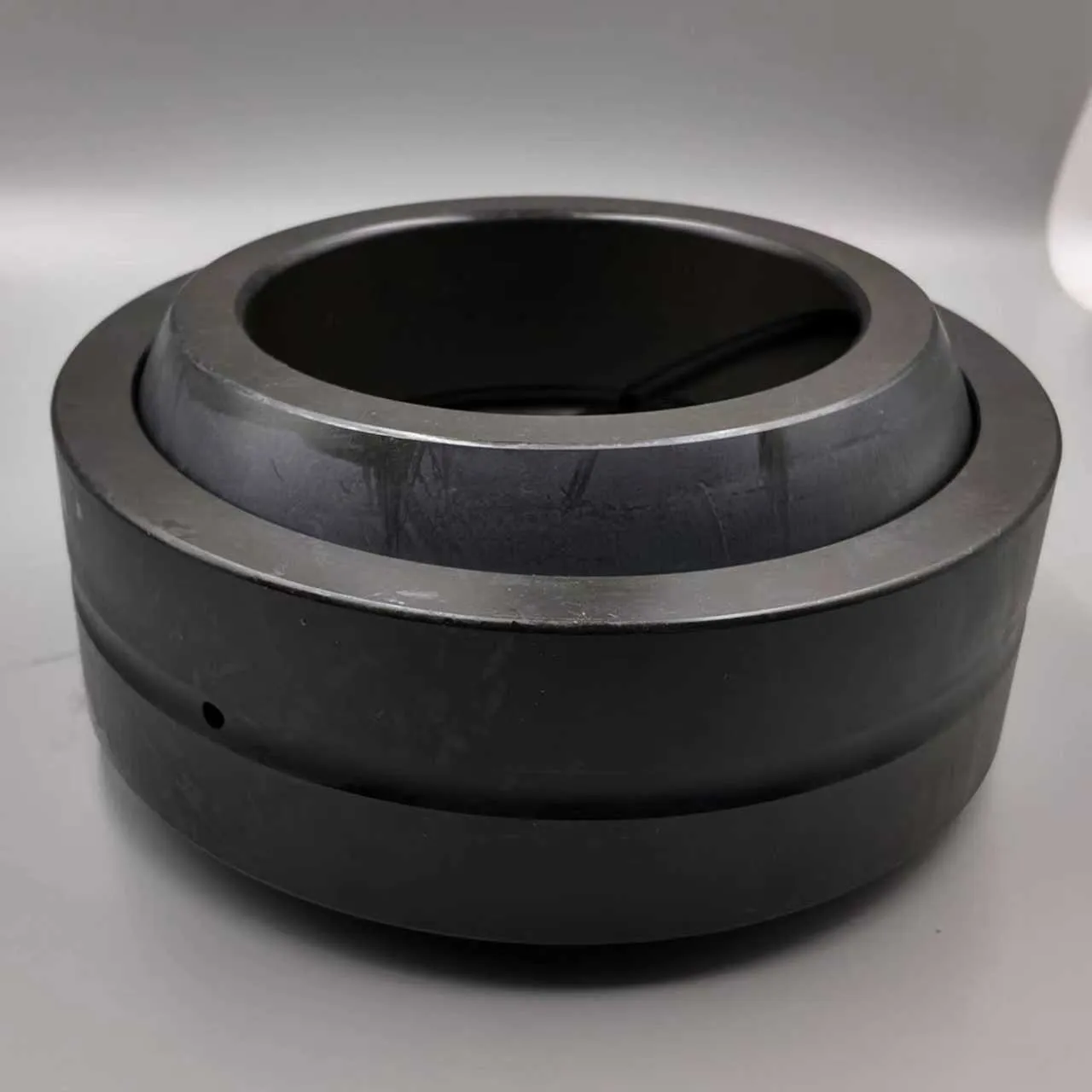 707-46-14010 • BUSHING-Komatsu Original Factory
 -
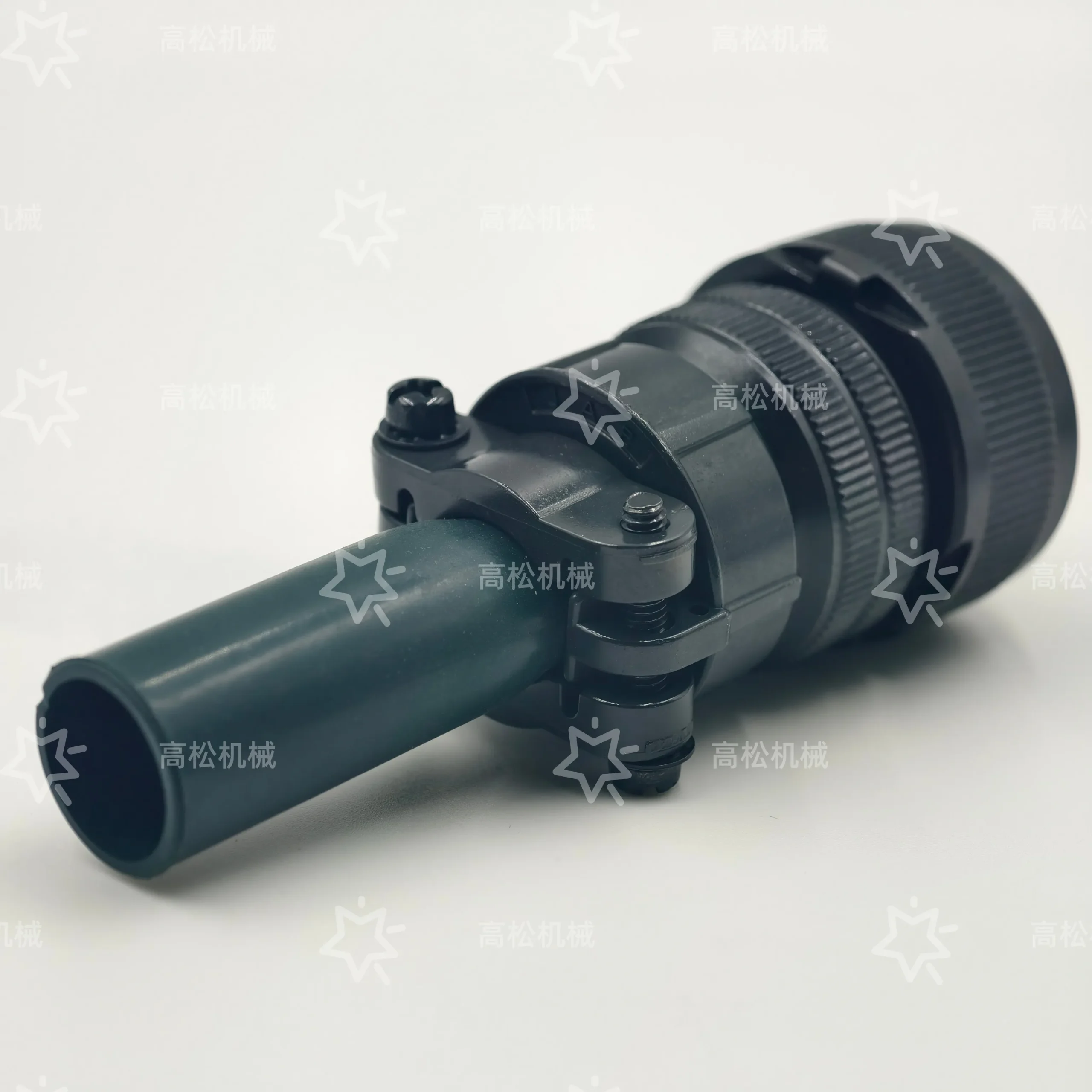 175-06-37871 Komatsu Plug
 -
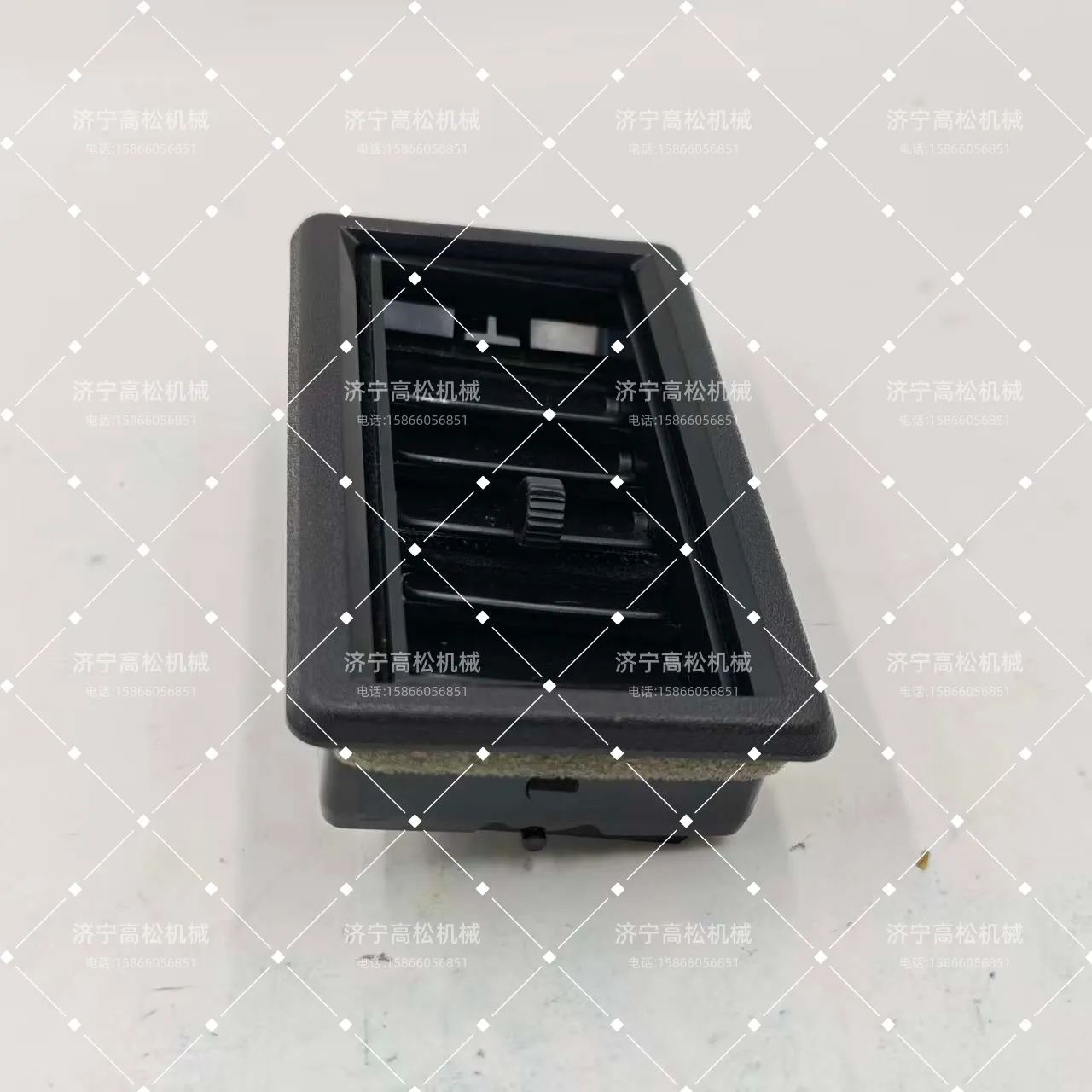 Komatsu 17A-54-18270 Inside cover for D155AX-5 Bulldozer
 -
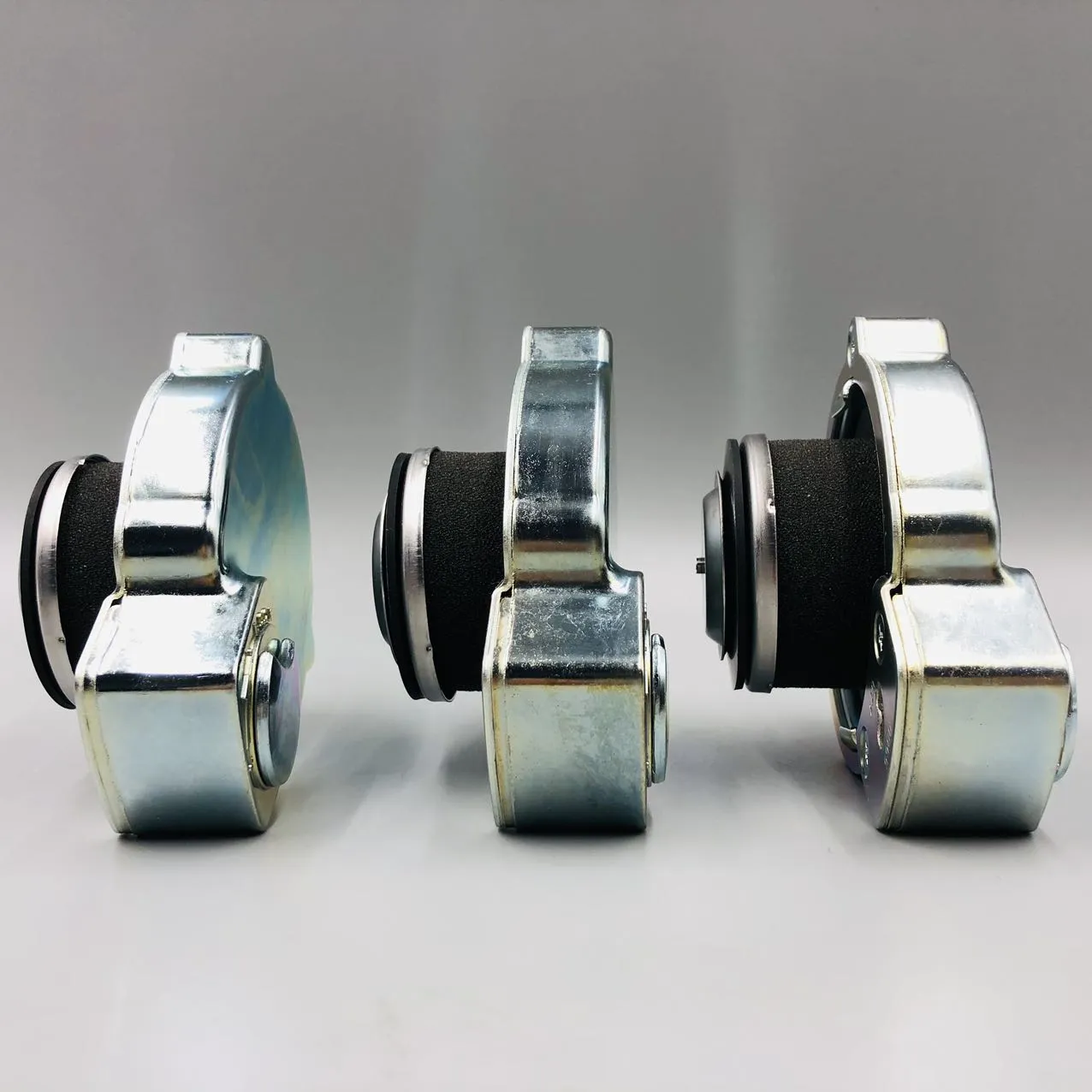 17A-60-11310Hydraulic oil cap assembly
 -
 CORE ASSEMBLY 6506-21-5921, myKomatsu
 -
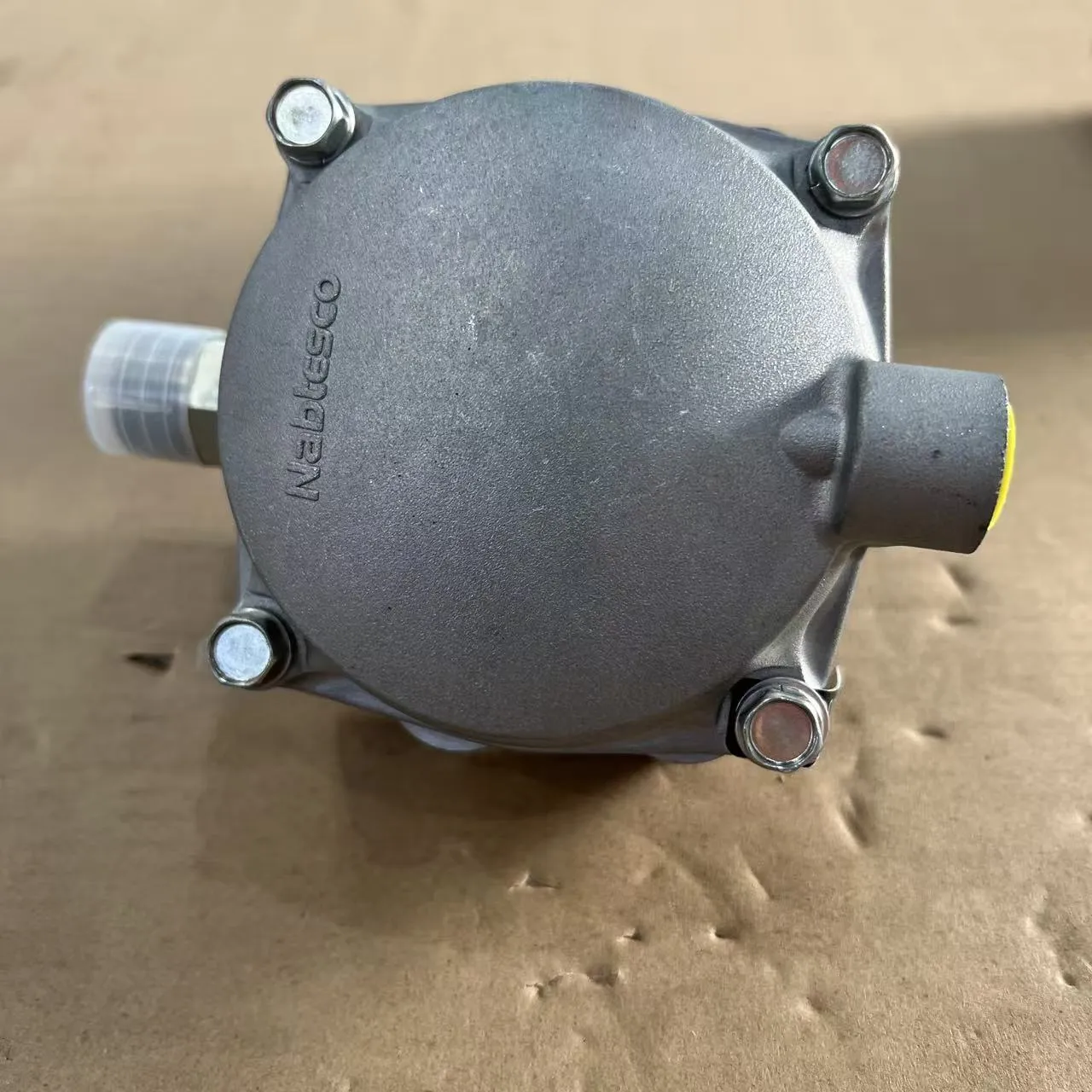 Relay Valve 561-35-61601 for Komatsu Dump Truck…
 -
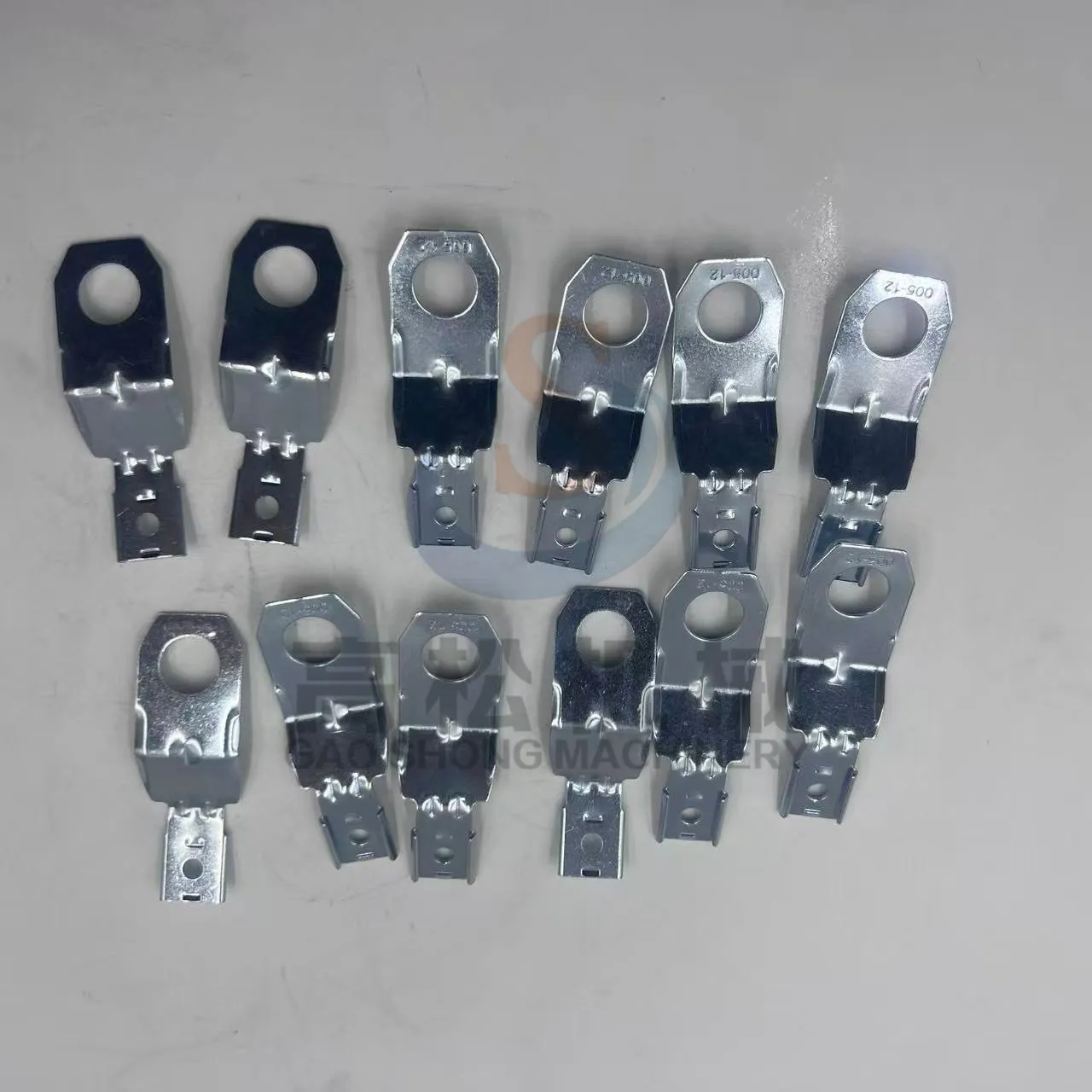 08193-21012 Clip (Komatsu)
 -
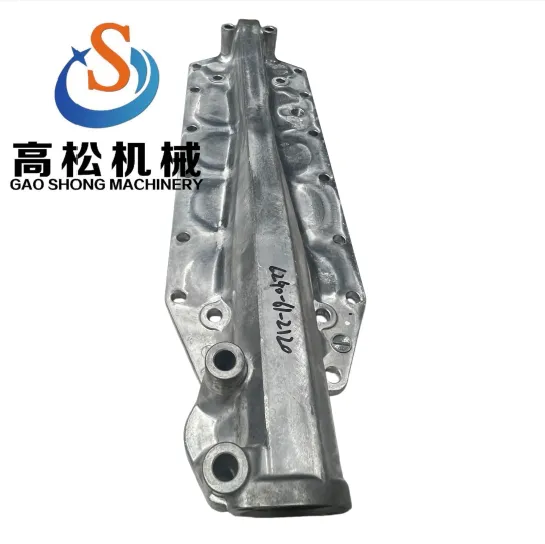 Engine Oil Cooler Cover for Cummins QSK23 SA6D170 Engine 4096006 6240-61-2120 Oil Cooler Cover 6240612120
 -
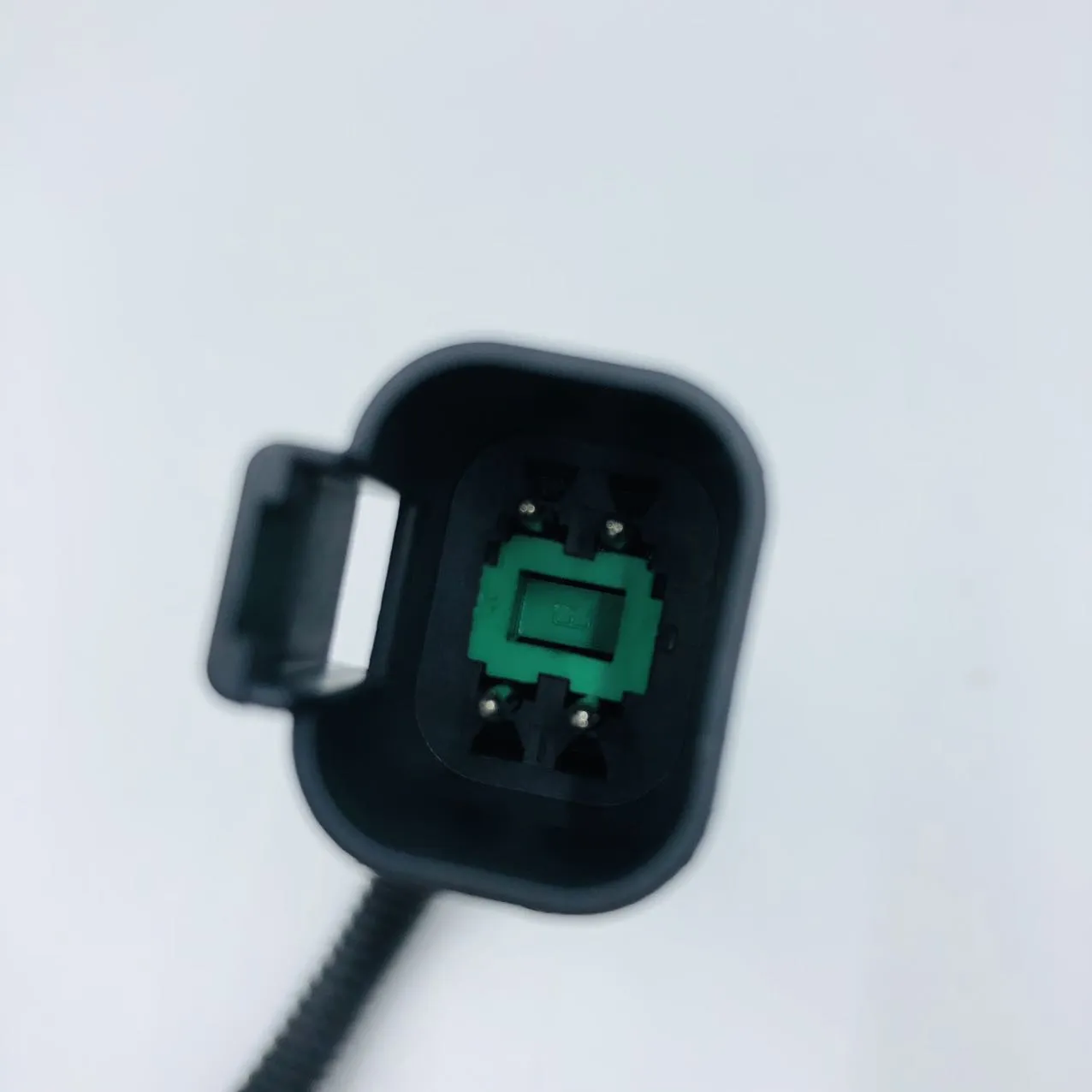 7861-93-5410Komatsu Acceleration Sensor, 7861-93-5410
 -
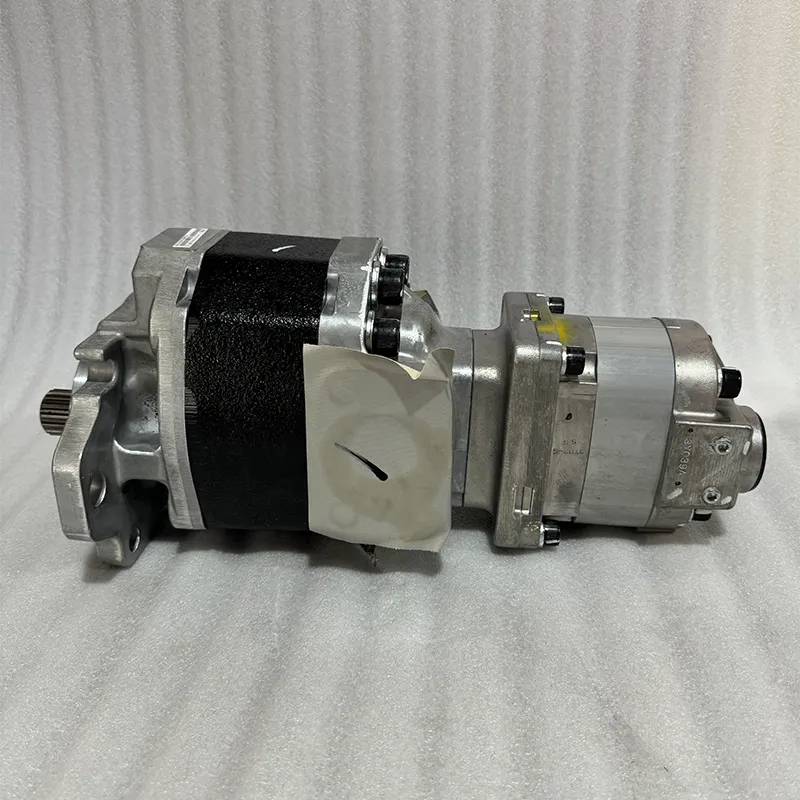 Original komatsu HD605-7R Gear Pump 705-95-05140
 -
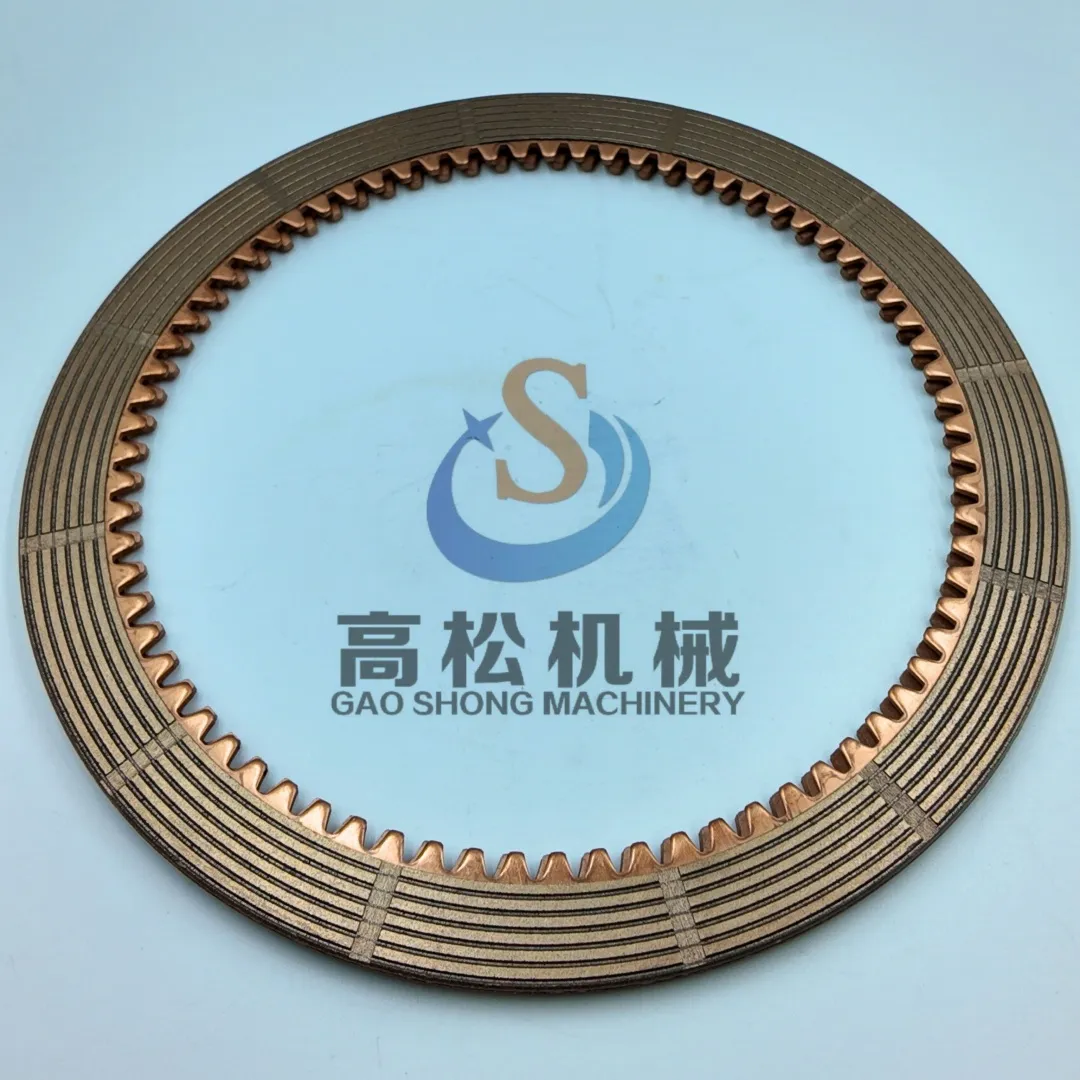 23S-15-12710 – DISC FRICTION – FITS KOMATSU
 -
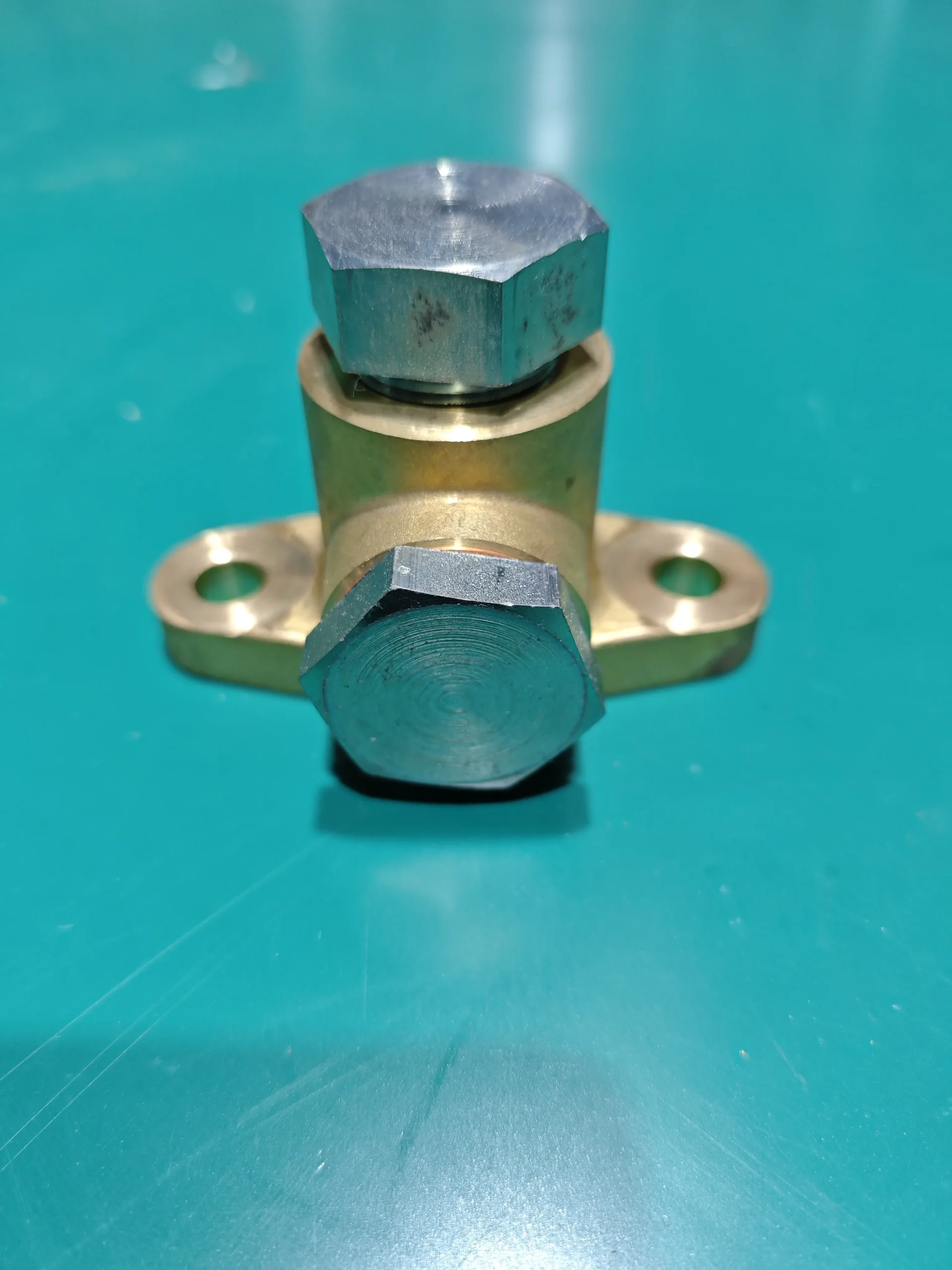 6693-22-5600 VALVE ASS’Y,OIL PAN DRAIN (Komatsu)