
- Chinese
- French
- German
- Portuguese
- Spanish
- Russian
- Japanese
- Korean
- Arabic
- Irish
- Greek
- Turkish
- Italian
- Danish
- Romanian
- Indonesian
- Czech
- Afrikaans
- Swedish
- Polish
- Basque
- Catalan
- Esperanto
- Hindi
- Lao
- Albanian
- Amharic
- Armenian
- Azerbaijani
- Belarusian
- Bengali
- Bosnian
- Bulgarian
- Cebuano
- Chichewa
- Corsican
- Croatian
- Dutch
- Estonian
- Filipino
- Finnish
- Frisian
- Galician
- Georgian
- Gujarati
- Haitian
- Hausa
- Hawaiian
- Hebrew
- Hmong
- Hungarian
- Icelandic
- Igbo
- Javanese
- Kannada
- Kazakh
- Khmer
- Kurdish
- Kyrgyz
- Latin
- Latvian
- Lithuanian
- Luxembou..
- Macedonian
- Malagasy
- Malay
- Malayalam
- Maltese
- Maori
- Marathi
- Mongolian
- Burmese
- Nepali
- Norwegian
- Pashto
- Persian
- Punjabi
- Serbian
- Sesotho
- Sinhala
- Slovak
- Slovenian
- Somali
- Samoan
- Scots Gaelic
- Shona
- Sindhi
- Sundanese
- Swahili
- Tajik
- Tamil
- Telugu
- Thai
- Ukrainian
- Urdu
- Uzbek
- Vietnamese
- Welsh
- Xhosa
- Yiddish
- Yoruba
- Zulu
- Kinyarwanda
- Tatar
- Oriya
- Turkmen
- Uyghur





zenoah komatsu engine
When you hear 'Zenoah Komatsu engine', it's easy to get tangled. Is it a Komatsu engine? A Zenoah engine for Komatsu gear? Having sourced and dealt with these for years, I can say the confusion is common. Many assume it's a primary power plant for large excavators, which is a fundamental misstep. The reality is more specific, tied to auxiliary systems and certain regional equipment histories, and understanding this distinction saves a lot of headaches in parts procurement and application.
The Core Confusion and the OEM Reality
The relationship isn't about Komatsu manufacturing Zenoah engines. Zenoah, historically known for robust two-stroke and small four-stroke engines, supplied specialized power units to Komatsu for specific applications. Think of it as an OEM arrangement. You'd find these engines not driving tracks or main hydraulics, but powering critical ancillary systems. A classic example is the air compressor unit on older Komatsu wheel loaders or the hydraulic pump drive for certain attachments. They're compact, air-cooled, and built for reliability in a support role.
This is where the OEM system context matters. A company like Jining Gaosong Construction Machinery Co., Ltd. operates precisely within this ecosystem. As an OEM product supplier within the Komatsu system, they navigate these exact specifications. Their role isn't just about selling a generic Zenoah engine; it's about providing the exact power unit that was specified for a Komatsu machine's subsystem, ensuring dimensional, mounting, and output compatibility that a generic replacement might lack.
The pitfall I've seen is mechanics trying to swap in a standard Zenoah G-series engine, only to find the PTO orientation is wrong or the governor linkage is incompatible. The Zenoah Komatsu engine is often a bespoke variant. You can't just go by the base model number; you need the Komatsu part number or the specific OEM supplier code. This granularity is what separates a parts seller from a system-integrated supplier.
Application Realities and Field Observations
Where do you actually encounter these? Older models, primarily. Komatsu's PC200-3, PC300-3 series sometimes used them for compressor drives. I recall a PC300-3 where the compressor quit. The main engine was fine, but the machine was down because this small, dedicated Zenoah Komatsu engine had a seized piston. The local dealer didn't stock it—obsolete. The customer faced weeks of downtime until we tapped into a specialized channel for these legacy OEM parts.
This scenario is exactly the challenge Jining Gaosong Construction Machinery addresses. Their position allows them to help solve parts supply challenges in certain countries for such niche components. It's not about high-volume items; it's about accessing the obscure, system-critical parts that the main dealer network may have phased out. Their website, https://www.takematsumachinery.com, becomes a resource for these specific puzzles.
The engines themselves are typically simple, which is their virtue. Air-cooled, single-cylinder, four-stroke. But simple doesn't mean indestructible. The common failure points are often neglect-related: the carburetor getting gunked up from old fuel, the small oil sump running low because no one checks it (it's just the compressor engine, right?), or the cooling fins clogging with dirt, leading to overheating. I've rebuilt a few where the only real damage was a scored cylinder from overheating—entirely preventable.
Procurement and Cross-Reference Pitfalls
Sourcing is the real test. Searching for Zenoah Komatsu might yield nothing. You need the Komatsu part number, like 20M-XX-XXXXX. Sometimes, that number is only useful within Komatsu's system, pointing to an assembly. You then need to find the sub-component—the engine itself—which might have its own Zenoah model number, something like GZ-440K. The 'K' suffix is often the tell.
Here's a practical note: I once ordered what was listed as a compatible unit. It arrived, physically identical, but the crankshaft taper for the pump coupling was off by a few degrees. The machine ran, but the vibration was terrible, leading to a premature pump seal failure. Lesson learned: compatible isn't sufficient for these integrated OEM units. Exact specification is non-negotiable. This is the value of a supplier embedded in the system; they understand these nuances from the blueprint level.
Jining Gaosong Construction Machinery Co., Ltd., as a third-party sales company for Komatsu, fills a gap here. They can often provide these exact-match components or the technical clarification needed to avoid the almost right mistake. Their company focus on solving supply challenges implies a deeper inventory or network for these legacy, system-specific parts than a general engine distributor.
Maintenance Mindset for Auxiliary Power
The biggest operational mistake is treating these engines as fit and forget. They're often tucked away, out of sight. Maintenance schedules for the main engine are followed religiously, while this small unit is ignored until it fails. I advocate for including it in every routine service: check oil, clean the air filter (often a tiny foam element), inspect cooling fins, and run fresh fuel stabilizer through it if the machine sees seasonal use.
Their simplicity means most repairs are straightforward for a mechanic—rings, bearings, carb kits. The challenge is getting the correct repair kit. A standard Zenoah G430 kit might work, but the head gasket thickness or jet size in the carb could be specific. I keep a log of which base Zenoah model aligns with which Komatsu part number based on past jobs. It's not official data, just field notes, but it's saved me days of downtime more than once.
This hands-on, note-keeping approach is what defines real equipment management. It's not glamorous, but it keeps machines earning. The Zenoah Komatsu engine is a perfect case study: a minor component with the power to halt a major asset, emblematic of the entire heavy equipment ecosystem where understanding OEM relationships and niche supply chains is as critical as knowing how to turn a wrench.
The Evolving Niche and Supplier Relevance
Today, newer Komatsu machines have largely moved to electric-driven or directly PTO-driven auxiliary systems. The era of a dedicated small engine for a compressor is fading. However, thousands of older machines are still working globally, especially in developing markets or with second/third owners. The demand for these specific engines and parts is now a legacy support game.
This evolution makes the role of specialized suppliers even more pronounced. When the official pipeline dries up, the network of companies that understand these historical OEM specifications becomes vital. It's not about pushing volume; it's about sustaining existing fleets. The value is in the knowledge—knowing that a part for a 25-year-old loader requires a specific OEM sub-supplier code.
So, when you're dealing with a Zenoah Komatsu engine, you're really dealing with a slice of equipment history and a specific procurement challenge. It's a reminder that in this industry, the most frustrating problems often come in small, air-cooled packages, and solving them requires more than a web search—it requires tapping into the right specialized network, the kind built by entities that operate within the system's own fabric, like an integrated OEM supplier and third-party specialist.
Related Products
Related Products
Best Selling Products
Best Selling Products-
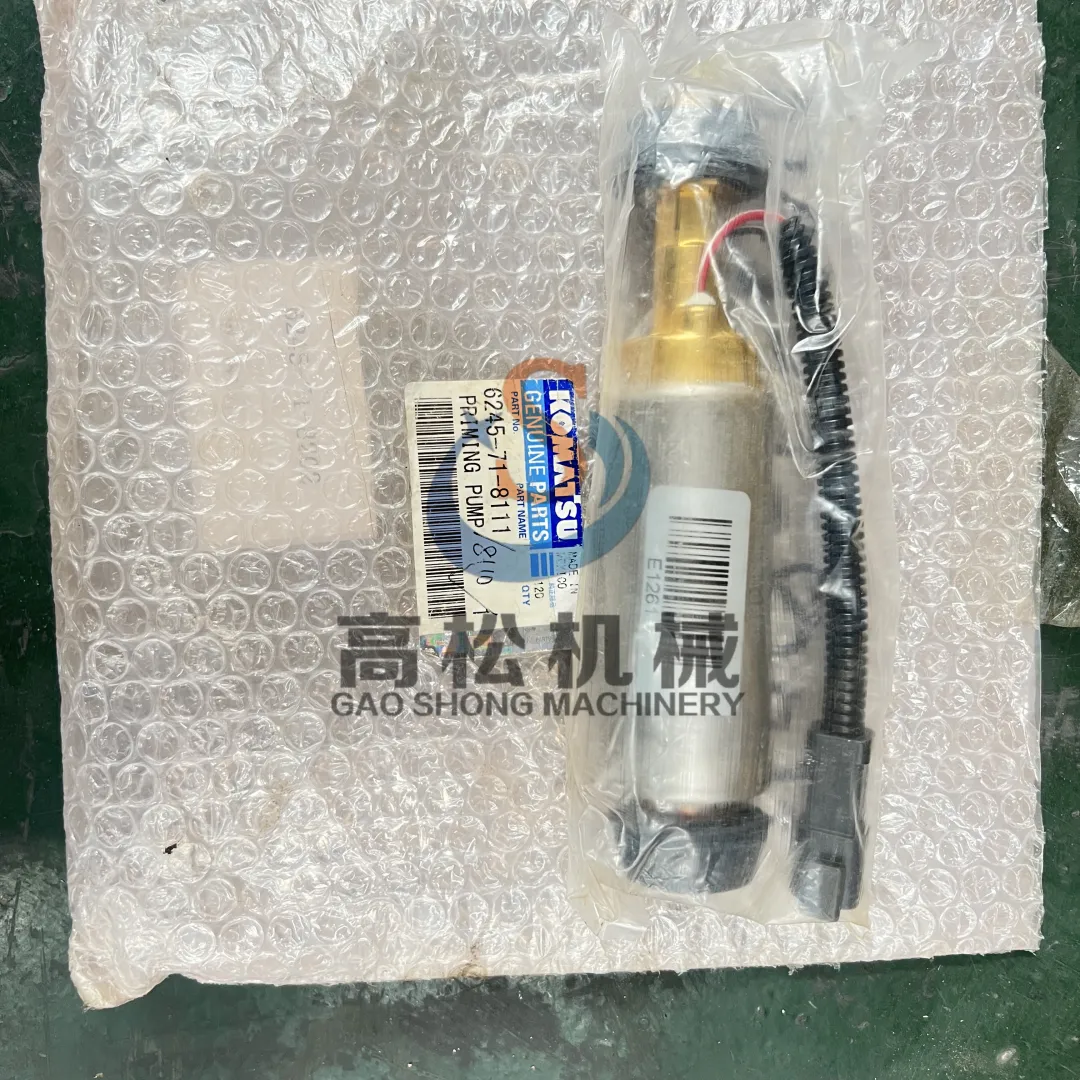 6245-71-8111 Komatsu Pump Assembly, Priming komatsu original
 -
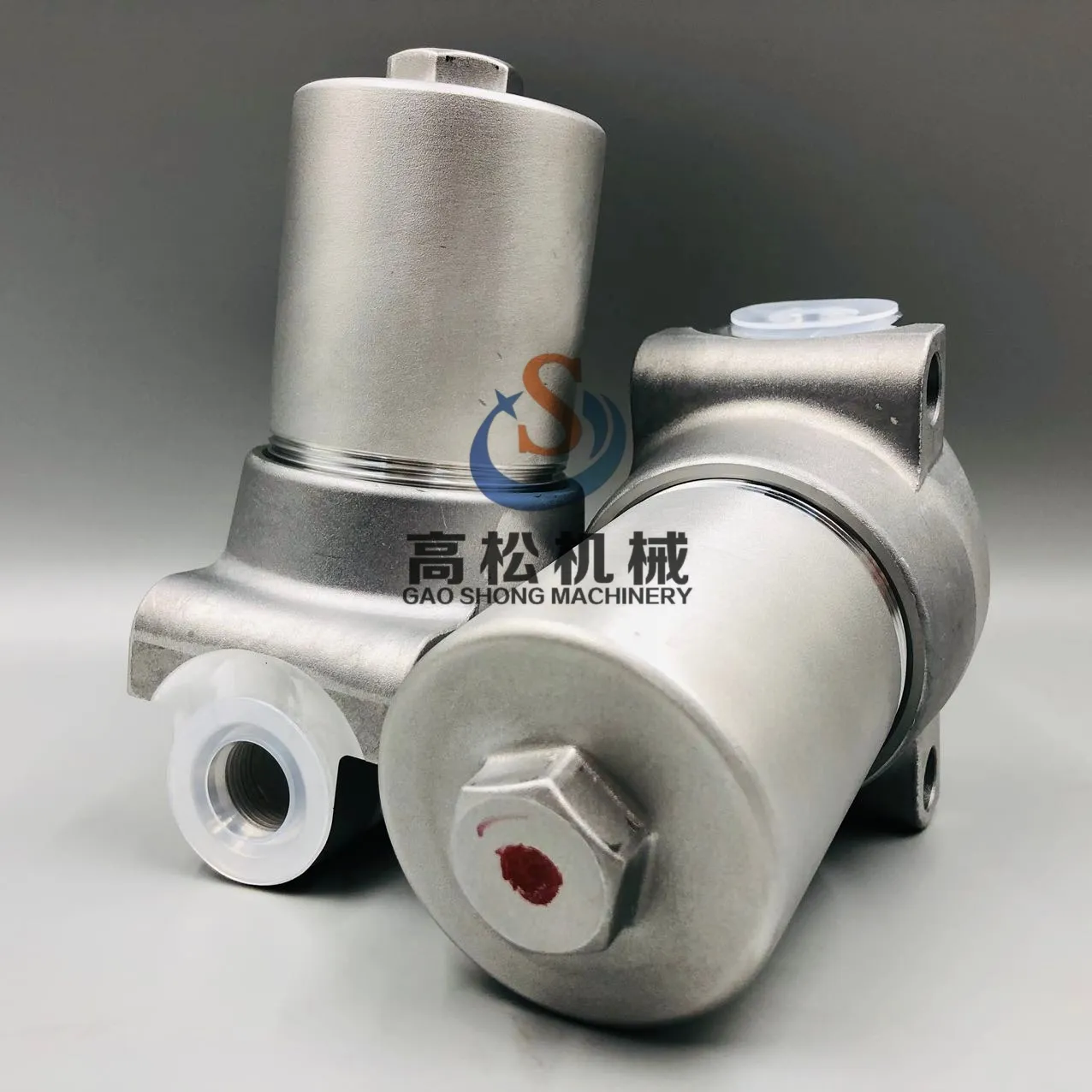 20Y-62-51681 Filter Assembly for PC130 PC220 PC240 PC270 PC290 PC300 PC350 PC400
 -
 7861-93-5410Komatsu Acceleration Sensor, 7861-93-5410
 -
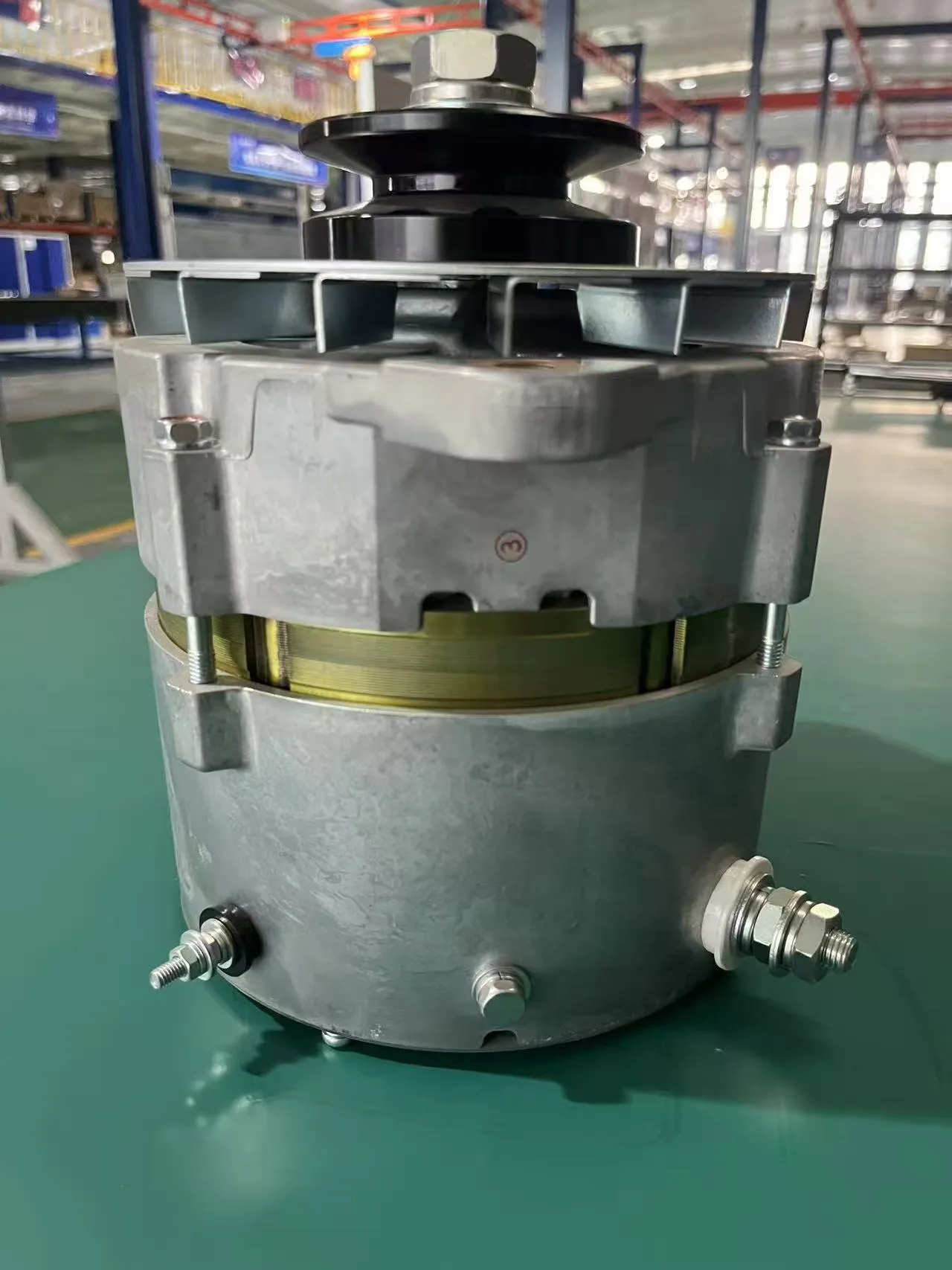 Hd 6d170 12v140 Engine Alternator Parts 600-821-9631…
 -
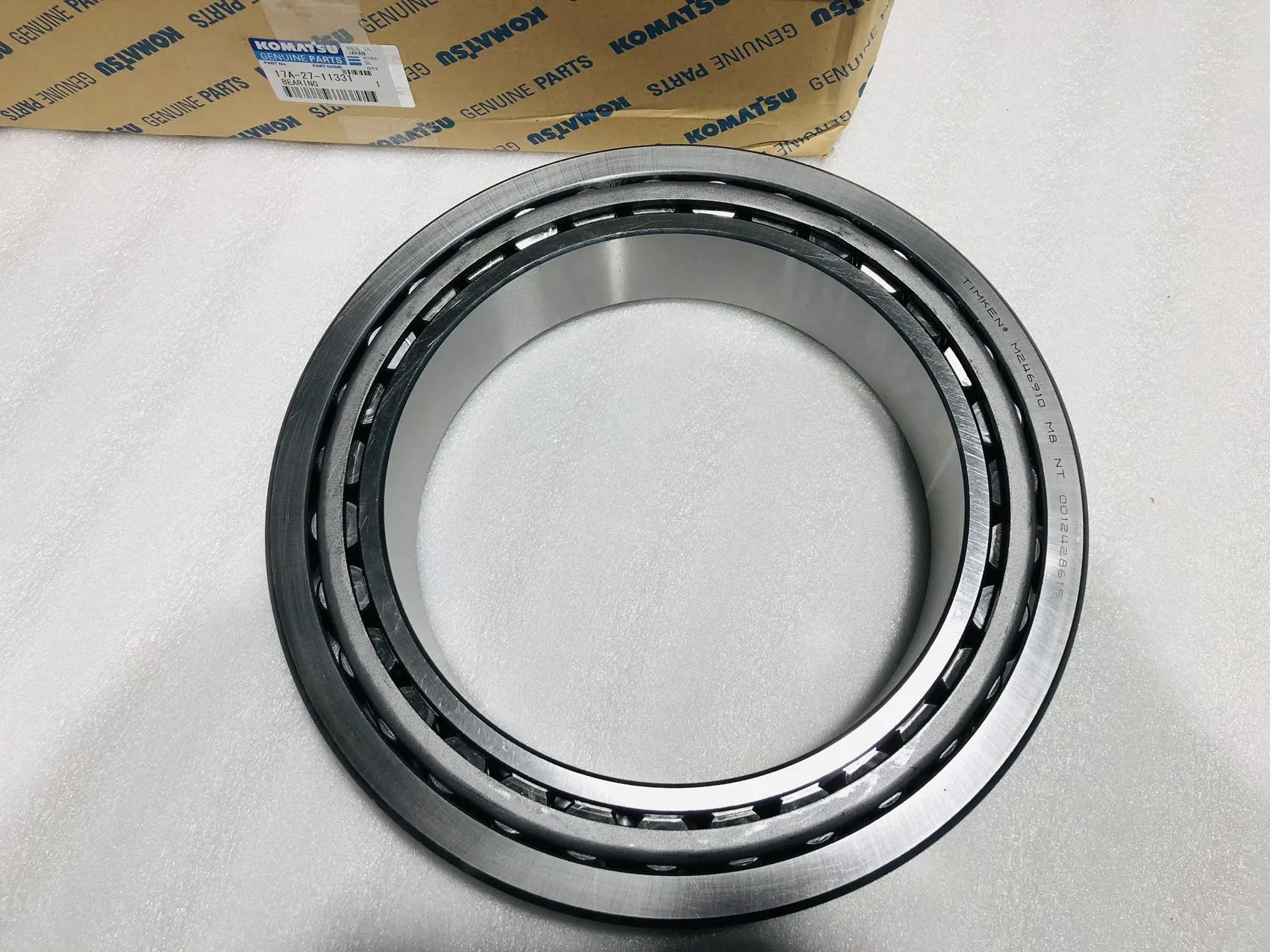 KOMATSU-BEARING 17A-27-11331
 -
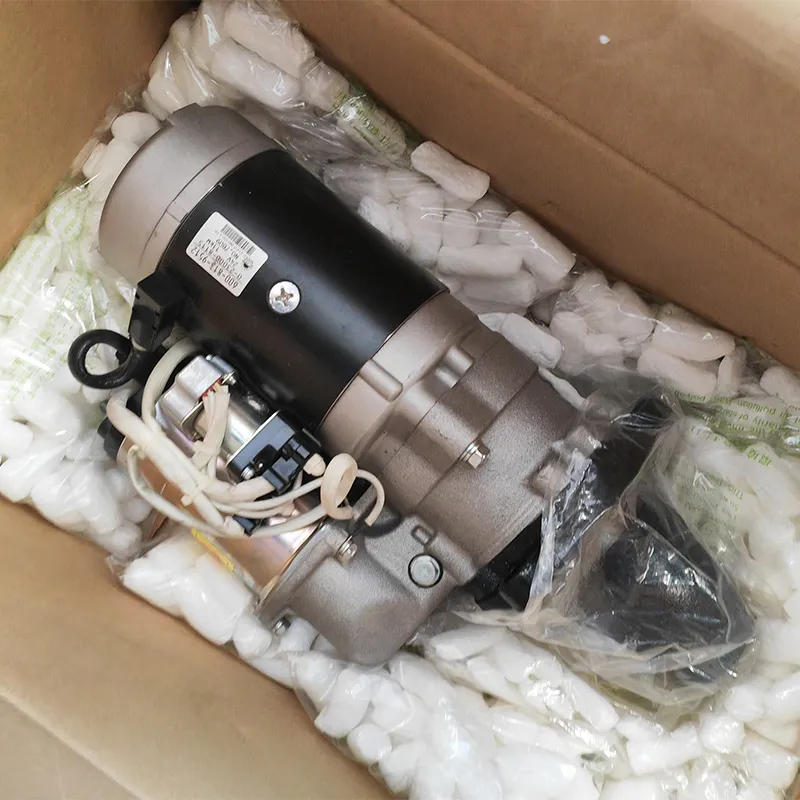 600-813-9512 Original komatsu Starter Motor for PC1250-8 D375-6 WA600-8
 -
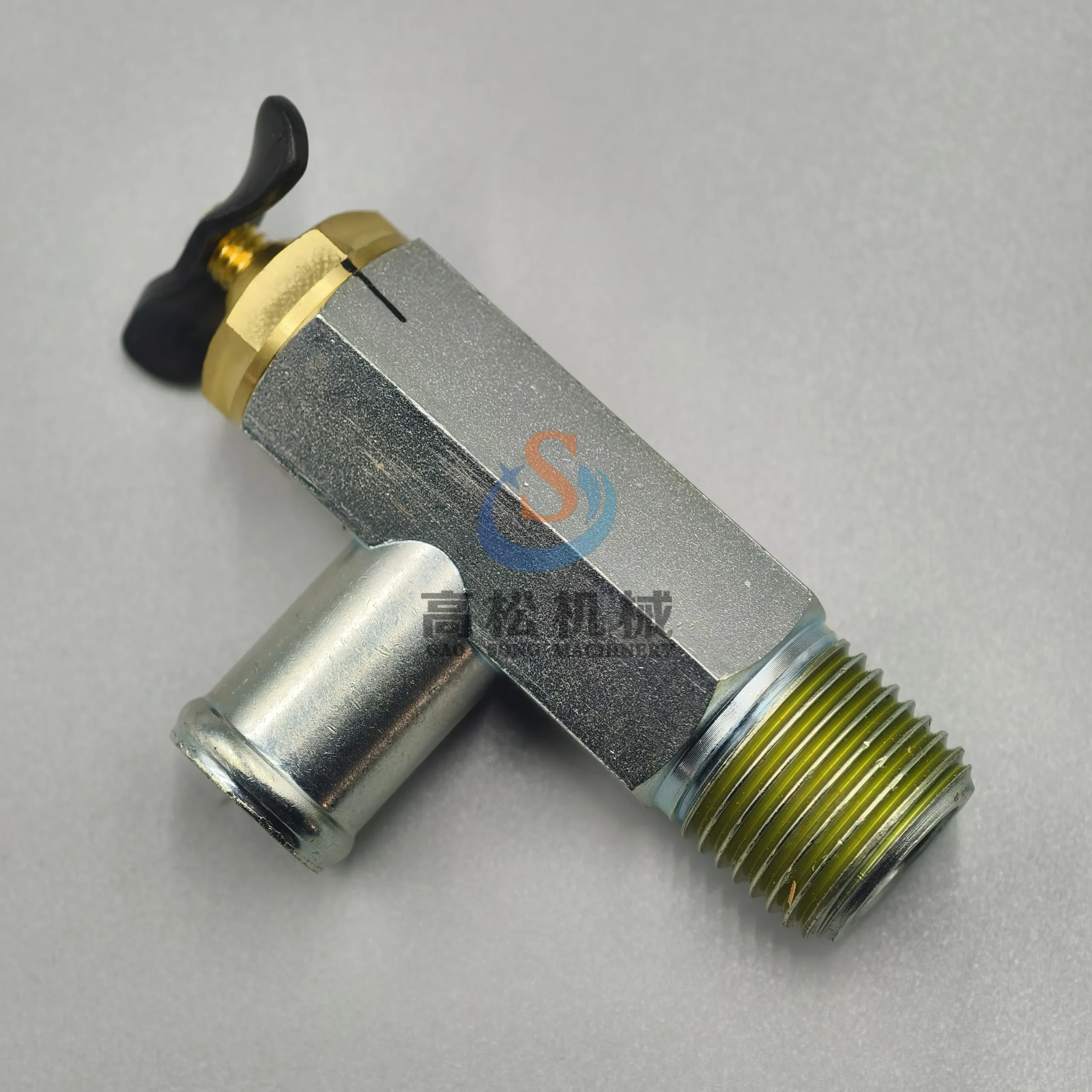 09482-10000 komatsu vavle-D275A/PC750/WA800
 -
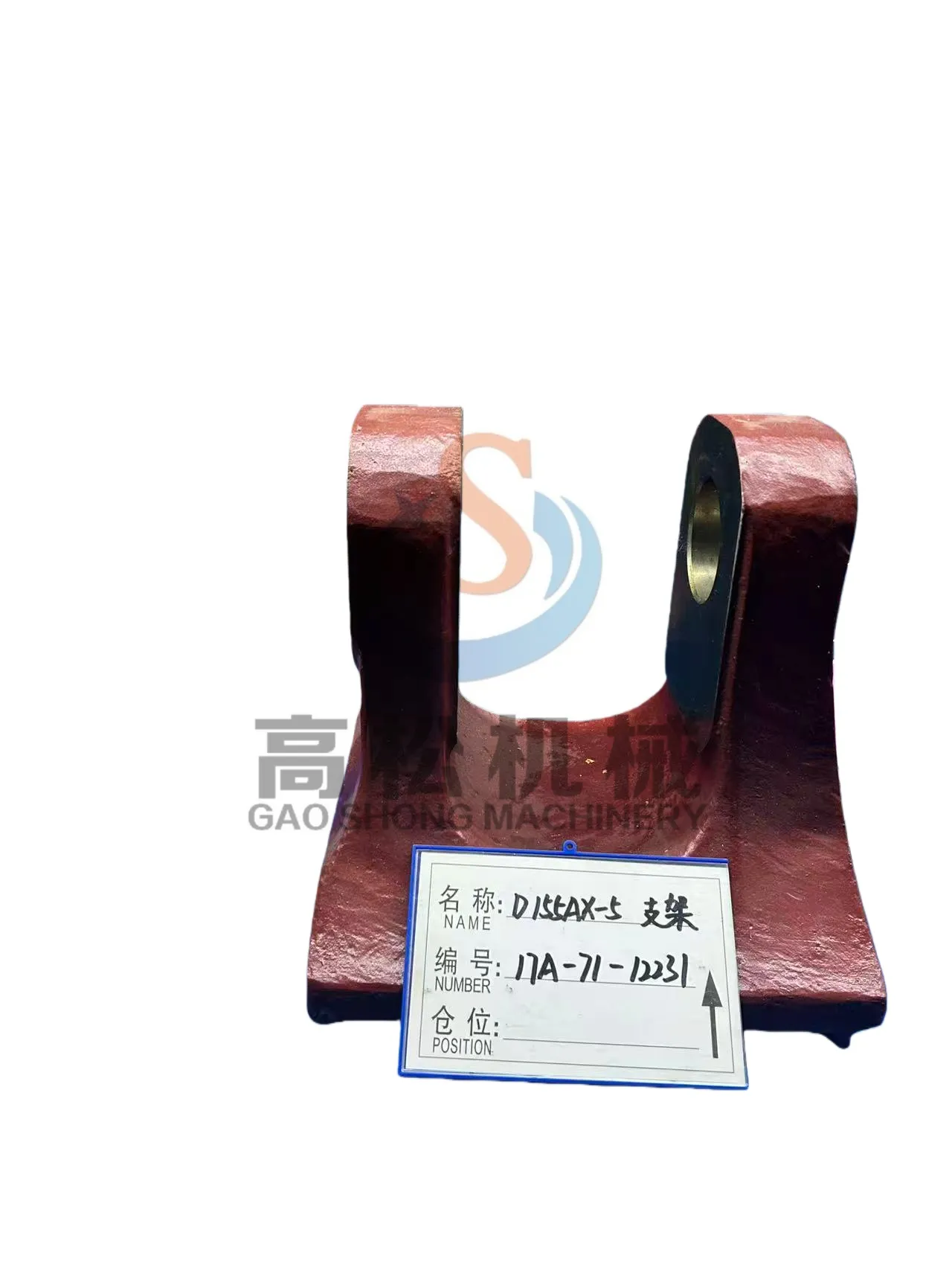 17A-71-12231 BRACKET (WELDED) D155AX-5 DOZER FRAME
 -
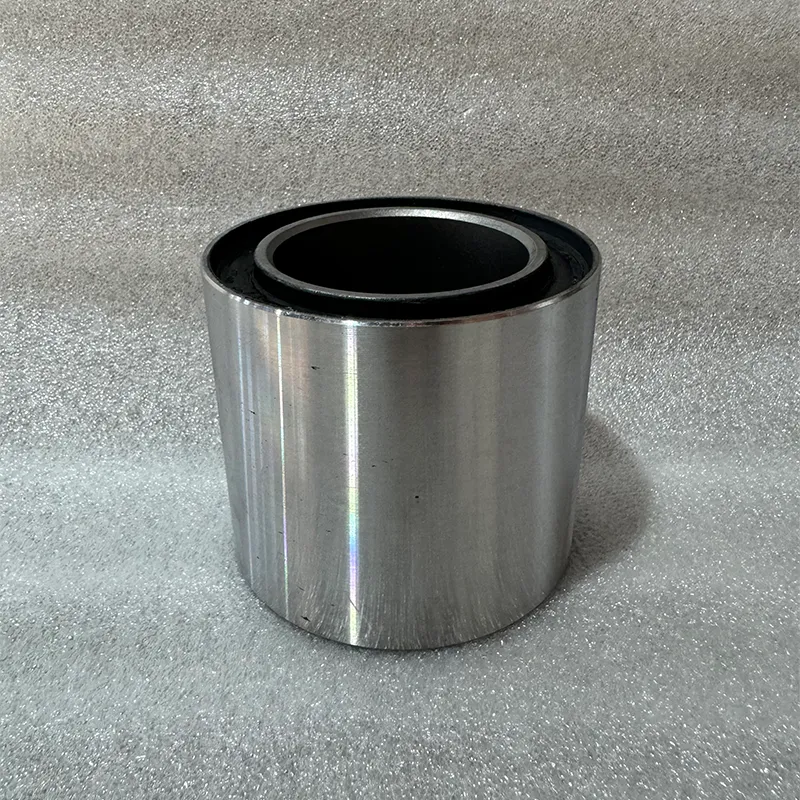 Original komatsu WA900-3 pad 569-14-41130
 -
 6693-22-5600 Komatsu Valve Assembly
 -
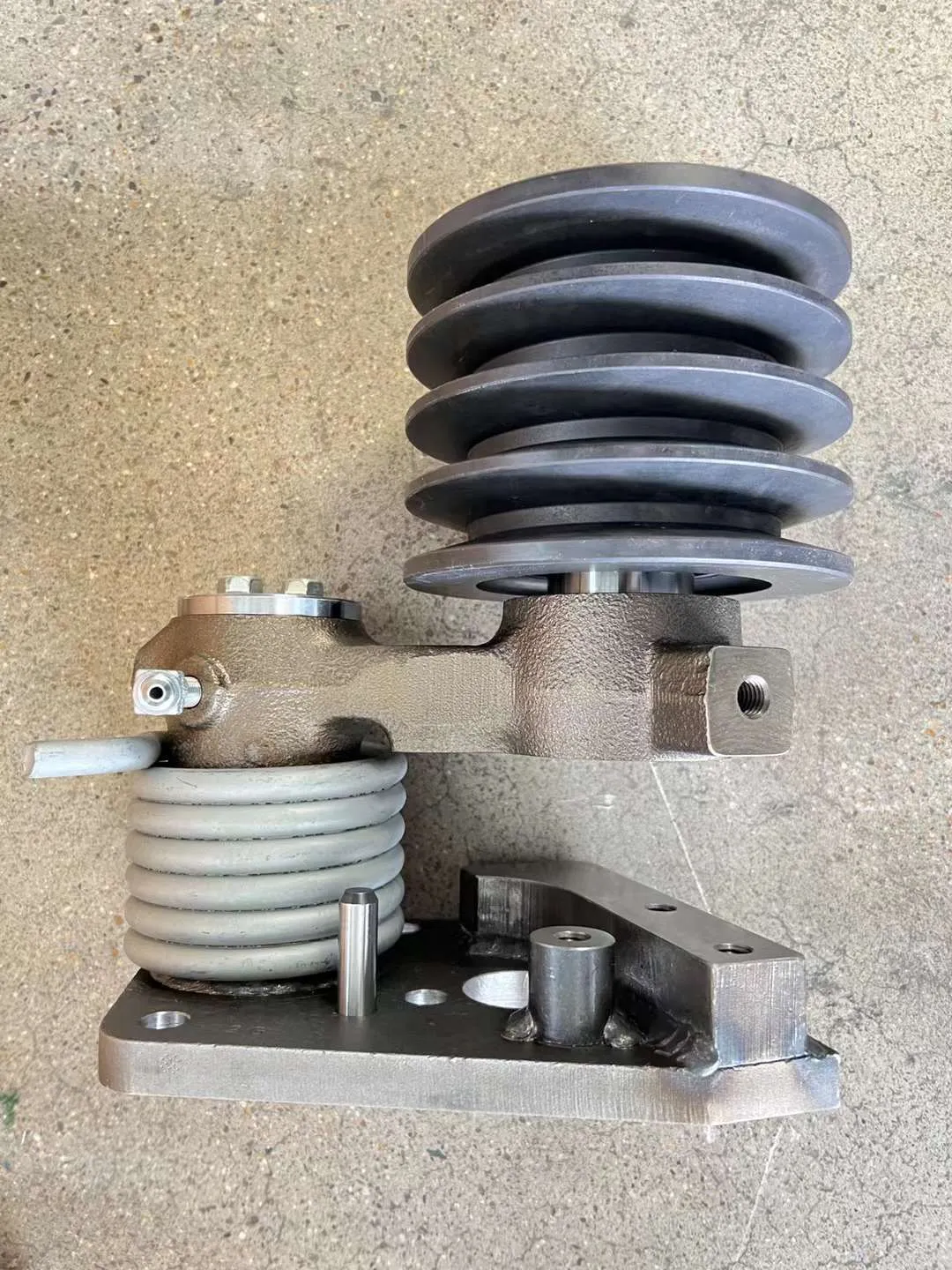 HD465-7R Tension Assembly 6245-61-3901
 -
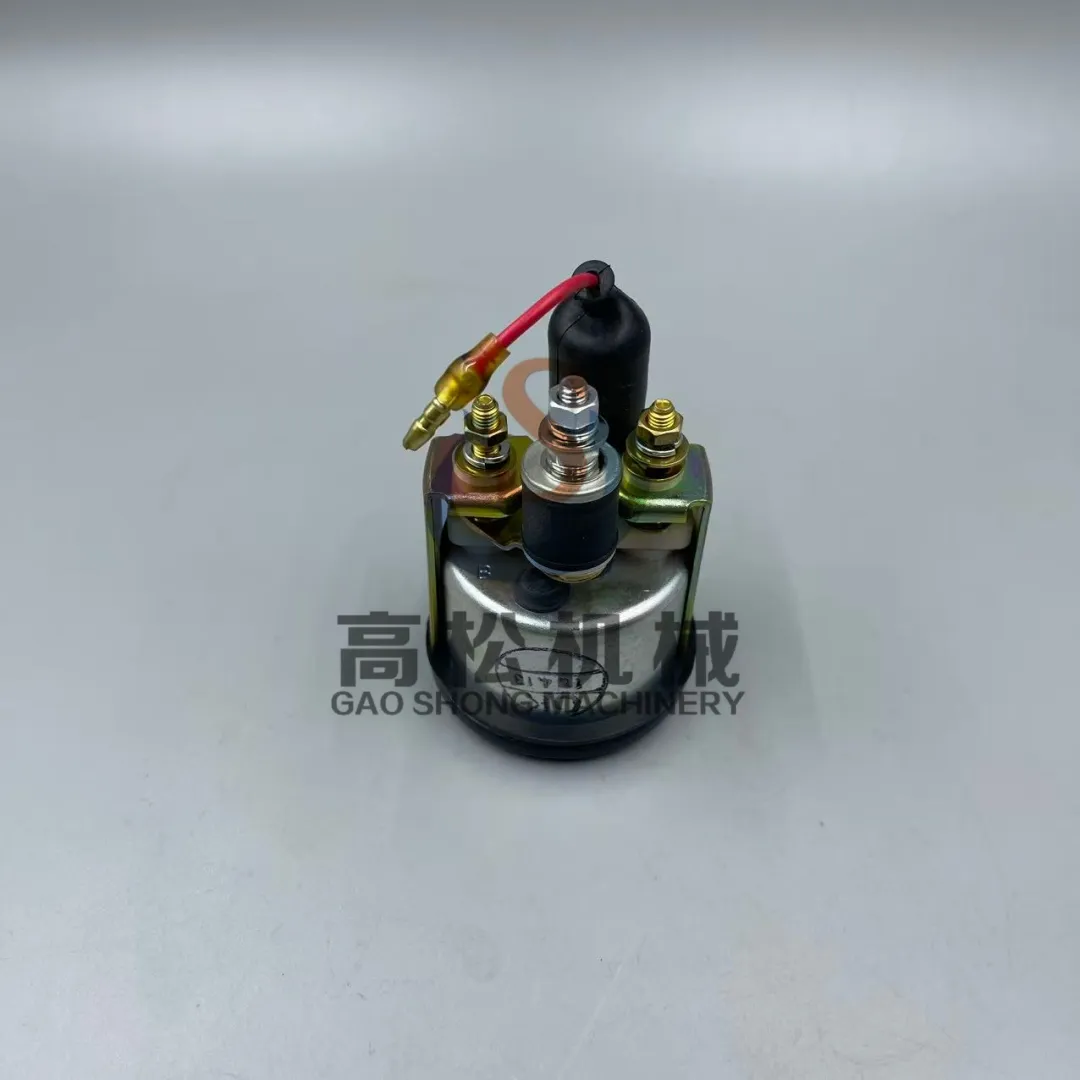 195-06-23110 – GAUGE, WATER TEMP 1950623110 fits KOMATSU