
- Chinese
- French
- German
- Portuguese
- Spanish
- Russian
- Japanese
- Korean
- Arabic
- Irish
- Greek
- Turkish
- Italian
- Danish
- Romanian
- Indonesian
- Czech
- Afrikaans
- Swedish
- Polish
- Basque
- Catalan
- Esperanto
- Hindi
- Lao
- Albanian
- Amharic
- Armenian
- Azerbaijani
- Belarusian
- Bengali
- Bosnian
- Bulgarian
- Cebuano
- Chichewa
- Corsican
- Croatian
- Dutch
- Estonian
- Filipino
- Finnish
- Frisian
- Galician
- Georgian
- Gujarati
- Haitian
- Hausa
- Hawaiian
- Hebrew
- Hmong
- Hungarian
- Icelandic
- Igbo
- Javanese
- Kannada
- Kazakh
- Khmer
- Kurdish
- Kyrgyz
- Latin
- Latvian
- Lithuanian
- Luxembou..
- Macedonian
- Malagasy
- Malay
- Malayalam
- Maltese
- Maori
- Marathi
- Mongolian
- Burmese
- Nepali
- Norwegian
- Pashto
- Persian
- Punjabi
- Serbian
- Sesotho
- Sinhala
- Slovak
- Slovenian
- Somali
- Samoan
- Scots Gaelic
- Shona
- Sindhi
- Sundanese
- Swahili
- Tajik
- Tamil
- Telugu
- Thai
- Ukrainian
- Urdu
- Uzbek
- Vietnamese
- Welsh
- Xhosa
- Yiddish
- Yoruba
- Zulu
- Kinyarwanda
- Tatar
- Oriya
- Turkmen
- Uyghur






used komatsu parts
When most people search for 'used Komatsu parts', they're usually just looking for the cheapest way to get a machine running again. I get it. But that mindset is where the first big mistake happens. It's not just about finding a part that fits; it's about finding a part that works, reliably, for more than just a week. I've seen too many guys buy a 'reconditioned' hydraulic pump from a random online listing, only to have it fail catastrophically and take out a valve block with it. The cost saving vanished instantly. The real value isn't in the initial price, it's in the total cost of ownership—downtime included. That's the core thing the market often misses.
The OEM Shadow and the Aftermarket Maze
Working within the Komatsu system, you see the clear divide. There's the official channel—secure, traceable, painfully expensive, and sometimes subject to long lead times depending on your region. Then there's the wild west of the aftermarket. This is where the term used Komatsu parts gets murky. Is it a genuine Komatsu part pulled from a wreck? A pattern part made to look old? Or a genuine part that's been rebuilt, and if so, to what standard? I've spent hours on inspection floors, looking at supposed 'low-hour' D61P-23 dozer final drives. The serial numbers might match, but the internal pitting tells a story of poor maintenance and water ingress. You learn to judge not just the part, but its history.
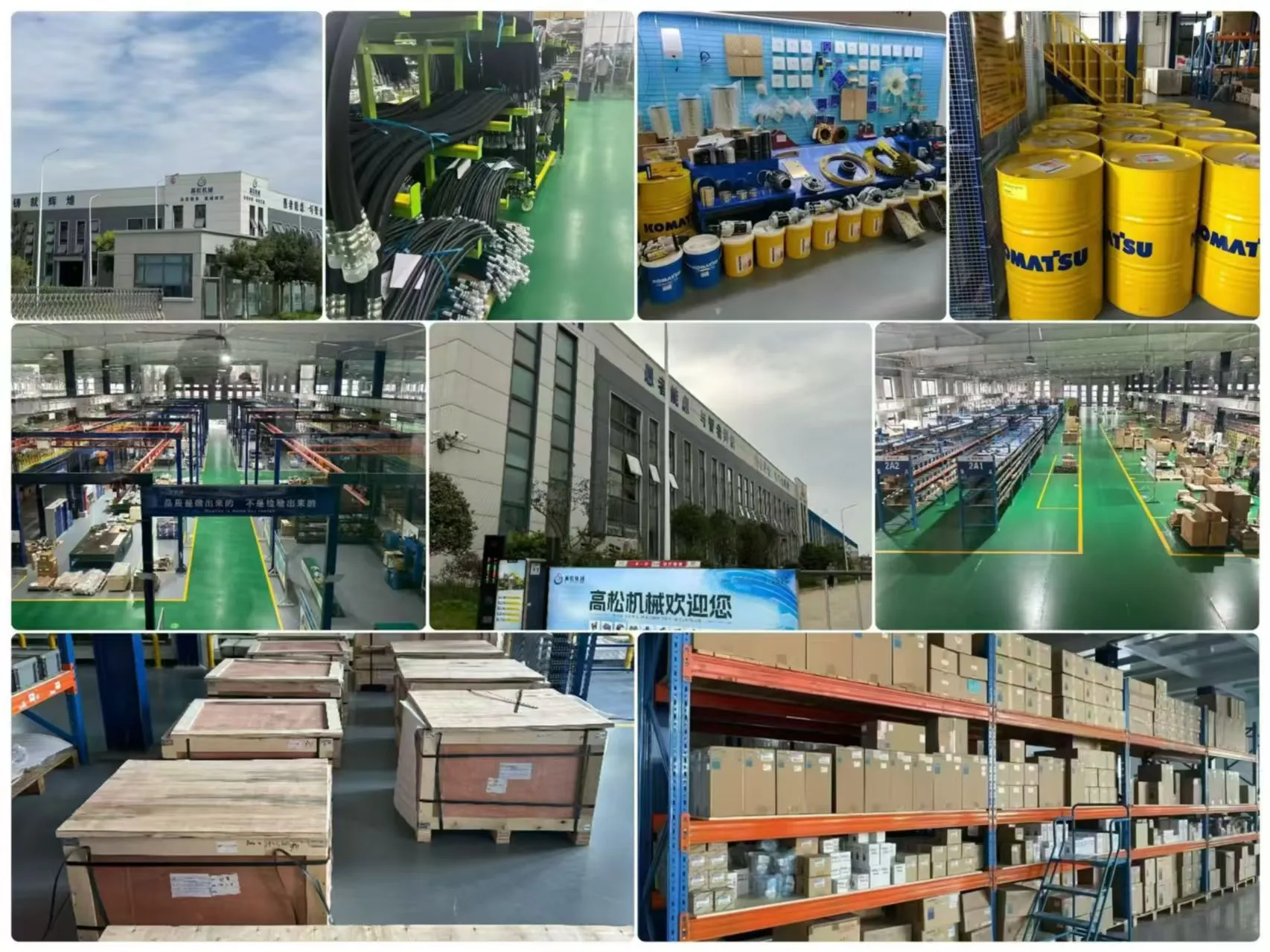
This is where a company's position becomes critical. Take Jining Gaosong, for instance. Their setup is interesting because they operate in that hybrid space. As they note on their site, https://www.takematsumachinery.com, they are an OEM product supplier within Komatsu's system but also act as a third-party sales channel. In practice, what this means for a buyer is potential access to genuine surplus or superseded stock—parts with OEM provenance but outside the rigid official supply chain. It's a nuanced role aimed at solving specific supply challenges, particularly in markets where the official network is thin or slow.
The maze isn't just about authenticity, though. It's about specification creep. A Komatsu PC300-8 from 2012 might have had three minor updates to its swing motor design within that model year. A used part from an 'early' -8 might not bolt straight into a 'late' -8, despite the base model number being identical. You need more than a part number; you need the machine's serial number range and sometimes even the component's sub-serial. I've been caught out by this before, assuming compatibility and ending up with a very expensive paperweight. Now, it's the first question I ask any supplier.
The Inspection Ritual: What You're Really Looking For
Let's say you find a source. The price is right, the part number seems to match. Now the real work begins. If you can't inspect it physically, you're gambling. Photos are never enough. You need video. A video of the used Komatsu parts being rotated, showing seal surfaces, bolt holes, any identification stamps. For an engine or a pump, you need to see inside the ports—evidence of moisture, corrosion, or scoring tells you everything about its storage conditions. I once received a supposedly good SAA6D140E cylinder head where the coolant passages were completely clogged with silicate dropout from mixing coolants. It was clean on the outside, ruined on the inside.
Wear patterns are a language. On a used track chain, you don't just measure the pin height. You look for uneven wear on the bushings, which indicates a misaligned idler or sprocket on its previous machine. That uneven stress follows the part. On a control valve, you look for scratches around the solenoid ports from someone using the wrong tool during removal. That speaks to the care taken during salvage. This level of scrutiny separates a professional parts resourcer from a scrap yard.
And then there's testing. For electronic components—ECUs, sensors, monitors—you're almost always buying untested unless specified. A used Komatsu monitor might power on, but have dead pixels or a faulty touch layer. The gamble factor is high. For hydraulic components, some reputable rebuilders will provide a test pressure chart. If they don't, you have to factor in the cost and risk of sending it to a hydraulic shop yourself before installation. It adds layers, but skipping them is what kills budgets.
The Logistics and Hidden Cost Pitfalls
Everyone calculates the part cost. Few accurately calculate the logistics and ancillary cost. A used Komatsu engine isn't just an engine. It's a 3-ton crate that needs specialized handling. I've had shipments held up in customs for weeks because the commercial invoice just said used engine without the precise HS code and value declaration. The demurrage fees exceeded the part's cost. Now, I only work with suppliers who have experience in international freight for heavy machinery parts. Their website, Takematsu Machinery, explicitly mentions solving supply challenges in certain countries, which implies they've navigated these customs and logistics nightmares before. That's a valuable, if unspoken, part of their service.
Then there's the fitment cost. A used final drive assembly might seem like a direct swap. But the old one has to be cut off, the mounting face on the track frame cleaned and inspected, new seals and bolts sourced. The labor hours can double if the used part requires modification or if you discover issues only upon installation. I always budget at least 20% on top of the part price for installation surprises. It's rarely less.
And warranty. What does the warranty on a used Komatsu part actually cover? Most cover the part only, not the labor to remove and refit it when it fails. A 90-day warranty on a used transmission sounds good until it fails on day 95, or it fails and takes your torque converter with it. You need clear, written terms. The best suppliers offer a fair warranty and stand by it, understanding that their reputation depends on it. The worst hide behind legalese. The company profile of Jining Gaosong suggests a formal link to the OEM system, which often (but not always) correlates with more structured warranty support compared to a pure third-party trader.
When It Makes Sense (And When It Doesn't)
So, when do you go used? For older models, where new OEM parts are discontinued or astronomically priced, used is often the only viable option. Think machines like the old HD465-5 truck or the WA500-3 wheel loader. The aftermarket doesn't make everything for these, so a quality used genuine part is gold. Also, for non-critical, structural components—a cab door, a fender, a counterweight. Here, the risk is low, and the savings are pure upside.
When does it not make sense? For high-precision, high-wear components in newer, computer-controlled machines. Think the common rail fuel injectors on a SAA6D107E engine, or the swing drive on a hybrid excavator like the HB365LC-3. The tolerances are too tight, the system integration too complex. A used injector with unknown hours is a recipe for poor performance and potential damage to the fuel rail. The diagnostic headache alone isn't worth the saving. In these cases, a certified rebuilt unit from a specialist or biting the bullet for new OEM is the only sane path.
Another bad candidate: safety-critical systems. Brake components, steering linkage parts, ROPS structure members. You simply cannot verify the fatigue life or internal integrity of a used part to the standard required for safety. Never, ever cut corners here. The liability is infinite.
Building a Reliable Source Network
This whole game comes down to trust and relationships. You don't just buy a part; you buy from a supplier. Over years, you build a shortlist. Some are great for undercarriage, others for engine cores, others for electrical. The supplier's expertise is as important as the part. A good supplier will ask you for the machine serial number. They'll tell you if they've had issues with a particular batch of components. They might say, I have one, but the splines show some wear, I can send you close-up photos if you want to proceed. That honesty is worth paying a premium for.
Entities that bridge gaps, like an OEM-aligned third-party sales company, can fill a specific niche. They can access pools of quality-controlled surplus inventory that pure dismantlers can't. Their value proposition, as hinted at by Jining Gaosong Construction Machinery Co., Ltd., is in smoothing out the kinks in the global supply chain for Komatsu equipment. For a fleet manager in a region with poor official support, that link can be the difference between a machine down for months and a machine back in a few weeks.
In the end, sourcing used Komatsu parts is a technical discipline, not a shopping exercise. It requires a mix of mechanical knowledge, forensic inspection skills, logistical planning, and supplier management. The cheap option is usually the most expensive. The right option is the one that gets the machine producing revenue again, reliably, for the longest time. And that often comes from a source that understands the machinery as well as the market. It's a grind, but getting it right feels solid.
Related Products
Related Products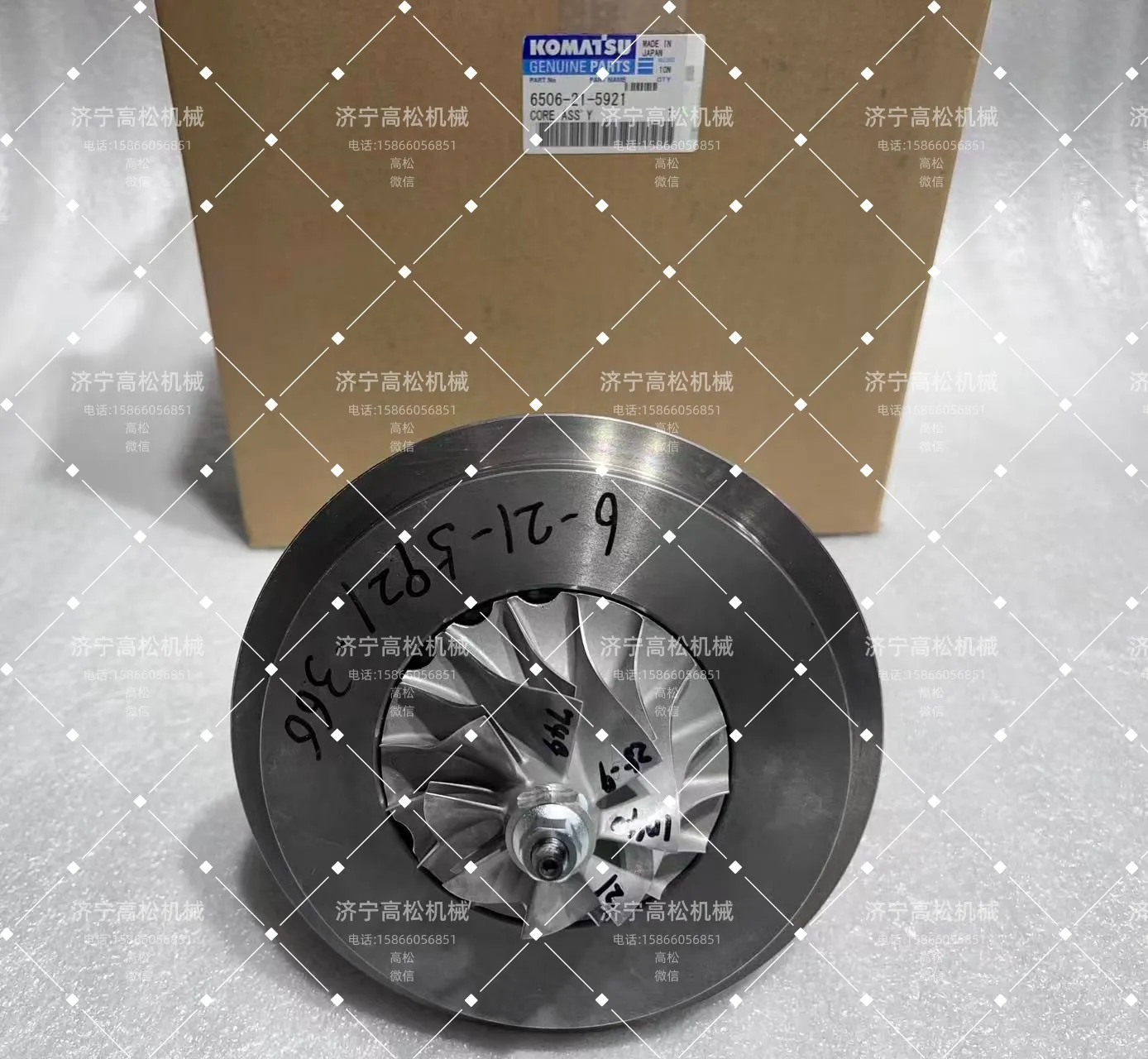

Best Selling Products
Best Selling Products-
 Komatsu 711-50-41520 Impeller for WA380-3 Wheel loader
 -
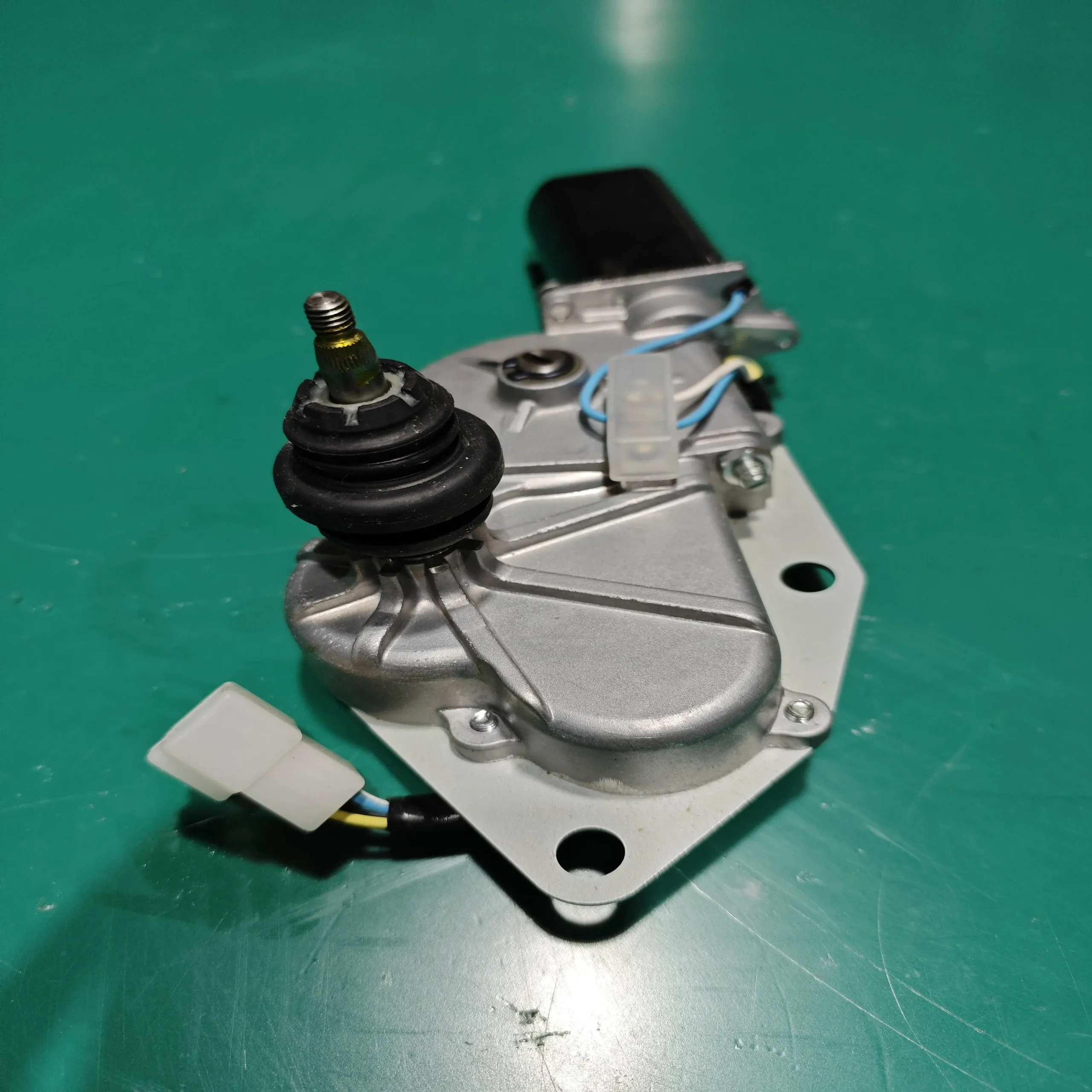 23B-951-2610 Komatsu WIPER MOTOR
 -
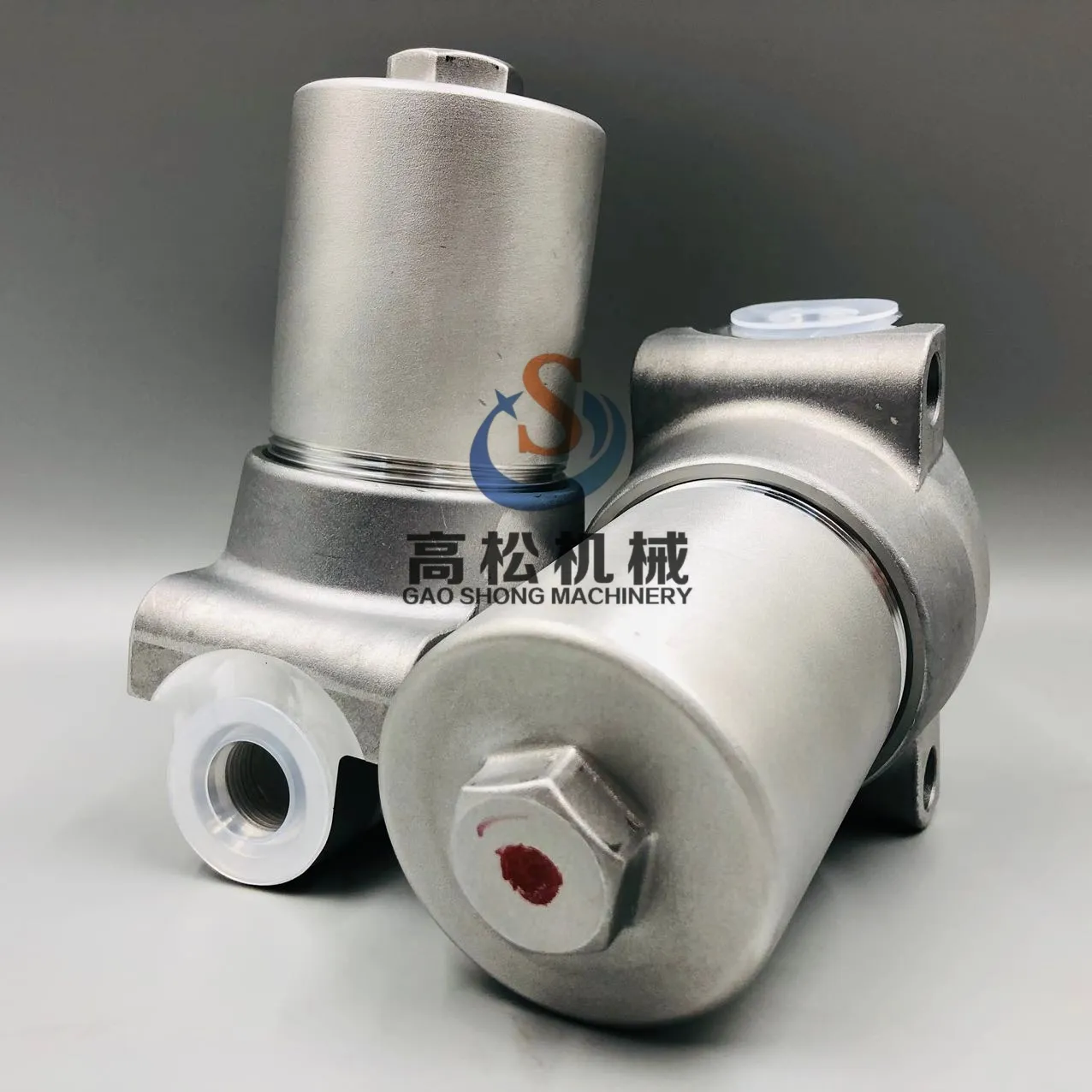 20Y-62-51681 Filter Assembly for PC130 PC220 PC240 PC270 PC290 PC300 PC350 PC400
 -
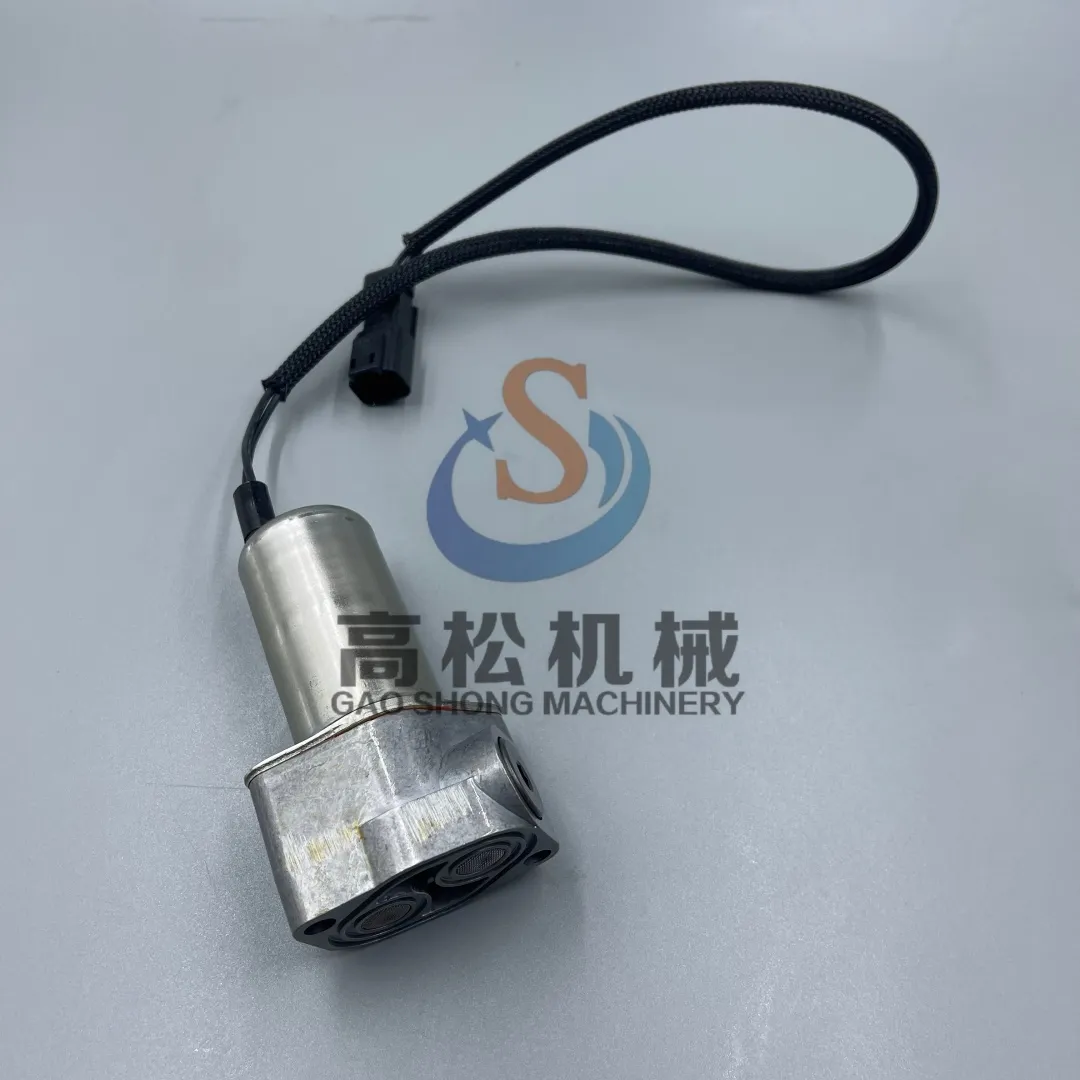 702-21-07620 Solenoid Valve for Komatsu PC450-8 PC300-8 PC350-8 7022107620
 -
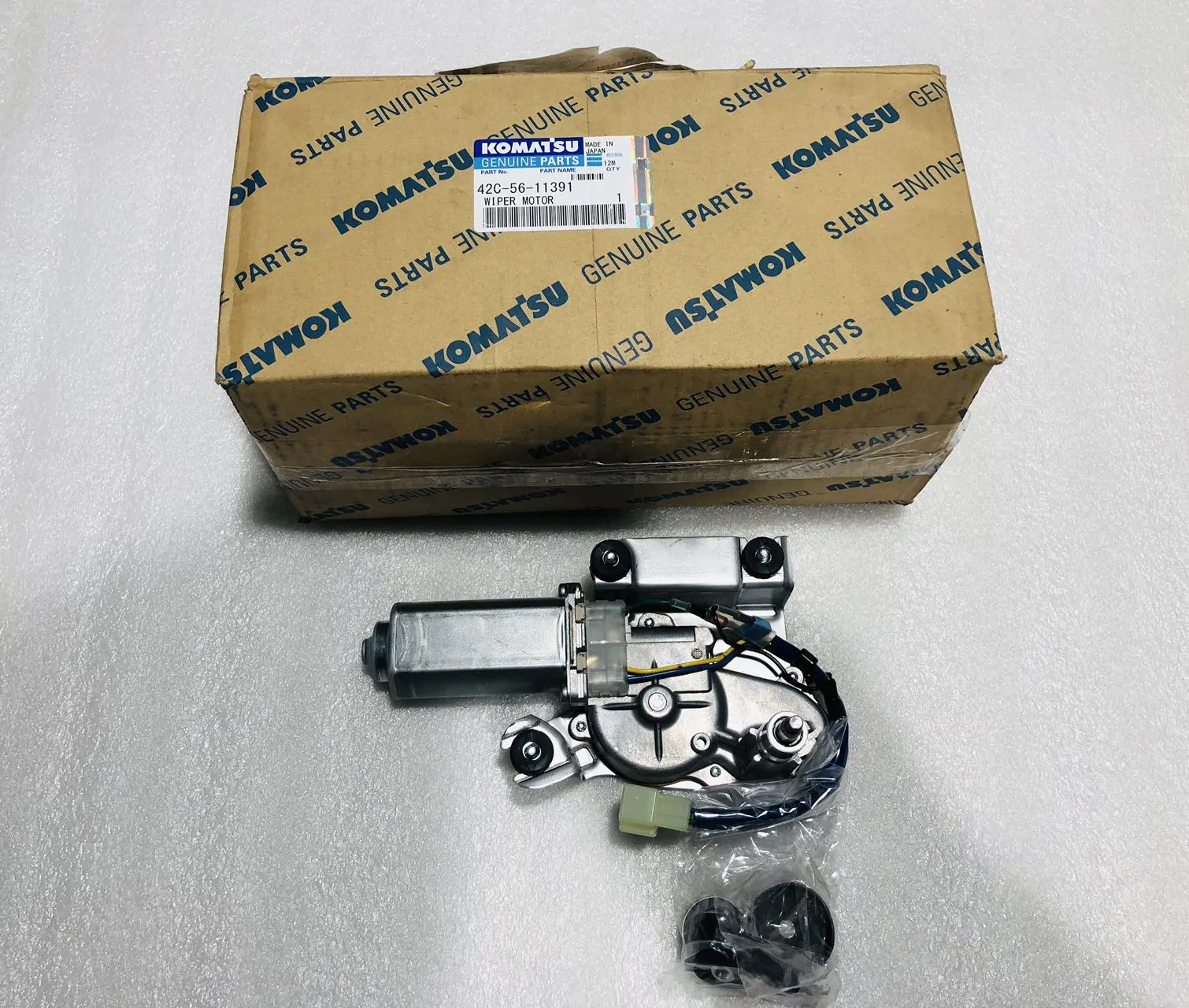
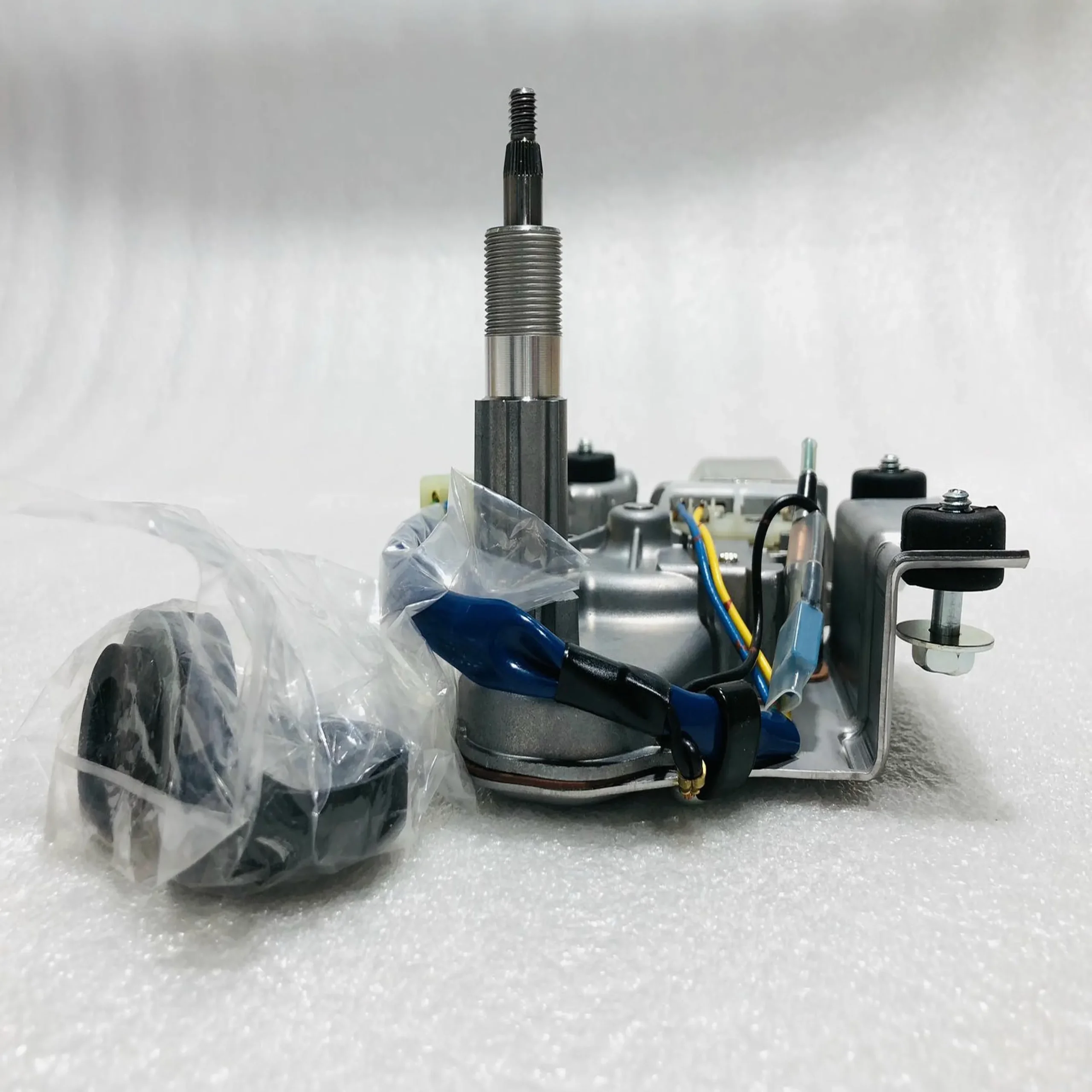 Komatsu grader GD555 wiper motor 42C-56-11391
 -
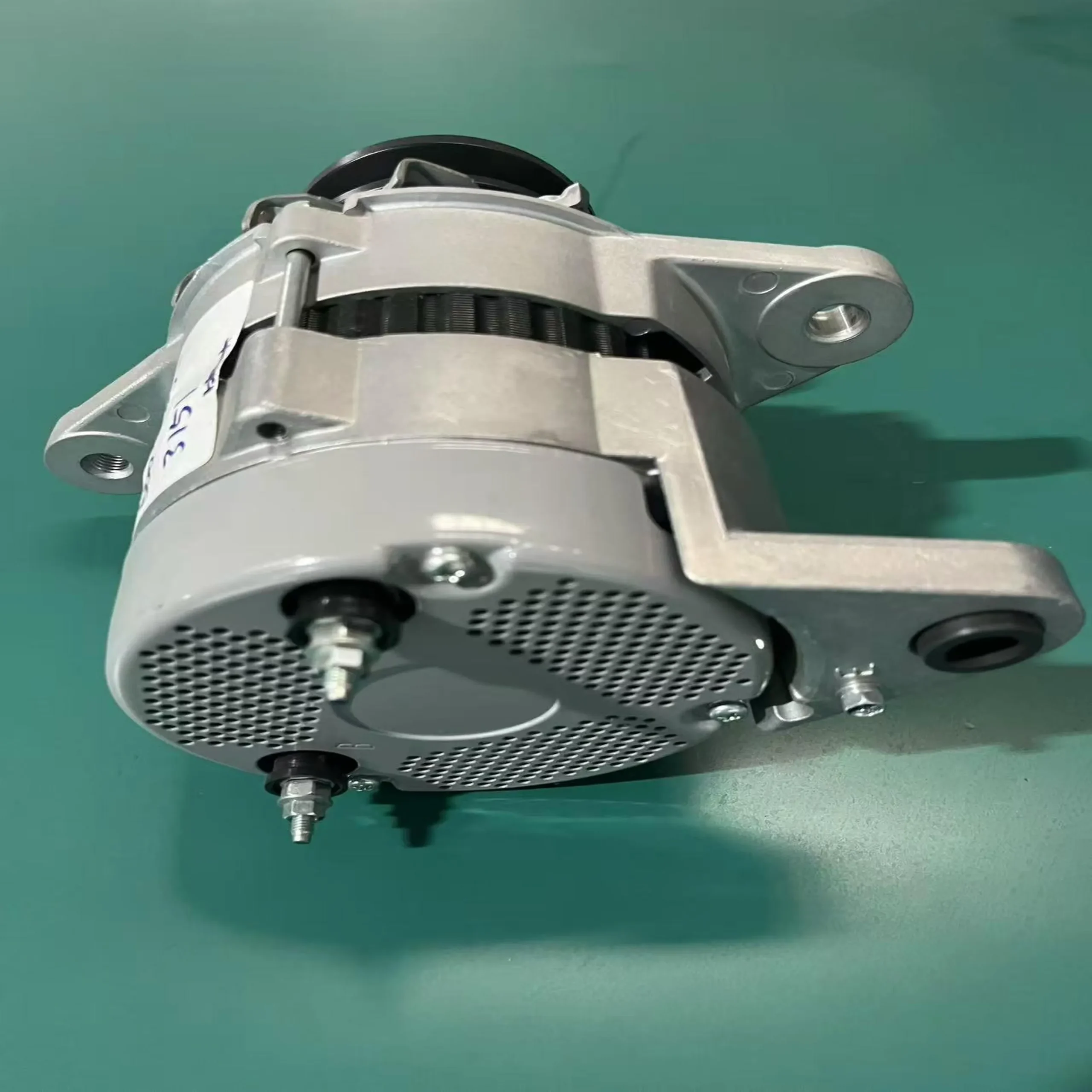 600-825-3151 Komatsu ALTERNATOR PC-400
 -
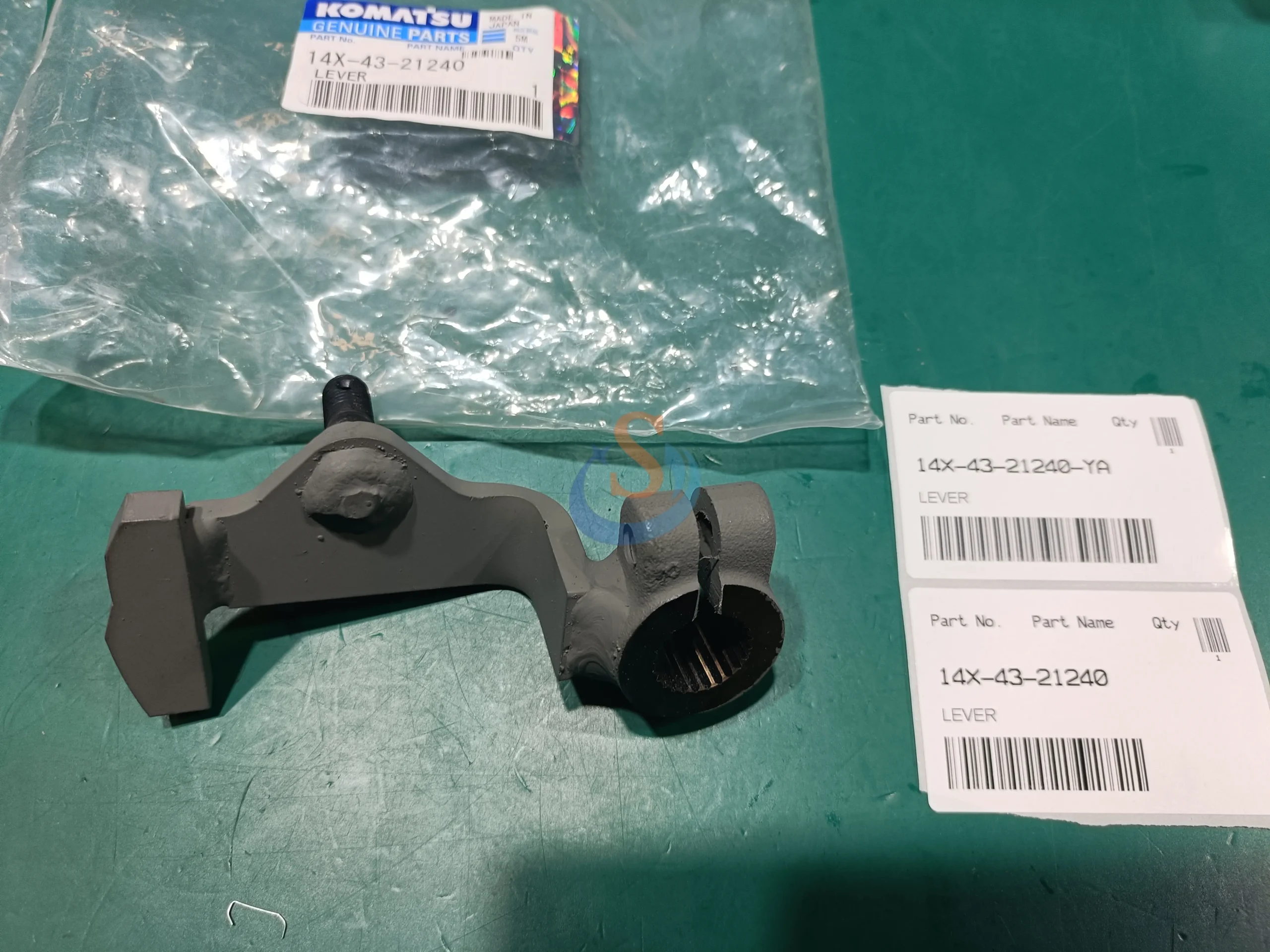 14X-43-21240,LEVER
 -
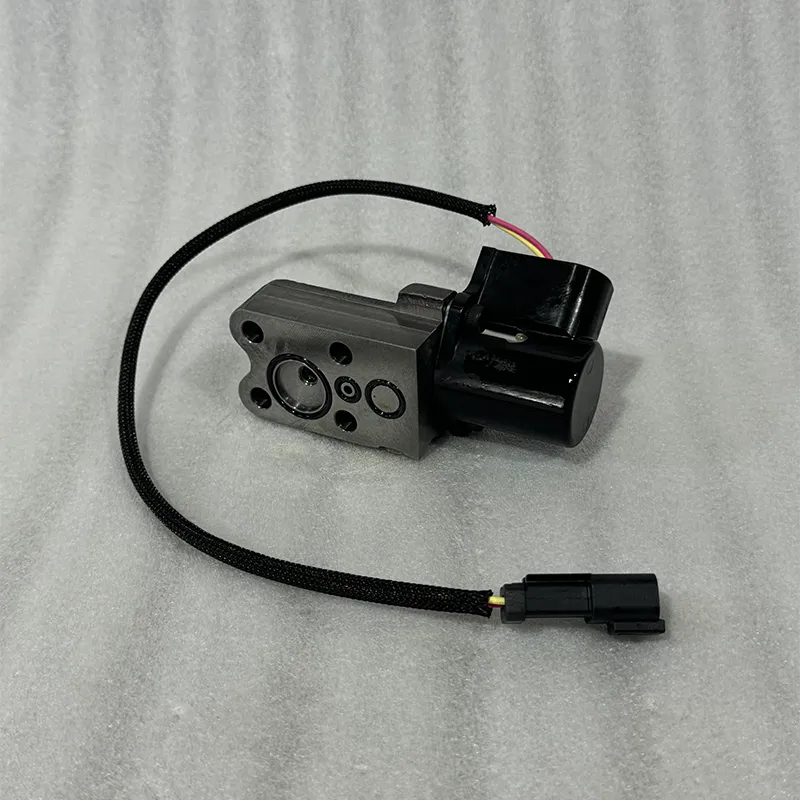 Original komatsu PC2000-8 Pilot Valve 708-7S-01330
 -
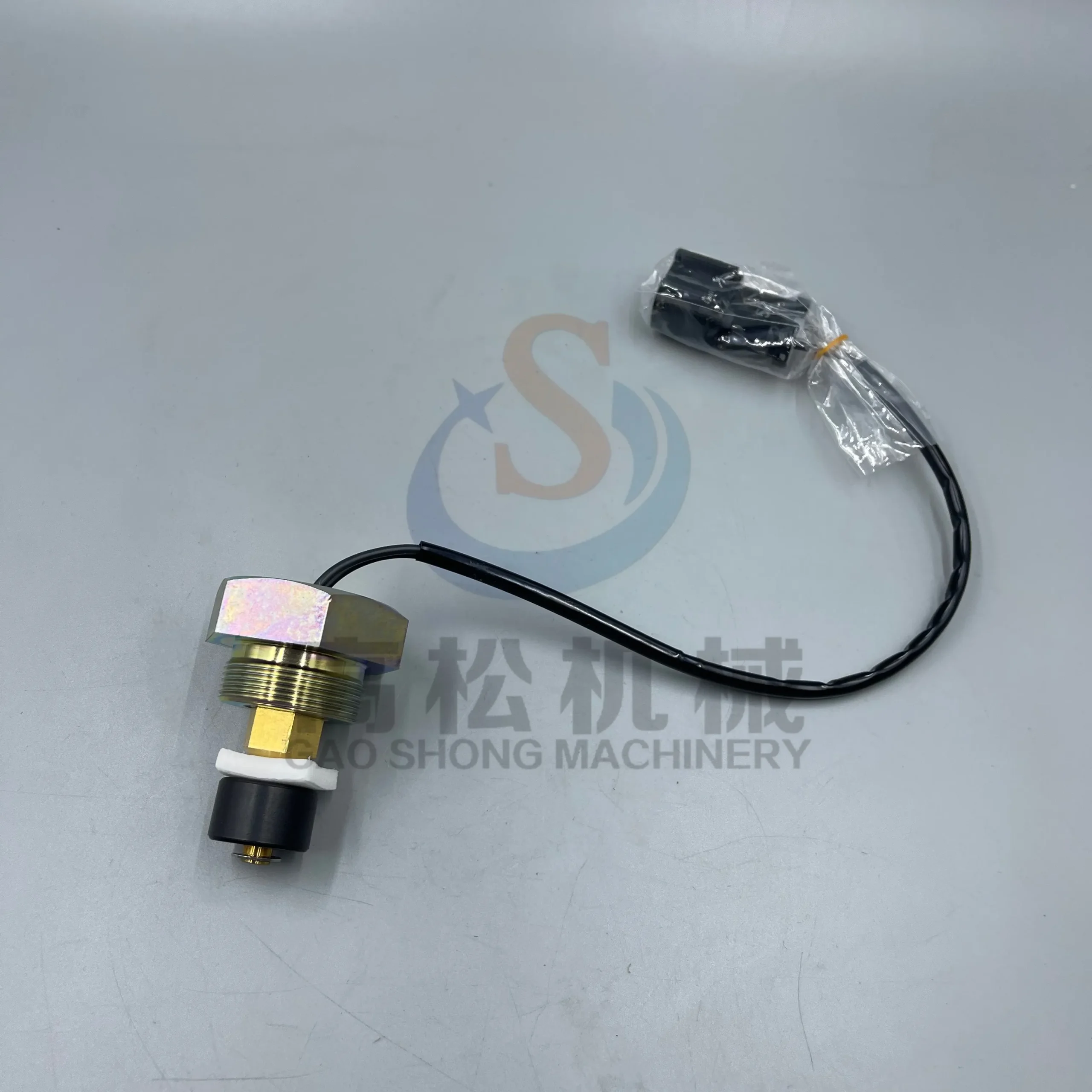 7861-92-4500 Komatsu SENSOR,HYDRAULIC OIL LEVEL
 -
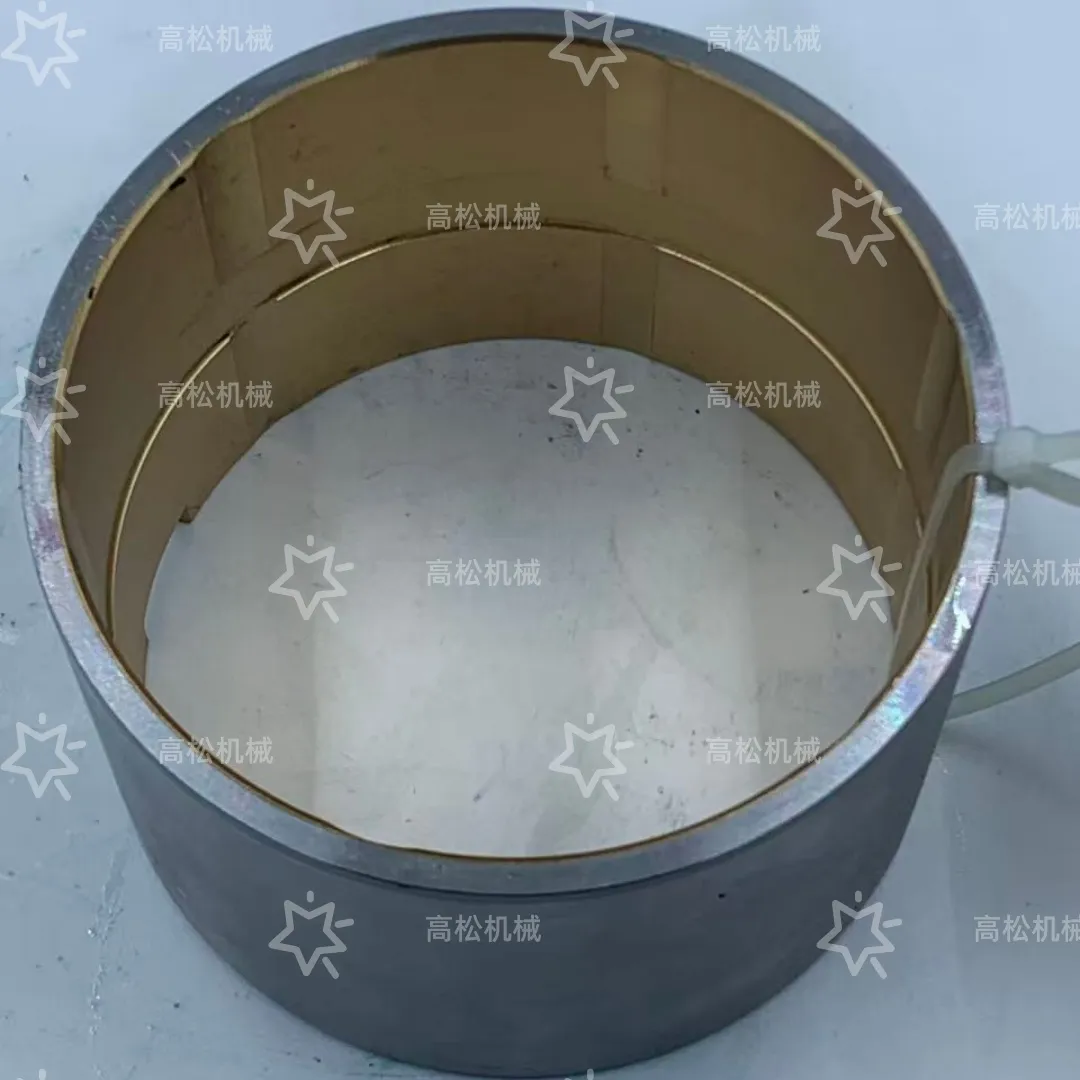 Bulldozer D375A-1 Bushing 195-61-41160 1956141160
 -
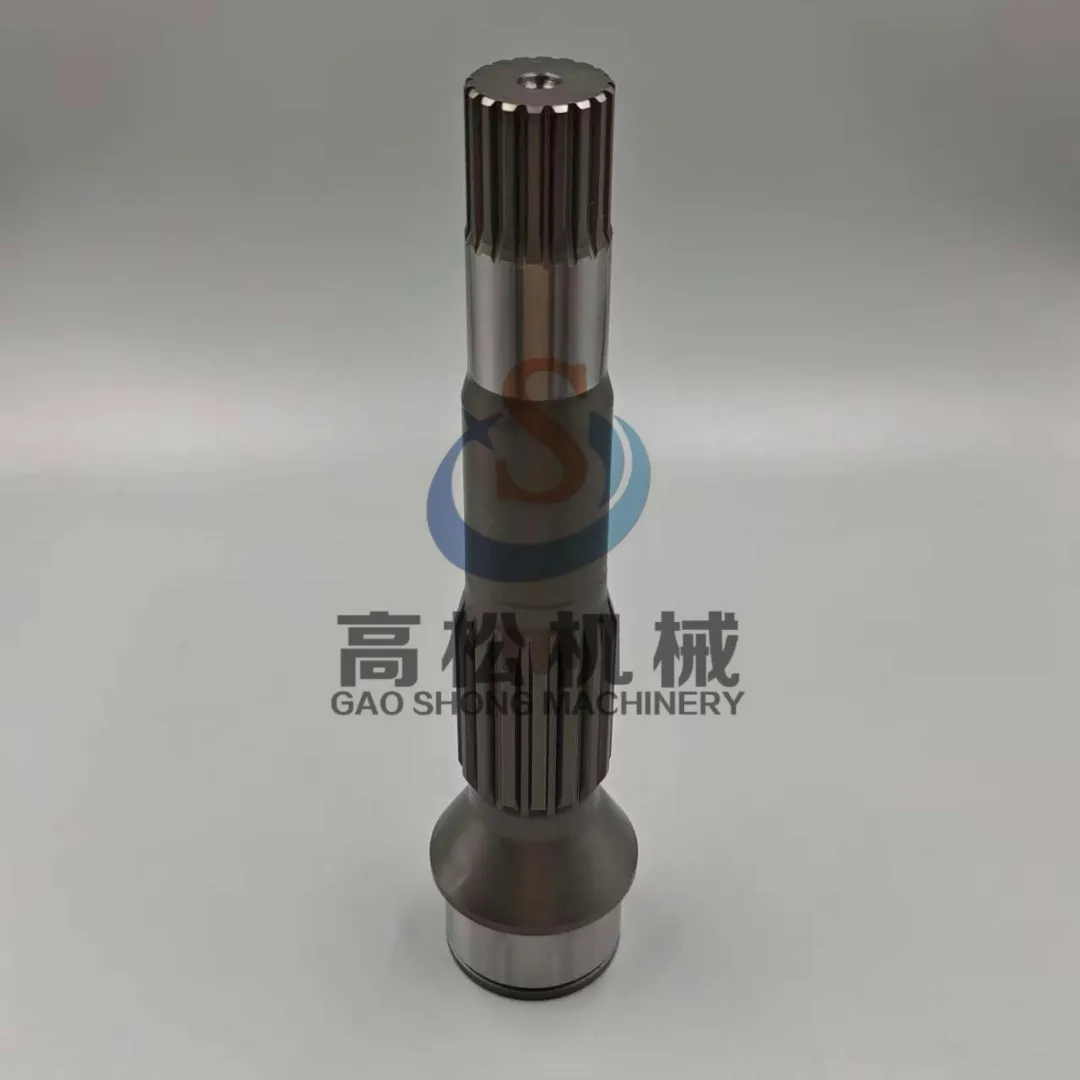 708-2G-12121 Shaft Drive L Fits Komatsu PC300-7 PC360-7 PC350-7 HPV140 Pump
 -
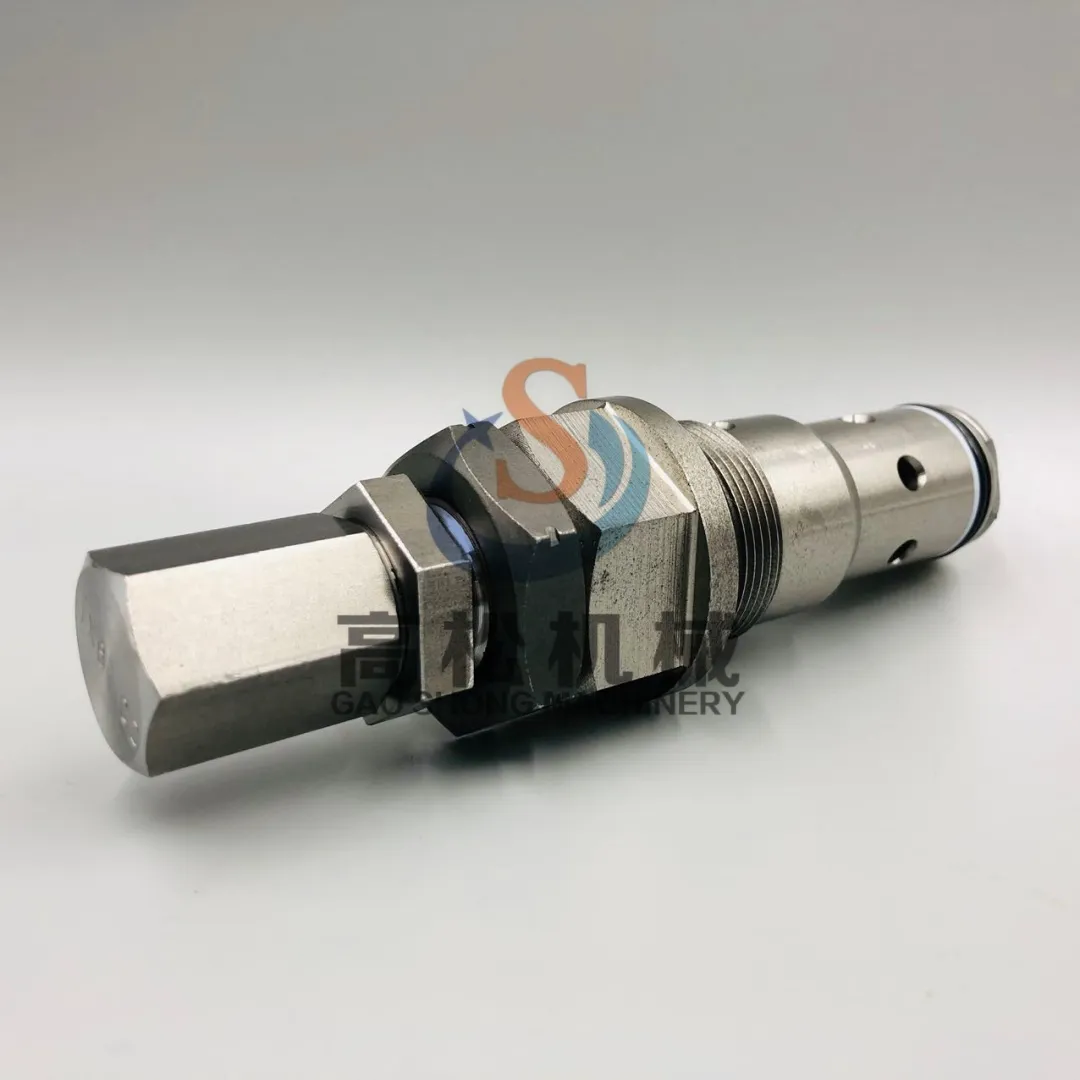 700-89-66000 RELIEF VALVE KOMATSU STEERING VALVE