
- Chinese
- French
- German
- Portuguese
- Spanish
- Russian
- Japanese
- Korean
- Arabic
- Irish
- Greek
- Turkish
- Italian
- Danish
- Romanian
- Indonesian
- Czech
- Afrikaans
- Swedish
- Polish
- Basque
- Catalan
- Esperanto
- Hindi
- Lao
- Albanian
- Amharic
- Armenian
- Azerbaijani
- Belarusian
- Bengali
- Bosnian
- Bulgarian
- Cebuano
- Chichewa
- Corsican
- Croatian
- Dutch
- Estonian
- Filipino
- Finnish
- Frisian
- Galician
- Georgian
- Gujarati
- Haitian
- Hausa
- Hawaiian
- Hebrew
- Hmong
- Hungarian
- Icelandic
- Igbo
- Javanese
- Kannada
- Kazakh
- Khmer
- Kurdish
- Kyrgyz
- Latin
- Latvian
- Lithuanian
- Luxembou..
- Macedonian
- Malagasy
- Malay
- Malayalam
- Maltese
- Maori
- Marathi
- Mongolian
- Burmese
- Nepali
- Norwegian
- Pashto
- Persian
- Punjabi
- Serbian
- Sesotho
- Sinhala
- Slovak
- Slovenian
- Somali
- Samoan
- Scots Gaelic
- Shona
- Sindhi
- Sundanese
- Swahili
- Tajik
- Tamil
- Telugu
- Thai
- Ukrainian
- Urdu
- Uzbek
- Vietnamese
- Welsh
- Xhosa
- Yiddish
- Yoruba
- Zulu
- Kinyarwanda
- Tatar
- Oriya
- Turkmen
- Uyghur






used komatsu loader parts
When you're deep in a search for used Komatsu loader parts, the first thing you learn is that not all used or rebuilt labels mean the same thing. A lot of folks, especially those new to managing older Komatsu machines like the WA320 or WA470, think it's just about finding the cheapest replacement to get running again. That's a quick way to burn more cash in the long run. The real game is understanding the provenance of the part—was it pulled from a machine with a documented service history, or is it just some random core from a scrap yard? I've seen too many good deal pumps fail within 200 hours because that critical detail was overlooked.
The Core Challenge: Sourcing Beyond the Obvious
One major hurdle is the supply chain for specific components. Take the Komatsu PC200-6 loader's swing drive, for instance. New from the dealer? Prohibitively expensive for a machine that's already 15 years old. The aftermarket is flooded with copies, but their lifespan is a gamble. This is where a reliable source for genuine used parts becomes invaluable. It's not just about having the part; it's about having the right part with remaining service life. I remember a job where we needed a torque converter for a WA500-3. We found three suppliers online claiming to have it. Two sent us units that were clearly mismatched or had cracked housings welded over. The third, which came through a more specialized channel, worked perfectly. The difference was the supplier's willingness to share the donor machine's serial number and last meter reading.
The condition grading is everything. Used can mean anything from pulled-working to needs rebuild. A trustworthy supplier will tell you upfront about wear patterns, scoring on cylinders, or play in bearings. I've learned to ask for specific photos—not just stock images—of the actual flange surfaces, gear teeth, and any identification tags. If they hesitate, walk away. There's a company I've had decent luck with, Jining Gaosong Construction Machinery Co., Ltd. (you can find them at https://www.takematsumachinery.com). Their pitch is interesting; they position themselves as an OEM product supplier within the Komatsu system and a third-party sales company. In practice, this sometimes means they have access to genuine surplus or service-exchange used Komatsu loader parts that can help bridge supply gaps, which they mention is aimed at solving parts challenges in certain countries. It's a model that makes sense for hard-to-find items.
Another layer is the compatibility minefield. A pump from a WA450-5 might look identical to one from a WA450-6, but internal porting or pressure settings can be subtly different. I once installed a used control valve that was one serial number series off. The machine operated, but the bucket curl was sluggish. Took us a week of diagnostics before we traced it back to that valve. Now, I cross-reference part numbers directly against the Komatsu parts catalog for the specific machine serial number, not just the model. It's a tedious step, but it saves downtime.
Rebuilt vs. Used: A Cost-Benefit Judgment Call
This is a constant debate in the shop. A used, take-out Komatsu transmission might cost $4,000, while a professionally rebuilt one is $7,500. The used one is a gamble on its remaining life. The rebuilt one should come with a warranty. The decision often comes down to the machine's role. Is it a primary production machine, or a backup unit used sporadically? For a critical machine, the rebuilt unit is almost always the smarter play, assuming the rebuilder has a solid reputation. For a backup, a quality used part from a known-good source can be a viable risk.
I'm cautious of rebuilt tags from unknown vendors. Rebuilding a Komatsu final drive or hydraulic cylinder properly requires specific tools, genuine Komatsu seals (Kowabungas or the equivalent), and precise tolerances. A cheap rebuild often just replaces the obvious broken parts and slaps on new seals, leaving worn gears or scored barrels to fail soon after. I'd rather buy a used, untampered core and have my trusted local shop rebuild it to my standards.
Here's a practical tip: when evaluating a used part like a Komatsu loader axle, ask about the fluid. Was the oil clean when it was pulled? Metal flakes in the drain plug? This info can tell you more than a glossy photo. Suppliers like the aforementioned Jining Gaosong, who operate within the Komatsu ecosystem, sometimes have better access to this kind of pull-history information than a general scrapyard. Their role as a third-party sales company for Komatsu suggests they might handle certified used or overhaul exchange programs, which adds a layer of traceability you don't get from a generic parts broker.
The Pitfalls and How to Dodge Them
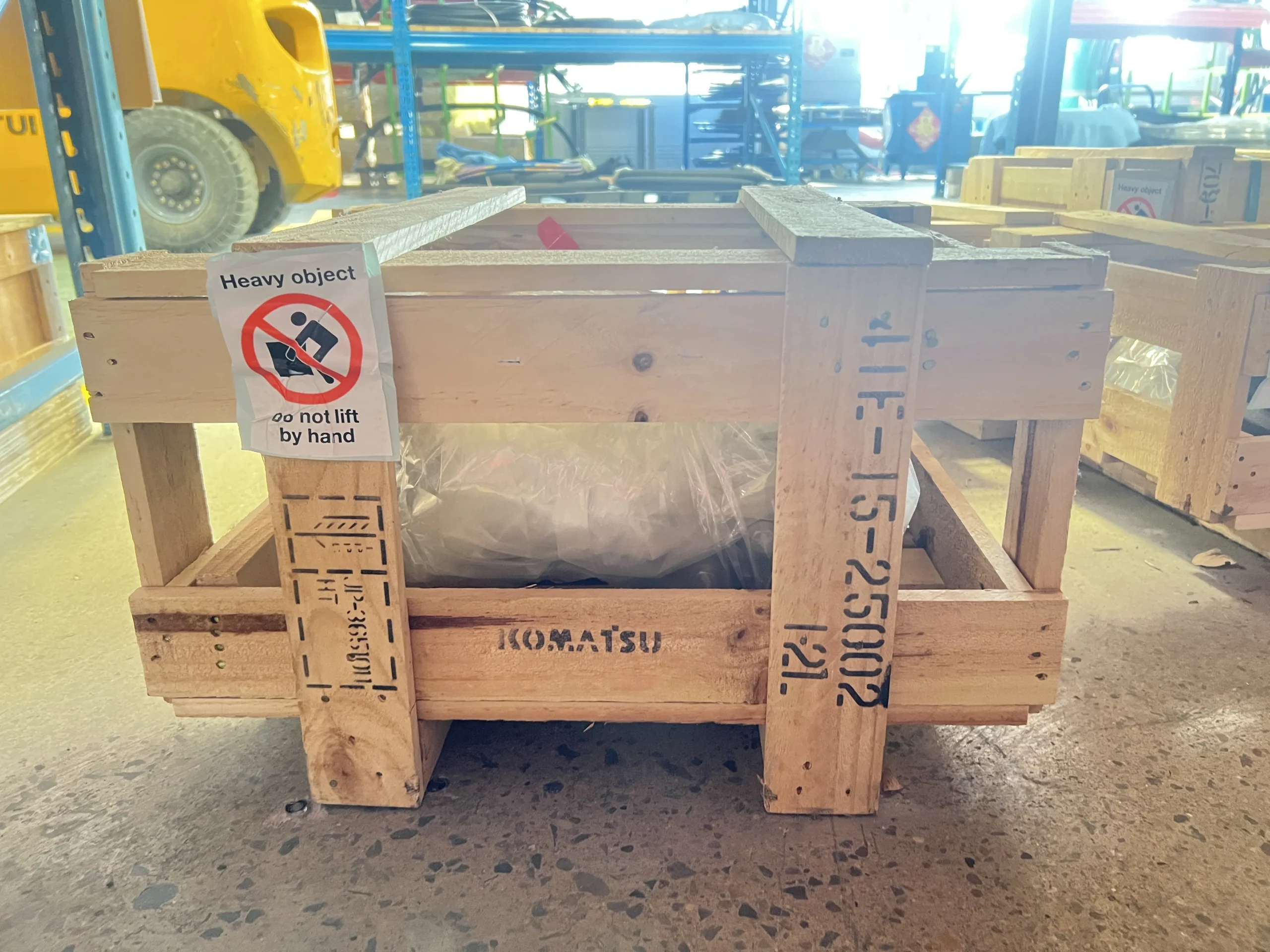
Shipping and logistics are a hidden cost and risk factor. A used Komatsu loader cab or frame section is heavy and awkward. I've received parts where the packaging was insufficient, leading to damaged mounting points during transit. Now, it's a condition of purchase: proper crating for large items. Also, customs and import duties can turn a good deal sour if you're sourcing internationally. It's crucial to get a landed cost quote upfront, not just the part price.
Another common pitfall is ignoring the surrounding components. Replacing a used center joint (swivel) on an older machine? That's the perfect time to inspect and likely replace the hydraulic hoses connected to it. They're the same age and under the same stress. Installing a pristine used part only to have a 20-year-old hose blow on it a month later is a frustrating, preventable mistake. It turns a straightforward parts swap into a cascading repair.
Communication is key. A good supplier will engage in a technical conversation. If you call about a used Komatsu WA380 engine and they can't or won't discuss common failure points for that series (like liner protrusion issues on the S6D114E), it's a red flag. You want someone who talks like they've been on the wrenching end of things, not just reading a database. The description for Jining Gaosong about solving parts supply challenges hints at this problem-solving approach, which is more valuable than just having a big inventory.
When Used Parts Are the Only Sensible Path
For machines that are obsolete but still mechanically sound, used parts are the only economic lifeline. Komatsu might discontinue support for a model after 10-15 years, but those machines can still have a decade of useful life in a secondary application. Sourcing used Komatsu loader parts for models like the venerable WA600 or the early DASH-1 series isn't just about saving money; it's about keeping an asset alive. In these cases, building a relationship with a specialist supplier is critical.
Sometimes, it's about cannibalization. If you have two dead machines of the same model, you might create one runner. But this requires space, time, and expertise. For most fleets, it's more efficient to buy the specific used part you need. The key is to source from a donor machine that was likely in better overall condition than yours. Ask why the donor machine was parted out. Was it in an accident (frame damage), or did it just reach economic end-of-life with a worn-out undercarriage but a good powertrain?
In my experience, electrical components and controllers are the riskiest buys used. A used Komatsu monitor or ECU is a lottery ticket unless it's guaranteed tested in a live system. Mechanical parts—gears, housings, cylinders—are much safer bets, as their wear is more visually and measurably apparent.
Building a Reliable Supply Network
You don't find a good used parts source from a single Google search. It's accumulated through referrals, trial, and error. I have a shortlist of maybe four go-to suppliers for different categories: one for powertrain, one for hydraulics, one for undercarriage, and one for miscellaneous. A company like Jining Gaosong Construction Machinery Co., Ltd., with its dual role as an OEM supplier and third-party sales channel, fits into a niche that could be useful for specific, system-critical components where aftermarket copies are unacceptable. Their website, takematsumachinery.com, is a starting point for inquiry, but the real test is the first phone call and the first order.
Document everything. Keep records of which used part came from which supplier, the donor machine info, the date installed, and the hours on your machine at installation. This builds your own data set on which suppliers' parts last. This history turns your gut feeling into a managed risk.
Finally, manage expectations. A used part is not a new part. Even the best one has a history. Budget and plan for a slightly higher chance of a follow-up issue. But with careful sourcing, meticulous inspection, and a focus on traceability, using used Komatsu loader parts is not a desperate move—it's a smart, calculated strategy for fleet management that balances cost, uptime, and machine longevity. It's the difference between just fixing a machine and stewarding an asset.
Related Products
Related Products

Best Selling Products
Best Selling Products-
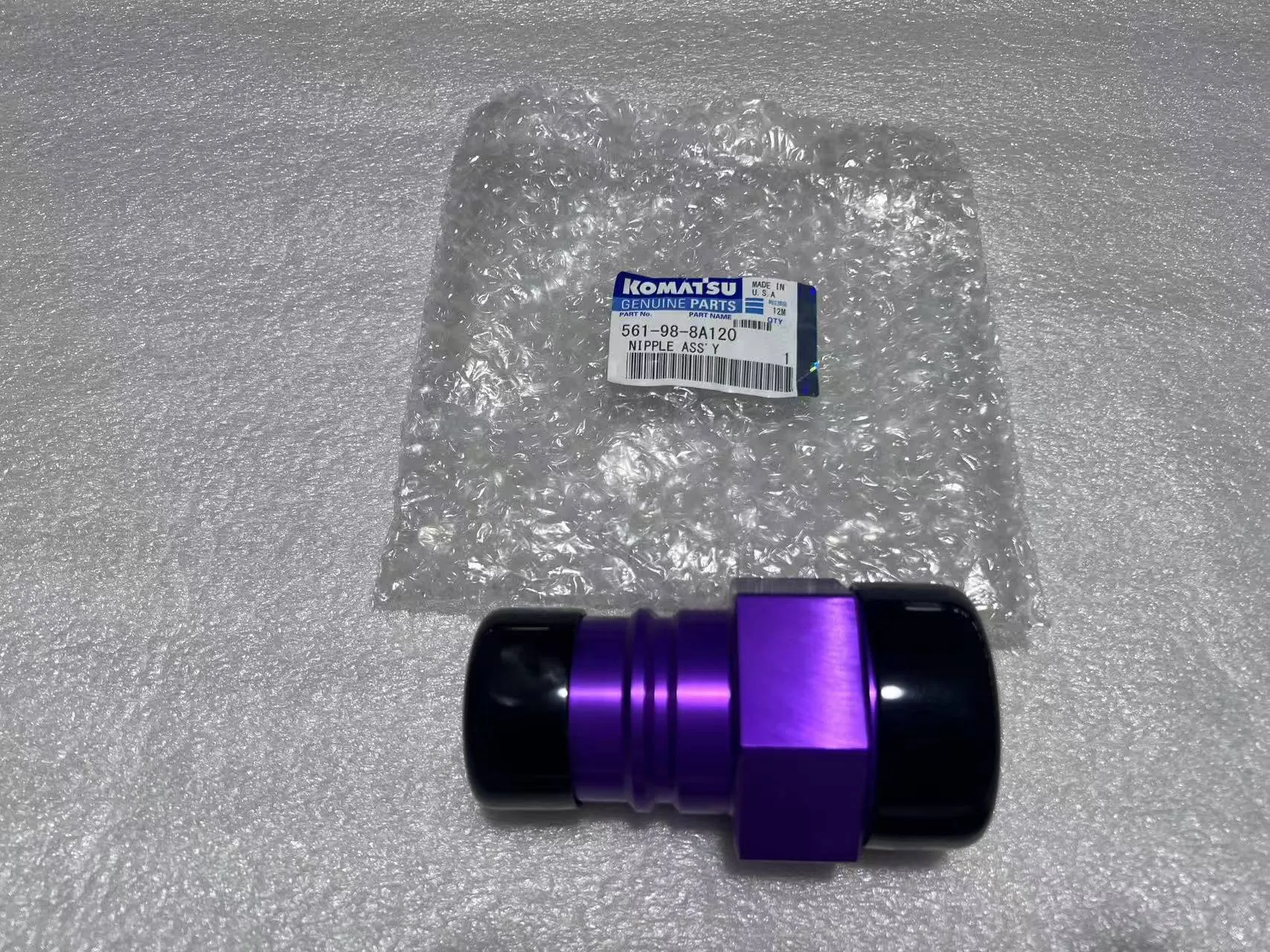 Joint component561-98-8A120
 -
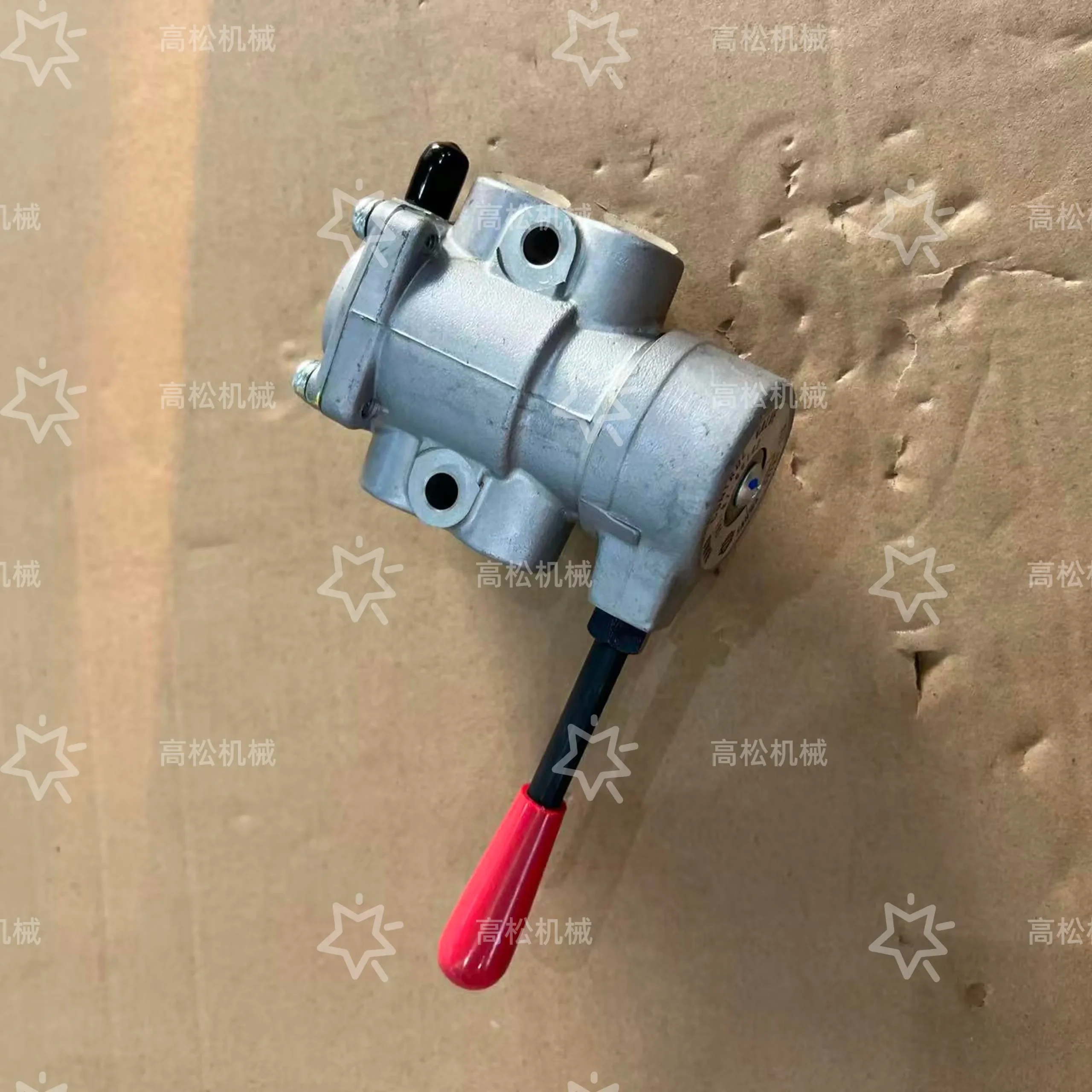 Dump Truck HD605-5 Valve Ass’y, Emergency Brake 561-87-66102 5618766102
 -
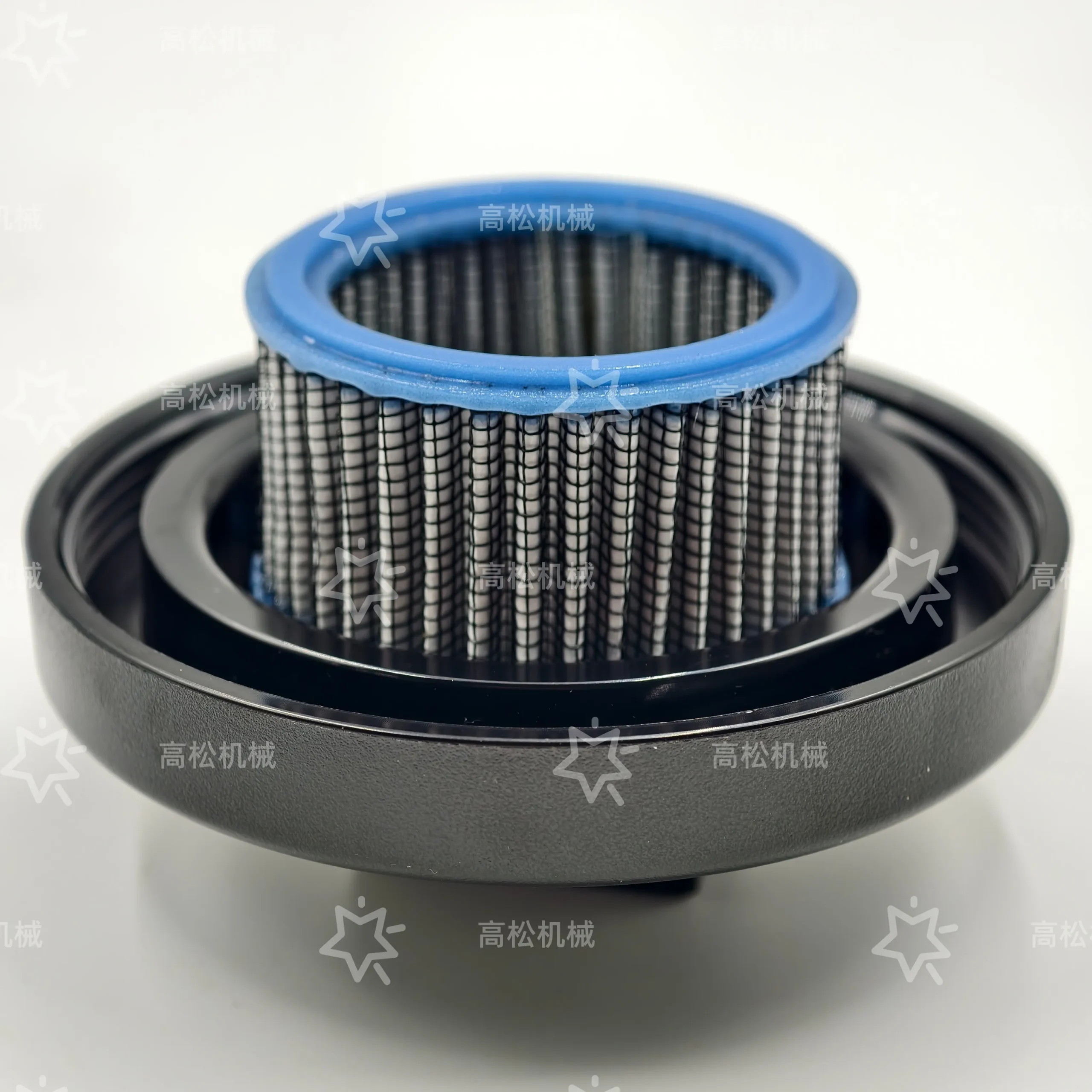 21T-04-31170 Komatsu Cap Assembly
 -
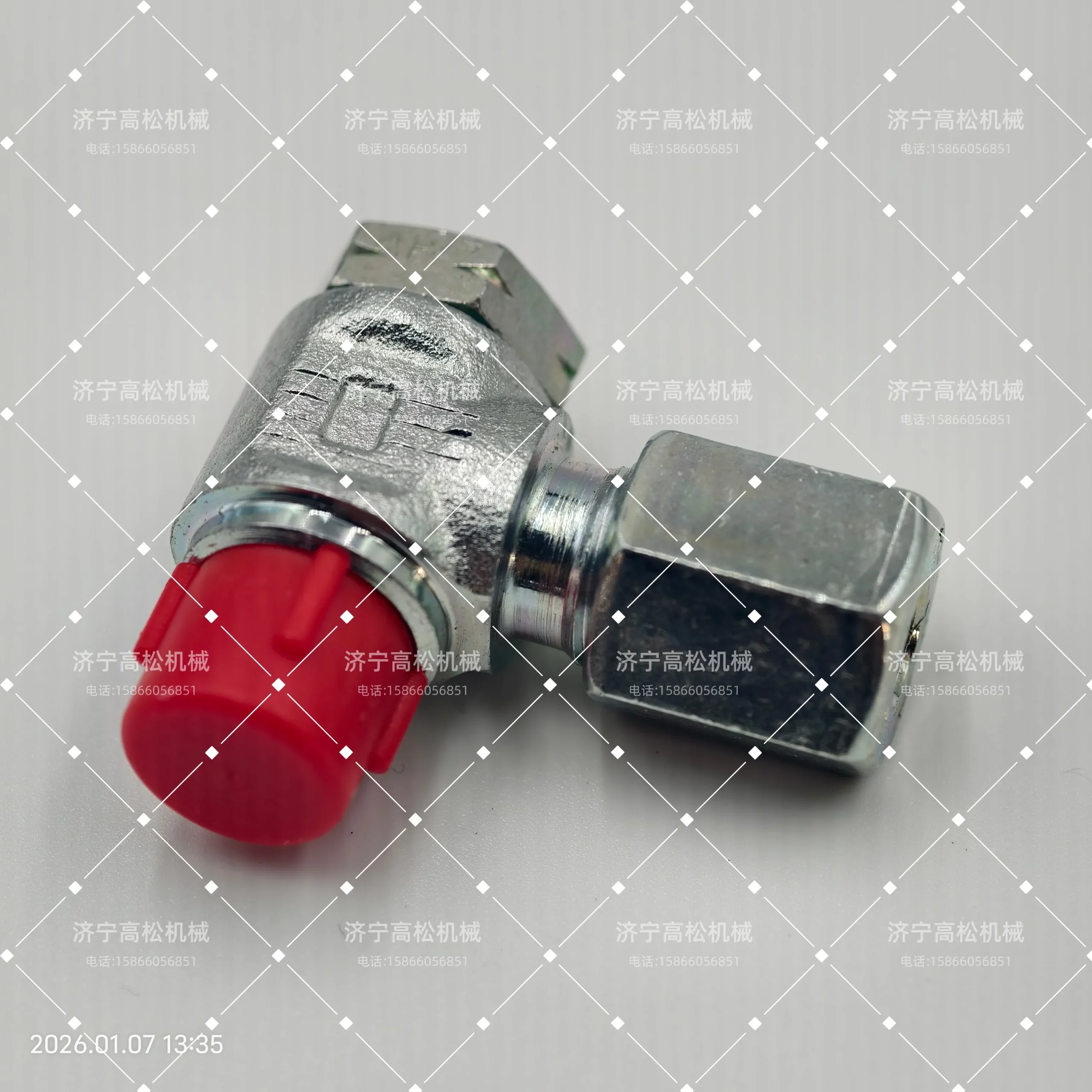 569-95-63520 – Connector fits KOMATSU
 -
 RING 234-15-29220
 -
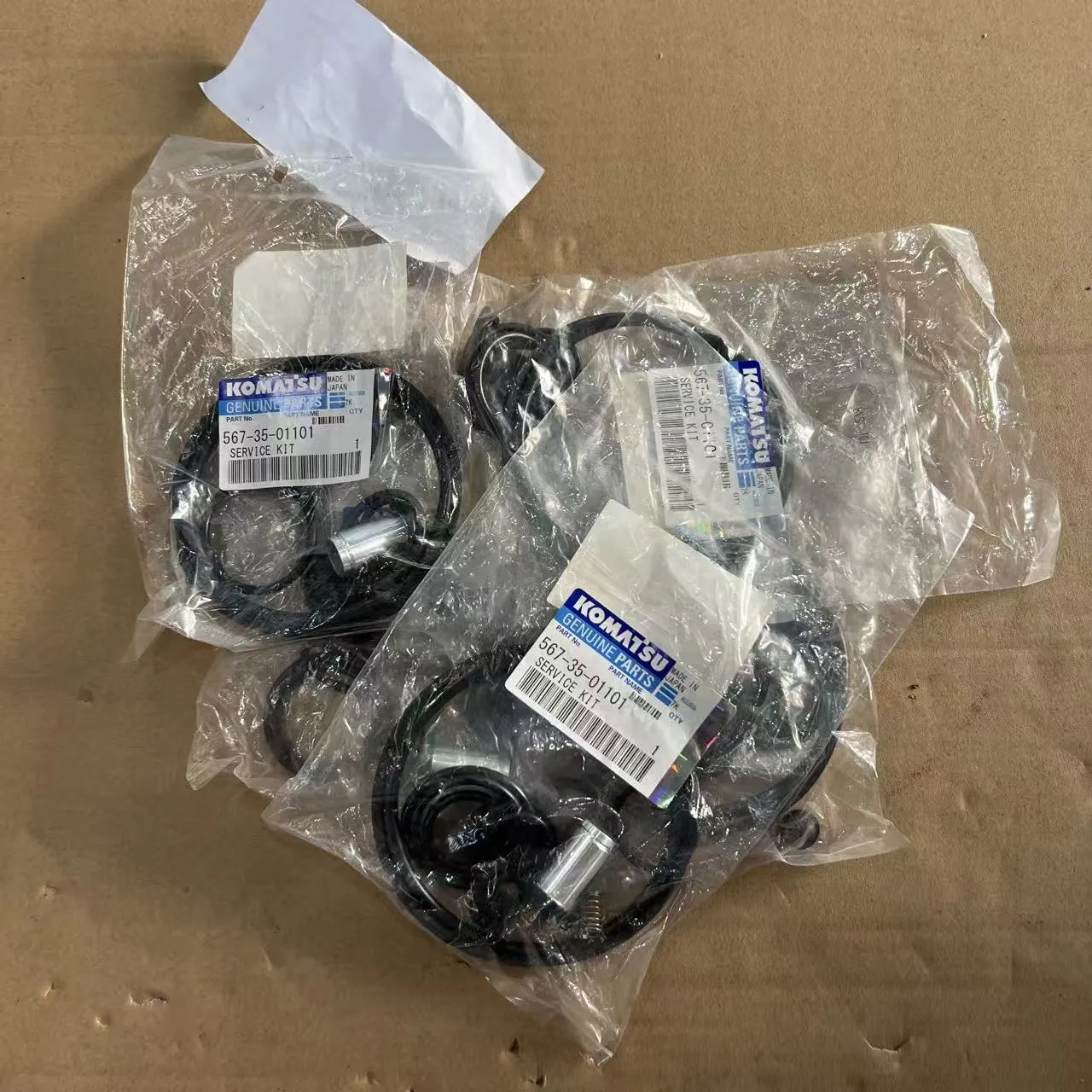 Komatsu 567-35-01101 Service Kit
 -
 22W-70-16120 WASHER (50A ALTERNATOR) – 22w7016120
 -
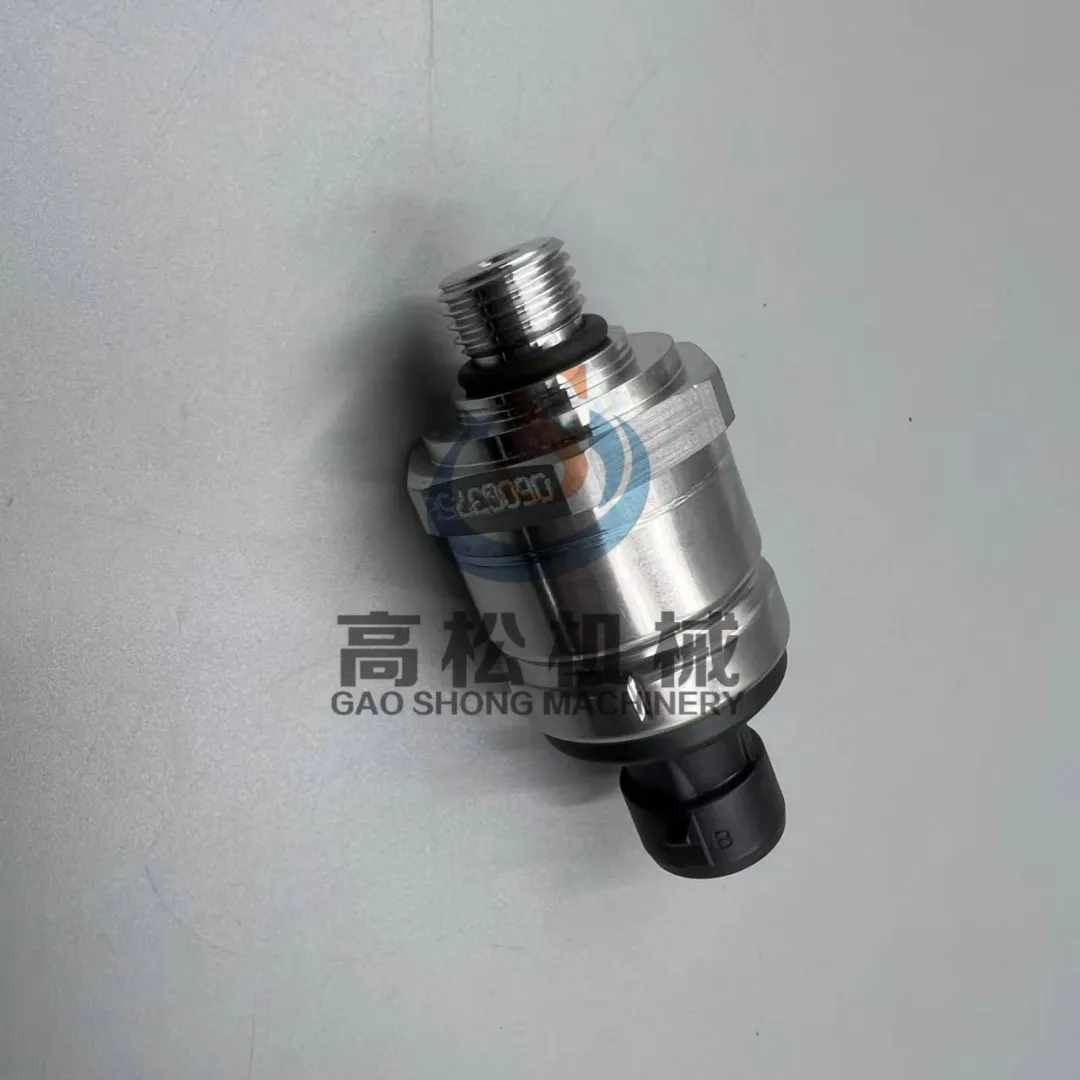 Pressure Sensor 6560-51-6200 6560-51-6201 6560-51-6202 for Komatsu WA600-3 Loader
 -
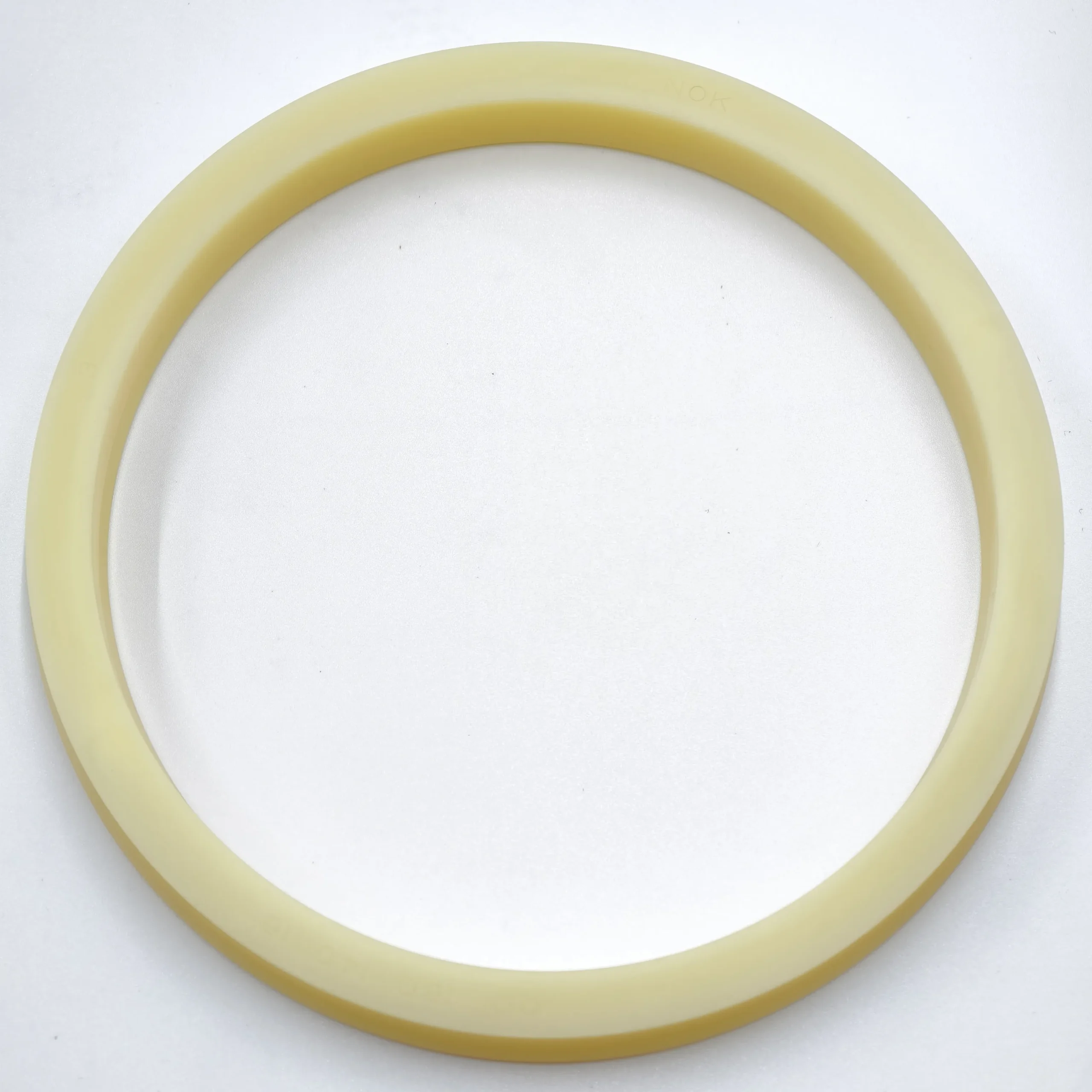 21N-30-14160 for Excavator PC1250-7 PC1100 IDLER CUSHION PACKING
 -
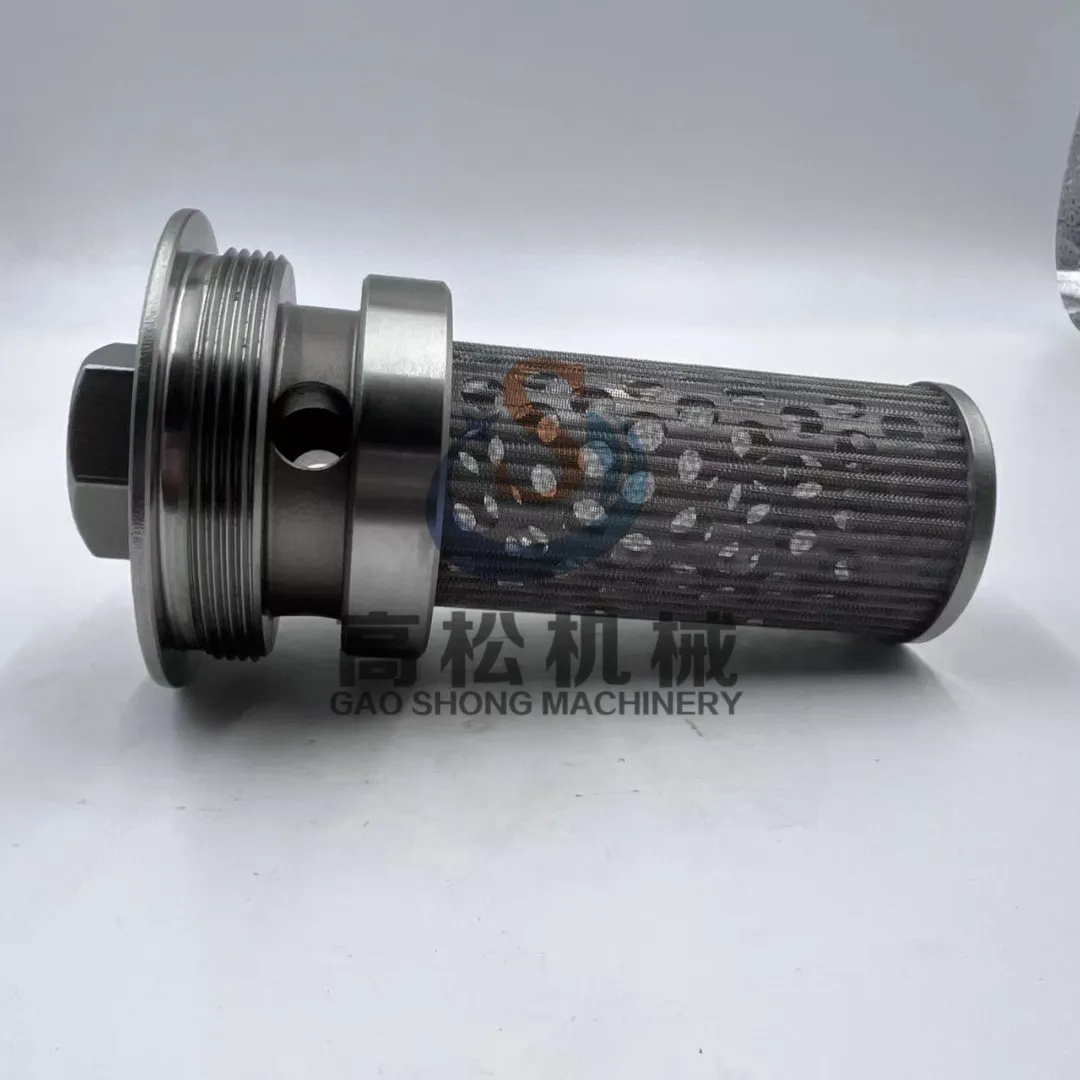 Komatsu 195-04-11150 Strainer 195041150
 -
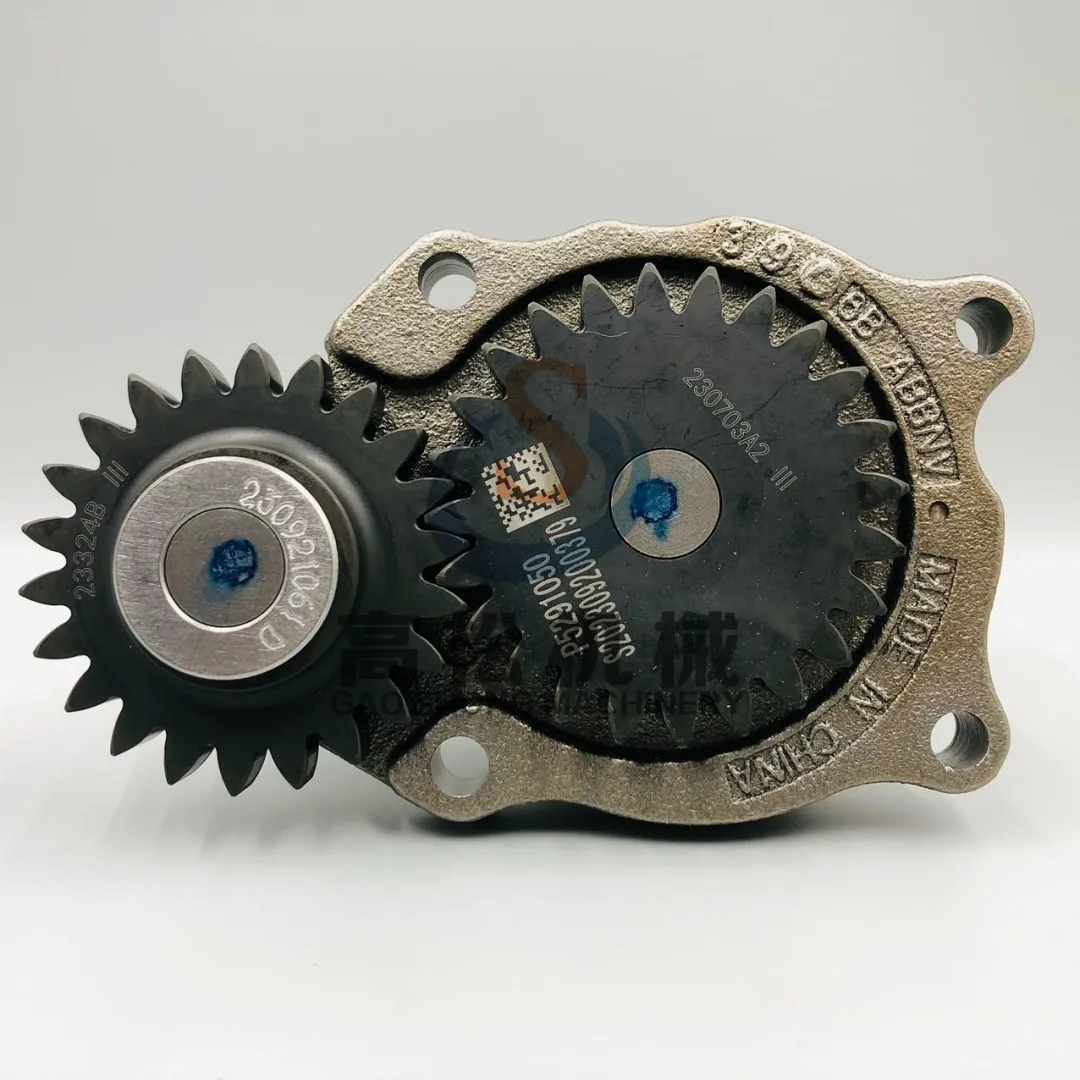 6754-51-1111 6754511111 Fuel Transfer Pump for Komatsu
 -
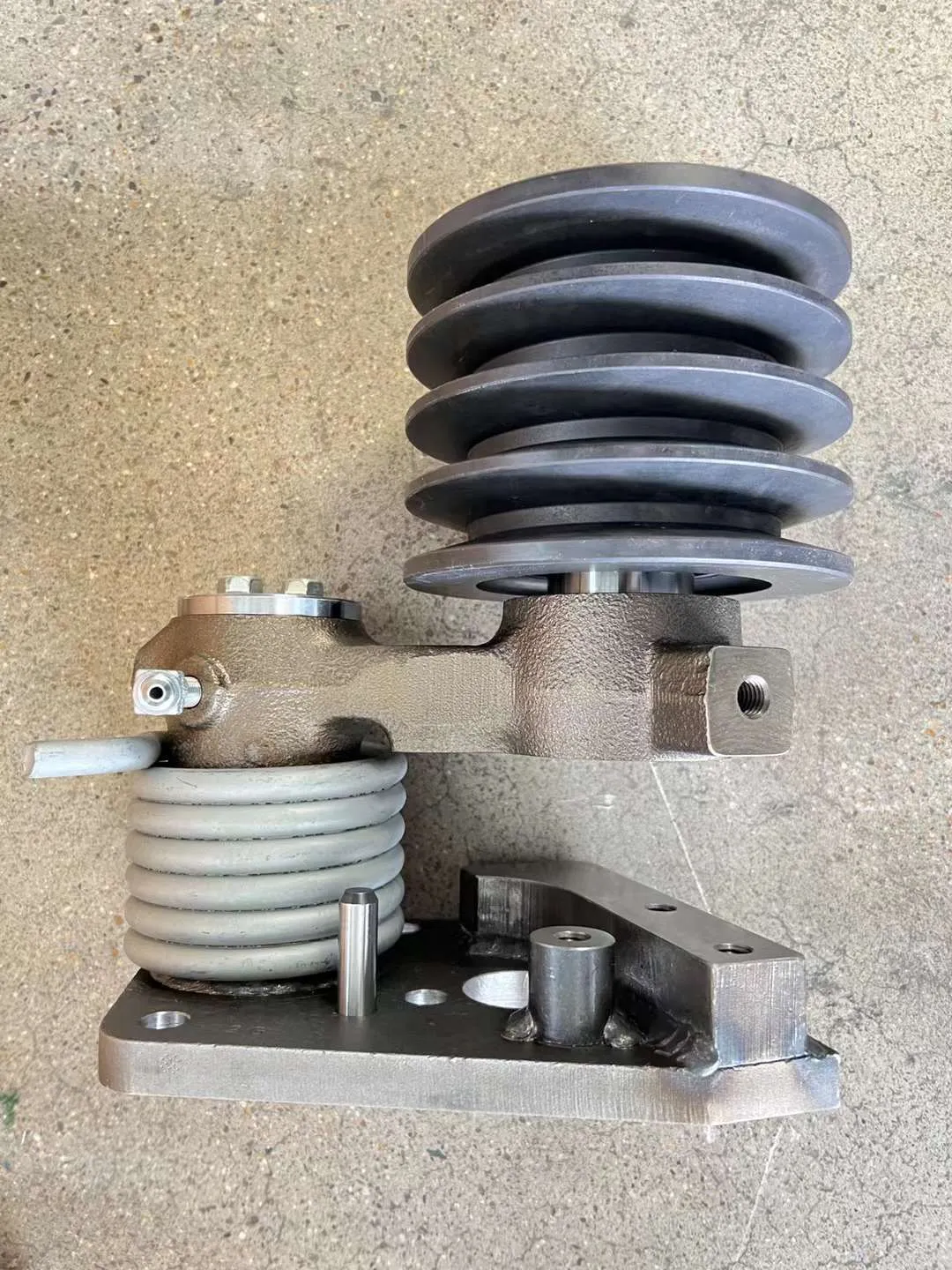 HD465-7R Tension Assembly 6245-61-3901