
- Chinese
- French
- German
- Portuguese
- Spanish
- Russian
- Japanese
- Korean
- Arabic
- Irish
- Greek
- Turkish
- Italian
- Danish
- Romanian
- Indonesian
- Czech
- Afrikaans
- Swedish
- Polish
- Basque
- Catalan
- Esperanto
- Hindi
- Lao
- Albanian
- Amharic
- Armenian
- Azerbaijani
- Belarusian
- Bengali
- Bosnian
- Bulgarian
- Cebuano
- Chichewa
- Corsican
- Croatian
- Dutch
- Estonian
- Filipino
- Finnish
- Frisian
- Galician
- Georgian
- Gujarati
- Haitian
- Hausa
- Hawaiian
- Hebrew
- Hmong
- Hungarian
- Icelandic
- Igbo
- Javanese
- Kannada
- Kazakh
- Khmer
- Kurdish
- Kyrgyz
- Latin
- Latvian
- Lithuanian
- Luxembou..
- Macedonian
- Malagasy
- Malay
- Malayalam
- Maltese
- Maori
- Marathi
- Mongolian
- Burmese
- Nepali
- Norwegian
- Pashto
- Persian
- Punjabi
- Serbian
- Sesotho
- Sinhala
- Slovak
- Slovenian
- Somali
- Samoan
- Scots Gaelic
- Shona
- Sindhi
- Sundanese
- Swahili
- Tajik
- Tamil
- Telugu
- Thai
- Ukrainian
- Urdu
- Uzbek
- Vietnamese
- Welsh
- Xhosa
- Yiddish
- Yoruba
- Zulu
- Kinyarwanda
- Tatar
- Oriya
- Turkmen
- Uyghur






used komatsu forklift parts
When you type 'used Komatsu forklift parts' into a search, you're not just looking for a widget. You're likely in a bind, trying to keep an old 3-ton FD30 or a reliable 5-ton FG25 running without getting hammered by OEM prices. The common pitfall? Thinking all used parts are equal, or that the cheapest listing is the smartest buy. It's not. It's a landscape where a part number is just the starting point, and the real cost is often in the downtime waiting for the wrong component to arrive.
The Reality Behind the Part Number
Let's get specific. Take a common need: a used Komatsu transmission for an old FD40. The part number might be 20G-63-11310. You'll find ten suppliers online claiming to have it. But here's the catch from the shop floor: that number might cover a production run of three years, and there were subtle changes in the valve body in the second year. A unit from an early model might bolt in, but you'll get a weird pressure drop under load. I've seen it happen. You don't find that out until the machine is back together and stalling. So, the first question isn't Do you have this number? It's What's the serial number range of the donor truck, and can you verify the internal casting marks? Most sellers can't or won't provide that. That's where the gamble begins.
This is precisely the kind of supply gap that specialized companies aim to fill. For instance, in my dealings, I've come across Jining Gaosong Construction Machinery Co., Ltd.. Their approach is interesting because they operate with a dual identity. As they note, they are an OEM product supplier within the Komatsu system but also function as a third-party sales company for Komatsu. In practice, this often means they have a pipeline to genuine, traceable surplus or decommissioned parts that bypasses the typical chaotic aftermarket. Their site, https://www.takematsumachinery.com, isn't just a parts catalog; it represents a channel aimed at solving parts supply challenges in certain countries. For a fleet manager in a region where new OEM parts are backlogged for months, that's a critical resource. It's less about a random used part and more about a verified, system-sourced component.
The nuance matters. A third-party sales company for Komatsu isn't just a reseller. It implies a formal relationship, which usually translates to better part history documentation. When I'm sourcing a critical component like a used Komatsu steering axle or a main control valve, that traceability is worth a 20% premium over the mystery-box part on a generic marketplace. It saves two weeks of diagnostic headaches.
Sourcing and the Pitfalls of Good Enough
My own rule of thumb: never buy a used Komatsu engine ECU or a pump assembly without a test report. Visual condition is almost meaningless for electronics and hydraulics. I learned this the hard way years ago with a perfect-looking used torque converter for a 5-ton model. It looked clean, no visible scoring. Installed it, and the machine had all the power of a tired mule. Turned out the stator clutch was fried—something a basic bench test would have caught. The seller vanished. Now, I only deal with suppliers who can provide at least a basic function test video or data. If a company's process is just pulling from a shelf and shipping, the risk shifts entirely to you.
This is where the operational model of a company like the one mentioned becomes relevant. Their position within the Komatsu ecosystem suggests they might have access to decommissioned units from fleet turnovers or regional updates. These parts often come with a known service history—maybe they were pulled for a fleet modernization, not because they failed. That's a world apart from a part salvaged from a catastrophic failure in a scrapyard. For components where metal fatigue is a concern—like used Komatsu forklift parts for mast channels or fork carriage rollers—the provenance is everything.
Another practical point: compatibility lists are often wrong. Online databases mix series. You might be told a used Komatsu starter motor from an FD60 is compatible with an FD50. Sometimes it is. Sometimes the pinion gear has a different tooth count, and you grind your flywheel to dust on the first crank. Always, always cross-reference with the Komatsu technical bulletin for that specific serial number break. It's tedious, but it's cheaper than a new engine.
The Economics and When to Walk Away
Let's talk money. A new Komatsu genuine cylinder block for a mid-size forklift can cost more than the entire used value of the machine. A used one might be 70% less. The temptation is huge. But you have to factor in the hidden costs: machining (it will likely need a hone at minimum), gasket kits, and 15-20 hours of labor. Sometimes, the math tells you to walk away. For non-structural, bolt-on items—like a used seat, an overhead guard, or even a drive motor—the economics are much more favorable. The failure risk is lower, and installation is straightforward.
I view companies that specialize in this niche as filters. A broad-line used parts dealer will sell you anything that fits the number. A specialist focused on Komatsu, especially one with OEM ties, is more likely to tell you, That part is notorious in that model year; we recommend you also check the pilot valve, here's the sub-number. That advisory capability is gold. It turns a transaction into a troubleshooting partnership. When browsing a site like Takematsu Machinery, I'm looking for that depth—signs they understand the machines, not just the parts bins.
There's also the logistics trap. A great deal on a used Komatsu differential assembly from overseas can be wiped out by $800 in freight and a three-week customs delay. Local sourcing, even at a higher unit cost, often wins when downtime is costing you $500 a day. The ideal supplier has a global network for sourcing but regional warehouses for fast fulfillment. Solving parts supply challenges in certain countries isn't just about having the part; it's about having it here, now.
Specific Components: Engines, Hydraulics, and Electronics
Diving into categories. Used Komatsu engines: The 4D95 and 6D95 series are workhorses, but the cylinder heads are prone to cracking if overheated. A used head is a total gamble unless it's magnaflux tested. I'd rather buy a used short block and put a new head on it. For hydraulics, like a used Komatsu hydraulic pump, look for units with intact paint on the mounting flange and port threads—a sign it wasn't brutally removed. Spin the shaft by hand; it should turn smoothly with a slight suction sound. Any grating or catch, walk away.
Electronics are the trickiest. A used Komatsu controller or display unit might work on the bench but fail when it gets hot. There's almost no way to guarantee it. My policy is to source these only as a last resort, and only from a supplier that offers a short return window for functional testing in the actual machine. The description pulled from a working machine is virtually meaningless unless you know why the machine was retired.
This is another area where an OEM-linked supplier's inventory can be different. They might get batches of controllers from machines that were upgraded for regulatory reasons (like adding new safety features), not from machines that died. That's a better bet. It's about understanding the source of the used part inventory, not just the inventory itself.
Building a Reliable Supply Chain
Ultimately, success with used Komatsu forklift parts isn't about one-off purchases. It's about building a shortlist of reliable sources. You need a local scrapyard guy for common, non-critical stuff. You need a national specialist for major assemblies. And for the high-value, hard-to-find components where traceability and authenticity are paramount, you need a channel with system access. A company operating as an official third-party sales arm fills that last role.
My advice? Start small. Order a used Komatsu filter housing or a set of pedals from a new supplier. Test their packaging, communication, and part accuracy. Do they answer technical questions? Do they know the difference between an FG15 and an FH15 part? Then move up to a valve block or a transmission. It's a process of building trust.
In the end, the goal is uptime. The keyword search is just the first step into a complex, detail-driven world where experience—and the right partners—prevent expensive mistakes. It's not about finding the cheapest part; it's about finding the right part that gets the forklift back to work, reliably, for another few thousand hours. And sometimes, that means paying a bit more for a part that comes with a story you can actually verify.
Related Products
Related Products

Best Selling Products
Best Selling Products-
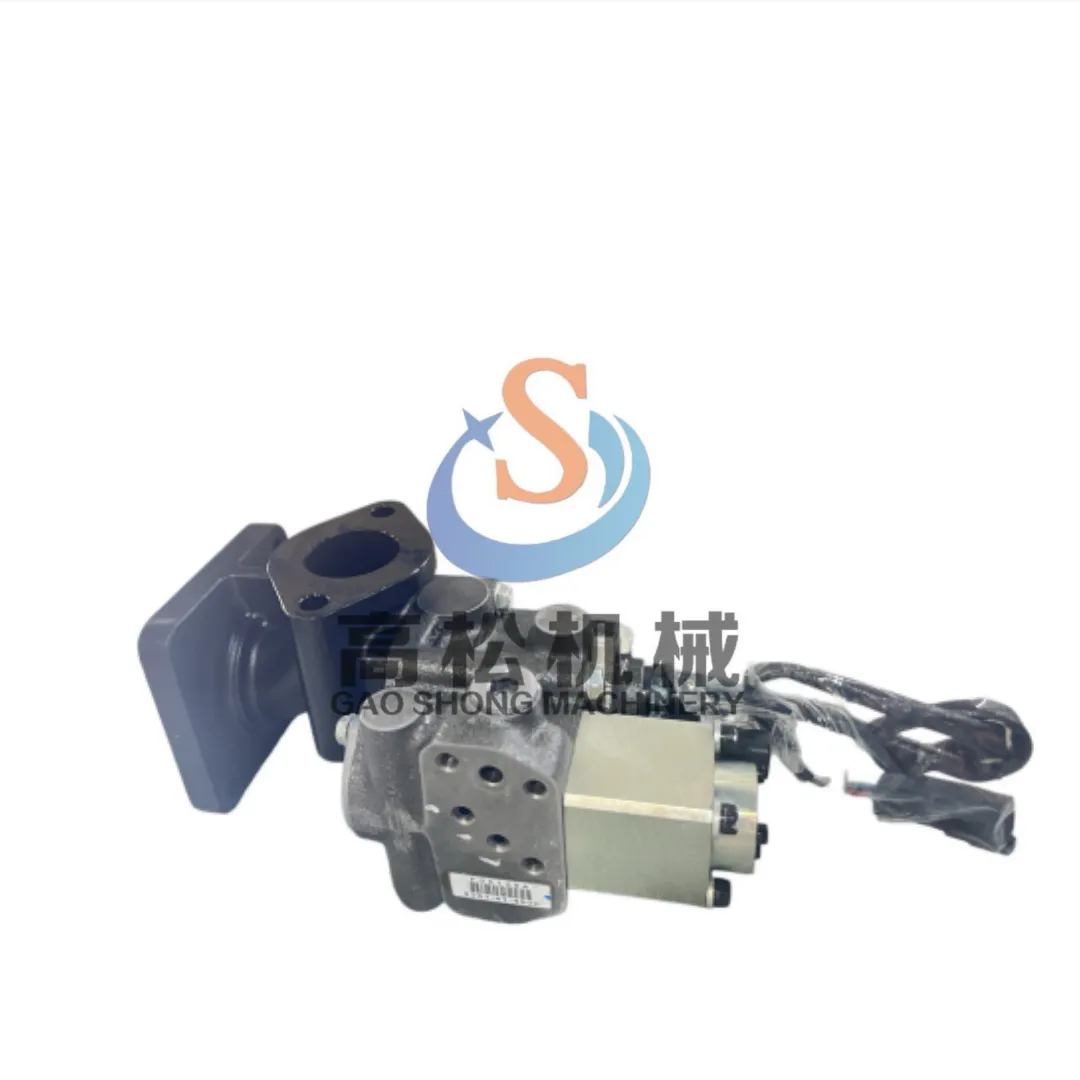 Excavator For Komatsu PC400-7 PC450-7 Control Solenoid Valve 6261-41-4900
 -
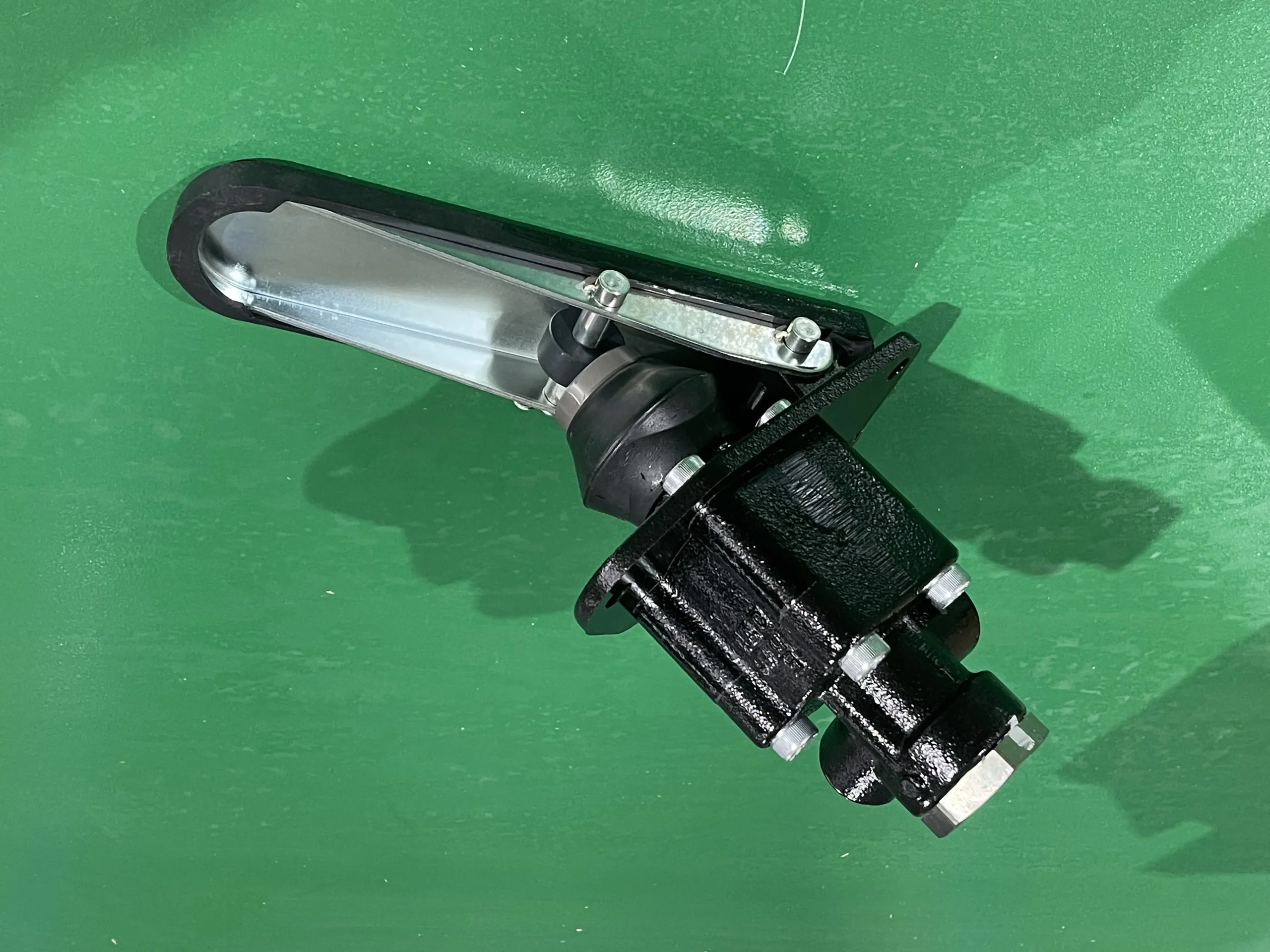 425-43-37200 Komatsu VALVE ASS’Y
 -
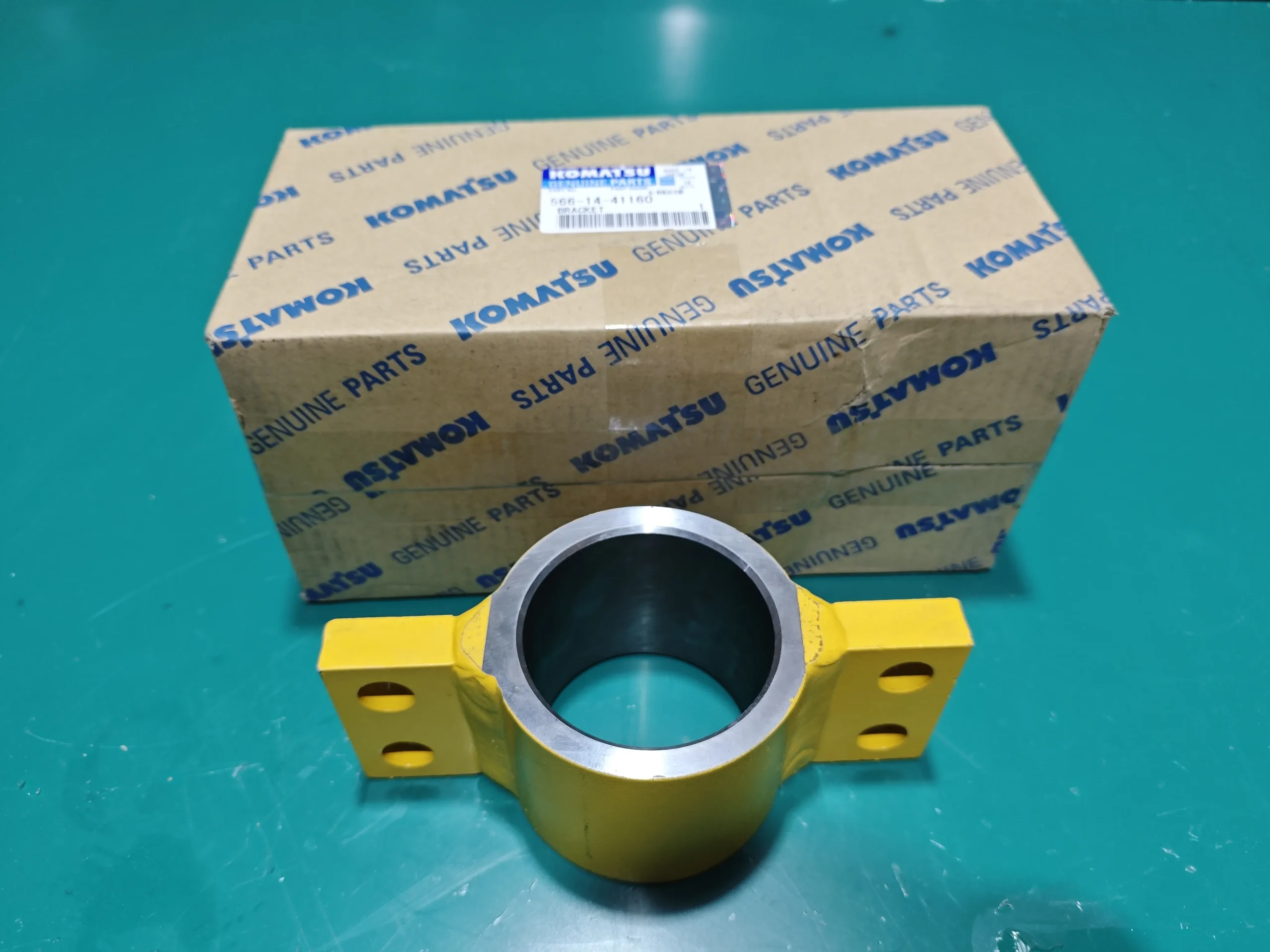 UrParts – Komatsu – Loader Parts – WA600-1H – 566-14-41160…
 -
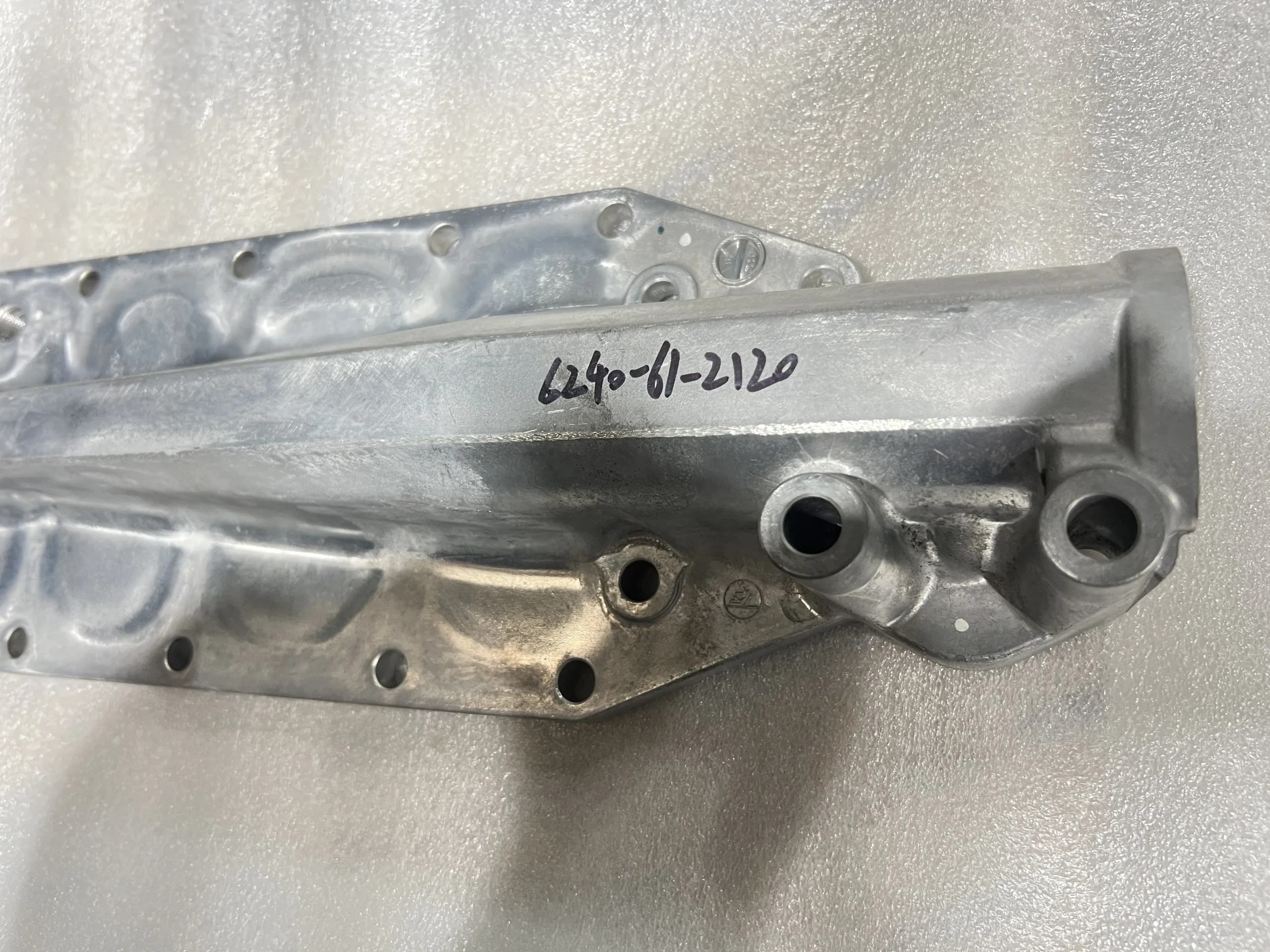 COVER 6240-61-2120 for ENGINE SA6D170E
 -
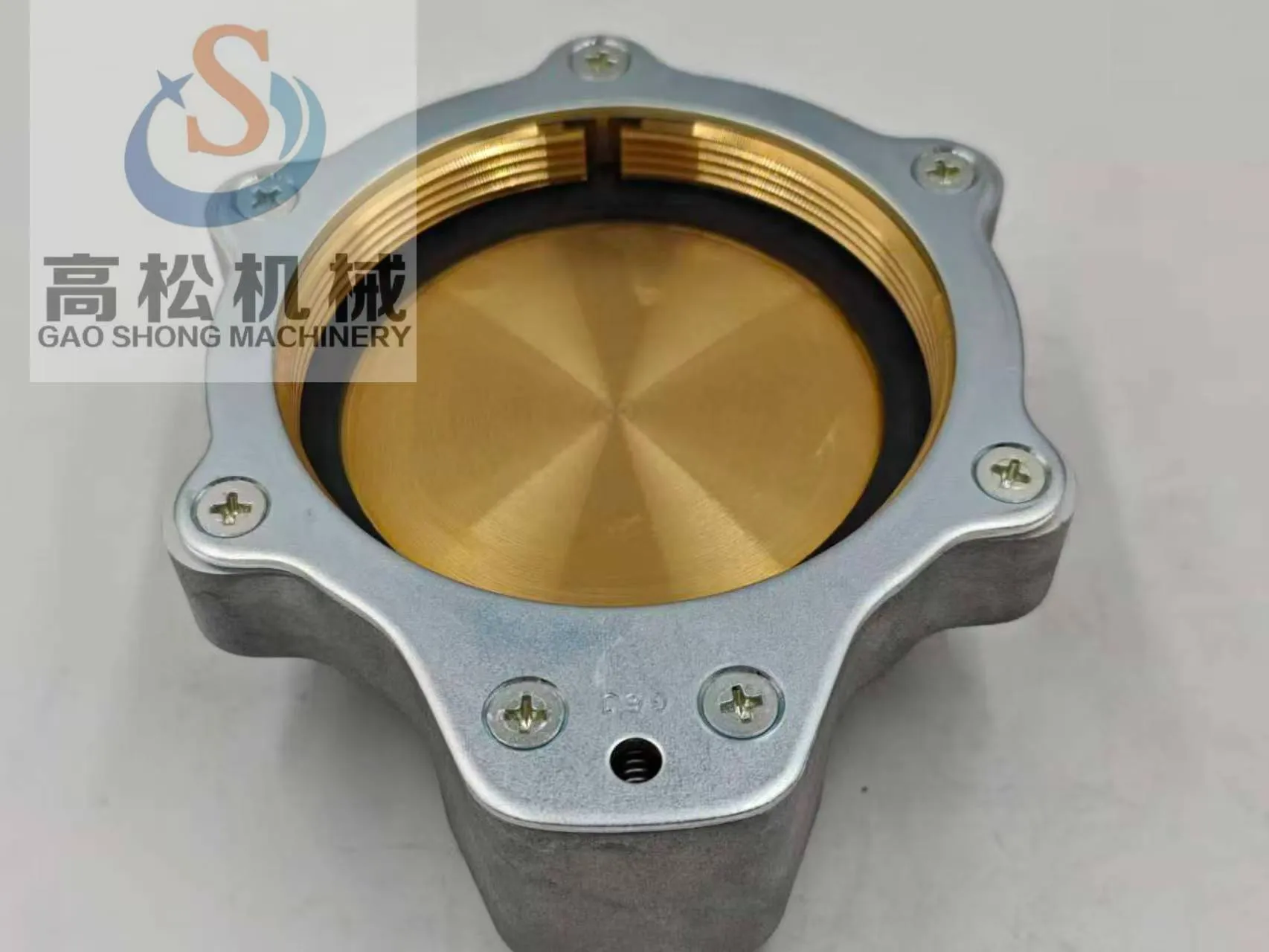 Original new water tank lid 07093-20000 lid suitable for bulldozer komatsu d85 d275
 -
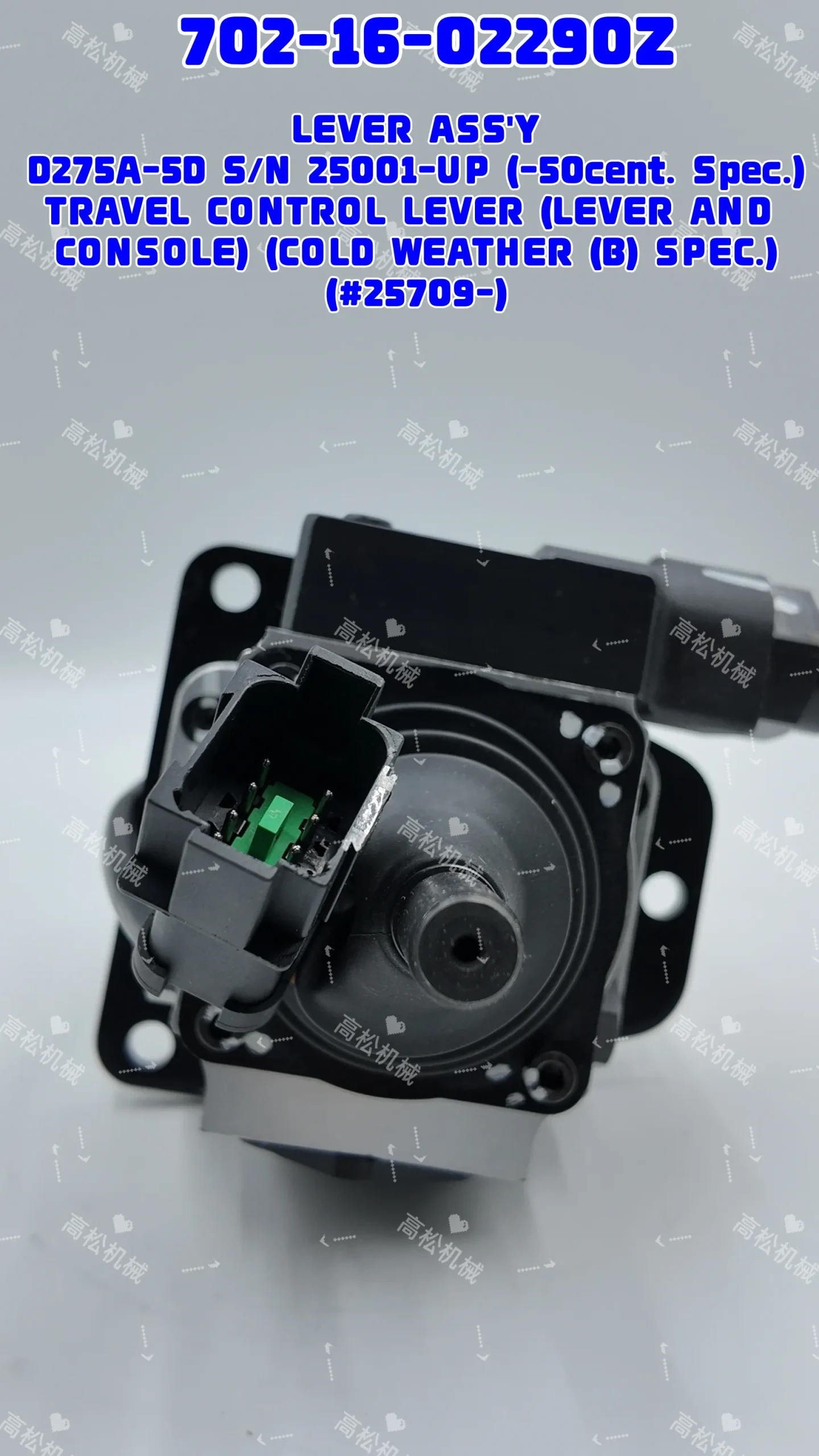 LEVER ASS’Y 702-16-02290 D275A-5D D65PX-15E0 D85EX-15 D65PX-16 D155AX-8 TRAVEL CONTROL LEVER ELECTRIC LEVER FLOOR FRAME
 -
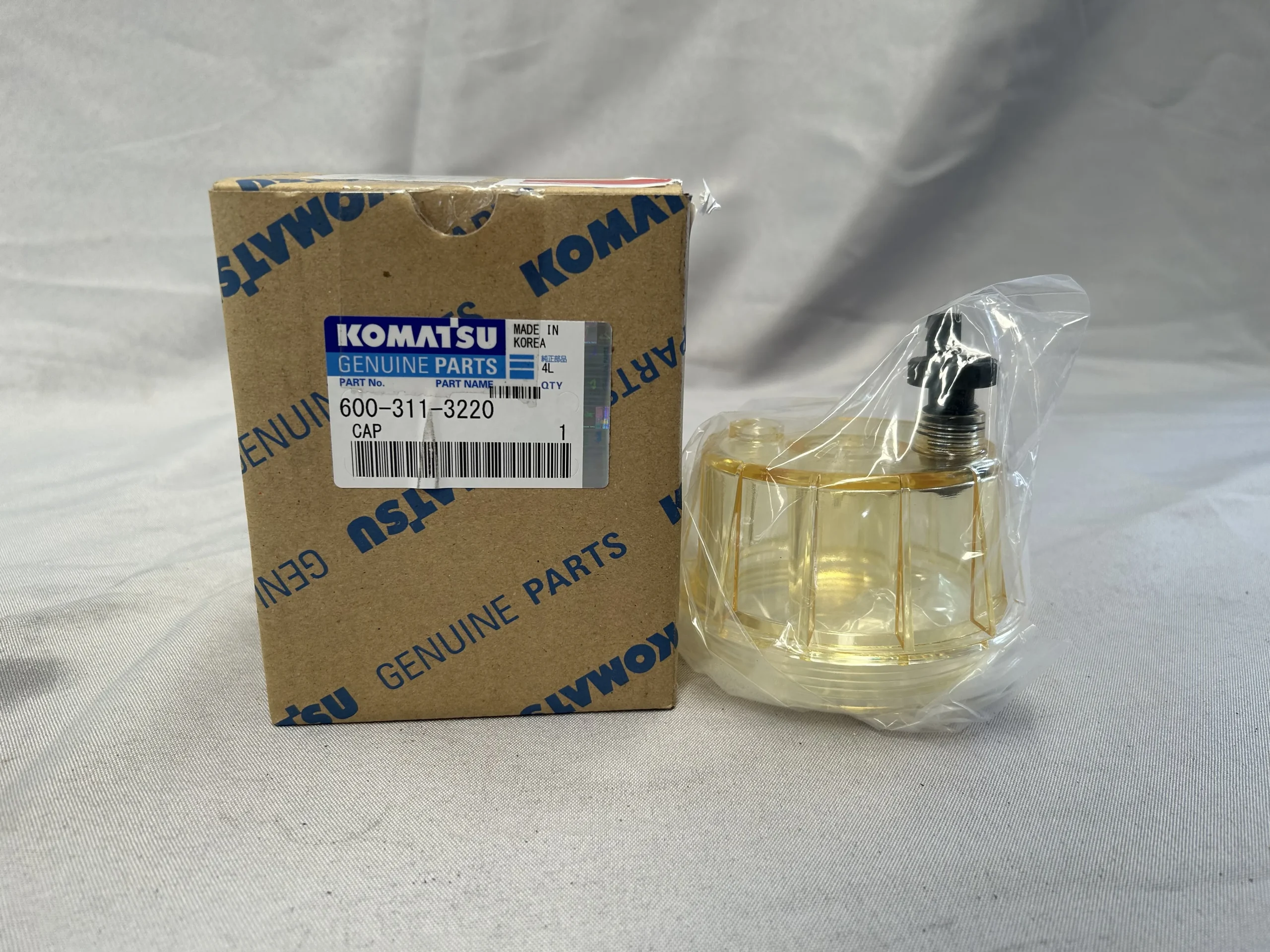 SA6D170E-3A Filter Cup 600-311-3220
 -
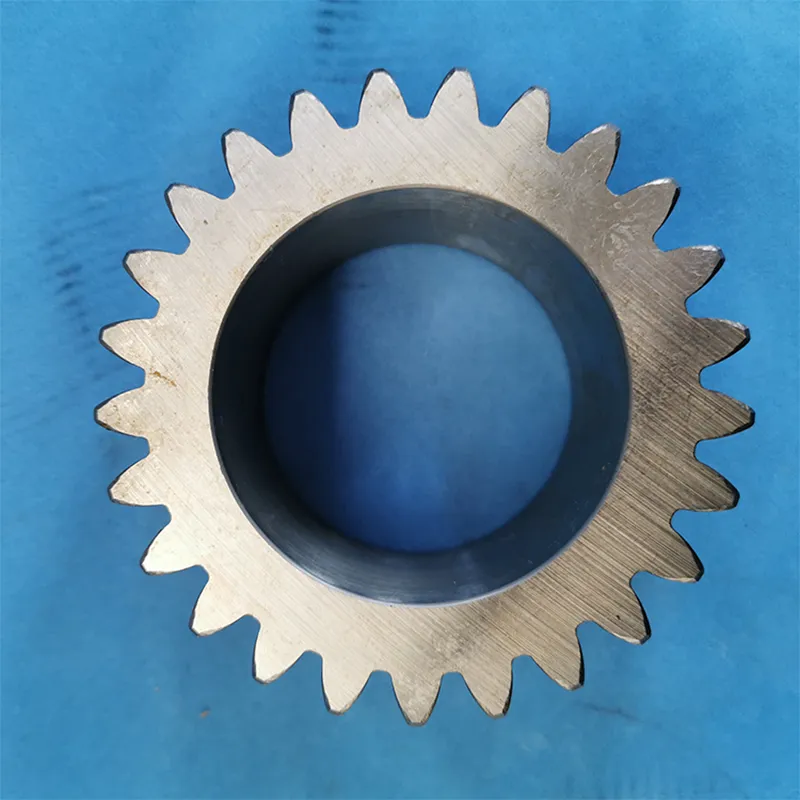 Komatsu original D155A-3 Valve Assembly 17A-49-21100
 -
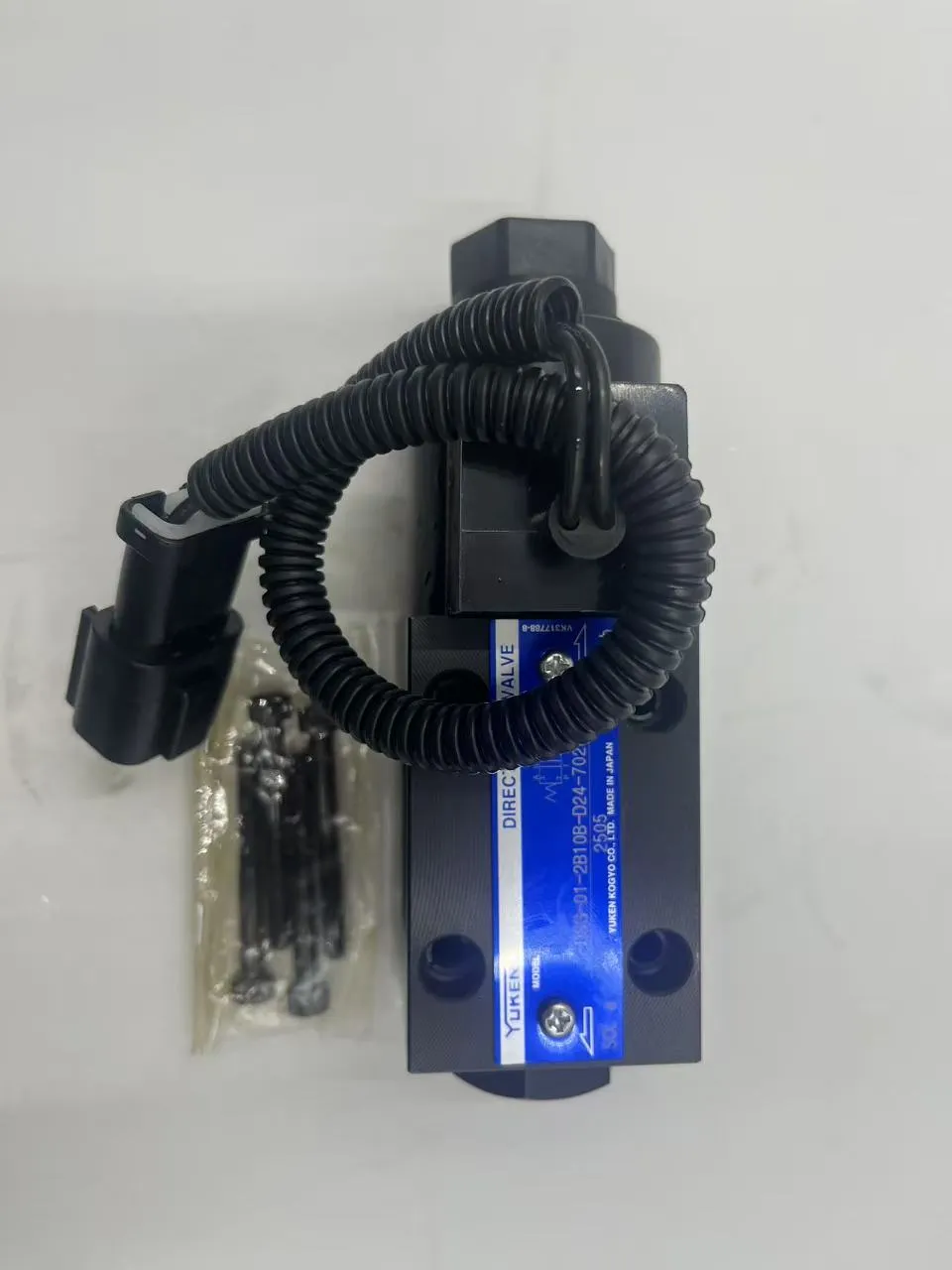 23W-60-28230 • VALVE ASS’Y-Komatsu Original Factory
 -
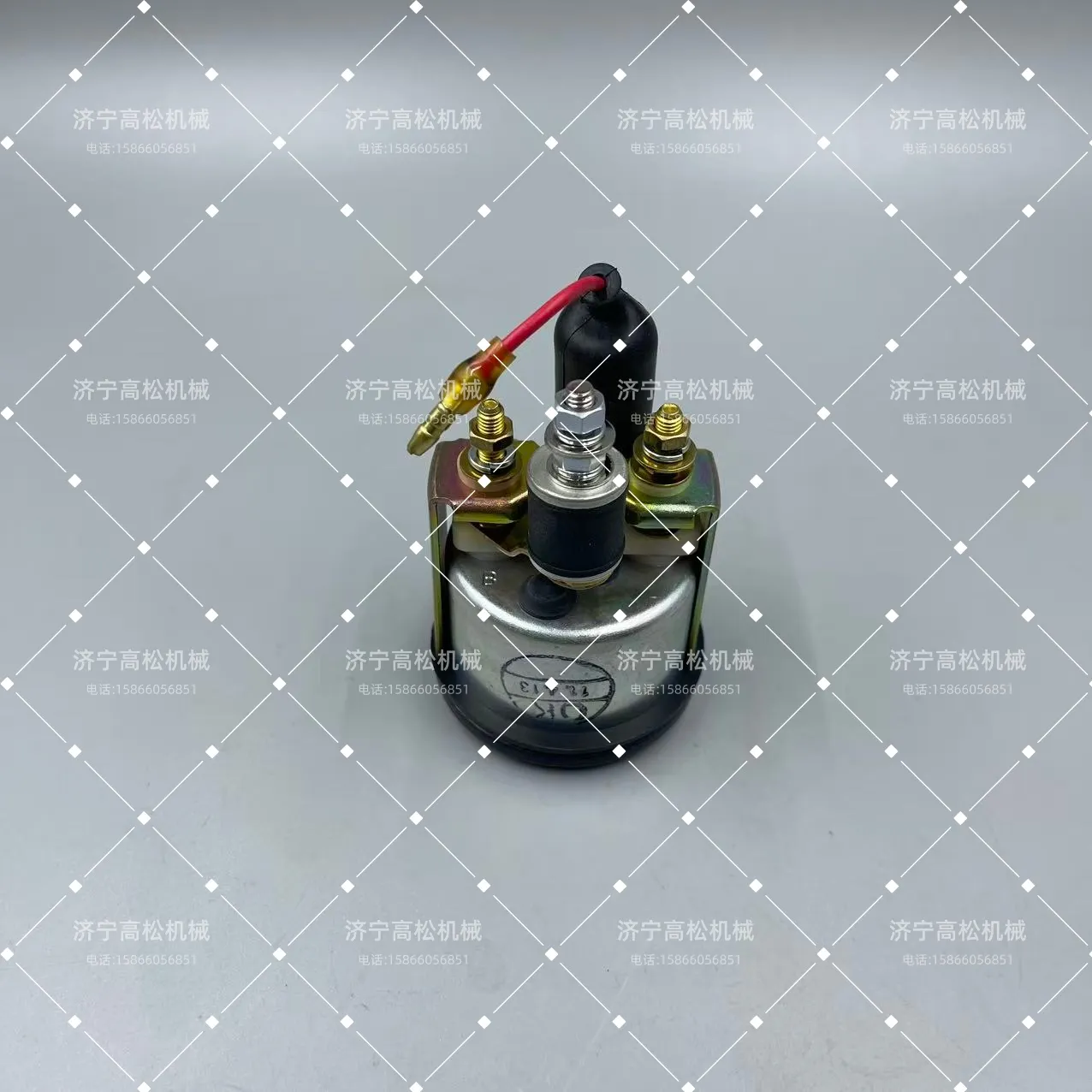 Water Temperature Gauge 195-06-23110 for Komat Su Bulldozer…
 -
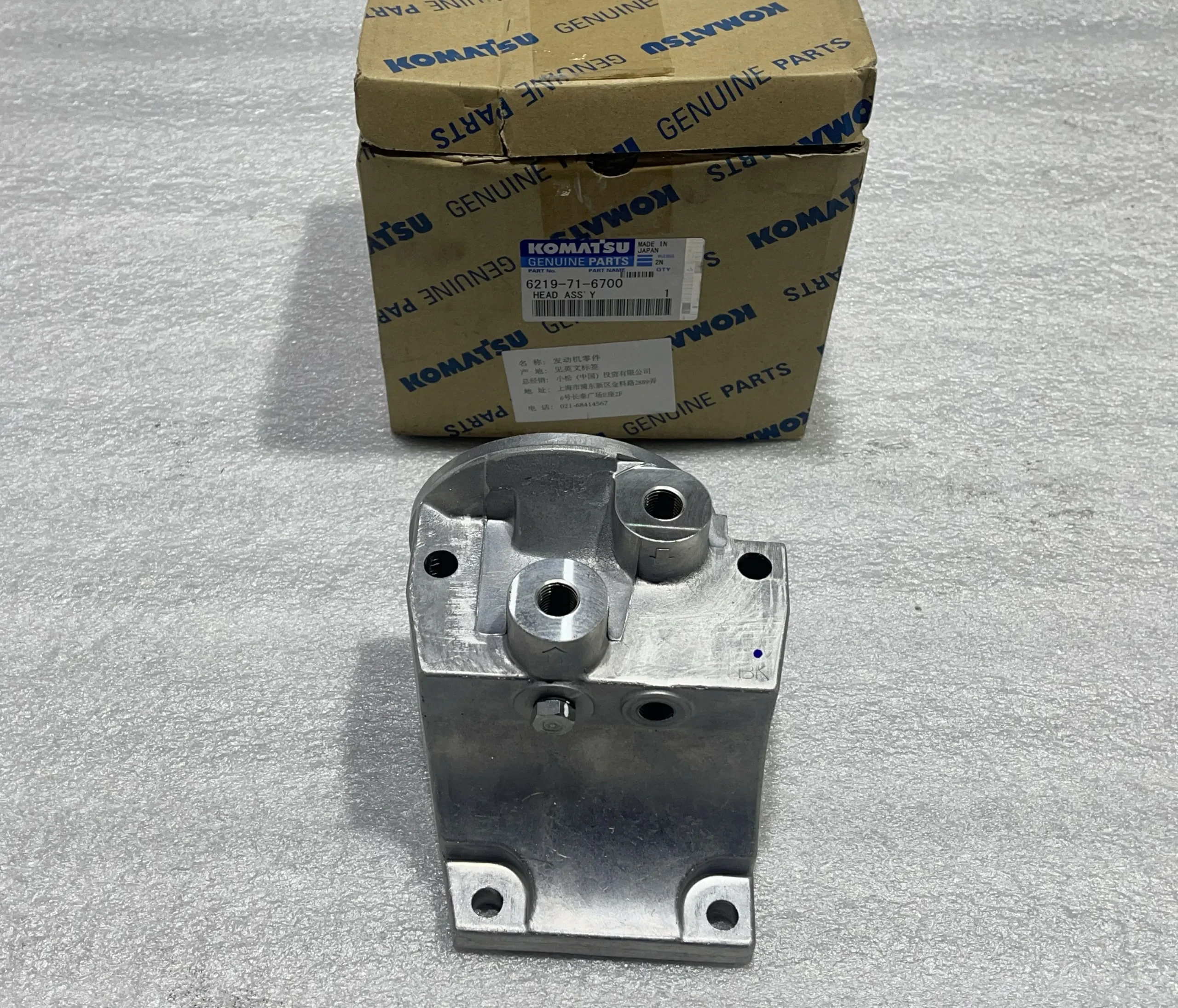 6219-71-6700 HEAD ASS’Y,FUEL FILTER-Komatsu Original Factory Accessories
 -
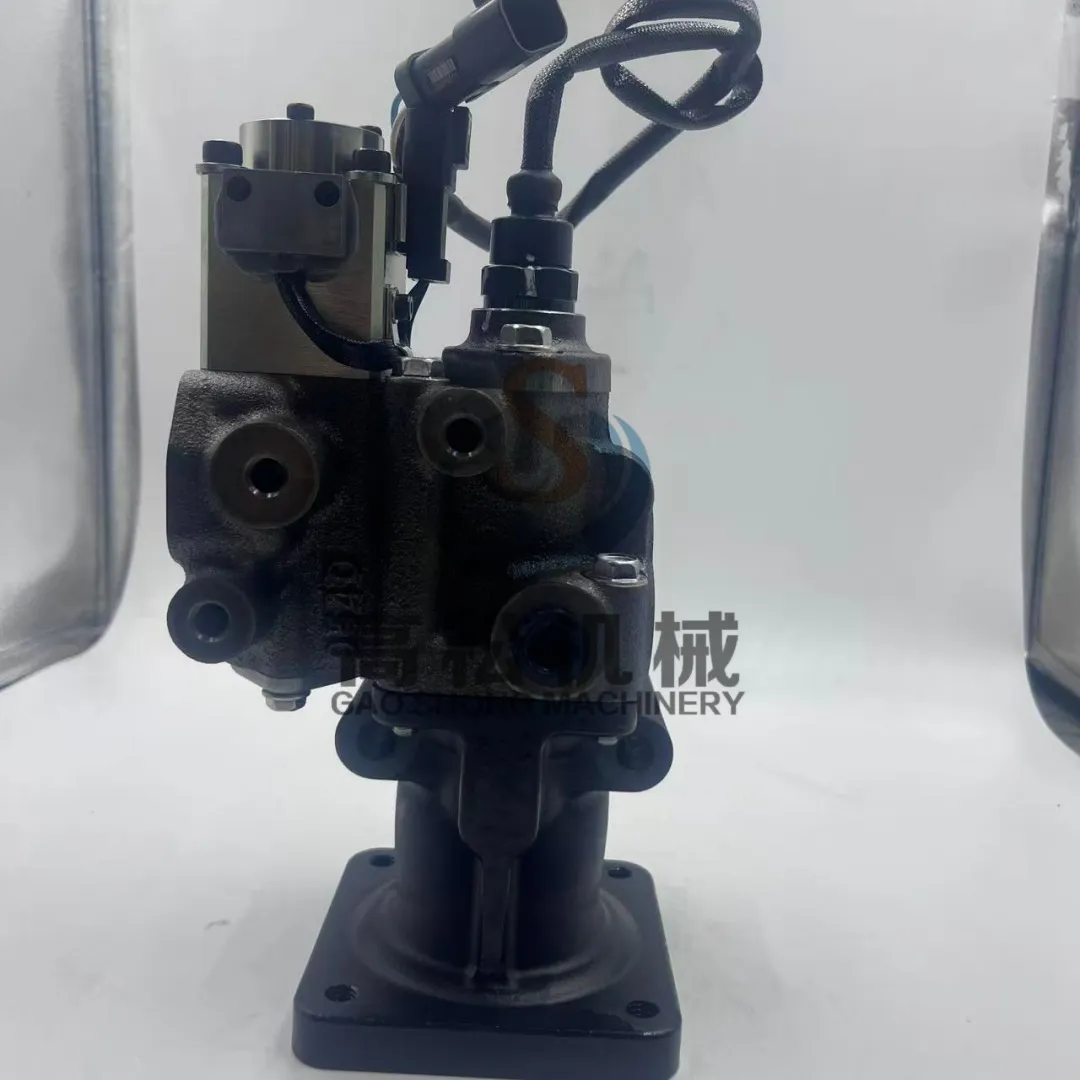 6261-41-9500 Komatsu Valve Assembly, Bypass