
- Chinese
- French
- German
- Portuguese
- Spanish
- Russian
- Japanese
- Korean
- Arabic
- Irish
- Greek
- Turkish
- Italian
- Danish
- Romanian
- Indonesian
- Czech
- Afrikaans
- Swedish
- Polish
- Basque
- Catalan
- Esperanto
- Hindi
- Lao
- Albanian
- Amharic
- Armenian
- Azerbaijani
- Belarusian
- Bengali
- Bosnian
- Bulgarian
- Cebuano
- Chichewa
- Corsican
- Croatian
- Dutch
- Estonian
- Filipino
- Finnish
- Frisian
- Galician
- Georgian
- Gujarati
- Haitian
- Hausa
- Hawaiian
- Hebrew
- Hmong
- Hungarian
- Icelandic
- Igbo
- Javanese
- Kannada
- Kazakh
- Khmer
- Kurdish
- Kyrgyz
- Latin
- Latvian
- Lithuanian
- Luxembou..
- Macedonian
- Malagasy
- Malay
- Malayalam
- Maltese
- Maori
- Marathi
- Mongolian
- Burmese
- Nepali
- Norwegian
- Pashto
- Persian
- Punjabi
- Serbian
- Sesotho
- Sinhala
- Slovak
- Slovenian
- Somali
- Samoan
- Scots Gaelic
- Shona
- Sindhi
- Sundanese
- Swahili
- Tajik
- Tamil
- Telugu
- Thai
- Ukrainian
- Urdu
- Uzbek
- Vietnamese
- Welsh
- Xhosa
- Yiddish
- Yoruba
- Zulu
- Kinyarwanda
- Tatar
- Oriya
- Turkmen
- Uyghur






used komatsu excavator parts for sale
When you type 'used Komatsu excavator parts for sale' into a search bar, you're not just looking for a widget. You're trying to solve a real problem, often under pressure—a machine is down, a project is stalled, and the cost of a brand-new OEM part from the dealer is a tough pill to swallow. The immediate thought is to find a cheaper alternative, and that's where the real maze begins. A common pitfall? Assuming all used parts listings are equal. They're not. The variance in quality, origin, and actual condition is staggering, and believing otherwise is the first mistake that can cost you more in downtime than you saved on the part price.
The Reality Behind the Listings
Let's get specific. You'll see ads for a used Komatsu PC200-8 hydraulic pump or a Komatsu PC360-7 travel motor. The photos might look decent, but they rarely tell the full story. Was it pulled from a machine with 5,000 hours or 15,000? Was it a routine replacement or removed after a catastrophic failure? I've bought parts that looked fine externally but had internal scoring you'd only find after installation and testing. That's the gamble. The seller's description is key, but so is their reputation. You learn to read between the lines of phrases like good condition or working when removed.
This is where a supplier's background matters immensely. I've dealt with many, but one that consistently stands out is Jining Gaosong Construction Machinery Co., Ltd.. Their site, https://www.takematsumachinery.com, is more than just a catalog. Their claim of being an OEM product supplier within the Komatsu system and a third-party sales company isn't just marketing fluff. In practice, it means they have a direct line to the genuine supply chain, which directly impacts the quality and traceability of the used parts they handle. They're not just scrappers; they're solving parts supply challenges with actual system knowledge.
For instance, sourcing a used Komatsu swing bearing for an older model like a PC300-5. Generic suppliers might offer you something that fits, but Gaosong's positioning often means they can verify the part number's lineage, check its service history more reliably, and sometimes even cross-reference it with remaining new old stock. It reduces the risk. You're not just buying a used part; you're buying the context that comes with it.
Where Used Doesn't Mean Worn Out
There's a sweet spot in the used parts market: components that were replaced proactively during major overhauls. Think about undercarriage parts—rollers, idlers, chains from a machine that was refurbished before a sale. These are gold. They have measurable, even wear and often 60-70% of their life left. The trick is identifying sellers who deal in this stream of parts, not just salvage from wrecked machines.
I remember needing a used Komatsu main control valve for a PC130-7. The price from a dealer was prohibitive. I found two used options: one from a general machinery dismantler and one from a specialist like the aforementioned company. The specialist could tell me the valve was from a machine that had its pump fail, not a hydraulic system contamination event. That detail is everything. It turned a risky purchase into a sensible one. The part worked flawlessly for another 3000 hours.
This ties back to the core challenge these suppliers help solve. In certain regions, official distribution is thin or parts are on indefinite backorder. A company that operates as a third-party sales channel for Komatsu, like Gaosong, can leverage its network to locate these quality-used components globally, effectively bridging that supply gap. It's a different model than just running a junkyard.
The Inspection Pitfalls You Can't Ignore
Even with a reputable source, you have to do your homework. Requesting specific photos is non-negotiable. Don't just ask for a picture. Ask for a clear shot of the part number tag, the sealing surfaces, the splines, or the piston bore. Look for corrosion patterns, fresh paint that might hide cracks, or mismatched bolts indicating a rebuild. I once skipped this on a used Komatsu final drive, assuming a big name meant it was pre-vetted. The unit had a hairline crack in the casing that only leaked under full load. My fault for not asking for a magnified shot of the casing welds.
Another practical issue: compatibility. Komatsu often makes running changes. A part number for a PC210LC-8 might have a dash-1, dash-2 revision. A used part from an early -8 machine might not work in a later one. This is where the professional background of a supplier is critical. A good sales tech will ask for your machine's serial number, not just the model, to check interchangeability. It saves a world of hassle.
When to Buy Used, and When to Walk Away
Not every component is a good candidate for used. Electronics—controllers, monitors, sensors—are high-risk. They can be damaged in removal or be prone to latent faults. I generally avoid used electronics unless they're from a known, tested source. Similarly, intricate components like complete hydraulic pumps or motors from unknown salvage are a coin toss. However, mechanical items like cylinder rods, gearboxes, linkage pins, and booms can be excellent used purchases if the wear is within spec.
It's also about cost versus criticality. A used cab door or a step? Low risk. A used main hydraulic pump for your primary machine? Higher risk, requiring more due diligence on the source. The goal is to keep machines running cost-effectively, not to create more downtime. Sometimes, the math shows that a quality used part from a verified channel makes perfect sense. Other times, the risk assessment points you to a new aftermarket or even biting the bullet on OEM.
Building a Relationship with a Source
This business ultimately runs on trust. Finding a supplier you can rely on is half the battle. It's less about a one-time transaction for used Komatsu excavator parts for sale and more about building a channel. When you find a company that consistently provides accurate descriptions, honest condition reports, and stands behind what they sell, you stick with them. You start calling them directly instead of just browsing listings.
That's the value proposition of a specialized entity. They're not a faceless online marketplace. They are a specific company with a specific role in the Komatsu ecosystem, as their description states: helping to solve parts supply challenges. When they sell a used part, they're also protecting that reputation. For a field mechanic or fleet manager, that reliability is worth its weight in gold. It turns the chaotic search for a used part into a managed procurement process. You're not just buying a part; you're buying the expertise that sourced and vetted it.
Related Products
Related Products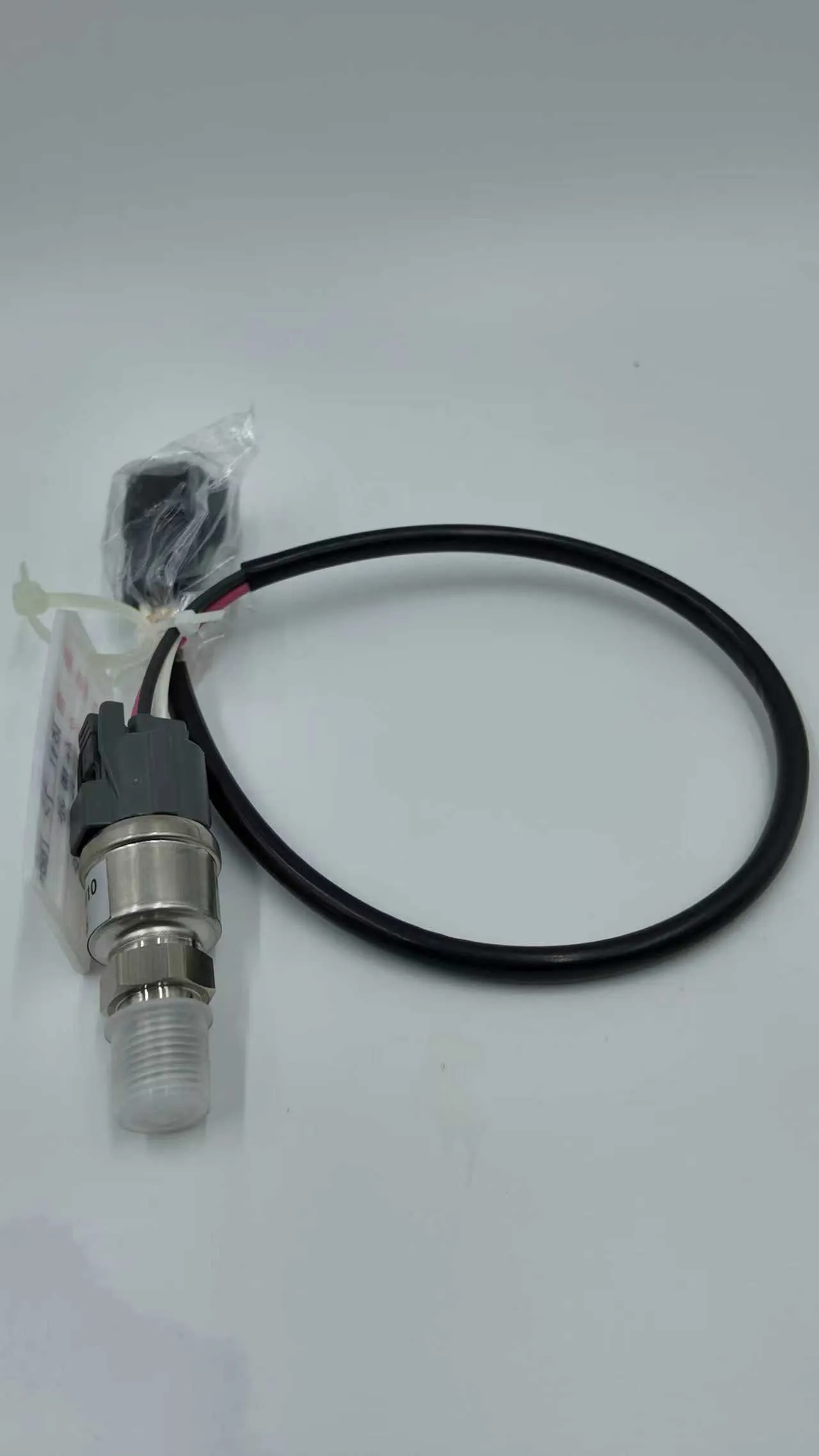
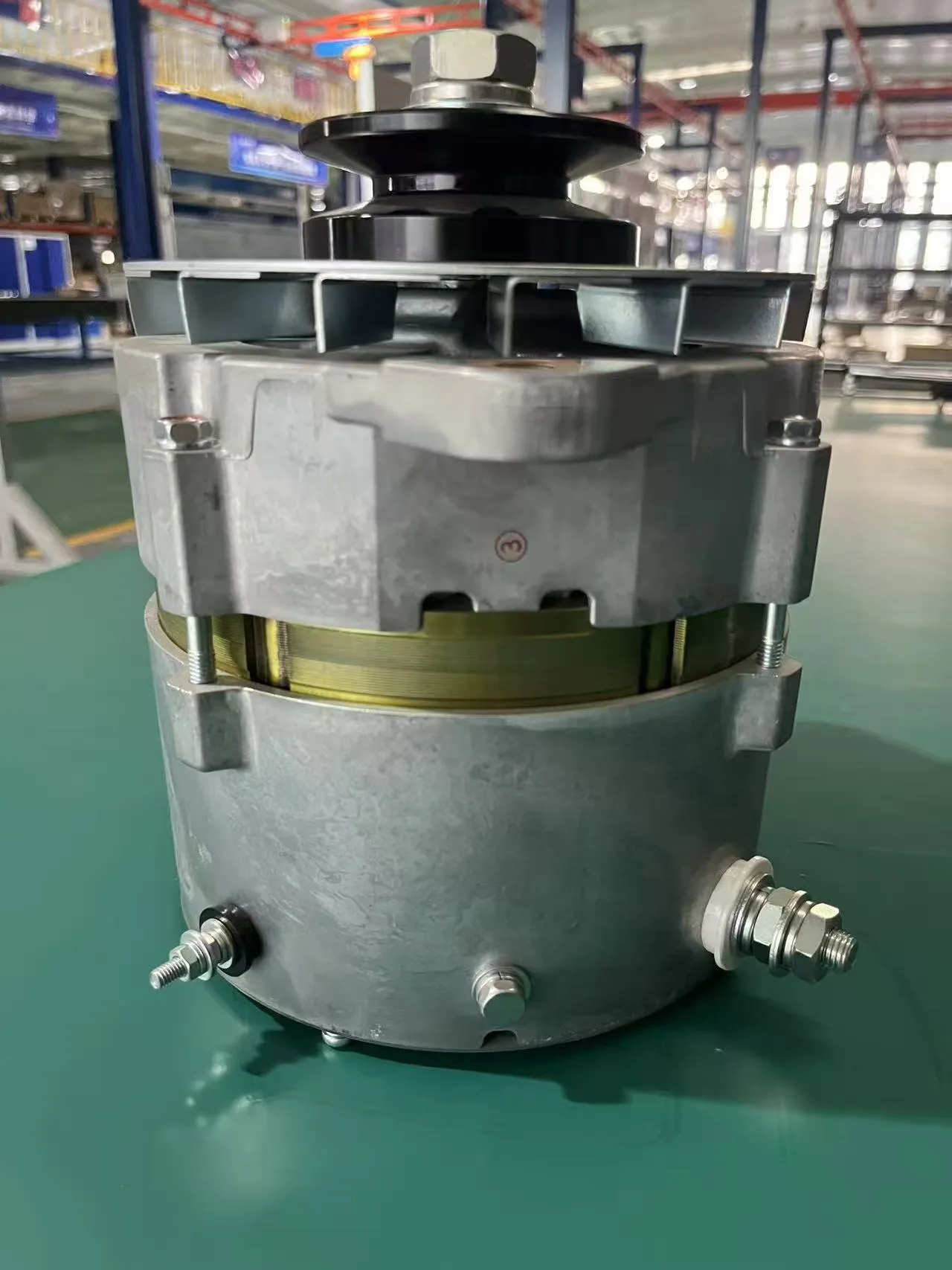
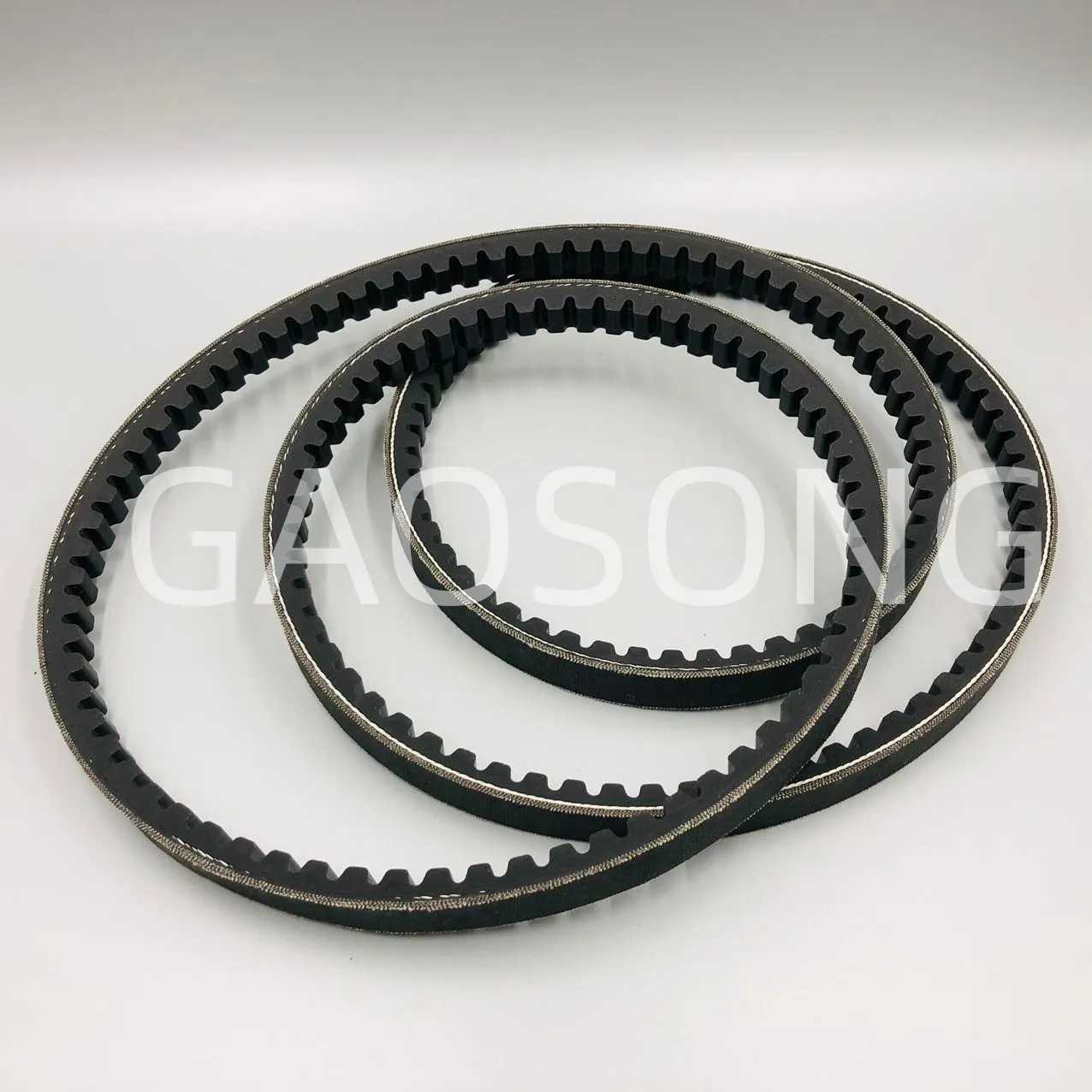

Best Selling Products
Best Selling Products-
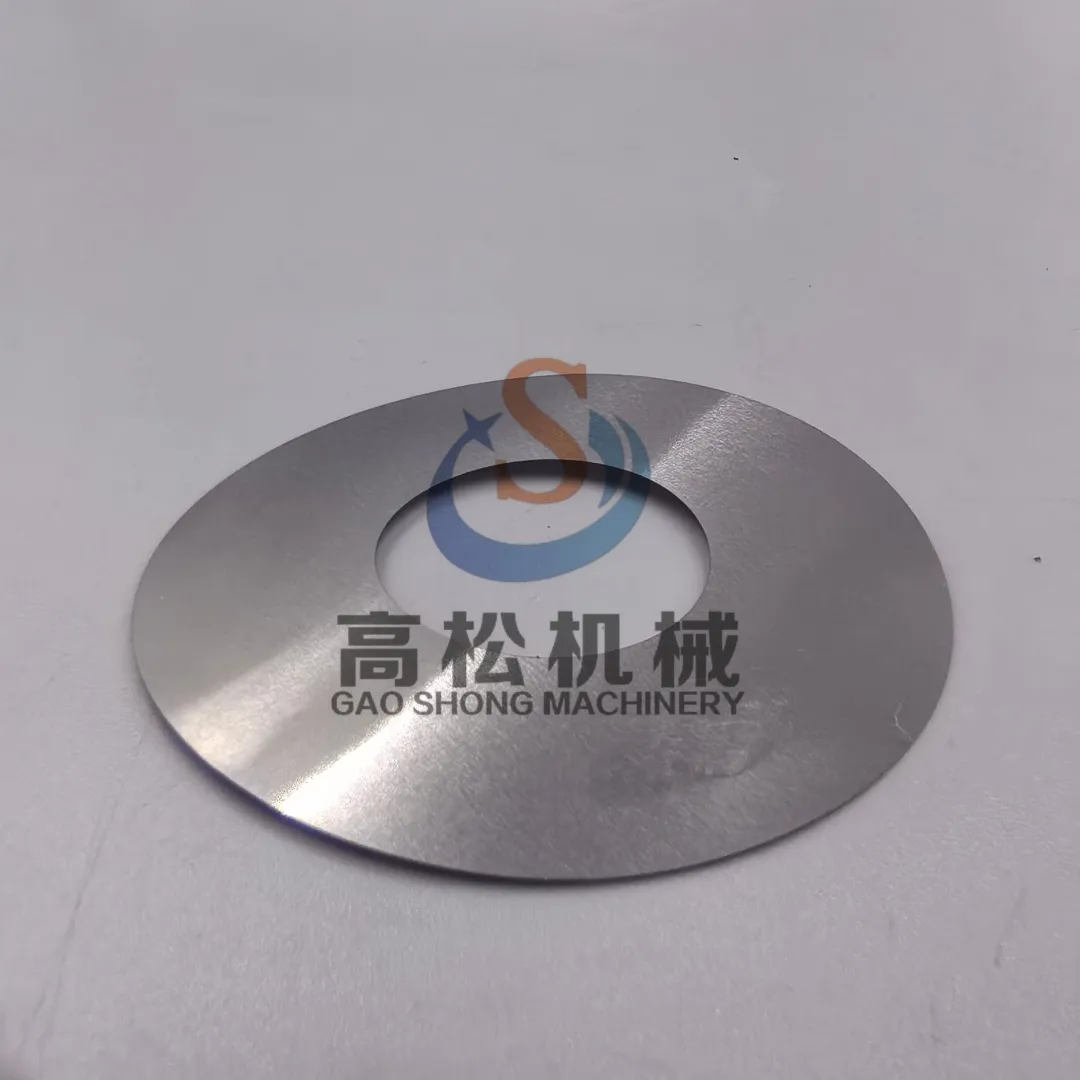 Spare part 23W-22-21560 SHIM 0.05MM Komatsu
 -
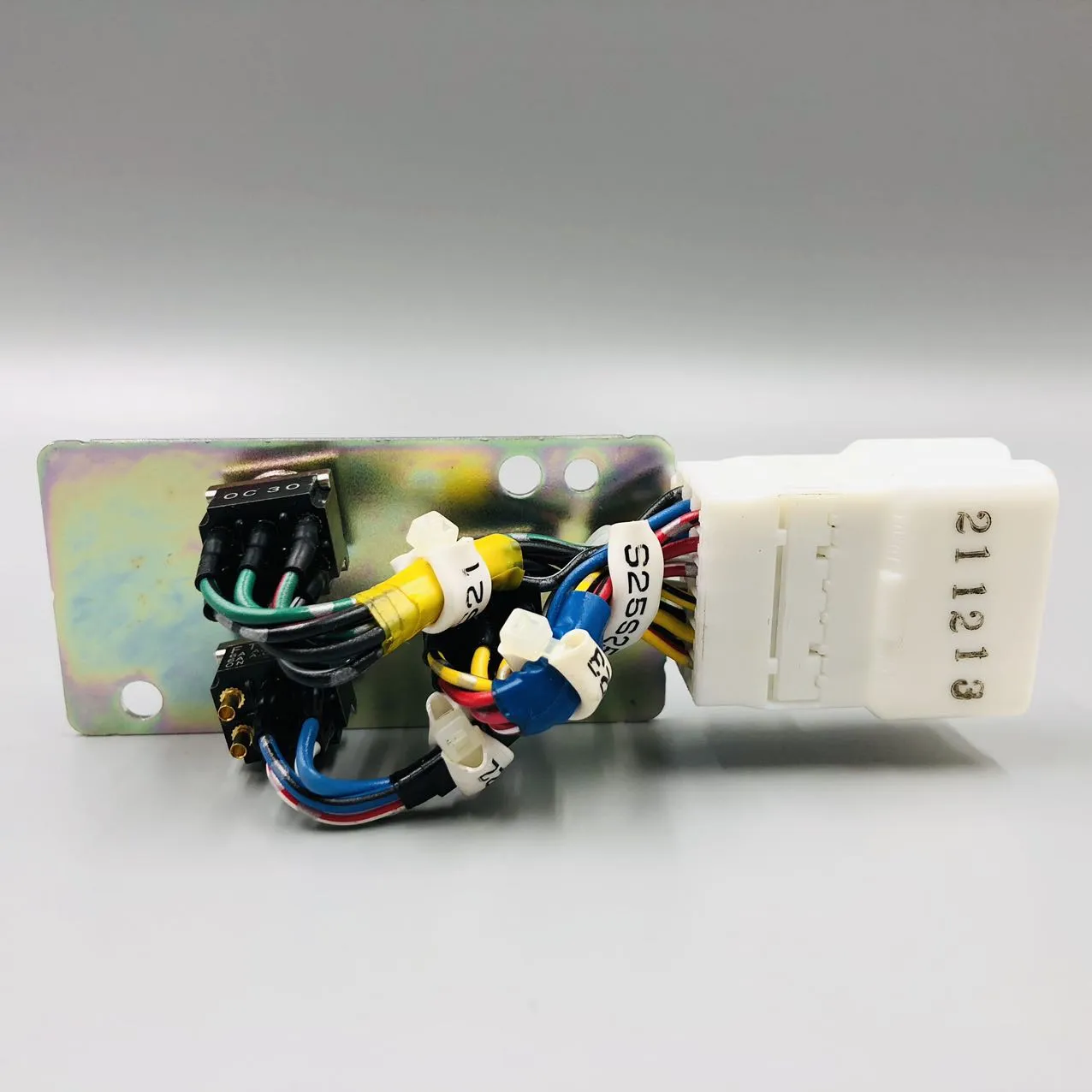 22U-06-22370 Switch Assembly
 -
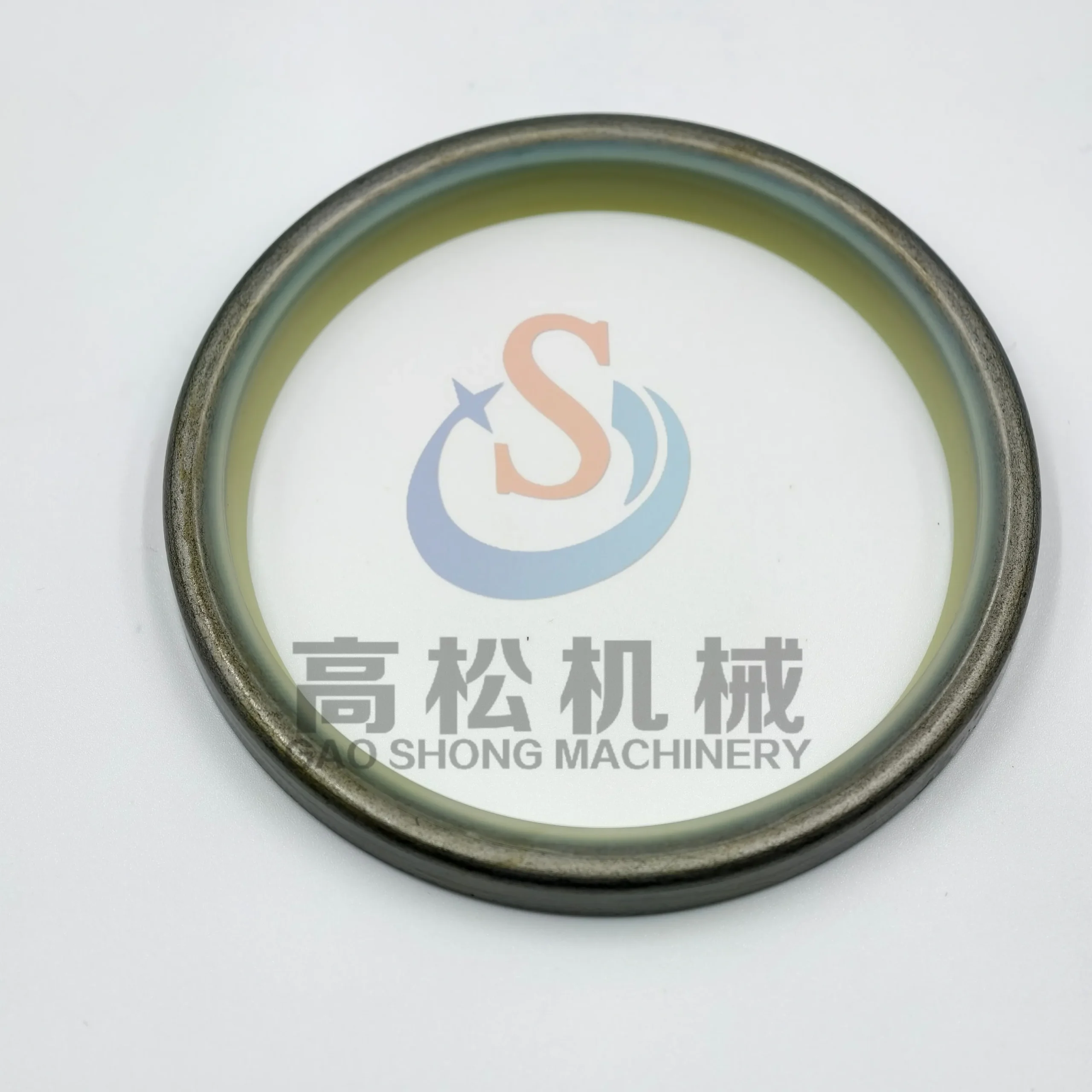 17M-50-24360 Seal (Komatsu)
 -
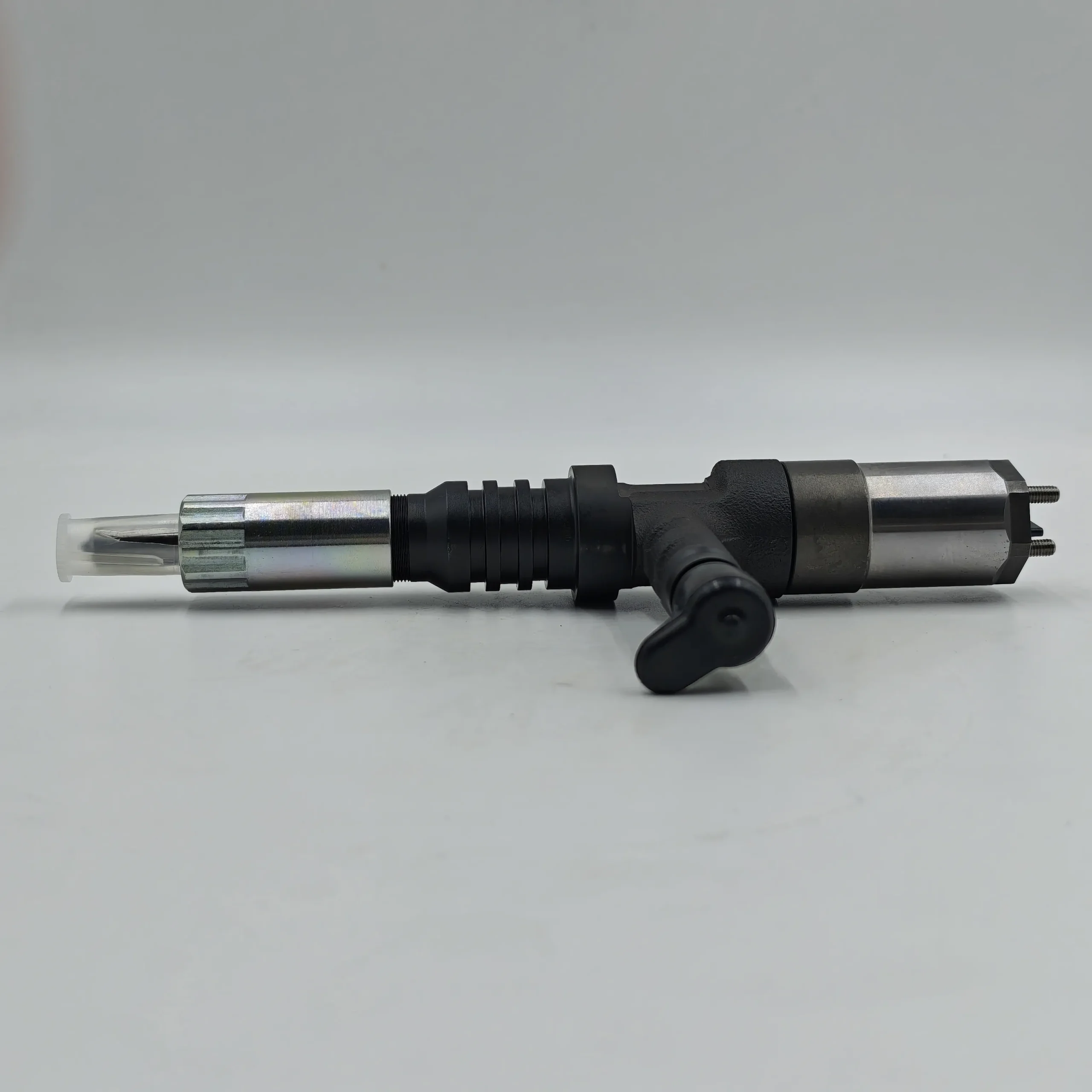 095000-0560 095000-0562 6218-11-3100 6218-11-3101 Diesel Fuel Injector 6PCS for Komatsu SA6D140E-3 Engine PC600-6 PC600-8 PC450-8 WA500-3 WA500-6 D275-A D155-AX5 HM350-1 DCA-400SSK2
 -
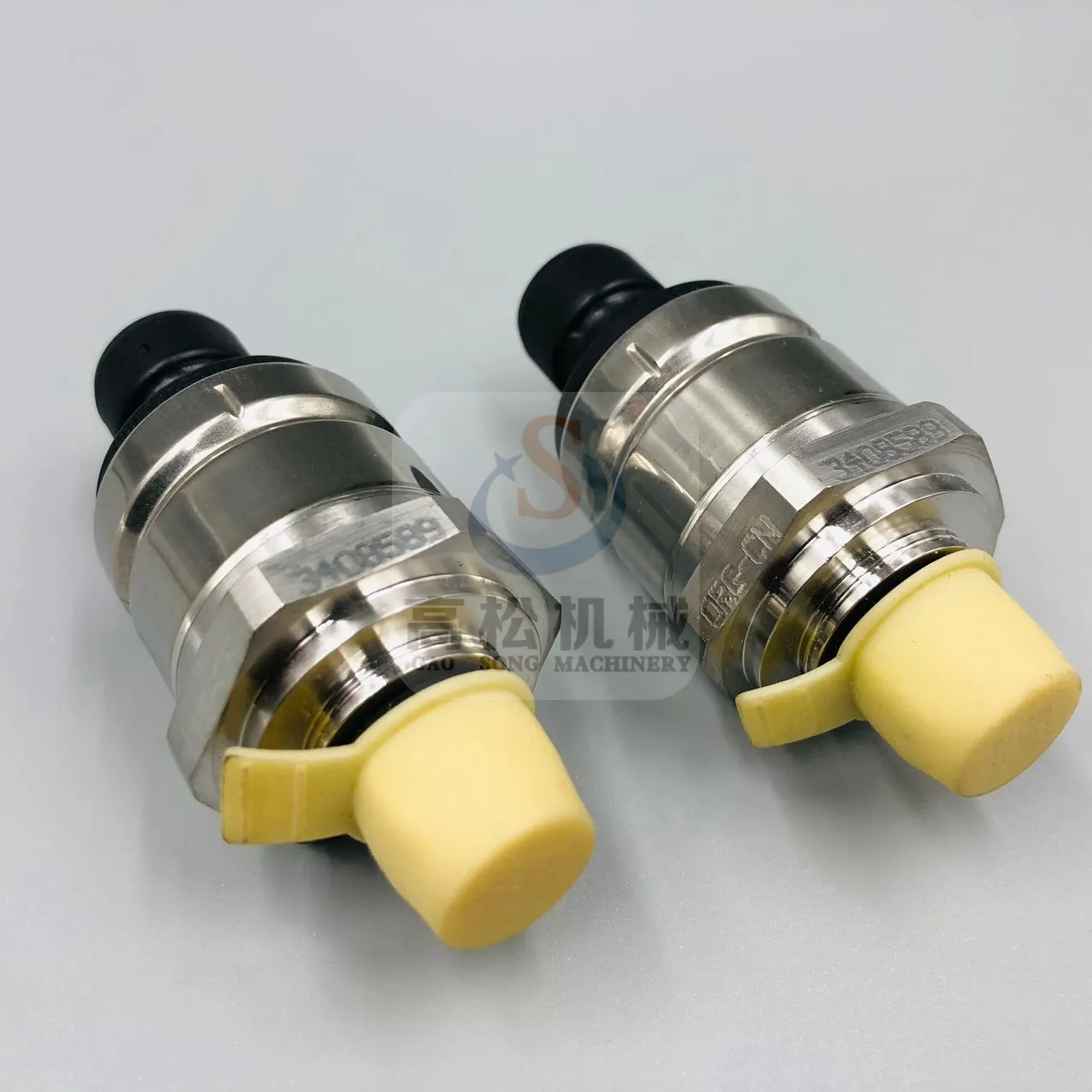 6560-61-7102 pressure sensor for Komatsu WA600-3
 -
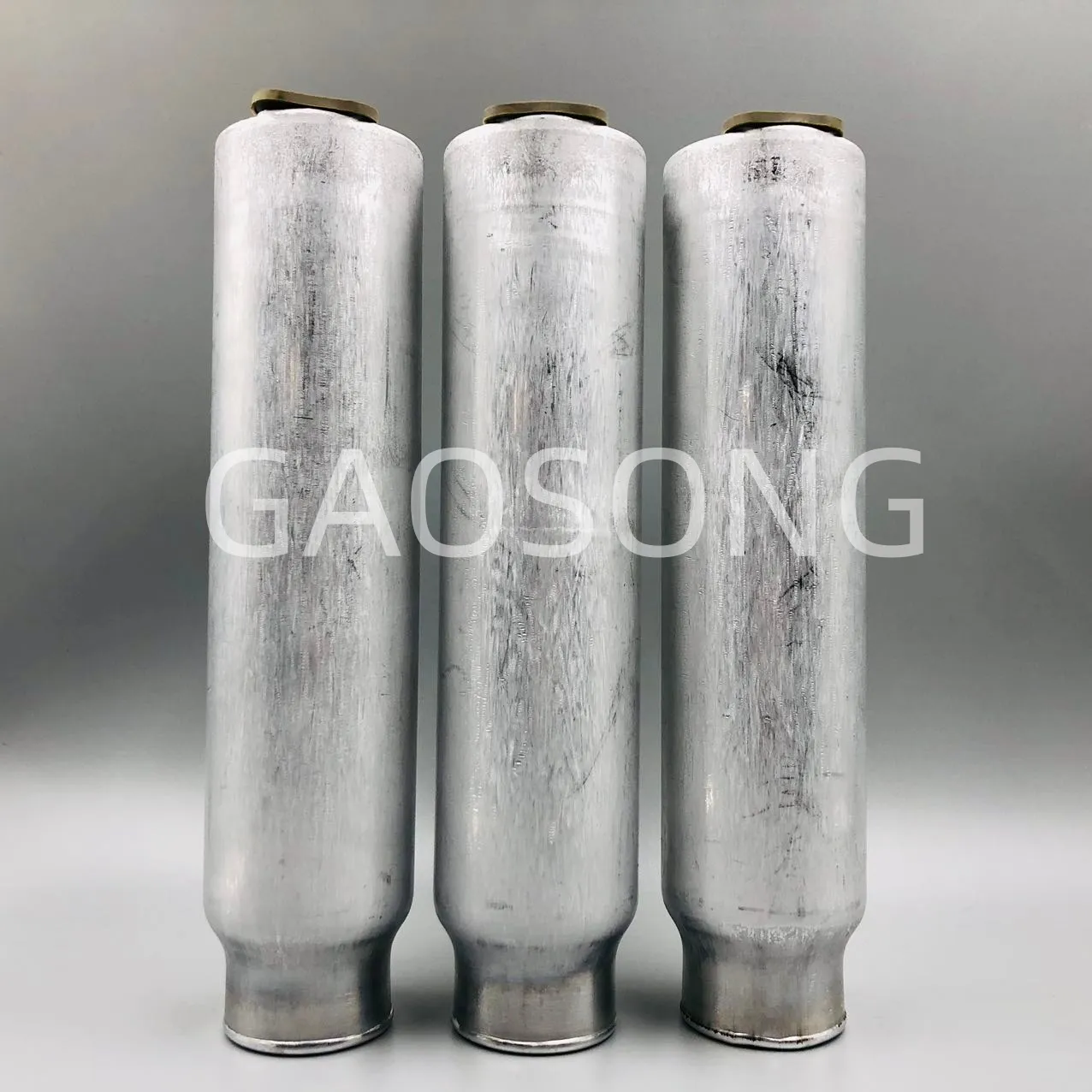 20Y-979-3120 TANK.-Komatsu Original Factory
 -
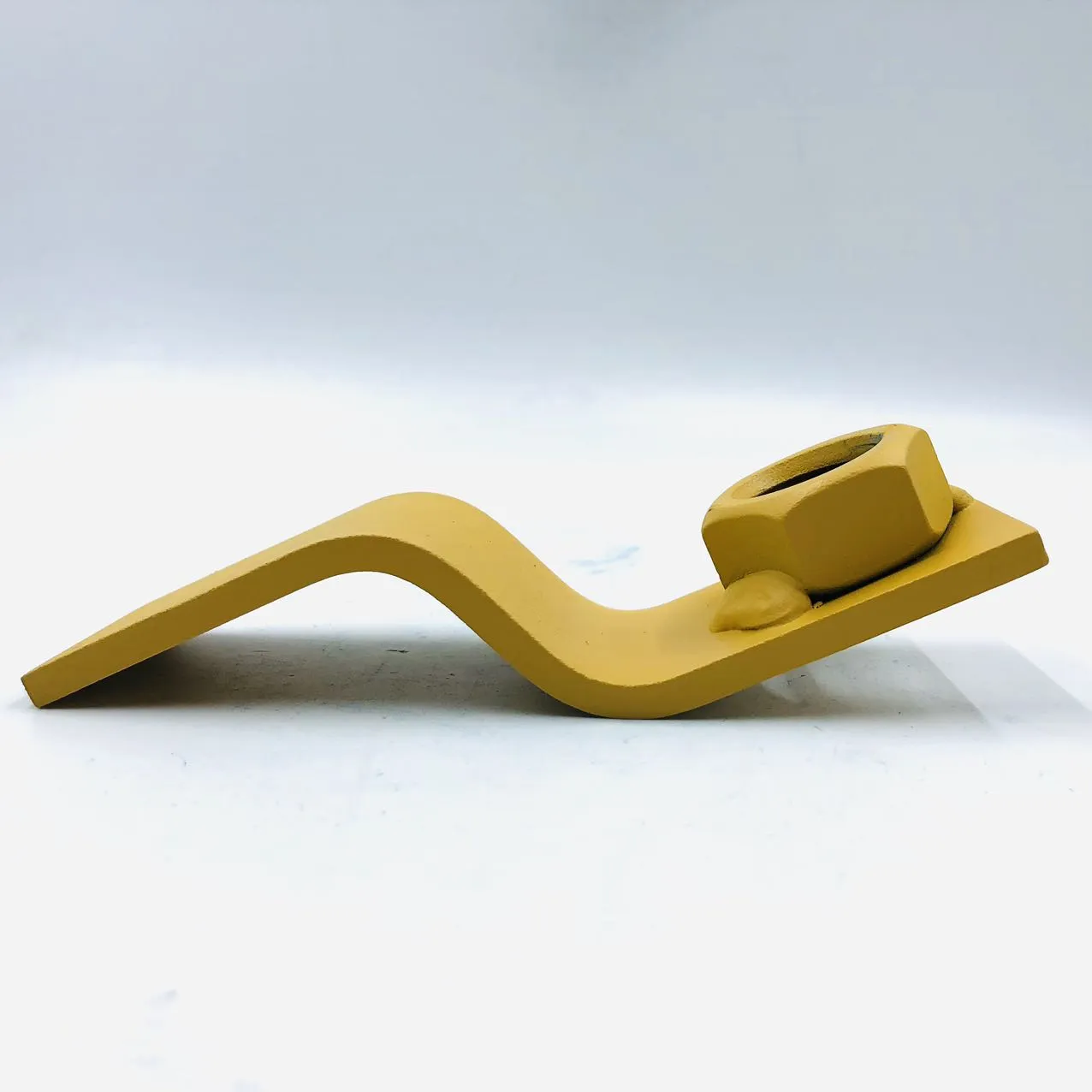 21T-01-67330 Komatsu Machinery Parts
 -
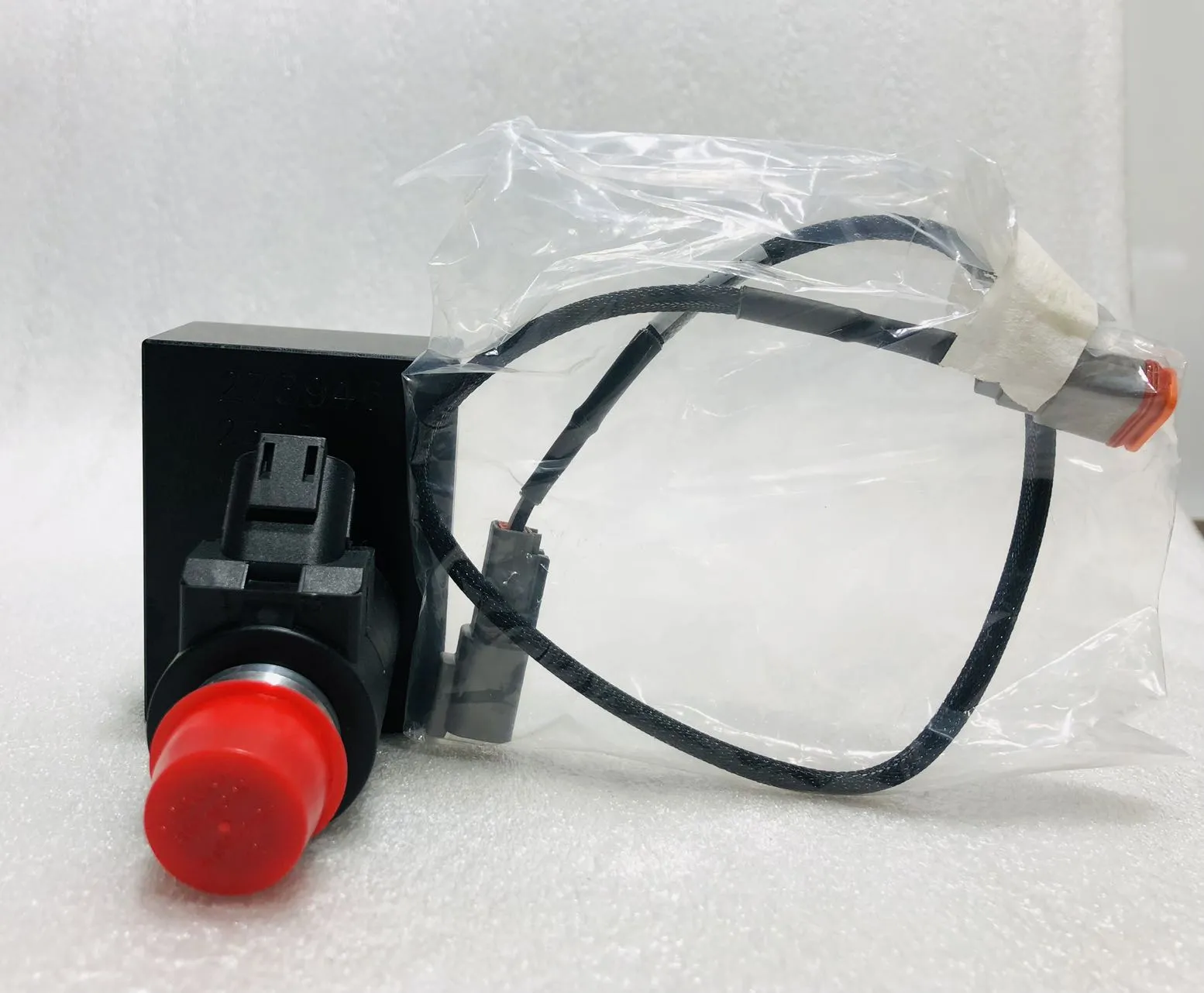 561-95-8A530• PUMP ASSEMBLY Applicable: Komatsu self-unloading truck HD series
 -
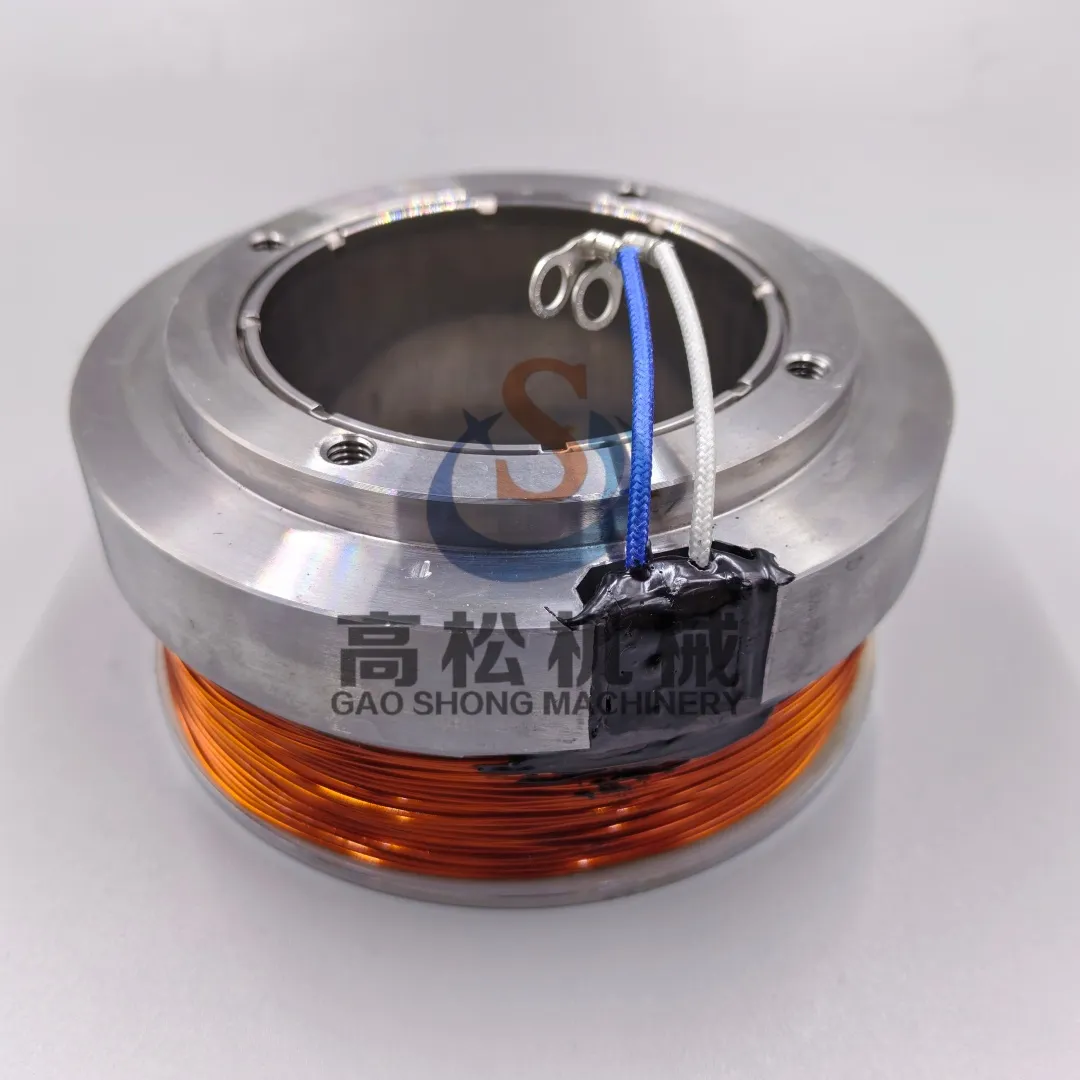 KD0-35120-0250 FIELD COIL ASS’Y (Komatsu)
 -
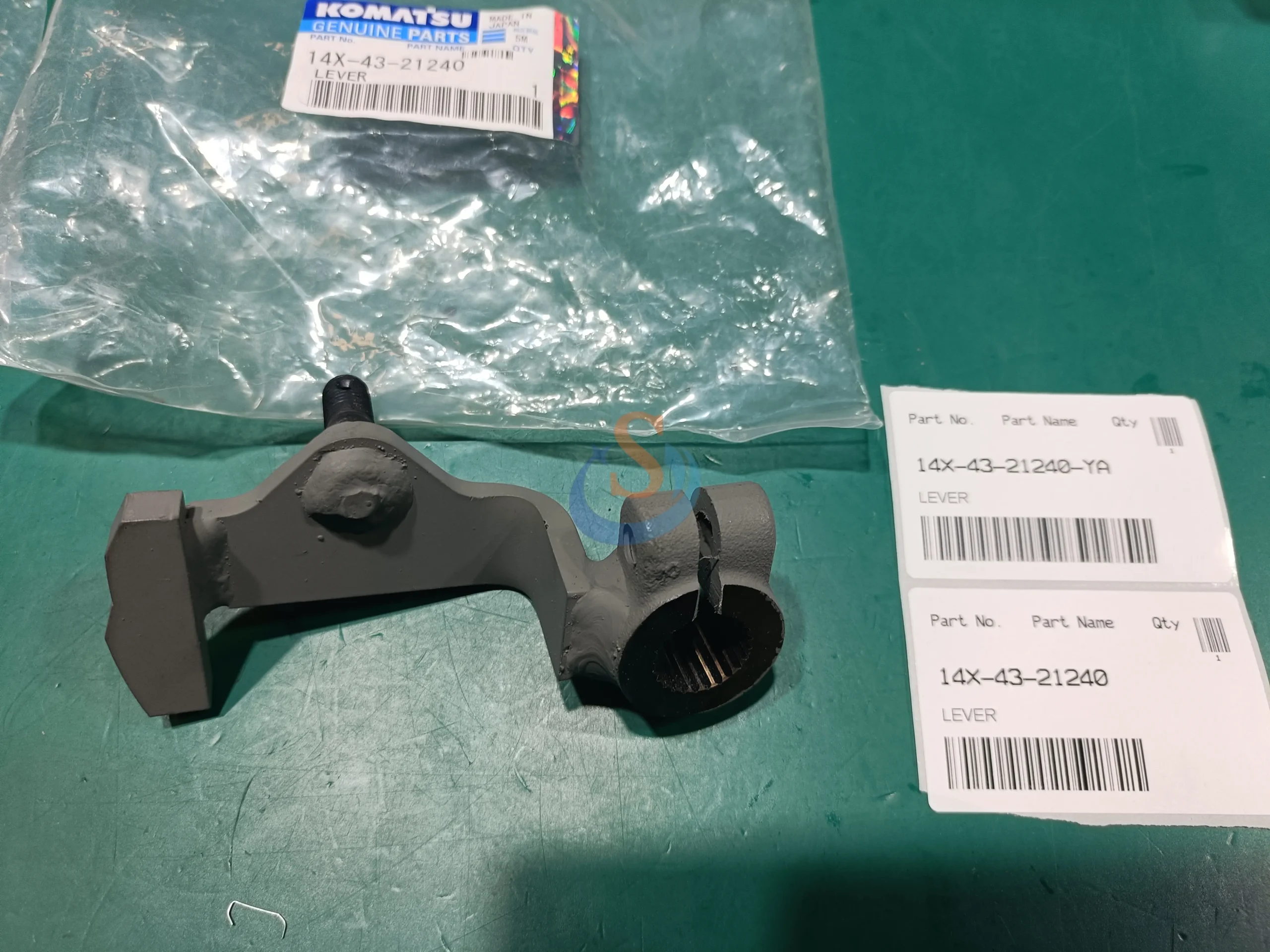 14X-43-21240,LEVER
 -
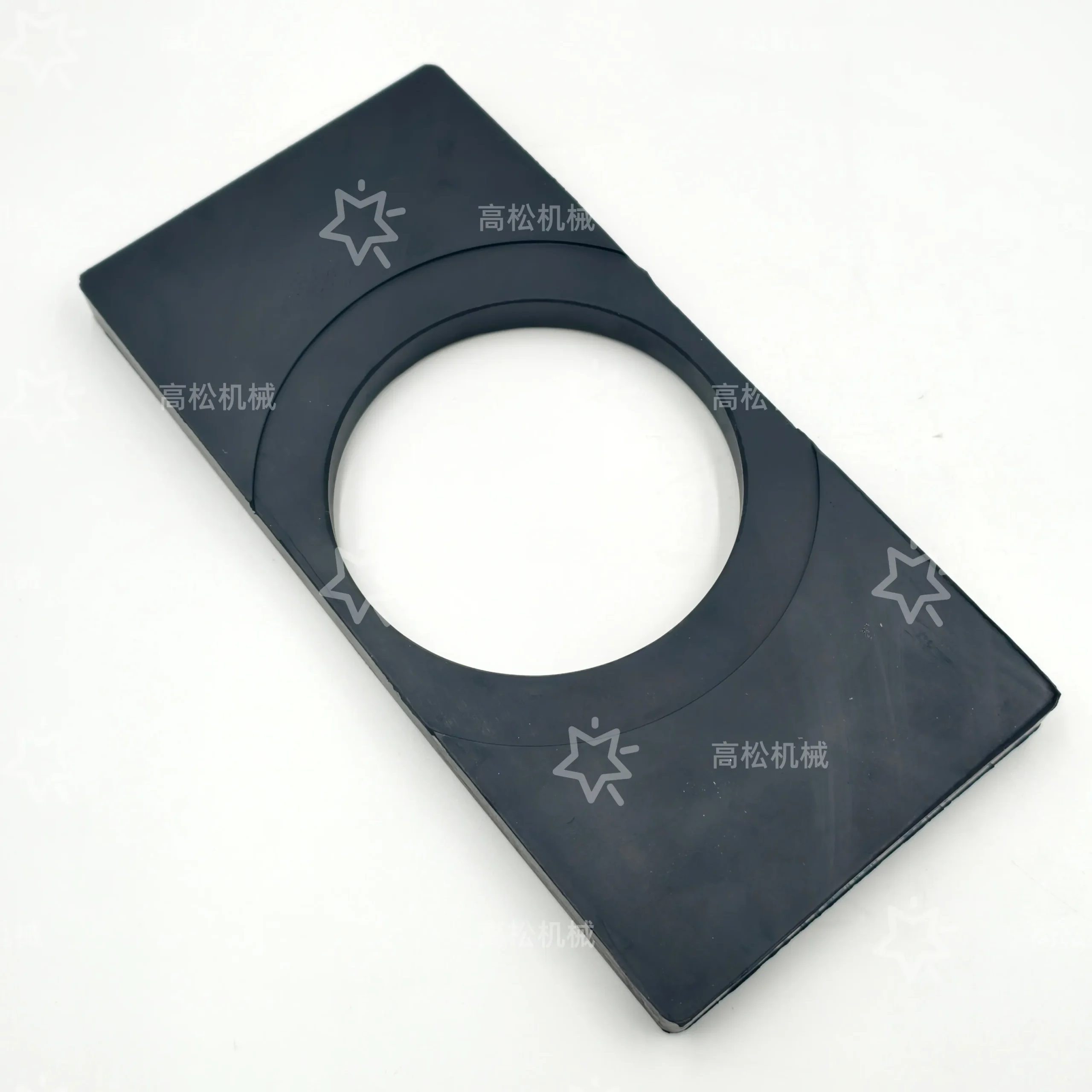 561-03-81550Shock Absorber KOMATSU HD465 HD785 PARTS for Komatsu
 -
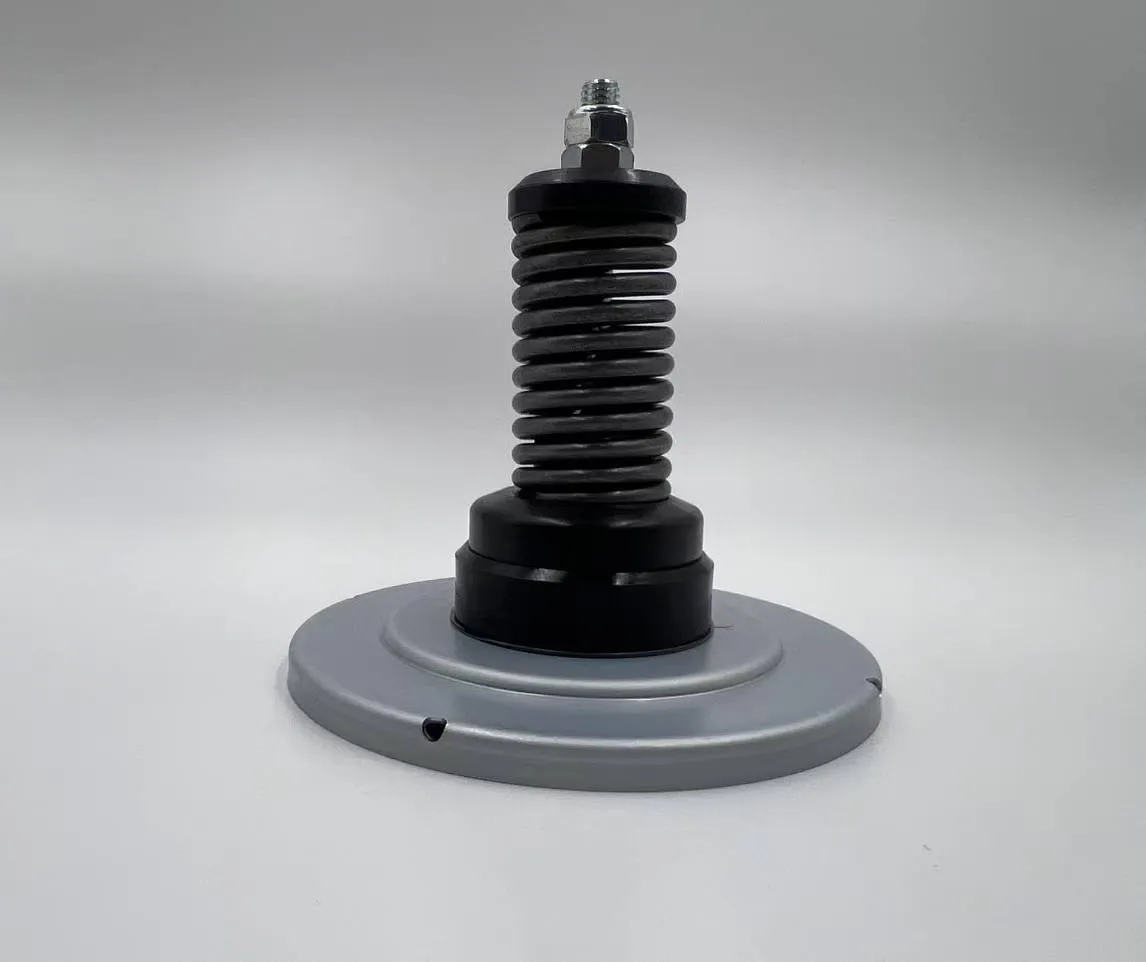 20Y-60-31450 Valve Assembly KOMATSU parts HB205, HB215, PC300, PC350