
- Chinese
- French
- German
- Portuguese
- Spanish
- Russian
- Japanese
- Korean
- Arabic
- Irish
- Greek
- Turkish
- Italian
- Danish
- Romanian
- Indonesian
- Czech
- Afrikaans
- Swedish
- Polish
- Basque
- Catalan
- Esperanto
- Hindi
- Lao
- Albanian
- Amharic
- Armenian
- Azerbaijani
- Belarusian
- Bengali
- Bosnian
- Bulgarian
- Cebuano
- Chichewa
- Corsican
- Croatian
- Dutch
- Estonian
- Filipino
- Finnish
- Frisian
- Galician
- Georgian
- Gujarati
- Haitian
- Hausa
- Hawaiian
- Hebrew
- Hmong
- Hungarian
- Icelandic
- Igbo
- Javanese
- Kannada
- Kazakh
- Khmer
- Kurdish
- Kyrgyz
- Latin
- Latvian
- Lithuanian
- Luxembou..
- Macedonian
- Malagasy
- Malay
- Malayalam
- Maltese
- Maori
- Marathi
- Mongolian
- Burmese
- Nepali
- Norwegian
- Pashto
- Persian
- Punjabi
- Serbian
- Sesotho
- Sinhala
- Slovak
- Slovenian
- Somali
- Samoan
- Scots Gaelic
- Shona
- Sindhi
- Sundanese
- Swahili
- Tajik
- Tamil
- Telugu
- Thai
- Ukrainian
- Urdu
- Uzbek
- Vietnamese
- Welsh
- Xhosa
- Yiddish
- Yoruba
- Zulu
- Kinyarwanda
- Tatar
- Oriya
- Turkmen
- Uyghur






used komatsu excavator parts
When you're deep into a rebuild or a rush repair, and someone mentions used Komatsu excavator parts, the reaction is usually split. Some guys see a smart, cost-saving move; others immediately picture a bin of scrap metal that’ll fail in a week. I get it. The market is flooded, and quality is a massive spectrum. The real trick isn't just finding a part; it's knowing where that part came from, its service history, and whether the seller actually understands the difference between a salvageable PC200-8 pump and one that's just a paperweight. Too many operators think used automatically means cheap and risky, but that's a costly oversimplification. It's about verified condition, not just price.
The Core Challenge: Sourcing Beyond the Obvious
Let's be real. Anyone can list a used Komatsu swing motor on an online marketplace. The photo looks okay, the price is tempting, and the description says pulled from working machine. But what does that even mean? Was it working when the machine was tipped over? Was it working but leaking internally, causing a slow drift? I've been burned before, early on, buying what was advertised as a good condition used Komatsu excavator main control valve. It arrived caked in dried mud, with port threads that were clearly crossed and re-tapped. It was a part, sure, but it was never going to seal properly. That's the gamble when your source is just a faceless listing.
This is where the supplier's role becomes critical. You need someone who does more than just broker parts. They need to have a technical eye. I'm talking about people who can tell you, Yeah, this travel motor is from a machine with 8,000 hours, but it was a quarry machine that ran on clean, hard rock, not a demo machine that ate hydraulic fluid for breakfast. That level of detail changes everything. It's not just about availability; it's about contextual reliability.
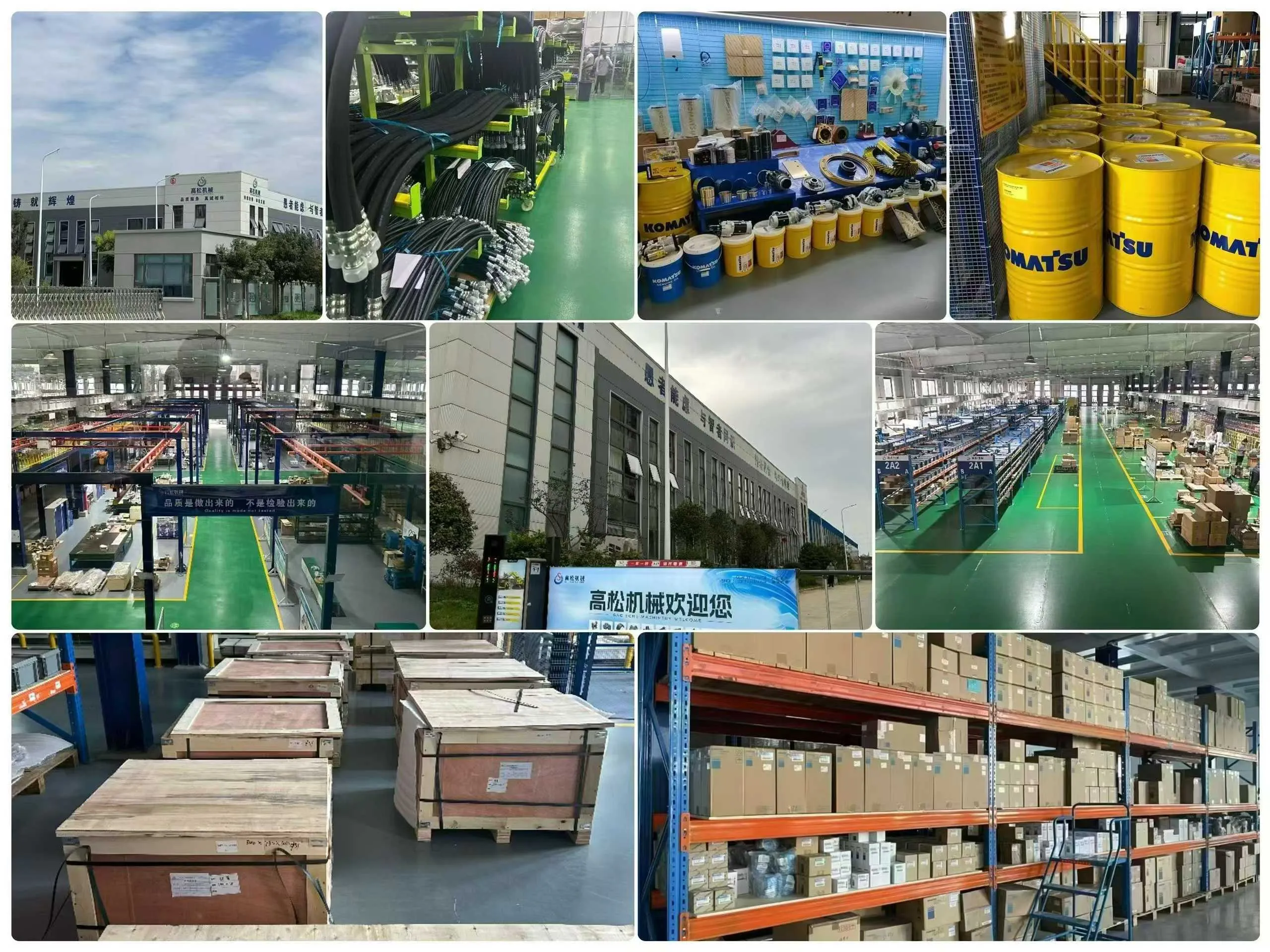
Over time, I've leaned towards suppliers who are embedded in the Komatsu ecosystem. There's a different level of accountability. For instance, a company like Jining Gaosong Construction Machinery Co., Ltd. (you can find them at takematsumachinery.com) presents an interesting model. They position themselves as both an OEM product supplier within Komatsu and a third-party sales channel. In practice, what that means for someone like me is they often have access to genuine surplus, take-off parts, or quality-controlled used inventory that comes from known sources. Their stated goal of solving parts supply challenges in certain regions isn't just marketing—it directly addresses the core issue of traceability that plagues the general used parts market.
Condition Grading: The Industry's Dirty Secret
Here's a major pain point: there's no universal standard for grading used parts. One man's remanufactured is another man's cleaned and painted. For critical components like hydraulic pumps or final drives, the distinction is everything. I've learned to ask very specific questions. Don't ask Is it good? Ask, Has it been pressure tested? What were the results? Are there any internal score marks on the cylinder walls? Can you provide a video of it running on a test bench?
A reliable supplier for used Komatsu excavator parts will either have that data or will honestly tell you they don't. The worst are the ones who make it up. I remember inquiring about a used Komatsu engine cylinder head. The first three sellers swore it was crack-tested. The fourth, a more technical outfit, sent a magnified photo of a hairline fracture near a valve seat. They didn't sell it; they showed me why they wouldn't sell it. That built more trust than any guarantee.
This ties back to the advantage of dealing with system-connected suppliers. Their reputation is tied to the Komatsu brand by extension, so they often implement stricter internal grading. They're not just moving metal; they're preserving a relationship with the manufacturer and a network of professional buyers. When I look at a company profile like Gaosong's, which mentions OEM relations, I interpret that as a potential for better quality control gates than a random scrapyard exporter.
The Niche of OEM-Supported Used Parts
This might sound like an oxymoron, but it's a real category. Sometimes, you're dealing with parts that are technically discontinued or on a long backorder from the official dealer, but they exist in the secondary OEM network. These aren't aftermarket copies. They could be parts from decommissioned dealer demo machines, leftover stock from a model phase-out, or genuine components refurbished to a spec that the original supplier stands behind.
This is where the line between new, OEM reman, and quality-used gets blurry, and it's the sweet spot for minimizing downtime without blowing the budget. For example, finding a used but genuine Komatsu PC360-8 monitor panel in good condition is far superior to installing a shaky aftermarket version that might not communicate properly with the machine's controllers. The compatibility is guaranteed because it is the original part.
Suppliers operating within the Komatsu system are often the conduits for these parts. Their role as a third-party sales company for Komatsu, as noted in some company profiles, essentially means they can officially handle this gray area inventory. For a project manager, this channel can be a lifesaver when the official pipeline is dry.
Practical Failures and Lessons Learned
I'll share a quick horror story to drive this home. We needed a used Komatsu excavator track frame for a 300-series machine. Found one at a great price from a supplier we hadn't used before. Looked straight in the pictures. When it arrived, we found a nearly invisible weld repair on the inside of the box section—a classic crack fix that hadn't been stress-relieved properly. We missed it during pre-buy inspection because we didn't specify ultrasonic testing. We installed it, and six months later, the weld failed catastrophically during a heavy lift. The cost of the part was trivial compared to the downtime, secondary damage, and recovery operation.
The lesson? The cheapest part is often the most expensive. After that, our procurement checklist changed. For structural and high-stress components, we now mandate specific non-destructive testing reports from the seller. If they can't or won't provide it, we walk away, no matter the price. This filters out 90% of the sketchy suppliers.
This experience also made me appreciate suppliers who are transparent about a part's history. If a part is repaired, a professional seller will disclose it, explain the repair method, and provide evidence of its integrity. That kind of honesty is worth a premium. It's the difference between buying a part and buying a solution.
Strategic Sourcing: Building a Reliable Pipeline
So, how do you build a reliable source for used Komatsu excavator parts? It's not about finding one magical supplier. It's about cultivating a shortlist of specialists. One might be excellent for engines and cylinder heads. Another might specialize in undercarriage components. Another, like a system-oriented company, might be your go-to for electronic control units, pumps, and valves where OEM pedigree is non-negotiable.
Don't just evaluate them on a single transaction. Test them with a small, non-critical order first. See how they handle logistics, documentation, and communication when there's a problem. Do they help you identify the correct part number? Do they ask for your machine's serial number to confirm compatibility? These are signs of professionalism.
In this context, a supplier's stated mission can be a useful filter. A company focusing on solv[ing] parts supply challenges, as mentioned in some introductions, is inherently problem-solving oriented. They're more likely to invest in the technical support and verification processes that turn a generic used part into a viable, dependable solution. That alignment of goals—their need to solve supply issues and your need for reliable parts—is what creates a sustainable supply channel beyond the one-off bargain hunt.
Ultimately, the market for used Komatsu parts isn't going away. It's a necessity. The goal is to navigate it not as a gambler, but as a informed buyer. It comes down to shifting your focus from the commodity—the part itself—to the source and the story behind it. That's what separates a successful repair from a recurring headache.
Related Products
Related Products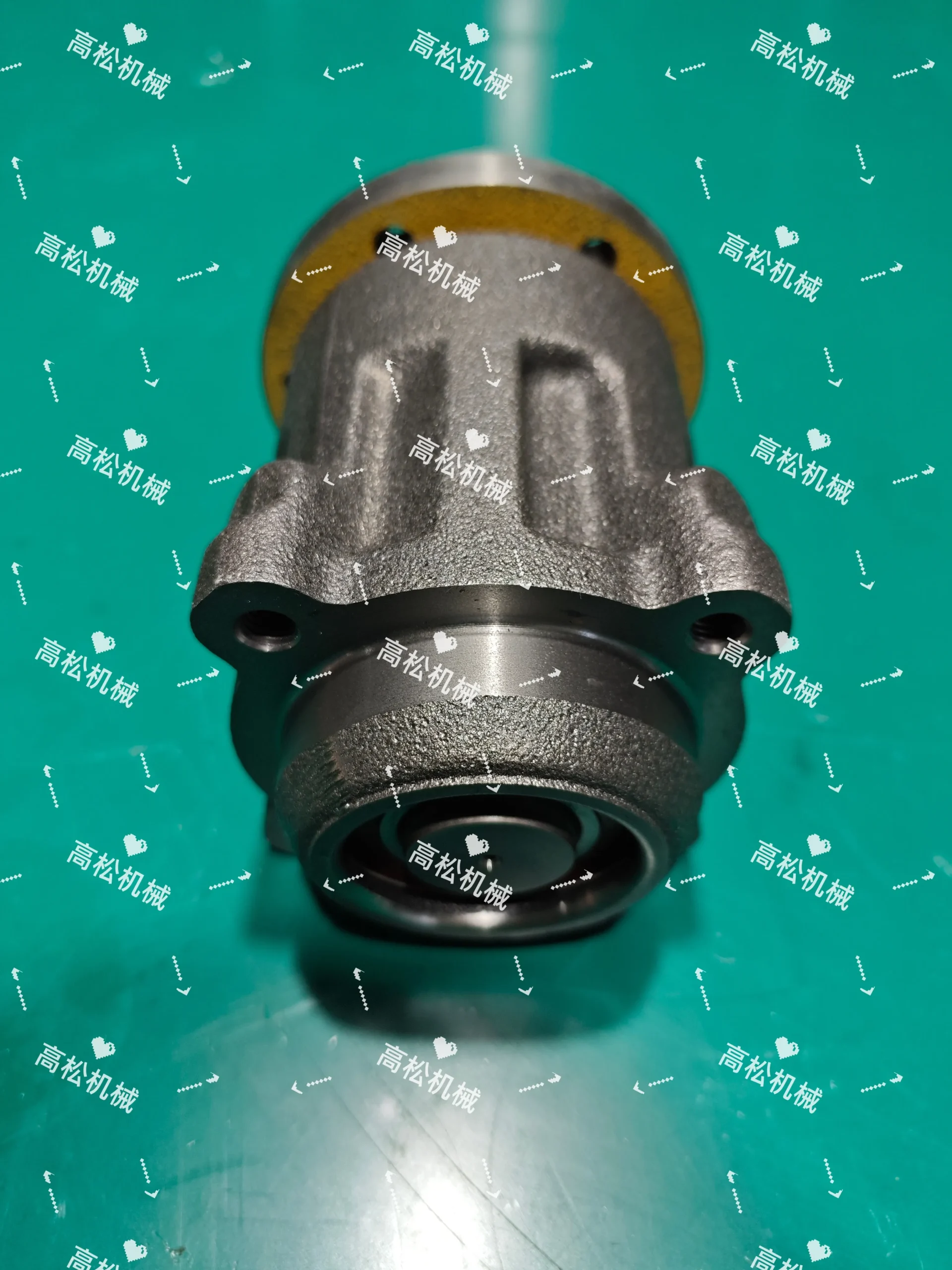
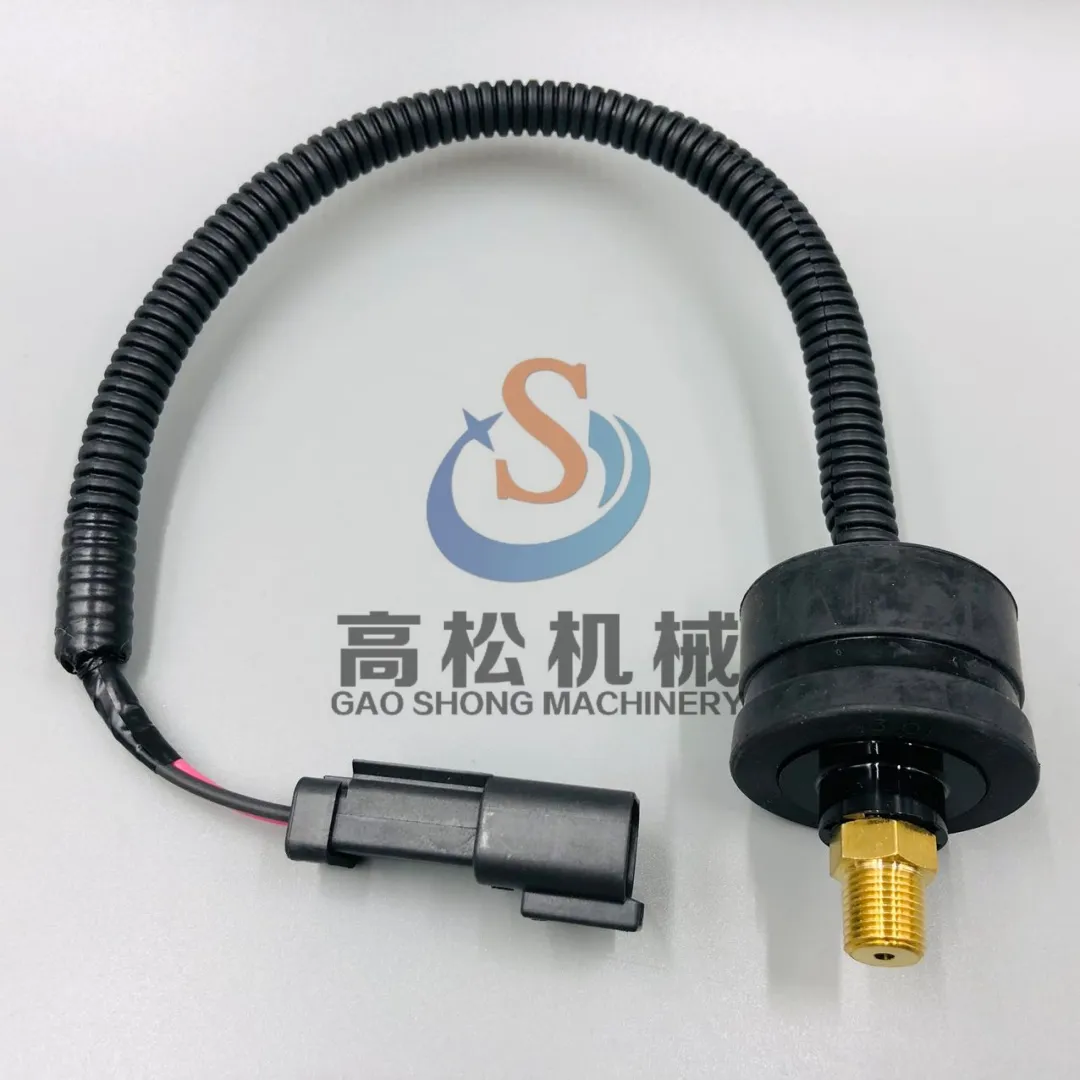
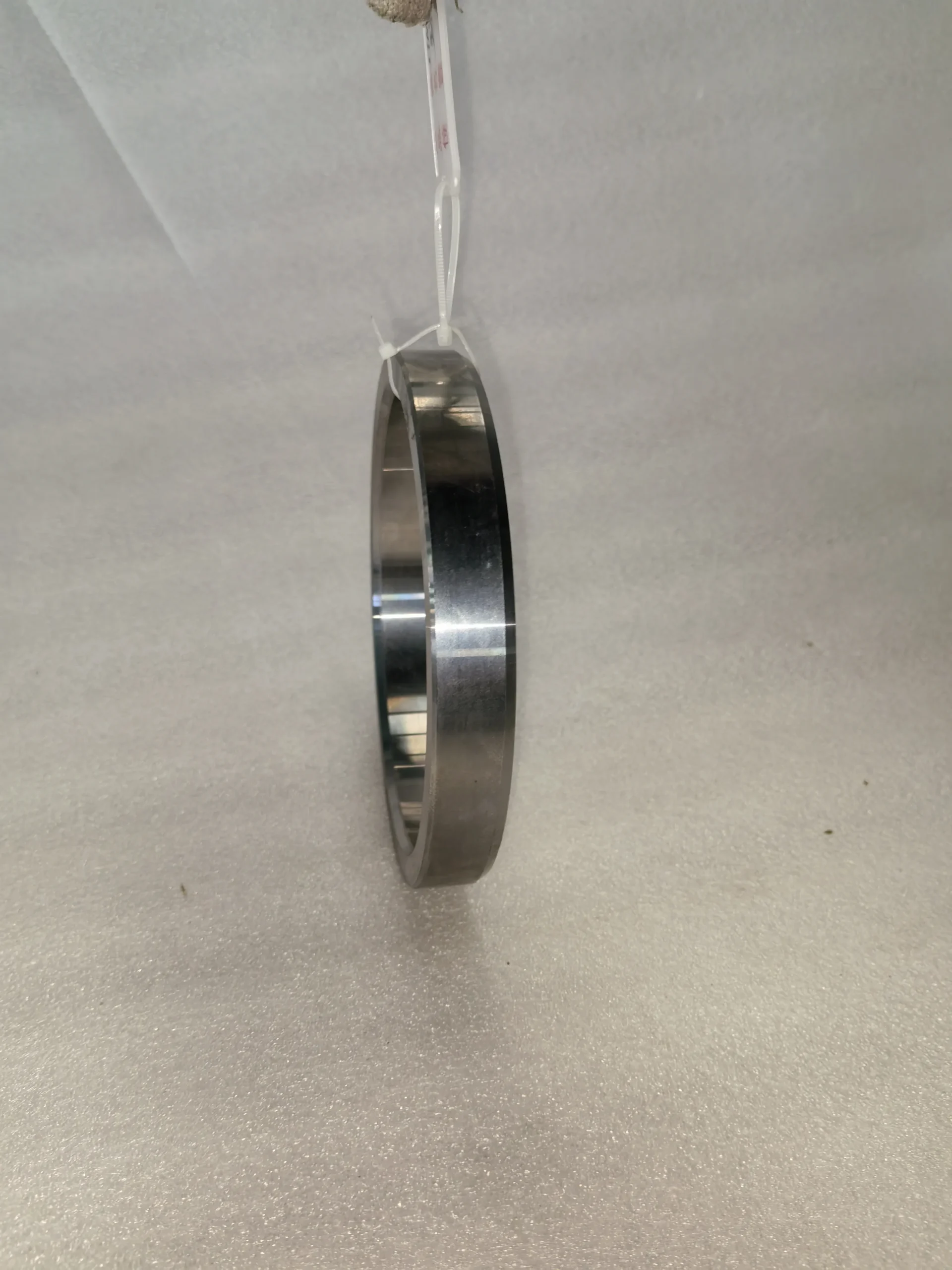
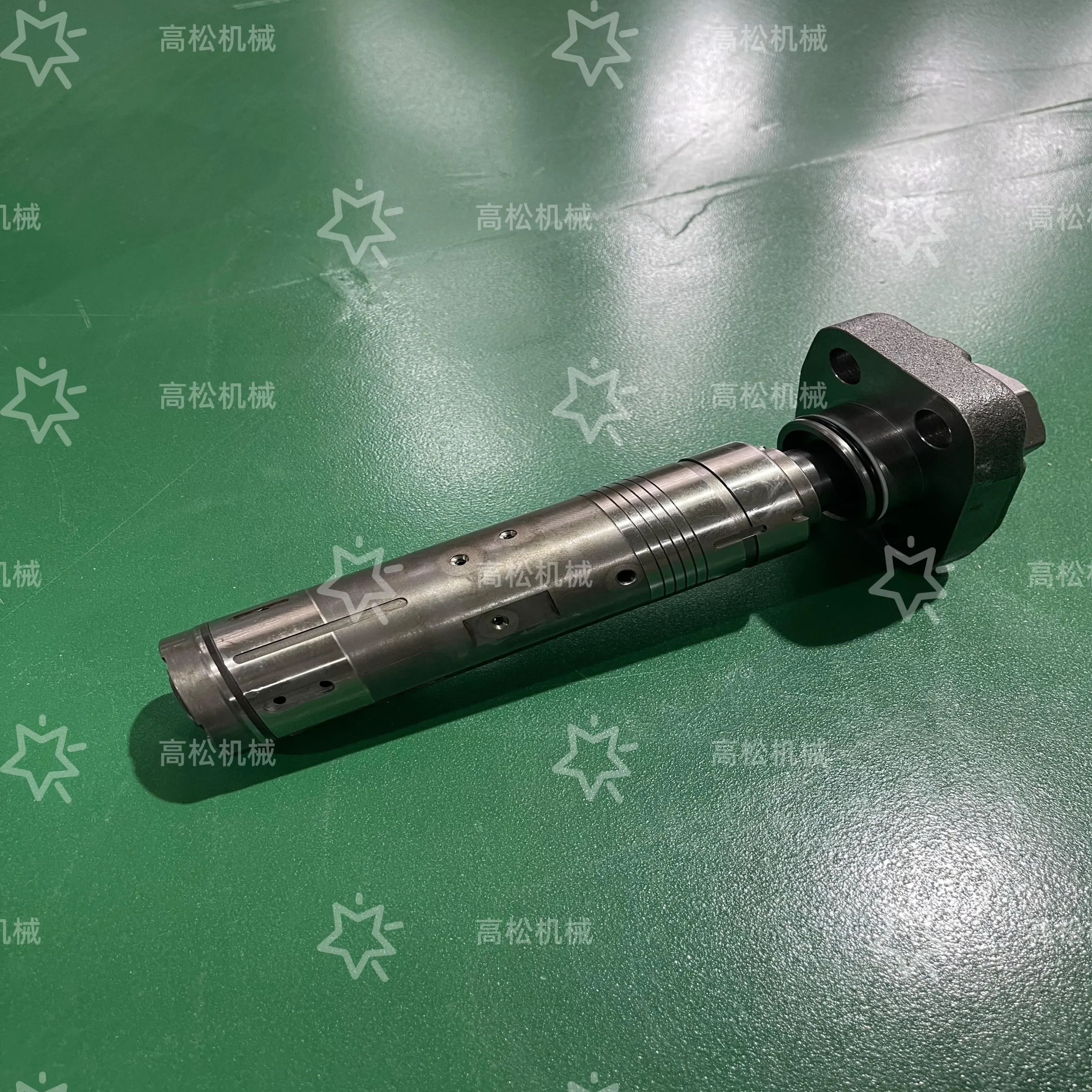

Best Selling Products
Best Selling Products-
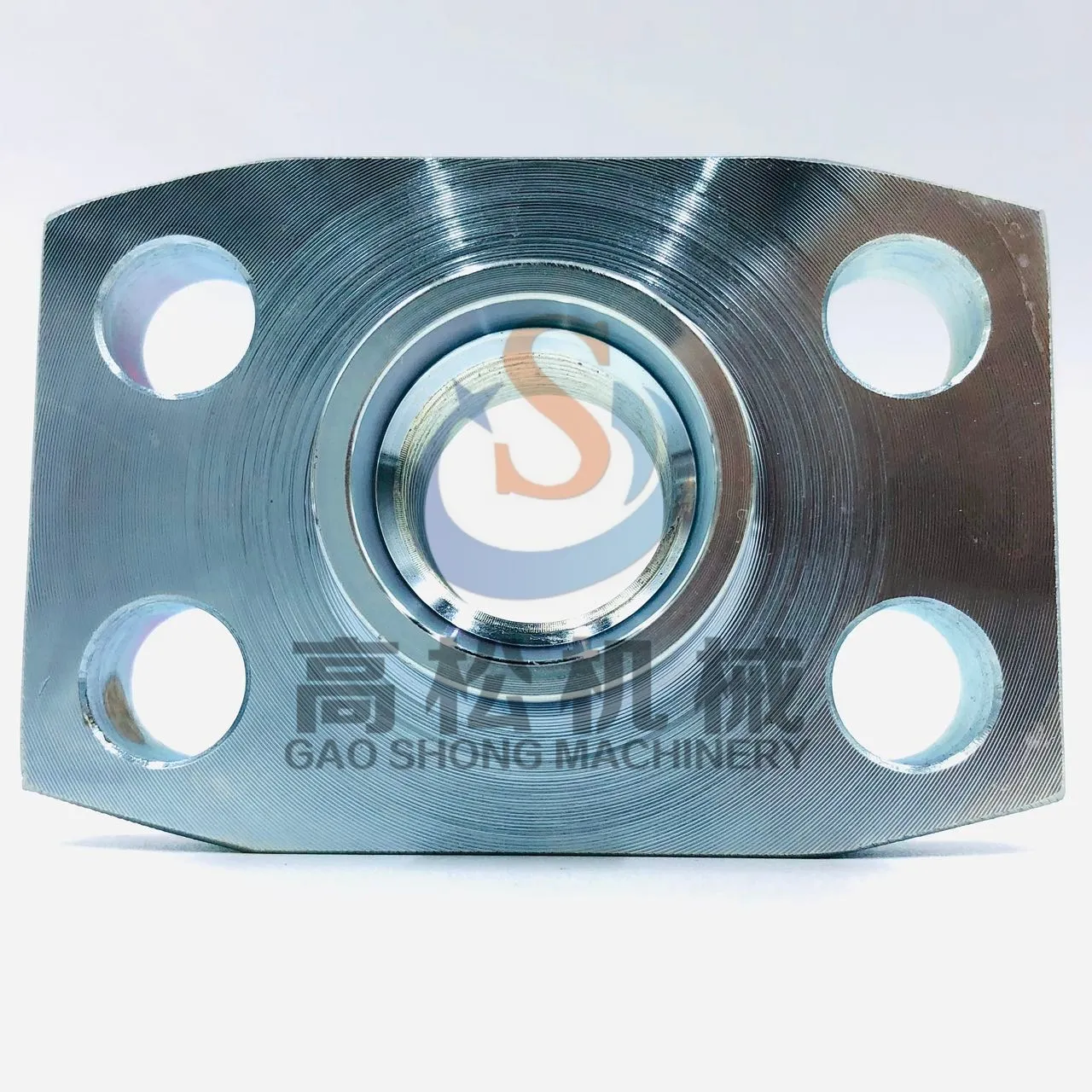 Komatsu excavator PC1250 flange 21N-38-12310
 -
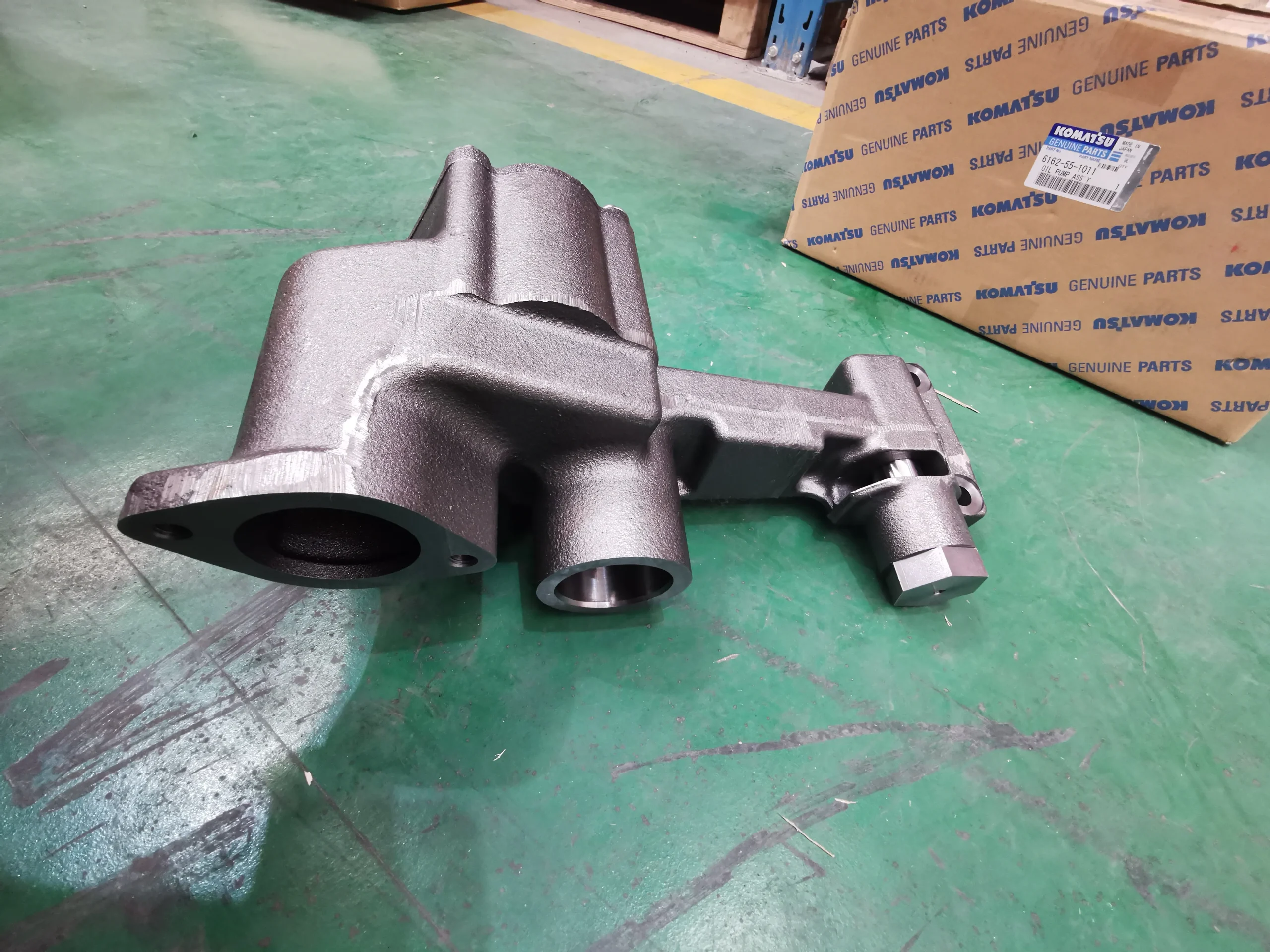 Supply Komatsu S6D170E-2A Oil Pump 6162-55-1011
 -
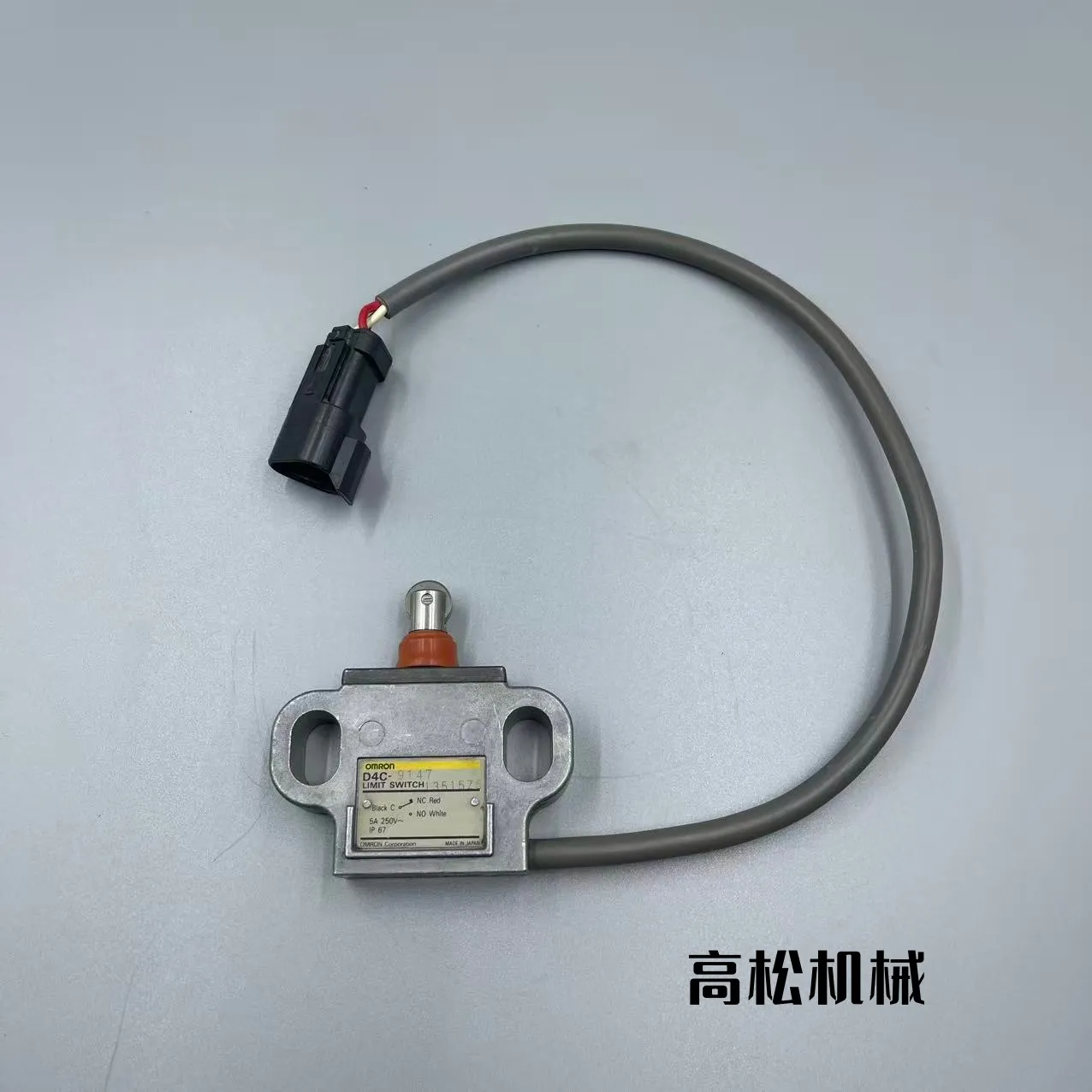 11Y-06-22150-SWITCH Komatsu Original Factory
 -
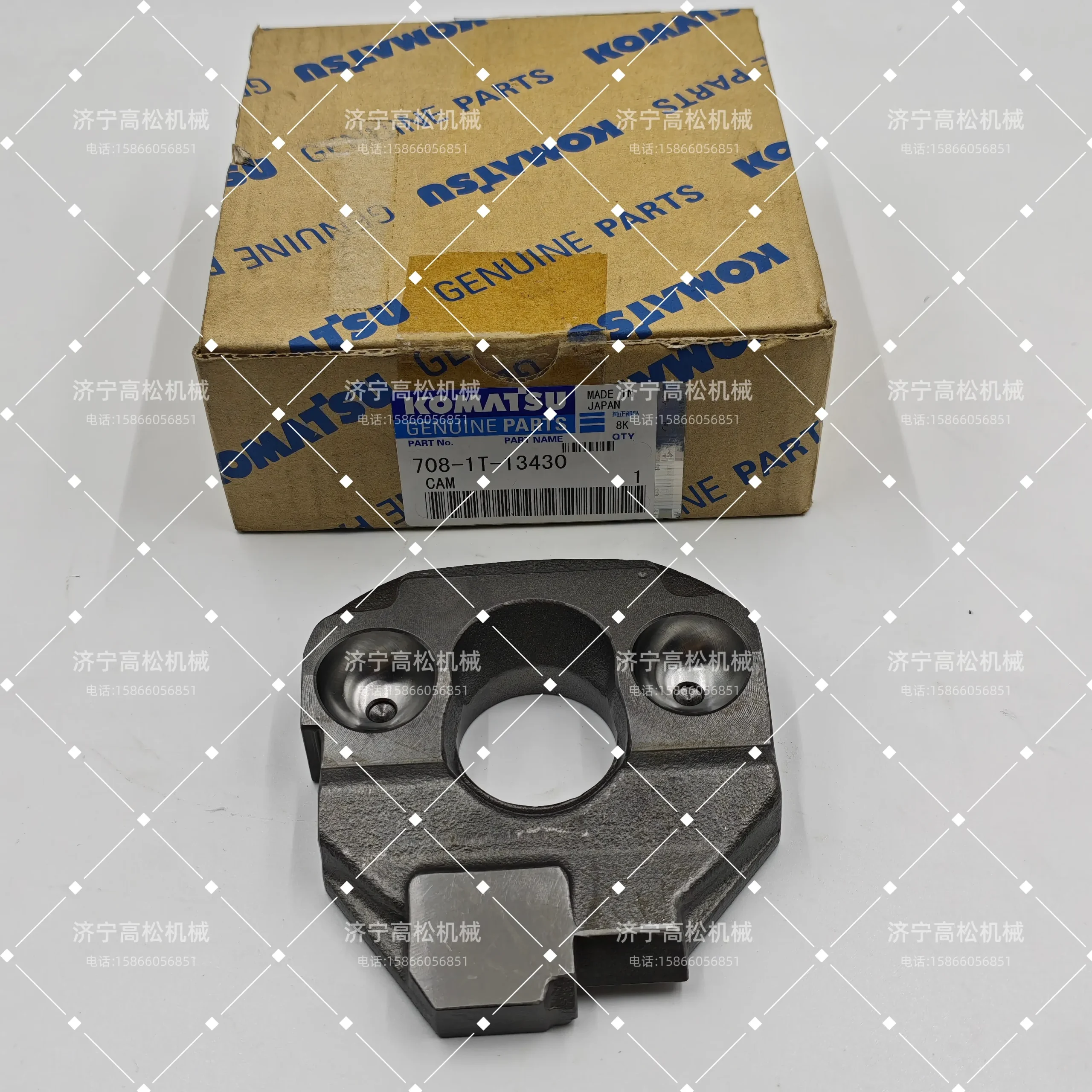 708-1T-13430 Komatsu Cam, Rocker
 -
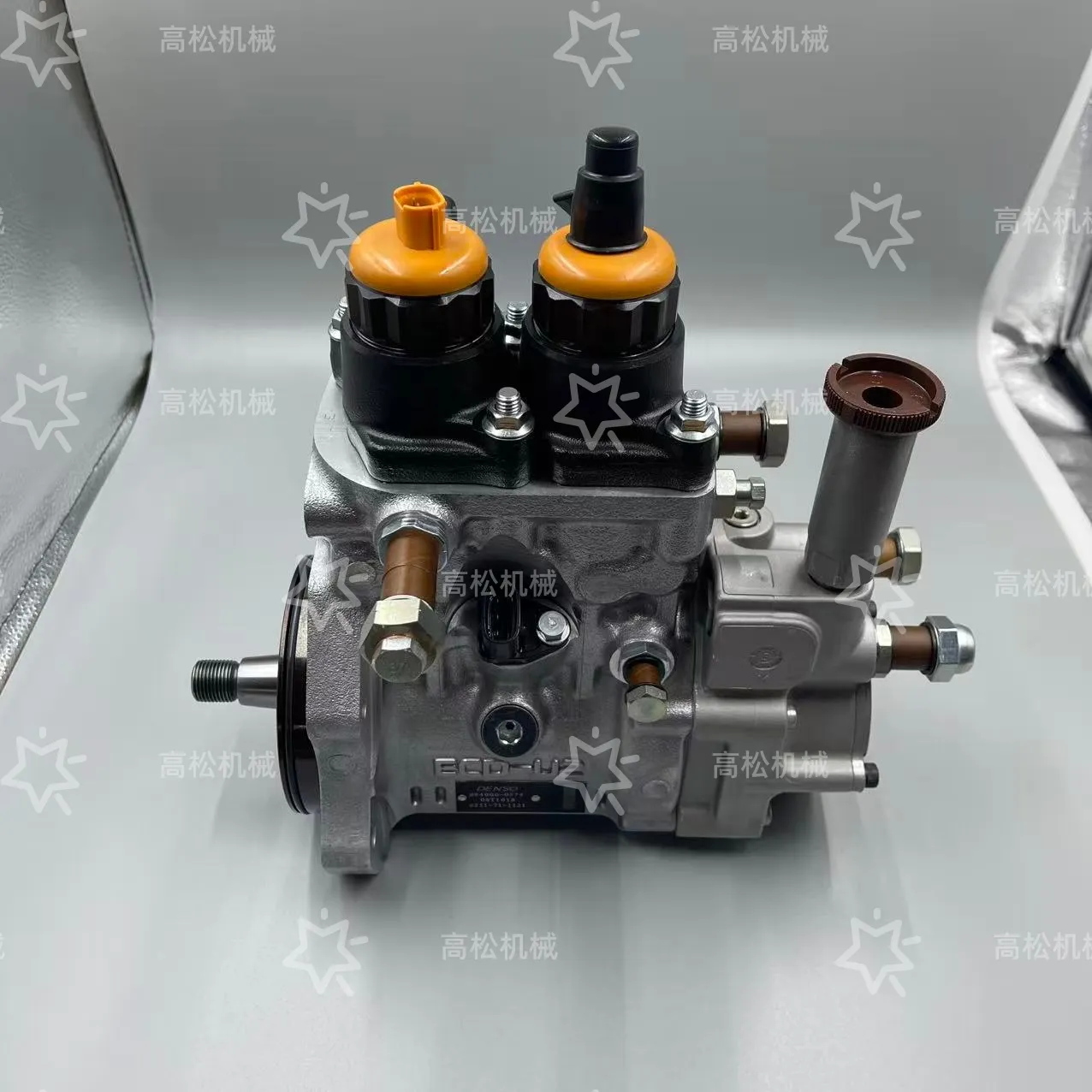 Fuel Injection Pump For Komatsu PC400-8 6251-71-1120 6251-71-1121 094000-057
 -
 207-70-61610 Komatsu PC200 PC300 PC360…
 -
 6156-71-1131 6156-71-1132 Fuel Injection Pump Compatible For Komatsu PC450-8 Excavator
 -
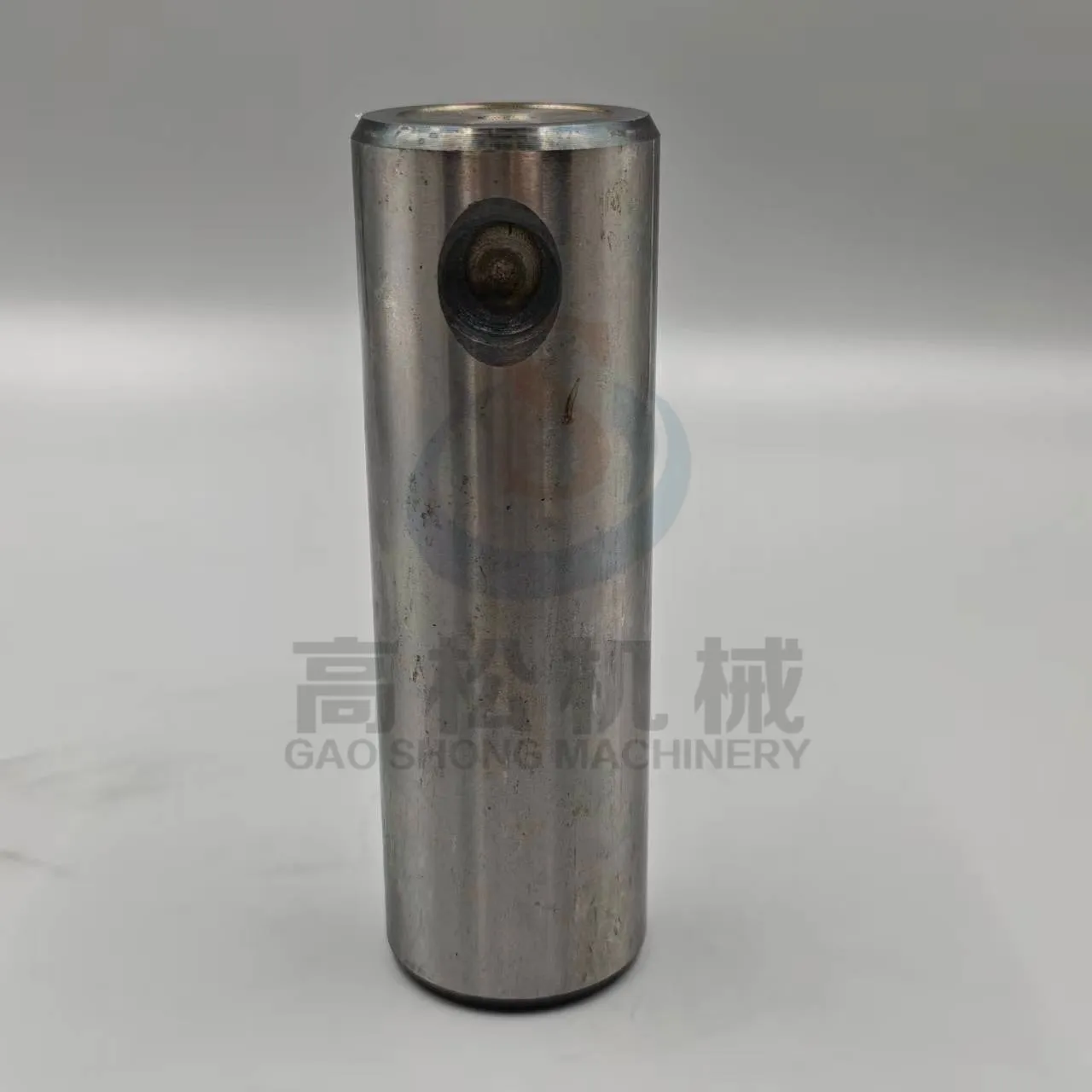 424-22-12510 Shaft (Komatsu)
 -
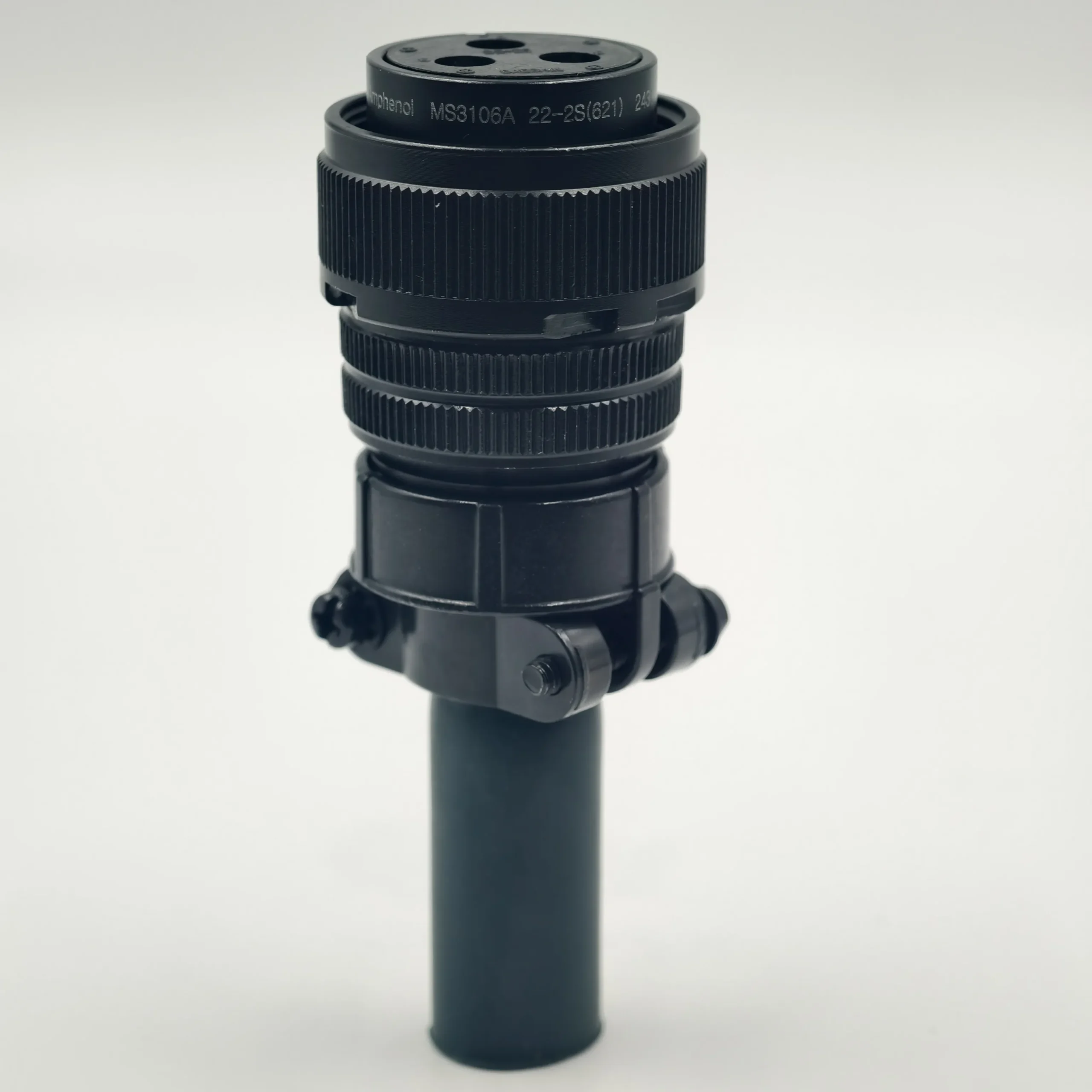 175-06-37871 PLUG(WITH HEATER) (Komatsu)
 -
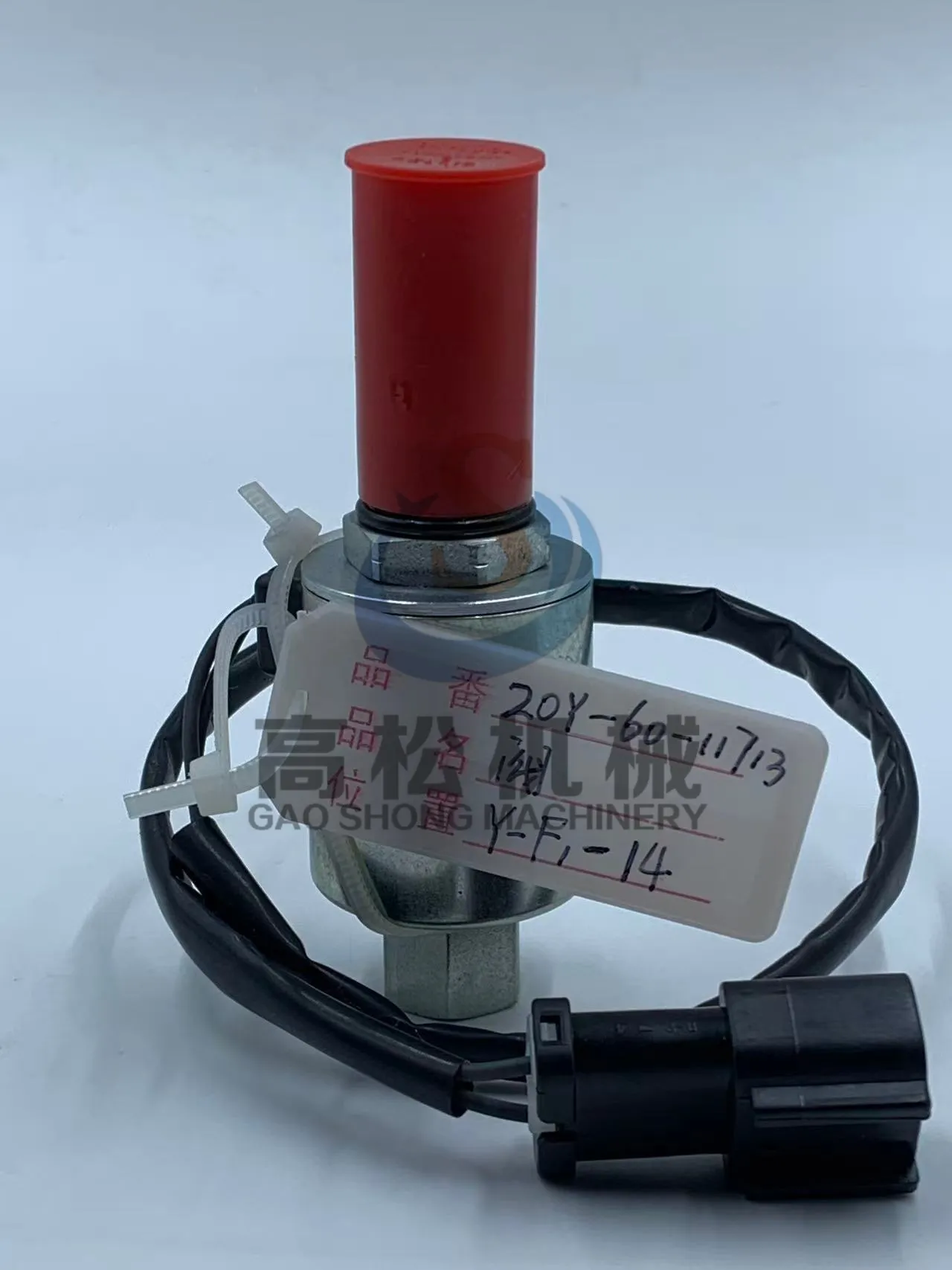 Swing Motor Solenoid Valve 20Y-60-11713
 -
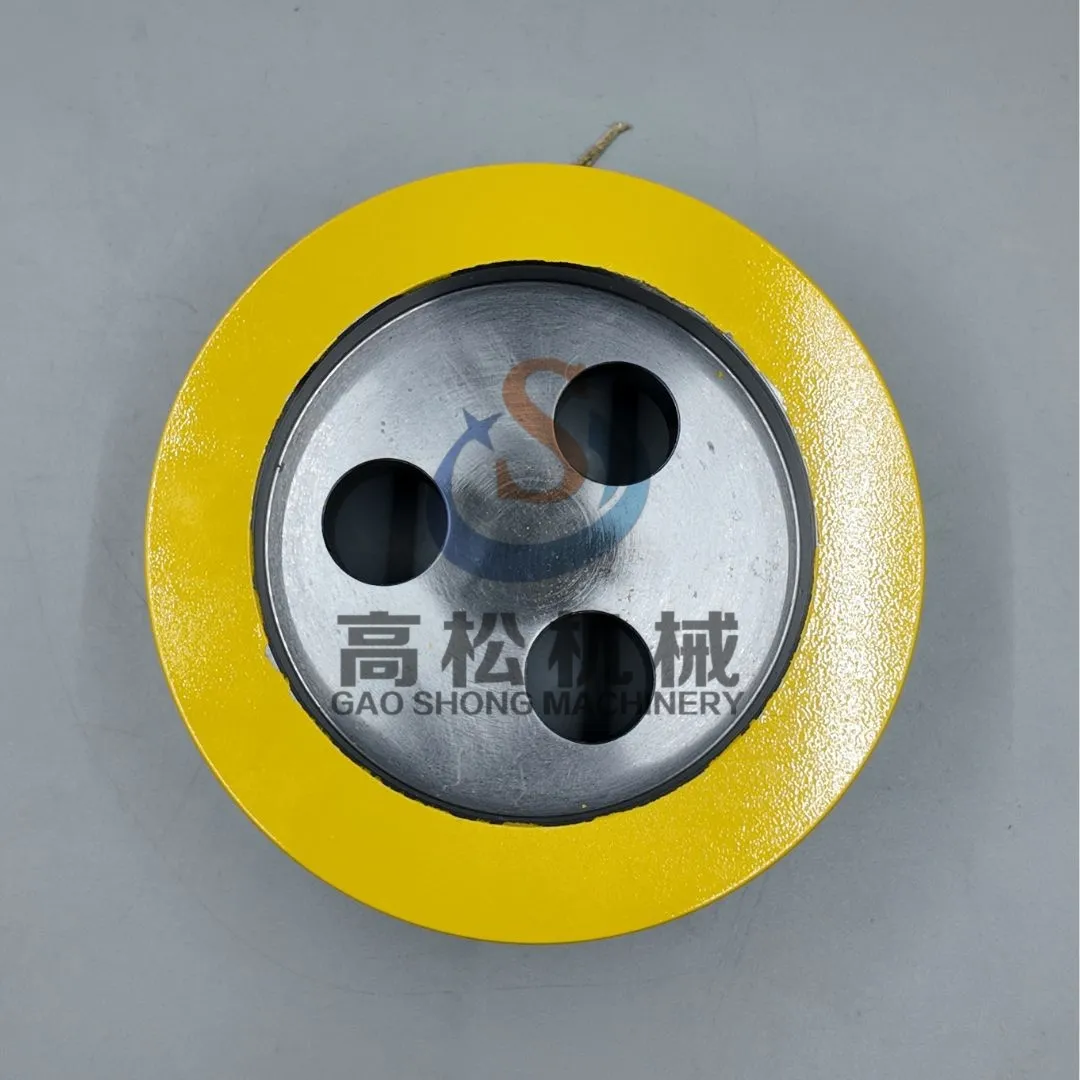 2A8-70-13570 Excavator Arm Bucket Link Cover for PC500-10
 -
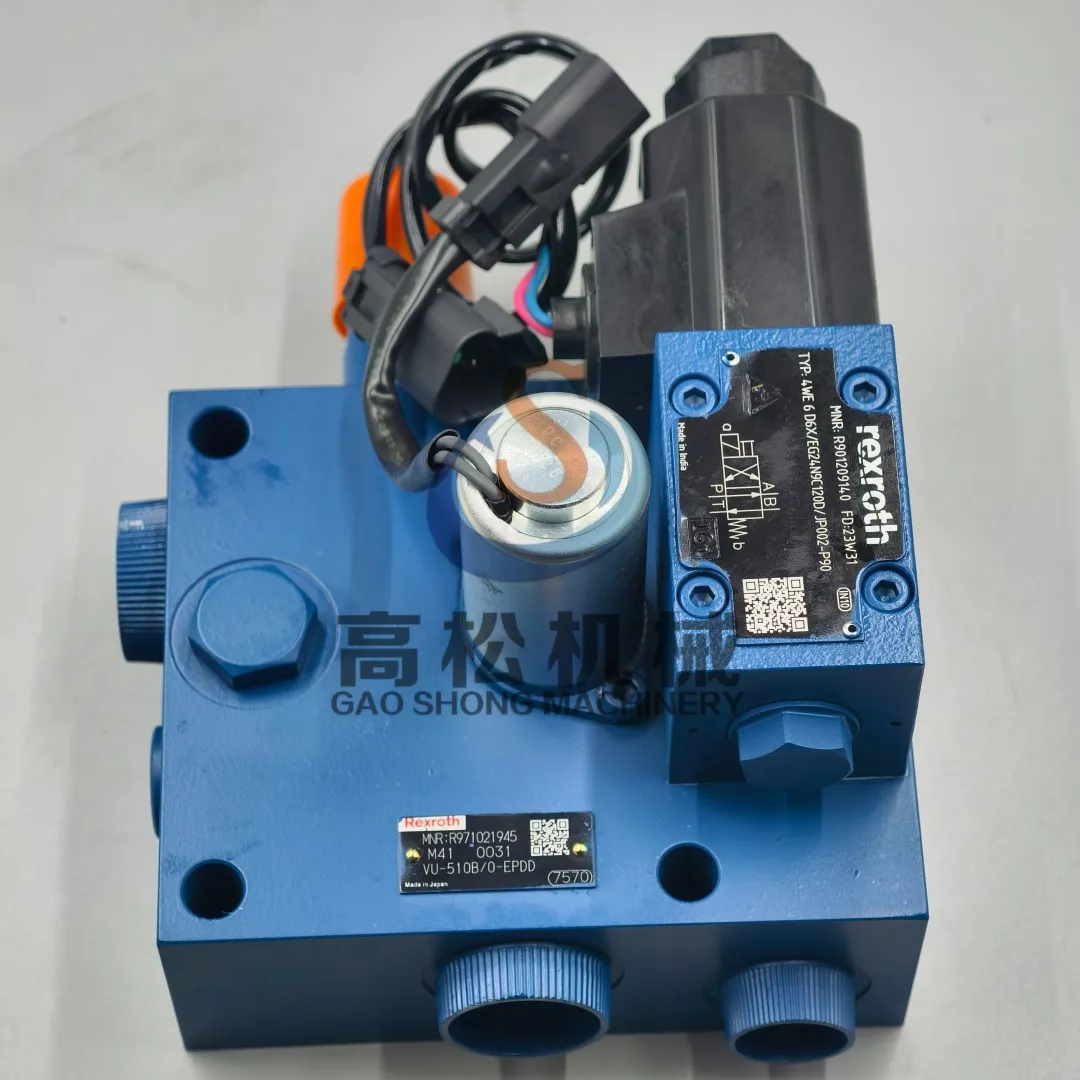 Valve Ass’y 56B-43-12402 56B-43-17340 For KOMATSU Dump Truck HD785 HD325 HD605