
- Chinese
- French
- German
- Portuguese
- Spanish
- Russian
- Japanese
- Korean
- Arabic
- Irish
- Greek
- Turkish
- Italian
- Danish
- Romanian
- Indonesian
- Czech
- Afrikaans
- Swedish
- Polish
- Basque
- Catalan
- Esperanto
- Hindi
- Lao
- Albanian
- Amharic
- Armenian
- Azerbaijani
- Belarusian
- Bengali
- Bosnian
- Bulgarian
- Cebuano
- Chichewa
- Corsican
- Croatian
- Dutch
- Estonian
- Filipino
- Finnish
- Frisian
- Galician
- Georgian
- Gujarati
- Haitian
- Hausa
- Hawaiian
- Hebrew
- Hmong
- Hungarian
- Icelandic
- Igbo
- Javanese
- Kannada
- Kazakh
- Khmer
- Kurdish
- Kyrgyz
- Latin
- Latvian
- Lithuanian
- Luxembou..
- Macedonian
- Malagasy
- Malay
- Malayalam
- Maltese
- Maori
- Marathi
- Mongolian
- Burmese
- Nepali
- Norwegian
- Pashto
- Persian
- Punjabi
- Serbian
- Sesotho
- Sinhala
- Slovak
- Slovenian
- Somali
- Samoan
- Scots Gaelic
- Shona
- Sindhi
- Sundanese
- Swahili
- Tajik
- Tamil
- Telugu
- Thai
- Ukrainian
- Urdu
- Uzbek
- Vietnamese
- Welsh
- Xhosa
- Yiddish
- Yoruba
- Zulu
- Kinyarwanda
- Tatar
- Oriya
- Turkmen
- Uyghur





used komatsu dozer parts
When you start digging into used Komatsu dozer parts, the first thing you realize is how wildly the market varies. A lot of guys think it's just about finding a cheaper alternative to new OEM, but that's where they trip up. It's not just price; it's about knowing which components have a decent second life and which are a ticking time bomb. I've seen too many people burn cash on a rebuilt final drive that fails in three months because they didn't ask for the serial number breakdown or check the wear patterns. The keyword here isn't just used—it's verified.
The Core Challenge: Sourcing Beyond the Obvious
Everyone hits the big online marketplaces first. But for a model like a D65 or an older D85, the listings can be a minefield. A part might be listed as fitting a D65EX-12, but there were subtle changes between the -12 and -15 series in the blade hydraulics. If you don't cross-reference the exact part number from the Komatsu system, you're guessing. I learned this the hard way years ago with a swing cylinder for a D61. The seller swore it was compatible, but the port sizes were off by a couple of millimeters. Cost me a week of downtime.
This is where having a connection within the system helps. It's not about getting new parts always, but getting parts with a traceable history. A company like Jining Gaosong Construction Machinery Co., Ltd. operates in that space. They're an OEM product supplier within Komatsu and handle third-party sales. What that means on the ground is they can often access parts inventories—both new and quality used—that aren't floating on the open web. Their site, https://www.takematsumachinery.com, is a starting point, but the real work is in the conversation. You tell them the machine serial number and the component, and they can tell you what's available in their network, which might include taken-off parts from decommissioned machines they've handled.
Their stated goal of solving parts supply challenges in certain countries rings true. If you're operating in a region where the official Komatsu dealer network is thin or slow, this alternative channel becomes critical. It's not just about having the part; it's about having a reliable logistics chain to get it to your job site in Nigeria or Peru without getting stuck in customs for a month.
Judging Quality: It's in the Details
Let's talk about undercarriage components. Buying used track links, rollers, or idlers is a calculated risk. You can't just look at a photo. You need to know the remaining flange height on a roller, measured properly. A good supplier will provide that data. For a used Komatsu dozer blade cutting edge, you check for even wear and look for stress cracks around the bolt holes. If it's been rebuilt, who did the welding? Was it pre-heated? These details separate a usable part from scrap metal dressed up for sale.
Engines and transmissions are another tier. A used Komatsu S6D140 engine core might be available, but its value depends entirely on its internal condition. Was it pulled for a repower or because it had a catastrophic failure? A trustworthy source will disclose known issues. I remember sourcing a used torque converter for a D155. The supplier, which had a similar OEM-background setup to Gaosong, was upfront about it coming from a machine with high hours but with recent oil sample analysis showing no contamination. That's the kind of info that lets you make a decision.
It's this middle layer of due diligence that most generic used parts sellers skip. They don't have the technical background to assess, or they don't care. The companies that operate within the OEM ecosystem, even as third-party sellers, tend to have a higher bar because their reputation hinges on keeping machines running, not just moving boxes.
The Economics: When Used Makes Sense, and When It Doesn't
For high-wear items like seals, pins, and bushings, I rarely go used. The cost savings are minimal, and the failure risk is high. It's false economy. But for major structural components—a main frame section for a D375, a complete blade assembly, or even a cab shell—used can be a lifesaver. The price difference from new can be 60-70%, and if the part is from a machine that was wrecked in a rollover but left the blade untouched, you're getting essentially new quality at a fraction of the cost.
The break-even analysis is key. If a new final drive costs $25k and a quality used/reman unit with a warranty is $12k, and your machine's residual life is 8,000 hours, the used part is the smart play. But you must factor in the cost of potential extra downtime. That's why your supplier's reliability is part of the equation. If they can get you the right used Komatsu dozer parts in 5 days instead of 15, that value is tangible.
This is the niche companies like the one mentioned fill. They're not just order-takers. They help you solve the puzzle: I need this part, my budget is this, my downtime cost is that. What's my best option? Sometimes, the answer from them might even be, We have a used one, but given your situation, we'd recommend this new aftermarket alternative we also vouch for. That advisory role comes from experience.
Logistics and the Hidden Hurdles
Securing the part is only half the battle. I once bought a used ripper frame from halfway across the world. It arrived, and the mounting brackets were slightly bent. Was it shipping damage, or was it missed in the initial assessment? It became a he-said-she-said nightmare. Now, I insist on detailed pre-shipment photos from multiple angles, sometimes even a video. Reputable suppliers understand this and will comply.
Weight and dimensions matter immensely for shipping cost. A used Komatsu dozer radiator might be bulky but light, while a used track group is brutally heavy. A good supplier will have experience with international freight and can often consolidate items or recommend the most cost-effective route. Their website might show a part, but the real service is in handling the complicated logistics to your port or even site.
Documentation for customs is another area where experienced players shine. Incorrect harmonized codes or missing certificates can strand a container. A supplier that regularly exports knows the drill and can prepare a proforma invoice that smooths the process. This behind-the-scenes competency is what turns a parts search from a headache into a manageable process.
Final Thoughts: Building a Relationship, Not Just a Transaction
At the end of the day, sourcing used Komatsu dozer parts isn't a one-off event. It's about building a shortlist of go-to resources you can trust. You'll have your local wrecker, your favorite online platform for common items, and then you'll have your specialized, system-connected suppliers for the tough finds. A company like Jining Gaosong fits into that last category for many contractors. Their position as an OEM supplier and third-party sales agent gives them a unique lens on the market.
The goal is never to just buy a used part. The goal is to return a machine to productive work with a component that will last for a predictable period at a justifiable cost. That requires judgment, and judgment is built on information. The more technical and operational history a supplier can provide with the part, the better your judgment can be.
So, start with the exact part number. Be clear about your tolerance for risk and downtime. And then talk to people who speak the language of machine serial numbers, bore wear, and flange measurements. That conversation, more than any website listing, is where you find the real value in the used parts market.
Related Products
Related Products
Best Selling Products
Best Selling Products-
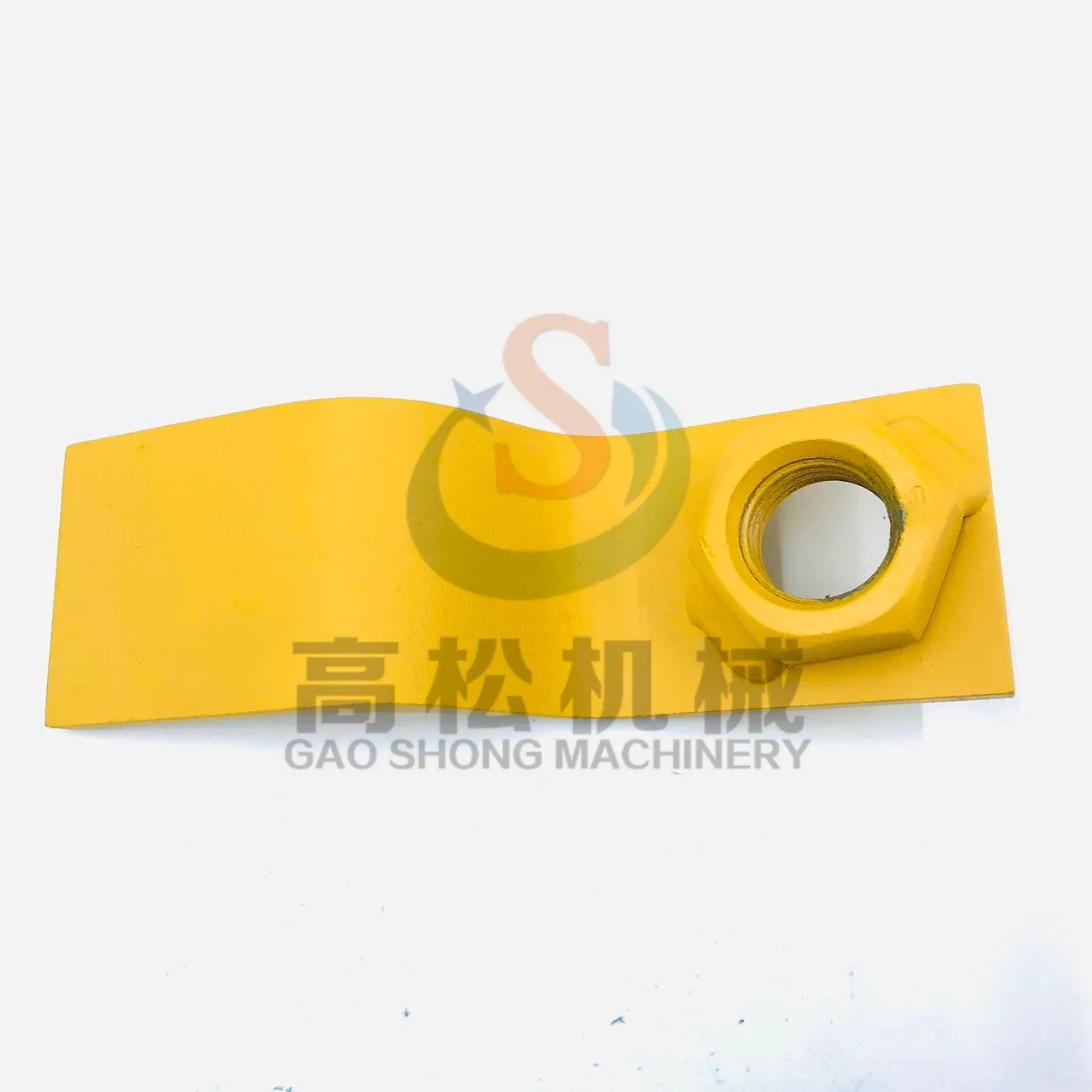 21T-00-67330 Plate (Komatsu)
 -
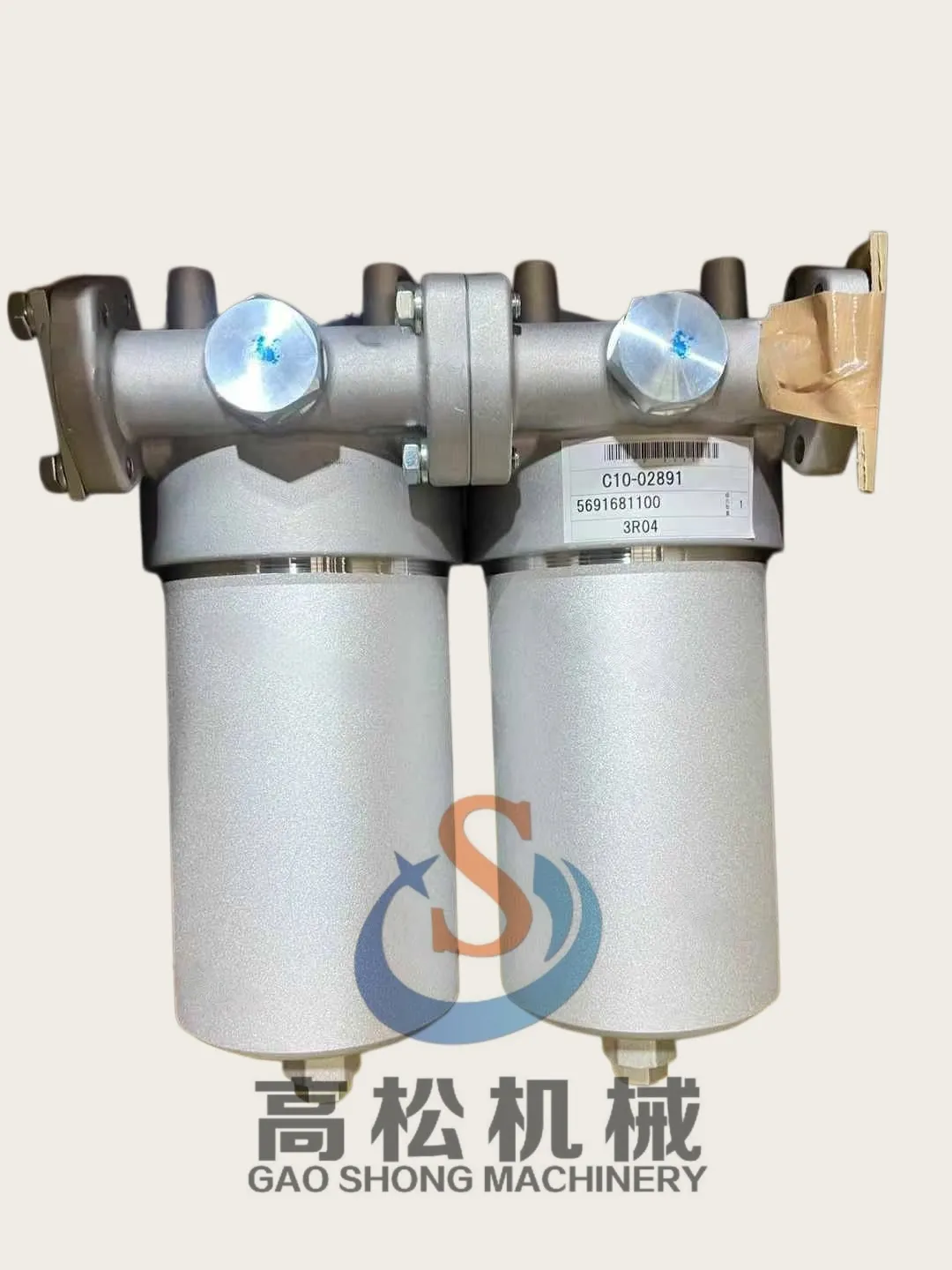 OIL FILTER ASS’Y 569-16-81100 425-16-21240 427-16-21120 569-16-81160 HD325-7 HD325-7R HD405-7 HD405-7R HD605-7 HD785-7 HD605-7E1 HD605-8 HD785-7 HYDRAULIC TANK ASS’Y (TRANSMISSION OIL FILTER¤ INNER PARTS) TRANSMISSION OIL FILTER
 -
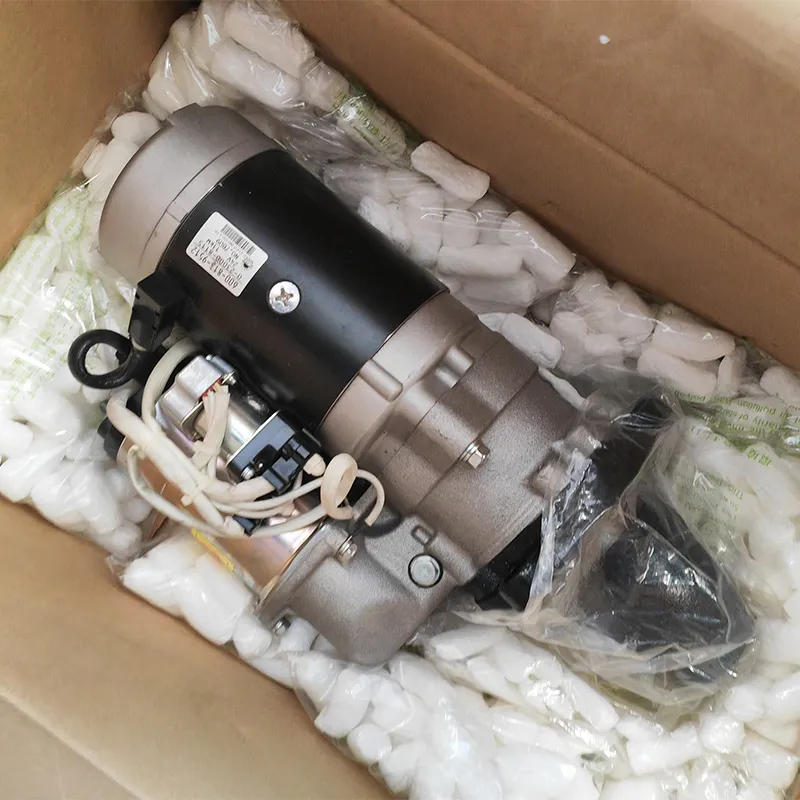 600-813-9512 Original komatsu Starter Motor for PC1250-8 D375-6 WA600-8
 -
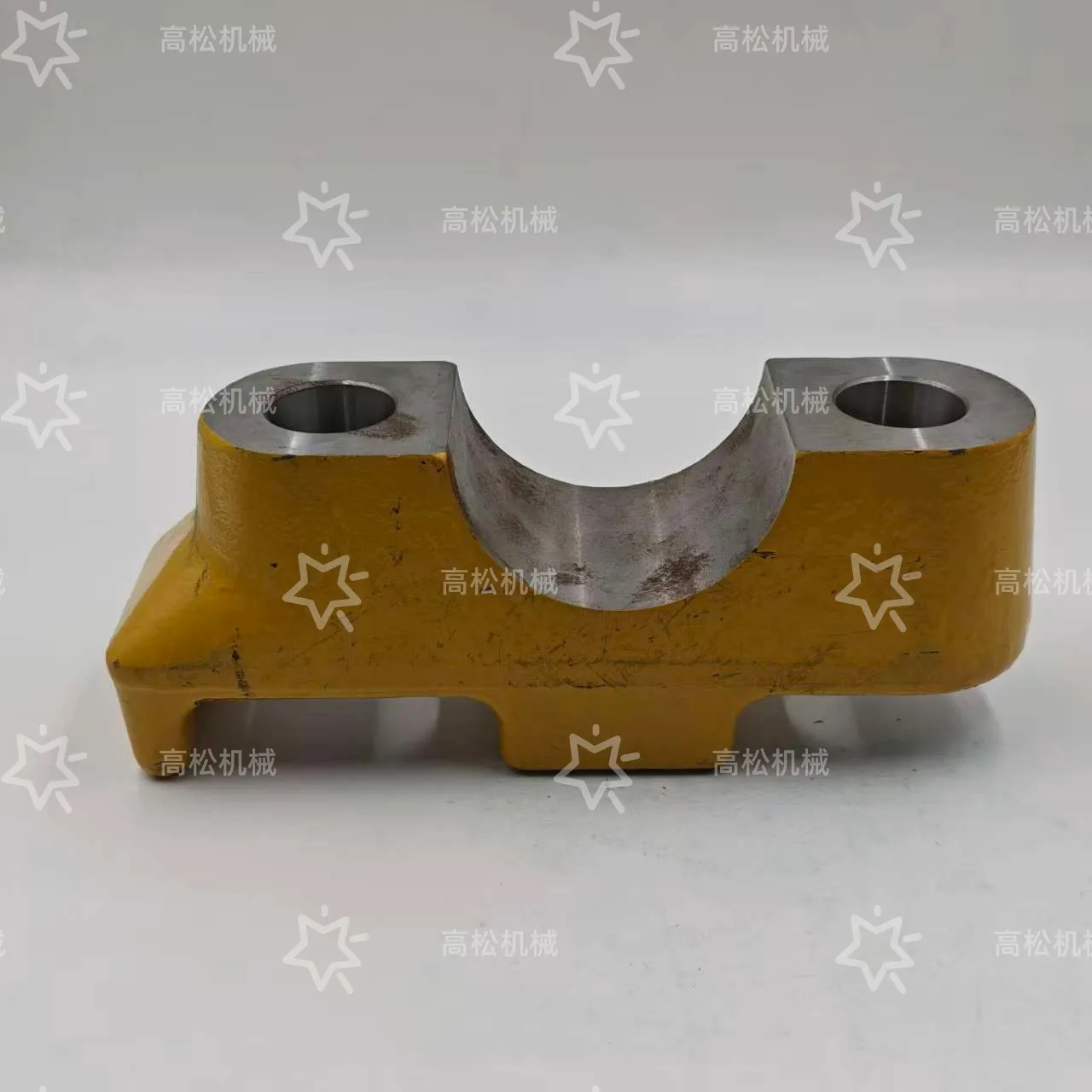 195-30-62141Komatsu Cap 195-30-62141
 -
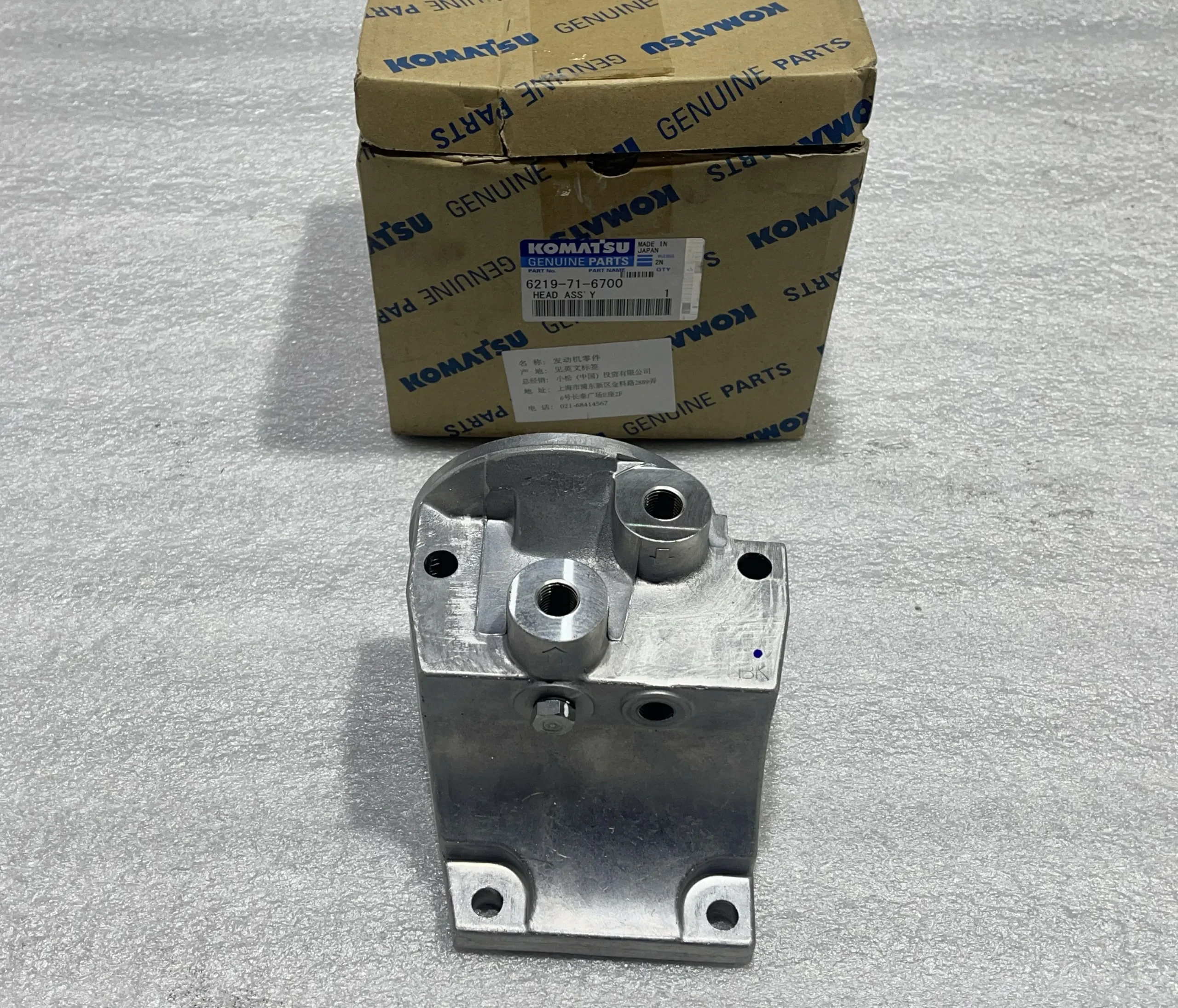 6219-71-6700 HEAD ASS’Y,FUEL FILTER-Komatsu Original Factory Accessories
 -
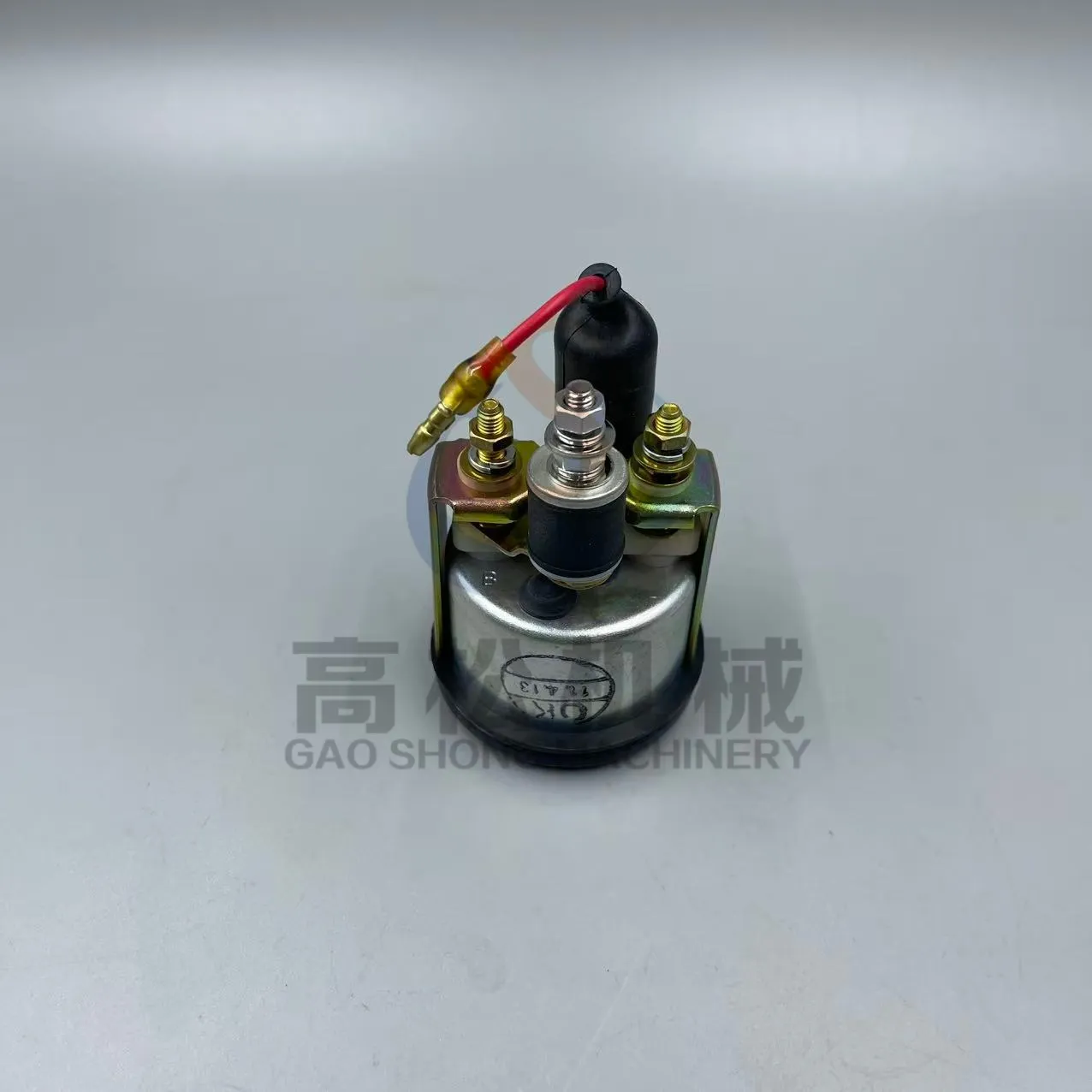 195-06-23110 – GAUGE
 -
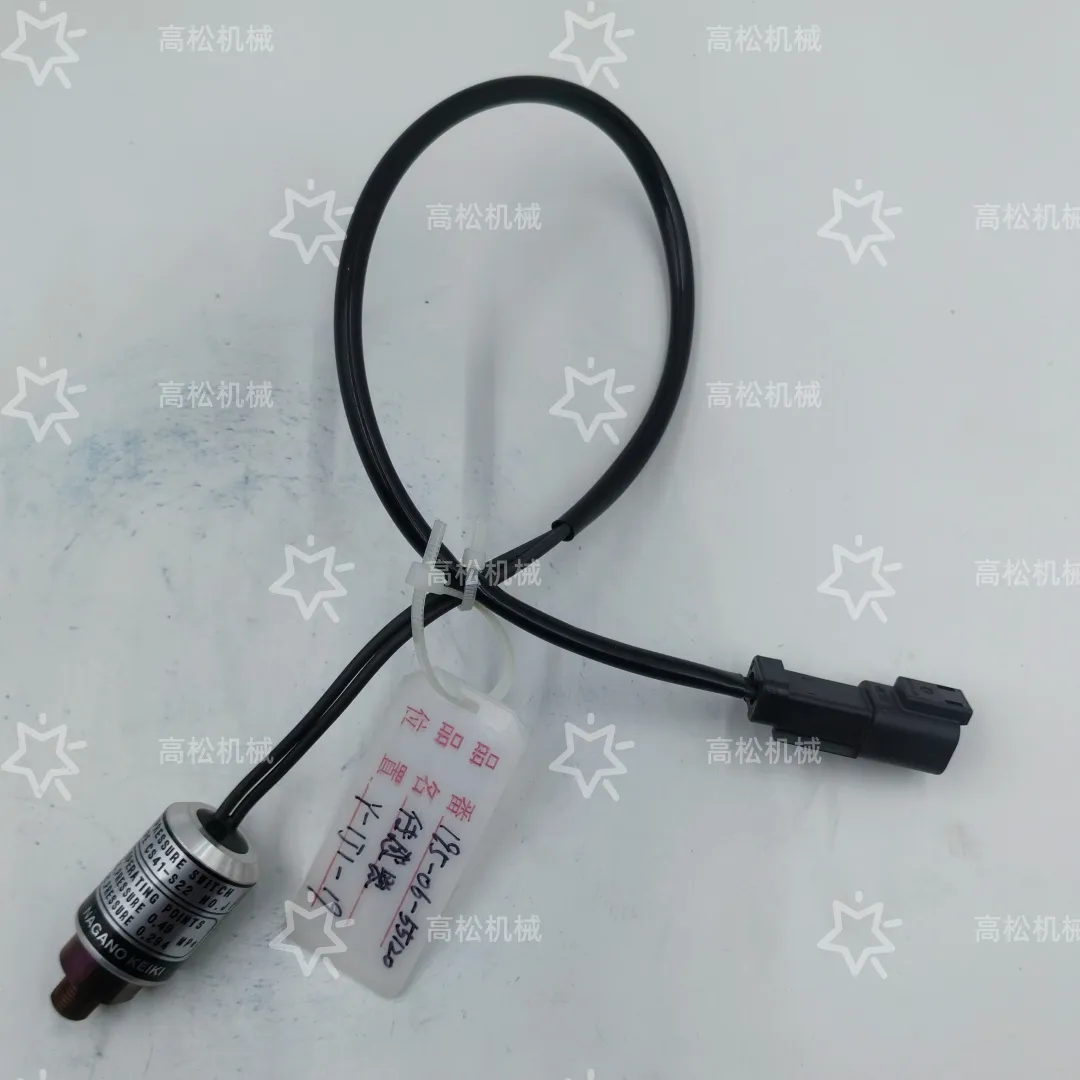 SWITCH 195-06-55120 – KOMATSU
 -
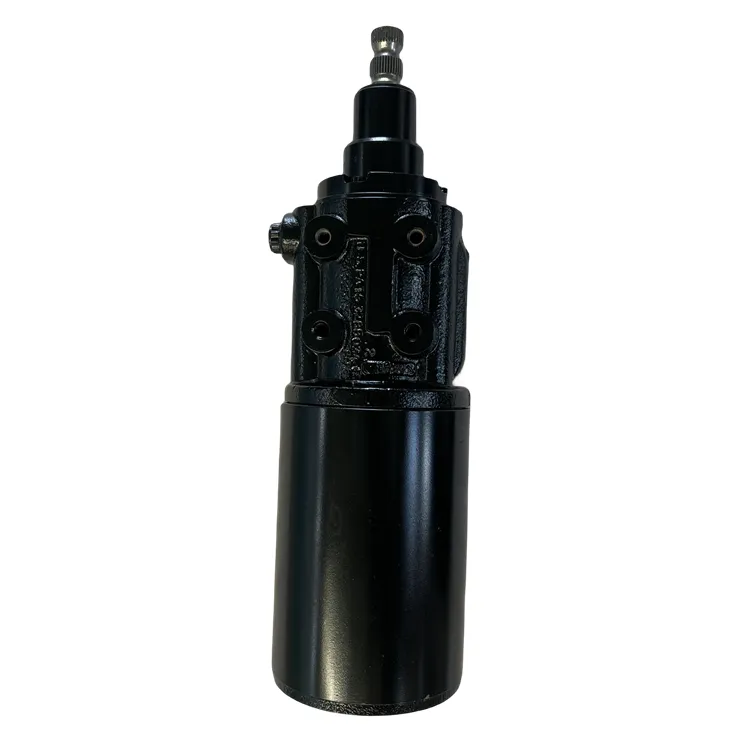 HD785-7 steering valve 561-40-83300
 -
 707-40-28020 • SPACER-Komatsu Original Factory
 -
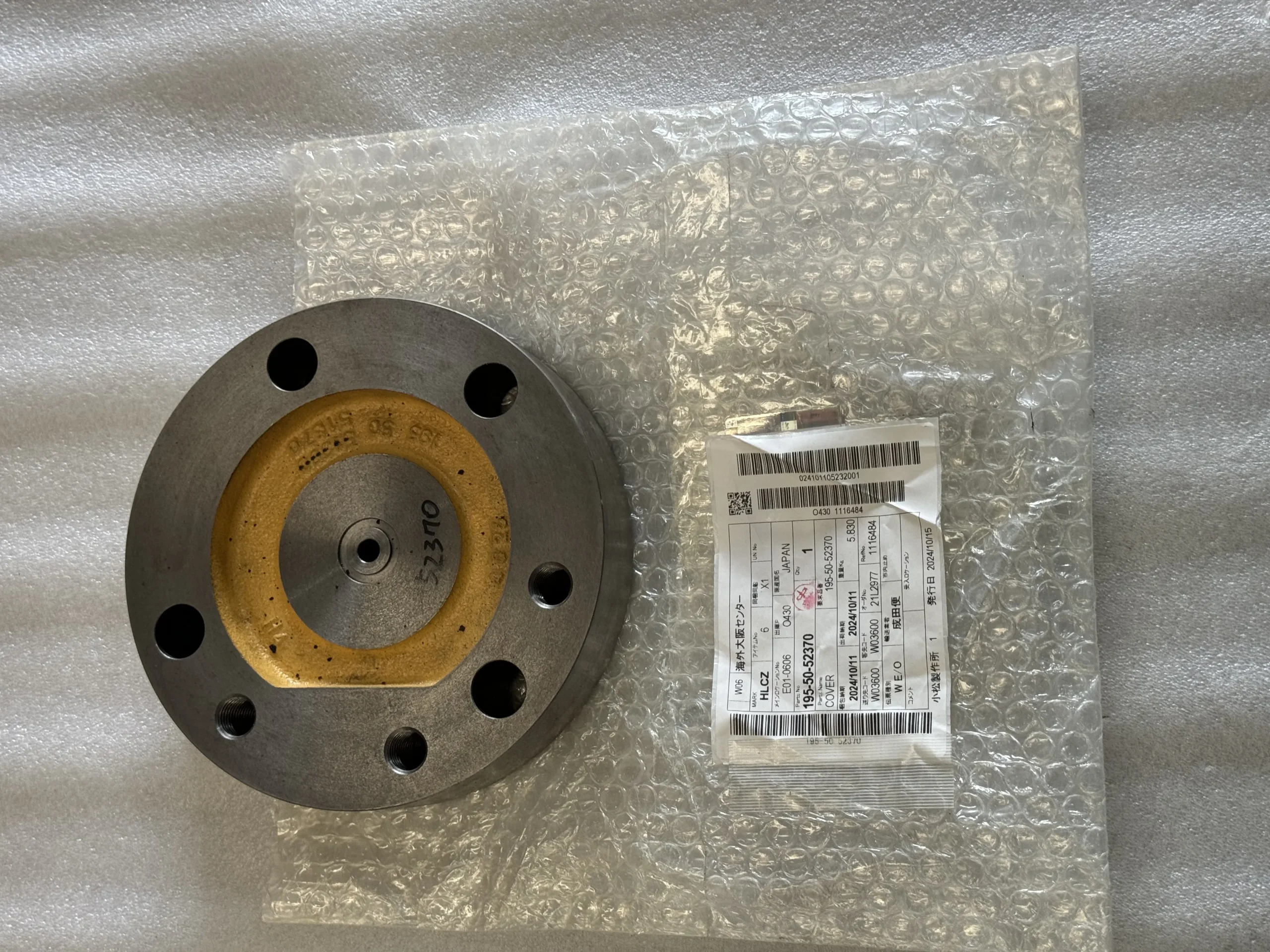 D375A-5 Cover 195-50-52370
 -
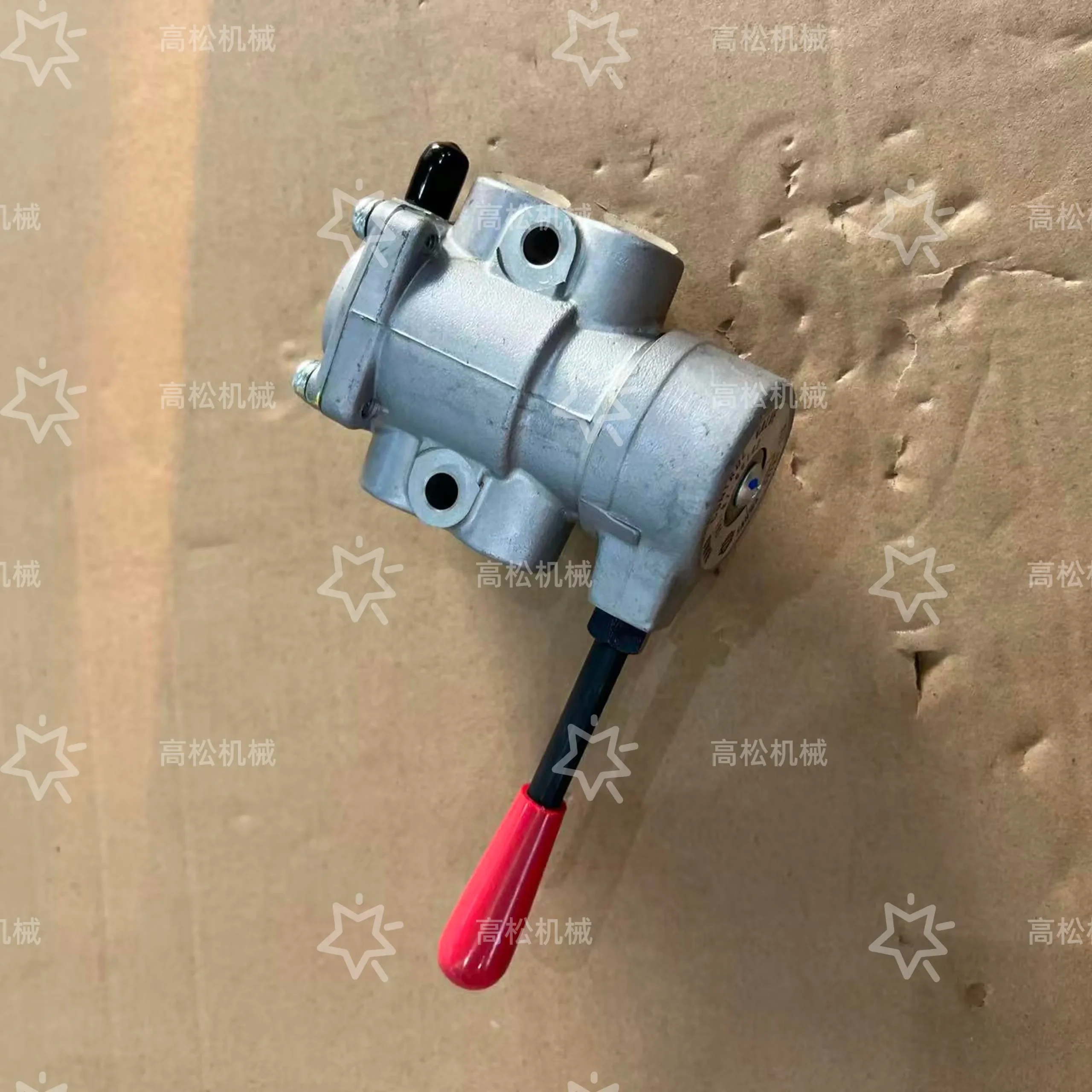 Dump Truck HD605-5 Valve Ass’y, Emergency Brake 561-87-66102 5618766102
 -
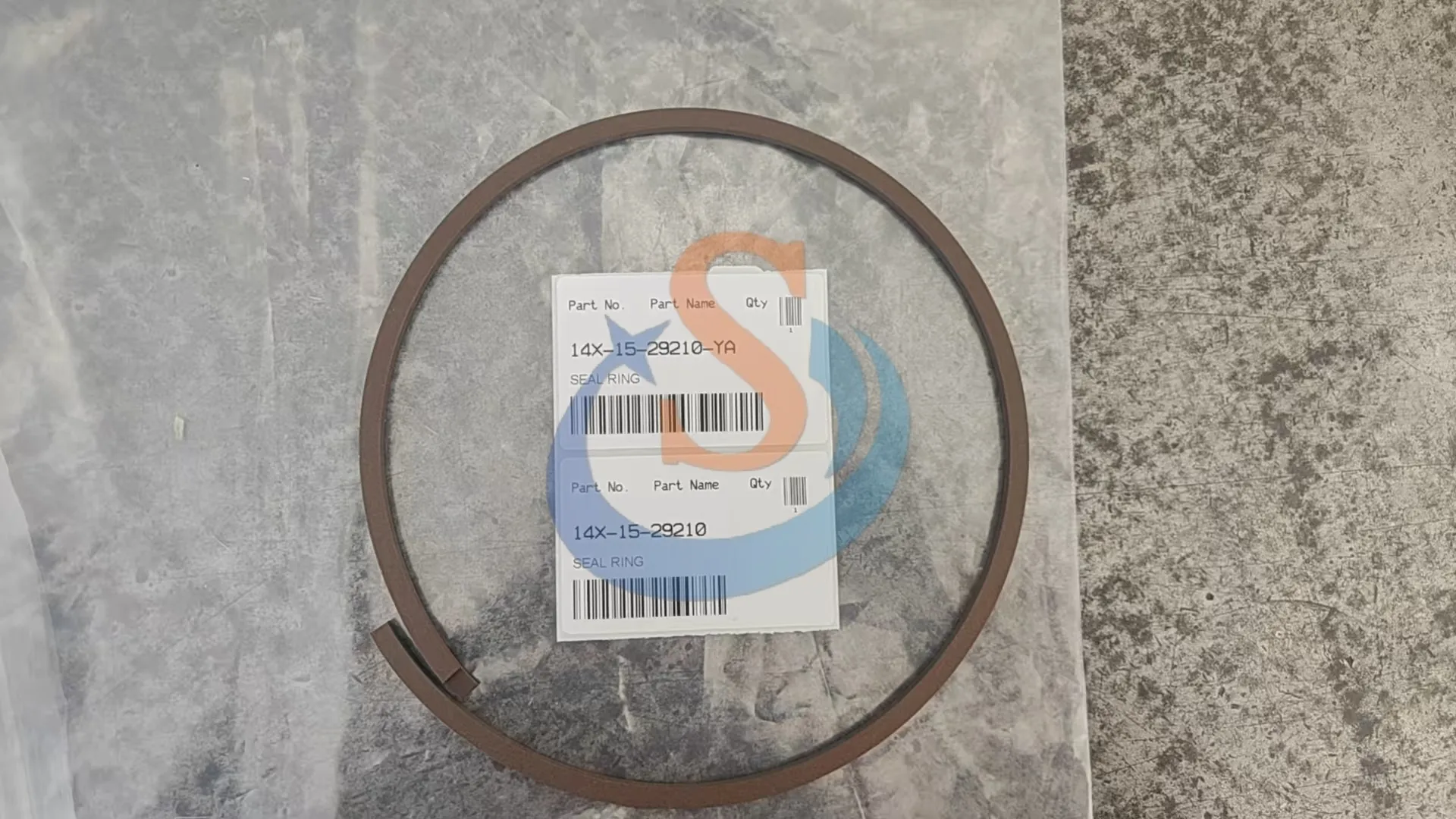 14X-15-29210,SEAL RING,D65PX,D85ESS-2,HD605-7R