
- Chinese
- French
- German
- Portuguese
- Spanish
- Russian
- Japanese
- Korean
- Arabic
- Irish
- Greek
- Turkish
- Italian
- Danish
- Romanian
- Indonesian
- Czech
- Afrikaans
- Swedish
- Polish
- Basque
- Catalan
- Esperanto
- Hindi
- Lao
- Albanian
- Amharic
- Armenian
- Azerbaijani
- Belarusian
- Bengali
- Bosnian
- Bulgarian
- Cebuano
- Chichewa
- Corsican
- Croatian
- Dutch
- Estonian
- Filipino
- Finnish
- Frisian
- Galician
- Georgian
- Gujarati
- Haitian
- Hausa
- Hawaiian
- Hebrew
- Hmong
- Hungarian
- Icelandic
- Igbo
- Javanese
- Kannada
- Kazakh
- Khmer
- Kurdish
- Kyrgyz
- Latin
- Latvian
- Lithuanian
- Luxembou..
- Macedonian
- Malagasy
- Malay
- Malayalam
- Maltese
- Maori
- Marathi
- Mongolian
- Burmese
- Nepali
- Norwegian
- Pashto
- Persian
- Punjabi
- Serbian
- Sesotho
- Sinhala
- Slovak
- Slovenian
- Somali
- Samoan
- Scots Gaelic
- Shona
- Sindhi
- Sundanese
- Swahili
- Tajik
- Tamil
- Telugu
- Thai
- Ukrainian
- Urdu
- Uzbek
- Vietnamese
- Welsh
- Xhosa
- Yiddish
- Yoruba
- Zulu
- Kinyarwanda
- Tatar
- Oriya
- Turkmen
- Uyghur






s6d95l 1 komatsu engine
You see that search term 's6d95l 1 komatsu engine' pop up, and it tells a story. It's not just a part number lookup; it's someone in a bind, probably with a machine down, trying to cross-reference or find a source for that specific power unit. The '1' after it is interesting—could be a quantity, could be a revision marker. This is where the online parts world gets messy. A lot of folks assume a Komatsu engine is just a Komatsu engine, that S6D95L is a universal code. It's not that simple. There are factory-original units, there are OEM-supported rebuilds, and then there's the whole aftermarket ecosystem, which ranges from solid to downright risky. The serial number suffix, the application (was it in a PC200-6? A HD325-6 truck?), the regional emissions specs—all of that changes the game. I've seen people order just 'an S6D95L' and get a core that's visually similar but with different injection timing or piston crown design, leading to a world of performance headaches after installation.
The Anatomy of the S6D95L and Why Context is King
Let's break down the S6D95L itself. It's a 6-cylinder, direct injection, turbocharged diesel. Displacement around 8.3 liters if memory serves. A workhorse in the mid-90s to early 2000s Komatsu lineup. But here's the first practical pitfall: the factory made running changes. An S6D95L from a 1998 excavator might have a different water pump flange or oil cooler line routing than one from a 2003 model. The service manuals have pages of updates. If you're sourcing just the long block, you need to match the auxiliary drive faces and mounting points, not just the core dimensions. I recall a rebuild shop in Southeast Asia that kept getting premature camshaft failures on these. After months of head-scratching, they traced it back to a batch of aftermarket cylinder heads where the oil galley to the rocker shaft was machined a millimeter too small. The engine would run, but starve the top end of oil under load. The part number on the box said it fit the S6D95L, but it didn't account for that specific sub-variant.
This is precisely the gap that legitimate OEM-system suppliers aim to fill. It's not just about having a part in a warehouse; it's about having the correct part with the correct engineering revisions. A company like Jining Gaosong Construction Machinery Co., Ltd. operates in that space. As an OEM product supplier within the Komatsu system, their value isn't just inventory—it's technical validation. Their site, takematsumachinery.com, frames their role well: solving parts supply challenges in certain countries. Certain countries is the key phrase. It often means regions where the official distributor network is thin, or where older fleets are still the backbone of operations. Their dual role as an OEM supplier and a third-party sales channel means they can navigate the genuine parts pipeline while also understanding the pragmatic need for availability outside the strictest dealer channels.
So when you're hunting for that 's6d95l 1 komatsu engine', the question isn't just who has it? It's who has the correct configuration for my machine's serial number, and can provide the supporting data to prove it? Buying based on a blurry photo of a tag or a basic number match is a 50/50 gamble at best.
Practical Sourcing: Between Genuine, OEM-Supported, and Aftermarket
In the field, you typically have three tiers. Tier one is genuine Komatsu, boxed, with the full tag. Prohibitively expensive for an older machine, and often with long lead times. Tier two is what I'd call OEM-supported. This is where a supplier like the one mentioned gets interesting. They might source genuine assemblies or major components through their Komatsu system access, but offer them without the full dealer markup and logistics. Sometimes it's a certified remanufactured unit that uses genuine Komatsu parts and specs. The quality is there, the fit is guaranteed, but the path to market is different. I've used similar channels for final drives and hydraulic pumps—it cuts downtime and cost without (usually) sacrificing reliability.
Tier three is the wild west of aftermarket. Complete Komatsu engine assemblies from various rebuilders or new manufacturers. Some are excellent, built with better-than-OEM materials in certain areas (like upgraded bearing alloys). Many are not. The failure point is rarely the major casting; it's the ancillary components and the assembly tolerances. A rebuilder might use a non-genuine head gasket that doesn't quite handle the thermal cycling, or rod bolts that aren't to the original torque-to-yield spec. The engine runs fine for 500 hours, then throws a rod. The supplier is gone, and you're left with a scrap machine.
The 1 in that search query could be pointing to a specific supplier's listing or a lot number. In some online parts databases, adding a 1 is a way to denote a complete assembly versus a short block. It's these little nuances that separate a parts clerk from someone with bench experience. You learn to read between the lines of the listing.
Case Point: The Turbo Mismatch Saga
A concrete example from a few years back. A mining contractor in Africa needed an S6D95L for a HD325-5 dump truck. They sourced a complete, tested engine from a reputable-looking aftermarket vendor. Physically, it dropped in. Upon startup, it had low power and black smoke. Diagnostics pointed to low boost. Turns out, the turbocharger on the replacement unit was a generic model with a smaller compressor housing and different A/R ratio than the original Komatsu-spec Mitsubishi turbo. It looked right from the outside. The engine was designed for a specific airflow and back-pressure curve. The mismatched turbo created excessive exhaust backpressure, choking the engine and over-fueling it. The solution wasn't a tune—it was sourcing the correct turbo, which cost them another three weeks of downtime. An OEM-system supplier would have caught that. The turbo is part of the engine assembly's performance envelope, not an interchangeable accessory.
This is the kind of problem Jining Gaosong and similar entities help prevent. Their business model is built on understanding these integrations. They're not just selling a metal block; they're selling a validated power unit that matches the machine's original design intent. Their company description—helping to solve parts supply challenges—is essentially a promise to avoid these exact integration nightmares.
It also highlights why simply searching for the cheapest 's6d95l 1 komatsu engine' is a fast track to more expense. The total cost of ownership includes the downtime, the ancillary parts swaps, and the potential for collateral damage to the cooling or hydraulic systems if the engine isn't right.
Beyond the Engine: The Support Ecosystem
When you buy a major assembly like this, you're also buying into a support chain. Does the supplier have the technical specs for the engine's break-in procedure? Can they provide the torque sequences for the flywheel housing? Do they know the correct break-in oil and filter recommendations? A genuine or OEM-aligned supplier has access to the Komatsu technical publications (TIS, workshop manuals). A pure aftermarket seller often has a PDF of generic instructions.
I remember a rebuild where the customer insisted on using a synthetic oil from day one. The rebuilder said fine. But the Komatsu spec for that particular S6D95L revision called for a mineral-based break-in oil for the first 100 hours to ensure proper ring seating. The synthetic was too slippery. The engine never achieved proper compression, burned oil from the start, and had to be torn down again. The knowledge of those minute specs is what you're paying for.
This support extends to parts traceability. If a year later you have an issue with a fuel injector, can you trace it back to a specific batch from the original engine build? With a genuine or proper OEM-supplied unit, you often can. With a blended aftermarket build, the injectors could be from one of five different manufacturers, with no records.
Closing Thoughts: A Matter of Risk Assessment
So, back to that original search term. 's6d95l 1 komatsu engine'. The person typing that is at a decision point. Is this for a machine that's critical to a project, where downtime costs thousands per hour? Then the path is clear: source through the Komatsu system or a trusted, vetted OEM supplier like the one discussed. The premium is insurance.
Is it for a secondary machine in a low-intensity application, with a tight budget and flexible timeline? Maybe a vetted aftermarket rebuilder with a solid warranty is a calculated risk. But you must vet them. Ask for references for that specific model. Ask for photos of the build process. Ask what brand of bearings, pistons, and gaskets they use.
The landscape has shifted. It's no longer just dealer vs. non-dealer. There's a professional middle layer that provides OEM-level assurance with more flexible logistics. Understanding that layer—companies that are part of the system but operate with third-party agility—is key to keeping older Komatsu equipment like those powered by the S6D95L running reliably and profitably. It turns a desperate parts search into a strategic procurement decision.
Related Products
Related Products

Best Selling Products
Best Selling Products-
 HD785-7 Temperature Sensor 6219-11-8810
 -
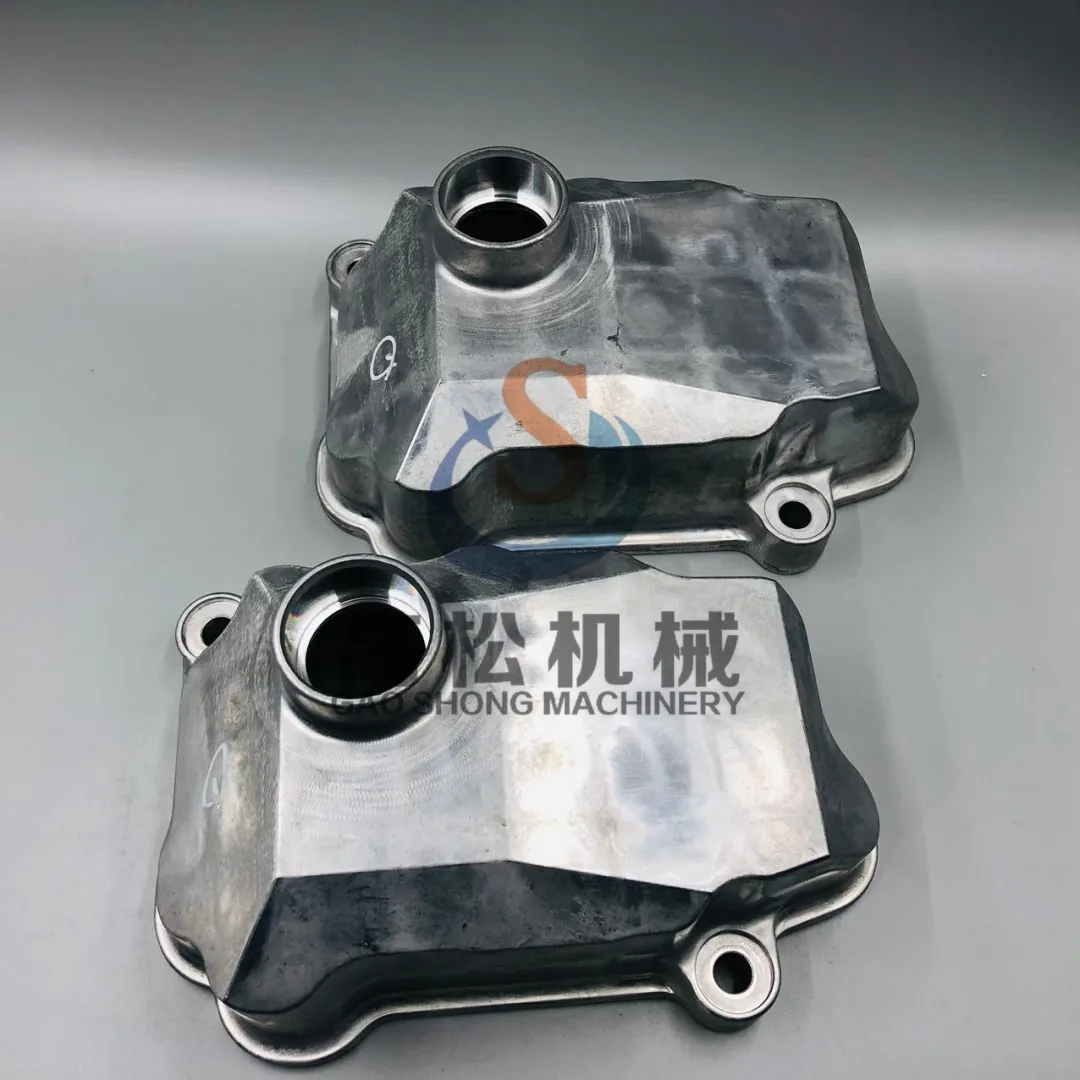 KOMATSU 6251-11-8150 COVER
 -
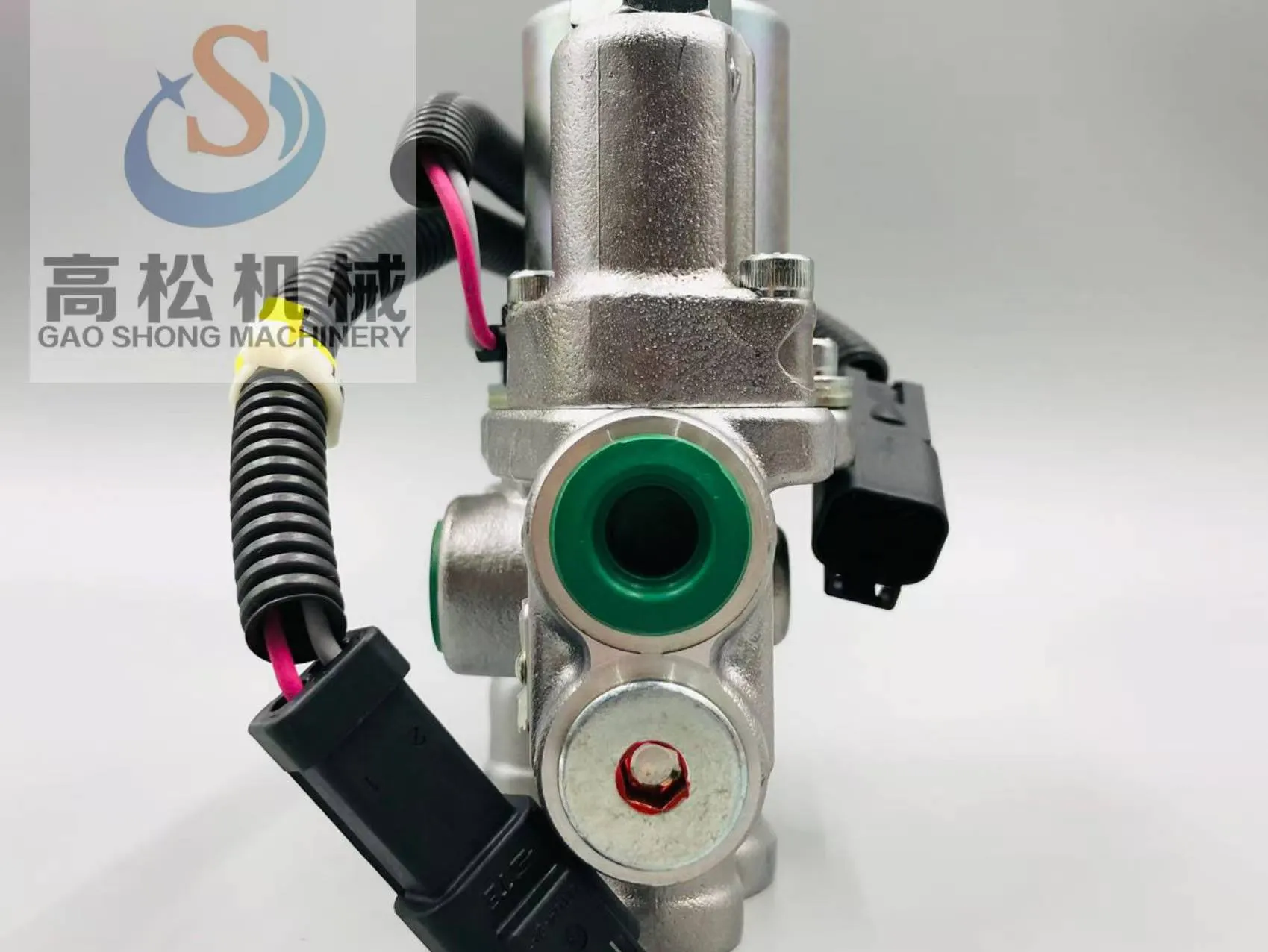 22F-60-31600/22F-60-21201 Electromagnetic valve assembly for PC40MR PC55MR PC56-7 excavator parts
 -
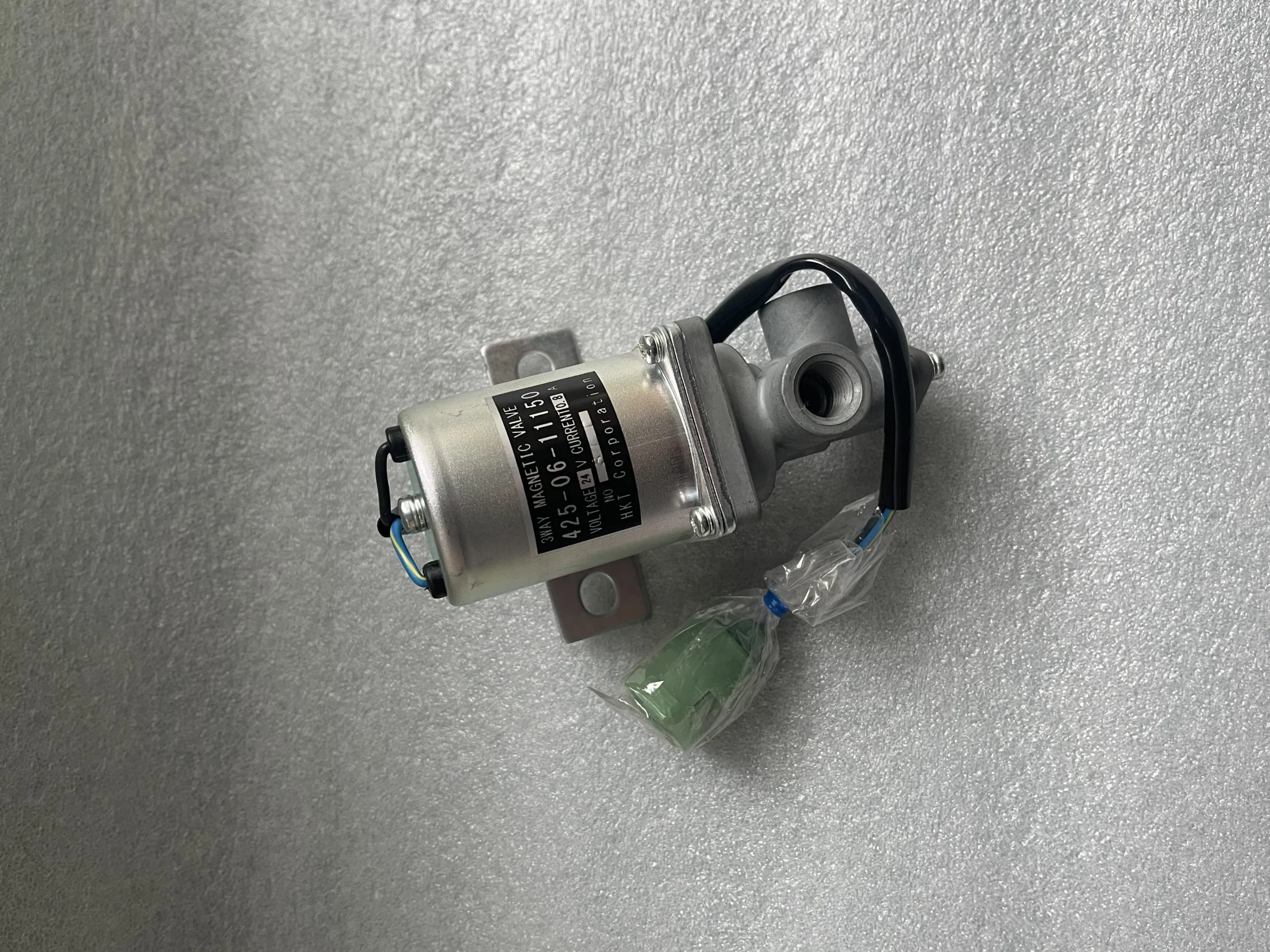 Valve,Parking brake425-06-11150
 -
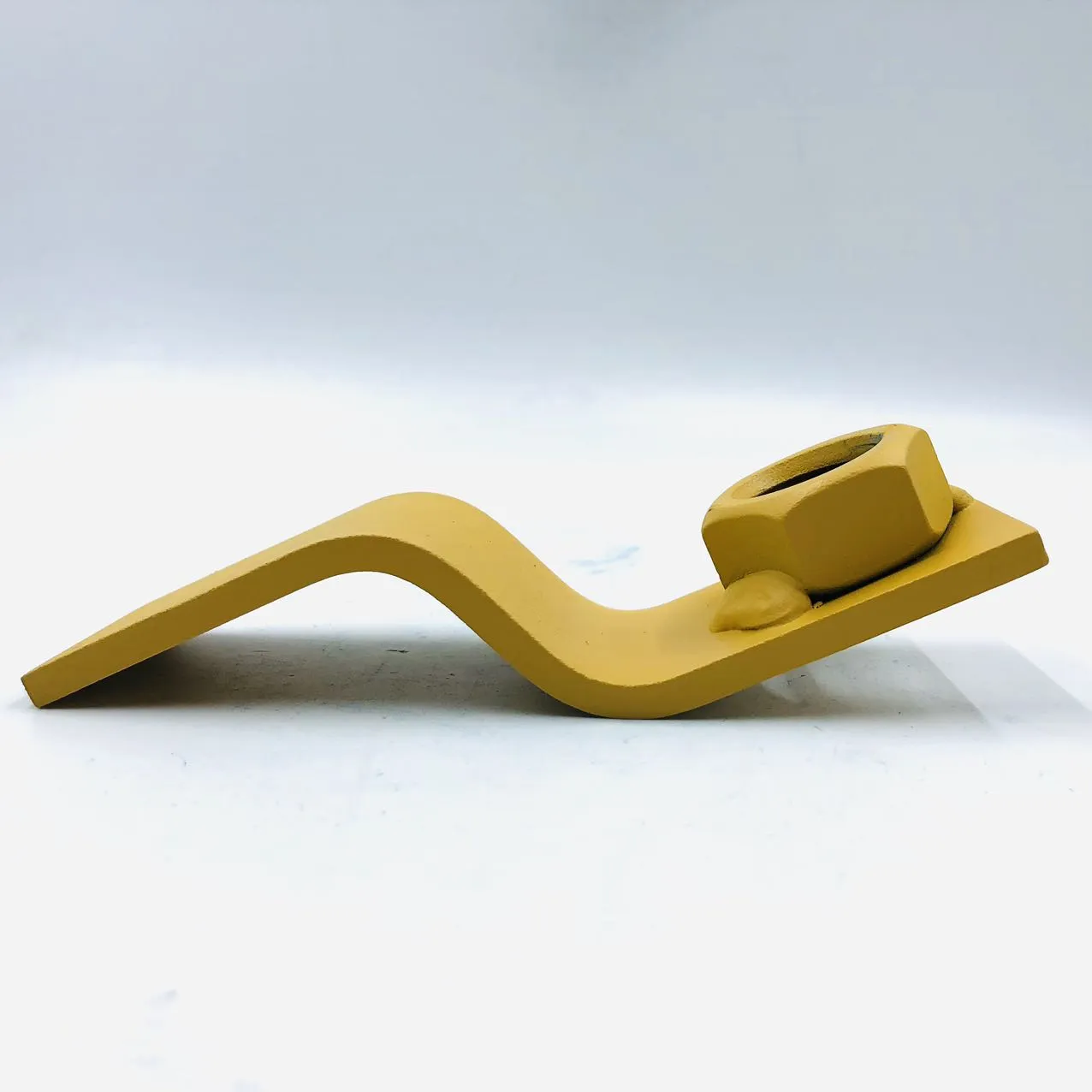 21T-01-67330 Komatsu Machinery Parts
 -
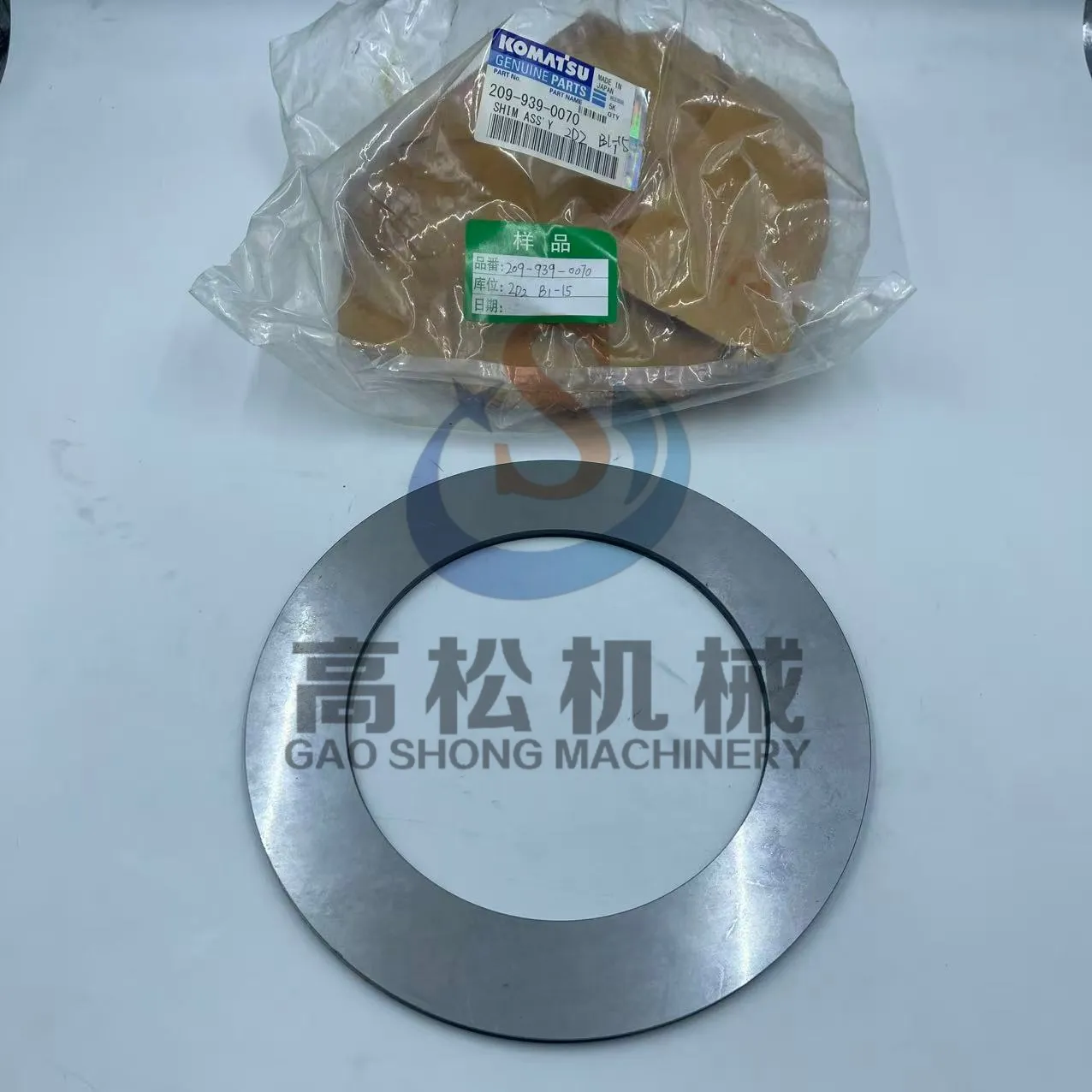 209-939-0070 Komatsu Shim Assembly
 -
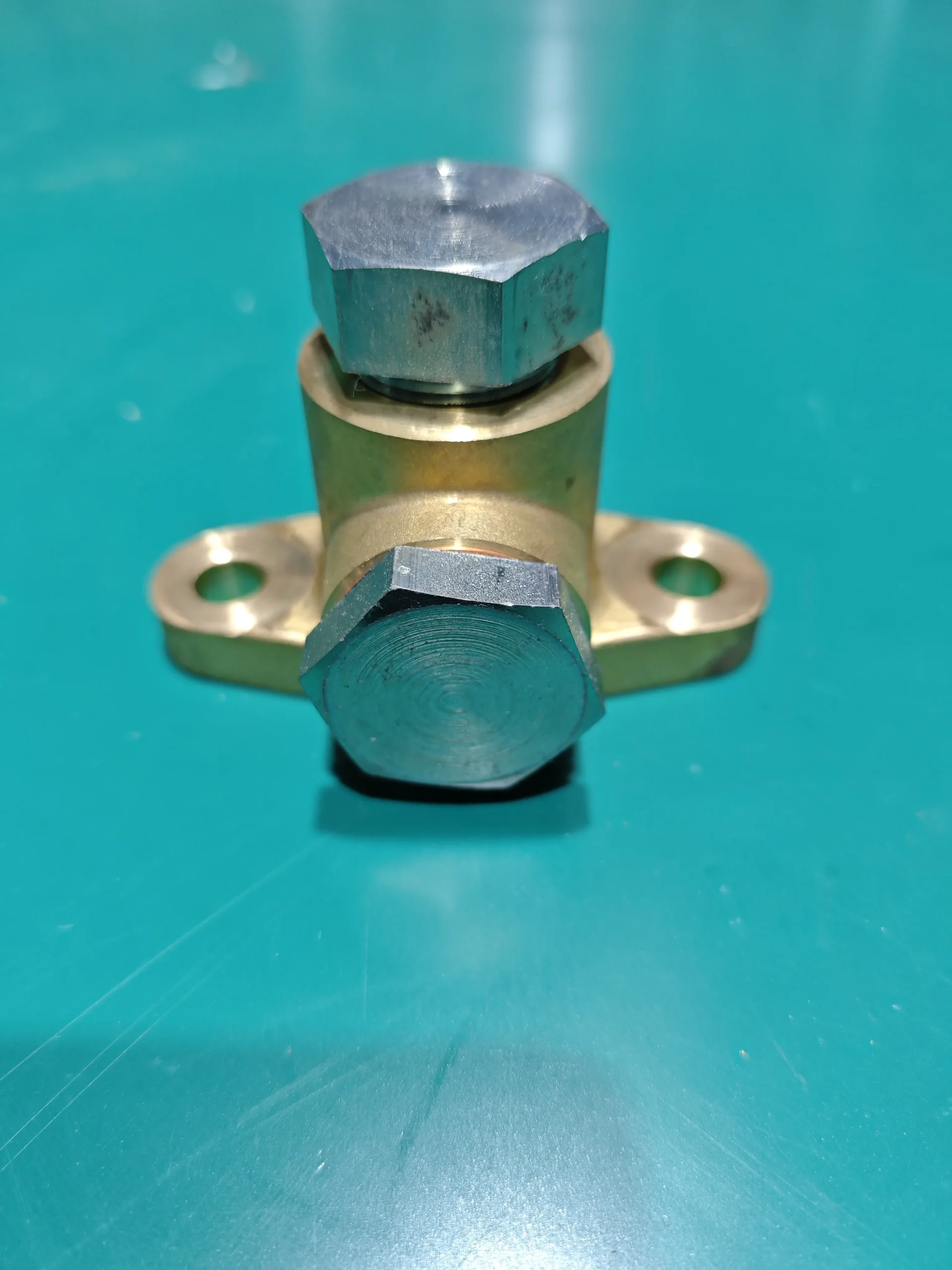 6693-22-5600 VALVE ASS’Y,OIL PAN DRAIN (Komatsu)
 -
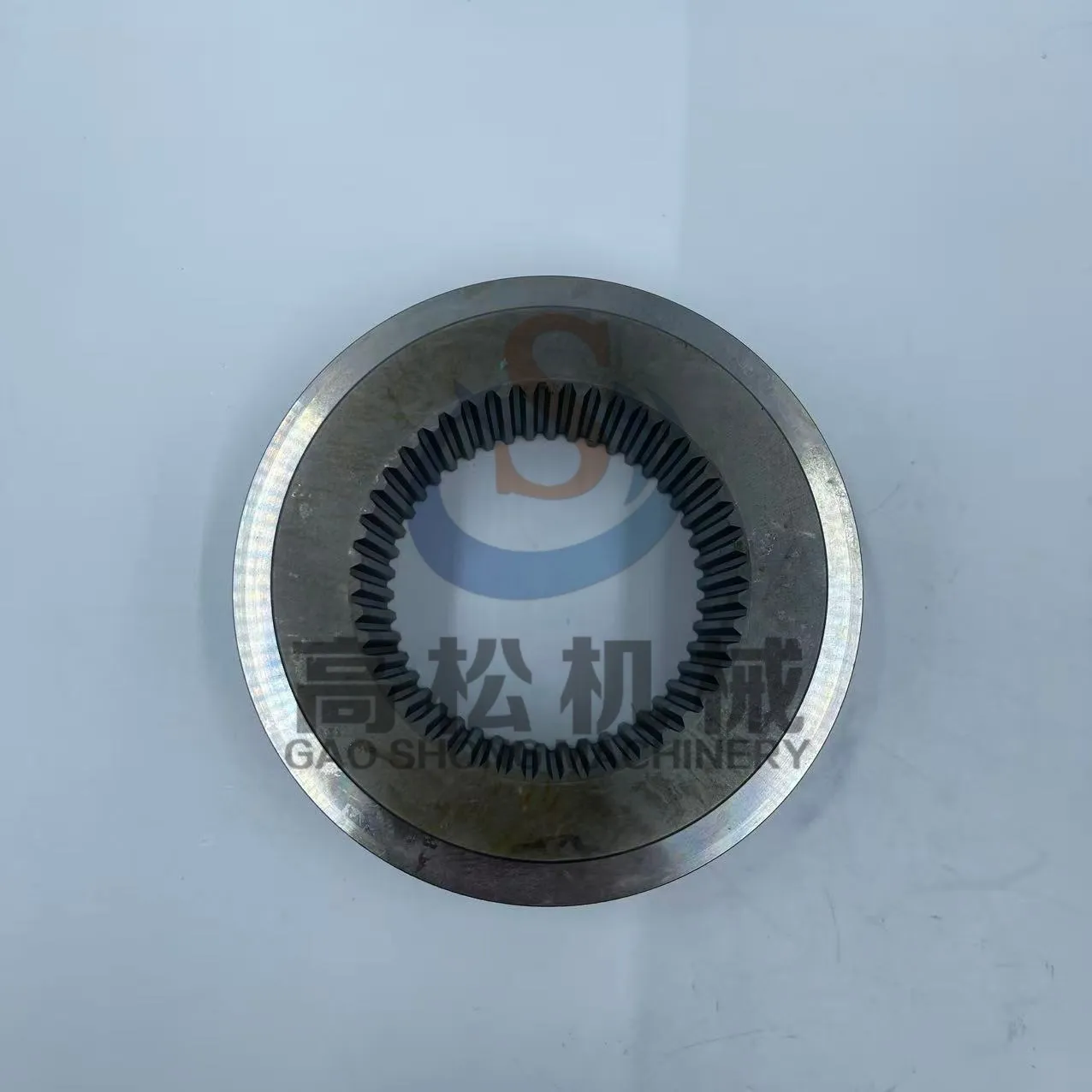 Provide Komatsu original bearing 170-09-13250
 -
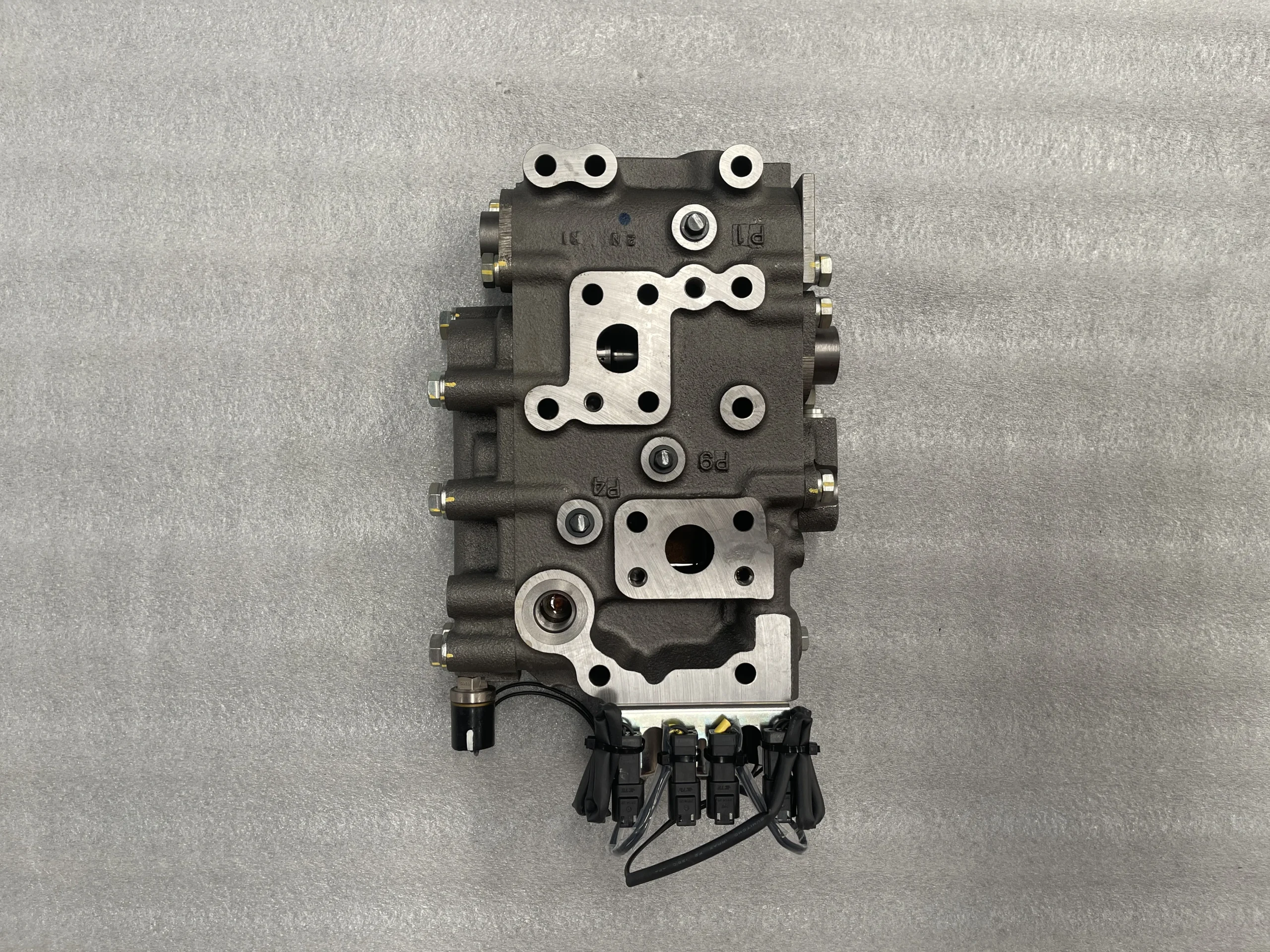 HD785-7 converter valve 561-13-76700
 -
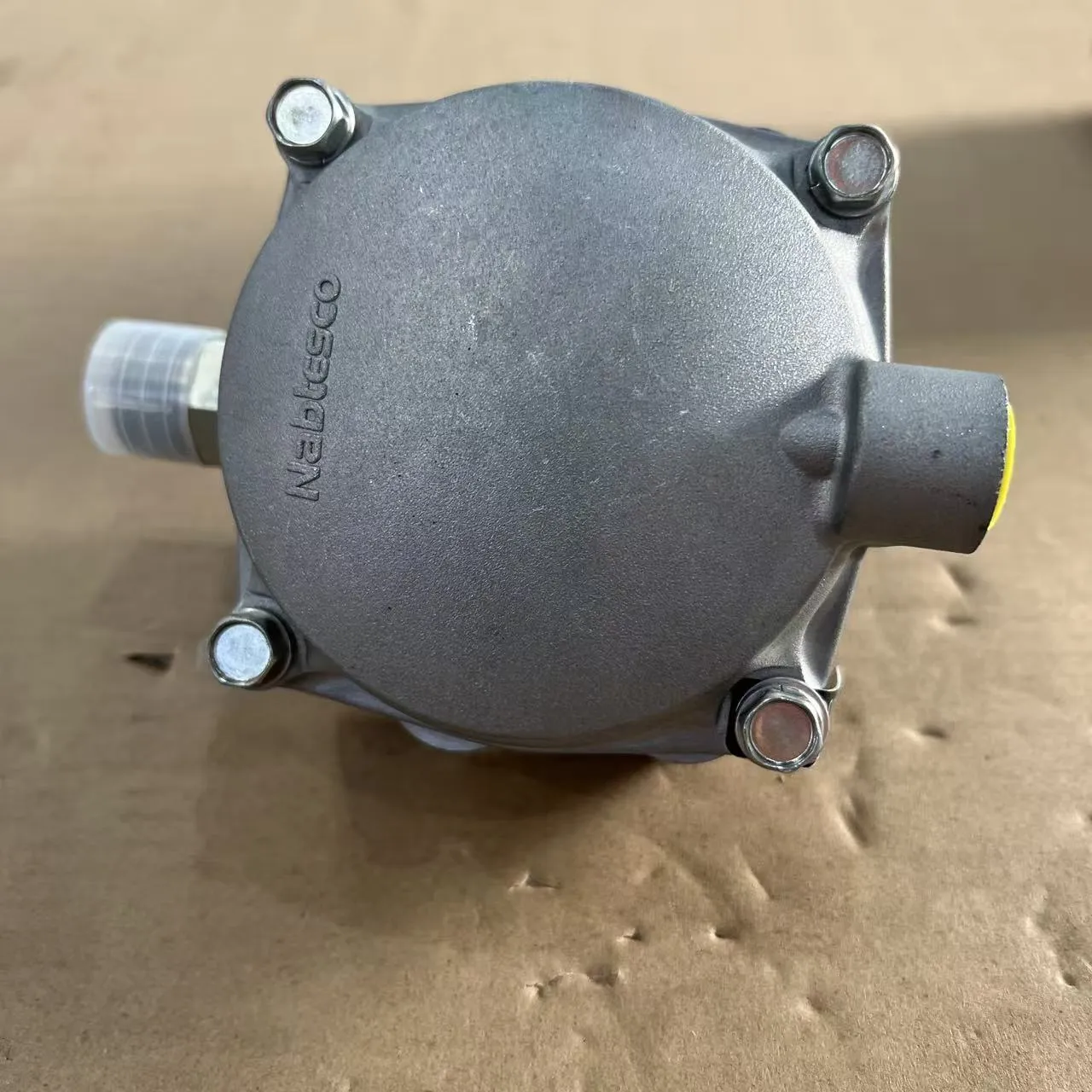 Relay Valve 561-35-61601 for Komatsu Dump Truck…
 -
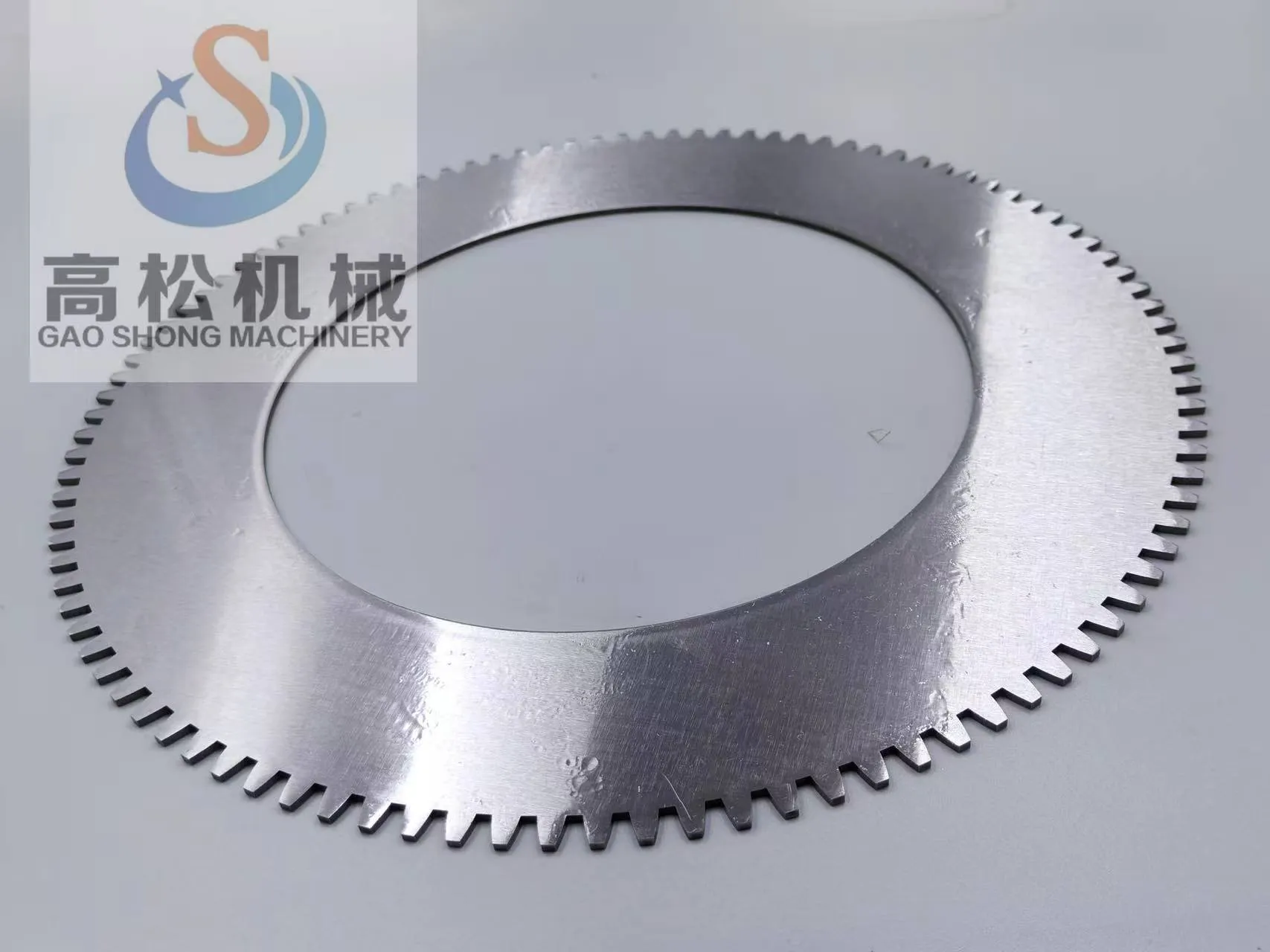 Ring seal gd825a grader 235-22-11550
 -
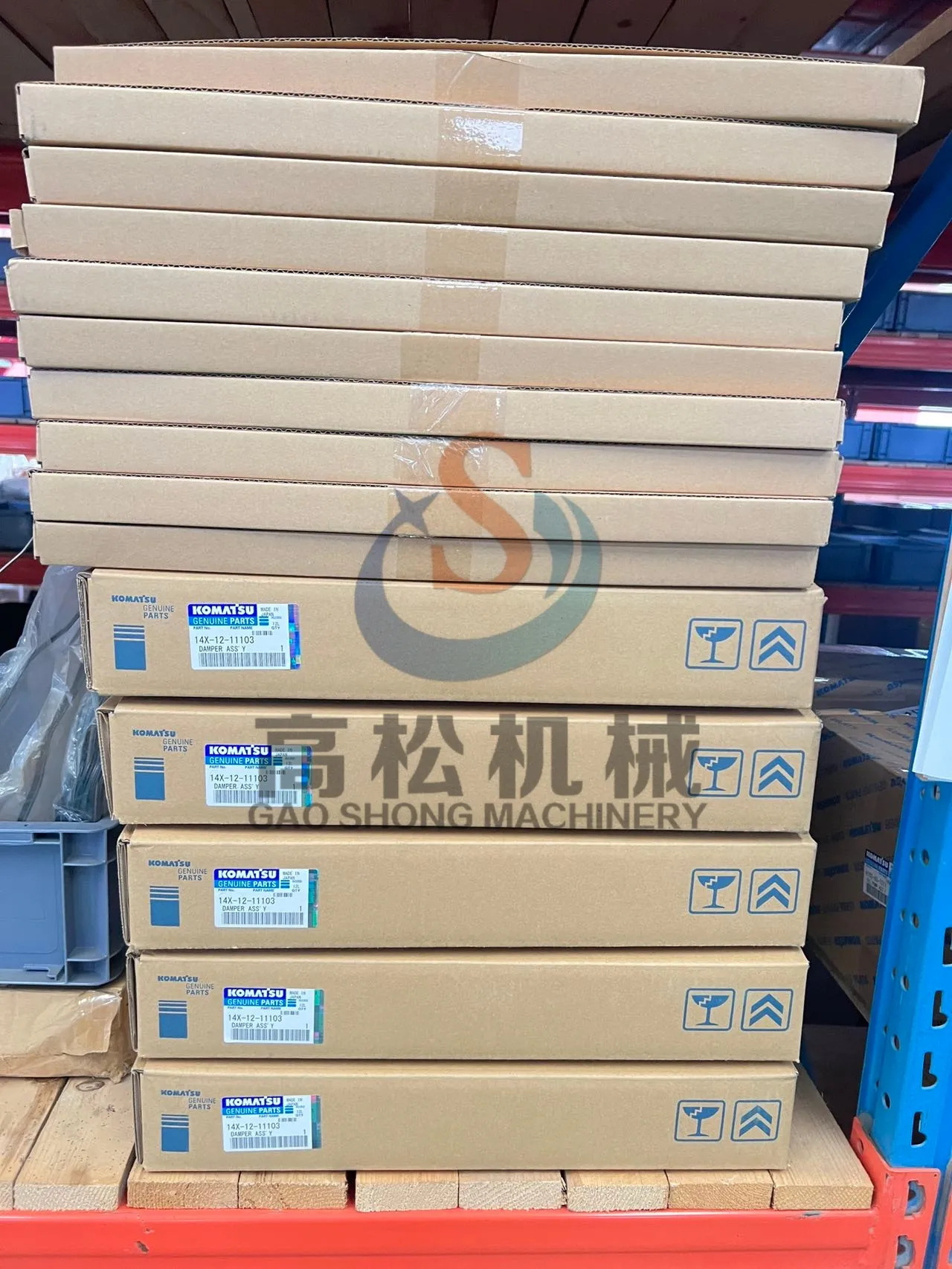 14X-12-11103 Komatsu Damper Disc Assembly