
- Chinese
- French
- German
- Portuguese
- Spanish
- Russian
- Japanese
- Korean
- Arabic
- Irish
- Greek
- Turkish
- Italian
- Danish
- Romanian
- Indonesian
- Czech
- Afrikaans
- Swedish
- Polish
- Basque
- Catalan
- Esperanto
- Hindi
- Lao
- Albanian
- Amharic
- Armenian
- Azerbaijani
- Belarusian
- Bengali
- Bosnian
- Bulgarian
- Cebuano
- Chichewa
- Corsican
- Croatian
- Dutch
- Estonian
- Filipino
- Finnish
- Frisian
- Galician
- Georgian
- Gujarati
- Haitian
- Hausa
- Hawaiian
- Hebrew
- Hmong
- Hungarian
- Icelandic
- Igbo
- Javanese
- Kannada
- Kazakh
- Khmer
- Kurdish
- Kyrgyz
- Latin
- Latvian
- Lithuanian
- Luxembou..
- Macedonian
- Malagasy
- Malay
- Malayalam
- Maltese
- Maori
- Marathi
- Mongolian
- Burmese
- Nepali
- Norwegian
- Pashto
- Persian
- Punjabi
- Serbian
- Sesotho
- Sinhala
- Slovak
- Slovenian
- Somali
- Samoan
- Scots Gaelic
- Shona
- Sindhi
- Sundanese
- Swahili
- Tajik
- Tamil
- Telugu
- Thai
- Ukrainian
- Urdu
- Uzbek
- Vietnamese
- Welsh
- Xhosa
- Yiddish
- Yoruba
- Zulu
- Kinyarwanda
- Tatar
- Oriya
- Turkmen
- Uyghur






s6d170 komatsu engine
When you hear 'S6D170 Komatsu engine', a lot of folks immediately think of the big excavators, the PC300 or PC400 maybe. That's not wrong, but it's a bit of a shortcut. In my experience, that mental link can sometimes blind you to where else this workhorse pops up and, more importantly, to the specific quirks of its later iterations. It’s not just one engine; it’s a lineage, and the context—whether it's in a genuine Komatsu machine or a compatible application—changes everything.
The Core of the Matter: More Than Just a Model Number
The S6D170 designation itself tells a story. 6 cylinders, direct injection, 170mm bore. It’s a robust, mid-to-large displacement diesel designed for endurance. But the devil’s in the details—the suffix letters, the emission tier adaptations, the subtle changes in fuel system components between say, an S6D170-TLE2 and an S6D170-WLE. I’ve seen people order parts just by the base model and get burned. The piston rings for an early Tier 2 engine might not hold up in a later model with different combustion characteristics, leading to premature oil consumption. You can't just treat it as a generic block.
Where this gets real is in the aftermarket and parts supply chain. This is where a company's role becomes critical. Take Jining Gaosong Construction Machinery Co., Ltd., for instance. They operate on a dual track: as an OEM product supplier within Komatsu's system and as a third-party sales company. That’s a nuanced position. It means they have access to the genuine Komatsu spec for the S6D170 Komatsu engine, but they’re also in the business of solving supply gaps. When you’re in a region where the official channel is slow or doesn’t stock a particular sub-component for an older S6D170, a partner like this isn’t just a vendor; they’re a lifeline. Their site, https://www.takematsumachinery.com, often becomes a reference point for cross-referencing parts compatibility, especially for engines in non-standard applications.
I recall a project where we had an S6D170 powering a stationary generator set. The turbocharger housing cracked. The official lead time was 12 weeks. Through a network that understood these alternative supply solutions, we sourced a compatible, quality-assured unit that matched the exact flange and oil feed specifications in under two weeks. It wasn’t about cutting corners; it was about understanding the engine’s DNA and finding a part that respected it. That’s the practical value of specialized third-party support in the Komatsu ecosystem.
Common Pitfalls and the Fuel System Saga
If there's one system on the S6D170 that demands respect, it's the fuel injection. Earlier models often used the classic Komatsu/Minolta-style pump, while later ones integrated more electronic control. A frequent mistake is overlooking the fuel quality. These engines, while tough, have precise tolerances in their injectors and pump plungers. I’ve witnessed failures attributed to bad parts that, upon tear-down, were clearly caused by chronic contamination from poor fuel filtration or water ingress. The scoring on the plungers tells the whole story. It’s never just a swap-the-pump job; you have to diagnose the root cause or you’ll be back in there in six months.
Another grey area is the cooling system. The S6D170 runs hot under high load—it's designed to. But the efficiency of the aftercooler and the radiator matrix is paramount. We once battled an overheating issue on a PC350LC-8. We replaced the thermostat, flushed the system, no change. Finally, we pulled the aftercooler and found about 30% of the fins blocked by a combination of dust and oil mist from a minor crankcase breather issue. The engine wasn’t breathing right, and the charge air wasn’t cooling properly. The S6D170 Komatsu engine performance is a system-wide balance. You can’t just look at the water temp gauge in isolation.
This is where having a reliable source for genuine or OEM-equivalent cooling system components matters. A sub-par aftercooler core might have the same external dimensions but different fin density or tube material, killing its heat exchange efficiency. It’s these specifics that separate a proper fix from a recurring headache.
The Real-World Application and Compatibility
Beyond the classic excavator, you find the S6D170 in various industrial setups. I’ve seen them in marine auxiliaries and large pump drives. This is where the third-party sales model proves its worth. The official Komatsu catalog might not list a marine-grade heat exchanger kit for an S6D170, but a specialist supplier who understands the engine’s base parameters can often facilitate a solution. They bridge the gap between the pure Komatsu application and the real-world, sometimes unconventional, use case.
Let’s talk about rebuilds. A full overhaul on an S6D170 is a significant investment. The decision point often comes down to the cylinder block and crankshaft. Are they salvageable? I’ve made the call to scrap engines where the block had deep cavitation corrosion in the water jacket, a known issue if coolant maintenance was neglected. Conversely, a crank with minor scoring can often be reground if you can source the correct undersize bearings. The parts challenge here is immense. You need a supplier that can provide not just the major components, but also the specific seals, gaskets, and torx bolts for that particular sub-model. A general S6D170 gasket kit might leave you missing a crucial O-ring for the oil cooler housing.
This granular parts knowledge is what defines a useful supplier. When you call and say, I need the front crankshaft seal for an S6D170-WLE with the double-lipped design, not the single, and they know exactly what you’re talking about, that’s when you know you’re dealing with expertise. It’s this level of detail that operations like Jining Gaosong Construction Machinery cater to, helping to solve parts supply challenges in markets where the full official suite isn’t always accessible.
Final Thoughts: It’s About Context and Precision
So, what’s the takeaway on the S6D170 Komatsu engine? It’s a testament to solid engineering, but it’s not a black box. Its reliability is contingent on precise maintenance, correct fluid specifications, and—critically—the use of components that match its original design intent. Whether those components come directly from Komatsu or from a trusted, knowledgeable partner in the supply chain is a practical decision based on availability, urgency, and cost.
The landscape of heavy equipment maintenance is shifting. Pure OEM-only policies are sometimes at odds with the need for uptime. This creates a space for companies that can navigate both worlds: upholding the engineering standards of the S6D170 Komatsu engine while providing flexible solutions. It’s not about competing with Komatsu; it’s about complementing the ecosystem, especially for older models or in specific geographic regions.
In the end, working with these engines teaches you to look past the model number. You learn to read the data plates, understand the service history, and identify the exact configuration. Then, you source your parts and plan your repairs with that same level of specificity. That’s the difference between a machine that runs and one that runs reliably for another 10,000 hours. The tools and partners you choose, from your wrench set to your parts supplier, all need to align with that philosophy of precision.
Related Products
Related Products

Best Selling Products
Best Selling Products-
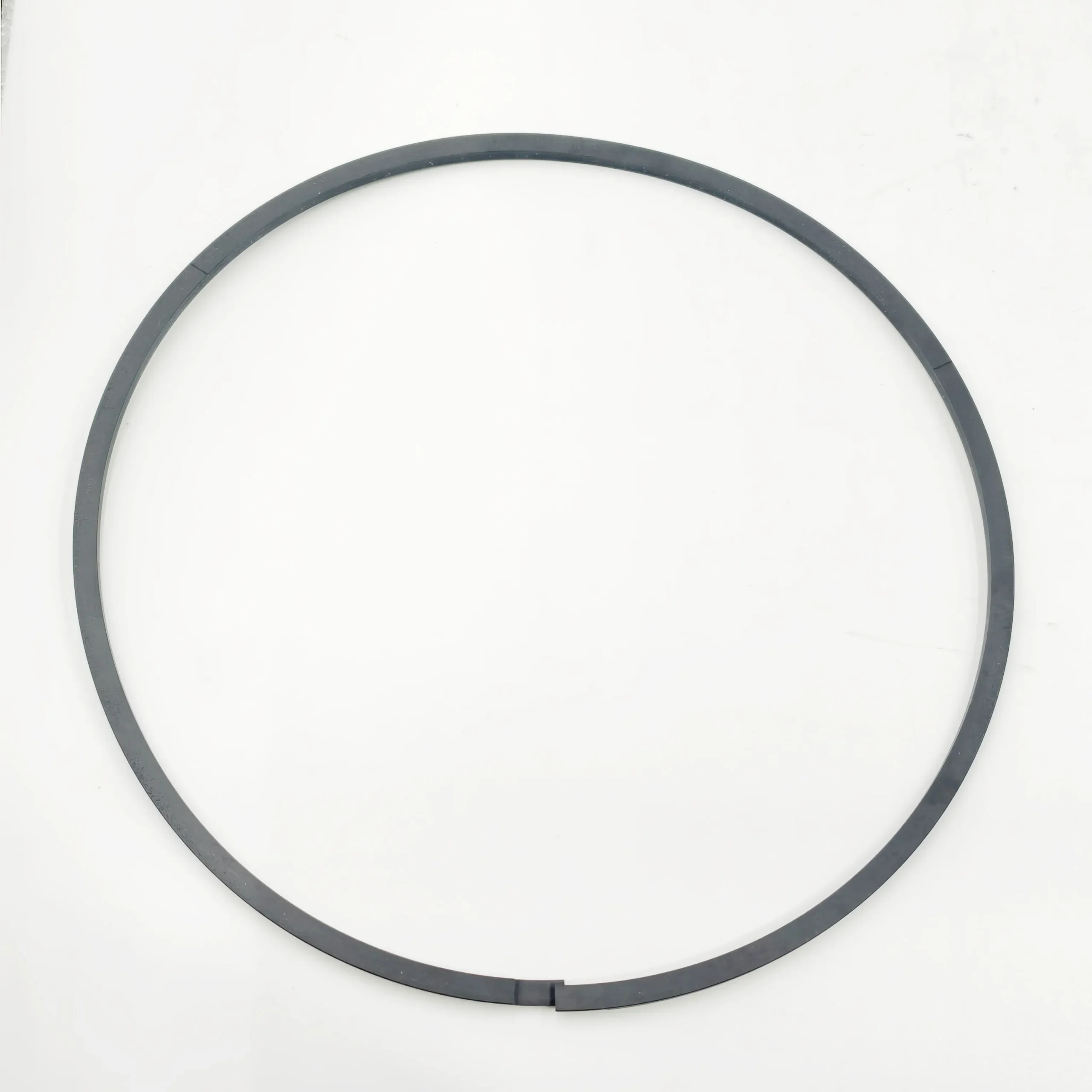 KOMATSU-SEAL RING 14X-15-19210
 -
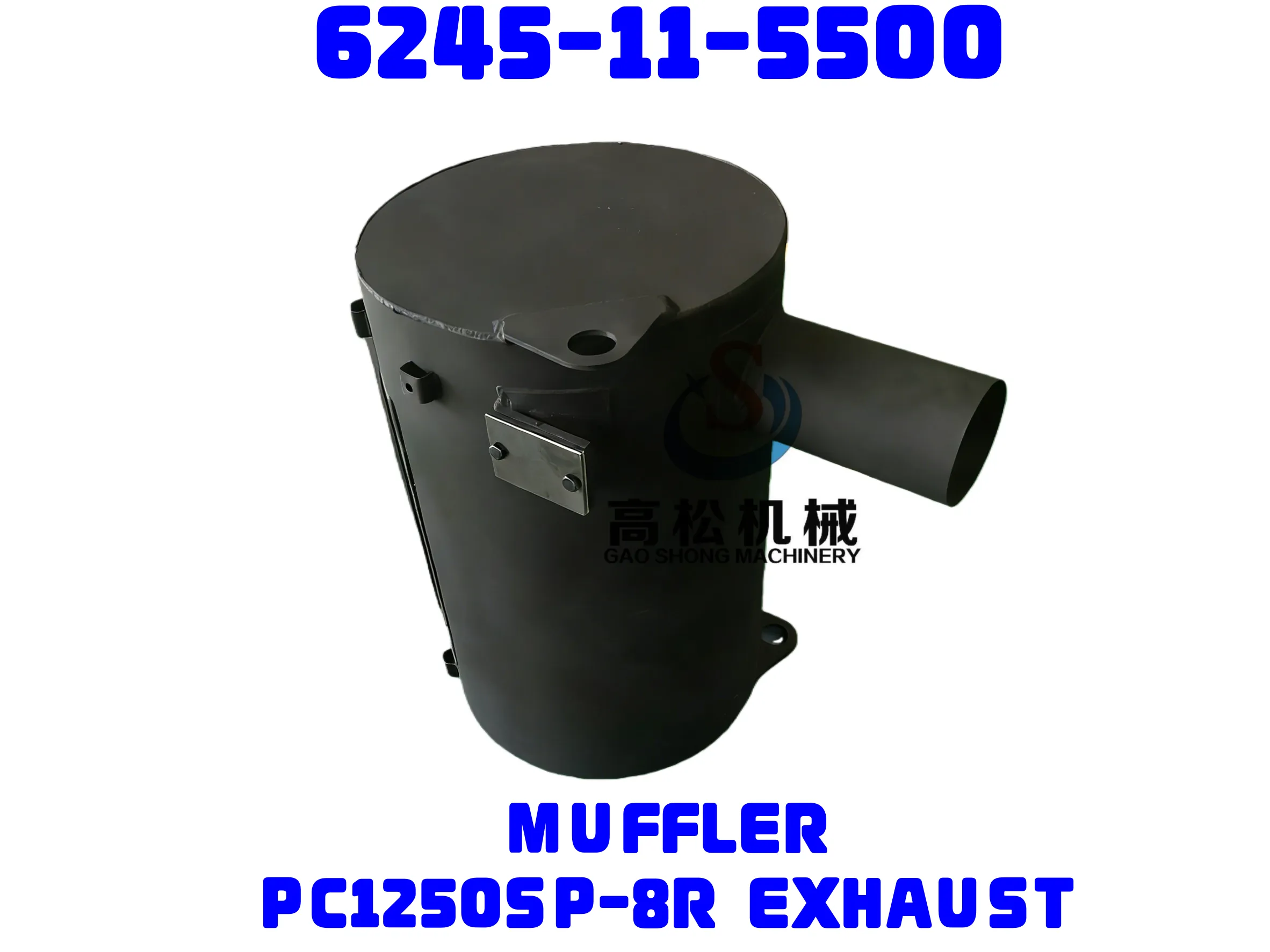 komatsu parts 6245-11-5500 MUFFLER PC1250SP-8R EXHAUST MUFFLER SAA6D170E-5CR-W MUFFLER MOUNTING
 -
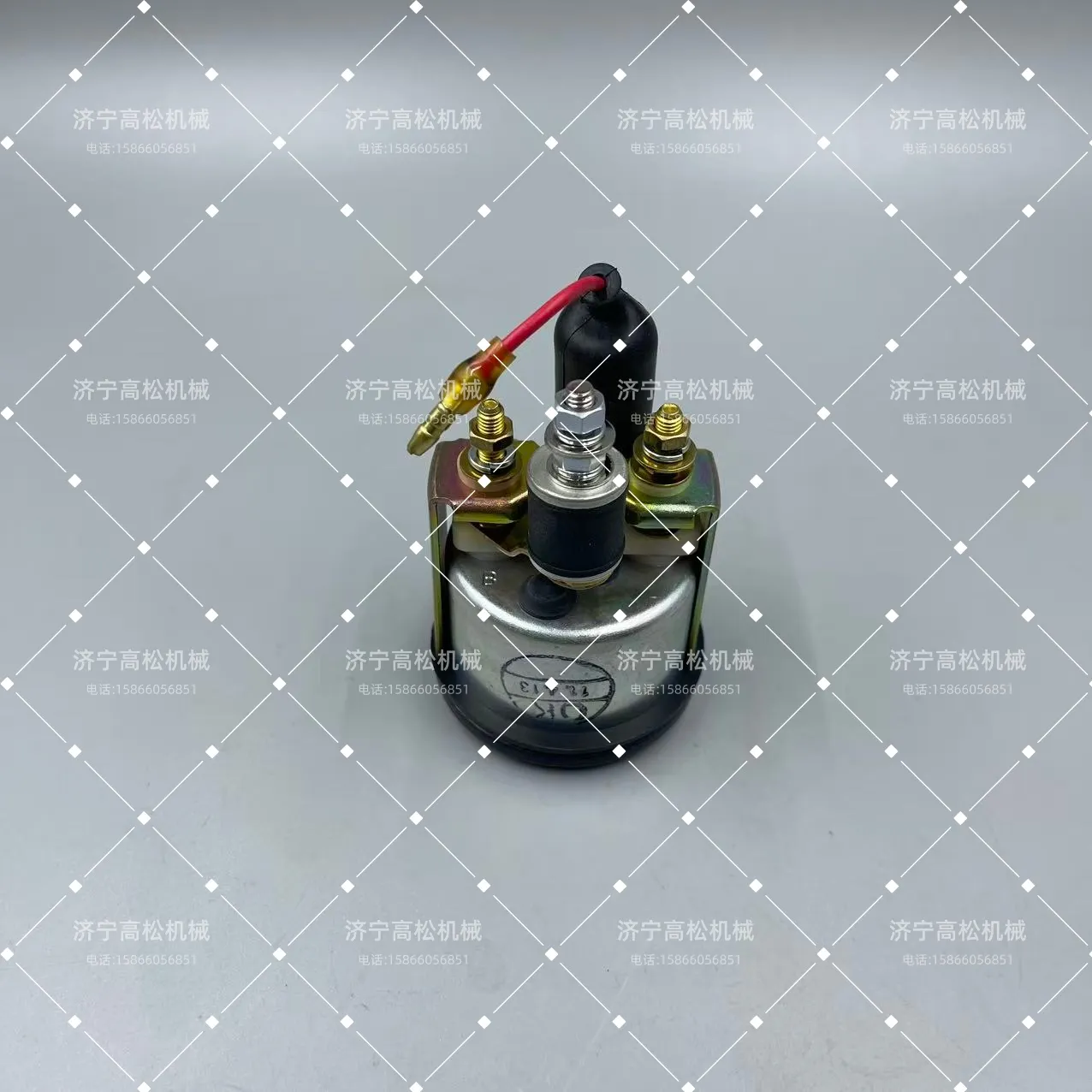 Water Temperature Gauge 195-06-23110 for Komat Su Bulldozer…
 -
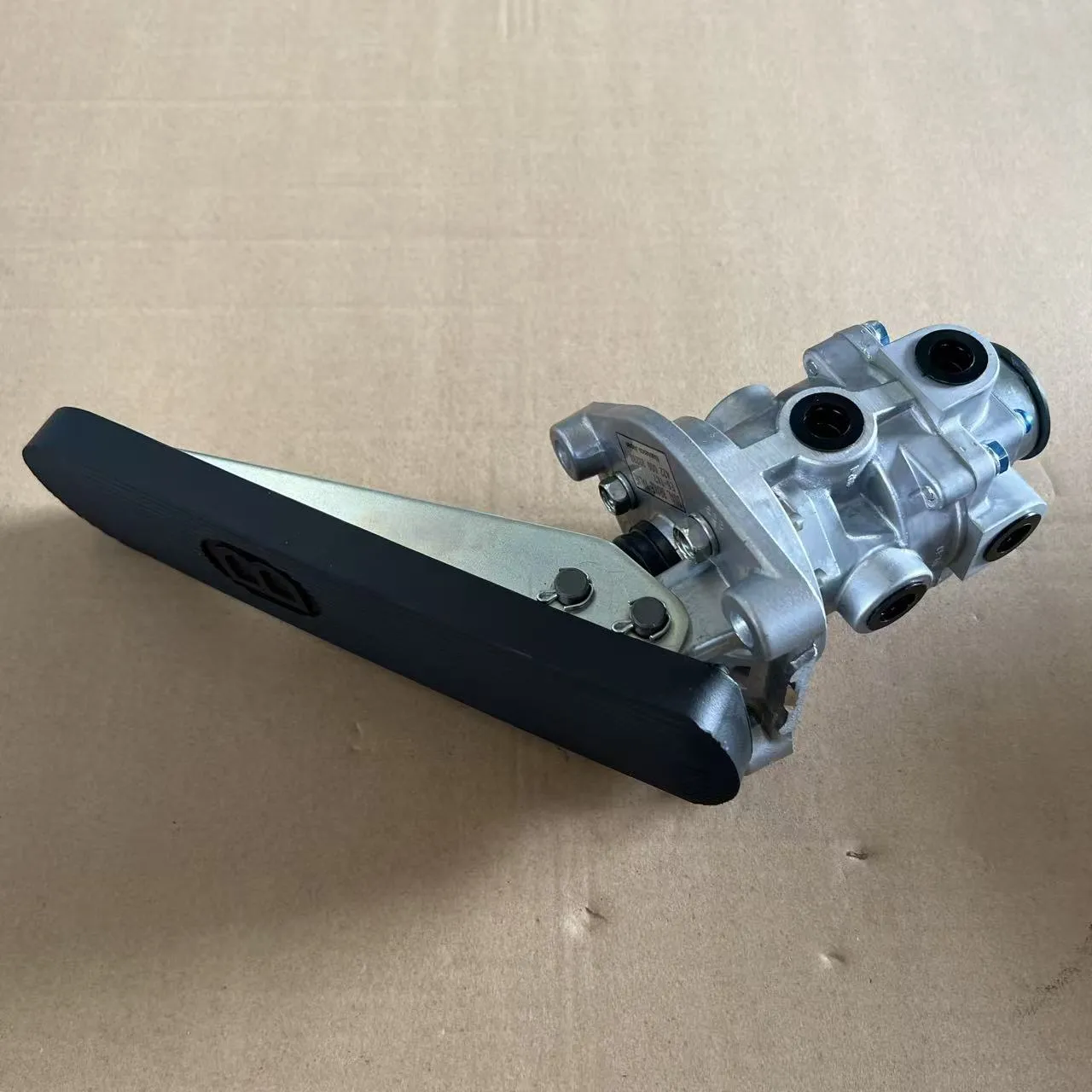 566-35-44110 Komatsu VALVE ASSEMBLY
 -
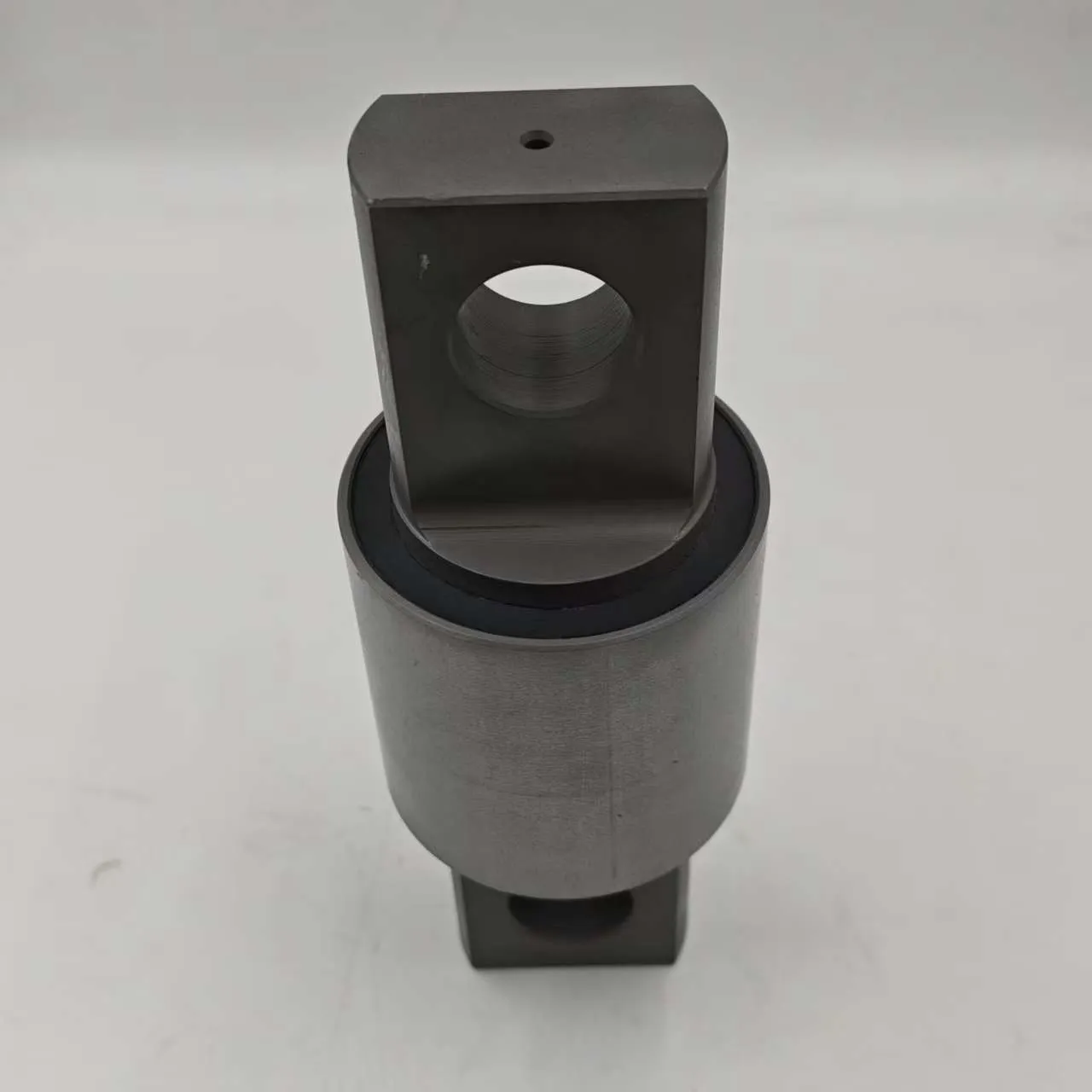 Komatsu hinge card HM350 shock absorber 56B-16-11211
 -
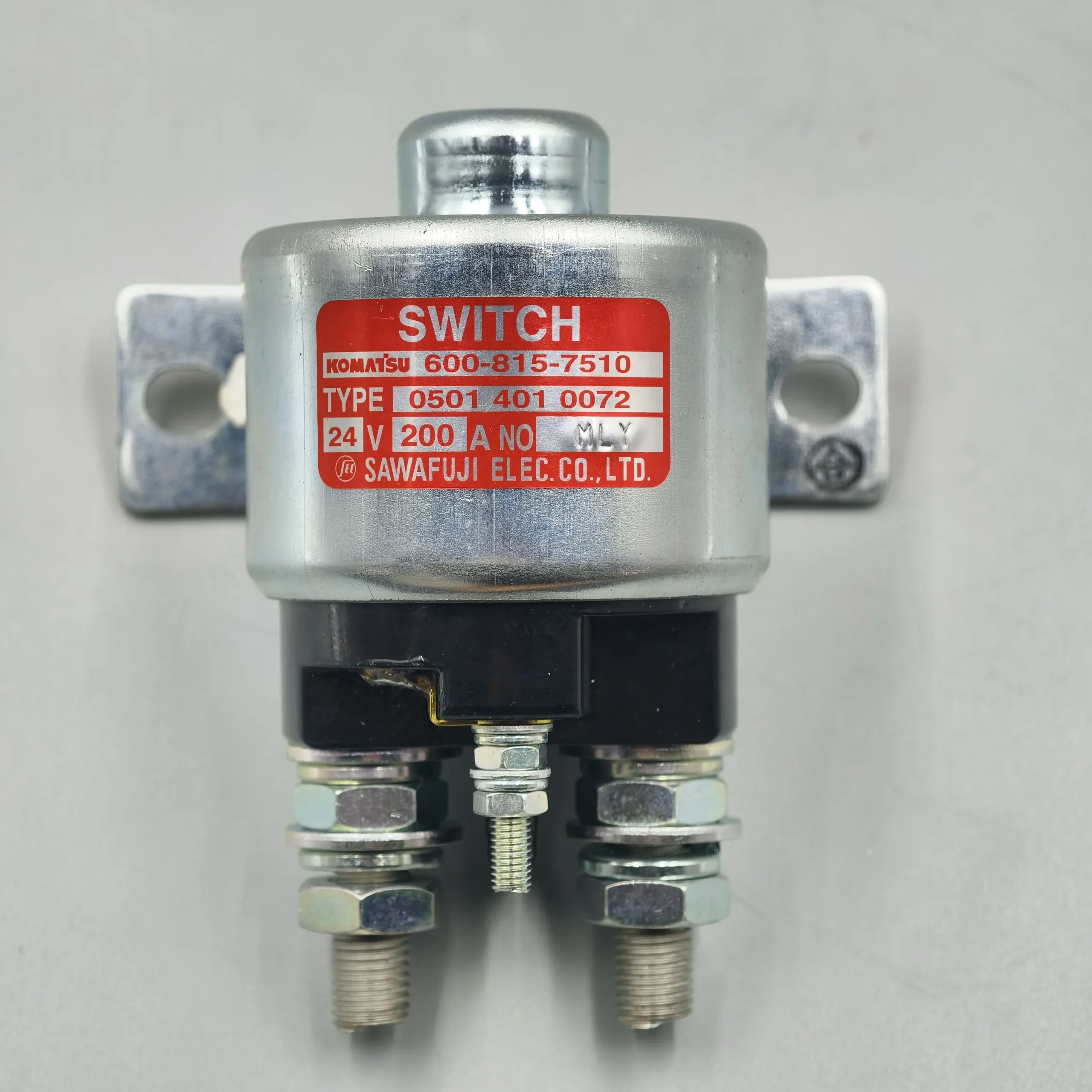 Accessories D375A-5 Switch Heater 600-815-7510 6008157510
 -
 09370-00070 – U-PACKING fits Komatsu
 -
 21N-30-14160 PACKING (Komatsu)
 -
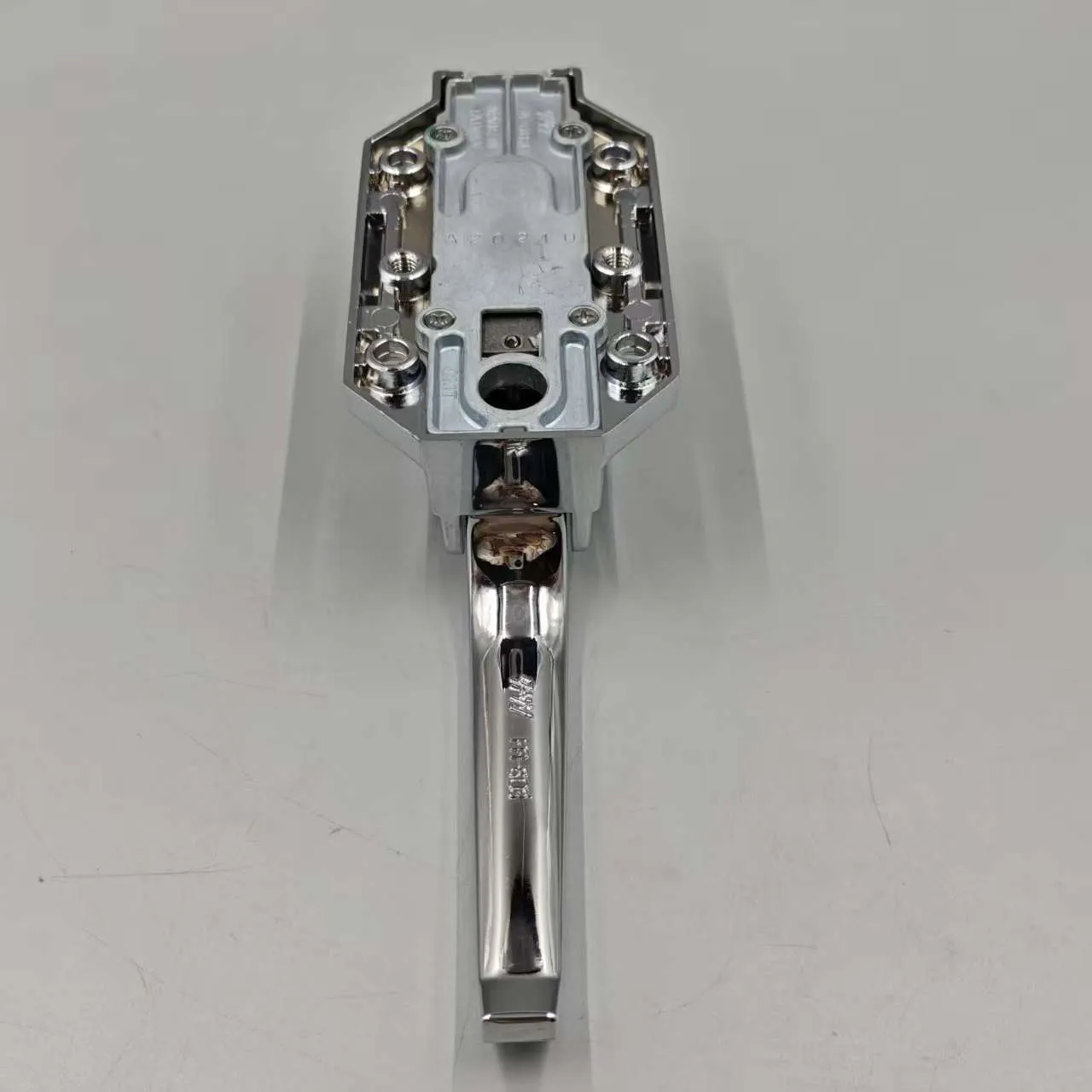 21T-54-35421 Komatsu Handle
 -
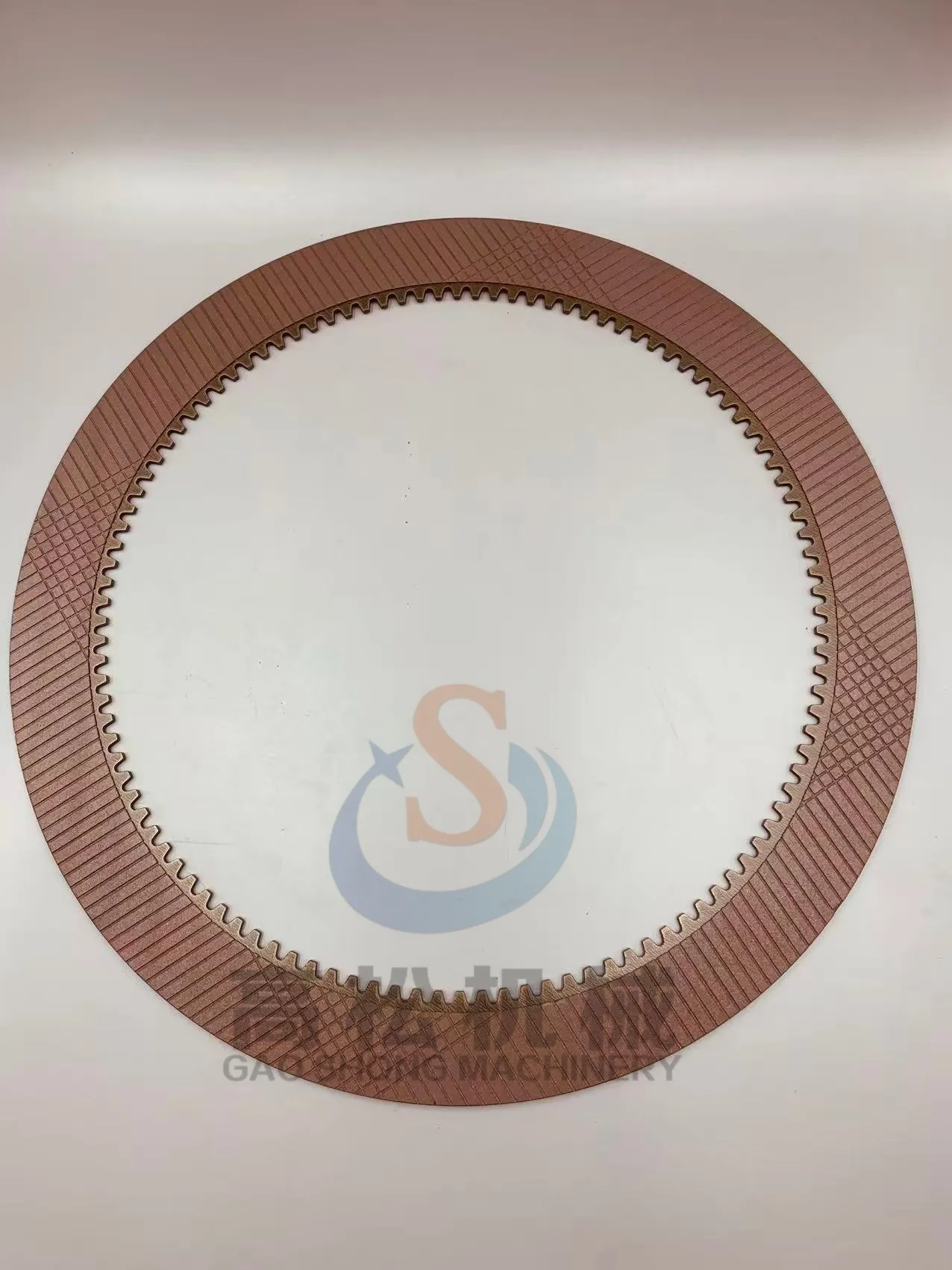 KOMATSU 195-22-13441 FRICTION DISCS
 -
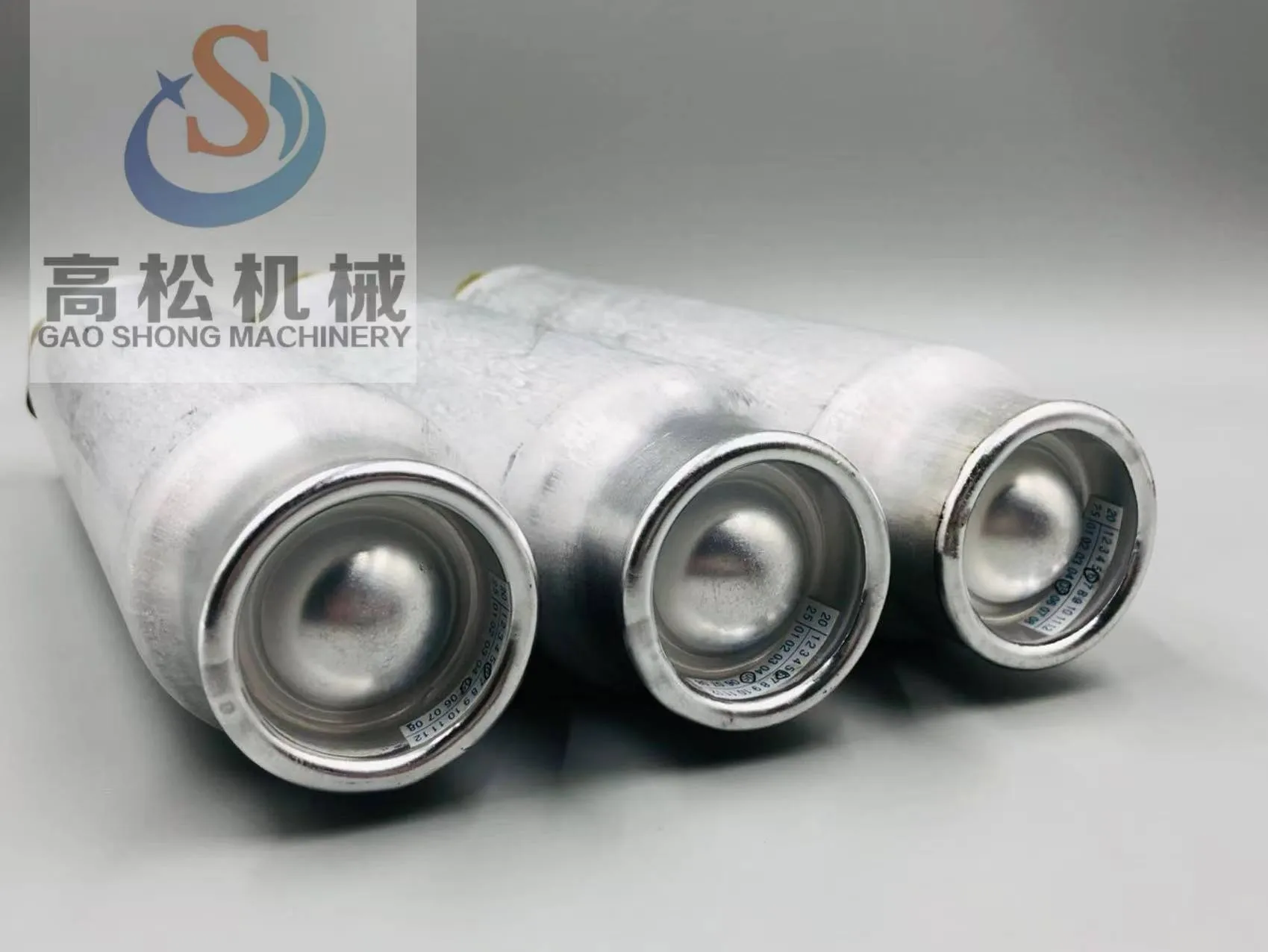 Original 20y-979-3120 receiver for pc300-7 excavators, parts of construction machinery
 -
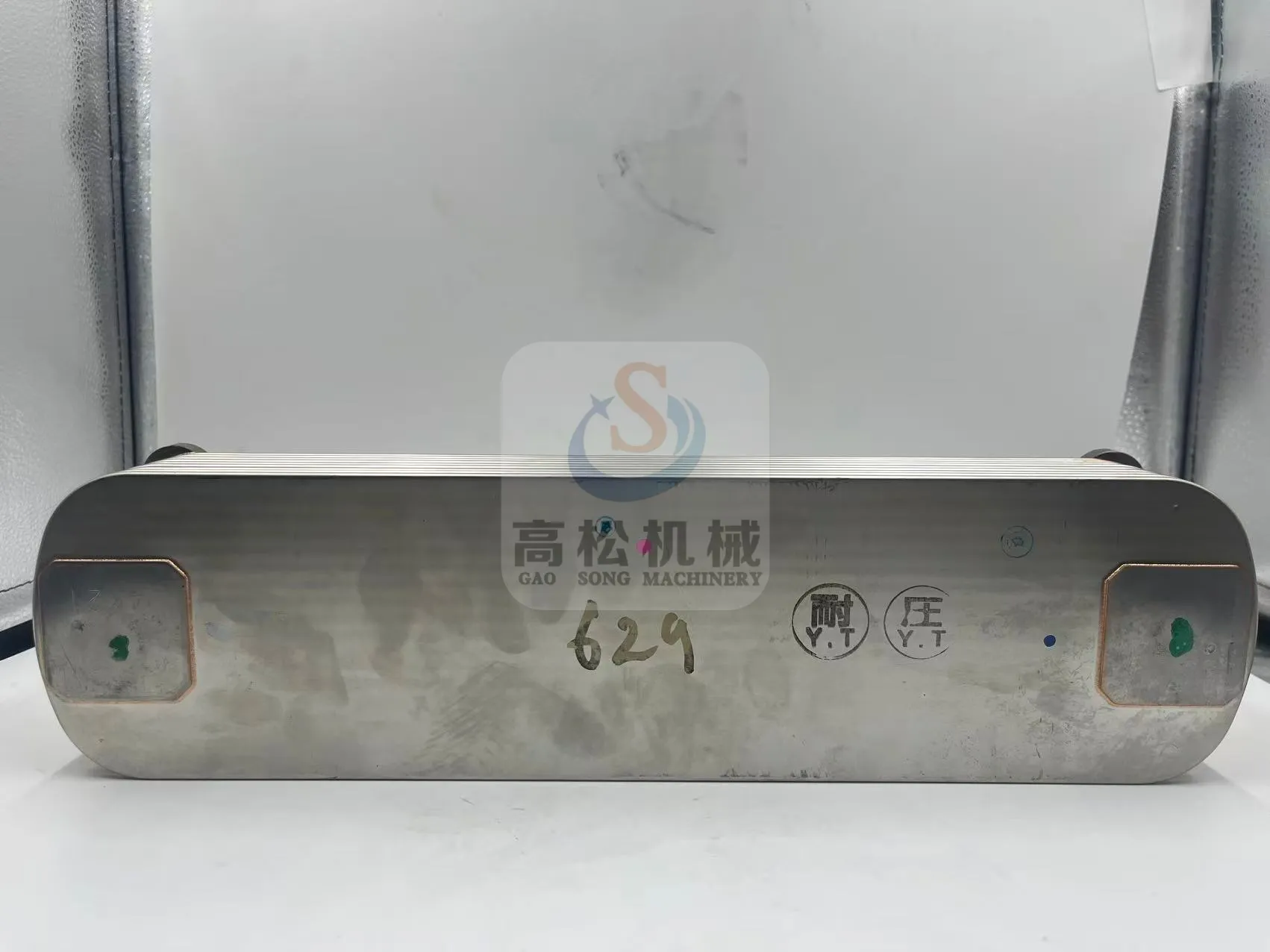 6240-61-2111 ENGINE OIL COOLER for Komatsu PC1250-11