
- Chinese
- French
- German
- Portuguese
- Spanish
- Russian
- Japanese
- Korean
- Arabic
- Irish
- Greek
- Turkish
- Italian
- Danish
- Romanian
- Indonesian
- Czech
- Afrikaans
- Swedish
- Polish
- Basque
- Catalan
- Esperanto
- Hindi
- Lao
- Albanian
- Amharic
- Armenian
- Azerbaijani
- Belarusian
- Bengali
- Bosnian
- Bulgarian
- Cebuano
- Chichewa
- Corsican
- Croatian
- Dutch
- Estonian
- Filipino
- Finnish
- Frisian
- Galician
- Georgian
- Gujarati
- Haitian
- Hausa
- Hawaiian
- Hebrew
- Hmong
- Hungarian
- Icelandic
- Igbo
- Javanese
- Kannada
- Kazakh
- Khmer
- Kurdish
- Kyrgyz
- Latin
- Latvian
- Lithuanian
- Luxembou..
- Macedonian
- Malagasy
- Malay
- Malayalam
- Maltese
- Maori
- Marathi
- Mongolian
- Burmese
- Nepali
- Norwegian
- Pashto
- Persian
- Punjabi
- Serbian
- Sesotho
- Sinhala
- Slovak
- Slovenian
- Somali
- Samoan
- Scots Gaelic
- Shona
- Sindhi
- Sundanese
- Swahili
- Tajik
- Tamil
- Telugu
- Thai
- Ukrainian
- Urdu
- Uzbek
- Vietnamese
- Welsh
- Xhosa
- Yiddish
- Yoruba
- Zulu
- Kinyarwanda
- Tatar
- Oriya
- Turkmen
- Uyghur






s6d125e 2 komatsu engine
You search for 's6d125e 2 komatsu engine' and you're likely in one of two camps: either you're desperately trying to cross-reference a parts number for a machine down in the yard, or you've hit the confusing wall of Komatsu's engine family naming conventions. That '2' suffix trips up a lot of people. It's not a version 2.0 in the software sense. In my experience, it typically denotes a specific industrial or generator set configuration of the base S6D125E block, often with different ancillary fittings, pump drives, or a distinct emissions calibration compared to the direct excavation machinery variant. Getting this wrong means you're staring at a fuel injection pump that doesn't have the right mounting flange, and a project that's stalled. It's this granular, frustrating detail that separates catalog knowledge from hands-on work.
The Core of the Matter: S6D125E Displacement and Iterations
The S6D125E, at its heart, is a 15.24-liter, inline-six workhorse. Komatsu deployed it across a range, from the venerable HD465-5 truck to various pumps and gen-sets. The 'E' is crucial—it signifies the era of direct injection and the move towards more controlled combustion, a step before the electronic common rail systems took over. When you get into the '2' variant, you're often looking at a unit built for constant RPM duty. The vibration damper, the water pump rotation, even the core engine might be identical, but the sump, the oil cooler lines, and the flywheel housing are where the devil resides.
I recall a project where we sourced a replacement long block advertised as an S6D125E. It dropped right into the frame of a generator skid, but the PTO opening on the flywheel housing was clocked 90 degrees off. The original drove a hydraulic pump for cooling fan drive; the new one couldn't. That was a '2' configuration difference the supplier's system didn't flag. We had to pull the entire engine again, swap housings, and re-time everything. Two weeks lost. That's the cost of assuming these suffixes are trivial.
This is precisely where a specialized supplier's role becomes critical. A company like Jining Gaosong Construction Machinery Co., Ltd. operates in this niche. As an OEM product supplier within the Komatsu system, they understand these lineage splits. Their value isn't just in having the part, but in knowing that the S6D125E 2 Komatsu engine for a Mitsui genset has a different part number for the crankshaft pulley than the one for a Komatsu dozer, even if the crankshaft itself is the same. That metadata is what you're paying for.
Ancillaries and the Supply Chain Puzzle
Let's talk about the stuff that surrounds the block. The turbocharger on these—often a Komatsu 6D125-T01 or a variant from IHI. The '2' version might use a turbo mapped for faster spool-up at a fixed 1800 RPM. Try putting the excavator variant turbo, optimized for a wildly variable load, on a generator, and you'll have lag issues and possible over-speed on sudden load drop. The fuel system is another minefield. The Bosch-type injection pump has a specific governor setting for constant speed vs. variable speed. They look identical from the outside.
I've dealt with situations where the only available pump was from a scrapped wheel loader. We had to send it out to a specialist to have the governor springs and weights reconfigured for generator duty. It worked, but it was a workaround. A proper channel should provide the correct, application-specific unit. Browsing a site like https://www.takematsumachinery.com, you get a sense of a supplier that curates for these specifics. Their positioning as a third-party sales company for Komatsu isn't about selling generic parts; it's about solving the exact supply challenges these nuanced configurations create in certain countries where the official network is thin.
The oil cooler lines are another classic. Bent tubing, different banjo bolt sizes. You can't just bend a new line easily; the factory ones are shaped for specific clearance. Having access to a diagram that shows the routing for the 'generator set, S6D125E-2' is a godsend. It saves hours of trial, error, and potential leaks from poorly routed hard lines.
Failures and Common Misdiagnoses
These engines are robust, but they fail in telling ways. A common misdiagnosis on the S6D125E 2 used in constant-speed applications is blaming the injectors for rough running or power loss. More often, in my observation, it's a failing fuel transfer pump or a slightly collapsed internal fuel line causing aeration. The symptoms mirror bad injectors. We once replaced a full set of injectors at great cost, only to have the problem persist. The issue was a nearly invisible hairline crack in the primary fuel filter housing, letting in air only under high demand. The lesson? Always, always rule out air ingress and low fuel pressure before condemning the injectors on this system.
Another pitfall is the cylinder head. The head itself is stout, but the valve seats, especially on engines that have run for long periods on questionable fuel, can recess. This leads to lost compression, but it's often mistaken for ring wear. A simple leak-down test will differentiate, but I've seen mechanics jump straight to an in-frame overhaul when a head recondition would have sufficed. Knowing the engine's history—if it came from a standby generator that saw little use but poor maintenance, versus a prime power unit that ran 24/7—guides this diagnosis.
Cooling system neglect is a killer. The industrial versions often have larger, side-mounted radiators with different fin density. Clogging is a silent killer. I remember a unit that kept overheating. We flushed the block, replaced the thermostat, no change. Finally, pulled the radiator and found the core was blocked not with scale, but with compressed dust and chaff—it was installed next to a grain processing site. The specific radiator part for that '2' configuration was a 4-week backorder. We had to carefully reverse-flush the original core on-site to get the client back online.
The Value of Contextual Sourcing
This brings me back to the supply chain. When you need a part for a Komatsu engine like this, you're not just buying a mechanical component. You're buying the correct application data. A general parts website might list S6D125E Water Pump. A specialist supplier, by contrast, should have filters for S6D125E-2, for Mitsui MGSS-550 genset or for Komatsu 65kW marine auxiliary. That specificity is everything. The company profile of Jining Gaosong mentioning they help to solve parts supply challenges in certain countries rings true here. The challenge isn't just availability; it's accurate applicability.
For instance, sourcing a genuine Komatsu gasket set for a mid-life overhaul. The master kit from Komatsu for the base S6D125E might include valve stem seals that are slightly different material for the higher sustained temperatures of the industrial '2' version. A supplier embedded in the system would know to cross-check the sub-assembly number or even recommend a different kit. This isn't about upselling; it's about preventing a callback in 500 hours when those seals harden prematurely.
I've used channels like this for hard-to-find sensor harnesses. The coolant temperature sensor on one '2' variant I worked on had a different thread pitch and resistance curve to feed a specific genset control panel. A standard sensor would fit physically but send wrong data, causing the panel to fault. It took a supplier with direct OEM linkage to identify and supply the correct one, avoiding a cascade of electrical diagnostics.
Concluding Thoughts: Beyond the Part Number
So, the 's6d125e 2 komatsu engine' search is a gateway into a world of detail. It represents a specific iteration of a proven platform, built for a specific duty cycle. The takeaway isn't just to memorize the part number differences—that's impossible. It's to cultivate a relationship with supply sources that understand these lineages. Whether it's for a critical power generation asset or getting a key piece of mining equipment back online, the right part is the one that fits, functions, and lasts in that specific application.
The work is in the details: the orientation of a flange, the calibration of a pump, the material of a seal. Suppliers who act as true partners in the Komatsu ecosystem, like the mentioned entity, bridge the gap between the monolithic parts catalog and the gritty reality of the field workshop. They provide not just the component, but the context—and in this line of work, context is often what gets the machine running again.
Next time you see that '2', pause. Consider the application. Look beyond the base model. It'll save you time, money, and a significant amount of frustration. That's the real-world knowledge you only get from turning the wrenches and making the calls.
Related Products
Related Products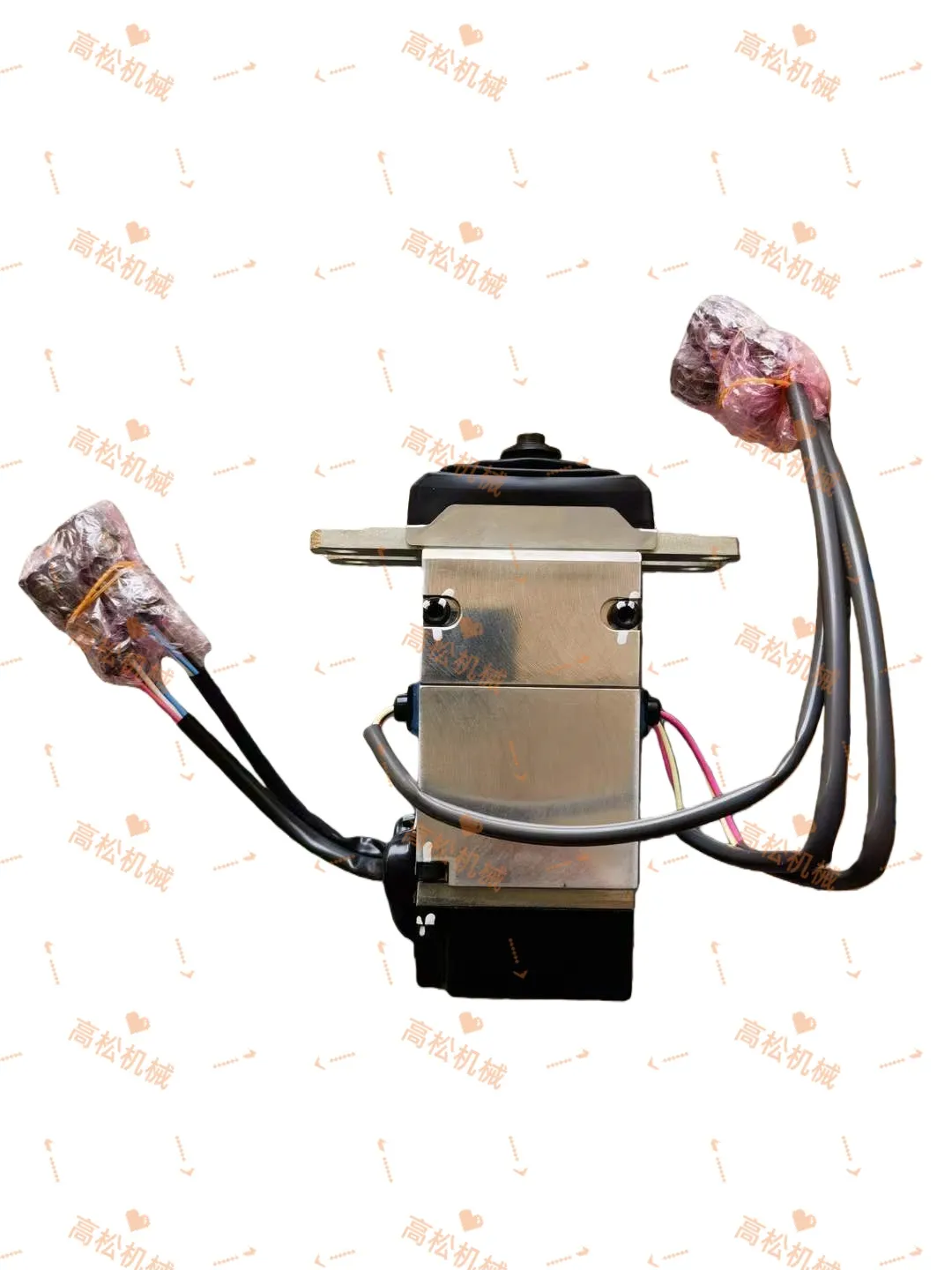
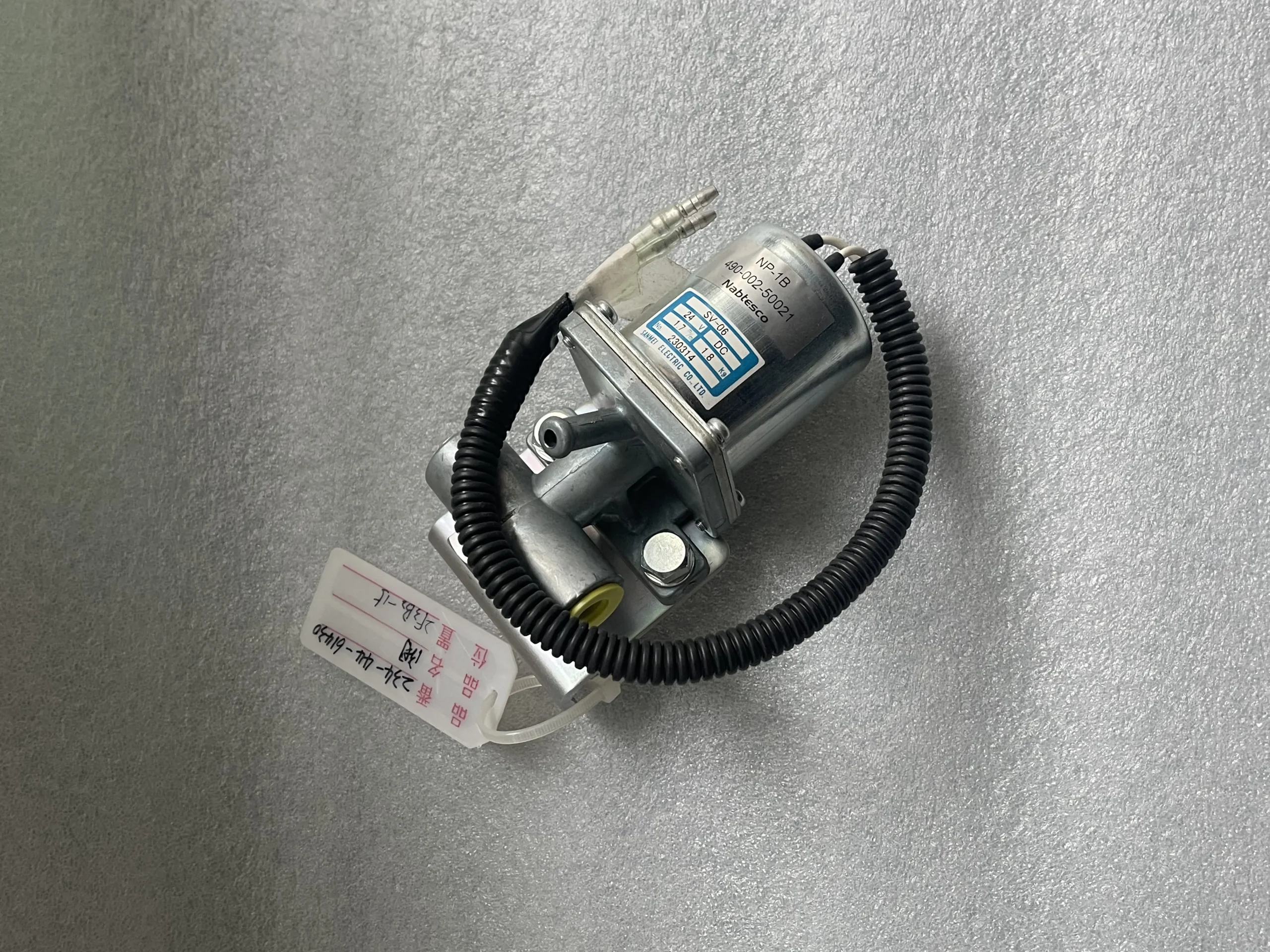
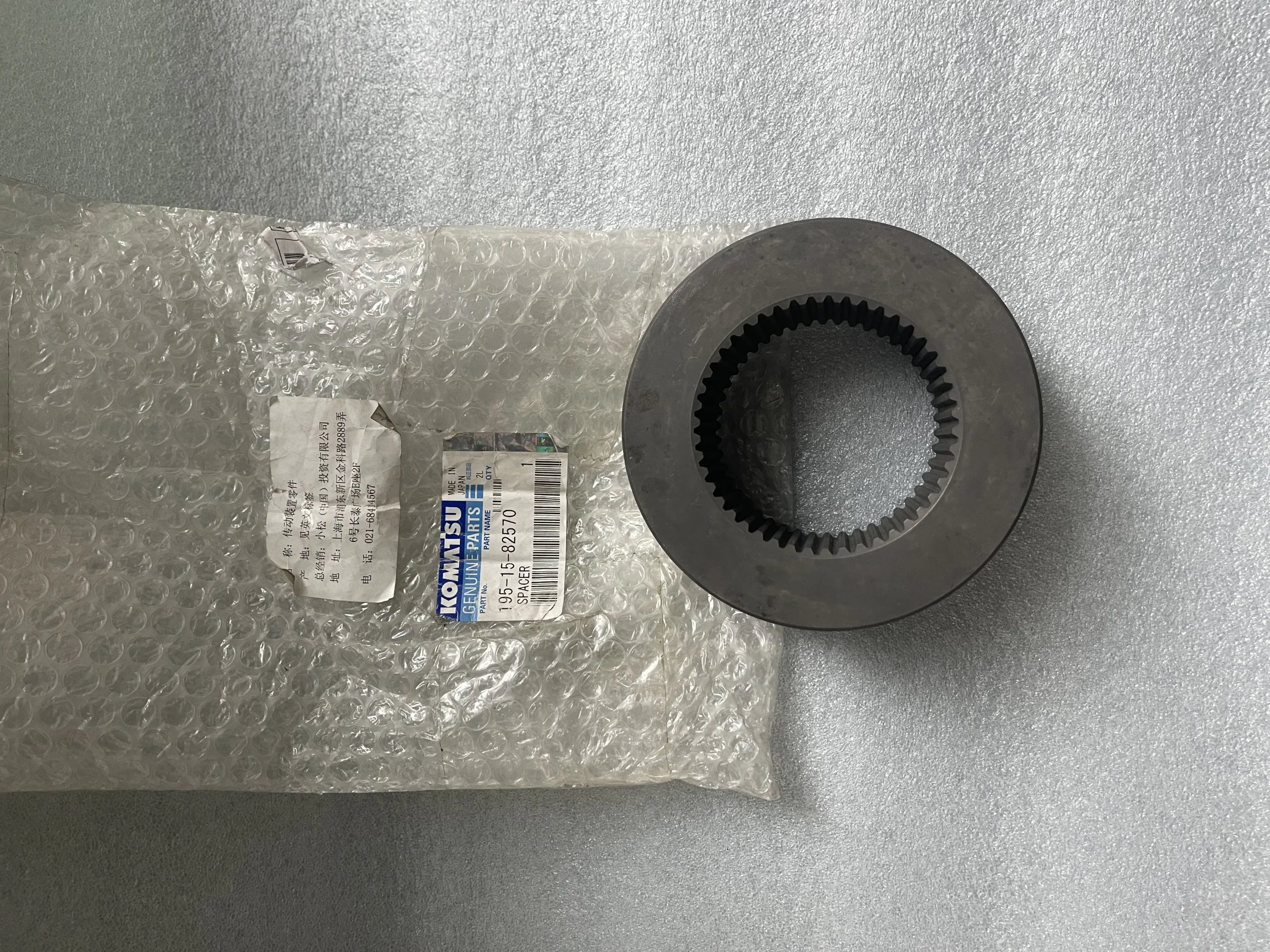
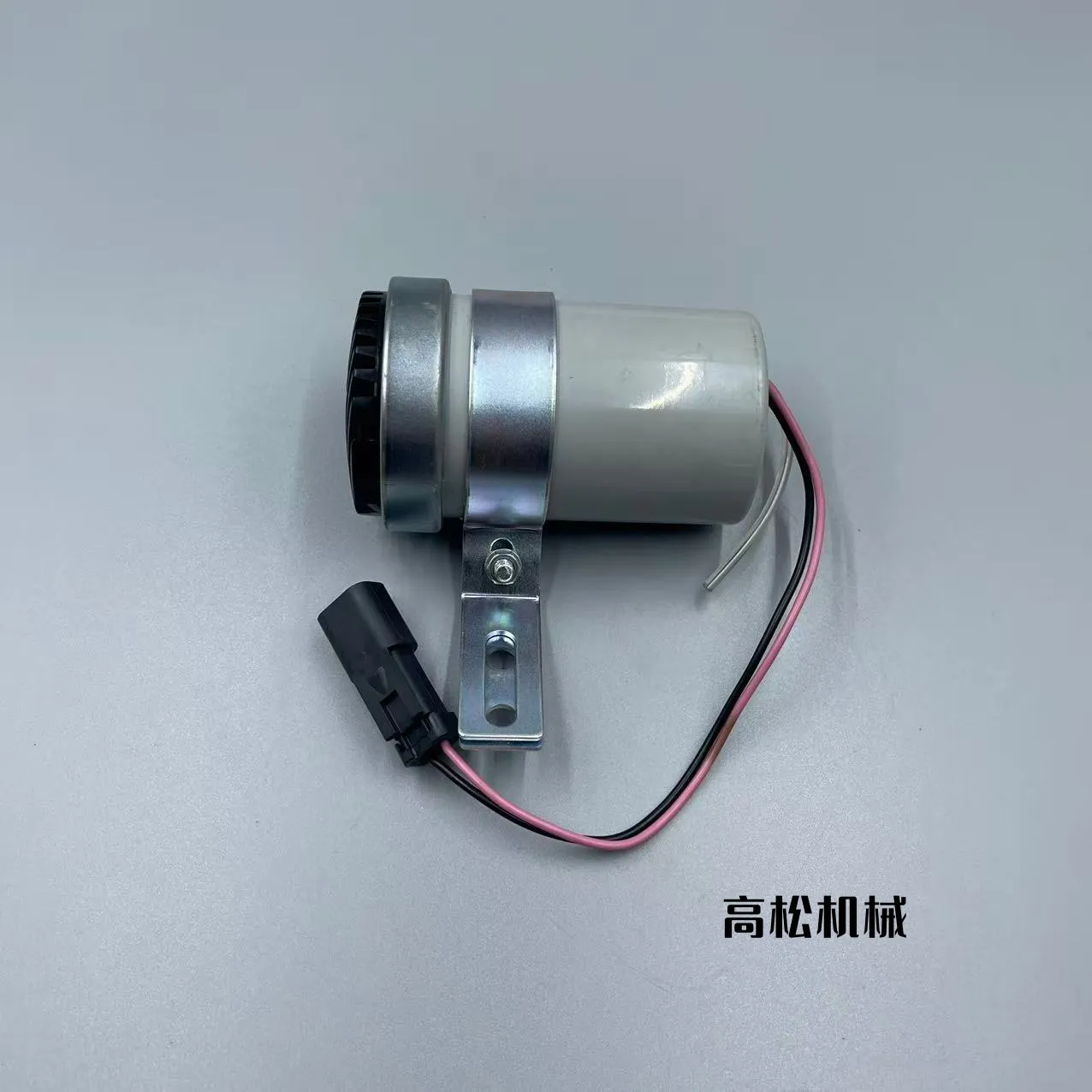
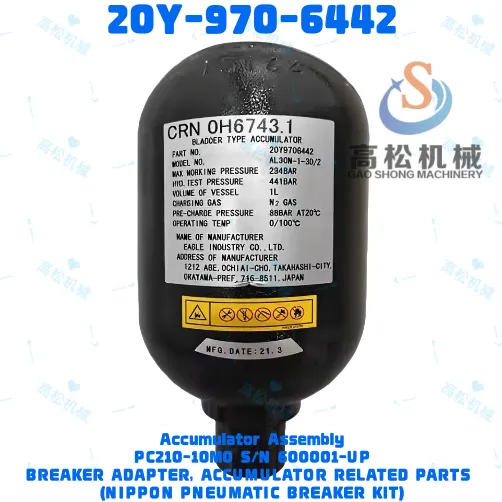
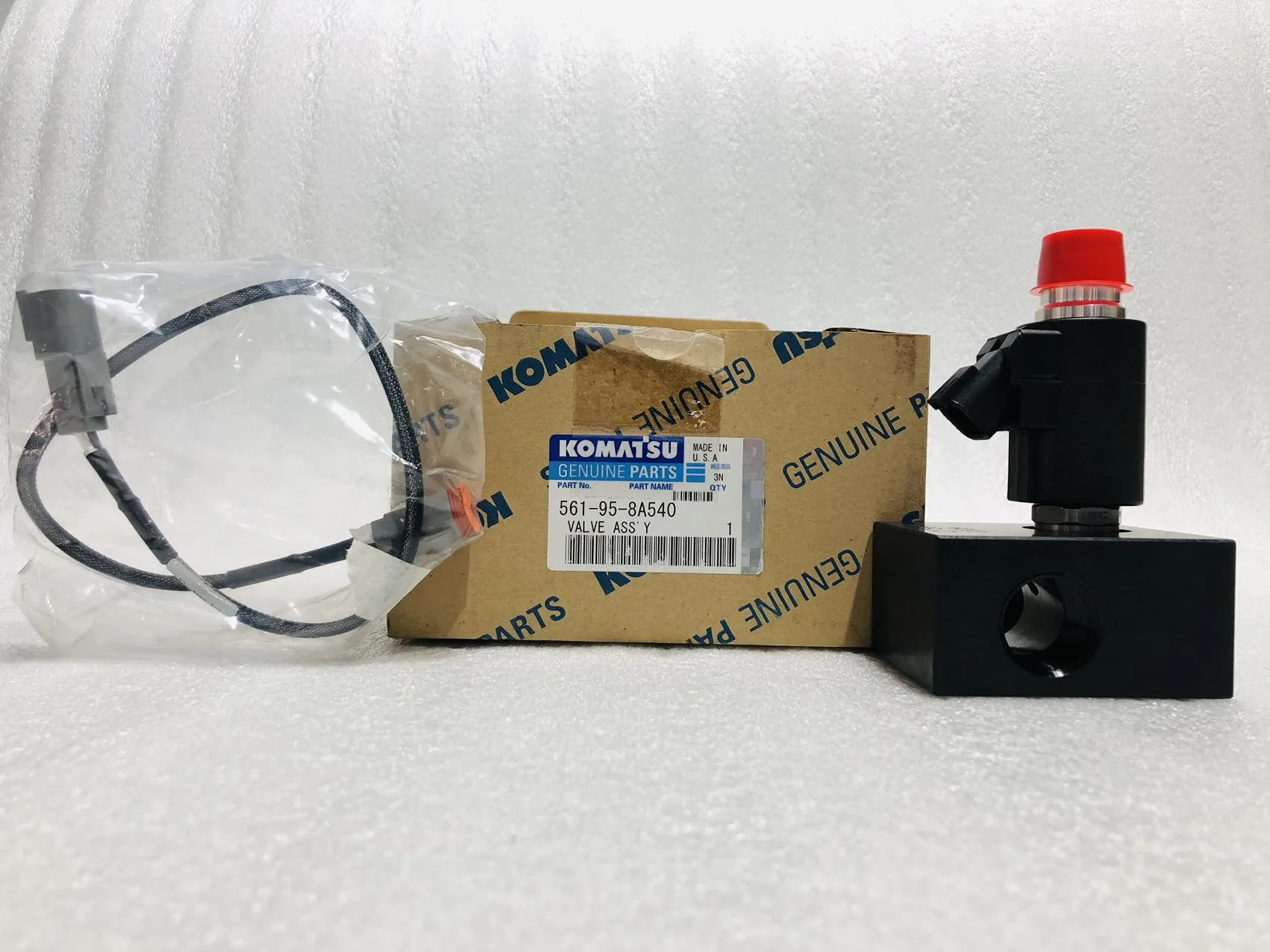
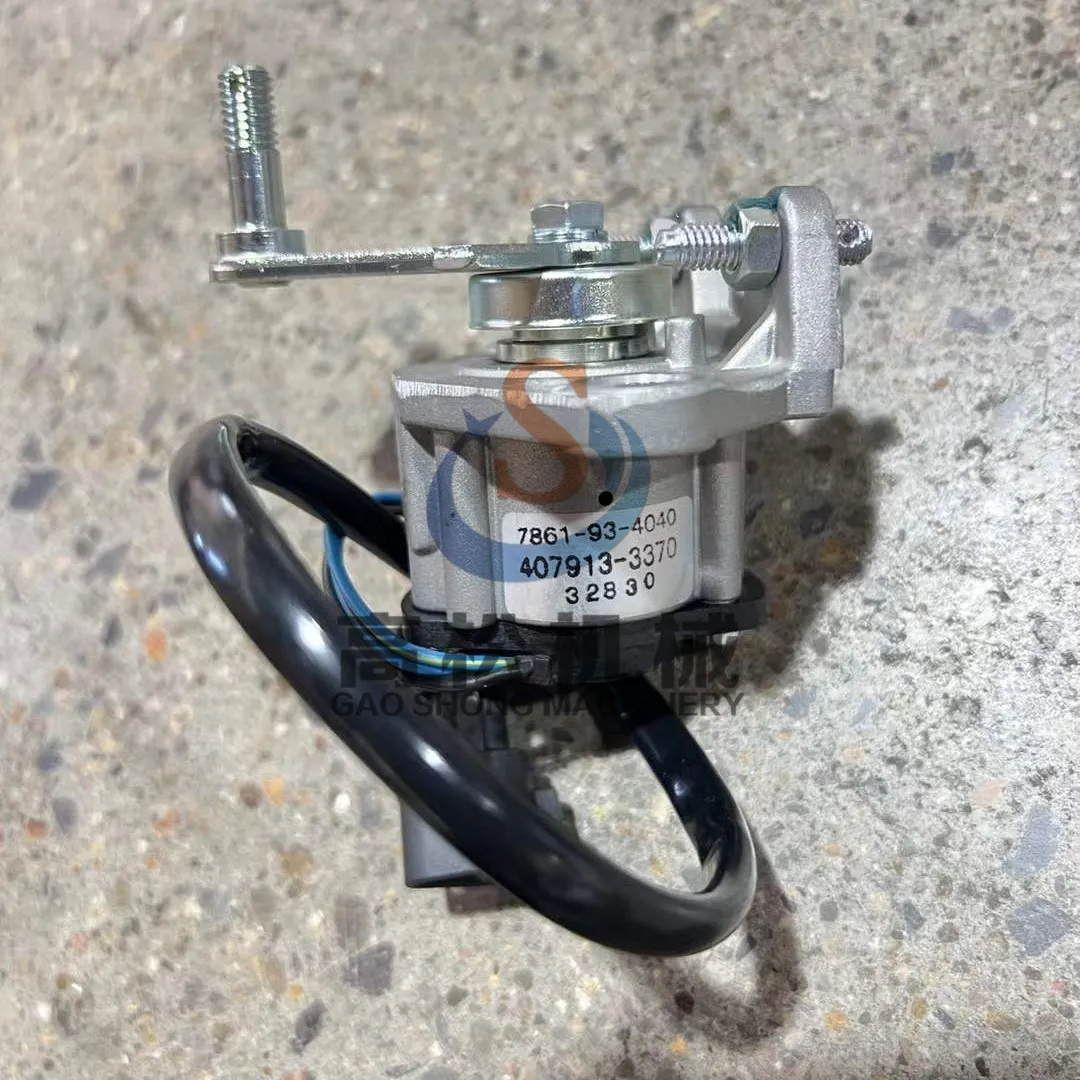
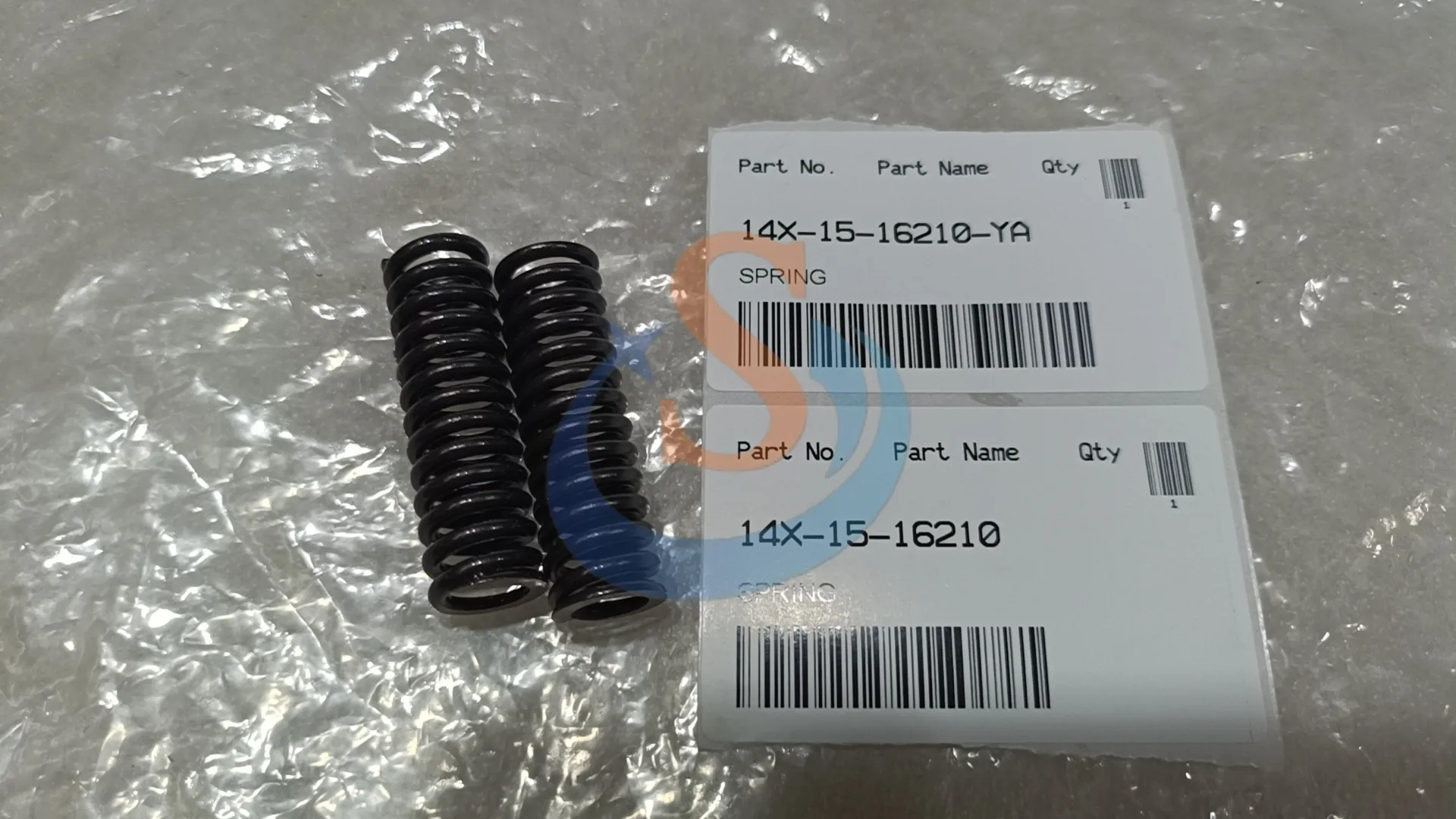

Best Selling Products
Best Selling Products-
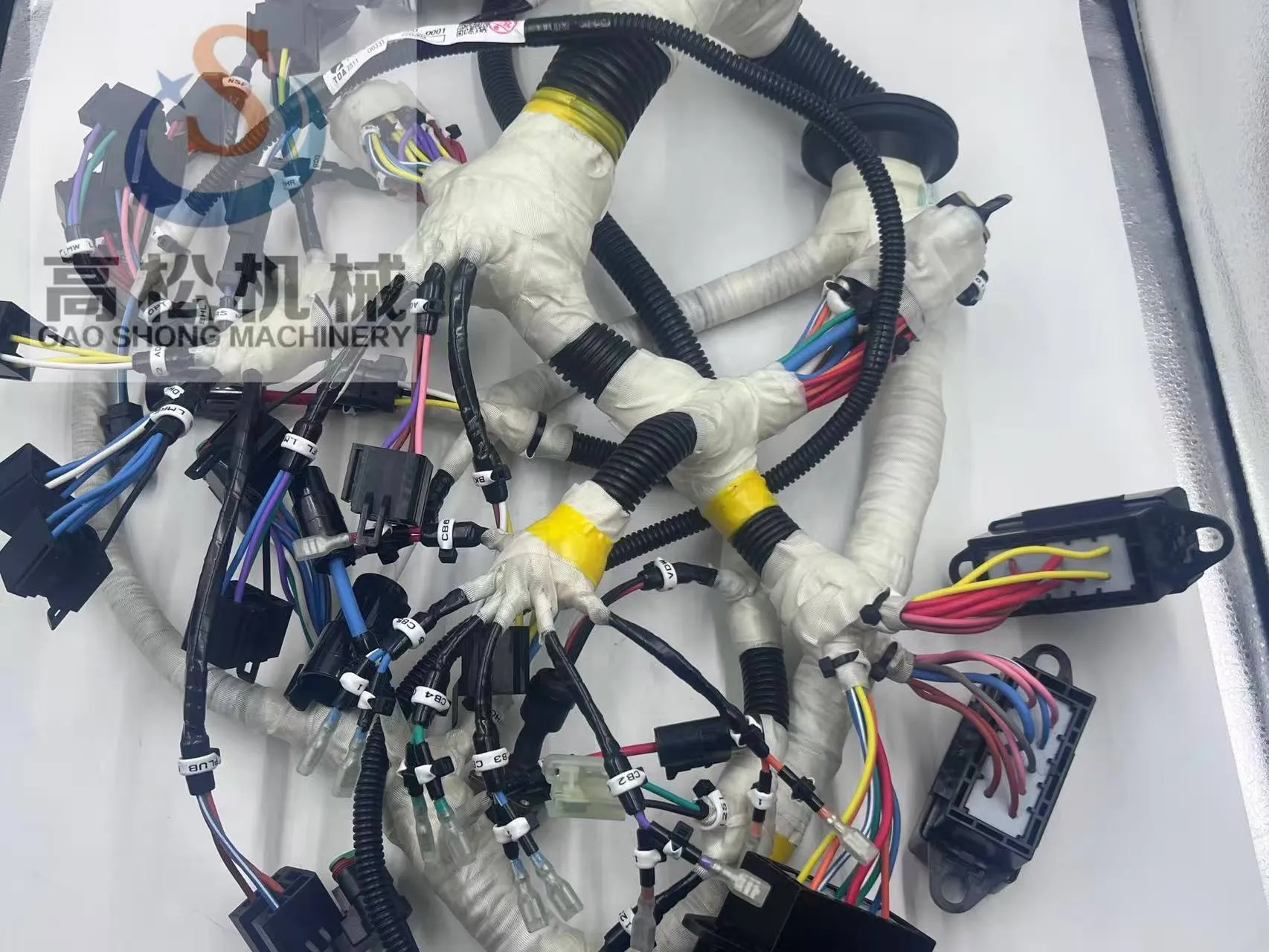 D375A-6Wiring harness 195-06-84641
 -
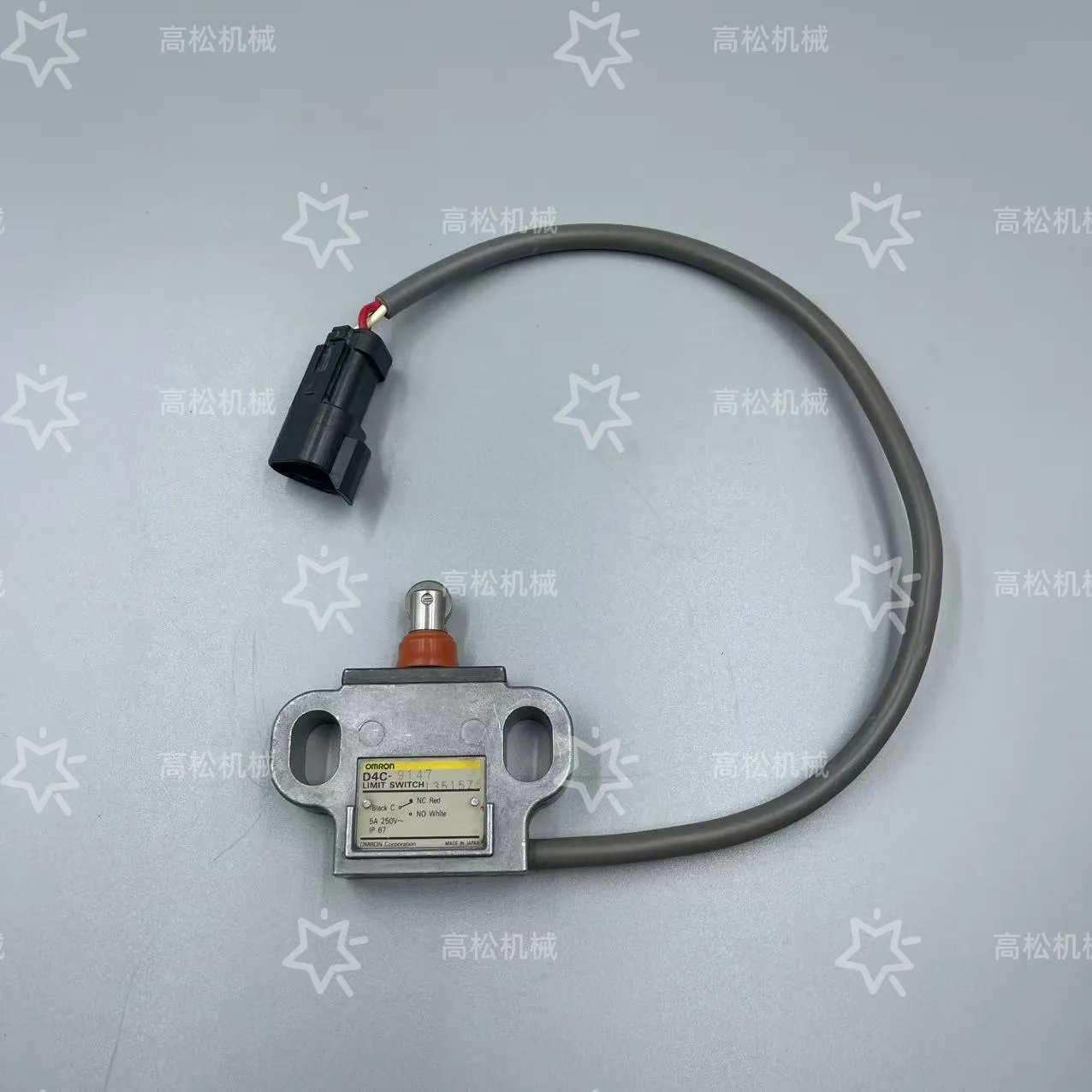 11Y-06-22150SWITCH 11Y-06-22150 for KOMATSU D65PX-16
 -
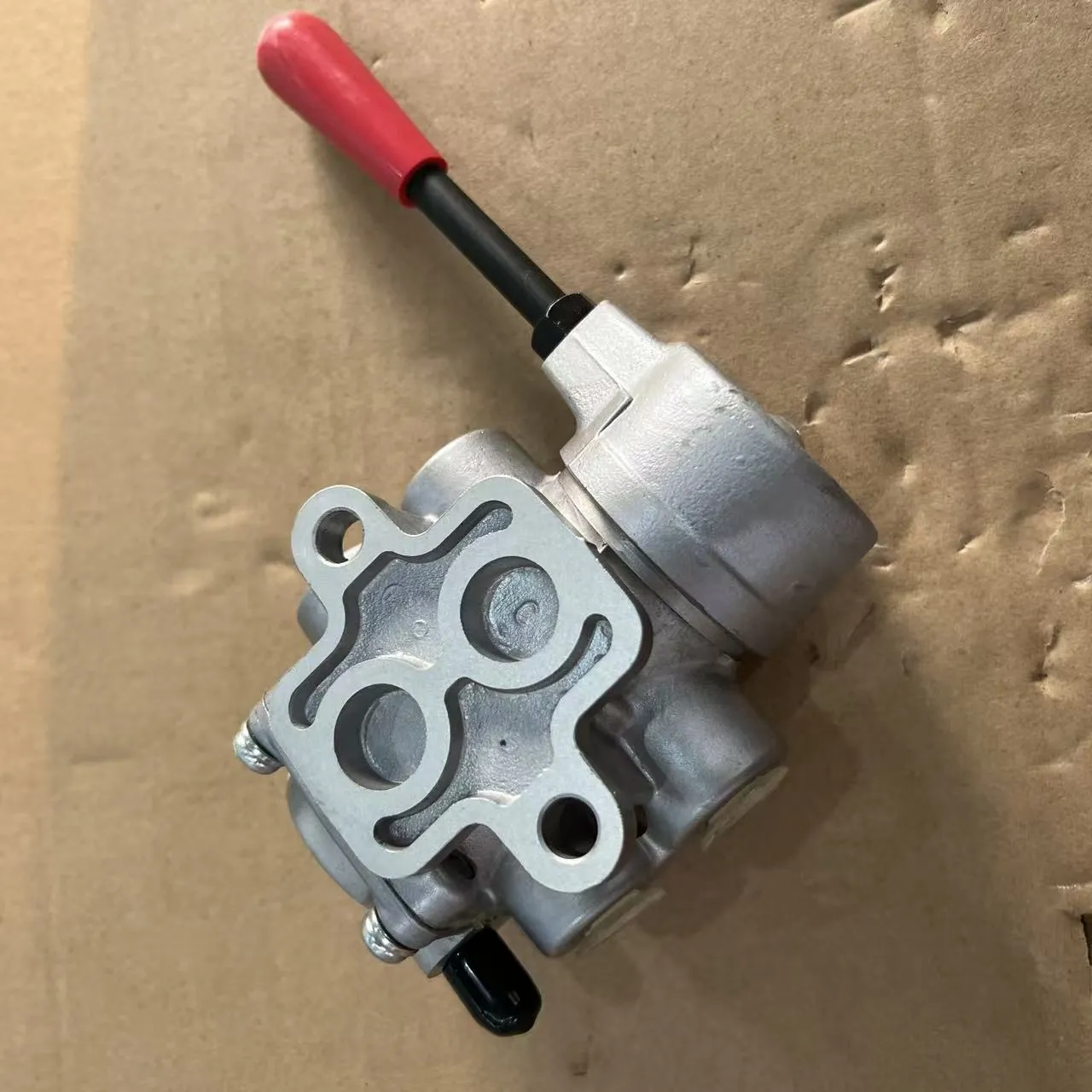 Komatsu 561-87-66102 EMERGENCY BRAKE… — Pricing.Parts
 -
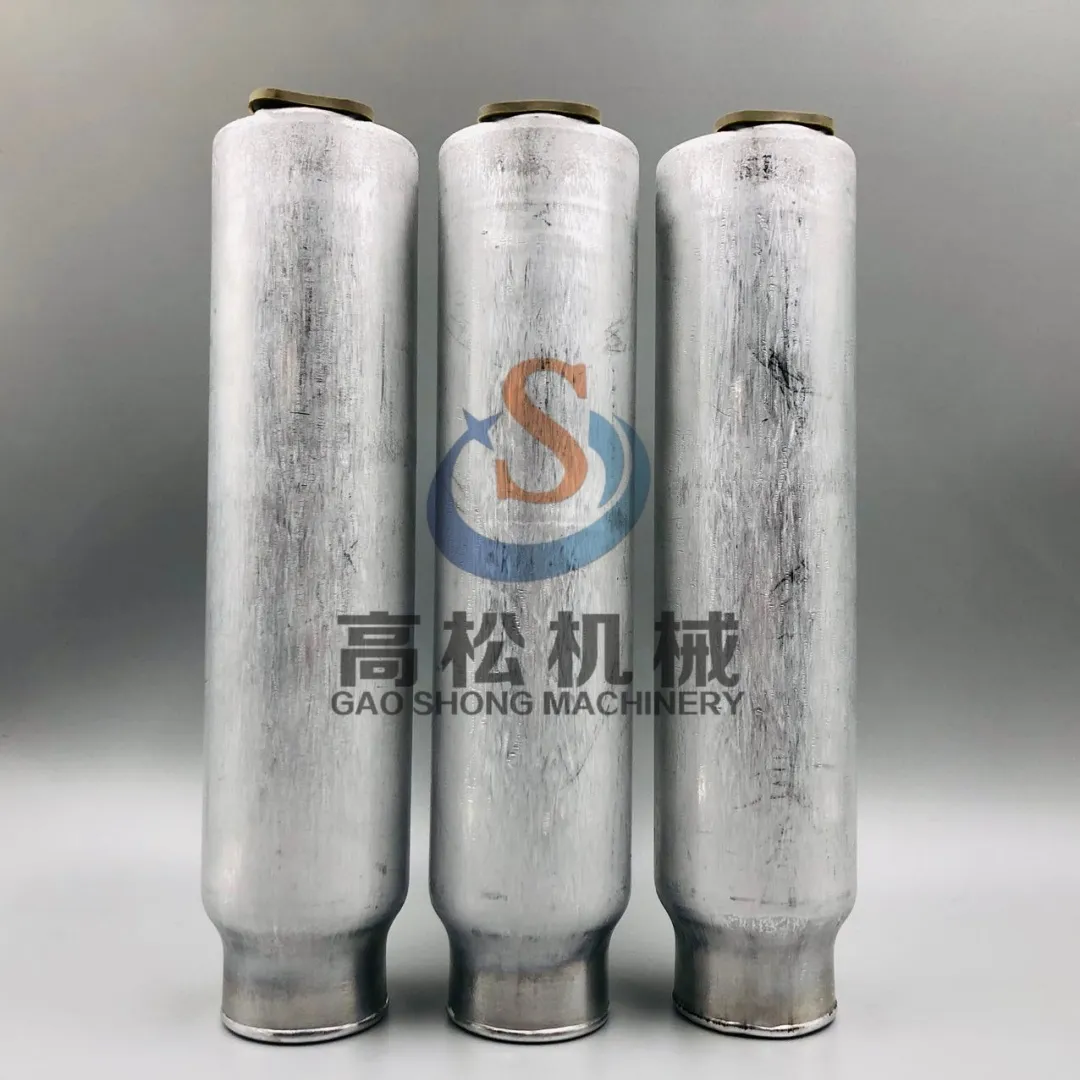 KOMATSU Excavator Receiver Dryer 20Y-979-3120
 -
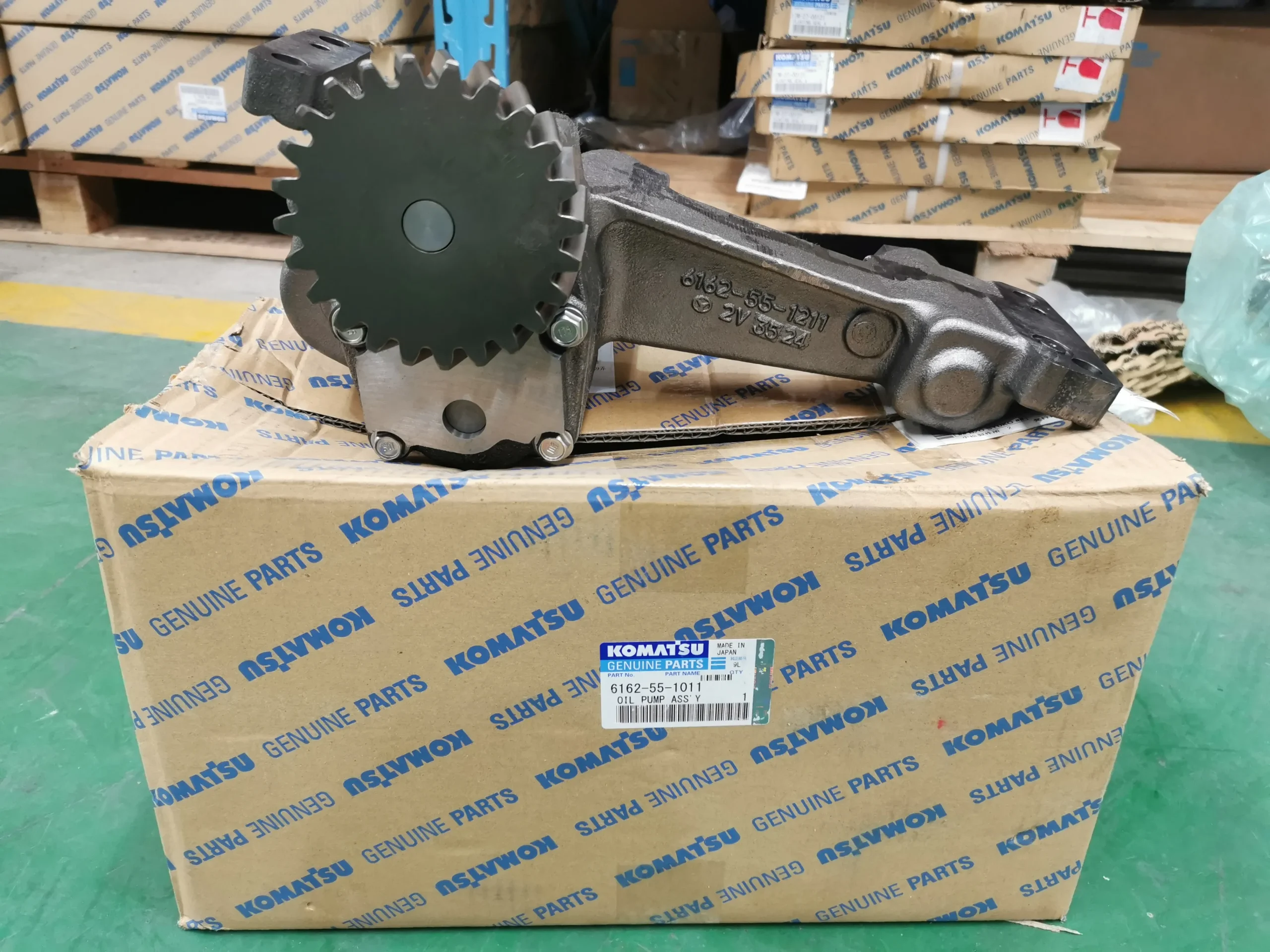 S6D170E-2A Oil Pump 6162-55-1011
 -
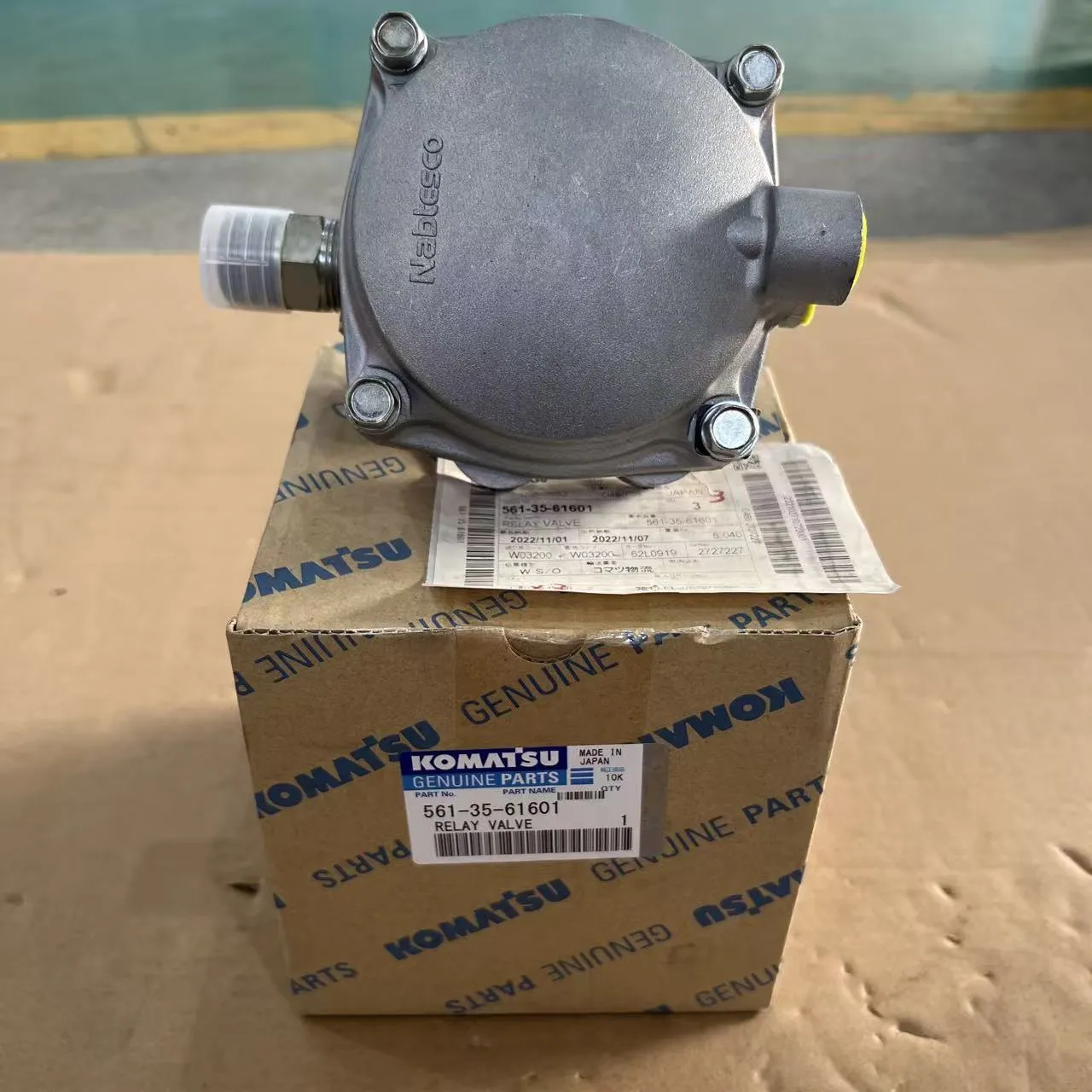 RELAY VALVE ASS’Y 561-35-61601 – KOMATSU
 -
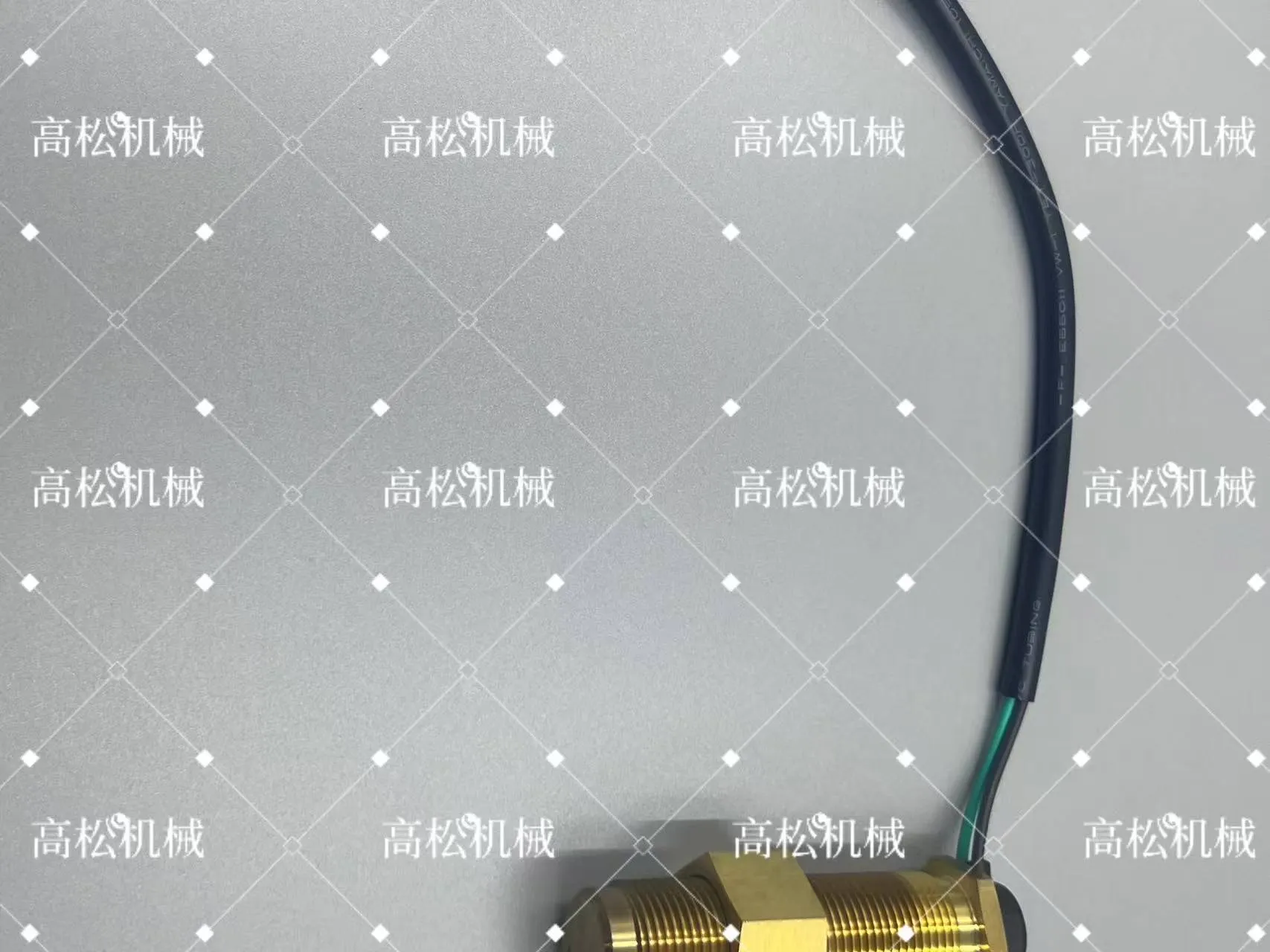 The PC300-6 tachometer sensor 7861-93-2330 is suitable for Komatsu parts
 -
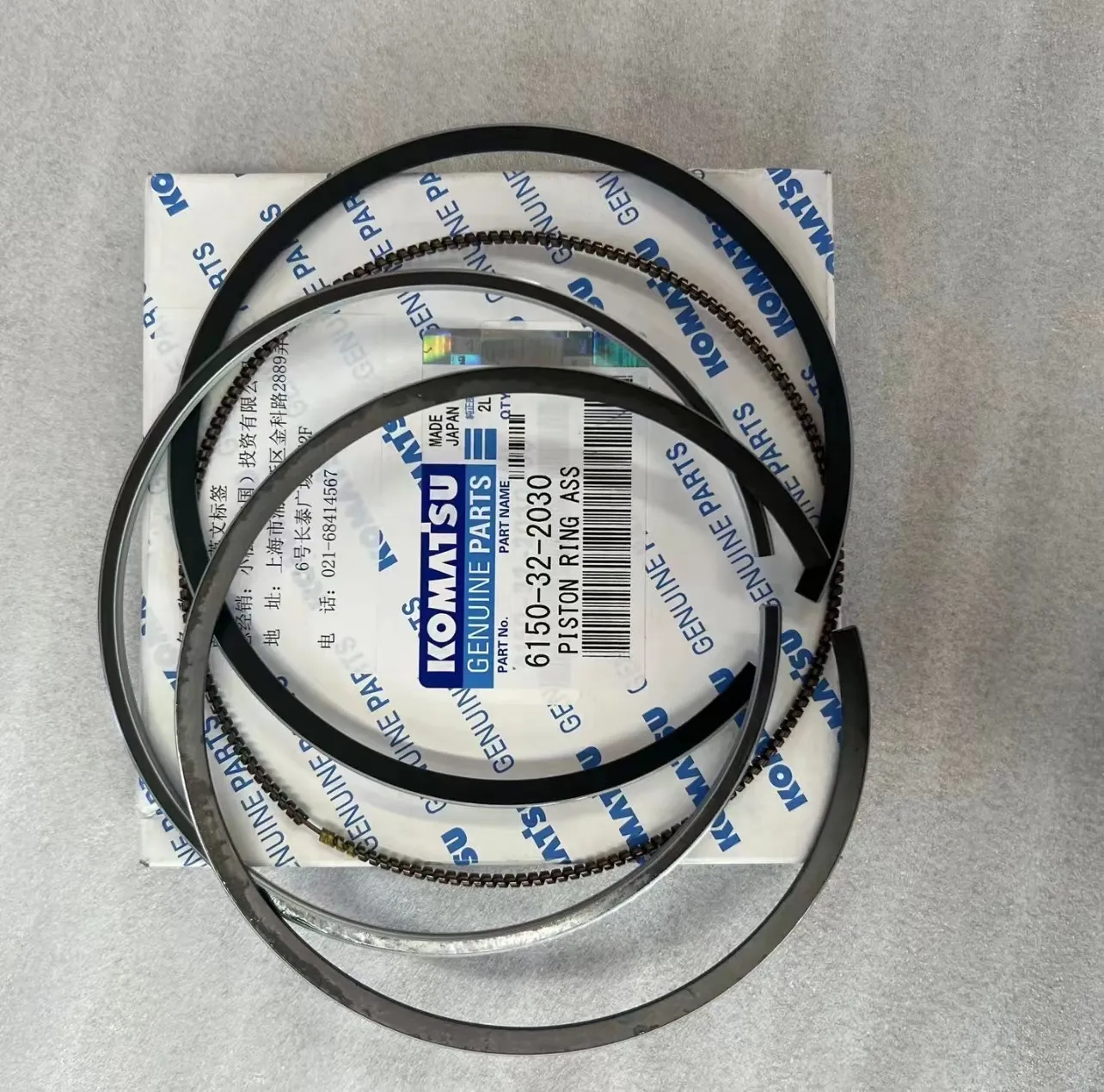 WA470-3 Piston Ring 6150-32-2030
 -
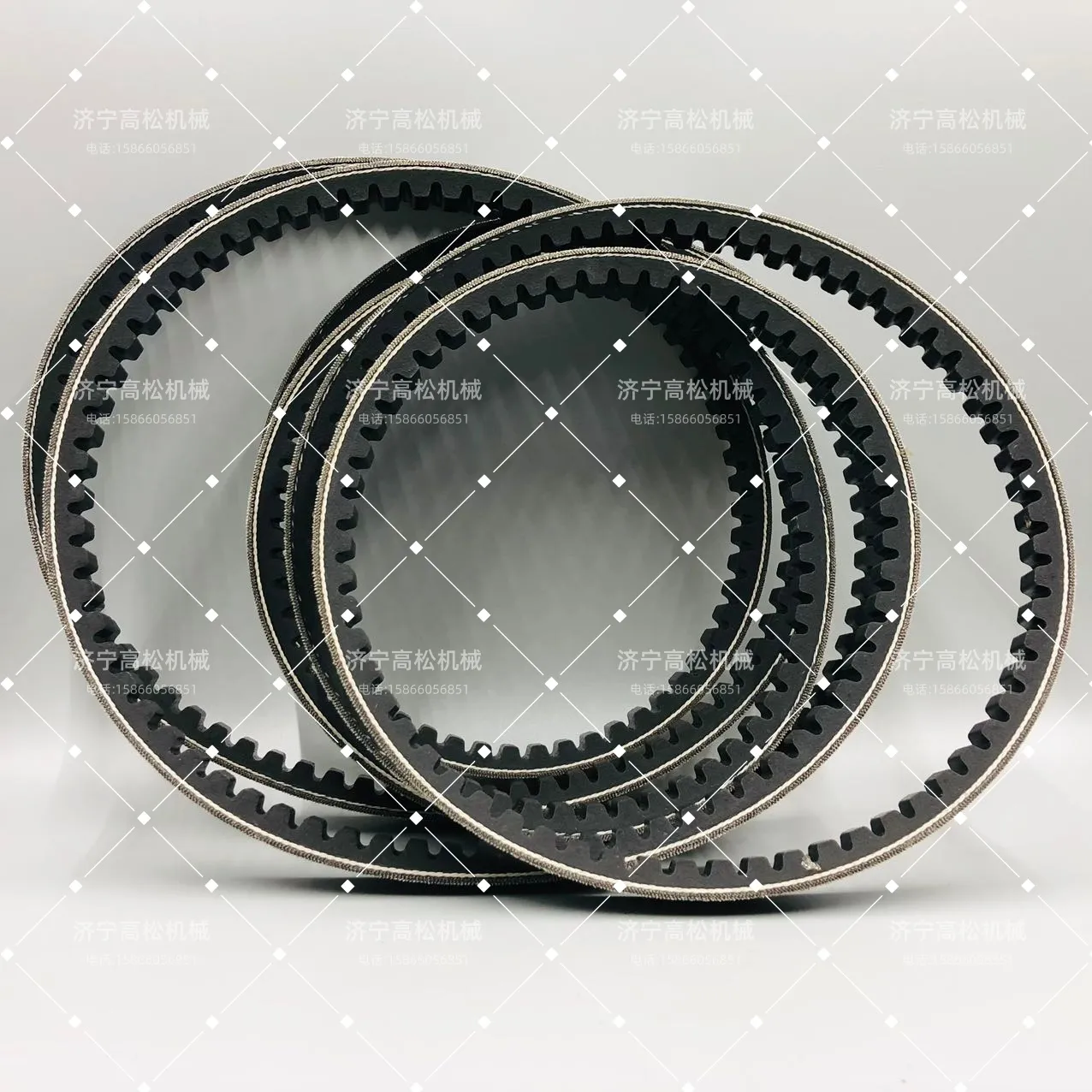 Genuine Komatsu V-Belt 6219-61-3420 for…
 -
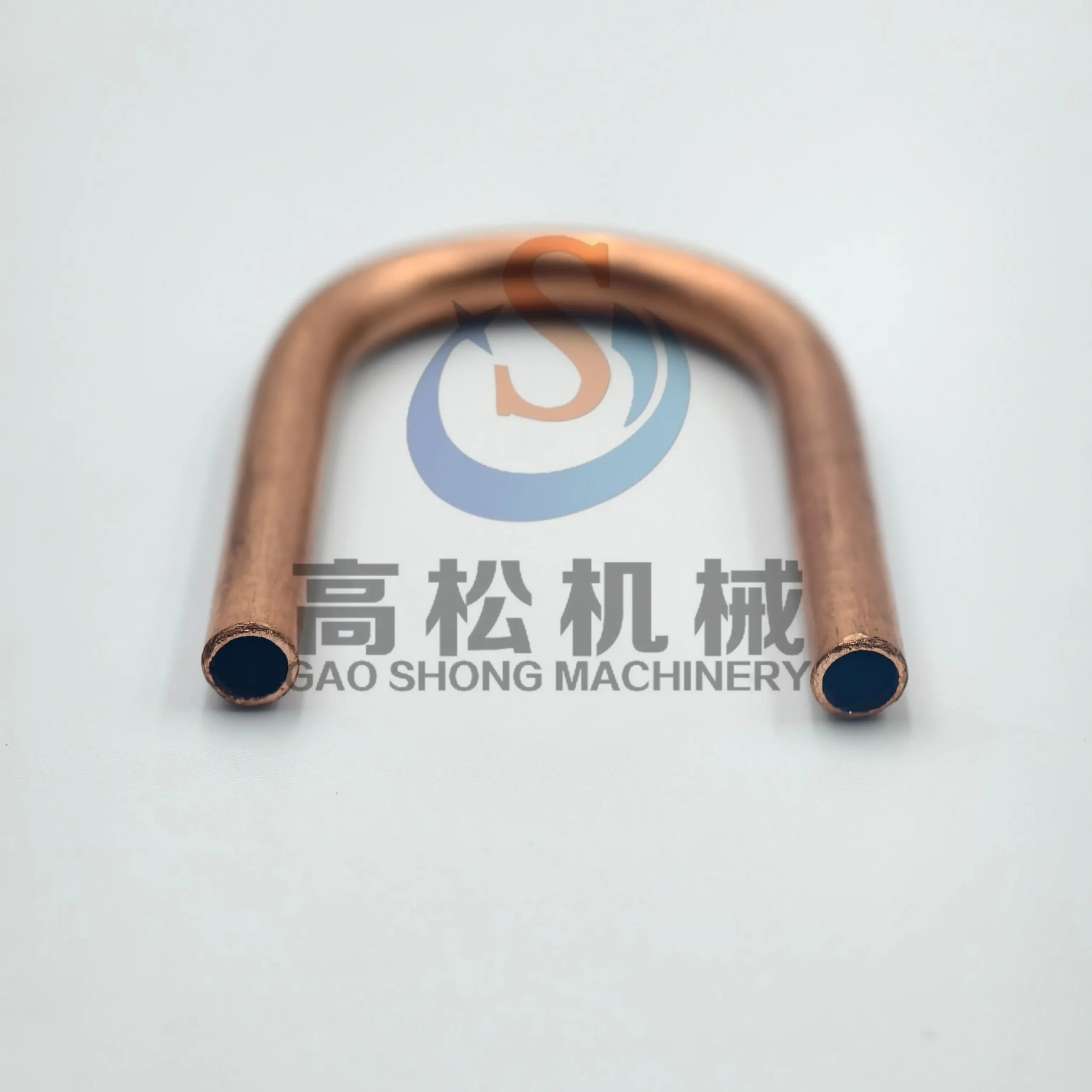 TUBE 21N-68-32360 – KOMATSU
 -
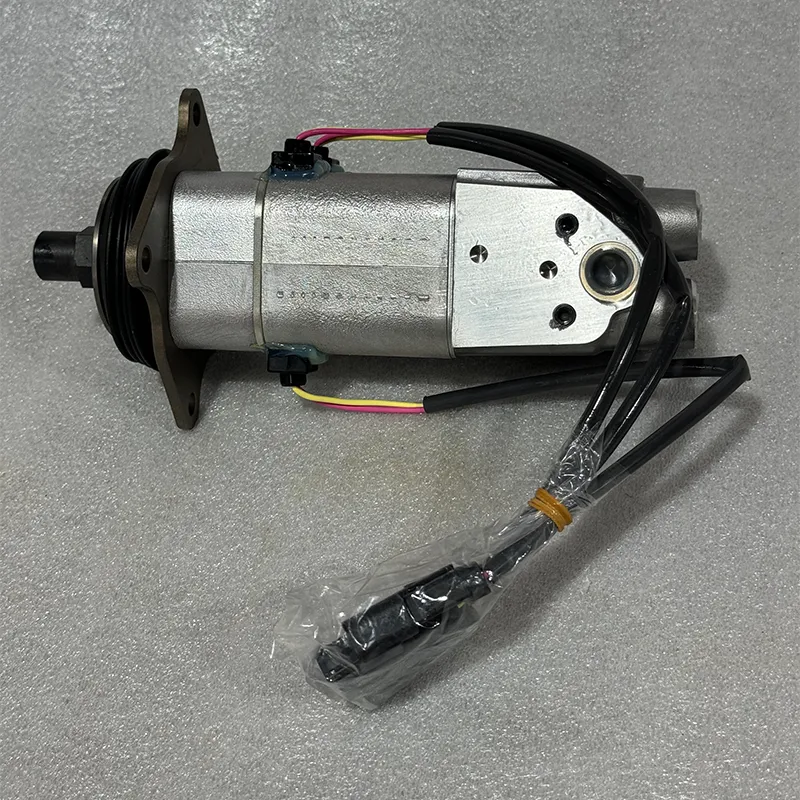 Original komatsu WA480-6 Pilot Valve 702-16-03461
 -
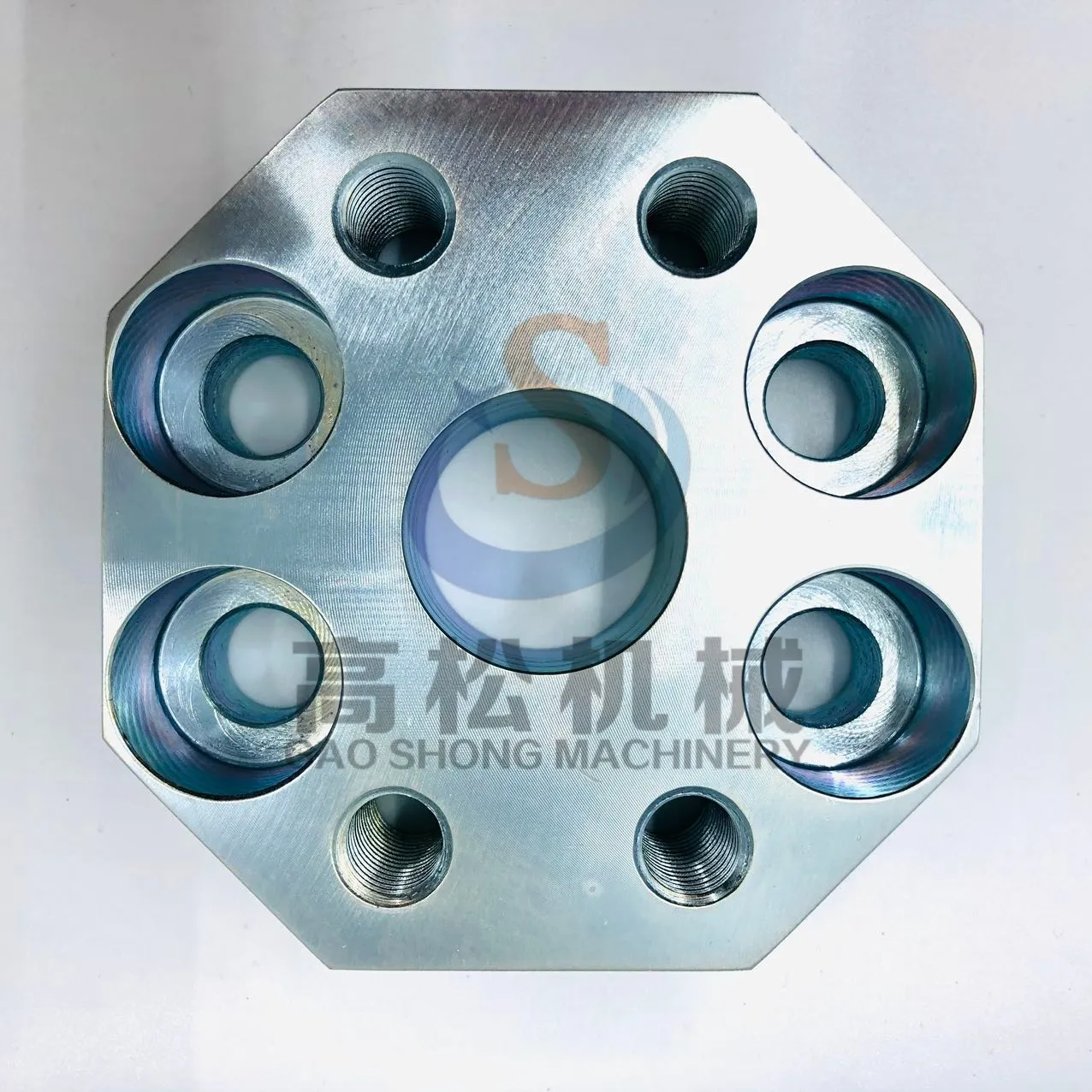 21N-62-11361 Komatsu Flange