
- Chinese
- French
- German
- Portuguese
- Spanish
- Russian
- Japanese
- Korean
- Arabic
- Irish
- Greek
- Turkish
- Italian
- Danish
- Romanian
- Indonesian
- Czech
- Afrikaans
- Swedish
- Polish
- Basque
- Catalan
- Esperanto
- Hindi
- Lao
- Albanian
- Amharic
- Armenian
- Azerbaijani
- Belarusian
- Bengali
- Bosnian
- Bulgarian
- Cebuano
- Chichewa
- Corsican
- Croatian
- Dutch
- Estonian
- Filipino
- Finnish
- Frisian
- Galician
- Georgian
- Gujarati
- Haitian
- Hausa
- Hawaiian
- Hebrew
- Hmong
- Hungarian
- Icelandic
- Igbo
- Javanese
- Kannada
- Kazakh
- Khmer
- Kurdish
- Kyrgyz
- Latin
- Latvian
- Lithuanian
- Luxembou..
- Macedonian
- Malagasy
- Malay
- Malayalam
- Maltese
- Maori
- Marathi
- Mongolian
- Burmese
- Nepali
- Norwegian
- Pashto
- Persian
- Punjabi
- Serbian
- Sesotho
- Sinhala
- Slovak
- Slovenian
- Somali
- Samoan
- Scots Gaelic
- Shona
- Sindhi
- Sundanese
- Swahili
- Tajik
- Tamil
- Telugu
- Thai
- Ukrainian
- Urdu
- Uzbek
- Vietnamese
- Welsh
- Xhosa
- Yiddish
- Yoruba
- Zulu
- Kinyarwanda
- Tatar
- Oriya
- Turkmen
- Uyghur





s6d105 komatsu engine
When you hear 'S6D105 Komatsu engine', the immediate image is often the backbone of mid-size excavators, the PC200-6/7 series. But there's a common pitfall: assuming all S6D105 units are identical or that parts interchangeability is straightforward. In reality, the suffix and application context matter immensely, and that's where years of headaches—and learning—come from.
The Core of the Matter: More Than Just a Model Number
The S6D105 isn't just one engine. You've got the naturally aspirated S6D105, the turbocharged S6D105-T, and variations in injection pumps and governors across different production years and regions. I recall a project where we sourced a supposedly compatible short block for a PC200-6, only to find the piston crown design was different, affecting compression ratio. The machine ran, but lacked power and smoked under load. The lesson? The model number gets you in the ballpark, but the devil is in the S6D105 Komatsu engine sub-assembly part numbers stamped on the core.
Cooling system issues are another telltale sign of this engine's age. The water pump and thermostat housing gaskets are chronic failure points, especially in high-sulfur fuel regions where coolant degradation is accelerated. It's not just about replacing the pump; it's about checking the impeller material and the housing for cavitation erosion. We've seen pumps fail within 600 hours because the coolant wasn't maintained, and the resulting overheating took out the head gasket.
Then there's the fuel system. The Bosch-type injection pump is robust, but sensitive to fuel quality. The real challenge often isn't the pump itself, but the supply pump and the primary fuel filter/water separator assembly. A weak supply pump will cause cavitation in the main pump, leading to premature wear. I always advise checking fuel pressure at the inlet of the injection pump during diagnostics—a step many skip, going straight for costly pump overhaul.
The Parts Puzzle and the Role of Specialized Suppliers
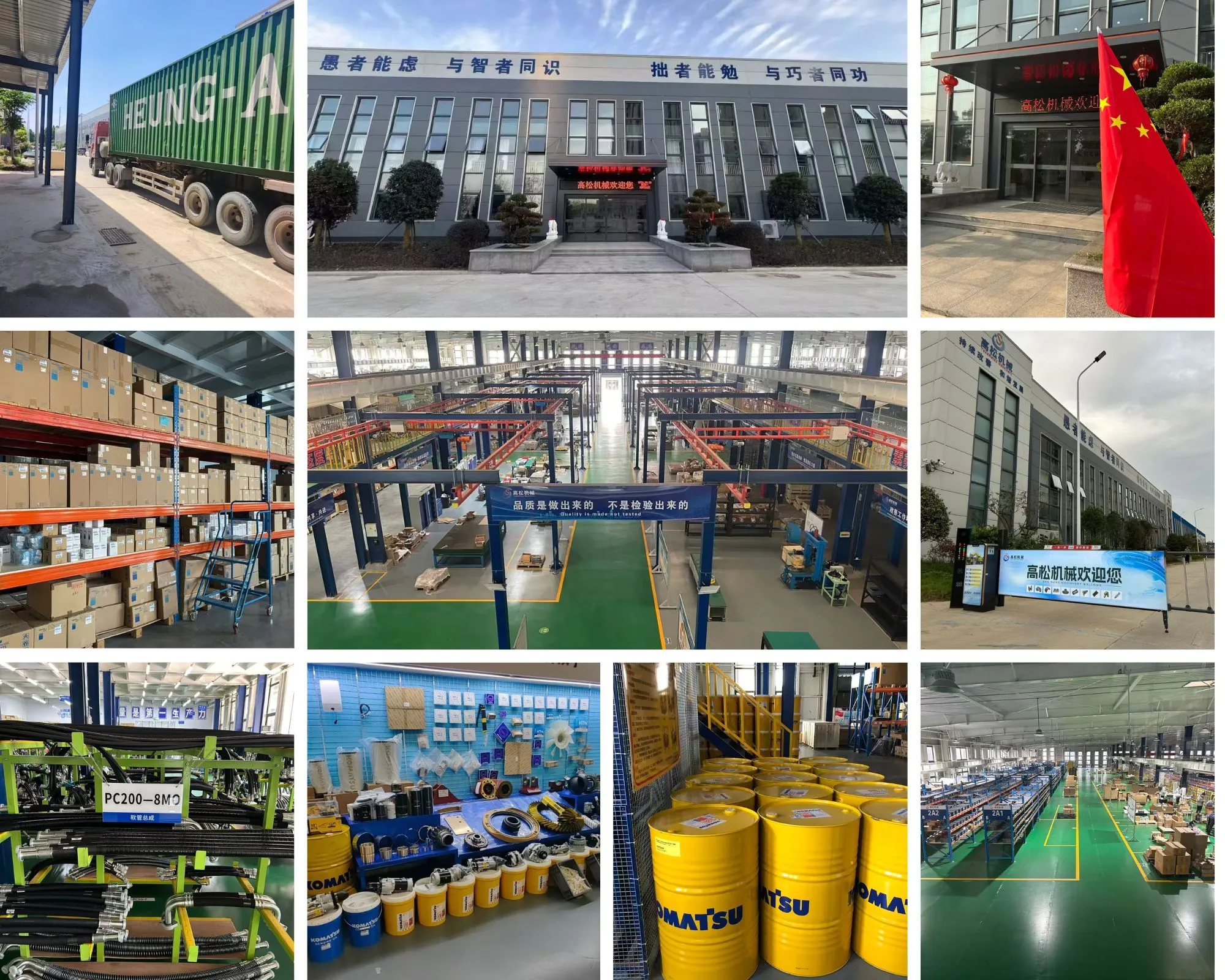
This is where the theoretical meets the gritty reality of keeping these machines running, especially in markets outside Japan's direct supply chain. Official channels can be prohibitively slow or expensive for certain non-critical parts. That's where companies operating within the Komatsu ecosystem, but with flexibility, become crucial. Take Jining Gaosong Construction Machinery Co., Ltd., for instance. As an OEM product supplier within the Komatsu system and a third-party sales company, they exist precisely to solve these niche supply gaps. You can find them at https://www.takematsumachinery.com. Their model is interesting: they help solve parts supply challenges in certain countries by providing authentic OEM or approved-alternative components for models like the S6D105 Komatsu engine, which might otherwise ground a machine for weeks.
I've had a mixed bag with alternative parts. For example, aftermarket cylinder head gaskets for the S6D105. Some work fine; others fail within months because the fire ring material can't handle the thermal cycling. The reliable workaround we developed was to use OEM gaskets for the head, but source quality-aftermarket for things like valve cover gaskets or exhaust manifold gaskets, where the tolerance for failure is higher. It's a cost-benefit analysis done on the shop floor.
A specific case involved a customer's PC200-6 with persistent low oil pressure. We replaced the oil pump, checked bearings, the usual drill. The culprit turned out to be the oil cooler core, which was partially blocked and creating a pressure drop upstream. The part wasn't readily available locally. Sourcing a genuine Komatsu cooler through a third-party network that had access to OEM stock, similar to what a company like Gaosong facilitates, was what got the machine back online without a two-month wait.
Operational Longevity and Common Oversights
Beyond parts, how these engines are operated dictates their lifespan. A major killer is chronic low-load operation. The S6D105, like many diesels of its era, needs to work hard and get to proper operating temperature to prevent wet-stacking and carbon buildup in the rings and turbo. We see engines from rental fleets that have more hours but are in better internal condition than those from sites where they just idle or run light duty all day.
The turbocharger on the S6D105-T model is another focus. Oil coking on the turbo shaft is a frequent issue if the engine is shut down immediately after high-load work. The simple habit of idling for 2-3 minutes before shutdown adds thousands of hours to turbo life. Yet, it's a protocol often ignored until a turbo seizes and sends metal fragments through the intake.
Then there's the electrical side, often neglected. The alternator and starter on these machines are workhorses, but voltage regulator failure can lead to overcharging, which cooks the battery and can damage the ECU on later -7 series machines. It's a simple multimeter check during service, but it's not on the standard checklist unless you've been burned by it before. We learned to keep a known-good regulator in the service truck after a couple of field failures.
Rebuild Considerations: Not Always a Straightforward Swap
When a full overhaul is on the table, the decision between a complete remanufactured engine, an in-frame rebuild, or a short block swap is financial and logistical. For the S6D105, if the block is salvageable, an in-frame with quality kit is often the best path. However, cylinder liner protrusion is a critical measurement that's easy to mess up. Incorrect protrusion leads to head gasket failure, full stop. We use a dial gauge and a proper fixture, not just a feeler gauge.
Also, the crankshaft on these is generally robust, but we always check for wear on the thrust bearings. Excessive crankshaft end-play, often from improper clutch operation on machines with mechanical transmission, will wear these out and affect gear engagement. It's a check that takes minutes but can save a comeback.
What about just swapping in a used engine? It's a gamble. Unless you know the engine's history or can do a solid compression and blow-by test on the stand, you might be buying someone else's problem. We once installed a low-hour used S6D105 that had a cracked piston between the ring lands—not detectable without disassembly. It failed after 200 hours. The cost of the second repair wiped out any savings.
Concluding Thoughts: The Value of Context and Network
So, talking about the S6D105 Komatsu engine isn't just about specs. It's about understanding its vulnerabilities, the importance of precise parts identification, and having a reliable supply chain for both OEM and quality-approved alternatives. The engine itself is a testament to solid 90s engineering, but its longevity now depends heavily on informed maintenance and smart sourcing.
The landscape has changed. Pure price shopping for parts often leads to downtime. The value of suppliers who understand the system, like those operating as specialized third-party entities within Komatsu's orbit, is in their ability to bridge the gap between genuine parts necessity and logistical reality. They aren't just selling a part; they're providing a solution for a specific machine in a specific location.
In the end, keeping the S6D105 running is a practice in attention to detail—to the specific suffix on the nameplate, to maintenance habits, and to building relationships with parts sources that have depth in the Komatsu line. It's less about heroic repairs and more about the consistent, knowledgeable application of lessons learned from past failures. That's what separates a running machine from a reliably profitable one.
Related Products
Related Products
Best Selling Products
Best Selling Products-
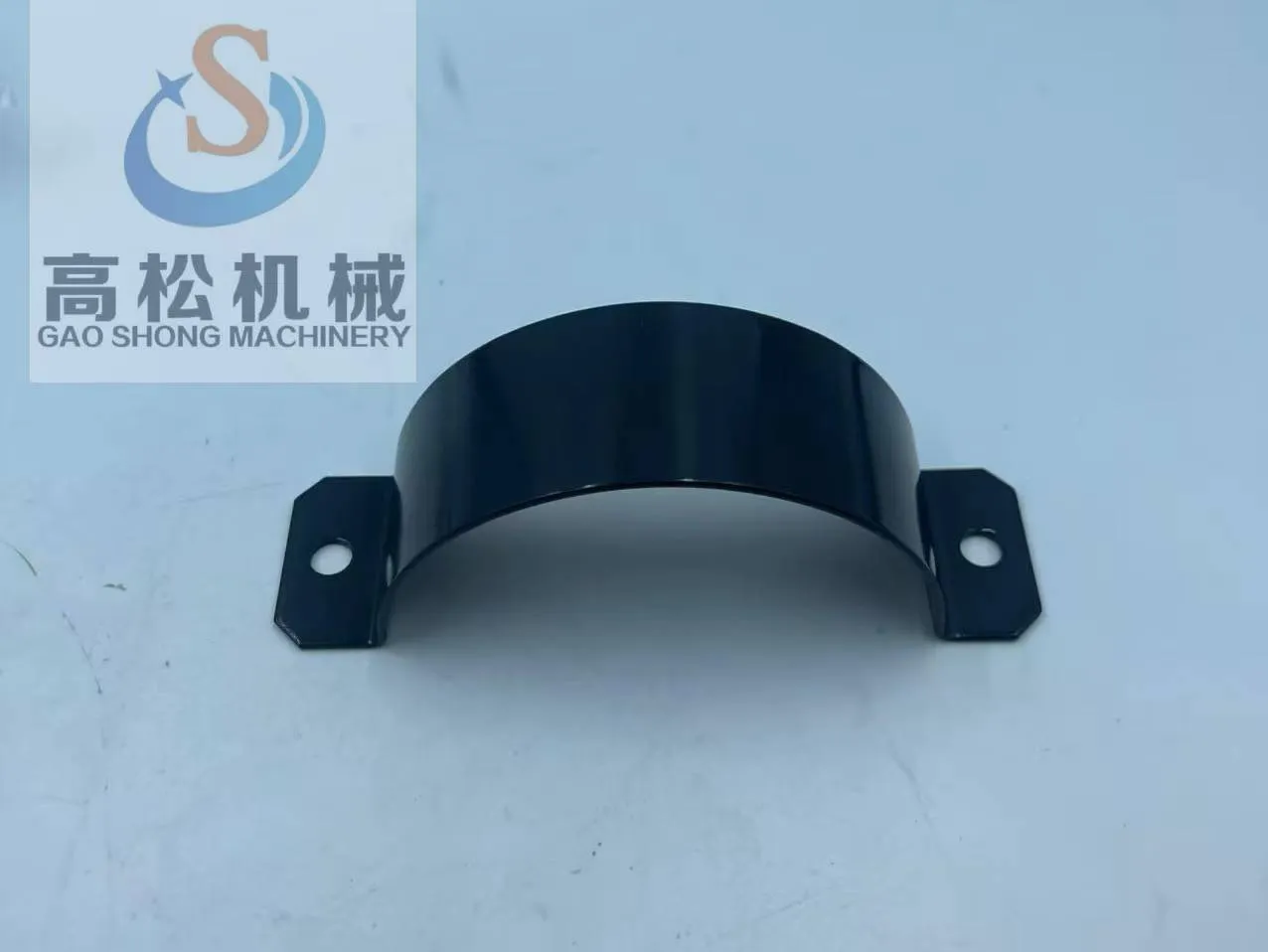 569-40-83470 Komatsu Genuine Bracket, Applicable Model: HD405-7, In-stock Promotional Price
 -
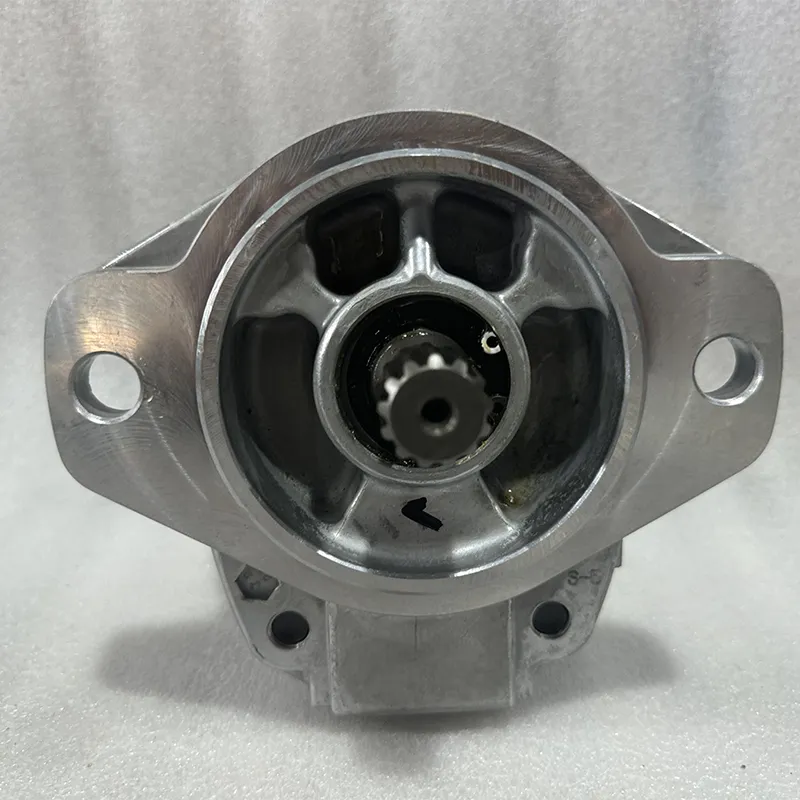 Original komatsu GD825A-2 Pump Assembly 705-61-22010
 -
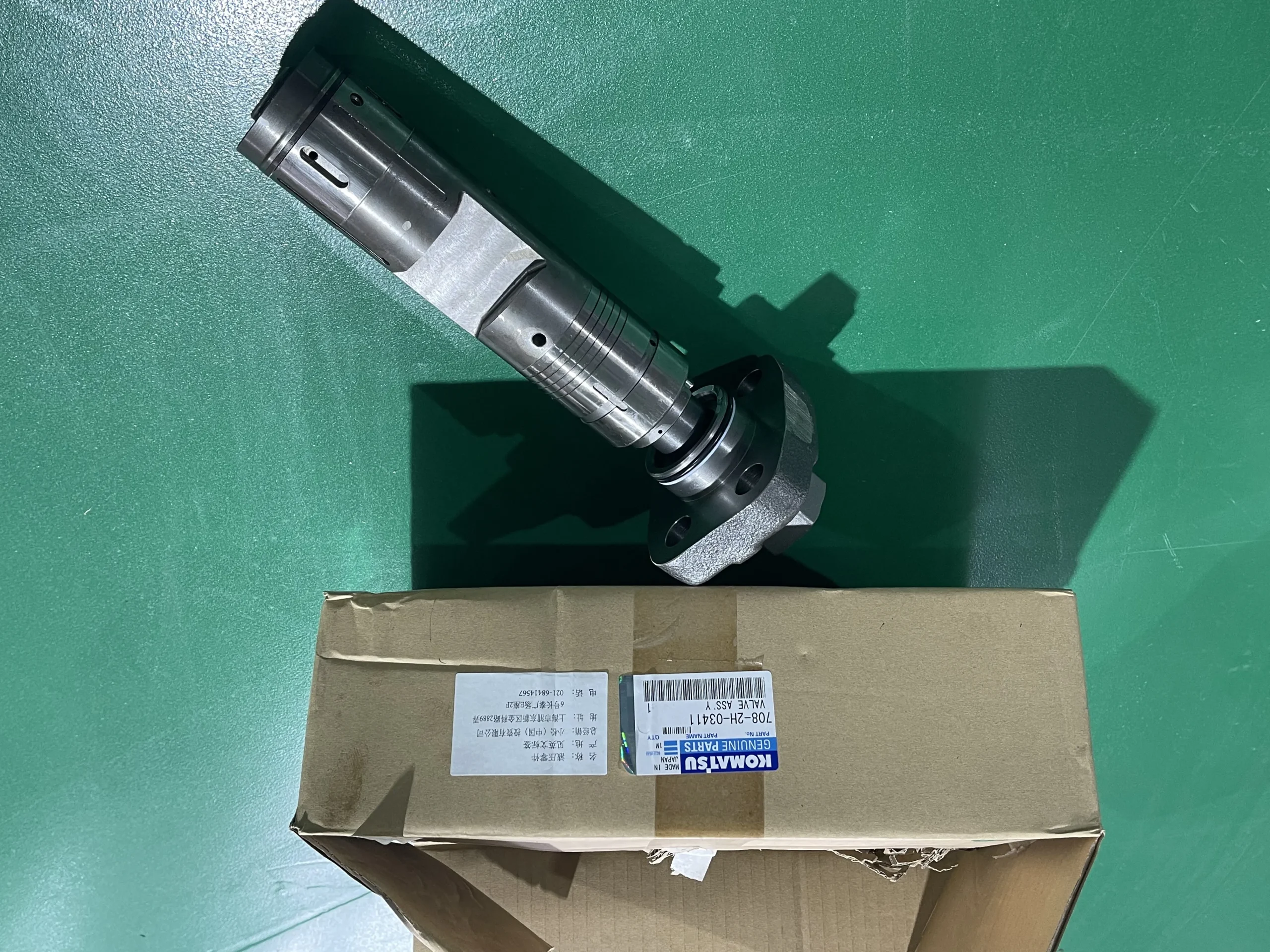 Relief Valve 708-2H-03411
 -
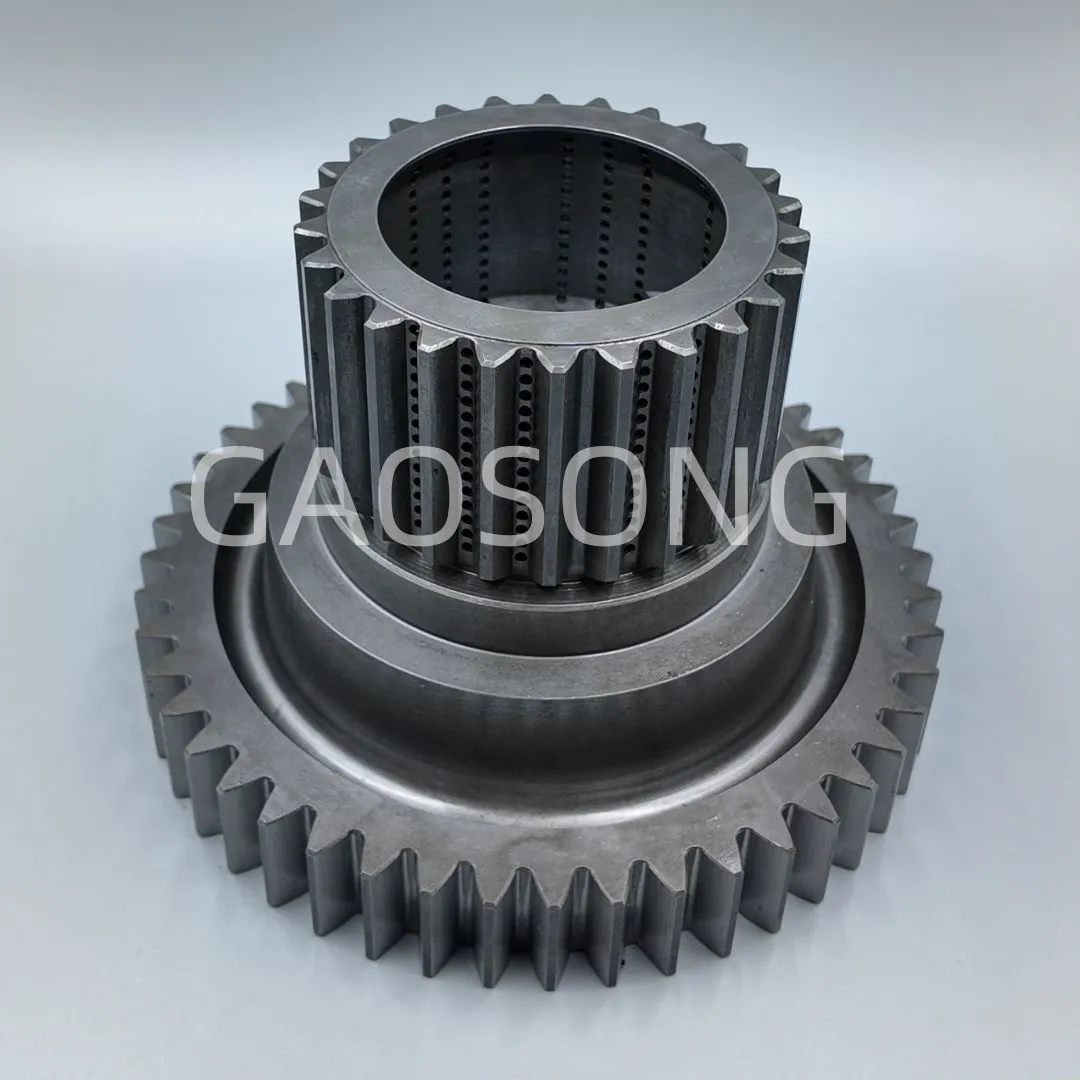 714-07-12420 •• GEAR¤ 48 TEETH,FORWARD–Komatsu Original Factory
 -
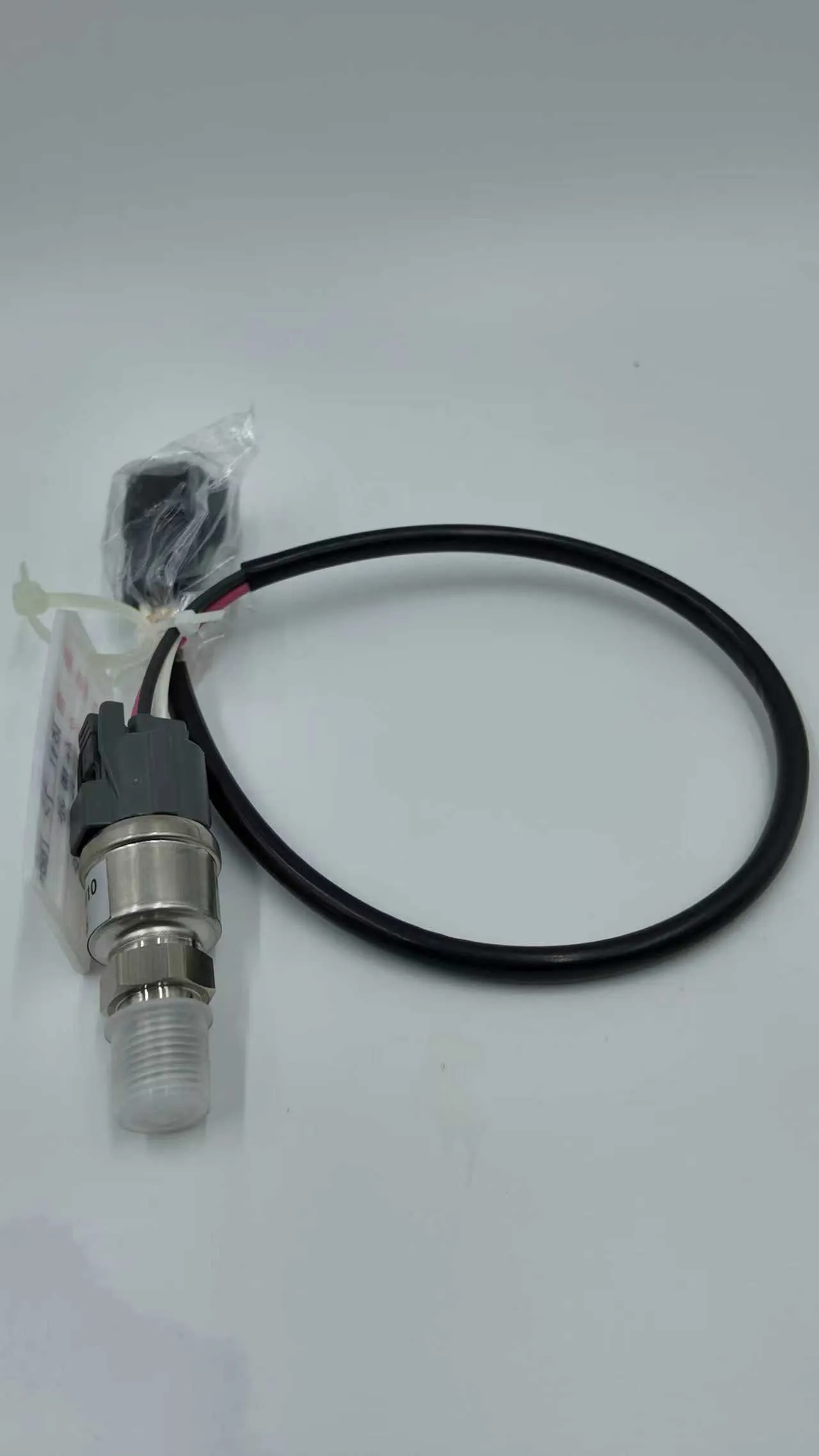 7861-93-1680-SENSOR-Komatsu Original Factory
 -
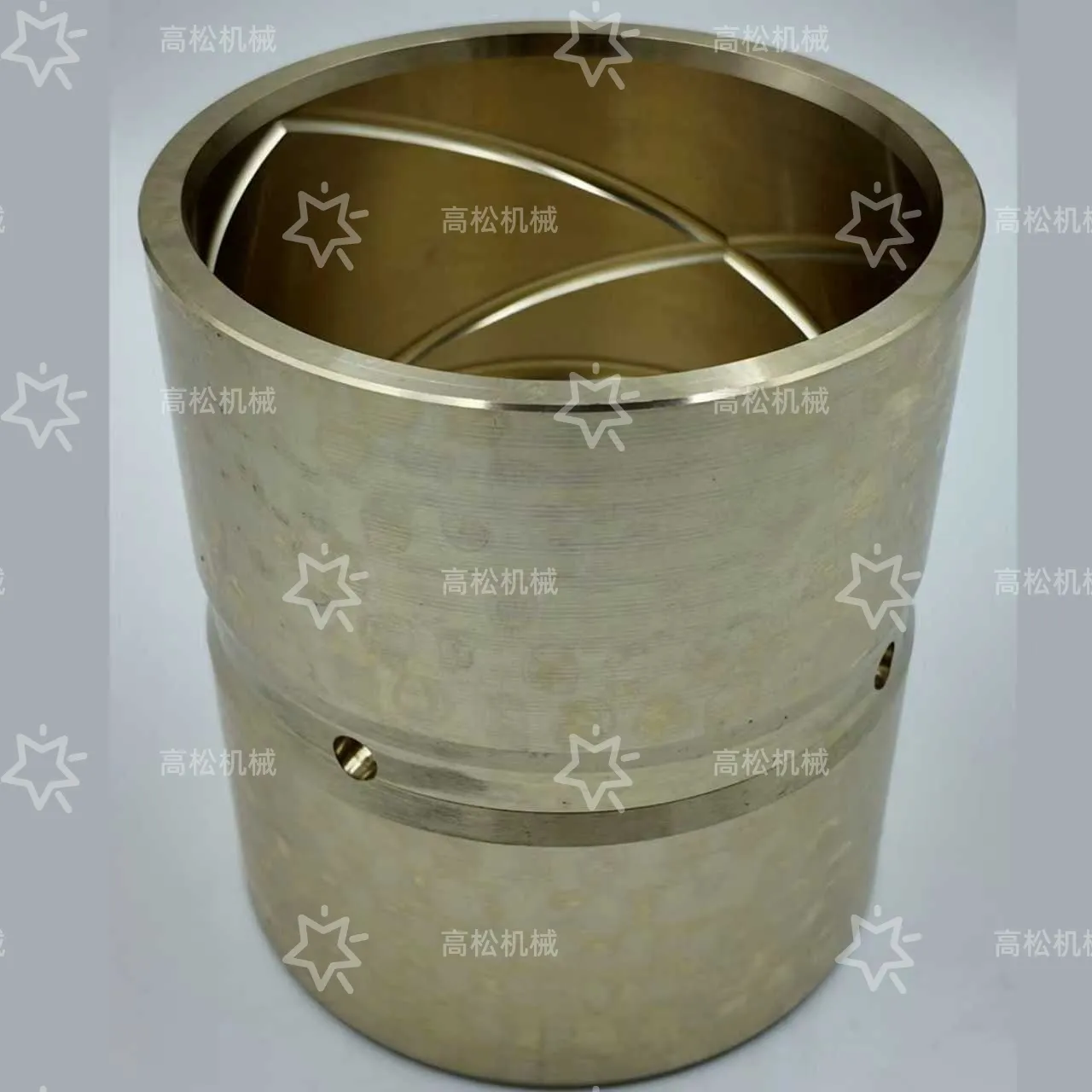 BUSHING 207-70-61610 for KOMATSU PC350-7 PC300LC-7 PC300-8 PC300LC-7L PC300-7
 -
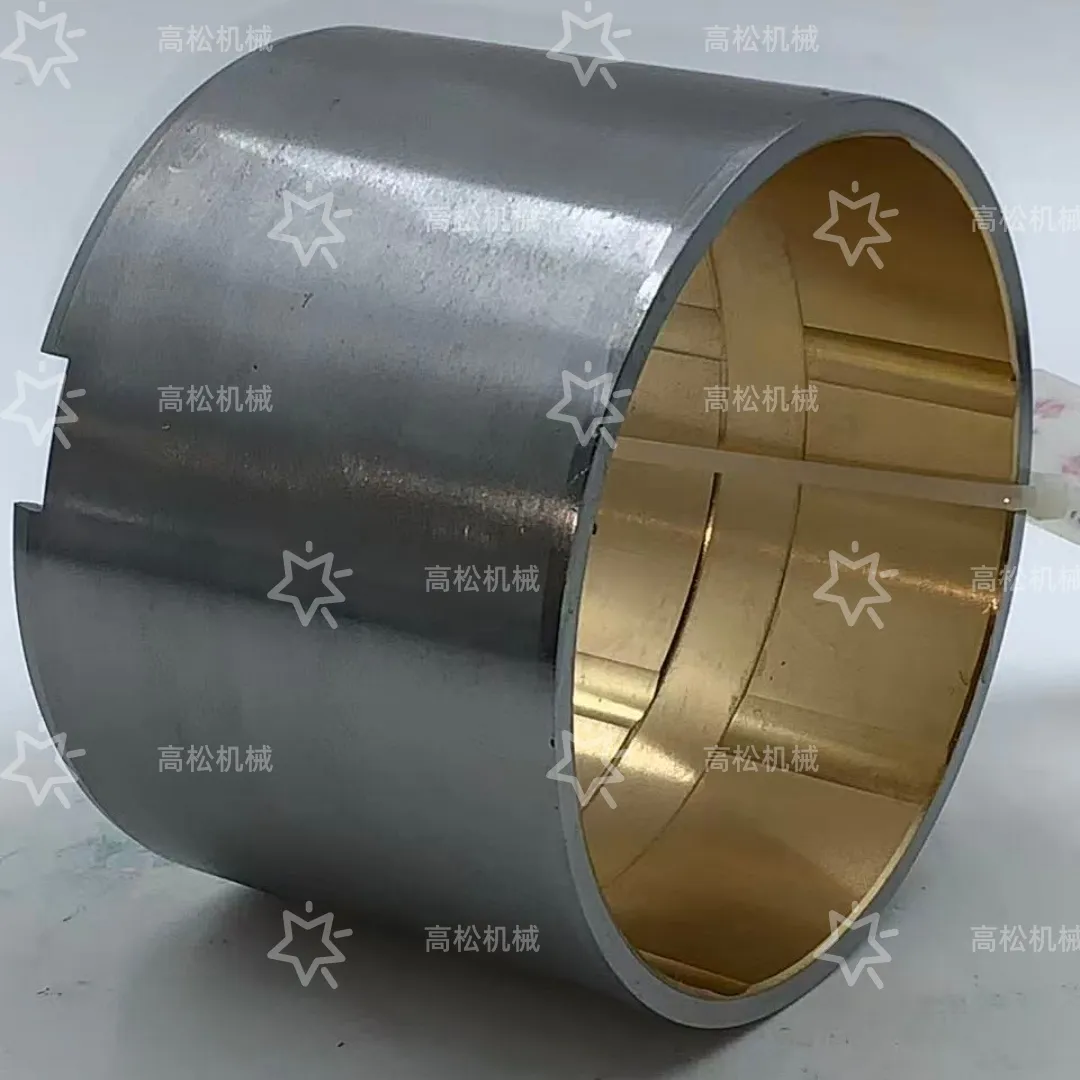 BUSHING 195-61-41160, myKomatsu – Buy Komatsu Parts
 -
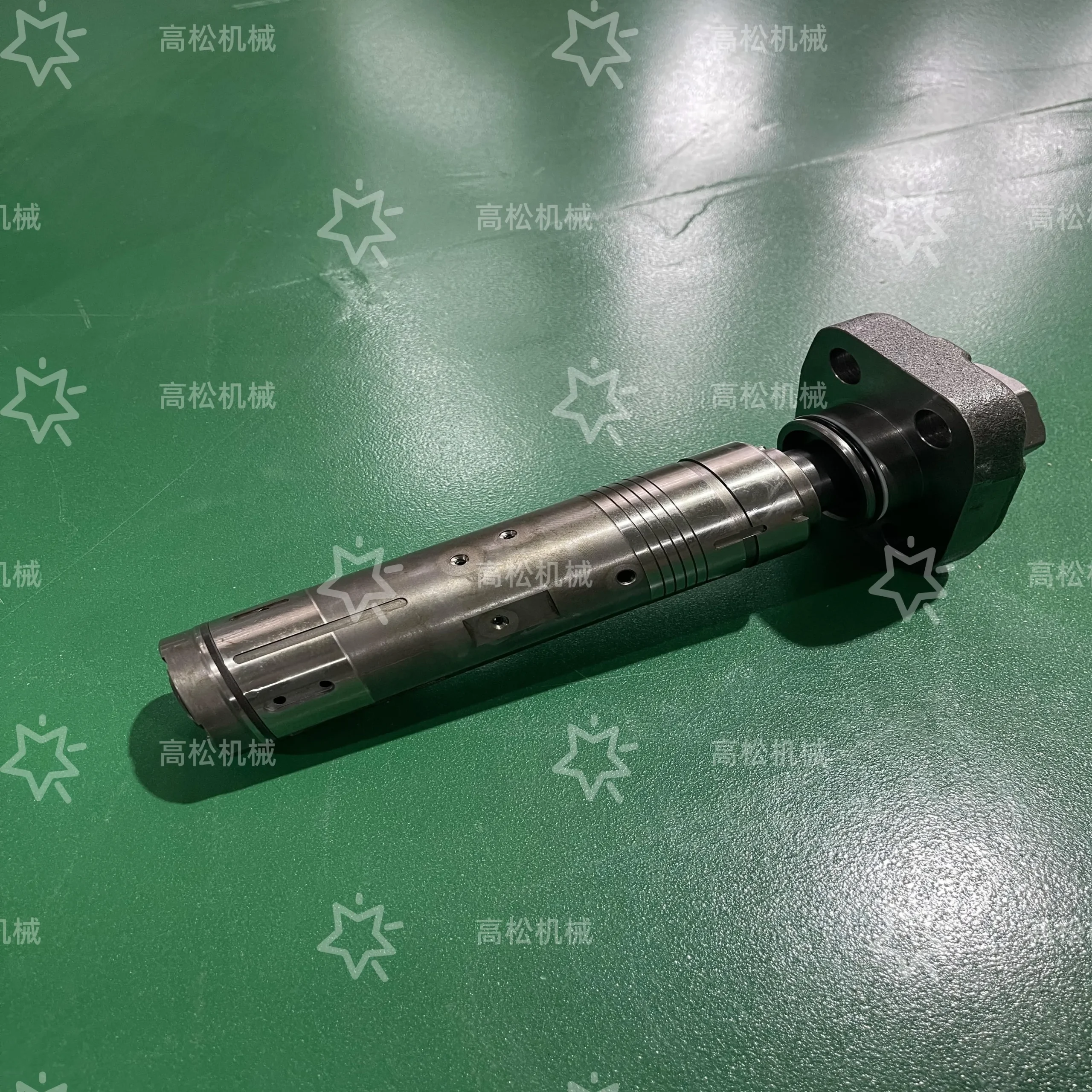 708-2H-03411 Hydraulic Pump PC Valve PC400 PC450 Servo Flow Regulation
 -
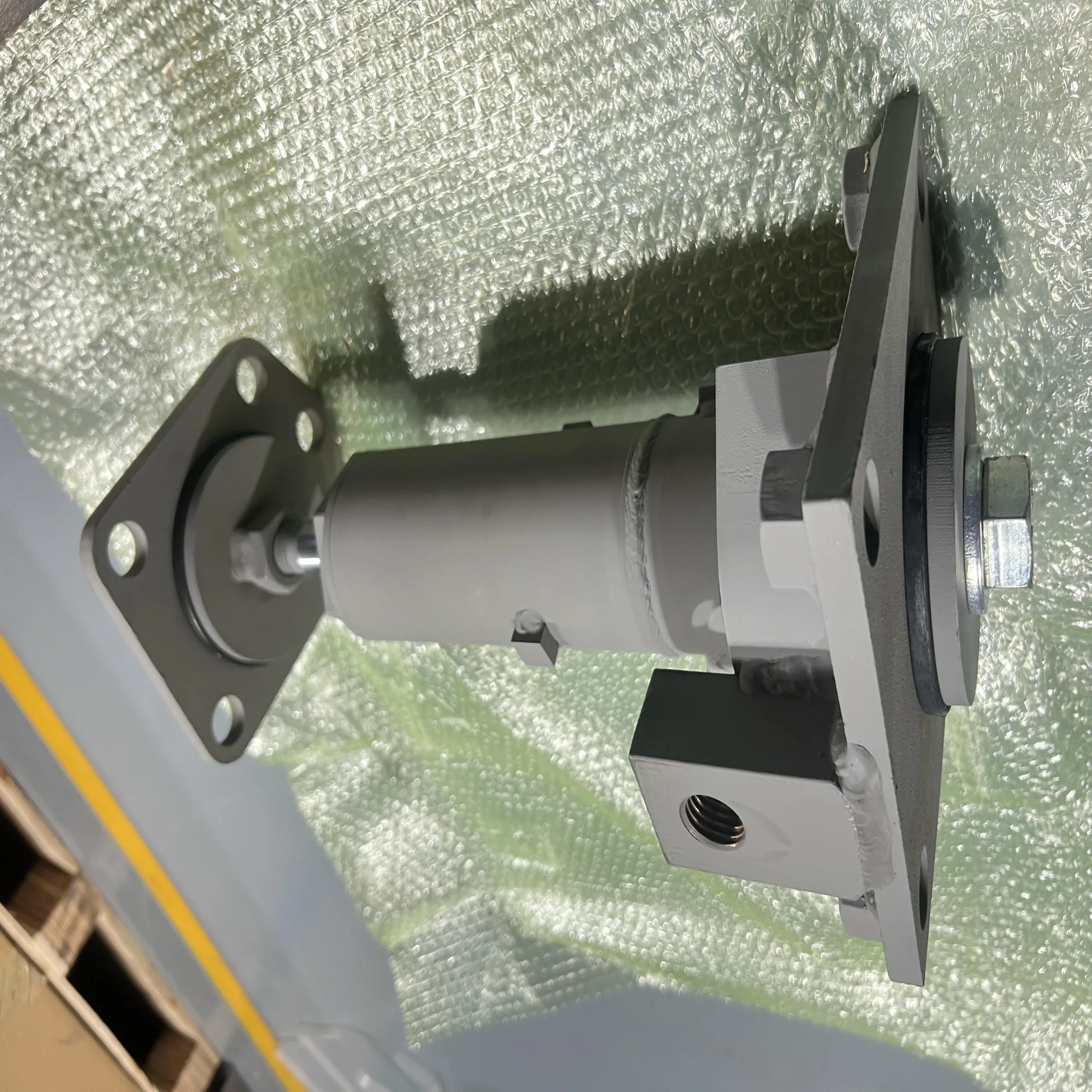 SUSPENSION ASS’Y 17A-54-16201 – KOMATSU
 -
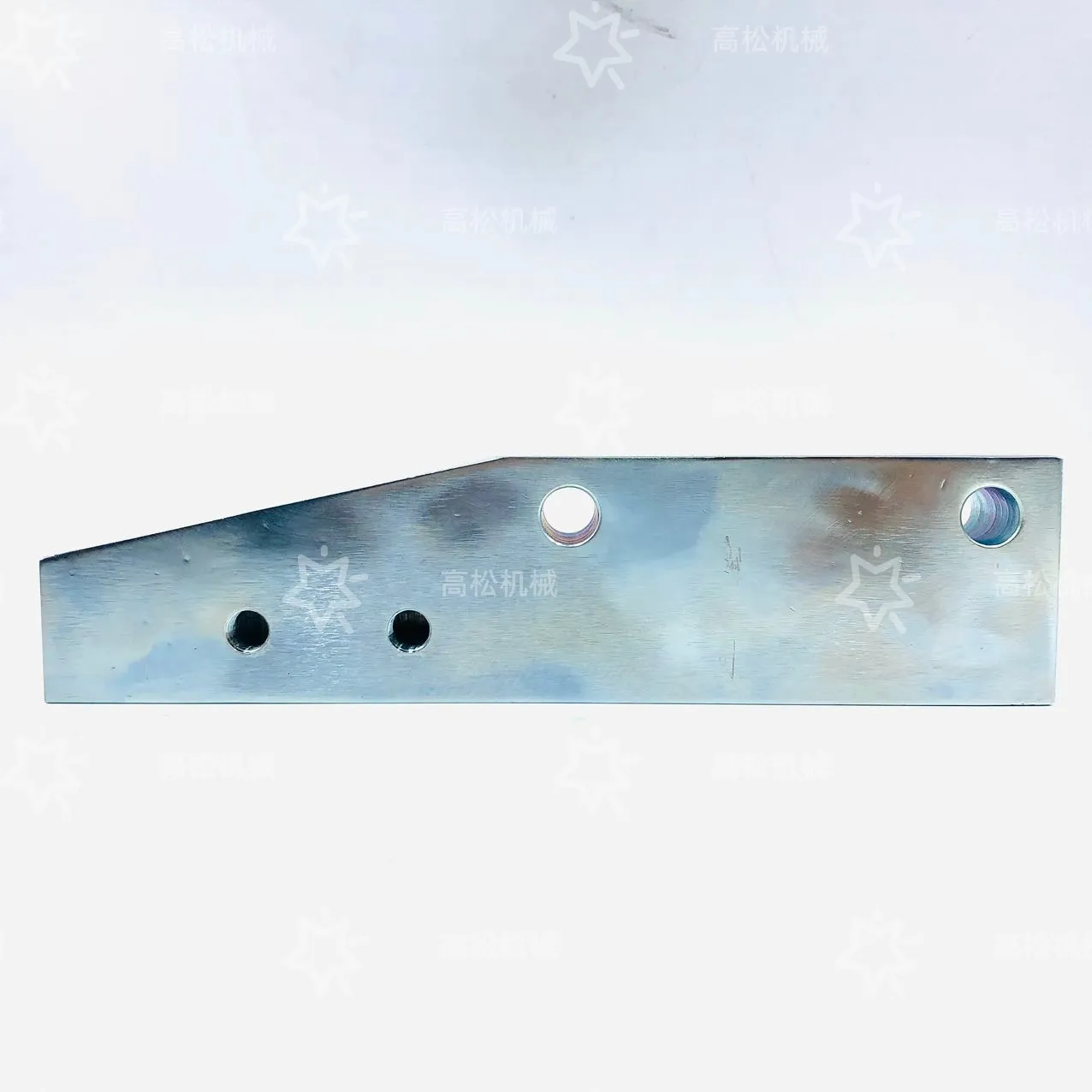 209-38-73281 BLOCK made to fit KOMATSU
 -
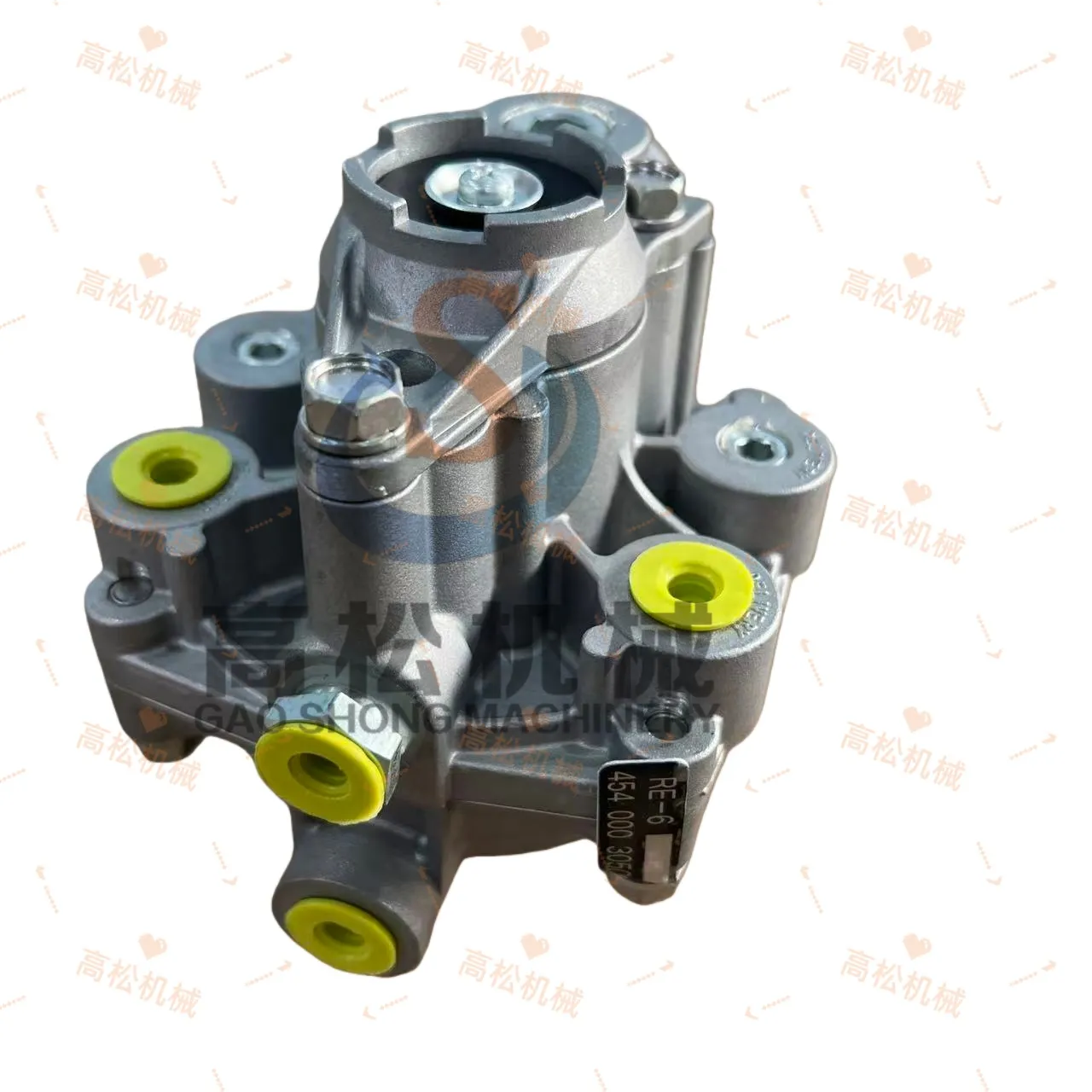 HD785 HD985HD465 HD605-5 HD255-5 561-35-61601RELAY VALVE ASS’Y
 -
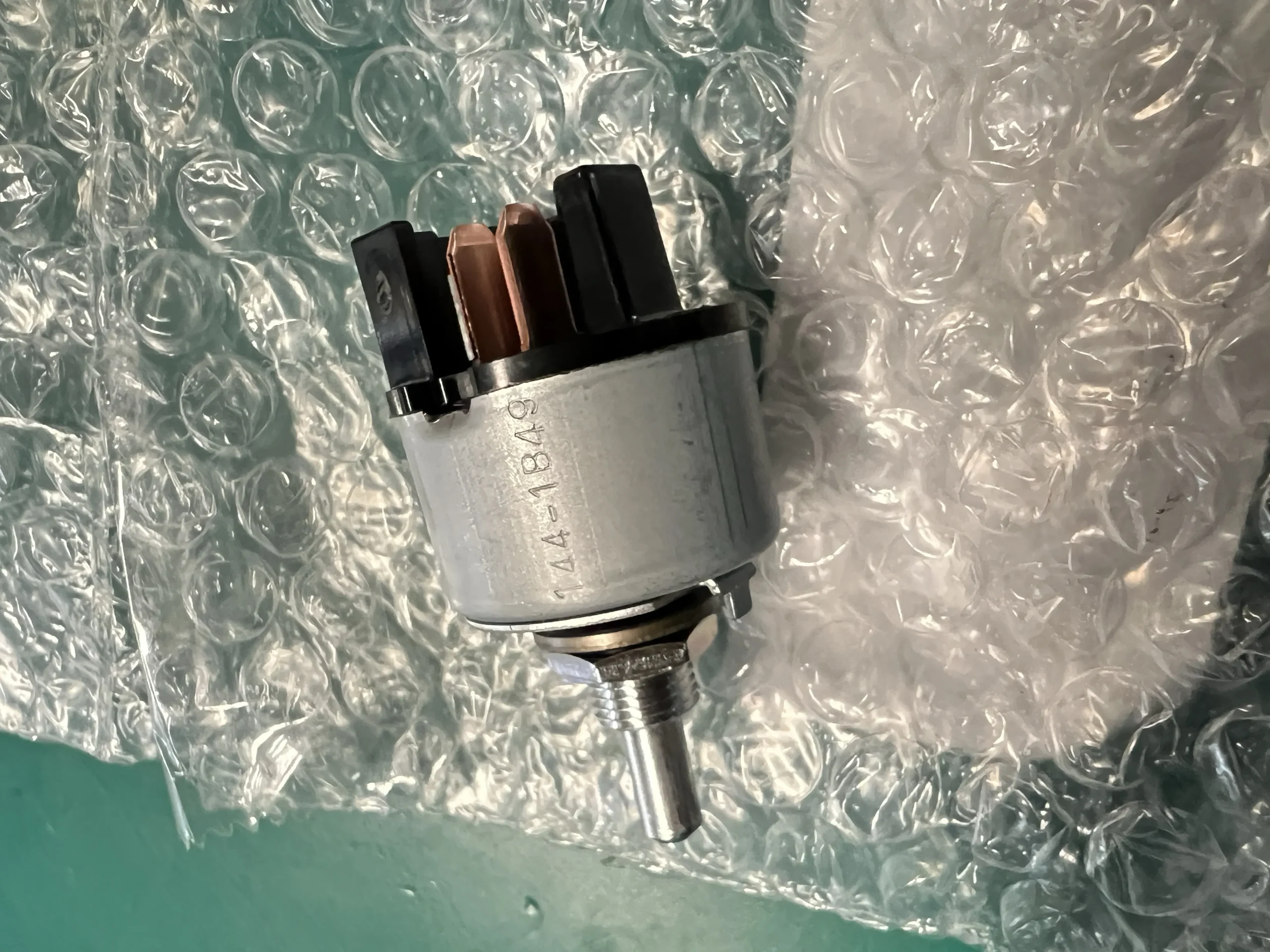 205-06-71380 Switch