
- Chinese
- French
- German
- Portuguese
- Spanish
- Russian
- Japanese
- Korean
- Arabic
- Irish
- Greek
- Turkish
- Italian
- Danish
- Romanian
- Indonesian
- Czech
- Afrikaans
- Swedish
- Polish
- Basque
- Catalan
- Esperanto
- Hindi
- Lao
- Albanian
- Amharic
- Armenian
- Azerbaijani
- Belarusian
- Bengali
- Bosnian
- Bulgarian
- Cebuano
- Chichewa
- Corsican
- Croatian
- Dutch
- Estonian
- Filipino
- Finnish
- Frisian
- Galician
- Georgian
- Gujarati
- Haitian
- Hausa
- Hawaiian
- Hebrew
- Hmong
- Hungarian
- Icelandic
- Igbo
- Javanese
- Kannada
- Kazakh
- Khmer
- Kurdish
- Kyrgyz
- Latin
- Latvian
- Lithuanian
- Luxembou..
- Macedonian
- Malagasy
- Malay
- Malayalam
- Maltese
- Maori
- Marathi
- Mongolian
- Burmese
- Nepali
- Norwegian
- Pashto
- Persian
- Punjabi
- Serbian
- Sesotho
- Sinhala
- Slovak
- Slovenian
- Somali
- Samoan
- Scots Gaelic
- Shona
- Sindhi
- Sundanese
- Swahili
- Tajik
- Tamil
- Telugu
- Thai
- Ukrainian
- Urdu
- Uzbek
- Vietnamese
- Welsh
- Xhosa
- Yiddish
- Yoruba
- Zulu
- Kinyarwanda
- Tatar
- Oriya
- Turkmen
- Uyghur






pc300 komatsu engine
When you hear 'pc300 komatsu engine', most guys immediately think of the S6D114 or the later SAA6D114E series. That's correct, but it's also where the first mistake happens. People fixate on the model number as if it's a single, monolithic unit. In reality, that term covers a 20-year evolution of iron, with variations in fuel systems, turbo setups, and electronics that can make or break a rebuild. I've seen too many mechanics order parts for a 'PC300 engine' only to get the wrong injectors because they didn't check the serial number break. The nameplate is just the starting point; the devil, as always, is in the details you find after you pull the valve cover.
The Core: More Than Just Displacement
Let's talk about the heart of it. The 10.3L displacement is a constant, but the path to making power changed drastically. Early models were pure mechanical beasts—robust, forgiving on dirty fuel, but thirsty and lacking the torque rise we expect now. The shift to the SAA6D114E with electronic control (ECU) was a game-changer for efficiency, but it introduced a new layer of headaches. Suddenly, you're not just a mechanic; you're a part-time electrician chasing CAN bus faults.
A specific pain point? The transition period around . Some engines had a hybrid of old-style cylinder heads but with sensors slapped on for the new ECU. If you're sourcing a head from a Komatsu supplier, you must specify the exact part number, not just the machine model. I learned this the hard way on a project in Indonesia. We got a head from a general parts dealer that physically fit but had slightly different oil galleries. It ran for about 200 hours before a bearing started starving. Costly lesson.
This is where a specialized supplier makes a difference. A company like Jining Gaosong Construction Machinery Co., Ltd. operates within the Komatsu system. Their value isn't just in having the part, but in knowing these serial number breaks and engineering updates. For a PC300 engine overhaul, that knowledge prevents the fits but fails scenario. They're not just selling a piston; they're selling the correct piston for your specific block casting revision.
Fuel System Nuances: From Pumps to Nozzles
The fuel system is the best example of evolution. The old in-line pumps were bulletproof. You could adjust timing with a strobe light and feeler gauges. The common-rail system on the E-series is a different animal. Higher pressure, piezoelectric injectors, and total ECU dependence. The failure mode shifts from mechanical wear to injector solenoid failure or high-pressure rail leaks.
Here's a practical observation: the health of the fuel system is often dictated by the quality of the filtration before it. We had a PC300 in a quarry where the primary and secondary filters were changed on schedule, but the tank wasn't cleaned for years. Fine silt eventually wore out the plungers in the high-pressure pump. The diagnosis wasn't obvious—it just presented as a gradual loss of power. The fix wasn't just a new pump; it was a complete tank clean-out and a retrofit of an additional pre-filter. The takeaway? Don't just blame the engine; diagnose the ecosystem it lives in.
When you need a certified replacement for these sensitive components, going through a third-party sales company that is an OEM product supplier, like the one mentioned, can cut downtime. They have access to the genuine Komatsu fuel system parts, which is critical for tolerances and software calibration. Aftermarket pumps can sometimes cause ECU communication errors that are a nightmare to trace.
Cooling and Lubrication: The Silent Killers
Overheating kills these engines, but not in the way you might think. It's rarely a sudden catastrophic failure. It's a slow bake. The most common culprit I see is a degraded oil cooler. The tubes get clogged with a mix of scale and old coolant, reducing efficiency. The engine runs 5-10 degrees hotter consistently. Over months, this cooks the piston rings, leading to increased blow-by and oil consumption. By the time you notice blue smoke, the cylinder liners are already glazed.
The lubrication side has its own trap. The PC300 uses a dual-stage filtration system. The bypass valve on the primary filter housing can stick open, allowing unfiltered oil to circulate. I've found metal glitter in the oil pan of engines with regularly changed filters because no one ever checked that valve during service. It's a 10-minute check that saves a $20,000 rebuild.
For these core system components—coolers, oil pumps, thermostat housings—using OEM-spec parts is non-negotiable. The pressure and flow rates are precisely engineered. A supplier that understands the Komatsu system, such as Jining Gaosong, helps solve parts supply challenges by providing these critical components without the long lead times sometimes faced in certain regions, ensuring the repair maintains the engine's design integrity.
The Aftertreatment Headache (On Later Models)
Later models compliant with Tier 4 Final or similar regulations added a DPF (Diesel Particulate Filter). This is a whole new world of problems for the PC300 Komatsu engine. The regeneration cycles are crucial. If the machine is used in short, low-load cycles (like in a yard), the DPF never gets hot enough to regenerate passively. Active regens require the operator to initiate them, which often gets ignored.
The result? Clogged DPF, excessive backpressure, and derated power. The ECU will try to protect the engine, but performance plummets. I've dealt with machines where the solution was simply educating the operator and setting a stricter regen schedule. In other cases, the DPF needed forced cleaning or replacement—an expensive part that is pure supply chain vulnerability.
This is another area where having a reliable parts conduit is vital. A clogged DPF is an urgent downtime event. A supplier that is integrated into the Komatsu network can often expedite these large, specialized components, which generic suppliers simply can't stock. Their role in helping to solve parts supply challenges becomes very tangible here.
Rebuild Philosophy: Assembly as Important as Parts
Finally, let's talk about putting it all back together. The cleanest, most genuine parts can fail if the assembly process is wrong. Torque sequences are gospel, especially for the cylinder head and main bearing caps. The stretch method for head bolts is often specified—using a torque angle gauge, not just a wrench. Skipping this leads to uneven clamping and head gasket failure down the line.
Another subtle point: break-in procedure. After a major overhaul, the engine needs a proper load break-in. Running it at idle for hours is worse than putting it straight to work. The rings need cylinder pressure to seat properly against the liner walls. A gentle but loaded break-in over the first 50 hours will set the engine up for a long life. I follow a specific ramp-up protocol, increasing load incrementally.
In the end, a PC300 Komatsu engine is a testament to engineering, but its longevity depends on the quality of the parts you feed it and the care you take in its assembly and operation. It's a partnership between the machine, the technician, and a parts supply chain that understands the nuances. That's the real-world view from the toolbox.
Related Products
Related Products

Best Selling Products
Best Selling Products-
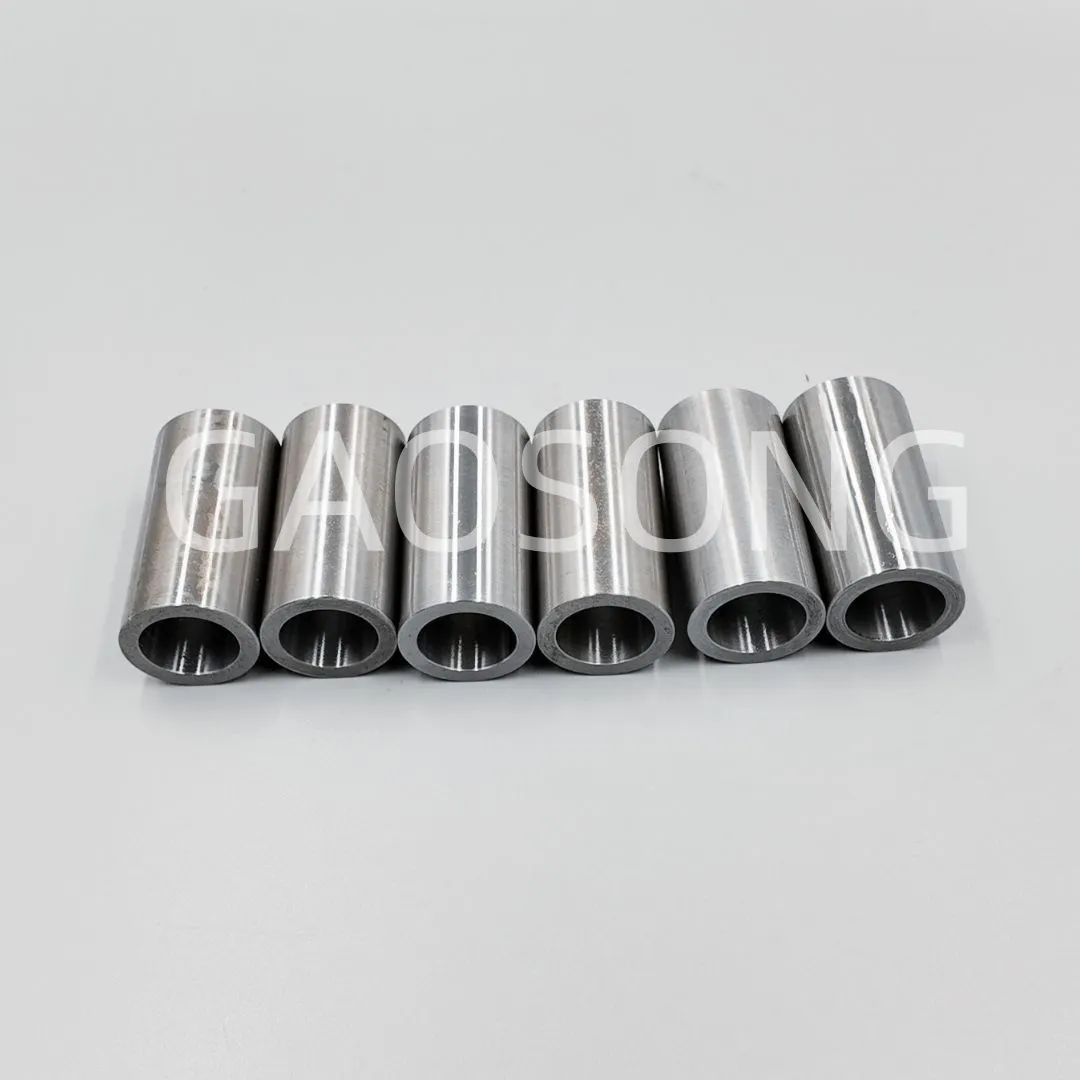 566-54-21910 BUSHING–Komatsu Original Factory
 -
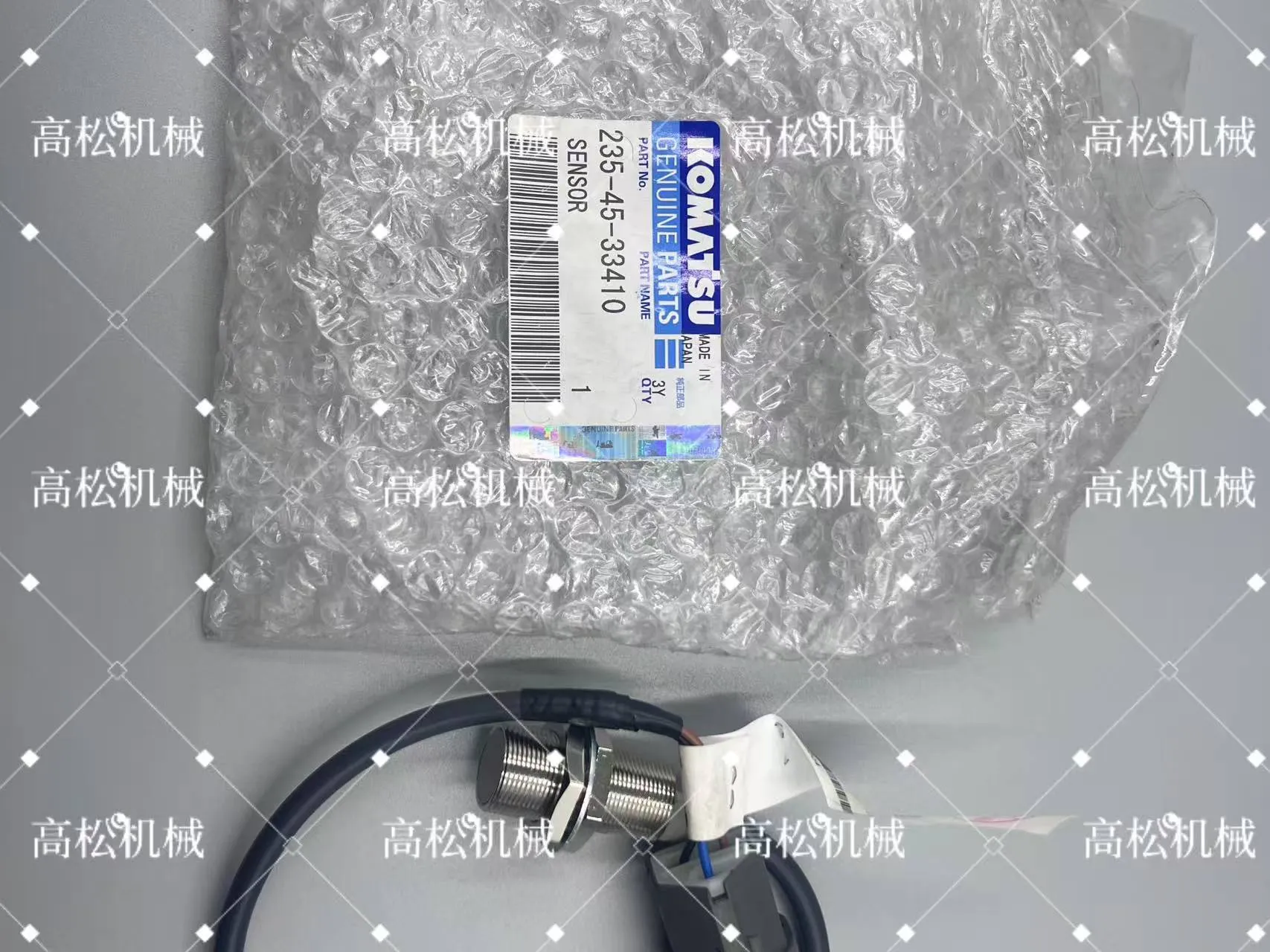 High-quality sensor set 235-45-33410 for automotive motor graders, suitable for GD805A and ZH003
 -
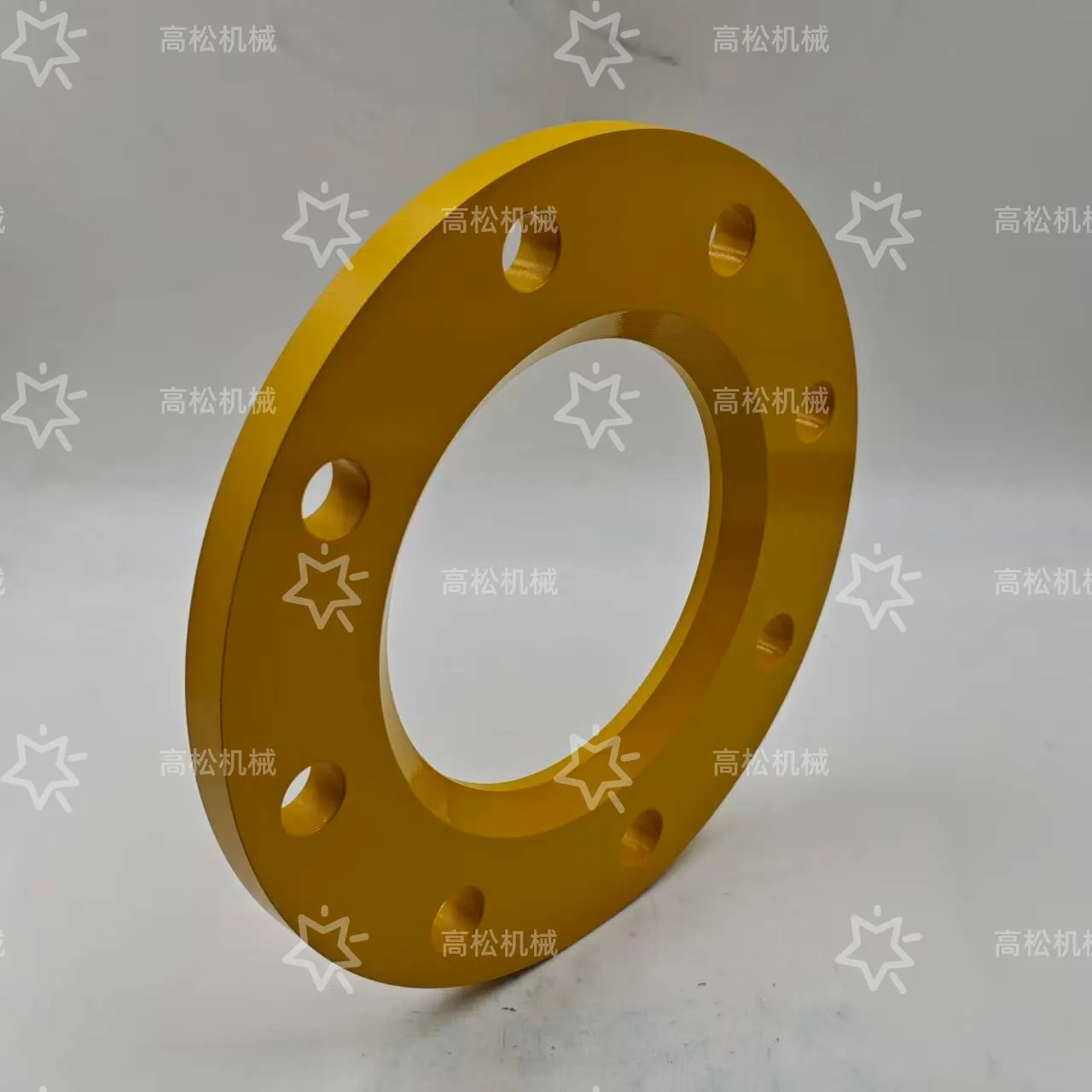 41E-70-15221 Komatsu Edge
 -
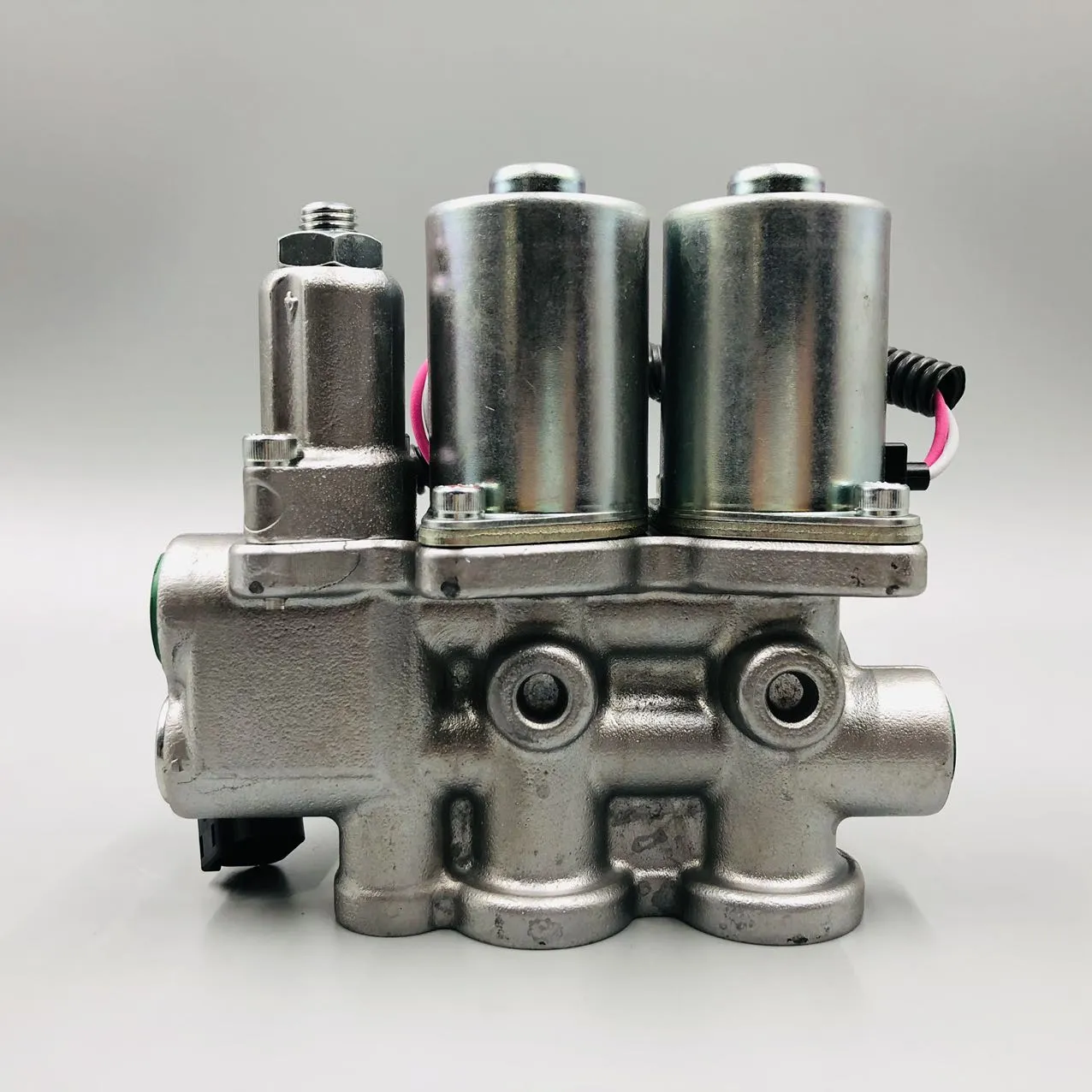 22F-60-31600Valve assembly
 -
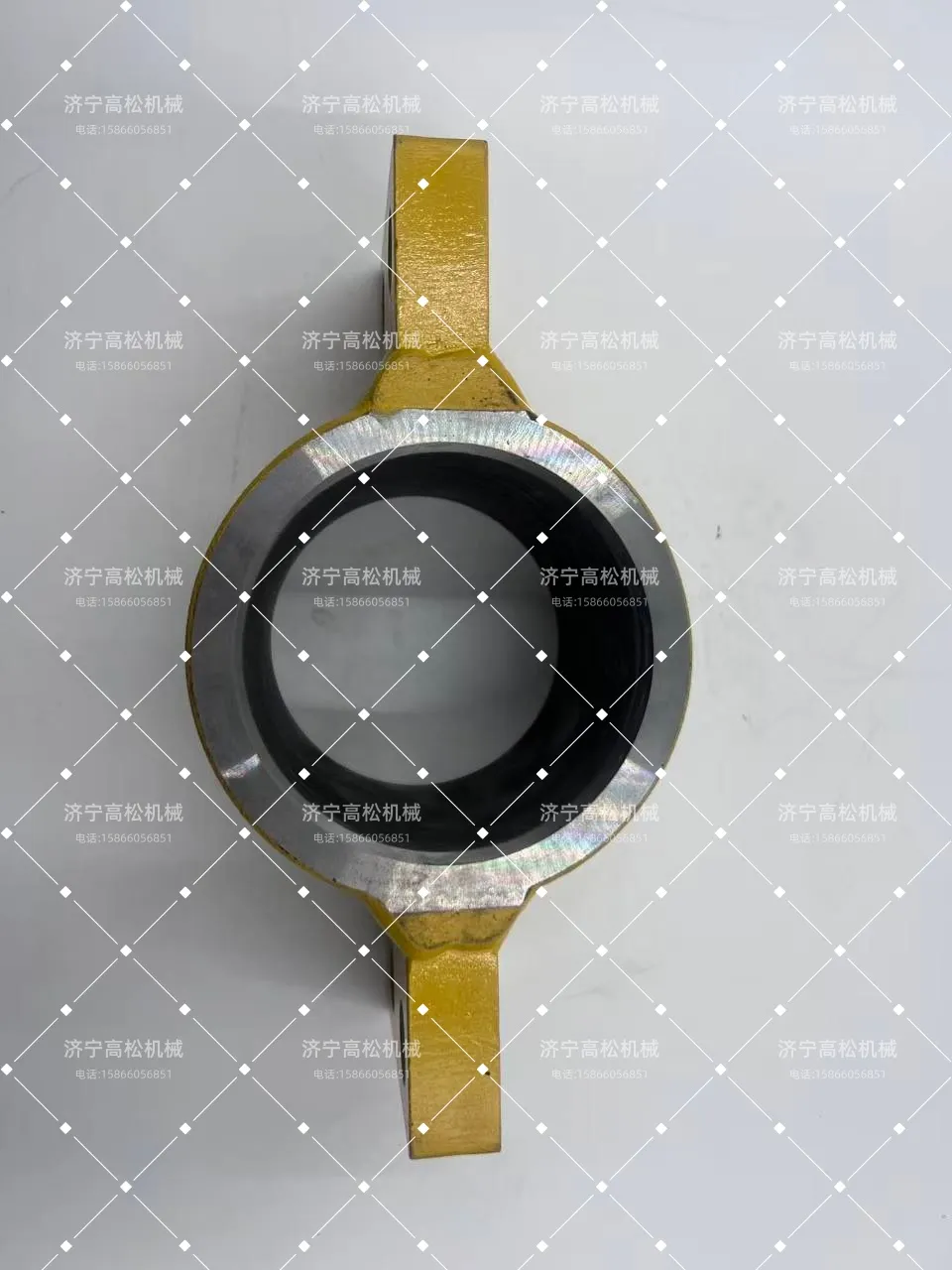 Komatsu Parçaları için İnşaatın Omurgası 566-14-41160 Braketi
 -
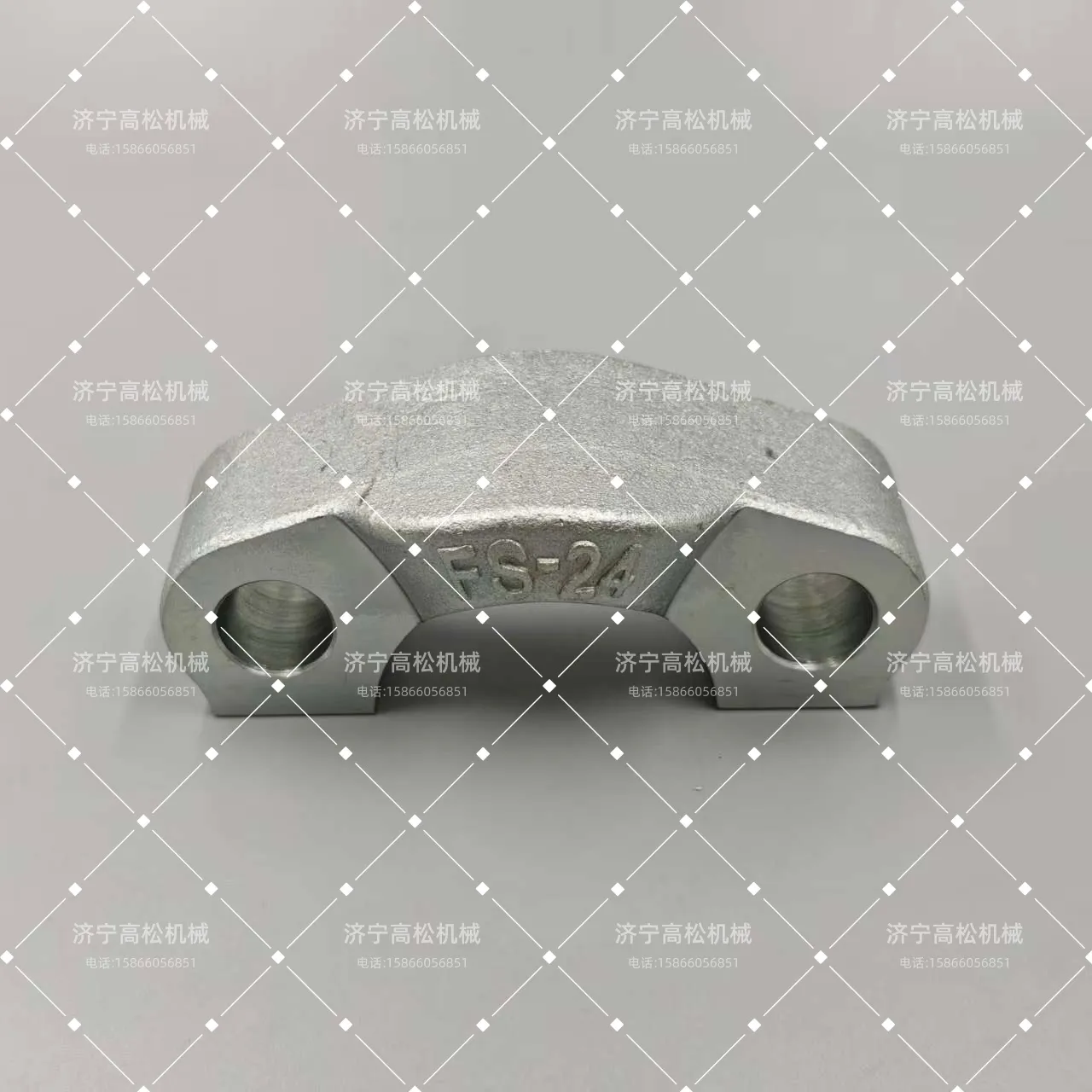 FLANGE 07371-51470 – KOMATSU Part catalog
 -
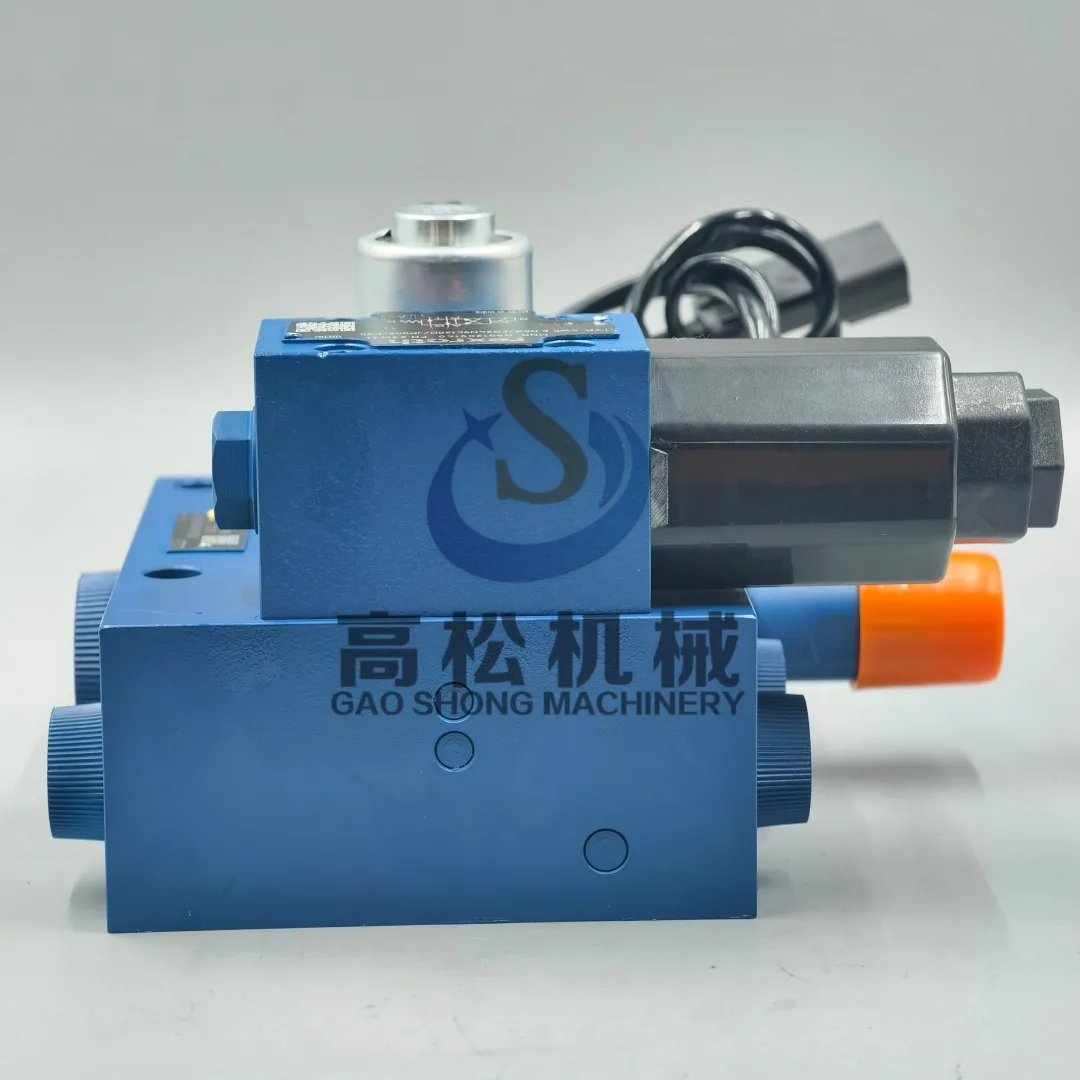 Komatsu 56B-43-12402 Valve for machines model HD405-7
 -
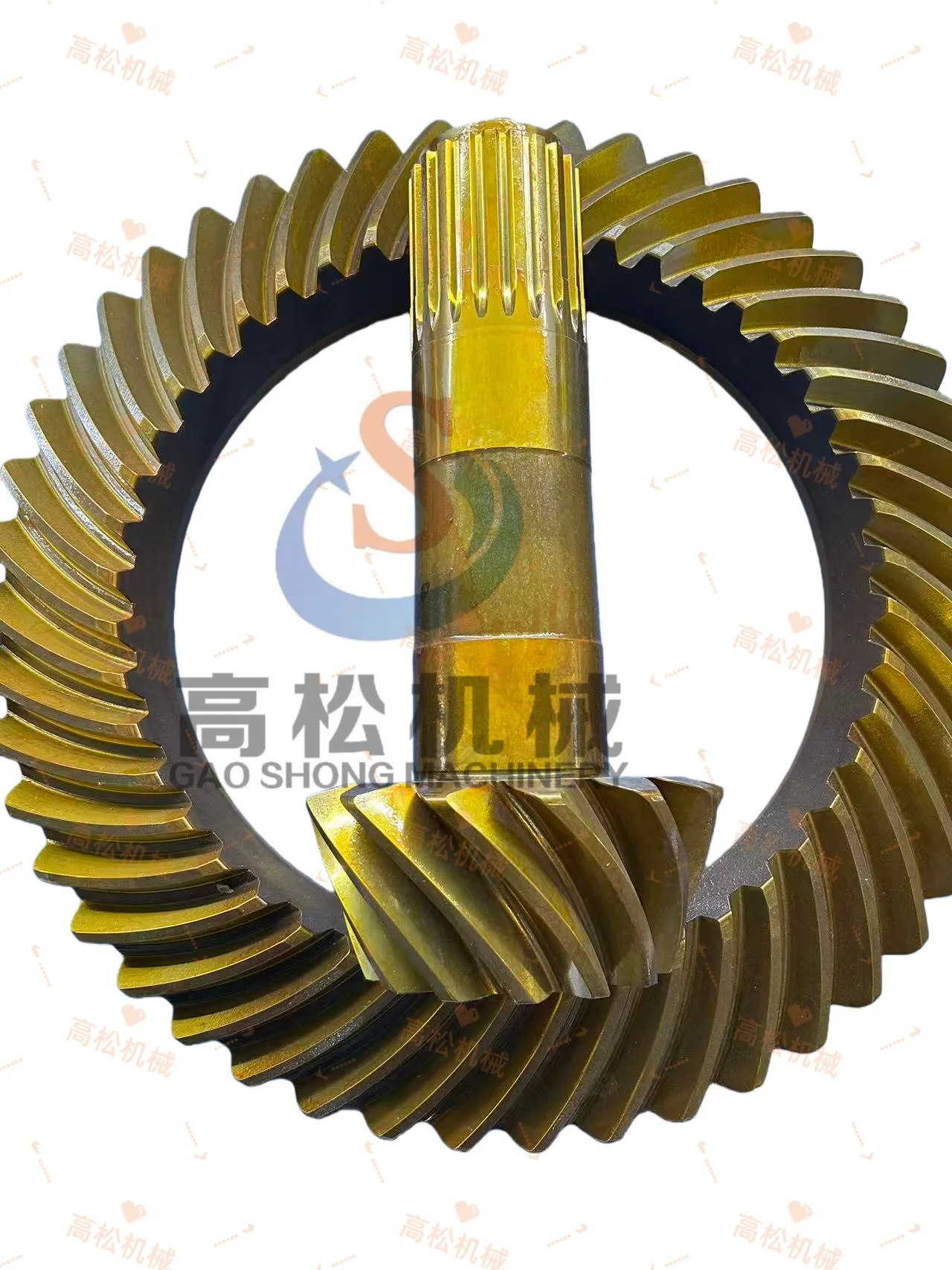 561-22-71207 561-22-71203 PINION GEAR ASS’Y HD785-7 REAR AXLE
 -
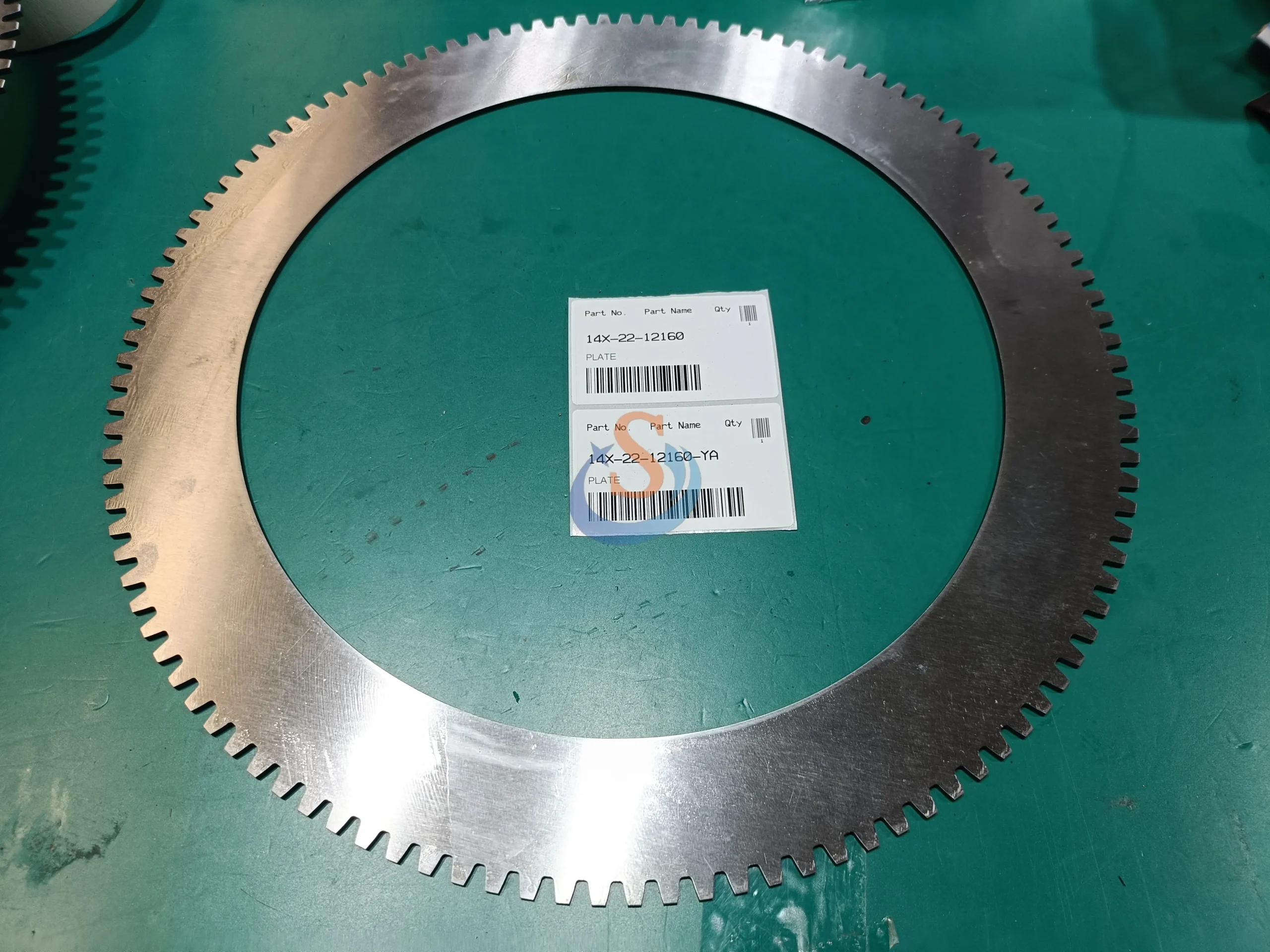 14X-22-12160,PLATE,D275A,D85ESS,D65E
 -
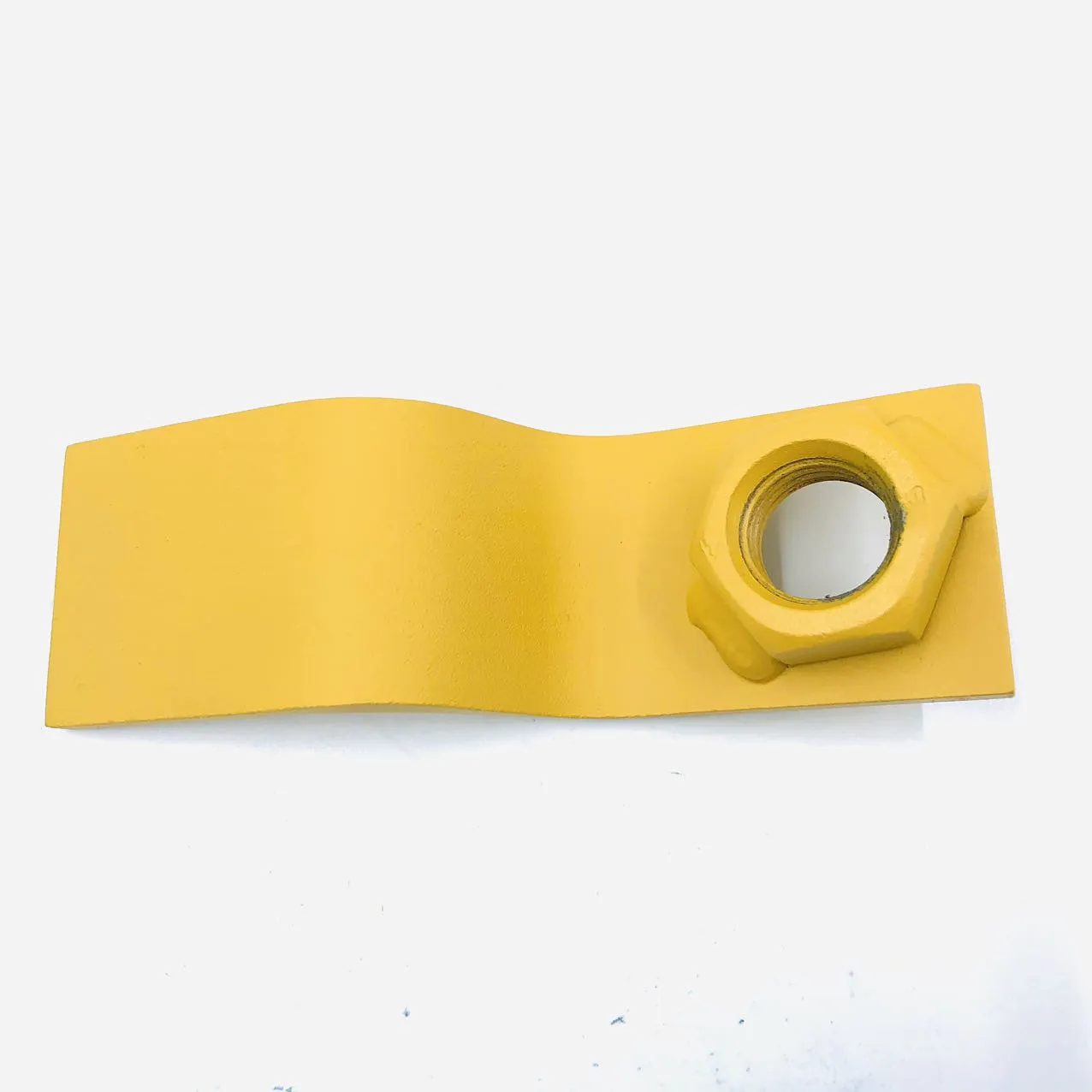 21T-00-67330 Plate -Komatsu.
 -
Kubota Excavator Receiver Drier 20Y-979-3120
-
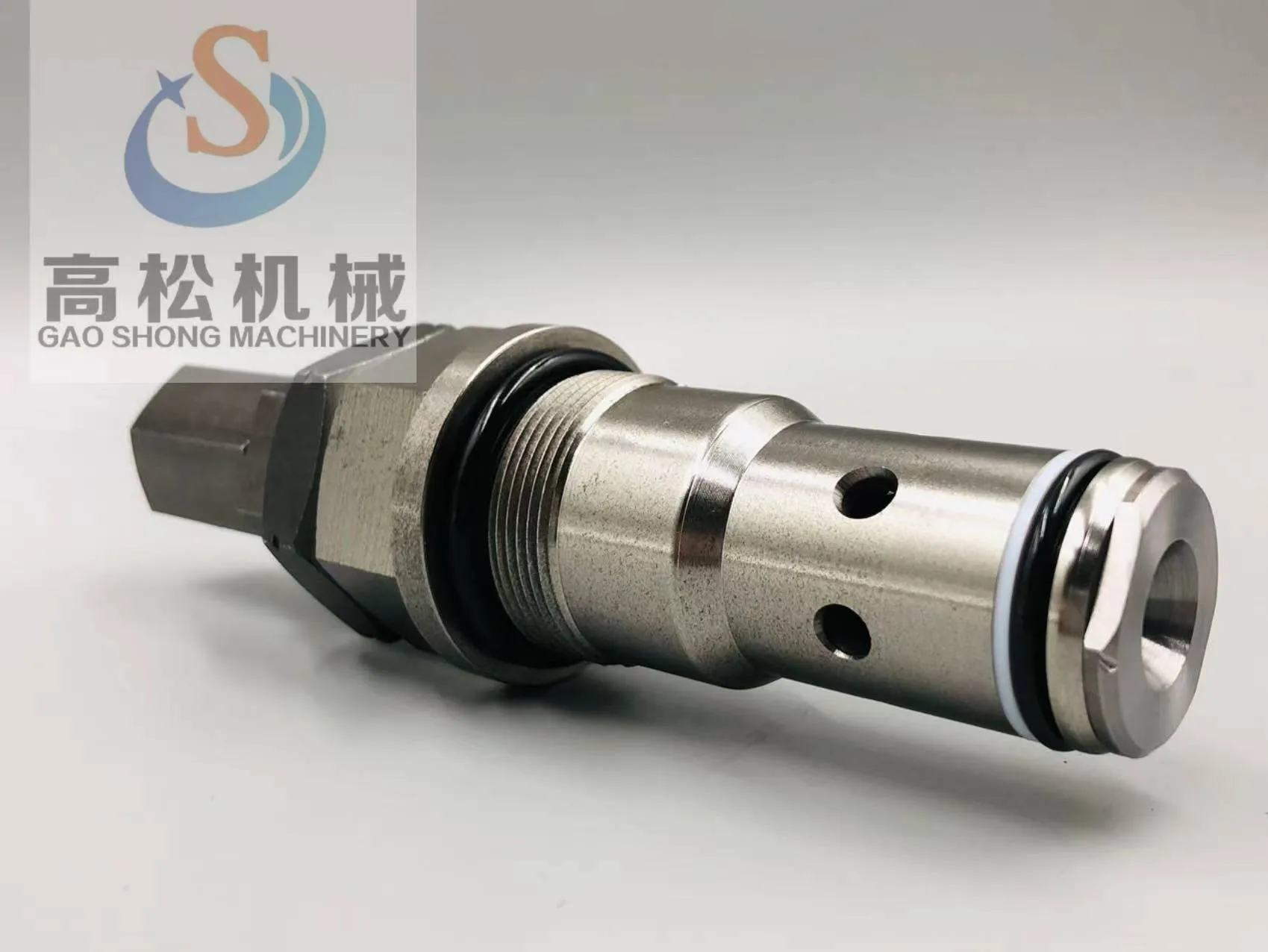 700-89-66000 relief valve Komatsu steering valve