
- Chinese
- French
- German
- Portuguese
- Spanish
- Russian
- Japanese
- Korean
- Arabic
- Irish
- Greek
- Turkish
- Italian
- Danish
- Romanian
- Indonesian
- Czech
- Afrikaans
- Swedish
- Polish
- Basque
- Catalan
- Esperanto
- Hindi
- Lao
- Albanian
- Amharic
- Armenian
- Azerbaijani
- Belarusian
- Bengali
- Bosnian
- Bulgarian
- Cebuano
- Chichewa
- Corsican
- Croatian
- Dutch
- Estonian
- Filipino
- Finnish
- Frisian
- Galician
- Georgian
- Gujarati
- Haitian
- Hausa
- Hawaiian
- Hebrew
- Hmong
- Hungarian
- Icelandic
- Igbo
- Javanese
- Kannada
- Kazakh
- Khmer
- Kurdish
- Kyrgyz
- Latin
- Latvian
- Lithuanian
- Luxembou..
- Macedonian
- Malagasy
- Malay
- Malayalam
- Maltese
- Maori
- Marathi
- Mongolian
- Burmese
- Nepali
- Norwegian
- Pashto
- Persian
- Punjabi
- Serbian
- Sesotho
- Sinhala
- Slovak
- Slovenian
- Somali
- Samoan
- Scots Gaelic
- Shona
- Sindhi
- Sundanese
- Swahili
- Tajik
- Tamil
- Telugu
- Thai
- Ukrainian
- Urdu
- Uzbek
- Vietnamese
- Welsh
- Xhosa
- Yiddish
- Yoruba
- Zulu
- Kinyarwanda
- Tatar
- Oriya
- Turkmen
- Uyghur






parts for komatsu
When you hear 'parts for Komatsu', the immediate thought for most is the official dealer network. That's the textbook answer, and it works—until it doesn't. The reality on the ground, especially in certain regions, is far more fragmented. There's a persistent misconception that only genuine parts from Komatsu's direct channels are viable. While quality is paramount, the operational truth involves a complex ecosystem of OEM suppliers and third-party specialists who bridge critical gaps. This isn't about compromising on quality; it's about understanding the actual pathways to keep equipment running when standard channels face constraints like long lead times, regional availability issues, or cost-prohibitive logistics for older models.
The OEM Reality Within the Komatsu System
Many don't realize that Komatsu itself relies on a vast network of component manufacturers. These are OEM product suppliers, producing everything from hydraulic cylinders and pumps to undercarriage components to Komatsu's specifications. They are integral to the system. A company like Jining Gaosong Construction Machinery Co., Ltd. operates within this space. Their positioning as an OEM product supplier within the Komatsu system means they understand the engineering tolerances and material specs firsthand. It's not reverse-engineering; it's being part of the original manufacturing chain. This gives them a distinct edge when it comes to part interchangeability and performance reliability compared to generic aftermarket options.
The practical benefit here is traceability and consistency. When you source a pump assembly from such a supplier, you're getting a part that was built on the same line, with the same blueprints, as the one that would go into a new machine. The difference might be the branding on the box and the distribution path. For fleet managers dealing with a mix of PC200-8s and newer Dash-10 models, this channel can be a lifesaver for common wear items. You avoid the dreaded downtime domino effect.
However, it's not always straightforward. Even within this OEM-supplier relationship, production runs change. A part number for a Komatsu 6D114 engine gasket set might have subtle revisions over the years. A good supplier will know this and cross-reference the serial number breaks. I've seen instances where a direct fit OEM-supplied part required a minor modification because the machine was a transition model. That's where real experience beats a simple parts catalog lookup.
The Third-Party Role in Solving Regional Challenges
This is where the model gets interesting. The same entity, like Jining Gaosong, also acts as a third-party sales company for Komatsu parts. This dual role is crucial. As they note, they help solve parts supply challenges in certain countries. Think about markets in Africa, Southeast Asia, or parts of South America. Official dealer networks might be thin, inventory limited to fast-moving items, and import duties crippling. A dedicated third-party operator aggregates demand, maintains strategic stock of both genuine and OEM-quality parts, and navigates the local logistics maze.
I recall a project in a remote mining area where a Komatsu D155 dozer's final drive failed. The local dealer's quote had a 12-week lead time and a staggering price due to import hurdles. We connected with a third-party specialist who had the OEM-spec final drive housing in a bonded warehouse in a neighboring country. It was shipped and cleared through local channels they had relationships with, and we had the part on-site in 18 days. The machine was back online in three weeks total. That's the tangible value. It wasn't about being cheaper (though it was), but about being possible.
The pitfall here, of course, is vetting. Not all third-party companies have the technical backbone. The key is to find those that do more than just drop-ship. They should offer technical support, have clear documentation on part origins (OEM supplier vs. licensed aftermarket), and understand machine application. Asking for a material certification or a previous case study for a similar Komatsu model is a good start. The good ones expect these questions.
Case in Point: The Undercarriage Quandary
Let's get specific. Undercarriage parts—track chains, rollers, idlers, sprockets—are the bread and butter of heavy equipment maintenance and a perfect example of the supply chain layers. For a Komatsu excavator, you have the Komatsu-branded option (often premium priced), the OEM-supplier equivalent (sometimes identical, sometimes with minor branding differences), and then a spectrum of aftermarket options.
An OEM supplier within the system will often produce the base component, like a track link. The final branding and price point are determined by its route to market. A third-party sales company might stock these OEM-supplier links, package them with compatible pins and bushings from another qualified manufacturer, and offer them as a complete chain assembly. Is it genuine Komatsu? In the strictest sense, no. Is it a reliable, cost-effective solution for a mid-life machine that needs a rebuild? Absolutely, if the supplier is credible.
The failure mode I've observed is mixing tiers incorrectly. Putting a top-tier sprocket with a bottom-tier chain will accelerate wear on both. A competent supplier will guide you toward a matched set. For instance, for a mid-duty application on a PC300, they might recommend their OEM-supplier rollers paired with a reputable aftermarket track chain that's known for good hardness specs. They should be able to explain why that combination works based on actual field data, not just a sales pitch.
Beyond the Part: The Support That Matters
Ultimately, sourcing parts for Komatsu machinery is less about the transaction and more about securing a support node. The part itself is a commodity; the knowledge and logistical capability behind it are not. When evaluating a source, I look for signs of embedded expertise. Do they ask for the machine serial number and application (e.g., high-impact rock loading vs. general excavation)? Can they discuss common failure modes for a specific component, like the swing drive on a Dash-8 series?
Companies functioning as both OEM-system suppliers and third-party solvers, like the mentioned Jining Gaosong, often develop this depth. They see the patterns—which parts fail prematurely in high-dust environments, which hydraulic hoses have better flex-fatigue life. This isn't academic; it's learned from thousands of orders and follow-ups. Their website might state they help solve supply challenges, but the real test is in a technical conversation. Can they tell you the torque sequence for a Komatsu wheel loader hub, or the recommended break-in procedure for a newly installed pump? That's the difference.
A red flag is a supplier that only talks price and availability. A green flag is one that also asks, What's the symptom? and What's the machine's working condition? before recommending a part. This suggests they're thinking about the repair's success, not just the sale. It turns a parts purchase into a troubleshooting partnership.
Closing the Loop: A Pragmatic Approach
So, what's the takeaway? The landscape for Komatsu parts is multi-tiered. The official channel is essential for warranty work, critical electronics, and when budget and time allow. But for the vast majority of operational maintenance—especially for fleets outside major industrial hubs—the network of established OEM-system suppliers and technically adept third-party companies is indispensable.
The goal isn't to bypass quality but to access it through more efficient and sometimes more innovative channels. It requires due diligence: checking certifications, asking for references on specific part families, and starting with a non-critical order to test the waters. Look for entities that are transparent about their role in the chain. Are they a manufacturer, a warehouse, a technical distributor? Their clarity here builds trust.
In the end, keeping a Komatsu machine running is a practical challenge. It demands a pragmatic blend of parts sources. Leveraging the OEM-supplier and third-party nexus, when done with careful selection, isn't a workaround—it's a smart, operational strategy for real-world equipment management. It turns supply chain headaches into manageable, predictable processes.
Related Products
Related Products

Best Selling Products
Best Selling Products-
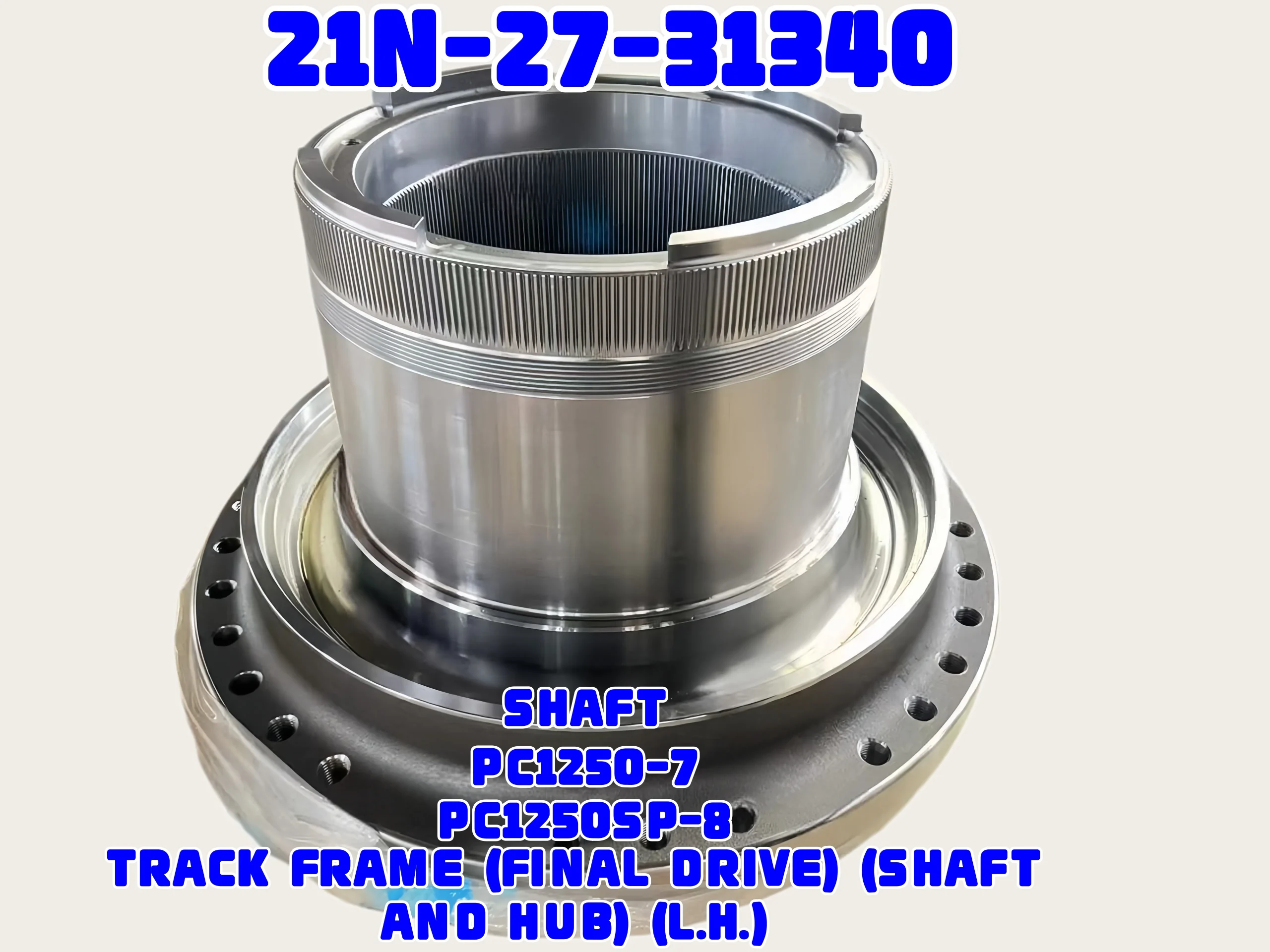 SHAFT 21N-27-31340 PC1250-7 PC1250-8 PC1250-8R TRACK FRAME (FINAL DRIVE) (SHAFT AND HUB) (L.H.) FINAL DRIVE
 -
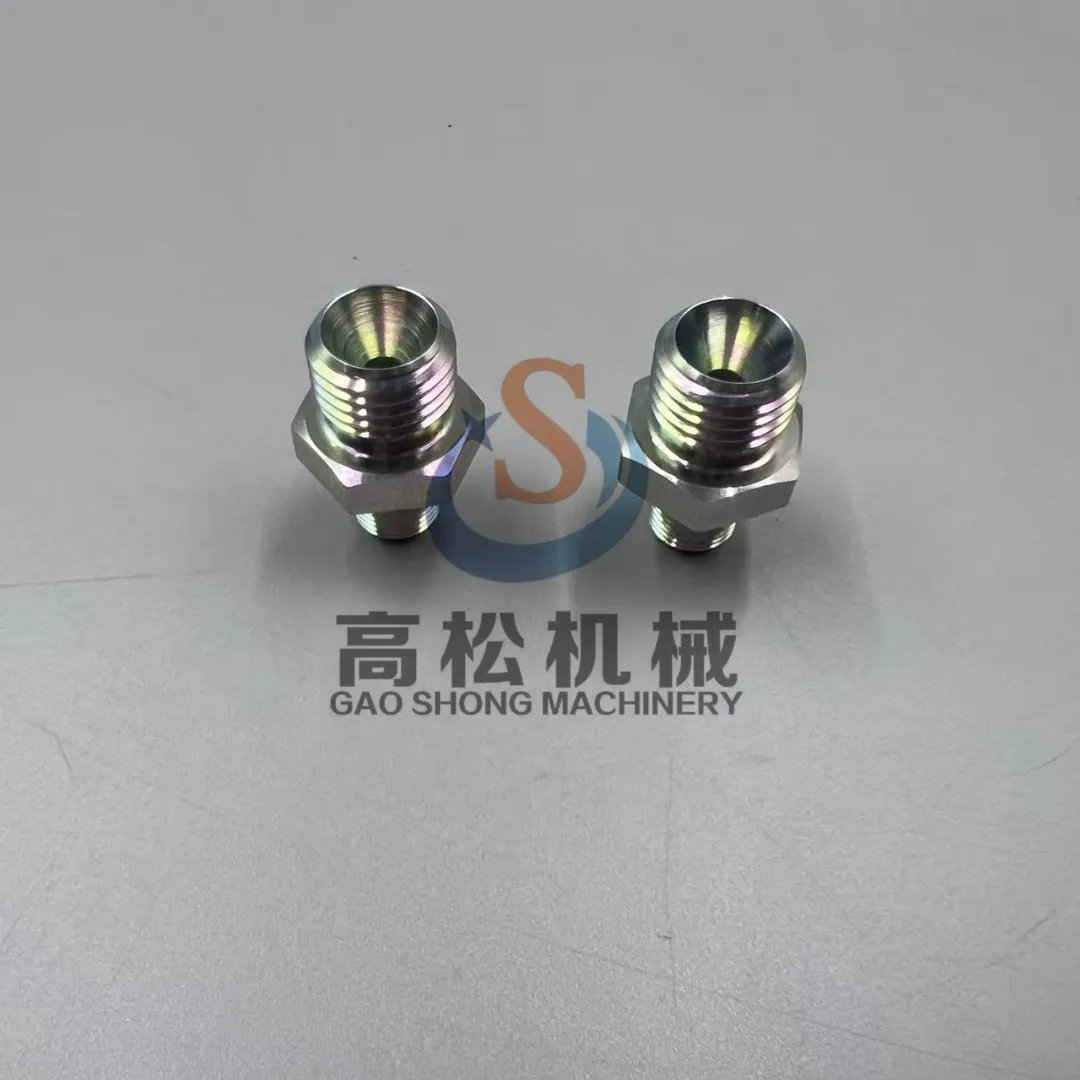 07213-50710 Connector for Komat Su D275A/D375A/D475A/PC600/PC1250
 -
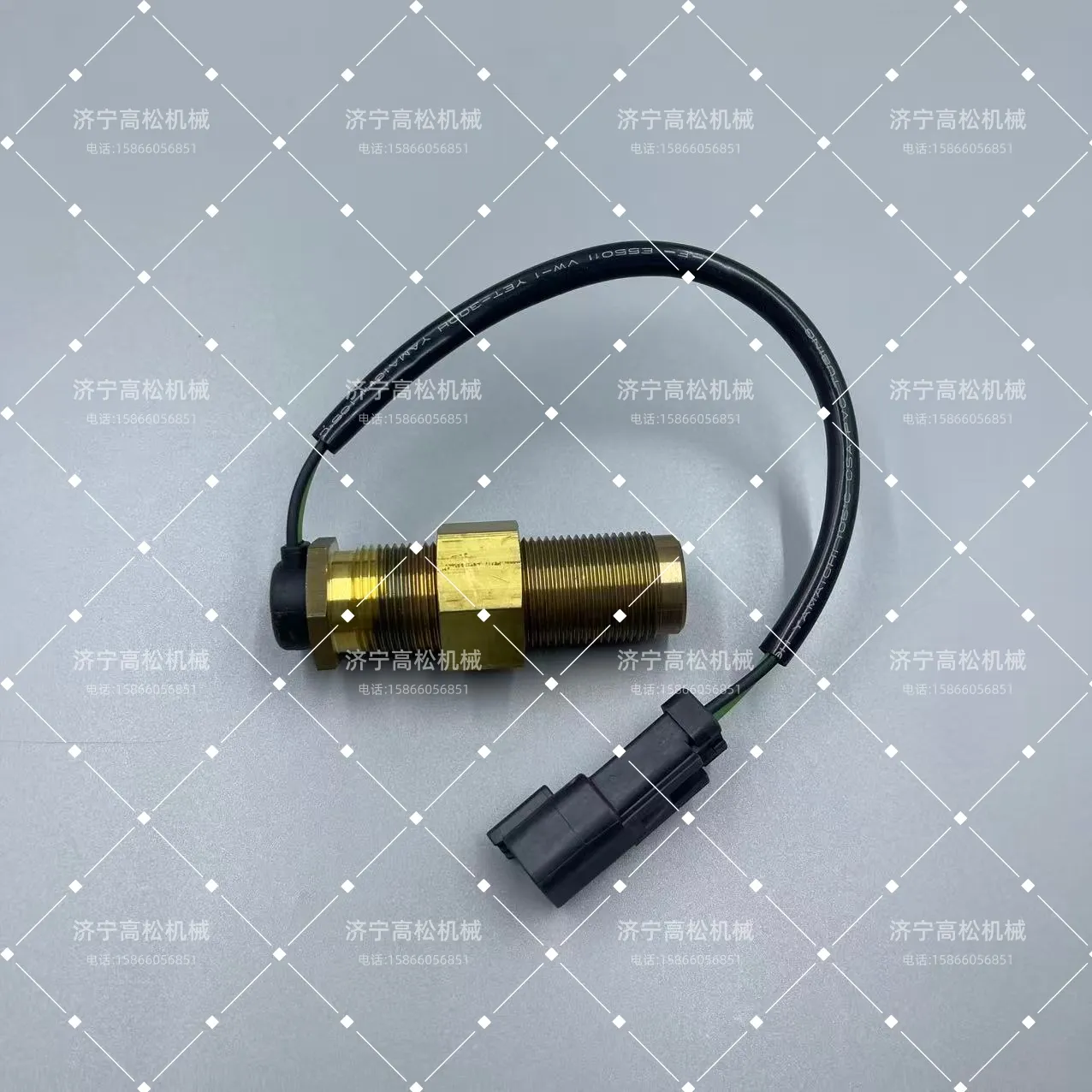 Revolution Sensor 7861-93-2330 for Bulldozer D85EX-15
 -
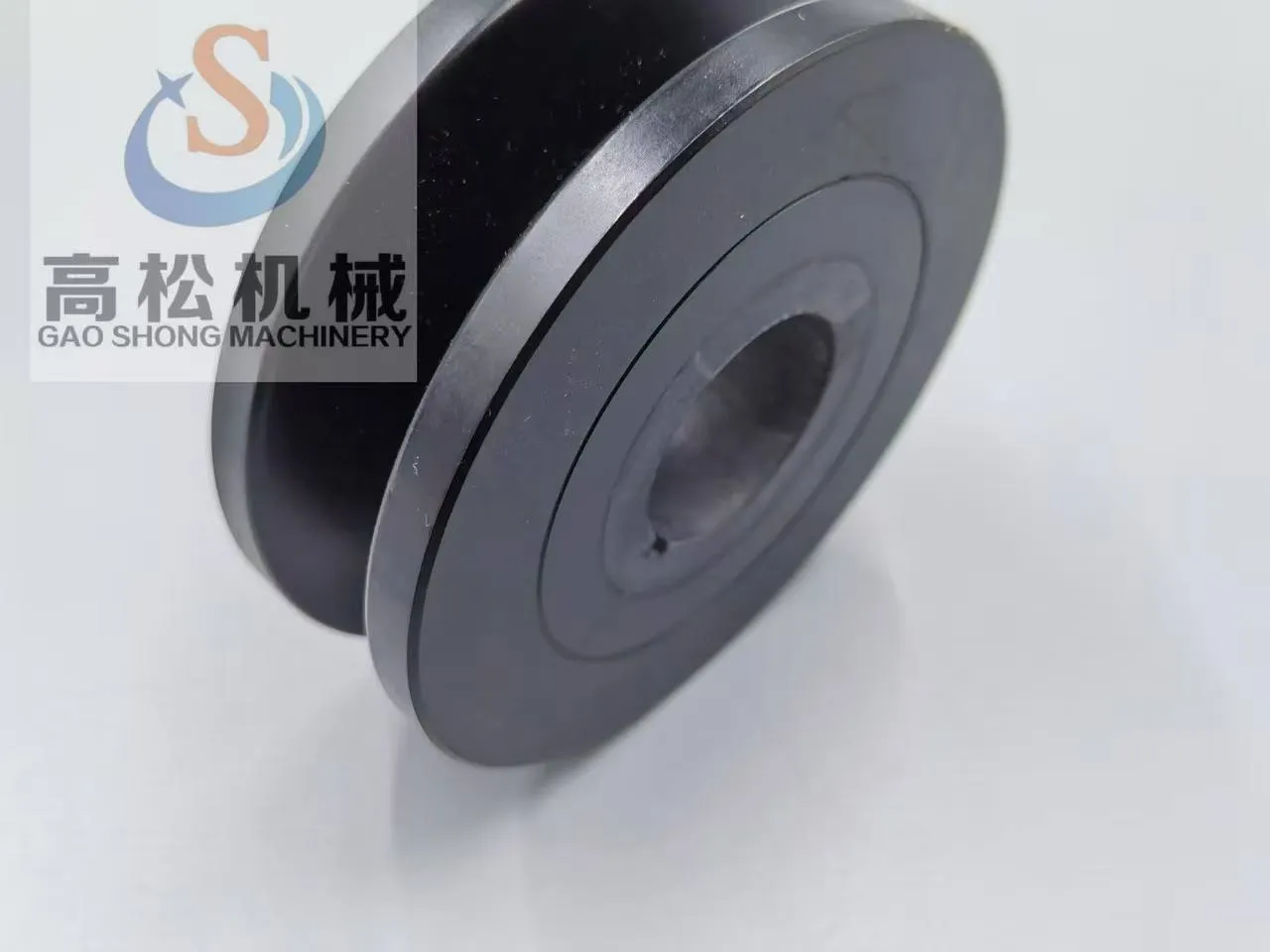 KD0-35411-0854 Komatsu pulley. Compatible with model Hd785. Available for immediate shipment.
 -
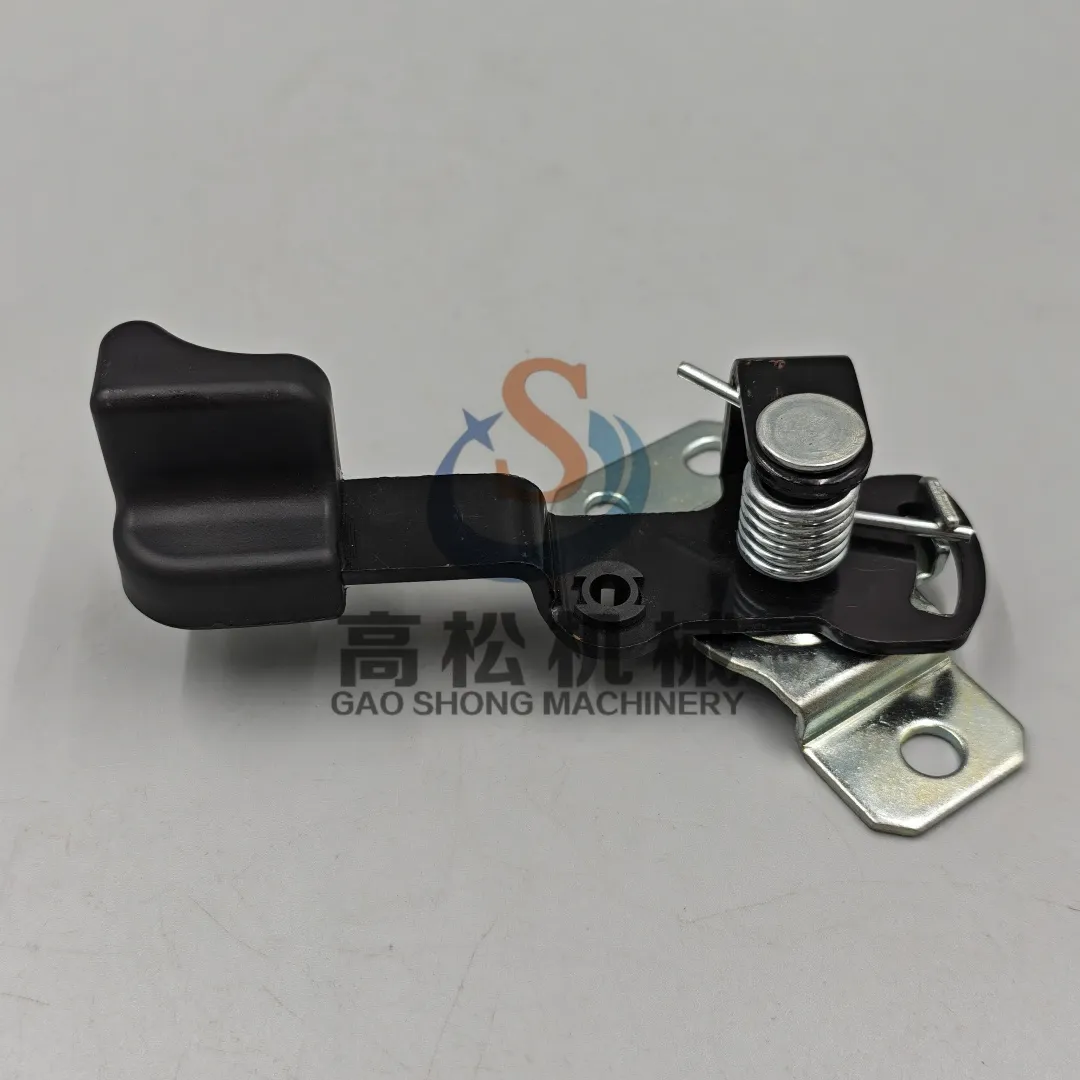 Door Lock Assembly 20Y-54-52820 Latch 20Y-53-12201 Handle Ass’s 20Y-54-52300 for Komatsu PC220-8
 -
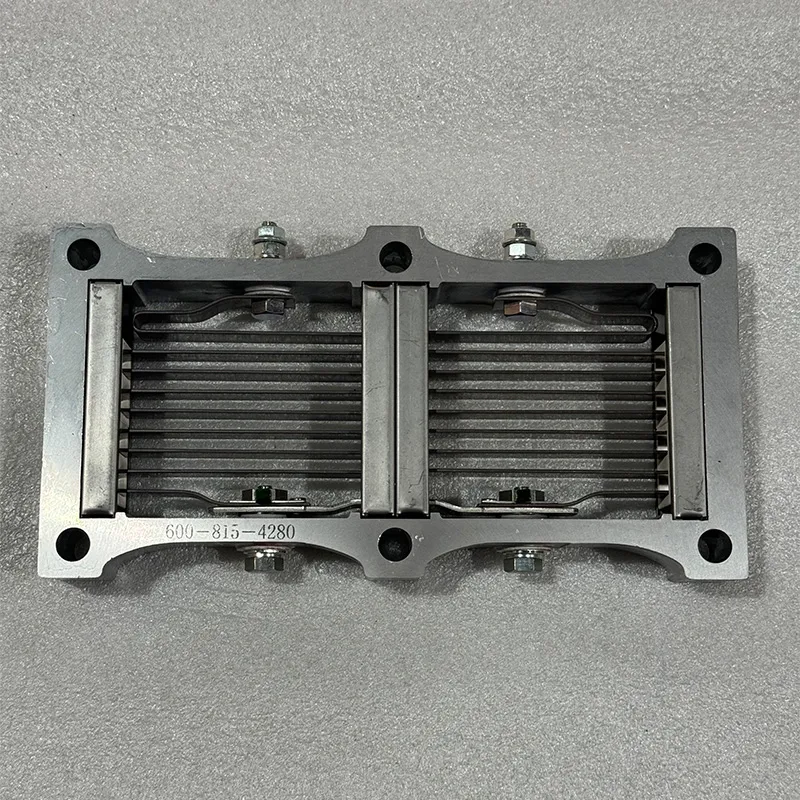 600-815-4280 Original komatsu Heater Ribbon for komatsu SAA6D engines
 -
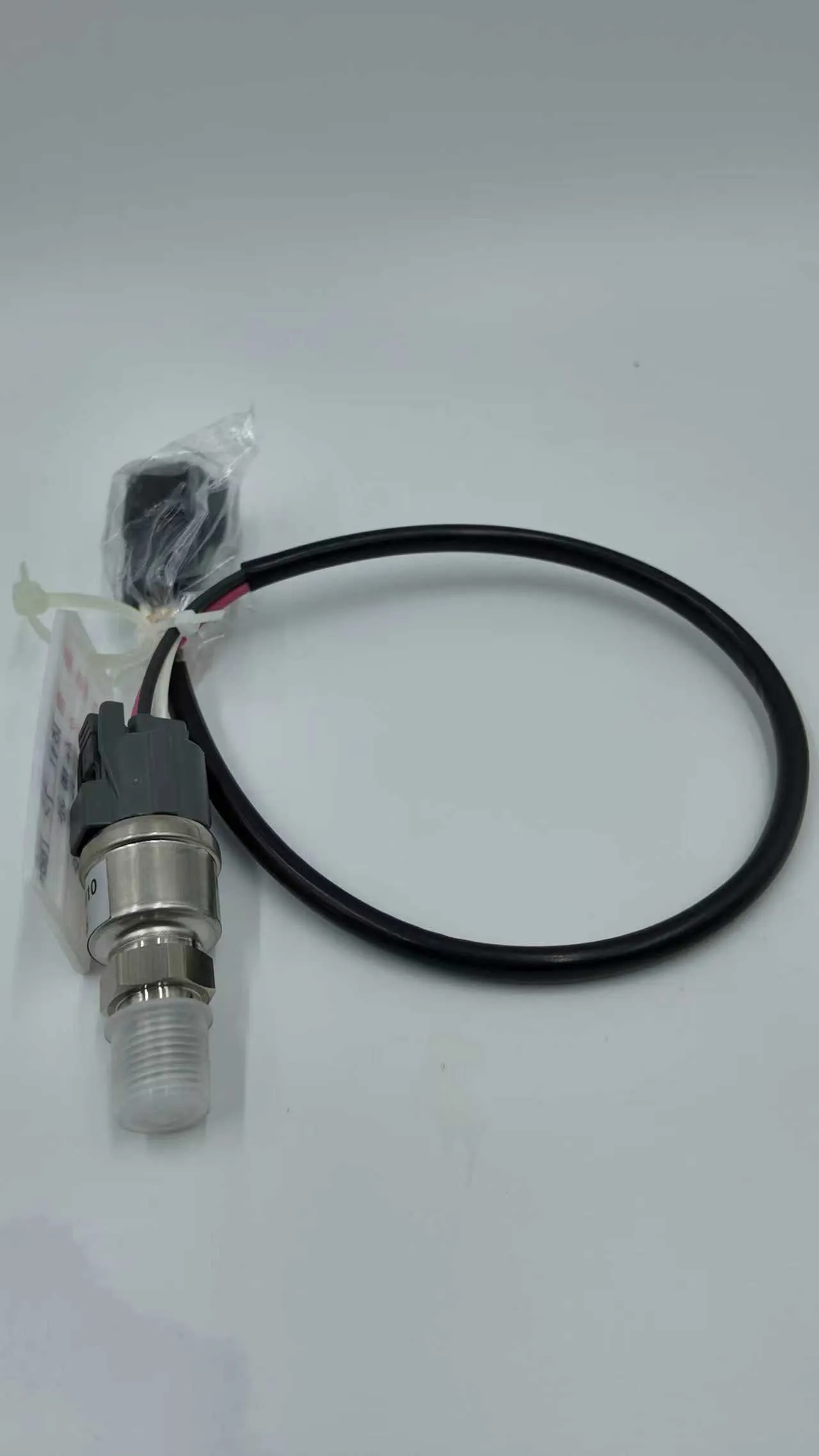 7861-93-1680-SENSOR-Komatsu Original Factory
 -
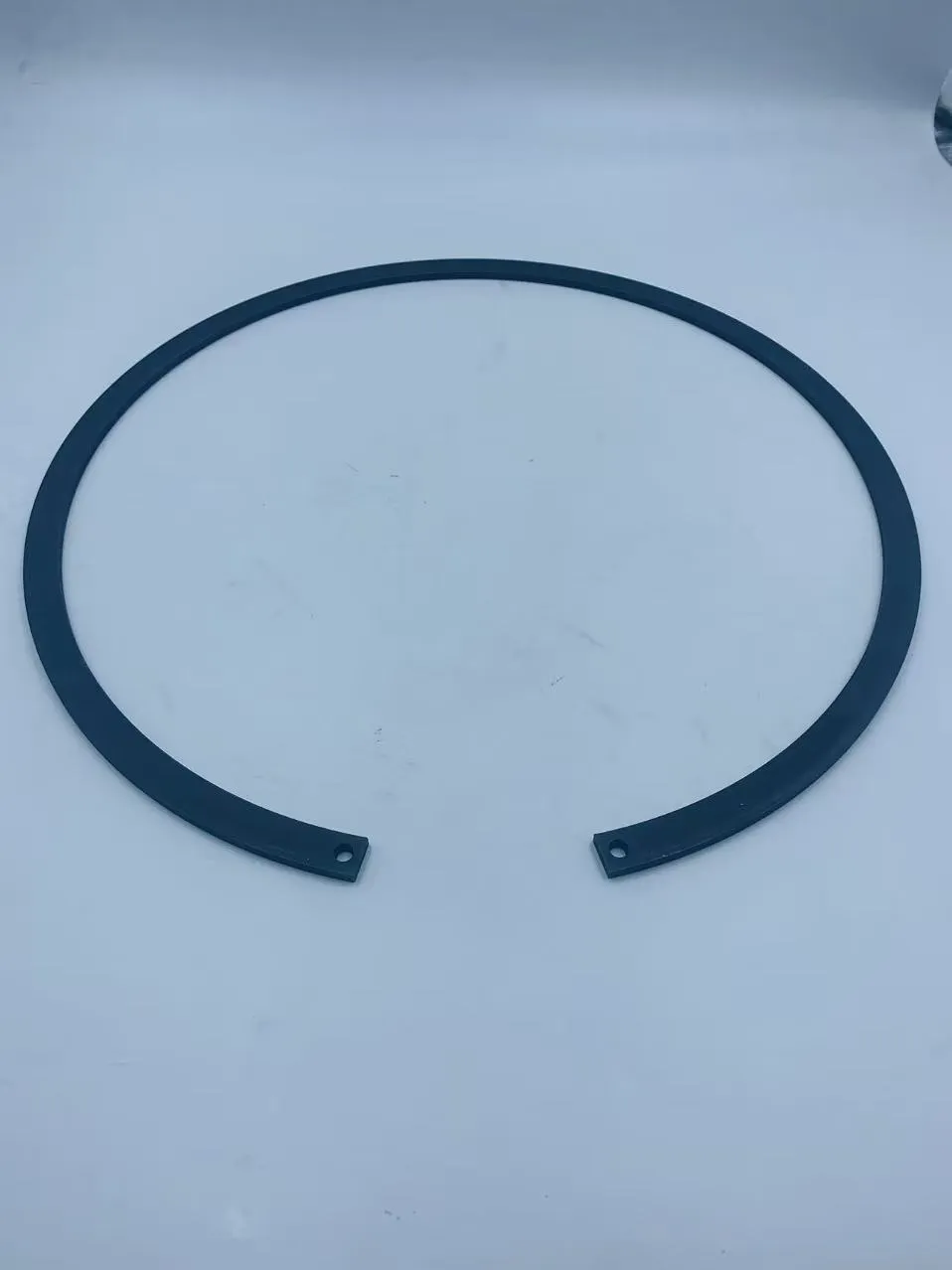 21T-26-11270 Komatsu Snap
 -
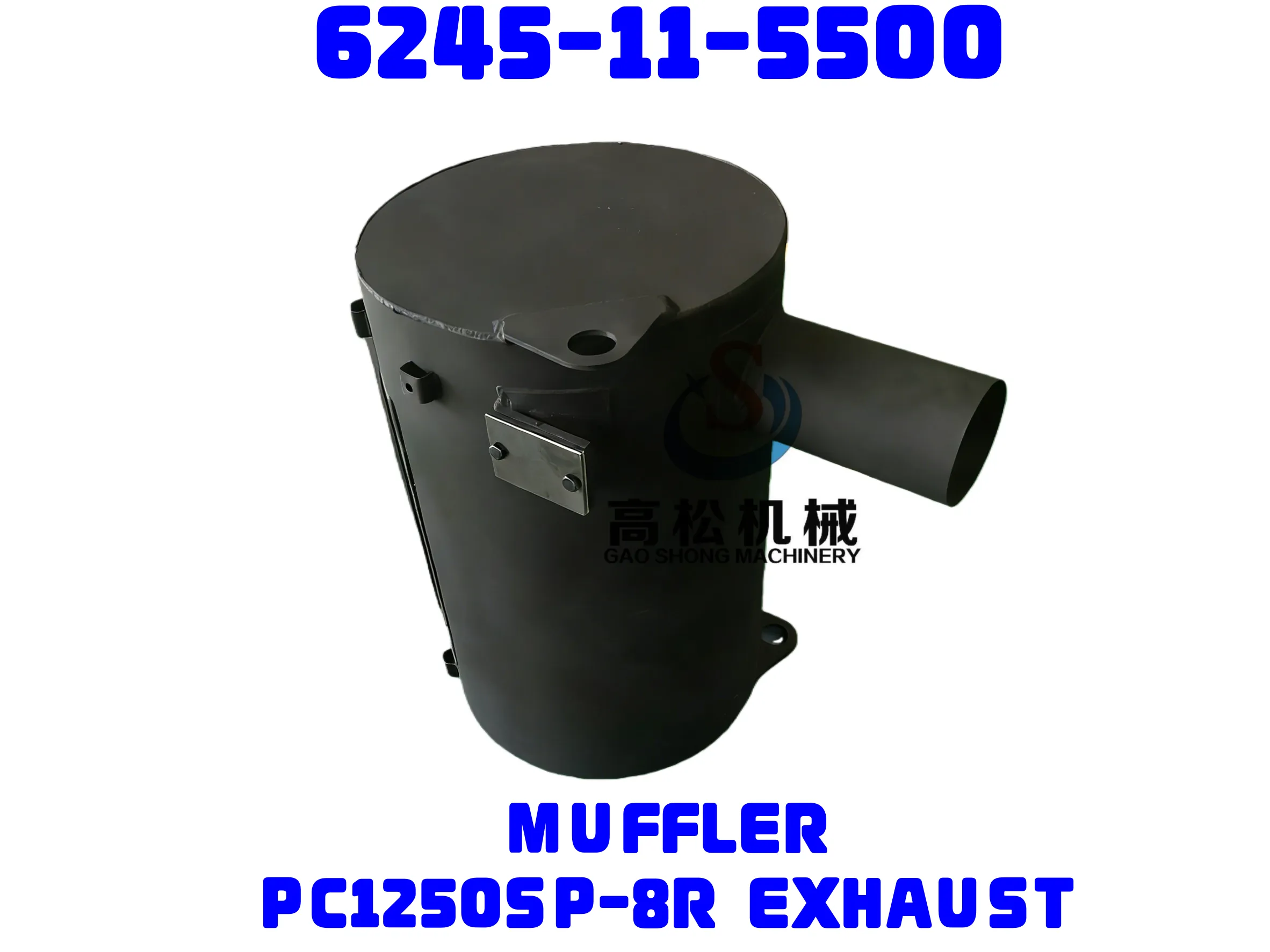 komatsu parts 6245-11-5500 MUFFLER PC1250SP-8R EXHAUST MUFFLER SAA6D170E-5CR-W MUFFLER MOUNTING
 -
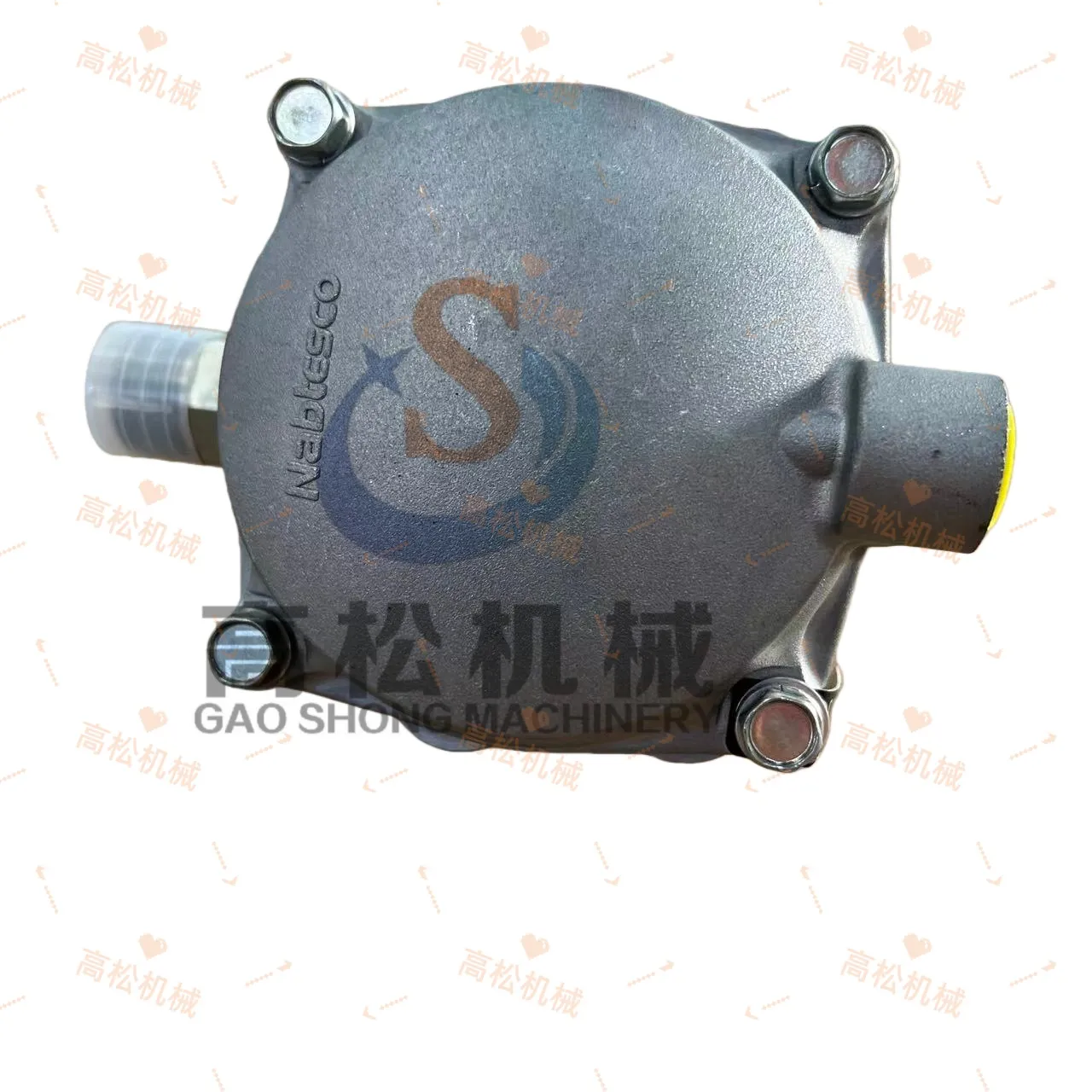 Komatsu HD785-5 Relay Valve 565-44-11200
 -
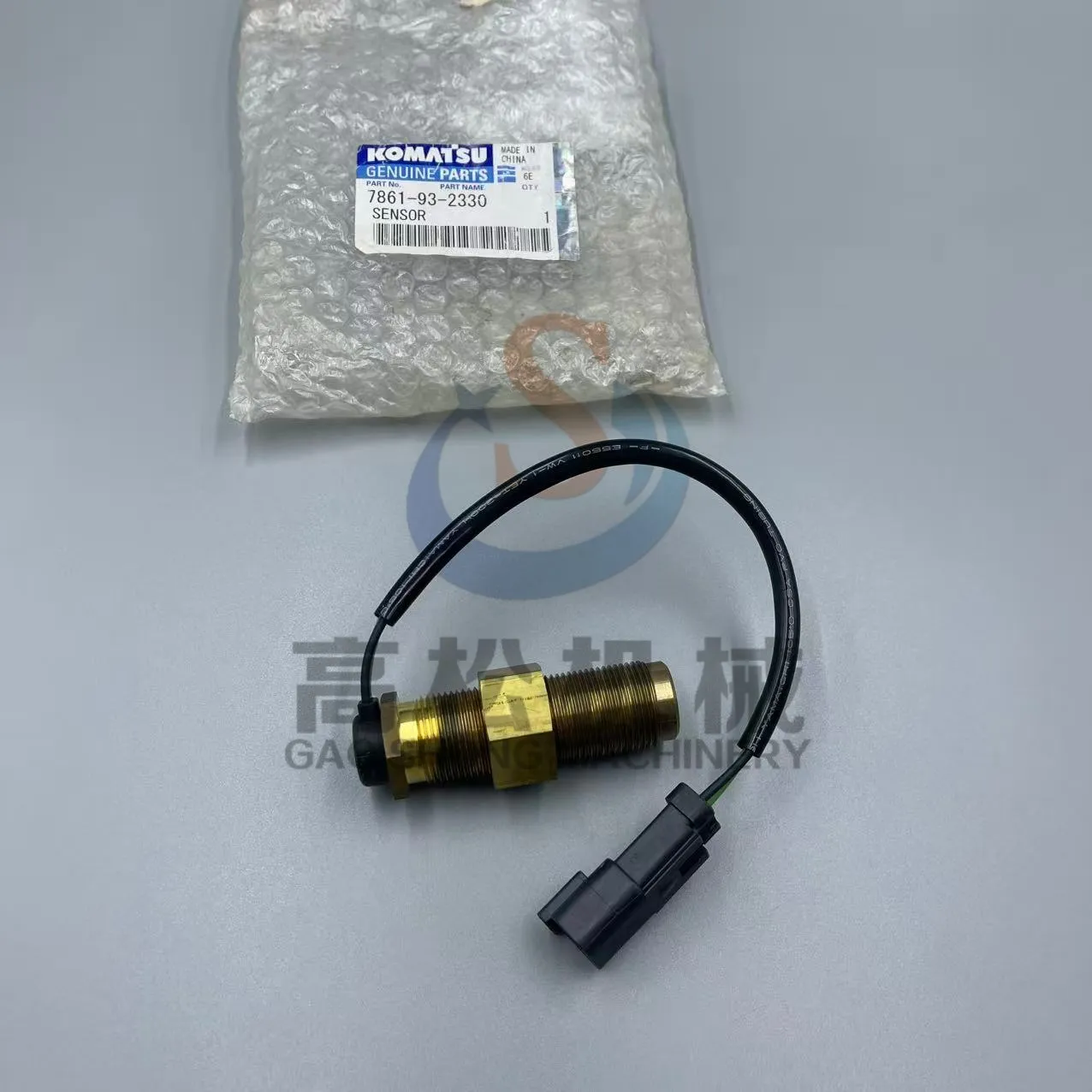 7861-93-2330 Sensor
 -
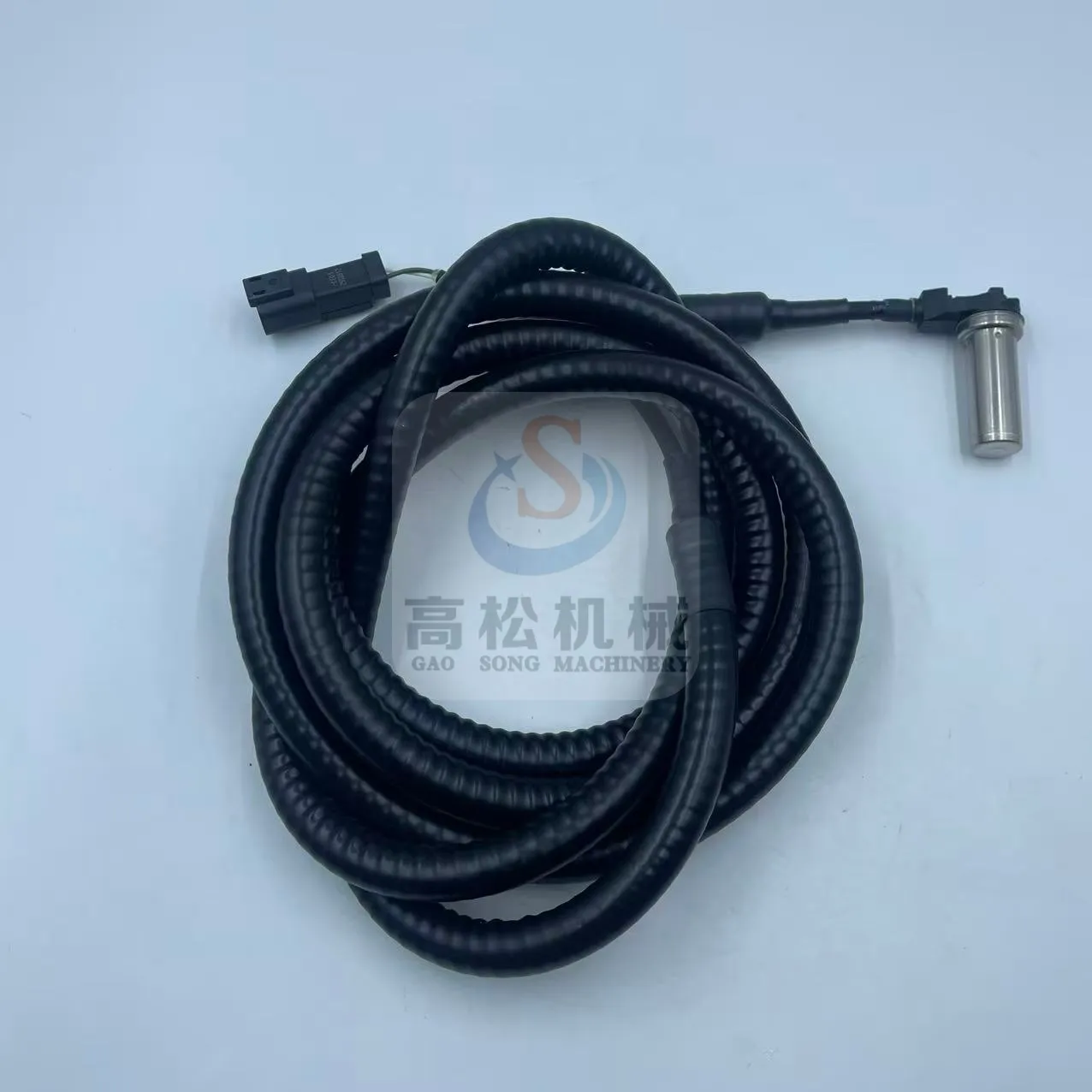 566-88-66143 sensor for Komatsu HD465-7