
- Chinese
- French
- German
- Portuguese
- Spanish
- Russian
- Japanese
- Korean
- Arabic
- Irish
- Greek
- Turkish
- Italian
- Danish
- Romanian
- Indonesian
- Czech
- Afrikaans
- Swedish
- Polish
- Basque
- Catalan
- Esperanto
- Hindi
- Lao
- Albanian
- Amharic
- Armenian
- Azerbaijani
- Belarusian
- Bengali
- Bosnian
- Bulgarian
- Cebuano
- Chichewa
- Corsican
- Croatian
- Dutch
- Estonian
- Filipino
- Finnish
- Frisian
- Galician
- Georgian
- Gujarati
- Haitian
- Hausa
- Hawaiian
- Hebrew
- Hmong
- Hungarian
- Icelandic
- Igbo
- Javanese
- Kannada
- Kazakh
- Khmer
- Kurdish
- Kyrgyz
- Latin
- Latvian
- Lithuanian
- Luxembou..
- Macedonian
- Malagasy
- Malay
- Malayalam
- Maltese
- Maori
- Marathi
- Mongolian
- Burmese
- Nepali
- Norwegian
- Pashto
- Persian
- Punjabi
- Serbian
- Sesotho
- Sinhala
- Slovak
- Slovenian
- Somali
- Samoan
- Scots Gaelic
- Shona
- Sindhi
- Sundanese
- Swahili
- Tajik
- Tamil
- Telugu
- Thai
- Ukrainian
- Urdu
- Uzbek
- Vietnamese
- Welsh
- Xhosa
- Yiddish
- Yoruba
- Zulu
- Kinyarwanda
- Tatar
- Oriya
- Turkmen
- Uyghur






parts book komatsu pc200 7
If you're just looking up a 'parts book komatsu pc200 7', you might think it's a simple catalog. That's the first mistake. In reality, it's the starting point for a much deeper conversation about what you actually need, what's available, and what will keep that machine running without bleeding your budget dry. I've seen too many guys order the wrong seal kit because they just grabbed the part number without understanding the serial number break or the regional spec variation. The book is a guide, not an oracle.
Why the Official Book Isn't the Whole Story
Komatsu's official parts catalog is precise, no doubt. For the PC200-7, it breaks down every pin, every bushing, every O-ring. But here's the rub: availability and cost. If you're operating in a region where official Komatsu distribution is thin or slow, waiting for a genuine hydraulic pump assembly can mean weeks of downtime. The book gives you the blueprint, but it doesn't solve the supply chain puzzle.
This is where the distinction between OEM and aftermarket gets real. An OEM supplier within the Komatsu system, like Jining Gaosong Construction Machinery Co., Ltd., operates in a unique space. They have access to the same technical specifications and often the same production lines for many components. When you look at their site, takematsumachinery.com, you're not just looking at a parts seller. As they state, they're an OEM product supplier and a third-party sales channel for Komatsu. In practice, this means they can often provide the exact part that matches your parts book diagram, sometimes with a shorter lead time than the official route, especially for markets with supply challenges.
I learned this the hard way on a project in West Africa. We had a PC200-7 with a cracked final drive case. The local Komatsu dealer quoted a 3-month lead time. By cross-referencing the part number from our manual and reaching out to a supplier with direct OEM links, we sourced a certified housing in 3 weeks. It wasn't about bypassing Komatsu; it was about using their extended network to find a solution.
Decoding the PC200-7's Critical Wear Items
Let's get specific. Any veteran operator or mechanic will tell you that for the Dash-7, the usual suspects are undercarriage and hydraulics. The komatsu pc200 7 was a workhorse, but its age now means you're not doing preventative maintenance, you're managing failure points.
The swing circle bearing is a classic. The parts book lists it as a single assembly, but the real issue is the seal kit. If you just order the bearing without the proper, updated seal kit (and there was a minor revision around 2009), you'll be doing the job again in a year. A good supplier won't just sell you the part; they'll ask for your machine's serial number and likely recommend the seal update proactively.
Then there's the pump regulators. The book shows them as individual components. In the field, we often found that after a certain number of hours, just replacing the worn servo piston wasn't enough. The entire regulator body would be scored. A knowledgeable parts source, one that understands rebuilds, might suggest a complete exchange unit instead of chasing individual sub-components, saving labor and future headaches.
The Pitfalls of Blind Cross-Referencing
This is a major trap with aftermarket parts. You see a cylinder rod for the PC200-7 listed on three different websites, all with different price points. They might fit, but the hardness of the chrome, the quality of the rod grinding, and the specification of the gland seal groove are where the devil lives. A cheap rod will wear out the seal pack in half the time.
This is the value of a supplier that is integrated into the Komatsu ecosystem. Their business isn't just selling generic parts; it's solving supply challenges. When Jining Gaosong says they help solve parts supply challenges in certain countries, it implies they vet quality against OEM benchmarks. They're not a random reseller; they're a channel that has to maintain a reputation within that technical framework. For a critical component like a cylinder rod, that connection matters more than saving 15% upfront.
I once tried a budget track link assembly from a non-specialized vendor. The pitch was off by maybe a millimeter. Not enough to notice at first, but it accelerated sprocket wear dramatically. The savings were wiped out by the cost of a new sprocket and another set of links six months later. The parts book had the right number, but the physical part didn't match the precision.
When Equivalent Isn't Equal: Filters and Fluids
It's tempting to think a filter is a filter. For the PC200-7's hydraulic system, that's a quick way to introduce contamination. The parts book specifies Komatsu's filters for a reason—their media density and bypass valve pressure are matched to the system's tolerances.
Using a random equivalent can lead to either premature clogging (if the media is too dense) or insufficient filtration (if it's too loose). A supplier operating as a third-party for Komatsu is far more likely to stock filters that meet the actual OEM performance specification, not just the thread size. It's a small detail that protects a very expensive hydraulic system.
The same goes for fluids. The book calls for Komatsu Super Hydraulic Fluid or an equivalent meeting a specific ISO standard. Equivalent here is a minefield. We had a fleet owner switch to a cheaper fluid to cut costs. Within 1000 hours, multiple pumps showed increased noise and loss of efficiency. The cheaper fluid had different additive packages that didn't play well with the seals and the pump's anodized surfaces. Sticking with a supplier that understands the OEM chemistry requirements is cheaper in the long run.
Leveraging the Book for Smarter Sourcing
So, how do you use the parts book effectively? First, it's your bible for the correct part number and serial number application. Never order without that. Second, use it as a tool to qualify your supplier. When you contact a company, reference the specific page or illustration number from your komatsu pc200 7 manual. A good technical salesperson will immediately understand what you're looking at and can discuss options—genuine, OEM-alternative, or quality aftermarket for non-critical items.
A platform like takematsumachinery.com represents a hybrid model. For a pump cover gasket (a simple part), they might have a cost-effective aftermarket option that's perfectly fine. For a complete main control valve, they would almost certainly steer you toward an OEM-spec or genuine unit because the risk of failure is too high. Their role as a problem-solver in the supply chain means they have to make these judgments daily.
Ultimately, the parts book is the beginning. The end is getting the right component on your machine with minimal downtime. That journey often goes beyond the first-page Google result or the local dealer's stock. It involves finding those nodes in the global parts network—companies that fill the gaps between the official distribution centers and the end user in remote locations. For the enduring PC200-7 fleet, that's not just convenient; it's essential for keeping them economically viable.
Related Products
Related Products

Best Selling Products
Best Selling Products-
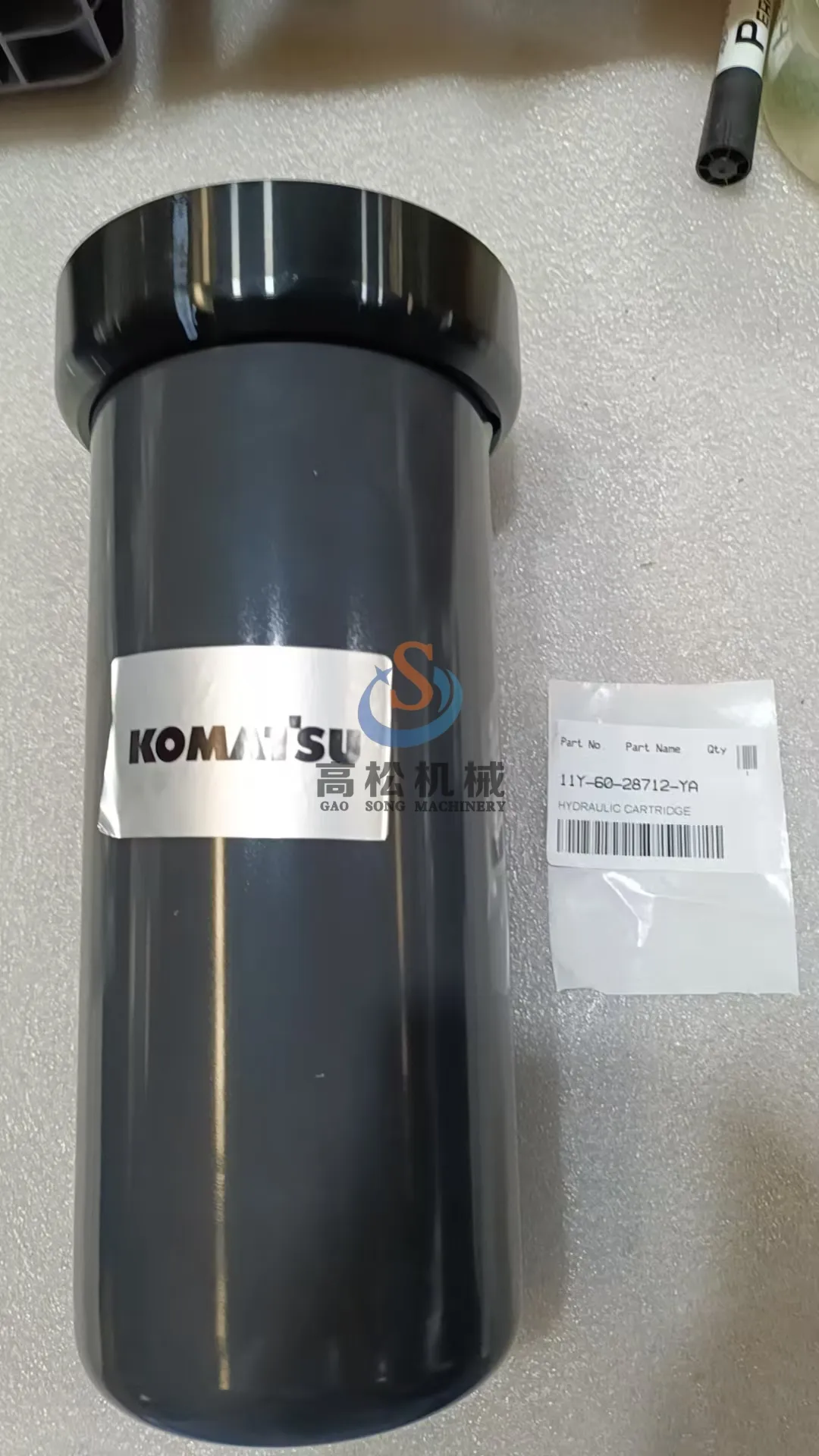 11Y-60-28712 komatsu CARTRIDGE-D37/D61
 -
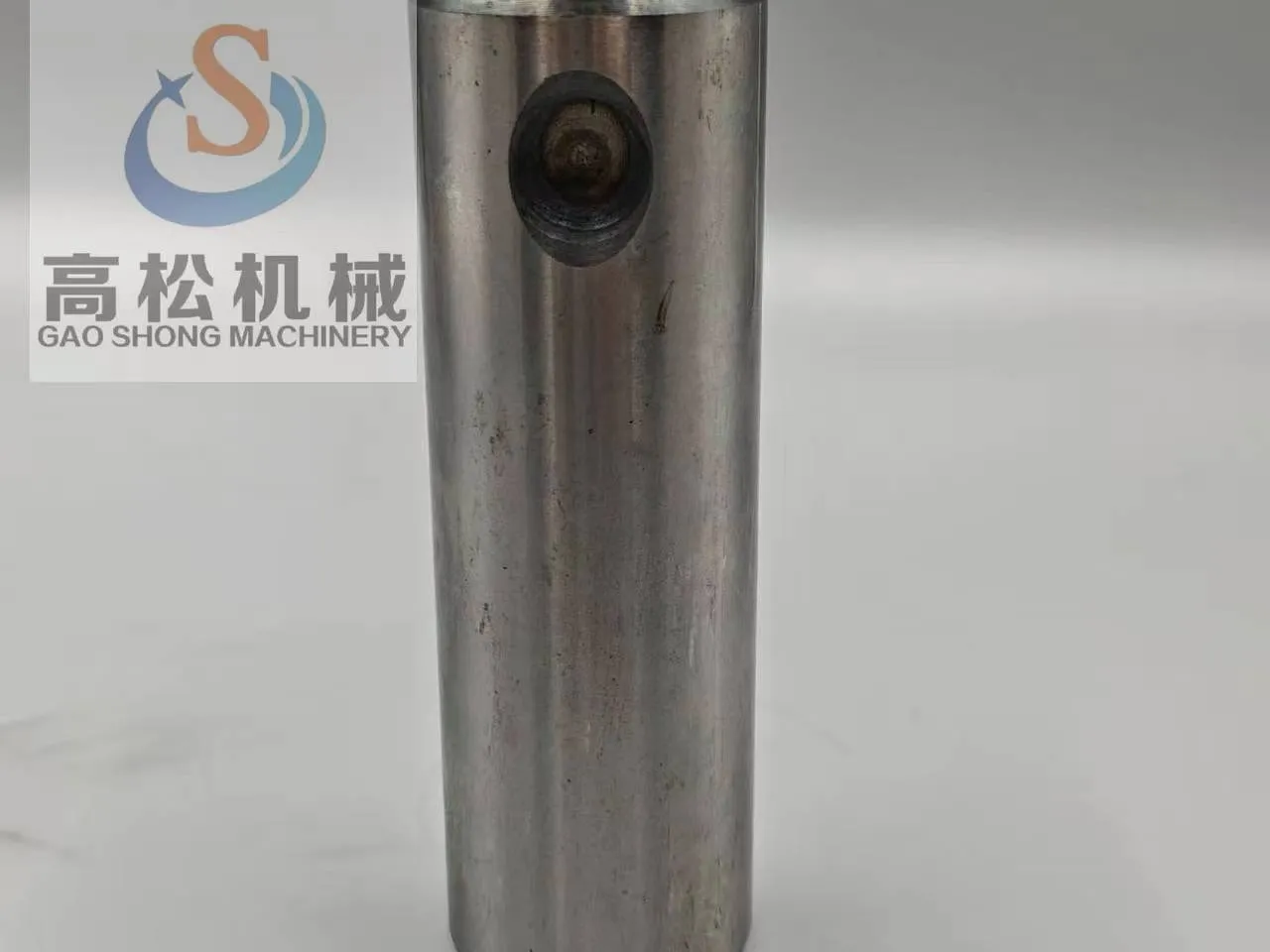 Komatsu Pin, 20Y-27-31160 Komatsu Sales, 20Y-27-31160
 -
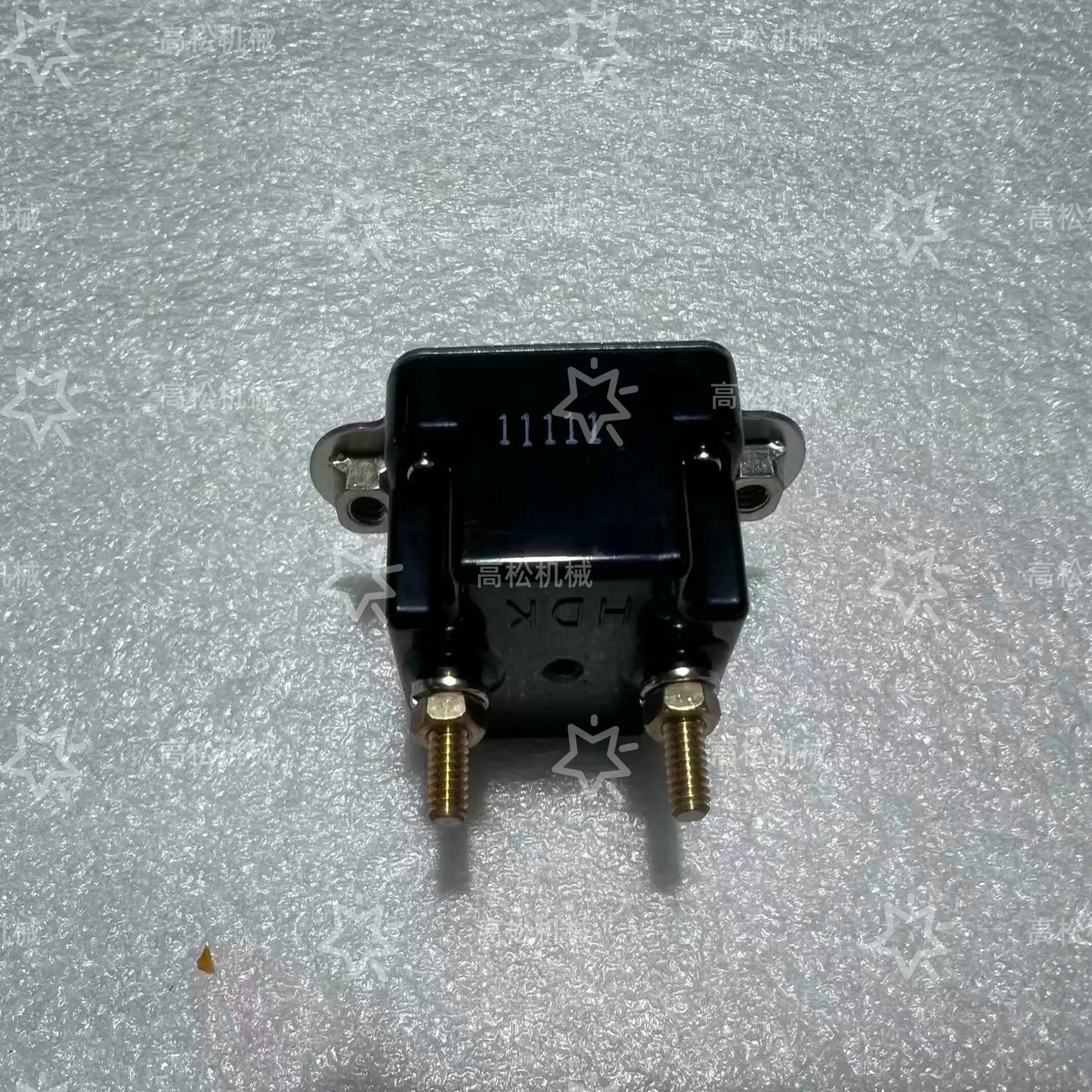 421-06-11440 BREAKER fits KOMATSU
 -
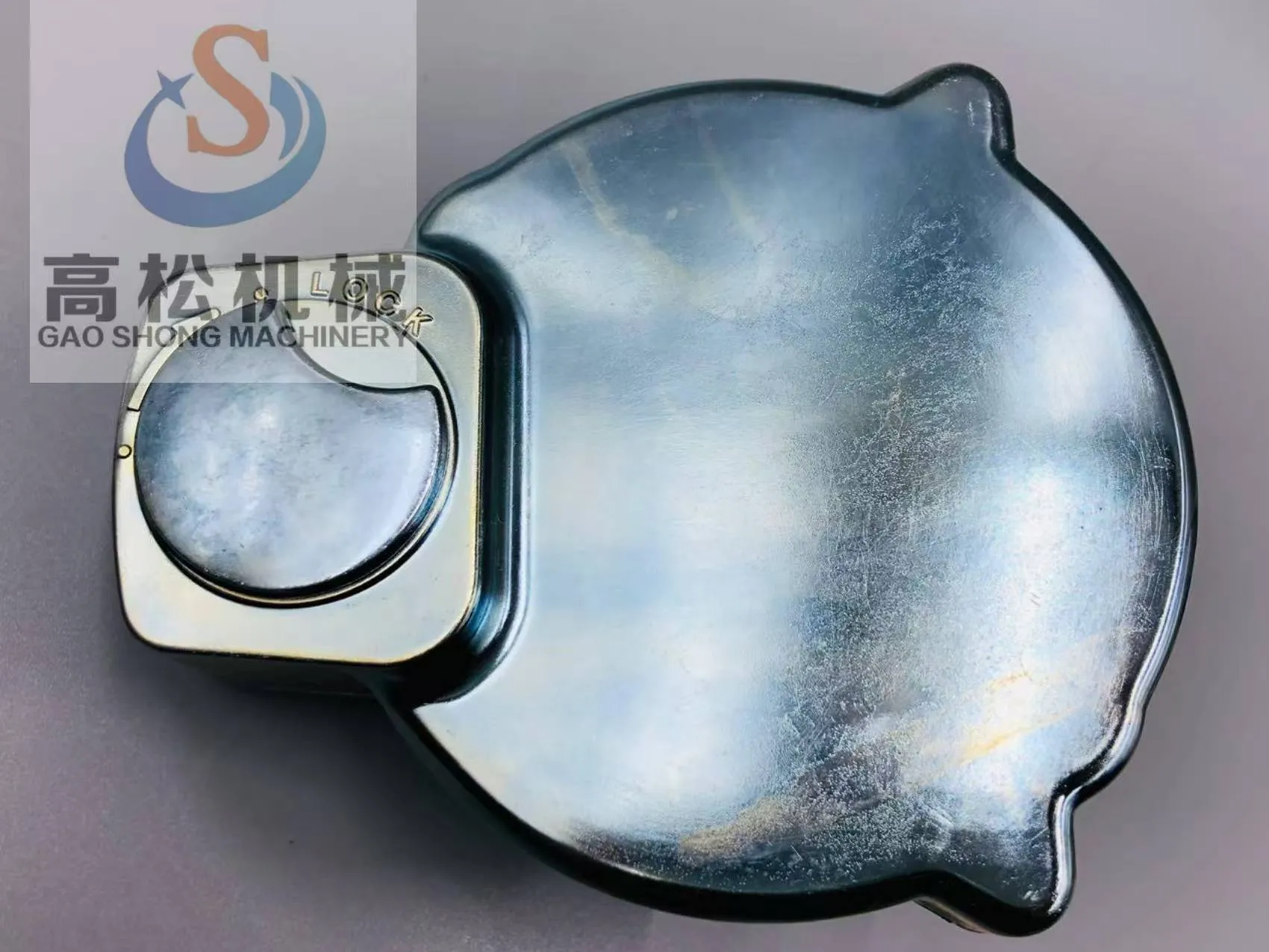 17a-60-11310 hydraulic excavator tank cap compatible with p300-8 and p350-8 construction equipment
 -
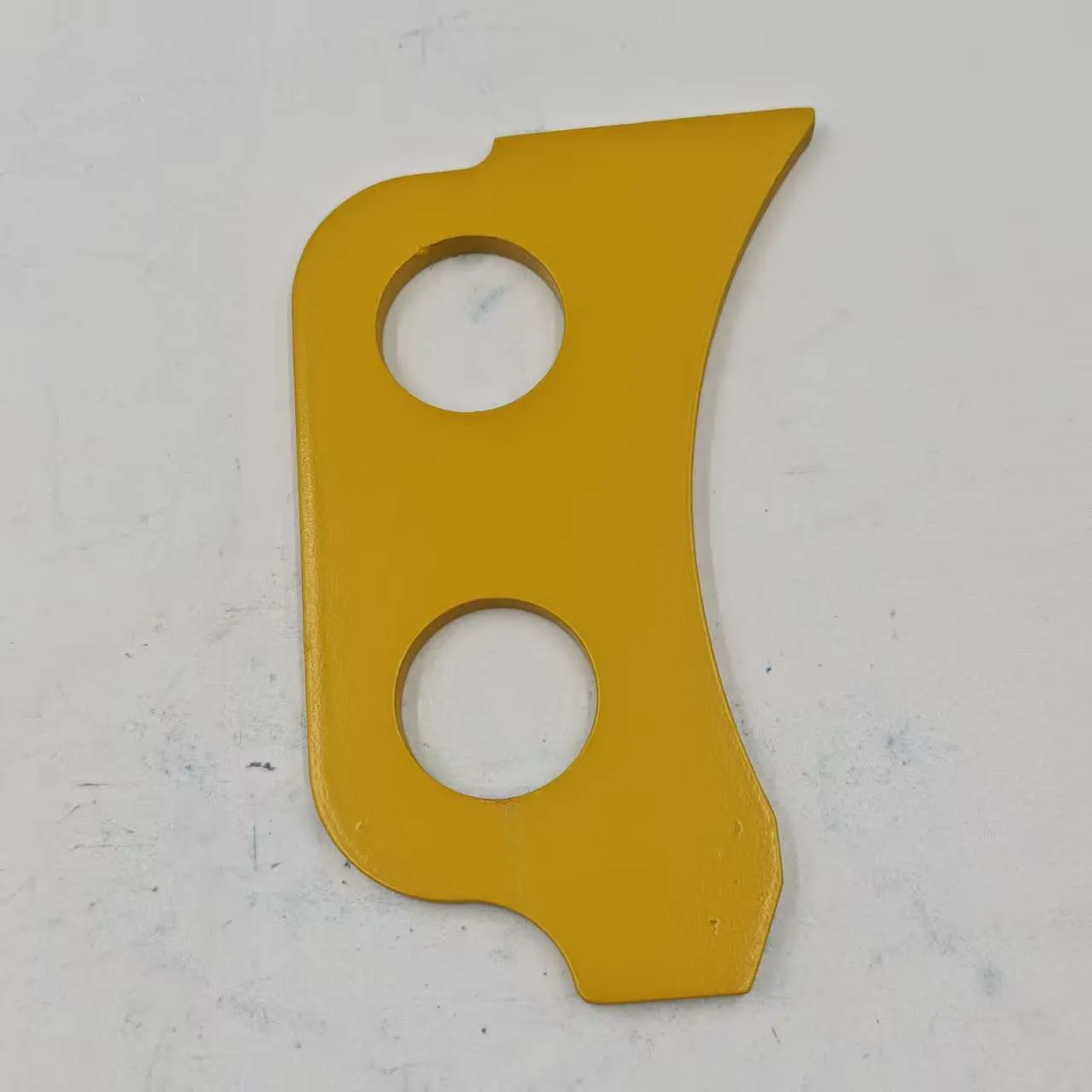 PLATE 195-71-74260 KOMATSU
 -
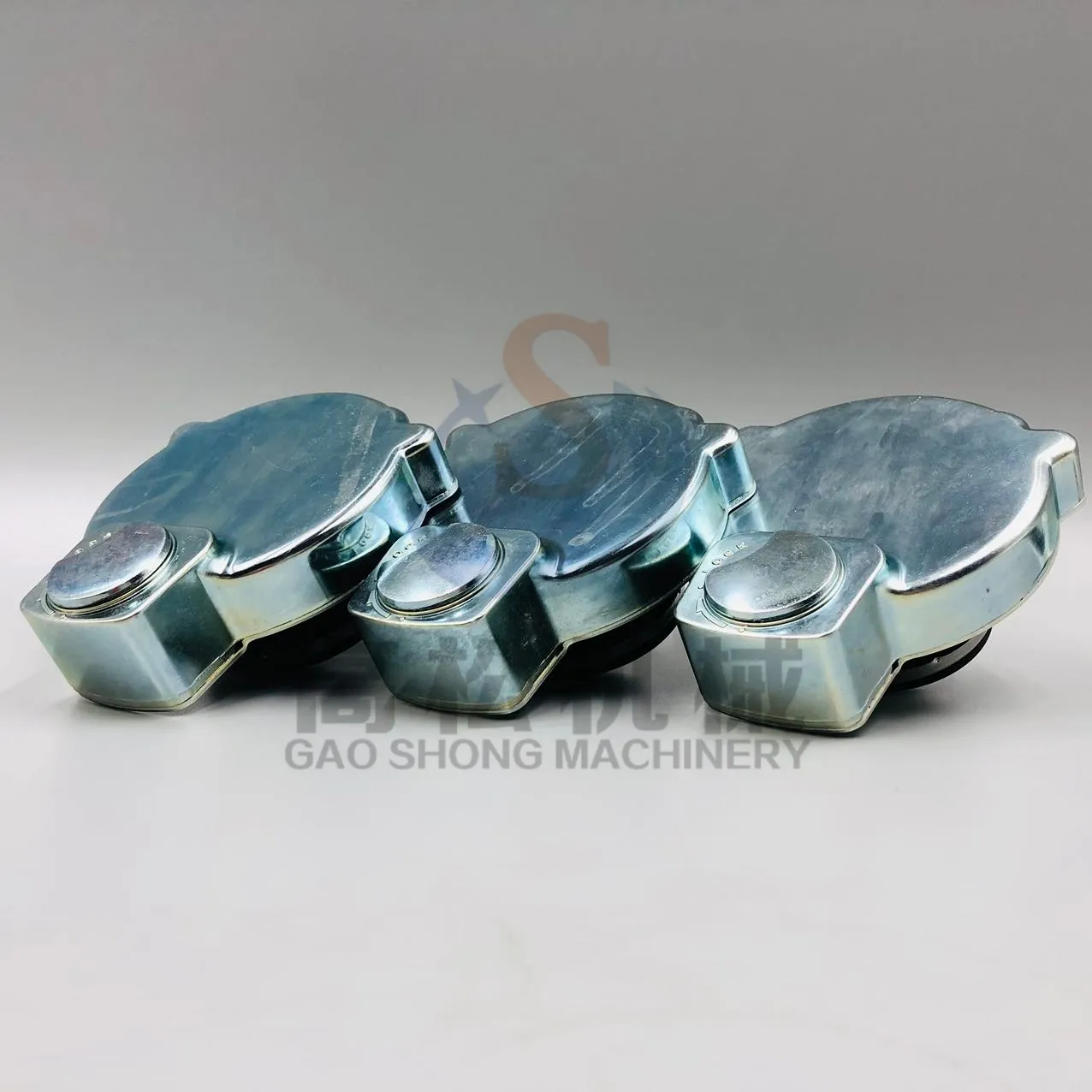 CAP ASS’Y 17A-60-11310 – KOMATSU
 -
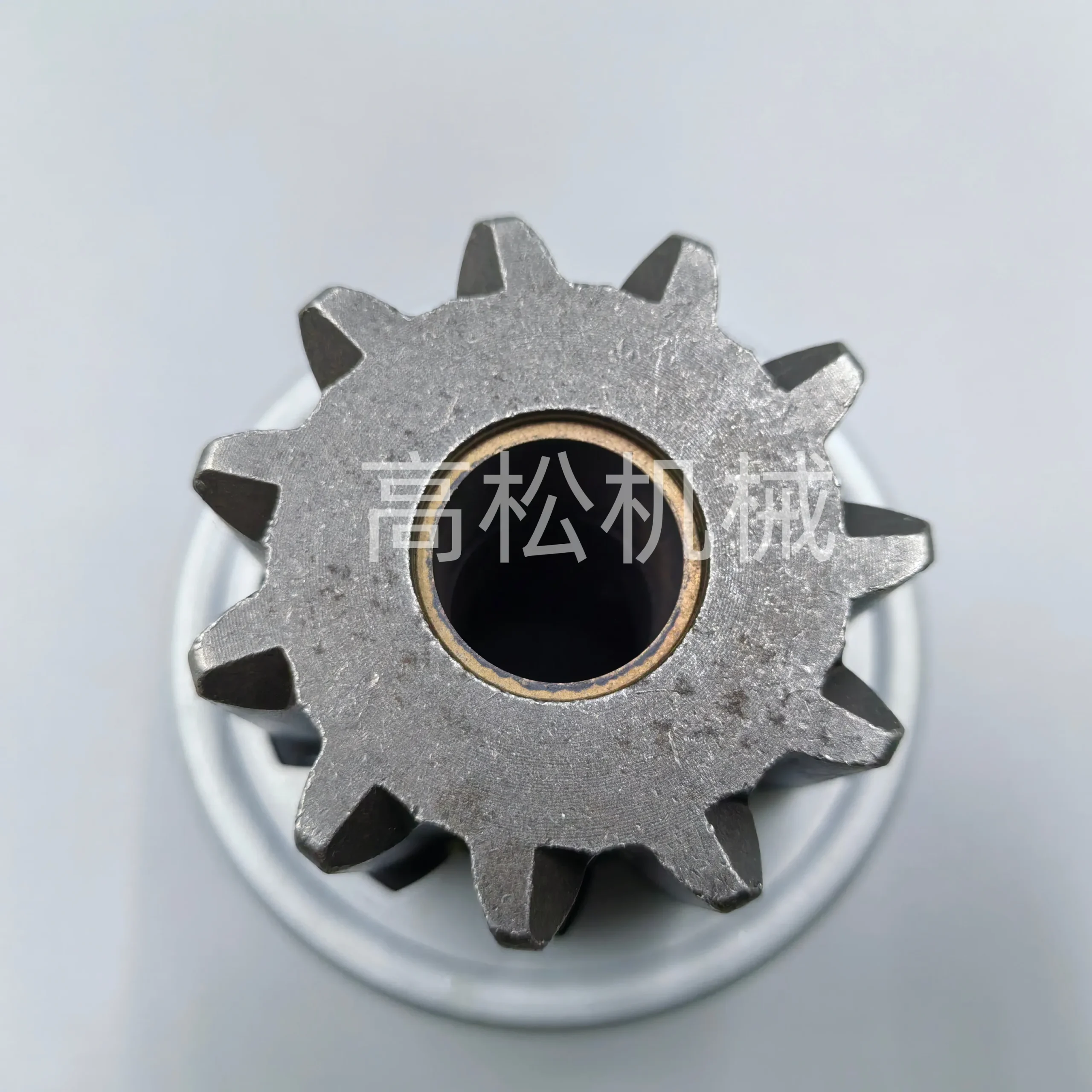 KD0-23500-1024 • CLUTCH ASS’Y-Komatsu Original Factory
 -
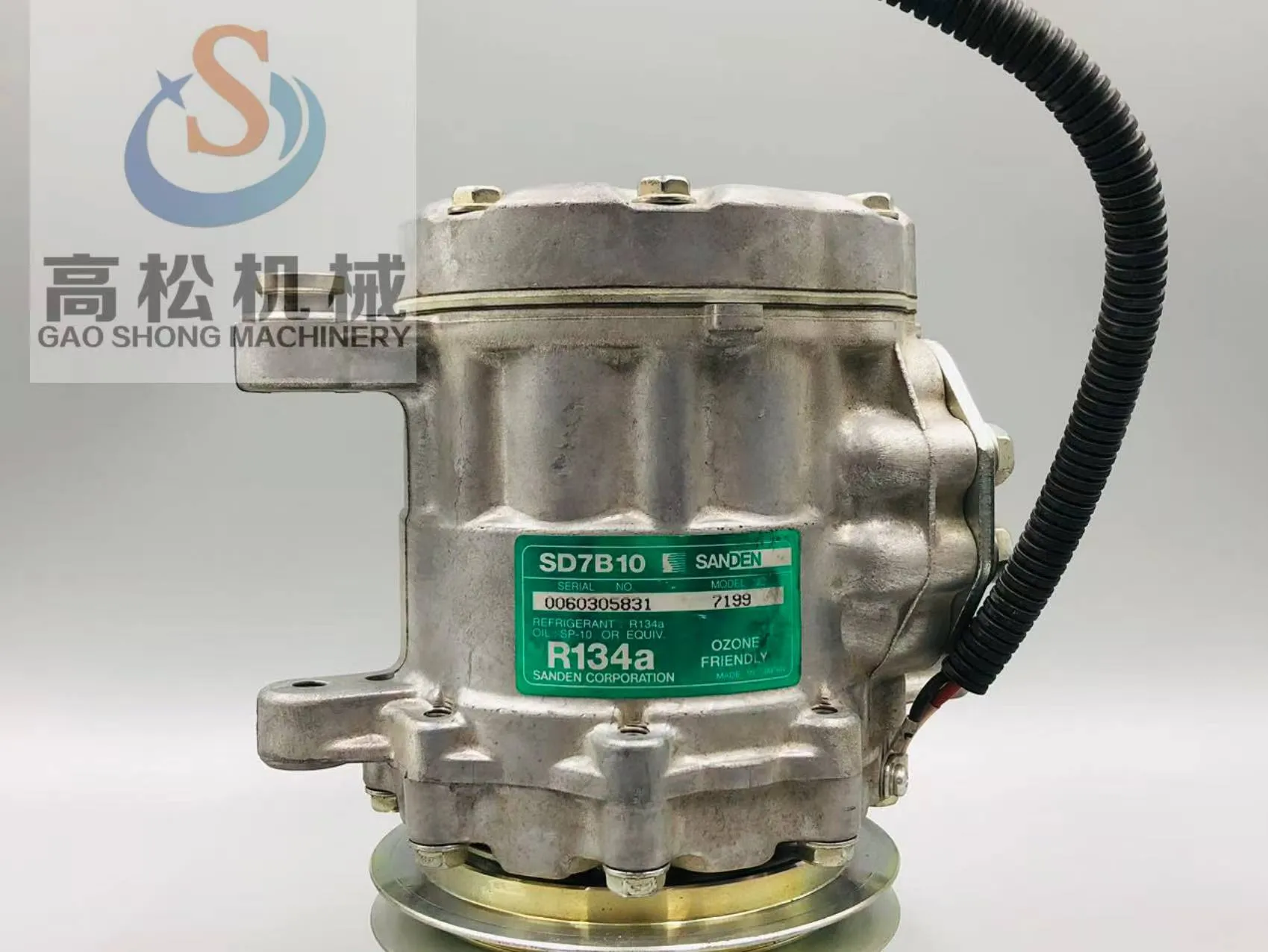 Compress0r 22L-979-2211 22l-979-2200 for Komatsu
 -
 HD785-7 center exhaust manifold 6215-11-5172
 -
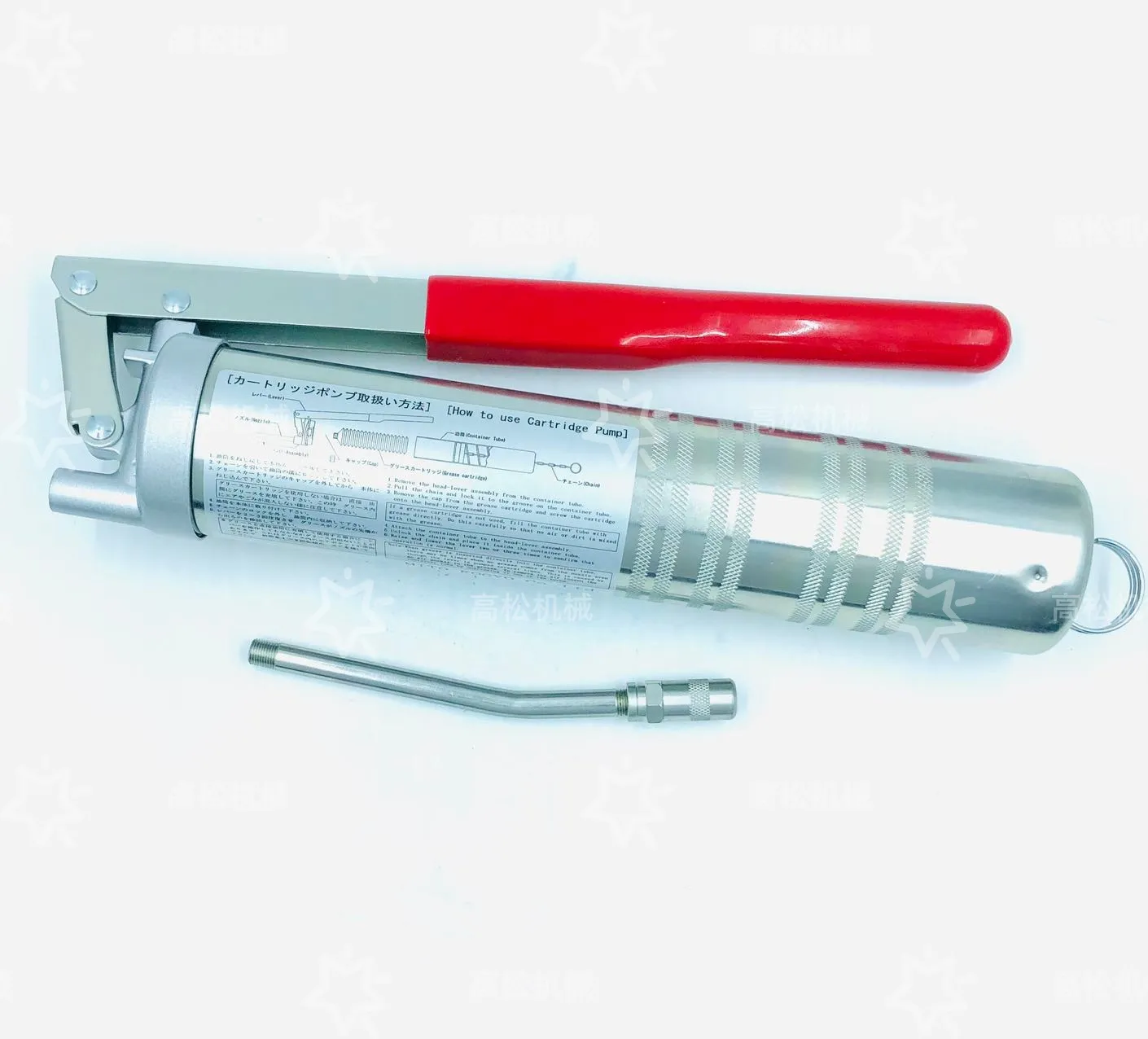 HM400 GREASE PUMP 07952-70014 07952-70004 For Komatsu Original
 -
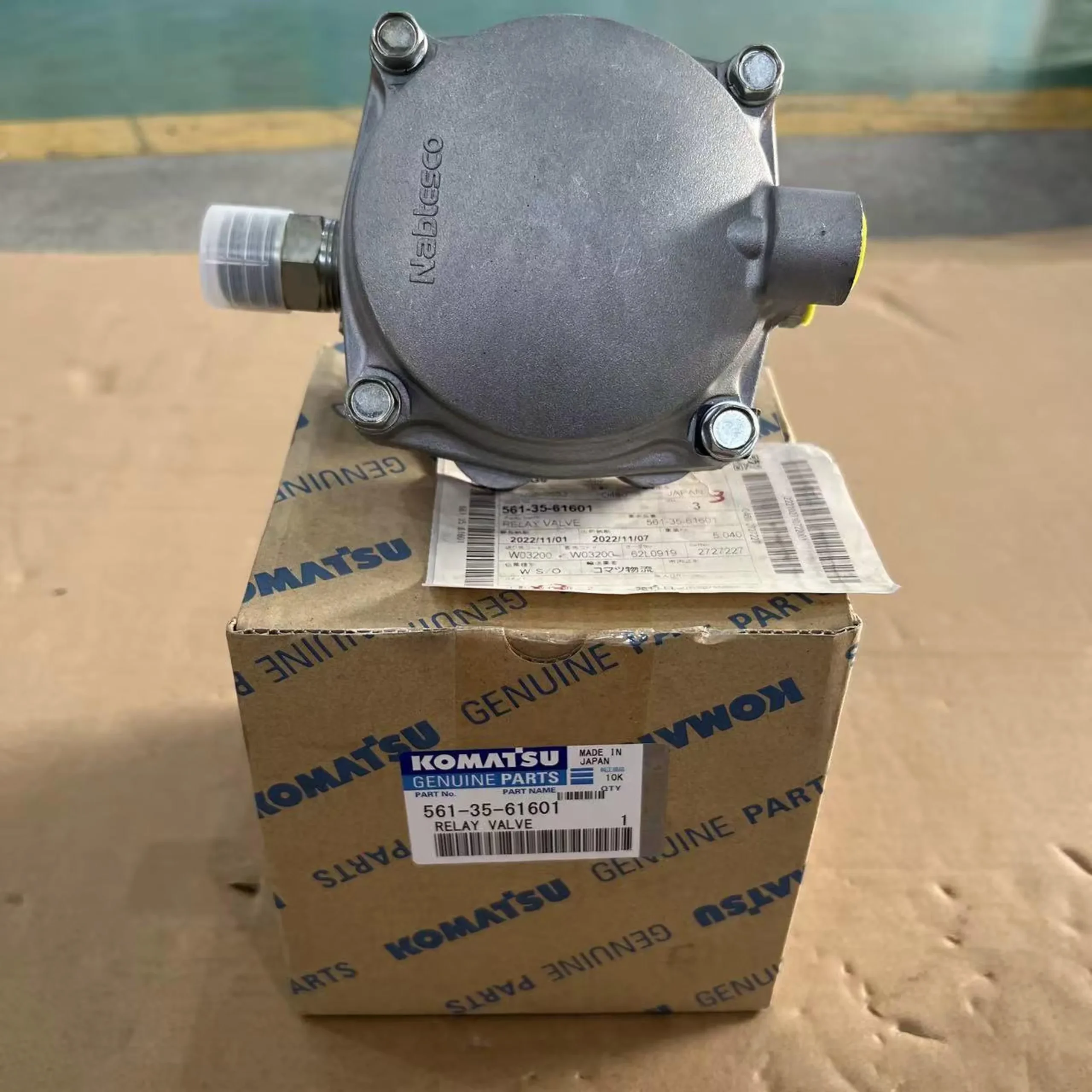 Valve 561-35-61601 for Komatsu Rigid Dumper
 -
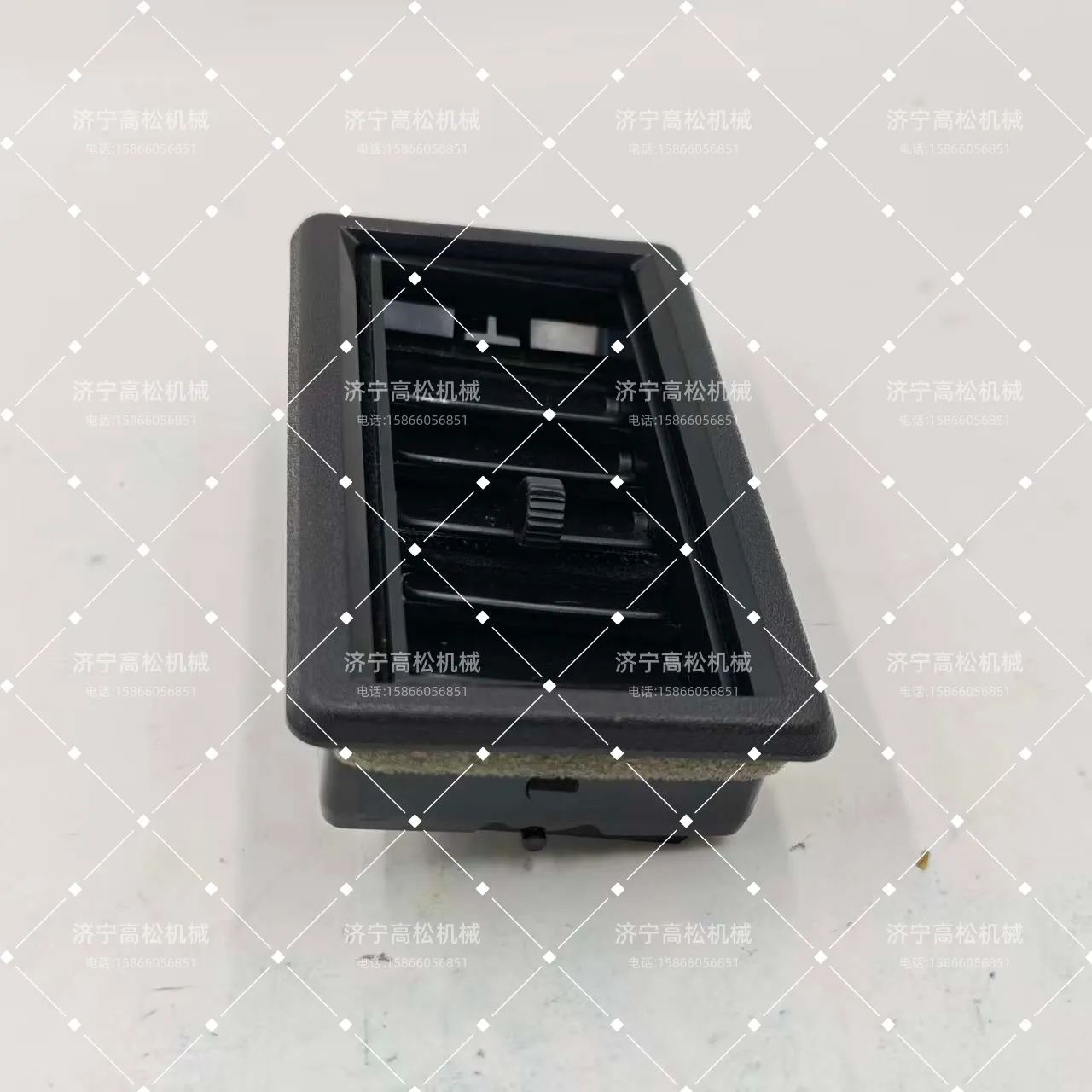 Komatsu 17A-54-18270 Inside cover for D155AX-5 Bulldozer