
- Chinese
- French
- German
- Portuguese
- Spanish
- Russian
- Japanese
- Korean
- Arabic
- Irish
- Greek
- Turkish
- Italian
- Danish
- Romanian
- Indonesian
- Czech
- Afrikaans
- Swedish
- Polish
- Basque
- Catalan
- Esperanto
- Hindi
- Lao
- Albanian
- Amharic
- Armenian
- Azerbaijani
- Belarusian
- Bengali
- Bosnian
- Bulgarian
- Cebuano
- Chichewa
- Corsican
- Croatian
- Dutch
- Estonian
- Filipino
- Finnish
- Frisian
- Galician
- Georgian
- Gujarati
- Haitian
- Hausa
- Hawaiian
- Hebrew
- Hmong
- Hungarian
- Icelandic
- Igbo
- Javanese
- Kannada
- Kazakh
- Khmer
- Kurdish
- Kyrgyz
- Latin
- Latvian
- Lithuanian
- Luxembou..
- Macedonian
- Malagasy
- Malay
- Malayalam
- Maltese
- Maori
- Marathi
- Mongolian
- Burmese
- Nepali
- Norwegian
- Pashto
- Persian
- Punjabi
- Serbian
- Sesotho
- Sinhala
- Slovak
- Slovenian
- Somali
- Samoan
- Scots Gaelic
- Shona
- Sindhi
- Sundanese
- Swahili
- Tajik
- Tamil
- Telugu
- Thai
- Ukrainian
- Urdu
- Uzbek
- Vietnamese
- Welsh
- Xhosa
- Yiddish
- Yoruba
- Zulu
- Kinyarwanda
- Tatar
- Oriya
- Turkmen
- Uyghur





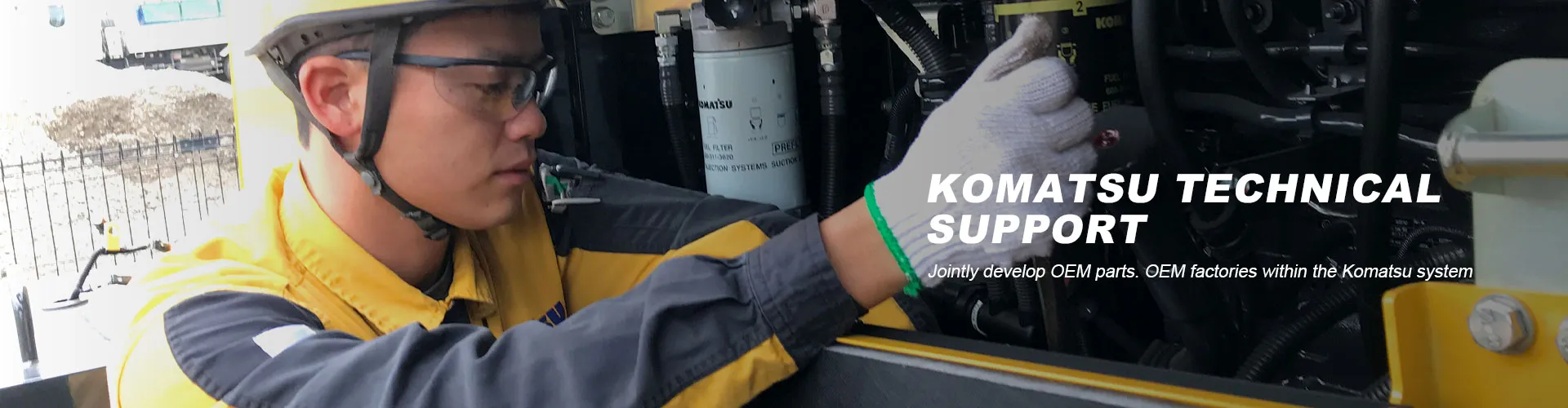
oil filter komatsu
When you hear 'oil filter Komatsu', most guys immediately think of a single part number, like or something similar. That's the first mistake. In my years dealing with Komatsu equipment, from old PC200-3s to the newer Dash-8 series, I've learned it's never that simple. The filter is just the visible piece; the real story is about the system it protects, the oil it cleans, and the countless hours of runtime you're trying to preserve. A lot of people, even some mechanics, treat it as a commodity item. They'll slap on any aftermarket filter that physically fits, thinking they've saved a few bucks. That's a shortcut that often leads to a longer, more expensive road.
The OEM Illusion and the Supply Chain Reality
Everyone wants genuine Komatsu parts. The problem is, genuine doesn't always mean available, especially if you're operating in regions where the official distribution network is thin or backlogged for months. I've been in situations where a machine is down, the clock is ticking, and the dealer says the filter is six weeks out. You can't wait that long. This is where the distinction between a true OEM supplier and a generic parts reseller becomes critical.
This is where companies with a specific operational model come into play. Take Jining Gaosong Construction Machinery Co., Ltd., for instance. Their setup is interesting because they operate within the Komatsu system as an OEM product supplier, but they also function as a third-party sales channel. Their website, https://www.takematsumachinery.com, frames it as helping to solve parts supply challenges in certain countries. That's not just marketing speak; that's a direct address of the core pain point. It means they potentially have access to production lines or batches that meet Komatsu's specifications, but they can move them through alternative logistics to bypass regional bottlenecks. For a critical wear item like an oil filter Komatsu machine depends on, this can be the difference between a two-day downtime and a two-month project delay.
I remember a project in West Africa with a Komatsu D375A-5. We had a filter failure—not the filter itself, but a gasket on a aftermarket unit that blew. Contaminated the whole system. The local genuine part was priced astronomically and had no verifiable pedigree. We sourced a unit through a channel similar to Gaosong's model. The part came in Komatsu-style packaging, with correct seals and the right bypass valve pressure rating. It wasn't from the local dealer, but it was to spec. The machine ran for another 5000 hours without a hiccup. That experience shifted my perspective from must come from dealer to must meet or exceed OEM engineering.
Specs Over Brand: What You're Actually Looking For
So, if you're not just buying a blue box, what are you buying? For a Komatsu oil filter, you're buying a set of precise engineering tolerances. The micron rating is the headline, but it's the easy part. The devil is in the details: the anti-drain back valve material (nitrile rubber that won't harden in heat), the bypass valve spring pressure (set to open at a specific psi to ensure oil flow even if the media clogs), and the media itself—its surface area and resin impregnation for consistent particle capture.
A common failure I've seen with cheap alternatives is the bypass valve. It either sticks shut, causing oil starvation when the filter gets dirty, or it's too weak and opens prematurely, letting dirty oil circulate freely. Both are engine killers. I once tore apart a failed aftermarket filter for a Komatsu SAA6D140 engine. The pleats had collapsed, and the bypass valve was a simple piece of thin steel, not the proper spring-loaded mechanism. The unit looked right from the outside, but inside it was a liability.
This is why the supplier's role is key. A supplier like the one mentioned, which engages in OEM production, understands these specs are non-negotiable. They're not just boxing a generic filter; they're (or should be) adhering to the material and design sheets. When evaluating a source, I don't just ask for price and delivery. I ask for the technical data sheet. If they can't provide specifics on burst strength, efficiency testing per ISO 4548, or the bypass valve crack pressure, I walk away. It's that simple.
On-Site Pragmatism: Making the Call Under Pressure
In the field, theory meets mud, dust, and tight deadlines. You have a service interval coming up, and the parts truck hasn't arrived. Do you run the old filter an extra 50 hours? Do you use a compatible filter from a different brand you have in stock? These are real decisions. My rule is: if the alternative filter has a verifiable spec sheet matching or exceeding the Komatsu requirement, and it's from a manufacturer with a reputation (like Fleetguard, Donaldson, or a certified OEM channel), I'll consider it for a single cycle in a pinch. But I'll never, ever extend an interval because of a parts delay. That's borrowing trouble with high interest.
I learned this the hard way early on. We were pushing to finish an earthworks project. The correct Komatsu oil filter was delayed. The foreman insisted we just clean the old one and re-use it for just another week. We did. The filter media, already saturated, started to break down. Fine silicate particles bypassed and took out the turbocharger bearings. The cost of the turbo repair and the subsequent engine flush was twenty times the cost of the filter, not to mention the lost week of machine time. A brutally expensive lesson in false economy.
Now, my process is to maintain a critical parts buffer sourced from reliable channels. For filters, that means identifying suppliers who can guarantee consistency. The value of a third-party OEM supplier isn't just in emergency situations; it's in providing a predictable, quality-assured pipeline that lets you plan your maintenance inventory without relying solely on the often-volatile official dealer stock.
The Bigger Picture: Filtration as a System
Focusing solely on the spin-on oil filter cartridge is like only worrying about one tire on a truck. Komatsu's hydraulic and lubrication systems are integrated. The oil in the engine often shares similarities with the fluid in the transmission or hydraulics, but the filtration requirements are different. The filter for a Komatsu hydraulic system, for example, might have a different beta ratio and water-absorbing capabilities. Using an engine oil filter in a hydraulic system because the thread pattern is the same is a catastrophic error, yet I've seen it attempted.
When you're dealing with a supplier, their depth of knowledge shows here. Can they tell you not just about the engine filter, but also about the parallel hydraulic return filter for the same machine? Do they understand the different service lives? A good technical partner will. They should be able to provide the cross-section and the full kit—the filter, the O-rings, the gaskets—as a complete sealing solution. Missing that single copper washer for the center bolt can lead to a seep that turns into a major leak.
It circles back to the initial point: oil filter Komatsu isn't a shopping list item. It's a system identifier. Your choice in supplier dictates whether you're getting a component that acts as a genuine system part, or just a metal canister that screws on. The difference is measured in thousands of hours of machine life.
Closing the Loop: Sourcing with Confidence
So, where does this leave us? The goal is uptime. To achieve that, you need parts you can trust, delivered when you need them. The traditional dealer model is ideal but not infallible. This creates a space for specialized, knowledgeable intermediaries. A company that is an OEM supplier within Komatsu's system has the potential to fill that gap credibly. Their value proposition, like the one outlined by Jining Gaosong, is solving supply challenges. But the proof is always in the product consistency and the technical support behind it.
My advice is to treat such suppliers as potential partners, not just vendors. Test them with a small, non-critical order first. Inspect the parts meticulously. Check the packaging, the markings, the build quality. Compare the technical attributes. If it holds up, you've just expanded your reliable supply chain. For something as deceptively simple yet vitally important as a Komatsu oil filter, that's not just a purchase—it's a strategic maintenance decision.
In the end, the machine doesn't care where the filter came from. It only cares that the oil flowing through its bearings is clean. Our job is to ensure that happens, every single time. And that starts with knowing exactly what you're putting on the machine, and who you're getting it from.
Related Products
Related Products
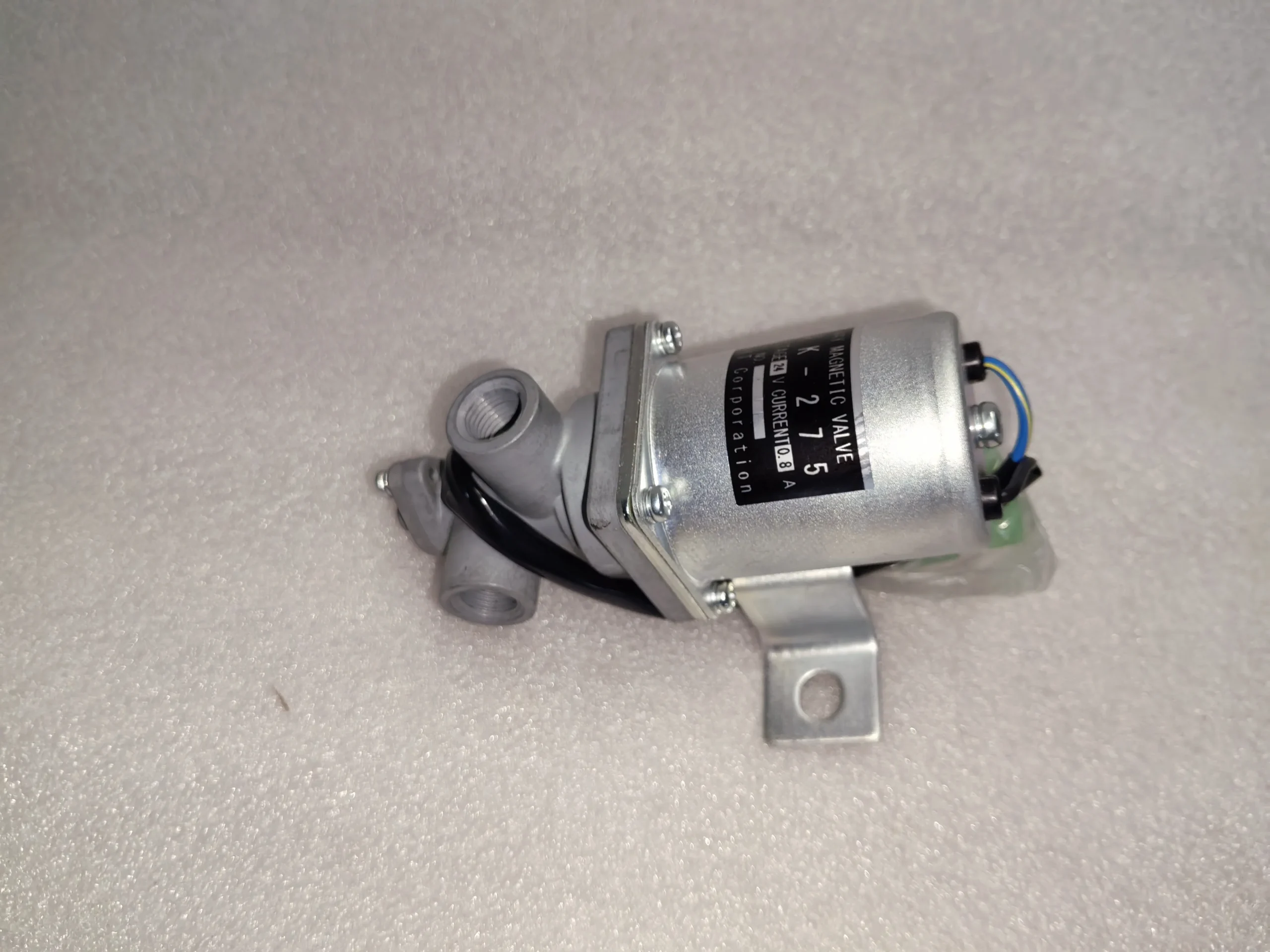
Best Selling Products
Best Selling Products-
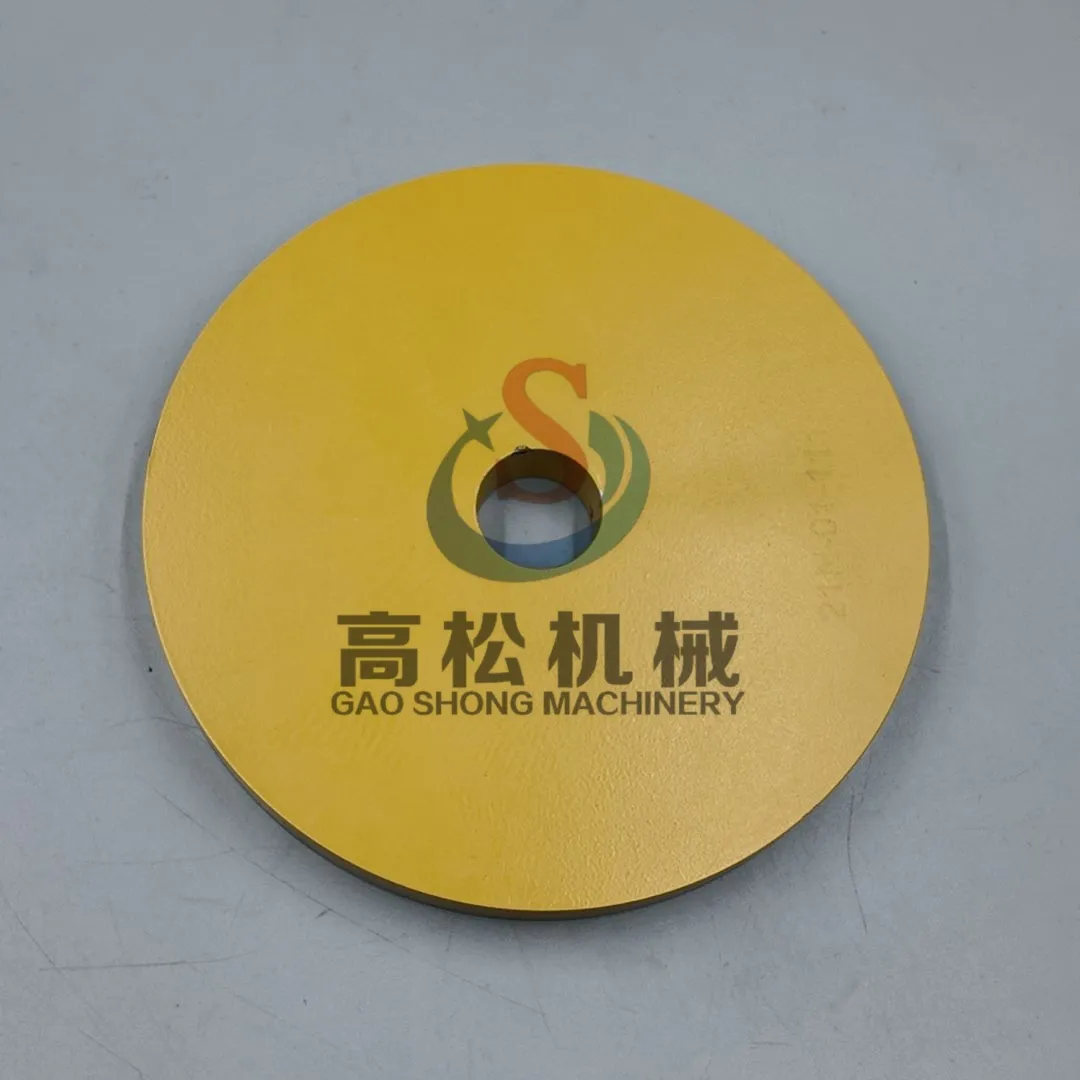 21T-01-11150 21N-01-11120 Cushion KOMATSU Excavator Spare Parts For PC800LC-8E0 PC850-8E0
 -
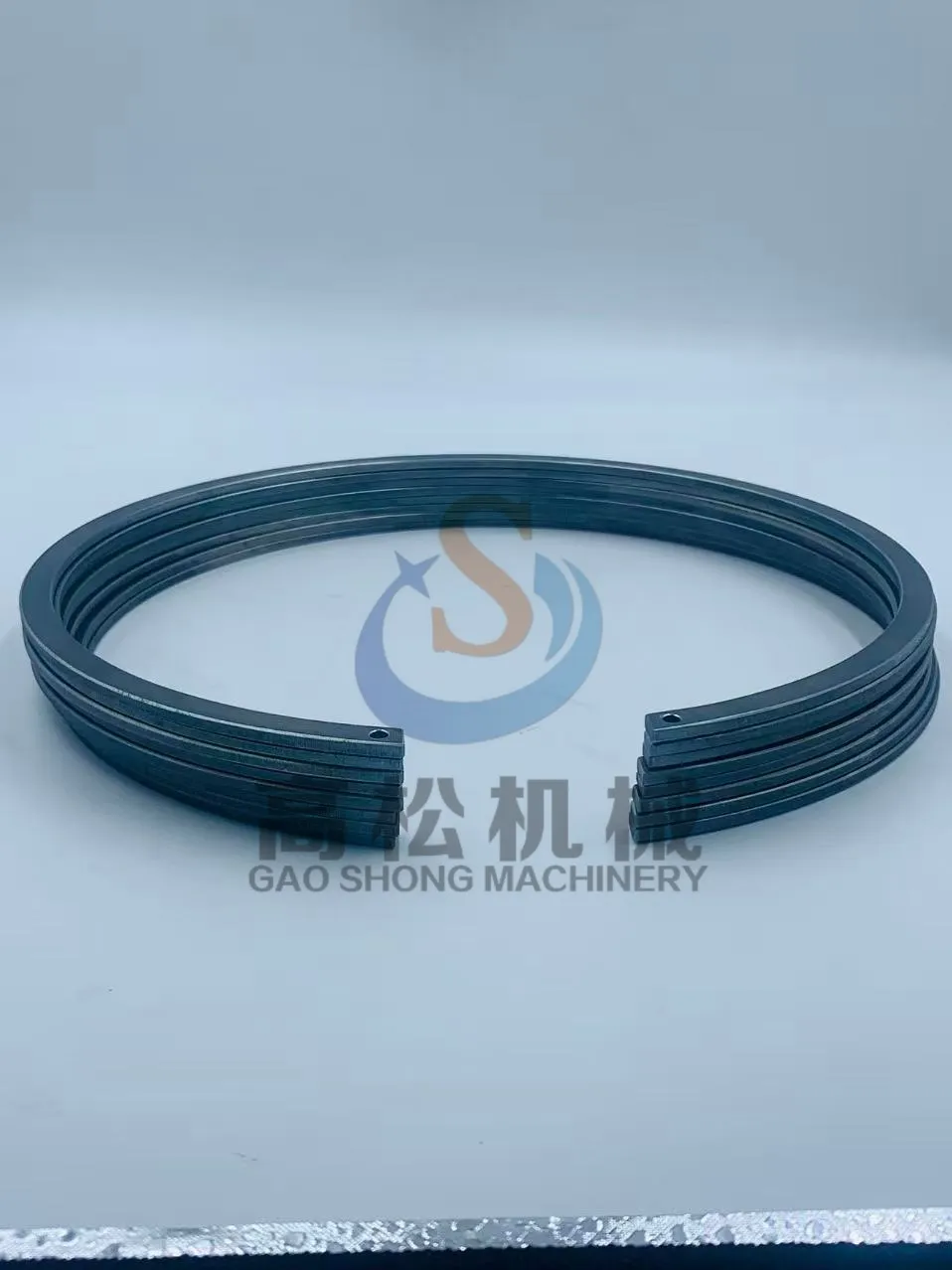 426-13-48281 SNAP RING KOMATSU
 -
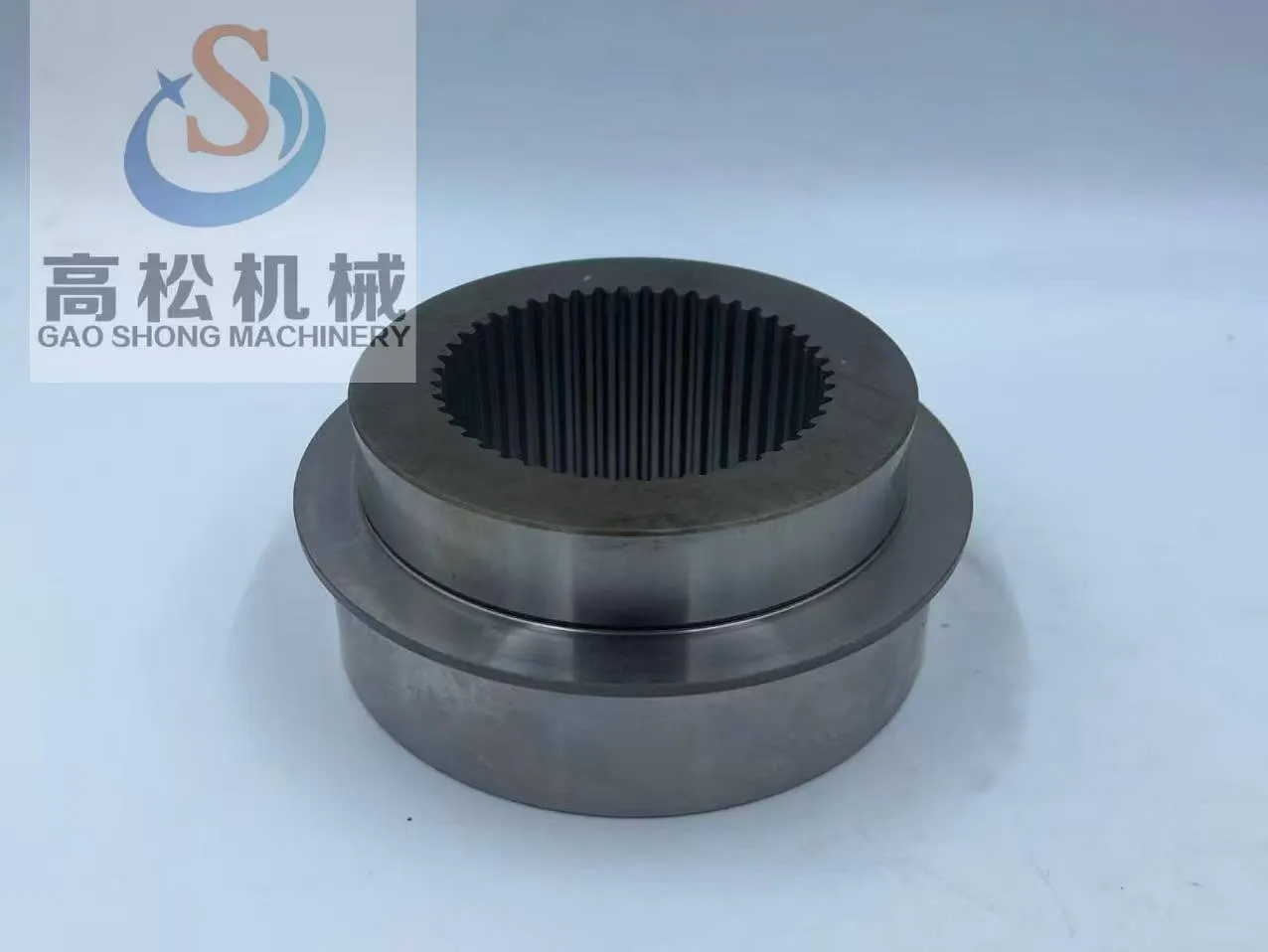 Original separator 195-15-82570 for d375a-5 domer komatsu
 -
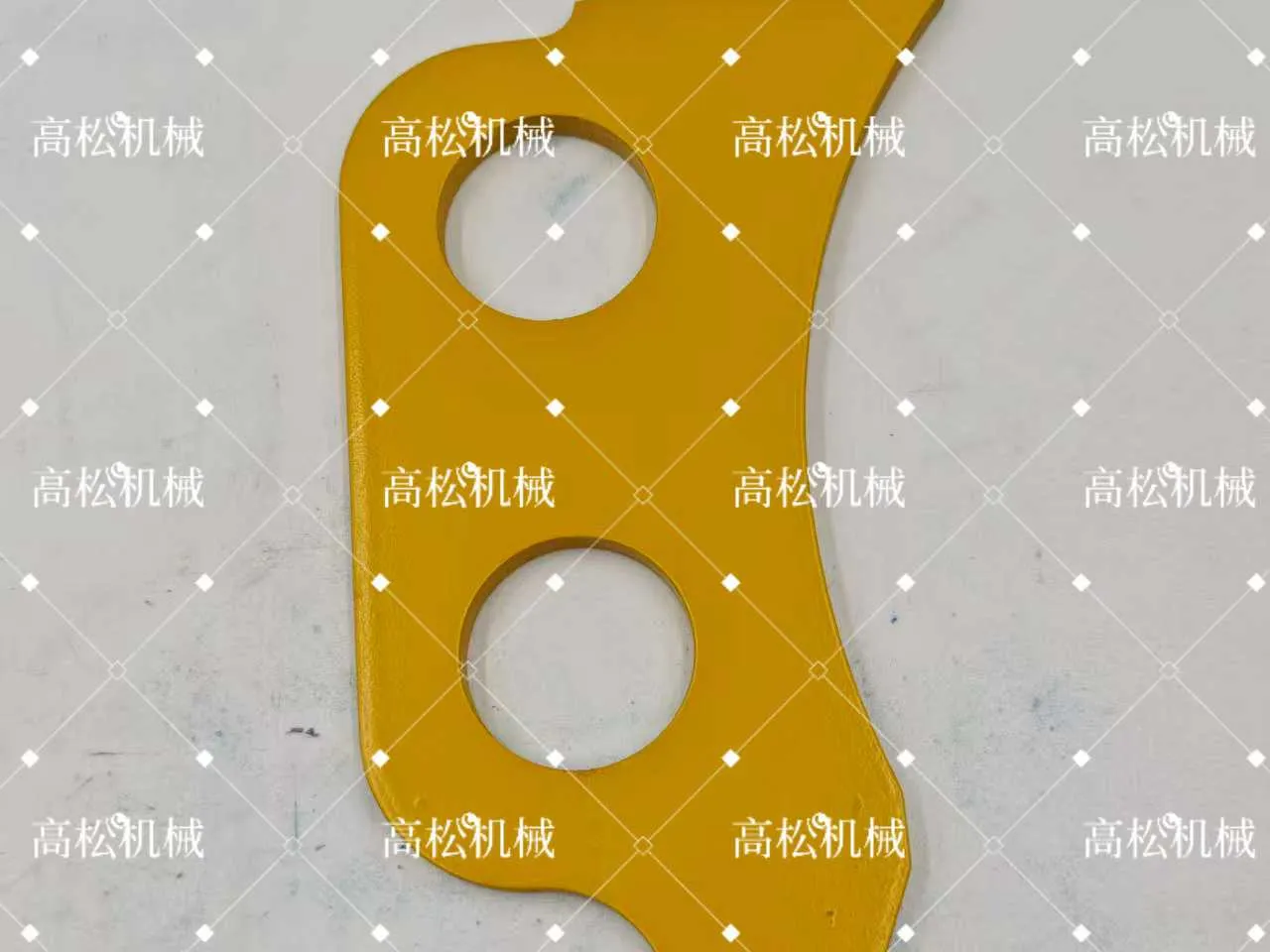 Komatsu Part No. 195-71-74260, Applicable Model: D375A-5, Genuine Komatsu Part
 -
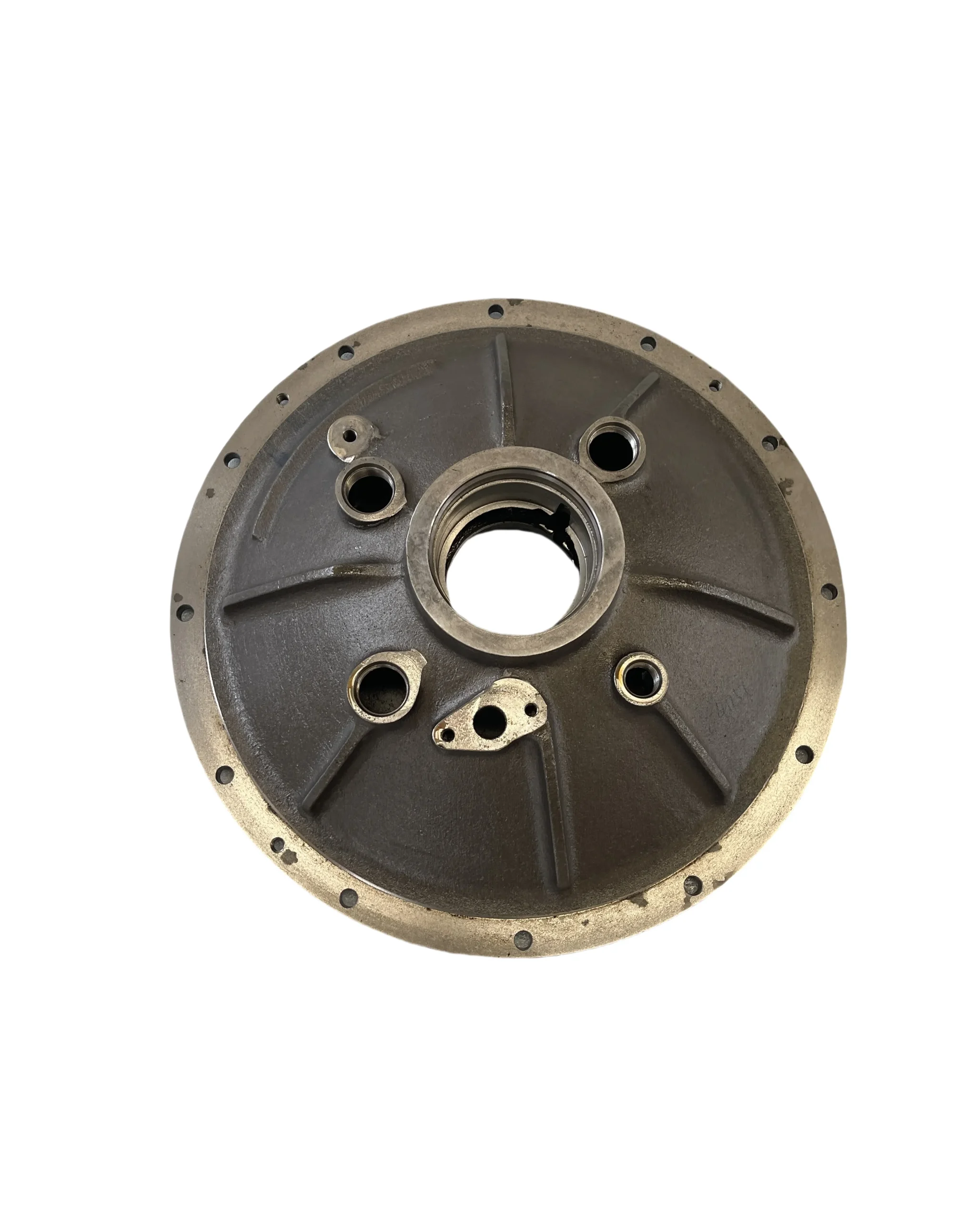 17M-12-41150 cover for Komatsu D275A-5
 -
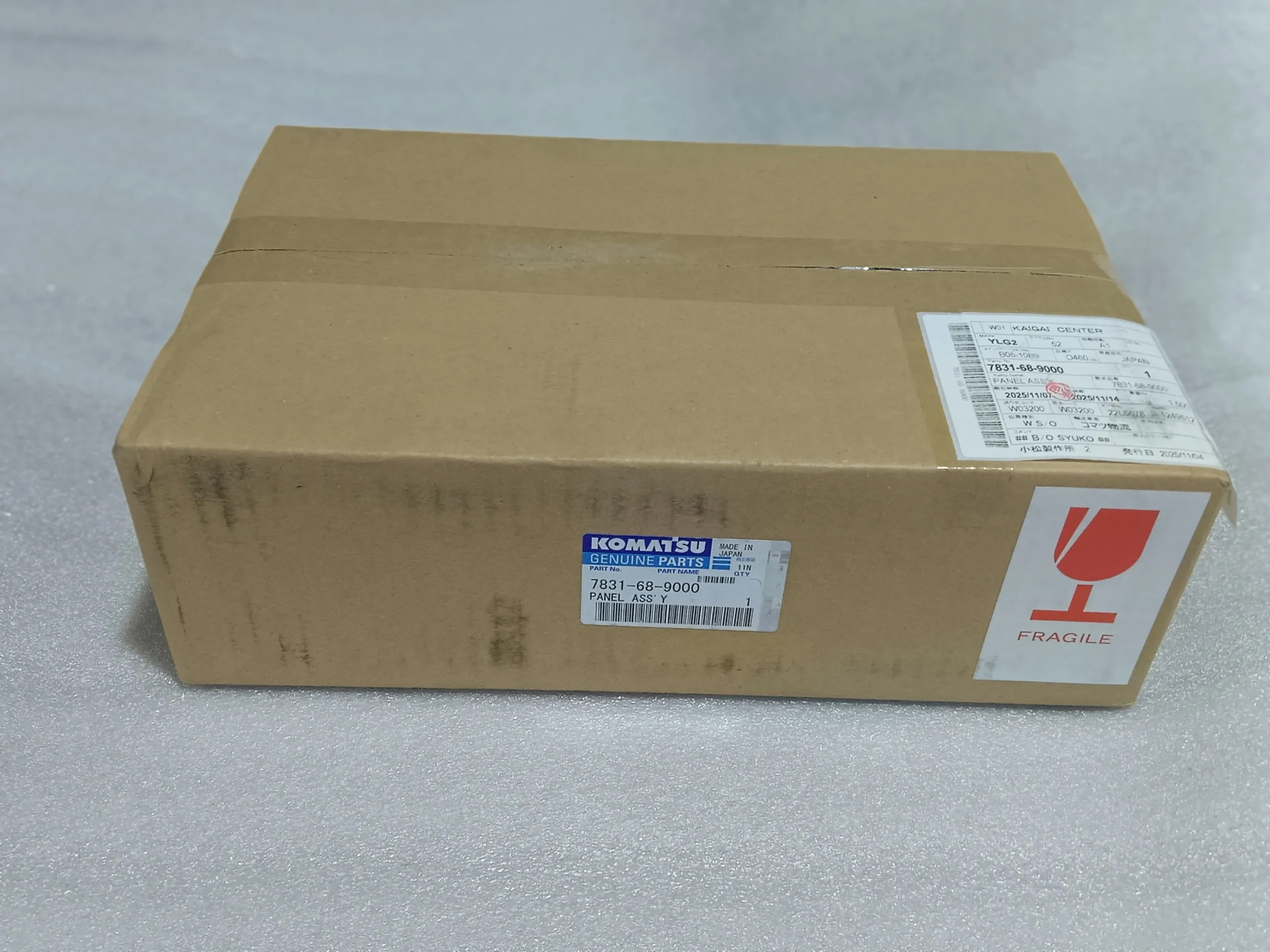 7831-68-9000 PANEL ASS’Y
 -
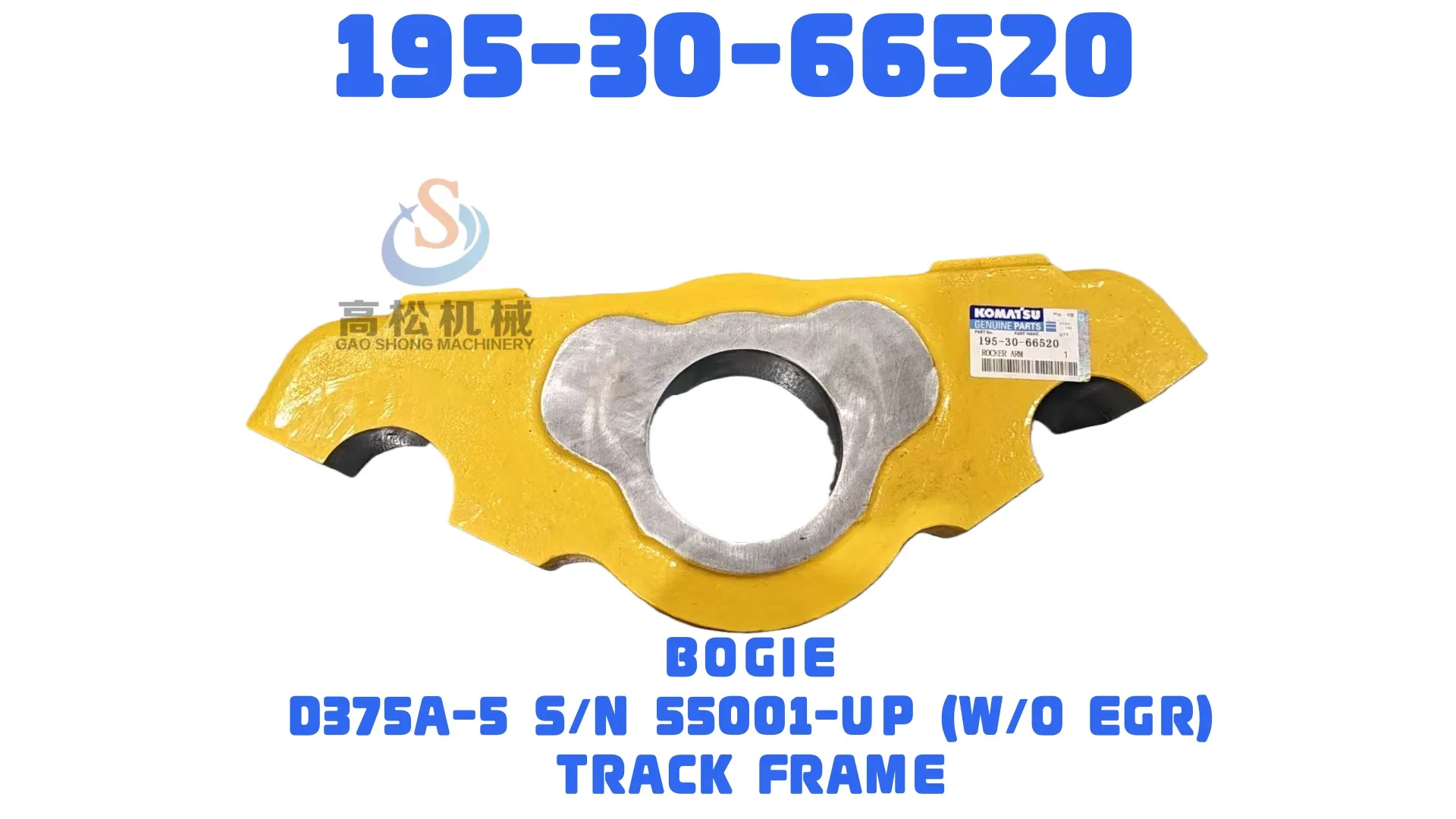 BOGIE 195-30-66520 D375A-5 D375A-6 TRACK FRAME Bogie, Minor D375A-6R TRACK FRAME, BOGIE
 -
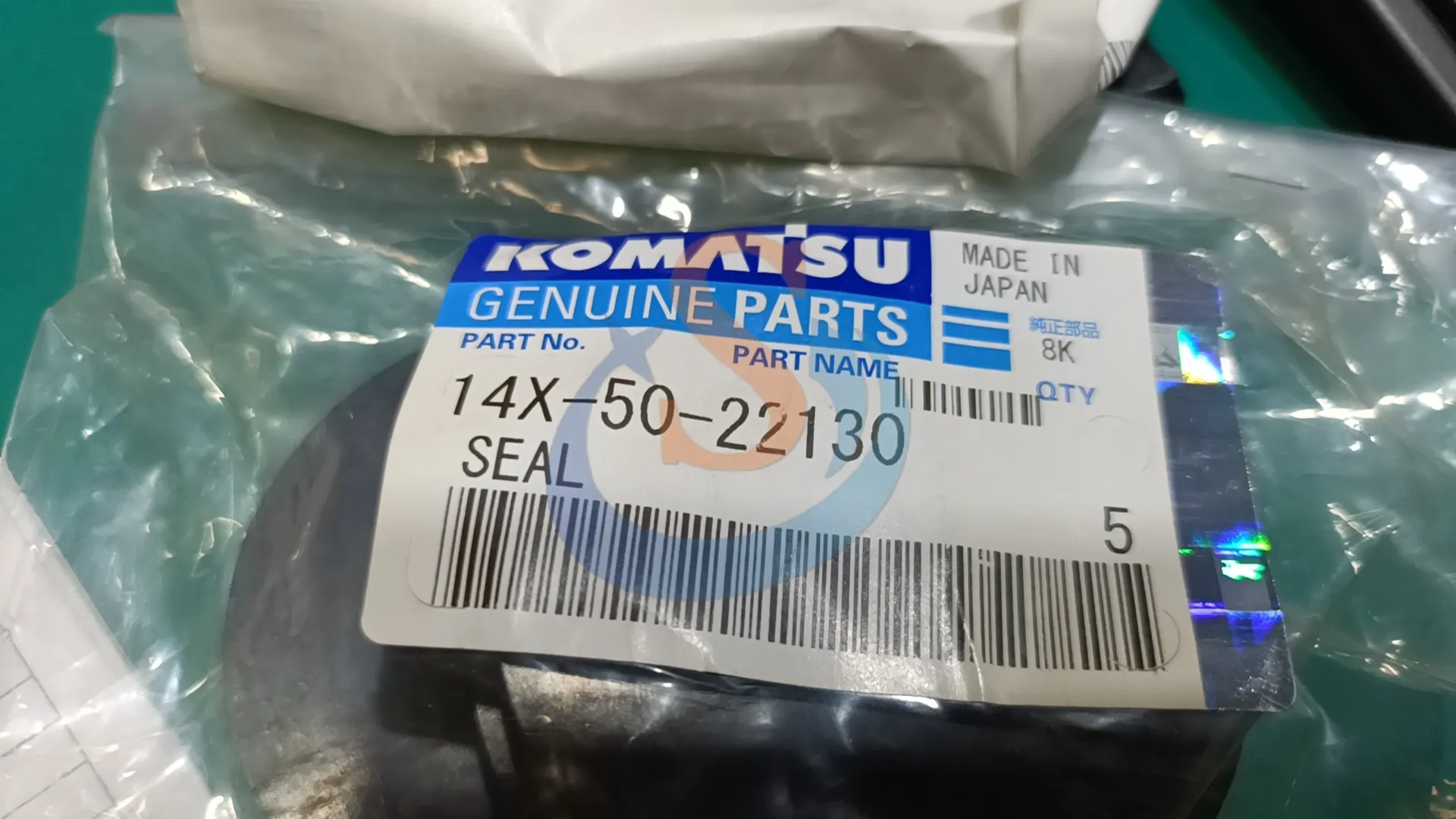 14X-50-22130,SEAL,D65PX,D65E,D85E
 -
Komatsu Excavator PC1250 Flange 21N-62-11361
-
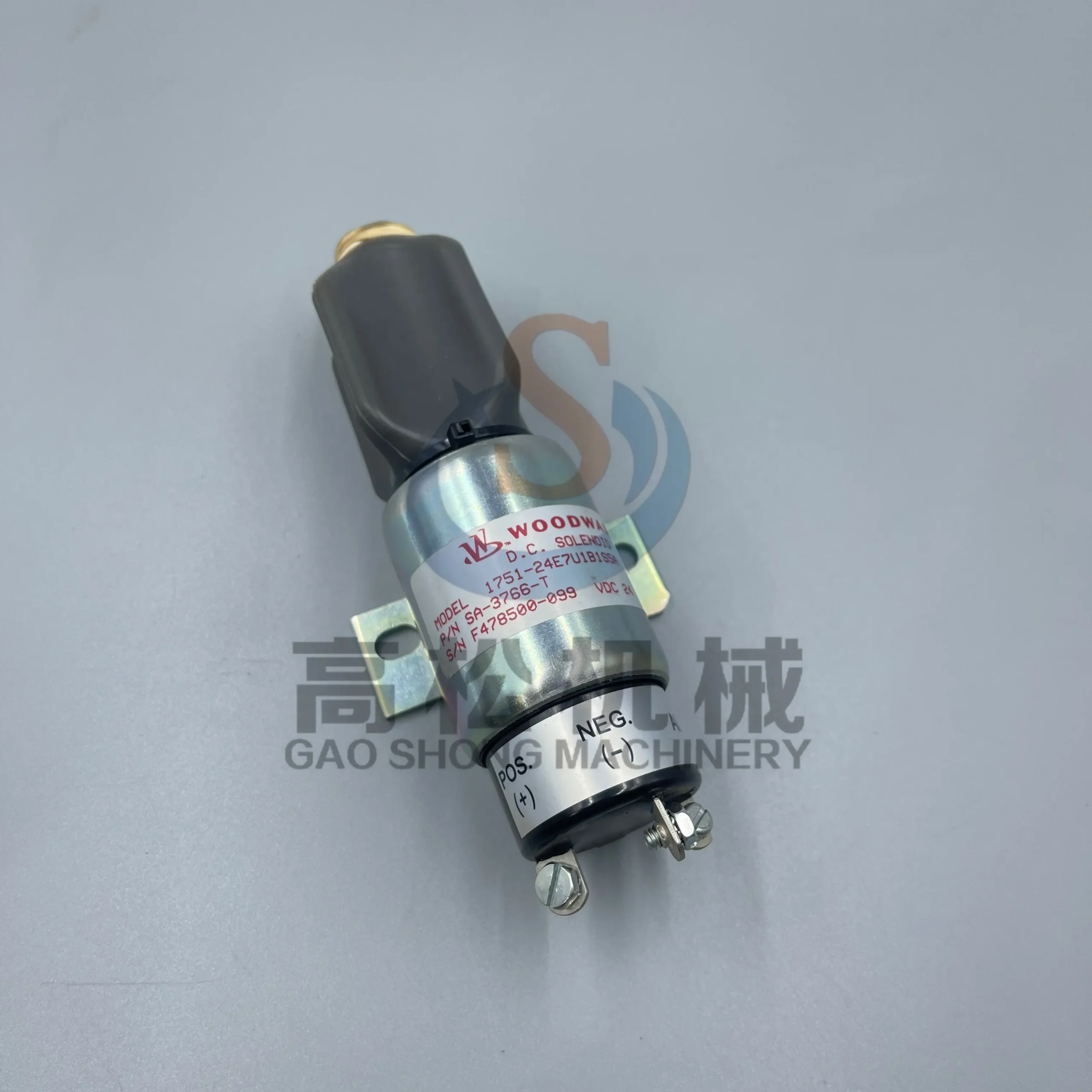 Stop Solenoid 600-815-7550
 -
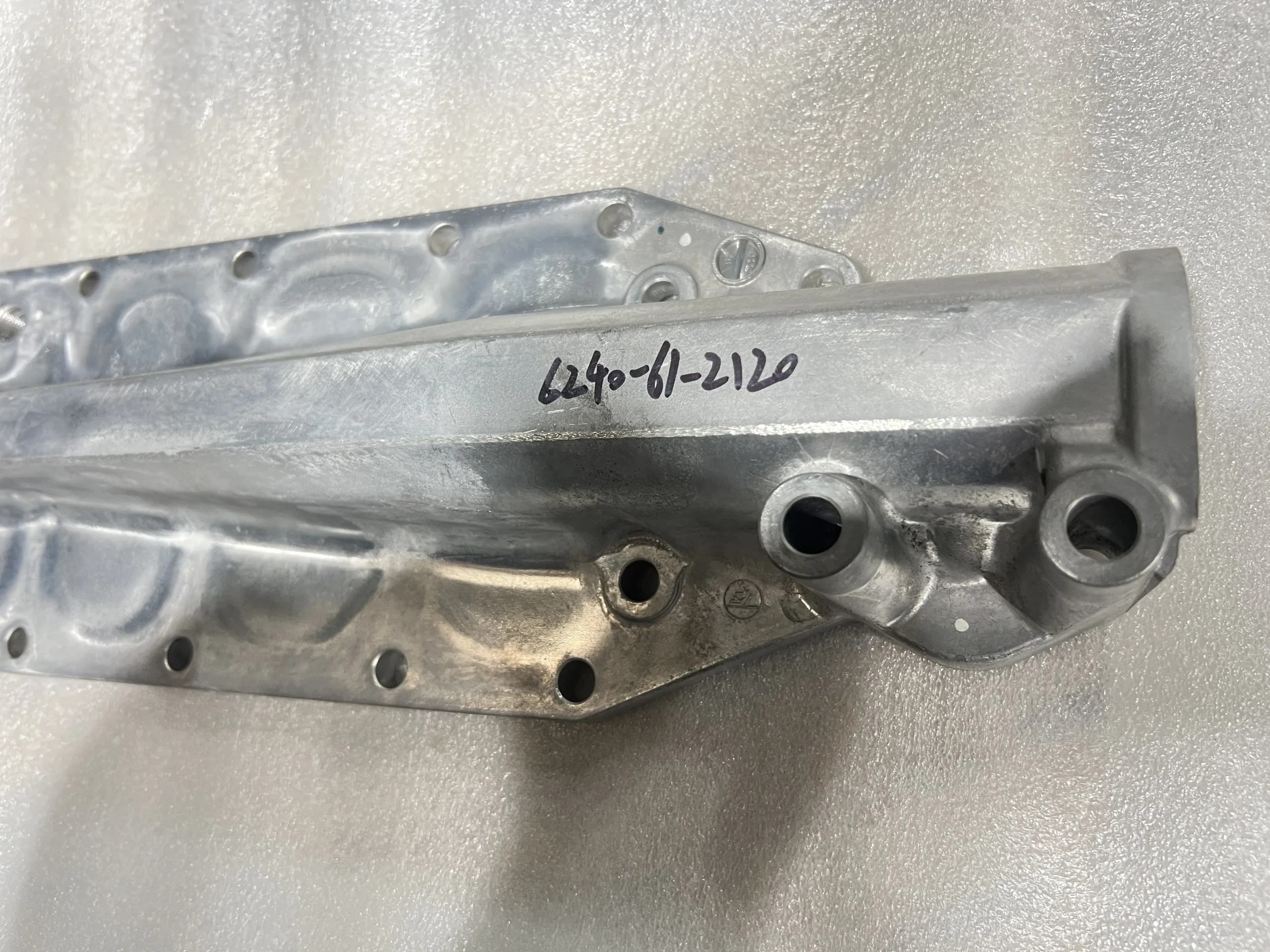 COVER 6240-61-2120 for ENGINE SA6D170E
 -
 Komatsu 17M-50-24360 Seal, price for original and… — Pricing.Parts