
- Chinese
- French
- German
- Portuguese
- Spanish
- Russian
- Japanese
- Korean
- Arabic
- Irish
- Greek
- Turkish
- Italian
- Danish
- Romanian
- Indonesian
- Czech
- Afrikaans
- Swedish
- Polish
- Basque
- Catalan
- Esperanto
- Hindi
- Lao
- Albanian
- Amharic
- Armenian
- Azerbaijani
- Belarusian
- Bengali
- Bosnian
- Bulgarian
- Cebuano
- Chichewa
- Corsican
- Croatian
- Dutch
- Estonian
- Filipino
- Finnish
- Frisian
- Galician
- Georgian
- Gujarati
- Haitian
- Hausa
- Hawaiian
- Hebrew
- Hmong
- Hungarian
- Icelandic
- Igbo
- Javanese
- Kannada
- Kazakh
- Khmer
- Kurdish
- Kyrgyz
- Latin
- Latvian
- Lithuanian
- Luxembou..
- Macedonian
- Malagasy
- Malay
- Malayalam
- Maltese
- Maori
- Marathi
- Mongolian
- Burmese
- Nepali
- Norwegian
- Pashto
- Persian
- Punjabi
- Serbian
- Sesotho
- Sinhala
- Slovak
- Slovenian
- Somali
- Samoan
- Scots Gaelic
- Shona
- Sindhi
- Sundanese
- Swahili
- Tajik
- Tamil
- Telugu
- Thai
- Ukrainian
- Urdu
- Uzbek
- Vietnamese
- Welsh
- Xhosa
- Yiddish
- Yoruba
- Zulu
- Kinyarwanda
- Tatar
- Oriya
- Turkmen
- Uyghur






OEM part number
You know, in this business, the term OEM part number gets thrown around like it's a universal key. But it's not. It's more like a dialect—one that you only truly understand after you've spent years trying to match a worn-out, greasy component to a line item in a 5,000-page PDF catalog. The biggest misconception? That an OEM number is just a simple identifier. It's not. It's a system, a logic, and sometimes, a puzzle. I've seen too many people, even seasoned buyers, treat it as a magic code they can just plug into Google and expect a perfect match. That's where the real headaches begin, especially when you're dealing with legacy equipment or regional supply variations. It's this gap between the theoretical simplicity of the number and the messy reality on the ground that defines our daily work.
The Anatomy of a Code: More Than Digits
Take a Komatsu part, for instance. A number like 20Y-60-21110 isn't random. The prefix often hints at the machine family or model series—'20Y' might tie back to a specific excavator line. The middle segment could indicate a subsystem, like the undercarriage or hydraulic pump group. The final digits are the unique item identifier. But here's the catch: Komatsu, like other majors, updates these numbers. A part gets superseded, a design change is made, and a new OEM part number is born. The old one doesn't always disappear from circulation; it lingers on old stock, in dealer databases, and on parts physically installed on machines ten years ago. If you're sourcing based on an old service manual, you might be chasing a ghost.
This is where a supplier's role shifts from order-taker to interpreter. At Jining Gaosong, when we get an inquiry with a part number, the first step isn't just checking stock. It's validation. We cross-reference it against the latest interchange lists and technical bulletins. I remember a case for a PC300-6 excavator. The customer insisted on number . Our system flagged it as obsolete, superseded by . The difference? A minor metallurgical upgrade in a pin to reduce wear. Sending the old spec part would have fit, but failed sooner. Explaining that to a customer who just wants the same number is a daily conversation.
The nuance extends to what I call regional numbers. Sometimes, for logistical or contractual reasons, the same physical component might have a slightly different part number assigned for the European market versus the Southeast Asian market. If you're trying to source a part for a machine imported from Japan to, say, the Middle East, you might hit a wall if you're only using the domestic Japanese OEM part number. Our position, being deeply integrated within the Komatsu system yet operating as a third-party solver for specific regions, forces us to navigate these parallel numbering universes constantly.
The Pitfalls of Direct Cross-Referencing
One of the most tempting traps is using an OEM number to find a so-called equivalent aftermarket part. While cross-reference databases exist, they are guides, not gospel. The OEM number specifies a part designed to function within a precise engineering ecosystem—tolerances, material grades, heat treatment. An aftermarket part might fit, but whether it performs and lasts is another question. I'm not against aftermarket; it has its place for cost-sensitive, non-critical applications. But for core components like hydraulic pumps or final drive motors, treating the OEM code as just a dimensional match is a recipe for downtime.
We tried, early on, to build a simplistic cross-reference table for common wear items. It failed. Not because the data was wrong, but because it was incomplete. A seal might have the same inner and outer diameter, but the compound might be different, leading to premature failure with certain hydraulic fluids. The OEM part number encapsulates that material spec. Without the full technical data sheet—which is proprietary—you're guessing. We learned to be very clear with customers: We can source a part that matches this number, or we can source a part that fits this description. They are often, but not always, the same thing.
This is precisely the kind of parts supply challenge we aim to solve at Takematsu Machinery. Our dual role means we can offer the genuine article with its authentic Komatsu number when that's what's needed for warranty, performance, or resale value. But we also have the flexibility to provide technically vetted, high-quality alternatives when the genuine part is unavailable or lead times are prohibitive for a customer in a remote location. The key is transparency about what is being supplied.
When the Number Isn't Enough: The Human Layer
Sometimes, the part number is wrong, or more often, incomplete. A customer sends a blurry photo of a tag with the last three digits scratched off. Or they read the number off a component that's already been replaced once with a non-OEM part, so the number on it is meaningless. This is where the construction machinery part of our name at Jining Gaosong Construction Machinery Co., Ltd. comes into play. You need people who've been on site, who know that the pump on a certain generation of dozer tends to fail in a particular way, and can infer the likely component from a symptom description.
I recall a frantic call from a mining operation. Their D375 dozer was down. They had a number, but it was for the entire assembly—a $25,000 item. Our technician asked a few questions about the failure mode: was it a loss of power, a specific noise? It pointed to a sub-component. We suggested they check the serial number tag on the specific sub-unit. They found it, and we matched it to a single seal and bearing kit—a OEM part number for just the repair kit, not the whole assembly. The cost was under $2,000. The machine was back running in 48 hours. The OEM number for the kit was useless without knowing it existed within the larger assembly number. That's the practical knowledge that separates a part seller from a partner.
This process is messy. It involves back-and-forth emails, requests for machine serial numbers (which are more important than people think), and sometimes even video calls to look at the failed part. It's not automated. It can't be. The number is the starting point for a diagnostic conversation, not the end of it.
The Ecosystem of Supply and Obsolescence
Another layer is obsolescence. Major OEMs have formal end-of-life schedules for parts support. But a 20-year-old excavator in a developing country is often still a vital asset. The official OEM part number might be listed as NLA (No Longer Available) in the global system. This is a critical pain point in certain countries where equipment lifecycles are much longer. Our role as a third-party sales company within the Komatsu ecosystem gives us a unique vantage point. We can sometimes locate new old stock (NOS) in warehouses globally that the official channel has written off. Or, we work with certified workshops to remanufacture the component to the original spec, effectively creating a new valid part number for that reman'd unit.
This isn't about dealing in counterfeit goods. It's about extending the practical service life of capital equipment. The challenge is ensuring the remanufactured part meets the original performance criteria. We have to vet these suppliers rigorously—their machining capabilities, their quality control, their source for bearing and seal kits (which should often still be genuine OEM). The final product might carry our own internal tracking number, but its core identity is still tied back to that original, now-obsolete, Komatsu OEM part number. It's a bridge between the official world of current production and the real world of aging fleets.
Managing this inventory is a nightmare in logistics. You're not just stocking high-turnover filters. You're holding onto specialized, low-demand items for machines that might be rare. The financial logic is different. It's about solving critical problems and building long-term trust, not just moving volume.
The Digital Illusion and the Tangible Reality
Today, everyone expects a digital catalog, real-time stock, and instant pricing. And we provide that where we can. But the data behind it is fragile. A database is only as good as its curation. We constantly have to reconcile listings: Is part A truly identical to part B, or was there a silent revision? When a new price file comes from the OEM, does a 50% price increase mean a material change, or just a policy change? You develop a gut feeling. A sudden, dramatic price jump on a common wear item often signals a design improvement or a new supplier. A part number disappearing and reappearing might indicate a quality hold.
The website, takematsumachinery.com, is a front door. It has search functions and catalogs. But the real work happens when the inquiry comes in. The number from the site is the input. The output—the right part, at the right time, with the right documentation—is the result of a process that blends digital tools with very analog experience. We are an OEM product supplier, but that title undersells the troubleshooting, validation, and logistics orchestration that happens between receiving a number and delivering a solution.
So, the next time you look at an OEM part number, don't just see a code. See a history. See a set of engineering decisions. See a potential supply chain maze. It's a precise language, but one that requires fluency not just in numbers, but in the machines they bring to life and the realities of keeping them running far from an ideal world. That's the space we operate in. It's never just about the part; it's about what the part enables the machine to do, and by extension, what that machine enables our customers to build.
Related Products
Related Products


Best Selling Products
Best Selling Products-
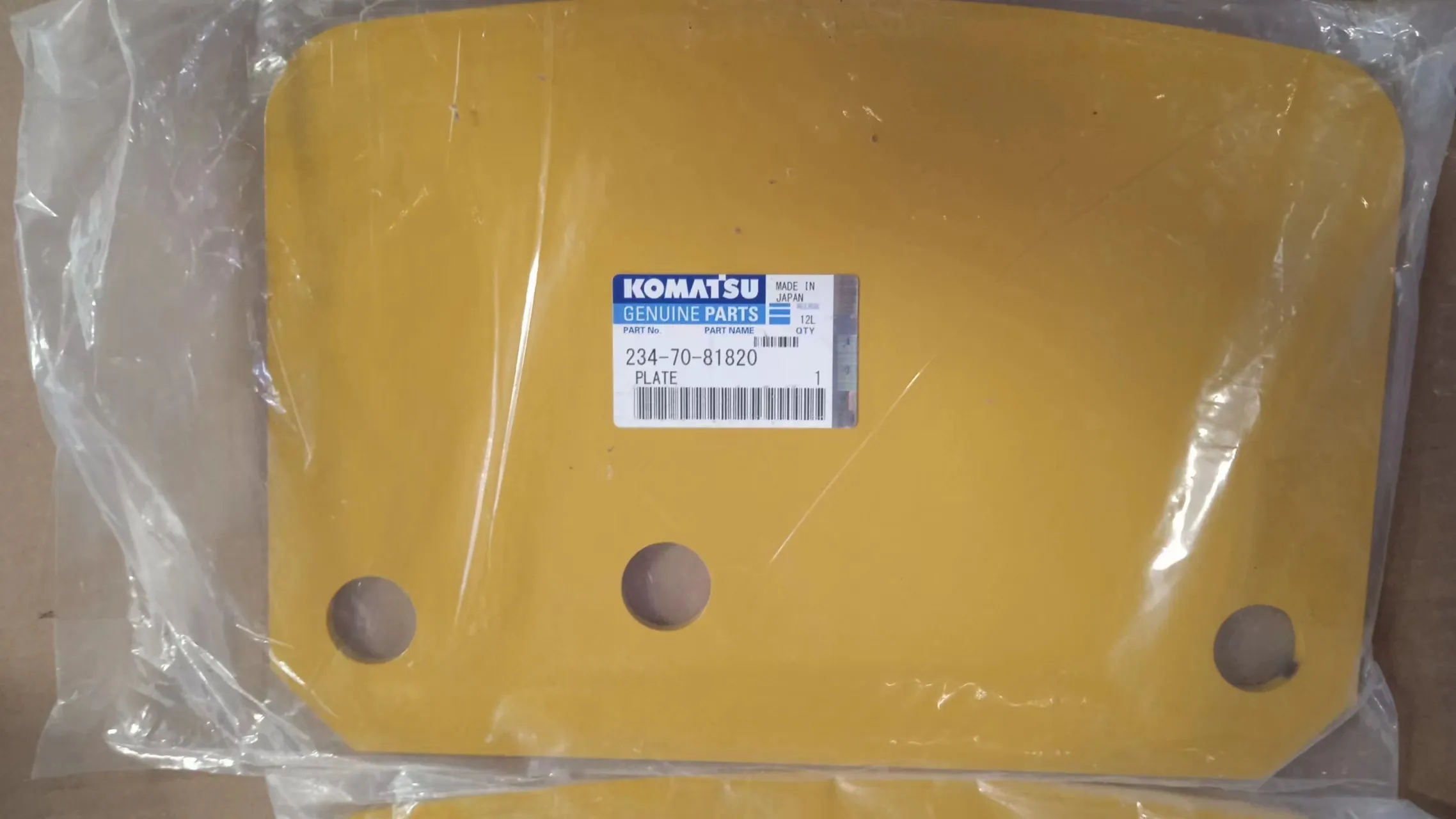 GD705-5 metal plate 234-70-81820
 -
 707-40-28020 • SPACER-Komatsu Original Factory
 -
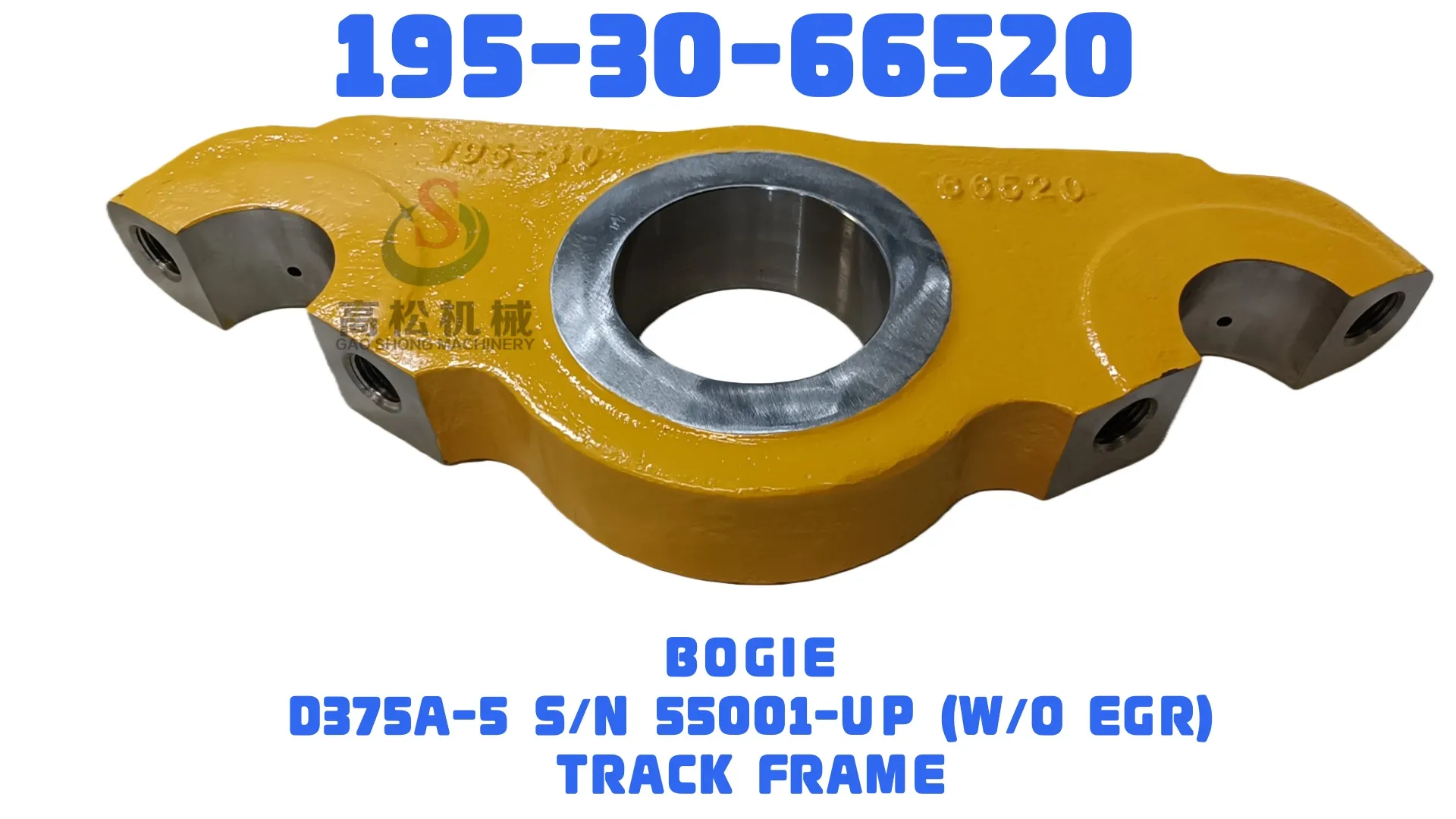 komatsu-part-195-30-66520 BOGIE D375A-5 D375A-5D D375A-6 D375A-6R TRACK FRAME TRACK FRAME, BOGIE
 -
 Solenoid Valve 600-815-7550 For Komatsu D41pf-6, High Quality…
 -
 Direct sale, original fast delivery shaft 6212-21-2511 for parts of construction machinery komatsu
 -
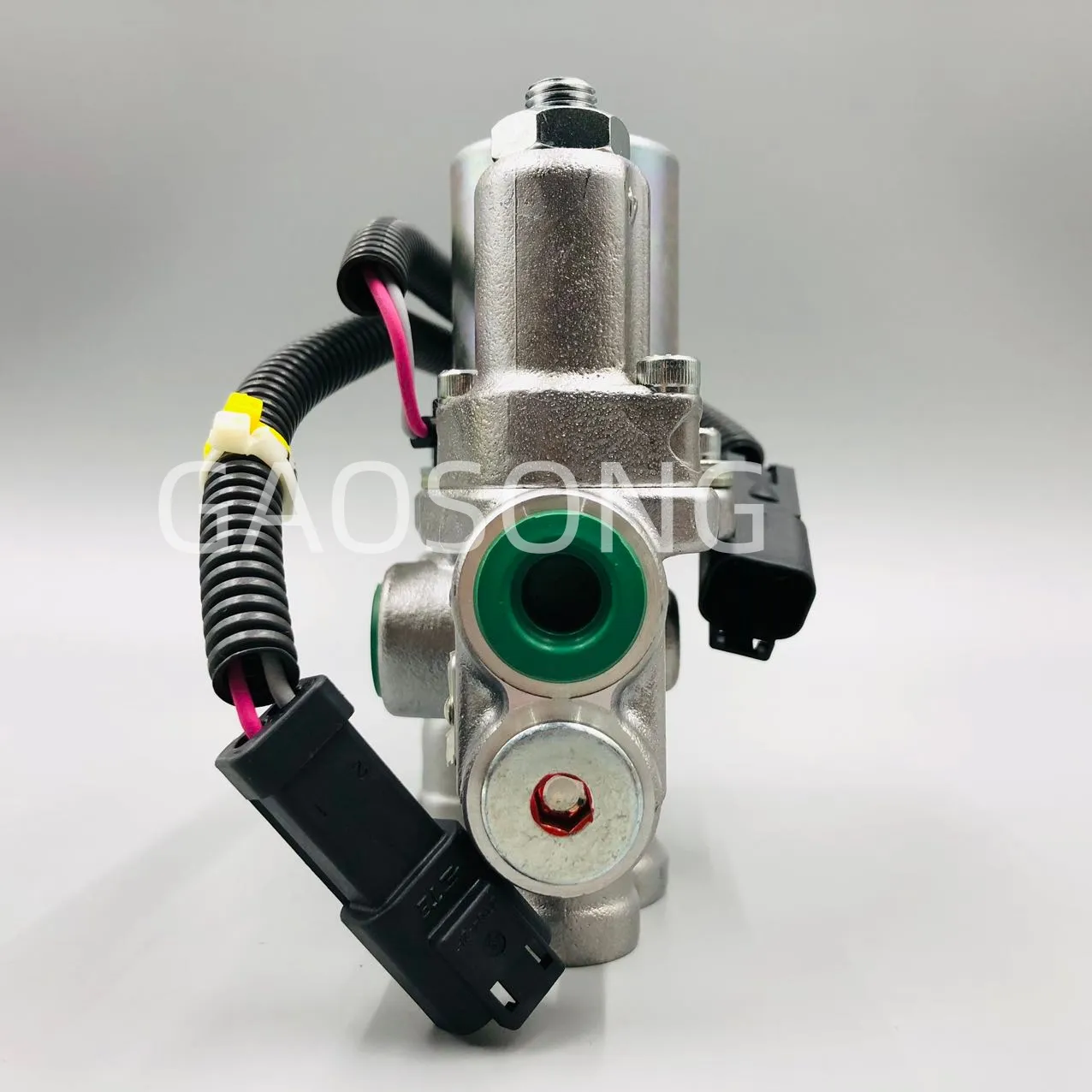 22F-60-31600 VALVE ASS’Y,(SEE FIG.Y1681-01A0).-Komatsu Original Factory
 -
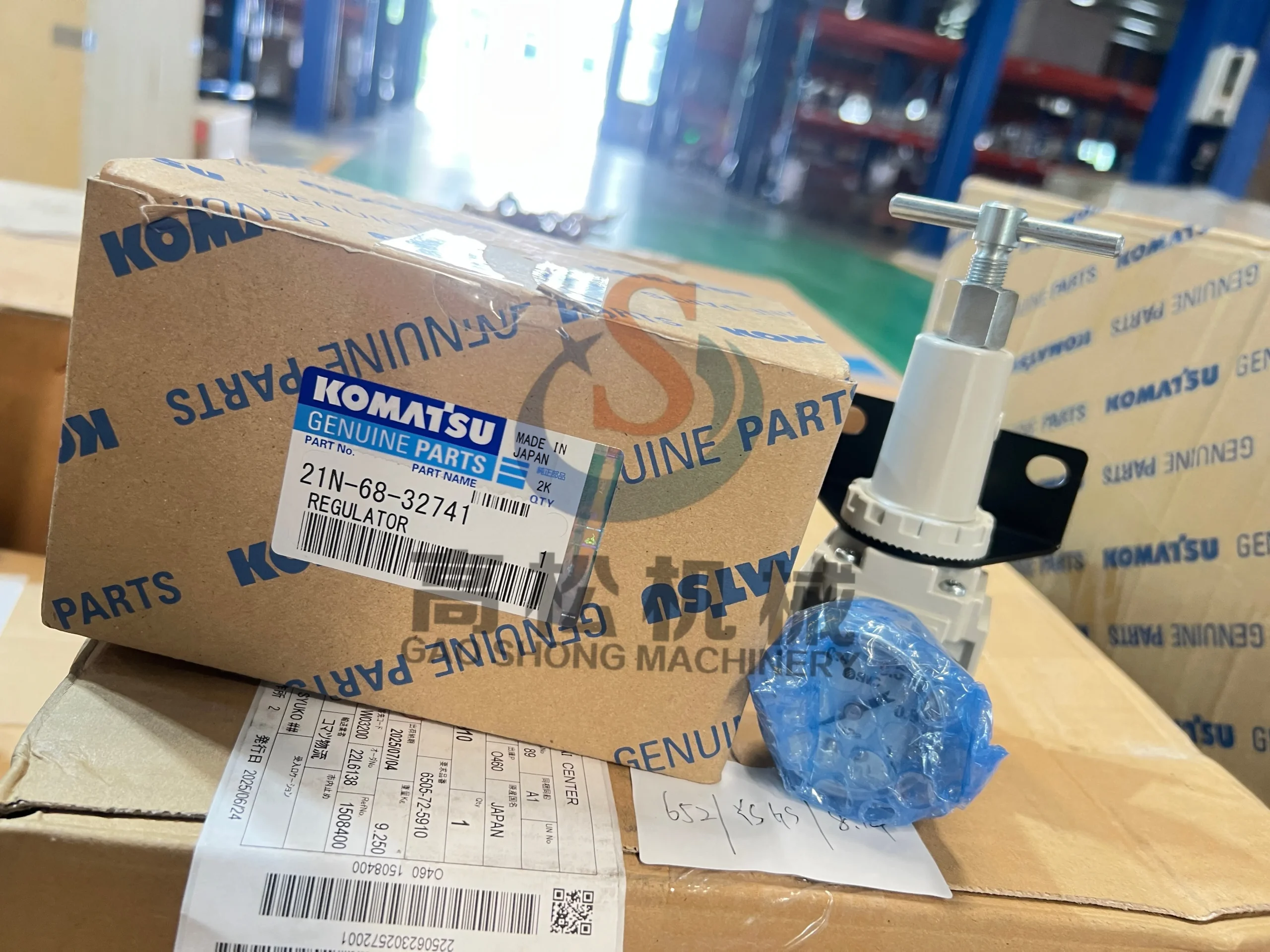 REGULATOR – 21N-68-32741
 -
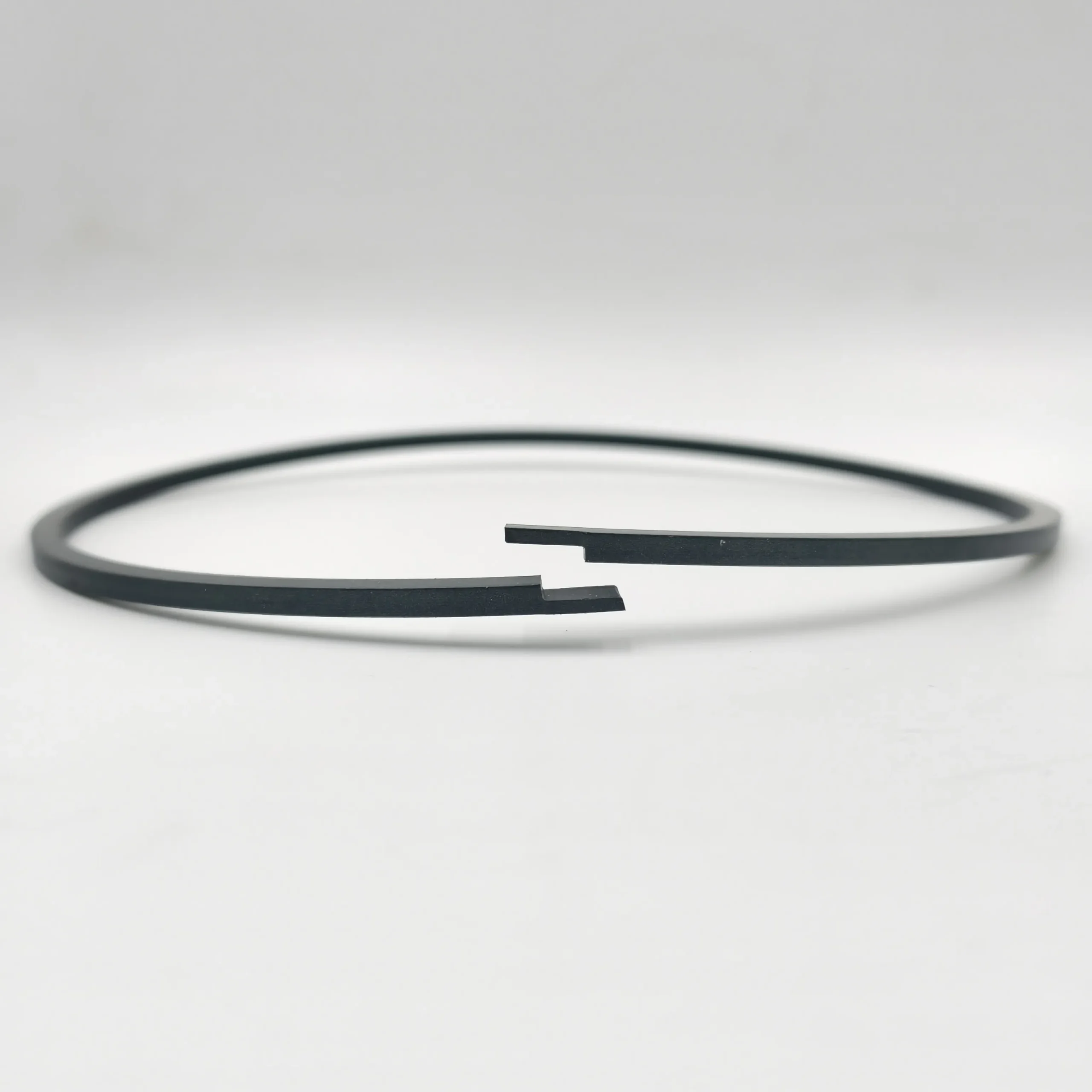 14X-15-29210 SEAL RING
 -
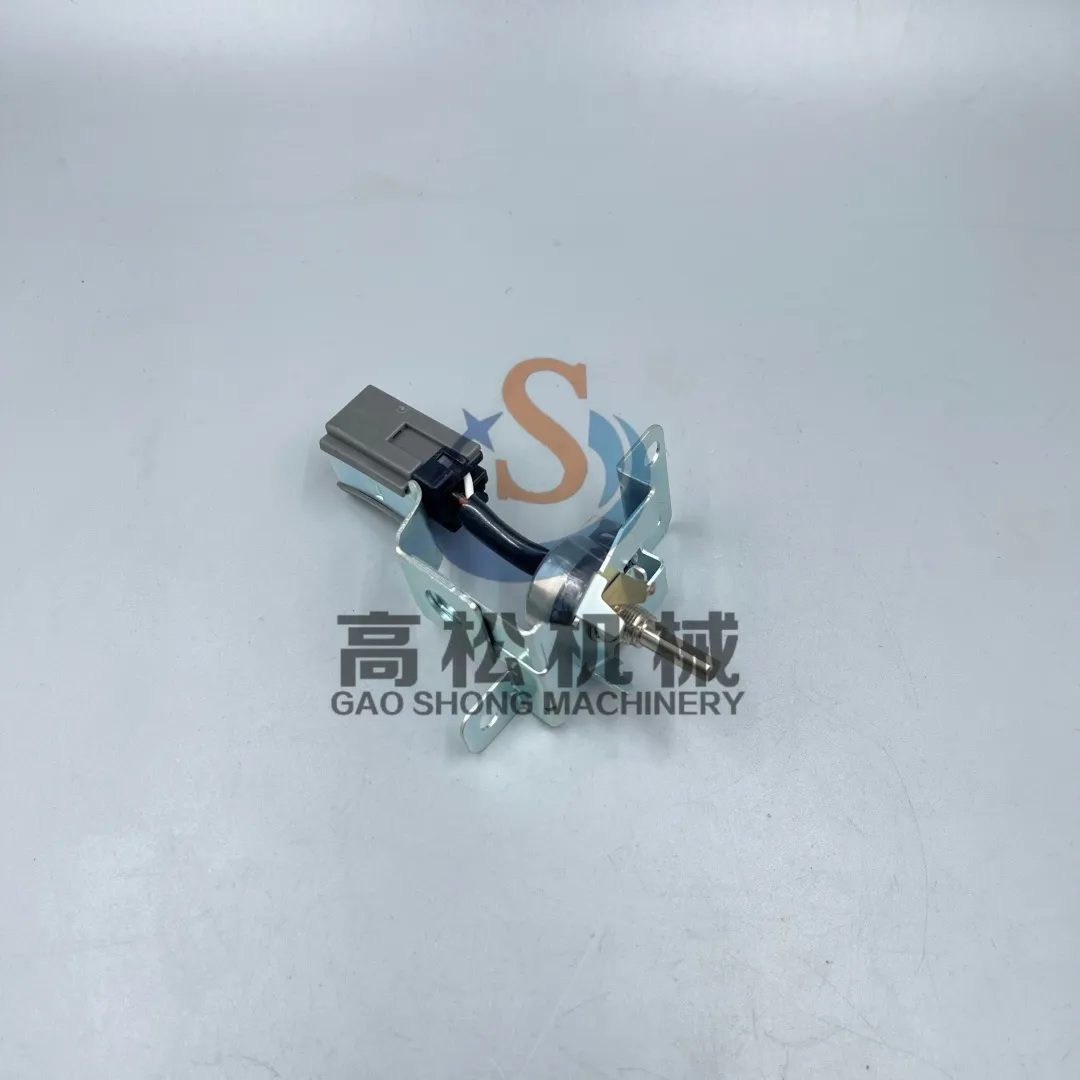 22U-06-22420 Komatsu Potentiometer Assembly
 -
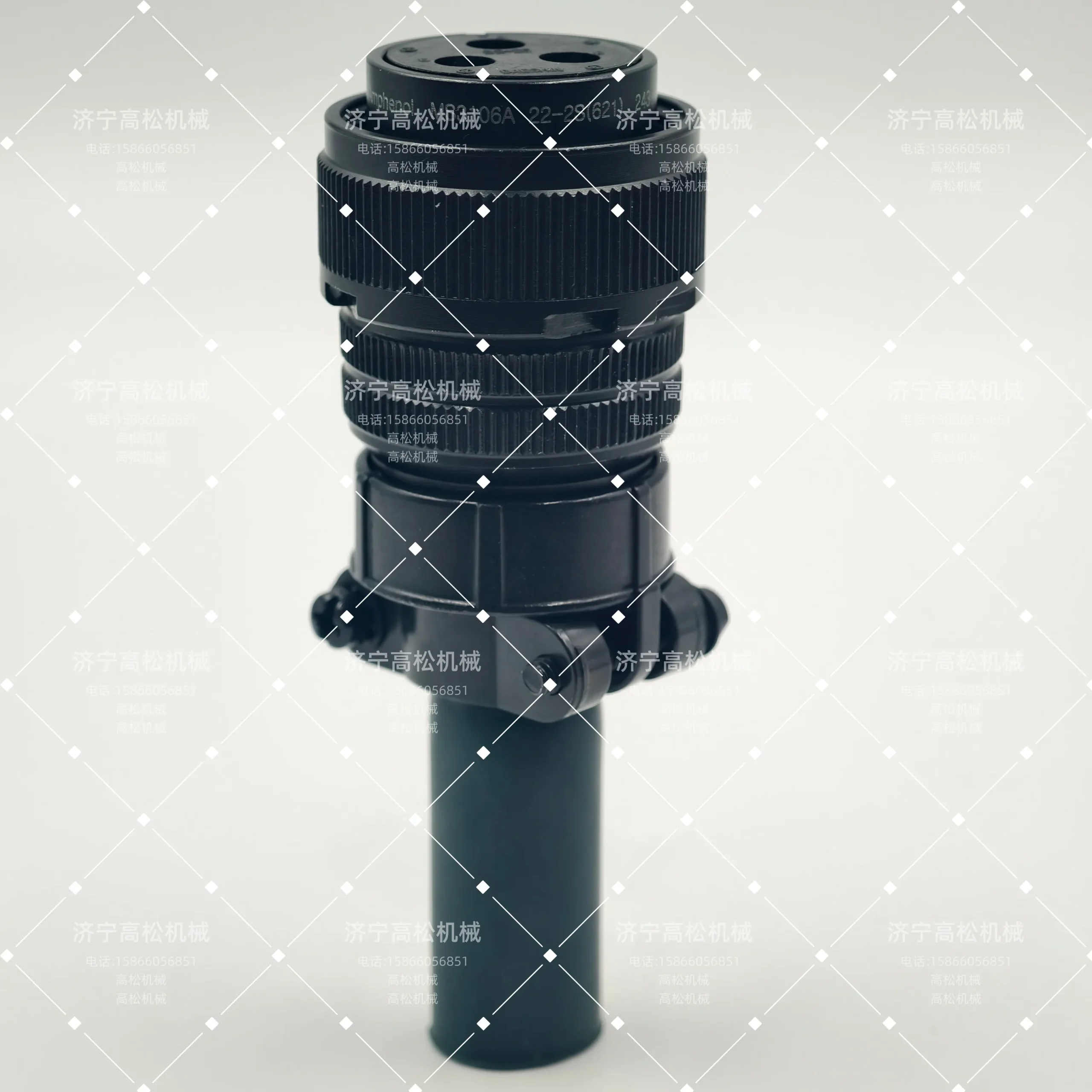 Top Quality 175-06-37871 Plug for Komatsu Mining Excavator Heavy…
 -
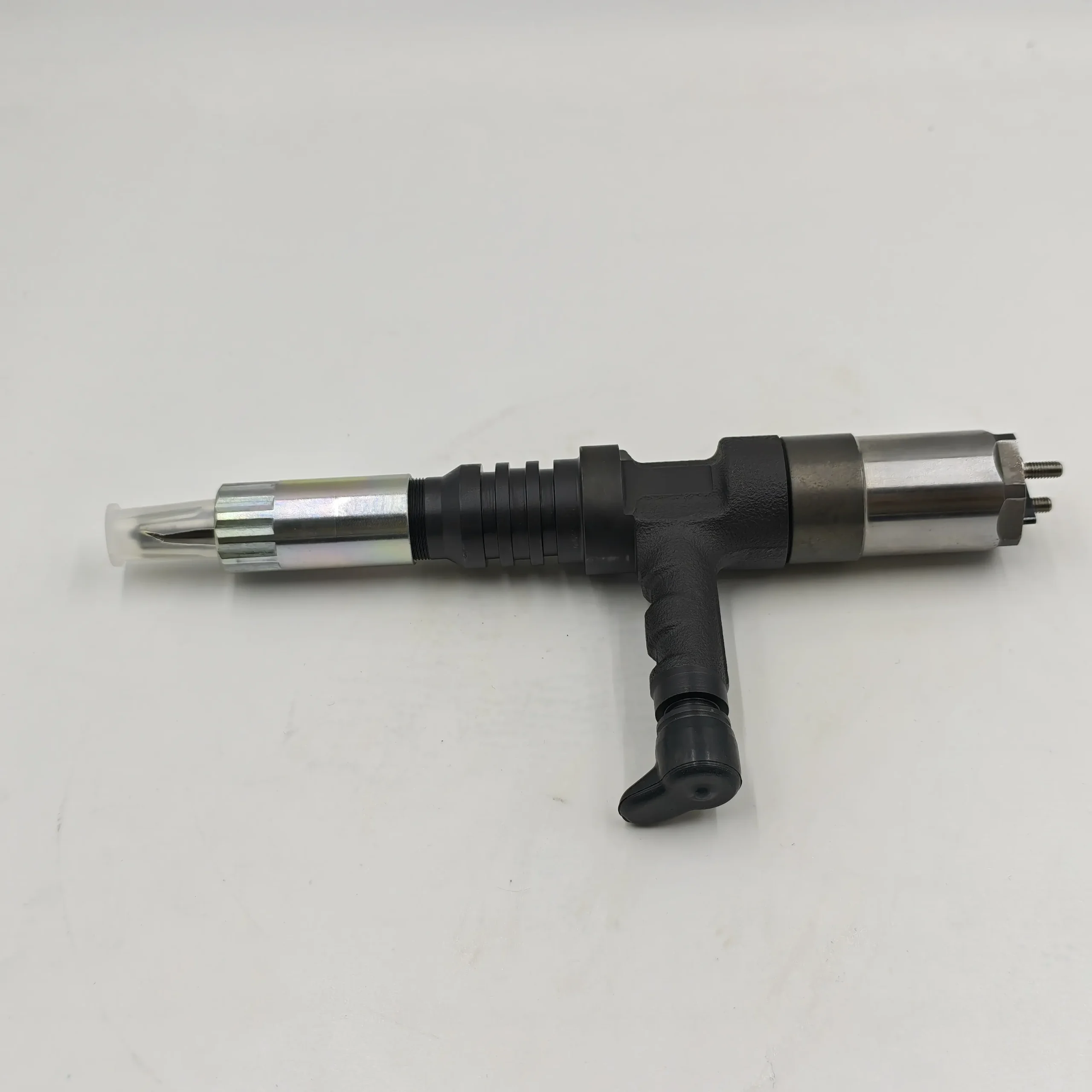 6218-11-3101 INJECTOR ASS’Y-Komatsu Original Factory
 -
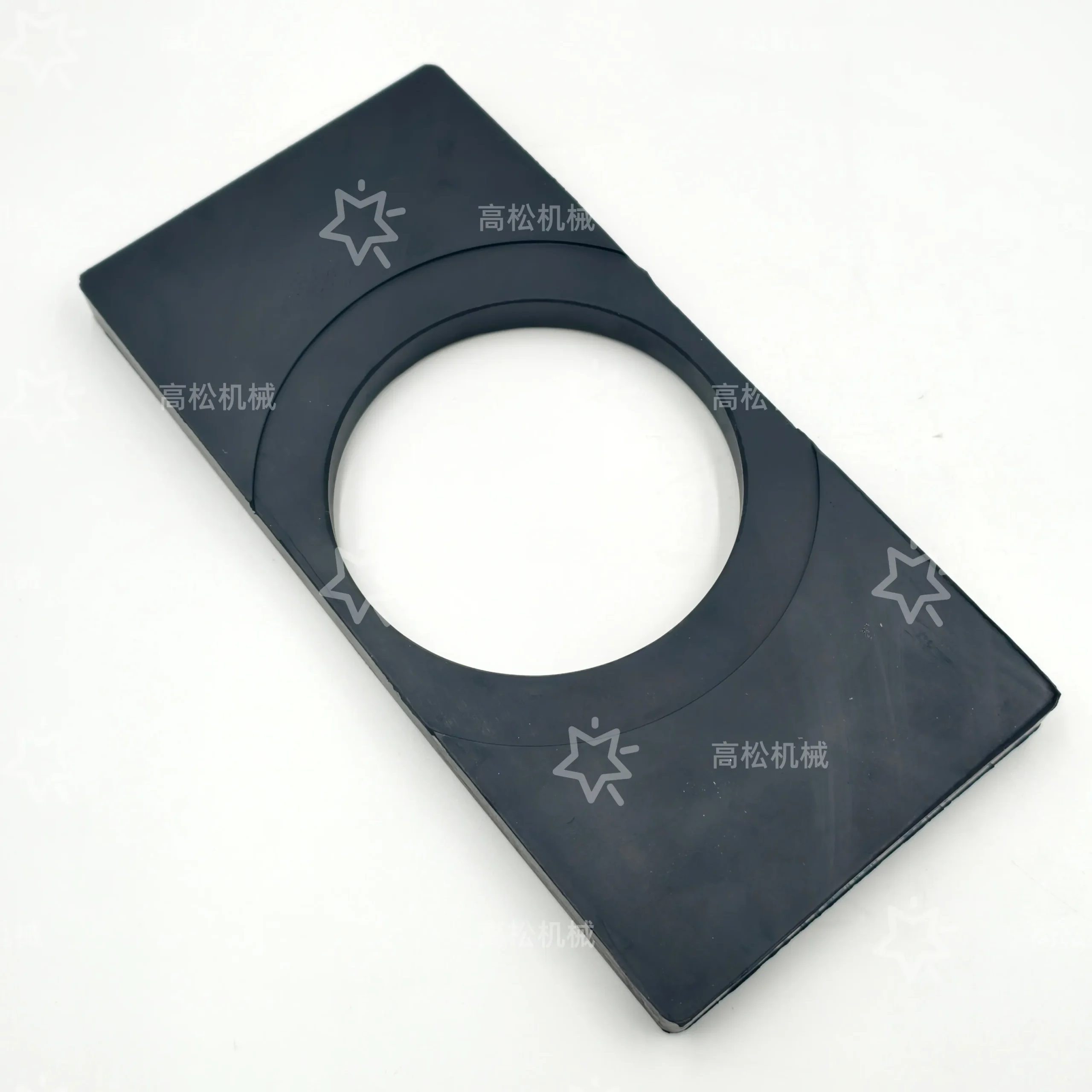 561-03-81550Shock Absorber KOMATSU HD465 HD785 PARTS for Komatsu