
- Chinese
- French
- German
- Portuguese
- Spanish
- Russian
- Japanese
- Korean
- Arabic
- Irish
- Greek
- Turkish
- Italian
- Danish
- Romanian
- Indonesian
- Czech
- Afrikaans
- Swedish
- Polish
- Basque
- Catalan
- Esperanto
- Hindi
- Lao
- Albanian
- Amharic
- Armenian
- Azerbaijani
- Belarusian
- Bengali
- Bosnian
- Bulgarian
- Cebuano
- Chichewa
- Corsican
- Croatian
- Dutch
- Estonian
- Filipino
- Finnish
- Frisian
- Galician
- Georgian
- Gujarati
- Haitian
- Hausa
- Hawaiian
- Hebrew
- Hmong
- Hungarian
- Icelandic
- Igbo
- Javanese
- Kannada
- Kazakh
- Khmer
- Kurdish
- Kyrgyz
- Latin
- Latvian
- Lithuanian
- Luxembou..
- Macedonian
- Malagasy
- Malay
- Malayalam
- Maltese
- Maori
- Marathi
- Mongolian
- Burmese
- Nepali
- Norwegian
- Pashto
- Persian
- Punjabi
- Serbian
- Sesotho
- Sinhala
- Slovak
- Slovenian
- Somali
- Samoan
- Scots Gaelic
- Shona
- Sindhi
- Sundanese
- Swahili
- Tajik
- Tamil
- Telugu
- Thai
- Ukrainian
- Urdu
- Uzbek
- Vietnamese
- Welsh
- Xhosa
- Yiddish
- Yoruba
- Zulu
- Kinyarwanda
- Tatar
- Oriya
- Turkmen
- Uyghur






OEM AND ORIGINAL KOMATSU WIRING HARNESS 569-44-85411
When you see a part number like for a Komatsu wiring harness, the immediate assumption is that it's a straightforward OEM item. But in the field, that's where the complications start. The term OEM gets thrown around too loosely, especially in third-party markets. For a critical component like a wiring harness, the difference between a true Komatsu-original part and a so-called OEM-compatible one isn't just about price—it's about machine uptime, diagnostic headaches, and long-term reliability. I've seen too many service tickets where intermittent faults traced back to a harness that looked right but failed under vibration or heat because the wire gauge or connector crimp wasn't to spec.
The Nuances of OEM in the Komatsu Ecosystem
Here's the thing: Komatsu doesn't manufacture every single wire and connector in-house. They rely on a network of certified suppliers who produce to their exact engineering drawings and quality standards. When we at Jining Gaosong Construction Machinery Co., Ltd. say we are an OEM product supplier within the Komatsu system, it means we have access to this authorized supply chain. The part bearing from this channel is, for all functional purposes, the original. The confusion often arises with pattern parts. These might physically plug in, but the copper content, insulation temperature rating, or shielding can be subpar. I recall a D65EX-12 where a non-original harness caused CAN bus errors; the resistance was just off enough to confuse the controllers.
The practical check? It's not just the packaging. You need to look at the markings on the wire itself—the printing should be legible and heat-resistant. The connectors should have the proper manufacturer logos (like Yazaki or Sumitomo) molded in, not blank. The bundle should be tight and the loom tape the correct material. An original Komatsu wiring harness has a consistency to it that you get a feel for after handling a few dozen. A third-party sales role, like ours, often involves educating customers on these subtle visual and tactile checks before they even power on the machine.
Our position, as outlined on https://www.takematsumachinery.com, is to bridge that gap. We're not just a reseller; we help solve parts supply challenges by providing clarity. In certain regions, getting genuine Komatsu parts can involve long lead times. Our job is to provide the authentic OEM AND ORIGINAL pathway, not a workaround that creates more downtime later. The website isn't just a storefront; it's a resource to verify the provenance of critical components like this harness.
Case in Point: The Specifics and Common Pitfalls
Let's get specific about . This isn't a generic engine harness; it's typically for a specific machine model's control system. From experience, it often services the pump controller and valve solenoids on certain mid-size excavators. The pitfall? Technicians sometimes try to repair a damaged section. While possible, it's risky. The repair must use the same cross-section wire and sealed, gold-plated pins. I've had to replace entire repaired harnesses because moisture ingress through a poorly sealed splice caused corrosion and voltage drops, leading to erratic pilot control response.
Another real-world issue is supersession. Does the current -85411 supersede an older number? Sometimes, yes. A minor connector change might be introduced. A reliable supplier should know this history. We've had instances where a customer ordered an old part number from a generic site and received a harness that was functionally obsolete, missing a crucial cavity for an updated sensor. That's a week of downtime waiting for the correct part. This is the supply challenge we aim to solve—providing not just a part, but the correct, current-generation part with the right technical backing.
Sourcing this harness from a platform like Takematsu Machinery should mean you're getting the same harness that would be shipped from a Komatsu depot. The difference might be logistics speed and cost. But the verification is key. We encourage customers to cross-reference the physical part with the Komatsu system upon receipt. Check the label, the part number stamped on the main connector housing. That due diligence is part of professional fleet management.
Why Original Matters Beyond the Label
Choosing the original Komatsu wiring harness is an investment in total cost of ownership, not just an initial purchase. A machine's electrical system is its nervous system. A faulty aftermarket harness can lead to phantom codes, sensor failures, and even damage to downstream ECUs. The diagnostic time alone to trace a grounding issue through a substandard harness can cost more than the price difference for the genuine part. I learned this the hard way early on, trying to save a customer money, only to have the machine back in the shop three times for related electrical gremlins. The warranty claim on the aftermarket part was useless; the labor cost was ours to eat.
The material science is real. The original harness is designed for the specific vibration profile, temperature range, and chemical exposure (like oil and coolant) of that machine model. The insulation won't become brittle near the engine block. The connectors will maintain their seal. This isn't marketing fluff; it's what prevents a $300 part from causing $15,000 in downtime and collateral damage.
For companies like ours, being a third-party sales company for Komatsu carries a responsibility. It's not about moving boxes. It's about ensuring the part in the box, like , restores the machine to its original performance and reliability spec. Our company's focus on solving parts supply challenges is directly tied to providing this level of certainty, especially in markets where the official distribution network is thin.
Practical Advice for Procurement and Verification
So, how do you navigate this? First, insist on documentation. A proper supplier should be able to provide traceability. Second, upon receipt, do a physical audit. Compare the new harness with the old one, length, connector keying, and wire colors. Don't just assume it's plug-and-play. I once received a batch where the connector bodies were correct, but the pin-out sequence for two wires was swapped. It was a manufacturing error from an unauthorized source. Catching it on the bench saved a controller from being fried.
Build a relationship with a supplier who understands the technical side, not just the catalog. When you contact a source, ask them specific questions: Is this the latest revision for the ? or Can you confirm the country of origin for the wire used? Their answers will tell you everything. A reputable supplier, such as Jining Gaosong Construction Machinery Co., Ltd., will have these answers because they are integrated into the OEM system and deal with these realities daily.
Finally, consider the total logistics package. Does the supplier understand export regulations if needed? Can they provide the proper customs documentation to avoid delays? For a critical part like a main wiring harness, time spent in transit is dead time. Our operational model is built on streamlining this entire process, from verifying the part's authenticity in our inventory to ensuring it gets to the job site with minimal bureaucratic friction.
Concluding Thoughts: The Real Value Proposition
In the end, the part number is just a reference. The value is in the integrity of the supply chain behind it. The construction industry runs on machine availability. Specifying and sourcing a true OEM and original Komatsu wiring harness is one of the most cost-effective decisions a maintenance manager can make. It eliminates a major variable in machine troubleshooting.
The role of specialized third-party companies is becoming more crucial. As machines get more electronically complex, the need for authentic, reliable parts access grows. It's not about bypassing the OEM; it's about extending its reach and support capability efficiently. That's the niche we operate in.
Look at it this way: the wiring harness is the one component you hope you never have to think about once it's installed. That peace of mind only comes from using the original. Everything else is just a calculated risk, and in today's market, with labor rates and downtime costs, that's a calculation that rarely works out in your favor. Stick with the spec, verify your sources, and keep the machines running.
Related Products
Related Products

Best Selling Products
Best Selling Products-
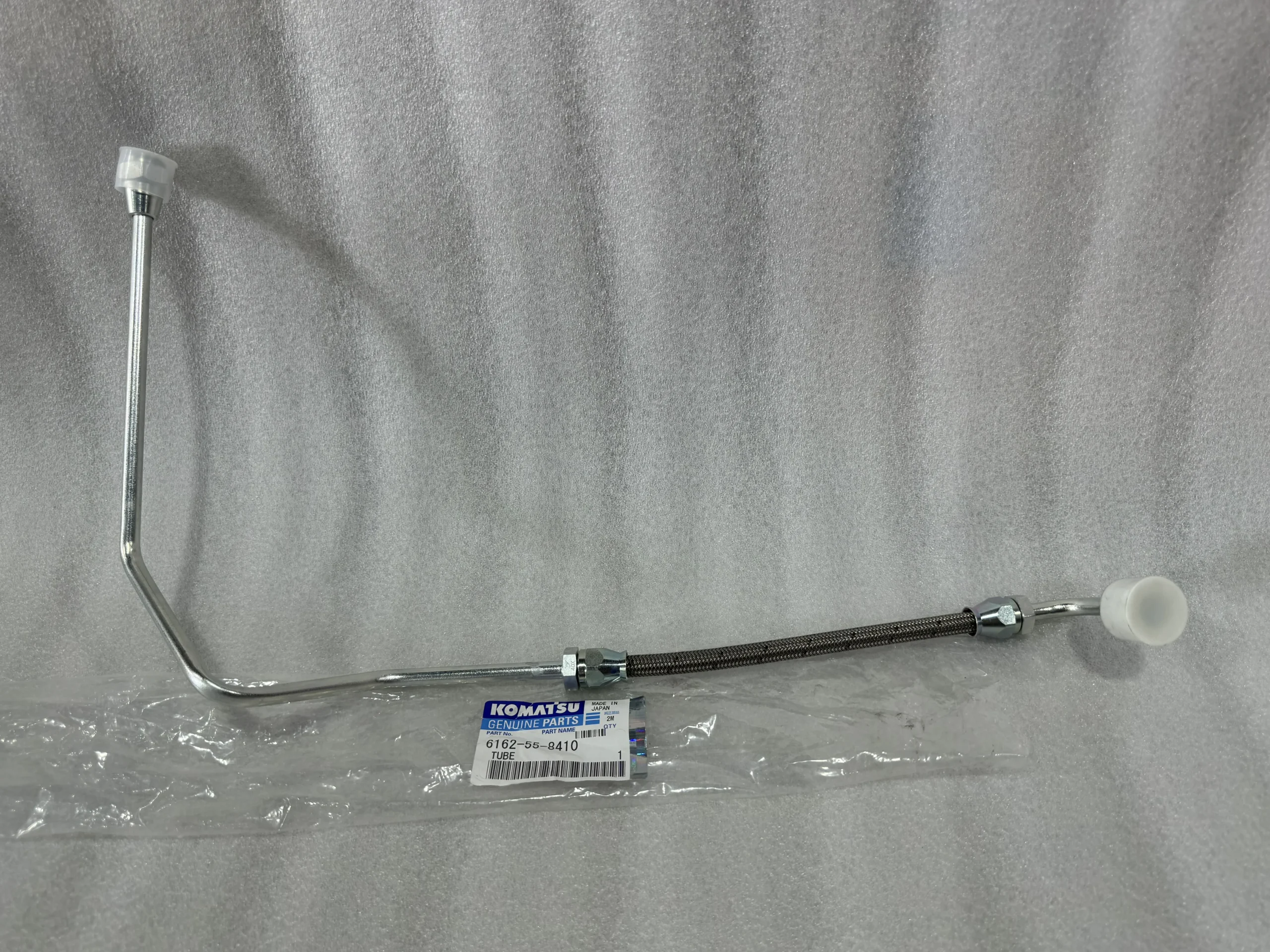 6D170-2 Oil Pipe 6162-55-8410
 -
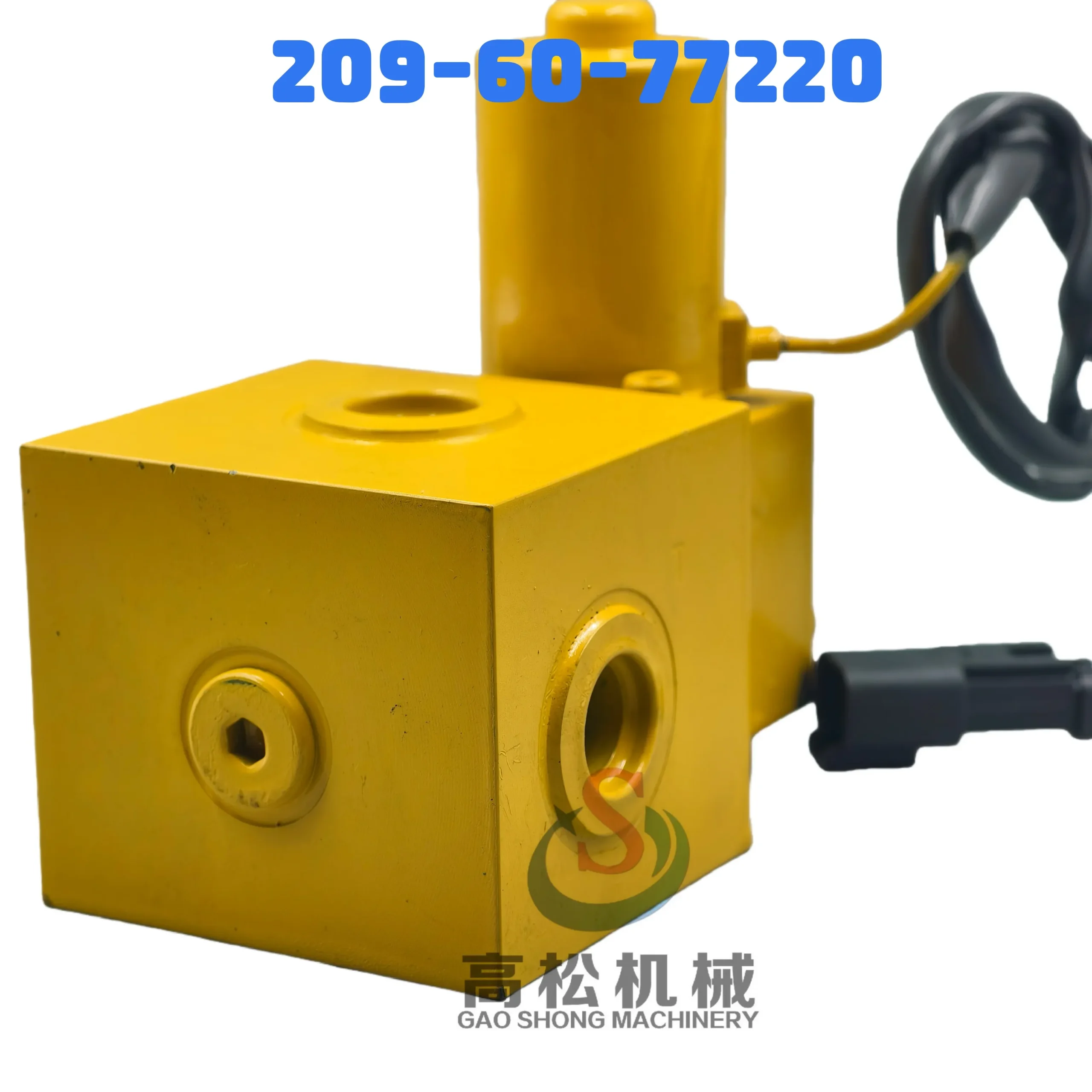 Valve 209-60-77220 for Komatsu
 -
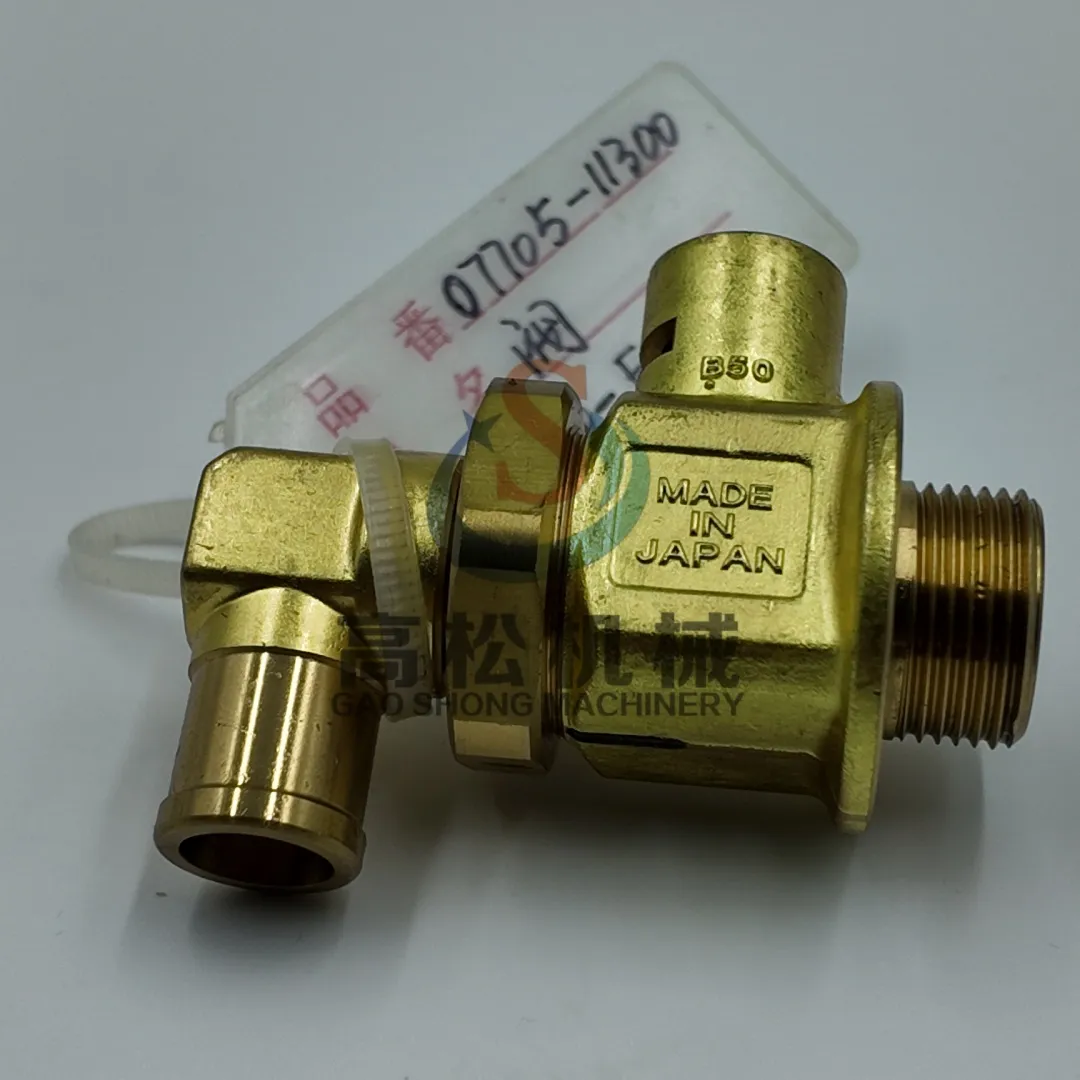 VALVE DRAIN 07705-11300 Komatsu Parts
 -
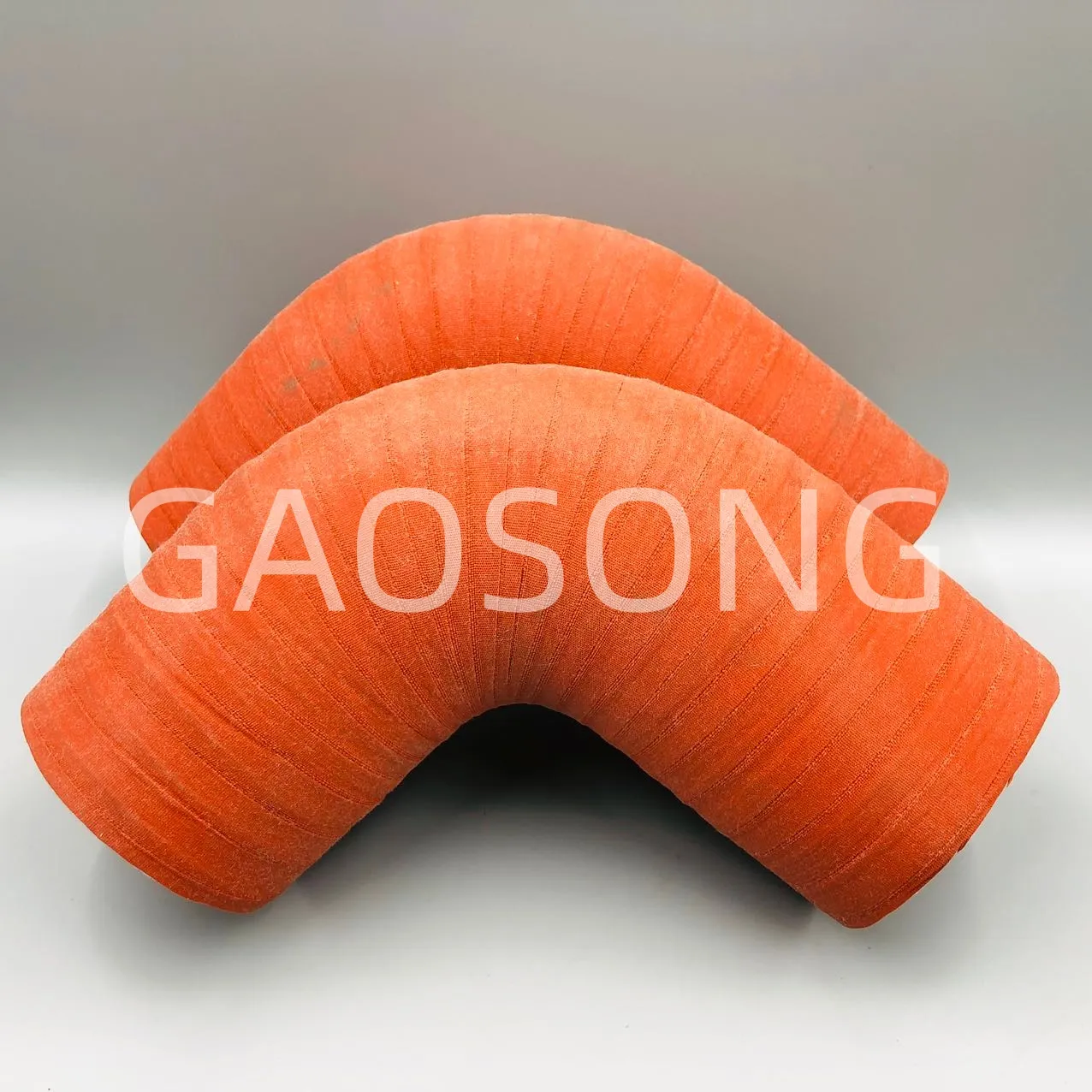 6743-11-4931 HOSE-Komatsu Original Factory
 -
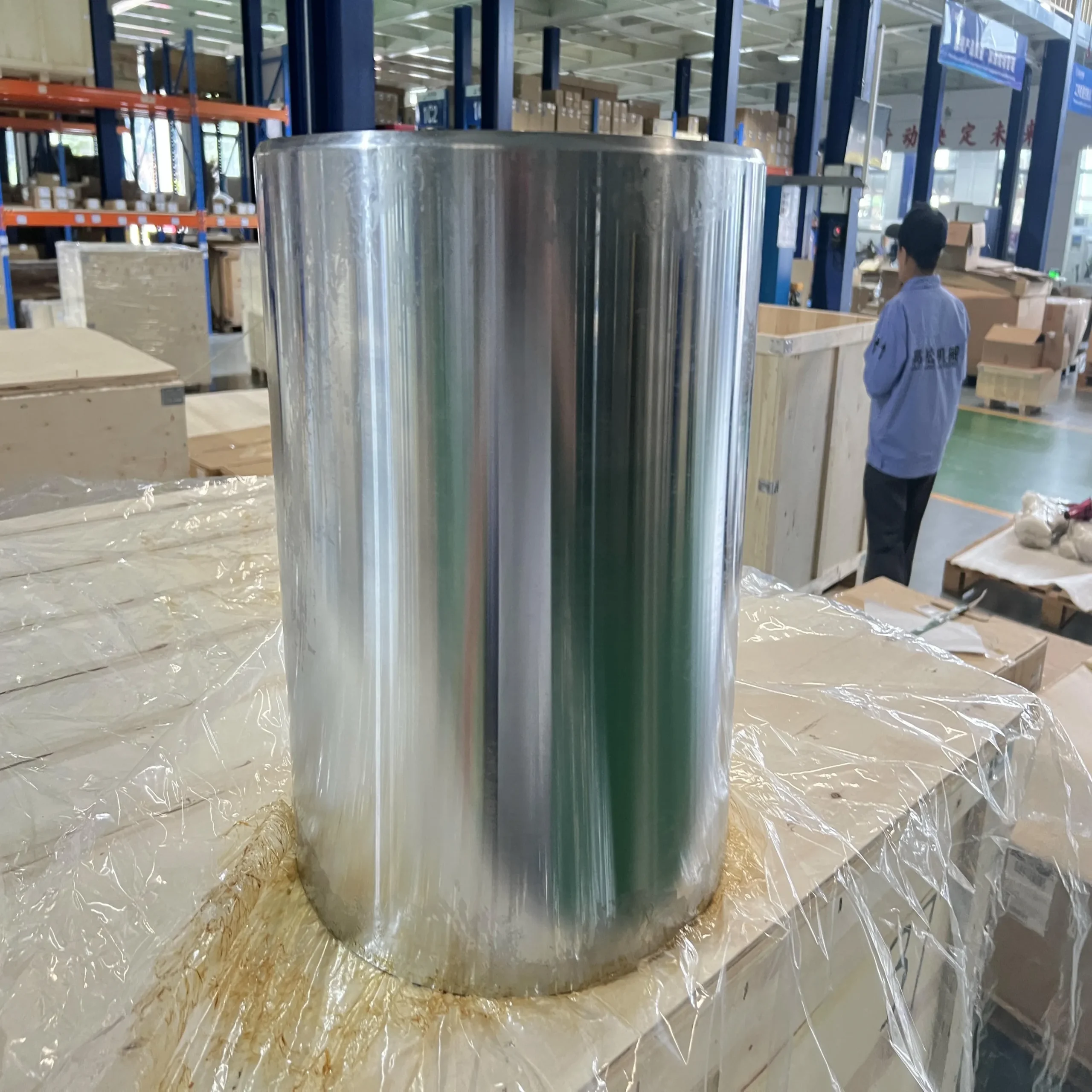 Komatsu D275-2/-5 17M-30-26620 Heavy Duty Swing Motors
 -
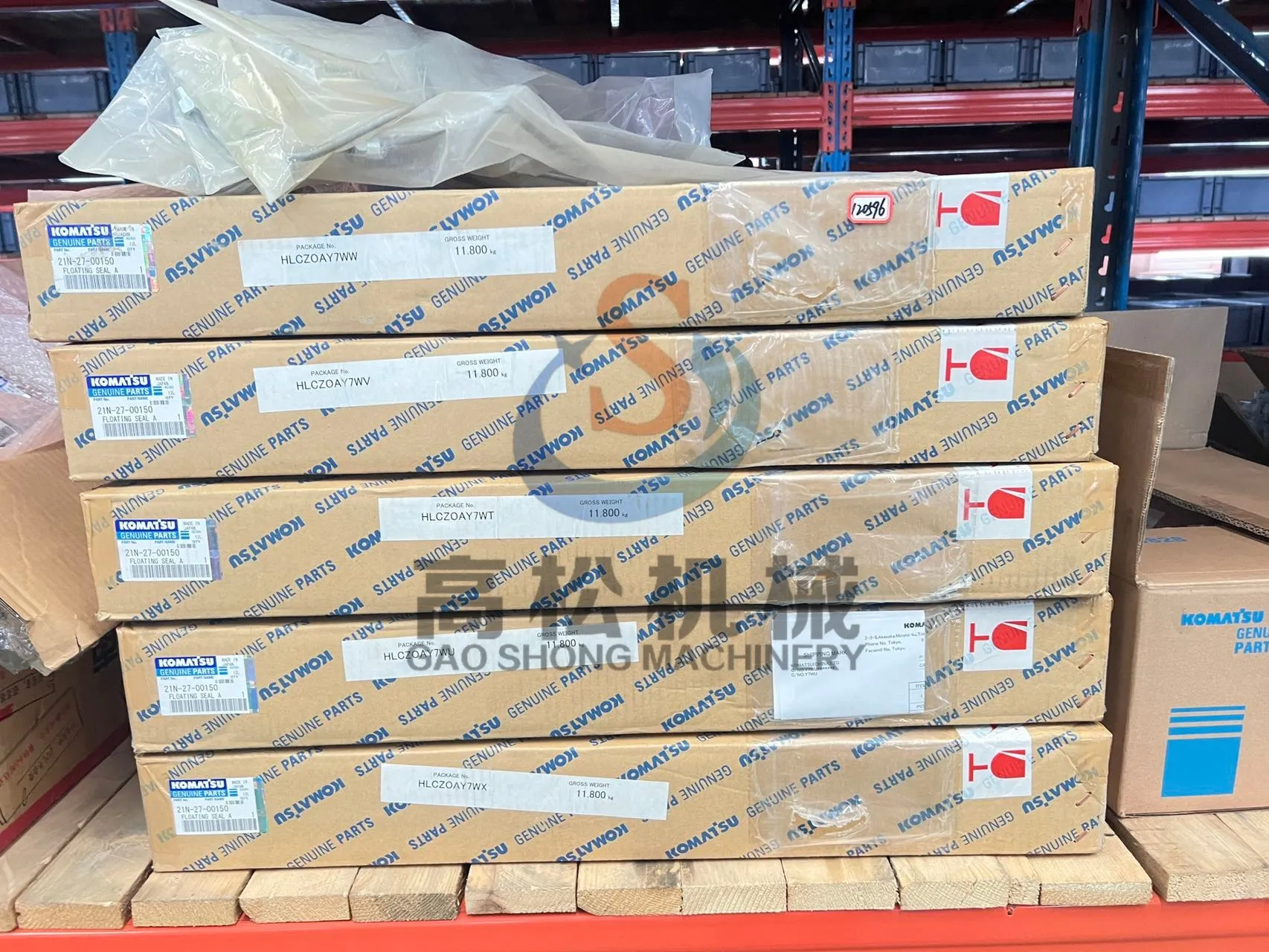 21N-27-00150 Komatsu Floating Seal Assembly
 -
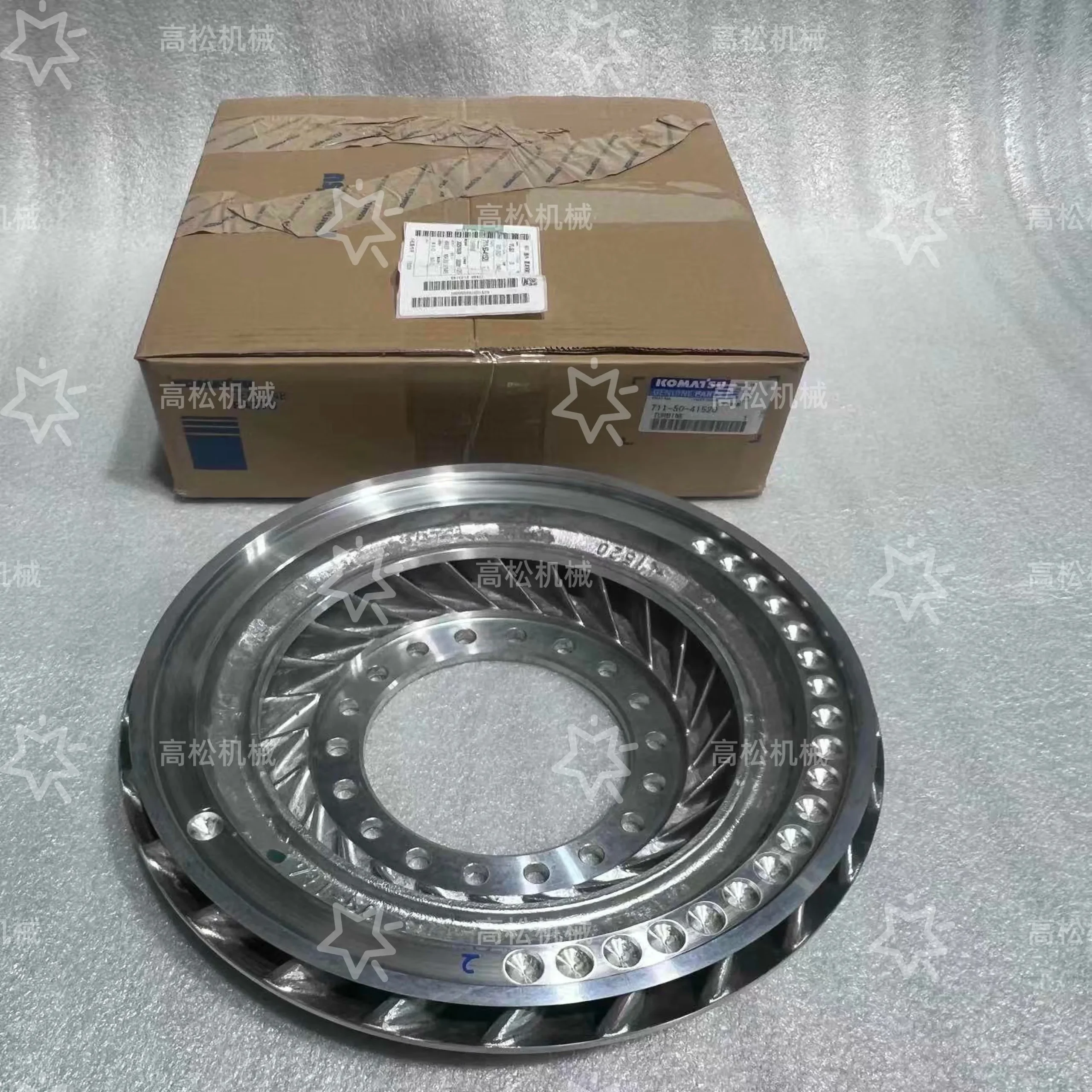 711-50-41520 TURBINE fits KOMATSU
 -
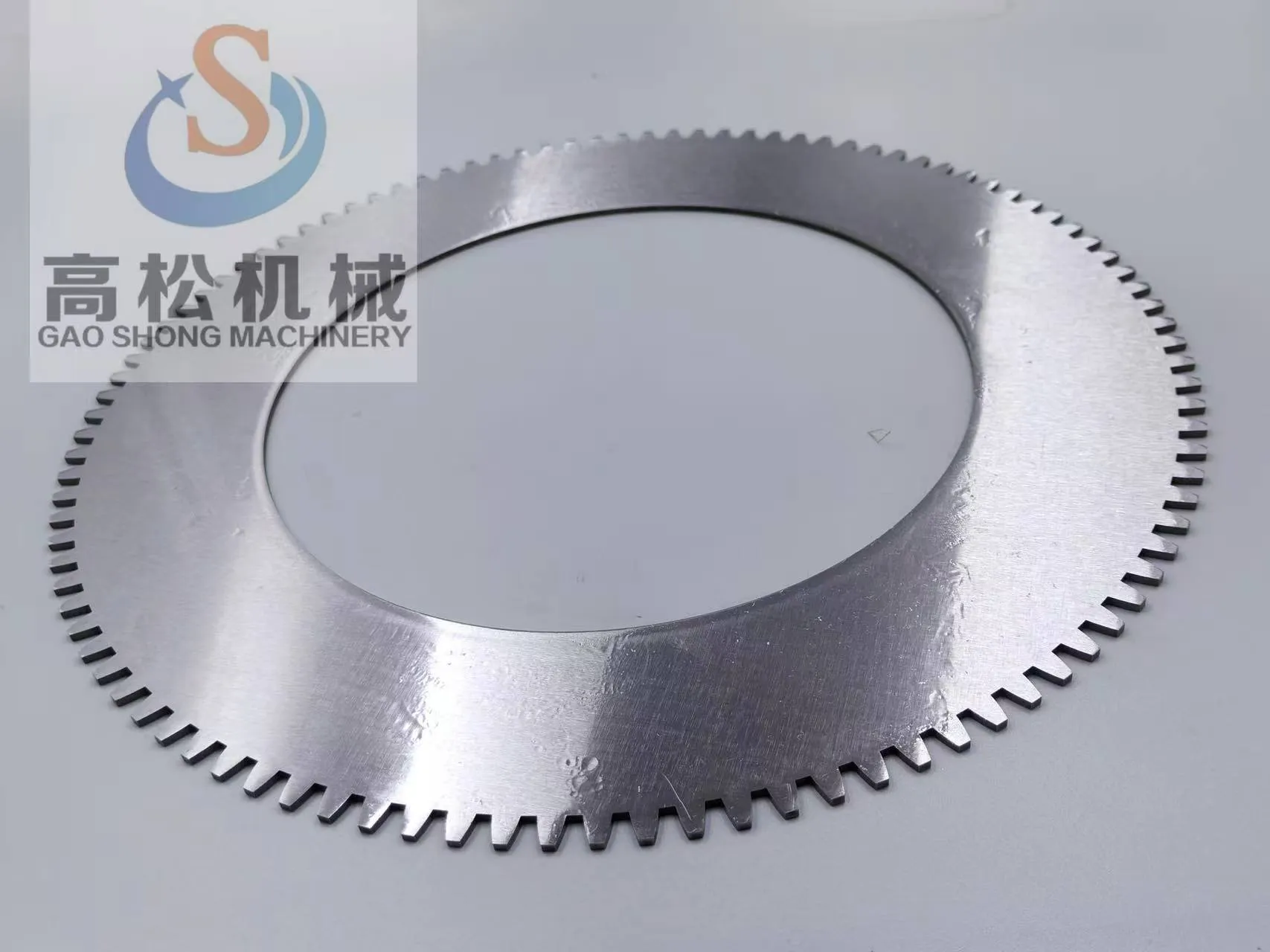 Ring seal gd825a grader 235-22-11550
 -
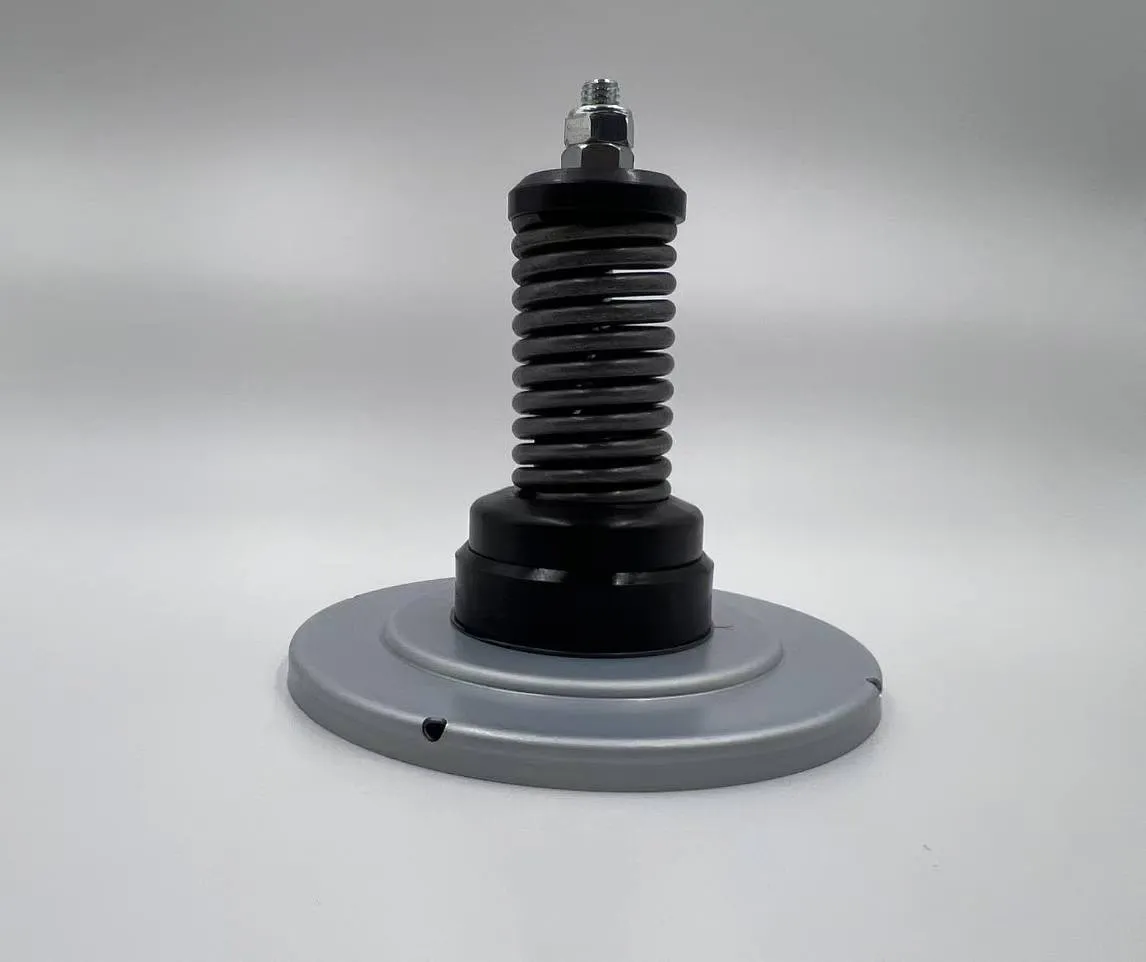 20Y-60-31450 Komatsu Valve Assembly
 -
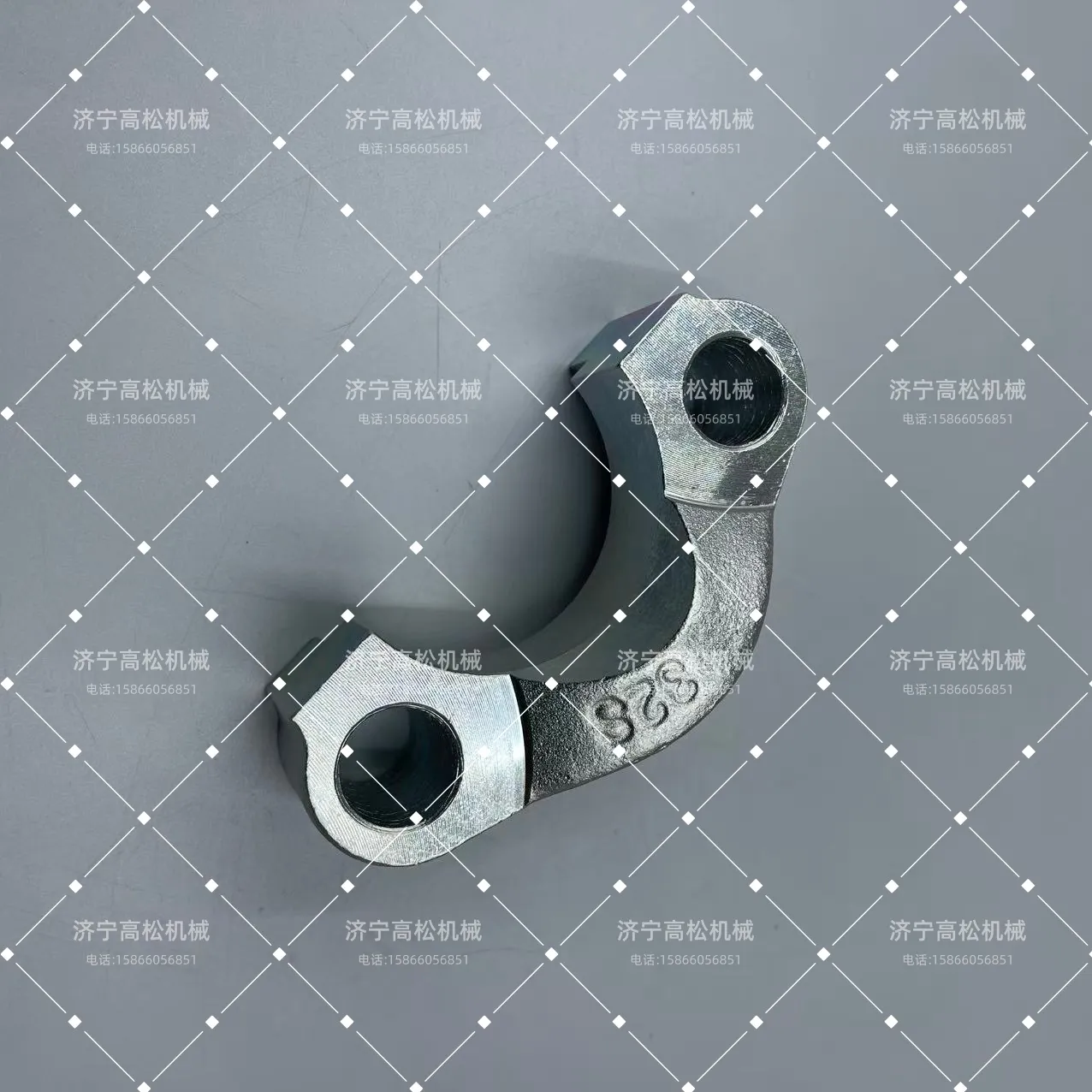 07371-52080 Komatsu FLANGE | AGA Parts
 -
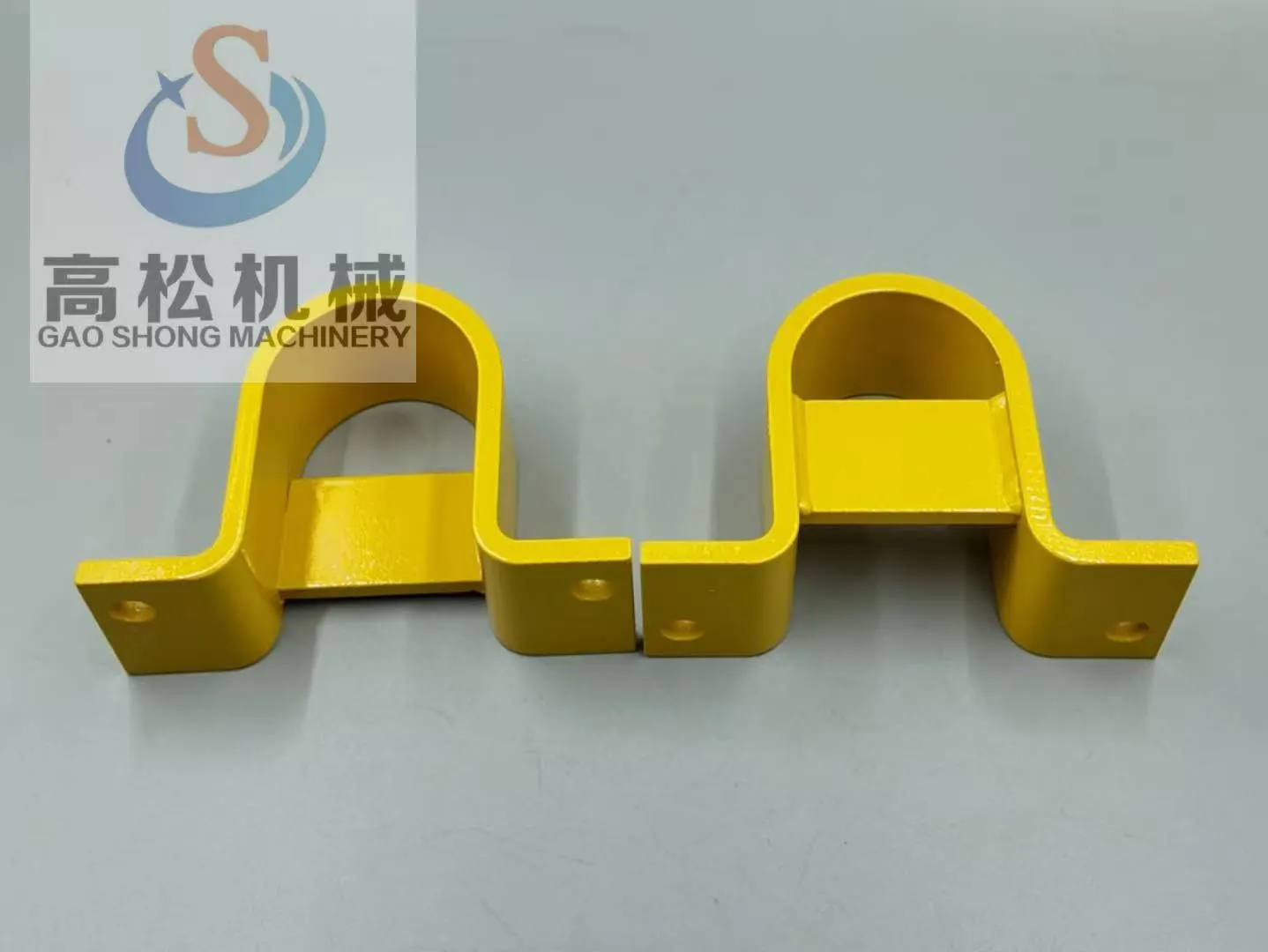 425-04-21430 Compatible models: WA500 Komatsu cover. Large inventory, current spot pricing advantages.
 -
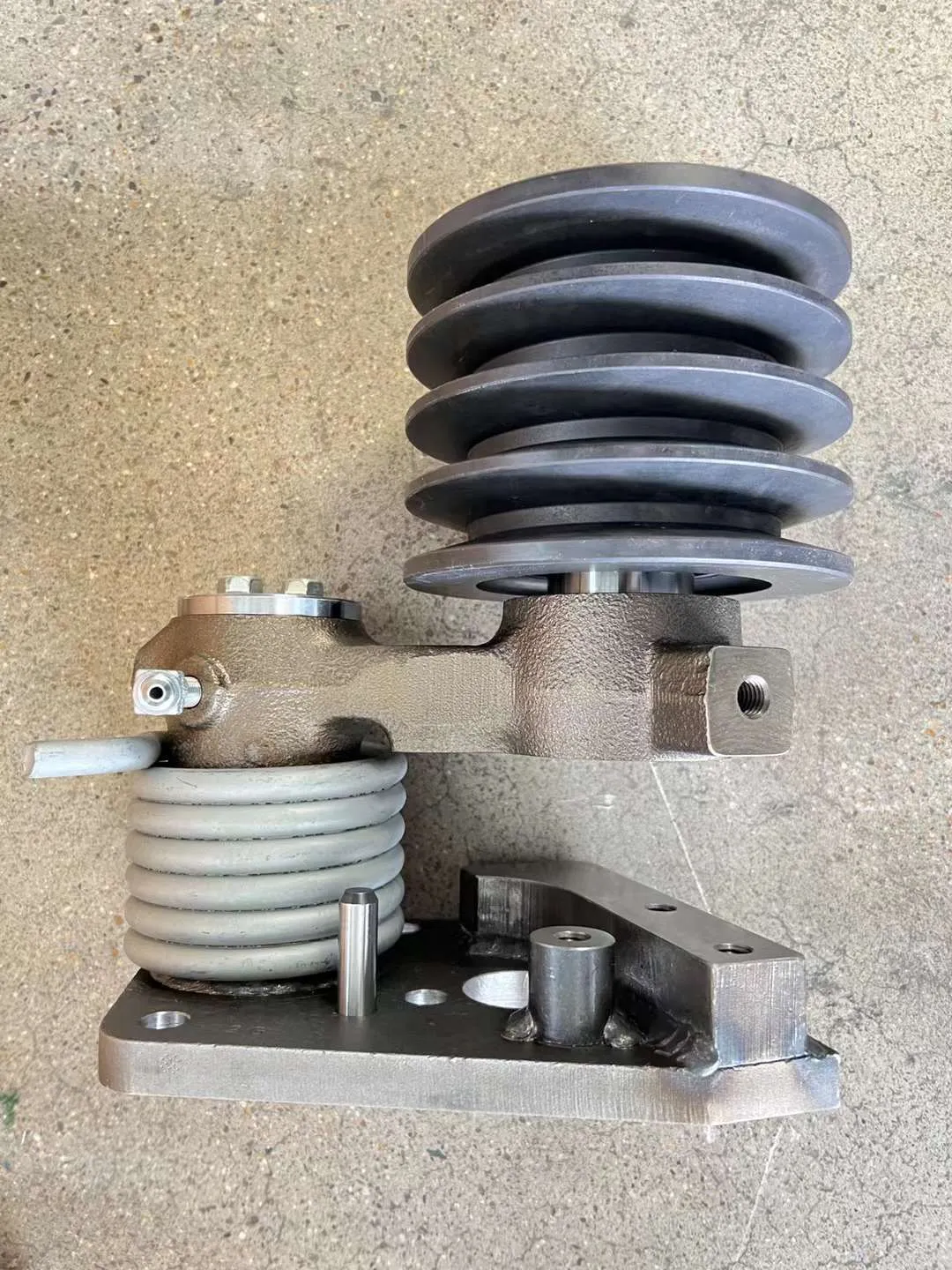 HD465-7R Tension Assembly 6245-61-3901