
- Chinese
- French
- German
- Portuguese
- Spanish
- Russian
- Japanese
- Korean
- Arabic
- Irish
- Greek
- Turkish
- Italian
- Danish
- Romanian
- Indonesian
- Czech
- Afrikaans
- Swedish
- Polish
- Basque
- Catalan
- Esperanto
- Hindi
- Lao
- Albanian
- Amharic
- Armenian
- Azerbaijani
- Belarusian
- Bengali
- Bosnian
- Bulgarian
- Cebuano
- Chichewa
- Corsican
- Croatian
- Dutch
- Estonian
- Filipino
- Finnish
- Frisian
- Galician
- Georgian
- Gujarati
- Haitian
- Hausa
- Hawaiian
- Hebrew
- Hmong
- Hungarian
- Icelandic
- Igbo
- Javanese
- Kannada
- Kazakh
- Khmer
- Kurdish
- Kyrgyz
- Latin
- Latvian
- Lithuanian
- Luxembou..
- Macedonian
- Malagasy
- Malay
- Malayalam
- Maltese
- Maori
- Marathi
- Mongolian
- Burmese
- Nepali
- Norwegian
- Pashto
- Persian
- Punjabi
- Serbian
- Sesotho
- Sinhala
- Slovak
- Slovenian
- Somali
- Samoan
- Scots Gaelic
- Shona
- Sindhi
- Sundanese
- Swahili
- Tajik
- Tamil
- Telugu
- Thai
- Ukrainian
- Urdu
- Uzbek
- Vietnamese
- Welsh
- Xhosa
- Yiddish
- Yoruba
- Zulu
- Kinyarwanda
- Tatar
- Oriya
- Turkmen
- Uyghur






OEM AND ORIGINAL KOMATSU WIRING HARNESS 569-15-55820
Let’s cut straight to it: when someone searches for 'OEM AND ORIGINAL KOMATSU WIRING HARNESS ', they're usually in a bind. They need a part that’s critical, likely for a machine down on a site, and they’re facing the classic dilemma—chasing the genuine Komatsu part with its lead times and cost, or gambling on a copy that might fail in six months. The term OEM AND ORIGINAL itself is a minefield. Many assume they’re the same thing, but in the trenches, we know the difference is everything. An OEM product supplier within the Komatsu system isn't just a reseller; they operate under specific technical and quality protocols. That harness from such a source? That's what we call original Komatsu. The aftermarket versions might carry the same part number, but the copper gauge, the temperature rating of the insulation, the crush resistance of the conduit—it’s rarely identical. I’ve seen machines throw intermittent codes for months because of a sub-par harness that ‘fit’ perfectly.
The Anatomy of a Genuine
Pulling a real one out of the box, the first thing you notice is the weight. It’s heavier. That’s not by accident. The wire itself is typically a finer strand count, making it more flexible and resistant to fracture from vibration—a huge deal on an excavator or dozer. The connectors are another tell. They have a specific sheen, the seals are pliable but tough, and the locking tabs click with a definitive, solid sound. Counterfeits often feel brittle or snap loosely into place. The labeling on the genuine Komatsu wiring harness is precise, with the part number, batch code, and often a QR code that traces back to the production line. I remember a job in Indonesia where we installed a non-OEM 55820-lookalike. It worked... for about 300 hours. Then, the machine started with random hydraulic pilot system errors. Took us a week of diagnostics to trace it back to a voltage drop across a single wire in a bundle that had corroded from the inside out. The insulation looked fine from the outside.
This gets to the core of why companies like Jining Gaosong Construction Machinery Co., Ltd. exist. Their stated role as an OEM product supplier within the Komatsu system and a third-party sales company is precisely the hybrid model that addresses real supply chain fractures. They aren't just brokers; they are a conduit for factory-spec parts into markets where the official distribution is thin, slow, or prohibitively expensive. When they list an original Komatsu wiring harness , it implies a pedigree. It means that harness was produced for Komatsu, to Komatsu's prints, likely in the same factory that feeds the main assembly line. The value isn't just in the part, but in the certainty.
The practical implication? Sourcing from such a channel can shave weeks off a repair. Instead of a parts request going through multiple international tiers, it can come from a consolidated stock that understands the urgency. I’ve worked with their team before—the communication is direct. You send the part number, they confirm stock and origin, and you get the shipping details. It’s transactional in the best way, focused on solving the parts supply challenges they mention, without the fluff. You don't get a sales pitch; you get a confirmation of whether it's genuine and when it can move.
Where Fits Harnesses Fail
Let’s talk about the alternative. The market is flooded with harnesses advertised as compatible with or replacement for . Price is attractive, sometimes 40% less. The failure mode is rarely catastrophic immediate failure. It’s insidious. It’s the sensor on a PC200-8 giving sporadic readings because the wire shielding is inadequate and picks up interference from the alternator. It’s the connector housing that cracks after one winter because the plastic isn't UV-stabilized. I once made the call to use a ‘high-quality’ aftermarket harness on a D65 dozer to get a road project back on schedule. The logic was sound: save money, save time. The harness looked well-made. But the pin retention in the main ECU plug wasn't to spec. After a month of heavy vibration, one pin backed out just a millimeter, creating an intermittent open circuit. The machine would just die. No warning. Took two field mechanics and a flight for a specialist to find it. The downtime cost eclipsed the savings on ten genuine harnesses.
This is the hidden cost. A wiring harness is the nervous system of the machine. A fault here doesn't just stop one function; it can create a cascade of confusing, unrelated error codes that send diagnostics down rabbit holes. The labor hours spent chasing ghosts are where the real budget gets blown. That’s why, for critical components like this, the total cost of ownership calculation must include diagnostic risk. An original Komatsu part eliminates that variable. You know the electrical characteristics are perfect, the fit is perfect, and the durability is validated. It’s a one-and-done repair.
Working with suppliers who acknowledge the dual role—OEM supply and third-party facilitation—is key. Their website, takematsumachinery.com, frames it correctly: helping to solve supply challenges. They aren't claiming to be Komatsu direct, but they are claiming access to the OEM pipeline. For a fleet manager in a region with poor official support, that’s a lifeline. It turns a potential 8-week machine-down situation into a 10-day air-freight turnaround. The part might come in plain packaging, but the labels and build quality confirm its origin.
Verification and the Gray Market Reality
So, how do you verify you're getting the real ? First, ask for documentation. A legitimate supplier in this space should provide, at minimum, a certificate of conformity or traceable packing slips that reference Komatsu part numbers and batch codes. Second, physical inspection upon arrival. Check the texture of the wires—they should be supple, not stiff. Examine the molding marks on connectors for sharp, clean edges, not flash or rough seams. The color coding should be vibrant and consistent throughout the entire length. I’ve received harnesses where the color dye was inconsistent from one end to the other, a sure sign of inferior materials.
The gray market for Komatsu parts is vast. A supplier like Jining Gaosong operates in a defined niche within it. They are not the shady back-alley operation; they are a structured business filling a gap. Their model relies on relationships within the Komatsu ecosystem to access genuine inventory that can be redirected to meet demand in underserved markets. This is different from a pure reverse-engineering aftermarket manufacturer. When they sell an OEM wiring harness, they are selling surplus, overrun, or allocated stock that meets the original manufacturing standard. It’s a crucial distinction.
One practical tip: always cross-reference. The number might be superseded or have regional variants. A good technical parts person or a reliable supplier will know this. I’ve seen cases where a machine serial number range required a slight connector variation, and only the genuine OEM channel had the data to flag it before shipping. The aftermarket just ships the ‘standard’ 55820, leading to a fitment issue on the shop floor. Again, downtime.
The Business Case for Certainty
At the end of the day, the decision is financial, but it requires a broader view. For a non-critical machine in a low-production environment, maybe the risk of an aftermarket harness is acceptable. For a primary production machine, a high-hourage unit, or one working in extreme conditions (salt, dust, heat), the equation shifts dramatically. The premium for the original Komatsu wiring harness is an insurance policy. It’s buying predictability.
Companies that position themselves as problem-solvers, like the one mentioned, understand this calculus. They aren't selling a commodity; they are selling reliability and time. Their business is built on being the source you call when the official channel says 12 weeks ex-Japan and your project manager is breathing down your neck. They provide a legitimate alternative that doesn't compromise on the core component integrity.
In my own experience, building a shortlist of these hybrid suppliers has been invaluable. You develop contacts, understand their sourcing cycles, and build trust. When a PC300-6 goes down with harness damage, you don't start a new search. You go to your shortlist, confirm the is in stock as genuine OEM, and place the order. The repair gets planned with confidence. That’s the real value. It turns a potential crisis into a scheduled maintenance event. And in this business, that’s everything.
Final Thoughts on the Ground
Wrapping this up, the keyword isn't just a part number. It’s a symptom of a larger need in heavy equipment maintenance: access to verified, quality-critical components without the bureaucratic or logistical nightmare. The distinction between OEM-supplied original and generic replacement is the line between a smooth operation and a money pit.
The landscape is evolving. More entities are operating in this space between official distribution and the open market. Their credibility hinges on transparency and the actual provenance of the parts they sell. For a part as sensitive as a main wiring harness, there’s almost no room for compromise. The consequences are too layered and expensive.
So next time you type 'OEM AND ORIGINAL KOMATSU WIRING HARNESS ' into a search, you're not just looking for a cable bundle. You're looking for a solution to a operational risk. The right supplier provides that solution by delivering the certainty of origin, which translates directly into machine uptime. That’s the only metric that truly matters on site.
Related Products
Related Products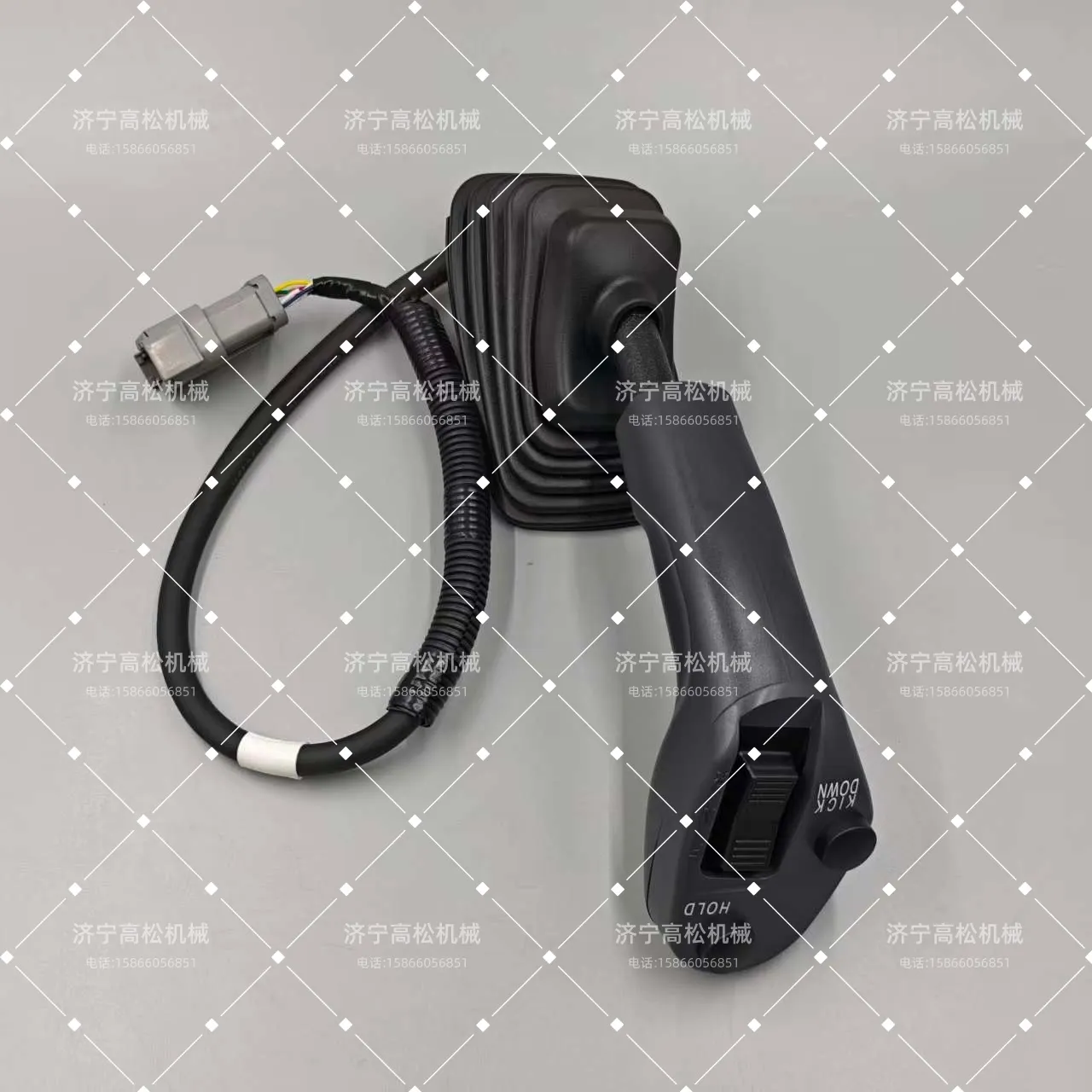
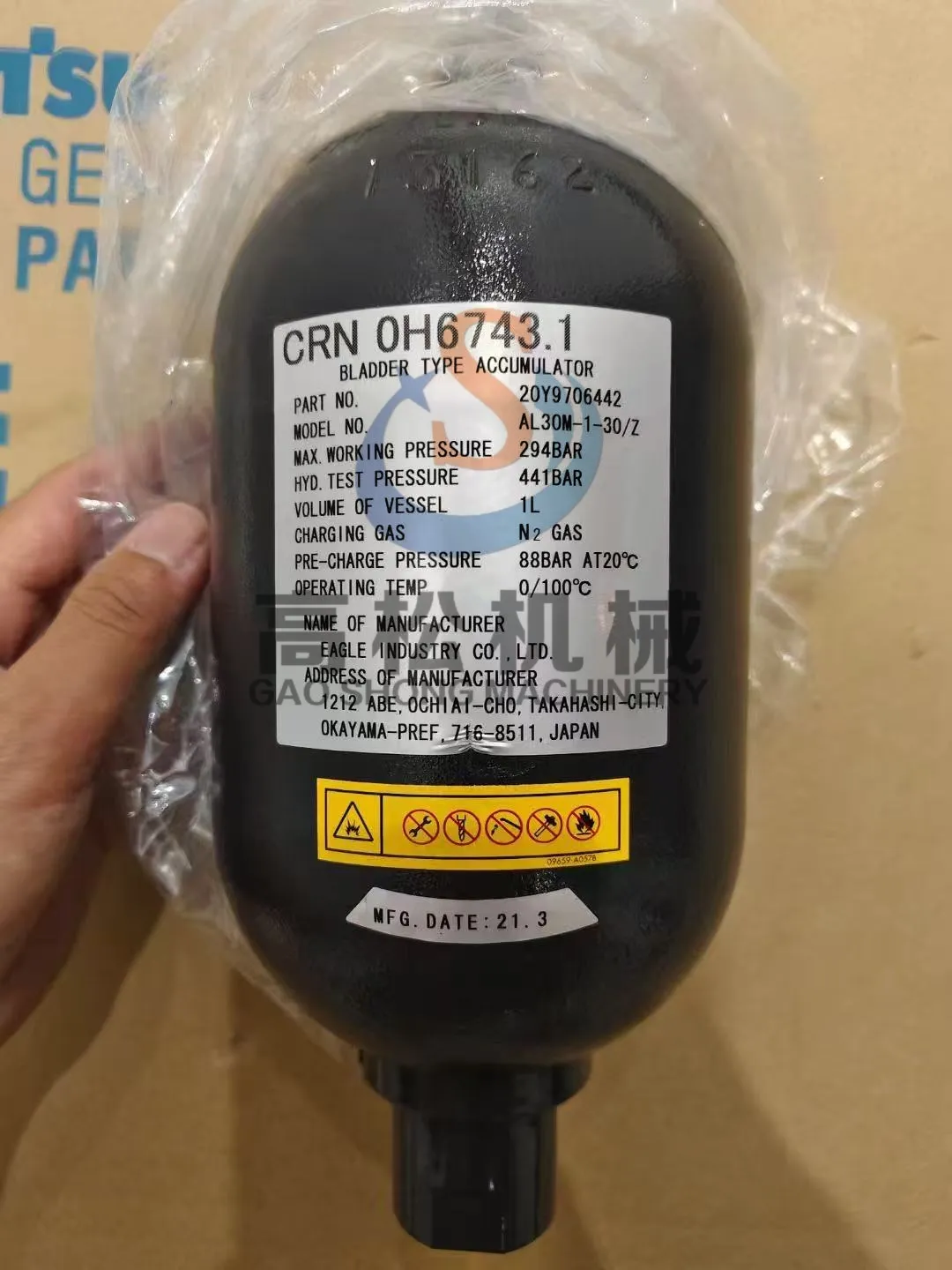
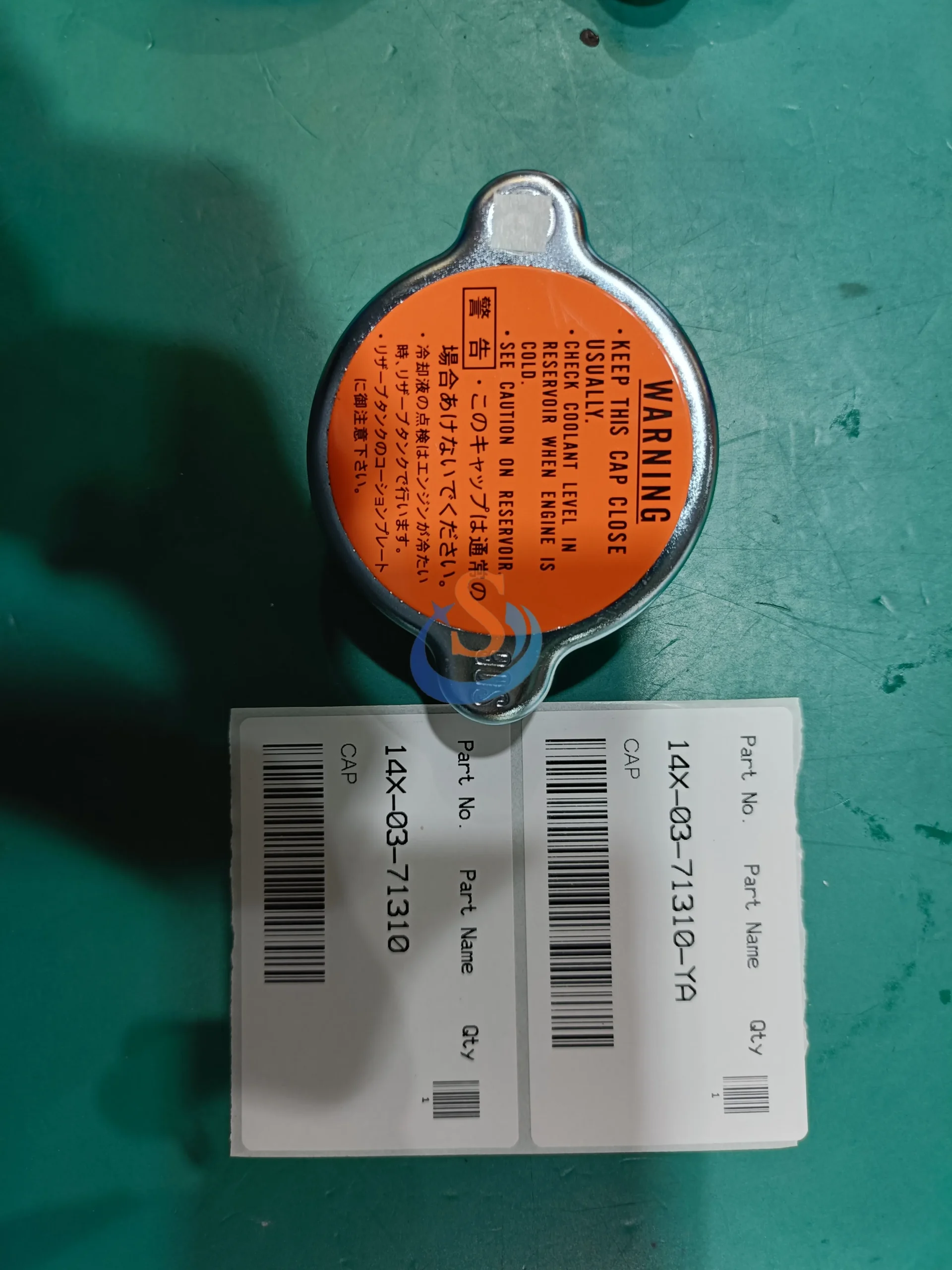
Best Selling Products
Best Selling Products-
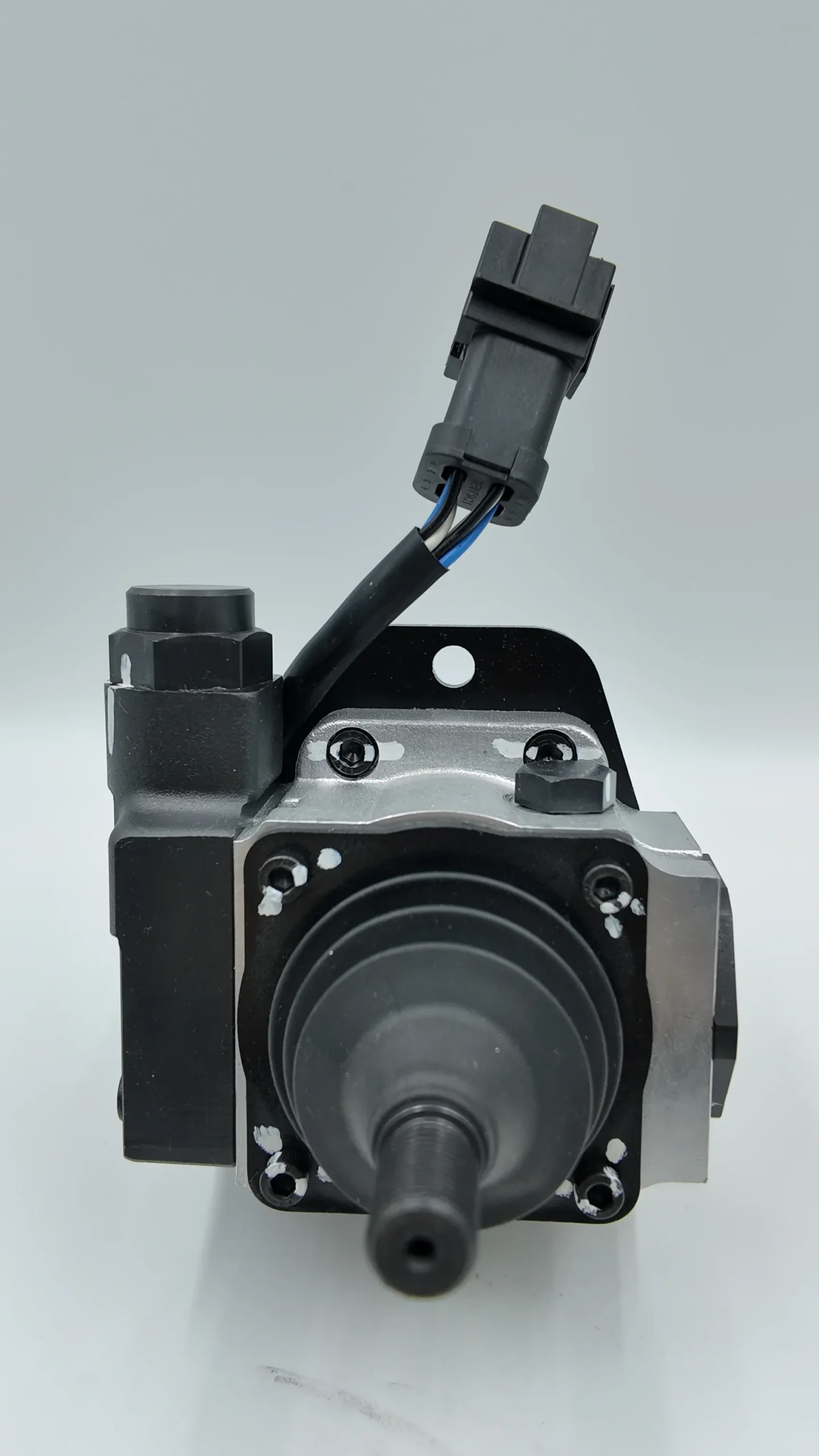 702-16-02290 LEVER ASS’Y-Komatsu Original Factory
 -
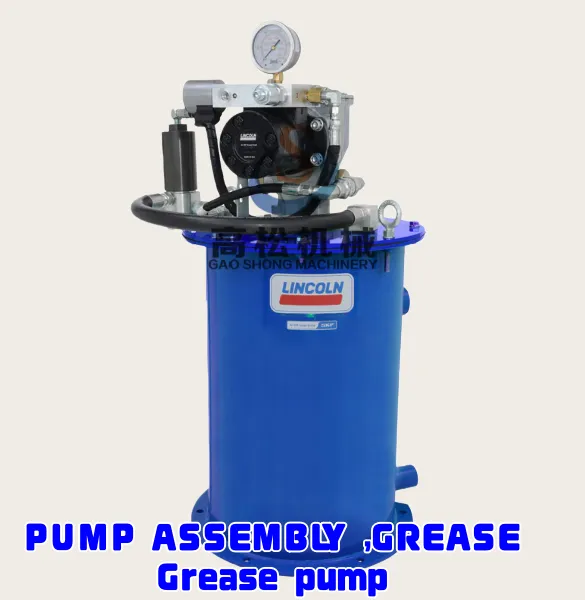
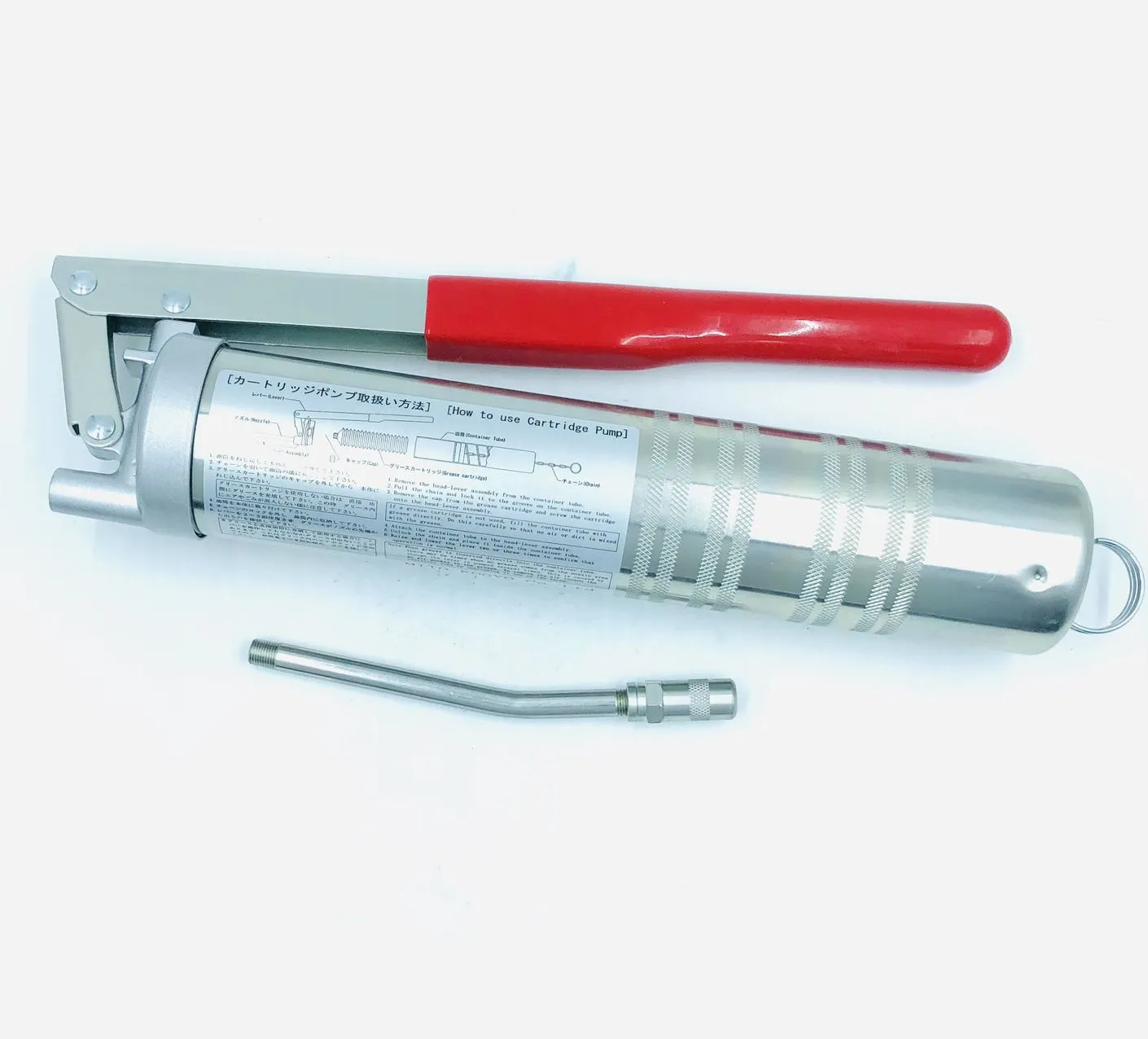 07952-70014- Pump Assembly-Komatsu Original Factory
 -
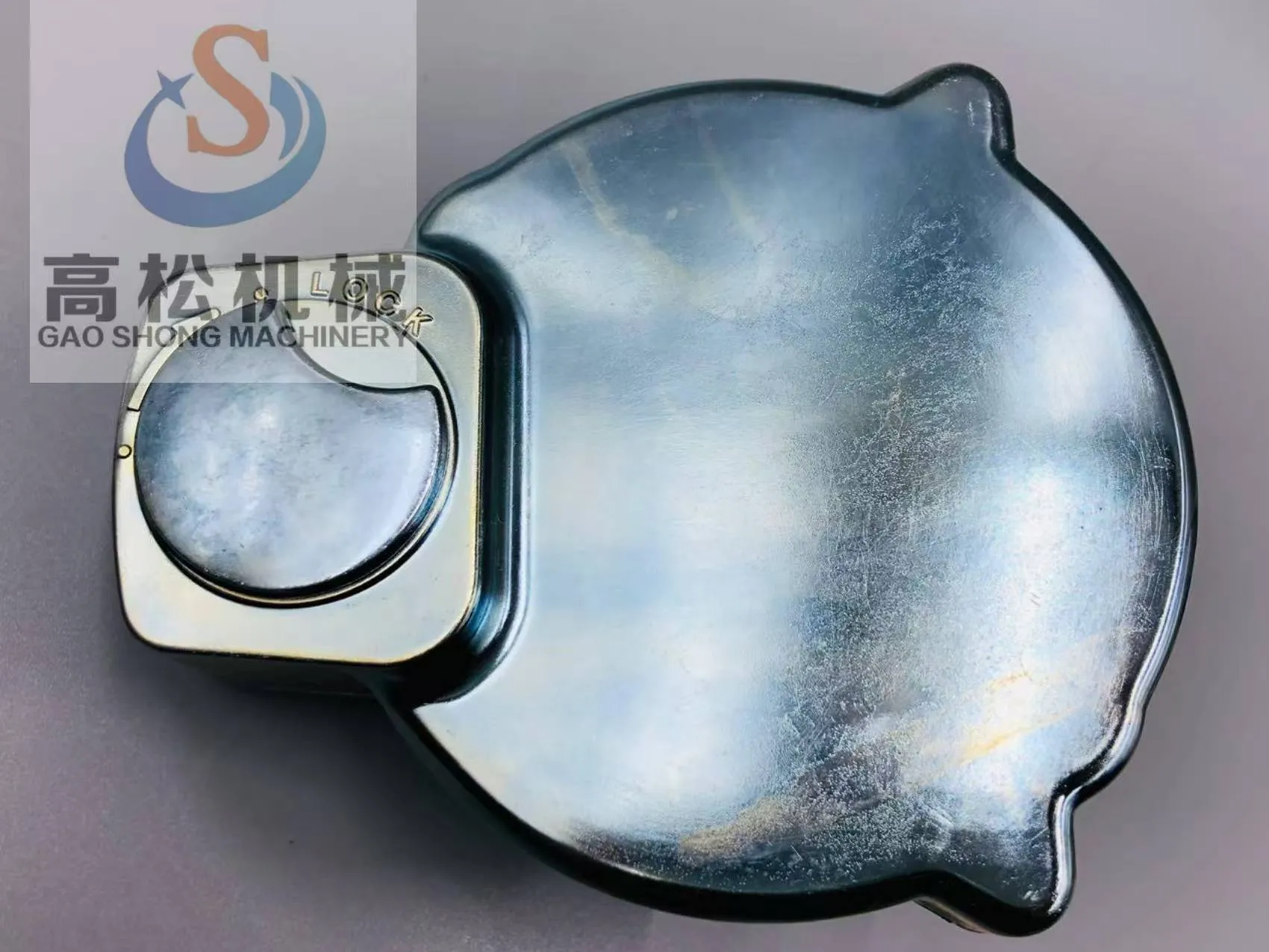
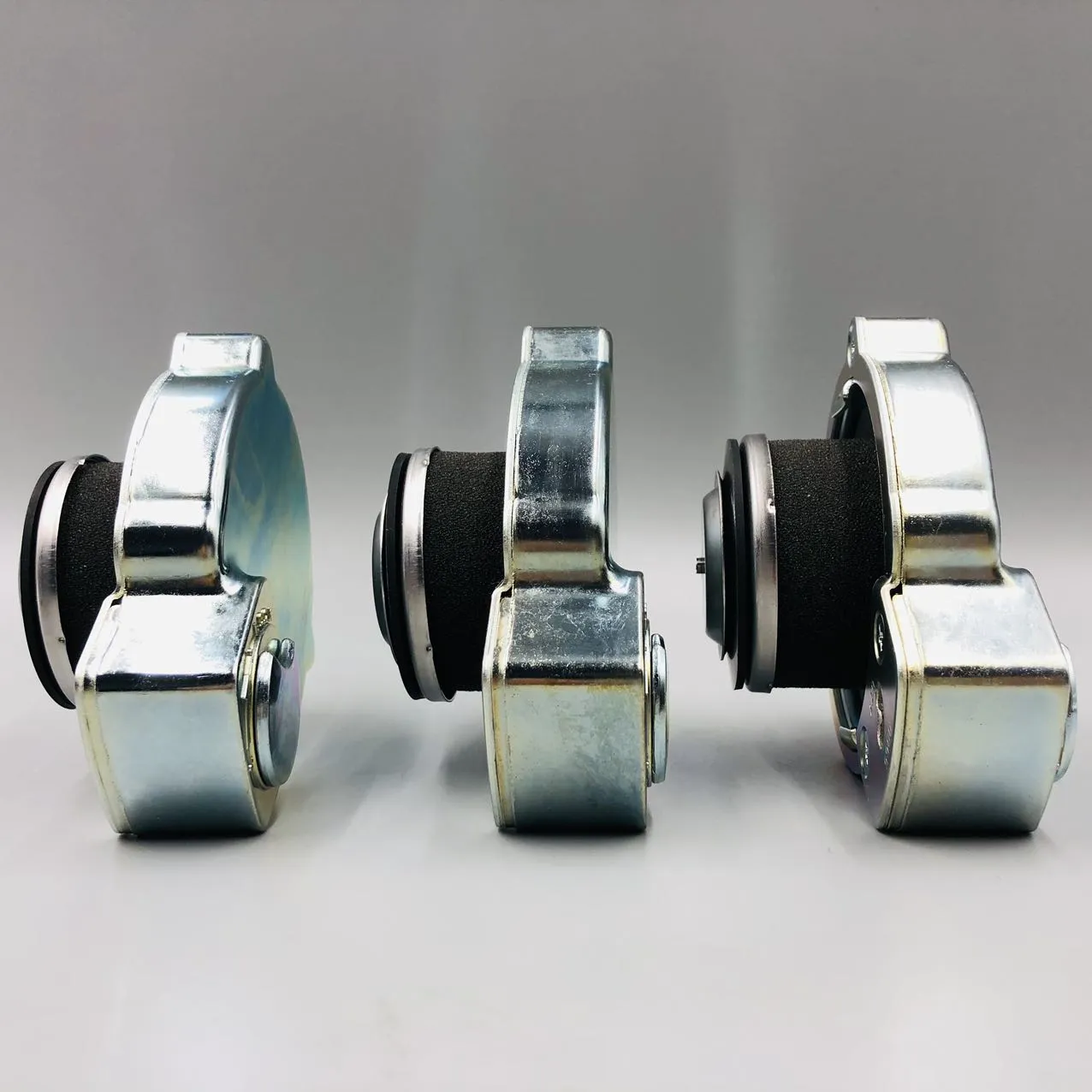 17A-60-11310Hydraulic oil cap assembly
 -
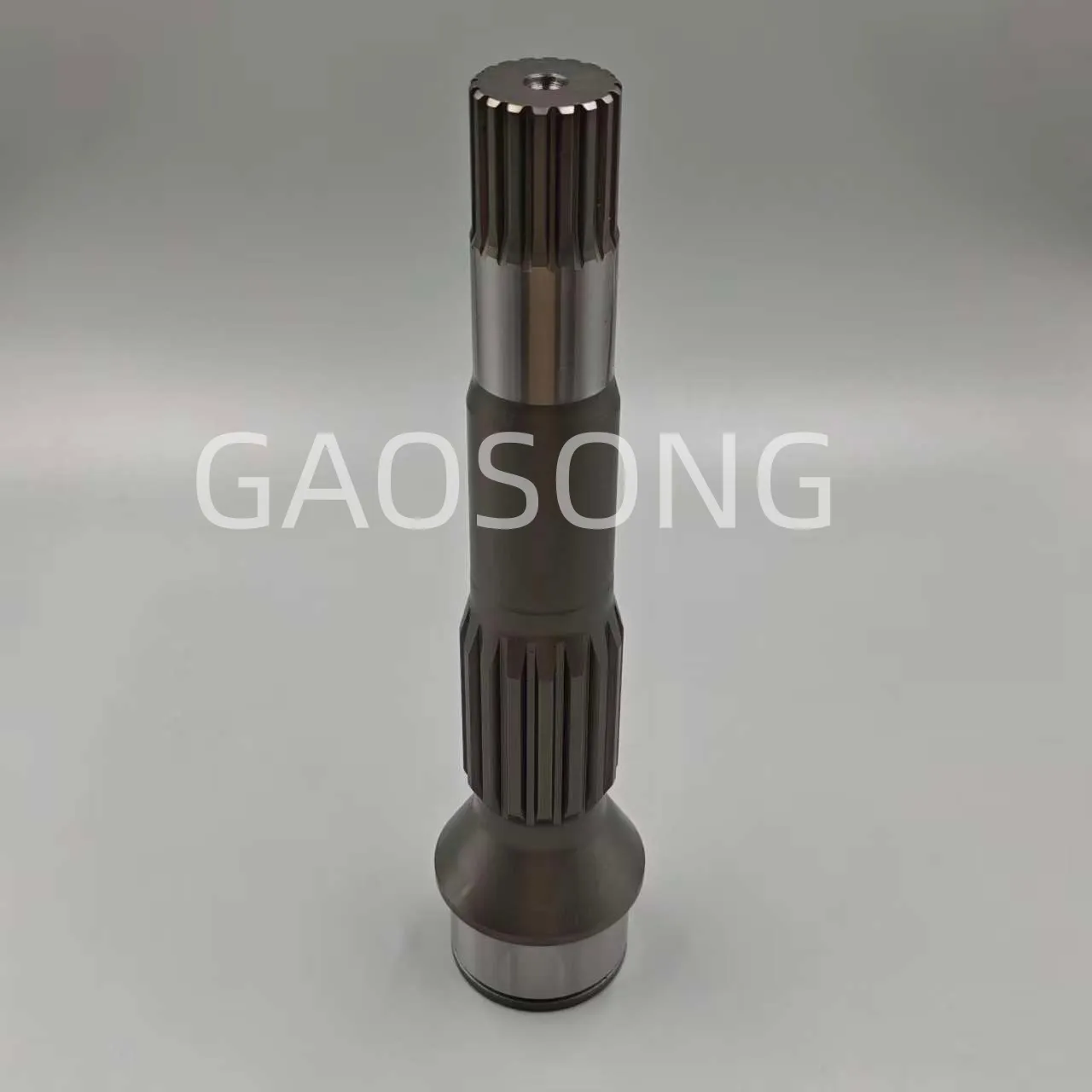 708-2G-12121 •• SHAFT-Komatsu Original Factory
 -
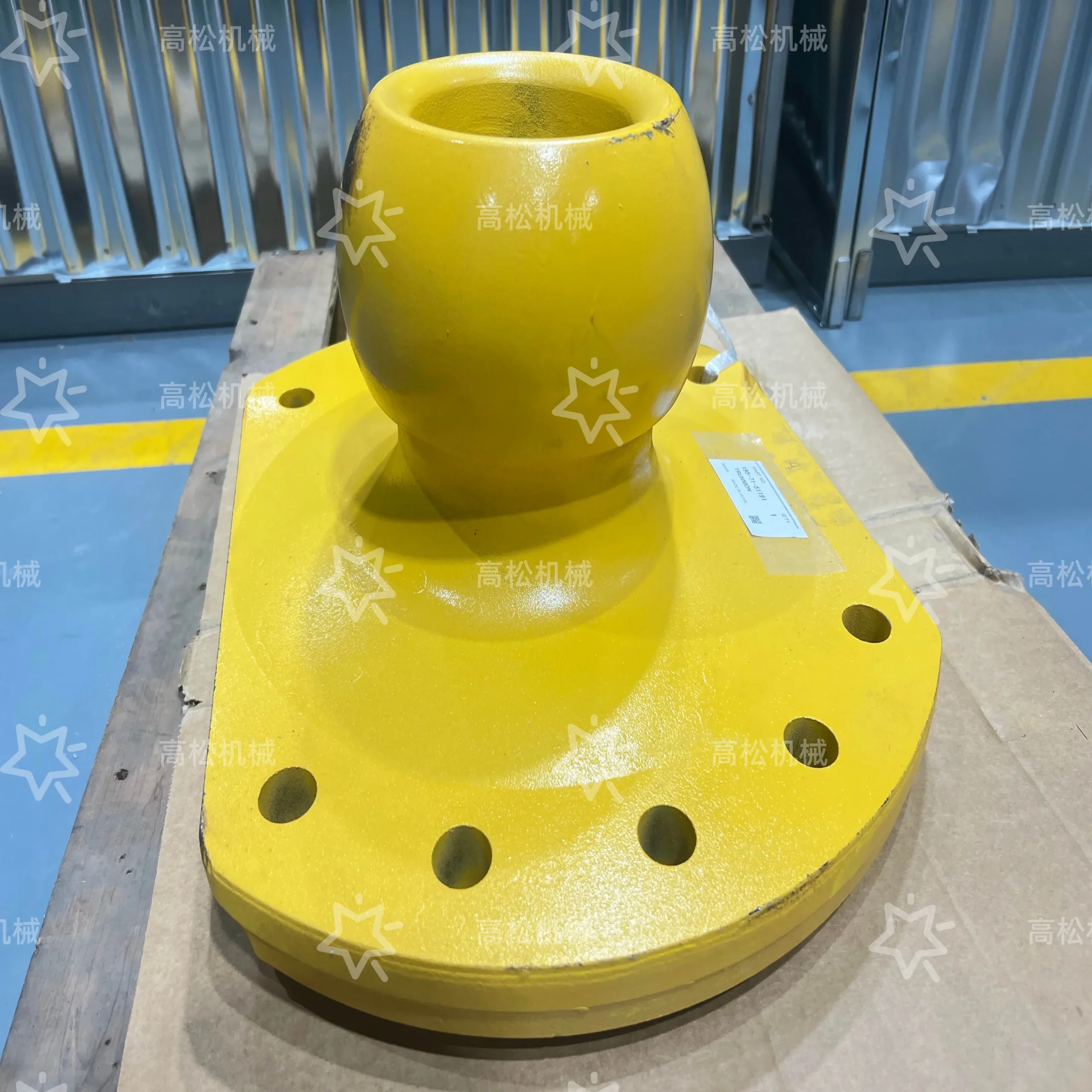 195-71-51191 TRUNNION – THIS TRUNNION HELPS MAINTAIN THE BALANCE OF THE MACHINE
 -
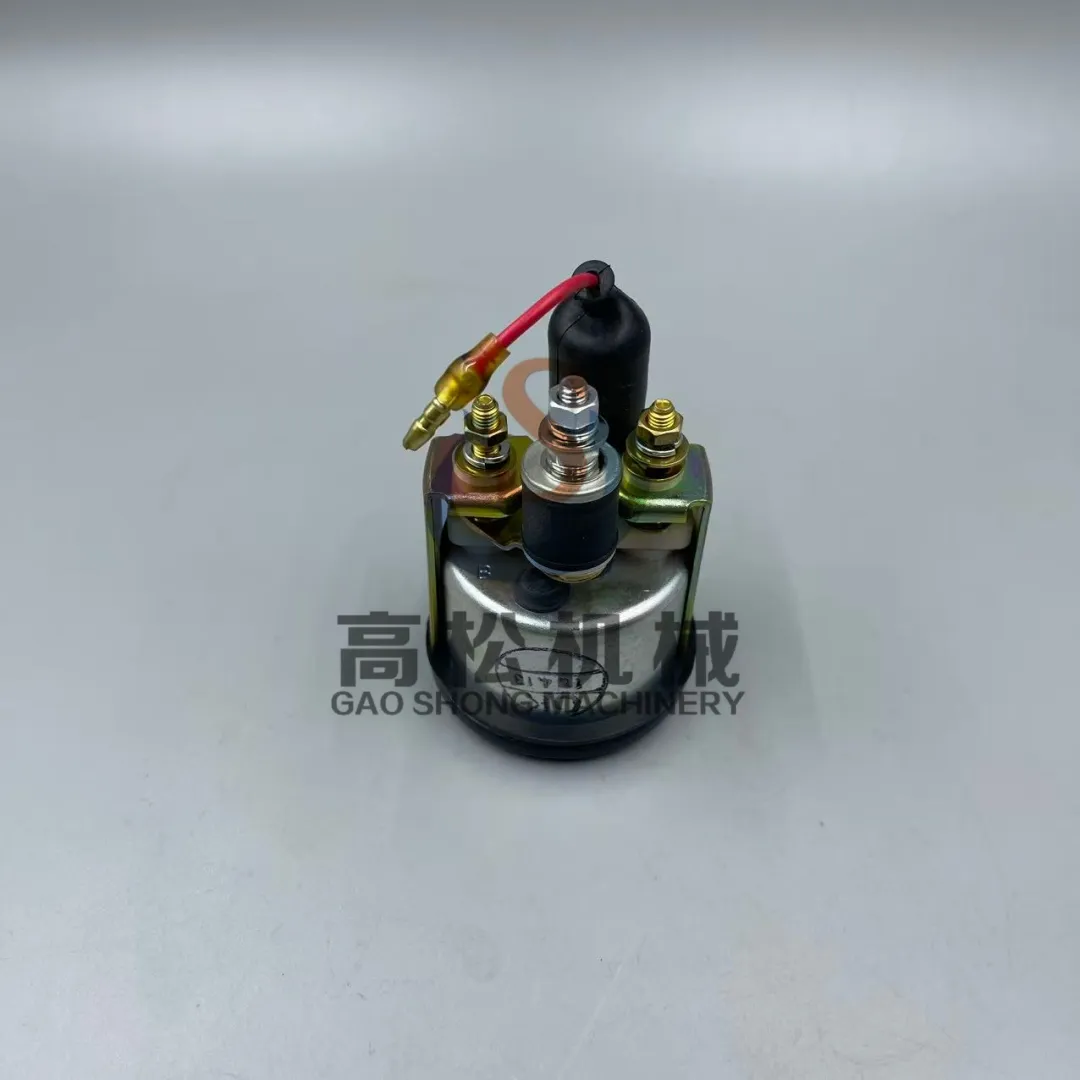 195-06-23110 – GAUGE, WATER TEMP 1950623110 fits KOMATSU
 -
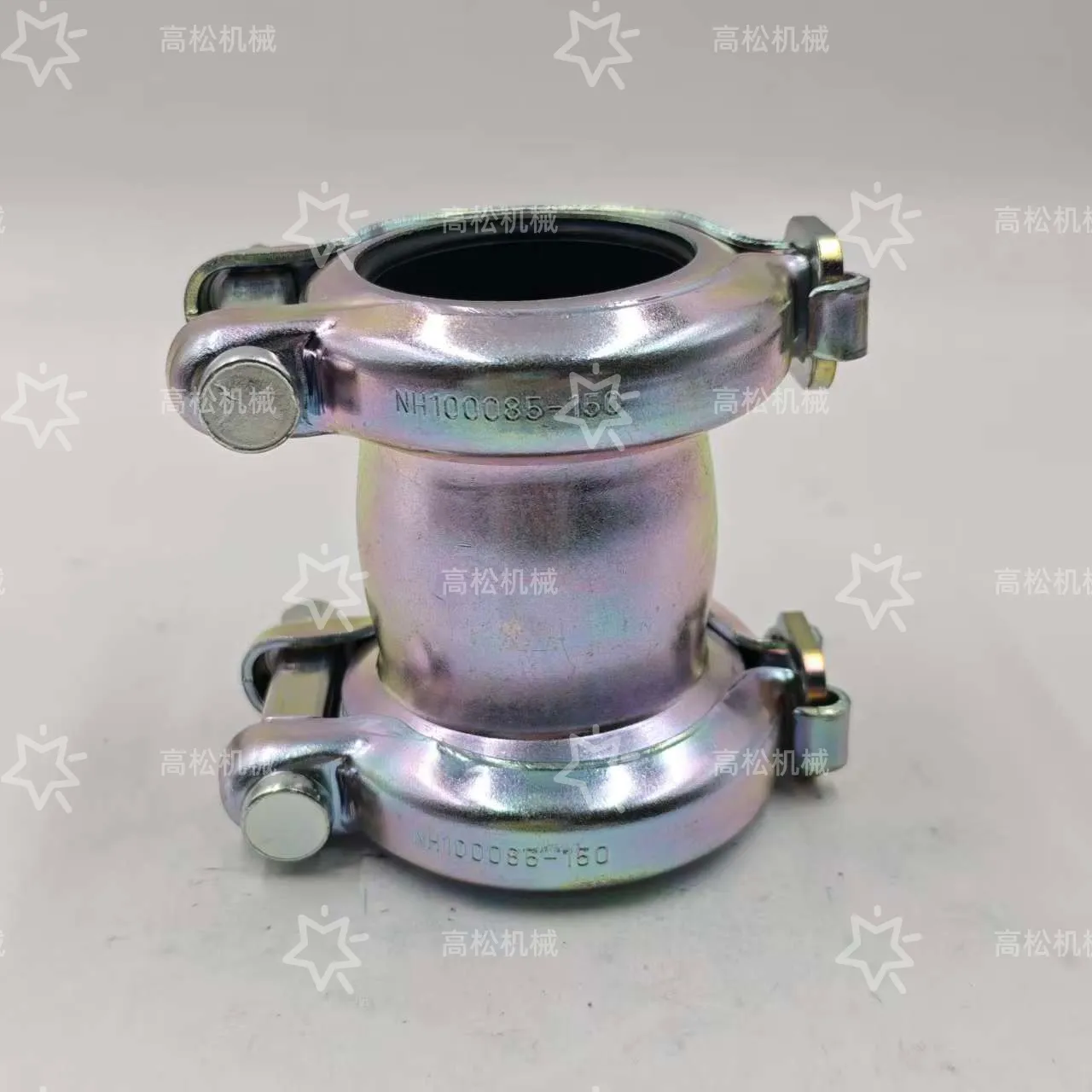 07332-01400 COUPLING for HD465 HD605 HD785 Bulldozer
 -
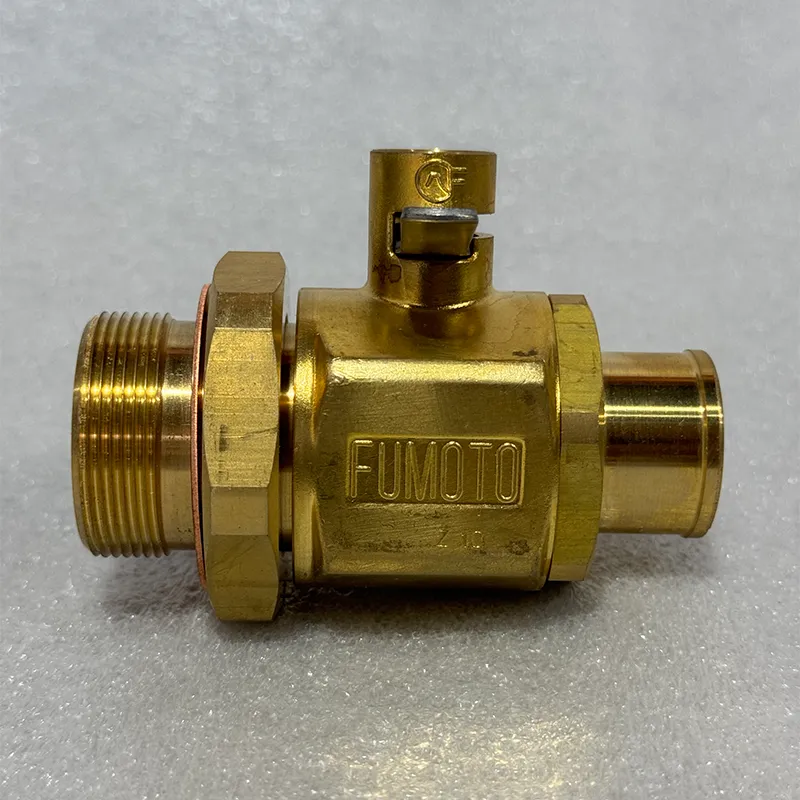 Original komatsu PC2000-8 Valve 21T-01-31490
 -
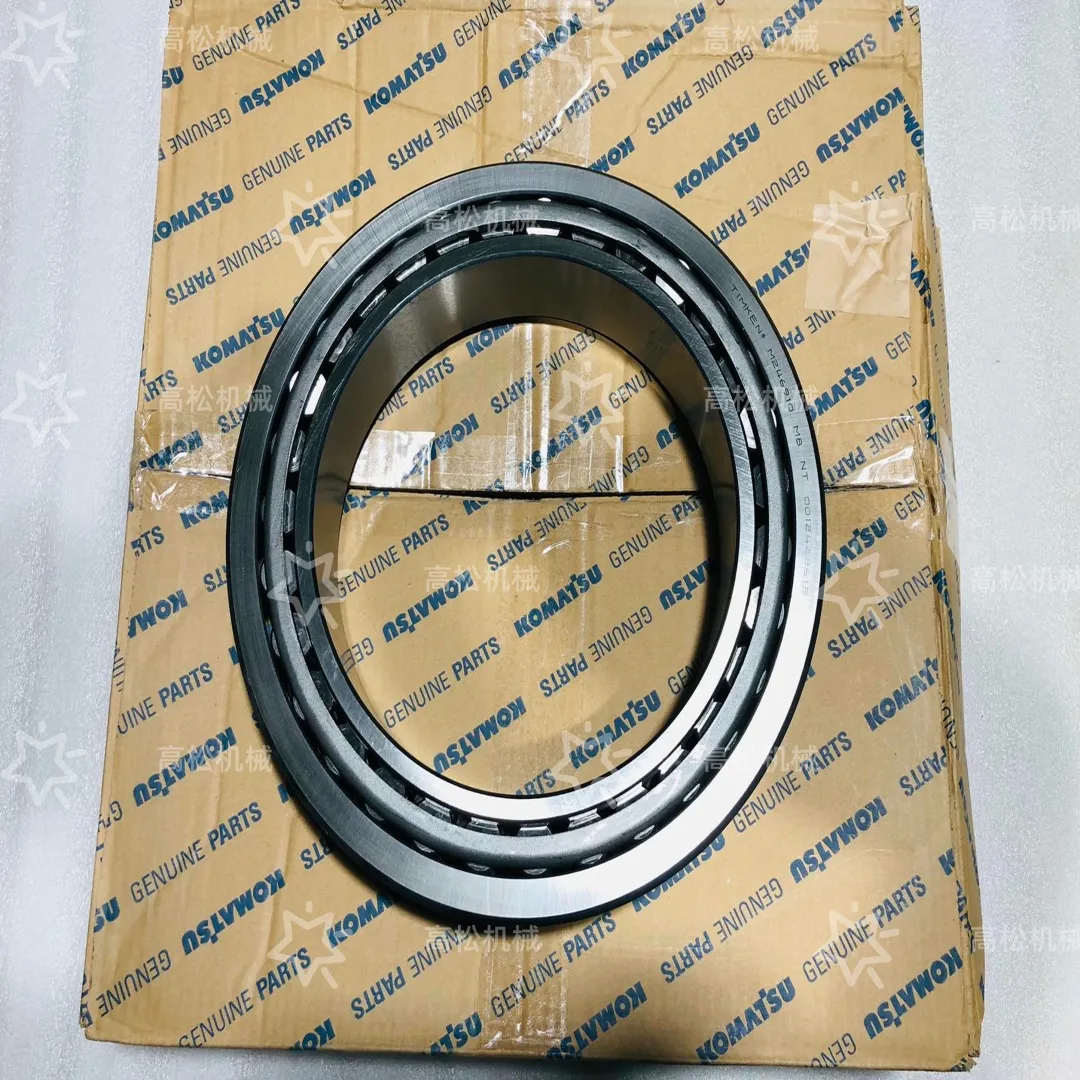 GL BEARING AS 17A-27-11331 Excavator Engine Loader Truck Bulldozer Grader Roller Spare Parts
 -
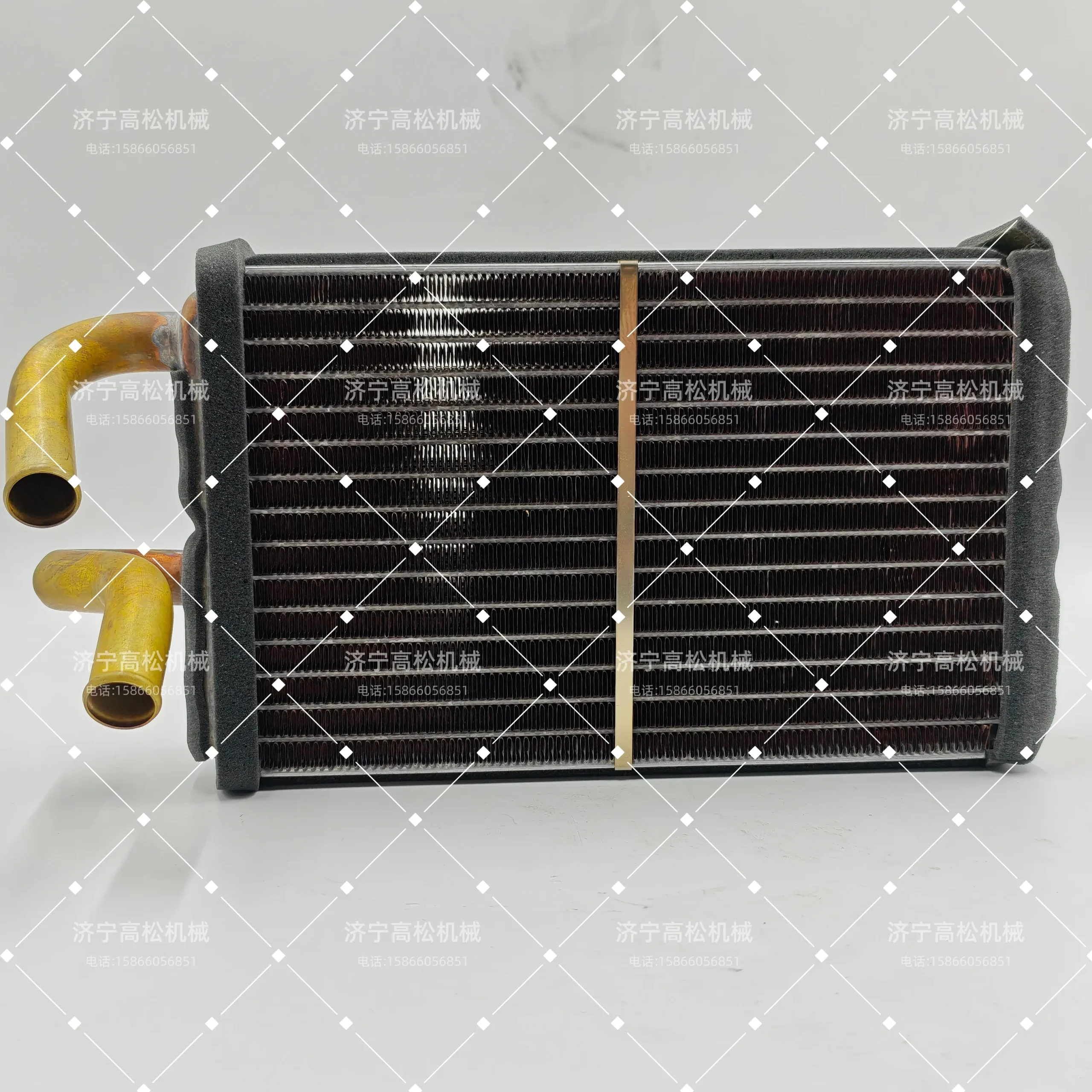 Genuine ND116410-9681 Unit Sub Assy for HD255, HD465, HD605
 -
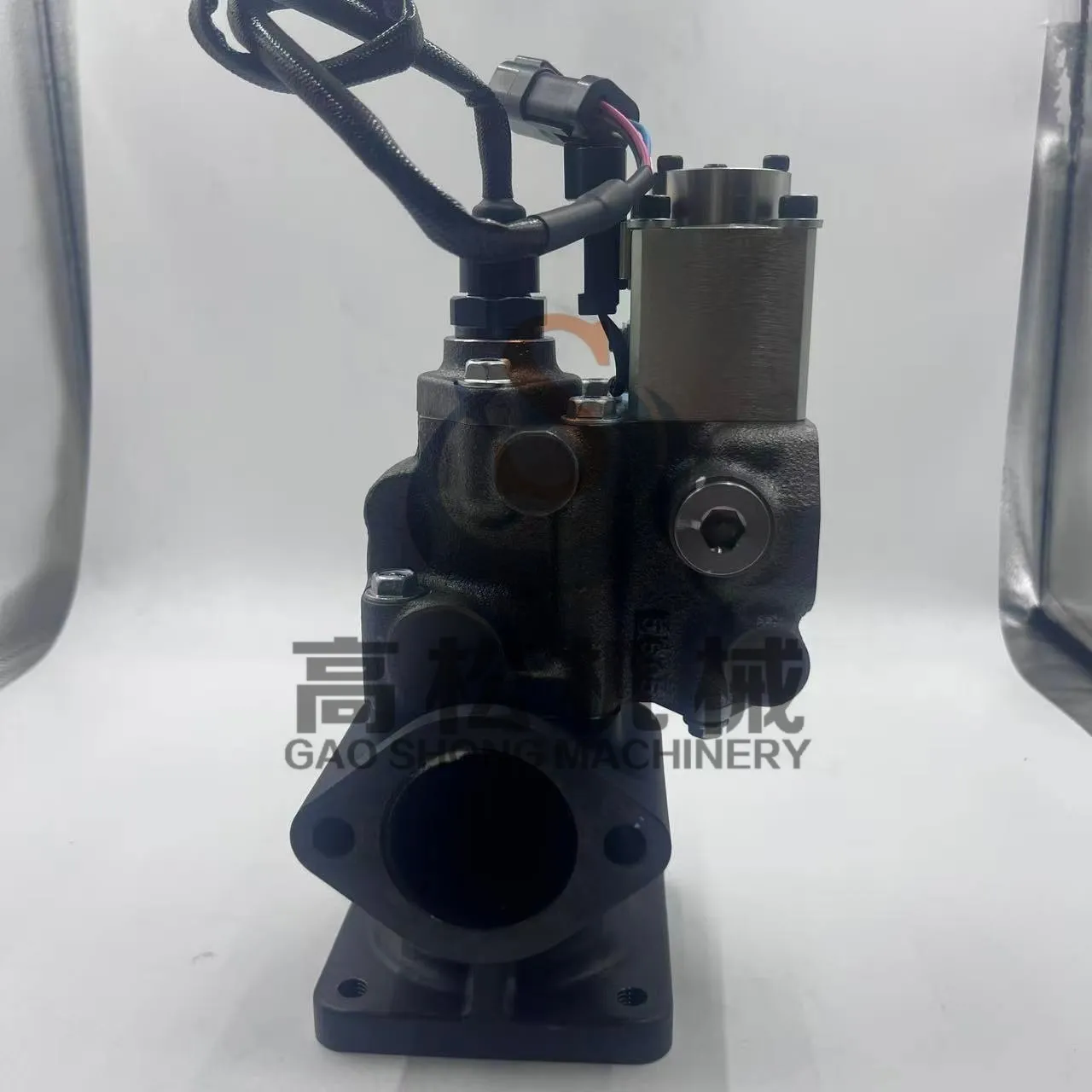 6261-41-9500 Komatsu Valve Assembly
 -
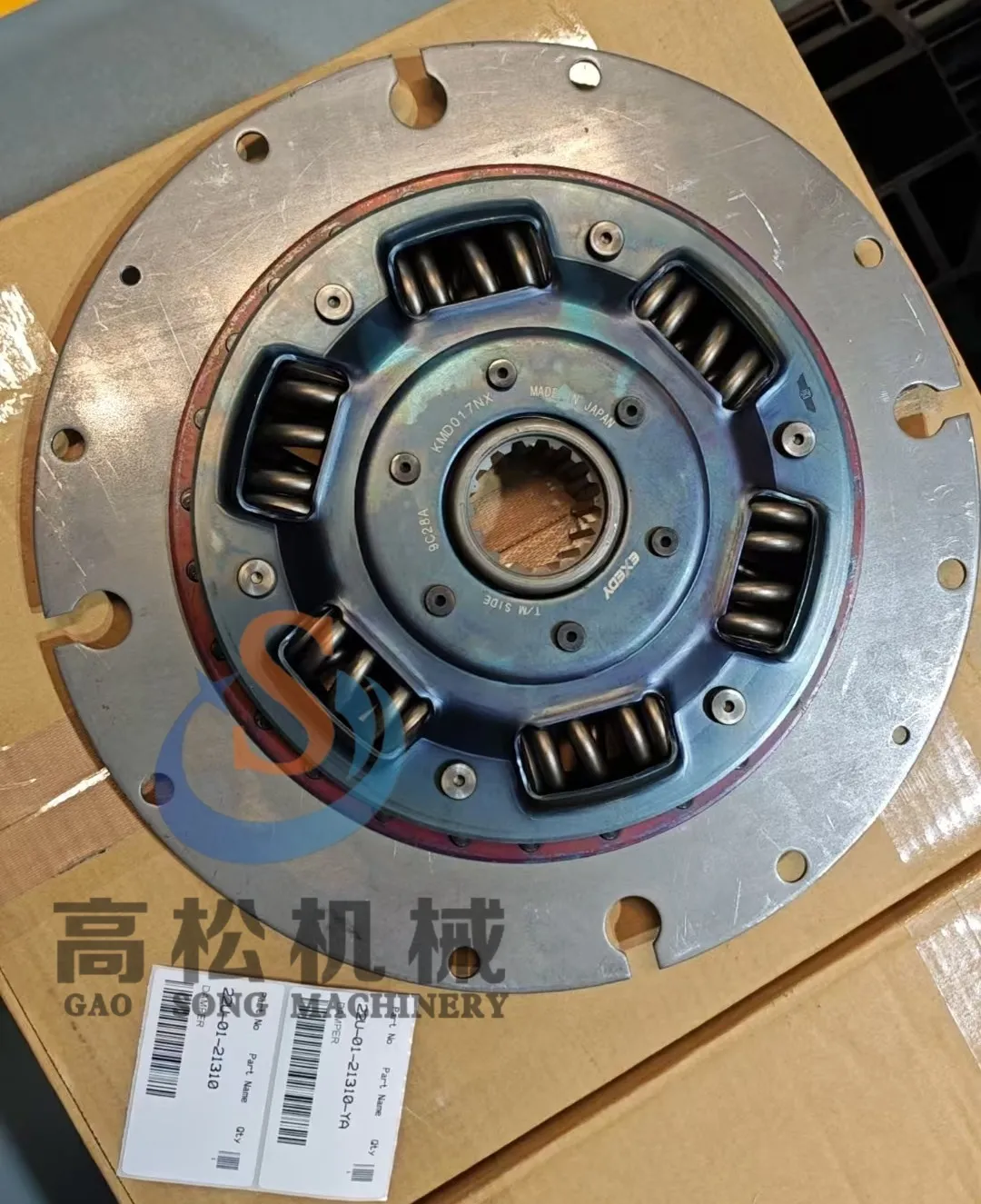 22U-01-21310 komatsu DAMPER-PC230/PC240/PC300