
- Chinese
- French
- German
- Portuguese
- Spanish
- Russian
- Japanese
- Korean
- Arabic
- Irish
- Greek
- Turkish
- Italian
- Danish
- Romanian
- Indonesian
- Czech
- Afrikaans
- Swedish
- Polish
- Basque
- Catalan
- Esperanto
- Hindi
- Lao
- Albanian
- Amharic
- Armenian
- Azerbaijani
- Belarusian
- Bengali
- Bosnian
- Bulgarian
- Cebuano
- Chichewa
- Corsican
- Croatian
- Dutch
- Estonian
- Filipino
- Finnish
- Frisian
- Galician
- Georgian
- Gujarati
- Haitian
- Hausa
- Hawaiian
- Hebrew
- Hmong
- Hungarian
- Icelandic
- Igbo
- Javanese
- Kannada
- Kazakh
- Khmer
- Kurdish
- Kyrgyz
- Latin
- Latvian
- Lithuanian
- Luxembou..
- Macedonian
- Malagasy
- Malay
- Malayalam
- Maltese
- Maori
- Marathi
- Mongolian
- Burmese
- Nepali
- Norwegian
- Pashto
- Persian
- Punjabi
- Serbian
- Sesotho
- Sinhala
- Slovak
- Slovenian
- Somali
- Samoan
- Scots Gaelic
- Shona
- Sindhi
- Sundanese
- Swahili
- Tajik
- Tamil
- Telugu
- Thai
- Ukrainian
- Urdu
- Uzbek
- Vietnamese
- Welsh
- Xhosa
- Yiddish
- Yoruba
- Zulu
- Kinyarwanda
- Tatar
- Oriya
- Turkmen
- Uyghur





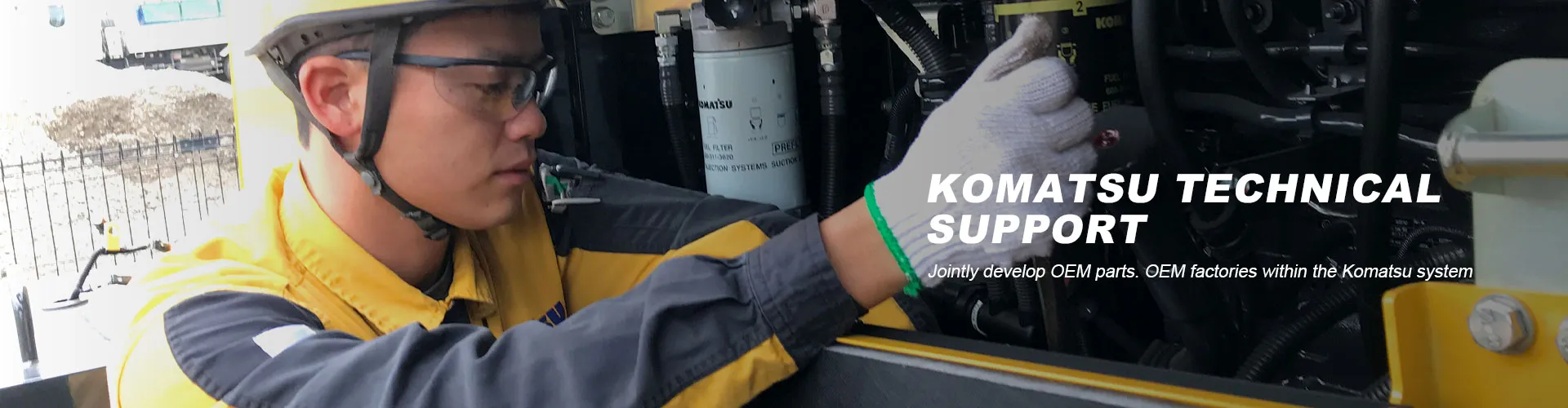
OEM AND ORIGINAL KOMATSU WIRING HARNESS 427-06-22431
When you see that part number, , for a Komatsu wiring harness, the immediate assumption is that it's a genuine, factory-original piece. That's where the first pitfall is. In this trade, OEM and Original get thrown around so loosely they've almost lost meaning. I've seen suppliers slap an OEM tag on a harness that's a decent visual copy but fails on the wire gauge or the connector crimp quality. The real test isn't the label; it's whether it comes from a supplier like Jining Gaosong Construction Machinery Co., Ltd. that's actually embedded within the Komatsu system. Their role as an OEM product supplier and a third-party sales channel is crucial—they're not just a reseller; they're part of the ecosystem that addresses genuine supply gaps, especially in regions where official distribution hits a wall. You can find their direct channel at takematsumachinery.com. So, for this specific harness, the question shifts from Is it original? to Who made it, and under what specifications?
The Anatomy of a Real Harness
Let's break down what makes the more than just a bundle of wires. It's not just about matching the color codes—any decent workshop can do that. It's about the subtleties. The jacket material needs a specific flexibility and heat resistance for the engine bay environment on, say, a PC300-6 or similar model. I've handled aftermarket versions that were too stiff, leading to premature cracking near the clamps, or too soft, failing to protect against abrasion. The original spec uses a cross-linked polyethylene compound that's hard to source independently.
Then there's the copper. This is where cost-cutting happens. Inferior harnesses use aluminum-clad copper or thinner strands to save money. The resistance might test okay when new, but under vibration and thermal cycling, problems emerge. Voltage drops, intermittent faults that drive mechanics insane. The OEM-spec harness from a validated supplier ensures the strand count and copper purity match Komatsu's durability requirements. It's not just a connector; it's the entire electrical path's integrity.
The connectors themselves are a dead giveaway. The original Komatsu connectors, especially the waterproof ones, have a distinct tactile feel when they lock—a firm, positive click. The seals are a specific shade of greenish-grey silicone. Counterfeits often use harder plastics or different rubber that degrades faster. I remember a batch from a non-approved vendor where the seals shrunk after one summer, letting in moisture and causing a cascade of sensor faults. The repair downtime cost far more than the price difference on the harness.
OEM vs. Aftermarket: The Gray Zone Jining Gaosong Operates In
This is the core of the confusion. A pure aftermarket part is a reverse-engineered copy. An OEM part, in the true sense, is made by a company authorized by Komatsu to produce that component, often to the same drawings and using the same supply chain. Jining Gaosong Construction Machinery Co., Ltd. positions itself in this space. They are an OEM product supplier within the Komatsu system. This is critical. It means their harness isn't a copy; it's likely produced on the same lines, with the same tooling, as the one that would go to Komatsu's assembly plant. But it's sold through their third-party channel to fill voids in the market.
Why does this model exist? Simple: logistics and market coverage. Komatsu's official network can't be everywhere instantly, and for older models, official stock might be depleted. A company like Gaosong, which you can verify at their site takematsumachinery.com, helps solve parts supply challenges in certain countries. They aren't selling counterfeit goods; they're providing a legitimate, system-approved alternative. For a fleet manager in a remote location, this isn't a convenience—it's a lifeline to keep equipment running.
The practical implication? You get a part with traceability. A proper OEM-supplied harness will have batch codes, sometimes even the Komatsu part number molded into the jacket. The wiring diagram included should be identical to the manual's, not a simplified version. This traceability is what you're paying for. It's the assurance that if there's a field issue, Komatsu and the supplier can track it back to a production lot, something impossible with a generic aftermarket part.
Field Failures and Diagnostic Nightmares
I want to share a case that wasn't directly with the , but a similar harness for a smaller dozer. A shop installed a cheap, look-alike harness to save $300. The machine ran for about 80 hours. Then, intermittent engine shutdowns started. The diagnostics pointed to the ECU, then the sensors, then back to the ECU. Thousands were spent on swapping components. Finally, a tech decided to do a voltage drop test across the entire harness under load. They found a 1.8-volt drop on a 5V sensor reference line, all due to undersized wires and poor crimps in the replacement harness. The lesson? The OEM AND ORIGINAL KOMATSU WIRING HARNESS is designed as a system. A fault in it creates noise that corrupts the entire diagnostic process.
Another common issue is electromagnetic interference (EMI) shielding. Modern Komatsu machines have dense electronics. The original harness has specific braiding or foil shielding for certain circuits, like those for the GPS or control signals. Non-OEM versions often skip this or use a cheaper wrap. The result can be erratic implement control or communication errors between modules. These are the ghosts in the machine that take weeks to pin down.
The cost of failure is never just the part. It's the machine downtime, the mechanic's hours (often multiplied by frustration), the potential for collateral damage to expensive ECUs, and the operational loss for the owner. When you run that math, the premium for a verified OEM-spec part from a known entity like Gaosong evaporates. It becomes the cheapest option.
Sourcing and Verification: A Practical Guide
So, you need a . How do you navigate? First, check official channels. If there's a long lead time or it's listed as obsolete, that's when you look to the authorized third-party suppliers. A company's website like takematsumachinery.com should be transparent about its relationship with Komatsu. Look for language like OEM product supplier within the Komatsu system. That's a specific claim with weight behind it. Avoid sites that just say OEM Quality or Fits Komatsu. Those are red flags.
When the part arrives, the inspection is key. Don't just look at it—feel it. Compare the weight to an old original if you have one. The original harness has a certain heft due to the copper content and robust jacketing. Check the connectors: the brand logos (like Yazaki, Sumitomo) should be present on the plastic housings. The pins should be bright, corrosion-free, and perfectly aligned. The packaging often tells a story too; proper OEM-level parts usually come in plain but high-quality boxes with clear, accurate labeling of the part number .
Finally, build a relationship with a supplier. It's more valuable than a one-time deal. When you work with a technical contact who understands that this harness runs past the hydraulic tank and needs extra protection against oil seepage, you know you're dealing with experience. They can tell you if there was a running change in the design, or if a certain batch had a known issue with a specific connector. That's the depth of knowledge you get from a specialist, not a general parts website.
Closing Thoughts: The Value of System Integrity
At the end of the day, the wiring harness is the central nervous system of the machine. Opting for a non-validated part is like performing surgery with unsterilized tools—it might work, but the risk of catastrophic, expensive failure is immense. The OEM AND ORIGINAL KOMATSU WIRING HARNESS represents a commitment to system integrity.
Companies like Jining Gaosong fill a vital niche by providing this integrity through alternative, yet still authorized, channels. They help solve parts supply challenges in certain countries, not by circumventing quality, but by upholding it where the primary supply chain is stretched. Their existence acknowledges the real-world complexity of keeping global fleets operational.
So next time you order that part number, look beyond the price and the buzzwords. Ask about the source, the specification, and the supplier's place in the Komatsu ecosystem. That's how you ensure the machine in the field keeps running, without the ghosts in the wiring loom causing you weeks of headaches. It's not just a part; it's an insurance policy.
Related Products
Related Products
Best Selling Products
Best Selling Products-
 KOMATSU GAUGE 207-01-31150
 -
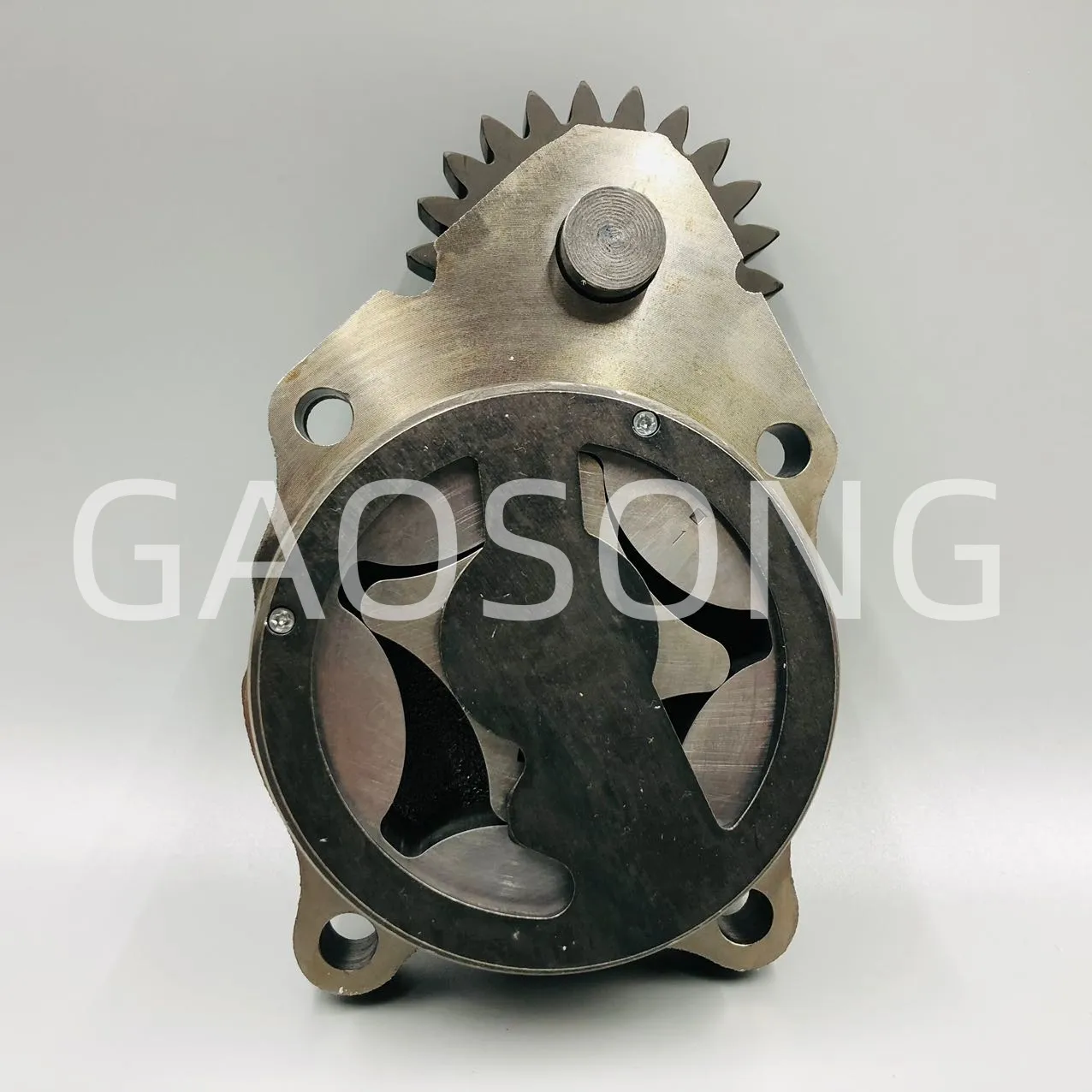 6754-51-1111 Pump Assembly, Oil-Komatsu Original Factory
 -
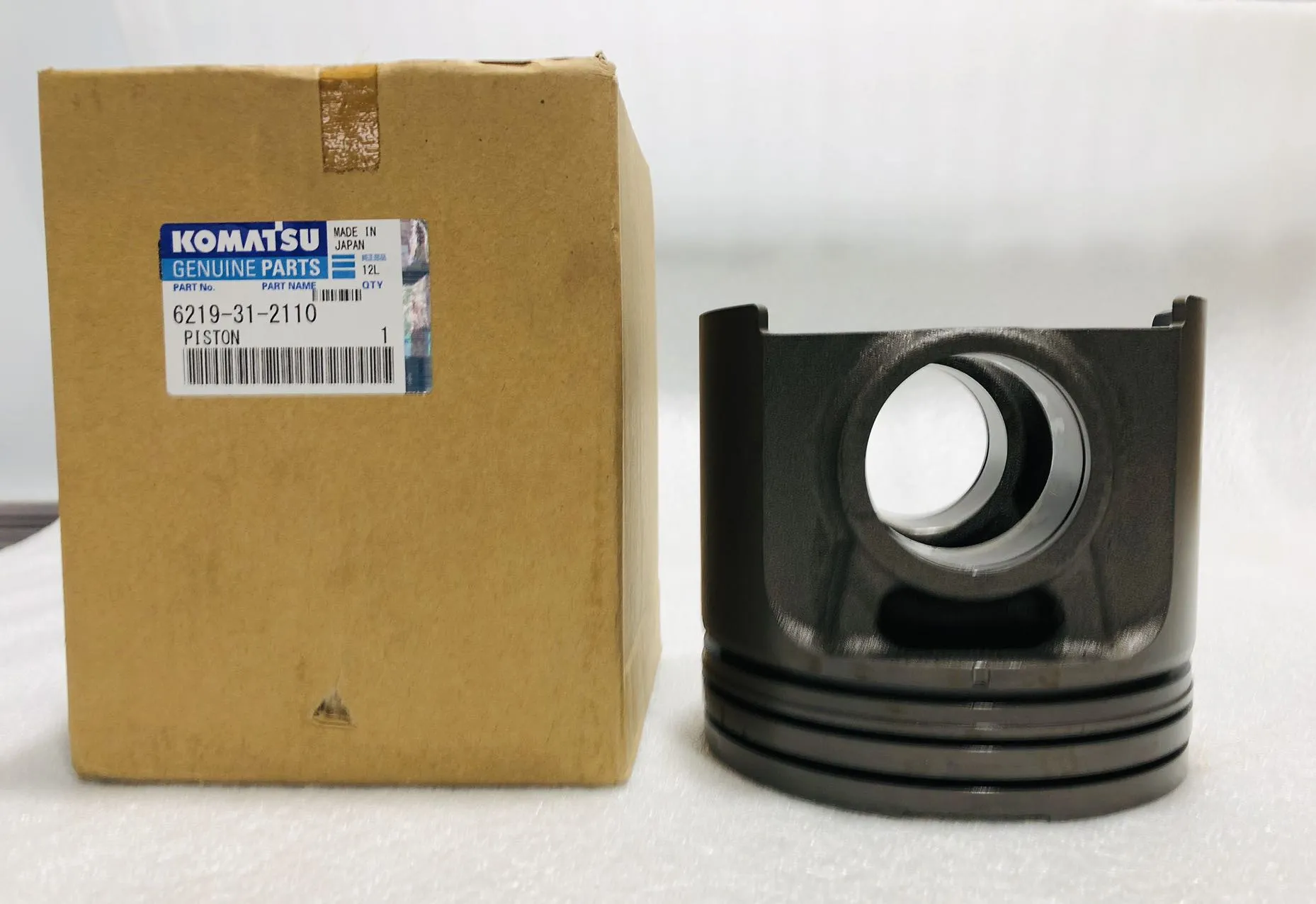 Komatsu 6219-31-2110 PISTON
 -
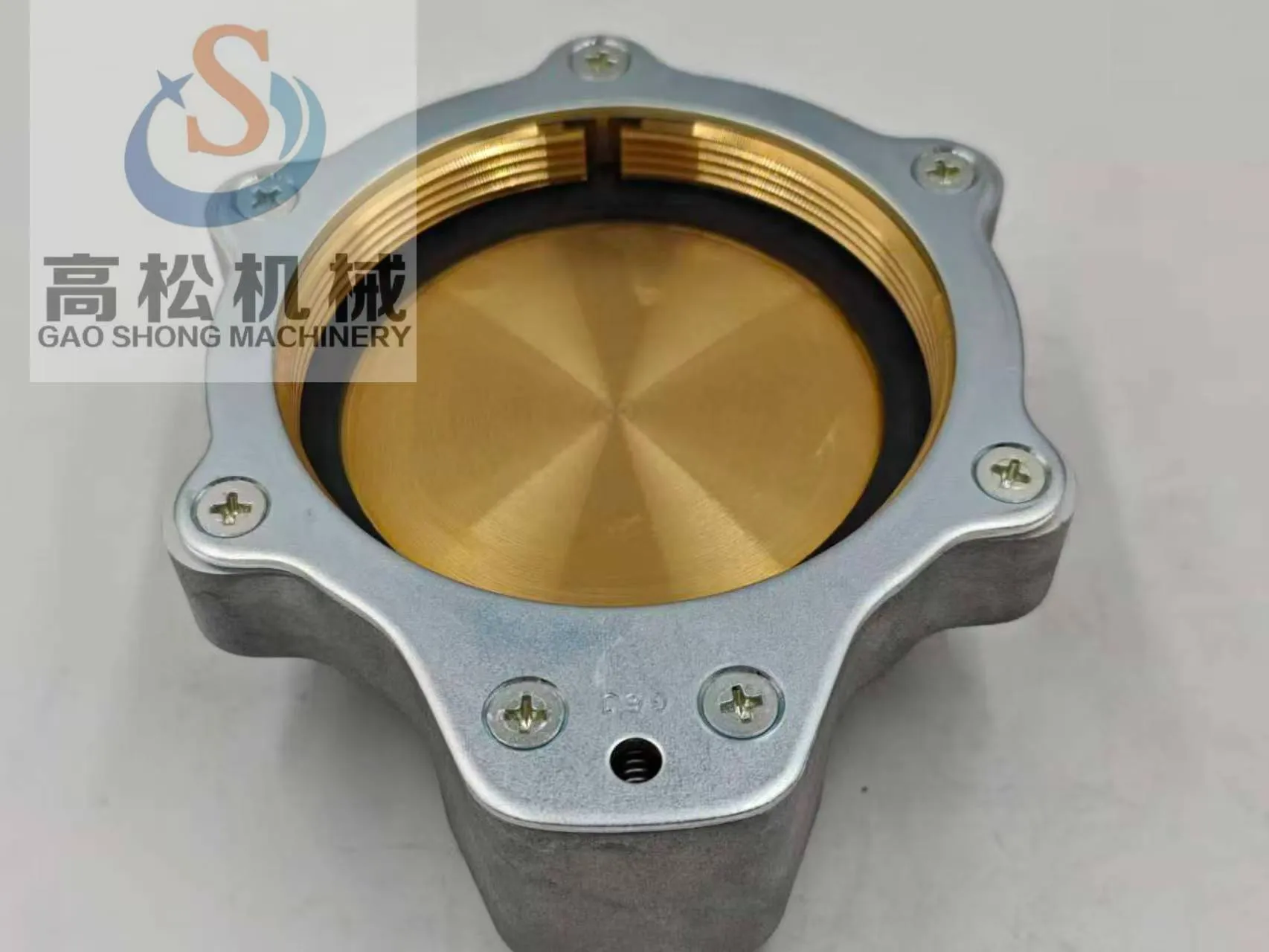 Original new water tank lid 07093-20000 lid suitable for bulldozer komatsu d85 d275
 -
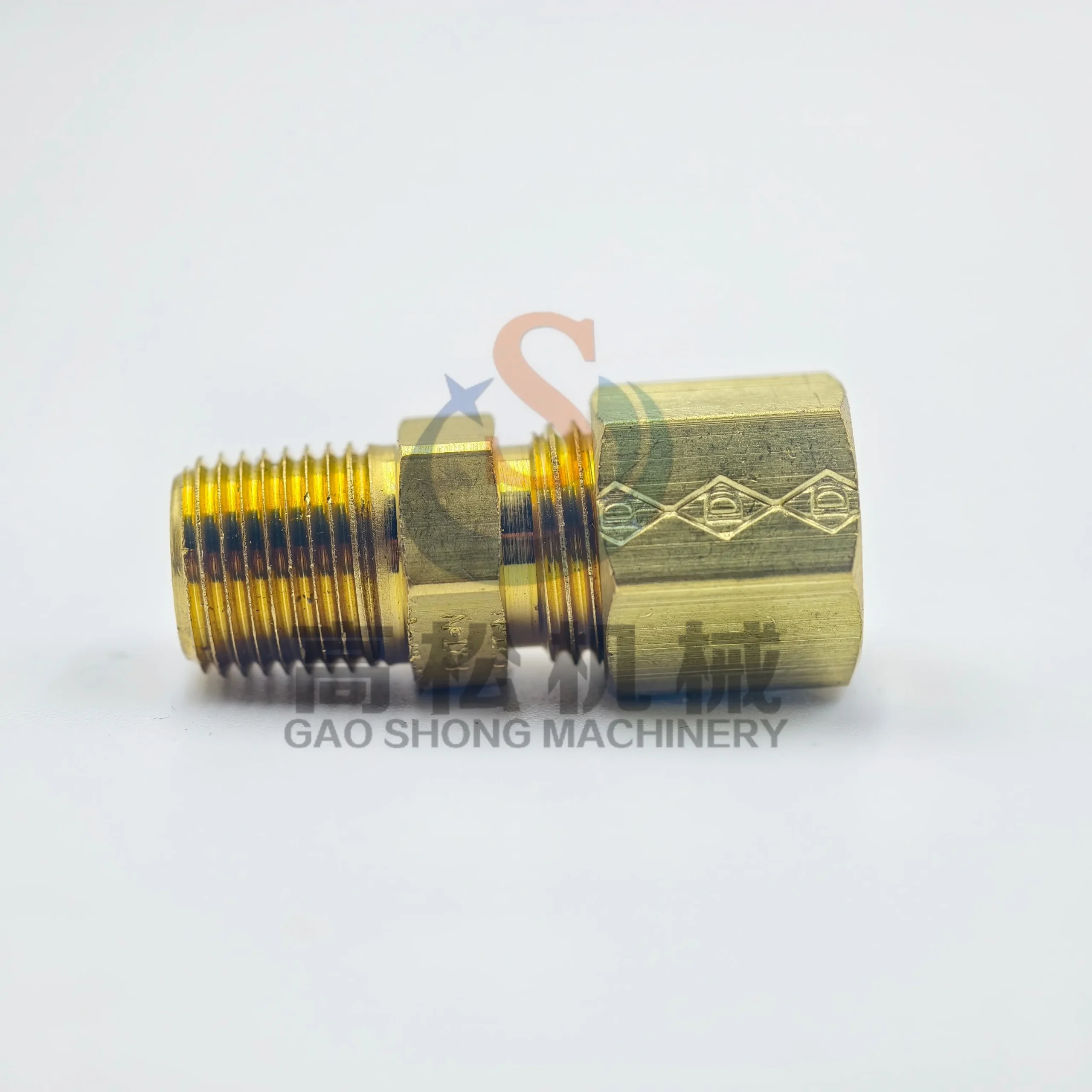 PC1250-8 Connector 21N-68-32320 For Auto Grease
 -
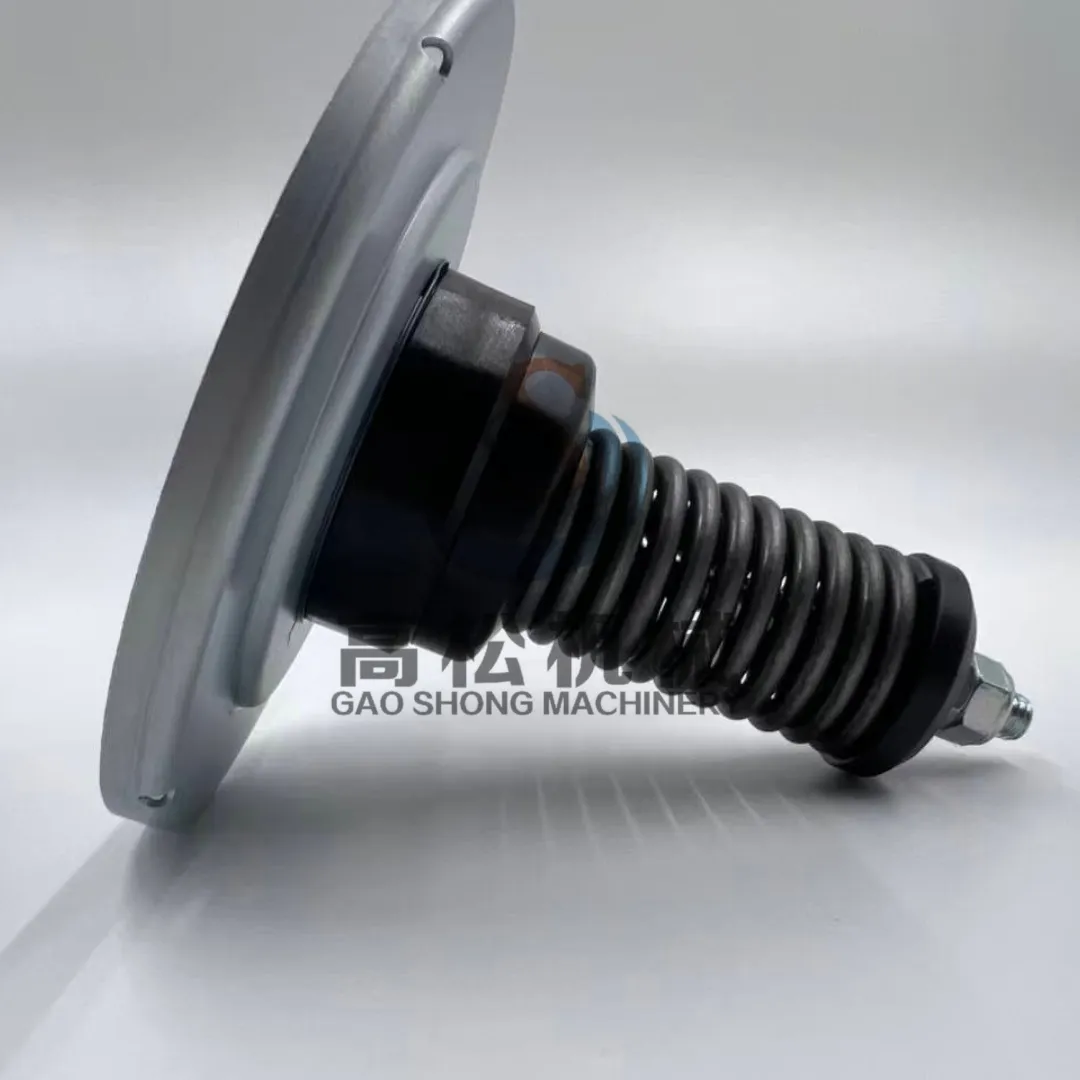 20Y-60-31450 Valve Assembly Komatsu For Hydraulic Tank PC300-8MO Excavator Parts
 -
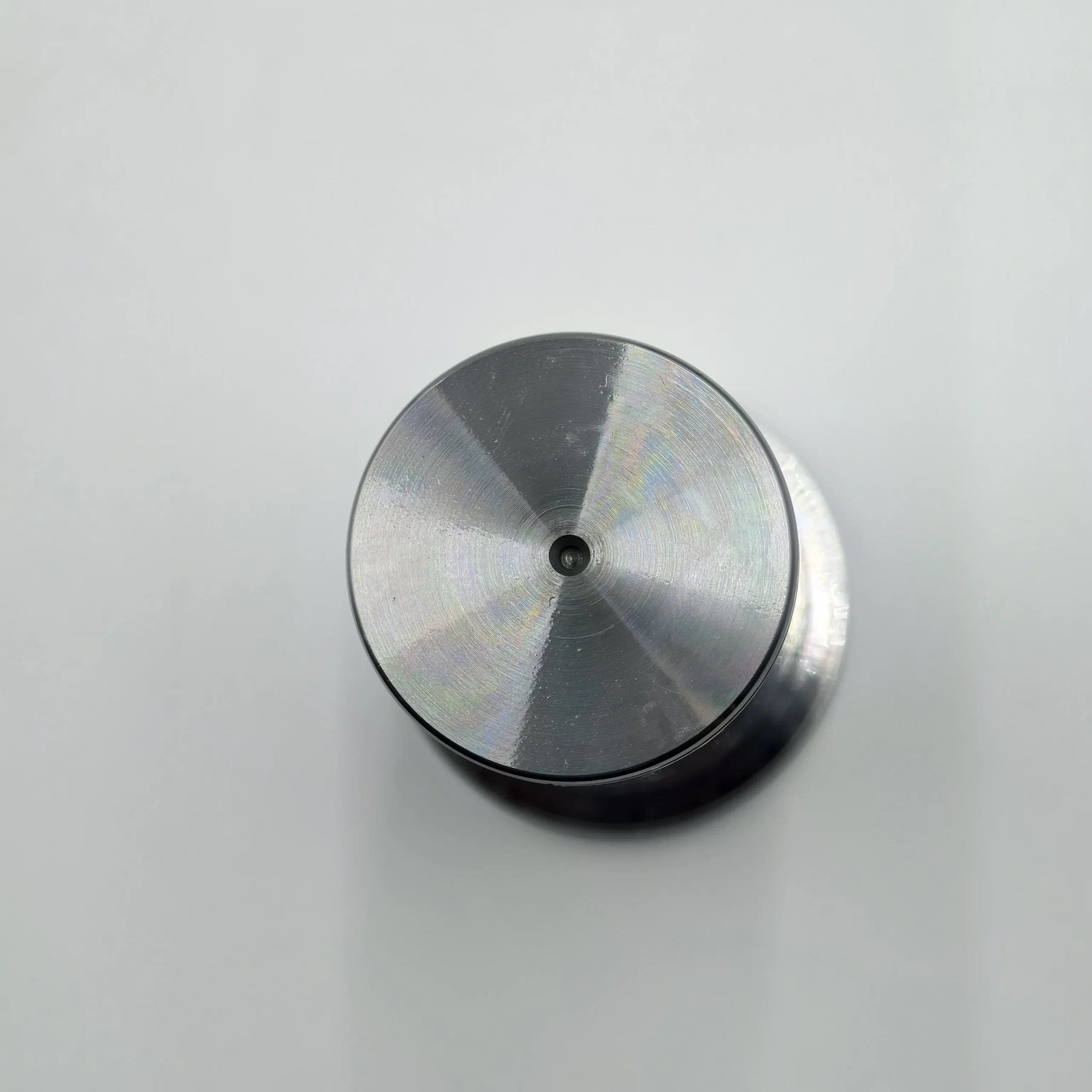 21N-26-33240Komatsu original factory accessories
 -
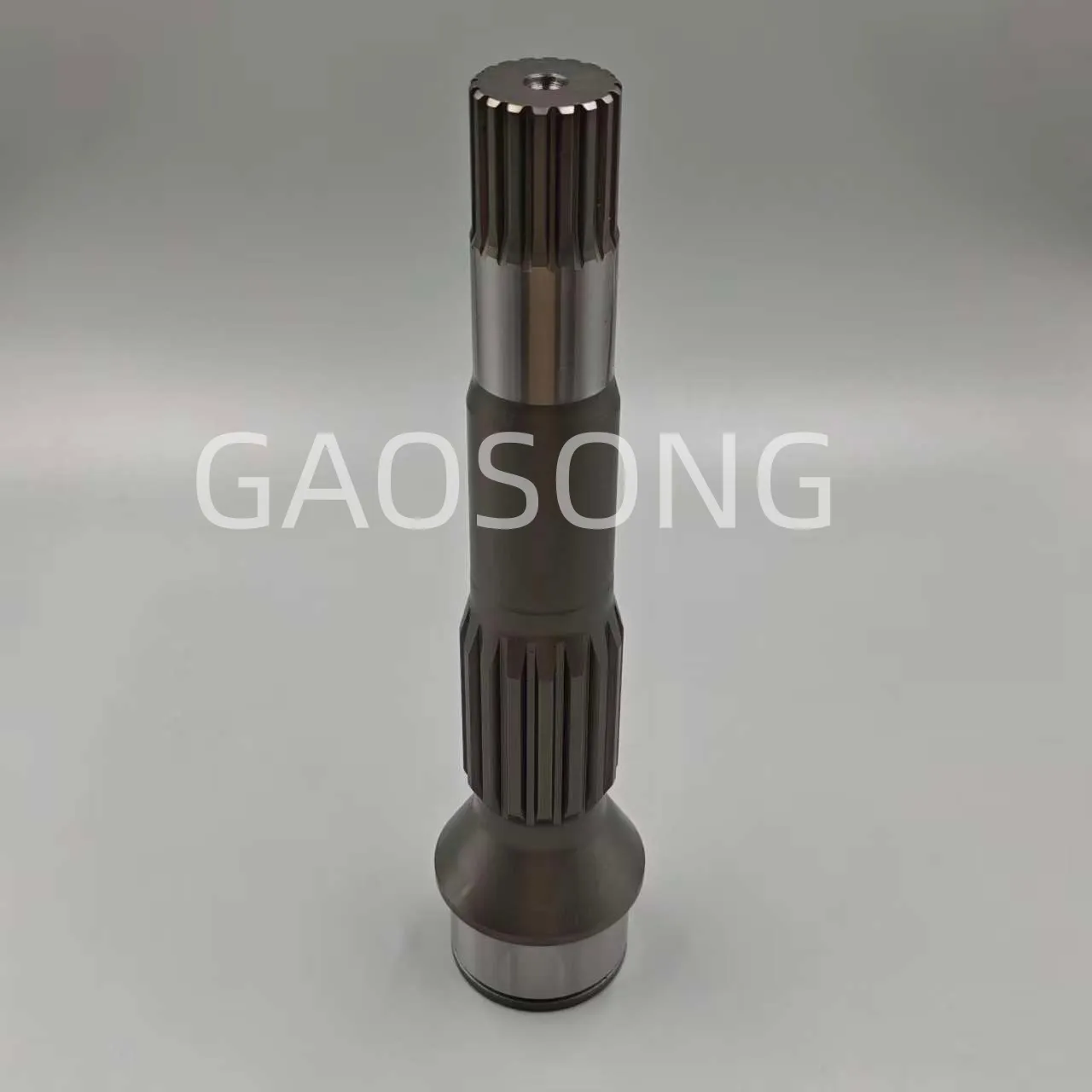 708-2G-12121 •• SHAFT-Komatsu Original Factory
 -
Komatsu PC220-8, PC350-8, PC450-8 excavator filter assemblies 20Y-62-51681 (20Y62-51681, 20Y-625168) (pilot filters
-
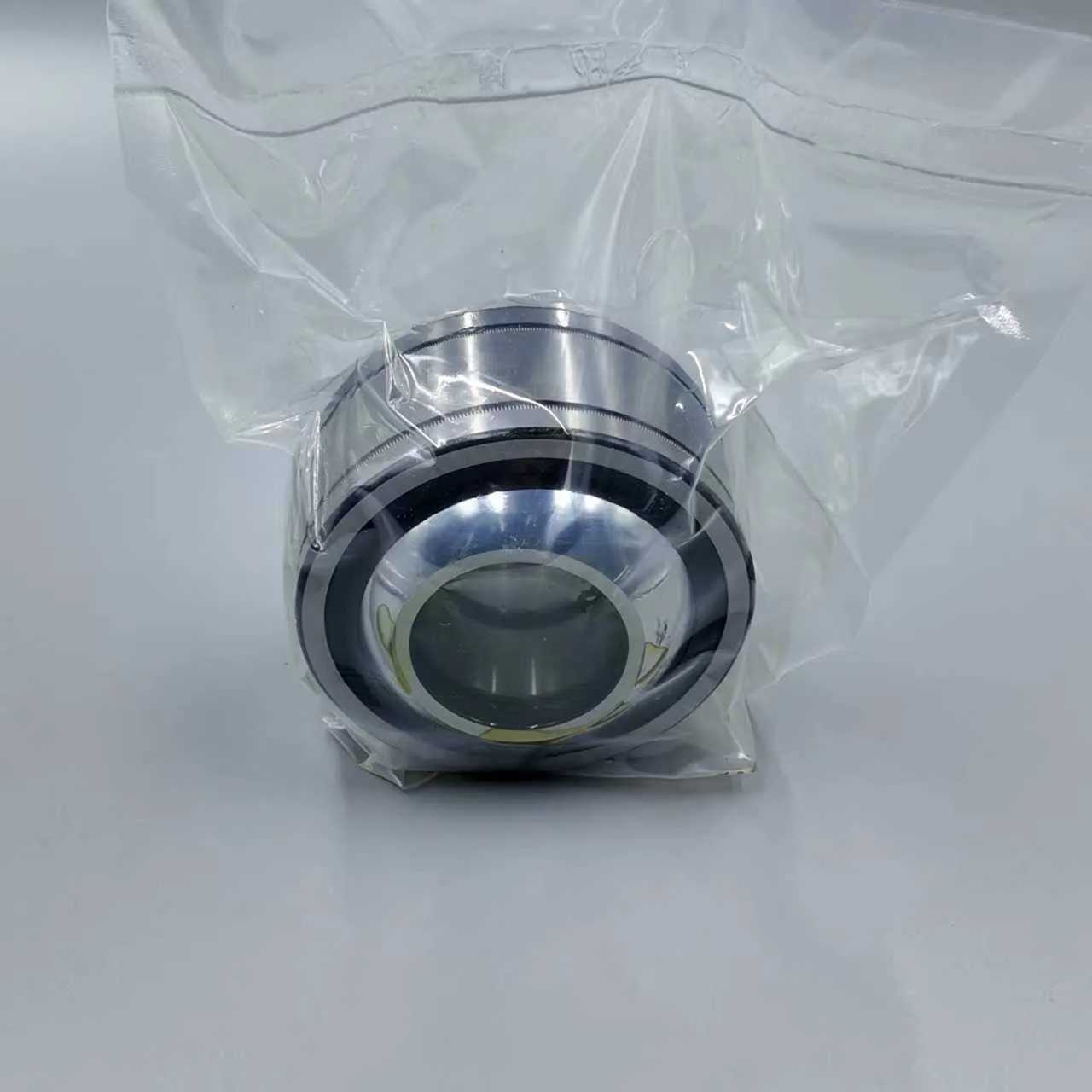 07137-04006 • BUSHING-Komatsu Original Factory
 -
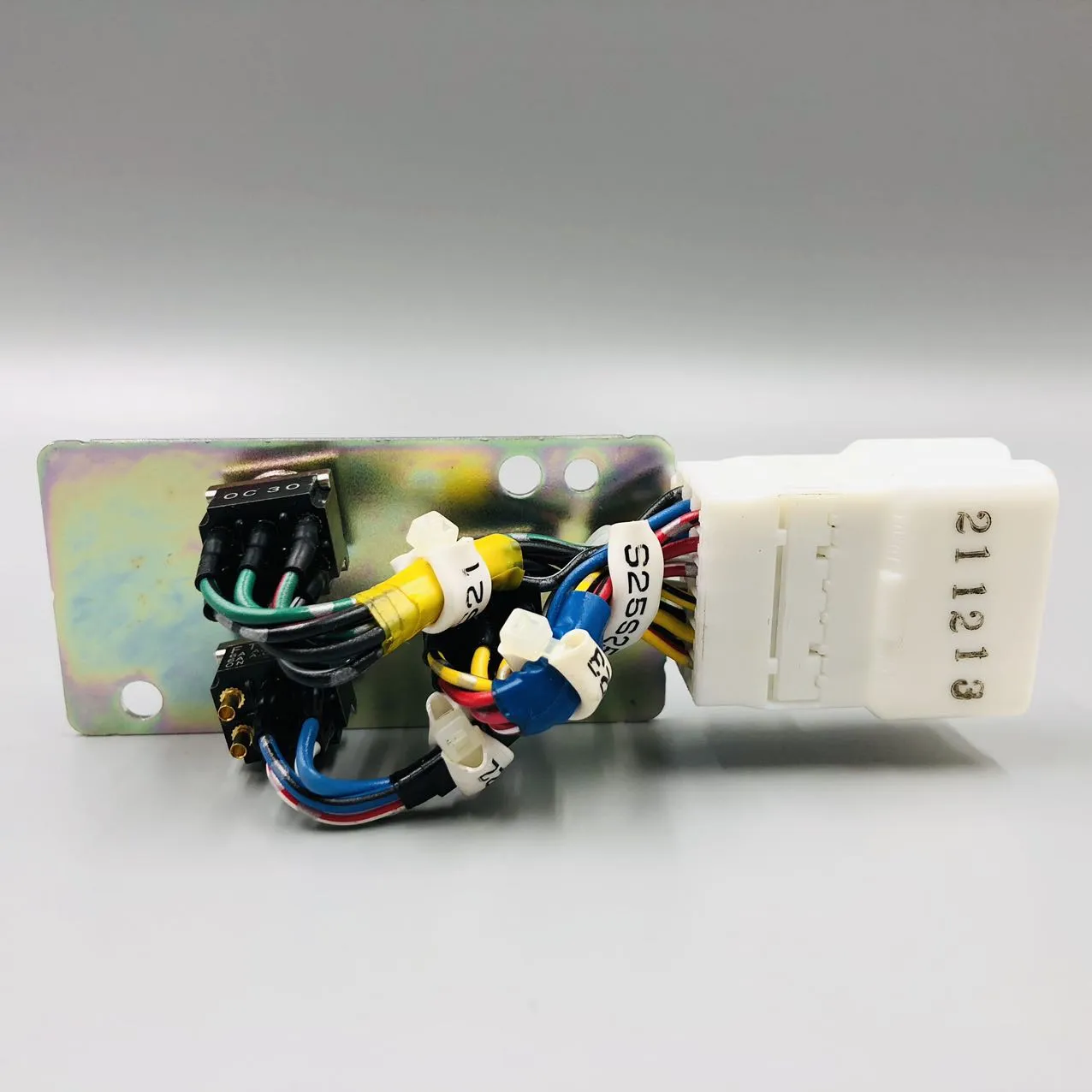 22U-06-22370 Switch Assembly
 -
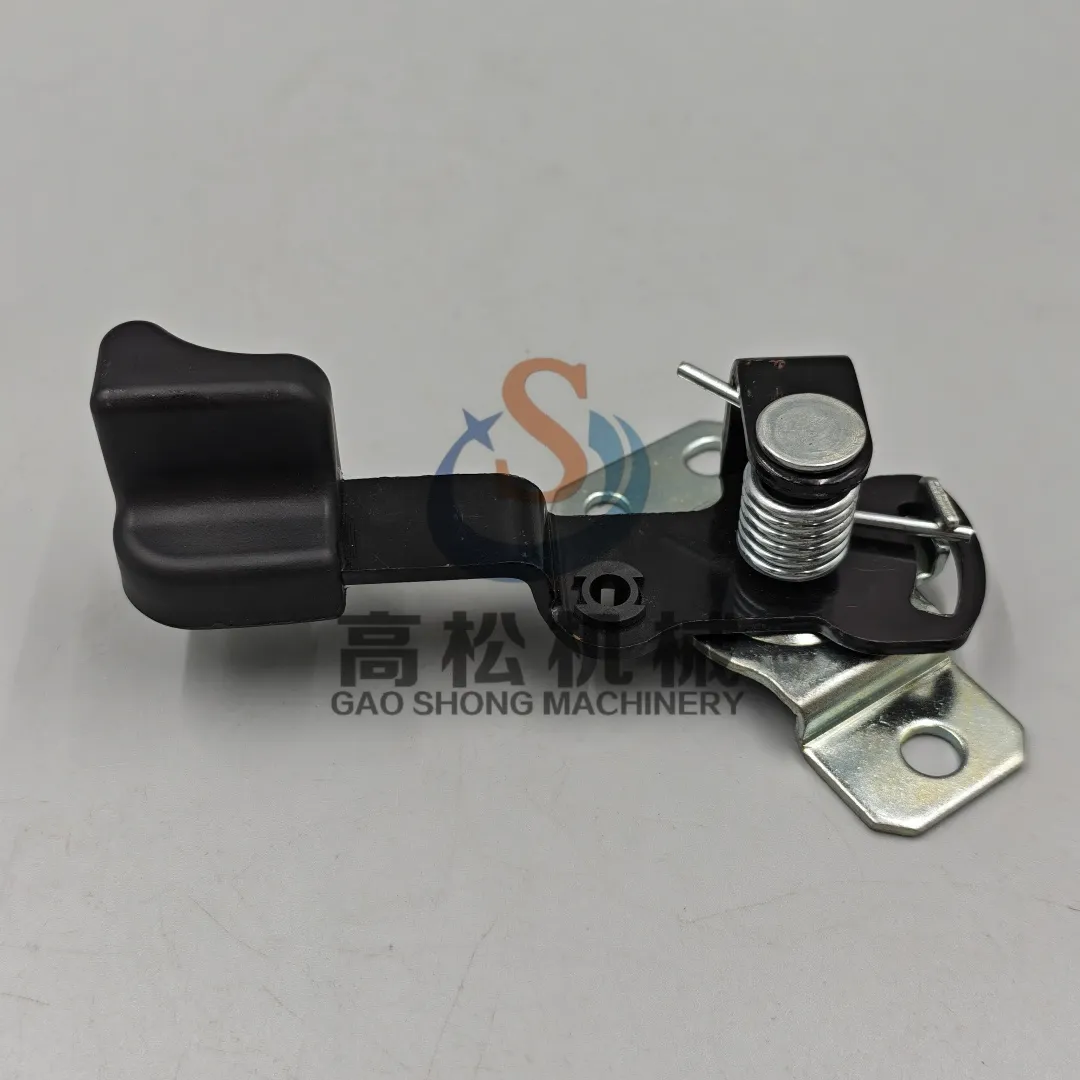 Door Lock Assembly 20Y-54-52820 Latch 20Y-53-12201 Handle Ass’s 20Y-54-52300 for Komatsu PC220-8