
- Chinese
- French
- German
- Portuguese
- Spanish
- Russian
- Japanese
- Korean
- Arabic
- Irish
- Greek
- Turkish
- Italian
- Danish
- Romanian
- Indonesian
- Czech
- Afrikaans
- Swedish
- Polish
- Basque
- Catalan
- Esperanto
- Hindi
- Lao
- Albanian
- Amharic
- Armenian
- Azerbaijani
- Belarusian
- Bengali
- Bosnian
- Bulgarian
- Cebuano
- Chichewa
- Corsican
- Croatian
- Dutch
- Estonian
- Filipino
- Finnish
- Frisian
- Galician
- Georgian
- Gujarati
- Haitian
- Hausa
- Hawaiian
- Hebrew
- Hmong
- Hungarian
- Icelandic
- Igbo
- Javanese
- Kannada
- Kazakh
- Khmer
- Kurdish
- Kyrgyz
- Latin
- Latvian
- Lithuanian
- Luxembou..
- Macedonian
- Malagasy
- Malay
- Malayalam
- Maltese
- Maori
- Marathi
- Mongolian
- Burmese
- Nepali
- Norwegian
- Pashto
- Persian
- Punjabi
- Serbian
- Sesotho
- Sinhala
- Slovak
- Slovenian
- Somali
- Samoan
- Scots Gaelic
- Shona
- Sindhi
- Sundanese
- Swahili
- Tajik
- Tamil
- Telugu
- Thai
- Ukrainian
- Urdu
- Uzbek
- Vietnamese
- Welsh
- Xhosa
- Yiddish
- Yoruba
- Zulu
- Kinyarwanda
- Tatar
- Oriya
- Turkmen
- Uyghur






OEM AND ORIGINAL KOMATSU WIRING HARNESS 427-06-22152
Let's cut through the noise. When you see that part number, , for a Komatsu wiring harness, the immediate assumption is original Komatsu. But that's where the confusion starts. In our world, original and OEM aren't always the same thing, and understanding that difference is the line between a smooth rebuild and a month of diagnostic headaches. I've seen too many guys order a harness expecting the blue and yellow tags, only to get a functionally identical but differently packaged unit and think they've been scammed. They haven't. They just don't get the supply chain. A company like Jining Gaosong Construction Machinery Co., Ltd. sits right in the middle of this reality. They're an OEM product supplier within the Komatsu system, which means they produce to the exact specs, but the branding and distribution path can vary. That's key. Their role, as they state, is helping to solve parts supply challenges in certain countries. This isn't marketing fluff; it's the daily grind of keeping machines running when the official pipeline is clogged or non-existent.
The Spec is the Bible, Not the Label
I handled a harness last year for a PC300-8. The machine was down in a remote quarry. The official dealer quoted a 12-week lead time and a price that made the site manager wince. We sourced an alternative through a third-party channel that led back to an OEM supplier. The physical harness? Same gauge wiring, identical connector moldings (down to the subtle Mitsubishi Electric marks on the plastic), same wire routing and loom texture. The only missing element was the Komatsu part sticker. Instead, it had the supplier's own label with the same part number. Functionally, it was a 1:1 match. The resistance checks across each pin, the insulation quality—all matched the manual. This is what true OEM means. It's not about the box; it's about the build spec. Jining Gaosong operates on this principle. They're not making copies; they're manufacturing the authorized component, sometimes for direct integration into the Komatsu production line, sometimes for the aftermarket via their platform at https://www.takematsumachinery.com.
Where people get burned is with the outright counterfeit. The tell isn't always obvious at first glance. With a wiring harness, it's in the details: the copper strand count might be lower, the cross-section area just slightly undersized. This leads to voltage drop under load, causing intermittent sensor faults that are a nightmare to trace. The plastic of the connectors might be more brittle, failing to click securely, leading to moisture ingress. A genuine OEM-supplied part, even if not original in the branded sense, won't have these flaws because the production molds and material specs are contractually controlled. The failure for us came once with a different part number, a hydraulic valve harness. We assumed OEM-level quality from a new supplier. The pin seals were subpar. After six months in a wet environment, corrosion set in. That was a lesson: verification is everything, even with an OEM claim.
So for , the due diligence shifts. You're not just looking for a Komatsu logo. You're looking for evidence of specification adherence. Can the supplier provide material certifications? Do they acknowledge their role within the Komatsu system? The website for Takematsu Machinery explicitly frames the company as both an OEM product supplier within the Komatsu system and a third-party sales company. That transparency is more valuable than a stock photo of a harness on a white background. It tells me they understand the two hats they wear: manufacturing to the standard and then distributing it outside the primary network to address those supply gaps.
Why the Supply Chain Creates This Gray Area
Komatsu, like all major OEMs, doesn't smelt its own copper or injection-mold every single connector. They rely on a tiered network of suppliers. A company like Jining Gaosong is in that network. They get the engineering drawings, the performance test protocols, and the quality audits. For a given production run of harnesses, a portion might be shipped directly to Komatsu for new machine assembly (and get the original label), while another portion might be allocated for the supplier's own aftermarket sales channels. It's the same part from the same production line. The certain countries mention in their intro is crucial. In regions where Komatsu's official distribution is thin or where import duties make genuine parts prohibitively expensive, these OEM-supplied parts are the lifeblood of the fleet.
I've worked in markets in Southeast Asia and Africa where this is the standard, not the exception. You learn very quickly which local suppliers have the real OEM connections and which are peddling junk. The good ones will talk specifics—they'll know that the has a particular shielded section for the pressure sensor lines near the main ECU connector to prevent RF interference. They'll know the torque spec for the ground ring terminal bolt. That knowledge typically comes from direct involvement with the product's creation, not just a parts catalog.
This system exists because it has to. If a mining operation in Mongolia needs a wiring harness for a D375A dozer, waiting for a sealed Komatsu box from Tokyo is a non-starter. The machine needs to run. The local distributor, sourcing from an OEM partner like Gaosong, can get the correct, spec-compliant part on site in days. The machine gets fixed. The business case for this parallel supply chain is ironclad. It's not about undermining the brand; it's about supporting the equipment in the field when the primary logistics chain can't reach.
Practical Verification: Beyond the Part Number
So you've got a harness in hand, sourced as OEM. How do you check it? First, forget cosmetics. Look at the wire markings. They should be laser-etched or high-quality printed, not stamped poorly. The color coding should be exact. Compare the connector keying to the old harness—a counterfeit often gets the plastic key mold slightly wrong. Use a caliper to measure the diameter of a representative wire; compare it to a known-good sample or the technical drawing if you have access. Check the flexibility of the loom. The OEM-grade stuff has a specific feel—supple but tough, not stiff or rubbery.
The most reliable test is electrical. Before installation, do a continuity check for every single circuit. But more importantly, check for insulation resistance between adjacent pins and to the shield. A megger test can reveal poor insulation quality that won't show up on a simple multimeter. I've caught two bad batches this way. The supplier, when confronted with the data, replaced them. A reputable OEM-aligned company will stand behind this because their process should have caught it. The OEM AND ORIGINAL KOMATSU WIRING HARNESS debate ends with performance data, not packaging.
Another angle is documentation. A proper OEM supplier can often provide traceability. Which production lot? What was the test date? This is the level of detail that separates a parts warehouse from a technical partner. When browsing a site like https://www.takematsumachinery.com, I'm less interested in flashy graphics and more interested in whether they list these technical particulars or have channels for these queries. It indicates their confidence in the product's pedigree.
The Business of Being a Solution, Not Just a Seller
The description of Jining Gaosong as a company helping to solve parts supply challenges resonates deeply. This isn't a sales slogan; it's a job description. Solving a challenge means understanding the machine, the application, and the urgency. It means knowing that the might be cross-referenced to a later supersession or a regional variant. It means having the technical backup to confirm compatibility if the machine has been modified.
I recall a scenario where we needed a harness for an older model, but the official part was discontinued. An OEM-style supplier was able to fabricate it using the original schematics they still had on file. They didn't just say no. They provided a solution. That's the value of a company embedded in the system. They have access to the legacy knowledge and tooling that might be retired from Komatsu's active catalog but is still vital in the field.
This role as a third-party sales company for Komatsu parts is about filling the gaps in the ecosystem. They're not replacing the dealer network; they're complementing it in areas where it doesn't effectively serve the customer. For the end-user, this means more options, often better availability, and competitive pricing, but with a crucial caveat: you must verify the supplier's OEM credentials. Not all third-party sellers are created equal. The ones that last, the ones you build relationships with, are those with transparent ties to the manufacturing process.
Final Take: Navigating the Original Claim
Wrapping this up, the keyword OEM AND ORIGINAL KOMATSU WIRING HARNESS represents a spectrum. At one end is the Komatsu-branded, dealer-sold part. At the other is a cheap imitation. In the middle—and this is the vast, operational middle—is the OEM-supplied component. It carries the same DNA, built to the same print, but distributed through alternate channels to keep machines running globally.
Your best strategy is to shift your sourcing criteria. Instead of hunting for original, hunt for OEM-spec with provenance. Engage with suppliers on technical details. Ask about their relationship to the Komatsu system. Companies that are upfront about their dual role, like Jining Gaosong's stated position, are usually a safer bet than those who vaguely claim to have genuine quality.
In the field, the proof is in the installation and the long-term reliability. A properly made harness will integrate seamlessly, communicate flawlessly with the Komatsu controllers, and withstand the vibration, heat, and moisture of the machine's environment. That's the ultimate test. Whether it arrived in a Komatsu box or a plain brown one from a platform like Takematsu Machinery becomes irrelevant once the machine is back online and hitting its production targets. That's the real-world definition of original that matters.
Related Products
Related Products

Best Selling Products
Best Selling Products-
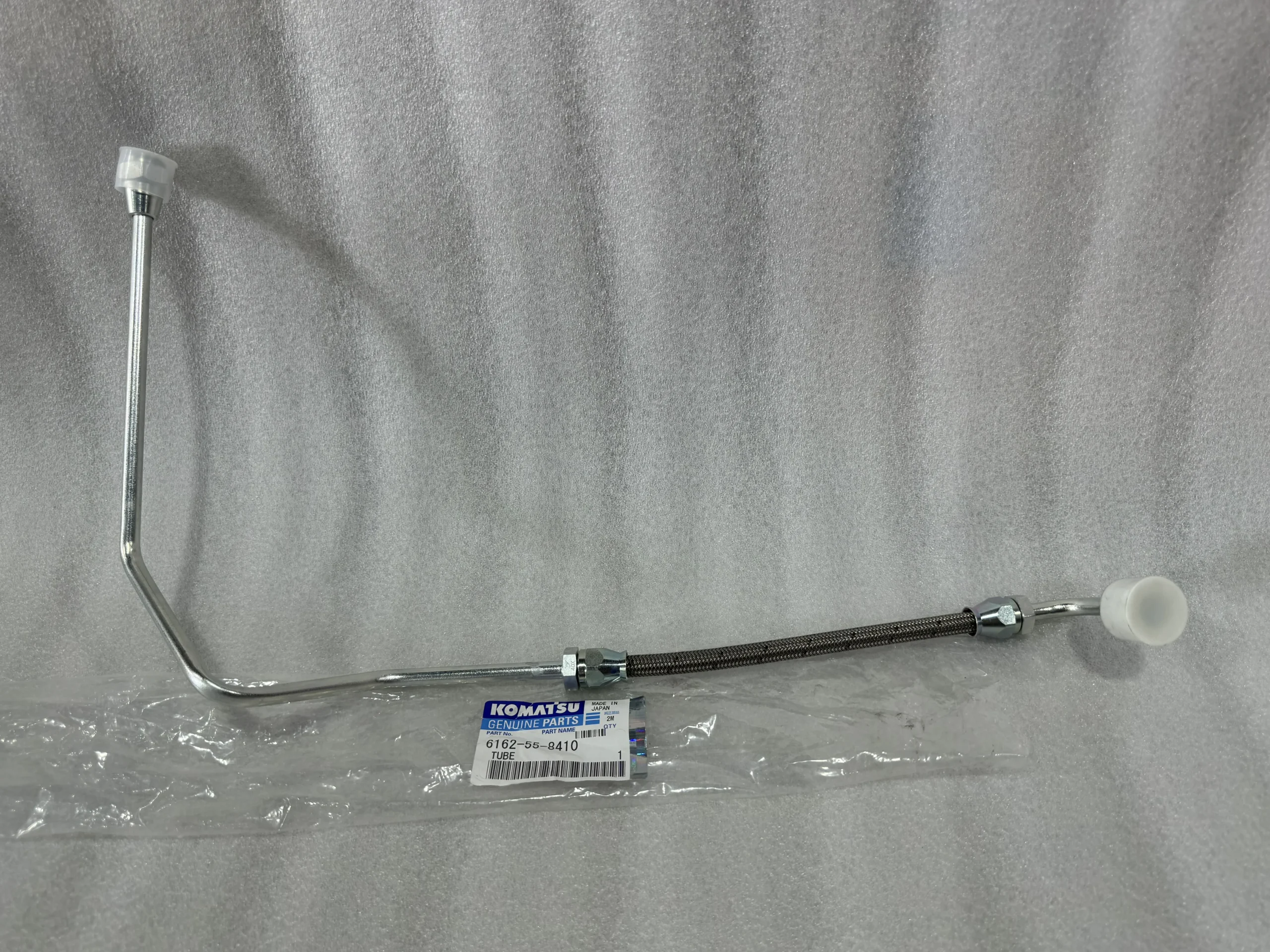 6D170-2 Oil Pipe 6162-55-8410
 -
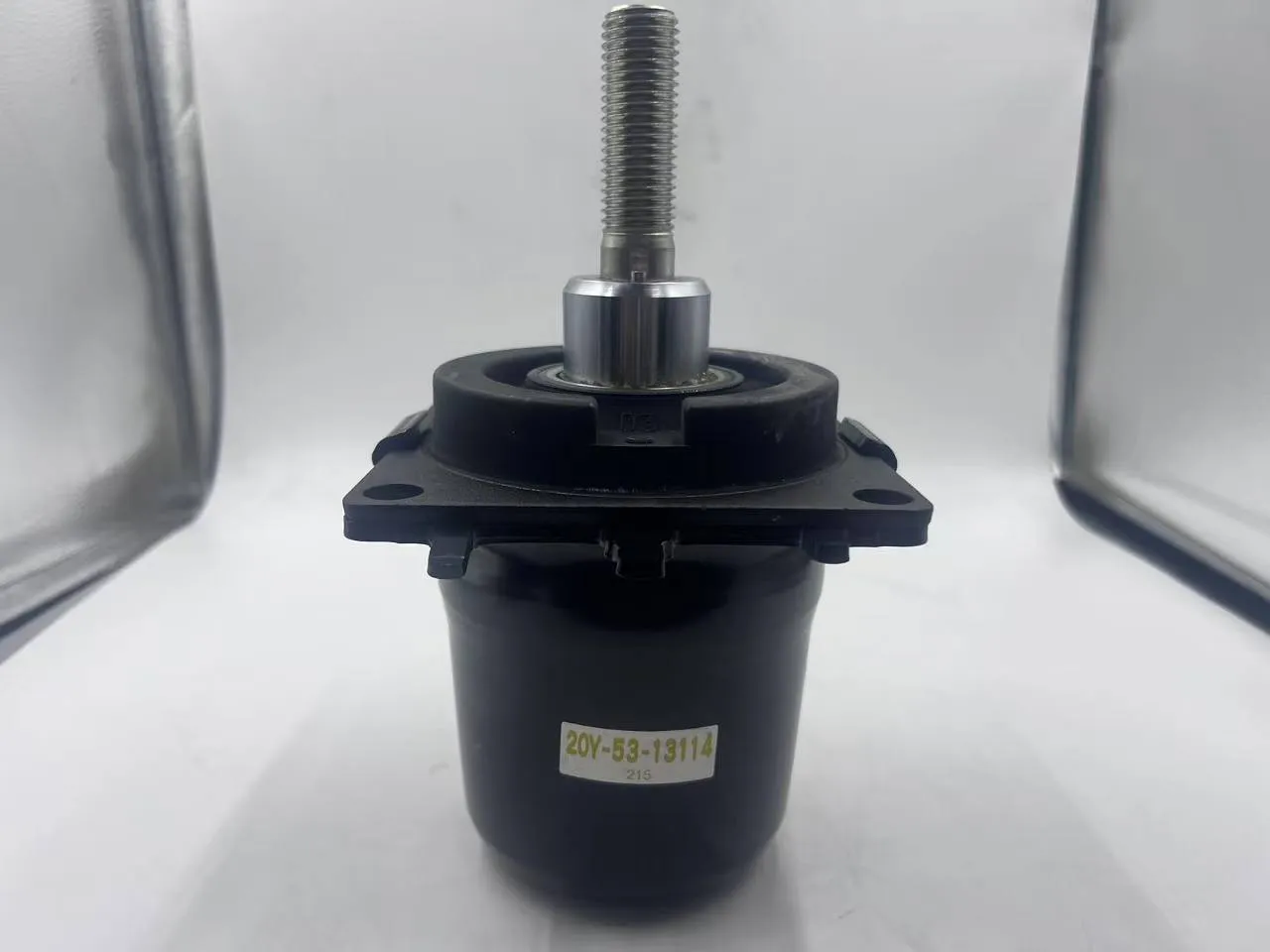 CUSHION 20Y-53-13114
 -
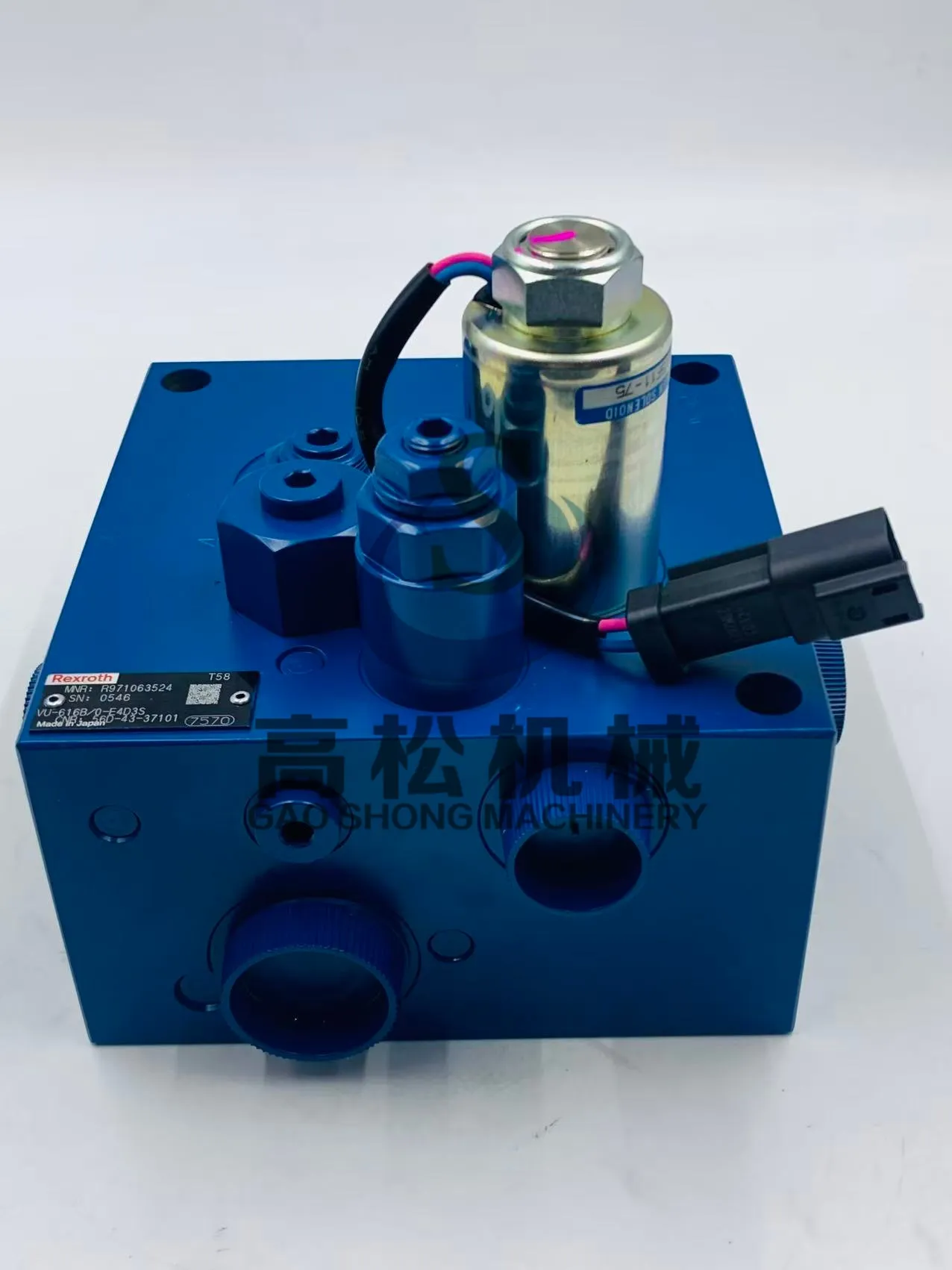 56D-43-37101 Komatsu Valve Assembly
 -
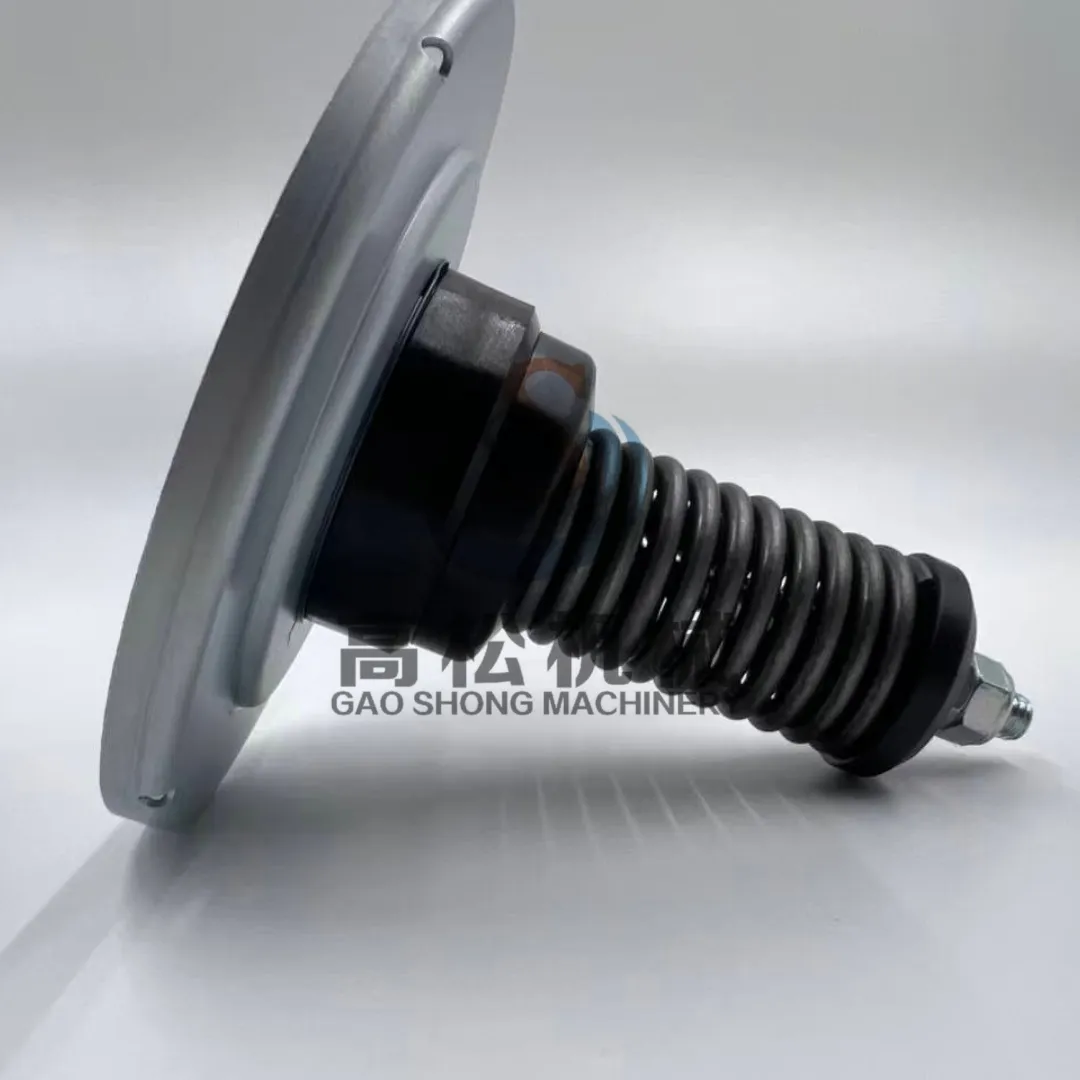 20Y-60-31450 Valve Assembly Komatsu For Hydraulic Tank PC300-8MO Excavator Parts
 -
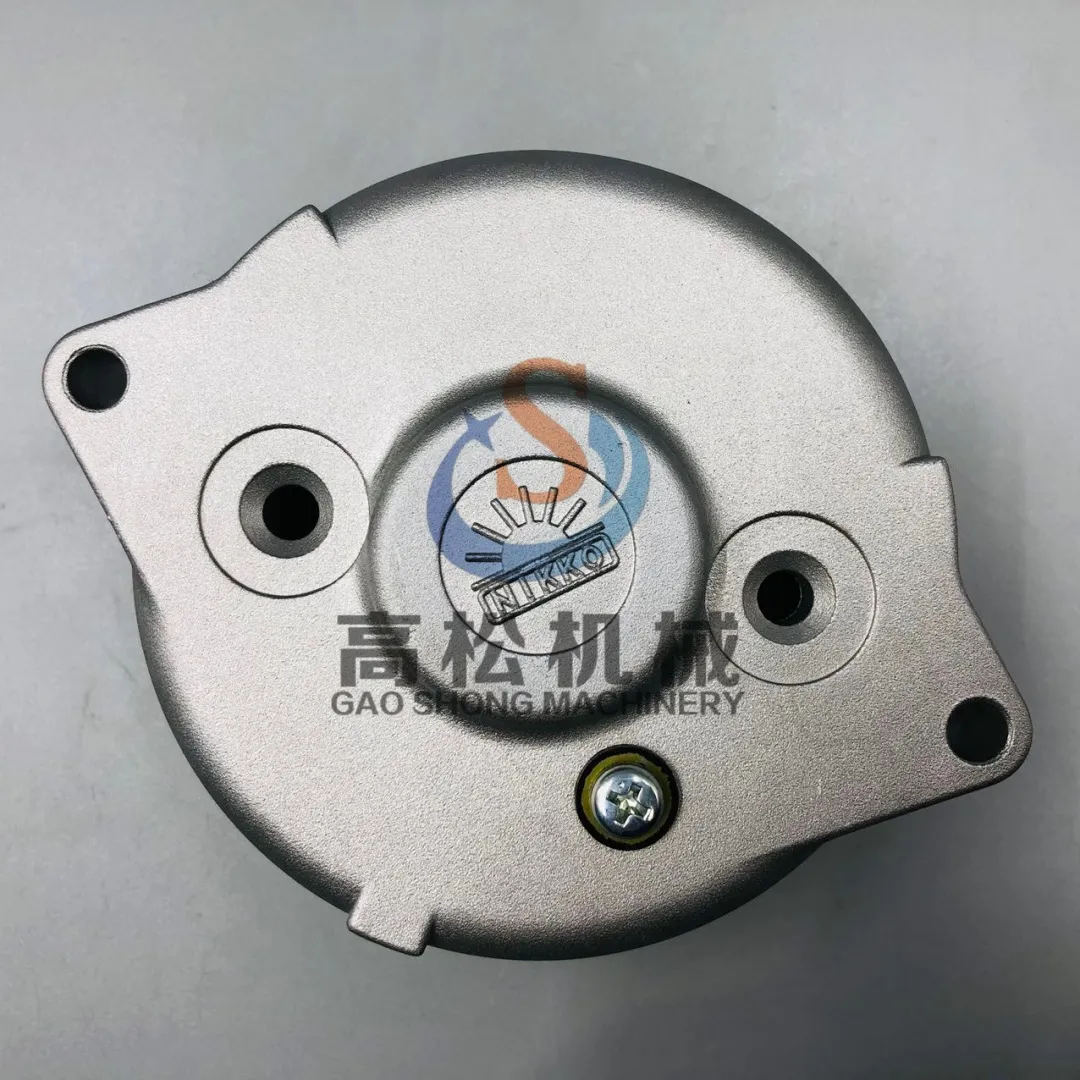 KD0-23700-0130 REAR BRACKET ASS’Y,REAR (Komatsu)
 -
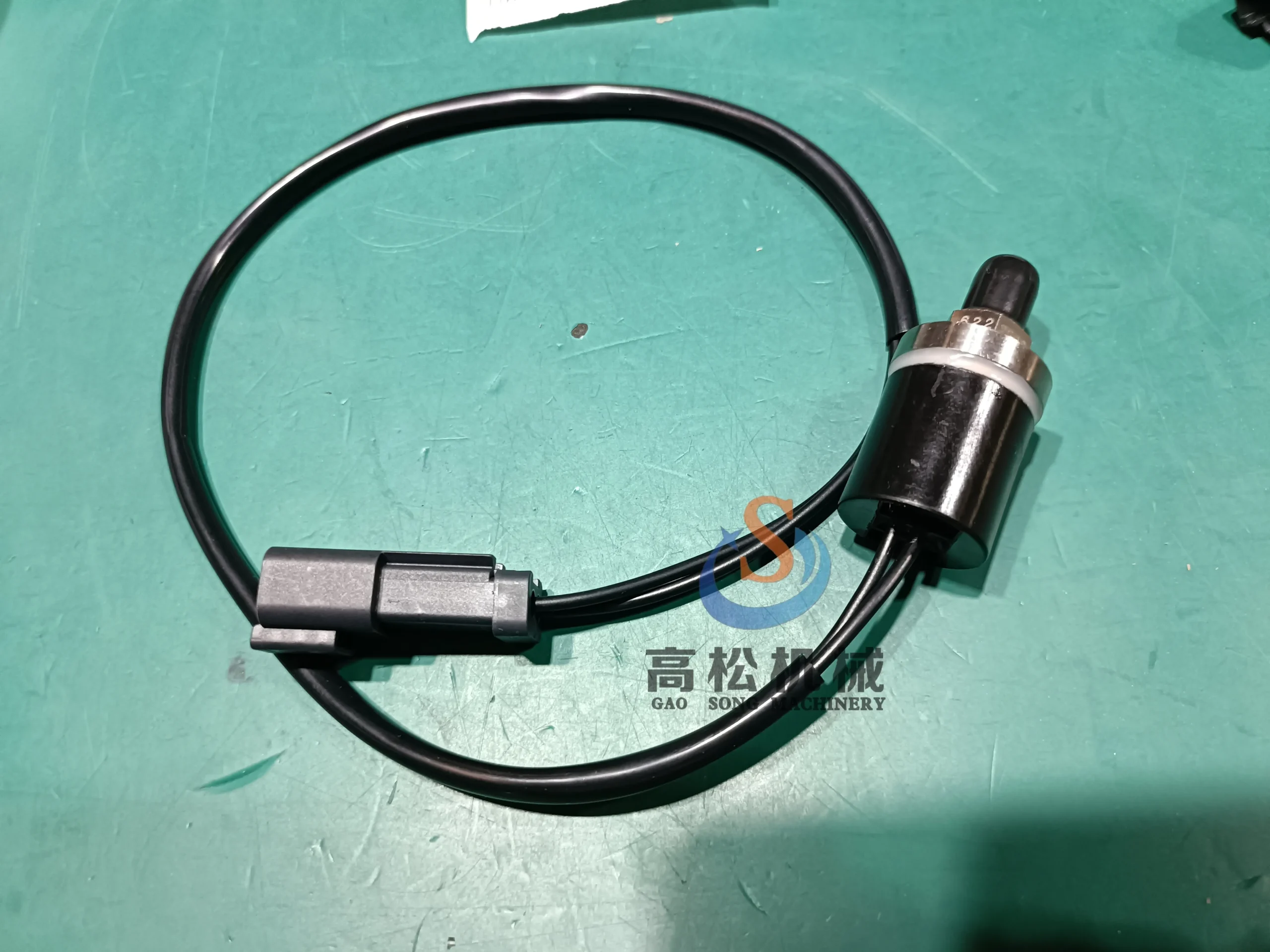 42C-06-15121 komatsu SWITCH-WA380/WA400/WA900
 -
 569-01-72600 569-01-62650 569-01-72610 Komatsu dump truck HD465-7 HD605-7 HD325-7 HD405-7 body drive shaft
 -
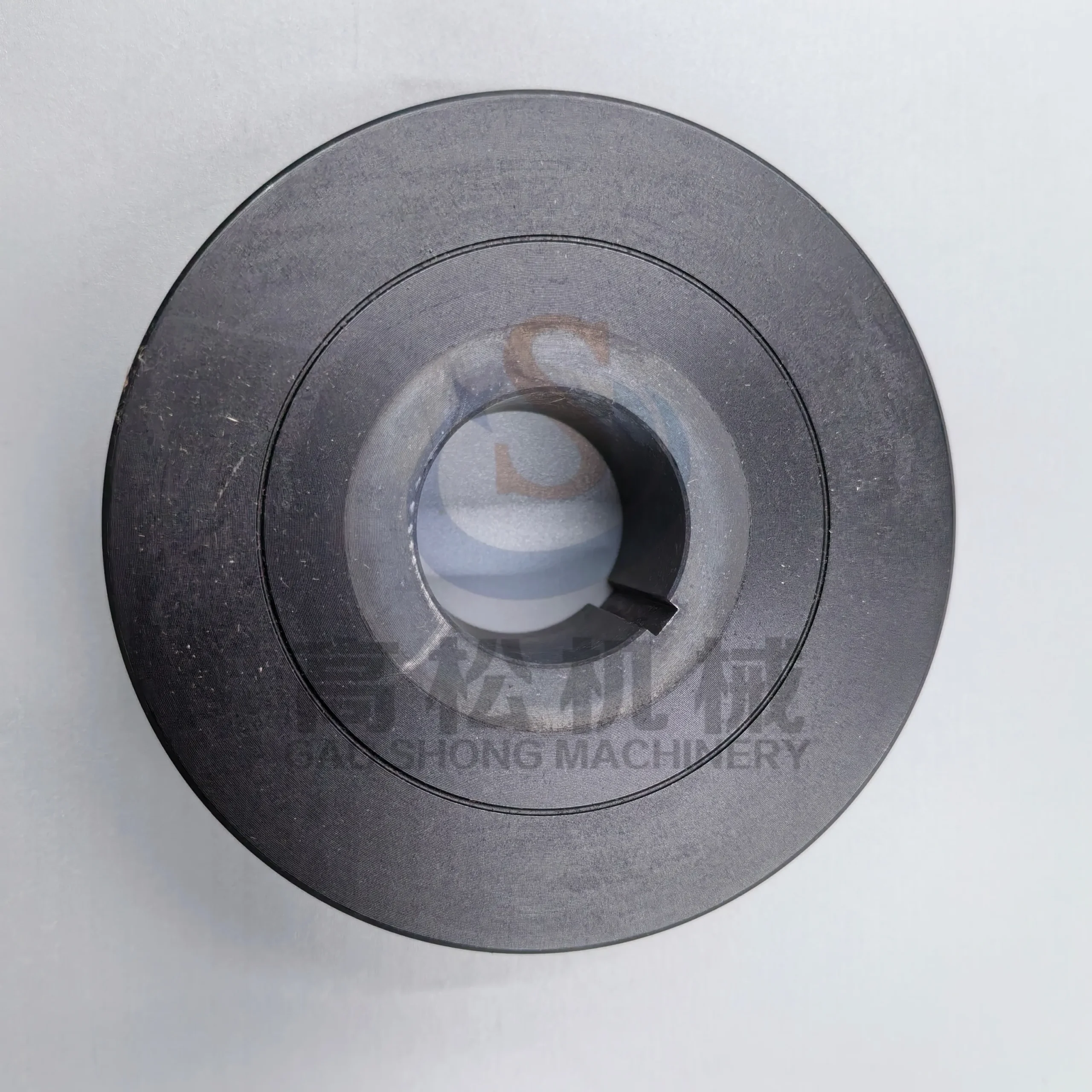 PULLEY – KD0-35411-0854
 -
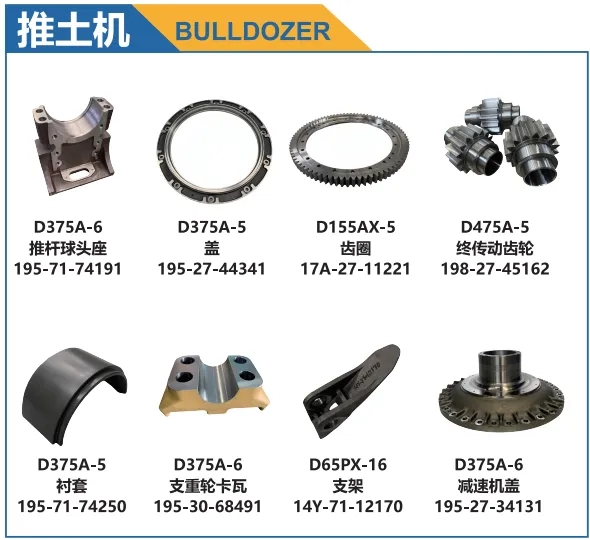 GAOSONG-Komatsu Full Range Parts Supply
 -
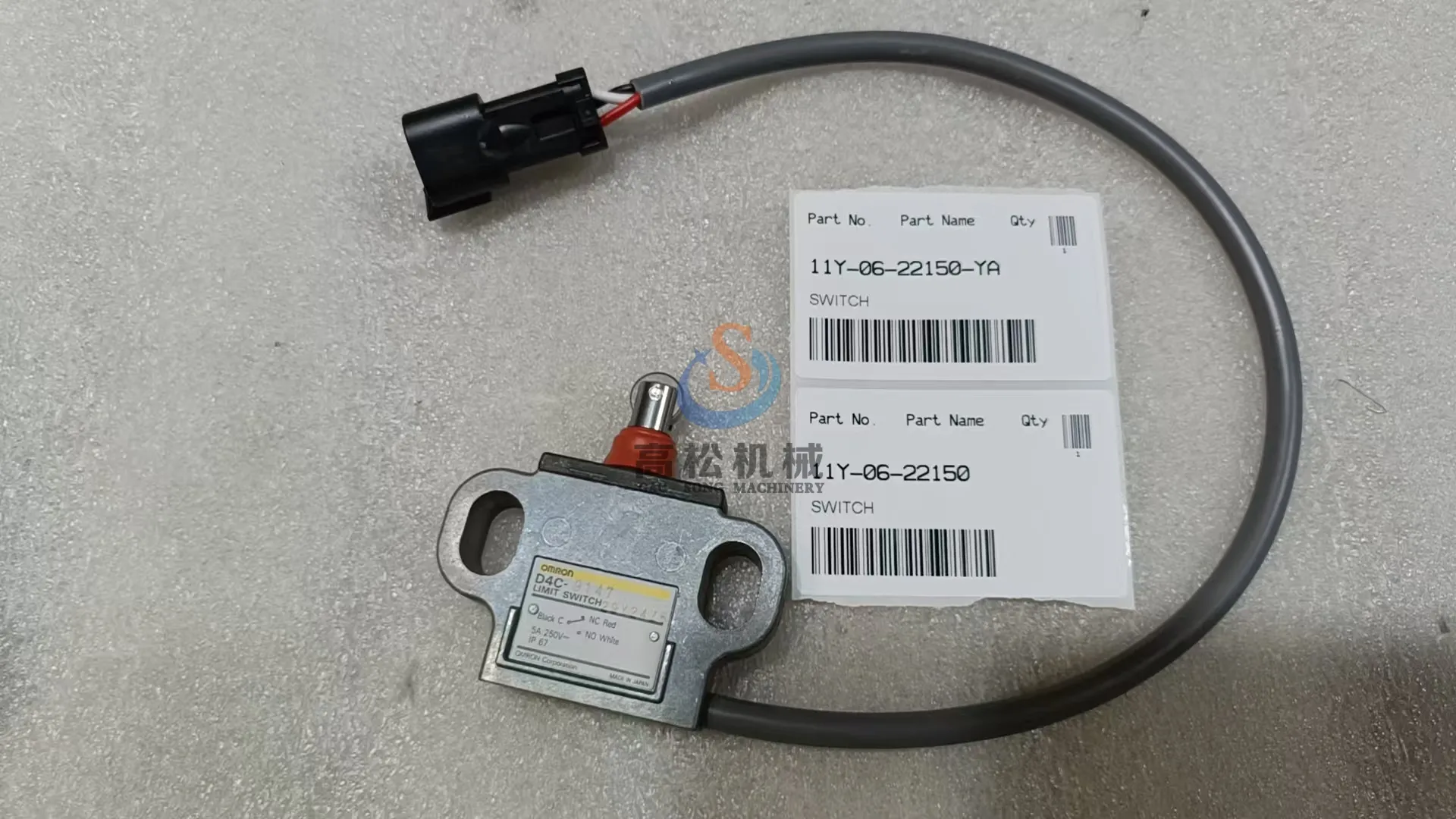 11Y-06-22150 komatsu SWITCH-D155/D275A
 -
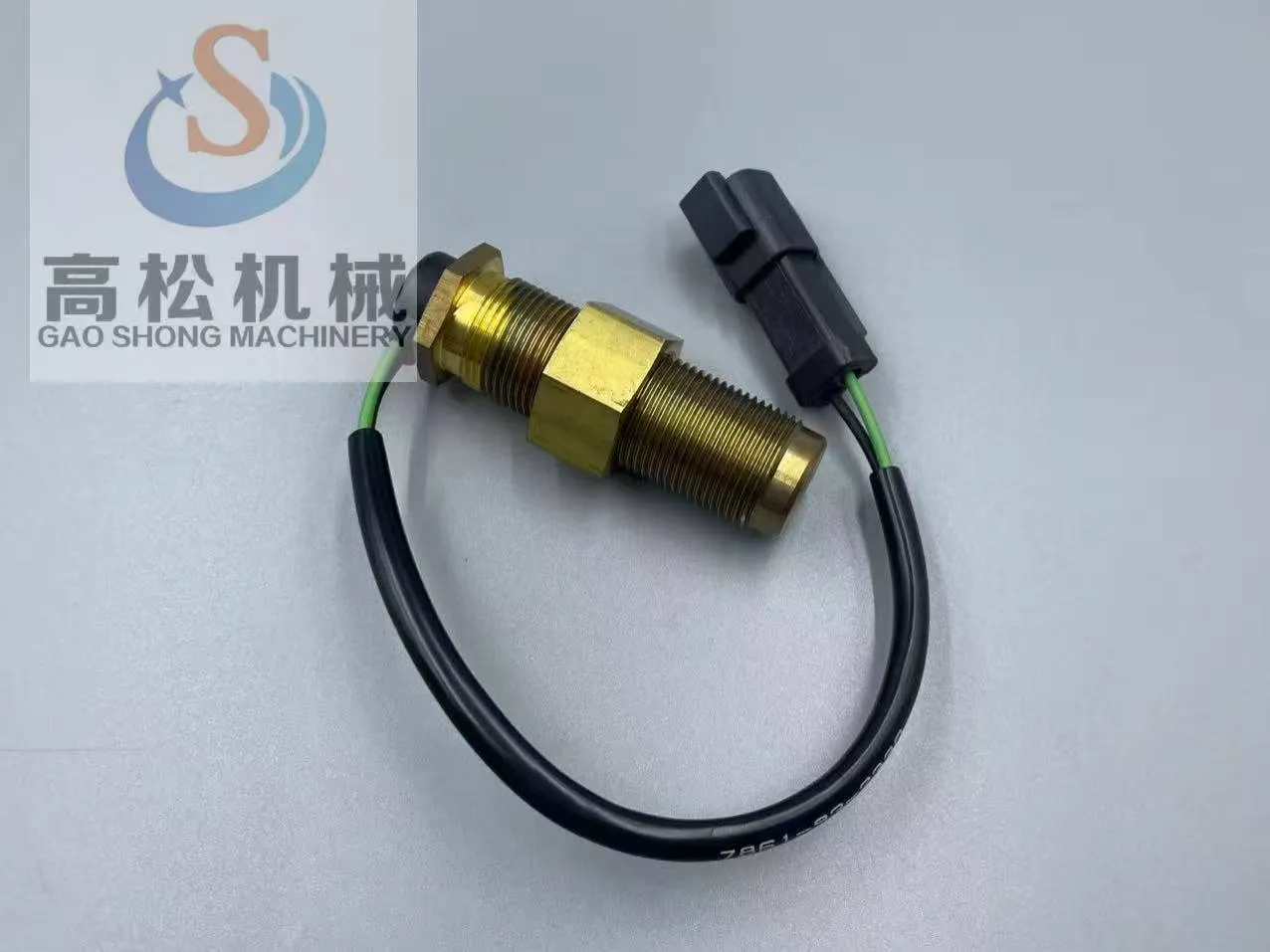 PC130-7 PC300-7 Engine Speed Sensor 7861-93-2330
 -
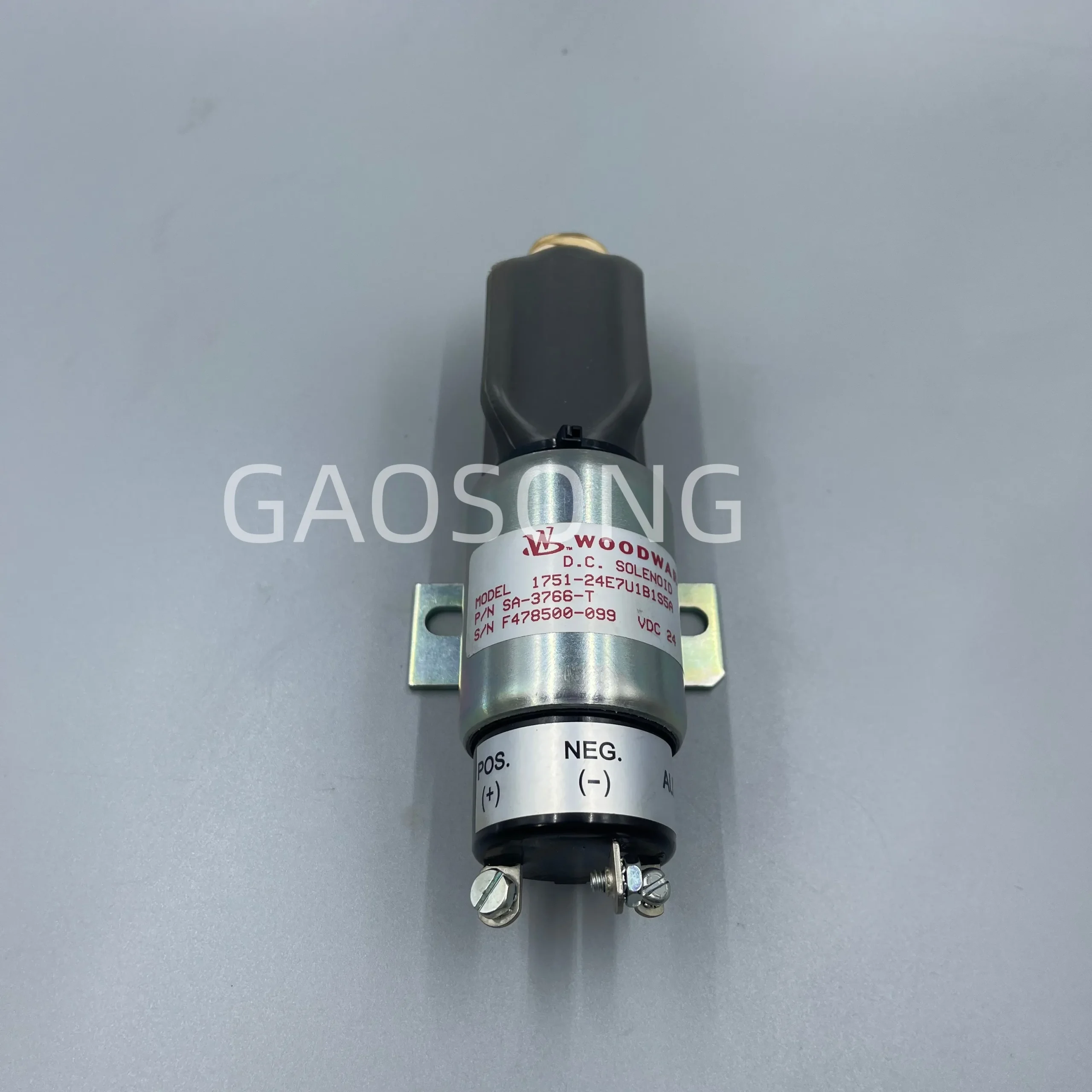 600-815-7550 SOLENOID ASS’Y–Komatsu Original Factory