
- Chinese
- French
- German
- Portuguese
- Spanish
- Russian
- Japanese
- Korean
- Arabic
- Irish
- Greek
- Turkish
- Italian
- Danish
- Romanian
- Indonesian
- Czech
- Afrikaans
- Swedish
- Polish
- Basque
- Catalan
- Esperanto
- Hindi
- Lao
- Albanian
- Amharic
- Armenian
- Azerbaijani
- Belarusian
- Bengali
- Bosnian
- Bulgarian
- Cebuano
- Chichewa
- Corsican
- Croatian
- Dutch
- Estonian
- Filipino
- Finnish
- Frisian
- Galician
- Georgian
- Gujarati
- Haitian
- Hausa
- Hawaiian
- Hebrew
- Hmong
- Hungarian
- Icelandic
- Igbo
- Javanese
- Kannada
- Kazakh
- Khmer
- Kurdish
- Kyrgyz
- Latin
- Latvian
- Lithuanian
- Luxembou..
- Macedonian
- Malagasy
- Malay
- Malayalam
- Maltese
- Maori
- Marathi
- Mongolian
- Burmese
- Nepali
- Norwegian
- Pashto
- Persian
- Punjabi
- Serbian
- Sesotho
- Sinhala
- Slovak
- Slovenian
- Somali
- Samoan
- Scots Gaelic
- Shona
- Sindhi
- Sundanese
- Swahili
- Tajik
- Tamil
- Telugu
- Thai
- Ukrainian
- Urdu
- Uzbek
- Vietnamese
- Welsh
- Xhosa
- Yiddish
- Yoruba
- Zulu
- Kinyarwanda
- Tatar
- Oriya
- Turkmen
- Uyghur






OEM AND ORIGINAL KOMATSU WIRING HARNESS 426-06-33272
Let’s cut through the noise. When you see that part number, , you're looking at a specific wiring harness for a Komatsu machine, likely for a PC or HD series excavator. The immediate assumption is that OEM and Original means it came straight from Komatsu's main factory. That's not always the case, and that's where the real conversation starts. In our line, OEM can mean the approved factory that makes it for Komatsu, not necessarily Komatsu itself. I've seen too many guys get tripped up thinking they're buying a genuine part when they're actually getting a quality-approved OEM substitute. The difference matters for warranty, fit, and long-term reliability.
The Gray Area of Original
Here's the practical truth. Komatsu doesn't manufacture every wire and connector. They source from designated suppliers who build to their exact specs. A company like Jining Gaosong Construction Machinery Co., Ltd. operates in this space. They are an OEM product supplier within the Komatsu system. This means they have the capability and likely the approval to produce components that meet the engineering drawings. So, when they list an OEM AND ORIGINAL KOMATSU WIRING HARNESS , they might be selling you the same harness that would get boxed in a Komatsu package, just without the Komatsu logo and price tag. It's not a copy; it's from the same source.
But you have to verify. I learned this the hard way years ago with a different harness. Ordered what was billed as OEM, and the connector housings were a slightly different shade of yellow. They snapped in fine, but the plastic felt more brittle. Lasted 18 months before a seal failed and let in moisture. That wasn't a Komatsu-spec material. So now, my first question to a supplier is about provenance. Can they trace the production batch? For a part like , the wire gauge, the color coding, and the crush seals on the connectors are the real tell. A true OEM-level part will match perfectly.
This is where a supplier's role becomes critical. Jining Gaosong also positions itself as a third-party sales company for Komatsu, helping to solve parts supply challenges in certain countries. That's a valuable niche. In some regions, getting a genuine part from the official channel can take months. A reliable OEM supplier with direct access can cut that to weeks. They're not just selling a part; they're selling a solution to downtime. You can check their approach at their portal, https://www.takematsumachinery.com. The key is whether they are transparent about what they're offering.
Why the Harness Itself is a Nightmare to Get Wrong
Focusing on specifically, wiring harnesses are the nervous system of the machine. A sub-par harness doesn't always fail immediately. It causes intermittent faults—a sensor dropping out, a flickering warning light. These are the most expensive problems to diagnose. You'll spend more on mechanic hours chasing a ghost than you ever saved on the part. The original Komatsu spec for these harnesses includes specific wire strand count, temperature rating for the insulation, and precise routing clips. An inferior copy might use PVC that cracks in the engine bay heat or copper strands that are thinner, leading to voltage drop.
I remember a case on a PC300-8 where the machine had erratic pump control. We swapped controllers, checked sensors. Finally, we pulled the main harness (a cousin to the 33272). Found a section where the aftermarket equivalent had been used. The wires were routed slightly differently, causing a chafe point against a hydraulic line. It had worn through the insulation and was shorting intermittently. The savings cost us two weeks of downtime and a complete harness replacement. The lesson was that fit isn't just about the plugs matching; it's about the entire physical installation matching the machine's original layout.
So, when evaluating an OEM AND ORIGINAL KOMATSU part from a third-party, you need to ask for details. Can they confirm the insulation material (often cross-linked polyethylene)? Are the Deutsch or Yazaki connectors used the exact series? For , the location of splice points and the length of the branches are critical. A few centimeters off can create tension or leave excess wire that can get snagged.
The Supplier's Practical Role in the Chain
This brings us back to the ecosystem. A company functioning as an OEM supplier and a third-party sales arm fills a specific gap. They aren't the gray market. They are a parallel, often more agile, supply line. Their business, as Jining Gaosong Construction Machinery Co., Ltd. notes, is solving parts supply challenges. From my perspective, their value is in accessibility and technical knowledge. Do they know which machine serial number ranges the applies to? Can they tell you if there's a sub-revision? A good supplier will.
I've dealt with suppliers who just move boxes. You ask a technical question and get silence. The useful ones have engineers who can talk about the updates. For instance, was there a change in the 33272 harness after a certain year to add a shield for a GPS line? That kind of detail separates a parts vendor from a technical partner. It’s worth visiting https://www.takematsumachinery.com not just to order, but to see if they provide that level of specification detail publicly. It indicates their depth.
The risk, of course, is inventory quality. An OEM supplier might produce batches for Komatsu and then run extra batches for their own sales. Are those extras from the same production line with the same QC? Ideally, yes. But sometimes, they might use a secondary line or a different shift. That's the unspoken variable. You're relying on the supplier's integrity to not mix tiers. I always request a sample or high-resolution photos of the actual part, focusing on the molding marks on connectors and the printing on the wire sleeves. The original will have very crisp, legible printing.
Cost vs. Value: A Real Calculation
Let's talk money. The price difference between a genuine boxed Komatsu part and an OEM AND ORIGINAL part from a supplier like Gaosong can be 30-40%. That's tempting. But the calculation isn't just part cost. It's total cost of ownership. For a non-critical part, maybe a bracket, the OEM route is a no-brainer. For a wiring harness, the equation shifts. If the OEM part fails, what's the recourse? Does the supplier stand behind it with a warranty that covers the labor to replace it? Most don't. Komatsu's warranty might.
However, if the official supply is blocked or delayed for months, the cost of downtime dwarfs everything. A machine making $X per day sitting idle makes that 40% savings irrelevant if the OEM part gets you running in days instead of months. This is the practical reality in many markets. The supplier's role isn't to be cheaper than Komatsu; it's to be available when Komatsu isn't. Their value is in logistics and market access.
So, for the , my advice is this: If you have time and need absolute certainty for warranty claims, go genuine through the official channel. If you're in a bind, need the machine back online, and have vetted a supplier's technical credibility and part provenance, then a true OEM part is a rational, professional choice. It's about managing risk, not just buying a component.
Final Thoughts on Verification
There's no magic bullet. It comes down to diligence. When you're looking at a listing for an OEM AND ORIGINAL KOMATSU WIRING HARNESS , treat it as a starting point for a conversation. Demand specifics. Ask for the country of manufacture for the harness itself (not the supplier's location). Request a data sheet or material specs. Compare the provided images pixel-by-pixel with a known genuine part, if you have one.
The industry relies on trust built through transactions. A supplier's website, like the one mentioned, is a brochure. The real test is the first order. Order one. Bench-test it. Check continuity, resistance, fit, and finish before it ever goes near a machine. That's the only way to know if OEM and Original matches your definition. It's a hassle, but cheaper than the alternative.
In the end, parts like these are about keeping iron moving. Whether it comes in a blue box or a plain brown one from a company that understands the supply challenges, the result needs to be the same: a reliable machine. The part number is just a code; the quality and suitability of the physical part behind it are what you're really paying for.
Related Products
Related Products

Best Selling Products
Best Selling Products-
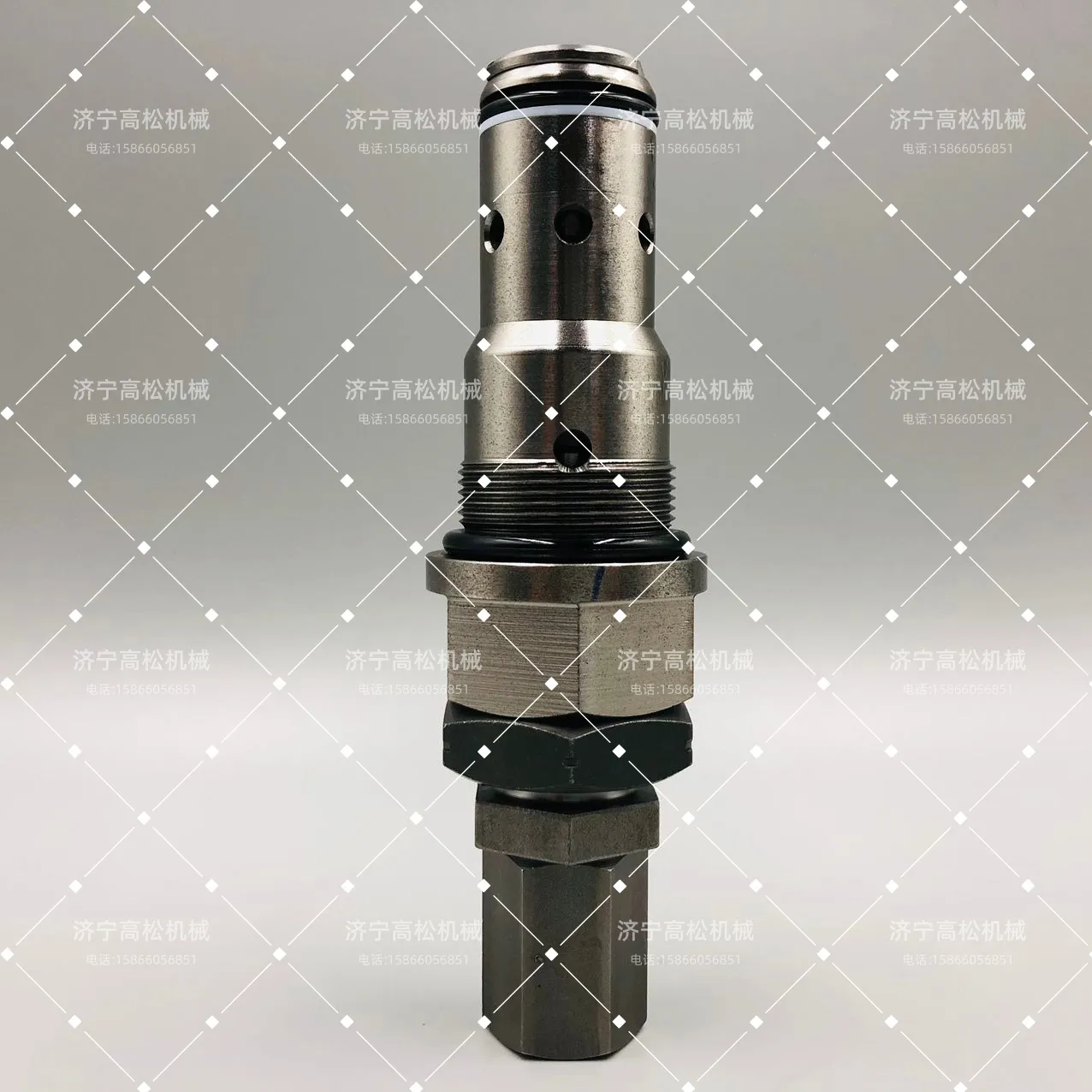 RELIEF VALVE 700-89-66000 – KOMATSU Part catalog
 -
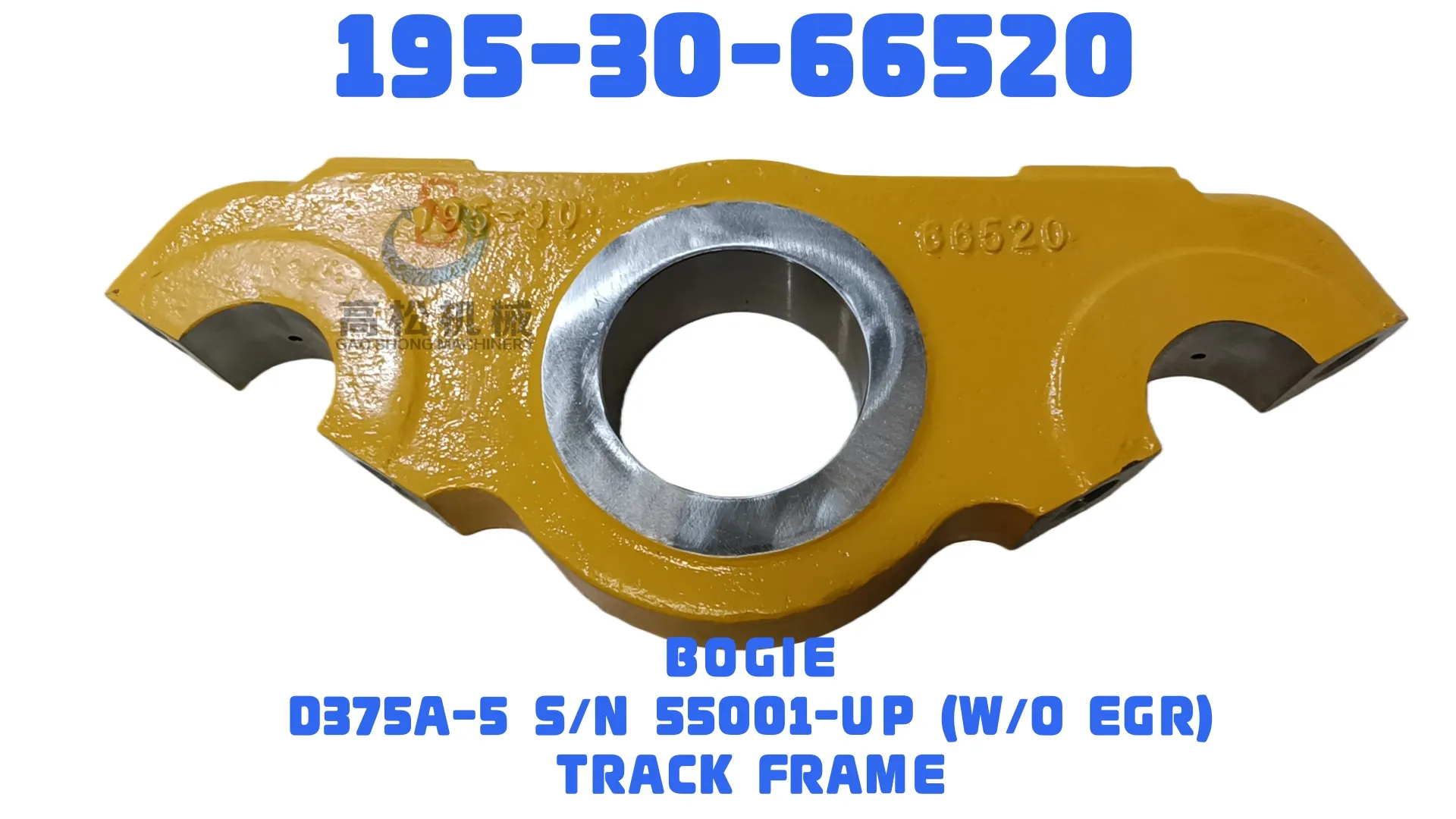 Komatsu Bogie Assembly, 195-30-66520 D375A-5 and D375A-5D TRACK FRAME, BOGIE
 -
 22u-60-21331 Accumulator
 -
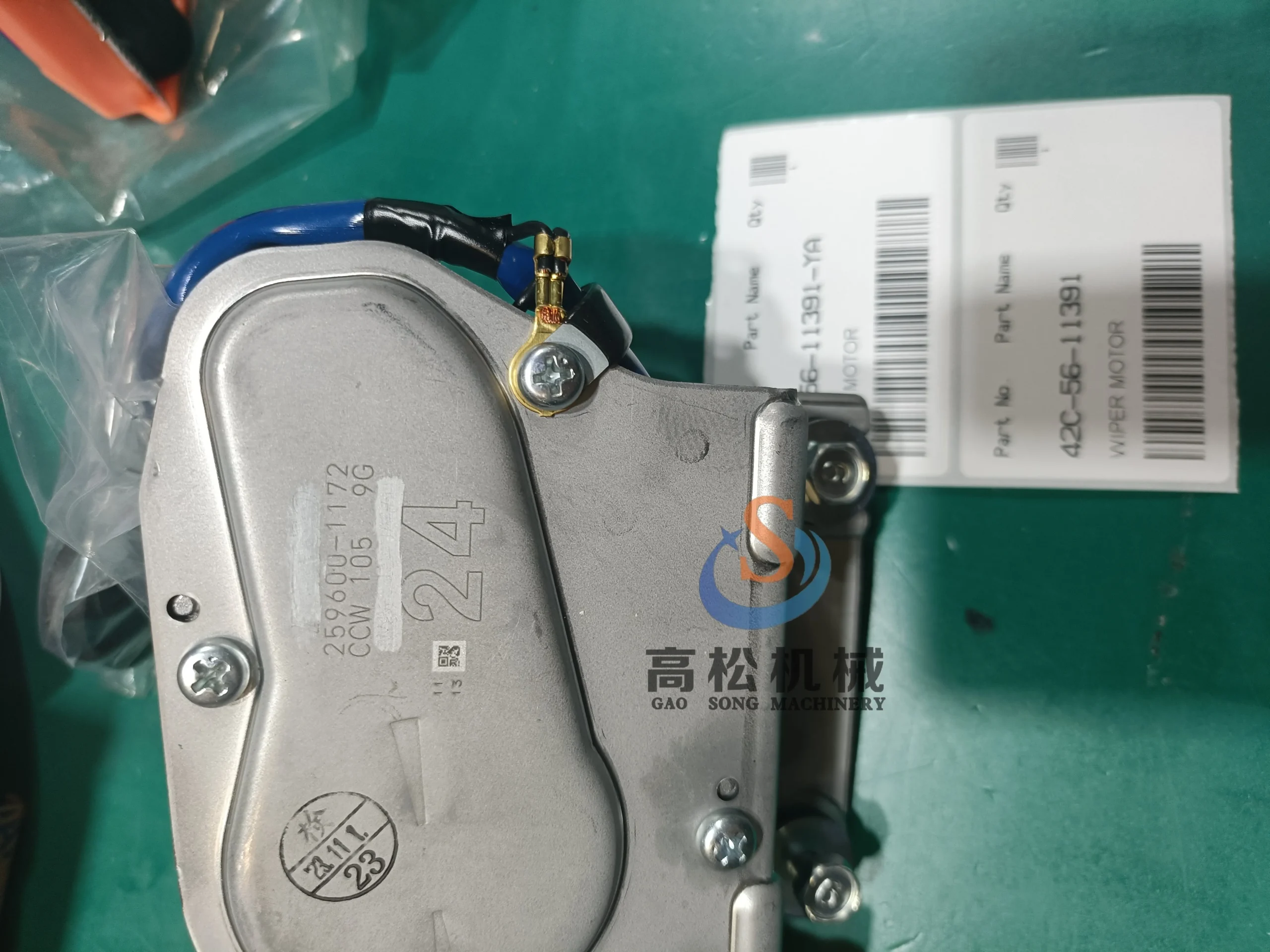 42C-56-11391 komatsu WIPER MOTOR-D375A/WA1200
 -
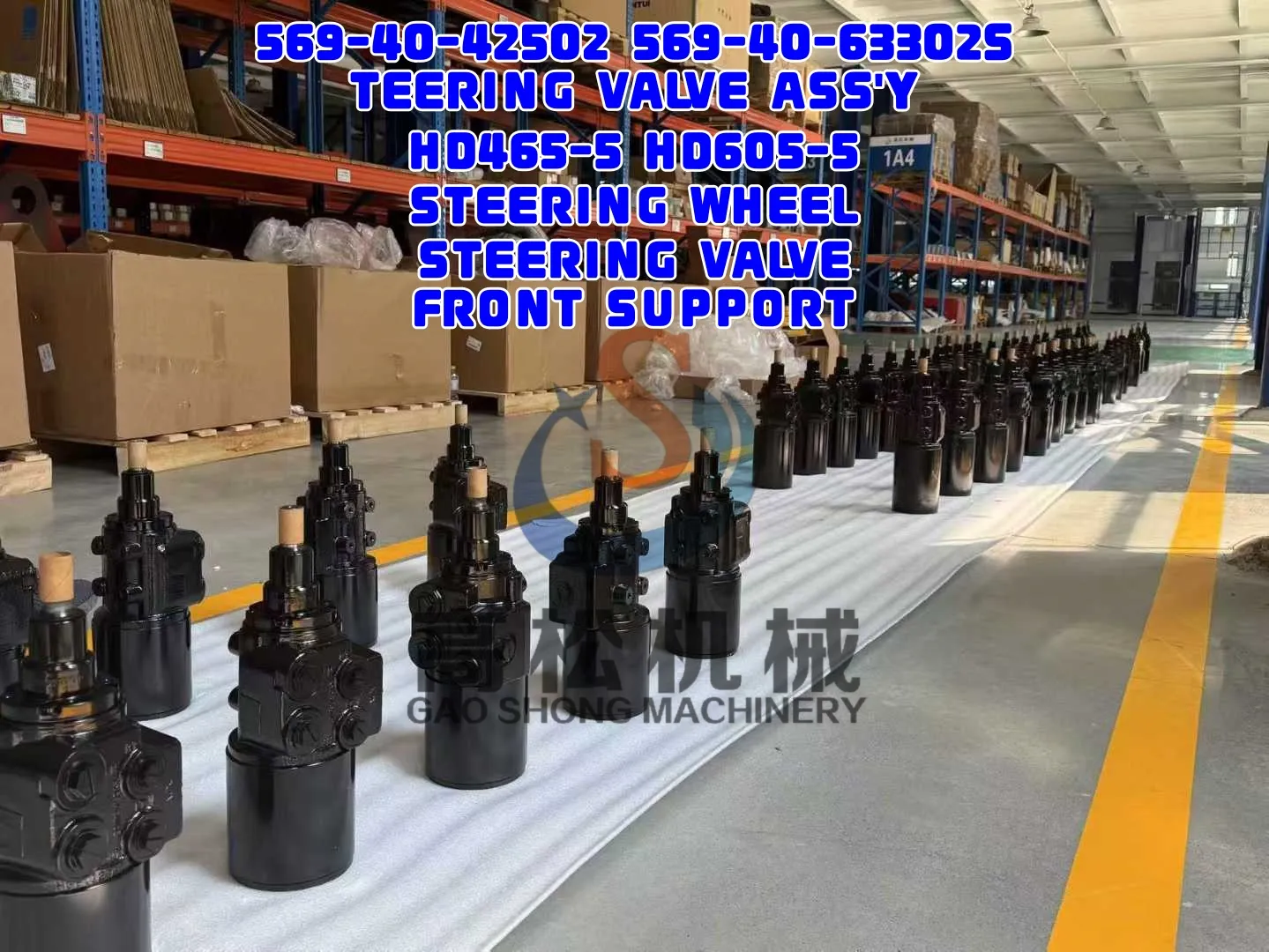 HD465-7-komatsu-part-569-40-42502 569-40-63302 STEERING VALVE ASS’Y HD465-5 HD465-7 HD605-7 HD605-5 FRONT SUPPORT (STEERING VALVE MOUNTING PARTS) STEERING WHEEL STEERING VALVE
 -
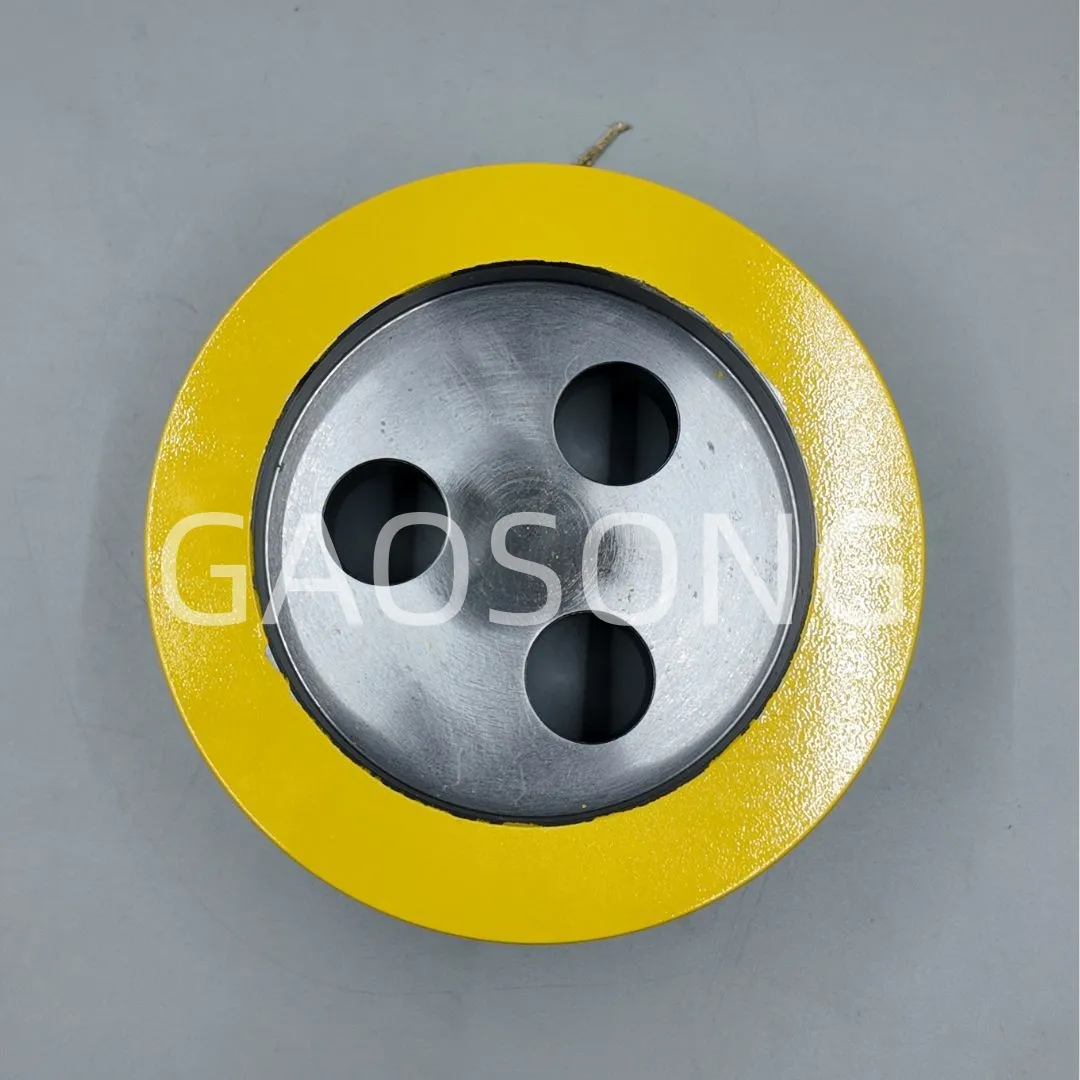 2A8-70-13570 Excavator Arm Bucket Link Cover for PC500-10 PC500-10M0
 -
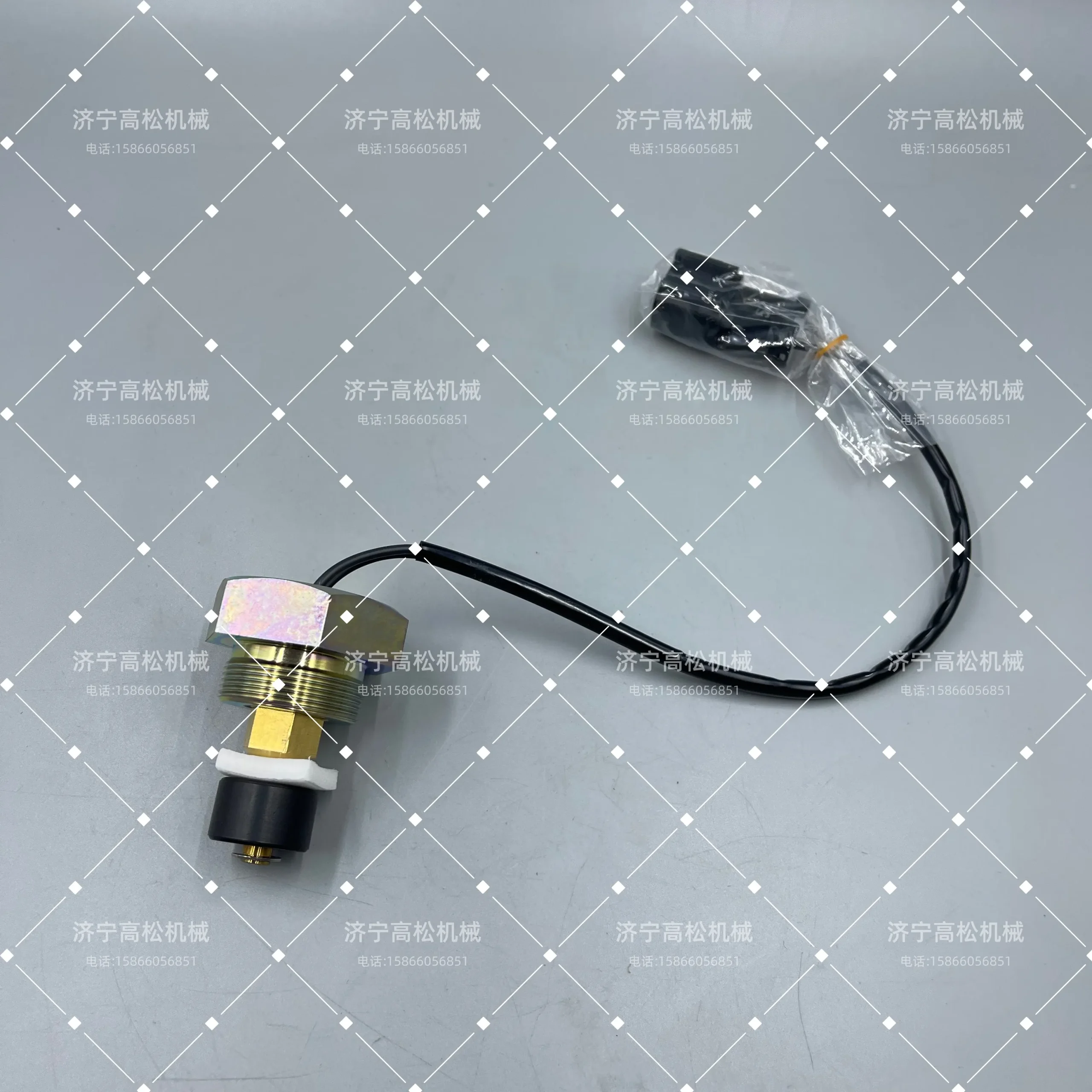 Sensor 7861-92-4500 for KOMATSU WA350-3A-S China…
 -
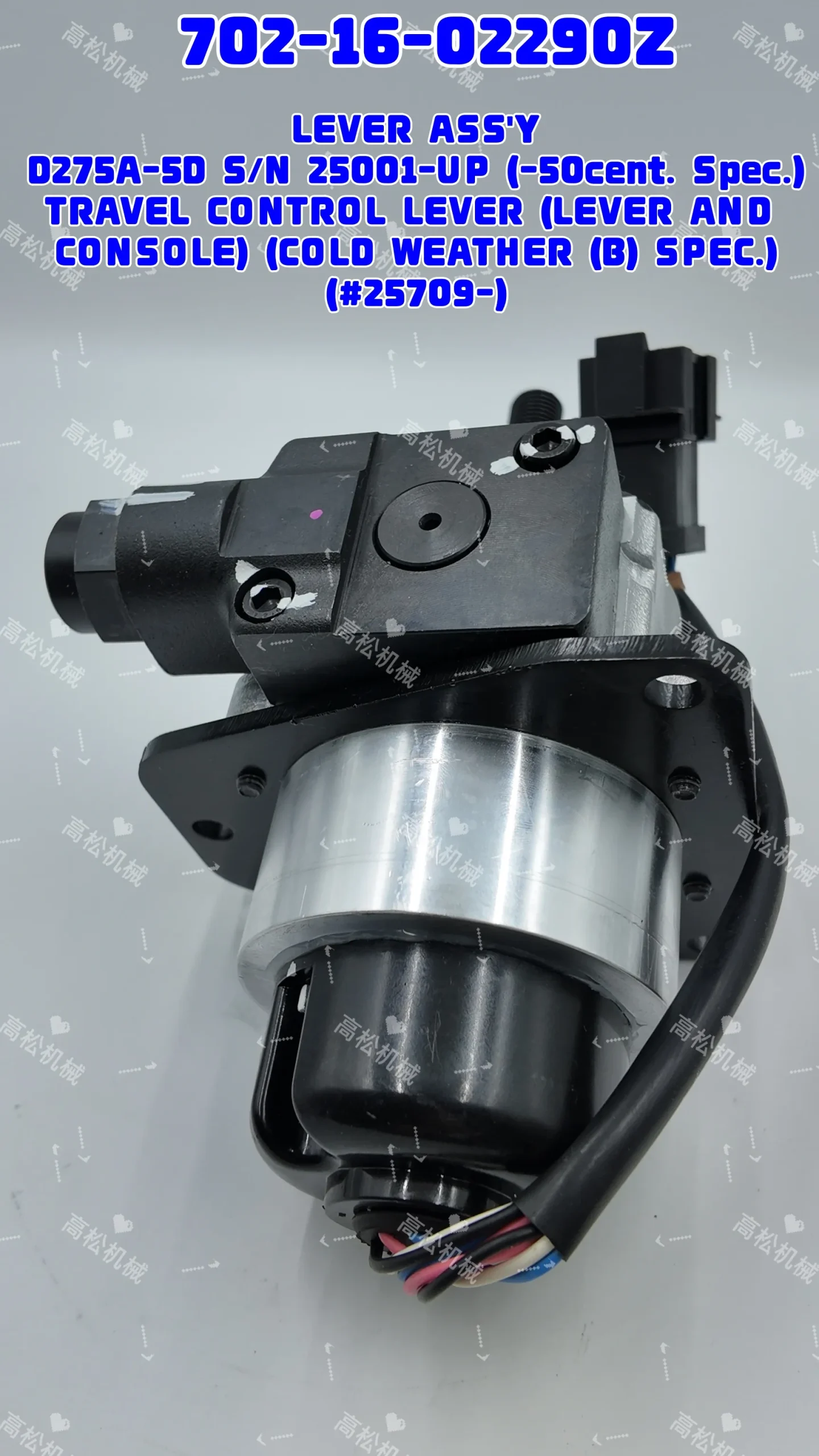 702-16-02290 Original Lever Assy for Bulldozer D275A-5r D65ex-16 D65px D155ax-6 in Stock
 -
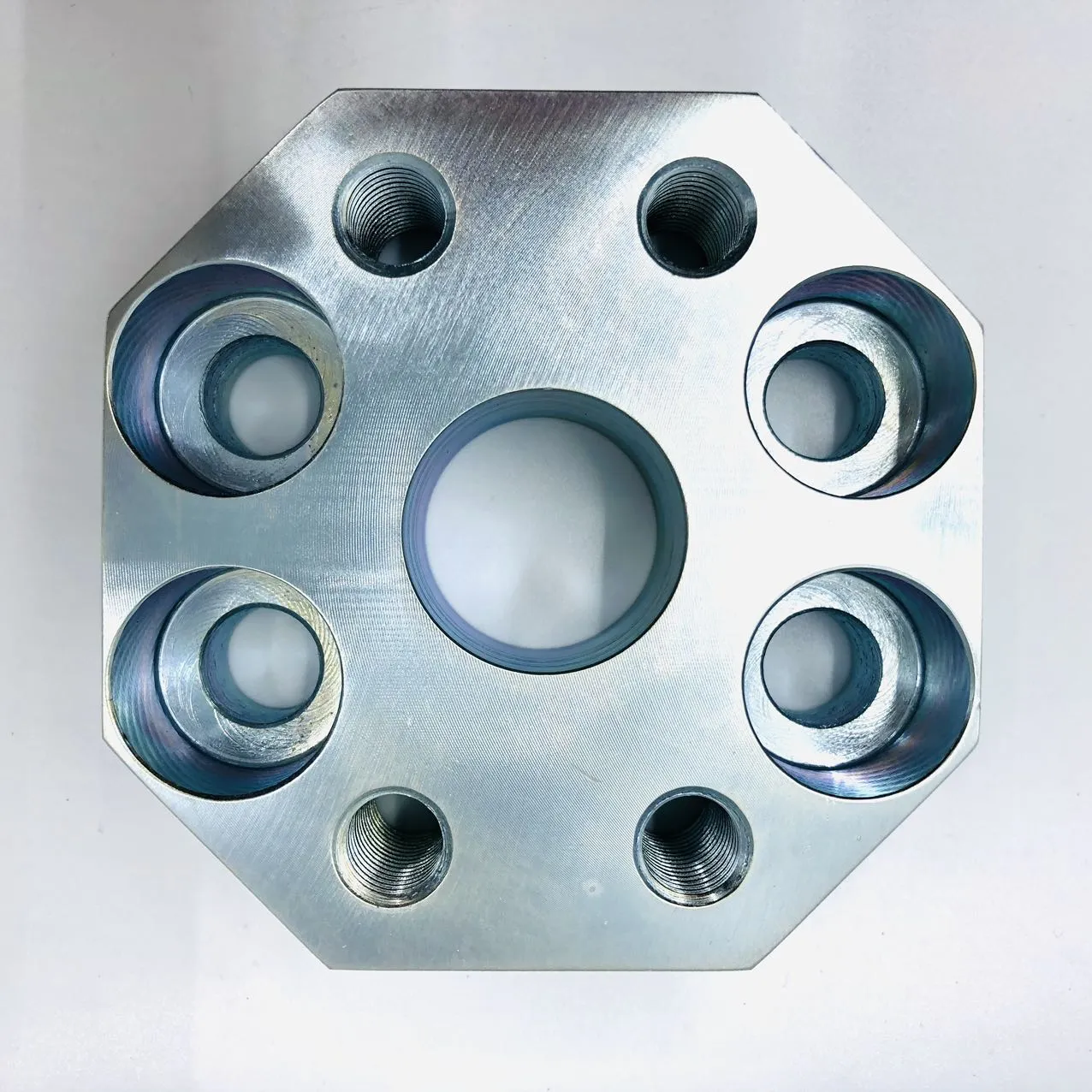 21N-62-11361 Komatsu Flange
 -
 Komatsu D275-2/-5 17M-30-26620 Heavy Duty Swing Motors
 -
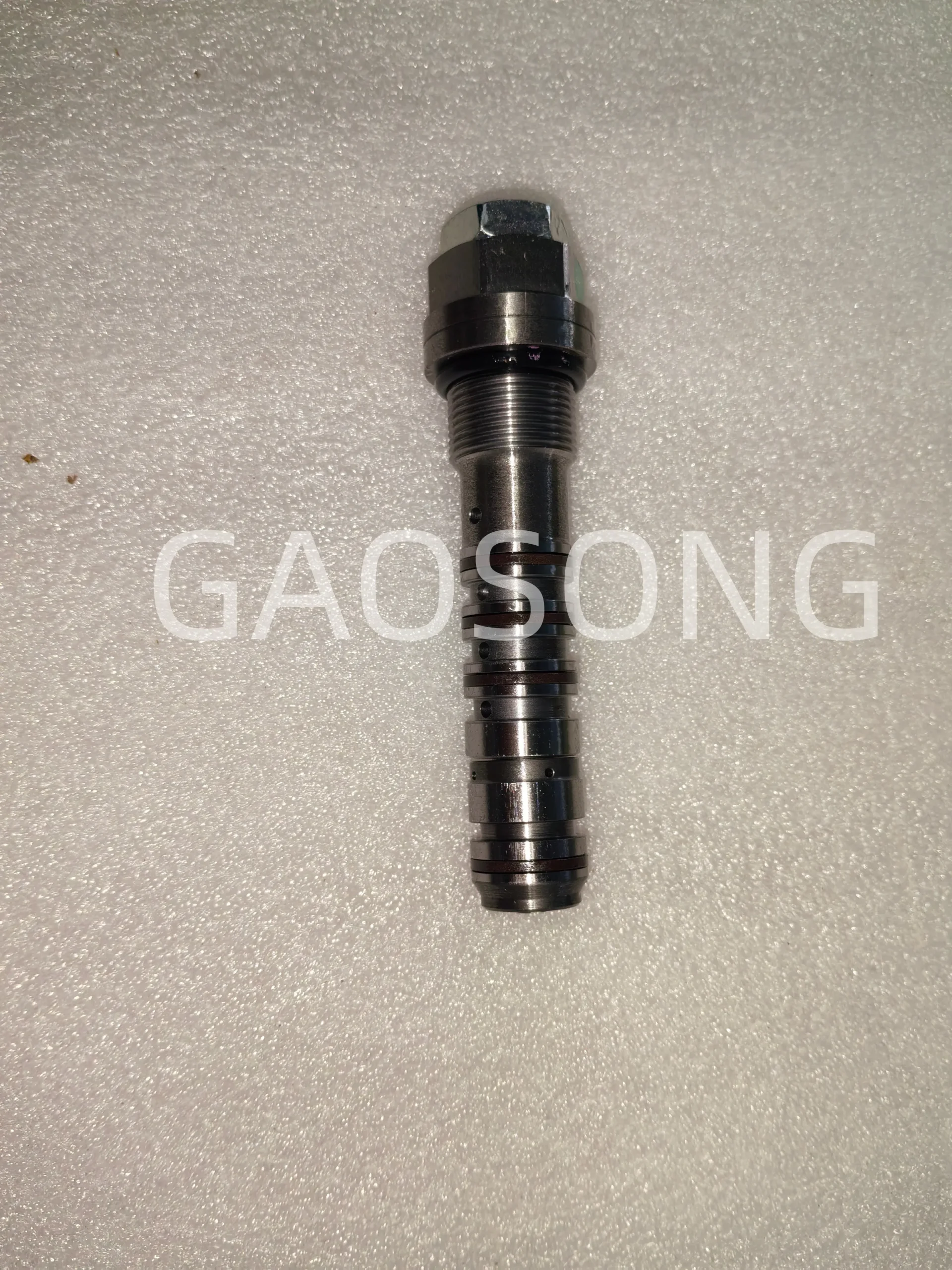 708-2G-03720 • Valve Assembly-Komatsu Original Factory
 -
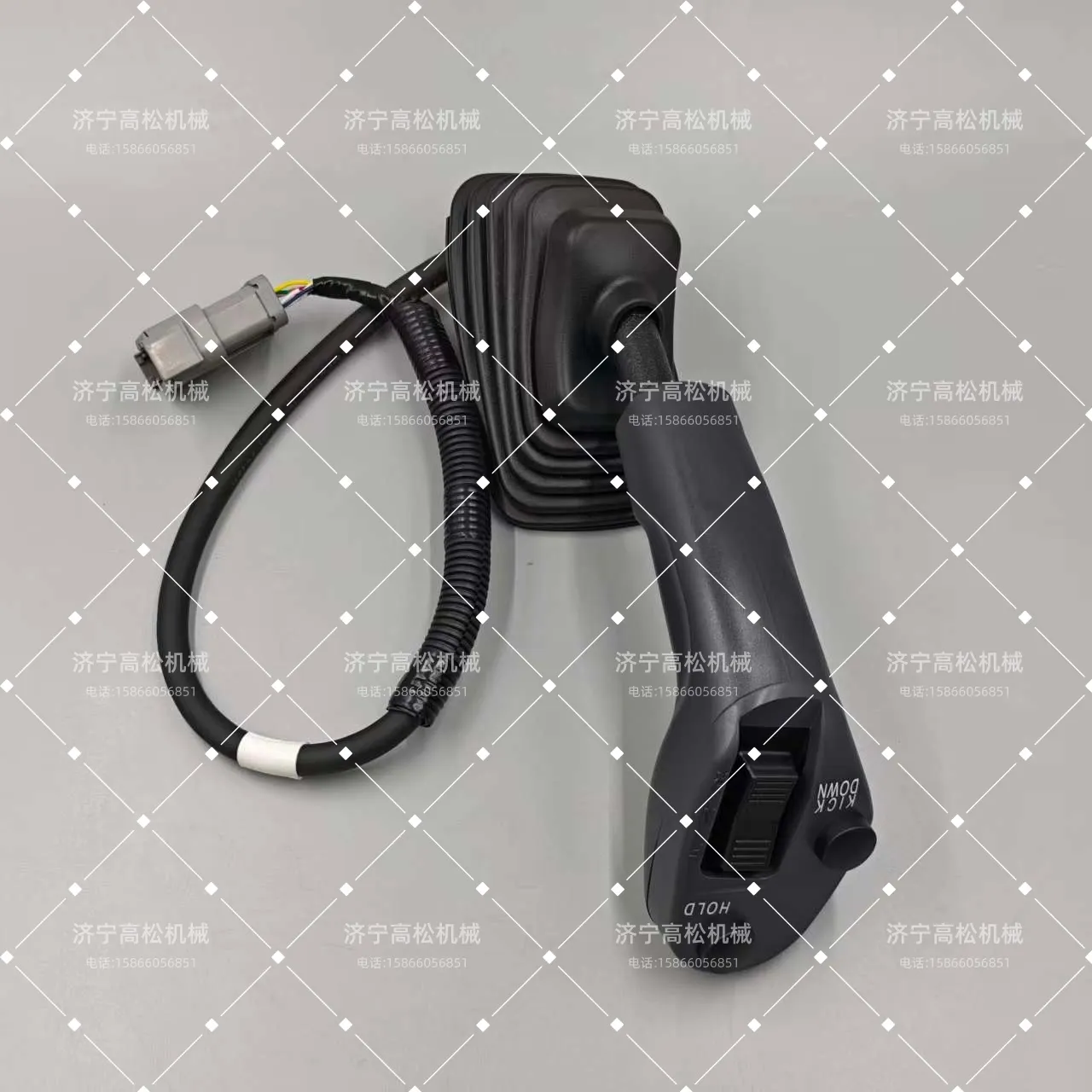 Original Brand New LEVER ASSEMBLY 423-V91-4144 for Komatsu…