
- Chinese
- French
- German
- Portuguese
- Spanish
- Russian
- Japanese
- Korean
- Arabic
- Irish
- Greek
- Turkish
- Italian
- Danish
- Romanian
- Indonesian
- Czech
- Afrikaans
- Swedish
- Polish
- Basque
- Catalan
- Esperanto
- Hindi
- Lao
- Albanian
- Amharic
- Armenian
- Azerbaijani
- Belarusian
- Bengali
- Bosnian
- Bulgarian
- Cebuano
- Chichewa
- Corsican
- Croatian
- Dutch
- Estonian
- Filipino
- Finnish
- Frisian
- Galician
- Georgian
- Gujarati
- Haitian
- Hausa
- Hawaiian
- Hebrew
- Hmong
- Hungarian
- Icelandic
- Igbo
- Javanese
- Kannada
- Kazakh
- Khmer
- Kurdish
- Kyrgyz
- Latin
- Latvian
- Lithuanian
- Luxembou..
- Macedonian
- Malagasy
- Malay
- Malayalam
- Maltese
- Maori
- Marathi
- Mongolian
- Burmese
- Nepali
- Norwegian
- Pashto
- Persian
- Punjabi
- Serbian
- Sesotho
- Sinhala
- Slovak
- Slovenian
- Somali
- Samoan
- Scots Gaelic
- Shona
- Sindhi
- Sundanese
- Swahili
- Tajik
- Tamil
- Telugu
- Thai
- Ukrainian
- Urdu
- Uzbek
- Vietnamese
- Welsh
- Xhosa
- Yiddish
- Yoruba
- Zulu
- Kinyarwanda
- Tatar
- Oriya
- Turkmen
- Uyghur






OEM AND ORIGINAL KOMATSU WIRING HARNESS 21T-06-34432
You see that part number, 21T-06-34432, and immediately think it's straightforward—either you get an OEM Komatsu harness or you don't. That's the first misconception. In the field, especially when a PC300-8 or a similar machine is down, the line between OEM and original gets blurry. I've seen guys wait weeks for a genuine part, only to find the packaging was the only thing that matched the price tag. The term OEM AND ORIGINAL KOMATSU WIRING HARNESS itself is a loaded one; it implies a direct lineage from Komatsu's approved manufacturing, but the supply chain tells a more complicated story.
The Label Isn't the Whole Story
Let's talk about the 21T-06-34432 specifically. It's not some generic engine sensor cable. This harness runs through the main control circuit for a range of Dash-8 excavators. The copper strand gauge, the temperature rating of the insulation, and crucially, the pin-out configuration at the controllers—these are where the real value sits. An original part should have perfect dimensional and electrical parity. But I've cracked open bags from various suppliers where the wire felt just a bit thinner, or the PVC sleeve was more brittle in cold weather. That's a failure waiting to happen after a few months of vibration.
This is where a company's position in the ecosystem matters. I've dealt with Jining Gaosong Construction Machinery Co., Ltd. before. Their stated role as an OEM product supplier within the Komatsu system and a third-party sales company is exactly the kind of hybrid model that addresses the grey areas. They aren't just a random parts reseller; their access as an OEM product supplier suggests they might handle production for certain components or assemblies under license, which for a wiring harness, is critical. It means the tooling and specs should be correct.
I recall a job in Indonesia where we had a machine with recurring electrical gremlins. We'd replaced a sub-harness twice with original parts from a local stockist. The third time, we sourced through a channel that explicitly mentioned OEM-system supply, similar to what Gaosong does. The difference was in the connector seals—they were a proper Komatsu-style lip seal, not just a generic O-ring. That one detail solved a moisture ingress problem we'd been fighting for months. It wasn't about the part number; it was about the execution of the spec.
Why Third-Party Sales Fill a Critical Gap
Komatsu's official distribution is tight, and for good reason—they need to control quality. But in certain countries, say some markets in Africa or Southeast Asia, the official pipeline can be slow or prohibitively expensive due to tariffs and logistics. This is the parts supply challenges that companies like Gaosong mention. A third-party sales company for Komatsu operating legally can move parts through different channels, often faster and sometimes at a better cost, while still providing a technically correct component.
This isn't about selling counterfeits. It's about logistics arbitrage and sometimes, supplying parts for older models that are phased out of Komatsu's primary inventory. The 21T-06-34432 might be for a current model, but the principle is the same. I've used their site, https://www.takematsumachinery.com, to check availability. The interface isn't fancy, which I actually find more credible—it feels like a tool for people who know what they're looking for, not a marketing playground.
A failure? Sure. Early on, I assumed any part from an OEM-system supplier was plug-and-play perfect. We ordered a harness for a PC360-8, a close relative to the PC300, thinking the main loom would be identical. It physically fit, but the machine threw codes for the hydraulic pressure sensors. Turns out, there was a mid-year production change where two wires were swapped in the connector. The supplier hadn't updated their listing. We had to repin it ourselves. The lesson was that even with a proper OEM AND ORIGINAL KOMATSU WIRING HARNESS, you must verify the exact machine serial number break. The good suppliers will ask for that; the best ones will tell you about the revision.
Assessing Quality Beyond the Bag
So how do you judge? You can't just trust the label. For a wiring harness, you do a physical audit. Check the imprinting on the wires themselves. A true OEM-spec harness will have traceable codes printed along the length, usually including a material code and sometimes a Komatsu supplier code. The connectors should be from known houses like Yazaki, Sumitomo, or TE—and they'll have logos molded in. Cheap copies use blank connectors.
The packaging is a tell, but not the one you think. Original Komatsu bags are specific, but they're also just bags. I've seen perfect bags with subpar harnesses inside. More important is the paperwork, even if it's just a packing list. A company operating as a legitimate third-party sales arm will have documentation that traces the part back to a legitimate batch. When I've received parts from channels like Gaosong's, there's often an intermediate certificate of conformity, not the full Komatsu certificate, but one from the OEM facility. That's a meaningful layer of provenance.
Another detail is the bundling. OEM harnesses use a specific weave of tape or conduit in high-heat or high-abrasion areas. On the 21T-06-34432, there's a section that runs past the hydraulic tank. The original has a felt-backed foil tape there for heat protection. Knock-offs use standard plastic loom. In the first year, you might not notice. In year two, the plastic gets brittle and cracks, leading to chafed wires.
The Practical Sourcing Decision
When a machine is down, the calculus is time vs. absolute certainty. If you need a 21T-06-34432 tomorrow and the official dealer is 10 days out, a reputable third-party supplier in the OEM system is a valid risk mitigation. The key word is reputable. Their business, like Jining Gaosong Construction Machinery Co., Ltd. describes, is built on solving supply challenges, not on moving the cheapest possible part. You can often gauge this by their communication. Do they ask for your machine serial number? Do they acknowledge known part revisions or interchangeability issues?
I tend to split parts into two categories: wear items and integrity items. A wiring harness is an integrity item. A failure can cause cascading damage. Therefore, my tolerance for variance is zero. This forces me to use suppliers who understand that distinction. It's not just about having the part; it's about having the correct part. The description helping to solve parts supply challenges in certain countries implies they understand the operational pressure, but the OEM product supplier prefix is what gives me confidence they won't solve it by sending a functionally inferior product.
In the end, the part number 21T-06-34432 is just a reference. The reality is the bundle of wires in your hands. The goal is to get one where the engineering intent from Komatsu's drawings is fully preserved. Whether it comes directly from Komatsu or through an authorized OEM-system supplier and third-party sales company like Gaosong, that preservation of intent is the only thing that matters. The supply path is just logistics. The trick is finding partners who don't confuse the two.
Related Products
Related Products

Best Selling Products
Best Selling Products-
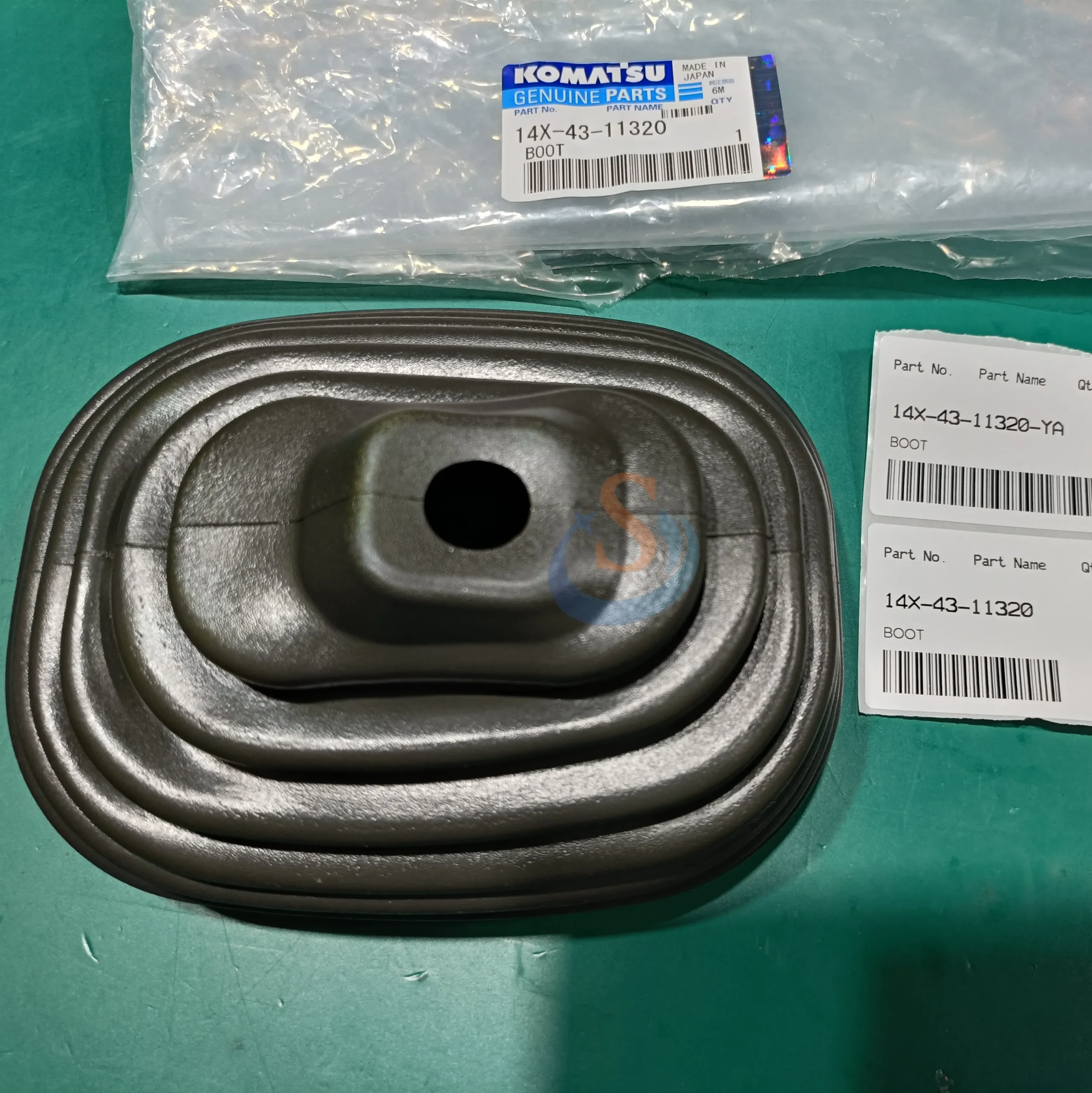 14X-43-11320,BOOT,D65PX,D85E,D155A
 -
 Komatsu original D155A-3 Valve Assembly 17A-49-21100
 -
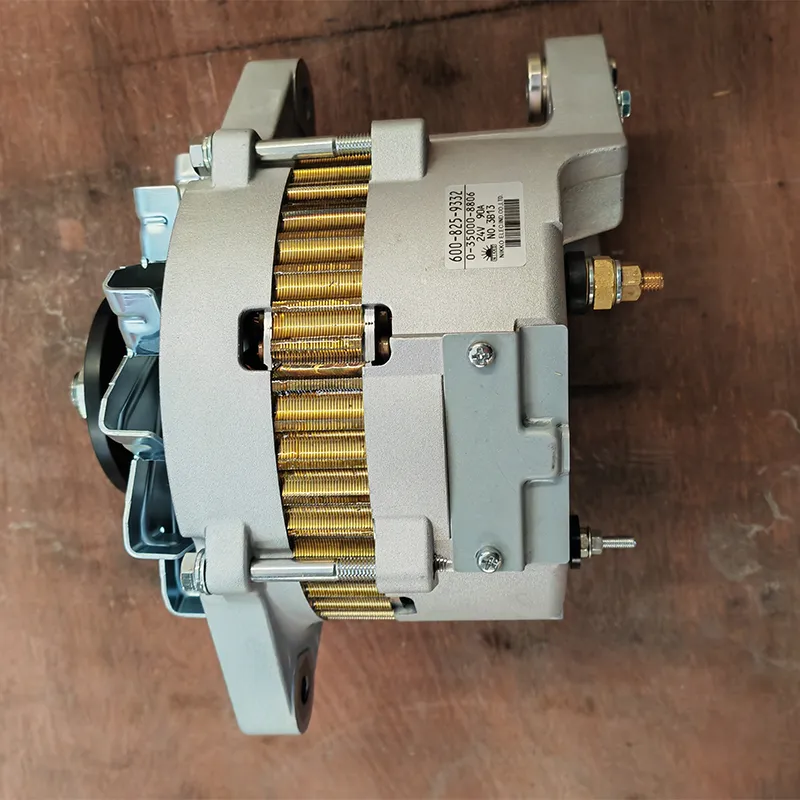 600-825-9332 Original komatsu alternator for S6D125 6D140 12V140
 -
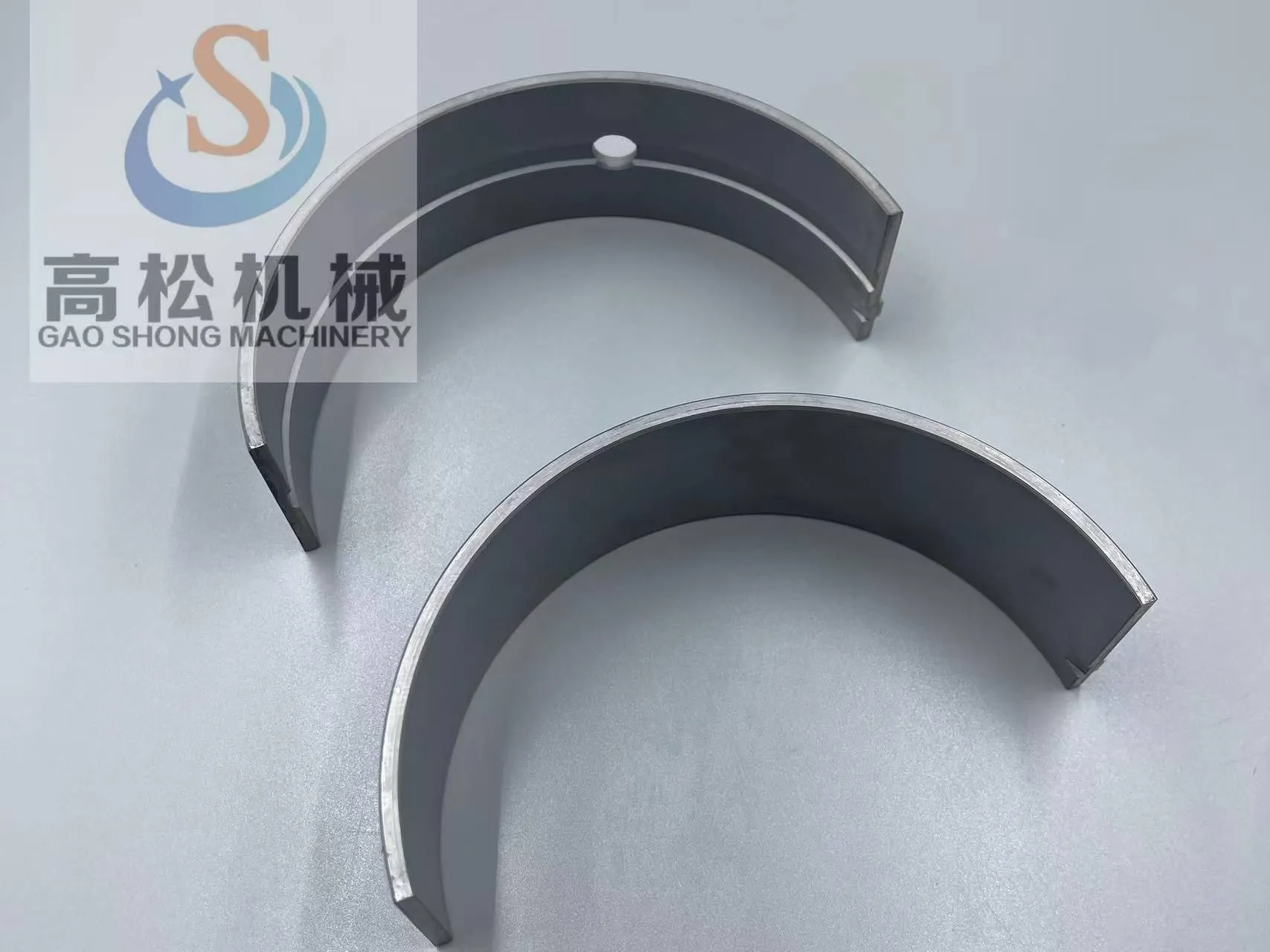 Main bearing of mechanical engine 6162-23-8010, applicable to S6d170 wheel loader, WA600 type Buildozer D375 engine
 -
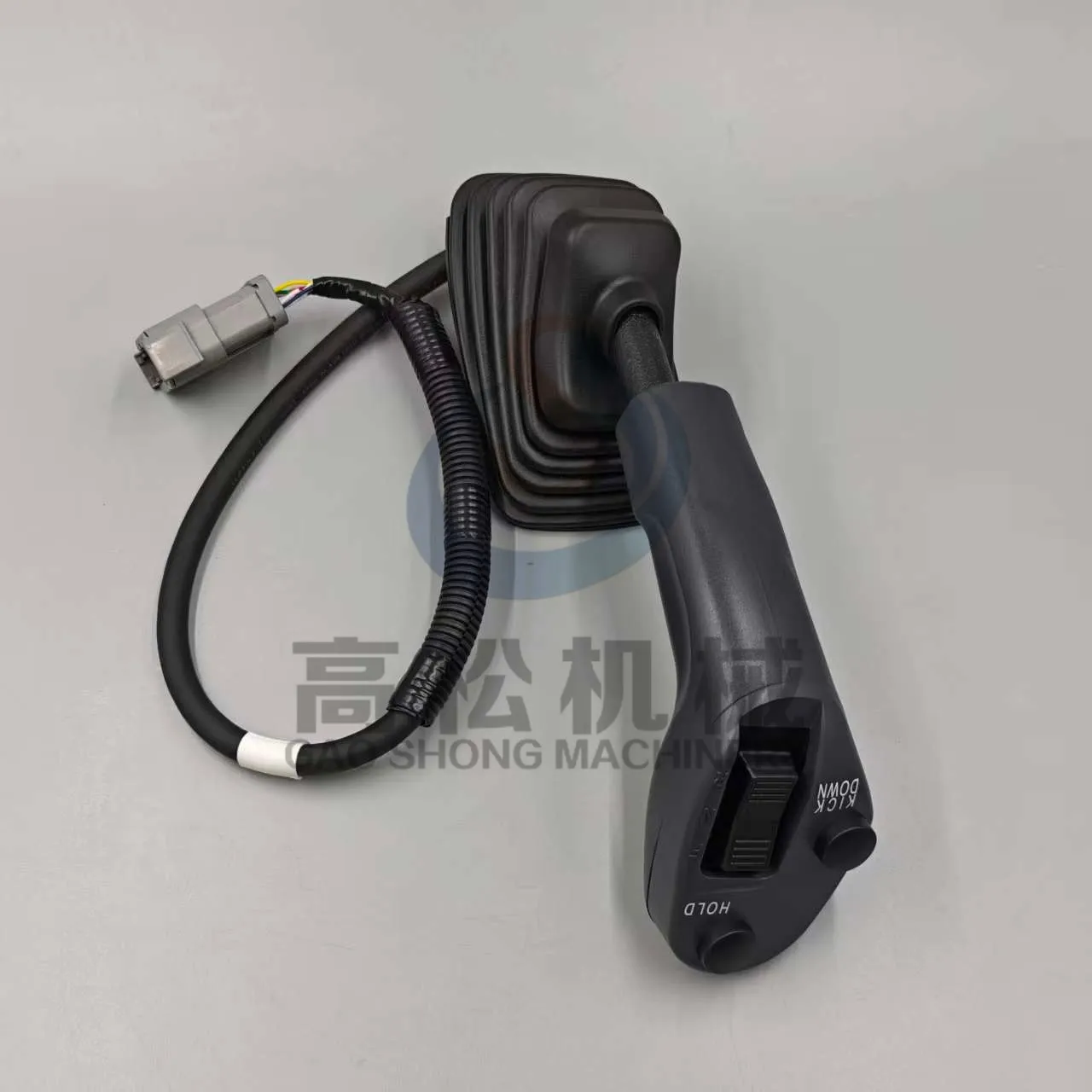 423-V91-4144 Komatsu Lever Assembly
 -
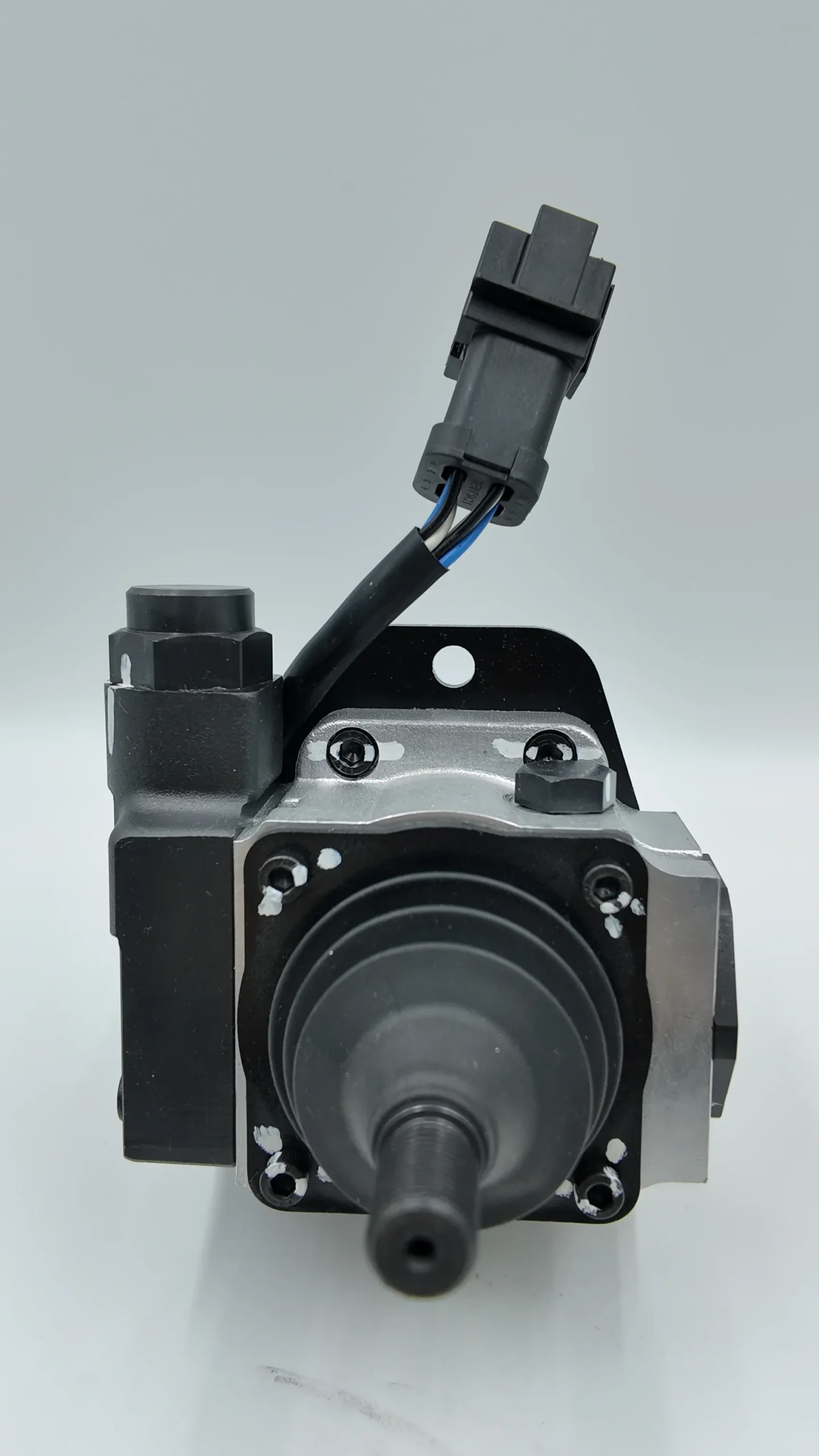 702-16-02290 LEVER ASS’Y-Komatsu Original Factory
 -
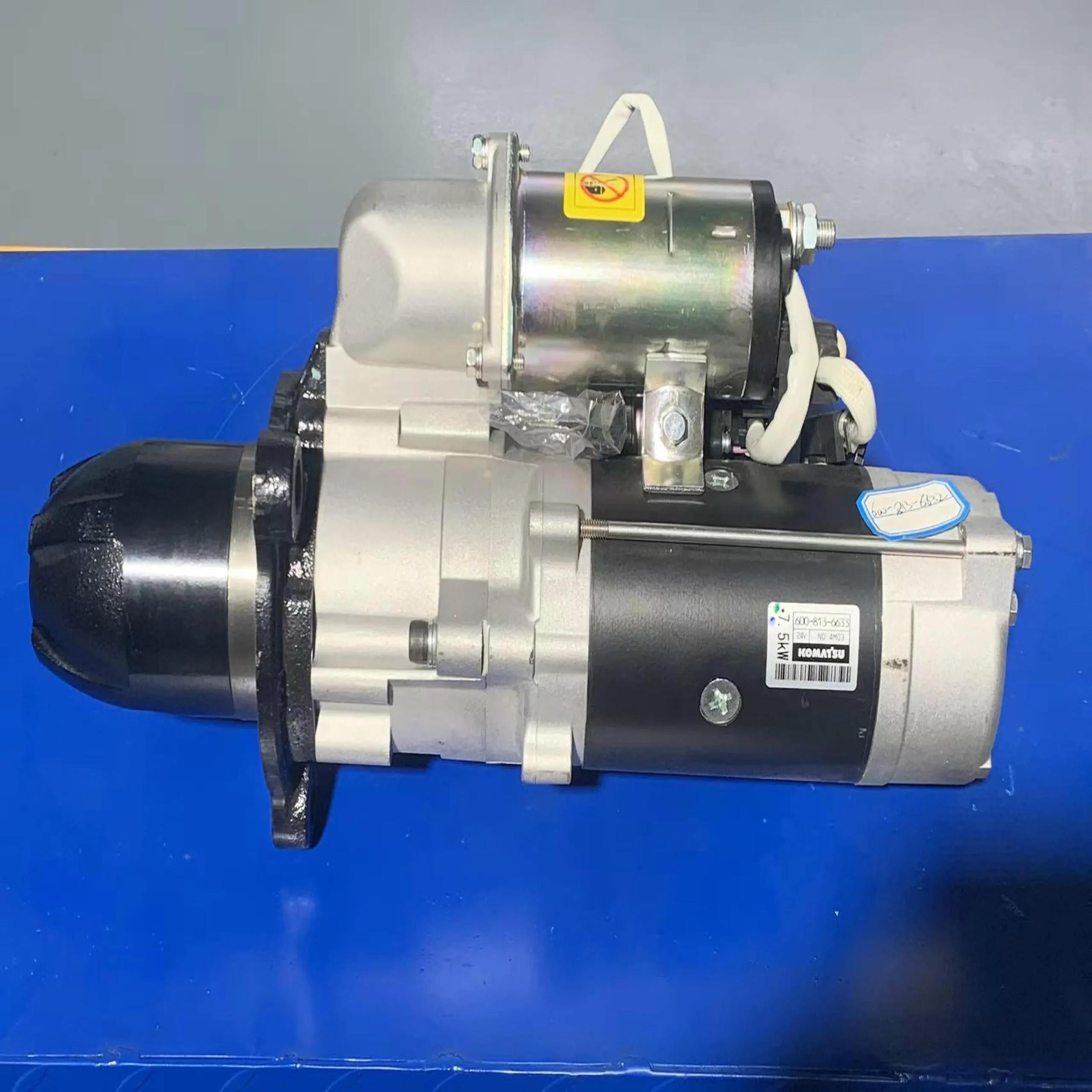 608-813-6632 Starter Motor for Komatsu Construction Parts
 -
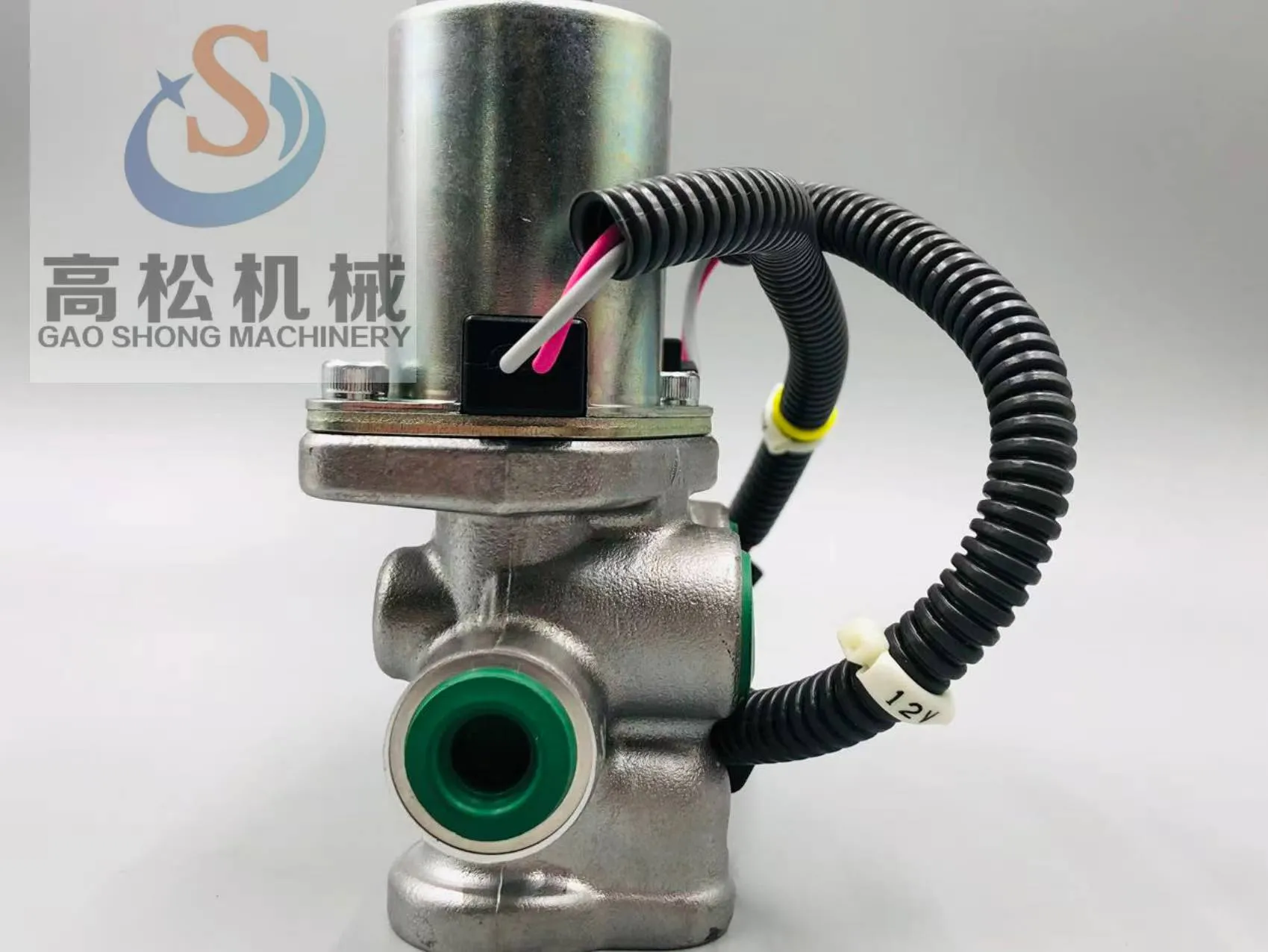 22F-60-21201 22F-60-31600 Solenoid Valve PC56-7 PC55MR-2
 -
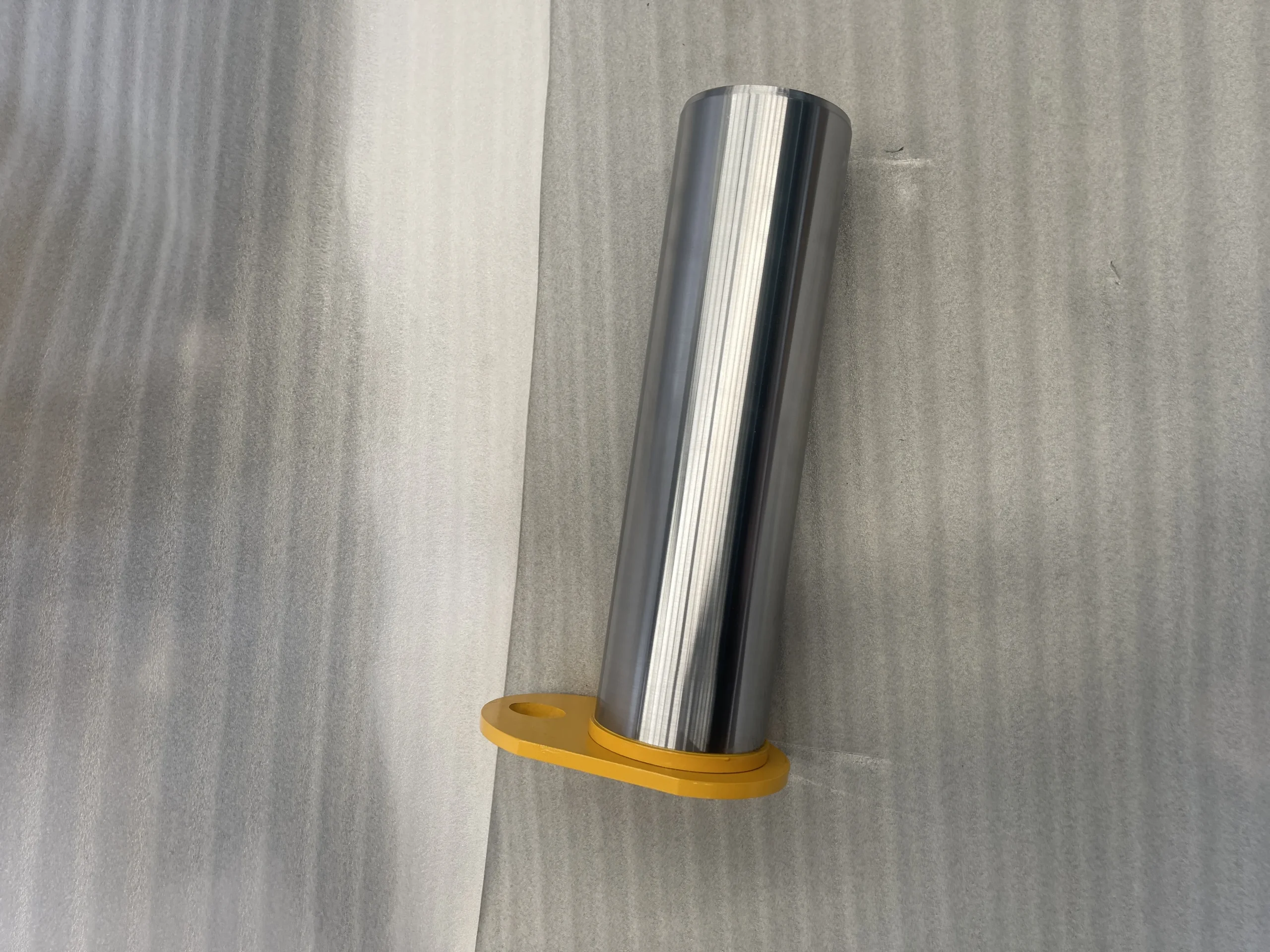 WA600-6 pin 426-70-31960
 -
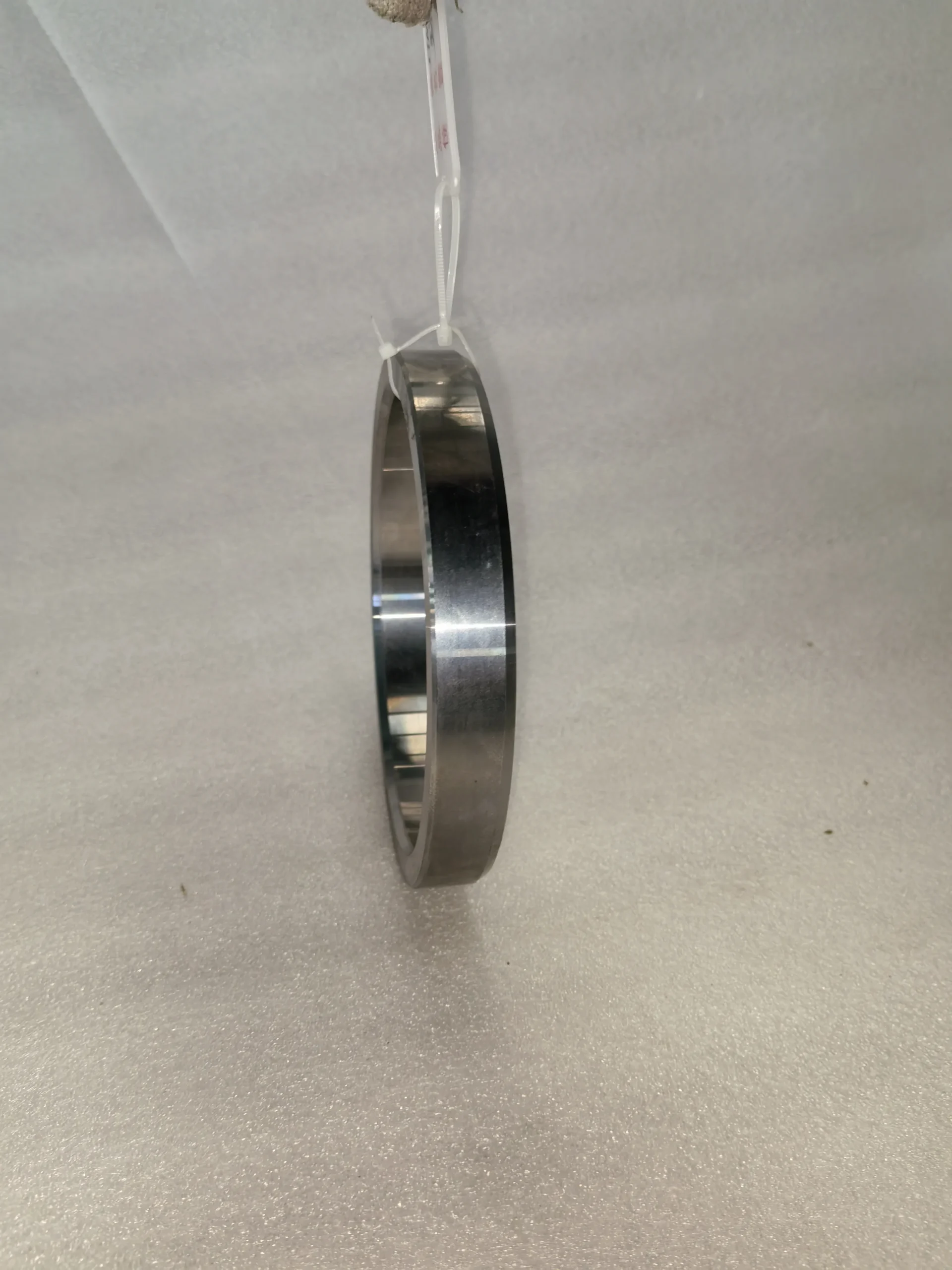 17m5041170-RING-Komatsu Original Factory
 -
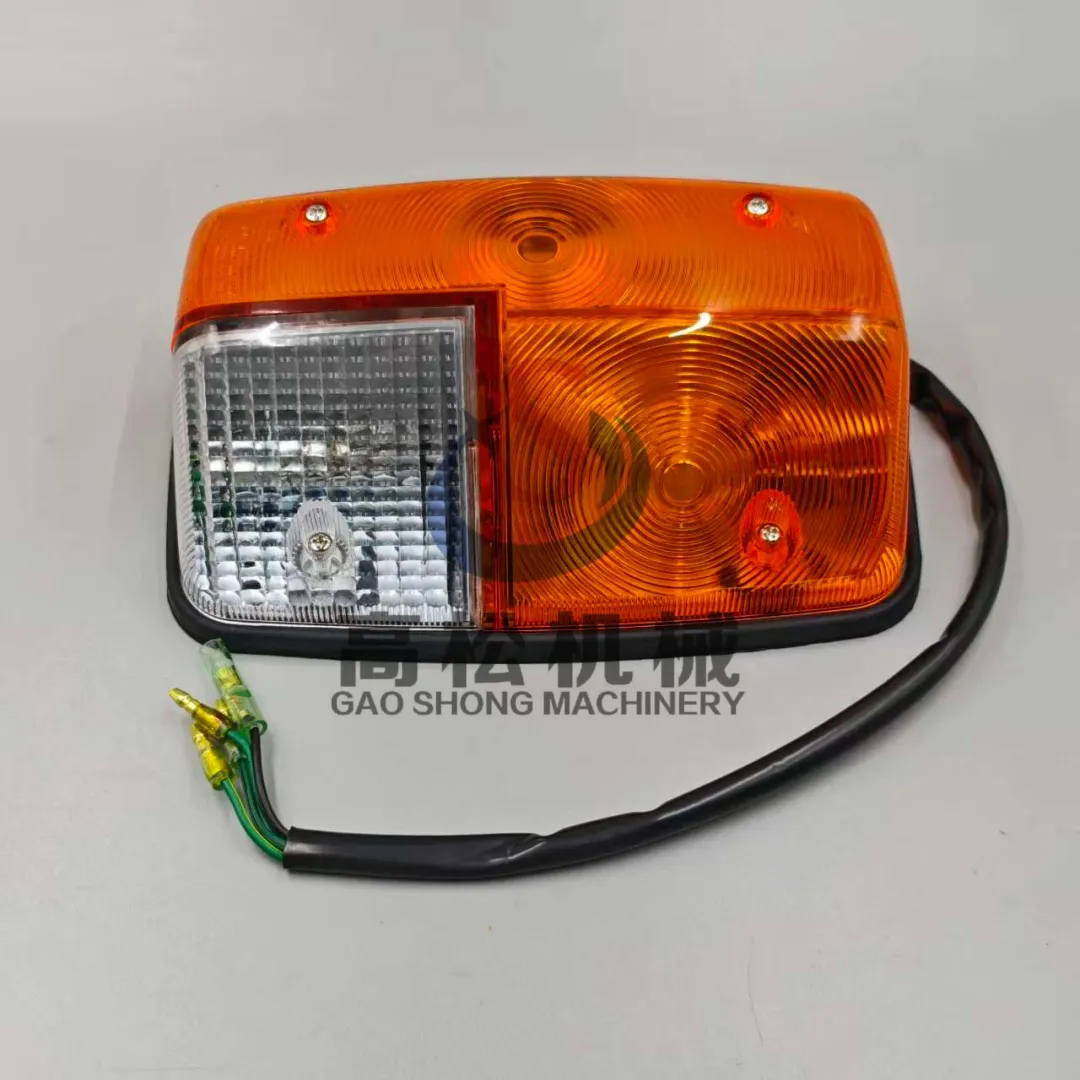 421-06-13401 LIGHT ASSEMBLY, TURN SIGNAL AND PARKING
 -
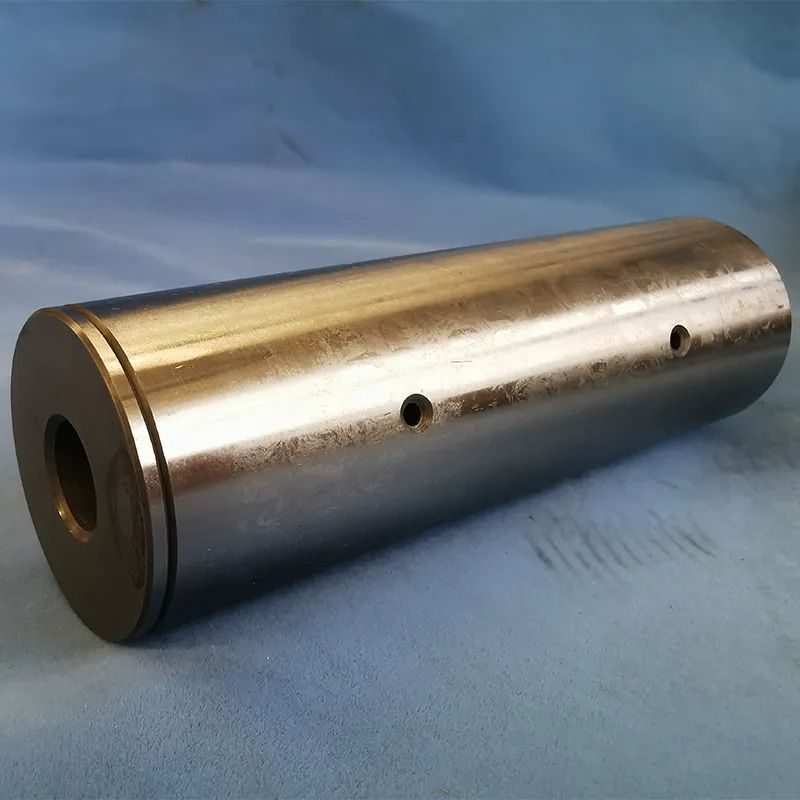 Komatsu original D375A-5 axis 195-15-72520