
- Chinese
- French
- German
- Portuguese
- Spanish
- Russian
- Japanese
- Korean
- Arabic
- Irish
- Greek
- Turkish
- Italian
- Danish
- Romanian
- Indonesian
- Czech
- Afrikaans
- Swedish
- Polish
- Basque
- Catalan
- Esperanto
- Hindi
- Lao
- Albanian
- Amharic
- Armenian
- Azerbaijani
- Belarusian
- Bengali
- Bosnian
- Bulgarian
- Cebuano
- Chichewa
- Corsican
- Croatian
- Dutch
- Estonian
- Filipino
- Finnish
- Frisian
- Galician
- Georgian
- Gujarati
- Haitian
- Hausa
- Hawaiian
- Hebrew
- Hmong
- Hungarian
- Icelandic
- Igbo
- Javanese
- Kannada
- Kazakh
- Khmer
- Kurdish
- Kyrgyz
- Latin
- Latvian
- Lithuanian
- Luxembou..
- Macedonian
- Malagasy
- Malay
- Malayalam
- Maltese
- Maori
- Marathi
- Mongolian
- Burmese
- Nepali
- Norwegian
- Pashto
- Persian
- Punjabi
- Serbian
- Sesotho
- Sinhala
- Slovak
- Slovenian
- Somali
- Samoan
- Scots Gaelic
- Shona
- Sindhi
- Sundanese
- Swahili
- Tajik
- Tamil
- Telugu
- Thai
- Ukrainian
- Urdu
- Uzbek
- Vietnamese
- Welsh
- Xhosa
- Yiddish
- Yoruba
- Zulu
- Kinyarwanda
- Tatar
- Oriya
- Turkmen
- Uyghur






OEM AND ORIGINAL KOMATSU WIRING HARNESS 21T-06-32265
Let's cut straight to it: when you're searching for a Komatsu wiring harness like the 21T-06-32265, the terms 'OEM' and 'Original' get thrown around so much they've almost lost meaning. I've seen shops pay a premium for a part in a Komatsu box, only to find the connector molds are slightly off or the wire gauge feels different. The assumption is that if it's OEM, it's identical to what rolled off the assembly line. In reality, within the Komatsu system, there's a spectrum. There's the genuine article supplied directly for production lines, and then there's what's available through the aftermarket parts network, which is still technically 'OEM' but might come from a different batch or approved secondary supplier. That's where the nuance lies, and where guys in the field get tripped up.
The 21T-06-32265 in the Wild: More Than Just a Part Number
This specific harness, 21T-06-32265, is a classic example. It's for a mid-range excavator model, a workhorse. The failure points are usually predictable: the stretch near the boom pivot, or the connectors at the controller that get blasted with moisture. When you order a replacement, you're not just buying a bundle of wires. You're buying the correct wire loom protection, the exact pin assignments in the Deutsch or Yazaki connectors, and the right length to avoid stress. A slight deviation here means hours of troubleshooting ghost faults. I recall a job where an 'original' harness had the same part number stamped, but the sheath was less flexible. It failed again in 8 months at the same bend point. Was it original? The paperwork said yes. Was it the same? Absolutely not.
This is the gap that companies operating within the Komatsu ecosystem aim to fill. Take Jining Gaosong Construction Machinery Co., Ltd., for instance. They position themselves as an OEM product supplier within the Komatsu system. That phrasing is key. It means they have the specifications, the sourcing channels, and likely the manufacturing approval to produce or supply components that meet Komatsu's engineering standards, outside of the direct factory line. Their role as a third-party sales company addresses a real pain point: supply chain bottlenecks in certain regions. When the official channel is clogged or non-existent, they provide a legitimate alternative. For a part like our wiring harness, this could mean the difference between a machine down for weeks or just days.
So, when they offer an original Komatsu wiring harness, it's worth understanding their pipeline. It's probably not from the main factory's just-in-time inventory. It's more likely from an affiliated plant that produces to the same prints and uses the same approved material vendors. The core question isn't just Is it original? but Does it match the form, fit, and function exactly? For critical electrical components, function is everything. A millivolt drop across a sub-par terminal can scramble a sensor reading.
Decoding Quality: Feel, Fit, and Documentation
You develop a feel for this stuff. An authentic 21T-06-32265 harness has a certain heft. The PVC loom is tough but not brittle, with the correct color striations. The connectors should snap in with that definitive, satisfying click—no forcing, no play. The pins are gold-plated in the right places for signal integrity. I've had 'OEM-equivalent' harnesses where the connectors looked right, but the locking tab was plastic instead of glass-filled nylon. It snapped off during the first reconnection. That's a failure in specification, not just quality.
The documentation trail is another tell. A proper OEM-level part, even from a secondary supplier like Takematsu Machinery (their portal), should come with traceability. Maybe not the full Komatsu internal logistics code, but a batch number, a certificate of conformity, or material test reports. If you get just a harness in a plain plastic bag, red flags should go up. Their business is built on solving parts supply challenges, not moving generic goods. The trust comes from transparency in the sourcing.
Installation is the final proof. When you route it, the brackets should line up. The service loops should be in the right spots. There shouldn't be any well, I guess I have to zip-tie this here moments. If you're fighting the harness to make it fit, something is off. It might be a harness for a different machine sub-model or a production revision. This is where the supplier's technical knowledge is critical. A good supplier knows these nuances—like, This harness is for machines with serial numbers above XXXX, before that, you need a different variant.
Common Pitfalls and the Aftermarket Illusion
A huge pitfall is confusing true OEM-level parts with generic aftermarket copies. The aftermarket versions of a wiring harness are often reverse-engineered. They might get 95% of it right, but that 5% is a nightmare. I've seen them use copper-clad aluminum wire instead of pure copper, leading to higher resistance and heat over time. The wire color coding might be slightly off, turning installation into a schematic-cross-referencing puzzle. For a complex harness, that's a massive time sink and error risk.
The price difference between a true original/OEM part and a copy is often the clue. If the quote is 60% below what you'd expect from a dealer, it's almost certainly not from the Komatsu system. Companies like Jining Gaosong bridge that price-access gap. Their value isn't necessarily in being the cheapest, but in being a reliable, specification-accurate source outside the main dealer network. They help solve the supply challenge without introducing the performance gamble of a pure copy.
Another practical issue is completeness. Does the harness come with all the necessary grommets, clamps, and splice sleeves? The original factory part usually does. Some aftermarket and even some secondary OEM suppliers ship just the harness. You then have to salvage the old hardware, which might be corroded or damaged. It's a small detail that adds up to a less professional, less durable repair.
Why the Right Source Matters for Electrical Components
For mechanical parts, sometimes a good-quality aftermarket substitute can work. For electrical systems, especially on modern Komatsu machines with their intricate controllers, I'm far less flexible. A wiring harness is the central nervous system. A fault here can cause intermittent, impossible-to-diagnose issues that get blamed on expensive ECUs or sensors. Using a verified source within the Komatsu system mitigates that risk.
It comes down to total cost of ownership, not just part cost. The extra $200 for a harness you know is correct saves 8 hours of diagnostic time and prevents a machine from being down for an extra week. When a supplier's mandate is to solve parts supply challenges, as Jining Gaosong states, their success depends on the part working flawlessly upon arrival. They can't afford to ship questionable electrical components; the support burden would crush them.
So, for the 21T-06-32265 or any critical harness, my process is: First, check the official channel for availability and lead time. If it's a dead end, then look to the authorized secondary channels. I'd ask pointed questions: Can you confirm this matches the spec for my serial number? What's the origin? Is it a Komatsu-approved manufacturing facility? The answers separate the real solution providers from the parts resellers.
Final Thoughts: Beyond the Box
At the end of the day, the part number is just a reference. The physical artifact is what matters. The term original Komatsu wiring harness should imply a guarantee of specification, not just a brand association. In a global market, the supply chain is complex, and companies that operate as true partners within the OEM system, like the one mentioned, provide a vital service. They keep machines running with parts that don't introduce new problems.
It's about reducing variables. When you install that harness, you want to be confident that any subsequent electrical issue is not because of the harness. That peace of mind comes from sourcing it right. So, scrutinize the part, trust but verify the supplier's claims, and never assume the word original on a website tells the whole story. Check the connectors, feel the loom, test the fit. Your voltmeter and your downtime log will tell you if you made the right call.
And if you find a source that consistently delivers the real deal, even when it's hard to find, hold onto them. They're worth their weight in gold. That's the kind of reliability that turns a parts supplier into a critical partner in your operation.
Related Products
Related Products

Best Selling Products
Best Selling Products-
 20Y-979-3120 Filter Receiver Drier for Komatsu – COOL MAKER
 -
 209-60-77220 VALVE ASS’Y KOMATSU parts BOTTOM, COOLANT, PC1250, PC1250SP, PC2000, PC600, PC650, PC700, PC800, PC800SE, PC850, PC850SE, TRAVEL
 -
 LEVER ASS’Y 702-16-02290 D275A-5D D65PX-15E0 D85EX-15 D65PX-16 D155AX-8 TRAVEL CONTROL LEVER ELECTRIC LEVER FLOOR FRAME
 -
 6219-31-2110 PISTON–Komatsu Original Factory
 -
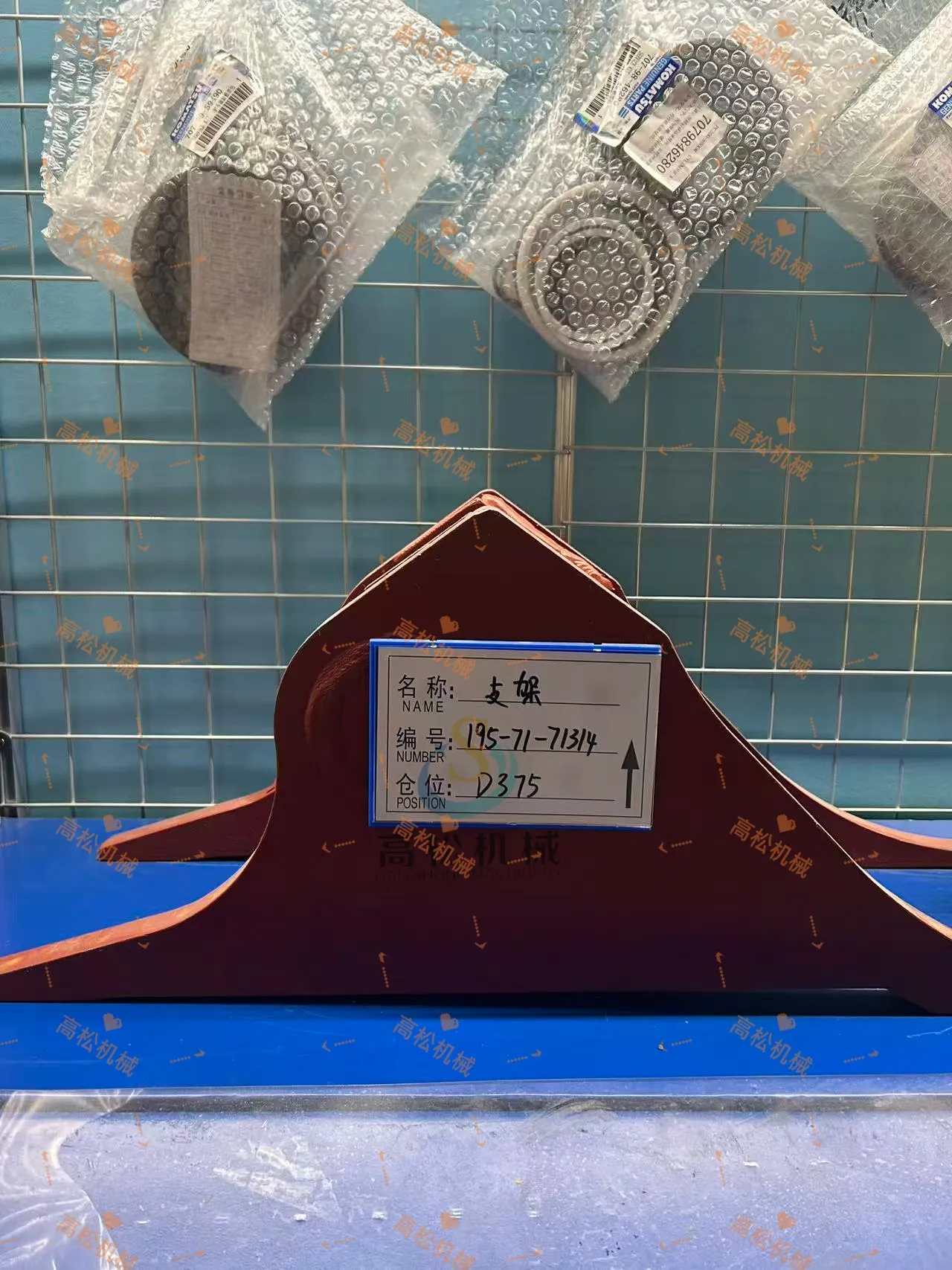 195-71-71314 BRACKET (WELDED) D375A-5 S/N 55001-UP (W/O EGR) BLADE
 -
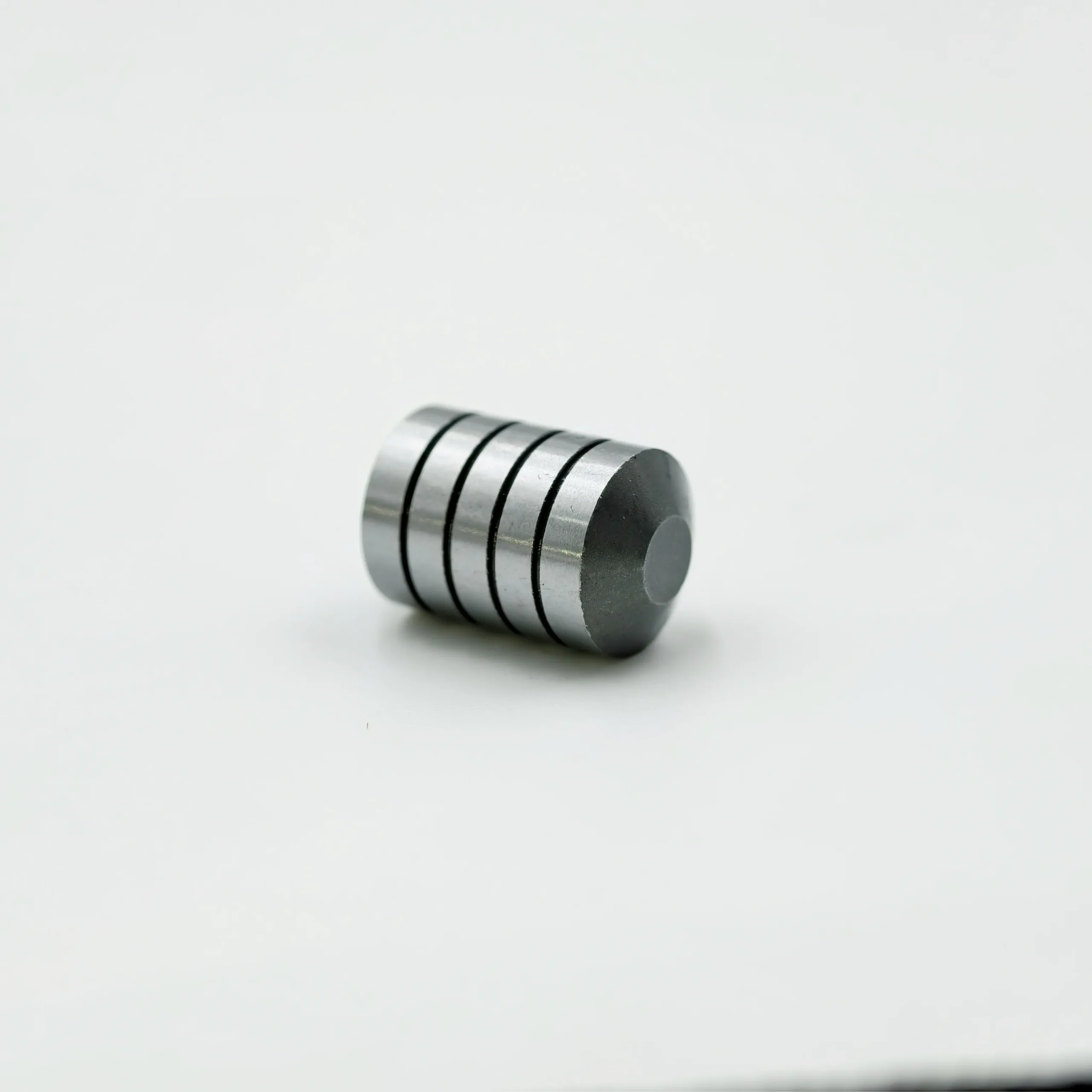 PISTON – 287-15-15360
 -
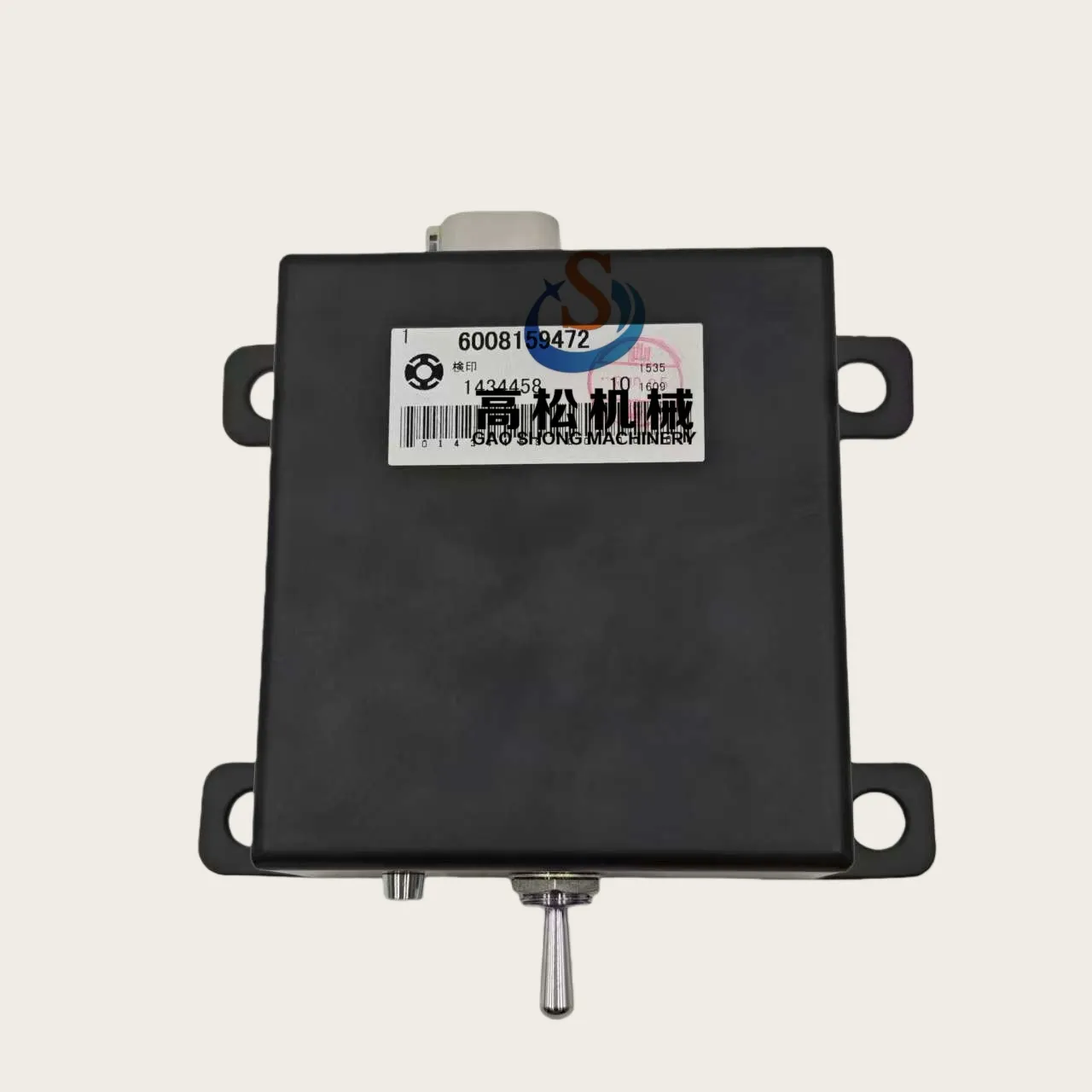 21T-68-67940 Komatsu Valve Assembly
 -
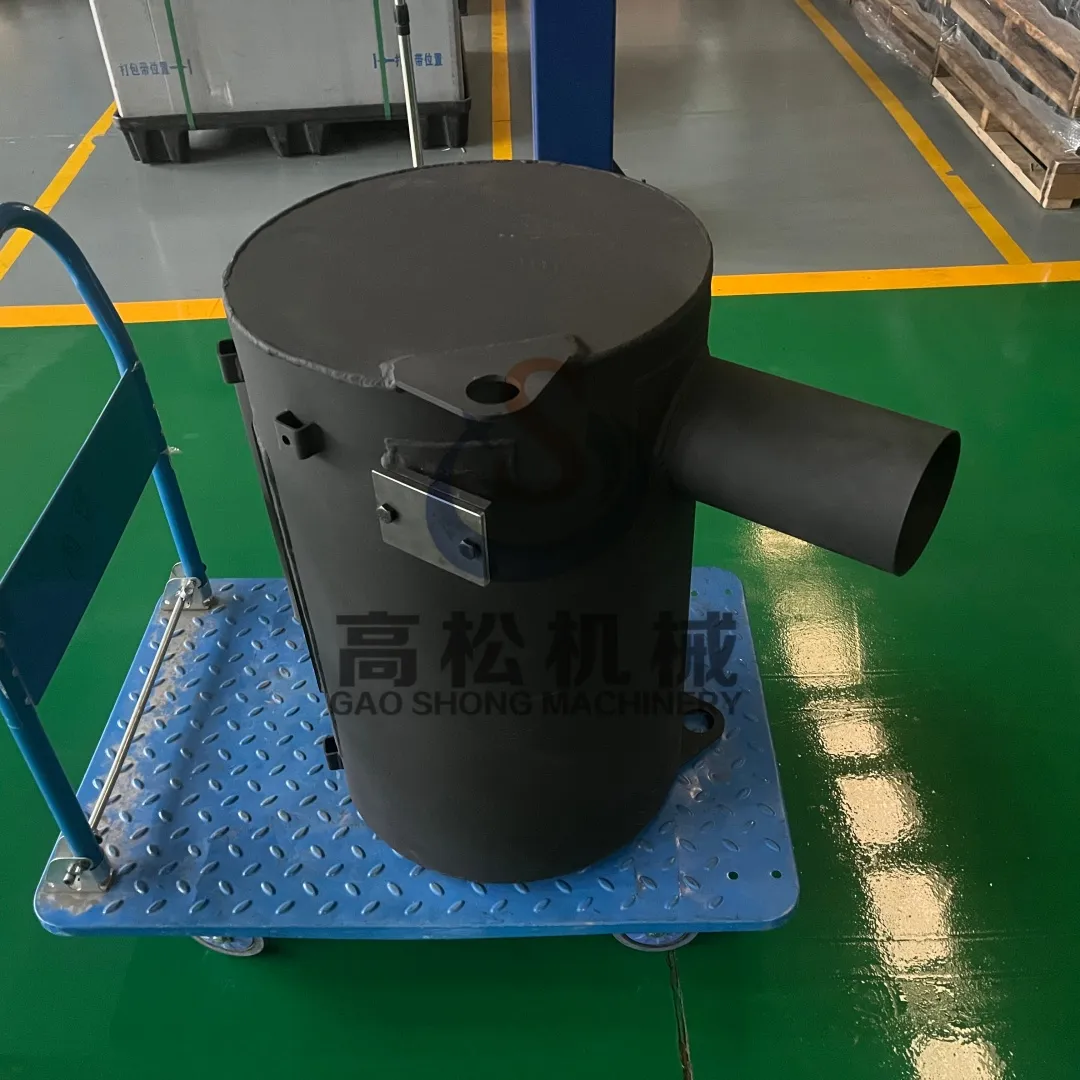 Muffler Silencer 6245-11-5500 for Komatsu Engine 6D170E-5 Excavator PC1250-8 PC1250-8R PC1250LC-8 PC1250SP-8 PC1250SP-8R
 -
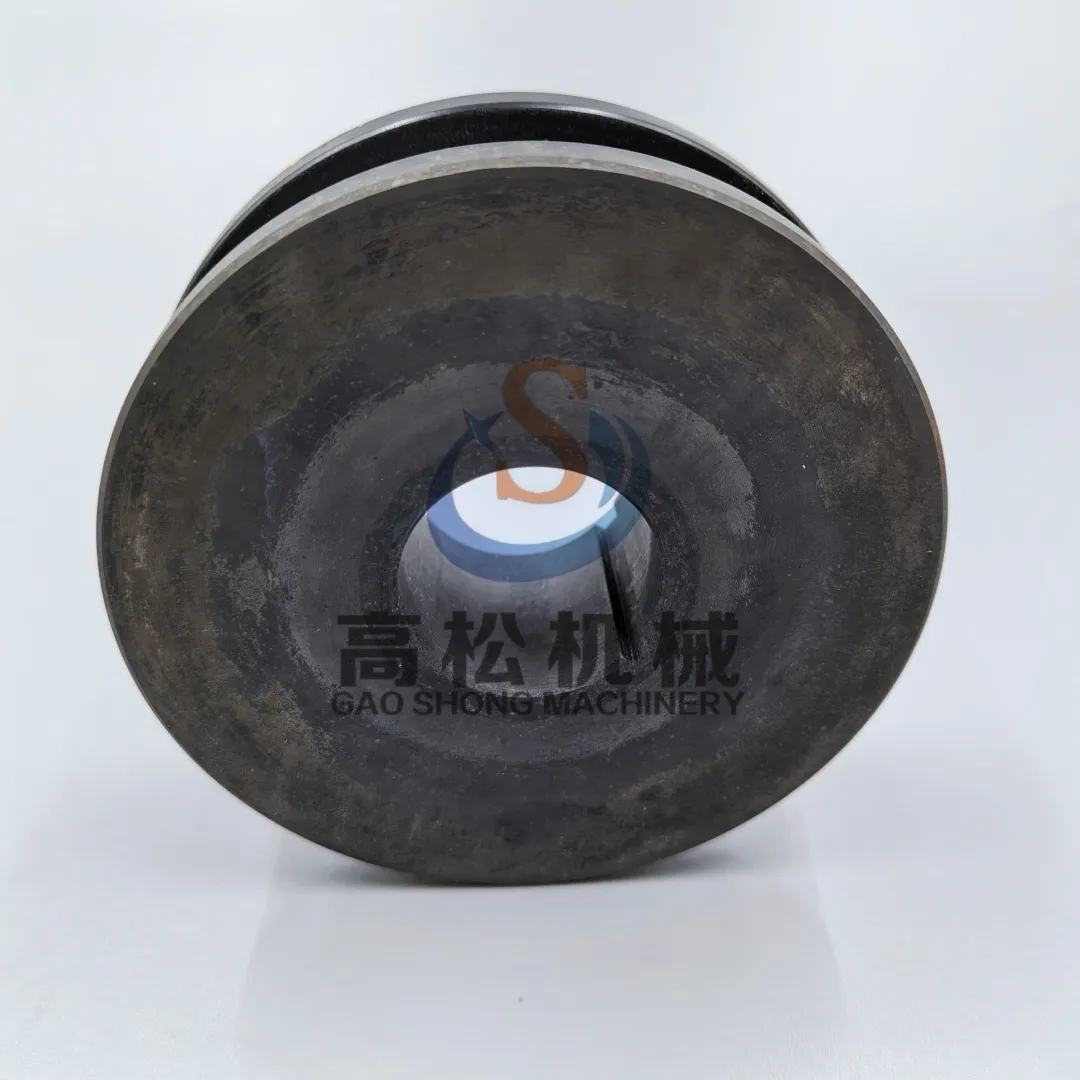 KD0-35411-0854 Komatsu pulley Compatible with model Hd785
 -
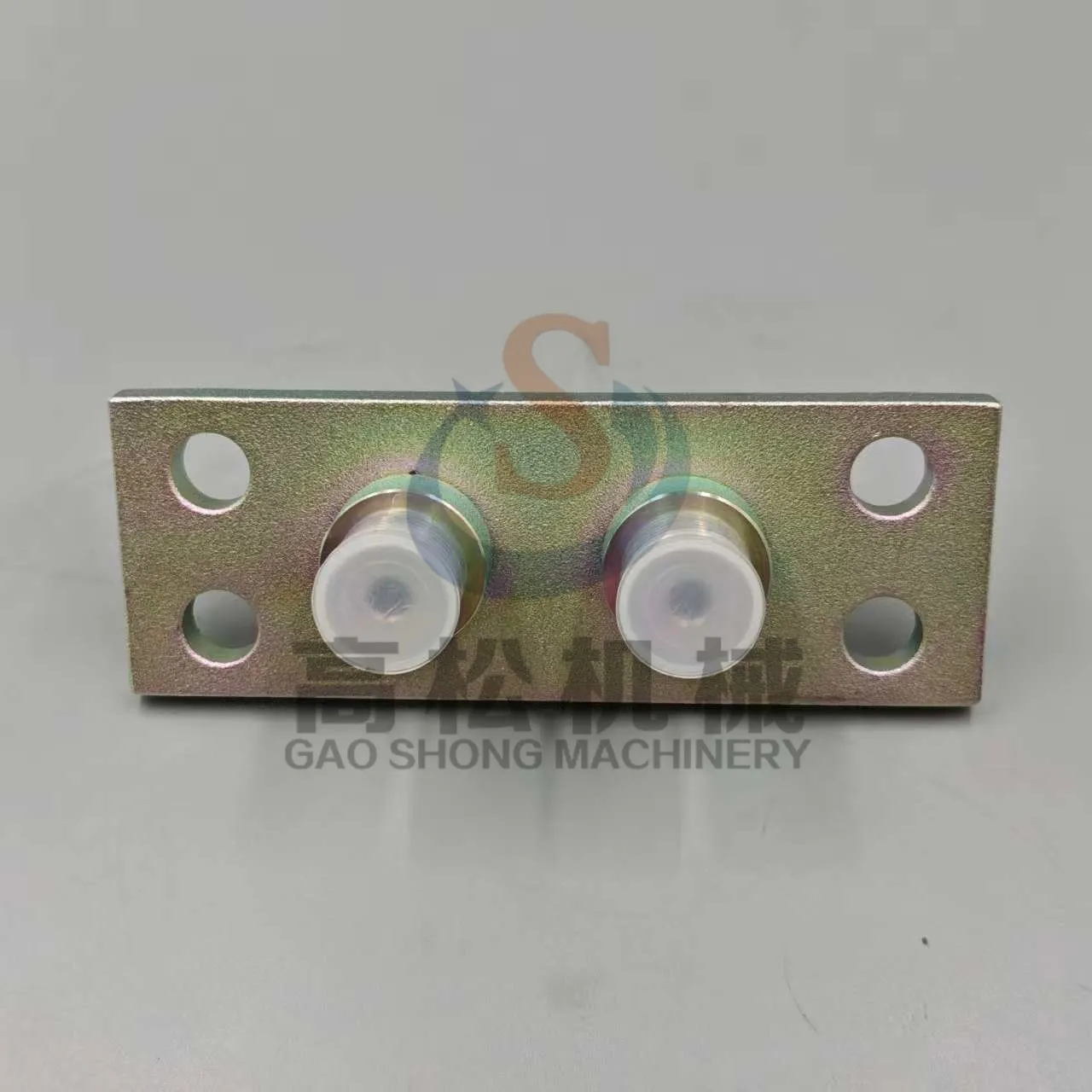 BRACKET 14Y-62-31411 – KOMATSU
 -
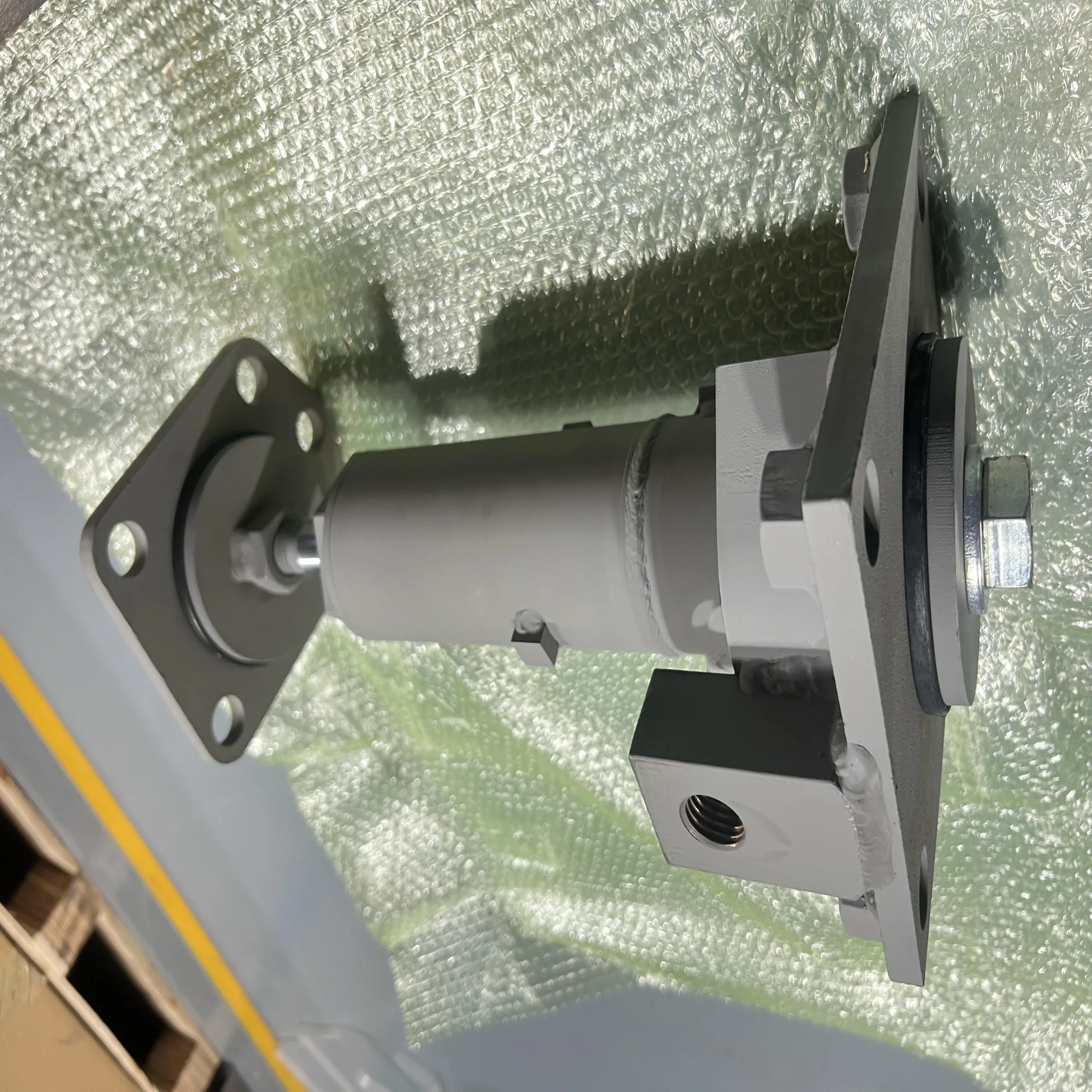 SUSPENSION ASS’Y 17A-54-16201 – KOMATSU
 -
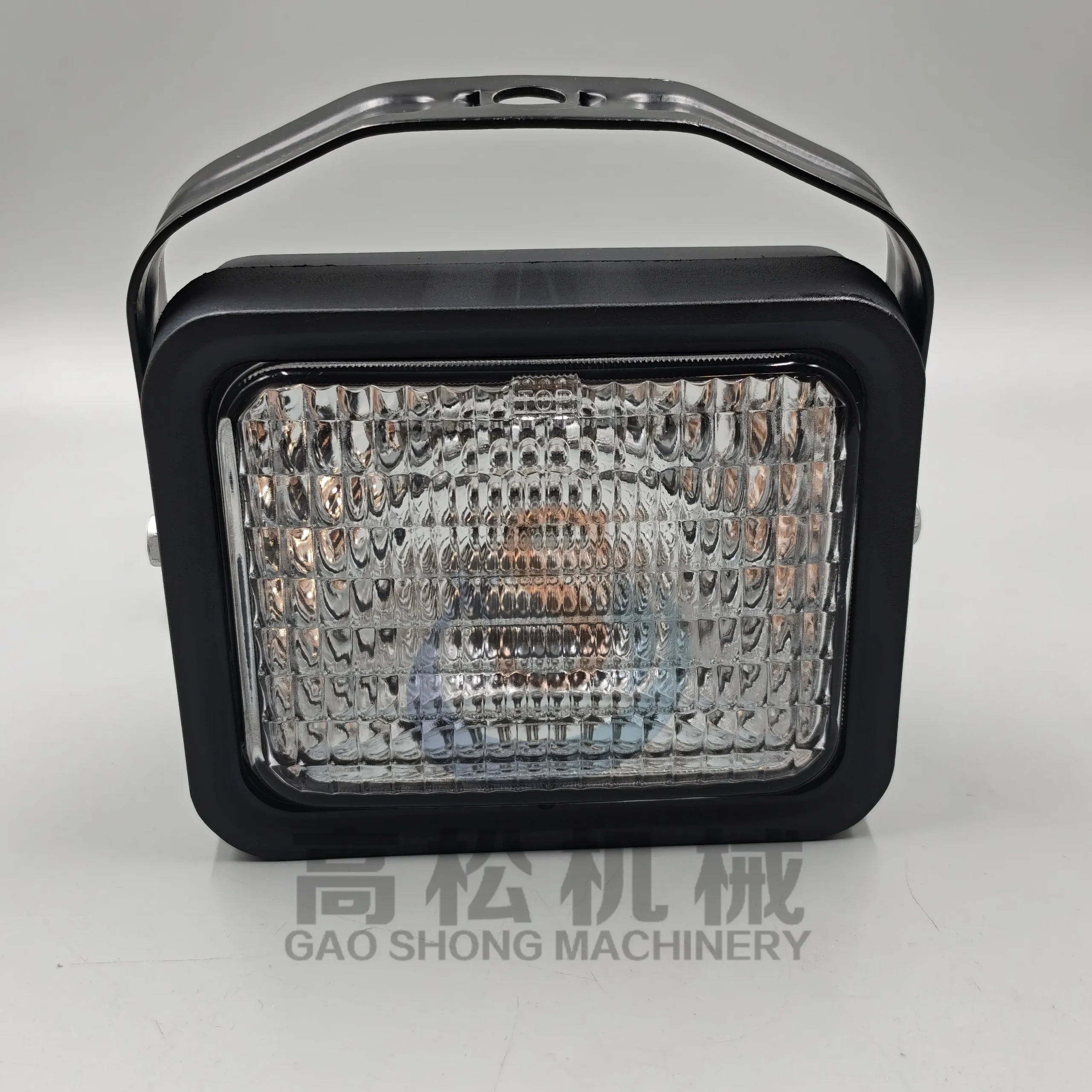 Lamp 421-06-23310 426-56-23360 Compatible for Komatsu WA500-3 WA800-3 WA420-3L HD785-7 HD325-7 HM250-2