
- Chinese
- French
- German
- Portuguese
- Spanish
- Russian
- Japanese
- Korean
- Arabic
- Irish
- Greek
- Turkish
- Italian
- Danish
- Romanian
- Indonesian
- Czech
- Afrikaans
- Swedish
- Polish
- Basque
- Catalan
- Esperanto
- Hindi
- Lao
- Albanian
- Amharic
- Armenian
- Azerbaijani
- Belarusian
- Bengali
- Bosnian
- Bulgarian
- Cebuano
- Chichewa
- Corsican
- Croatian
- Dutch
- Estonian
- Filipino
- Finnish
- Frisian
- Galician
- Georgian
- Gujarati
- Haitian
- Hausa
- Hawaiian
- Hebrew
- Hmong
- Hungarian
- Icelandic
- Igbo
- Javanese
- Kannada
- Kazakh
- Khmer
- Kurdish
- Kyrgyz
- Latin
- Latvian
- Lithuanian
- Luxembou..
- Macedonian
- Malagasy
- Malay
- Malayalam
- Maltese
- Maori
- Marathi
- Mongolian
- Burmese
- Nepali
- Norwegian
- Pashto
- Persian
- Punjabi
- Serbian
- Sesotho
- Sinhala
- Slovak
- Slovenian
- Somali
- Samoan
- Scots Gaelic
- Shona
- Sindhi
- Sundanese
- Swahili
- Tajik
- Tamil
- Telugu
- Thai
- Ukrainian
- Urdu
- Uzbek
- Vietnamese
- Welsh
- Xhosa
- Yiddish
- Yoruba
- Zulu
- Kinyarwanda
- Tatar
- Oriya
- Turkmen
- Uyghur






OEM AND ORIGINAL KOMATSU WIRING HARNESS 21N-06-41132
When you see a part number like 21N-06-41132 pop up, especially for a Komatsu wiring harness, the immediate assumption in many shops is that it's a straightforward, off-the-shelf OEM item. But that's where the first common pitfall lies. The term OEM and Original gets thrown around so loosely that it often blurs the line between a part made for Komatsu and one made by Komatsu. In my experience, a true original Komatsu wiring harness for that specific code isn't just about the connectors fitting; it's about the wire gauge, the sheathing's heat resistance, and the exact routing clips that prevent chafing against the chassis. I've seen units where aftermarket versions had the right plug ends but used thinner copper strands, leading to voltage drop issues under load that took weeks to diagnose. That's the subtle, expensive difference.
The Specifics of 21N-06-41132 in the Field
This particular harness, from my encounters, often services the control circuits for the pump regulators on certain mid-size excavators, think the PC200-8 or PC220-8 series. It's not a massive engine loom, but a critical one. The failure mode is rarely a complete burn-out. More often, it's intermittent signals causing the machine to jerk or lose power sporadically. You'll get error codes pointing to sensors, but swapping those sensors does nothing. That's when you start checking the harness, specifically looking for green corrosion in the Deutsch connectors or where it passes near the hydraulic tank—vibration and minor fluid seepage are killers here.
I recall a job where we installed a non-OEM labeled equivalent to this part. It fit, and the machine ran... for about 40 hours. Then the weird communication faults started. We spent days tracing, only to find the shielding on the CAN bus lines inside the replacement harness was basically a braided cosmetic cover, not properly grounded. The electrical noise was scrambling the controller signals. The lesson? With these complex harnesses, fits doesn't mean functions. The original spec includes specific shielding and twist rates for data lines that cheap copies skip to save cost.
This is where a supplier's role becomes critical. You need a source that understands these nuances, not just a parts catalog. A company like Jining Gaosong Construction Machinery Co., Ltd. positions itself within that space. From what I've gathered, their model as an OEM product supplier within the Komatsu system suggests they might have access to the same manufacturing lines or technical specs that produce the genuine articles, which is a different league from generic aftermarket. Their stated goal of solving parts supply challenges aligns perfectly with the real-world headache of sourcing a correct, reliable Komatsu wiring harness in regions where the official network is thin.
OEM vs. OEM-Quality: A Supplier's Practical Role
The industry is flooded with OEM-quality claims. In practice, this often means reverse-engineered. For a simple bracket, that's fine. For a wiring harness with dozens of circuits, it's a gamble. A true OEM supplier to Komatsu would be bound by Komatsu's engineering and material specifications. This is the key distinction when evaluating sources. When I look at a site like https://www.takematsumachinery.com, their emphasis on being part of the Komatsu system is a relevant data point. It implies a formal relationship and accountability, which translates to consistency in parts. You're not just buying a harness; you're buying the adherence to a documented manufacturing process that the factory itself required.
This doesn't mean third-party sales are bad. Often, they're the only viable channel. But the value of a third-party company that is also an OEM supplier is that they (should) know the difference between a true original part and a compatible one. They can tell you, For this fault, you must use the original spec because of the data lines, or, For this simpler power circuit, here's a robust alternative. That advisory capability is worth its weight in gold, saving countless diagnostic hours. Their company intro about solving supply challenges isn't just marketing fluff—it's the daily reality for independent repair shops and fleet managers outside major dealer zones.
I've had mixed results sourcing from various channels. The worst was getting a harness that was visually identical but had the pin-out for a different sub-model. The machine wouldn't start, and we had to manually re-pin the entire connector block—a six-hour job we didn't bill for. A reliable supplier mitigates this risk by having accurate, application-specific cross-references, not just a number match. This is the operational depth behind a simple parts listing.
Failure Analysis and the Harness as a System Component
Never view a wiring harness as an isolated part. The OEM AND ORIGINAL KOMATSU WIRING HARNESS 21N-06-41132 fails for reasons. Installing a new one without diagnosing the root cause is a guaranteed comeback. Common culprits: a failing solenoid with a shorted coil that overloads the circuit, a loose ground bolt on the main frame causing current to seek alternative paths through the harness, or a misrouted section that gets pinched during reassembly. I always do a full circuit check—resistance to ground, continuity under wiggle test—before even ordering the new part.
One tricky case involved repeated failures of this same harness code on a machine. We replaced it twice with original parts from a questionable source. The third time, we got a harness from a source with a direct OEM linkage, and the problem vanished. Upon dissection, the failed units showed inferior insulation that became brittle and cracked near heat sources. The robust one had a different, more pliable polymer jacket. This was a material spec issue, invisible from the outside. It cemented the idea that provenance matters at the chemical compound level, not just the assembly level.
This is where the practical advice diverges from the textbook. The manual says replace harness. Experience says: inspect the entire run, check all connected components for faults, clean all contact surfaces, and then install a part you trust came from a controlled process. The cost of the part is small compared to the labor of installing it twice, or worse, the machine downtime.
Sourcing Strategy and Building a Reliable Pipeline
For a critical component like this, my sourcing strategy has evolved. I no longer just search for the part number and pick the cheapest hit. I look for suppliers that provide technical context. Does their listing mention the specific machine models? Do they have diagrams or notes about common failures? A supplier embedded in the Komatsu ecosystem, like the mentioned Jining Gaosong, is more likely to have that institutional knowledge. Their website becomes a tool, not just a storefront. You're leveraging their position as a third-party sales company for Komatsu to access both the part and the tacit knowledge that comes with it.
Building a relationship with a single reliable supplier for such components reduces cognitive load. You learn who to call when the problem is ambiguous. Hey, I'm seeing this fault code alongside chafing at this location on the 21N-06-41132 harness—is this a known issue? That conversation is possible with a technical supplier, impossible with a generic parts drop-shipper. It turns a transaction into a troubleshooting partnership.
In the end, the part number is just an entry point. The real product is reliability and fit-for-purpose. For a wiring harness controlling vital machine functions, the risk of a sub-standard part is too high. It's not about brand snobbery; it's about physics and chemistry. The copper, the insulation, the shielding—they must perform under vibration, heat, and moisture for thousands of hours. That performance is baked in at the design and manufacturing stage, a stage that true OEM suppliers are contractually obligated to follow. Finding and sticking with those channels, even if they operate as third-party sellers, is a professional imperative, not just a purchasing choice.
Related Products
Related Products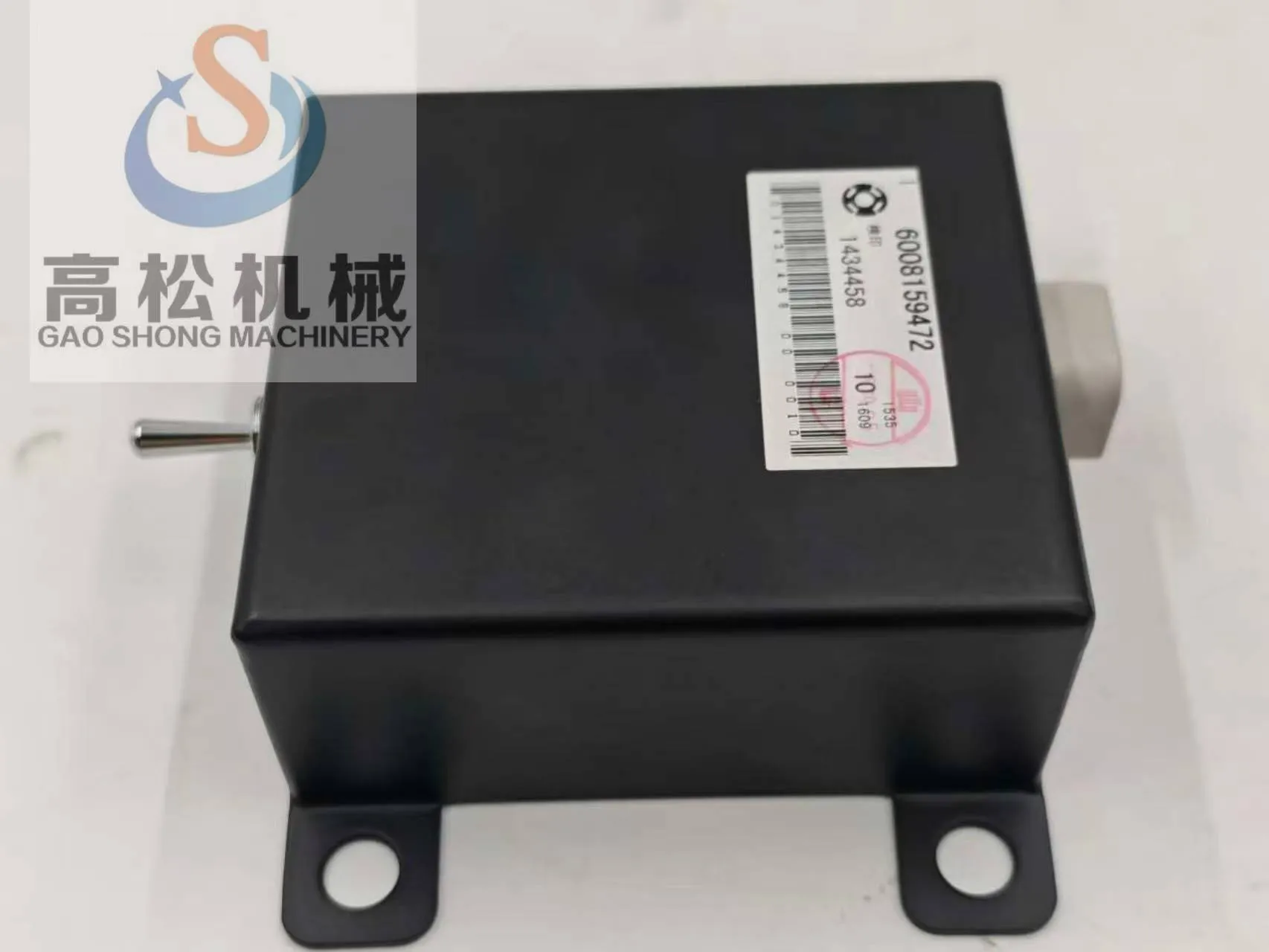
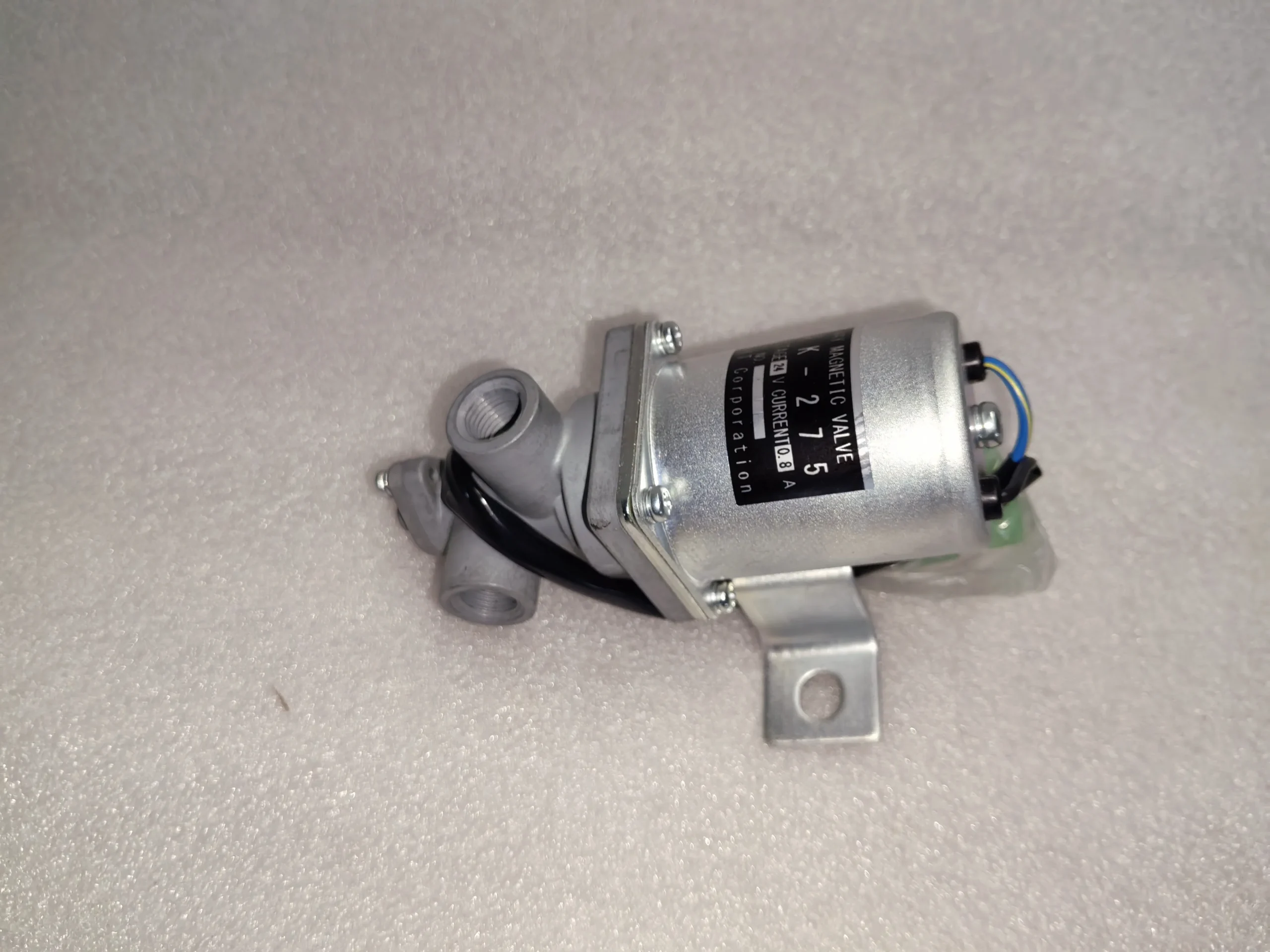
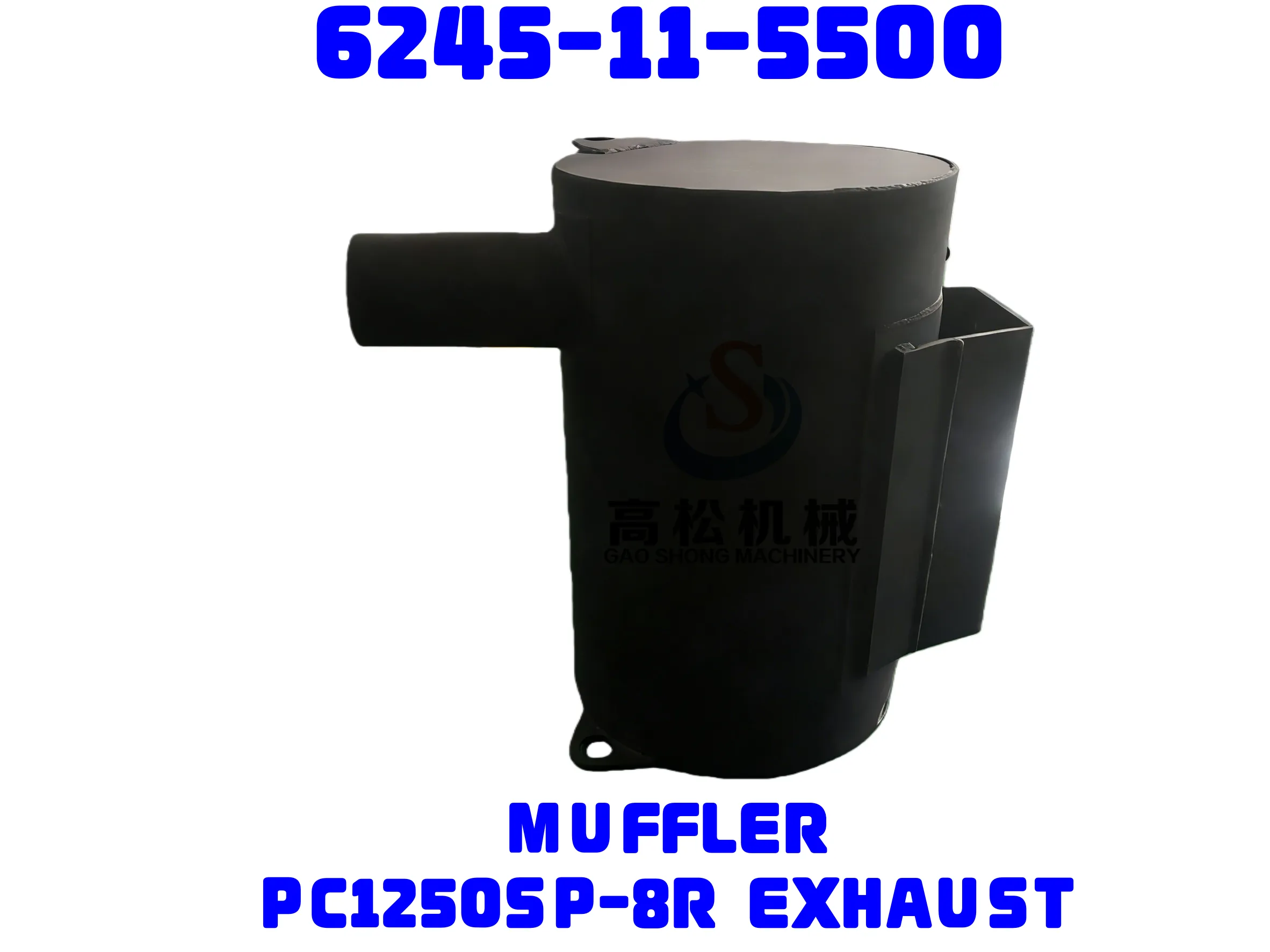
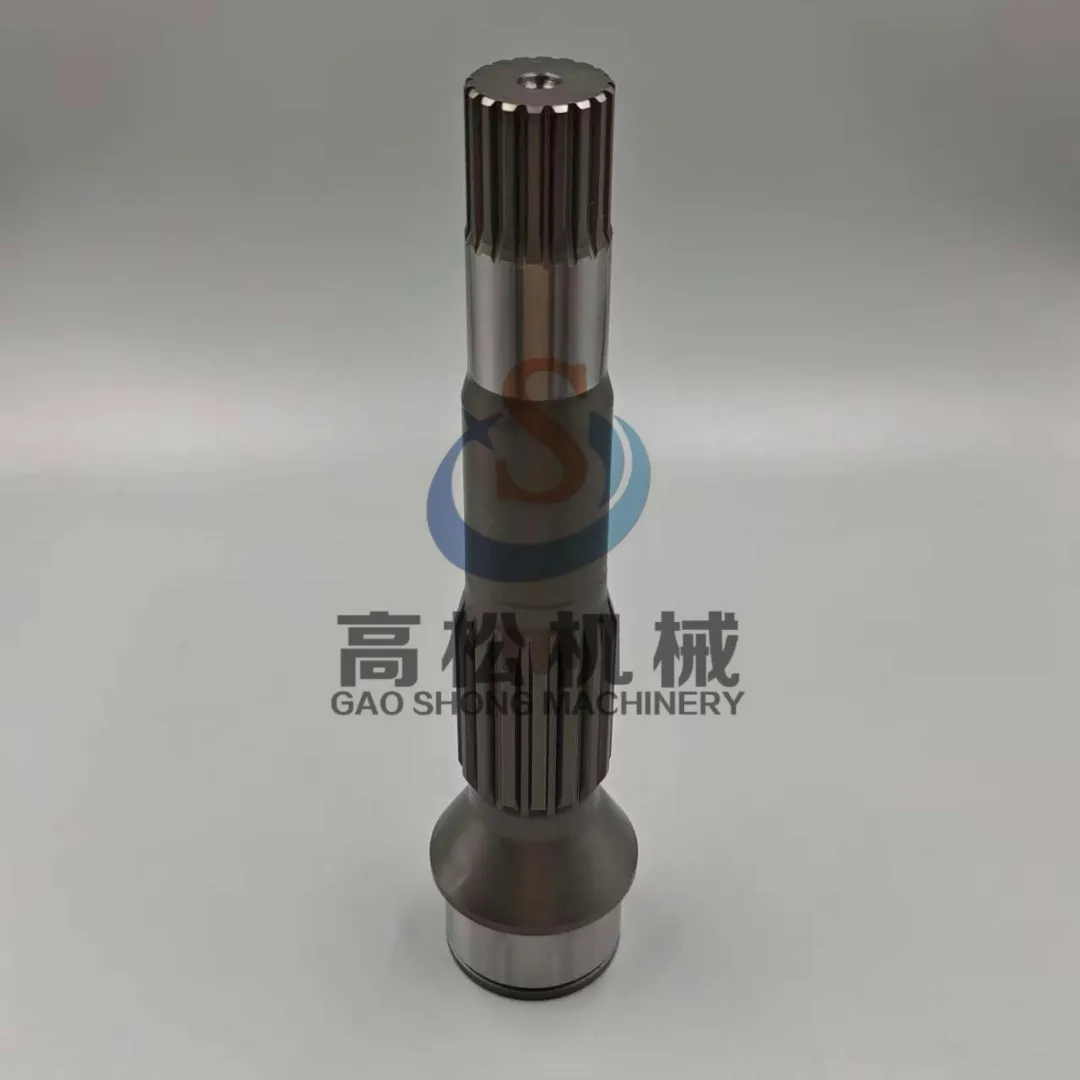

Best Selling Products
Best Selling Products-
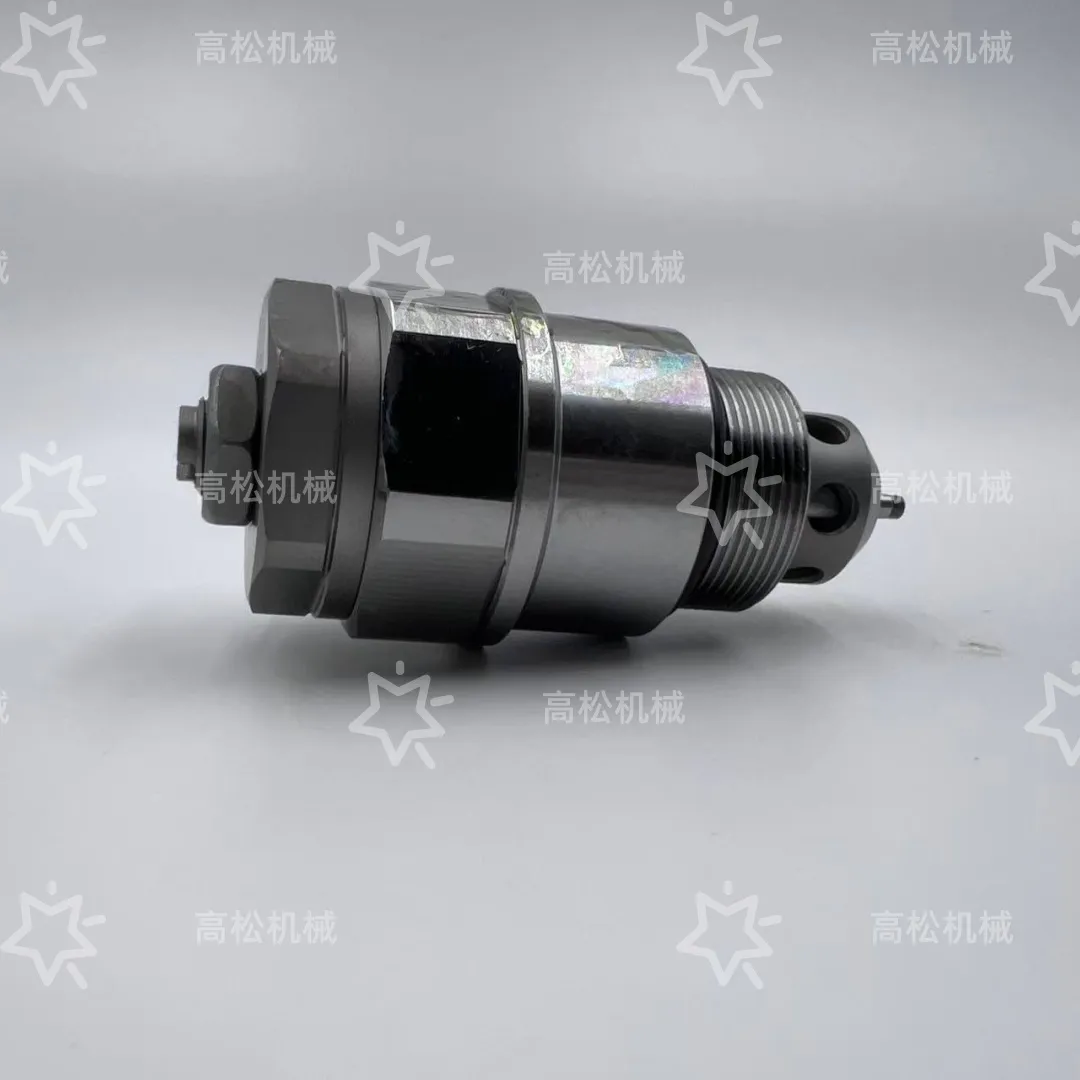 709-90-71700 Valve Assembly, Suction and Relief Komatsu
 -
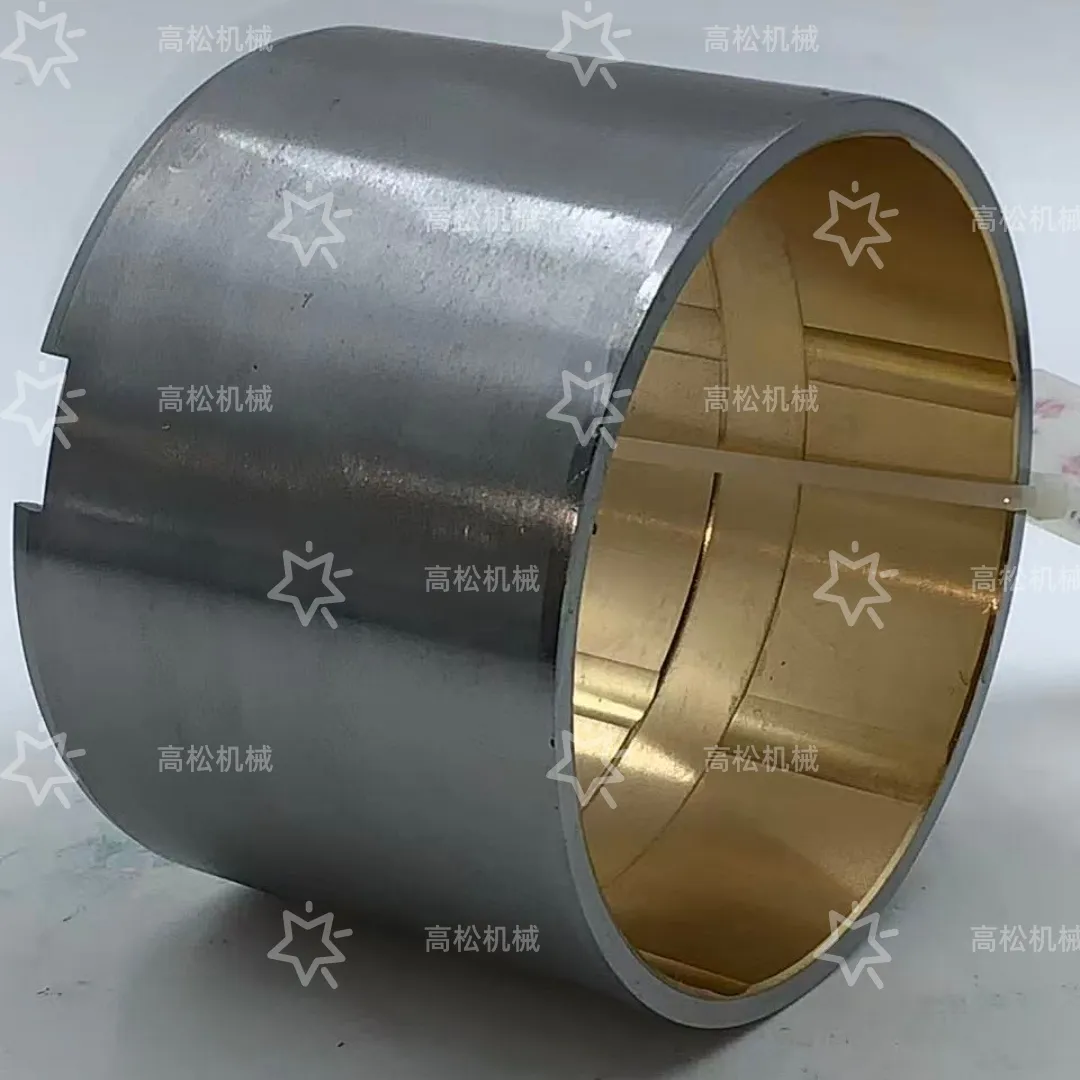 BUSHING 195-61-41160, myKomatsu – Buy Komatsu Parts
 -
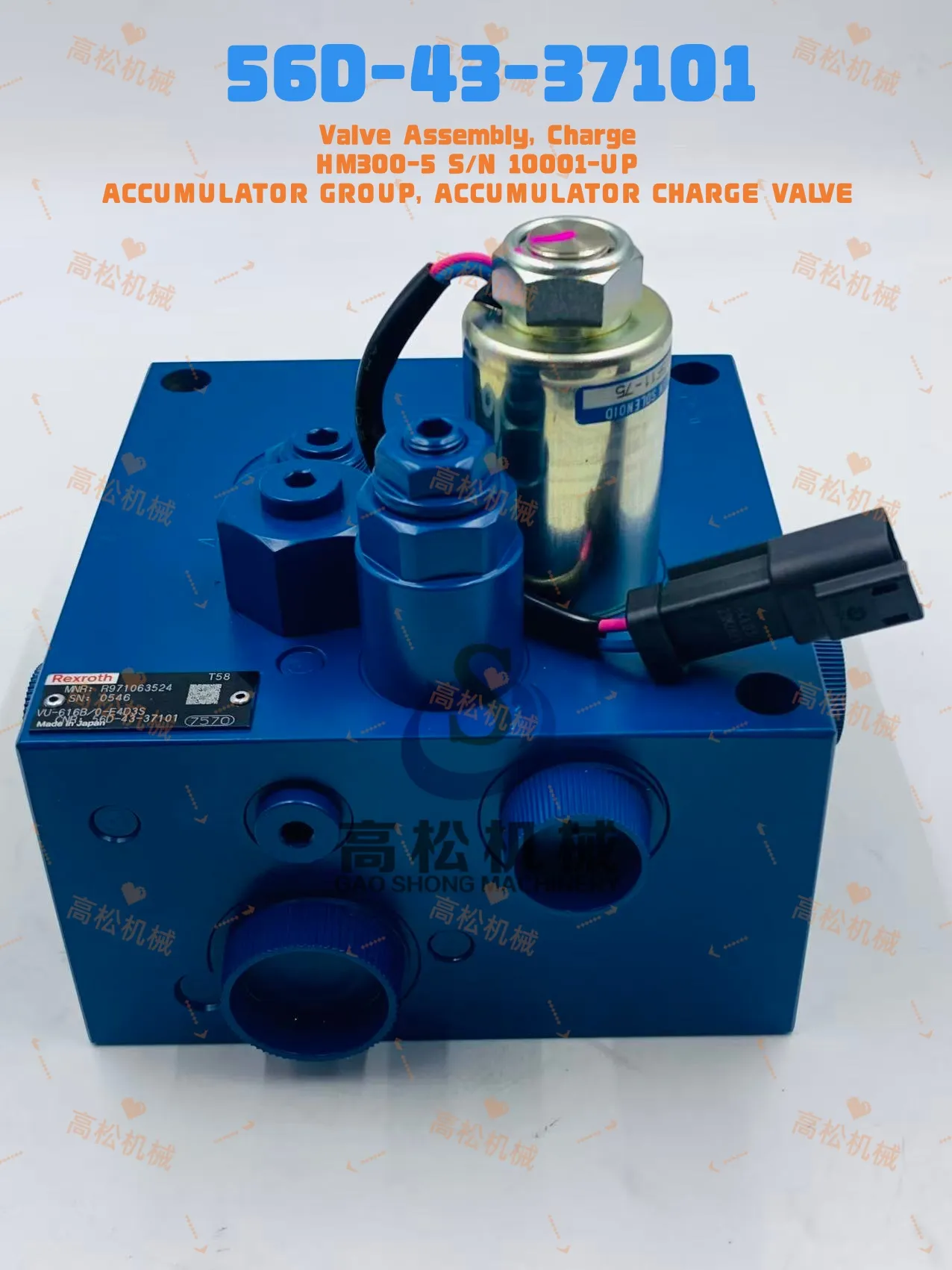 56D-43-37101 Valve Assembly, Charge HM300-5 ACCUMULATOR GROUP, ACCUMULATOR CHARGE VALVE
 -
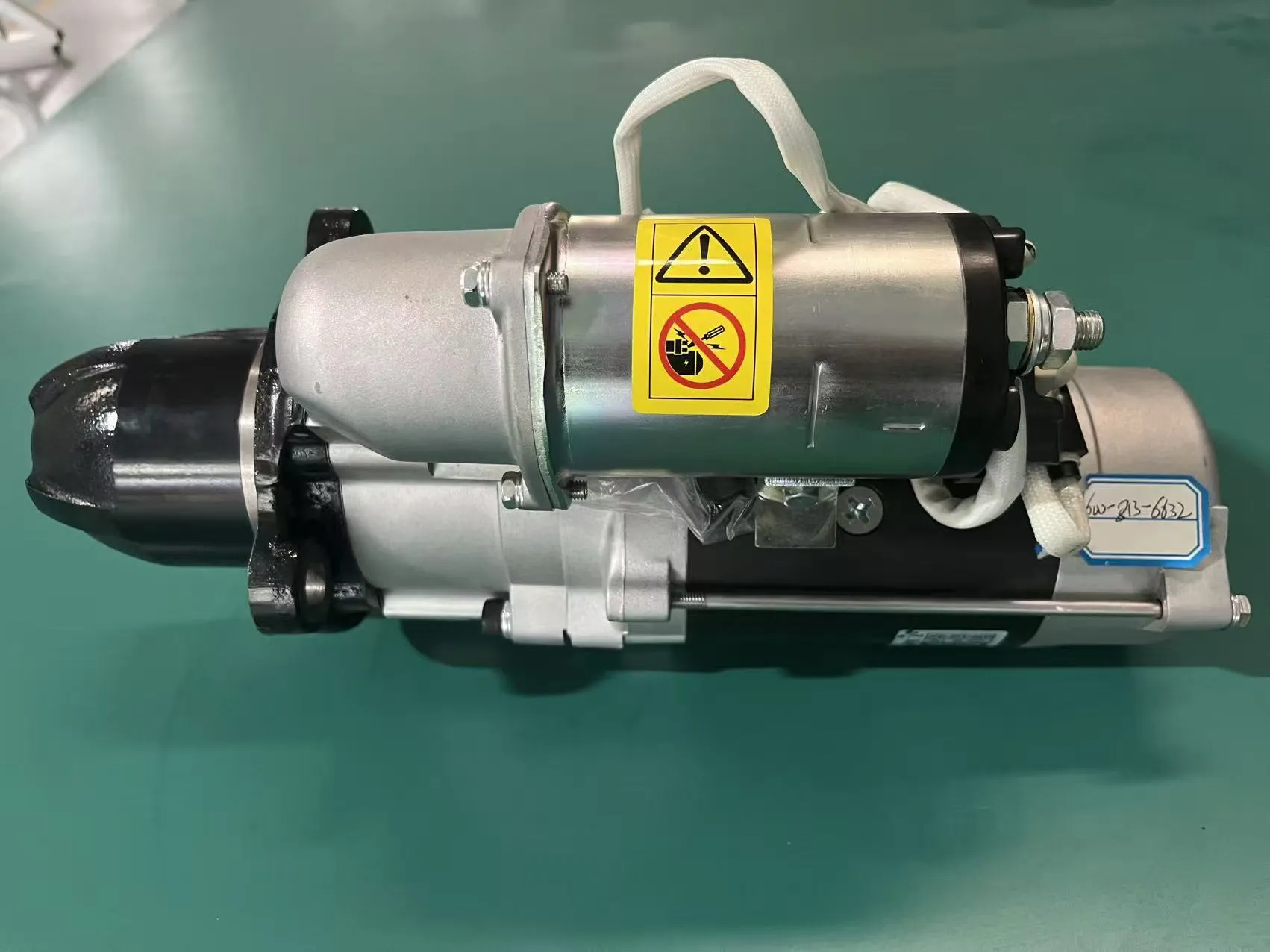 High Quality Excavator Spare Parts 600-813-6632 PC400-8 Start…
 -
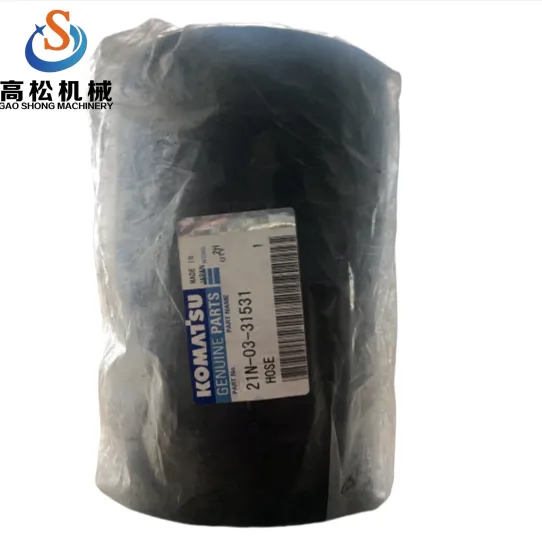 HOSE PC1250 EXCAVATOR 21N-03-31531
 -
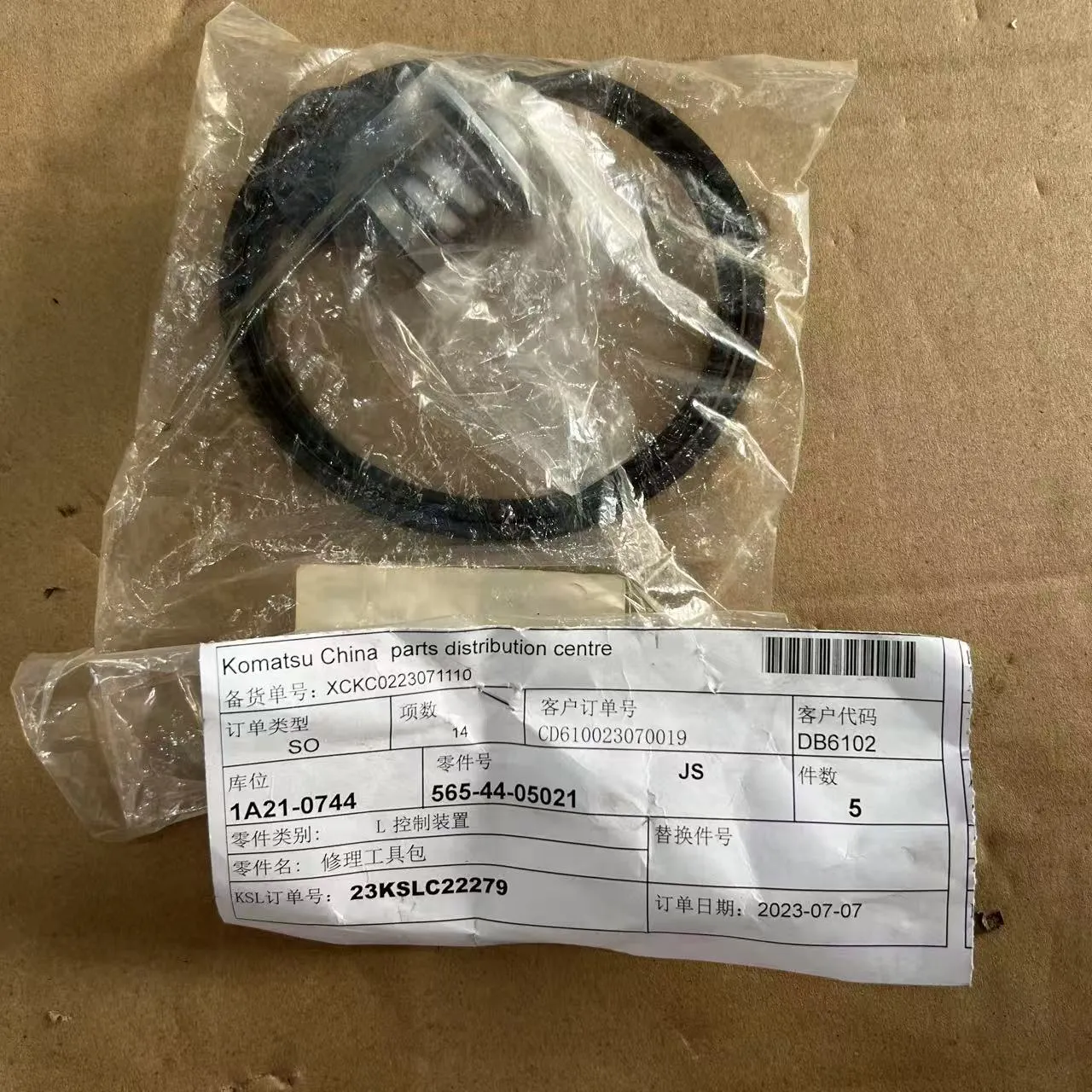 565-44-05021 Service Kit AIR relay
 -
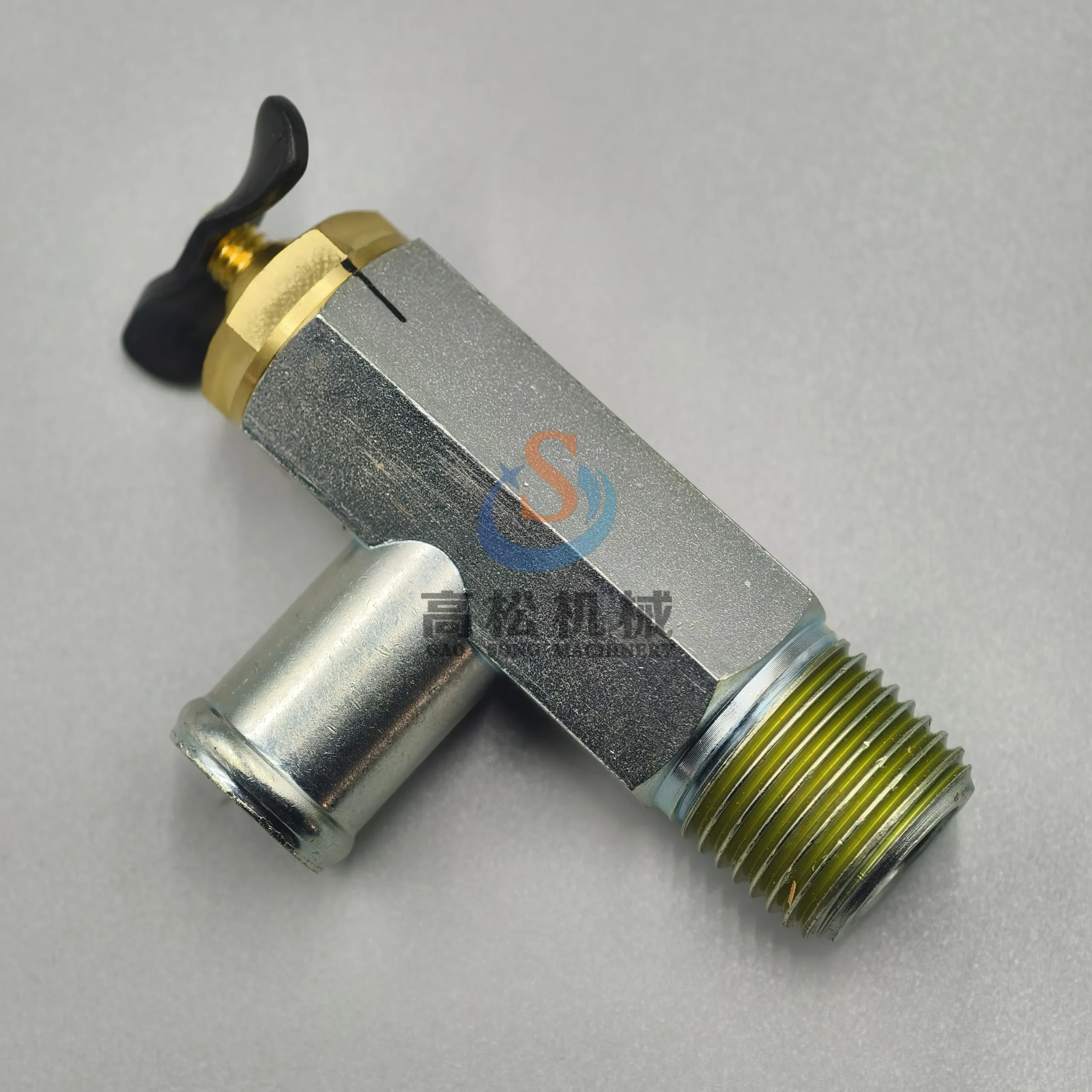 09482-10000 komatsu vavle-D275A/PC750/WA800
 -
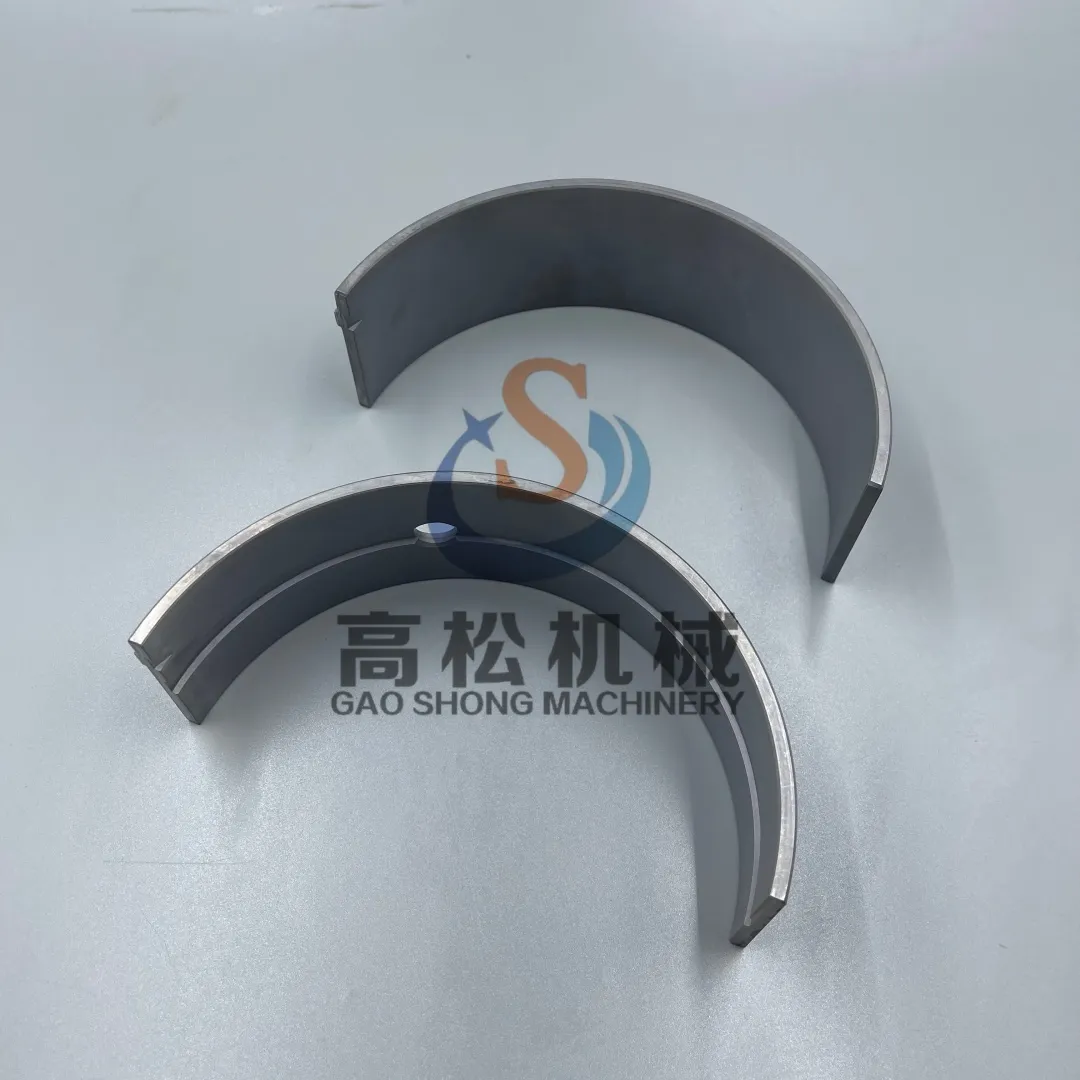 6162-23-8010 MAIN BEARING ASSEMBLY – Komatsu
 -
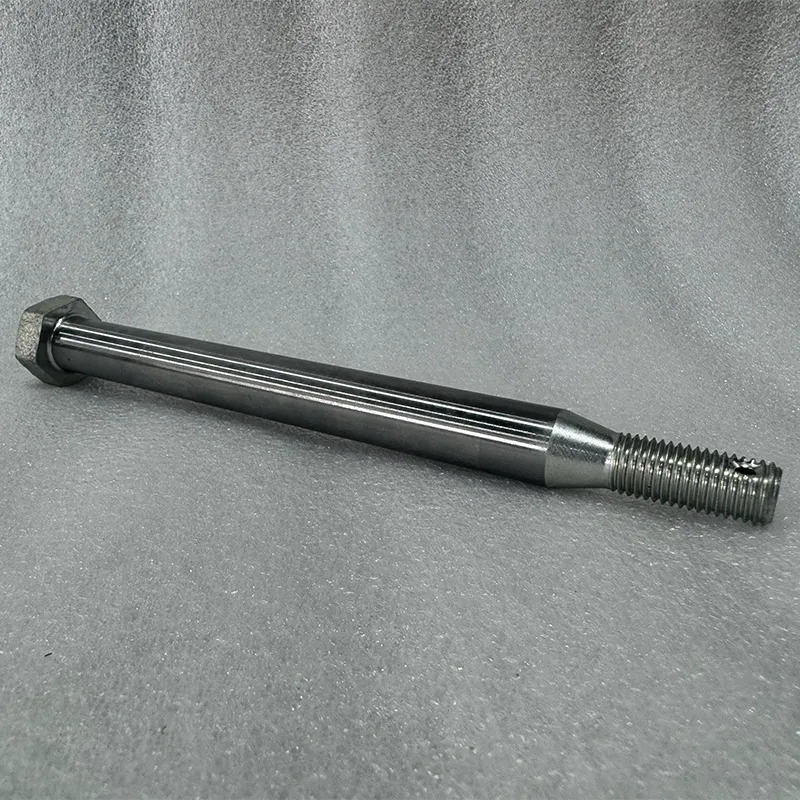 Original komatsu GD825A-2 Bolt 235-27-11360
 -
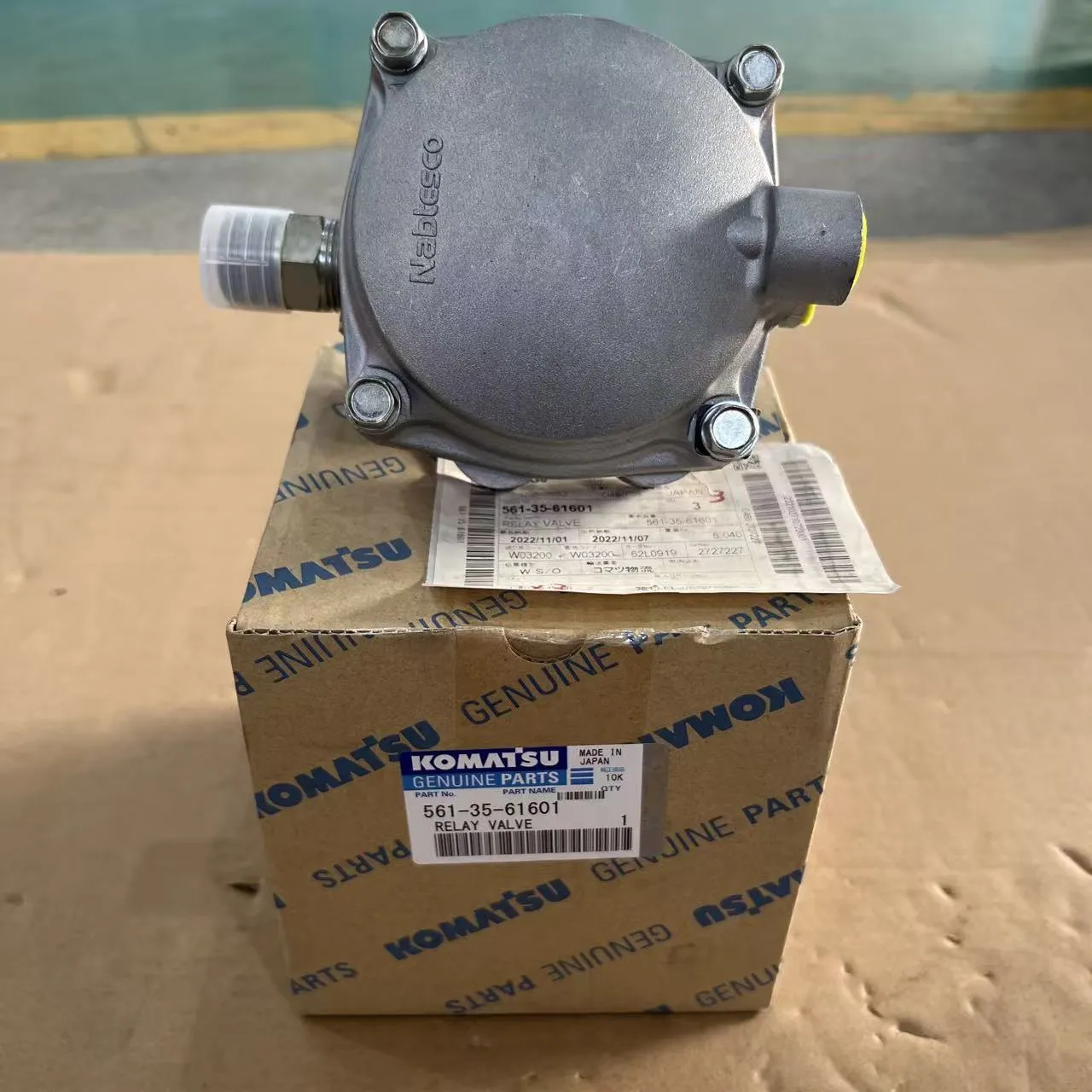 RELAY VALVE ASS’Y 561-35-61601 – KOMATSU
 -
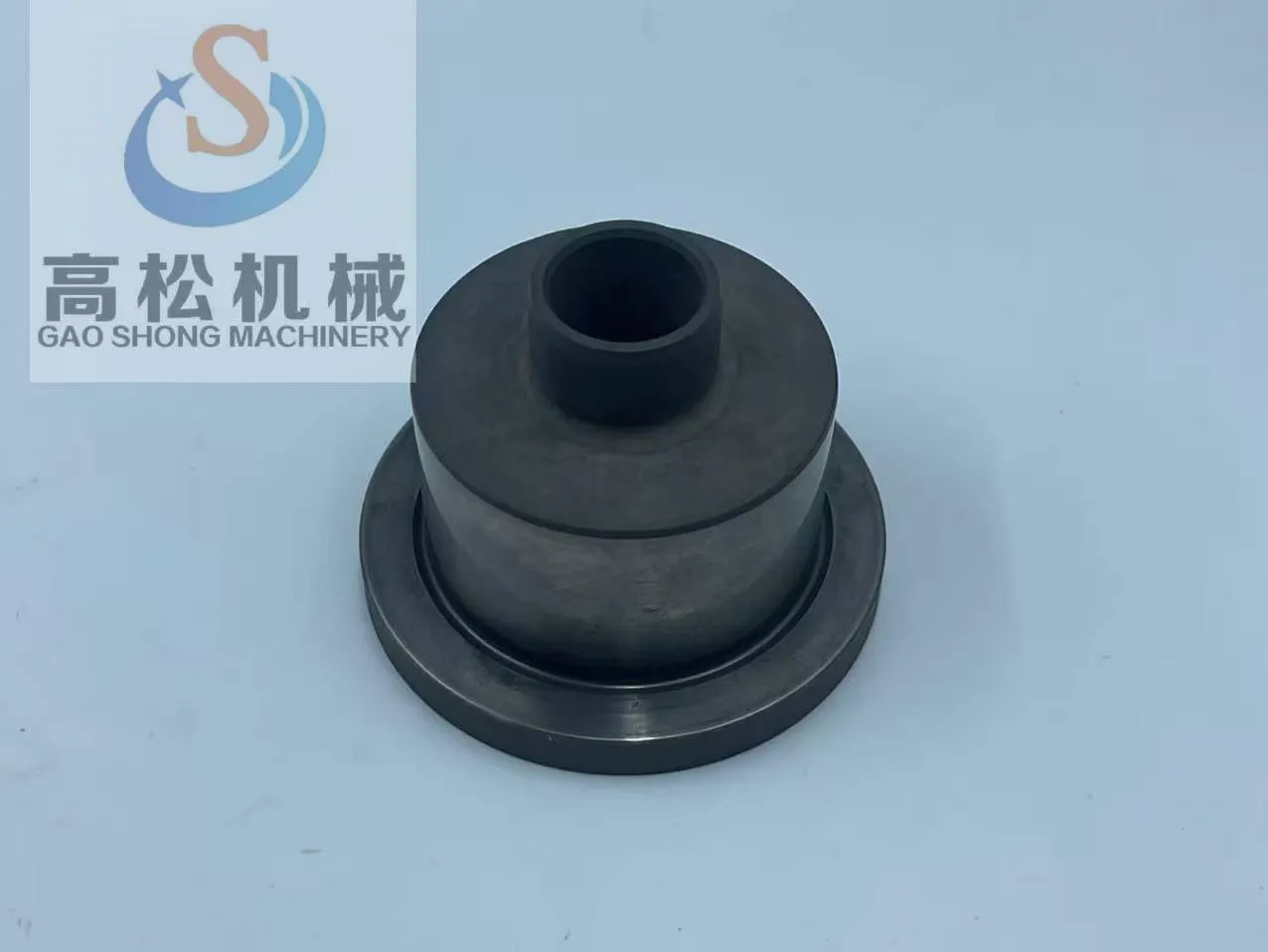 Direct sale, original fast delivery shaft 6212-21-2511 for parts of construction machinery komatsu
 -
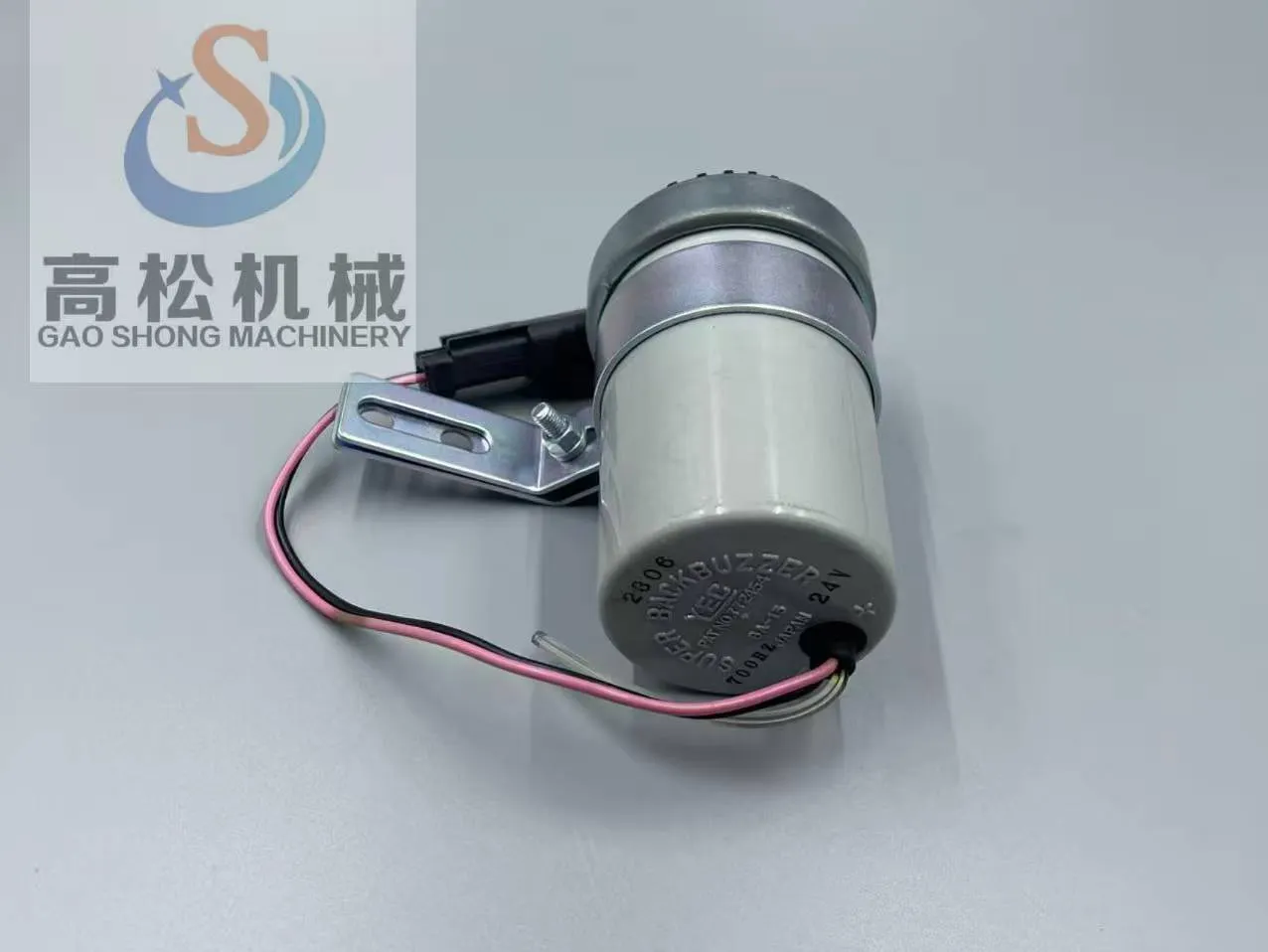 198-06-56570 1980656570 summer for bulldozer D85 D375 D275 D65
Related Search
Related Search- OEM AND ORIGINAL KOMATSU CUSHION 195-21-32362
- OEM AND ORIGINAL KOMATSU SHAFT 195-12-42121
- komatsu fg25c 12 parts manual
- Komatsu drive shaft
- OEM AND ORIGINAL KOMATSU COVER 195-27-34131
- OEM AND ORIGINAL KOMATSU WIRING HARNESS 208-06-71812
- komatsu crusher parts
- 6245-71-5181
- 21N-60-32951
- OEM AND ORIGINAL KOMATSU CLUTCH 2A7-01-21543