
- Chinese
- French
- German
- Portuguese
- Spanish
- Russian
- Japanese
- Korean
- Arabic
- Irish
- Greek
- Turkish
- Italian
- Danish
- Romanian
- Indonesian
- Czech
- Afrikaans
- Swedish
- Polish
- Basque
- Catalan
- Esperanto
- Hindi
- Lao
- Albanian
- Amharic
- Armenian
- Azerbaijani
- Belarusian
- Bengali
- Bosnian
- Bulgarian
- Cebuano
- Chichewa
- Corsican
- Croatian
- Dutch
- Estonian
- Filipino
- Finnish
- Frisian
- Galician
- Georgian
- Gujarati
- Haitian
- Hausa
- Hawaiian
- Hebrew
- Hmong
- Hungarian
- Icelandic
- Igbo
- Javanese
- Kannada
- Kazakh
- Khmer
- Kurdish
- Kyrgyz
- Latin
- Latvian
- Lithuanian
- Luxembou..
- Macedonian
- Malagasy
- Malay
- Malayalam
- Maltese
- Maori
- Marathi
- Mongolian
- Burmese
- Nepali
- Norwegian
- Pashto
- Persian
- Punjabi
- Serbian
- Sesotho
- Sinhala
- Slovak
- Slovenian
- Somali
- Samoan
- Scots Gaelic
- Shona
- Sindhi
- Sundanese
- Swahili
- Tajik
- Tamil
- Telugu
- Thai
- Ukrainian
- Urdu
- Uzbek
- Vietnamese
- Welsh
- Xhosa
- Yiddish
- Yoruba
- Zulu
- Kinyarwanda
- Tatar
- Oriya
- Turkmen
- Uyghur






OEM AND ORIGINAL KOMATSU WIRING HARNESS 208-06-71812
You see that part number, , and immediately think it's straightforward—just a Komatsu wiring harness. But that's where the first trap is. In our line, the terms 'OEM' and 'Original' get thrown around so loosely they've almost lost meaning. I've seen guys swear they have the genuine article, only for the harness to show up with mismatched connector seals or a wire gauge that's just a hair off spec. That '71812 isn't just a bundle of wires; it's the nervous system for a specific module, often in mid-2000s excavators like the PC300-6/7 series. The difference between a true Komatsu-original and a so-called 'OEM-compatible' part can be the difference between a machine running smoothly for a decade and a phantom electrical fault that shuts you down every other week.
The Core Confusion: What OEM Within the Komatsu System Actually Means
This is the critical bit most people miss. When a company like Jining Gaosong Construction Machinery Co., Ltd. states they are an OEM product supplier within the Komatsu system, it doesn't mean they are Komatsu. It means they operate under a specific, sanctioned framework. Komatsu doesn't manufacture every single wire and connector in-house. They rely on a network of certified suppliers who produce components to exact engineering drawings and quality protocols. Gaosong, from what I've gathered through industry channels and their presence at https://www.takematsumachinery.com, appears to function within that authorized supply chain for certain components. Their role as a third-party sales company then makes sense—they help move these genuine parts into markets where the official distribution is thin or slow, which is a huge, real problem in places like parts of Africa or South America.
So, for our , an 'OEM' version from such a source should, in theory, be identical to the one you'd get from a Komatsu dealer. It should come from the same factory line, with the same tooling, the same copper strand count, and the same heat-resistant insulation. The key is the within the system part. It's the difference between a licensed reproduction and a knock-off. I've ordered from outfits that claim the same but aren't; the packaging was wrong, and the part lacked the subtle embossed markings. Gaosong's pitch about solving parts supply challenges aligns directly with the pain points for fleet managers dealing with older models.
Why does this matter? Because a non-conforming harness can cause cascading failures. I recall a PC300-6 where a aftermarket harness for the pump controller had inferior shielding. It worked... until it was parked near a site radio tower. The induced voltage caused erratic pump behavior that took us weeks to diagnose. We traced it back to the harness. After swapping in a verified OEM unit—problem gone. That's the stakes.
Identifying the True Original: Beyond the Part Number Tag
The tag on the harness will say . So will a good counterfeit. You have to look deeper. First, the connector housings. Genuine Komatsu ones, especially for that era, have a specific texture—a slight grain—and the locking tab snaps with a definitive, crisp click, not a mushy feel. The wires themselves are bundled with a particular pattern and loom tape; it's almost an art form. The original has a consistency in the twist and routing that's hard for a copycat to replicate perfectly because their assembly jigs are different.
Second, the seals. Each connector that is environmentally sealed will have a rubber or silicone grommet. On the original, these fit flush, with no gap or bunching. I've seen copies where the seal is just a millimeter too small, leaving a path for moisture. In one brutal winter, that led to corrosion in the monitor connector within months. The official part from Komatsu, or from a trusted system supplier, would have withstood it.
Then there's the copper. Cut a wire end. The strand count and the color of the copper are telltale. High-quality, oxygen-free copper has a distinctive reddish-pink hue. Inferior stuff looks yellower. It affects conductivity and flexibility over time. When you're handling dozens of these, your fingers start to notice the difference in wire suppleness before your eyes do.
Practical Sourcing and the Risk of Good Enough
Here's the real-world dilemma. The official dealer price for the original Komatsu wiring harness can be prohibitive, especially for a machine that's 15+ years old. The lead time might be 12 weeks. So the temptation to go for a cheaper, compatible alternative is massive. I've done it, under pressure from a client wanting to cut costs. We tried a non-OEM 71812 from a general parts reseller. It plugged in, the machine powered up. Checked out, right? Two months later, intermittent communication errors on the CAN bus. The resistance on the data lines in that aftermarket harness was slightly out of spec, causing signal reflection. It wasn't a total failure, just a nagging, unreliable one—the worst kind.
This is where a supplier with a stated Komatsu system link becomes a viable middle path. If Jining Gaosong can provide the OEM-spec part at a better price and, crucially, with better availability than the main dealer, they fill a genuine gap. Their website's focus on solving supply challenges isn't just marketing; it's addressing the daily logistics nightmare many of us face. You're not buying a mystery box from a generic e-commerce site; you're buying from a channel that theoretically has traceability back to the approved production source. The key is verification. I'd want to see batch codes, maybe even a certificate of conformity for a sensitive part like a wiring harness.
Failure Points and Field Observations on the 71812
This specific harness, in my experience, has a few chronic weak spots. It often routes near hydraulic lines. The original heat shielding is critical. On older machines, that shielding can become brittle and crack. A replacement harness must have an identical or superior shielding sleeve. I've seen aftermarket versions use a cheaper material that degrades faster under oil exposure.
Another common point is the grounding eyelets. They must be crimped with the correct die and often have a specific anti-corrosive coating. A poor crimp or a missing coating leads to voltage drop and sensor feedback issues. When inspecting a new 71812, I always check these termination points first. Are they uniform? Is there any sign of strand breakage at the crimp? It's a five-second check that saves days of troubleshooting.
Also, the length. It sounds trivial, but I once received a harness that was 2 inches shorter than the original. It fit, but with tension. That tension over years of machine vibration can stress the connector pins. Always lay the new one against the old one before you even start the removal. Every bend and branch should match.
Conclusion: The Value of an Informed Source
So, circling back to OEM and original Komatsu wiring harness . The part number is just the entry ticket. The real value is in the provenance and the nuanced understanding of what makes that harness original. For professionals in the field, the goal isn't just to buy a part; it's to buy reliability and avoid downtime. Suppliers that transparently position themselves within the OEM ecosystem, like the model described by Jining Gaosong, offer a potential solution that balances authenticity with accessibility. They aren't the official brand, but they can be a legitimate conduit for it. The onus is on us to do our due diligence—to inspect, to question, and to leverage sources that understand the difference between a part that fits and a part that functions identically for the long haul. In the end, with electrical components, there are very few happy endings with good enough. You usually end up buying the right part twice.
Related Products
Related Products

Best Selling Products
Best Selling Products-
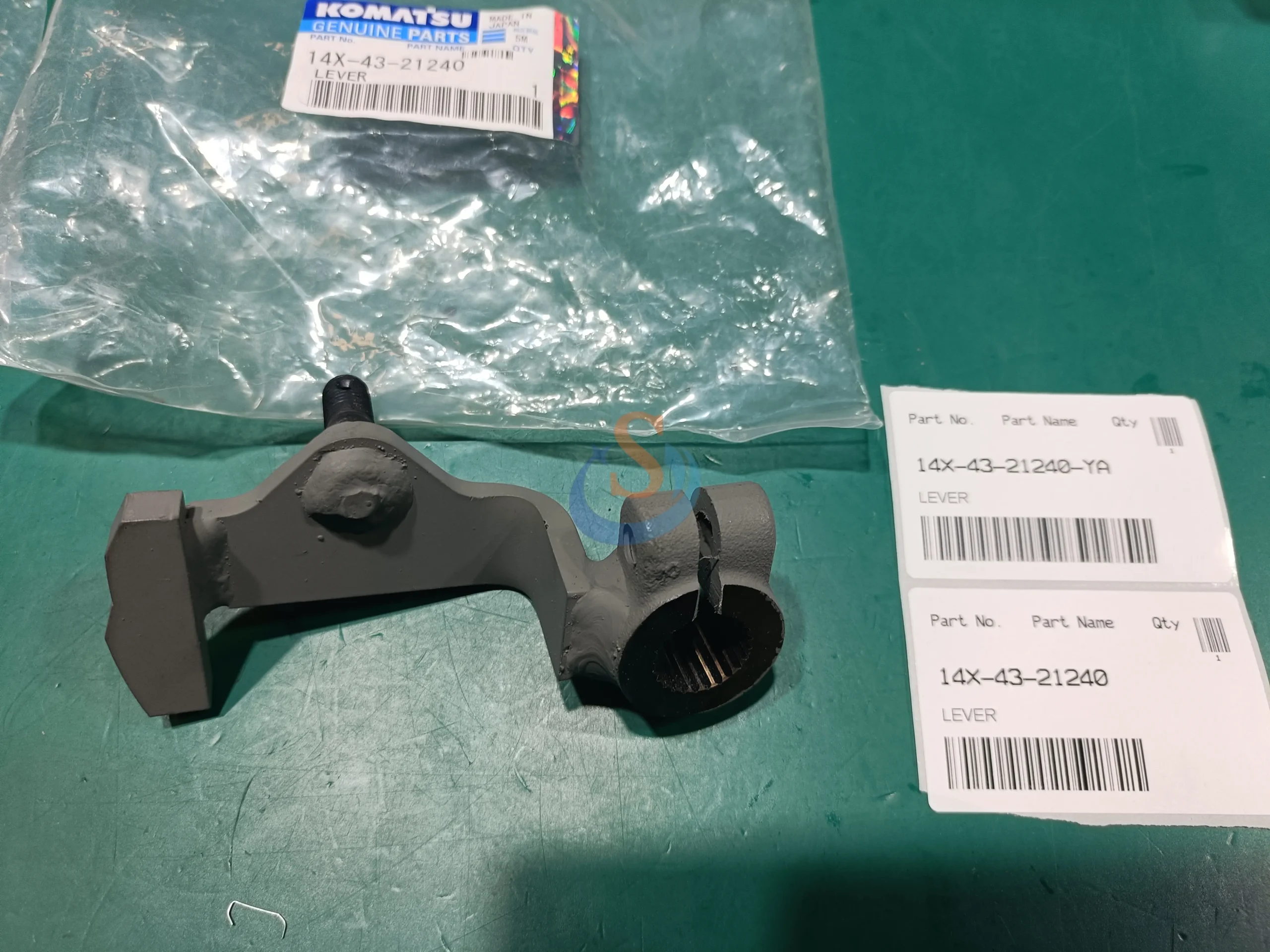 14X-43-21240,LEVER
 -
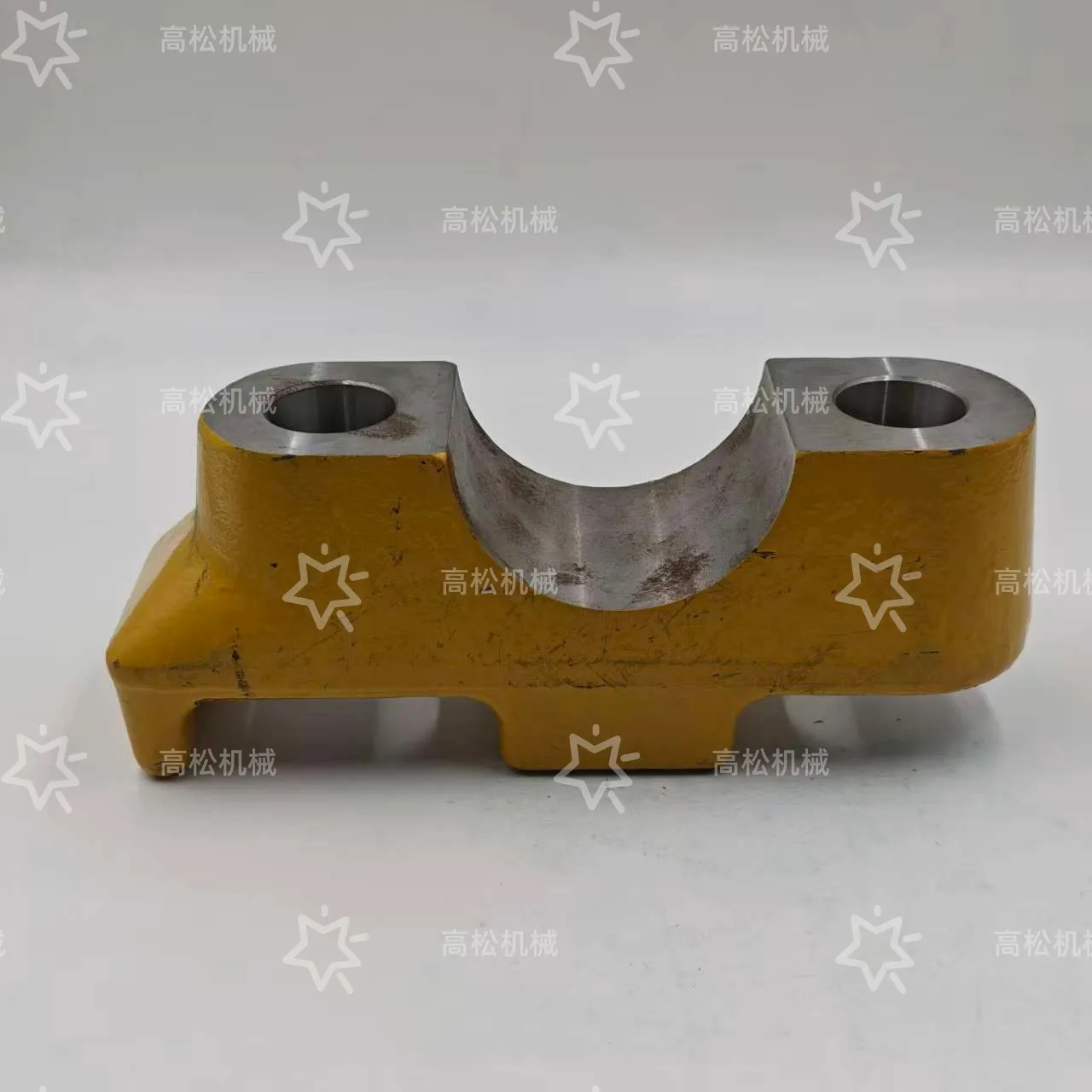 195-30-62141Komatsu Cap 195-30-62141
 -
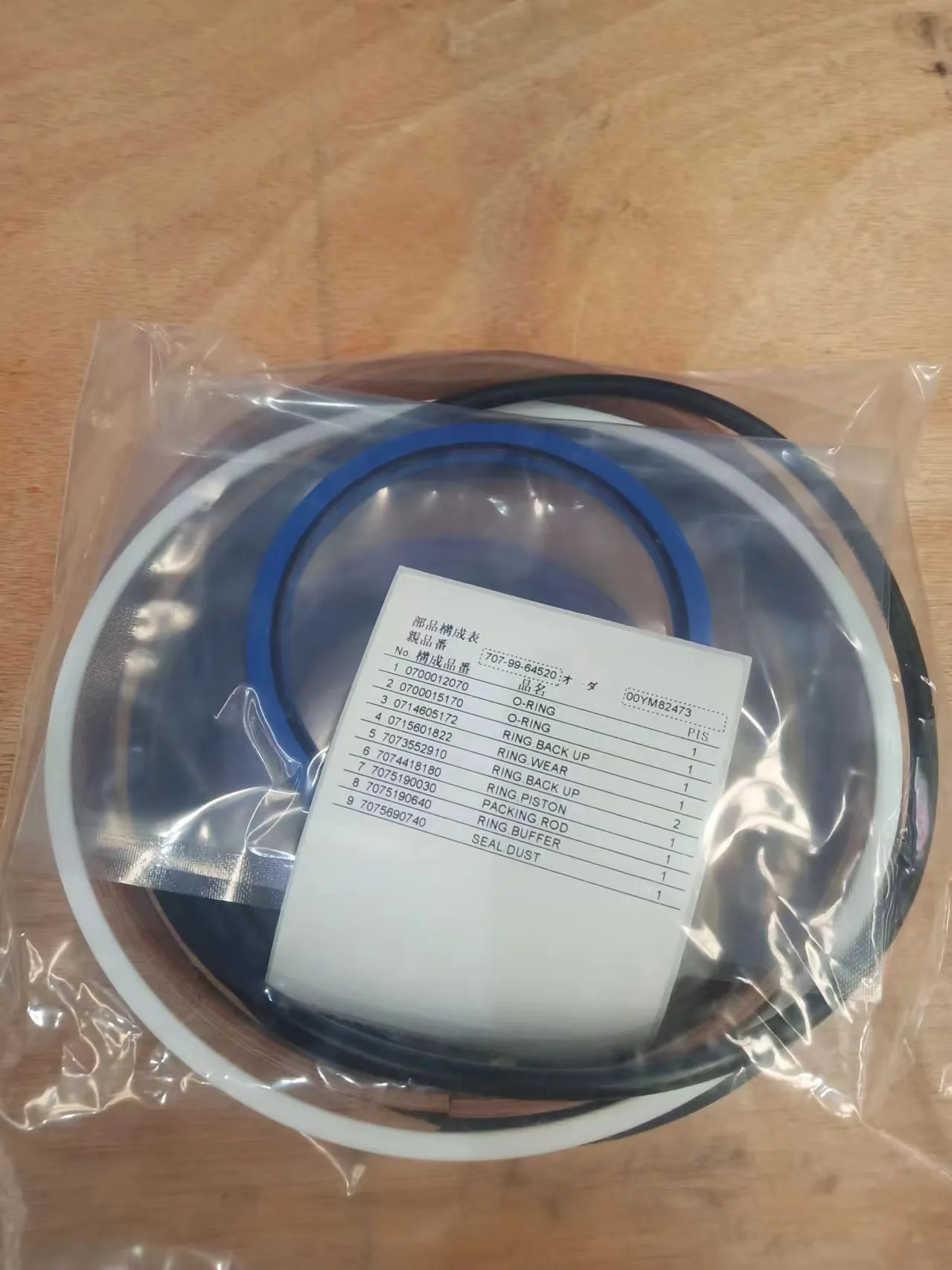 WA380-3 Repair Kit 707-99-64520
 -
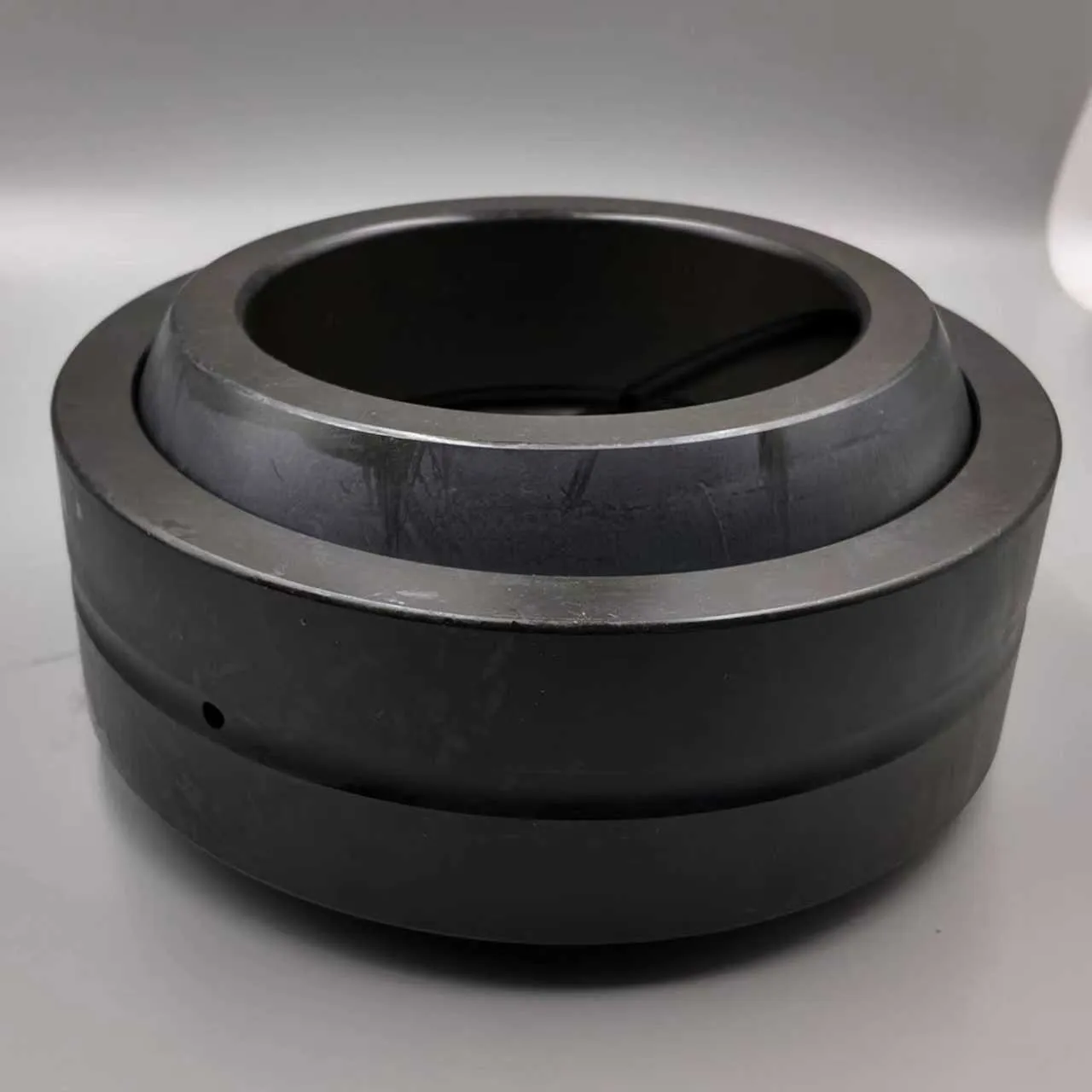 707-46-14010 • BUSHING-Komatsu Original Factory
 -
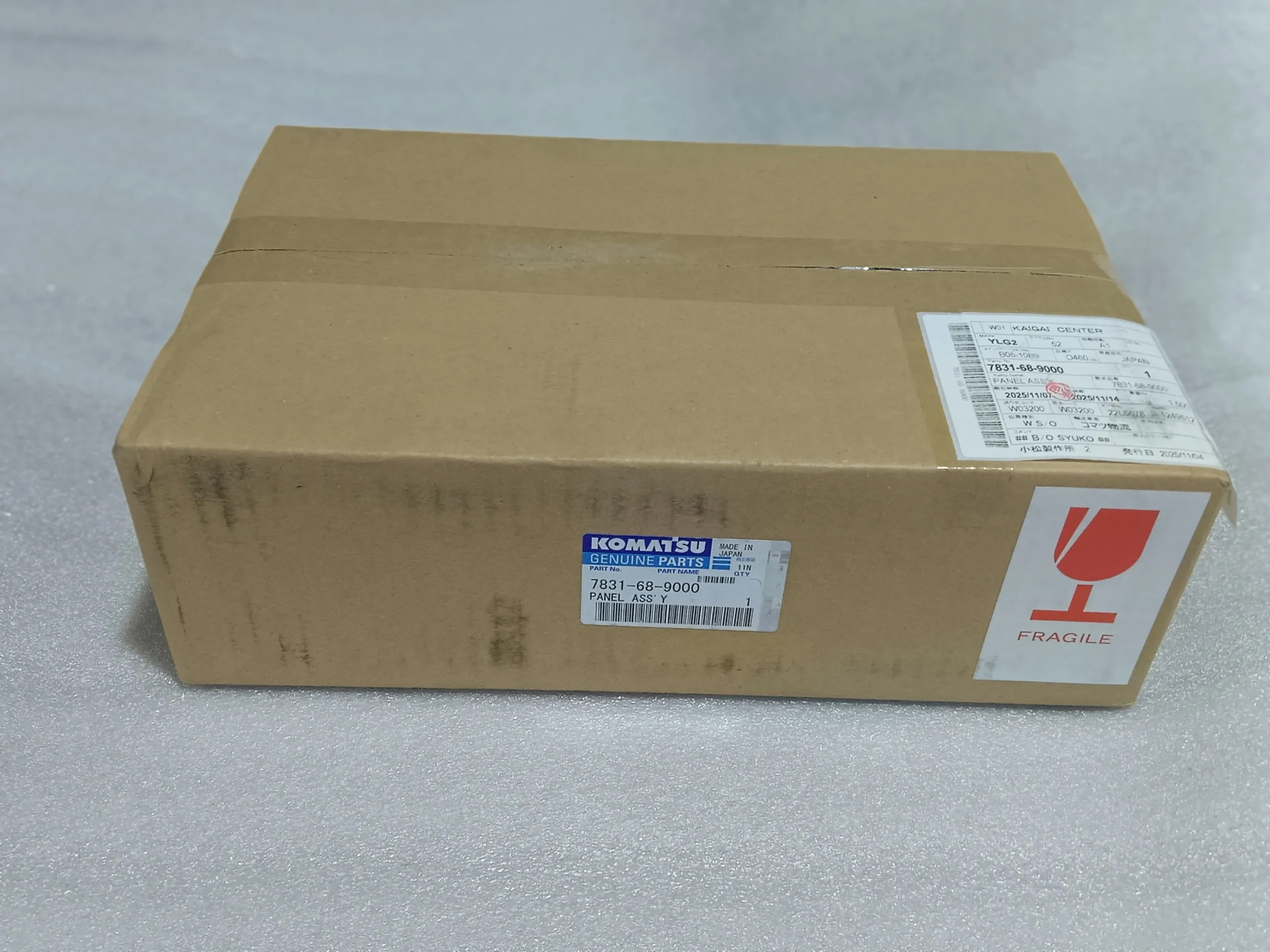 7831-68-9000 PANEL ASS’Y
 -
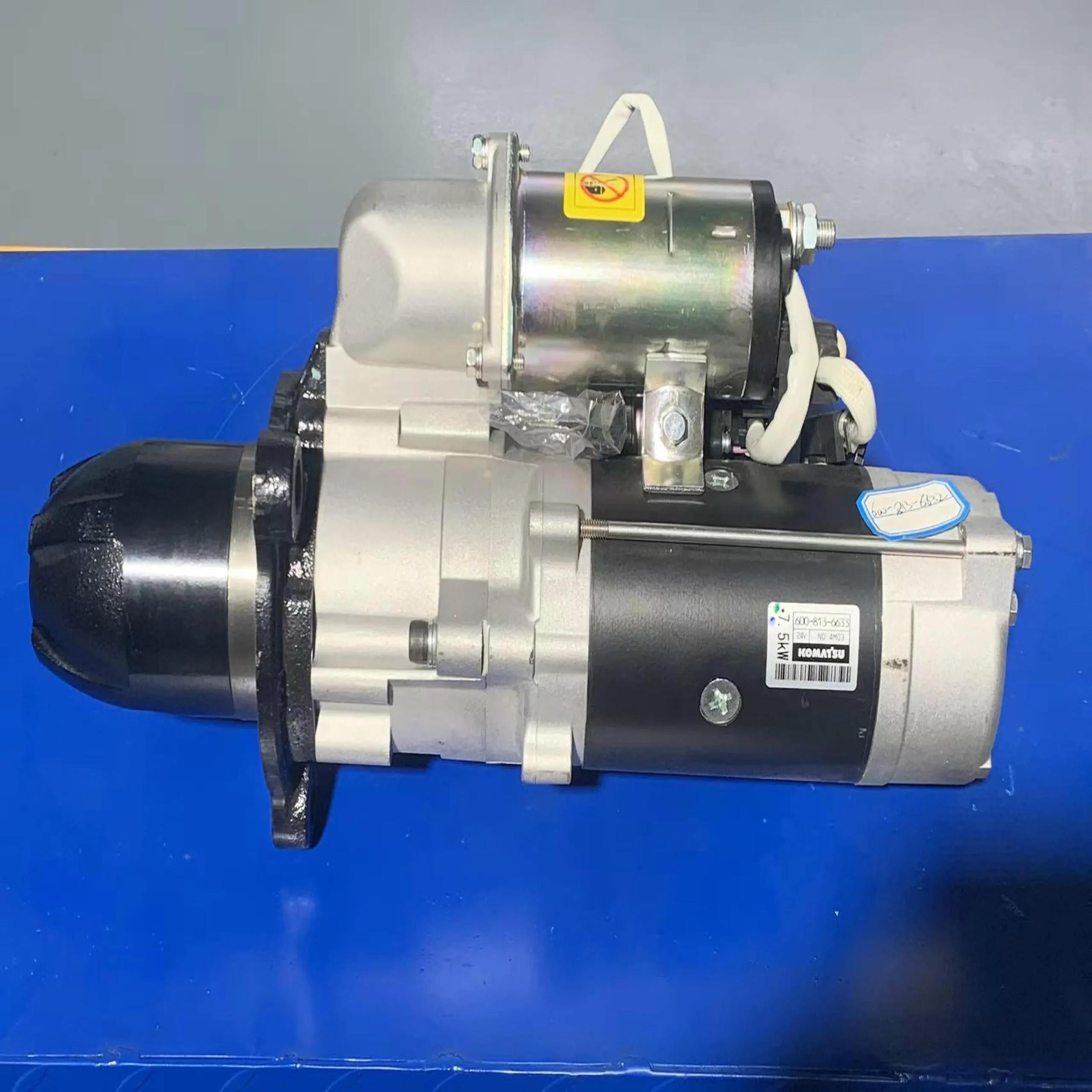 608-813-6632 Starter Motor for Komatsu Construction Parts
 -
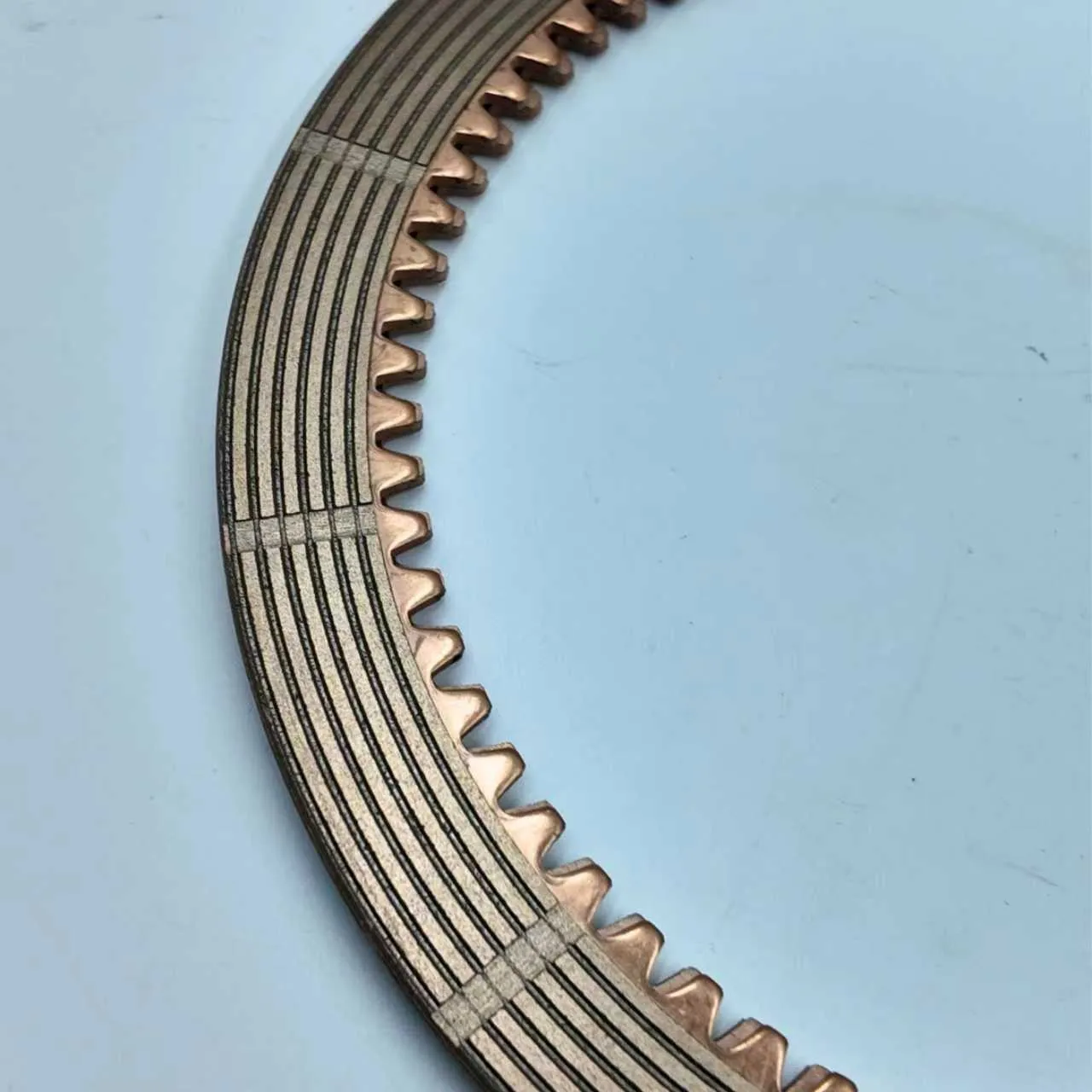 23S-15-12710 Komatsu Disc
 -
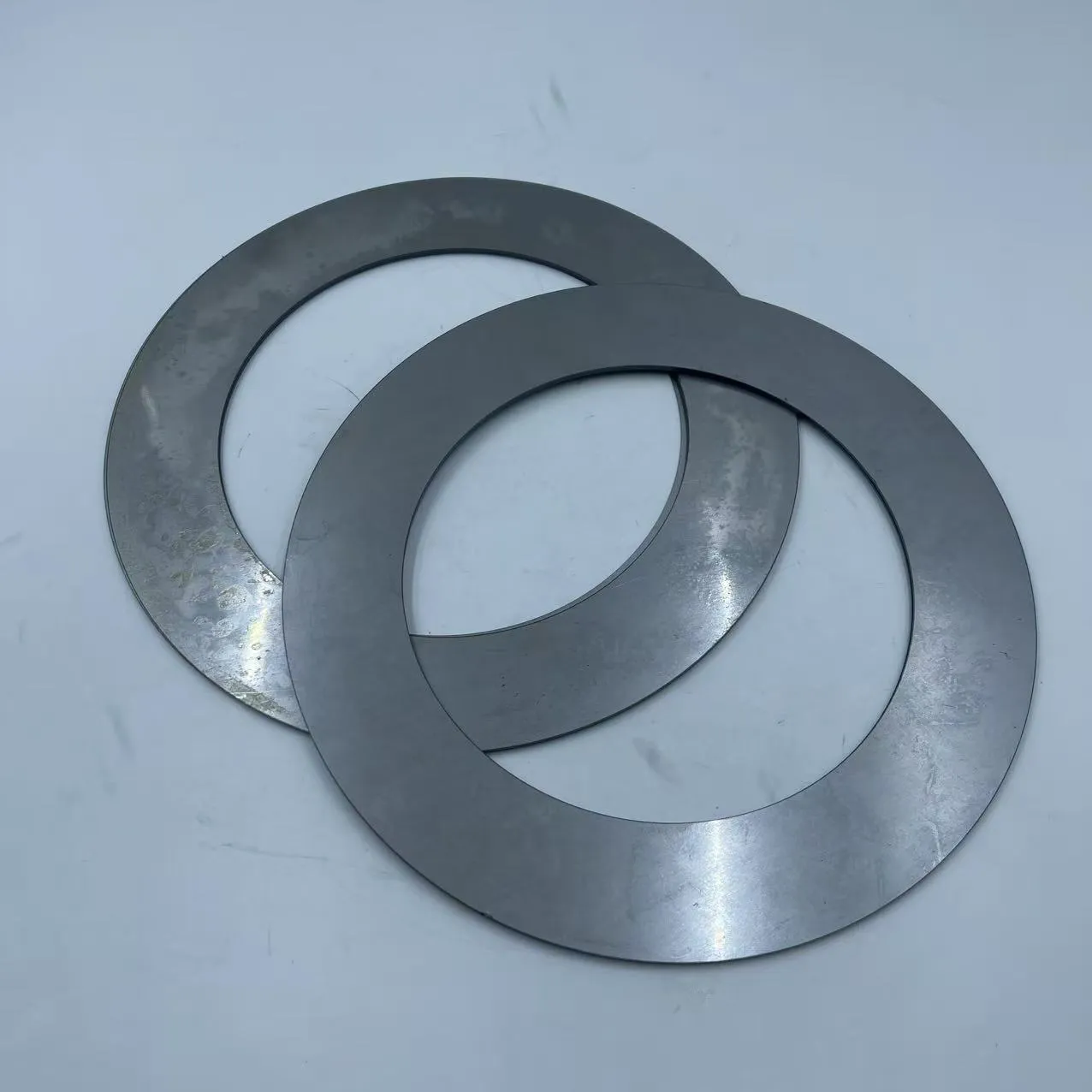 209-939-0070 Komatsu Shim Assembly PC800SE-8EO PC850SE-8EO
 -
 Cover 195-30-62141 for Komats bulldozer D375A
 -
 56D-15-19250 RING
 -
 714-07-12420 •• GEAR¤ 48 TEETH,FORWARD–Komatsu Original Factory
 -
Komatsu PC220-8, PC350-8, PC450-8 excavator filter assemblies 20Y-62-51681 (20Y62-51681, 20Y-625168) (pilot filters