
- Chinese
- French
- German
- Portuguese
- Spanish
- Russian
- Japanese
- Korean
- Arabic
- Irish
- Greek
- Turkish
- Italian
- Danish
- Romanian
- Indonesian
- Czech
- Afrikaans
- Swedish
- Polish
- Basque
- Catalan
- Esperanto
- Hindi
- Lao
- Albanian
- Amharic
- Armenian
- Azerbaijani
- Belarusian
- Bengali
- Bosnian
- Bulgarian
- Cebuano
- Chichewa
- Corsican
- Croatian
- Dutch
- Estonian
- Filipino
- Finnish
- Frisian
- Galician
- Georgian
- Gujarati
- Haitian
- Hausa
- Hawaiian
- Hebrew
- Hmong
- Hungarian
- Icelandic
- Igbo
- Javanese
- Kannada
- Kazakh
- Khmer
- Kurdish
- Kyrgyz
- Latin
- Latvian
- Lithuanian
- Luxembou..
- Macedonian
- Malagasy
- Malay
- Malayalam
- Maltese
- Maori
- Marathi
- Mongolian
- Burmese
- Nepali
- Norwegian
- Pashto
- Persian
- Punjabi
- Serbian
- Sesotho
- Sinhala
- Slovak
- Slovenian
- Somali
- Samoan
- Scots Gaelic
- Shona
- Sindhi
- Sundanese
- Swahili
- Tajik
- Tamil
- Telugu
- Thai
- Ukrainian
- Urdu
- Uzbek
- Vietnamese
- Welsh
- Xhosa
- Yiddish
- Yoruba
- Zulu
- Kinyarwanda
- Tatar
- Oriya
- Turkmen
- Uyghur





OEM AND ORIGINAL KOMATSU WIRING HARNESS 198-06-62221
Look, if you're searching for the wiring harness, you're probably in a bind. A machine's down, and you need the part that won't come back in six months. There's a lot of noise out there about OEM and original, especially with electrical components. I've seen guys buy a harness labeled OEM only to find the connector housings are a different shade of yellow, or the wire gauge feels just a bit off. It's not always counterfeit; sometimes it's about the supply chain you're tapping into. That's where understanding the actual source matters.
The Nuance of OEM in the Komatsu World
When we say OEM AND ORIGINAL KOMATSU WIRING HARNESS, it's not a single definition. Komatsu doesn't solder every wire themselves. They have a network of approved manufacturers who build to their exact prints and specs. A true OEM part comes from that network. The problem is, after a model ages or a regional supply dries up, those exact units get scarce. Companies like Jining Gaosong Construction Machinery Co., Ltd. operate in this space. They're an OEM product supplier within the Komatsu system, which is a key distinction. It means they have access to the same manufacturing channels, sometimes even the same factory runs, as the parts that would go to Komatsu's own distribution. It's not aftermarket; it's parallel.
I remember a D65EX-12 where the harness had chafed against the hydraulic line. The dealer quote was astronomical with a 90-day lead time. We sourced one through a third-party channel that claimed it was original. The part number was perfect, the labeling looked right, but the loom tape was less pliable. It worked, but it felt like a compromise. That's the gamble. The goal is to eliminate that gamble.
This is why their role as a third-party sales company for Komatsu is critical. They aren't just an alternative; they're a relief valve for the official pipeline. When the main distributor in a country has inventory issues or has phased out support for older models, they help to solve parts supply challenges. You're not buying a mystery box; you're buying from a conduit that understands the OEM blueprint.
Why the is More Than Just Wires
This specific harness isn't a simple battery cable. It's often a main body or engine compartment harness, integral to the machine's logic. Getting it wrong means communication errors between controllers, sensor ghosts, or worse, a short that takes out an ECU. I've been burned before. A compatible harness for a PC200 used thinner insulation. It passed a bench test, but under the hood in Southeast Asian heat, it became brittle and cracked within a year. The downtime cost eclipsed any part savings.
The devil is in the details: the crush seals on the grommets, the temperature rating of the sleeve, the exact pin-out of the Deutsch or Yazaki connectors. An authentic ORIGINAL KOMATSU WIRING HARNESS will have these details locked down. The from a verified source like takematsumachinery.com should arrive with the correct sub-assemblies already terminated. You shouldn't have to splice in the canopy connectors yourself.
We tried a rebuild once on a similar harness. Sent it to a specialist who promised OEM-spec wire. The repair was beautiful, but the impedance on the CAN bus lines was inconsistent. The machine threw intermittent codes for months until we bit the bullet and found a new-old-stock unit. Sometimes, a full, integrated harness is the only path.
Practical Sourcing and Verification
So how do you verify what you're getting? First, forget just matching the part number. Anybody can laser-etch onto a sleeve. Ask for the manufacturer's batch code or the Komatsu system label. A legitimate supplier should be transparent. When I've engaged with Jining Gaosong, their technical specs usually list not just the part number, but the applicable serial number ranges for the machine. That's a good sign. It shows they're referencing the same technical bulletins a dealer would.
Second, inspect the connectors. The original ones will have the maker's mark (like YAZAKI, SUMITOMO) molded in, not ground off. The copper terminals should be clean and precisely formed, not slightly misshapen. A quick check of their site, https://www.takematsumachinery.com, often shows these details in their product images—close-ups of the connectors and labels. If they're willing to show that, they're confident in the provenance.
Lead time is another tell. If someone promises the next day from a warehouse in a different continent, be skeptical. A genuine part from within the system might have a short logistical delay, as it's often moving from a specialized warehouse or a factory partner. Their business model is built on bridging that gap, not magic inventory.
Cost vs. Value: The Real Calculation
Yes, a true OEM AND ORIGINAL harness will cost more than a generic. But the calculation isn't invoice price vs. invoice price. It's total cost of ownership: installation time (a perfect-fit harness drops in), machine uptime, and risk mitigation. I've seen a $500 savings on a harness lead to three days of diagnostic hell and a $3000 controller replacement. It's a false economy.
Using a supplier that is embedded in the Komatsu system offers a middle ground. The price is often more competitive than the primary dealer, especially for older models, but the part integrity is preserved. You're paying for the supply chain access and the quality assurance, not just the brand markup. For a fleet manager, that's the sweet spot.
It comes down to trust. You develop a shortlist of suppliers who have proven they understand the difference between a part that fits and a part that functions identically. For critical electrical components, that distinction is everything. The is one of those components where cutting corners is never worth the headache.
Final Thoughts on Sustainable Supply
The market for parts like these is a reflection of the industry's lifecycle. Machines outlive their official support in many regions. Entities that fill this void responsibly, by providing authentic OEM-spec parts, are invaluable. They keep equipment running to its intended lifespan. It's not just about selling a wiring harness; it's about maintaining the integrity of the machine's entire electrical system.
My advice? Build relationships with a couple of specialized suppliers. Ask them pointed questions about origin. Request high-res photos of the actual part before shipping. A reputable one, like the company mentioned here, won't balk at that. They know what's at stake for you.
In the end, the keyword OEM AND ORIGINAL KOMATSU WIRING HARNESS is a search for certainty. It's a search for the part that doesn't just plug in, but works as if it never left Nagoya. That's the standard, and it's what you should settle for.
Related Products
Related Products
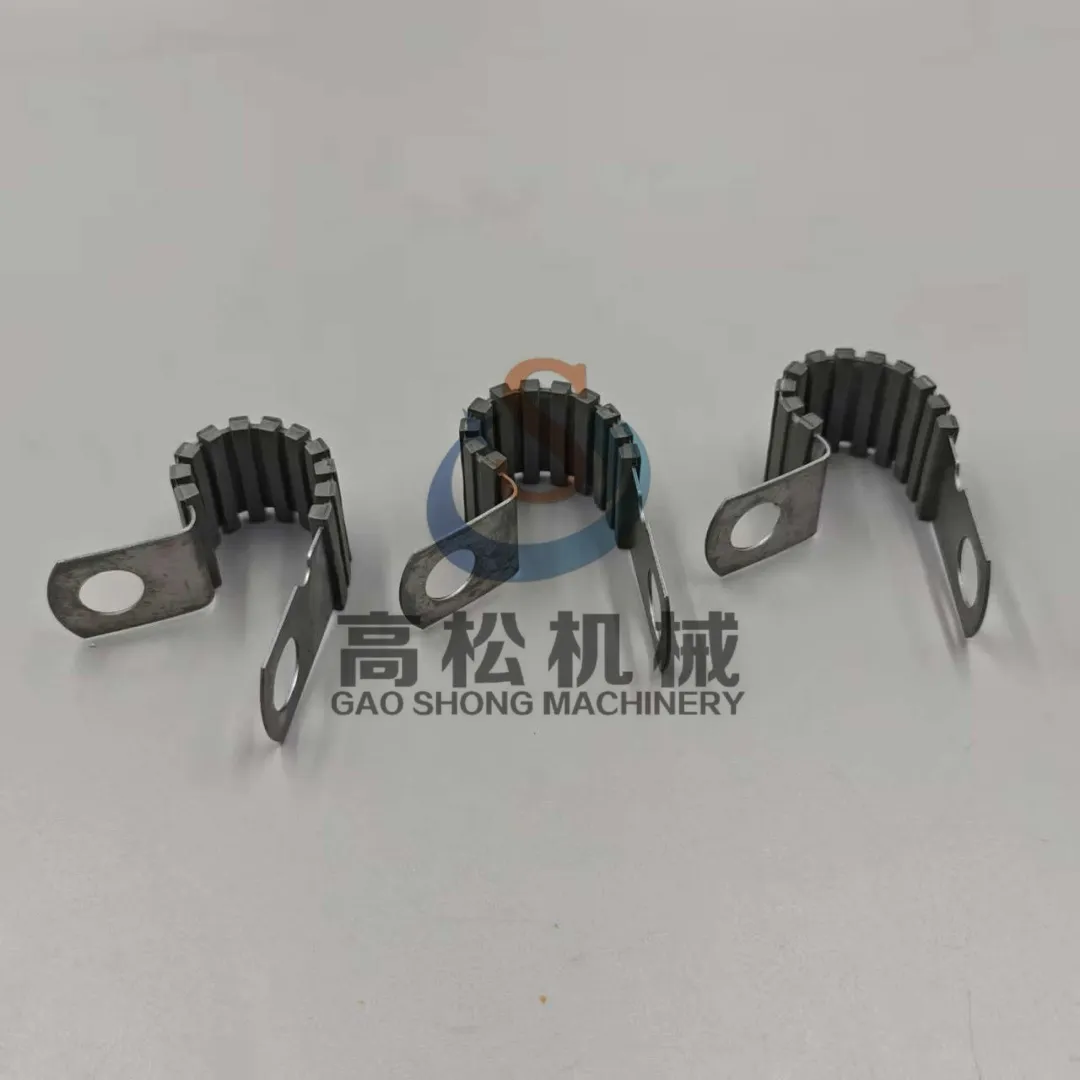
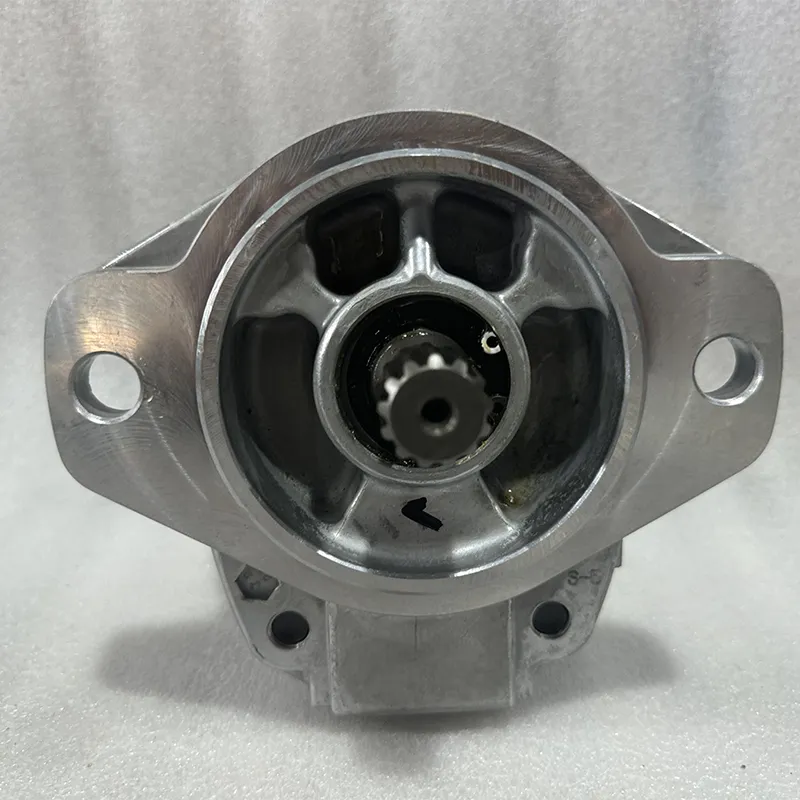
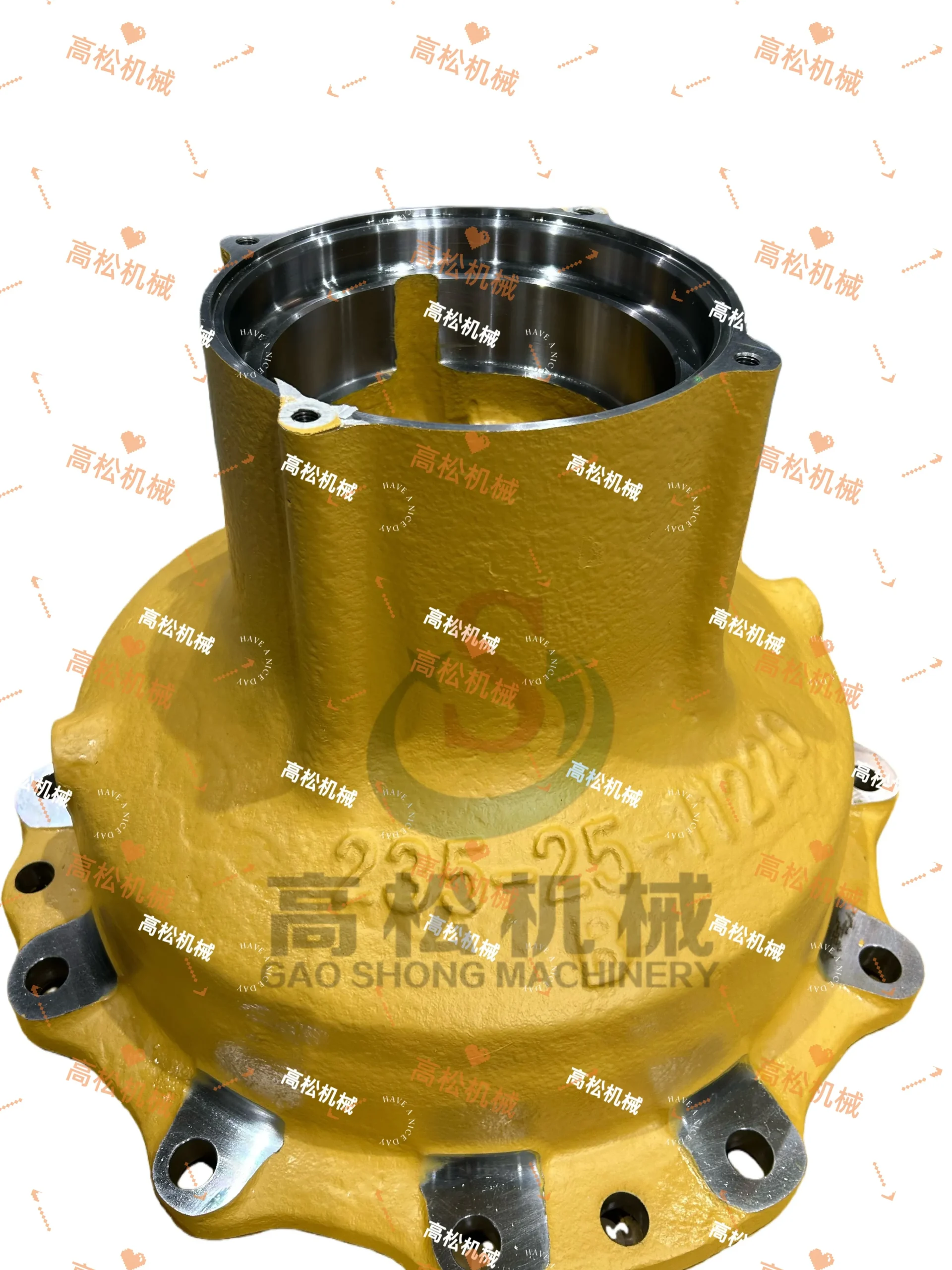
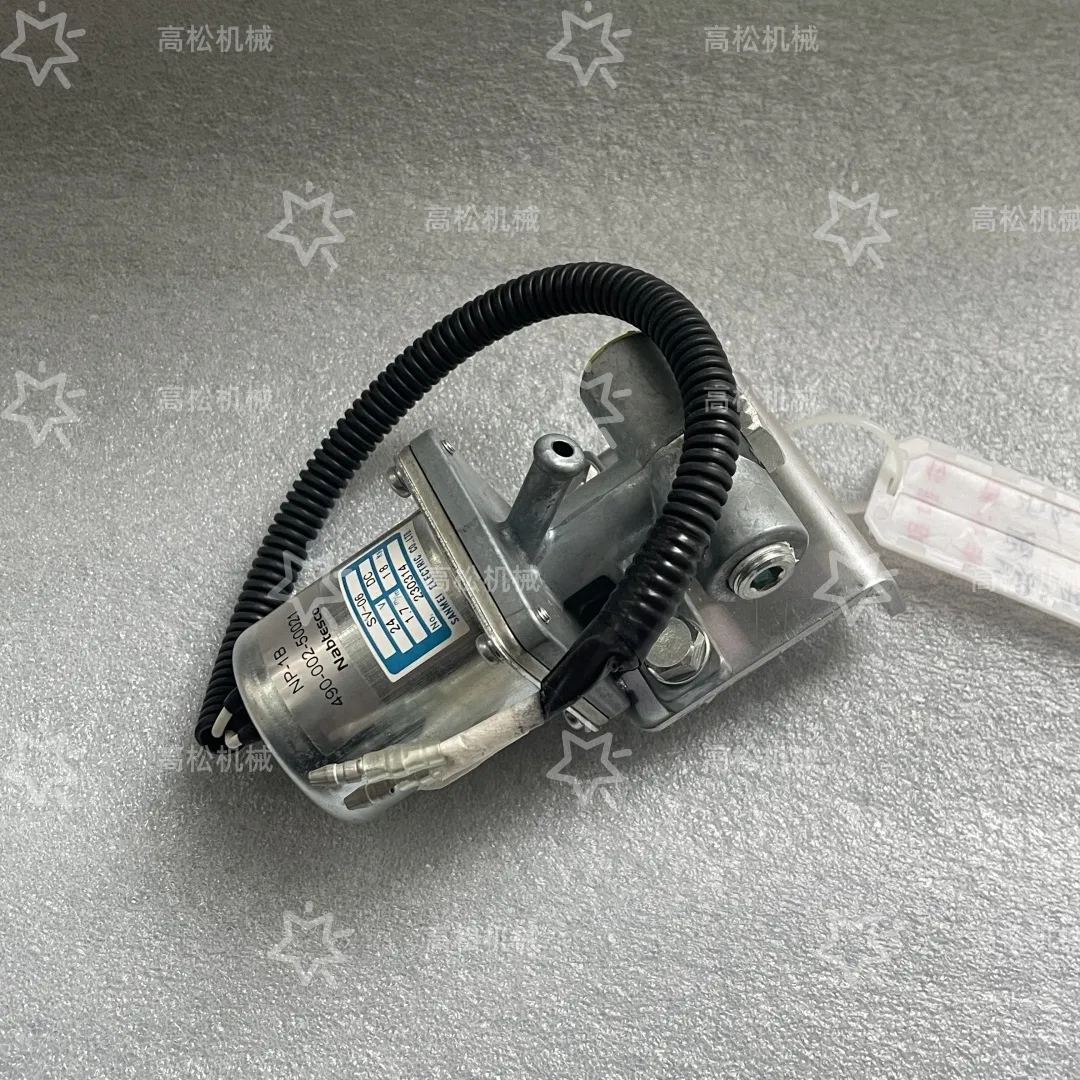
Best Selling Products
Best Selling Products-
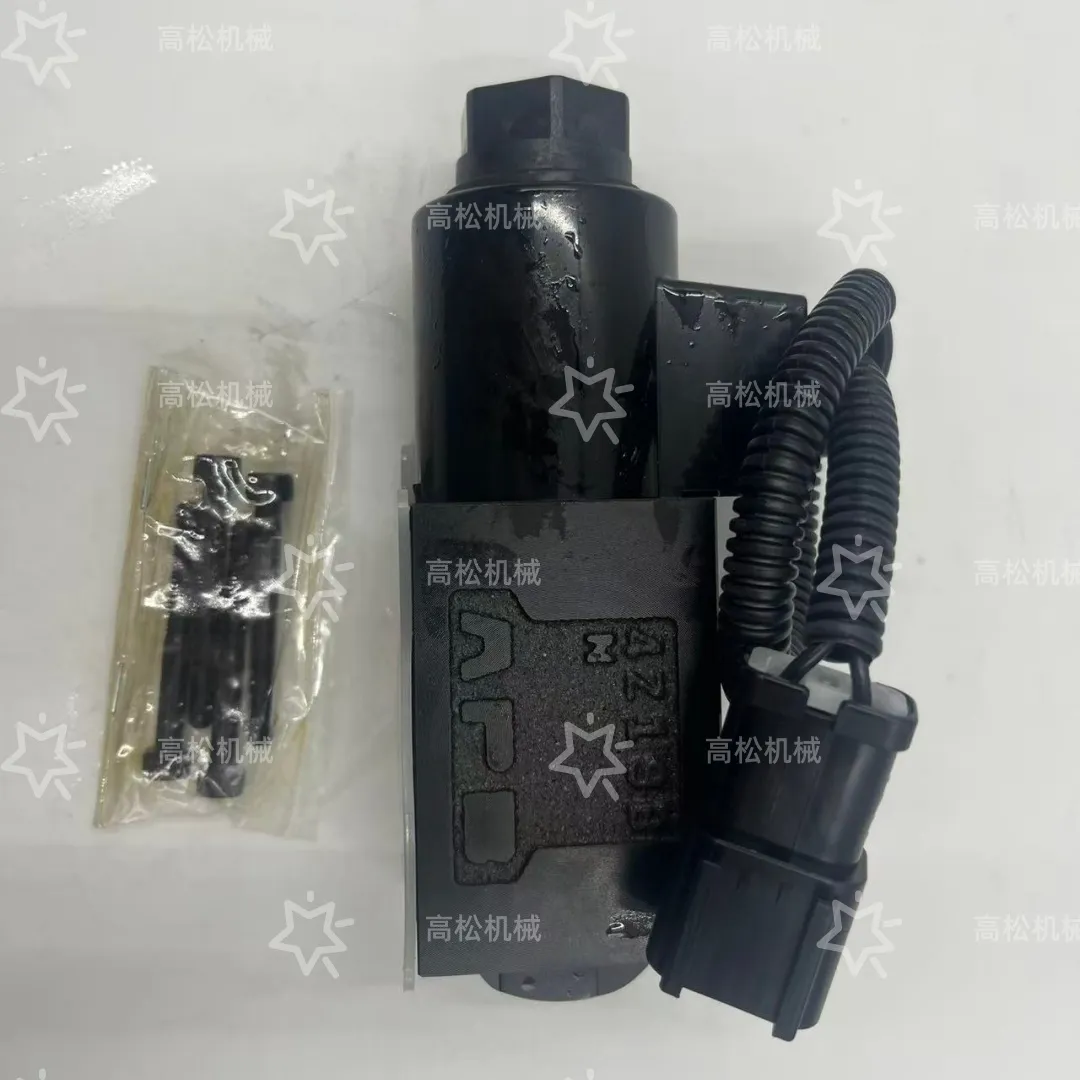 23W-60-28230 VALVE ASSEMBLY,SOLENOID – Komatsu
 -
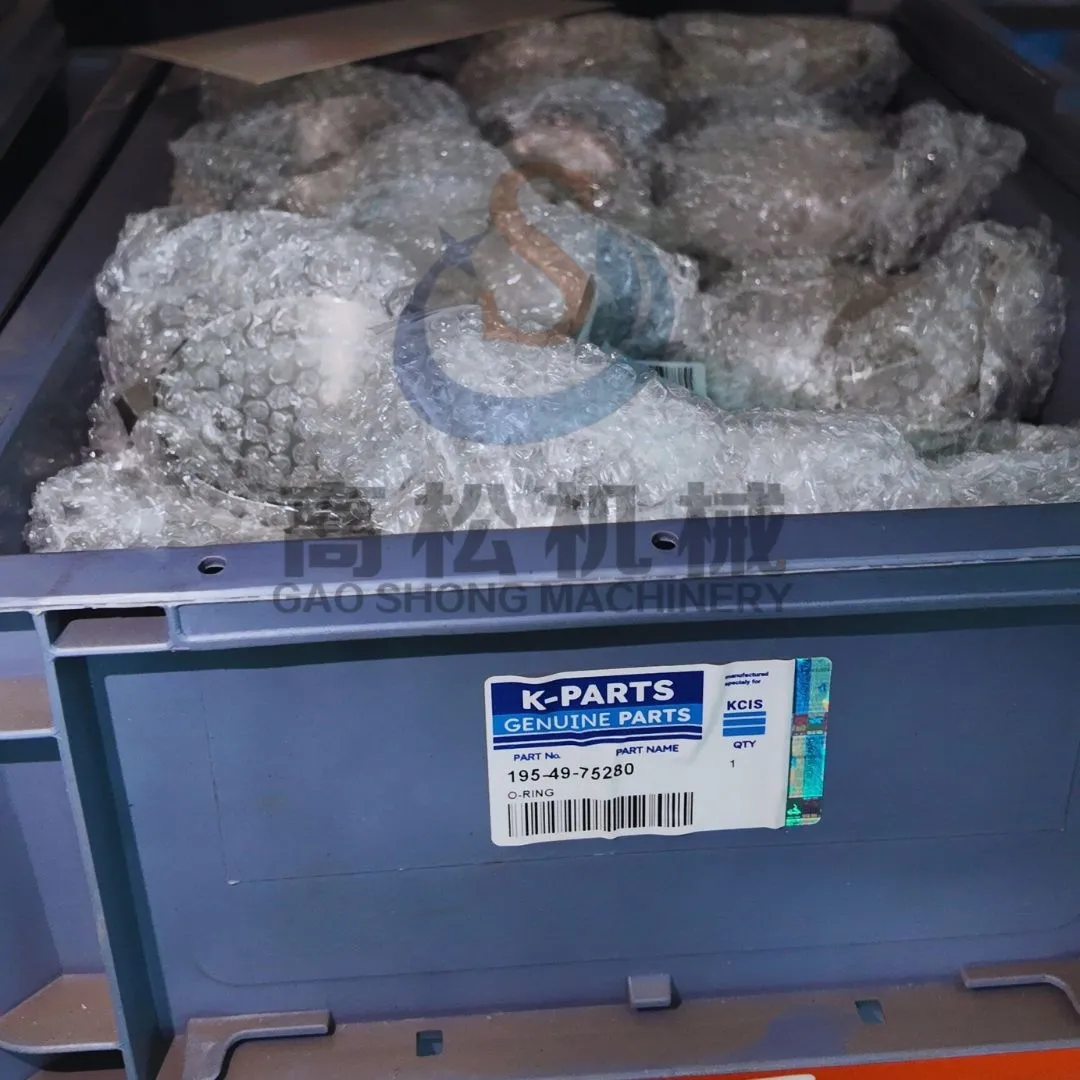 195-49-75280 Komatsu O-ring
 -
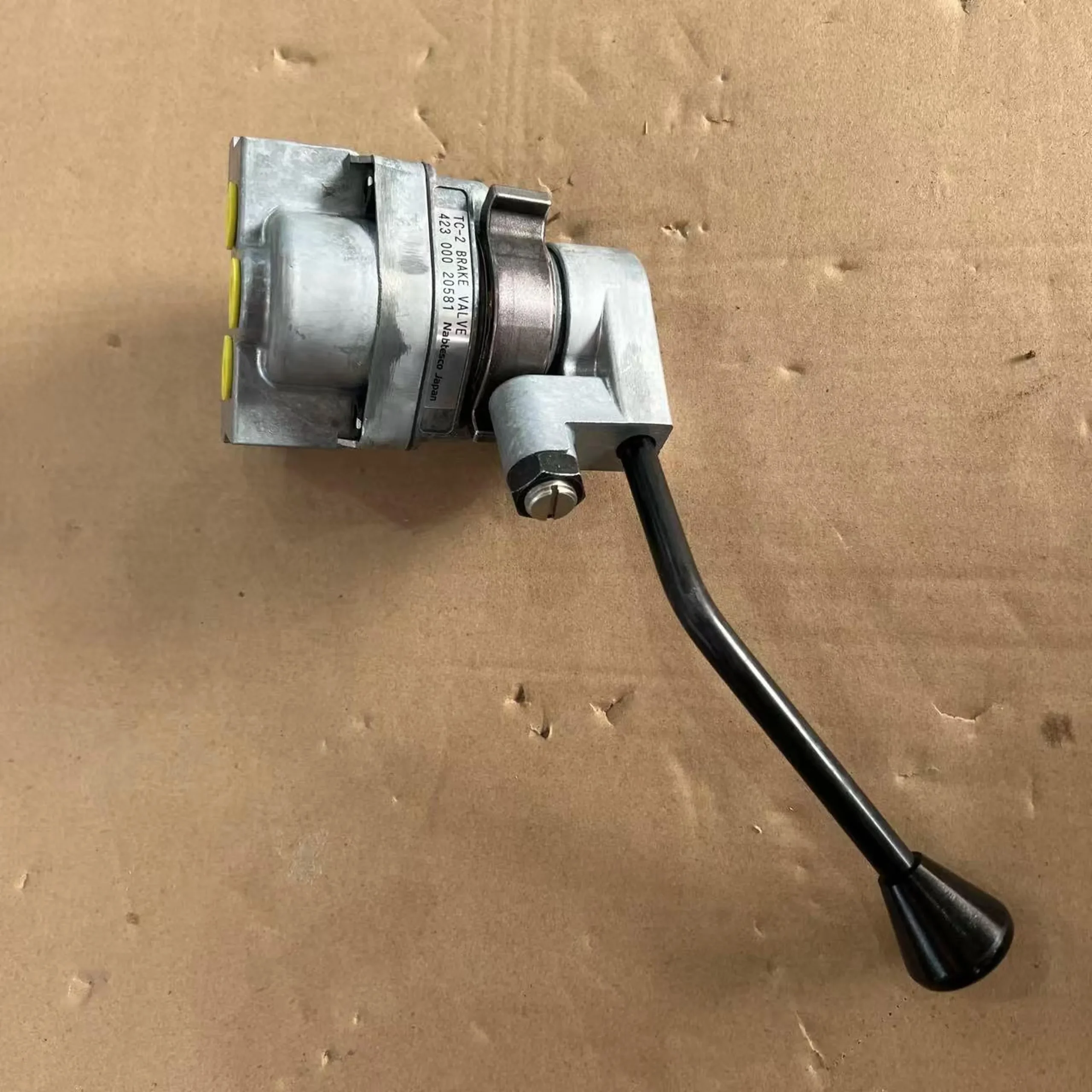 Brand New and Original RETARDER VALVE ASS’Y 561-35-62203 Valve Assembly for komatsu HD605-5 HD465-5 HD405-6 Dump Trucks
 -
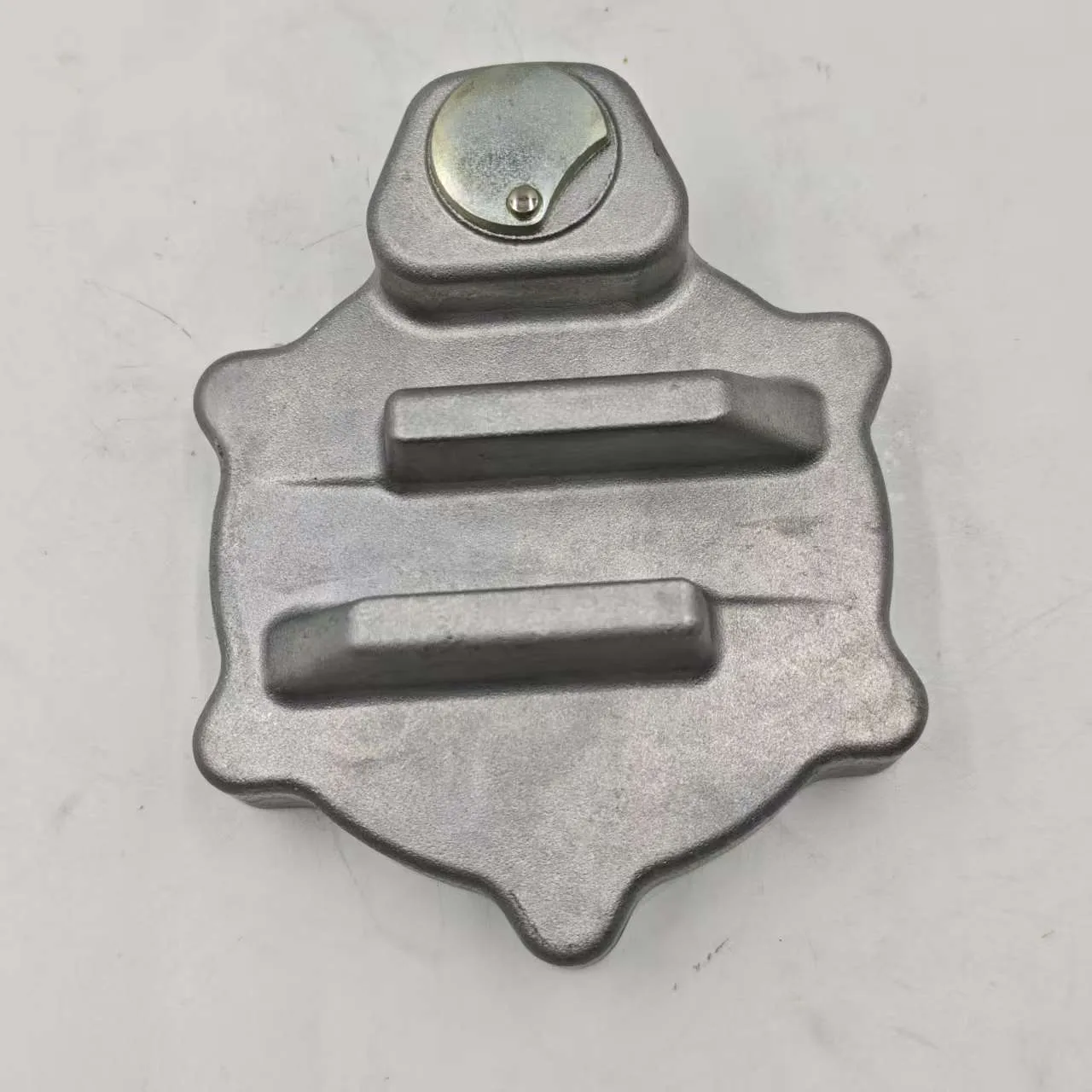 07053-10000 Cap-Radiator Fits KOMATSUU Models
 -
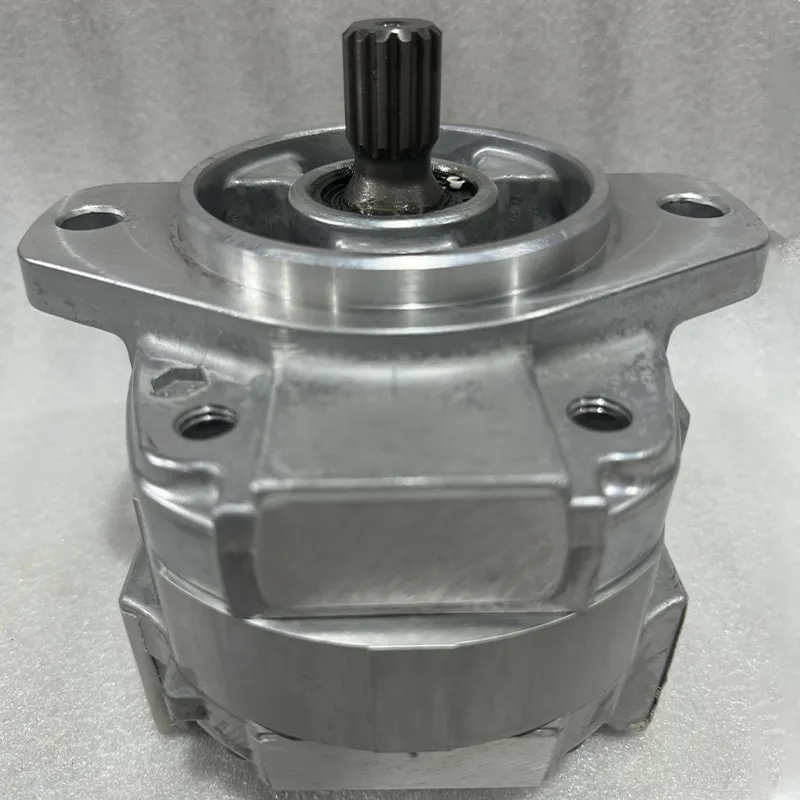 6156-71-1131 6156-71-1132Pump Compatible For 6D125 SA6D125E Engine Komatsu PC450-8 Excavator
 -
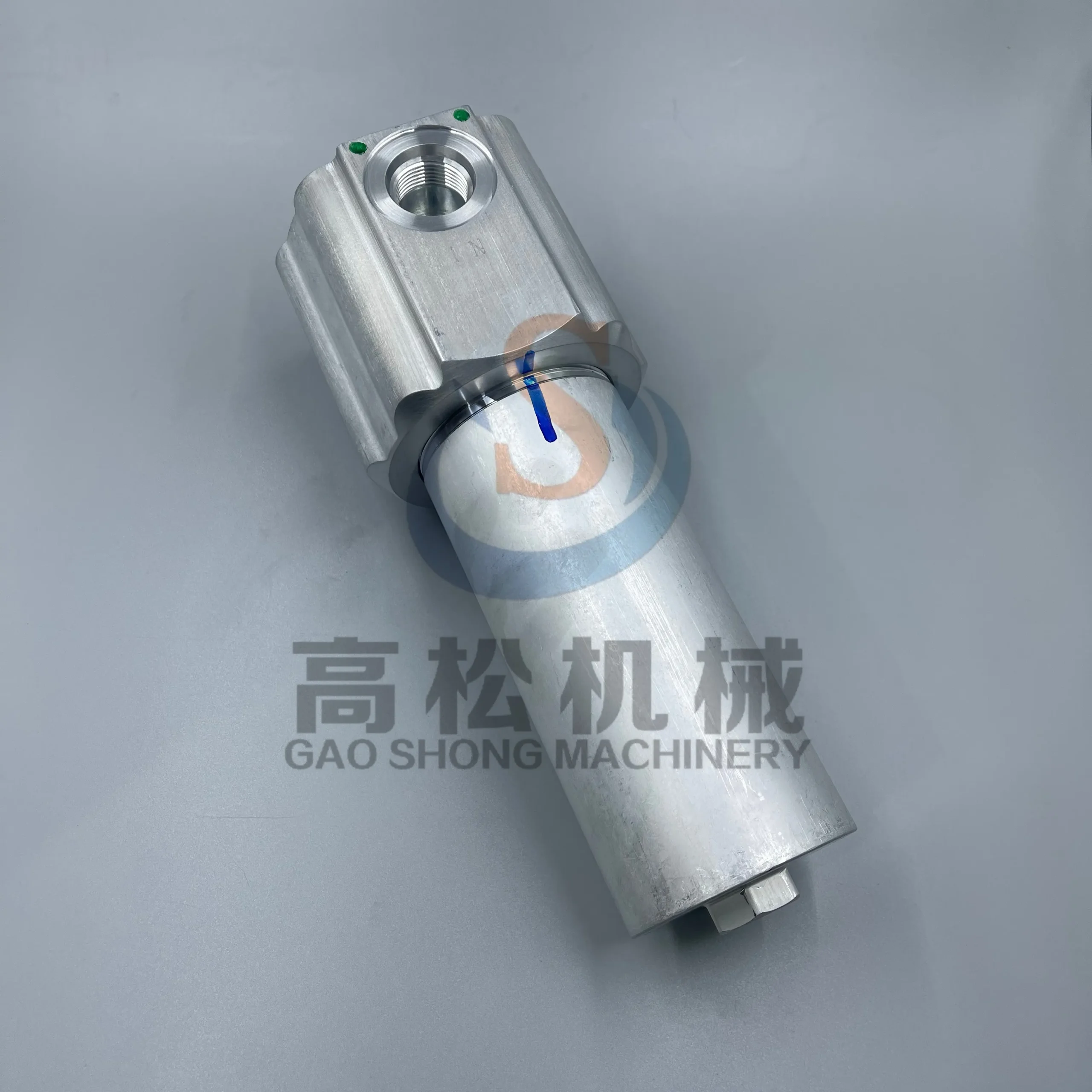 569-43-83911 Komatsu Filter Assembly
 -
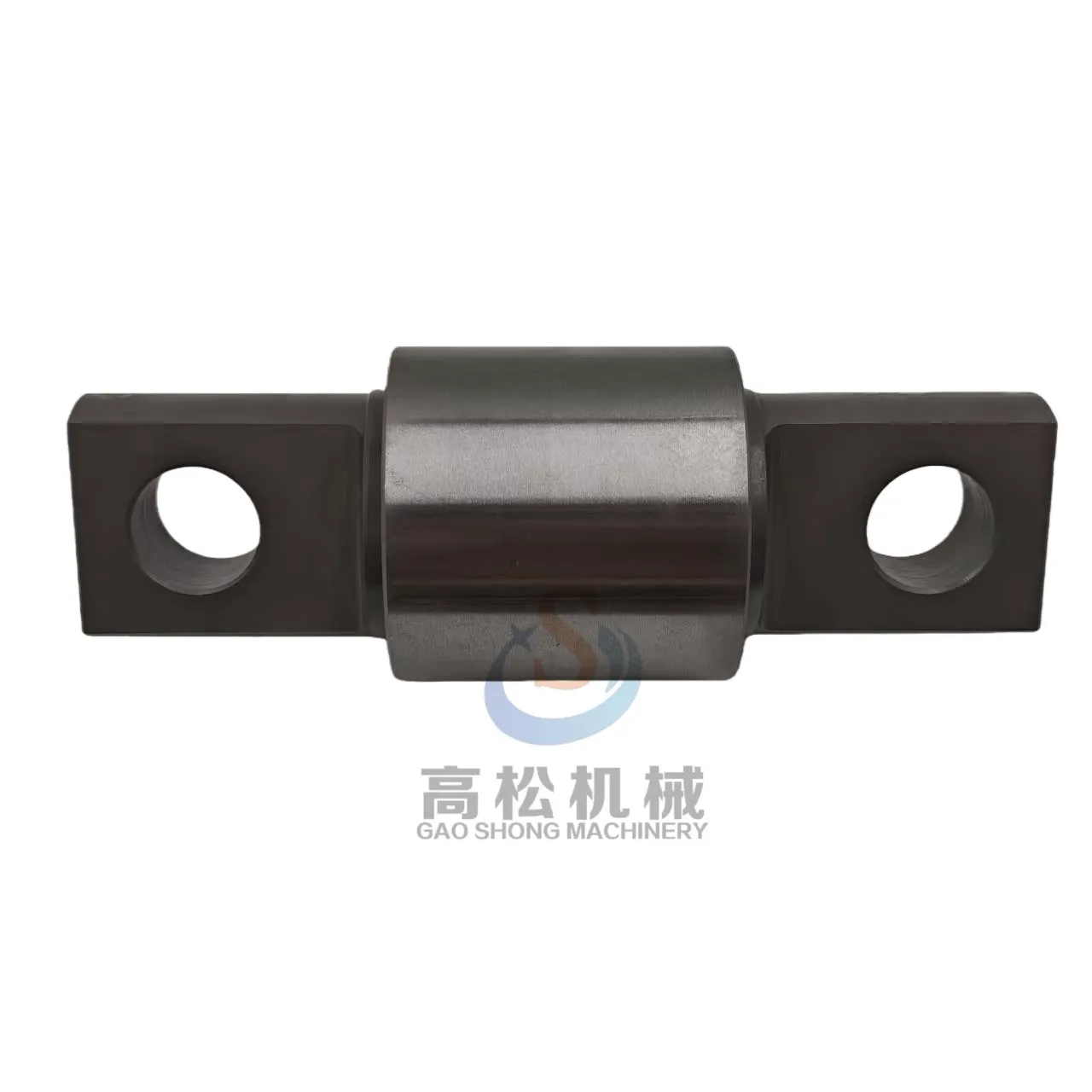 56B-16-11211 CUSHION HM350-2 HM350-2R HM400-3R HM400-2 HM400-1 FRONT DIFFERENTIAL MOUNTING
 -
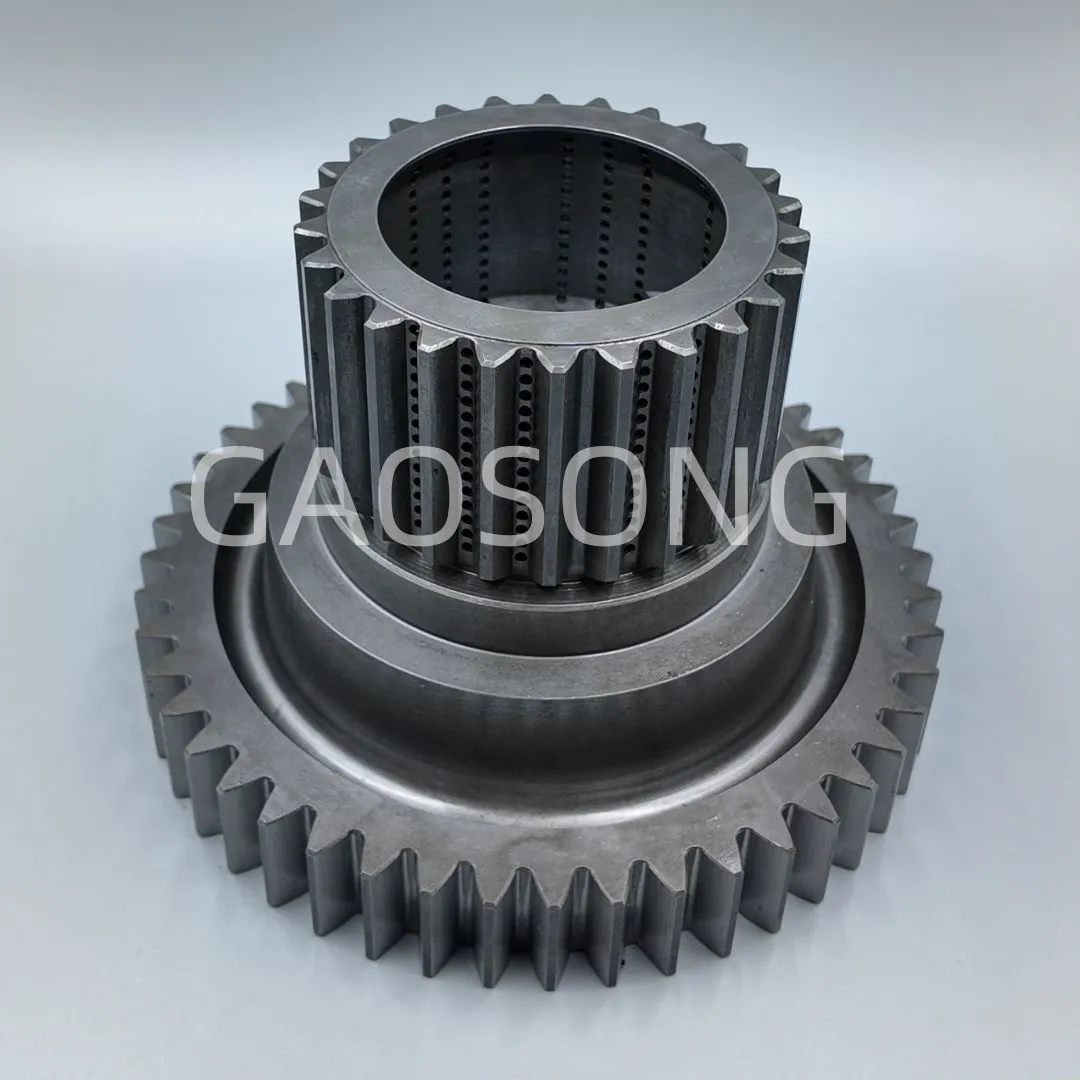 714-07-12420 •• GEAR¤ 48 TEETH,FORWARD–Komatsu Original Factory
 -
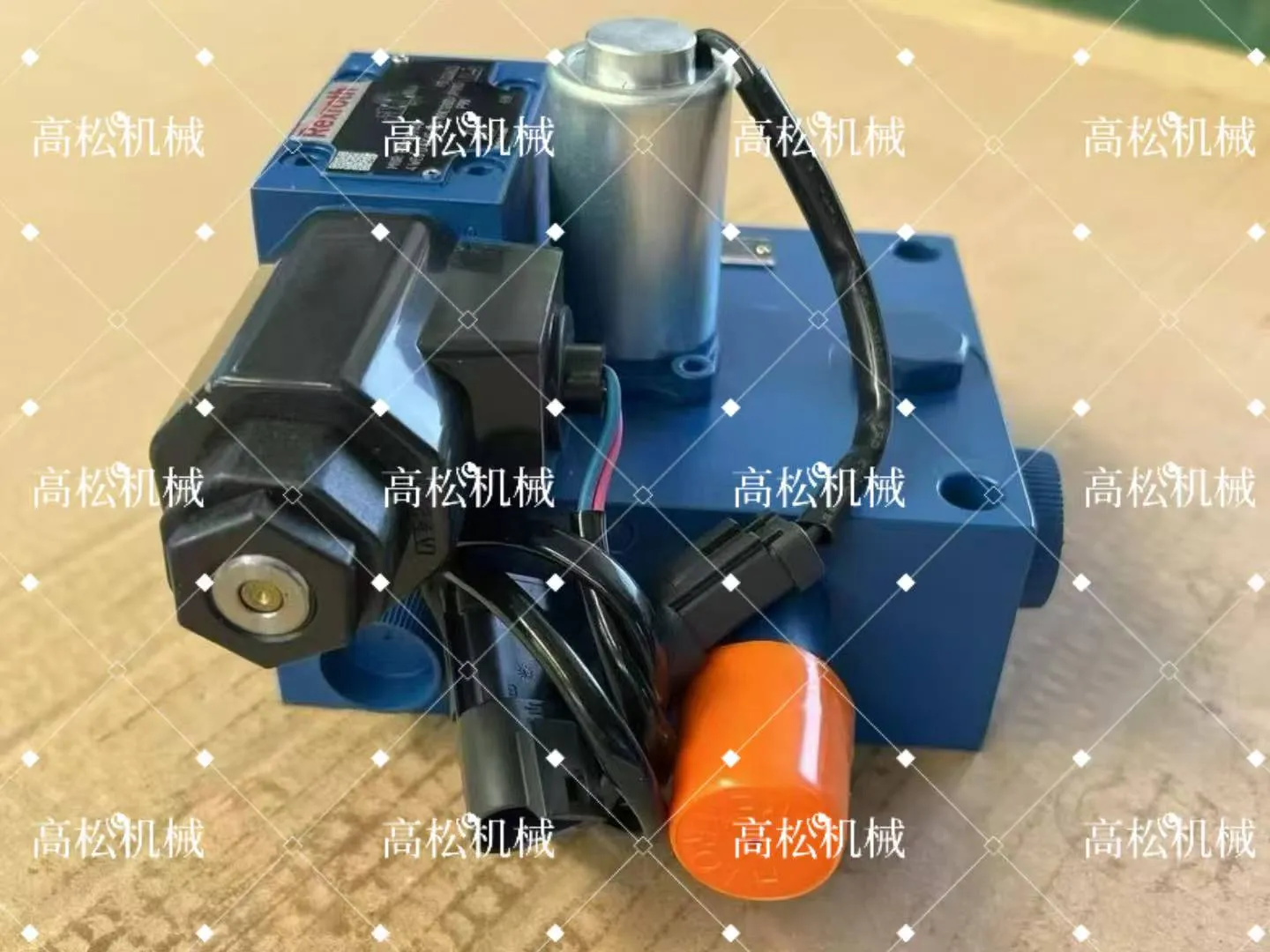 New available valve assembly hm300-5 for charging the hydraulic battery 56d-43-37101 for earth-digging machinery of komatsu
 -
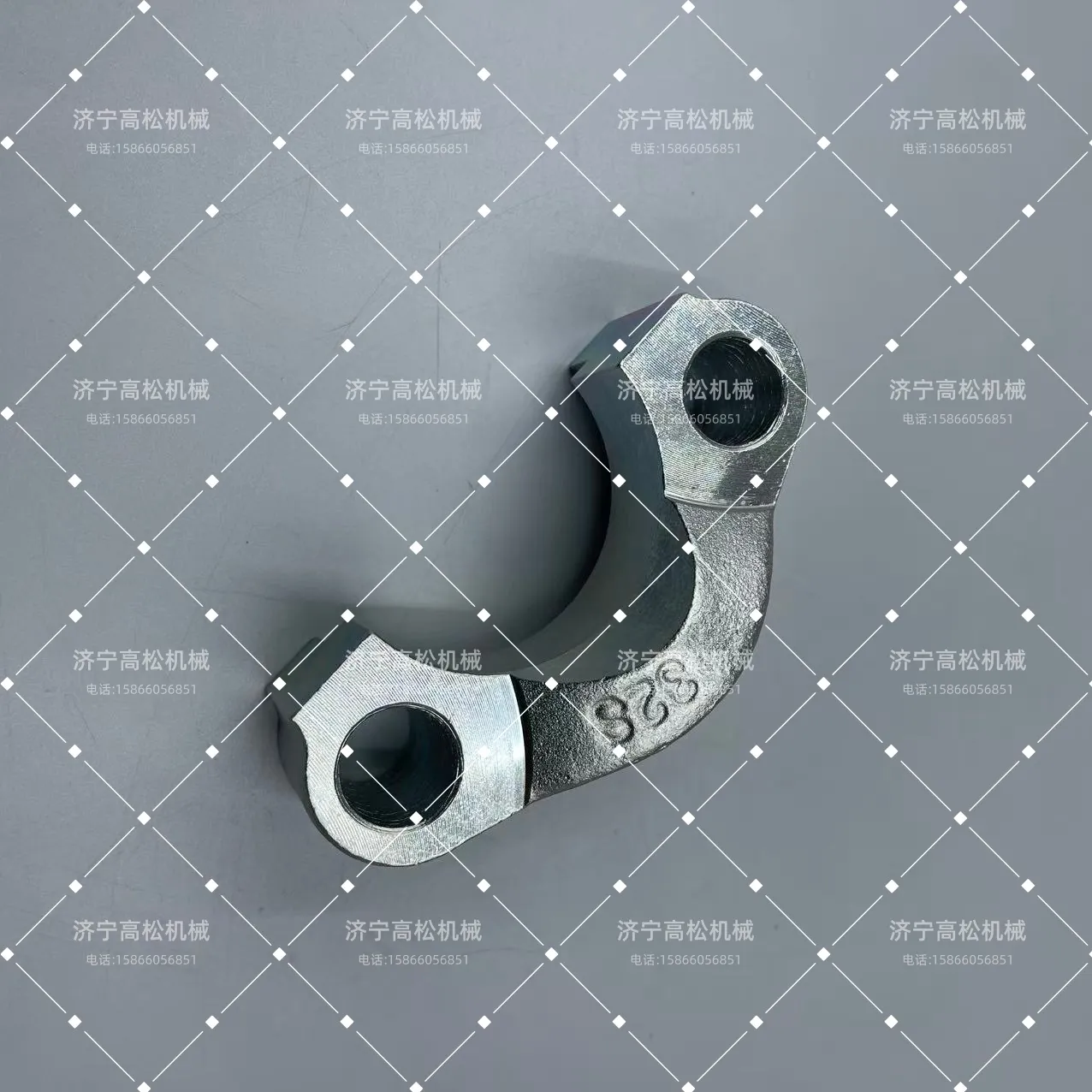 07371-52080 Komatsu FLANGE | AGA Parts
 -
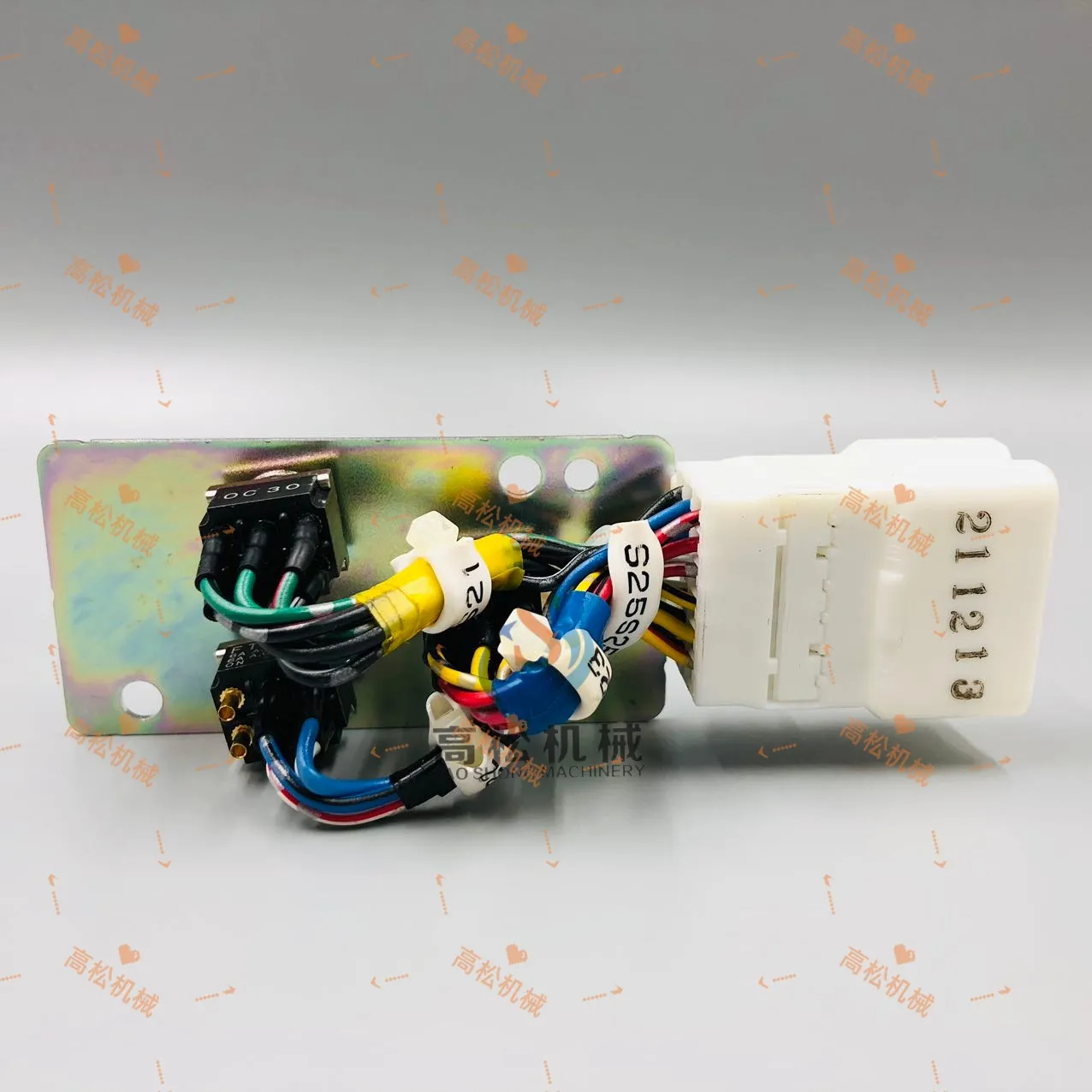 22u-06-22370 Komatsu PC228us-3 SWITCH ASS’Y submit for PC200LL, PC220LL, PC228, PC228US, PC270, PC270LL, PC300, PC300HD, PC300L, PC340, PC350, PC380
 -
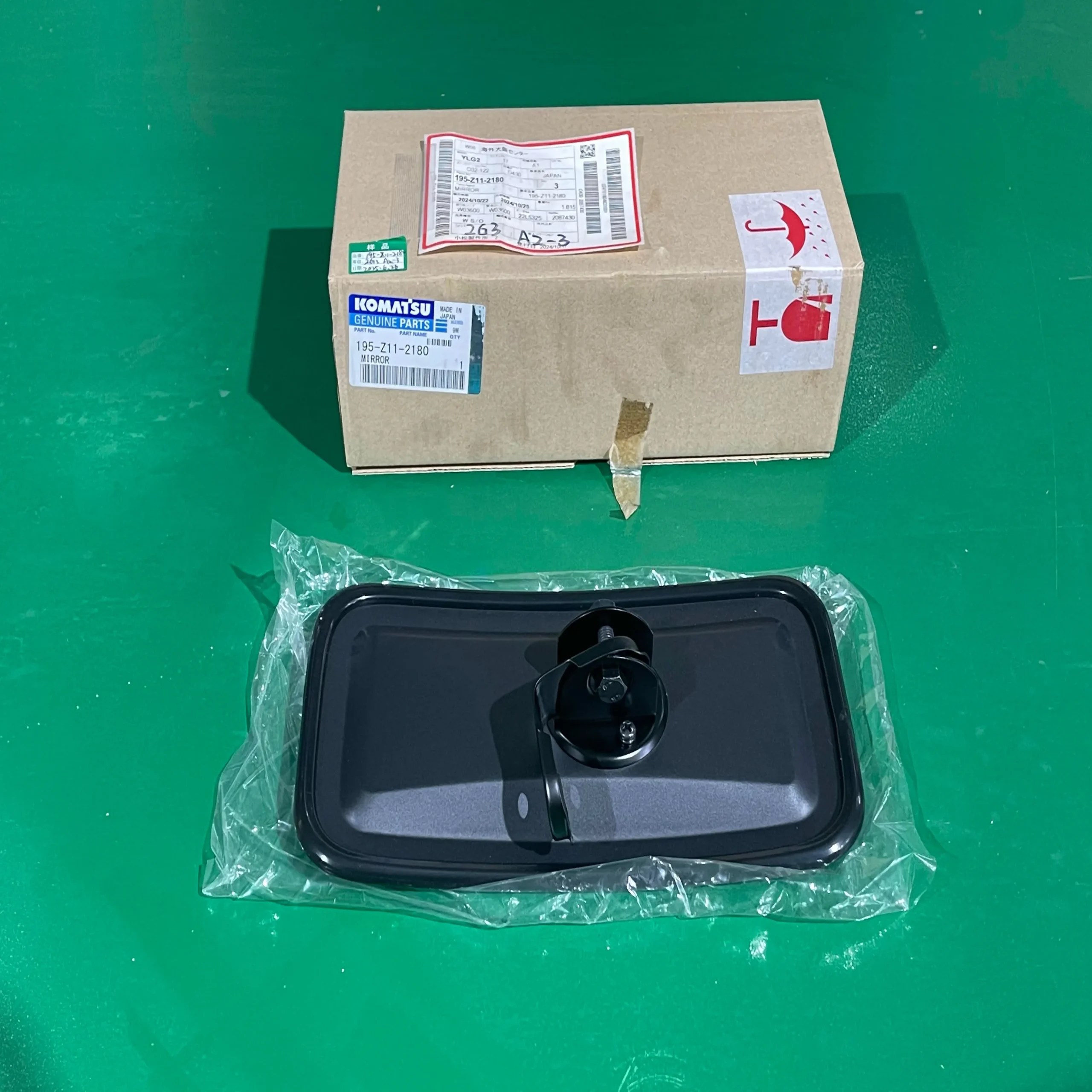 195-Z11-2180Fits Komatsu 195-Z11-2180 Dozer Replacement Mirror