
- Chinese
- French
- German
- Portuguese
- Spanish
- Russian
- Japanese
- Korean
- Arabic
- Irish
- Greek
- Turkish
- Italian
- Danish
- Romanian
- Indonesian
- Czech
- Afrikaans
- Swedish
- Polish
- Basque
- Catalan
- Esperanto
- Hindi
- Lao
- Albanian
- Amharic
- Armenian
- Azerbaijani
- Belarusian
- Bengali
- Bosnian
- Bulgarian
- Cebuano
- Chichewa
- Corsican
- Croatian
- Dutch
- Estonian
- Filipino
- Finnish
- Frisian
- Galician
- Georgian
- Gujarati
- Haitian
- Hausa
- Hawaiian
- Hebrew
- Hmong
- Hungarian
- Icelandic
- Igbo
- Javanese
- Kannada
- Kazakh
- Khmer
- Kurdish
- Kyrgyz
- Latin
- Latvian
- Lithuanian
- Luxembou..
- Macedonian
- Malagasy
- Malay
- Malayalam
- Maltese
- Maori
- Marathi
- Mongolian
- Burmese
- Nepali
- Norwegian
- Pashto
- Persian
- Punjabi
- Serbian
- Sesotho
- Sinhala
- Slovak
- Slovenian
- Somali
- Samoan
- Scots Gaelic
- Shona
- Sindhi
- Sundanese
- Swahili
- Tajik
- Tamil
- Telugu
- Thai
- Ukrainian
- Urdu
- Uzbek
- Vietnamese
- Welsh
- Xhosa
- Yiddish
- Yoruba
- Zulu
- Kinyarwanda
- Tatar
- Oriya
- Turkmen
- Uyghur






OEM AND ORIGINAL KOMATSU WIRING HARNESS 195-06-48430
When you see that part number, , for a Komatsu wiring harness, the immediate assumption is that you're looking at a genuine, box-fresh part from Komatsu. That's where the first pitfall is. In the aftermarket and even within the OEM supply chain, the terms OEM and Original get blurred, intentionally or not. For this specific harness, used across a range of mid-size excavators like the PC200-8, the distinction isn't just semantic—it's about the copper gauge, the quality of the PVC insulation, and the precision of the connector crimps. I've seen units fail because someone assumed OEM quality meant it was the real deal. It often doesn't.
The OEM Reality and the Third-Party Gap
Here's the operational truth. Komatsu doesn't manufacture every wire and connector in-house. They rely on a network of certified suppliers who produce to an exact specification. That's the true OEM product. When a company like Jining Gaosong Construction Machinery Co., Ltd. states they are an OEM product supplier within the Komatsu system, it carries weight. It implies access to that sanctioned supply chain, not just reverse-engineered copies. Their role, as they note on their site https://www.takematsumachinery.com, is to solve parts supply challenges. In places where official distribution is thin or backlogged, a source like this isn't just convenient; it's critical for uptime.
The challenge for mechanics and procurement is verification. An original should have laser-etched markings on the connectors, a specific weave pattern on the loom tape, and come with all its grommets and brackets. The aftermarket versions often skip the secondary splash guards or use a thinner tape. I've spent hours on the floor comparing them side-by-side. The difference in fit can add an extra 30 minutes to an install, fighting with connectors that don't quite seat or loom routes that are a few centimeters off.
Why does this matter for a wiring harness? It's the nervous system of the machine. A sub-par Komatsu wiring harness might work initially, but vibration resistance and long-term corrosion protection are where it fails. I recall a PC220 where a non-OEM harness caused intermittent sensor faults. The problem wasn't the wiring itself but the inferior seals on the connector housings, letting in moisture. Diagnosing that was a nightmare of chasing ghosts until we swapped in a proper OEM-spec harness.
Decoding the Original Claim
Original should mean it came off the same production line as the part installed in Nagoya. But in practice, it's a spectrum. The best-case scenario is what's called OEM surplus or OEM equivalent—made by the same Tier 1 supplier, possibly even in the same batch, but sold through a parallel channel. This is where a supplier's credibility is key. A third-party sales company for Komatsu that's transparent about its role is more trustworthy than a generic parts website.
The part number is a perfect example. It's not a rare, obscure number. Its high volume makes it a prime target for imitation. A good test is to ask the supplier for the country of origin for the components and the harness assembly. The genuine article often has a mix—connectors from Japan, wiring from another specialized maker, assembled in a Komatsu-approved facility. If the answer is vague or points to a single, non-specialized location, be skeptical.
I learned this through a costly mistake years ago. We bought a harness labeled Original Komatsu at a 40% discount. The packaging was convincing. Upon installation, we found the ECU connectors required excessive force to latch. We forced it. A week later, the machine threw a dozen error codes. The pin alignment in the molded connector was fractionally misaligned, causing micro-fretting and eventual failure. The cost of the replacement harness, plus the downtime and re-diagnosis, dwarfed the initial savings. Now, we cross-reference suppliers with known networks.
Practical Sourcing and Fitment Challenges
Sourcing from a specialized intermediary like Takematsu Machinery makes sense in certain contexts. Their stated mission—helping to solve parts supply challenges in certain countries—aligns with a real pain point. If you're in a region where the official Komatsu parts depot has a 12-week lead time, a reliable third-party with OEM links is a lifeline. The key is their access to the system, not just a warehouse of generic parts.
When you receive the harness, the inspection is everything. Don't just check the part number tag. Look at the color coding of the wires—Komatsu uses a very consistent scheme. Feel the texture of the insulation; it should be supple but tough. Check the molding flashes on the plastic connectors; they should be clean, not sharp or ragged. The original wiring harness will have a certain heft and precision to it that becomes recognizable with experience.
Fitment seems straightforward, but it's the final proof. The original will drop into place. The clips will align with the body holes, the loom will follow the factory channels without stress, and every connector will click with a positive, definitive sound. If you're having to modify, bend, or force anything, you likely don't have an original OEM part. This is the ultimate test that no product description can pass for you.
The Cost of Compromise and Value of Certainty
It's tempting to see a wiring harness as a commodity—copper, plastic, and rubber. In reality, it's a high-precision component. The cost difference between a true OEM-spec part and a generic copy is real, sometimes 2:1 or 3:1. But you're paying for engineering, durability testing, and perfect compatibility. For a critical harness that runs past the hydraulic tank and along the boom, failure means more than downtime; it can mean a fire risk.
Companies operating as part of the Komatsu system fill a vital niche. They aren't the brand, but they operate with its blueprint. This allows them to offer a level of certainty that a purely aftermarket vendor cannot. When their website details a specific role as an OEM product supplier, it's a signal to professionals to dig deeper into their sourcing. It's this transparency that builds trust in a murky market.
So, for , my advice is this: Know your supplier's actual position in the chain. Prioritize fit and finish over price alone. And understand that original in a parts listing is just a word until you have the component in your hands, running it against the machine. The right supplier doesn't just sell you a part; they sell you the confidence that it will perform as Komatsu intended, which, in the end, is all that matters for keeping iron moving and costs predictable.
Related Products
Related Products

Best Selling Products
Best Selling Products-
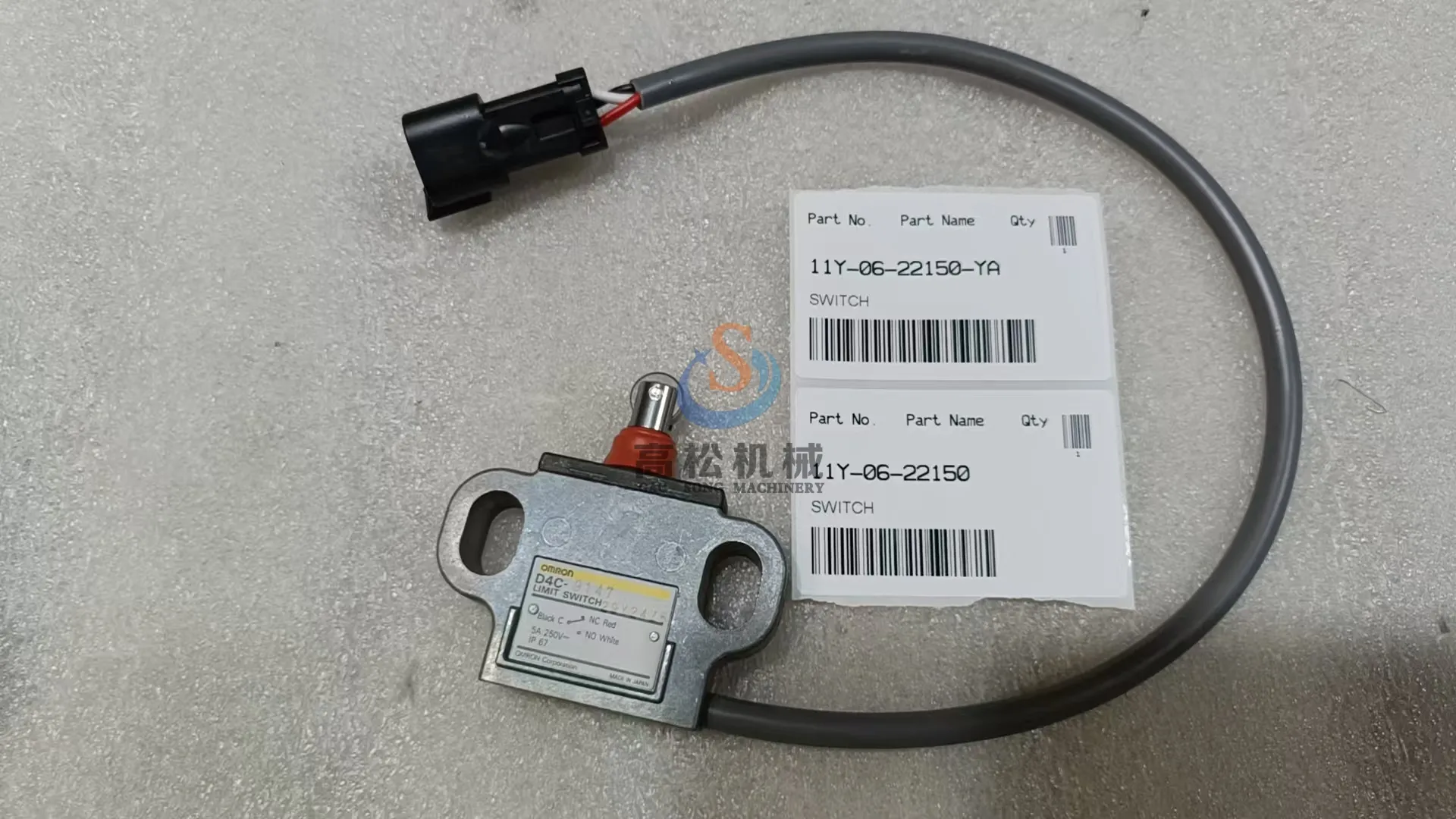 11Y-06-22150 komatsu SWITCH-D155/D275A
 -
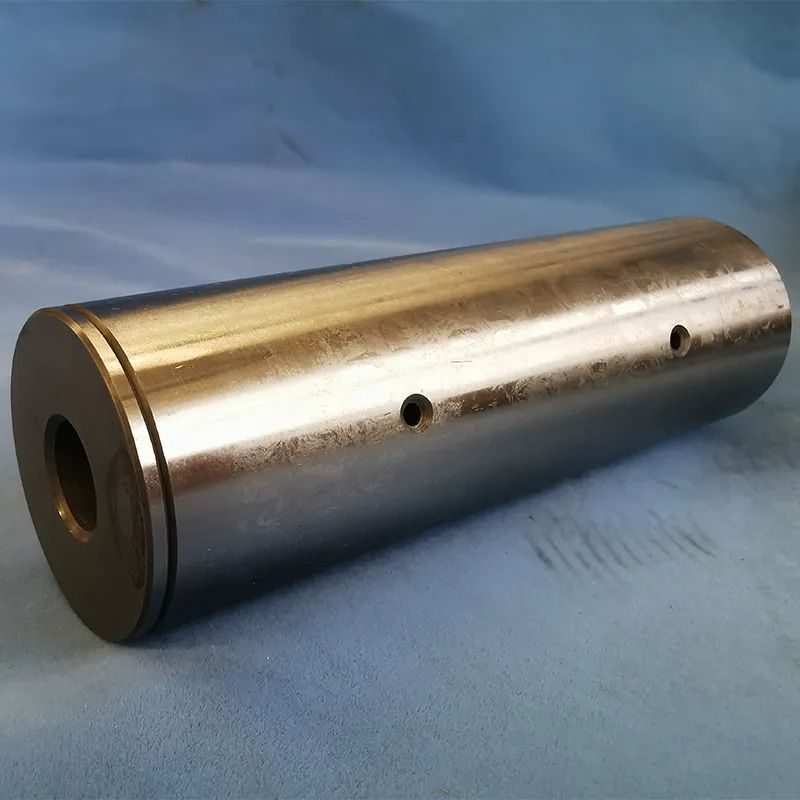 Komatsu original D375A-5 axis 195-15-72520
 -
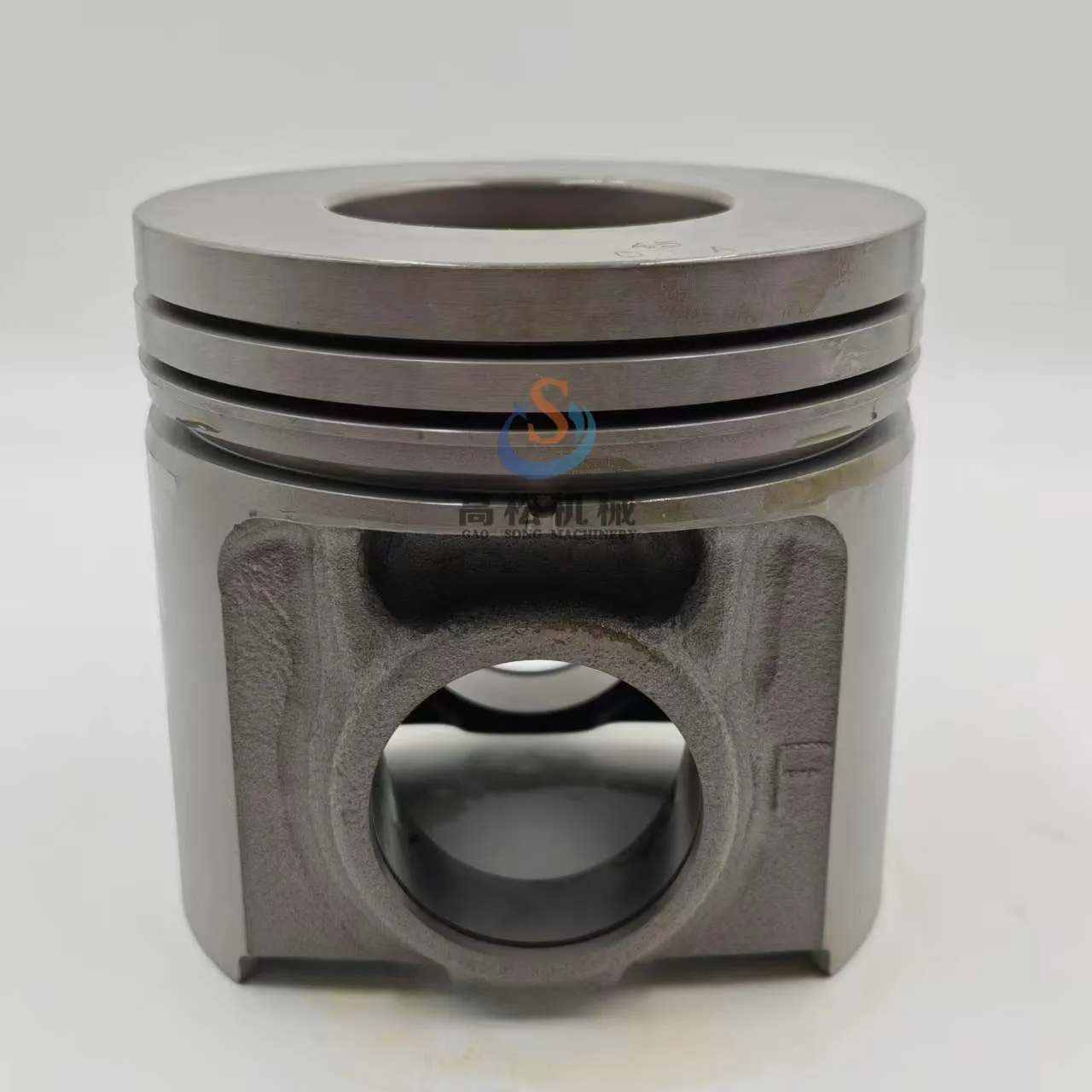 6152-32-2510 komatsu-parts piston
 -
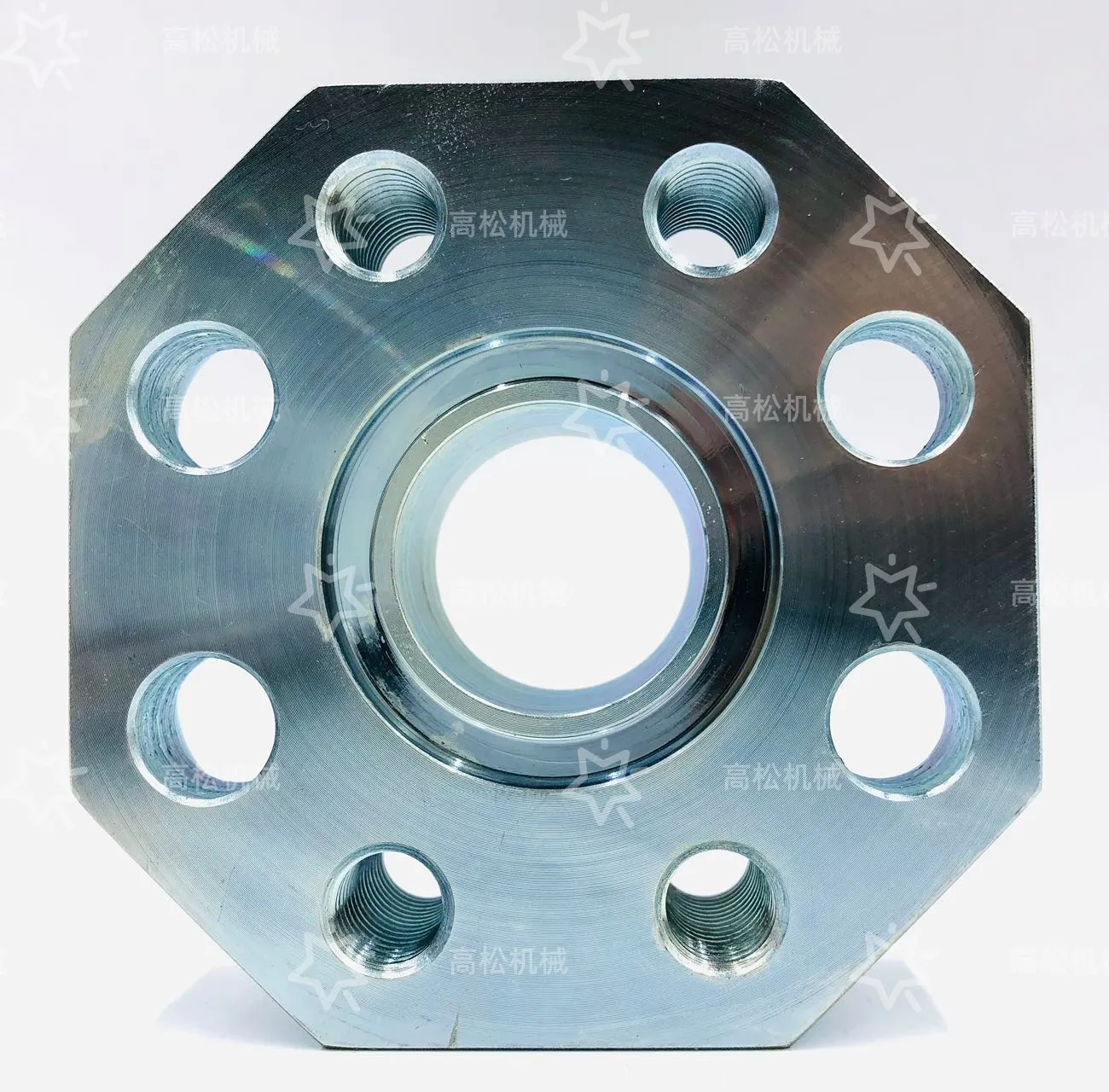 21N-62-11361 Komatsu FLANGE
 -
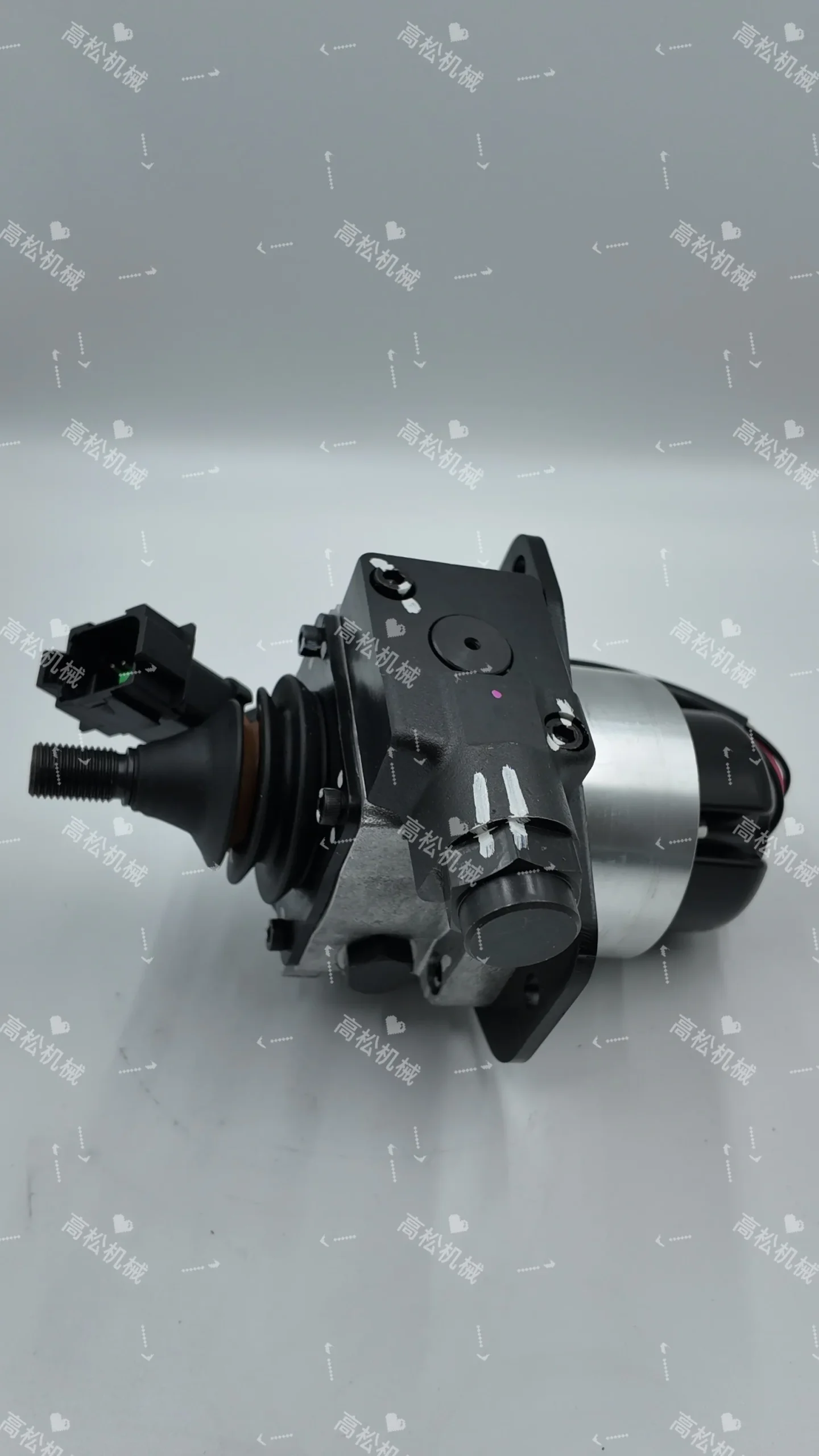 IMIFAFTAbT 702-16-02290 702-16-02210 Lever Assembly Fits for Komatsu D65EX-16 D65PX-16 D65WX-16 D275A-5R D155AX-6 Bulldozer
 -
 21N-26-33240 Komatsu Pin
 -
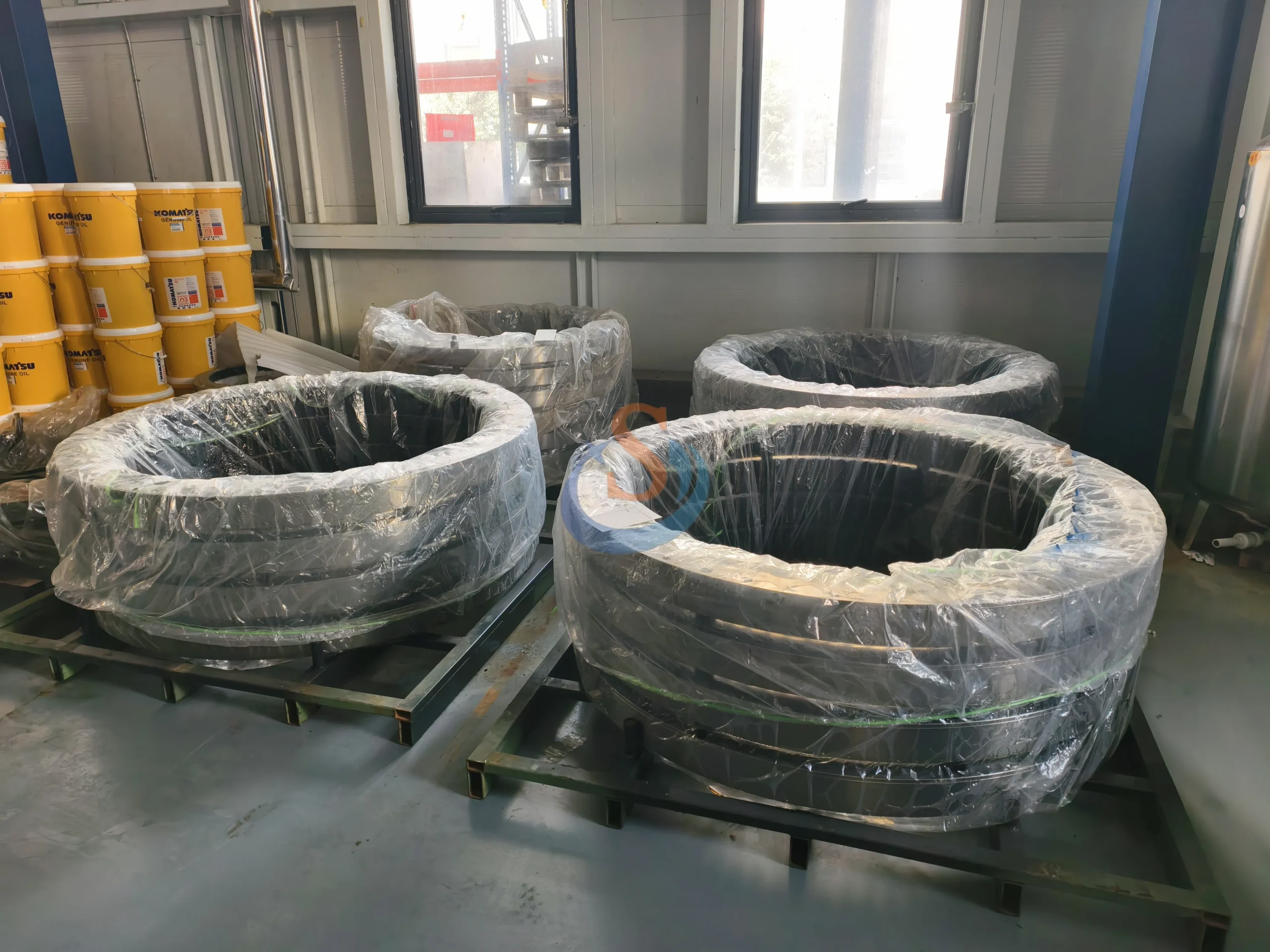 207-25-61100, SWING CIRCLE ASS’Y,PC300,PC360,PC350
 -
 Komatsu56D-15-19810 Seal, Dust
 -
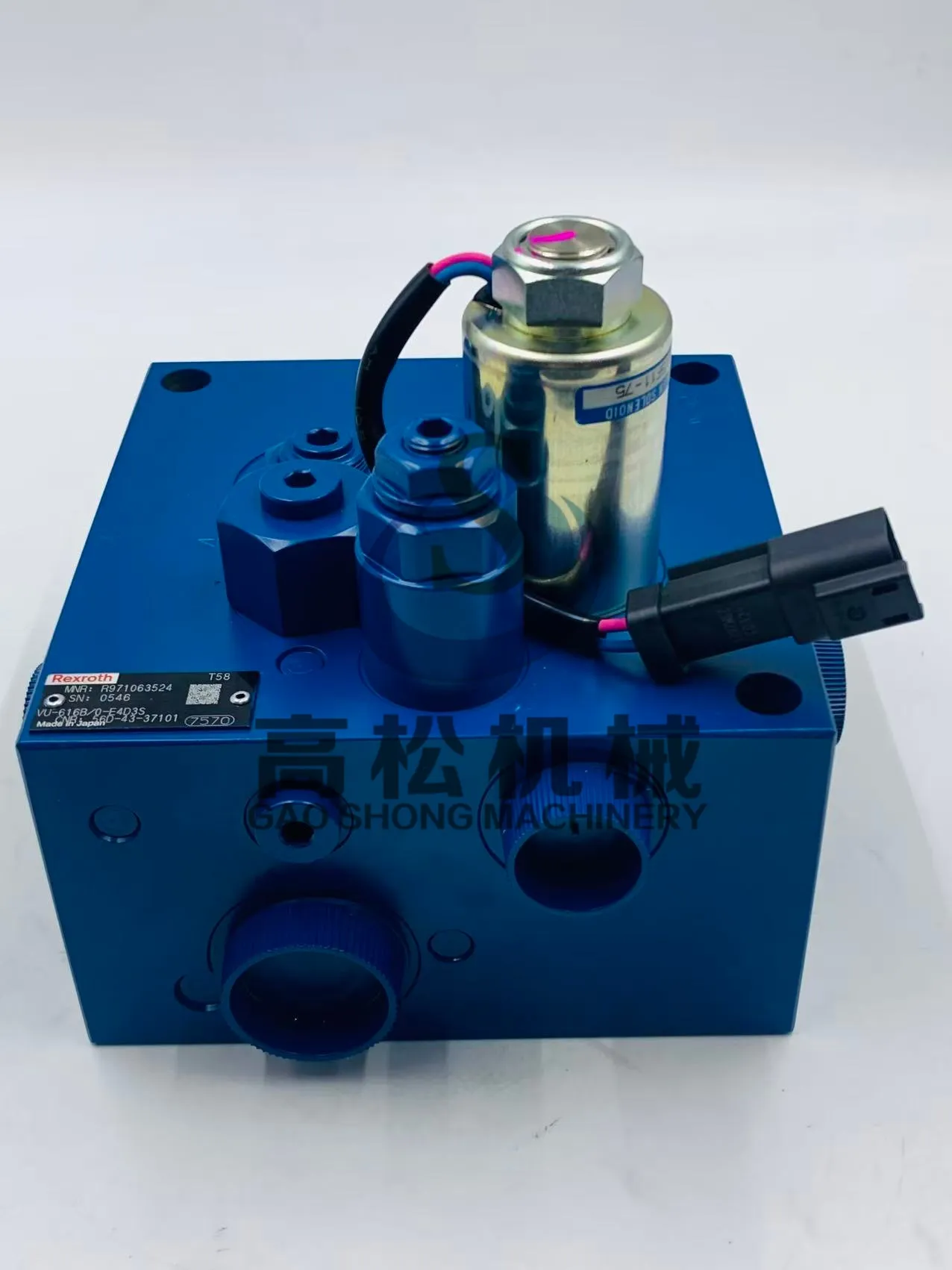 56D-43-37101 Komatsu Valve Assembly
 -
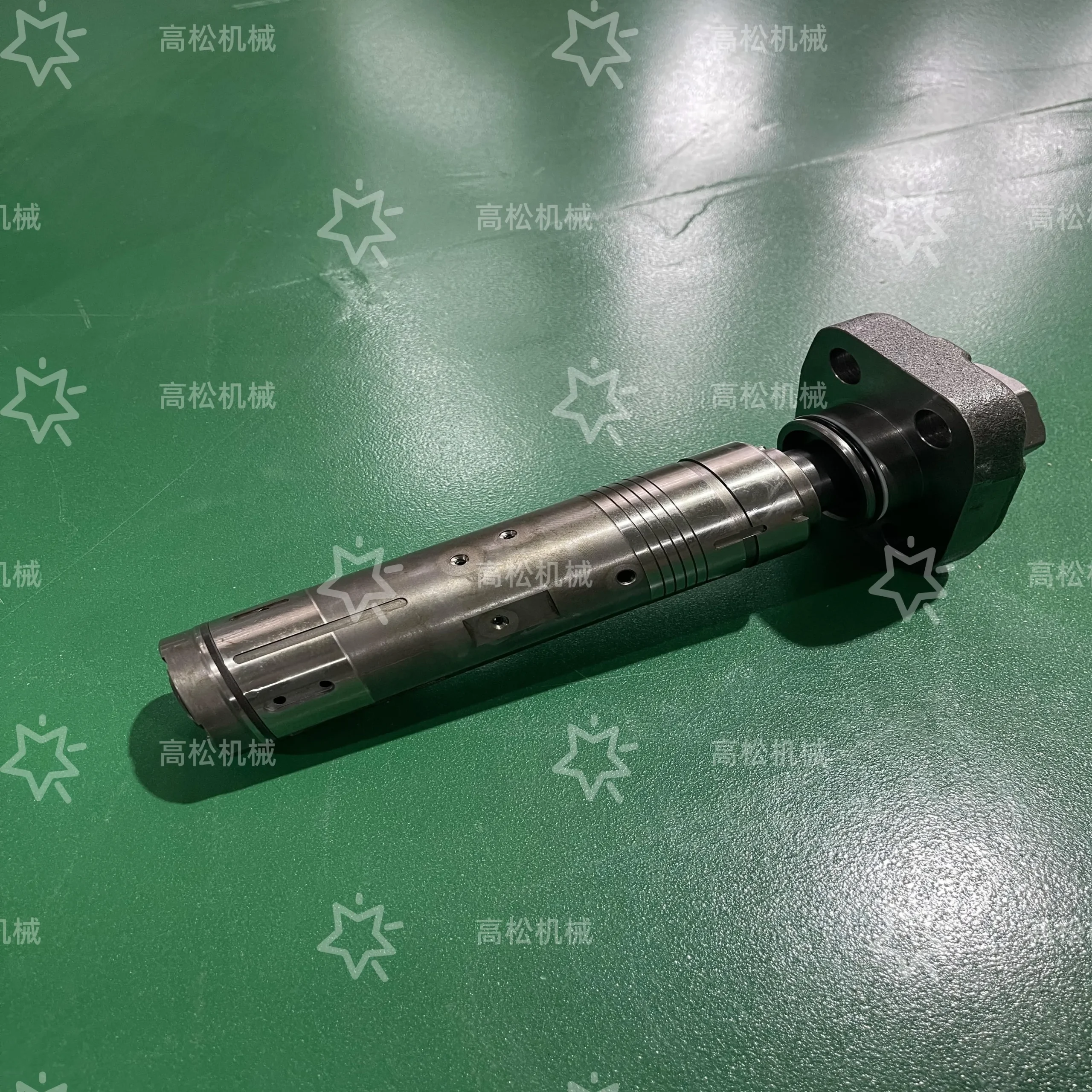 708-2H-03411 Hydraulic Pump PC Valve PC400 PC450 Servo Flow Regulation
 -
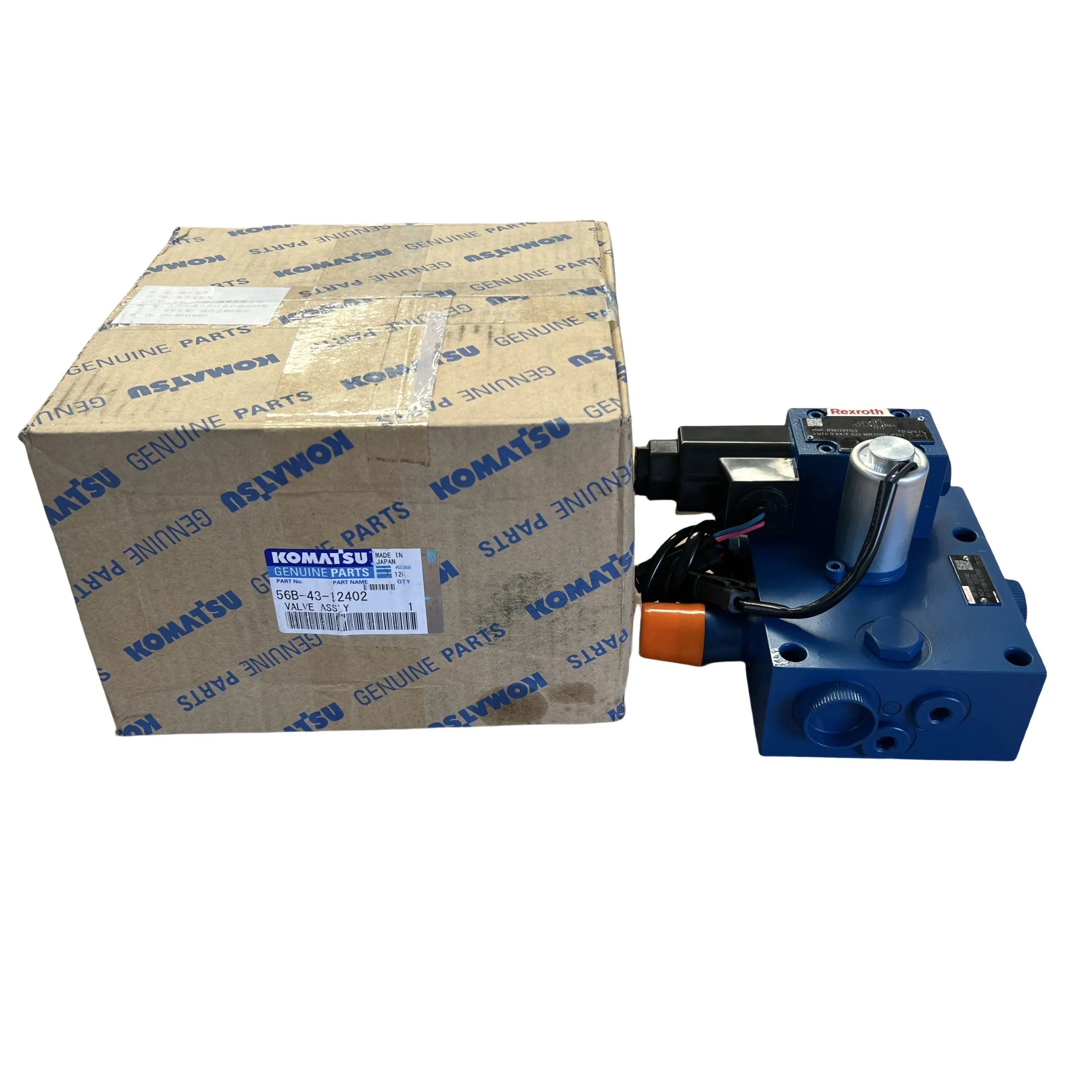 EPC valve 56B-43-120402 for Komatsu HD465-7
 -
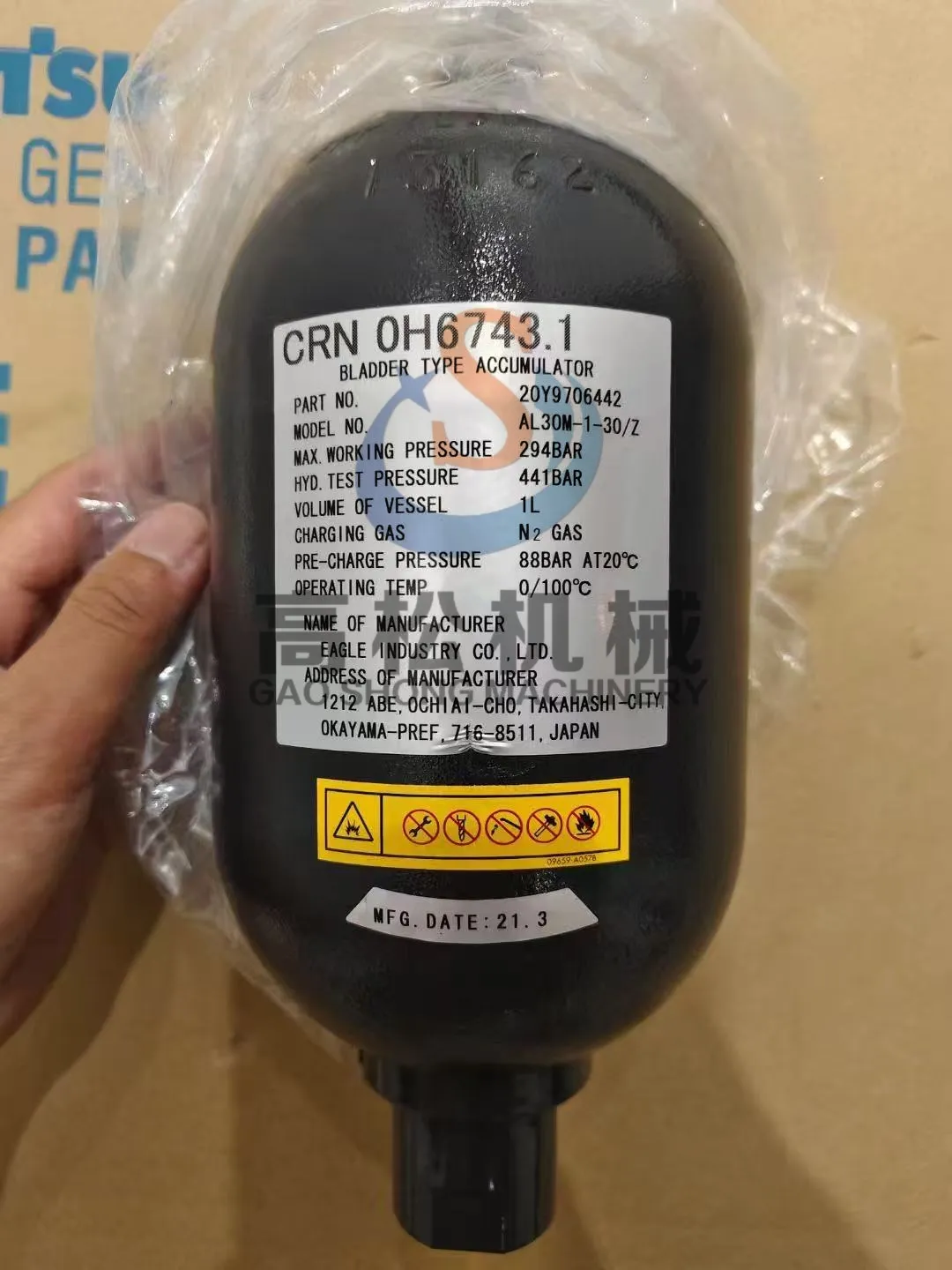 20Y-970-6442 Komatsu Accumulator Assembly