
- Chinese
- French
- German
- Portuguese
- Spanish
- Russian
- Japanese
- Korean
- Arabic
- Irish
- Greek
- Turkish
- Italian
- Danish
- Romanian
- Indonesian
- Czech
- Afrikaans
- Swedish
- Polish
- Basque
- Catalan
- Esperanto
- Hindi
- Lao
- Albanian
- Amharic
- Armenian
- Azerbaijani
- Belarusian
- Bengali
- Bosnian
- Bulgarian
- Cebuano
- Chichewa
- Corsican
- Croatian
- Dutch
- Estonian
- Filipino
- Finnish
- Frisian
- Galician
- Georgian
- Gujarati
- Haitian
- Hausa
- Hawaiian
- Hebrew
- Hmong
- Hungarian
- Icelandic
- Igbo
- Javanese
- Kannada
- Kazakh
- Khmer
- Kurdish
- Kyrgyz
- Latin
- Latvian
- Lithuanian
- Luxembou..
- Macedonian
- Malagasy
- Malay
- Malayalam
- Maltese
- Maori
- Marathi
- Mongolian
- Burmese
- Nepali
- Norwegian
- Pashto
- Persian
- Punjabi
- Serbian
- Sesotho
- Sinhala
- Slovak
- Slovenian
- Somali
- Samoan
- Scots Gaelic
- Shona
- Sindhi
- Sundanese
- Swahili
- Tajik
- Tamil
- Telugu
- Thai
- Ukrainian
- Urdu
- Uzbek
- Vietnamese
- Welsh
- Xhosa
- Yiddish
- Yoruba
- Zulu
- Kinyarwanda
- Tatar
- Oriya
- Turkmen
- Uyghur





OEM AND ORIGINAL KOMATSU WIRING HARNESS 17A-06-21560
Let's talk about the Komatsu wiring harness 17A-06-21560. If you're sourcing this, you've likely hit the classic crossroad: OEM or Original? In our world, that's not just semantics—it's the difference between a smooth-running machine and a week of diagnostic headaches. A lot of folks, even seasoned buyers, conflate the two. They see 'OEM' and think it's the exact same part that came off the Komatsu line in Japan. Not quite. The 'Original' tag, that's the genuine article, the one with the Komatsu logo and packed in their branded box, sourced through their official channels. OEM—Original Equipment Manufacturer—means it's made by a factory authorized by Komatsu, often to the same spec, but it might not have the Komatsu branding. For a complex component like a wiring harness, that distinction matters more than for a simple filter.
The 17A-06-21560 in the Wild: More Than Just Wires
This particular harness, from my experience, is often tied to the control systems on mid-range excavators, think the PC200-8 or similar models. It's not just a bundle of wires; it's the nervous system for the machine's electronic controls. I've seen machines with aftermarket versions of this harness where the wire gauge was slightly off-spec. It worked... for a while. Then you get intermittent faults in the monitor, or the pump controller starts acting up. The resistance over a long run of thinner wire causes voltage drops the ECU isn't programmed to tolerate. You chase ghosts for days before you think to check the harness itself.
That's where a reliable supplier in the Komatsu ecosystem becomes critical. I've worked with outfits like Jining Gaosong Construction Machinery Co., Ltd.. Their pitch is straightforward: they're an OEM product supplier within the Komatsu system and handle third-party sales. In practice, what this meant for a project in a Southeast Asian market was access to the OEM wiring harness when the official Komatsu distributor had a 3-month backorder. The part came without the Komatsu logo on the bag, but the factory stamp and the material codes on the connectors matched the original we pulled out. It plugged and played. That's the ideal OEM scenario.
But here's a nuance: not all OEM suppliers are equal. Some have the direct factory relationship, others are brokers. The good ones, and I'd put Gaosong in this category based on my transaction, can articulate the provenance. They knew which sub-factory produced that batch of 17A-06-21560 harnesses. That info is gold. It tells me they're not just scraping the bottom of the grey market barrel. You can find their catalog at https://www.takematsumachinery.com—it's worth a look to gauge their depth in Komatsu parts.
When Identical Isn't: A Case of Connector Seals
I learned the hard way that even OEM parts can have subtle deviations. One batch of 17A-06-21560 we received a few years back (not from Gaosong, to be clear) looked perfect. The wiring layout, the color codes, the connector types—all matched. We installed it. Six months later, the machine started throwing hydraulic solenoid errors in wet conditions. After tearing it down, we found the culprit: the rubber seals on the main multi-pin connectors. They were a slightly harder compound than the original. Over time and with thermal cycles, they didn't rebound as well, letting in minute moisture and causing corrosion on the pins. The OEM factory had likely changed seal suppliers to cut cost, and that detail wasn't caught in the general spec.
This is where the supplier's role shifts from just a vendor to a technical partner. A good supplier should have field feedback loops. When I later discussed this with a contact at Jining Gaosong, their response was telling. They didn't just defend the part; they asked for the lot number and said they'd flag it with their quality team at the factory. That's the kind of engagement that solves the real parts supply challenges in remote countries. It's not just about having stock; it's about having accountable stock.
So now, when evaluating an OEM Komatsu wiring harness, I don't just do a visual match. I check the flexibility of the conduit, the stamping on the connectors, and yes, I pinch the connector seals. It's a tactile quality check you only learn from a failure. The goal is to get as close to the original Komatsu performance as possible, acknowledging that sometimes the official channel is logistically or financially impossible.
The Supplier's Angle: Bridging the Gap
Companies like Jining Gaosong position themselves in a specific niche. They're not the first-party Komatsu distributor, but they're also not an anonymous parts shop on the internet. Their stated mission—helping solve parts supply challenges in certain countries—rings true in markets where official distribution is thin or marked up excessively. For a part like the 17A-06-21560, which can be critical downtime, this bridge is vital.
Their model relies on deep within-system relationships. It means they can often access OEM production runs or surplus stock that meets Komatsu's engineering drawings. This is different from a compatible or will-fit part, which is a reverse-engineered copy. The risk with a reverse-engineered wiring harness is exponentially higher due to the potential for internal shielding differences, wire twist patterns (which matter for signal integrity), and fuse/relay logic.
From a procurement perspective, using a supplier in this space requires clear communication. You must specify you need an OEM-spec part, not just a compatible one. The price difference will reflect that. In my requests, I always cite the full part number—17A-06-21560—and explicitly ask if it's from an authorized OEM factory. The reputable ones will say yes or no. The vague ones you avoid.
Practical Verification and Final Thoughts
So, you've got a potential OEM harness in hand. What's the install-day check? First, side-by-side comparison with the old harness is non-negotiable. Length, branch points, connector keying. Second, a continuity test with a multimeter before installation—check for any open circuits or shorts that might indicate damage. Third, and this is often overlooked, check the integrity of the locking tabs on every connector. I've seen OEM parts where the plastic mold for the tab was slightly weak, leading to connectors vibrating loose.
The reality is, for many operations, the pure original Komatsu part is the benchmark but not always the practical choice. Lead times and cost can be prohibitive. A verified OEM alternative, sourced from a knowledgeable intermediary, becomes the next-best solution. It's about managed risk.
To circle back to the Komatsu wiring harness 17A-06-21560, its performance hinges on precision. Whether you go Original or OEM, the supplier's transparency is your first line of defense. My experience has shown that entities operating with clear positioning, like the mentioned Jining Gaosong Construction Machinery Co., Ltd., tend to provide a more reliable path for these technically sensitive components. They understand that their value isn't just in having the part, but in understanding why the exact spec of that part matters to the mechanic holding the wrench. That's the difference between a transaction and a solution.
Related Products
Related Products
Best Selling Products
Best Selling Products-
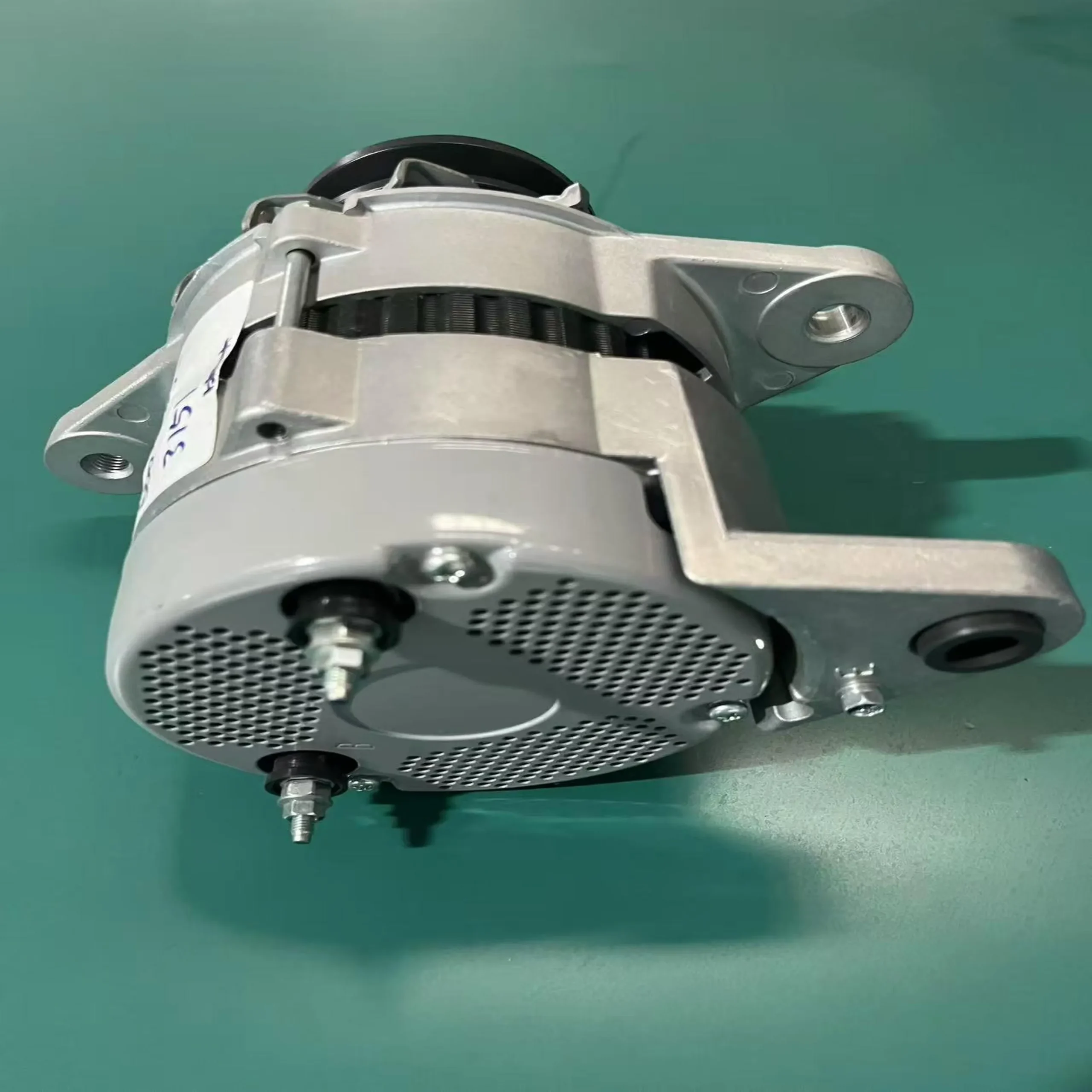 Komatsu D53a D53p Alternator Is Compatible600-825-3250 600-825-3260
 -
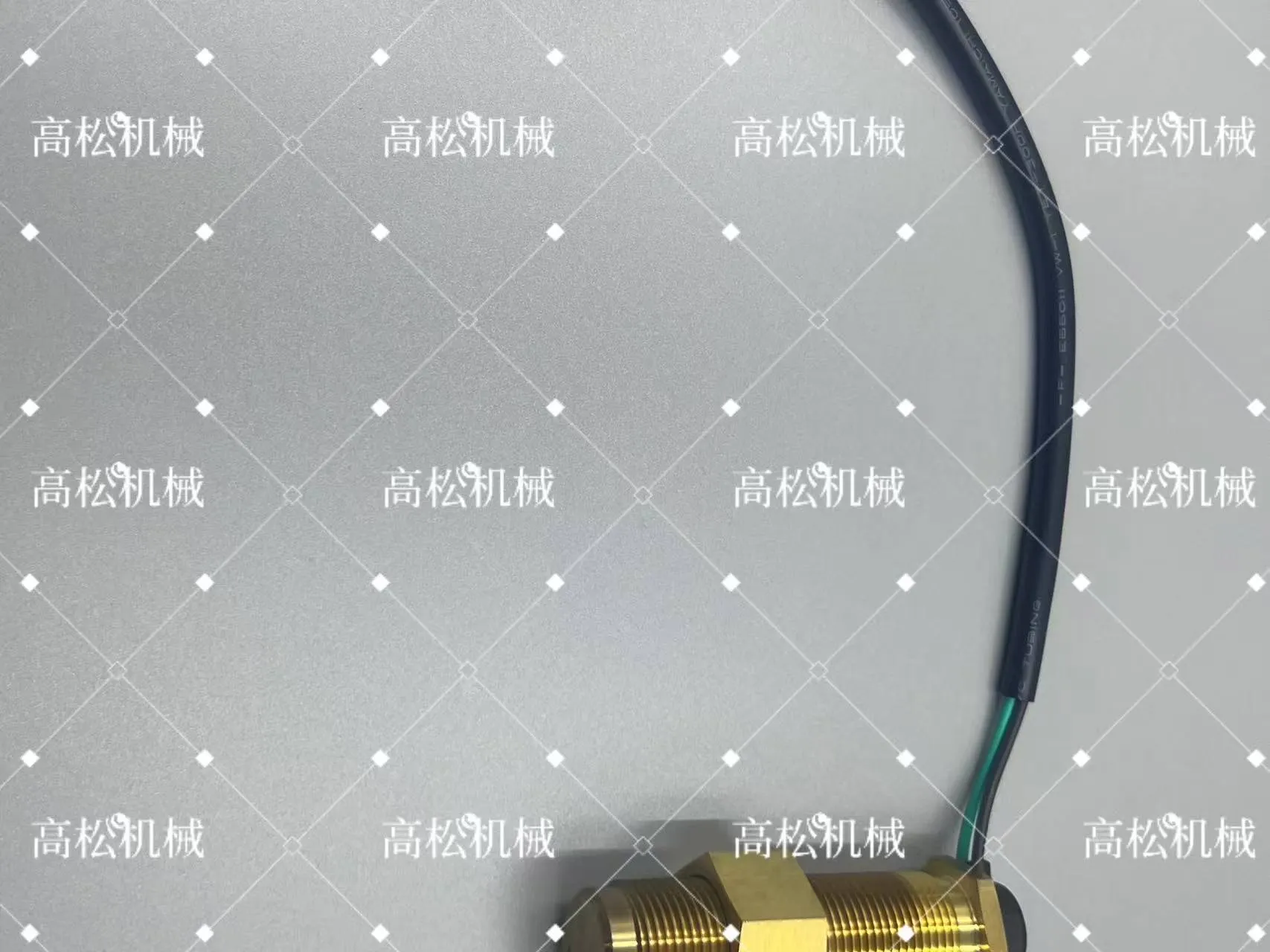 The PC300-6 tachometer sensor 7861-93-2330 is suitable for Komatsu parts
 -
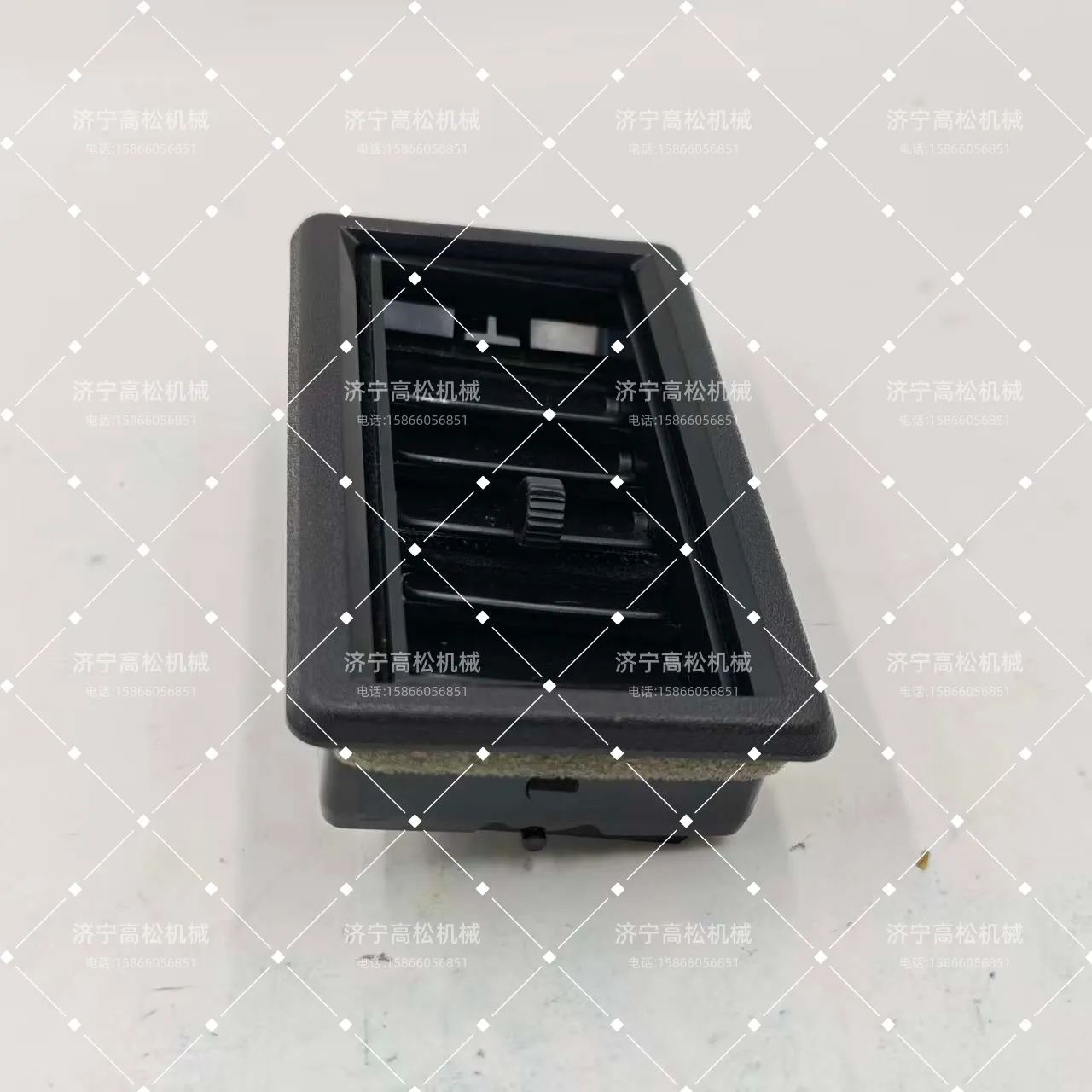 Komatsu 17A-54-18270 Inside cover for D155AX-5 Bulldozer
 -
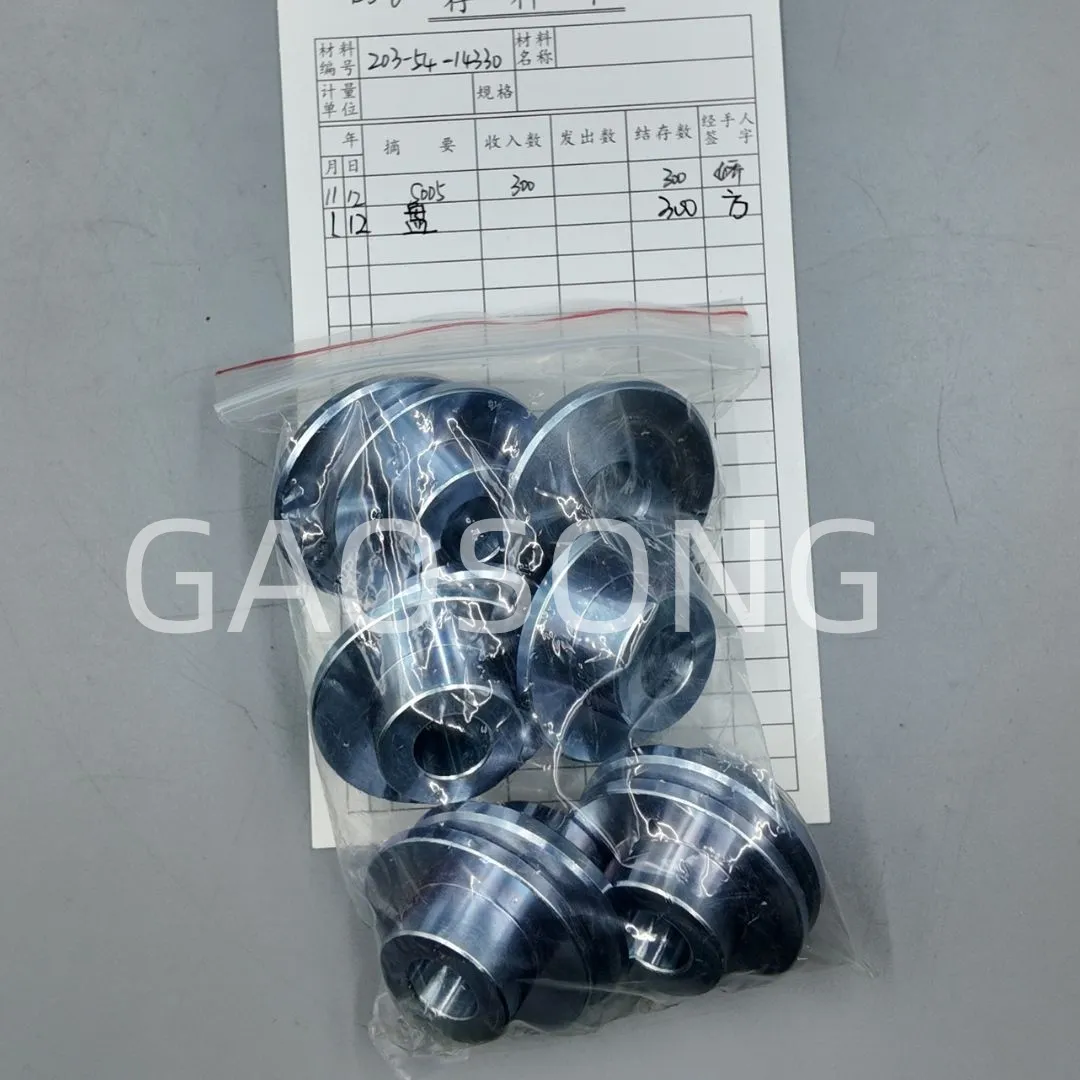 203-54-14330 COLLAR-Komatsu Original Factory
 -
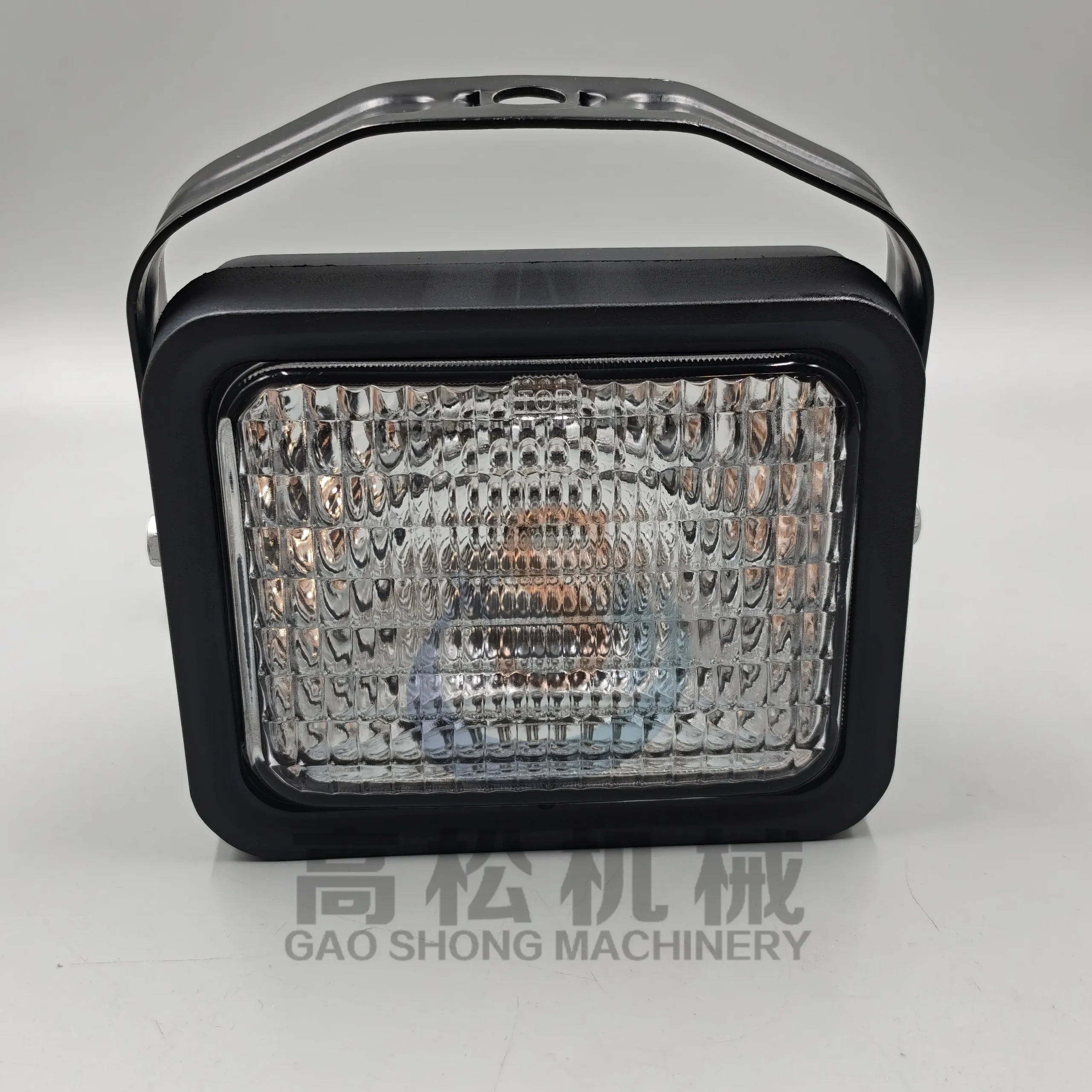 Lamp 421-06-23310 426-56-23360 Compatible for Komatsu WA500-3 WA800-3 WA420-3L HD785-7 HD325-7 HM250-2
 -
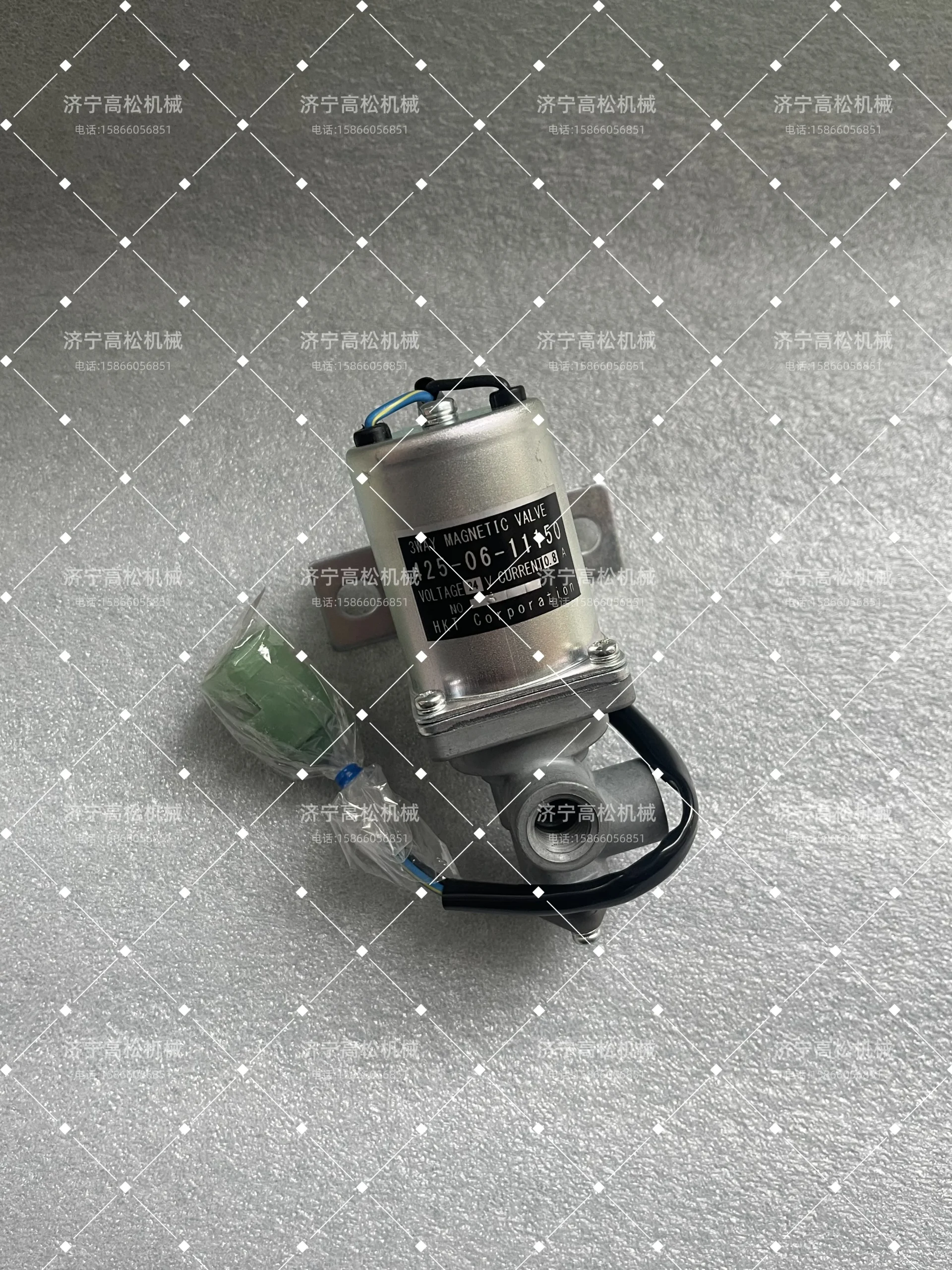 Reliable Cost-Effective Original New 425-06-11150 VALVE for…
 -
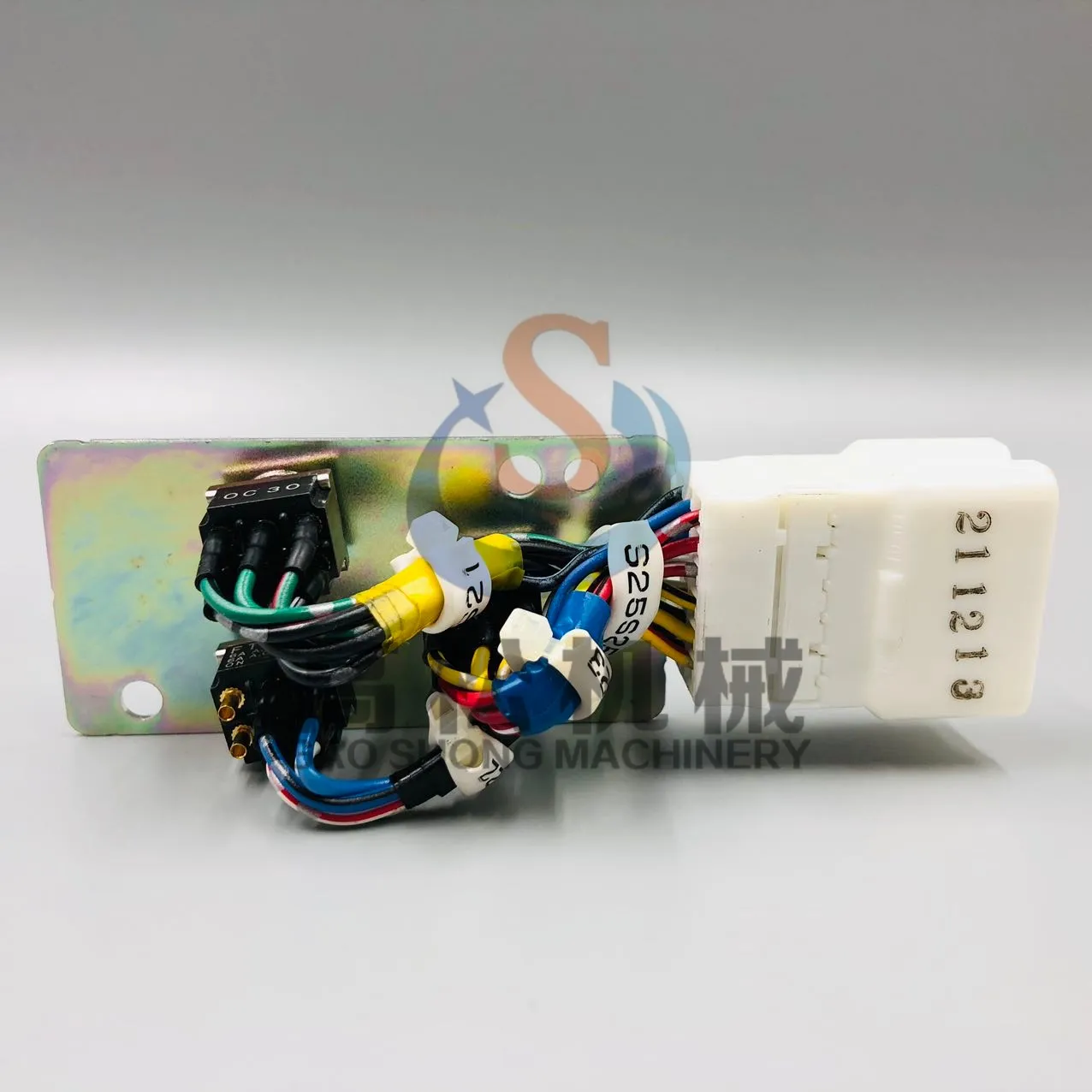 SWITCH ASS’Y 22U-06-22370 – KOMATSU
 -
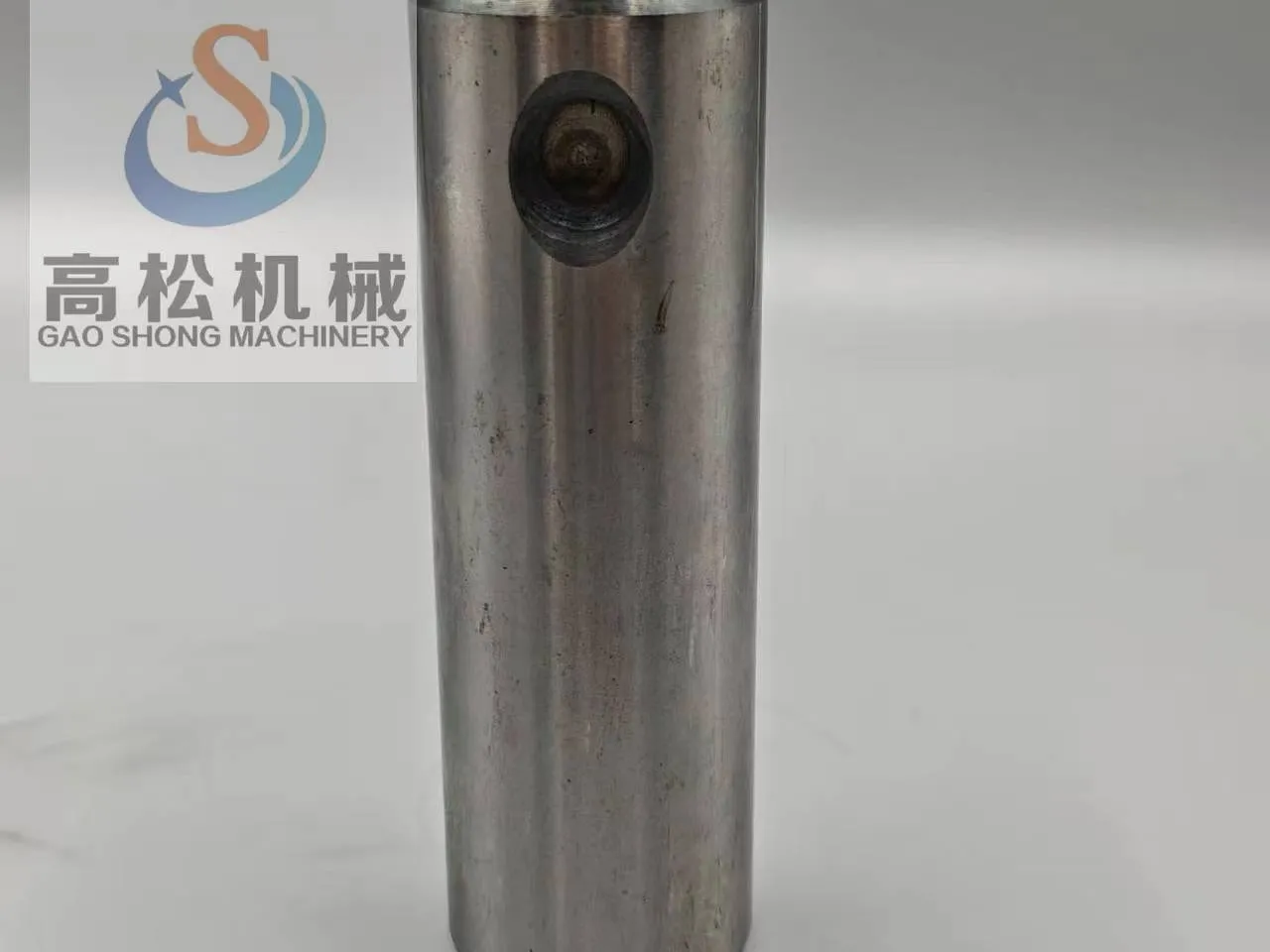 Komatsu Pin, 20Y-27-31160 Komatsu Sales, 20Y-27-31160
 -
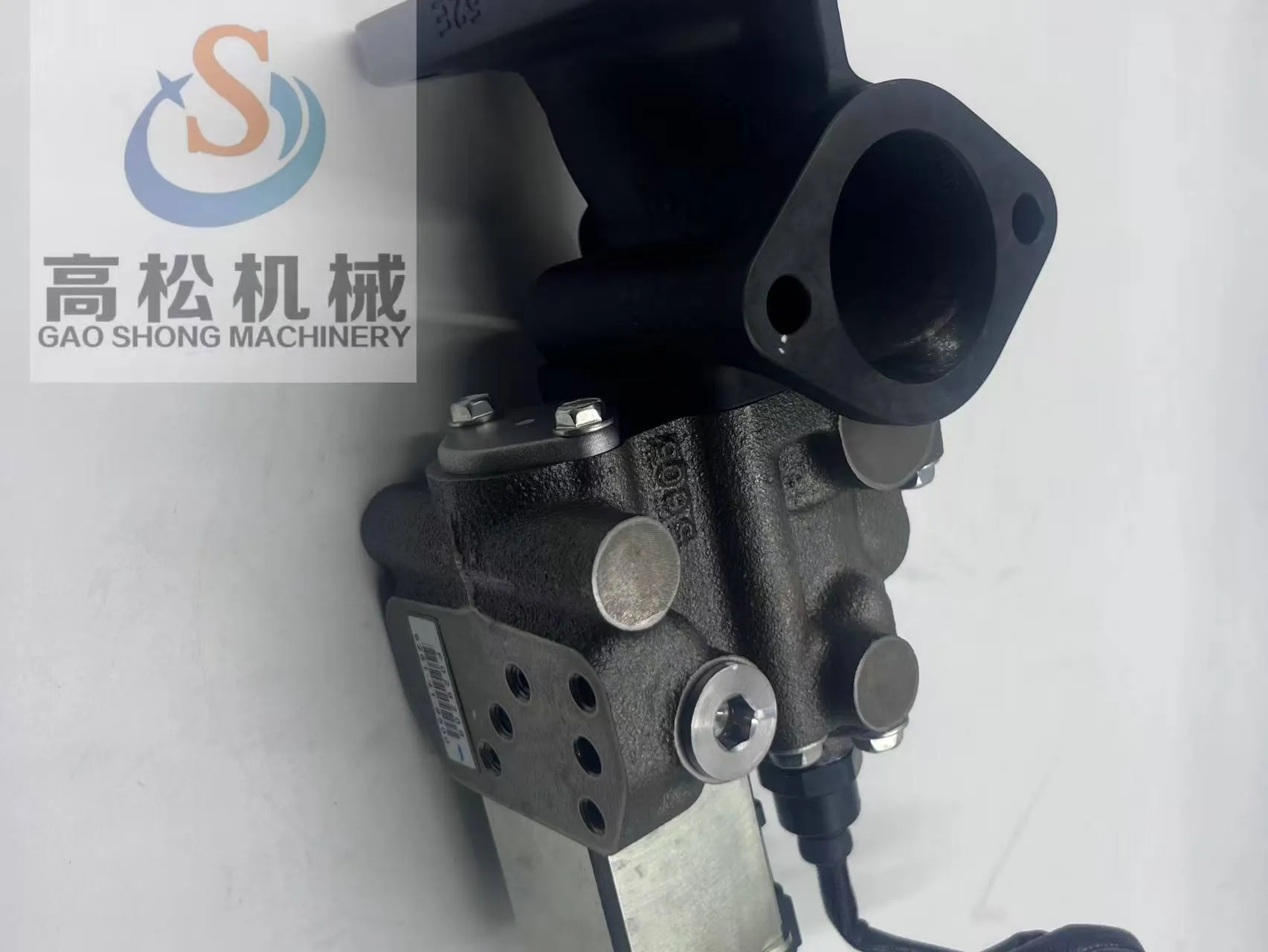 Dump truck HD465-7 valve assembly 6261-41-9500 6261419500
 -
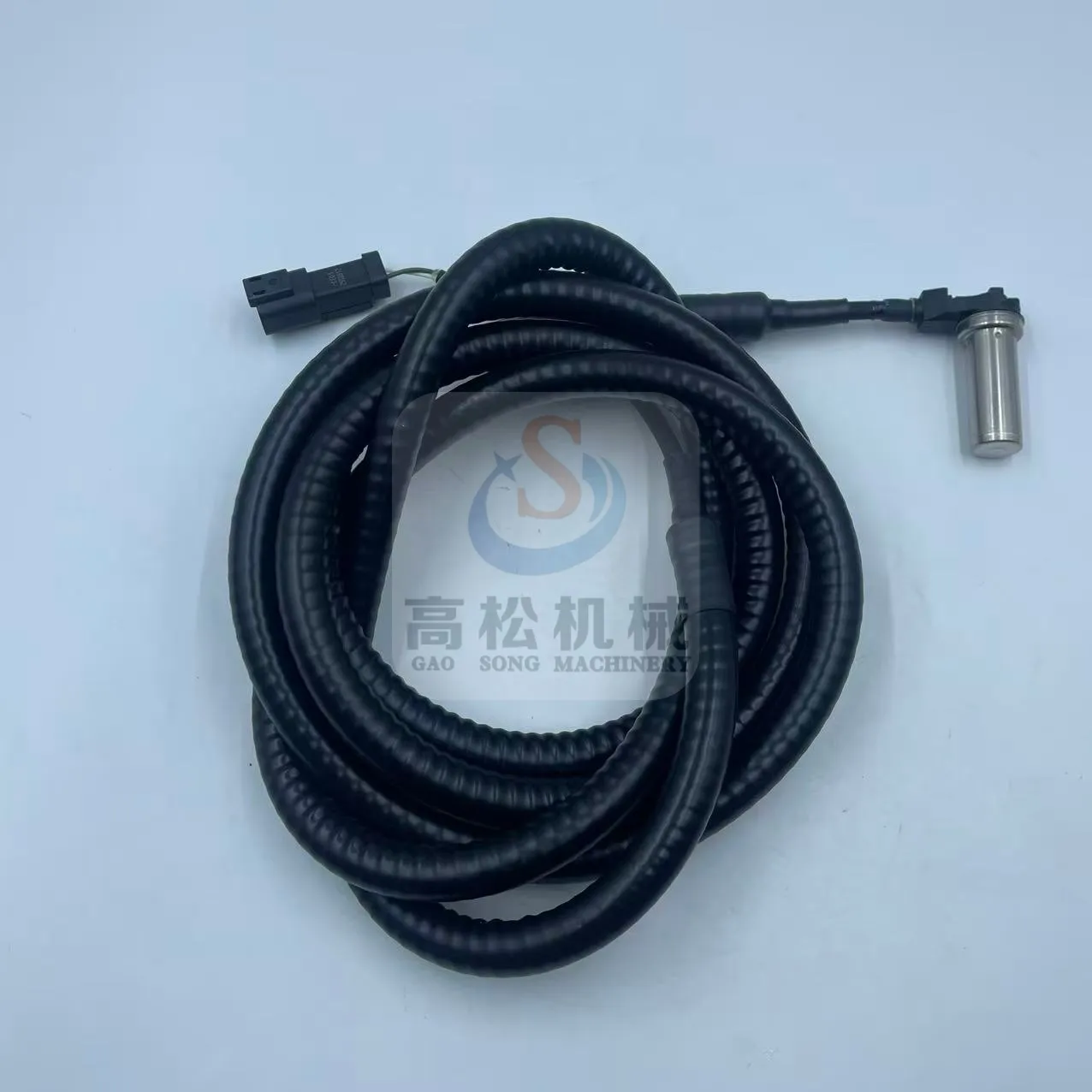 566-88-66143 sensor for Komatsu HD465-7
 -
Komatsu PC220-8, PC350-8, PC450-8 excavator filter assemblies 20Y-62-51681 (20Y62-51681, 20Y-625168) (pilot filters
-
 608-813-6632 #Komatsu #Komatsu Machinery Parts spot 2025