
- Chinese
- French
- German
- Portuguese
- Spanish
- Russian
- Japanese
- Korean
- Arabic
- Irish
- Greek
- Turkish
- Italian
- Danish
- Romanian
- Indonesian
- Czech
- Afrikaans
- Swedish
- Polish
- Basque
- Catalan
- Esperanto
- Hindi
- Lao
- Albanian
- Amharic
- Armenian
- Azerbaijani
- Belarusian
- Bengali
- Bosnian
- Bulgarian
- Cebuano
- Chichewa
- Corsican
- Croatian
- Dutch
- Estonian
- Filipino
- Finnish
- Frisian
- Galician
- Georgian
- Gujarati
- Haitian
- Hausa
- Hawaiian
- Hebrew
- Hmong
- Hungarian
- Icelandic
- Igbo
- Javanese
- Kannada
- Kazakh
- Khmer
- Kurdish
- Kyrgyz
- Latin
- Latvian
- Lithuanian
- Luxembou..
- Macedonian
- Malagasy
- Malay
- Malayalam
- Maltese
- Maori
- Marathi
- Mongolian
- Burmese
- Nepali
- Norwegian
- Pashto
- Persian
- Punjabi
- Serbian
- Sesotho
- Sinhala
- Slovak
- Slovenian
- Somali
- Samoan
- Scots Gaelic
- Shona
- Sindhi
- Sundanese
- Swahili
- Tajik
- Tamil
- Telugu
- Thai
- Ukrainian
- Urdu
- Uzbek
- Vietnamese
- Welsh
- Xhosa
- Yiddish
- Yoruba
- Zulu
- Kinyarwanda
- Tatar
- Oriya
- Turkmen
- Uyghur






OEM AND ORIGINAL KOMATSU WIRING HARNESS 17A-06-11272
When you see a part number like 17A-06-11272 listed as both OEM and Original, it sets off alarm bells for anyone who's spent real time in a parts warehouse or at a service desk. That slash—'OEM AND ORIGINAL'—is where the confusion, and frankly, a lot of the market's misinformation, starts. People often use them interchangeably, but in the Komatsu ecosystem, they can point to very different supply chains and, critically, different levels of traceability back to the factory line. I've seen this harness, the OEM AND ORIGINAL KOMATSU WIRING HARNESS 17A-06-11272, come through in boxes that look identical until you check the packaging codes and the supplier documentation. That's the first layer you need to peel back.
The Nuance Behind the Label
Here's the practical distinction, born from chasing down invoices and dealing with frustrated site managers. A pure 'Original' part, in the strictest sense, is the one that comes through Komatsu's official distribution network. It has the full pedigree. The OEM AND ORIGINAL KOMATSU WIRING HARNESS label, however, often signals something more specific: it's a part produced by the original equipment manufacturer—the same factory that supplies Komatsu—but it might be entering the market through parallel channels. This isn't necessarily bad, but it requires verification.
This is where a company's position matters. A supplier like Jining Gaosong Construction Machinery Co., Ltd. operates in that interesting space. They're an OEM product supplier within the Komatsu system, which means they have access to these genuine production lines. Their role in helping solve parts supply challenges in certain countries often involves sourcing these true OEM components when the official channel is blocked or delayed. For a complex assembly like a wiring harness, that access is everything.
The 17A-06-11272 isn't just a bundle of wires. It's for a specific power module or control panel interface—I'd have to pull up the schematic to recall exactly which, but the point is the connector types, wire gauge, and shielding are all specified to handle specific amperage and resist heat and vibration in a particular machine model. A generic fits-all harness won't have the same dielectric coatings or the exact pin-lock sequence. I've watched mechanics waste half a day trying to force a look-alike connector, only to fry a sensor because the pin-out was different.
Real-World Verification and Pitfalls
So how do you verify? The barcode and the alphanumeric string stamped on the harness jacket are your first check. Then, the packaging. A true OEM/Official part will have Komatsu-branded packaging, but in the parallel market, you often get plain brown boxes with the part number on a white label. That doesn't automatically mean it's inferior. I once received a 17A-06-11272 in a plain box from a third-party supplier, but the manufacturing batch code on the harness itself traced back to a known Komatsu supplier plant in Japan. The supplier, in that case, was acting as a facilitator.
This is the service model Jining Gaosong describes: being a third-party sales company for Komatsu to bridge supply gaps. They can provide the documentation—the test certificates for continuity and insulation resistance that come from the OEM factory. If a supplier can't or won't provide those for a wiring harness, walk away. The failure mode isn't always immediate; it's often a gradual increase in signal noise leading to erratic controller behavior months down the line.
A common mistake I've made myself early on was prioritizing price over provenance on electrical components. You might save 30% on a non-verified harness, but the downtime cost from a machine throwing intermittent error codes will eclipse that in a single day. The labor to rip and replace a full harness again is punitive. Now, the first question I ask is for the component's origin story, not just its price.
Case in Point: The 17A-06-11272 in the Field
Let me give you a concrete, albeit frustrating, example. We had a D65 dozer down with electrical gremlins. The local official dealer had the 17A-06-11272 on a 3-month backorder. We sourced one from an alternative vendor advertising OEM & Original. The part arrived, looked visually perfect, even had what looked like genuine Yazaki connectors. Installed it, and the machine powered up. But under load, the transmission would occasionally default to a safety mode.
After days of diagnostics, we found the issue: one wire in the harness had a slightly thinner gauge than spec. It couldn't sustain the peak current draw without a voltage drop that the control unit read as a fault. The vendor argued it was within tolerance. Maybe for a different application, but not for this Komatsu model. We learned the hard way that OEM-spec is not the same as OEM-identical. We eventually got a verified unit through a channel similar to what Gaosong operates—a supplier with direct ties to the OEM factory—and it resolved the issue. The machine's been running clean for two years now.
Sourcing Strategy and Reliable Channels
This experience shaped my sourcing strategy. For critical electrical components, I now look for suppliers who are transparent about their pipeline. A website that clearly states its role as an OEM product supplier within the Komatsu system is a good start. It shows they understand the distinction and are positioning themselves in that legitimate, if nuanced, space between the official brand and the aftermarket.
The goal is to avoid the gray market where parts are reverse-engineered or assembled from mixed sources. A wiring harness is a system, not a collection of parts. The integrity of the whole depends on every splice, shield, and terminal. Suppliers who help solve parts supply challenges, as mentioned in Jining Gaosong's description, are often your best bet in constrained markets because they work the OEM factory relationships to get the real product flowing through alternative, but documented, routes.
My advice? Don't just search for the part number. Search for suppliers who explain their sourcing. Ask for the factory test sheet for the specific batch. Check the stamping on the harness against known OEM examples. For the 17A-06-11272, the devil is in those details—the color coding of the tracer stripes, the texture of the conduit, the crimp quality on the ring terminals. These are the things you only learn to spot by having held both the real thing and the almost-right thing in your hands.
Closing Thoughts on Value vs. Cost
It boils down to a simple calculus, but one you only appreciate after a few costly mistakes. The premium for a verified, traceable OEM AND ORIGINAL KOMATSU WIRING HARNESS 17A-06-11272 is actually insurance. It's insurance against downtime, against diagnostic nightmares, and against damaging other, far more expensive components like ECMs.
The market is full of options for this part number. Your job is to filter for the one that comes with the right paperwork and the right provenance. Companies that are embedded in the system, acting as third-party sales conduits with direct OEM factory links, are increasingly vital. They cut through the noise and deliver the component that matches the engineering intent, not just the physical outline.
In the end, whether it's from the official dealer or a trusted intermediary like Jining Gaosong Construction Machinery Co., Ltd., the part that gets the machine running reliably is the original one in the eyes of the mechanic and the site manager. For the 17A-06-11272, that means a harness built to the exact factory print, no compromises. Everything else is just a bundle of wires waiting to cause a headache.
Related Products
Related Products

Best Selling Products
Best Selling Products-
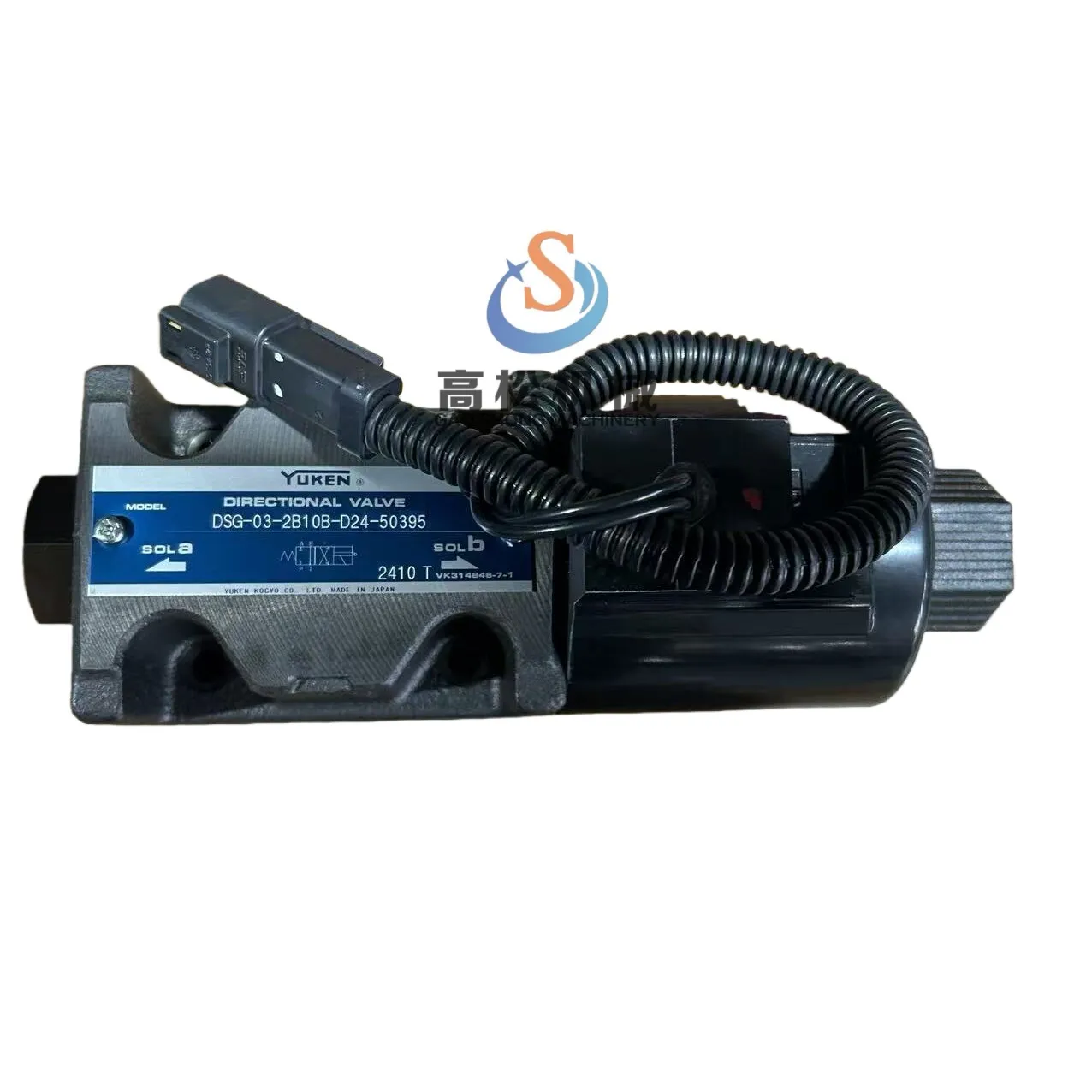 SOLENOID VALVE – 561-43-8A882
 -
 RING 234-15-29220
 -
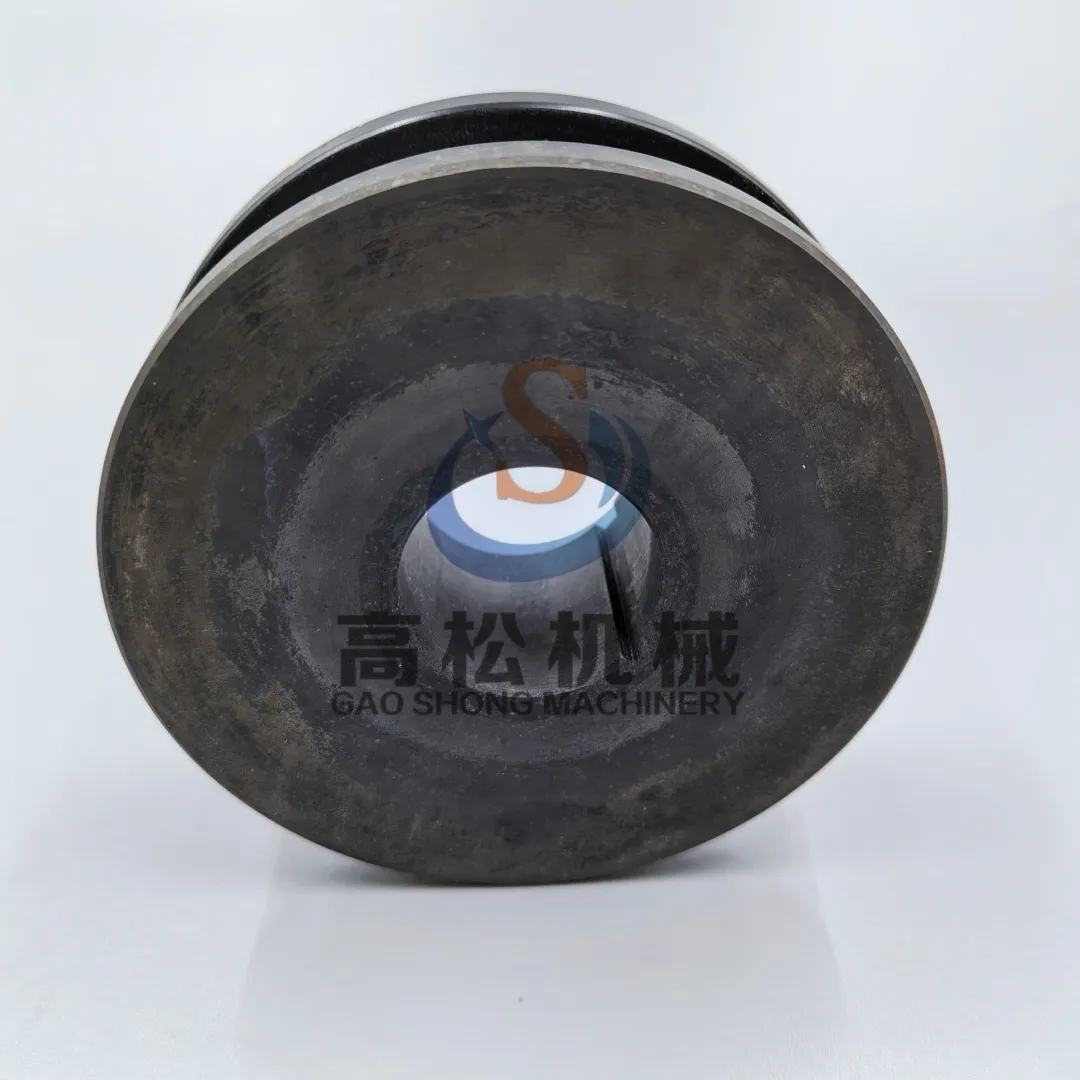 KD0-35411-0854 Komatsu pulley Compatible with model Hd785
 -
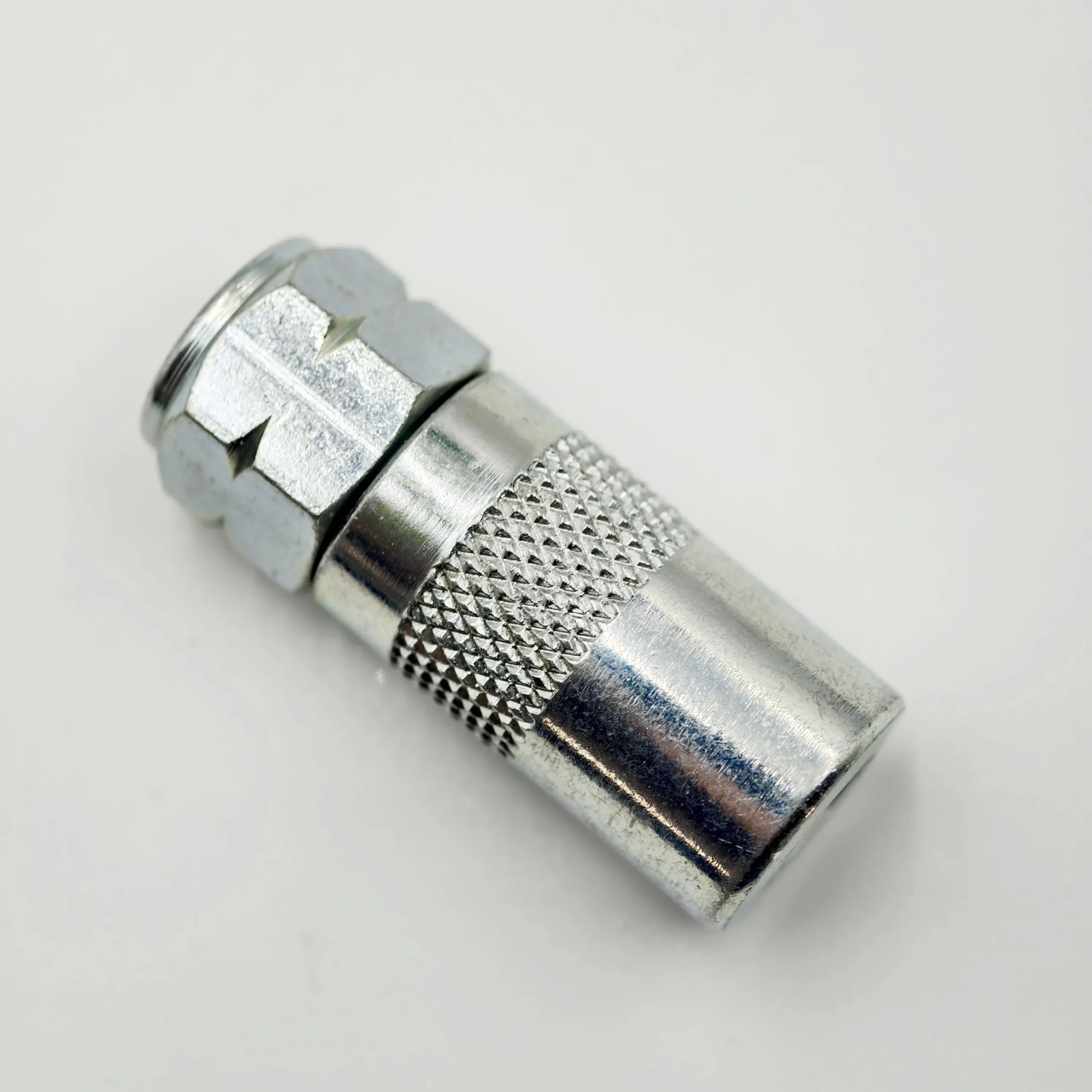 PC600-8/PC2000-8 Coupler 209-68-11640
 -
 Komatsu 17M-50-24360 Seal, price for original and… — Pricing.Parts
 -
 EPC valve 56B-43-120402 for Komatsu HD465-7
 -
 170-09-13250 Bearing for komatsu Dozer D85P-21 D85P-18 D85E-21 D85A-21
 -
 SEAL RING 155-15-12811 Dump Truck Transmission Kit D85A-18 NT855
 -
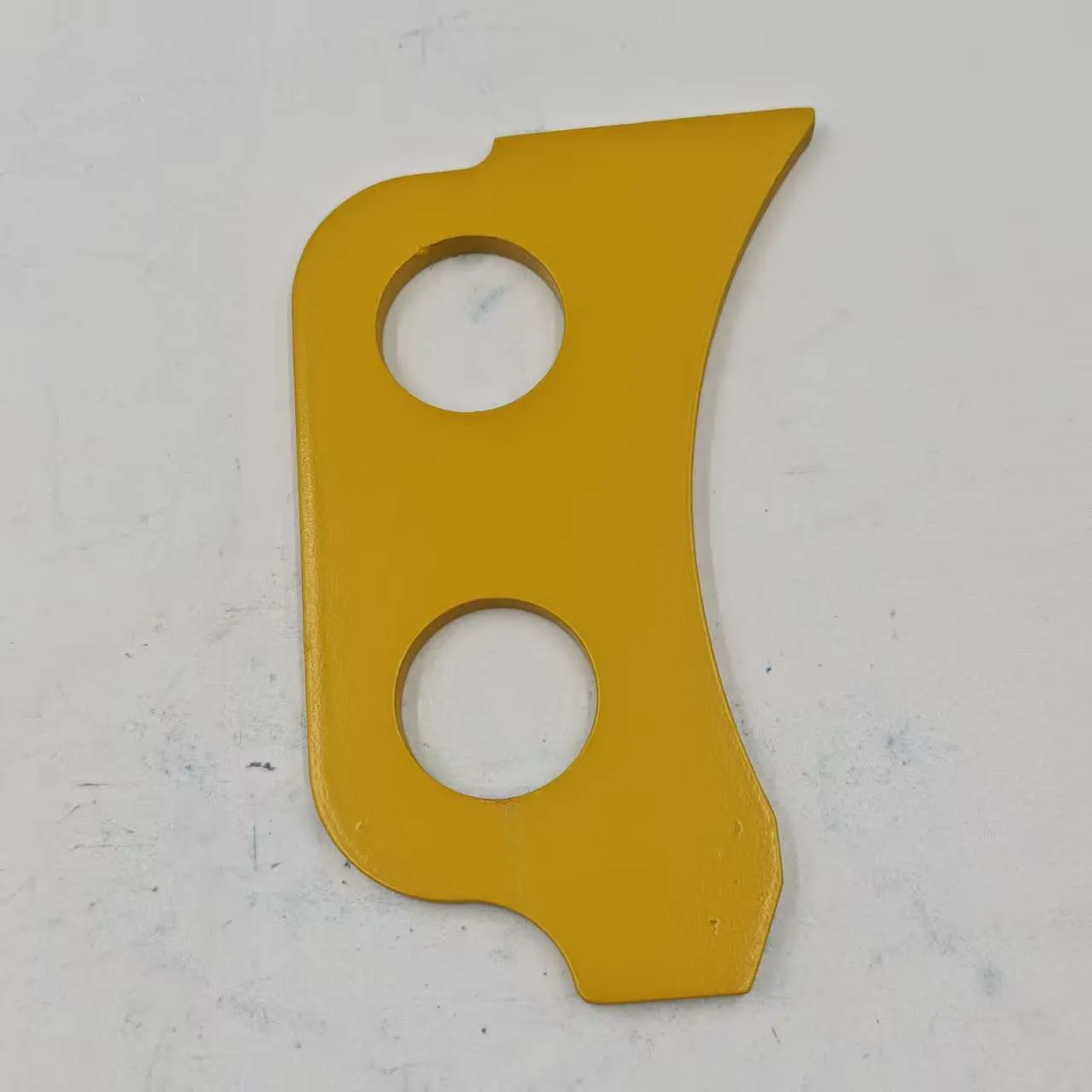 PLATE 195-71-74260 KOMATSU
 -
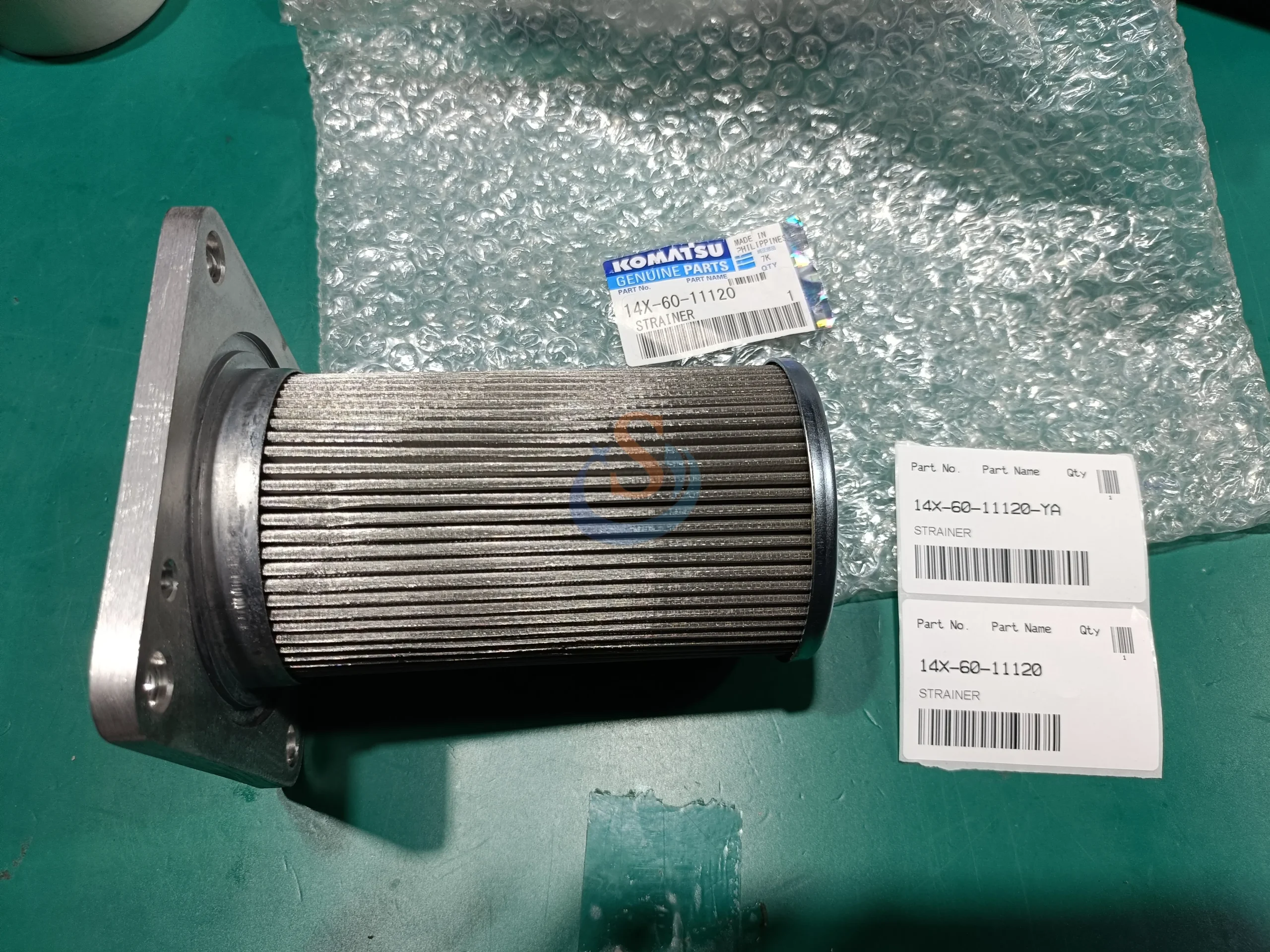 14X-60-11120,STRAINER,D31PX,D31EX,D65PX
 -
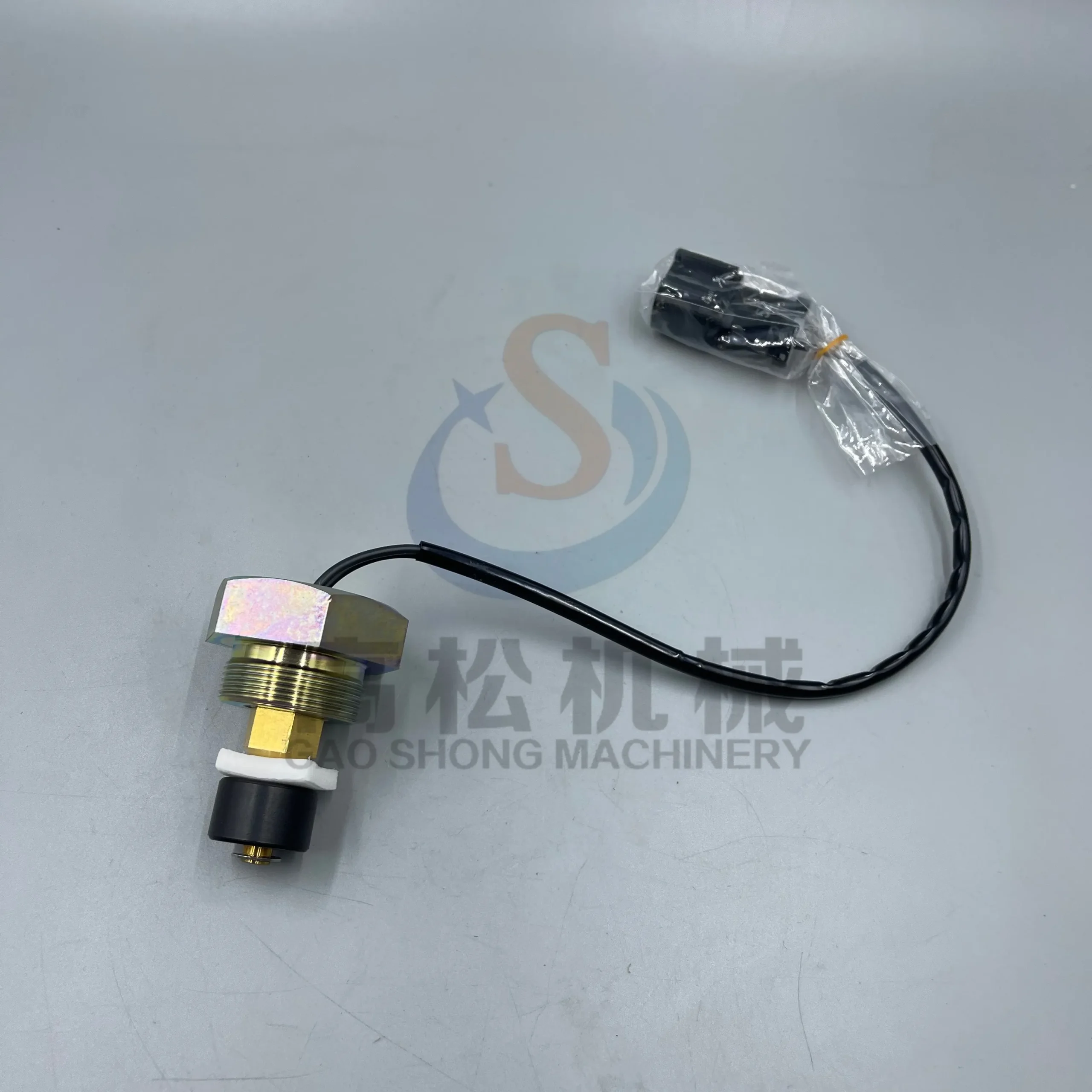 7861-92-4500 Komatsu SENSOR,HYDRAULIC OIL LEVEL
 -
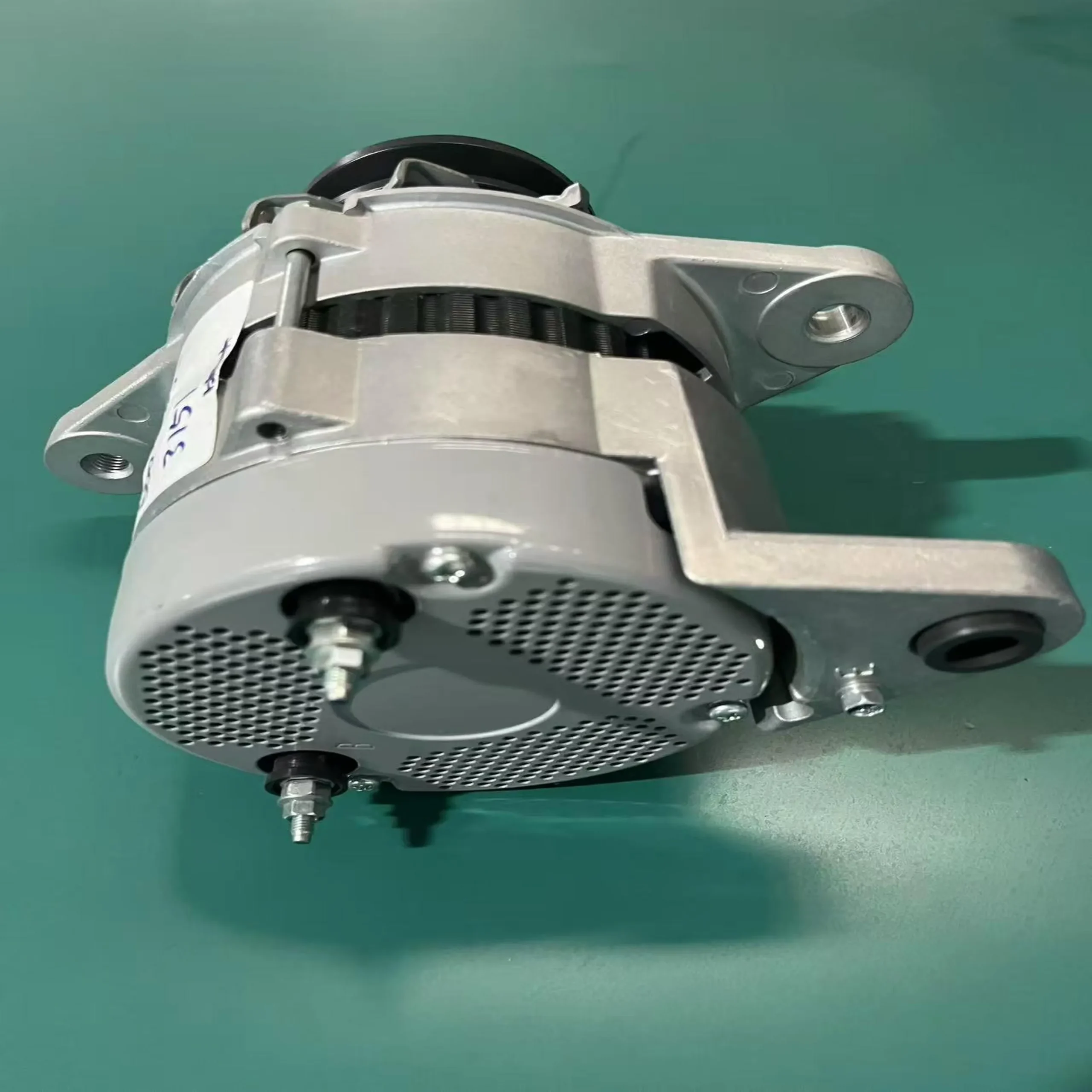 600-825-3151 Komatsu ALTERNATOR PC-400