
- Chinese
- French
- German
- Portuguese
- Spanish
- Russian
- Japanese
- Korean
- Arabic
- Irish
- Greek
- Turkish
- Italian
- Danish
- Romanian
- Indonesian
- Czech
- Afrikaans
- Swedish
- Polish
- Basque
- Catalan
- Esperanto
- Hindi
- Lao
- Albanian
- Amharic
- Armenian
- Azerbaijani
- Belarusian
- Bengali
- Bosnian
- Bulgarian
- Cebuano
- Chichewa
- Corsican
- Croatian
- Dutch
- Estonian
- Filipino
- Finnish
- Frisian
- Galician
- Georgian
- Gujarati
- Haitian
- Hausa
- Hawaiian
- Hebrew
- Hmong
- Hungarian
- Icelandic
- Igbo
- Javanese
- Kannada
- Kazakh
- Khmer
- Kurdish
- Kyrgyz
- Latin
- Latvian
- Lithuanian
- Luxembou..
- Macedonian
- Malagasy
- Malay
- Malayalam
- Maltese
- Maori
- Marathi
- Mongolian
- Burmese
- Nepali
- Norwegian
- Pashto
- Persian
- Punjabi
- Serbian
- Sesotho
- Sinhala
- Slovak
- Slovenian
- Somali
- Samoan
- Scots Gaelic
- Shona
- Sindhi
- Sundanese
- Swahili
- Tajik
- Tamil
- Telugu
- Thai
- Ukrainian
- Urdu
- Uzbek
- Vietnamese
- Welsh
- Xhosa
- Yiddish
- Yoruba
- Zulu
- Kinyarwanda
- Tatar
- Oriya
- Turkmen
- Uyghur






OEM AND ORIGINAL KOMATSU WEAR RING 561-50-81320
If you're sourcing a Komatsu wear ring like the , you've probably hit the wall of OEM vs. Original confusion. Here's the thing: in our line of work, those terms get thrown around loosely, but they're not always the same. An OEM product supplier within the Komatsu system – that's a specific status. It means the supplier is part of the authorized manufacturing chain, not just a third-party claiming compatibility. The is a perfect example where this distinction matters on the ground, affecting everything from fit to machine uptime.
The Part Number Trap and Supplier Reality
Everyone searches by part number. . It's precise. But that number alone doesn't guarantee you're getting a part that performs like the one that left Komatsu's original assembly line. I've seen rings come in boxes with that exact stamp, from suppliers claiming OEM, but the material composition was off. The wear pattern after 200 hours told the real story. It's not always counterfeit; sometimes it's a case of specifications drifting over production runs at a factory that isn't under the same direct oversight.
This is where a company's stated role is critical. Take Jining Gaosong Construction Machinery Co., Ltd. Their positioning as both an OEM product supplier within the Komatsu system and a third-party sales channel is actually a nuanced, real-world model. It acknowledges a gap: the official pipeline can't always reach everywhere or meet every timeline. Their site, takematsumachinery.com, frames it as solving parts supply challenges in certain countries. That's not marketing fluff; that's the daily reality for dealers in regions with complex logistics or trade barriers. They aren't just another parts shop; they're functioning as a bridge, which implies a different level of access and accountability.
So, when they list the , the assumption is it originates from that OEM-manufacturing tier. But the professional habit is to verify. I'd still ask for mill certificates for the steel or polymer batch, not because I distrust, but because that's the drill. The original tag from Komatsu carries with it a full trail of quality audits. The OEM tag from an authorized supplier should carry a very similar one, just maybe a different packing slip.
Field Performance: Where Theory Meets Dirt
Let's talk about the actual wear ring. It's not a glamorous part. It's a seal, a guide. But when a non-conforming one fails on a PC300 or similar model, it lets contamination into places it shouldn't be, leading to cascade failures in the final drive or swing circle. The cost multiplies fast. I recall a site in Indonesia that used a non-OEM-sourced 81320. The ring itself wore evenly, which was good, but it was slightly less ductile. In a high-impact load scenario, it cracked instead of deforming, sending shards into the gear teeth. That was a $15k lesson on why material specs aren't just numbers on paper.
The right part, from the right source, wears predictably. You see a gradual polishing on the contact face, not deep scoring or brittle flaking. When we've sourced through channels like Gaosong, which emphasize their systemic OEM role, the failure mode tends to mirror the genuine article. The failure is from normal abrasive wear over thousands of hours, not a material defect. That predictability is what lets you plan maintenance, not just react to emergencies.
Another practical point: packaging and documentation. An original Komatsu part comes in that distinct packaging. An OEM part from an authorized supplier might come in plain or supplier-branded boxes, but the paperwork inside – the material safety sheets, the inspection stamps – should be thorough. If it's just the ring in a plastic bag, red flags go up immediately, regardless of the supplier's claims.
The Third-Party Sales Angle and Market Gaps
Jining Gaosong's dual identity as a third-party sales company is the pragmatic half of their business. The official Komatsu network is robust, but it's not omnipresent. There are countries where establishing a direct, fully-owned Komatsu dealership is logistically or politically fraught. In those markets, supply dries up, and machine owners turn to whatever is available, often questionable copies.
A company stepping into that gap as a sanctioned third-party sales arm performs a crucial function. They aren't just selling a part; they're providing a verified alternative supply chain for OEM and original Komatsu components. For the end-user, this means they might procure the through Gaosong's portal at takematsumachinery.com, and the part is effectively the same as one from a major dealer, but it arrived via a different route to overcome a local import or distribution hurdle.
This model creates trust, but it also requires transparency. If I'm a fleet manager, I need to know why I'm buying from them and not my local dealer. The reason solving parts supply challenges is valid only if backed by traceability. They have to be willing to provide the backstory on the part's provenance, which a pure aftermarket clone supplier will never do.
Cost vs. Value: A Constant Calculation
Price is always the first question. An original Komatsu wear ring carries a premium. An OEM version from a supplier like Gaosong might come in at 15-25% less, which is significant for a fleet. The cheap aftermarket copies can be 60% less. The calculation isn't just part cost. It's the cost of machine downtime, the labor for replacement, and the risk of ancillary damage.
Using the cheaper copy is a gamble. Sometimes you win, and the machine runs fine for its expected life. Often, you lose. The value of the OEM/authorized supplier part is risk mitigation. You're paying for the certainty of specification and the accountability of the supplier. If that 81320 fails prematurely and causes damage, you have a channel for recourse with an authorized supplier. With a no-name part, you have none.
In my own purchasing, I've moved towards this middle tier for components like wear rings. The full original is ideal for warranty jobs or brand-new machines. For general fleet maintenance, a verifiable OEM part from a supplier embedded in the system is the smarter play. It balances cost with controlled risk.
Verification and Building a Reliable Source
So how do you treat a supplier making these claims? You test them, slowly. Don't order 100 pieces of the on the first go. Order two. Install them on machines with similar duty cycles and monitor. Measure wear rates, document any anomalies. Check the packaging and paperwork meticulously.
Ask direct questions: Can you provide documentation linking this batch to your OEM production? What is your process for handling parts that are end-of-life from Komatsu's official catalog? A credible supplier will have clear answers. Their website, like Gaosong's, should reflect this professional approach, focusing on their specific role within the ecosystem rather than making vague we have everything promises.
Over time, you build a shortlist of go-to sources for different part categories. For critical wear components like this ring, a supplier that openly states its OEM manufacturing role and its third-party sales mission to fill gaps has already done half the work of building credibility. They're acknowledging the complexity of the global parts market, which is something only someone who's been in the trenches would bother to do. The rest is verified through consistent performance, one part number at a time.
Related Products
Related Products

Best Selling Products
Best Selling Products-
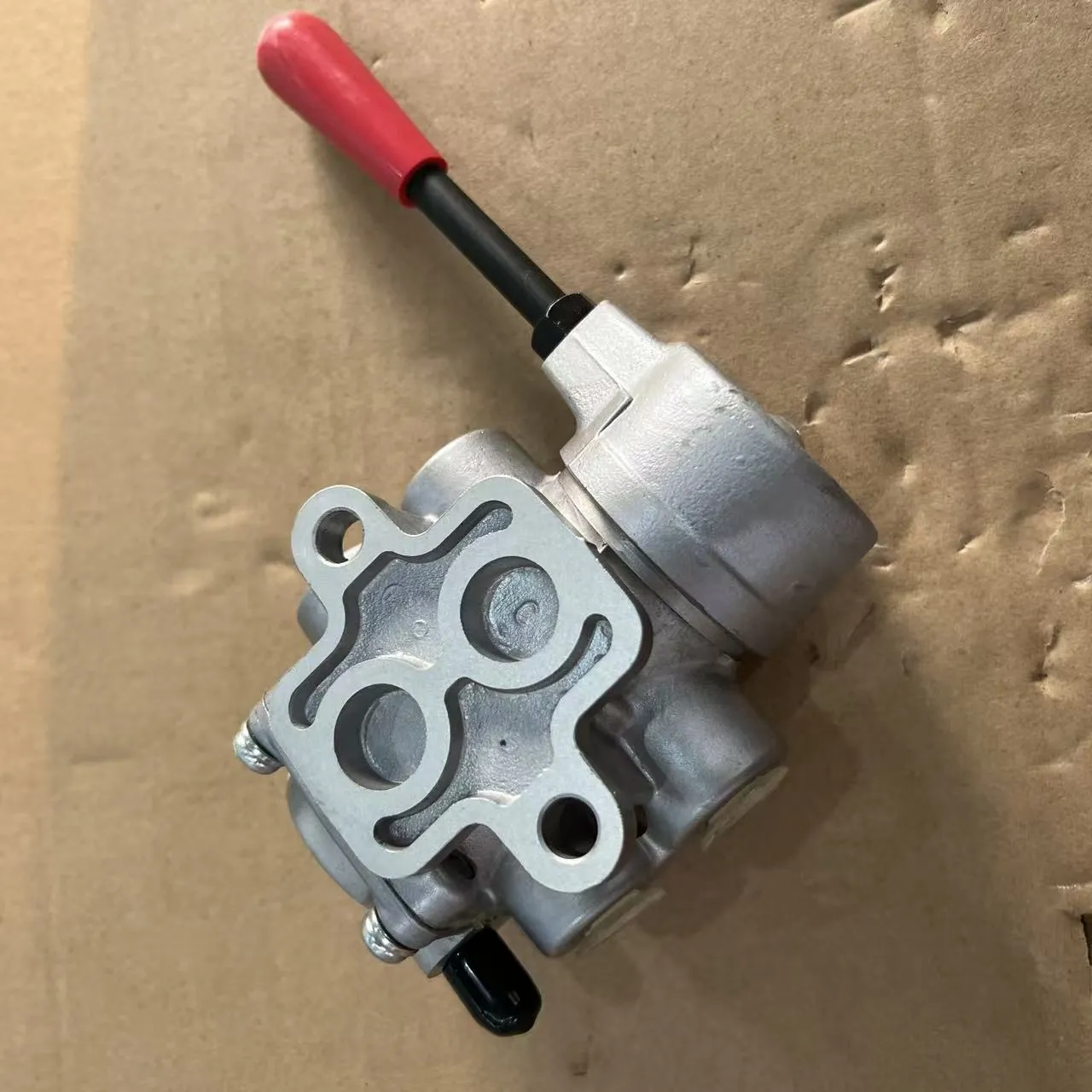 Komatsu 561-87-66102 EMERGENCY BRAKE… — Pricing.Parts
 -
 2A8-70-13410 Seal PC500LC-10M0 2A8-70-13420 Seal PC500LC-10R 2A8-70-13680Spacer PC500LC-10M0 2A8-70-13690Spacer PC500LC-10M0 2W71-21380 2WT27-72350
 -
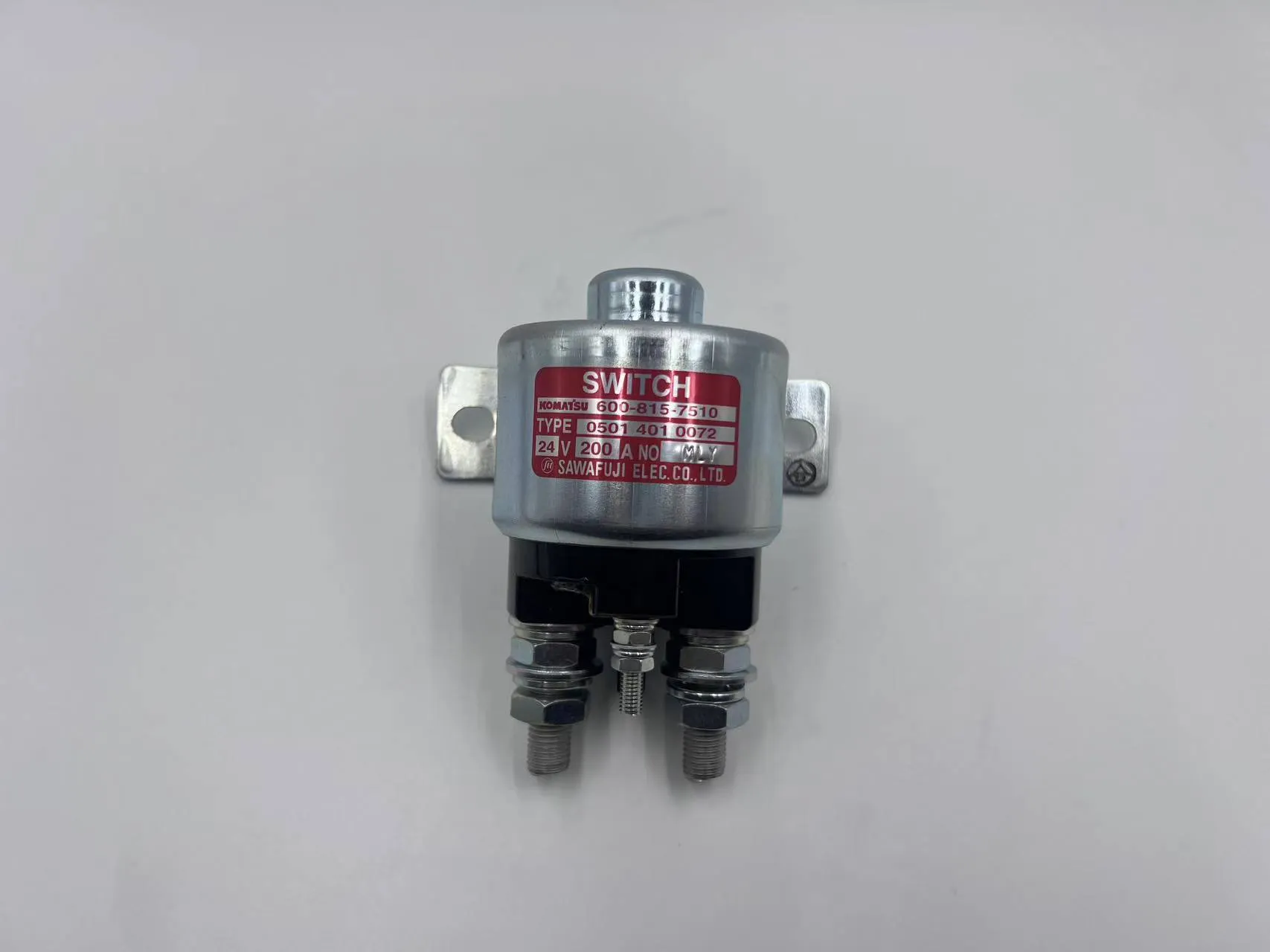 600-815-7510- SWITCH-Komatsu Original Factory
 -
 Hot Selling at Low Prices 21P-62-K1520 21M-62-11230 21T-01-67330 21U-62-34760 Underground Facilities
 -
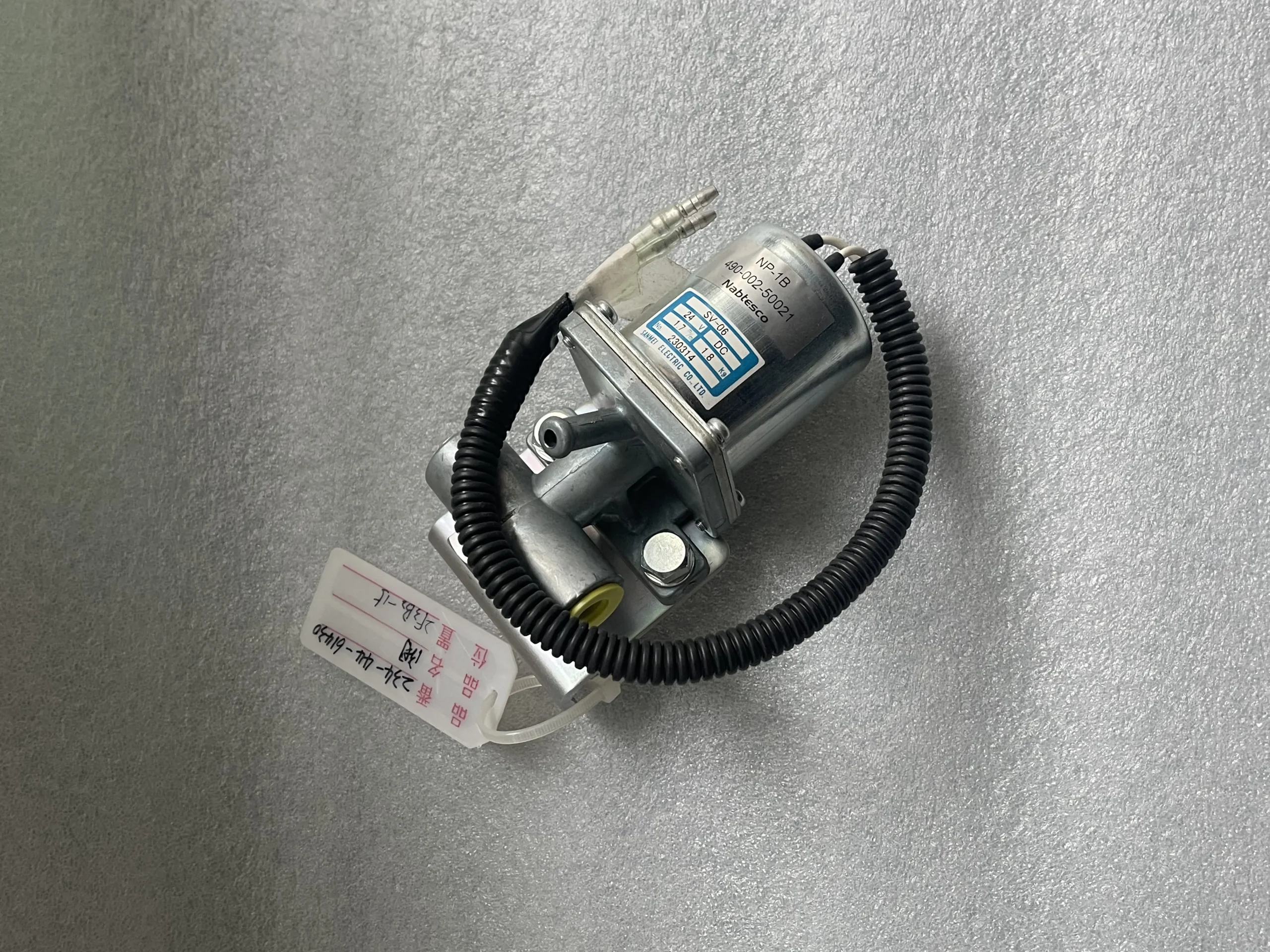 VALVE 234-44-61430
 -
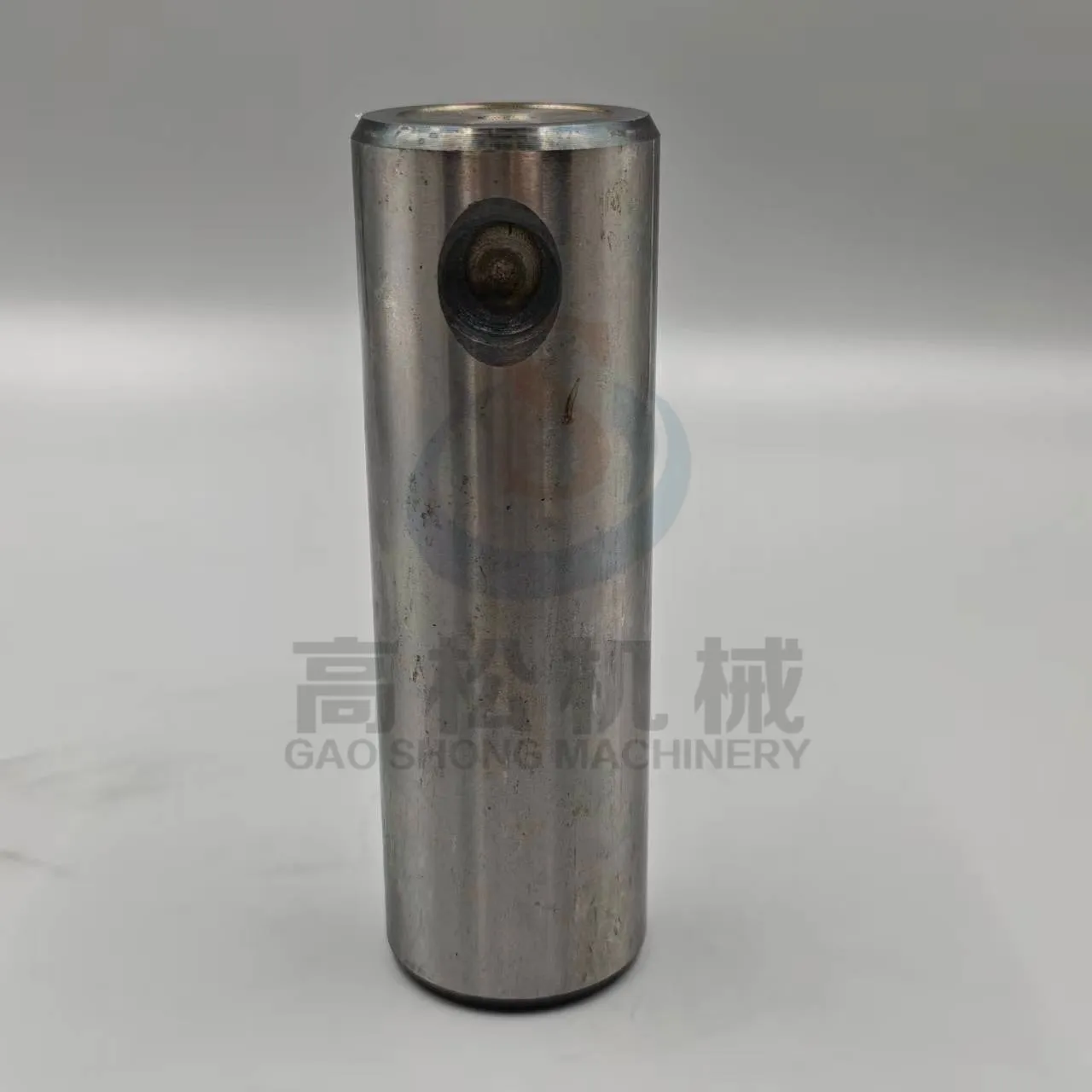 424-22-12510 Shaft (Komatsu)
 -
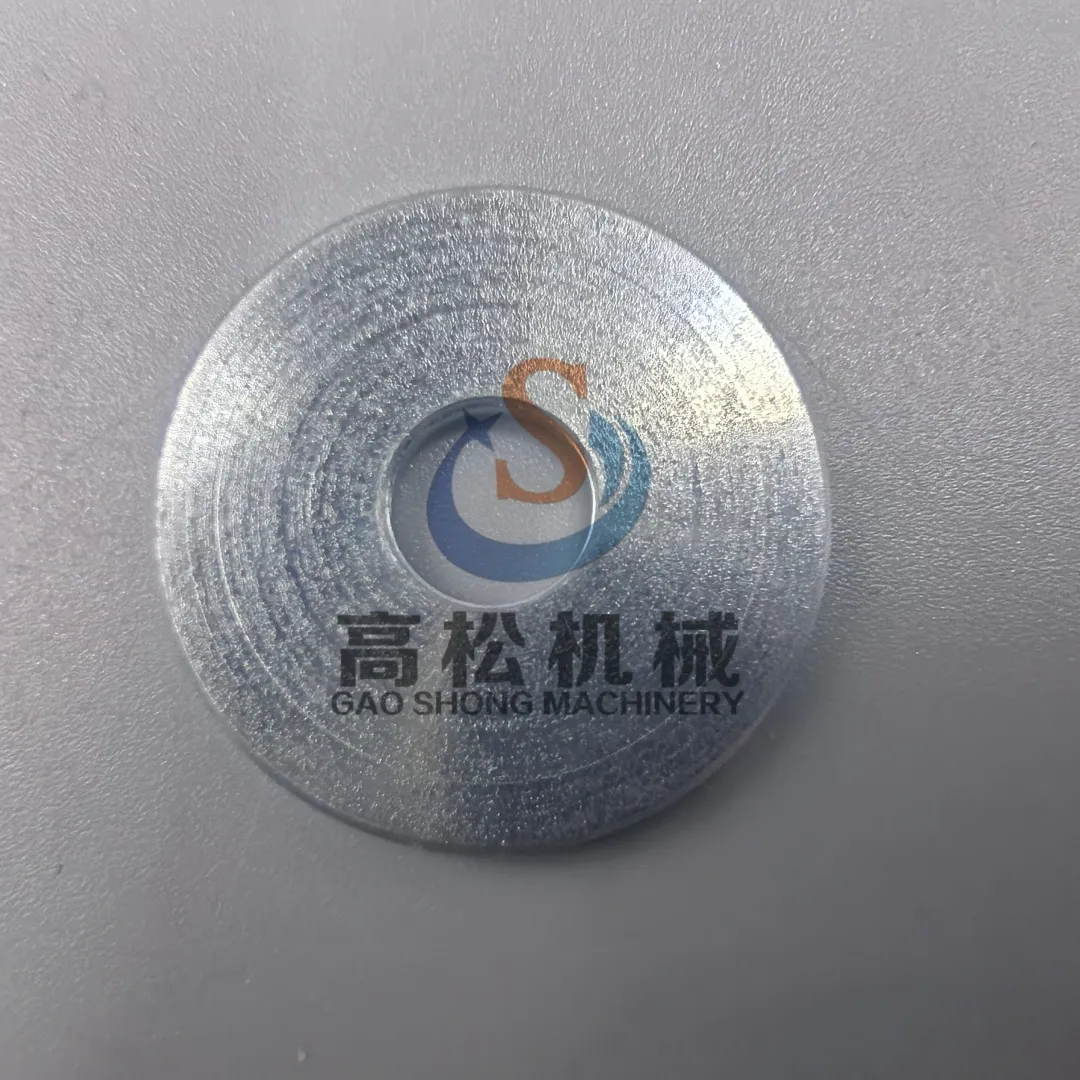 22W-70-16120 WASHER (50A ALTERNATOR) – 22w7016120
 -
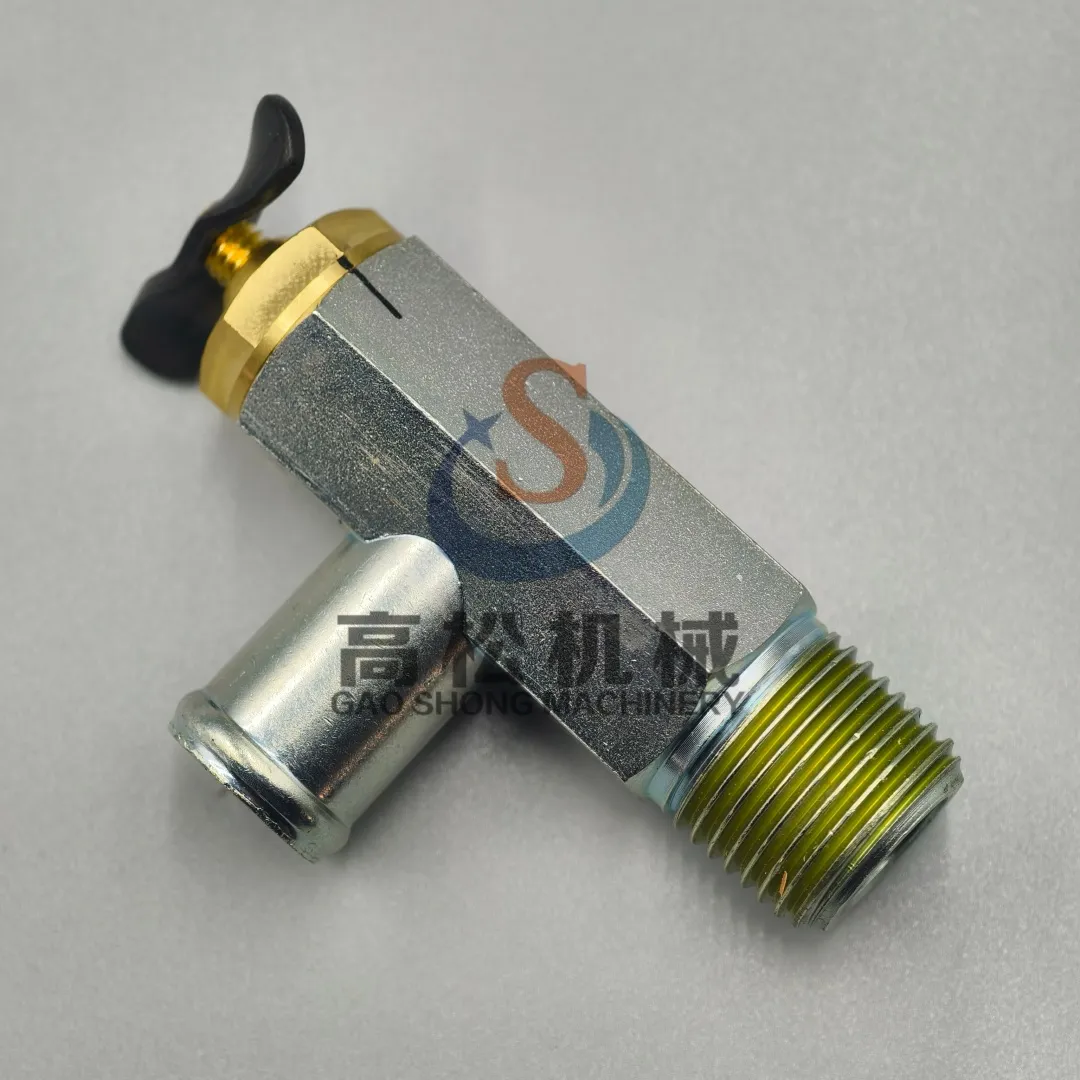 Spare part 09482-10000 VALVE,HOSE (Komatsu)
 -
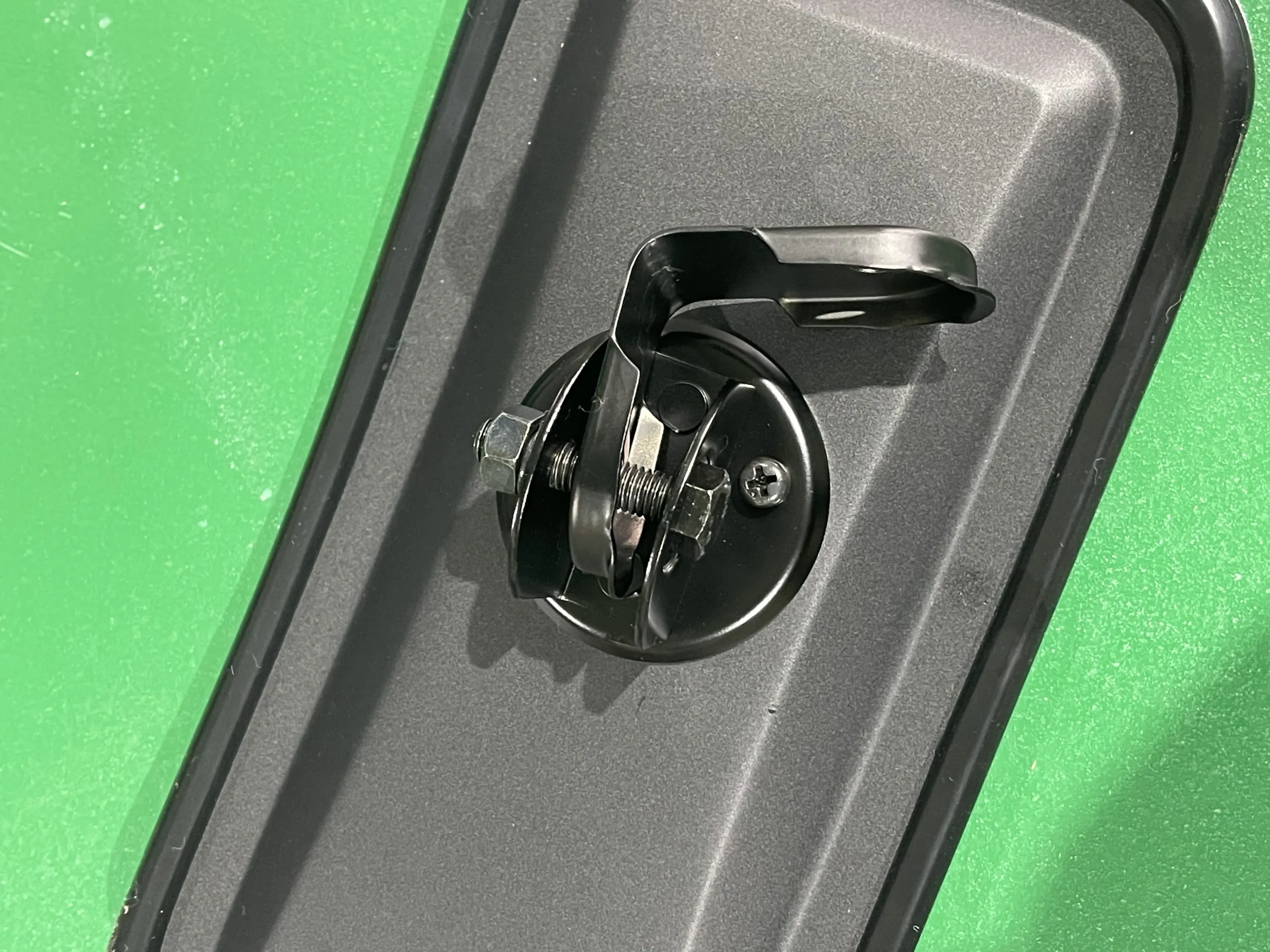 Komatsu 195-Z11-2180 Dozer Replacement Mirror
 -
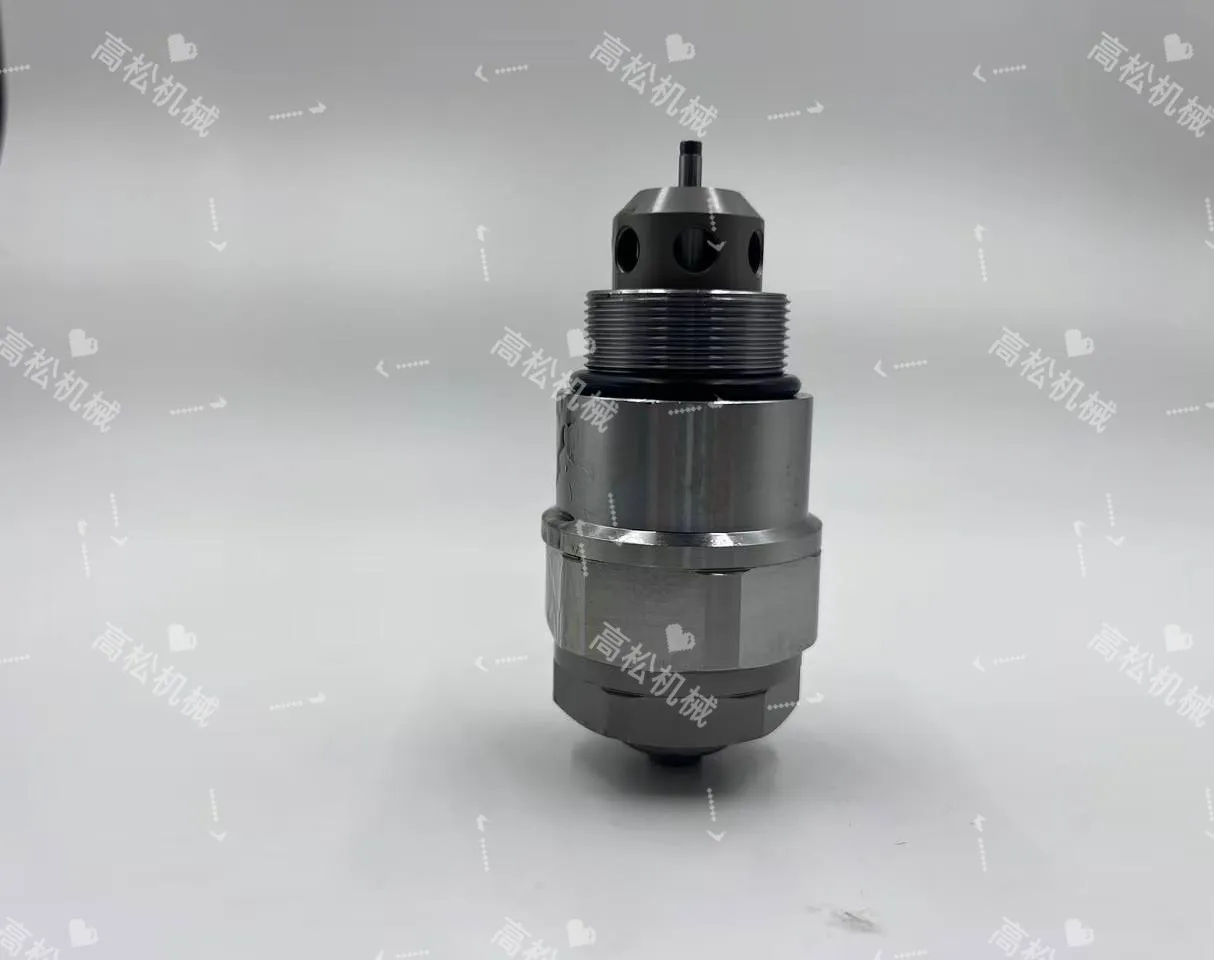 709-90-71700VALVE ASS’Y,SUCTION AND SAFETY D155A-2A CONTROL VALVE VALVE ASS’Y,SUCTION AND SAFETY PC1250SP-8R MAIN VALVE
 -
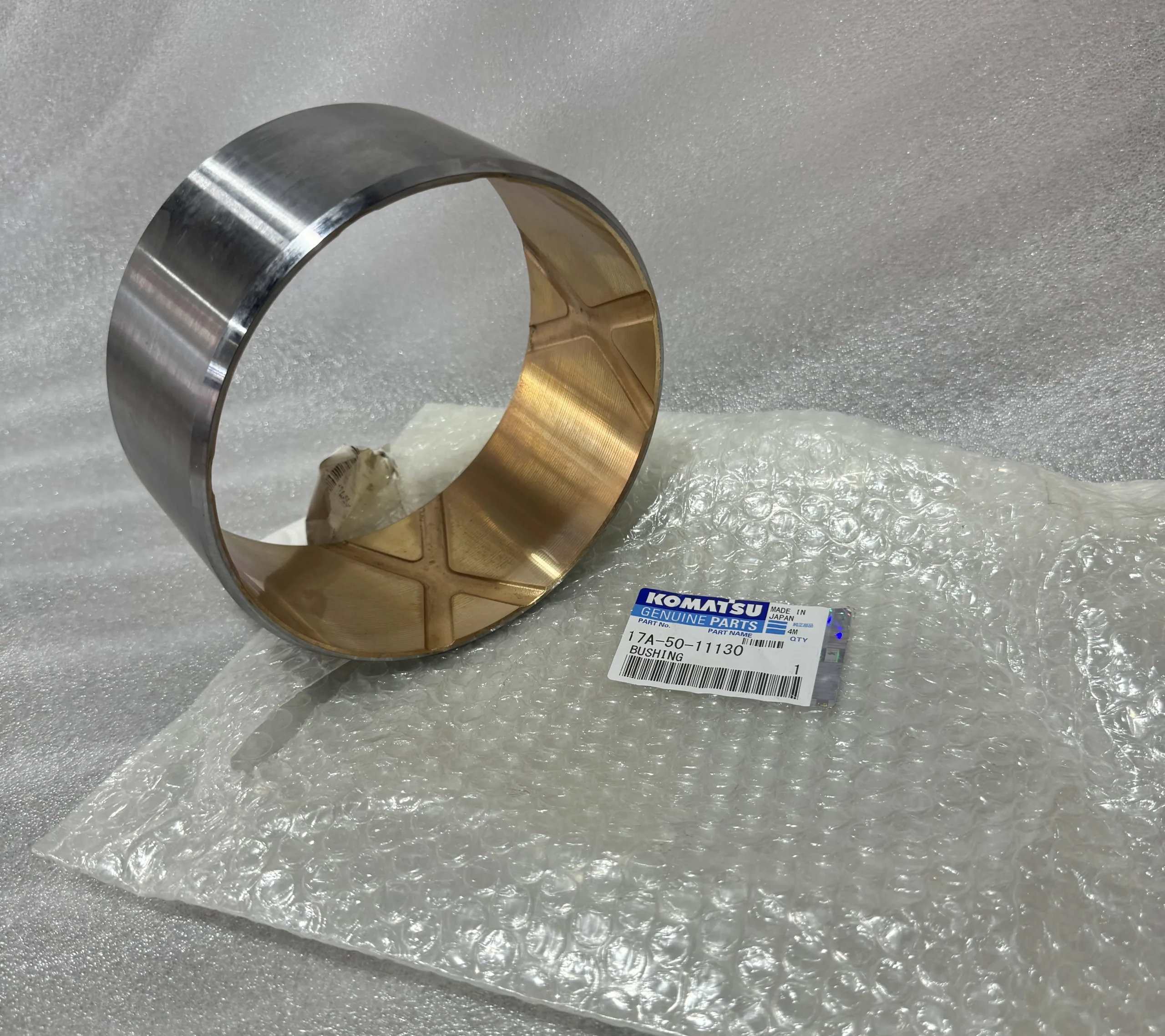 D155AX-3 Bushing 17A-50-11130
 -
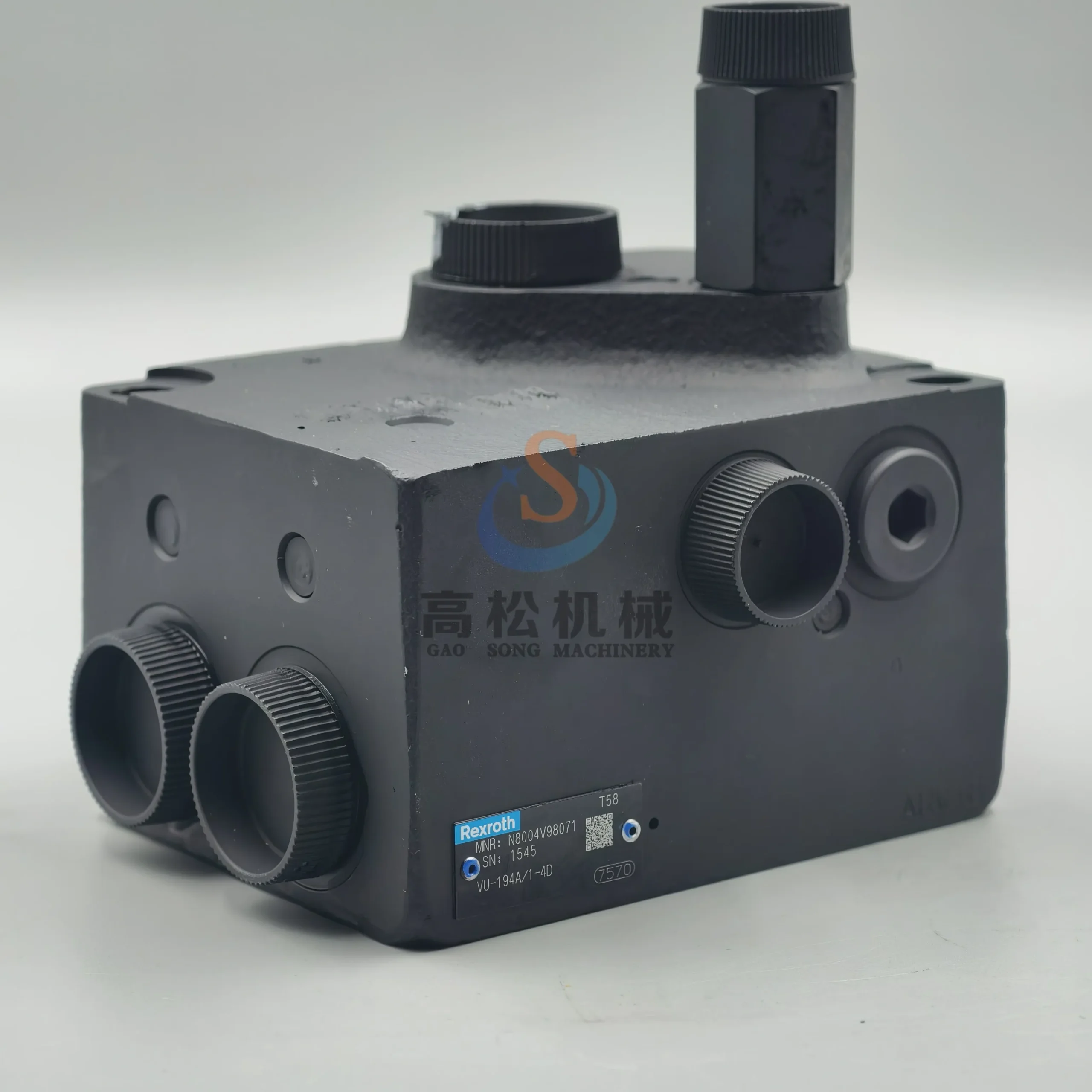 419-43-27401 komatsu vavle-WA400/WA300