
- Chinese
- French
- German
- Portuguese
- Spanish
- Russian
- Japanese
- Korean
- Arabic
- Irish
- Greek
- Turkish
- Italian
- Danish
- Romanian
- Indonesian
- Czech
- Afrikaans
- Swedish
- Polish
- Basque
- Catalan
- Esperanto
- Hindi
- Lao
- Albanian
- Amharic
- Armenian
- Azerbaijani
- Belarusian
- Bengali
- Bosnian
- Bulgarian
- Cebuano
- Chichewa
- Corsican
- Croatian
- Dutch
- Estonian
- Filipino
- Finnish
- Frisian
- Galician
- Georgian
- Gujarati
- Haitian
- Hausa
- Hawaiian
- Hebrew
- Hmong
- Hungarian
- Icelandic
- Igbo
- Javanese
- Kannada
- Kazakh
- Khmer
- Kurdish
- Kyrgyz
- Latin
- Latvian
- Lithuanian
- Luxembou..
- Macedonian
- Malagasy
- Malay
- Malayalam
- Maltese
- Maori
- Marathi
- Mongolian
- Burmese
- Nepali
- Norwegian
- Pashto
- Persian
- Punjabi
- Serbian
- Sesotho
- Sinhala
- Slovak
- Slovenian
- Somali
- Samoan
- Scots Gaelic
- Shona
- Sindhi
- Sundanese
- Swahili
- Tajik
- Tamil
- Telugu
- Thai
- Ukrainian
- Urdu
- Uzbek
- Vietnamese
- Welsh
- Xhosa
- Yiddish
- Yoruba
- Zulu
- Kinyarwanda
- Tatar
- Oriya
- Turkmen
- Uyghur






OEM AND ORIGINAL KOMATSU VALVE ASSY 723-40-71201
Let's cut straight to it: when you see 'OEM AND ORIGINAL' slapped together on a part like the Komatsu Valve Assy , your first instinct should be a healthy dose of skepticism. In our line of work, that phrasing is often a red flag, a marketing hedge used by suppliers who might be offering a genuine OEM part, a licensed aftermarket copy, or something far less reliable. The for certain Komatsu excavator hydraulic systems is a perfect case study. It's a high-pressure component where failure isn't an option—it leads to downtime, cascading damage, and serious cost. The real challenge isn't finding a supplier; it's verifying the provenance of that specific valve assembly. I've seen too many guys get burned by a 'genuine' part that was just a good visual replica but failed under real load cycles because the metallurgy or the precision grinding on the spool was off by a few microns. The term 'Original' is particularly slippery—it can mean original to the machine (Komatsu-made) or original design (a reverse-engineered product). That distinction is everything.
The in the Wild: More Than Just a Part Number
This isn't a generic filter or a seal. The valve assy is integral to controlling hydraulic flow, often tied to the pilot system or a specific implement function. When it fails, the machine doesn't just run poorly; it might not run a specific function at all. I remember a PC300-6 where a faulty valve led to erratic arm movement. The local dealer quoted a long lead time and a steep price. The customer sourced a 'OEM and Original' part from a third-party vendor. It fit, it worked... for about 120 hours. Then the same issue resurfaced. Upon teardown, we found the valve body's internal galleries had begun to erode from impurities in the casting—a classic sign of a substandard material not meeting Komatsu's spec. The part number was correct, the packaging looked professional, but the product was a liability.
This is where the role of a specialized supplier becomes critical. A company like Jining Gaosong Construction Machinery Co., Ltd. operates in a specific niche. They position themselves as an OEM product supplier within the Komatsu system. In practice, this often means they have the channels and approvals to source genuine Komatsu parts from the OEM network, possibly for regional distribution or for markets where the official distribution is weak or non-existent. Their parallel role as a third-party sales company for Komatsu is key. They're not just another parts shop; they're a conduit to solve genuine supply chain blockages. When you're stuck in a country where the official parts pipeline is clogged, a partner with this dual capability is worth its weight in gold. You can check their approach at their portal, https://www.takematsumachinery.com.
The nuance is in their stated mission: helping to solve parts supply challenges in certain countries. This isn't marketing fluff. I've dealt with scenarios in remote mining sites or specific export markets where the official dealer network simply cannot deliver a critical part like the within an acceptable timeframe. A supplier with true OEM access can cut through that logjam. They aren't magicians, but they have alternative logistics and inventory routes that a standard aftermarket seller does not.
Verifying Provenance: It's All in the Details
So, how do you trust a supplier with such a critical component? You don't—you verify. First, the physical audit. A genuine will have very specific markings. Not just the part number stamped, but often a supplier code (like a tiny 'K' or a numeric batch), and the finish is consistent. The paint on the exterior, if any, is tough and even. The O-ring grooves are machined, not cast, with no burrs. The aftermarket copies often get the broad strokes right but miss these minutiae. The packaging is another tell. Genuine Komatsu parts, even those distributed through secondary channels, usually come in Komatsu-branded boxes with specific labels and safety sheets. If it arrives in a plain brown box with just a sticker, alarm bells should ring.
Second, the paperwork trail. A legitimate supplier should be able to provide documentation that traces the part back to a Komatsu-affiliated source. This isn't always a full invoice from Komatsu Ltd., but there should be batch numbers, packing lists, and certificates of conformity that don't look photocopied a hundred times. When I've engaged with suppliers like the one mentioned, I ask for this upfront. A vague answer is a 'no'. A detailed, if sometimes slow-to-arrive, document package builds confidence.
Third, and most importantly, is performance history. This is where forums, industry contacts, and old-fashioned word of mouth come in. Has anyone in your network run a from this source for 1000+ hours without issue? That single data point is more valuable than any brochure. I've learned to build a shortlist of suppliers based on field performance, not website gloss.
The Cost of Compromise: A Short-Term Win, a Long-Term Loss
Let's talk money. The price delta between a verified genuine and a 'might-be-genuine' or high-quality copy can be 40% or more. The temptation to save that money is huge, especially on older machines where the ROI is being squeezed. I've made that call myself early in my career, rationalizing that 'it's just a valve'. The math, however, changes completely when you factor in the secondary costs. The downtime for the initial repair, then the secondary downtime for the replacement job, the extra fluid, filters contaminated by debris from a failing part, and the potential for damaging adjacent, more expensive components like pumps or cylinders.
That failed aftermarket valve I mentioned earlier? The total cost ended up being nearly triple the price difference saved, not counting the lost revenue from the machine being out of action for an extra week. The client's trust was also damaged. It was a brutal lesson in total cost of ownership. Now, for a part with such a critical function, I steer clients toward verified channels, even if it means waiting a few more days. The OEM AND ORIGINAL KOMATSU VALVE ASSY from a source with transparent OEM ties is the only option that makes long-term economic sense.
This is precisely the gap that a company operating as both an OEM product supplier within the Komatsu system and a third-party sales company aims to fill. They aren't usually the cheapest, but they should offer a middle ground between exorbitant dealer prices and the risky gray market. Their value proposition is reliability and authenticity in challenging supply environments.
Sourcing Strategy: Building a Resilient Supply Chain
Relying on a single source, even if it's the official dealer, is a vulnerability. My strategy has evolved to a two-tiered approach. Tier One is the official network for planned, non-urgent overhauls. Tier Two is a shortlist of vetted specialist suppliers for emergency situations or for markets where the official channel is ineffective. A supplier like Jining Gaosong would be evaluated for Tier Two. The evaluation isn't just about the part; it's about their responsiveness, their willingness to provide technical data, and their honesty about stock and lead times.
For the specifically, I'd test them with a single unit order first. Not for a critical machine, but for a secondary unit. Install it, monitor its performance under load, and track its hours. This is the only real proof. Do they support this? A confident supplier will. Their website, takematsumachinery.com, should be a starting point for contact, not the final word. The real conversation happens over email and phone, discussing specific serial numbers of machines, compatibility questions, and delivery timelines to your specific port or city.
The goal is to have options. When a machine is down and the dealer says 8 weeks, you need a credible alternative you've already vetted. That alternative's ability to provide a true OEM AND ORIGINAL part, not just use the words, is what separates a parts vendor from a strategic partner. It turns a crisis into a manageable logistics delay.
Conclusion: The Label is a Promise, Not a Guarantee
Wrapping this up, the phrase 'OEM AND ORIGINAL KOMATSU VALVE ASSY ' is a starting point for inquiry, not a conclusion. It declares an intent about quality and origin. The job of a professional in this field is to validate that intent through scrutiny, documentation, and gradual, risk-managed testing. The market is full of excellent copies and dangerous fakes. Navigating it requires trusting not just labels, but entities that have built a business on bridging the gap between the Komatsu factory floor and the often-harsh reality of the jobsite.
Companies that explicitly state they are part of the OEM ecosystem and focus on solving supply challenges are generally more aligned with your need for reliability than those simply listing the lowest price. They understand that for components like this valve assembly, the part number is just the beginning of the conversation. The real product they are selling is certainty—or at least, a significantly higher probability of it. In our world, that's what keeps machines earning and avoids costly, reputation-damaging failures.
So next time you source that valve, look past the listing. Ask the hard questions about origin, request the proof, and consider the total cost. Sometimes, the right part from the right intermediary, even at a premium, is the most economical path forward. It's a lesson written in hydraulic fluid and lost machine hours.
Related Products
Related Products

Best Selling Products
Best Selling Products-
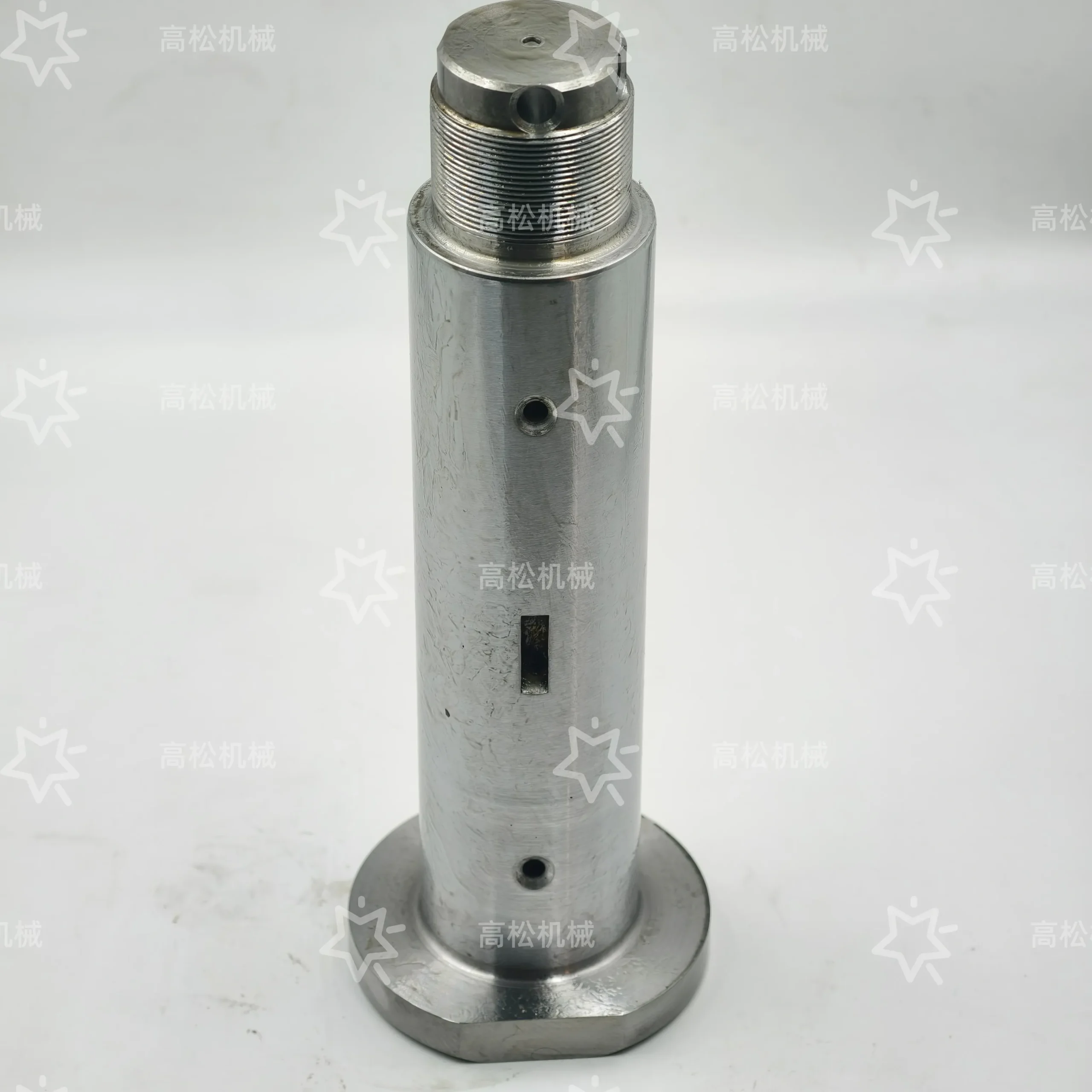 235-27-31330Grader Gd825A-2 Pin 235-27-31330 2352731330
 -
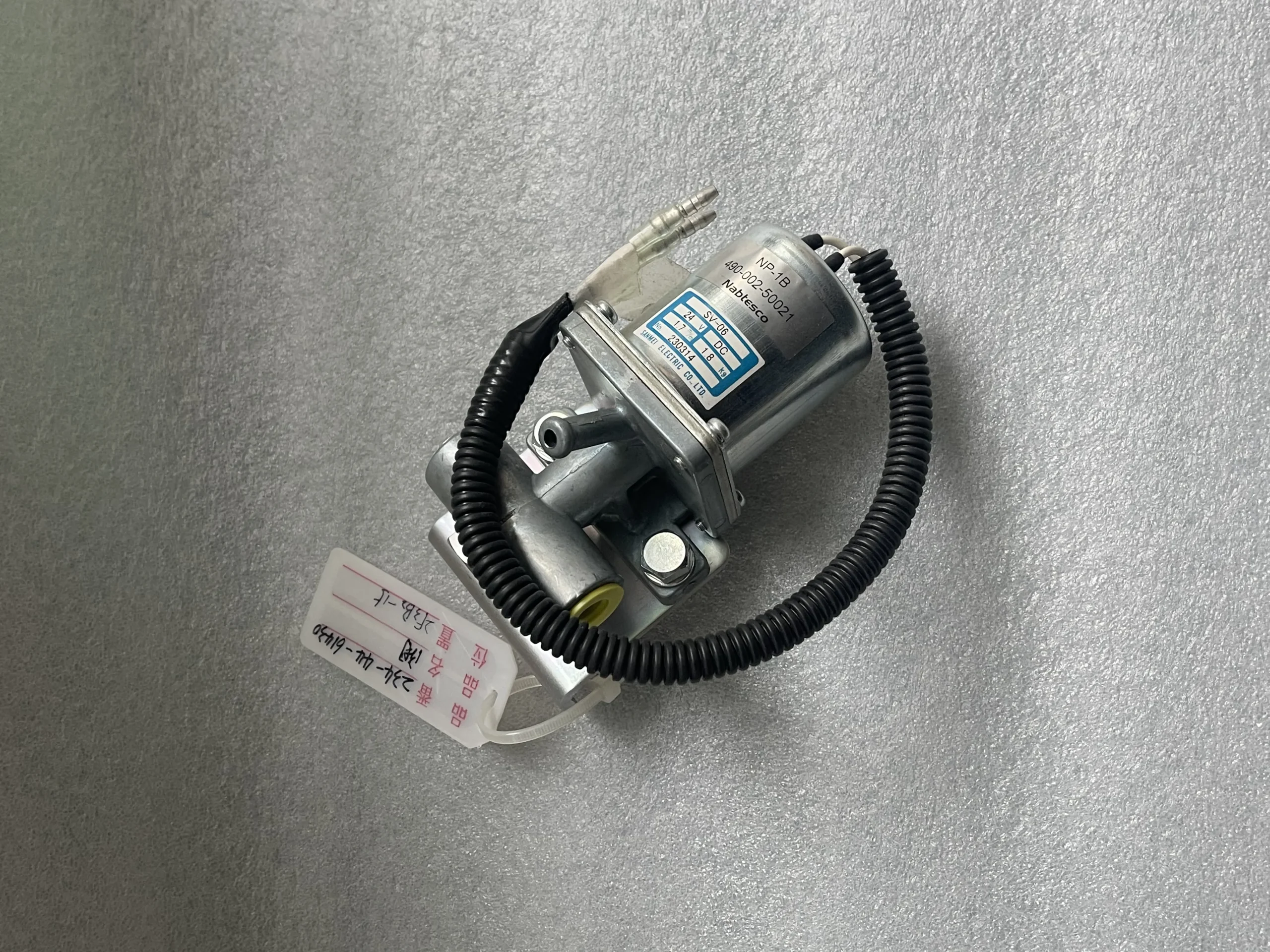 SOLENOID VALVE 234-44-61430 for GD705/825
 -
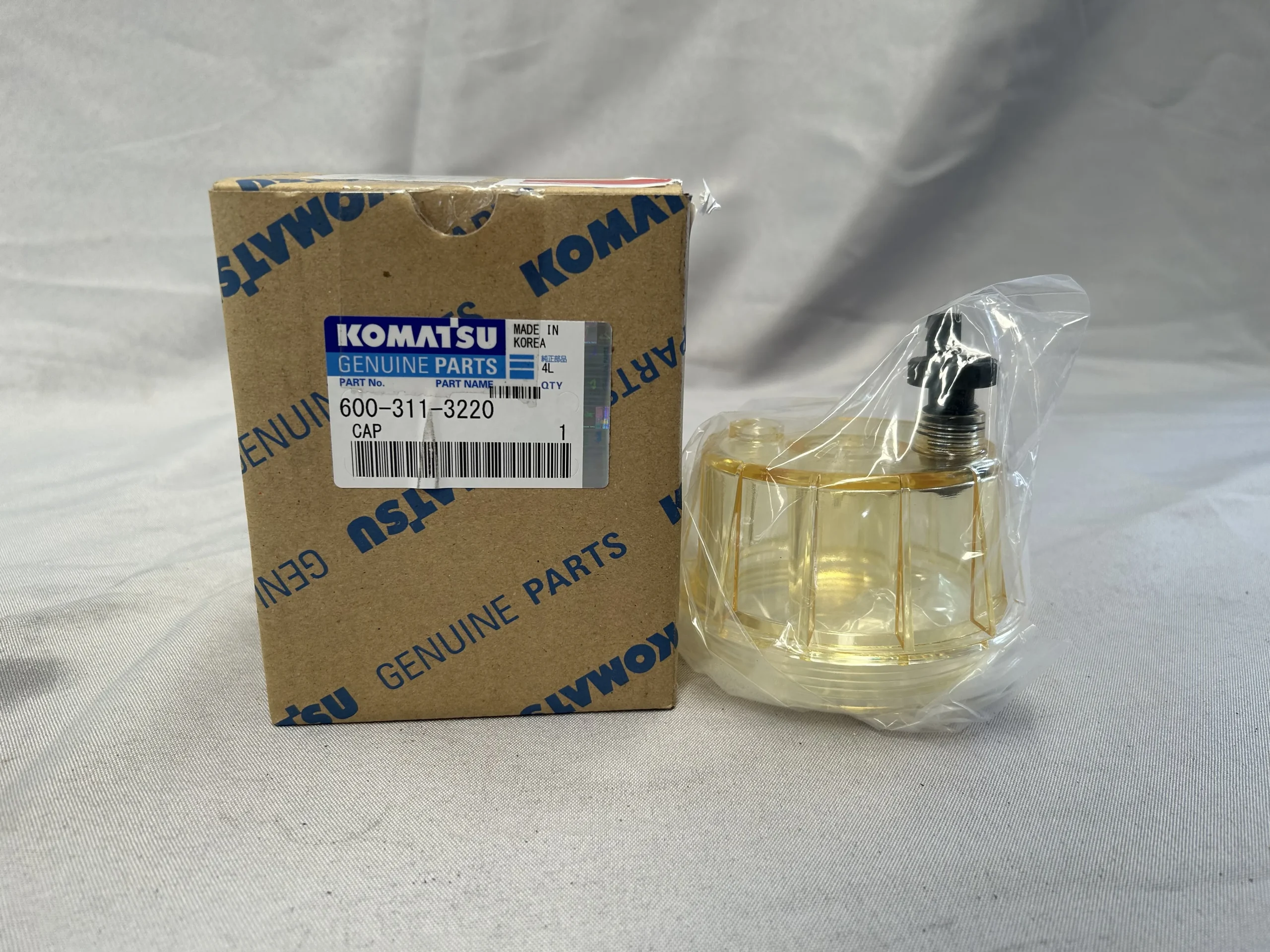 SA6D170E-3A Filter Cup 600-311-3220
 -
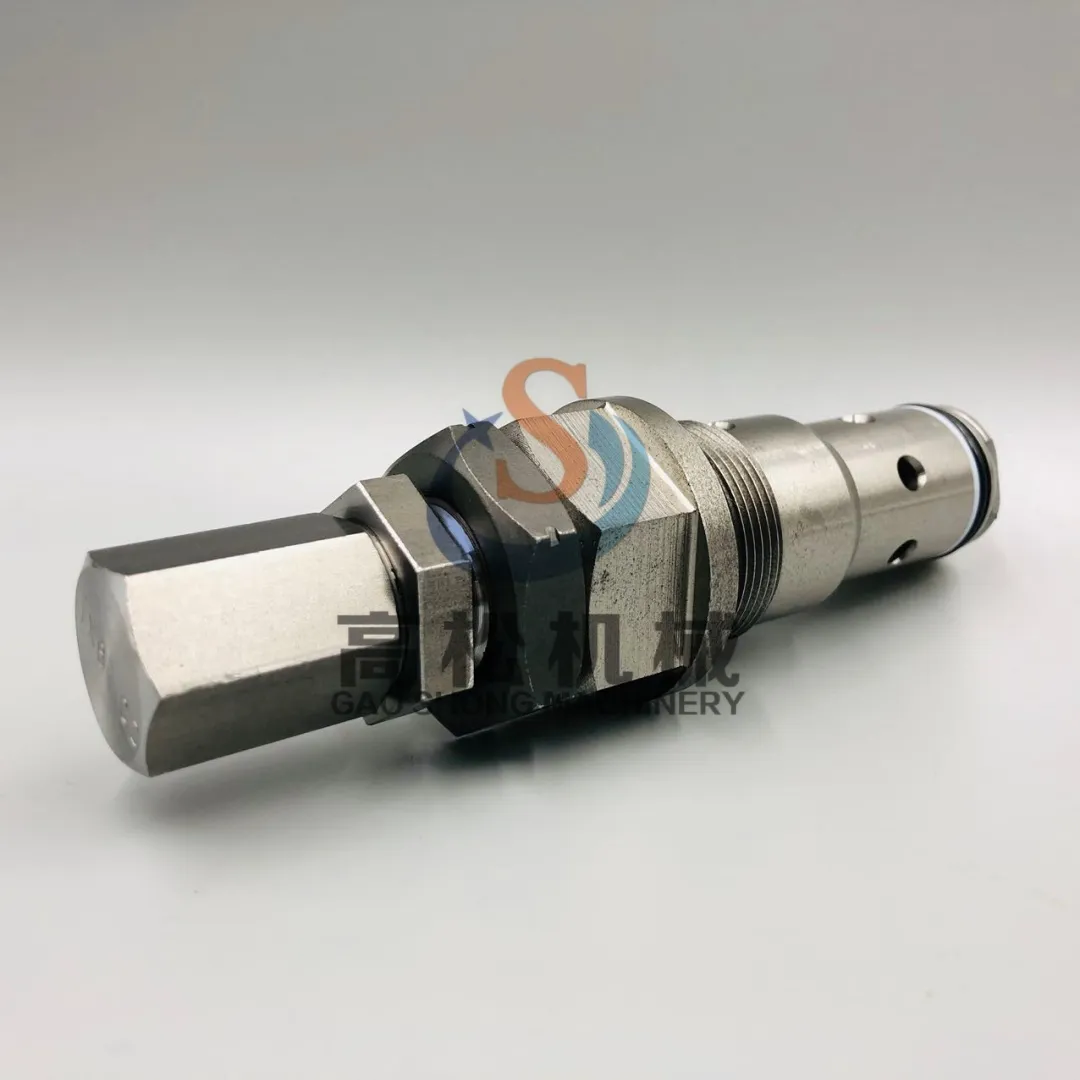 700-89-66000 RELIEF VALVE KOMATSU STEERING VALVE
 -
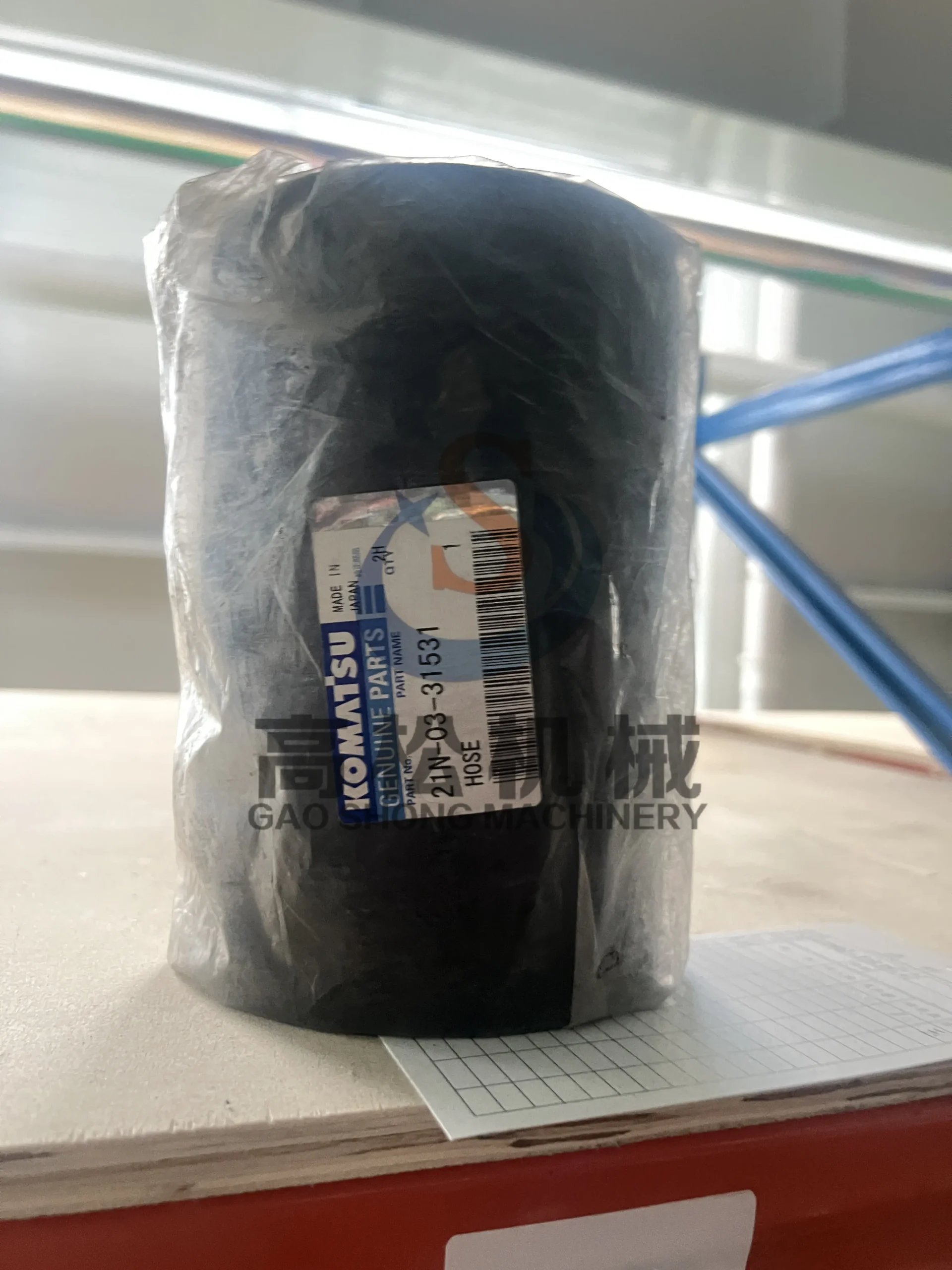 HOSE 21N-03-31531 – KOMATSU
 -
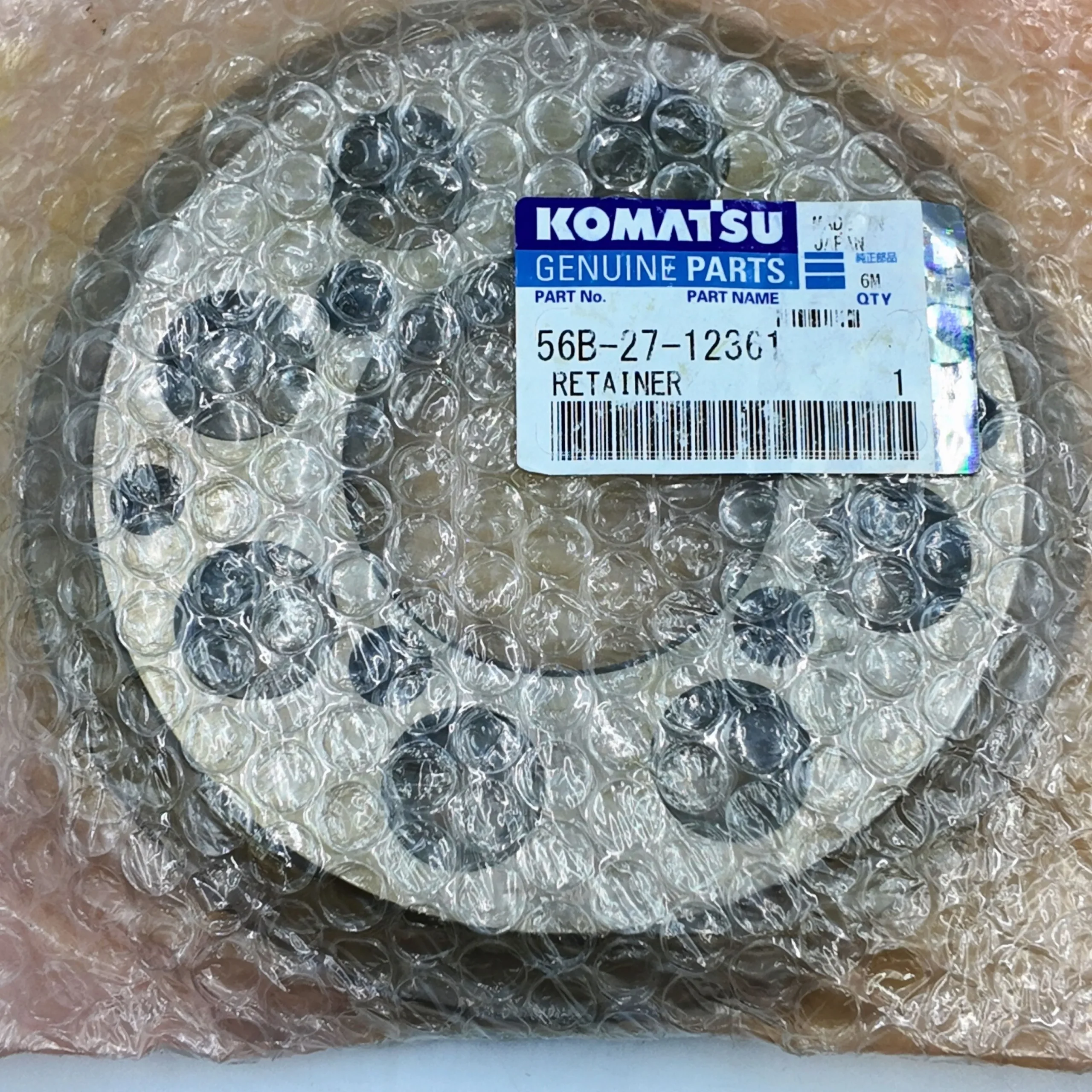 56B-27-12361•• RETAINER-Komatsu Original Factory
 -
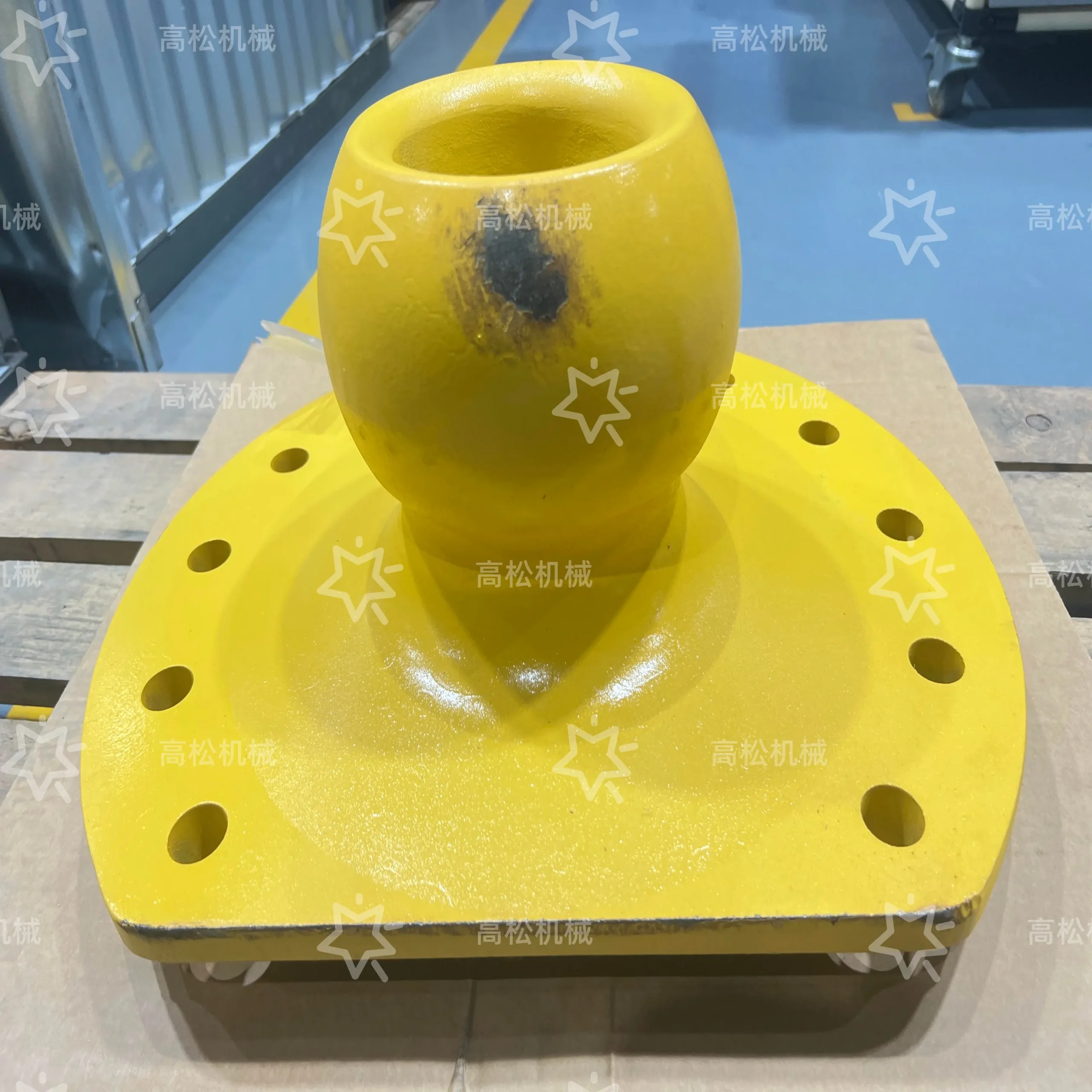 Trunnion 195-71-51191 for Bulldozer D375A-1/3/5/6
 -
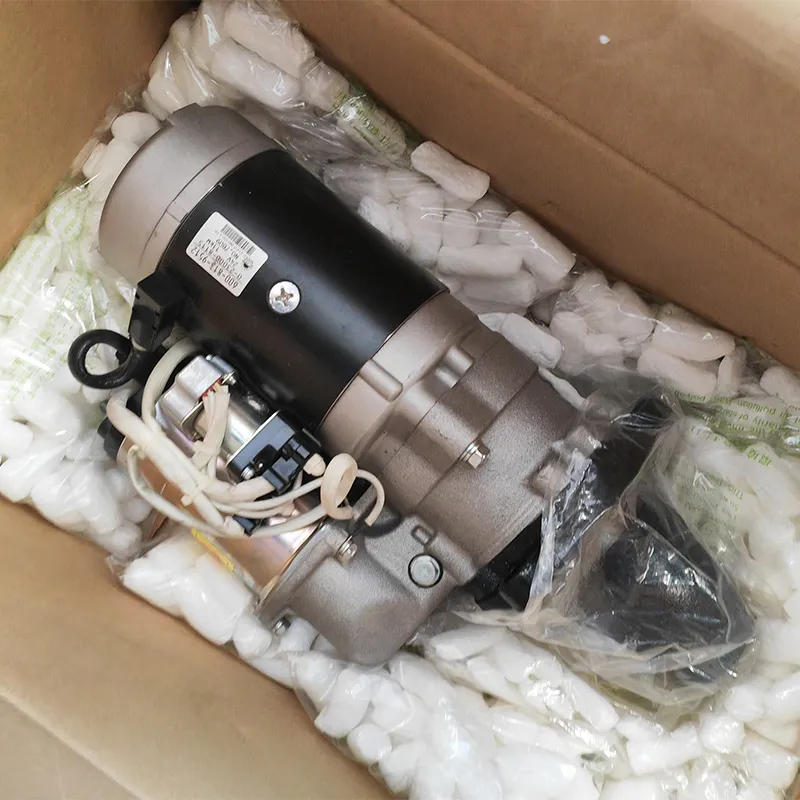 600-813-9512 Original komatsu Starter Motor for PC1250-8 D375-6 WA600-8
 -
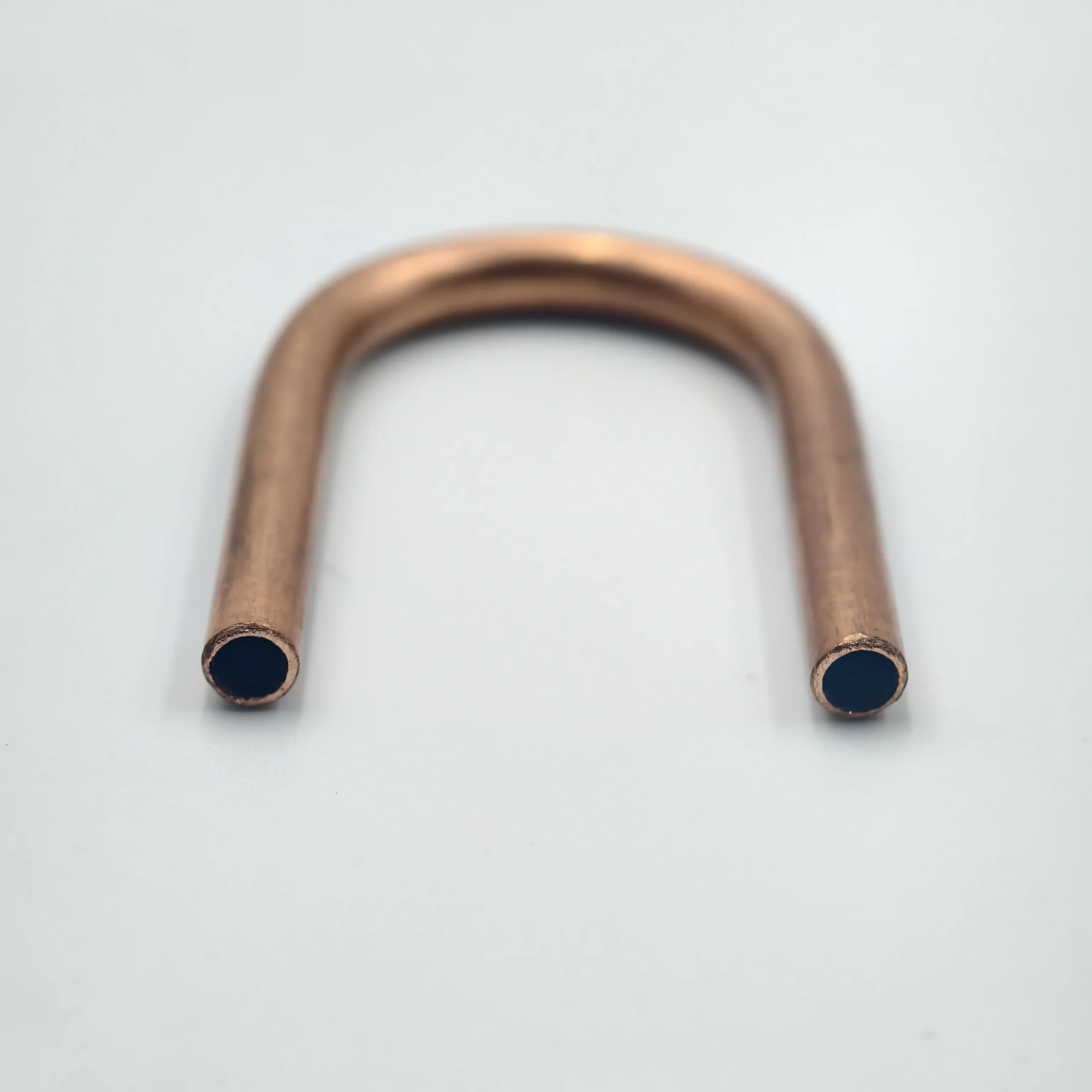 TUBE 21N-68-32360 – KOMATSU.
 -
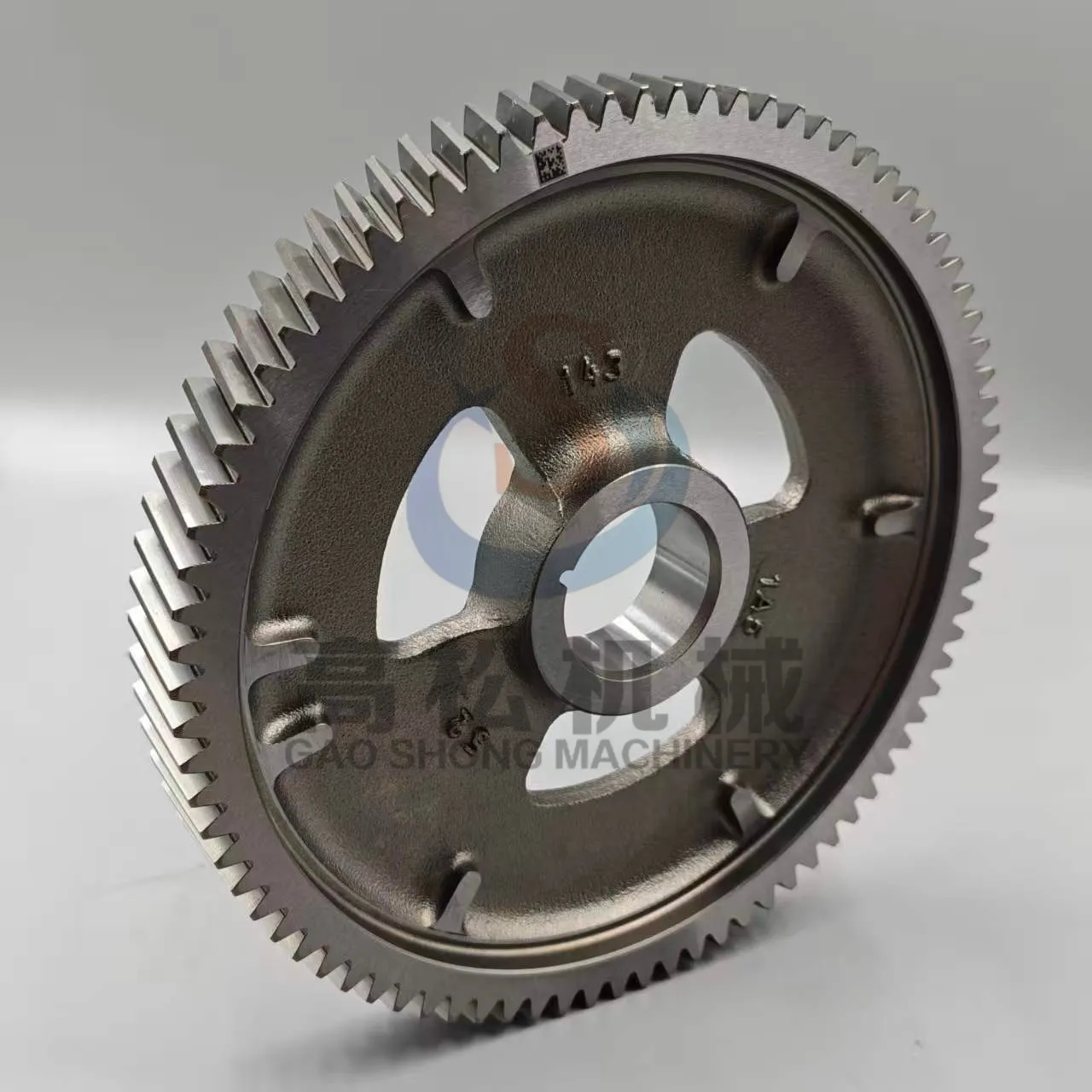 GEAR 6745-41-1131 – KOMATSU
 -
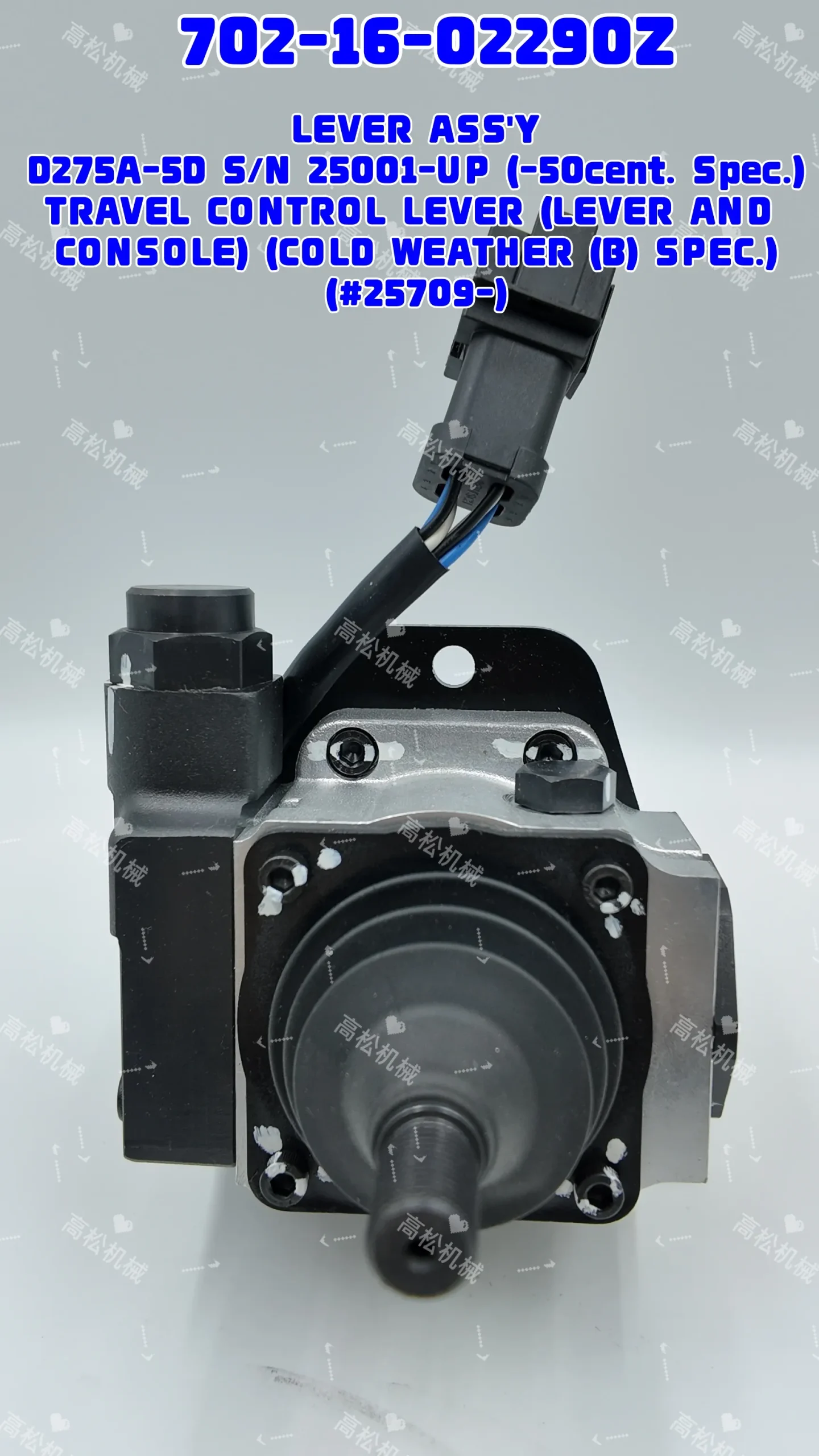 komatsu-part-702-16-02290 LEVER ASS’Y D65PX-15E0 D155AX-6 D155AX-8 D275A-5R D85EXI-18 FLOOR FRAME, TRAVEL CONTROL LEVER FLOOR FRAME, LEVER ROPS CAB, PCCS (PALM COMMAND CONTROL SYSTEM) LEVER
 -
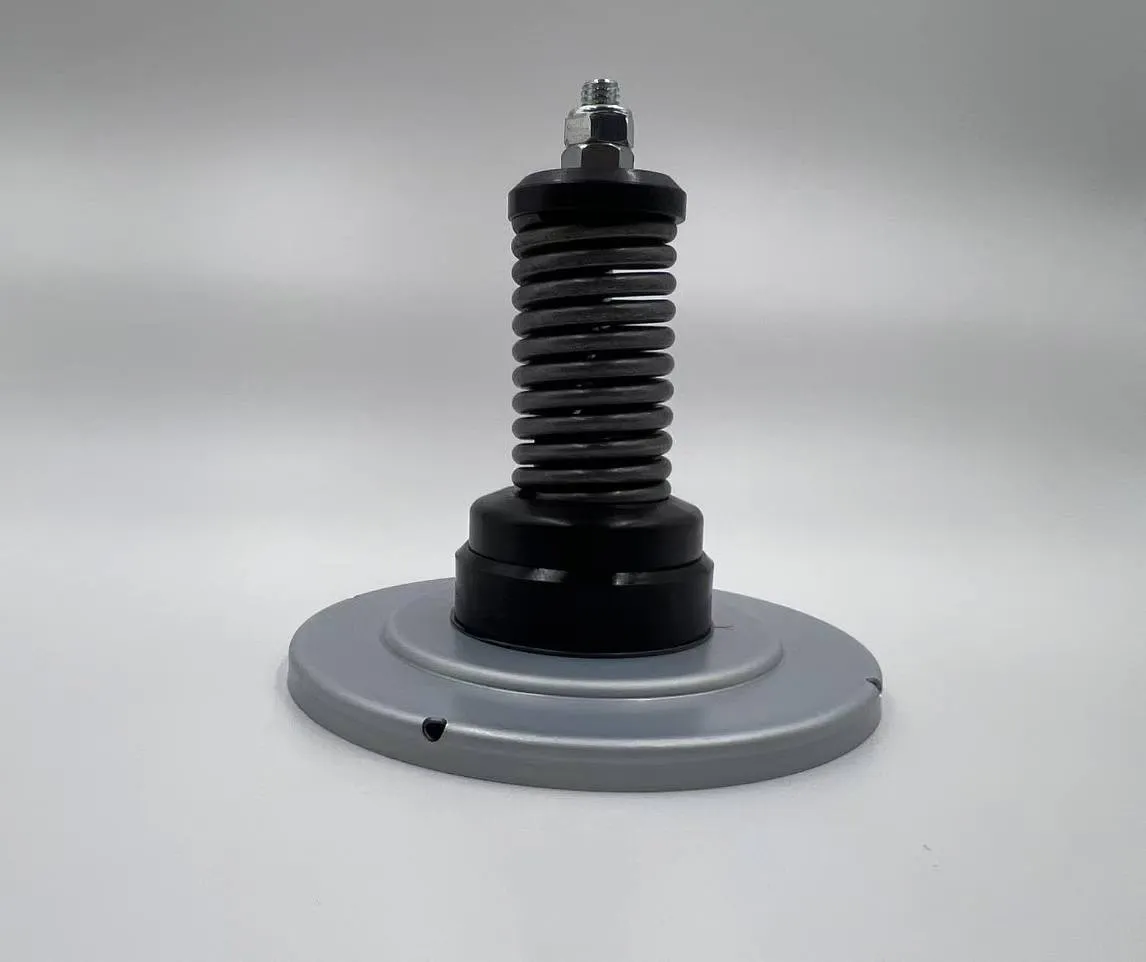 Valve Assembly 20Y-60-31450 – KOMATSU