
- Chinese
- French
- German
- Portuguese
- Spanish
- Russian
- Japanese
- Korean
- Arabic
- Irish
- Greek
- Turkish
- Italian
- Danish
- Romanian
- Indonesian
- Czech
- Afrikaans
- Swedish
- Polish
- Basque
- Catalan
- Esperanto
- Hindi
- Lao
- Albanian
- Amharic
- Armenian
- Azerbaijani
- Belarusian
- Bengali
- Bosnian
- Bulgarian
- Cebuano
- Chichewa
- Corsican
- Croatian
- Dutch
- Estonian
- Filipino
- Finnish
- Frisian
- Galician
- Georgian
- Gujarati
- Haitian
- Hausa
- Hawaiian
- Hebrew
- Hmong
- Hungarian
- Icelandic
- Igbo
- Javanese
- Kannada
- Kazakh
- Khmer
- Kurdish
- Kyrgyz
- Latin
- Latvian
- Lithuanian
- Luxembou..
- Macedonian
- Malagasy
- Malay
- Malayalam
- Maltese
- Maori
- Marathi
- Mongolian
- Burmese
- Nepali
- Norwegian
- Pashto
- Persian
- Punjabi
- Serbian
- Sesotho
- Sinhala
- Slovak
- Slovenian
- Somali
- Samoan
- Scots Gaelic
- Shona
- Sindhi
- Sundanese
- Swahili
- Tajik
- Tamil
- Telugu
- Thai
- Ukrainian
- Urdu
- Uzbek
- Vietnamese
- Welsh
- Xhosa
- Yiddish
- Yoruba
- Zulu
- Kinyarwanda
- Tatar
- Oriya
- Turkmen
- Uyghur






OEM AND ORIGINAL KOMATSU VALVE ASSY 709-61-11701
Let's be straight about . If you're sourcing this, you're likely dealing with a Komatsu excavator or dozer hydraulic system, probably for a mid-sized model. The immediate thought is get the OEM part, but that's where the real conversation starts. In the field, the term OEM gets thrown around loosely, often conflated with original or even genuine. For a valve assembly like this, the distinction isn't semantics—it's about pressure ratings, metallurgy, and whether the thing holds seal under constant thermal cycling. I've seen too many purchase orders that just say OEM Komatsu valve and leave it at that, which is a fast track to a machine sitting idle in two months.
The OEM Reality vs. The Aftermarket Illusion
When a company like Jining Gaosong Construction Machinery Co., Ltd. states they are an OEM product supplier within the Komatsu system, it carries a specific weight. It doesn't mean they are Komatsu Ltd. It means they operate under a sanctioned manufacturing agreement, producing components to the exact material and engineering specifications. For the Valve Assy , this translates to the spool tolerances, the grade of the housing alloy, and the certification of the sealing surfaces. The alternative is a pattern part, reverse-engineered and machined to look right. The failure point is almost never the visible exterior; it's the internal gallery wear or a seal groove that's a half-millimeter off-spec, causing a slow internal leak that kills efficiency.
I recall a project in Indonesia where a fleet manager insisted on the cheapest available units, arguing the savings were too significant. The units arrived, looked perfect, even had convincing packaging. Installation was smooth. The failure wasn't catastrophic but insidious: a 7% drop in hydraulic response time across six machines, leading to higher fuel consumption and cycle times. Diagnosing it took weeks—tracking pump pressures, ruling out other issues—only to trace it back to slightly higher internal friction in those valve spools. The savings were erased in a month of lost productivity. That's the hidden cost.
This is where the role of a third-party sales company, as mentioned in their profile, becomes critical. A pure Komatsu distributor might only push the boxed, branded part at a premium. A company embedded as both an OEM supplier and a third-party seller can often provide the same OEM Komatsu spec part, sometimes even from the same production line, without the full branding markup. They help navigate supply deserts. If you're in a country where the official channel is backlogged for months, they are the pragmatic solution. The key is verification. You have to ask: Can you provide the material certification? The dimensional inspection report? A good supplier will have it, or at least a credible explanation of the supply chain.
Dissecting the : More Than a Part Number
Breaking down this specific assembly, it's not a simple check valve. It's likely a control block for a pilot circuit or a main relief manifold. The 11701 suffix in Komatsu's system often denotes a specific sub-assembly revision. I've handled versions where the difference between -11700 and -11701 was a single, upgraded O-ring compound for better resistance to a new hydraulic fluid formulation Komatsu rolled out. Using a -11700 as a substitute because it's basically the same can lead to premature seal degradation. The details are in the bulletins.
When inspecting one, don't just look for casting marks. Check the machining finish on the port faces—an original part has a specific, almost polished cross-hatch pattern from the final machining process that ensures seal integrity. Counterfeits often have a smoother, sanded look or visible tooling marks. The weight is another tell; inferior casting alloys are sometimes lighter. I keep a genuine one on the shelf as a reference for this exact reason. It's saved us from accepting questionable shipments more than once.
Another practical note: sourcing from a platform like https://www.takematsumachinery.com requires a bit of savvy. Their site, representing Jining Gaosong, might list this part. The useful move isn't just to request a quote, but to engage in a technical query. Ask about the manufacturing origin of the specific batch, the compliance with Komatsu's MSAP (Machine Safety and Assurance Program) standards for critical components. Their response—or lack thereof—will tell you more than any product description. A credible supplier understands these concerns and addresses them directly.
When Original Isn't on the Table: The Pragmatic Workaround
There are scenarios where a pure, boxed original Komatsu part is logistically or financially impossible. The machine is down, the port is shut, the budget is blown. Here's where the professional judgment comes in. If a verified OEM-supplied part is available—meaning it's made to Komatsu spec for Komatsu—that is often a technically sound path. The core function of Komatsu Valve Assy is to perform a mechanical/hydraulic function reliably, not to carry a specific logo.
We had to do this for a client in a remote mining operation. Official lead time was 14 weeks. An OEM supplier, which we vetted through cross-referencing their company registration with known industrial park directories in Shandong, could ship in 10 days. We took the gamble, but with conditions: we required a sample unit for destructive testing (sacrificed one to check internal hardening depth and microstructure) and full batch traceability. It passed. The machine is still running two years later. The supplier's dual role as an OEM producer and an independent seller was the enabling factor.
This isn't a blanket endorsement. It's a risk-managed approach. The failure mode of a bad valve assy can range from nuisance (leaks) to severe (uncommanded actuator movement). For critical safety circuits, I'd wait for the original, no matter what. For a control valve in a secondary auxiliary circuit, the risk profile changes. You weigh the cost of downtime against the mitigated risk of a certified OEM-spec part. This is the daily calculus for people who keep fleets running.
The Documentation and Traceability Imperative
No matter the source, the paperwork is your armor. An original part comes with a pedigree. An OEM-spec part from a legitimate supplier should come with a shadow of that. Demand the Certificate of Conformity (CoC) that references the Komatsu engineering drawing number. For , the drawing might be something like KEPS-XXXXX. The CoC should list key tests: pressure burst, leak, and material composition. If a supplier hesitates to provide this, walk away. It's that simple.
I've been burned by assuming good faith. Early in my career, a supplier promised OEM quality with a convincing data sheet. The paperwork was generic. The parts failed a pressure test at 80% of rated capacity. The lesson was expensive. Now, our procurement checklist for such components includes a line-item sign-off on traceability documents. A company like the one mentioned, if they are legitimate, will have these documents streamlined. It's part of their value proposition in solving parts supply challenges.
Storing this documentation is as important as storing the part itself. When that valve is still in service five years later and a new technician questions it, you can pull the file and show the trail. This protects you legally and operationally. It turns a part from a commodity into a documented asset.
Closing the Loop: Sourcing as a Strategic Function
Ultimately, dealing with a component like the OEM AND ORIGINAL KOMATSU VALVE ASSY moves it from a simple spare part to a supply chain strategy case. It's about understanding the layers: Original (Komatsu-branded), OEM-spec (Komatsu-designed, partner-made), and aftermarket (pattern-copied). The landscape has companies like Jining Gaosong occupying a specific, useful niche in that middle layer, especially when the first layer is inaccessible.
The goal isn't to buy the cheapest or the most expensive. It's to buy the correct specification with the highest verifiable integrity that your operational context allows. Sometimes that is the original part from the main dealer. Often, especially in the real world of tight margins and tighter deadlines, it's the OEM-spec part from a trusted intermediary who understands both the engineering and the market constraints. You judge each purchase on its own merit, with a skeptical eye and a checklist in hand.
So next time you key in that part number, think beyond the price and the delivery time. Think about the machine it's going into, the duty cycle, and the cost of failure. Then start asking your supplier the hard questions. Their answers will tell you what you're really buying.
Related Products
Related Products

Best Selling Products
Best Selling Products-
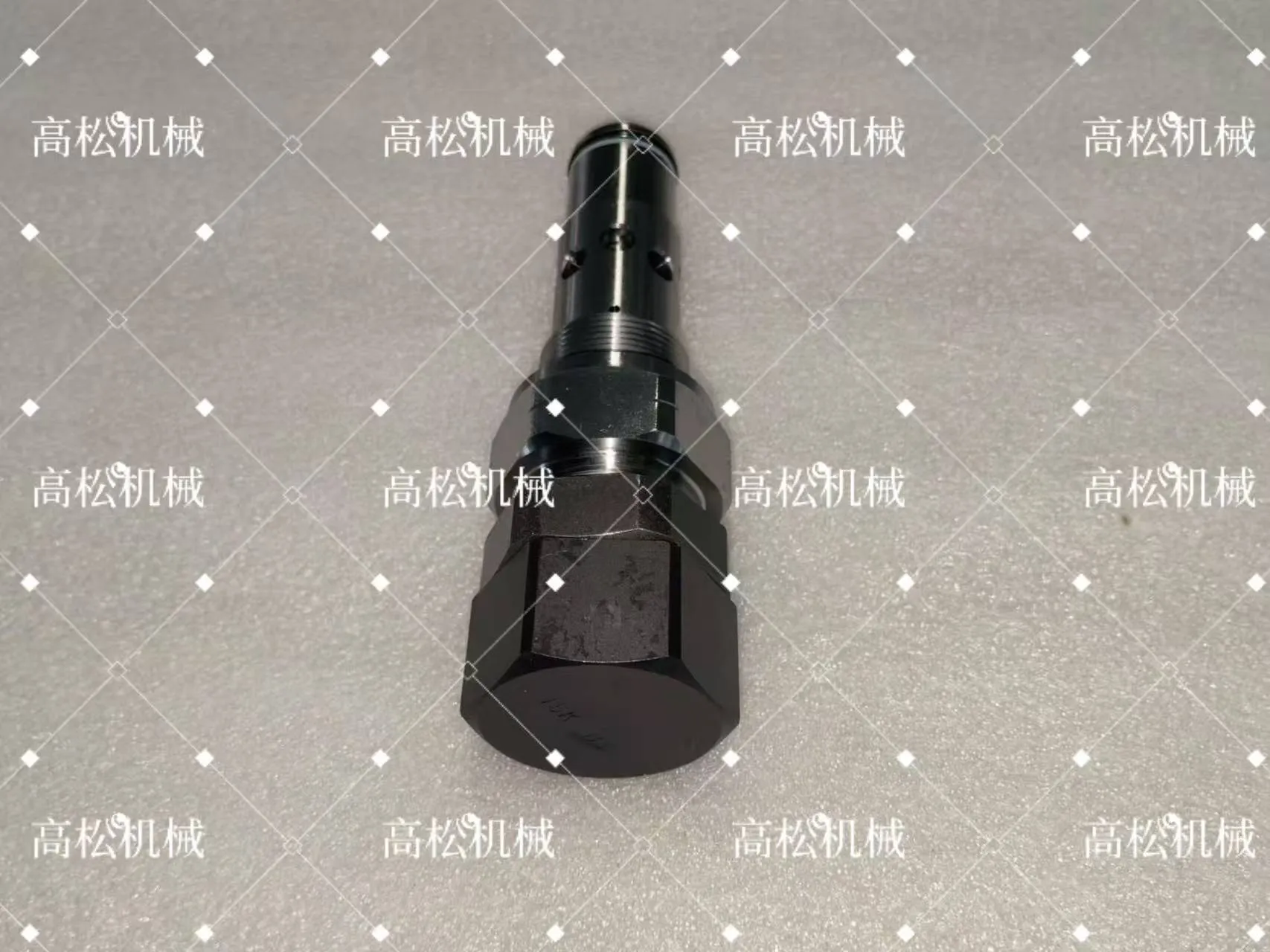 Komatsu original valve assembly, part no.702-75-01900, fits model PC750SE-7
 -
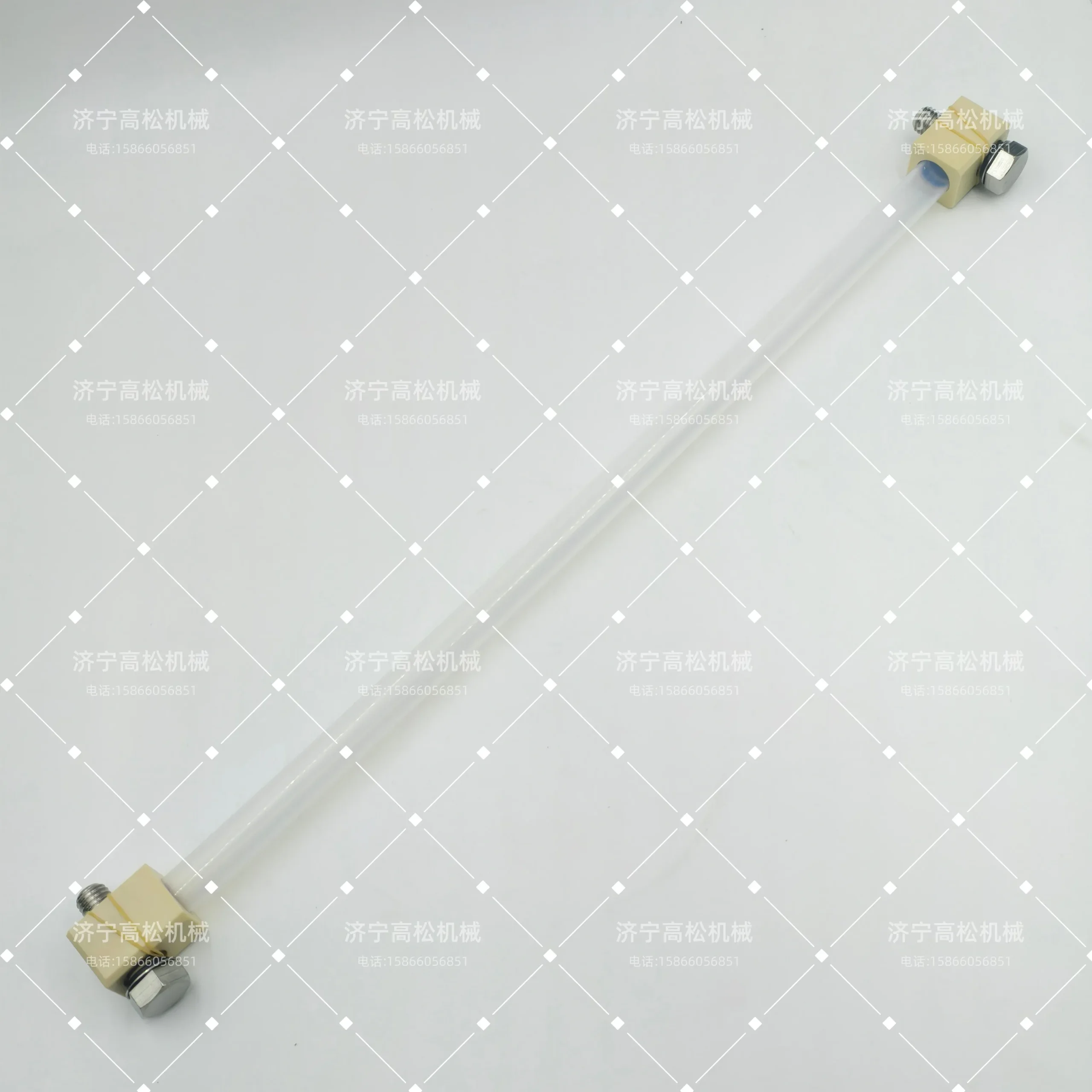 427-16-21120 Komatsu Head Cover Assembly
 -
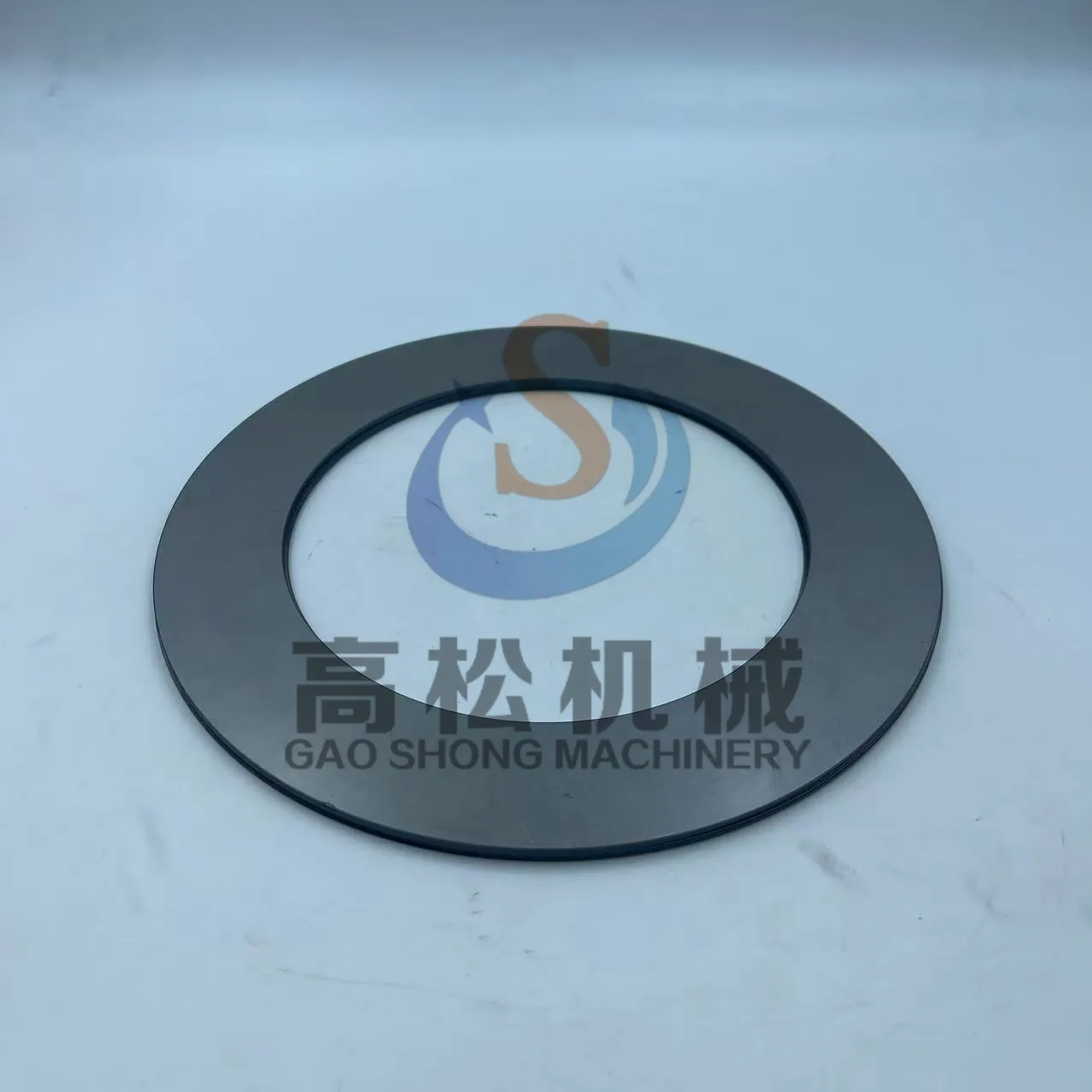 Komatsu D275 17M-50-41170 ring
 -
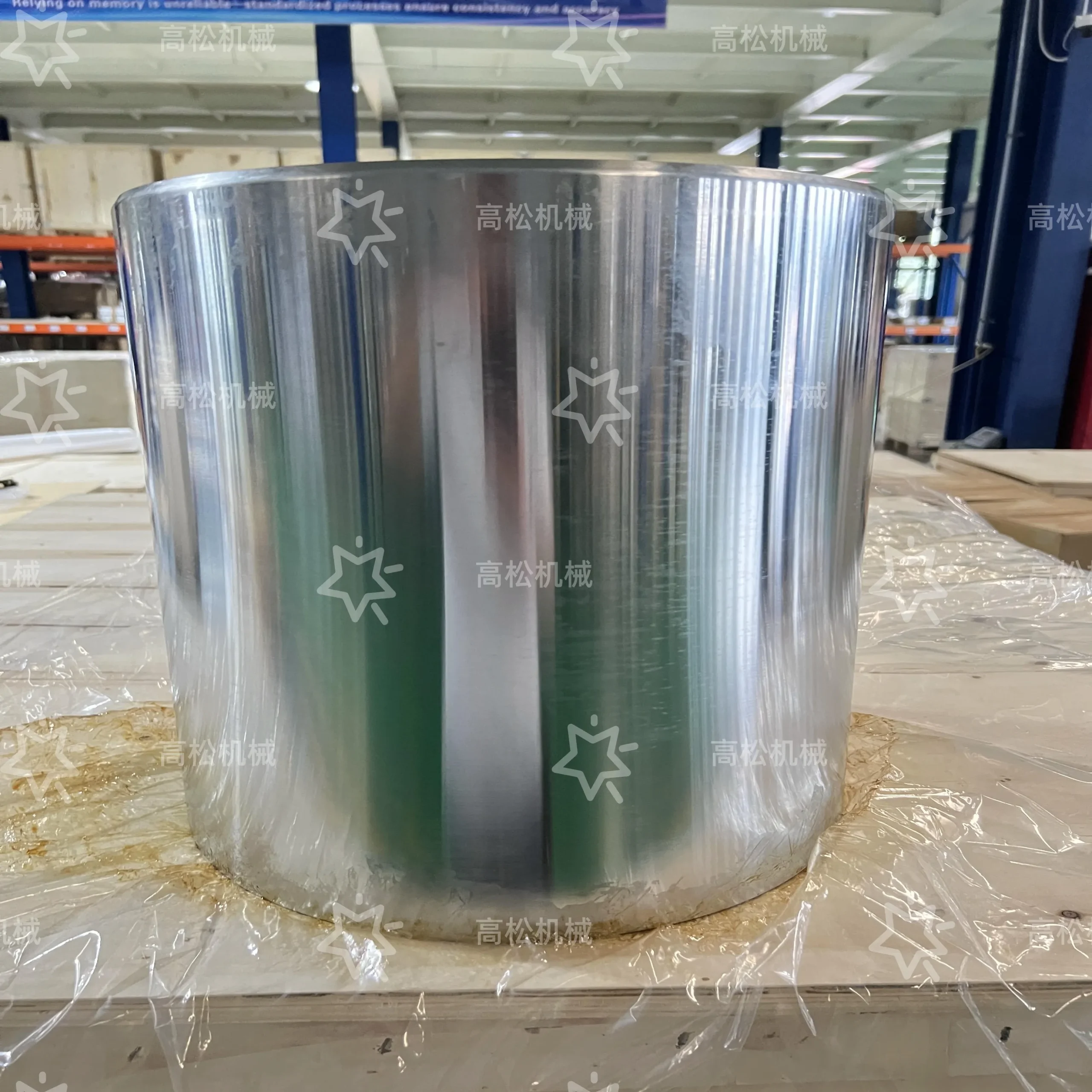 17M-30-26620BUSHING 17M-30-26620 – KOMATSU Part catalog
 -
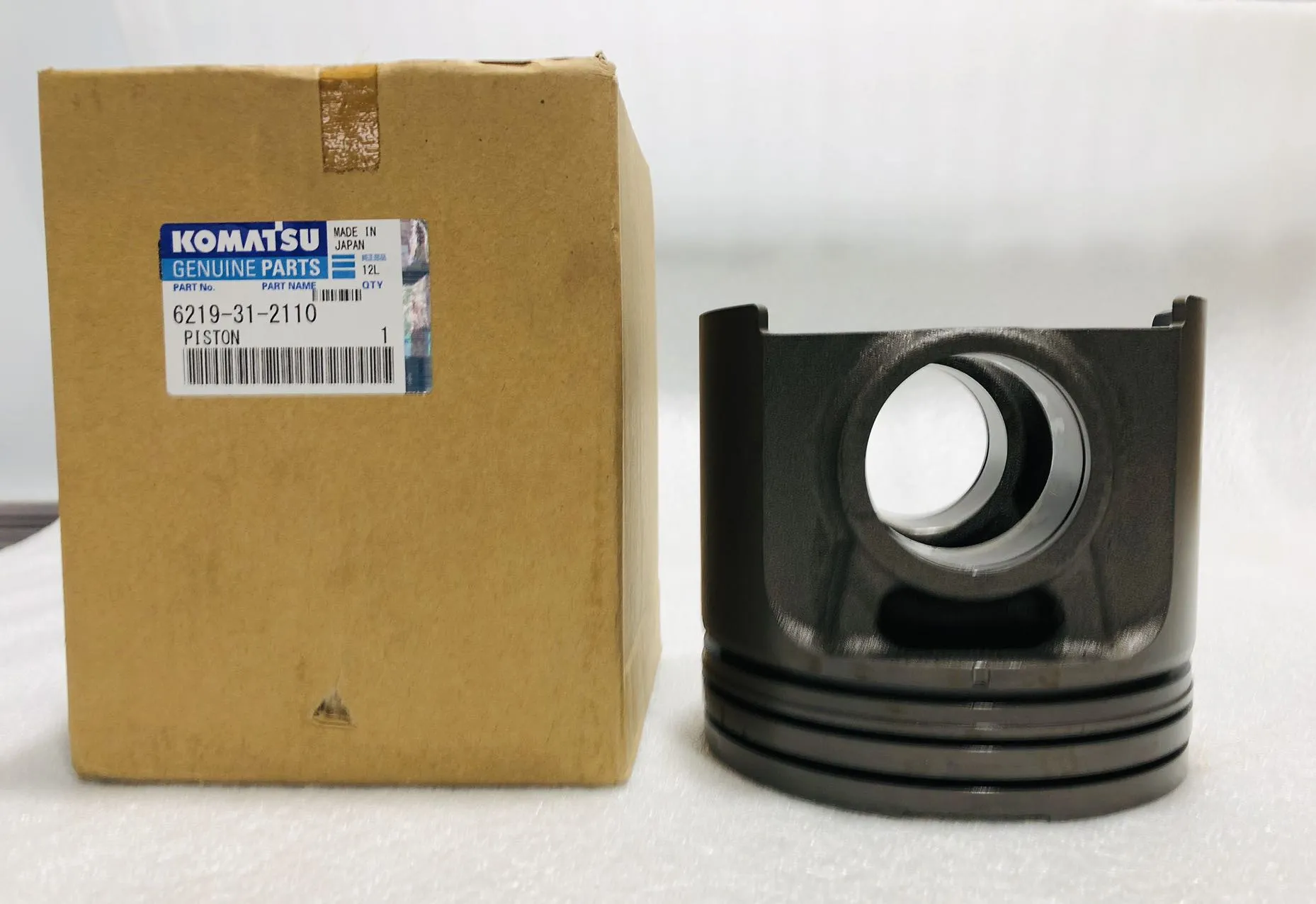
 (KOMATSU)19M-40-11160 PISTON
 -
 SUSPENSION ASS’Y 17A-54-16201 – KOMATSU
 -
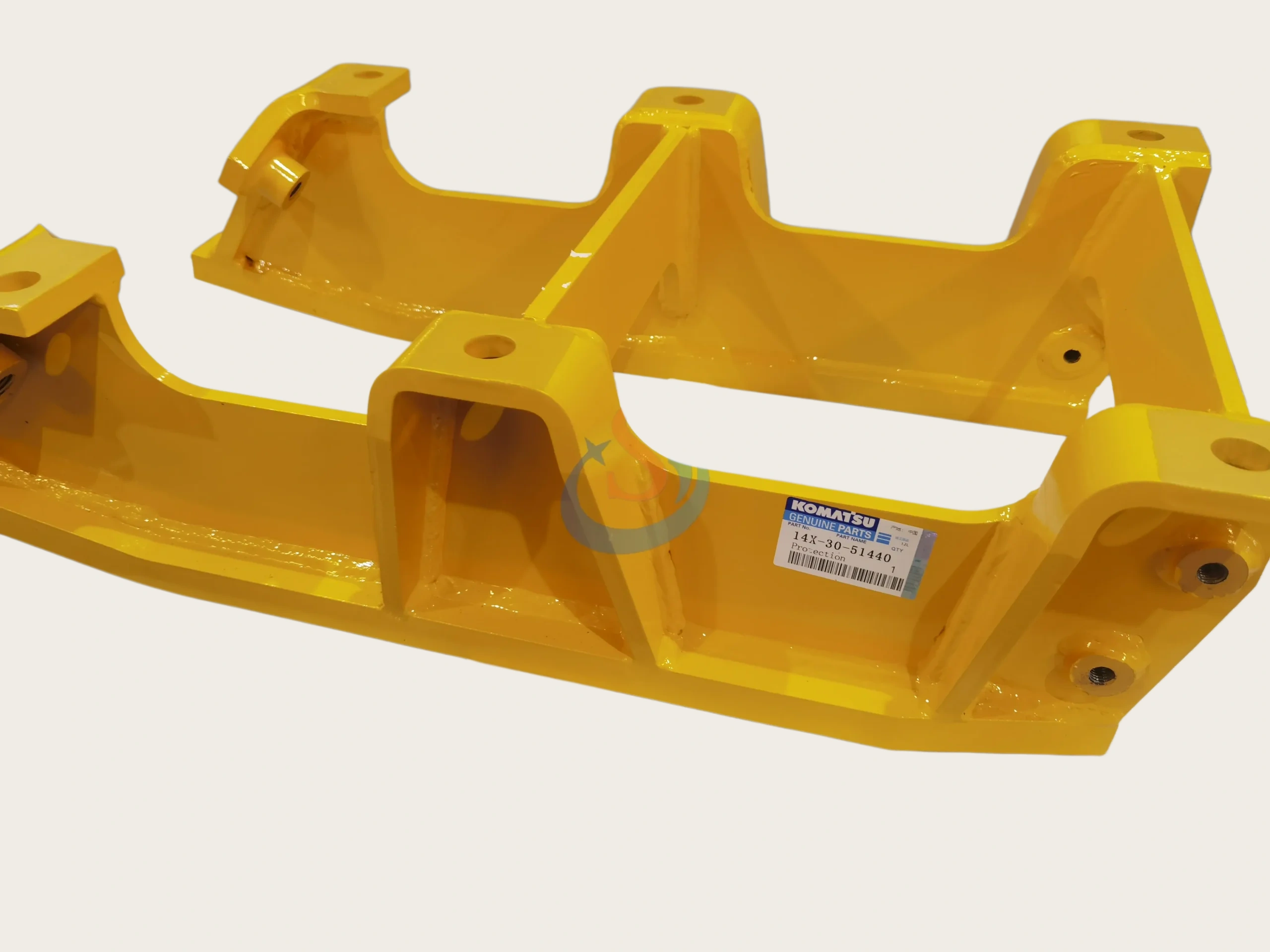
 14X-30-51440,Guard,D65PX,D65EX,D65WX
 -
Kubota Excavator Receiver Drier 20Y-979-3120
-
 Komatsu fuel tank cap 17A-60-11310
 -
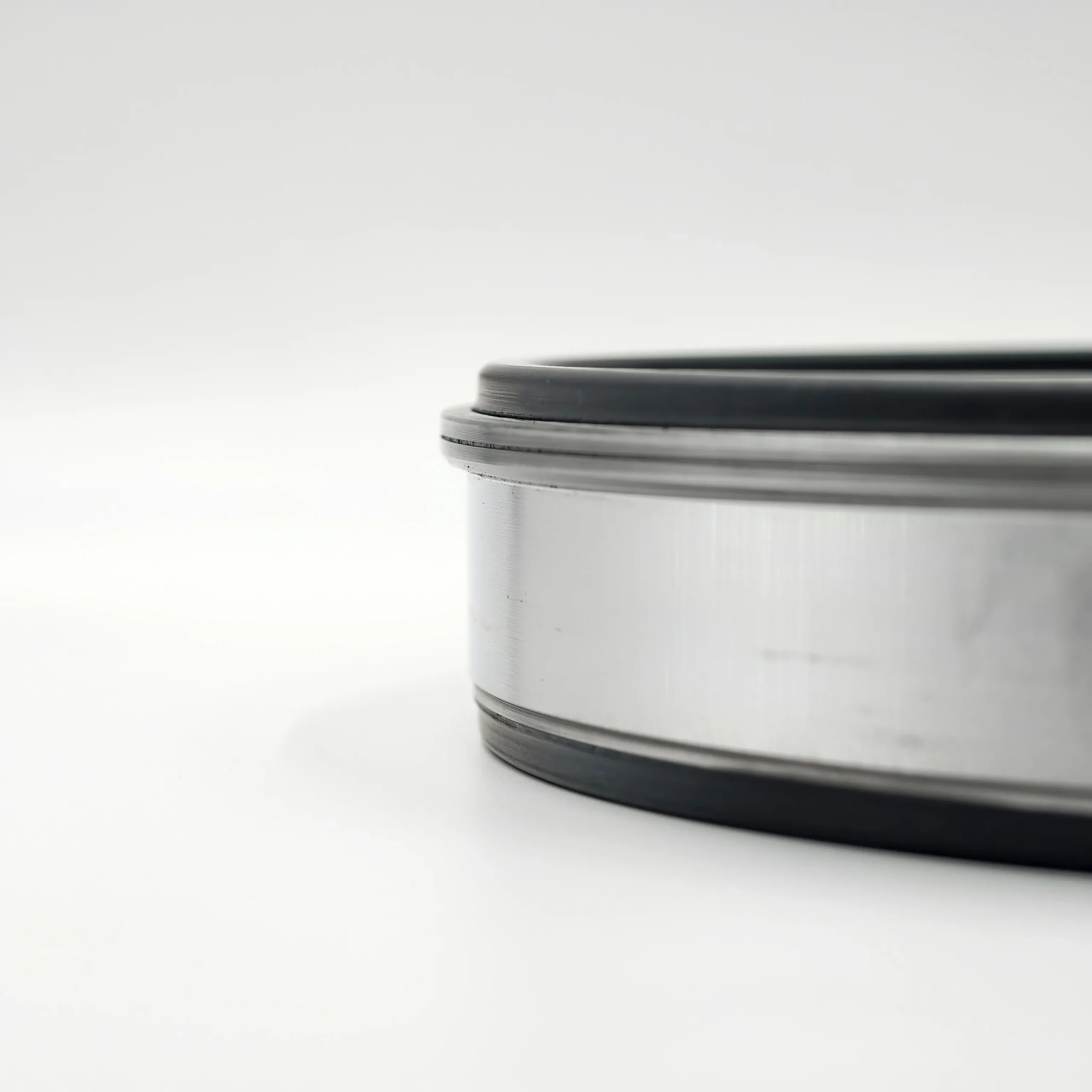 KOMATSU-Collar Assembly 14Y-21-13242
 -
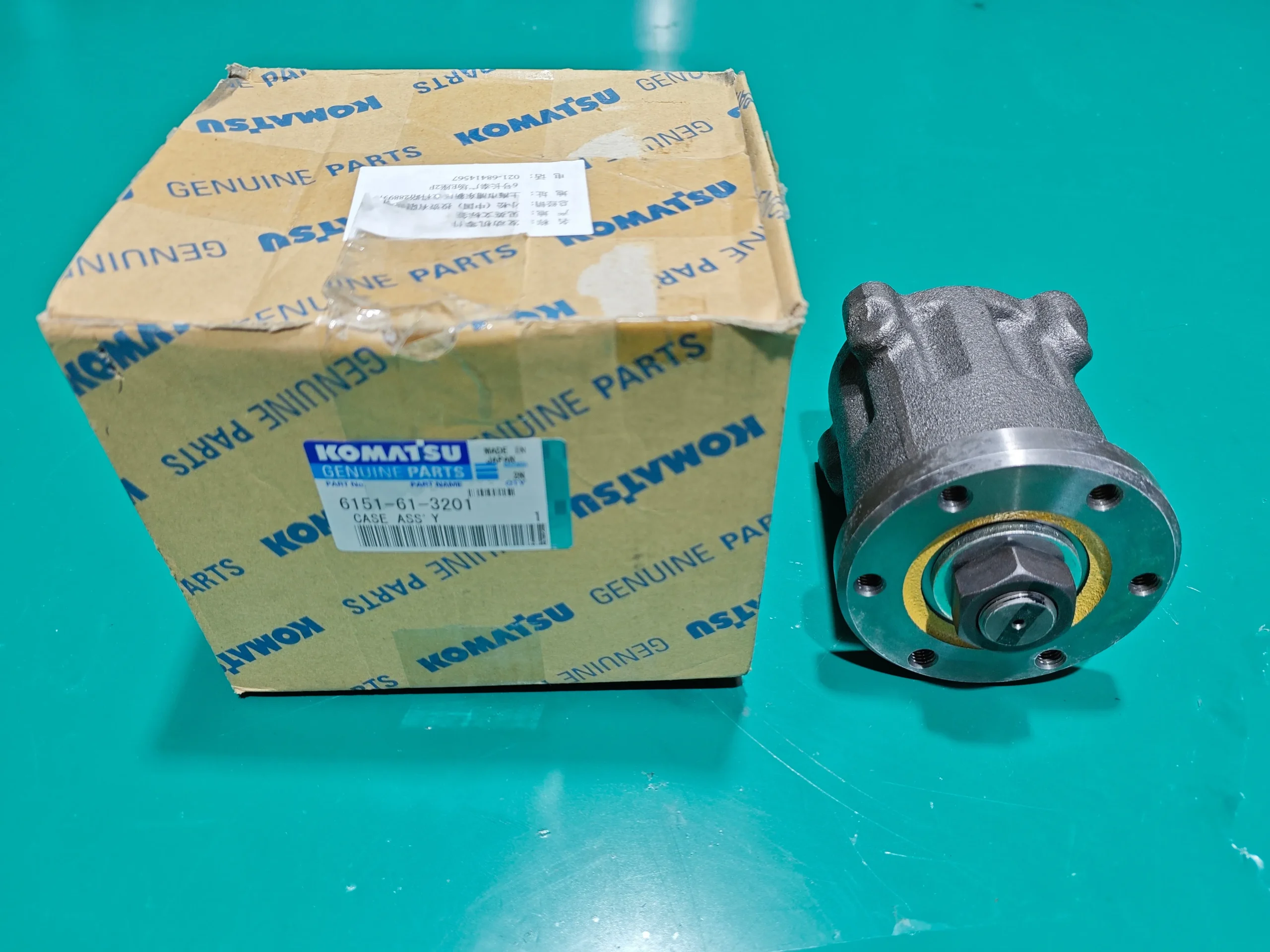 Fan Bracket 6151-61-3201 6151-61-3200 for Komatsu Engine 6D125 SAA6D125E Dozer D68ESS Excavator PC400-7 PC400LC-8
 -
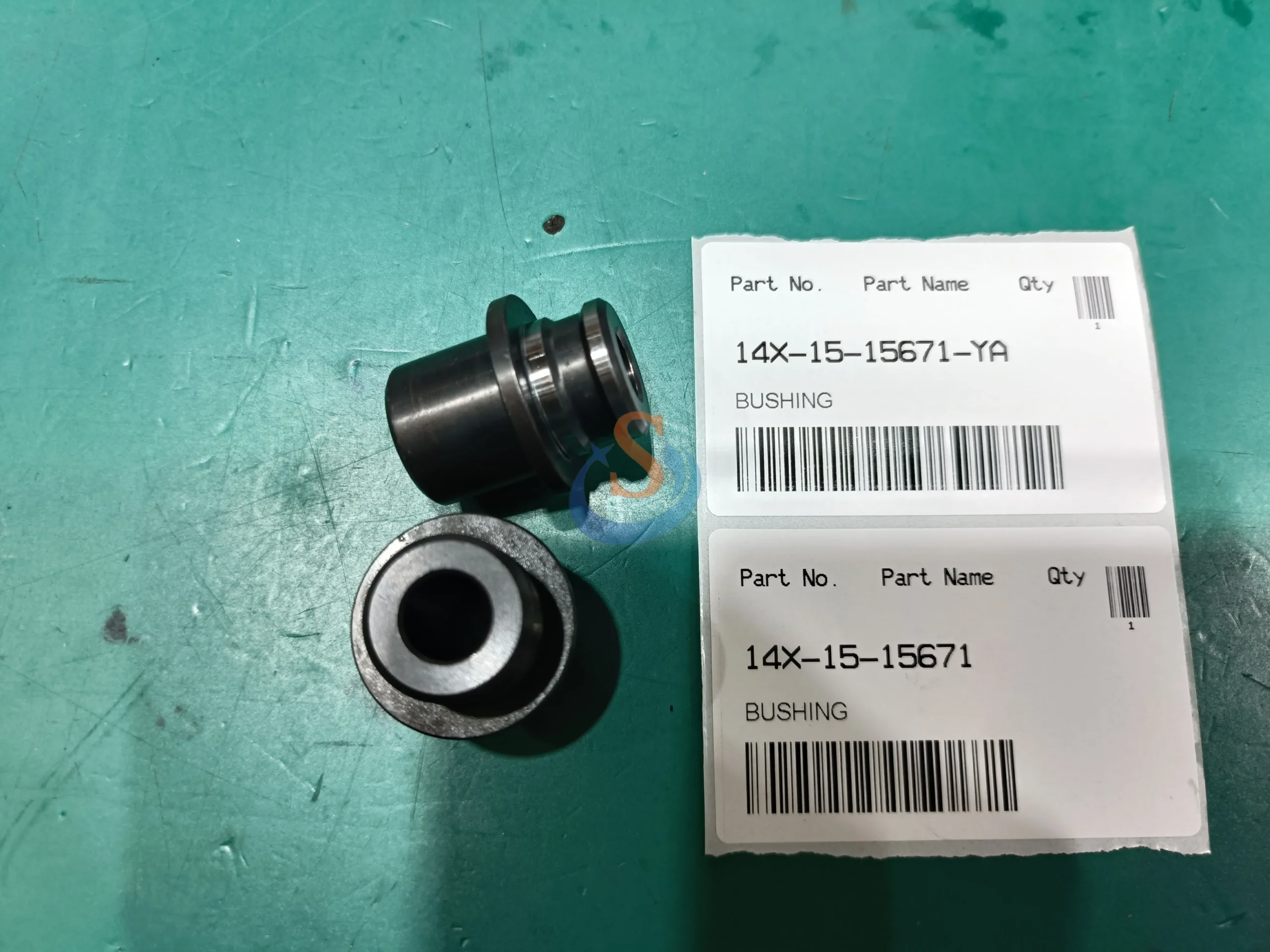 14X-15-15671 komatsu BUSHING D155A/D65EX