
- Chinese
- French
- German
- Portuguese
- Spanish
- Russian
- Japanese
- Korean
- Arabic
- Irish
- Greek
- Turkish
- Italian
- Danish
- Romanian
- Indonesian
- Czech
- Afrikaans
- Swedish
- Polish
- Basque
- Catalan
- Esperanto
- Hindi
- Lao
- Albanian
- Amharic
- Armenian
- Azerbaijani
- Belarusian
- Bengali
- Bosnian
- Bulgarian
- Cebuano
- Chichewa
- Corsican
- Croatian
- Dutch
- Estonian
- Filipino
- Finnish
- Frisian
- Galician
- Georgian
- Gujarati
- Haitian
- Hausa
- Hawaiian
- Hebrew
- Hmong
- Hungarian
- Icelandic
- Igbo
- Javanese
- Kannada
- Kazakh
- Khmer
- Kurdish
- Kyrgyz
- Latin
- Latvian
- Lithuanian
- Luxembou..
- Macedonian
- Malagasy
- Malay
- Malayalam
- Maltese
- Maori
- Marathi
- Mongolian
- Burmese
- Nepali
- Norwegian
- Pashto
- Persian
- Punjabi
- Serbian
- Sesotho
- Sinhala
- Slovak
- Slovenian
- Somali
- Samoan
- Scots Gaelic
- Shona
- Sindhi
- Sundanese
- Swahili
- Tajik
- Tamil
- Telugu
- Thai
- Ukrainian
- Urdu
- Uzbek
- Vietnamese
- Welsh
- Xhosa
- Yiddish
- Yoruba
- Zulu
- Kinyarwanda
- Tatar
- Oriya
- Turkmen
- Uyghur






OEM AND ORIGINAL KOMATSU VALVE ASSY 709-12-13102
Let's be straight about . If you're sourcing this, you're likely in a bind, waiting on a backorder, or staring down a cost you can't justify. The term OEM AND ORIGINAL KOMATSU gets thrown around so loosely it's lost meaning. I've seen boxes stamped with logos that look right, but the casting marks are off by a millimeter. That's the game. True KOMATSU VALVE ASSY for this part number isn't just a component; it's a sealed, pressure-tested unit with a specific metallurgy for the pump it mates with. The big misconception? That OEM and Original are interchangeable. They're not, and the difference can idle a 300-ton truck.
The Supplier Landscape and the Genuine Mirage
This is where it gets practical. The official channel is clear but often impractical on time and price, especially in regions with complex import logistics. That's created a space for companies that operate within the system but outside the strict dealer network. I've worked with a few. One that comes to mind is Jining Gaosong Construction Machinery Co., Ltd.. Their model is interesting: they position as an OEM product supplier within the Komatsu system. In my experience, this often means they have access to production-line parts that may not have gone through Komatsu's final packaging and branding, or they handle oversupply. It's a legitimate gray area.
Their site, https://www.takematsumachinery.com, frames them as a solution for parts supply challenges in certain countries. That's the real pain point they're addressing. It's not about undercutting the market with fakes; it's about bridging a logistical gap. When you need a tomorrow in a port city halfway across the world, the official warehouse in Tokyo might as well be on the moon. A supplier like this can sometimes move it through established, alternative routes.
But caution is the rule. Within the Komatsu system requires verification. It doesn't automatically mean the part in your hand is identical to the one from a Komatsu dealer. It might be from the same factory, on the same tooling, but quality assurance protocols can differ. I always ask for batch traceability. For a valve assembly, the heat treat lot number matters. If they can't provide that chain, the risk shifts to you.
Failure Points and the Close Enough Trap
I learned this the hard way years ago, not on this exact part number but a similar hydraulic control valve. We got a OEM-equivalent unit. It bolted on. It hooked up. It even worked... for about 80 hours. Then, a slight internal leakage began, not enough to cause immediate failure but enough to make the system run hotter and less efficient. The culprit? The honing finish on the spool bore was a grade rougher than spec. It wore the seal just slightly faster. The machine didn't break down catastrophically; it just became a fuel-guzzling dog. The cost savings were erased tenfold in lost efficiency and the second, proper replacement.
With the VALVE ASSY , the tolerances are even tighter. It's not a bolt; it's a precision-matched assembly. A third-party rebuild or a non-original spool can cause cascade failures downstream. I've seen aftermarket versions where the relief valve setting was 50 PSI off spec. That doesn't sound like much, but it leads to chronic overheating and pump cavitation. The failure isn't instant; it's a slow, expensive death for the pump.
This is why the distinction from a company like Gaosong matters. If they are truly supplying OEM product, the critical dimensions and material specs should be to Komatsu's print. The question is always: how do you prove it? I don't take packaging as proof. I look for the microscopic markings, the specific shade of the factory paint on external surfaces, and the paperwork. A commercial invoice is not a certificate of conformity.
Practical Verification and Field Checks
So, what do you do when a crate from a third-party sales company arrives? First, document everything photographically before you even break the seal. Compare every casting number, not just the main label. The will have sub-numbers. Weigh it. An original has a very specific weight; counterfeit parts often use cheaper, less dense alloys and are noticeably lighter.
Second, perform a bench test if possible. Hook it up to a test rig and check the pressure ramp and leak-by rates against the service manual specs. You won't have a lab, but a simple flow meter and pressure gauge can tell you a lot. Does it hold? Does it creep? The initial performance data is your baseline.
Finally, talk to the supplier. A knowledgeable one, like you'd hope to find at a firm that claims to help solve parts supply challenges, will engage on these technical points. They should know what the relief valve cracking pressure is supposed to be. If their answer is it's the same as Komatsu, push for the actual number. Their ability to answer technically is a better indicator than any website claim.
The Cost of Certainty vs. The Cost of Downtime
This is the eternal calculation. The ORIGINAL KOMATSU part comes with a price and a promise. The alternative, even from a credible system supplier, comes with a discount and a question mark. The math isn't just part A vs. part B. It's (Part Cost + Downtime Risk + Failure Consequence). For a non-critical, easily swapped part on an older machine, the risk might be low. For a , which is central to hydraulic system integrity, the failure consequence is high.
I've advised teams to use suppliers like Gaosong for two scenarios: one, for legacy machines where Komatsu has officially discontinued support, and you need a reproduction that's as close as humanly possible. Two, for emergency breakdowns where the official lead time is measured in weeks, and you need a stopgap to get the machine moving for a few days until the verified original arrives. Using it as a permanent fix without due diligence is a gamble.
The value of a specialized third-party sales company is in their network and agility. They can often find what the official system says isn't there. But the burden of verification never leaves your shoulders. They are solving a supply chain problem, not an engineering one. You must still solve the quality assurance problem.
Closing the Loop on
It boils down to this: the part number is a specification. OEM AND ORIGINAL is a provenance. They are related but separate. A company operating as an OEM product supplier within the Komatsu system can be a vital resource, especially in constrained markets. But within the system is not a magic stamp. It's a starting point for a deeper technical conversation.
My rule now? For critical hydraulic assemblies, I will use an alternative source only if they can provide unequivocal proof of origin—factory documentation, not a distributor's certificate. And I always, always run a parallel pressure test against a known-good unit. The is too integral to trust to a label. You have to trust the evidence in the metal and the performance. The rest is just talk, and talk doesn't fix a machine down at the bottom of a pit.
Related Products
Related Products

Best Selling Products
Best Selling Products-
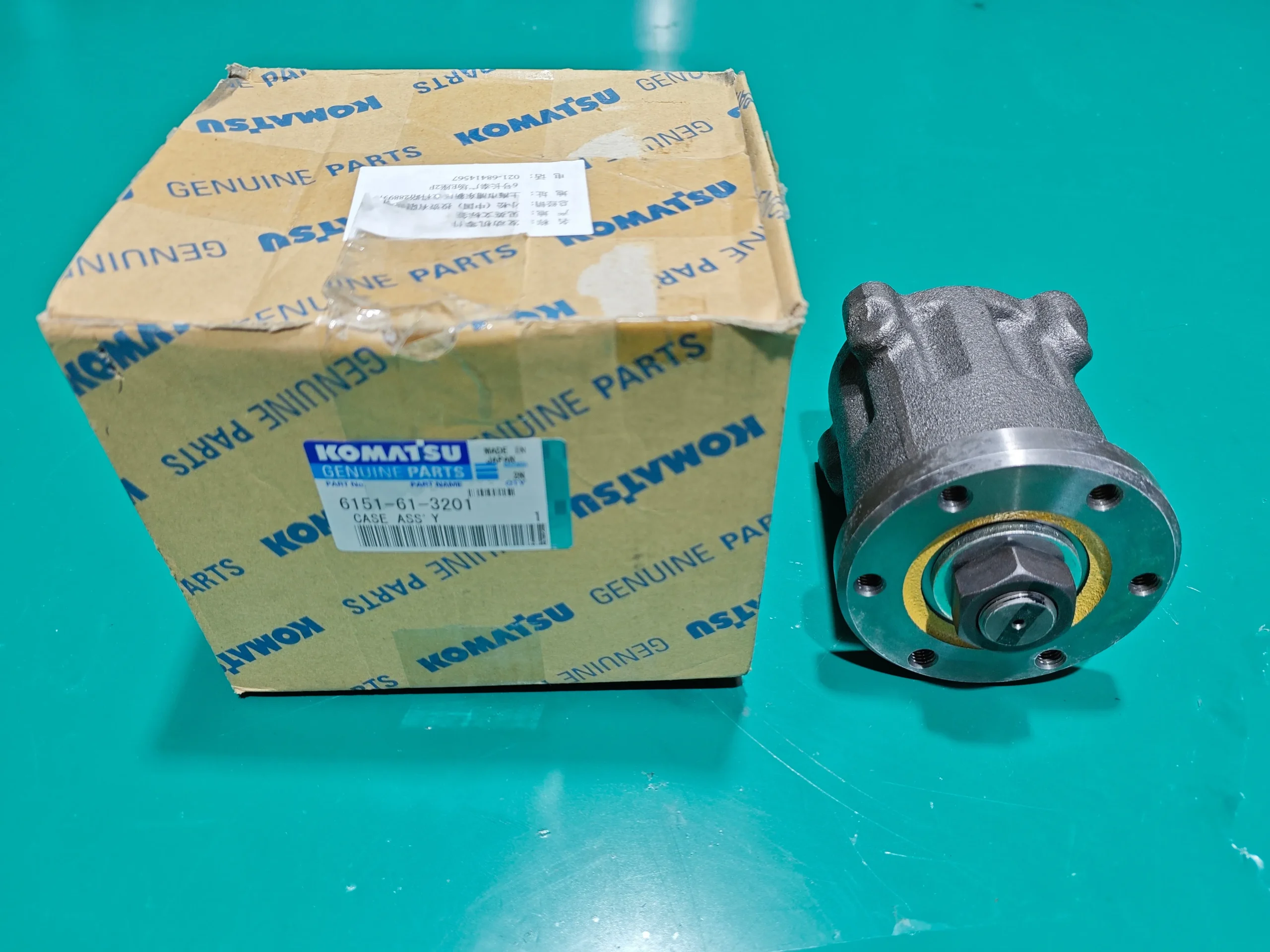 Fan Bracket 6151-61-3201 6151-61-3200 for Komatsu Engine 6D125 SAA6D125E Dozer D68ESS Excavator PC400-7 PC400LC-8
 -
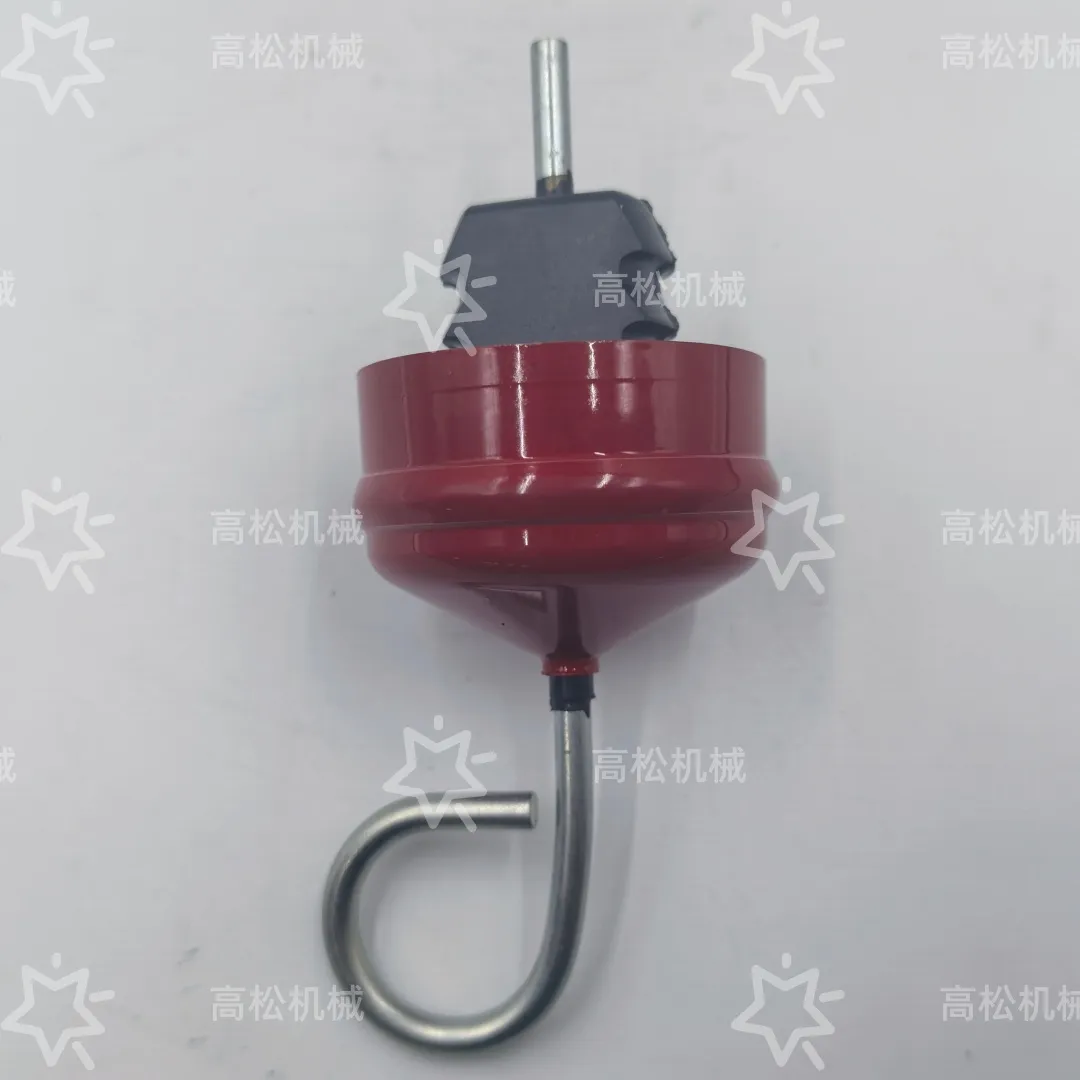 Excavator Hydraulic Main Pump GAUGE 207-01-31150 207-01-41710 2070131150 2070141710 GAUGE for Komatsu PC200 PC300 PC400 Excavator
 -
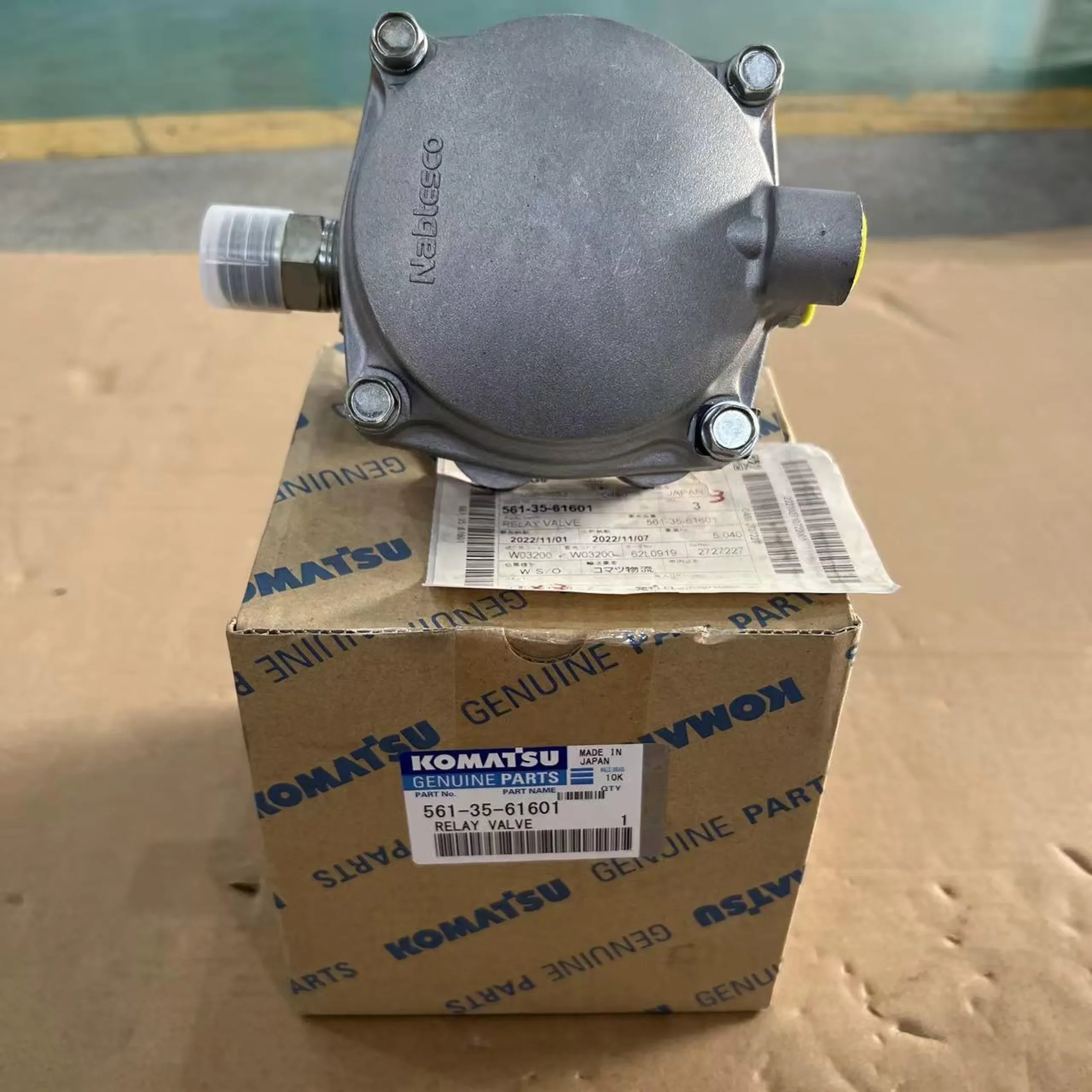 KOMATSU Relay Valve 561-35-61601 NIB
 -
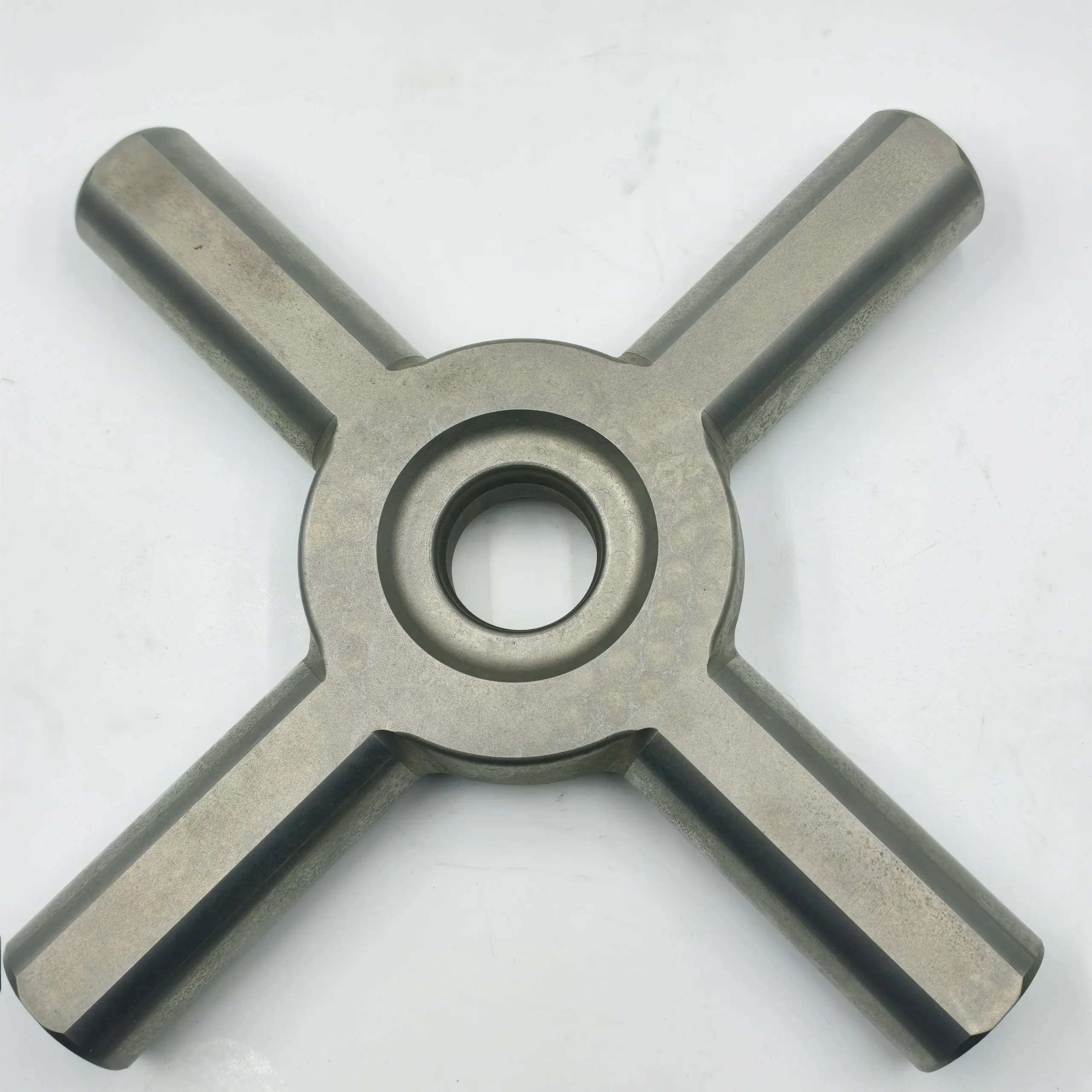 Komatsu Shaft 426-22-21410 for WA600-3 WF650T-3
 -
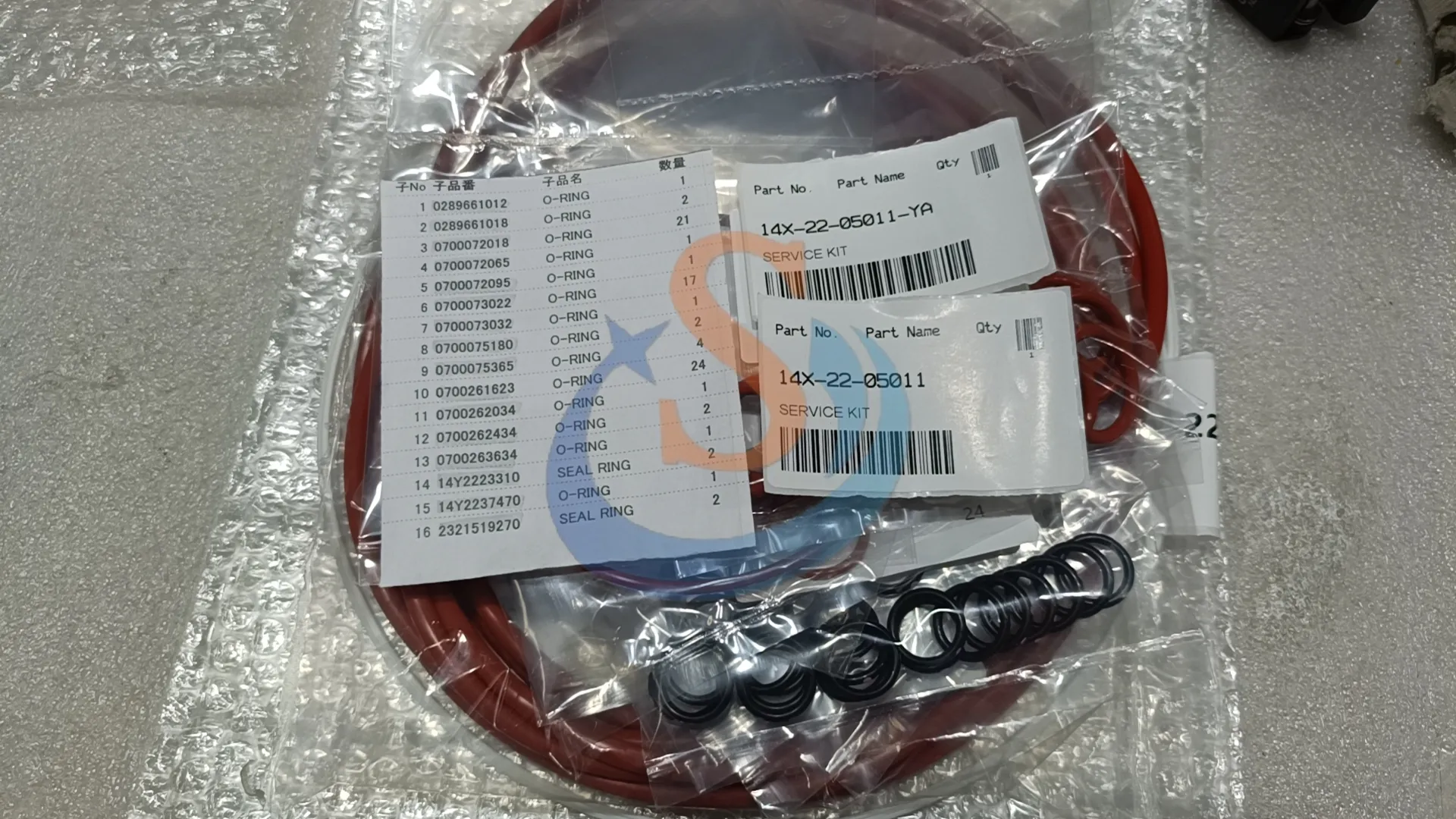 14X-22-05011,SERVICE KIT,D65PX,D65EX,D65WX
 -
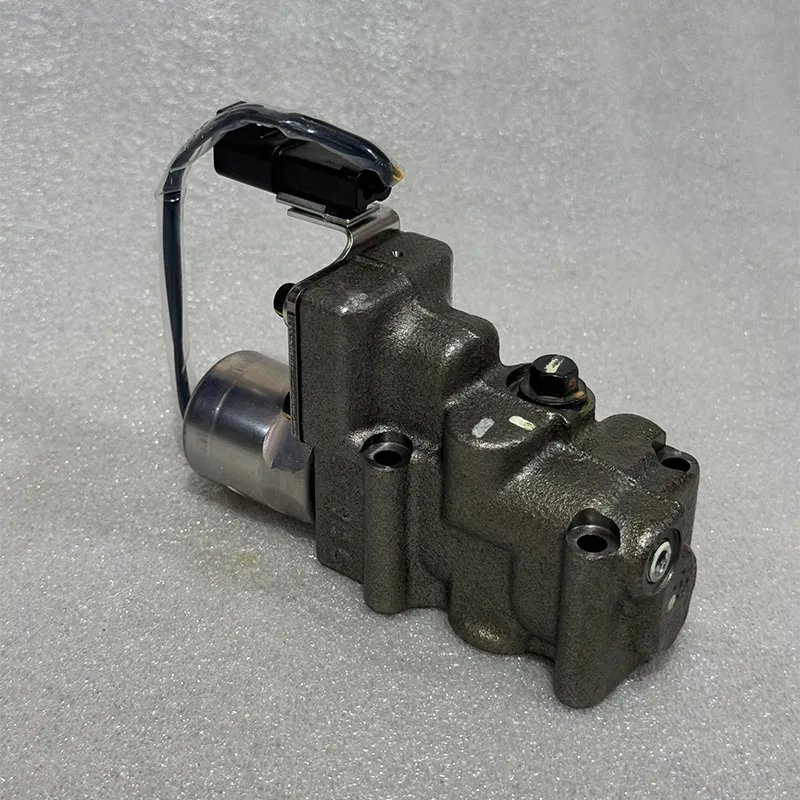 Original komatsu HD785-7 Valve Assembly 561-15-75500
 -
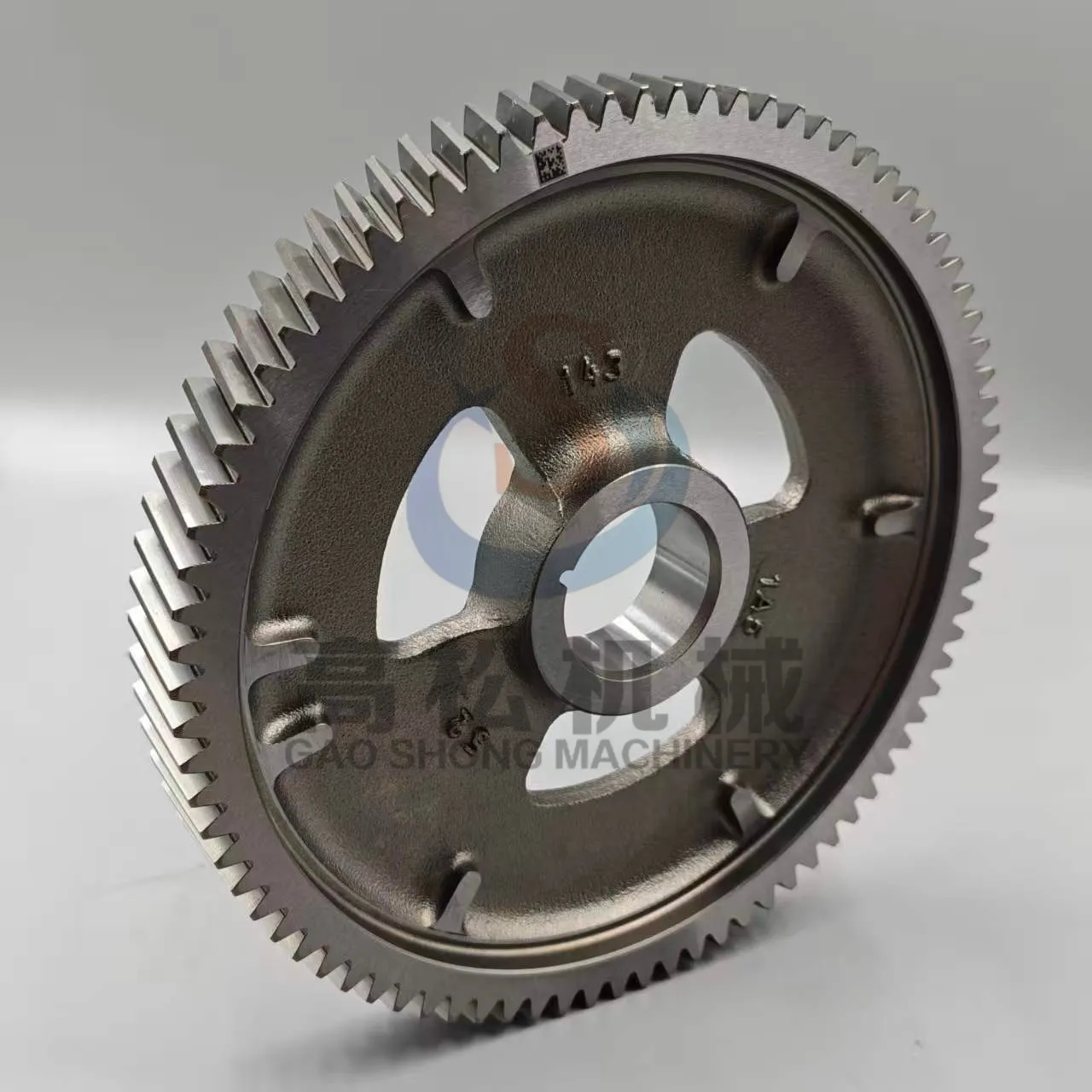 GEAR 6745-41-1131 – KOMATSU
 -
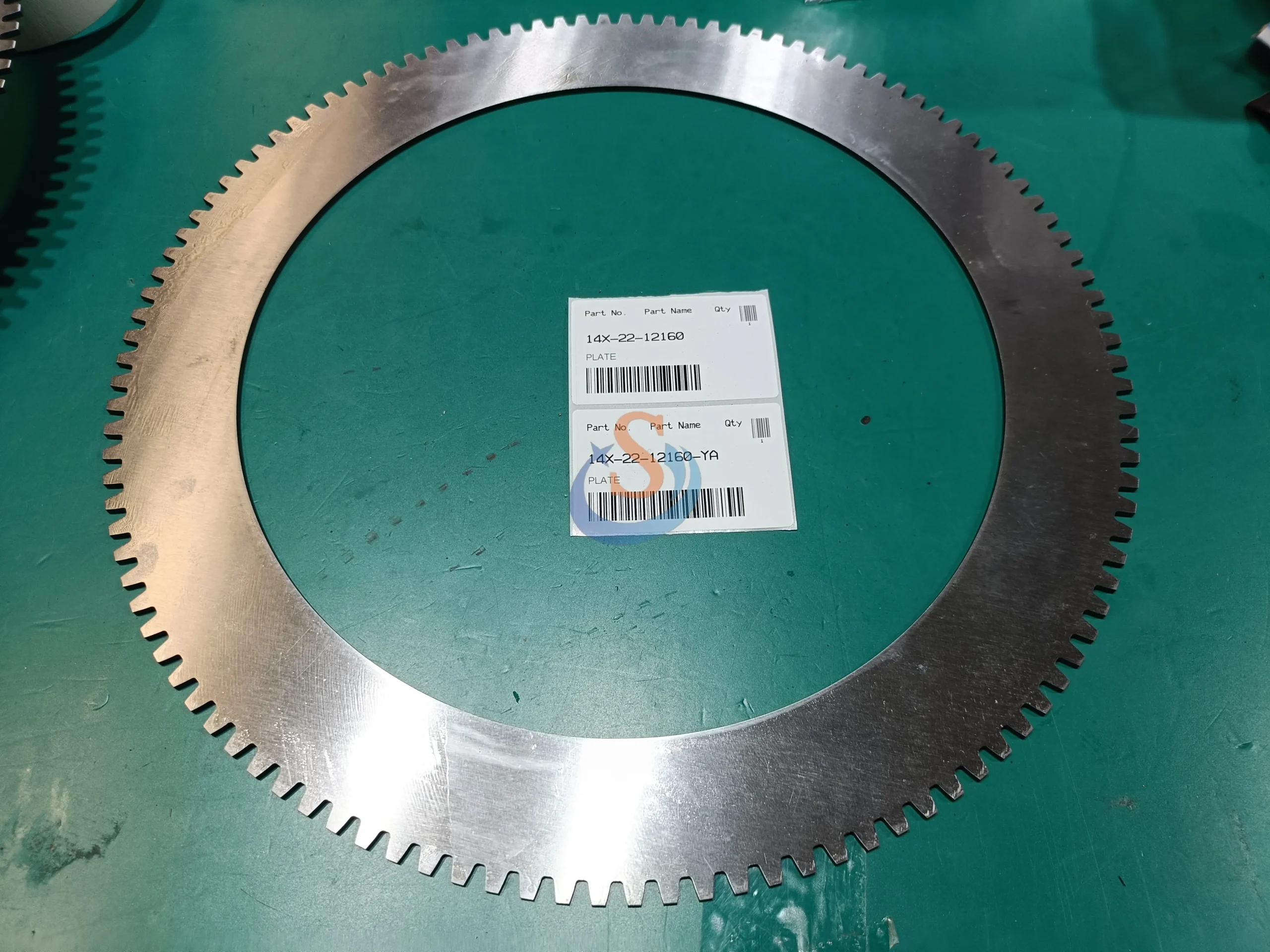 14X-22-12160,PLATE,D275A,D85ESS,D65E
 -
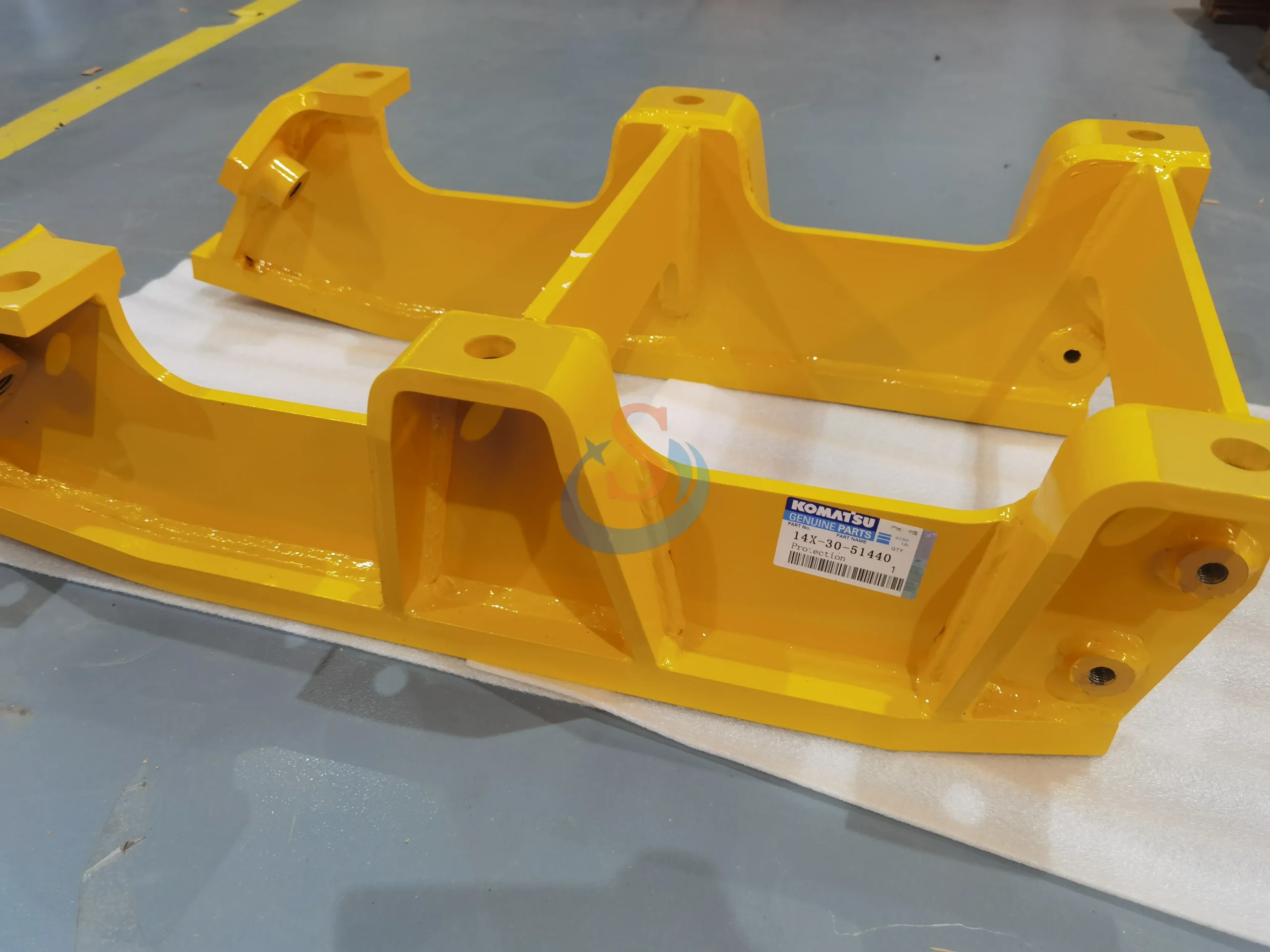 14X-30-51440,Guard,D65PX,D65EX,D65WX
 -
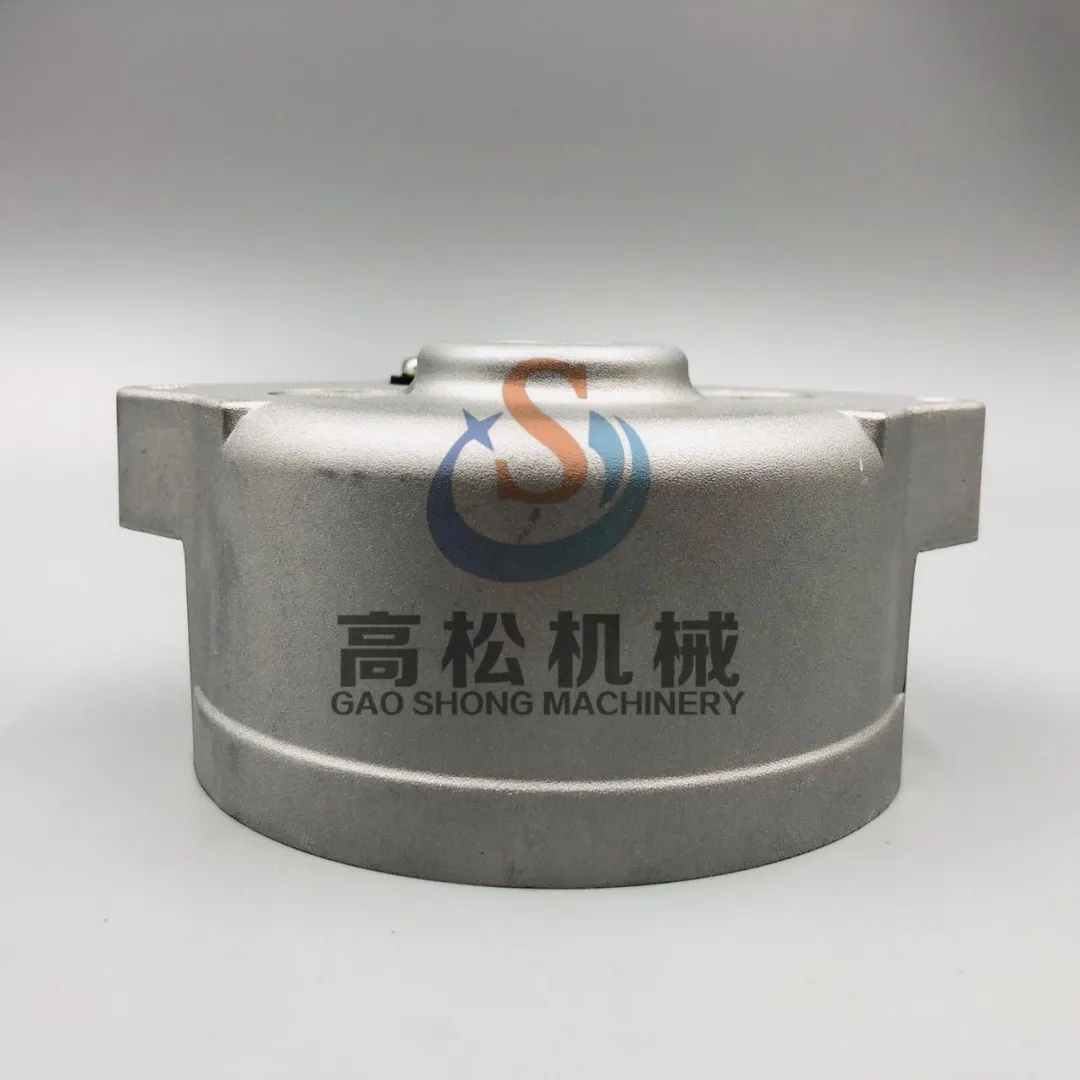 Komatsu KD0-23700-0130 Bracket
 -
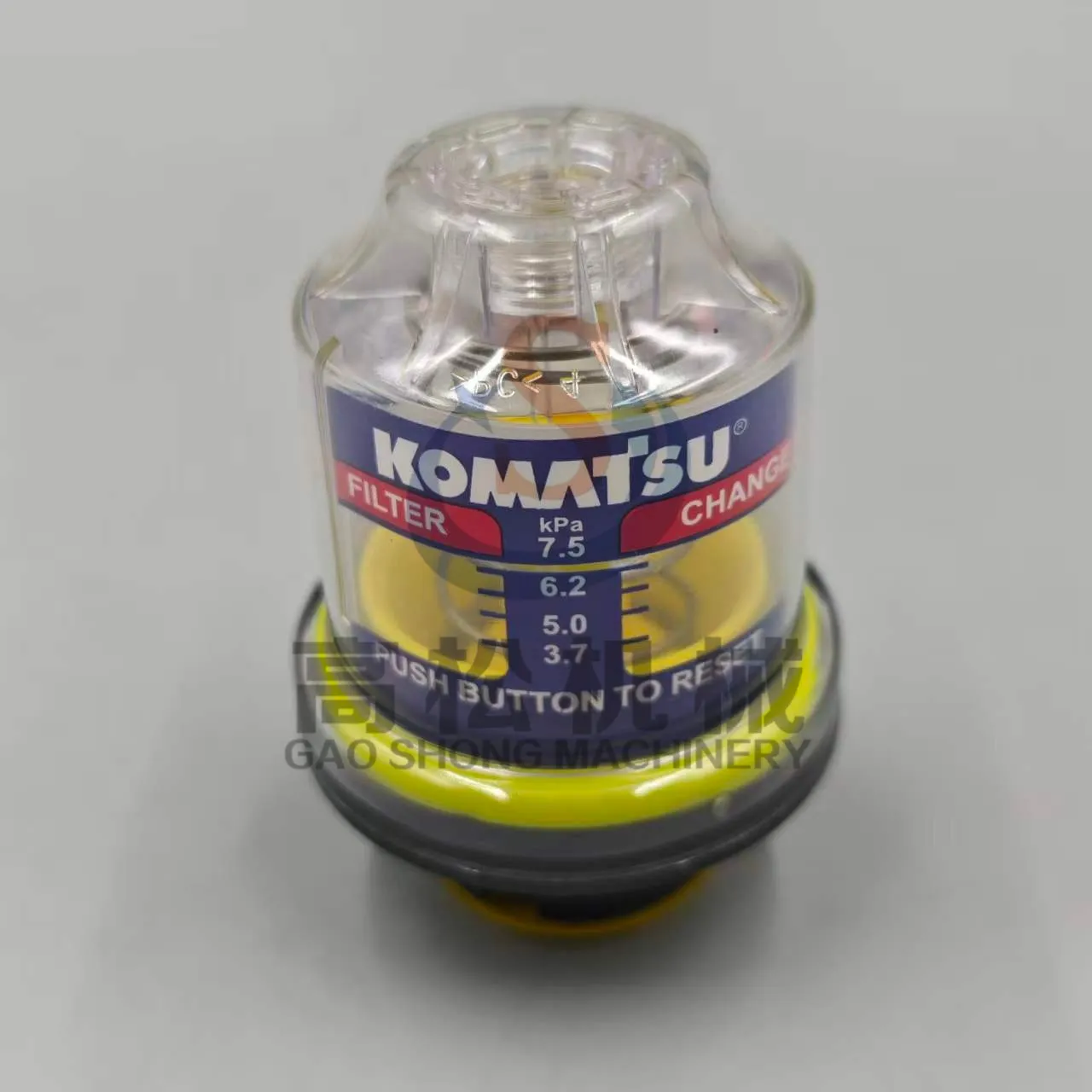 08672-01000 Indicator
 -
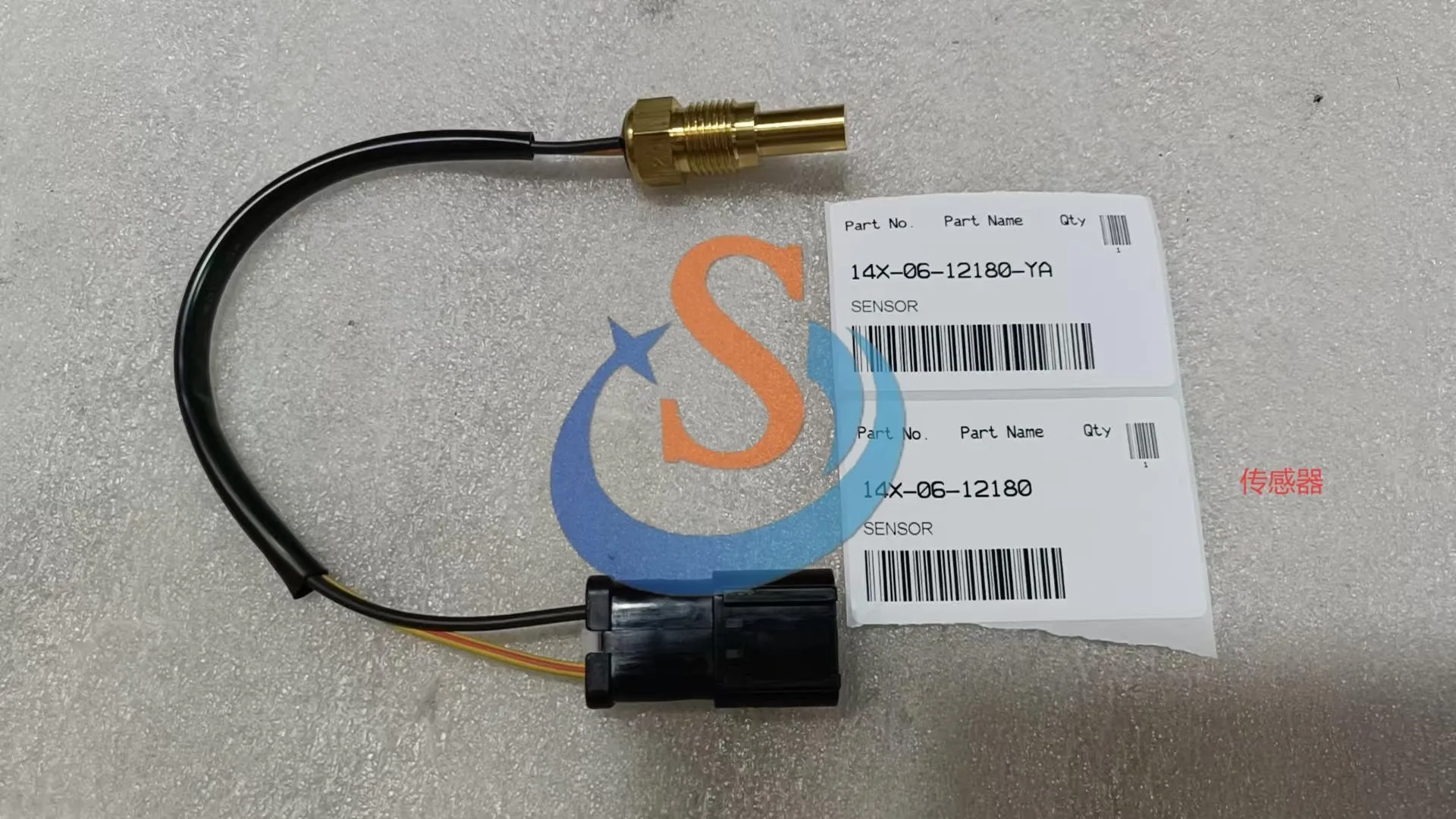 14X-06-12180 SENSOR D65/D85/D155A