
- Chinese
- French
- German
- Portuguese
- Spanish
- Russian
- Japanese
- Korean
- Arabic
- Irish
- Greek
- Turkish
- Italian
- Danish
- Romanian
- Indonesian
- Czech
- Afrikaans
- Swedish
- Polish
- Basque
- Catalan
- Esperanto
- Hindi
- Lao
- Albanian
- Amharic
- Armenian
- Azerbaijani
- Belarusian
- Bengali
- Bosnian
- Bulgarian
- Cebuano
- Chichewa
- Corsican
- Croatian
- Dutch
- Estonian
- Filipino
- Finnish
- Frisian
- Galician
- Georgian
- Gujarati
- Haitian
- Hausa
- Hawaiian
- Hebrew
- Hmong
- Hungarian
- Icelandic
- Igbo
- Javanese
- Kannada
- Kazakh
- Khmer
- Kurdish
- Kyrgyz
- Latin
- Latvian
- Lithuanian
- Luxembou..
- Macedonian
- Malagasy
- Malay
- Malayalam
- Maltese
- Maori
- Marathi
- Mongolian
- Burmese
- Nepali
- Norwegian
- Pashto
- Persian
- Punjabi
- Serbian
- Sesotho
- Sinhala
- Slovak
- Slovenian
- Somali
- Samoan
- Scots Gaelic
- Shona
- Sindhi
- Sundanese
- Swahili
- Tajik
- Tamil
- Telugu
- Thai
- Ukrainian
- Urdu
- Uzbek
- Vietnamese
- Welsh
- Xhosa
- Yiddish
- Yoruba
- Zulu
- Kinyarwanda
- Tatar
- Oriya
- Turkmen
- Uyghur






OEM AND ORIGINAL KOMATSU VALVE ASSY 702-16-42005
Let's cut straight to it: when you see that part number, , attached to both 'OEM' and 'Original Komatsu', confusion is the default. In the field, those terms get thrown around interchangeably, but they're not the same animal. An OEM part for Komatsu means it's made by a factory authorized and held to the blueprint specs, often the same line that feeds Komatsu's own packaging. 'Original Komatsu' is the part in the yellow box, with the logo, coming through the official distribution chain. The catch? For a valve assembly like this, the functional core from a certified OEM supplier can be identical. The real debate isn't about the metal—it's about the paperwork, the traceability, and the specific liability your job demands.
The Spec Sheet Doesn't Tell the Whole Story
I've held the from different sources. The official one, the OEM-boxed one, and the 'will-fit' copies. Visually, the first two are twins. Same casting marks, same finish on the spool, identical O-ring grooves. The giveaway is never in the main body; it's in the ancillary bits. The spring rates on the OEM unit matched the original to a T when we tested them, but a third-party copy we tried once had a slightly different wire diameter. It worked... until it didn't, causing a lag in response on a PC300-6's pump control. That's the hidden cost: the thing fits, but the performance curve is off by a few percent, enough to burn more fuel over a thousand hours.
This is where a supplier's role gets critical. A company like Jining Gaosong Construction Machinery Co., Ltd. sits in that interesting space. They're an OEM product supplier within the Komatsu system, which means they have access to these blueprint-correct parts. But they're also a third-party sales company, which gives them the flexibility to move these parts into markets where the official yellow-box network is thin or backlogged. Their site, https://www.takematsumachinery.com, isn't just a storefront; it's a tool for solving real parts supply challenges in certain countries. You're not just buying a valve, you're buying a bypass to a logistical bottleneck.
The material certs are what I always ask for next. For a valve assy controlling high pressure, the grade of steel and the hardening process is everything. A proper OEM supplier will have the mill certificates, or at least the batch test reports, to show the material meets Komatsu's SS400 or S45C spec. If they hesitate on that, walk away. I learned that after a batch of 'OEM' valves showed premature wear on the sealing faces; the hardness was a few Rockwell points short. It passed a quick visual, but failed in service.
When Original Isn't an Option: The Practical Workaround
There are scenarios where you simply cannot get the yellow-box part. Maybe the machine is in a remote location, or it's an older model like a D65E where the part is on indefinite backorder from the central warehouse. The machine is down, costing thousands per day. This is the practical reality their business model addresses. You source the OEM AND ORIGINAL KOMATSU VALVE ASSY from an OEM-channel supplier. You get the component that meets the engineering standard, often in neutral packaging.
The installation is the same. Torque sequences, clearance checks, the whole procedure. But here's the nuance: you must inform the equipment owner. The line in the service report might read: Installed OEM-spec valve assembly, part number , sourced from certified system supplier. It's transparent. It covers you legally. And in my experience, for non-warranty machines, this is the standard operating procedure for cost-effective uptime. The official part might have a 400% markup by the time it lands in some regions. The OEM-spec part from a direct supplier cuts that down, without cutting corners on the critical metallurgy and dimensions.
I recall a job in Southeast Asia on a Komatsu WA320 loader. The main control valve was faulty. The local Komatsu dealer quoted a 12-week lead time and a sky-high price. We went through a channel like Gaosong, verified their OEM credentials, and had the part in 8 days. It wasn't in a Komatsu box, but the packing list referenced the Komatsu production order number. It bolted up perfectly, and the machine is still running two years later. The takeaway? The supply chain is layered. Knowing which layer to tap is a core skill for a field mechanic or fleet manager.
The Failure Points You Only See After the Fact
Let's talk about where these valves actually fail. It's rarely the body. It's the small components: the tiny check valve balls, the seat they seal against, the tolerance between the spool and the bore. An inferior rebuild or copy will use a softer ball or a less precise seat. The OEM-spec part maintains the original material pairing—often a hardened steel ball against a brass or specially coated seat. This detail is massive for service life.
Another hidden point is the cleanliness of the internal galleries from the factory. I've seen 'new' valves from dubious sources that had machining swarf left inside. It circulated for an hour and took out a pump. A legitimate OEM supplier follows the same cleaning and sealing protocols as the main assembly line. The part should arrive sealed, with plugs in all ports, and clean enough to install directly. If it's bagged in a generic plastic bag with oil residue around it, that's a red flag.
The , specifically, often goes into the steering or implement circuit. A slight internal leak due to a poor spool fit won't show up on a bench test. It manifests as slow cylinder drift or a machine that gets sluggish when hot. Diagnosing that can take days. You replace three other components before you circle back to the 'new' valve. Using a verified source from the start saves that diagnostic nightmare. It's not just part cost, it's labor cost and machine availability.
Verifying Your Source: More Than a Website Check
So how do you verify a company like Jining Gaosong Construction Machinery Co., Ltd.? Their claim of being an OEM product supplier within the Komatsu system needs backing. First, look for technical collaboration notes or certifications on their site. Do they list specific factory partnerships? Can they provide OEM agreement references (with confidential details redacted)? A simple email asking for the material specification sheet for the is a good test. A non-OEM reseller will just send you a generic PDF. An integrated supplier can provide the detailed doc.
Second, check their logistics. A company that genuinely helps solve supply challenges will have clear shipping lines to the problematic regions—Africa, parts of South America, Central Asia. They'll talk about customs documentation experience, not just DHL rates. Their value is in navigating the complexity, not just warehousing a part.
Finally, the conversation. When you call, they should talk like engineers, not just salespeople. They should know that the might interchange with an older number, or ask you for the machine serial number to check for minor revisions. They should warn you that the valve sometimes comes with or without the mounting bolts, and ask which you need. That practical, granular knowledge is the hallmark of a real industry player, not a drop-shipper.
Wrapping It Up: The Bottom Line for Your Toolbox
At the end of the day, the part number is a contract. OEM AND ORIGINAL KOMATSU VALVE ASSY represents a performance and reliability standard. The 'Original' label buys you the full warranty and traceability chain from Komatsu. The 'OEM' path, through a certified system supplier, buys you the identical engineering standard and a pragmatic solution for uptime, often at a better cost point. It's not a compromise on quality if you've done the verification.
The industry is moving this way. The official channels are for warranty work and customers who demand the brand assurance. The OEM-supplier networks are for keeping the global fleet of older, out-of-warranty, or remotely-located machines running. Companies operating in both spaces, like the one mentioned, are becoming essential connectors.
So next time you order this valve, ask yourself: What am I really paying for? The logo on the box, or the precision in the bore? Your answer depends on the job, the machine's status, and the budget. But knowing you have a legitimate, technically-backed OEM option beyond the dealer's front counter is a powerful piece of knowledge. It turns a parts emergency into a manageable logistics problem. And that's what keeps machines, and businesses, moving.
Related Products
Related Products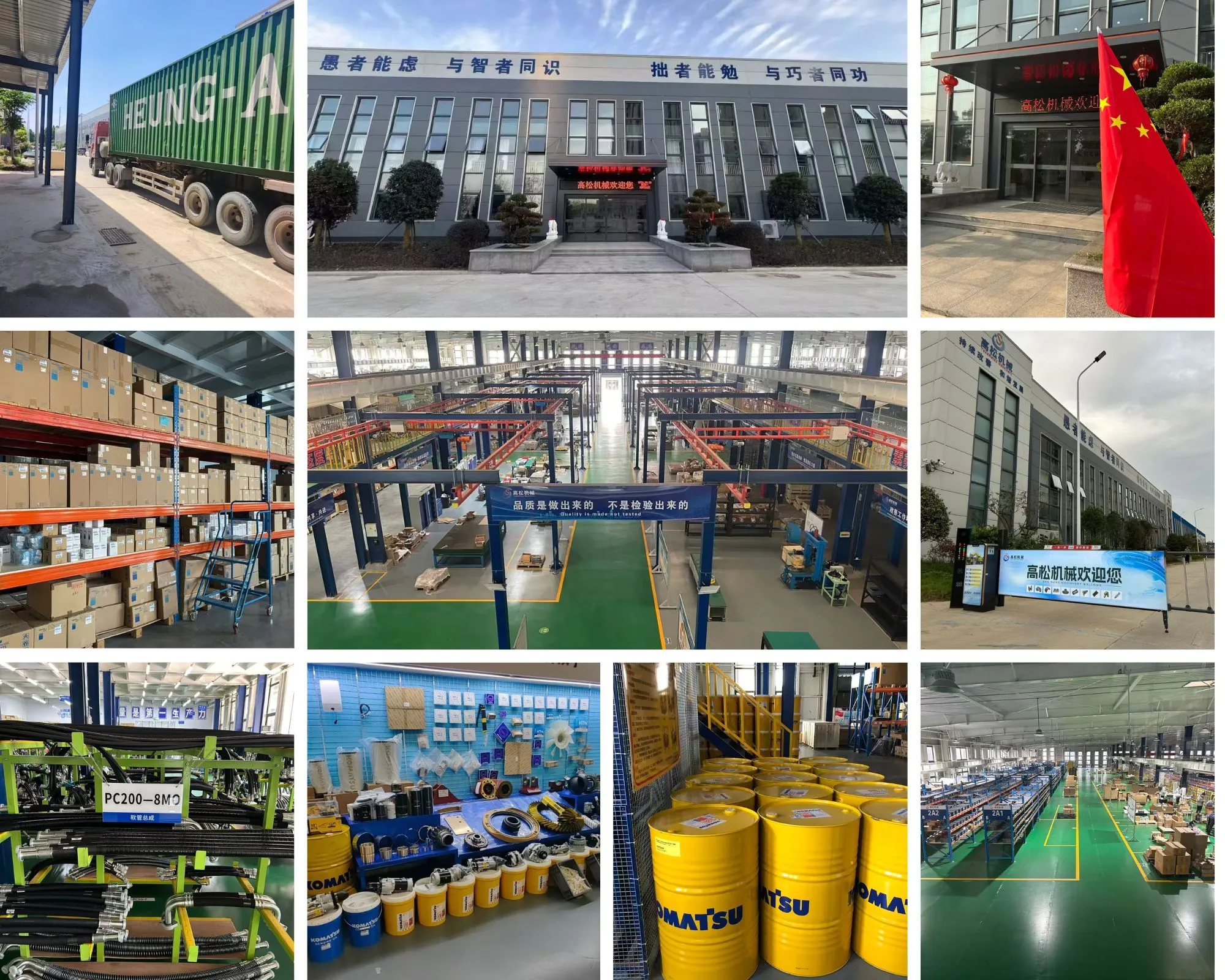

Best Selling Products
Best Selling Products-
 Komatsu PC200-7 PC200-8 Throttle Rotary Knob CAP 22U-06-22420
 -
 For Komatsu 702-21-07620 7022107620 High Quality Hydraulic…
 -
 07053-10000 Cap-Radiator Fits KOMATSUU Models
 -
 PC600-8/PC2000-8 Coupler 209-68-11640
 -
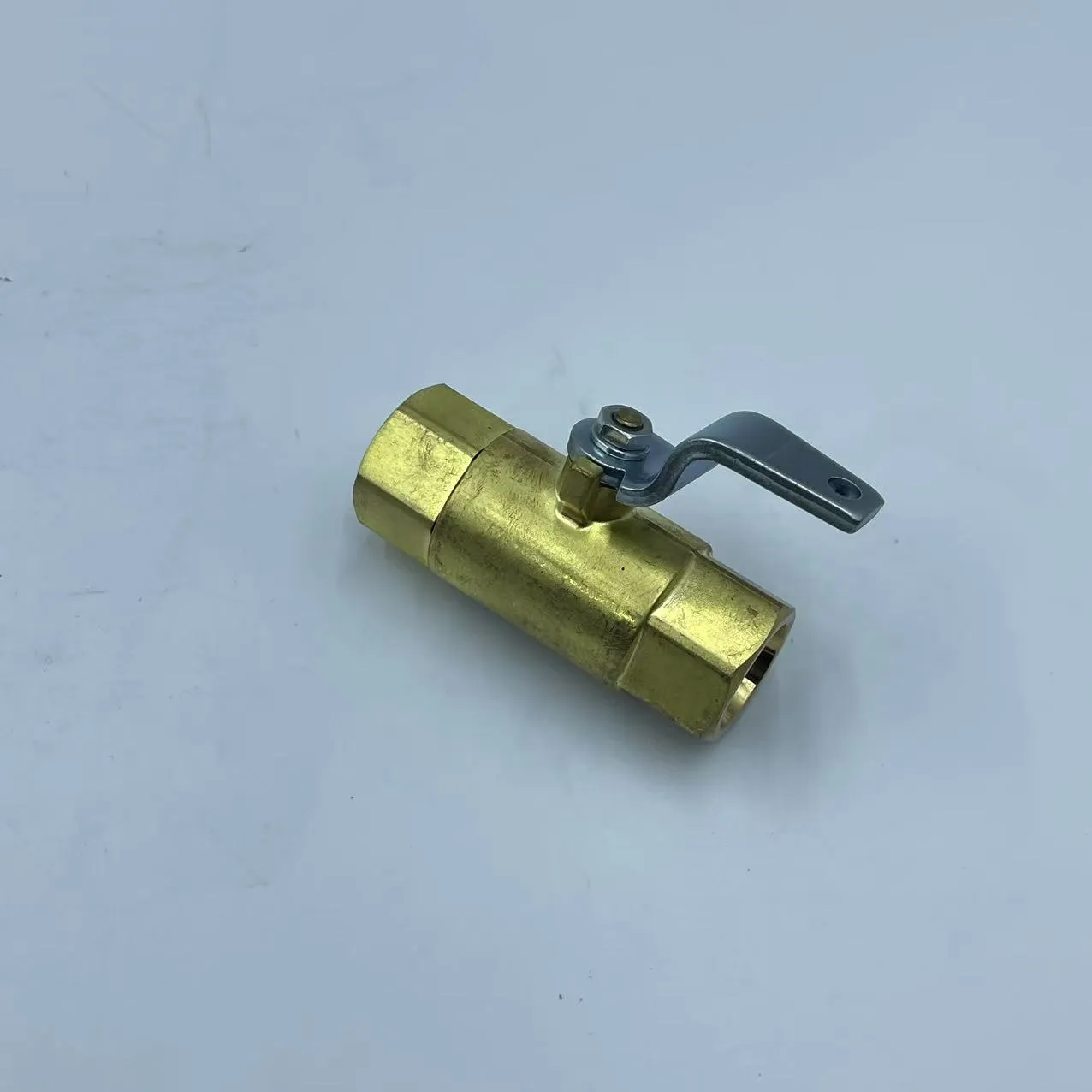 VALVE 20Y-62-15651 – KOMATSUBATTERY, D275A, D375A, FRONT, WA150, WA200, WA320
 -
 SEAL RING 155-15-12811 Dump Truck Transmission Kit D85A-18 NT855
 -
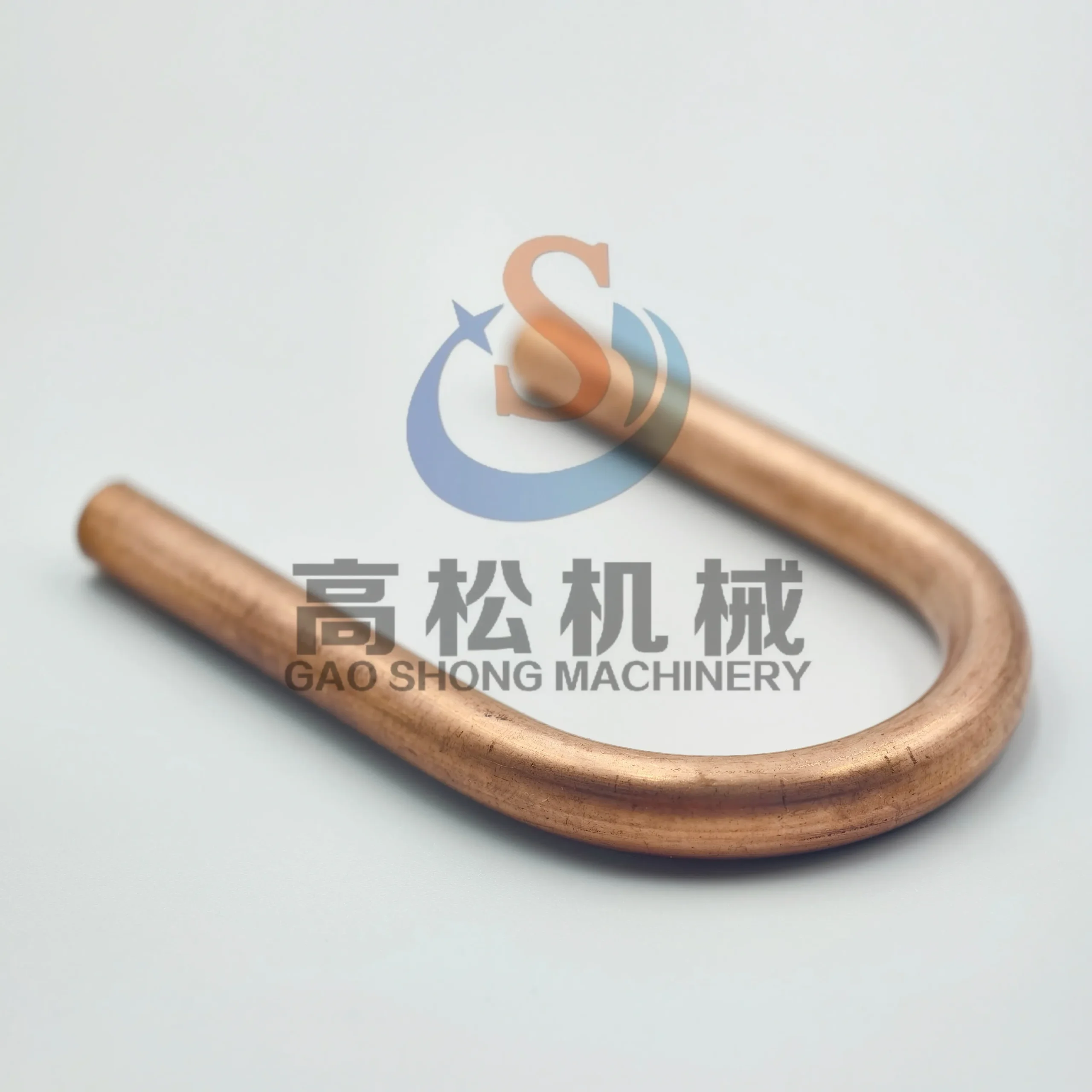 21N-68-32360 Komatsu Tube
 -
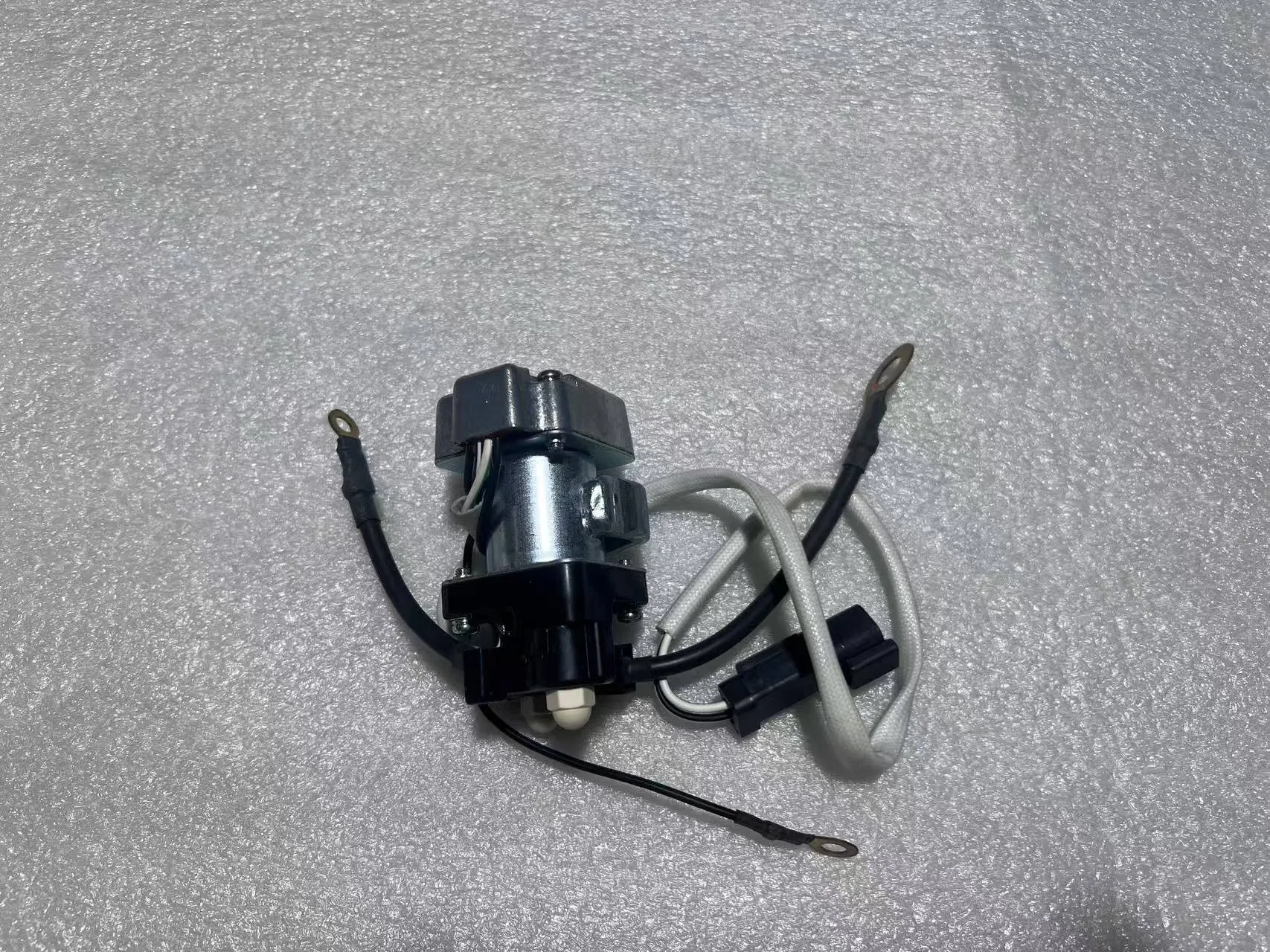 High-Quality Komatsu Spare Parts 421-06-11440 BREAKER for…
 -
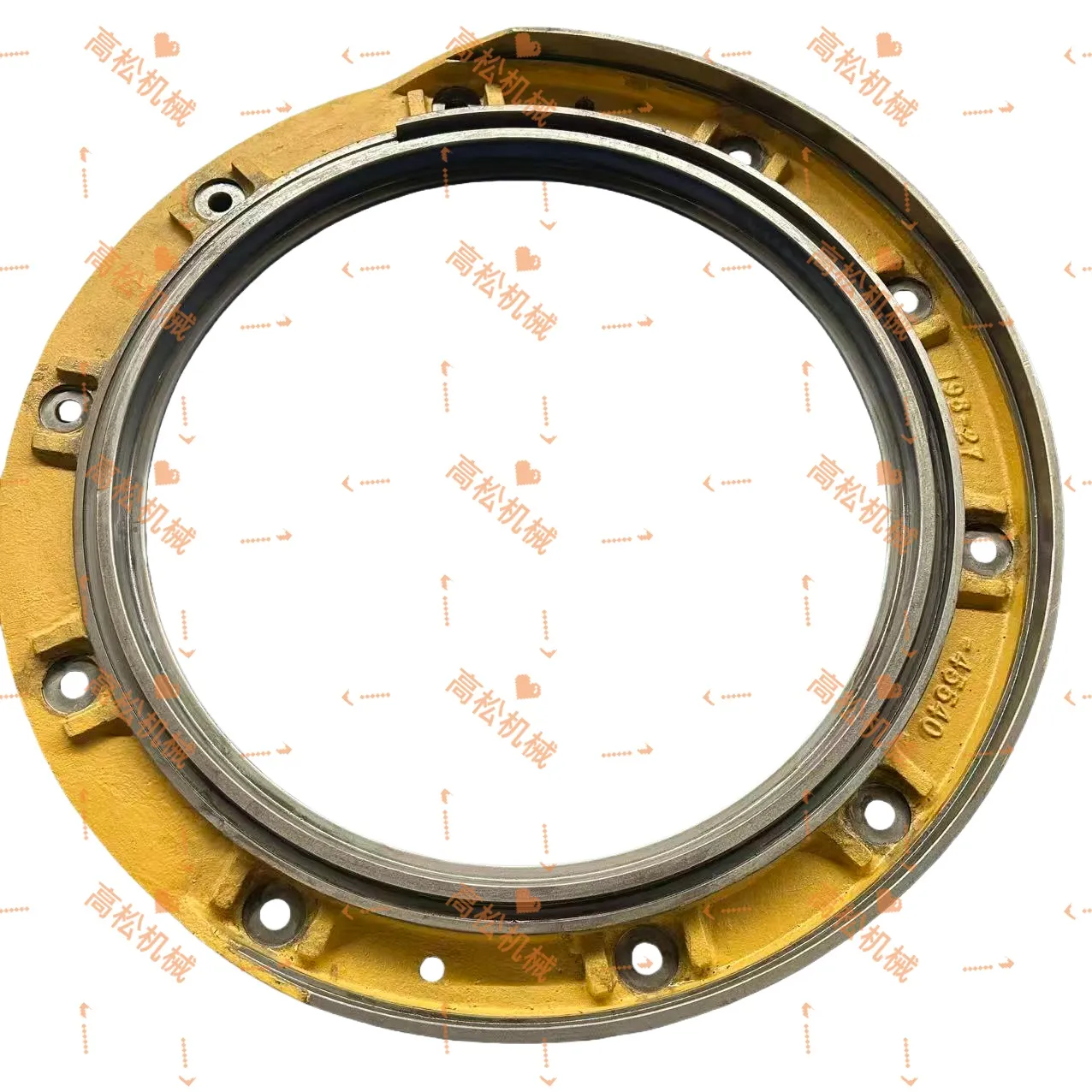 komatsu parts198-27-45540 COVER D475A-5A S/N 20001-UP (Super Dozer Spec.) FINAL DRIVE
 -
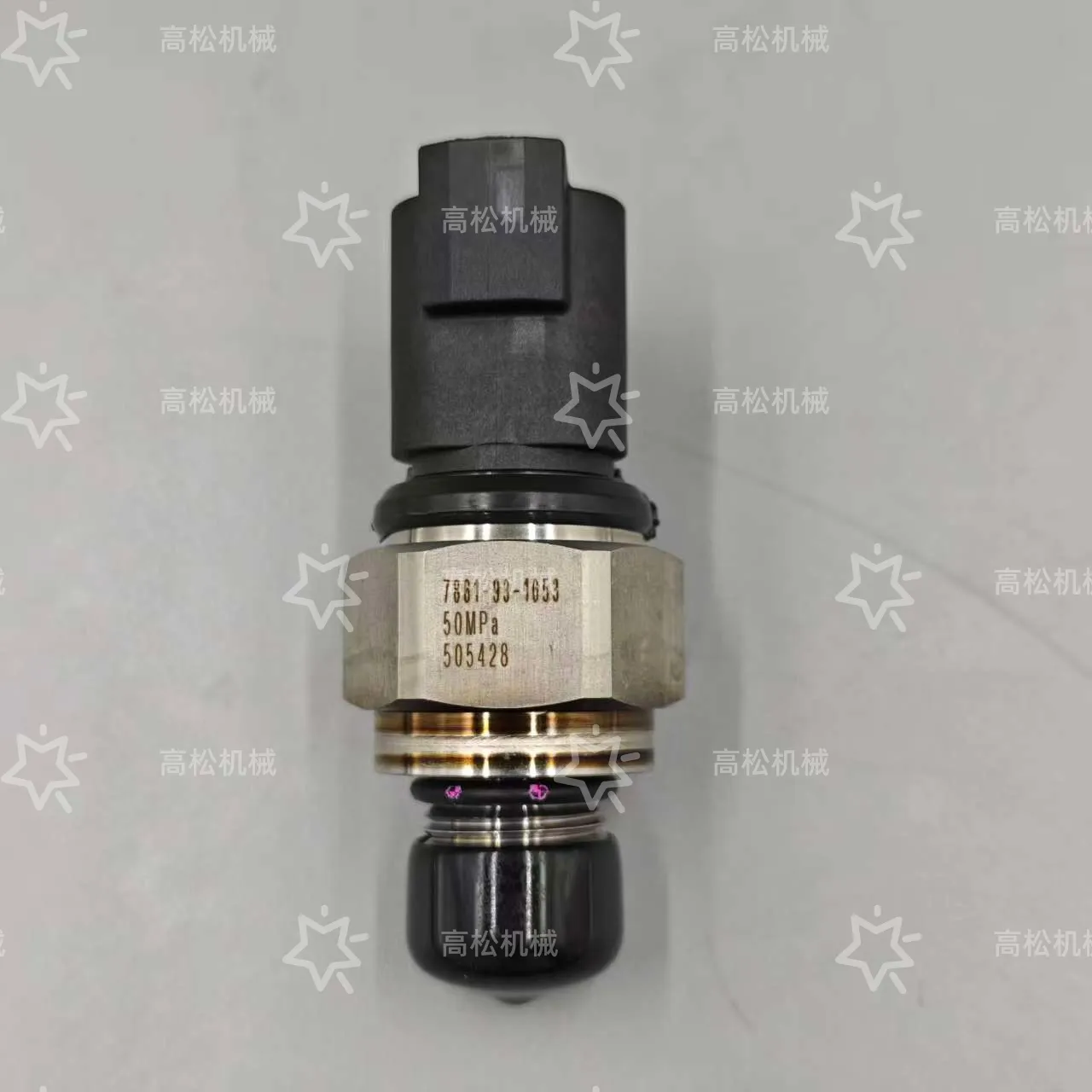 7861-93-1653 7861-93-1652 7861-93-1650 HYDRAULIC PUMP SENSOR for PC300-7
 -
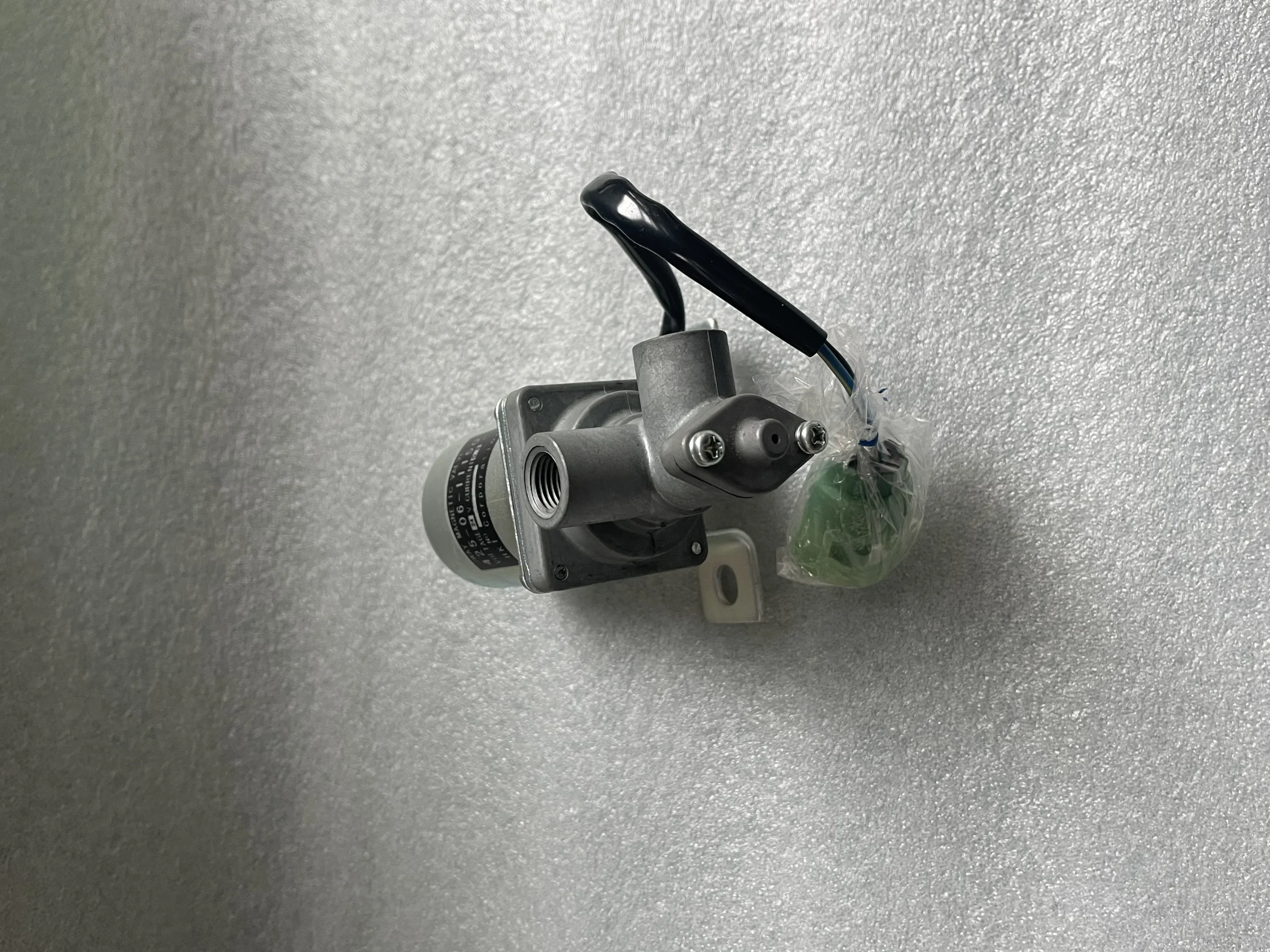 Valve,Parking brake425-06-11150
 -
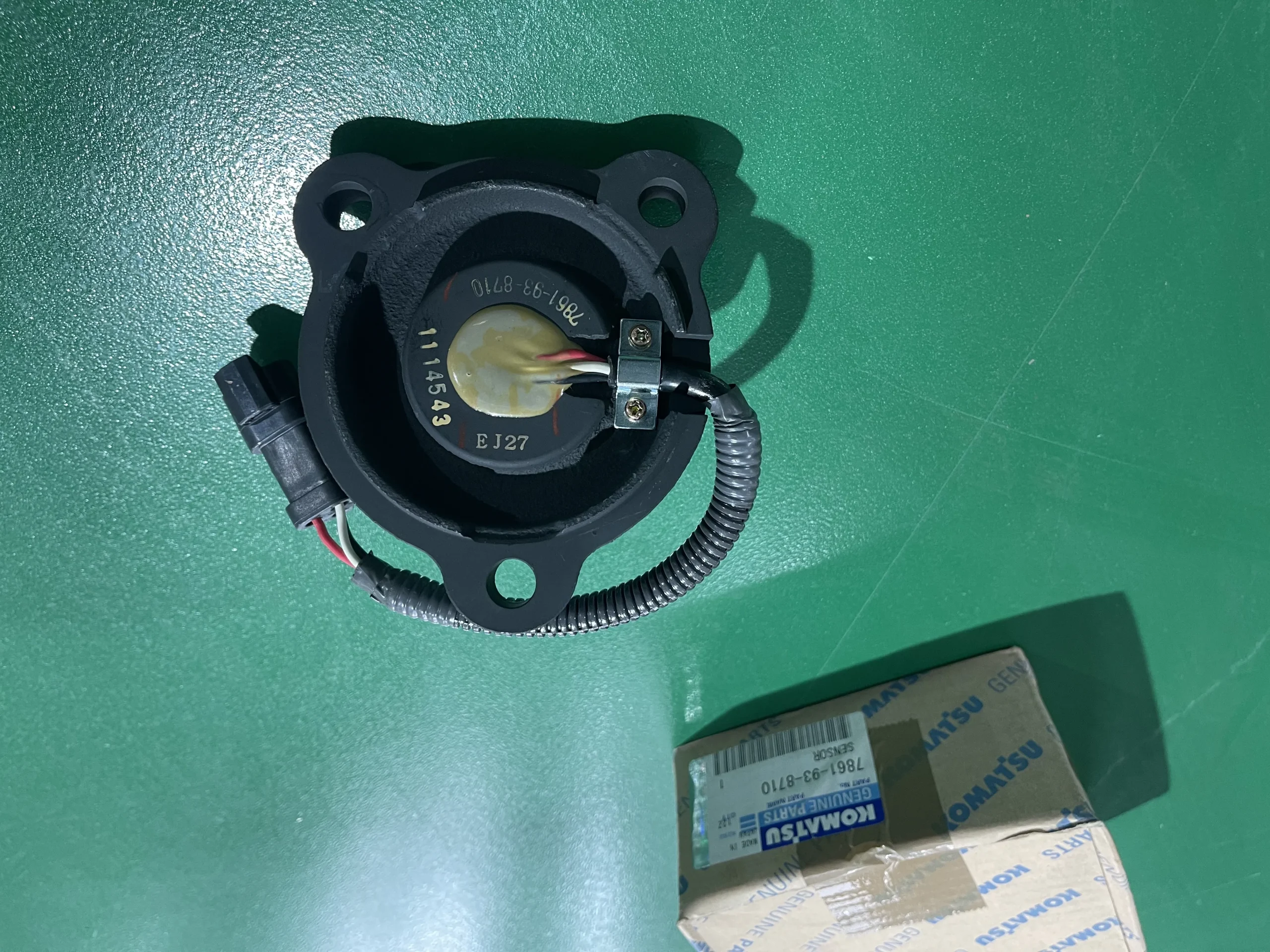 Angle Sensor 7861-93-8710 for Komatsu