
- Chinese
- French
- German
- Portuguese
- Spanish
- Russian
- Japanese
- Korean
- Arabic
- Irish
- Greek
- Turkish
- Italian
- Danish
- Romanian
- Indonesian
- Czech
- Afrikaans
- Swedish
- Polish
- Basque
- Catalan
- Esperanto
- Hindi
- Lao
- Albanian
- Amharic
- Armenian
- Azerbaijani
- Belarusian
- Bengali
- Bosnian
- Bulgarian
- Cebuano
- Chichewa
- Corsican
- Croatian
- Dutch
- Estonian
- Filipino
- Finnish
- Frisian
- Galician
- Georgian
- Gujarati
- Haitian
- Hausa
- Hawaiian
- Hebrew
- Hmong
- Hungarian
- Icelandic
- Igbo
- Javanese
- Kannada
- Kazakh
- Khmer
- Kurdish
- Kyrgyz
- Latin
- Latvian
- Lithuanian
- Luxembou..
- Macedonian
- Malagasy
- Malay
- Malayalam
- Maltese
- Maori
- Marathi
- Mongolian
- Burmese
- Nepali
- Norwegian
- Pashto
- Persian
- Punjabi
- Serbian
- Sesotho
- Sinhala
- Slovak
- Slovenian
- Somali
- Samoan
- Scots Gaelic
- Shona
- Sindhi
- Sundanese
- Swahili
- Tajik
- Tamil
- Telugu
- Thai
- Ukrainian
- Urdu
- Uzbek
- Vietnamese
- Welsh
- Xhosa
- Yiddish
- Yoruba
- Zulu
- Kinyarwanda
- Tatar
- Oriya
- Turkmen
- Uyghur





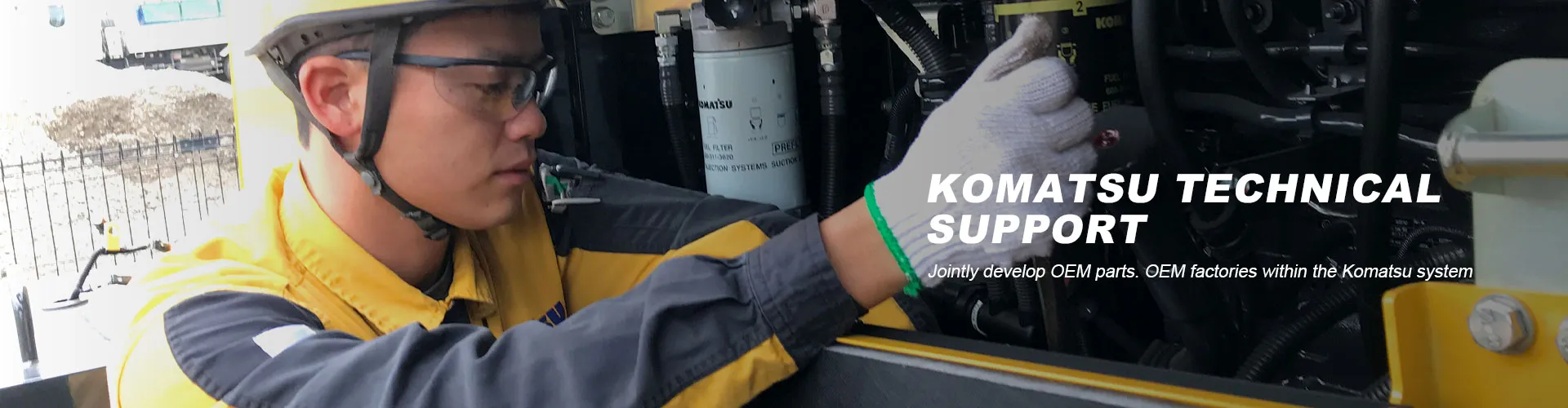
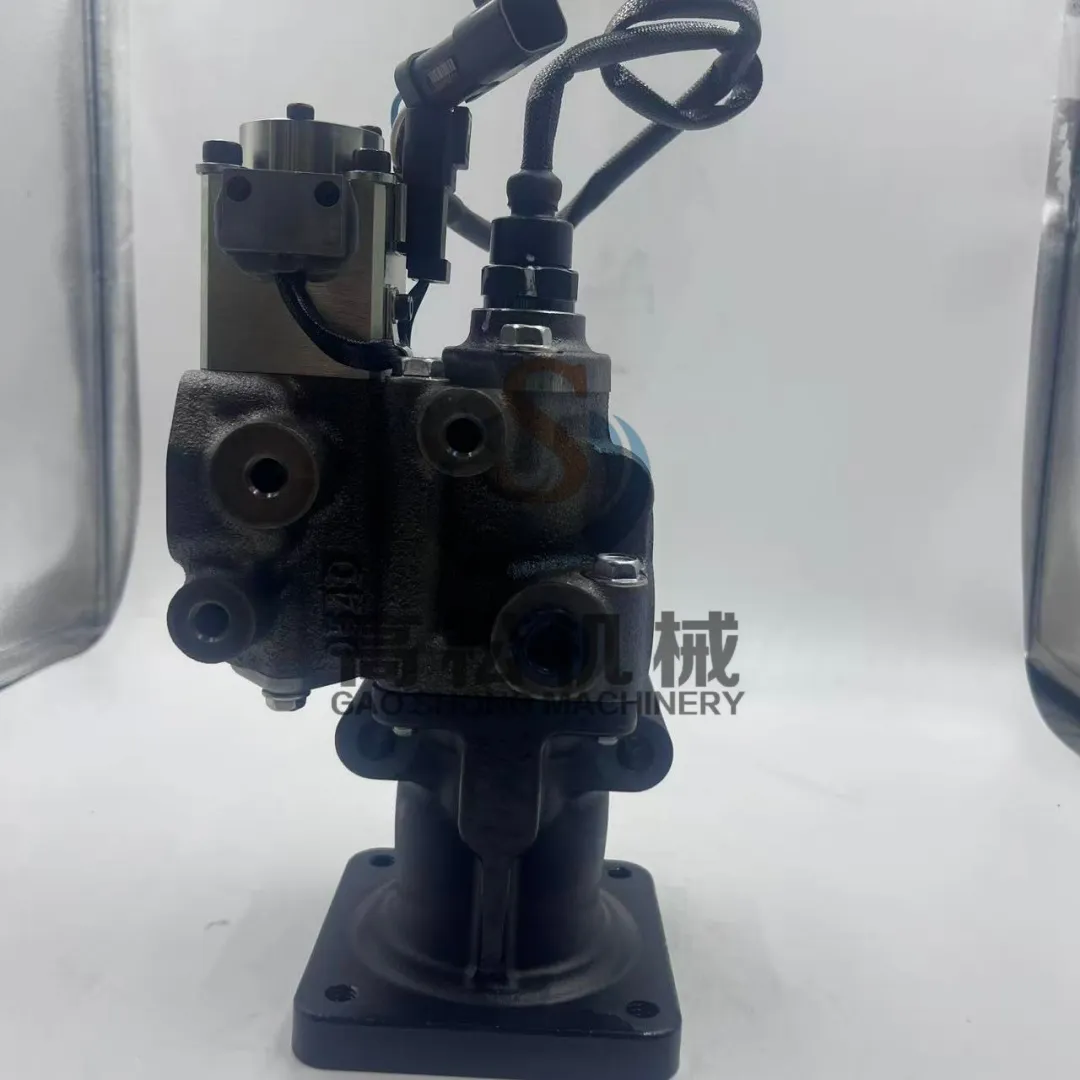
OEM AND ORIGINAL KOMATSU VALVE ASSY 56D-43-37101
Let's talk about 56D-43-37101. If you're sourcing this, you're likely dealing with an older Komatsu model, maybe a PC200-6 or something in that family. The immediate pitfall everyone hits is thinking OEM and Original are the same thing here. They're not. Not anymore. An OEM AND ORIGINAL KOMATSU VALVE ASSY from Komatsu directly is a unicorn for discontinued parts; what you're usually buying is an OEM-authorized or OEM-spec part from a system supplier. That distinction costs people thousands in downtime.
The Reality of Original in the Aftermarket
I've seen the confusion firsthand. A client insisted on genuine Komatsu for this valve assembly. After a three-week wait and a premium price, the part arrived in a plain box with a Komatsu-certified supplier's label—not a Komatsu box. It was functionally identical, met all specs, but the expectation mismatch caused frustration. This is where companies like Jining Gaosong Construction Machinery Co., Ltd. operate. They're embedded in the system. When they say OEM product supplier within the Komatsu system, it means they manufacture or supply components that Komatsu would have originally used, under license or agreement. It's not a copy; it's often the same production line.
The part number 56D-43-37101 is specific. It's not a generic control valve. It manages pilot pressure for the swing or travel, I'd need the machine serial to be sure. The 37101 suffix often indicates a sub-assembly revision. If you get a part where the casting marks are slightly different but the port sizes and bolt pattern match, you might have a later revision from an OEM supplier. Don't panic. Cross-reference it against the machine's service manual, not just the parts catalog.
Why does this matter? Fitment. I tried a non-OEM-spec compatible valve once. It bolted on, but the internal orifice diameters were off by a fraction of a millimeter. Result? Laggy swing response and eventual overheating. The machine ran, but poorly. You're paying for that precision engineering. The OEM AND ORIGINAL tag, when from a legitimate system supplier, guarantees that precision.
Jining Gaosong's Role: Solving the Actual Supply Gap
Their website, https://www.takematsumachinery.com, states they help solve parts supply challenges in certain countries. This isn't marketing fluff. In regions like Africa or South America, official distribution for old parts is nonexistent. Their model as a third-party sales company for Komatsu means they can access and provide these system-OEM parts through channels the main dealer network can't or won't service. They fill the logistical gap.
I recall a mining operation in Chile stuck for eight weeks waiting for this exact valve assy through official channels. They contacted a similar supplier, and the part was sourced, verified, and shipped in ten days. The cost was higher than a knock-off but 30% less than the official backorder quote. The machine was down for over two months; the cost of downtime dwarfed the part price. That's the value proposition.
It's crucial to verify their claim. OEM product supplier within the Komatsu system should mean traceability. Ask for documentation: material certificates, test reports, or even a letter of authorization. A reputable company will have this. I've had suppliers balk at that request, which tells you everything. Gaosong's mention of being a third-party sales company suggests they might also handle genuine surplus or NOS (New Old Stock) from Komatsu's pipeline, which is gold dust for classic models.
Technical Nuances of the 56D-43-37101
Let's get into the weeds. This assembly isn't just a block of metal. It houses several spools, springs, and shuttle valves. The common failure point isn't the body; it's the wear on the spool lands and the fatigue of the springs. An OEM-spec part will use the same grade of steel and the same surface hardening process. A pattern part might use a cheaper steel that wears rapidly, introducing metal contamination into your entire hydraulic system—a $20,000 mistake to save $500.
When you receive the unit, check the sealing surfaces. They should be pristine, with no nicks. The OEM-supplied versions often have a distinct, almost bluish, phosphate coating for corrosion resistance. Pattern parts are usually just painted. Also, weigh it. A significant weight difference can indicate different internal geometry or material density. It's a quick, crude, but effective field check.
Installation torque is another giveaway. The original spec might call for 45 ft-lbs on certain bolts. If the new part's threads strip at that torque, the material is subpar. I learned this the hard way on a different valve bank. Had to helicoil the entire manifold. Now, I always run a tap through the bolt holes of any new assembly, OEM or not, to clean them out and feel for thread integrity.
Practical Sourcing and Verification Steps
So, you need a 56D-43-37101. Your first call shouldn't be to the national distributor for a 20-year-old machine. You'll hit a dead end. Search for system suppliers or third-party sales companies with explicit Komatsu links. A site like takematsumachinery.com is a good start, but dig deeper. Look for physical address, contact names, years in business. Call them. Ask specific technical questions: What is the relief valve cracking pressure set at in this assembly? If they can't answer or transfer you to a technician, be wary.
Request photos of the actual part, not a stock image. Look for the casting marks. Genuine OEM-supplied parts will have a part number cast into the body, along with a supplier code (like K or a specific symbol). Compare these to your old unit. Even if the marking font is slightly different, the location and depth should be consistent—it's the same mold.
Finally, discuss logistics and warranty. How is it packaged? Is it shipped in a crate with proper support to prevent port damage? What's the warranty terms? A one-year warranty on a sealed assembly is standard for OEM-quality. A 90-day warranty often signals a pattern part. Understand their return policy if the part is DOA (Dead On Arrival). This is where real suppliers distinguish themselves from parts traders.
Concluding Thoughts: Value Beyond the Price Tag
At the end of the day, the debate around OEM AND ORIGINAL KOMATSU VALVE ASSY 56D-43-37101 boils down to risk management. The part is a critical control element. A failure doesn't just stop the machine; it can cause cascading hydraulic damage. The premium for a verifiable OEM-system part is insurance.
Companies like Jining Gaosong Construction Machinery exist because the global parts supply chain for legacy equipment is broken. They aren't just selling a widget; they're providing access to a certified supply stream that the official channel has abandoned. Their dual role as manufacturer/supplier and third-party sales agent is key.
My rule now? For critical hydraulic control components, I only use sources that can prove their OEM lineage. For everything else, maybe you can risk a pattern part. But for 56D-43-37101, the stakes are too high. Verify, then buy. The cost of being wrong is measured in weeks of downtime, not just dollars.
Related Products
Related Products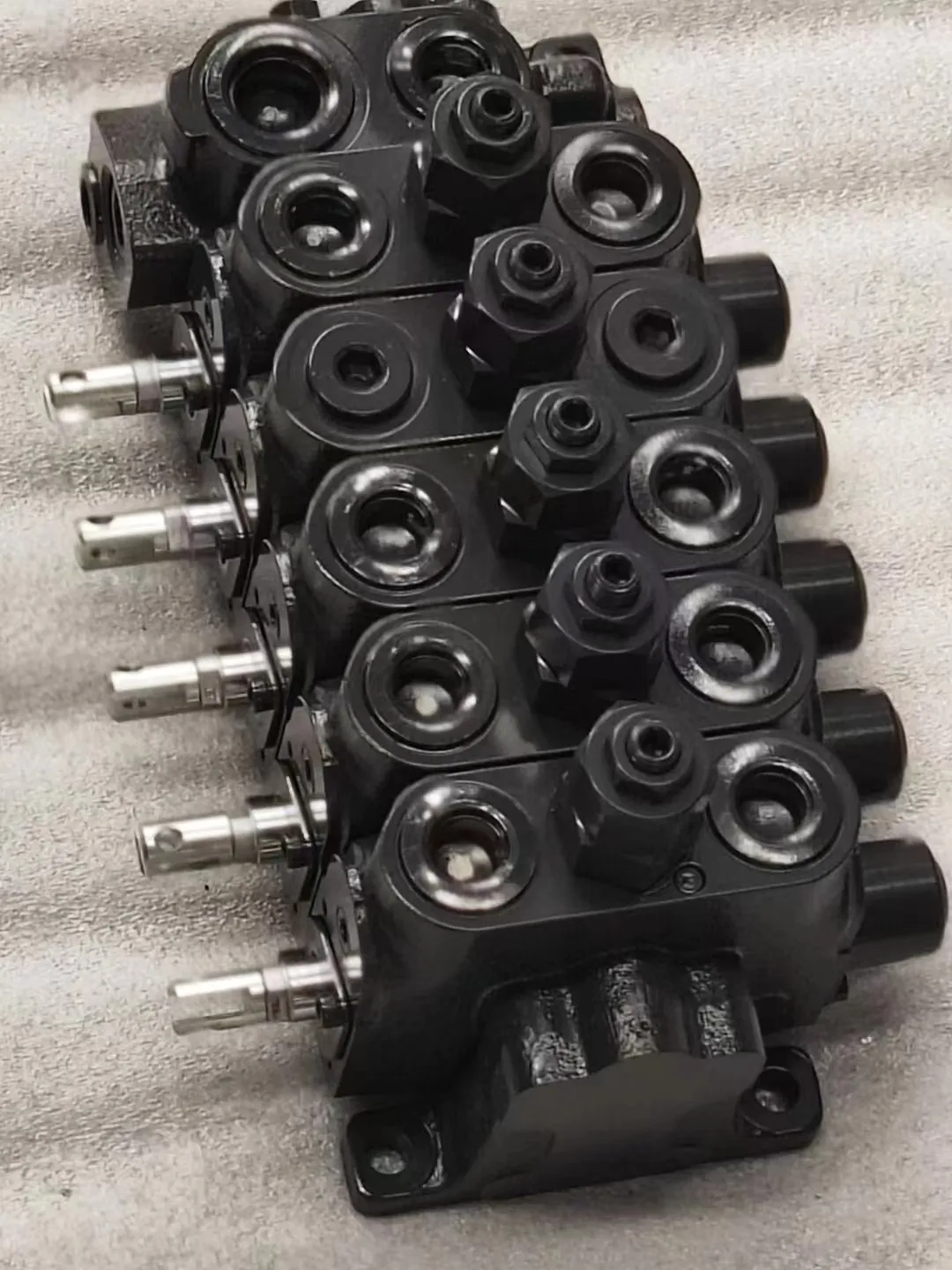
Best Selling Products
Best Selling Products-
 561-95-8A530• PUMP ASSEMBLY Applicable: Komatsu self-unloading truck HD series
 -
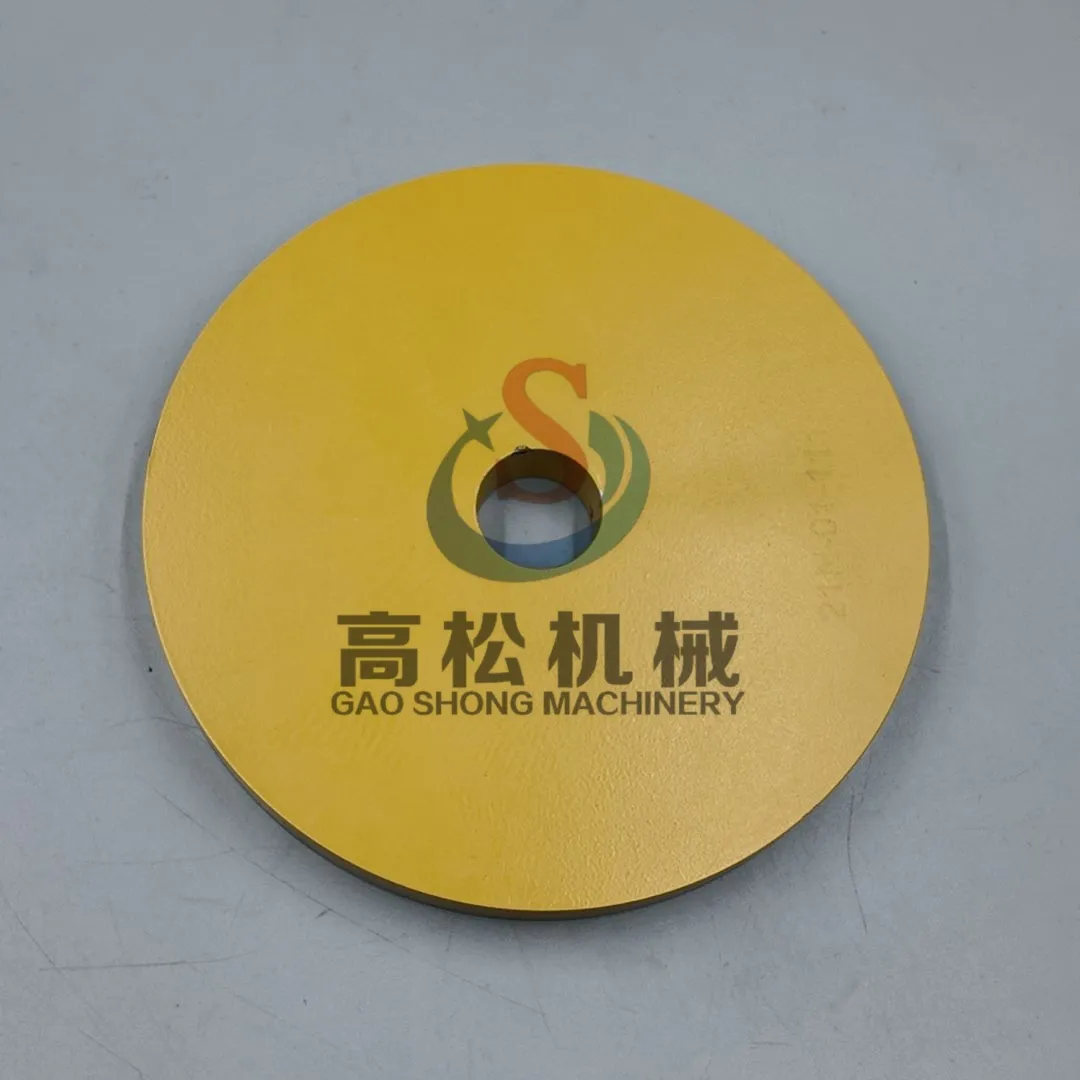 21T-01-11150 21N-01-11120 Cushion KOMATSU Excavator Spare Parts For PC800LC-8E0 PC850-8E0
 -
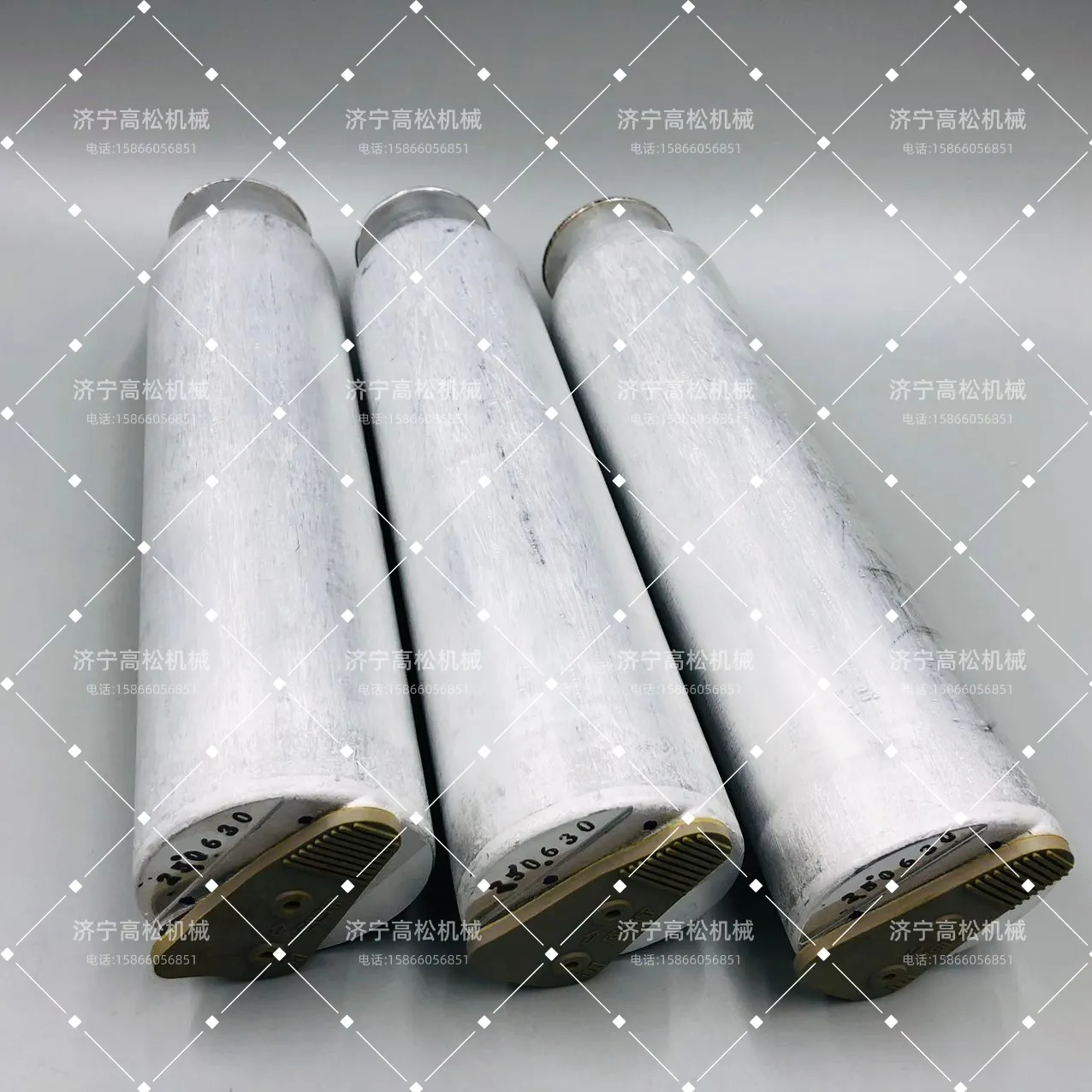 20Y-979-3120 Filter Receiver Drier for Komatsu – COOL MAKER
 -
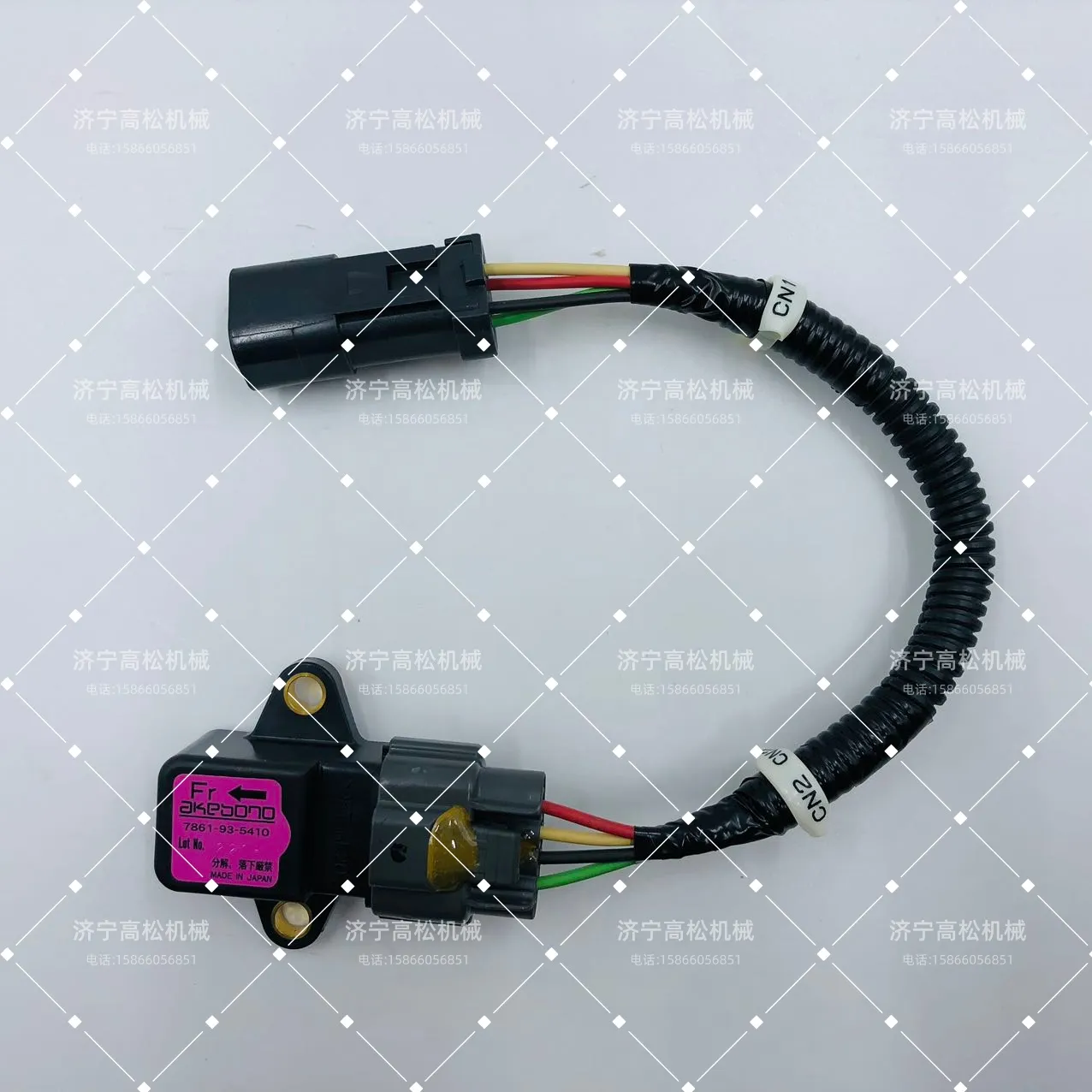 7861-93-5410 Komatsu Sensor, Acceleration
 -
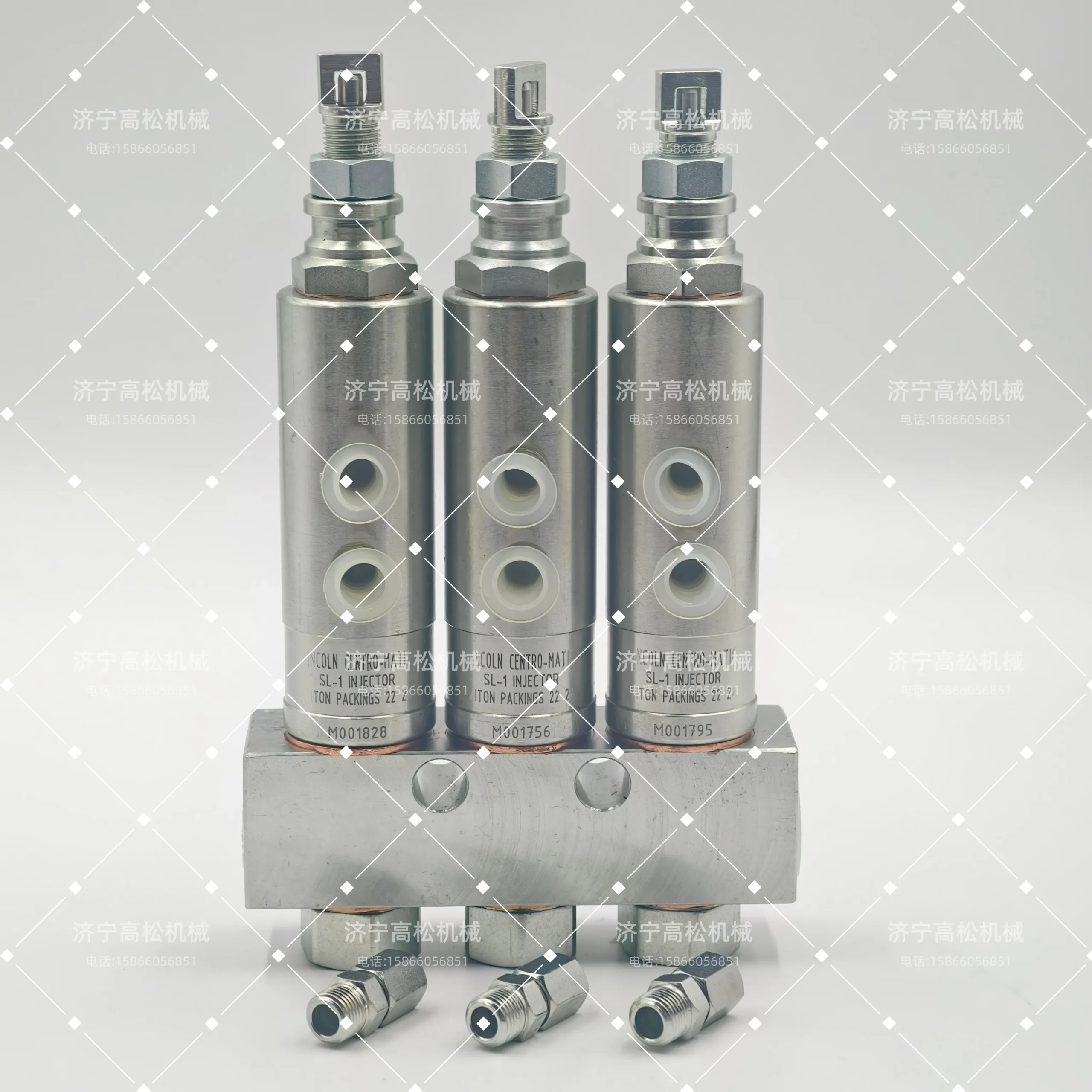 Ekskavatör PC1250-7 PC1250-8 enjektör 581-96-19520…
 -
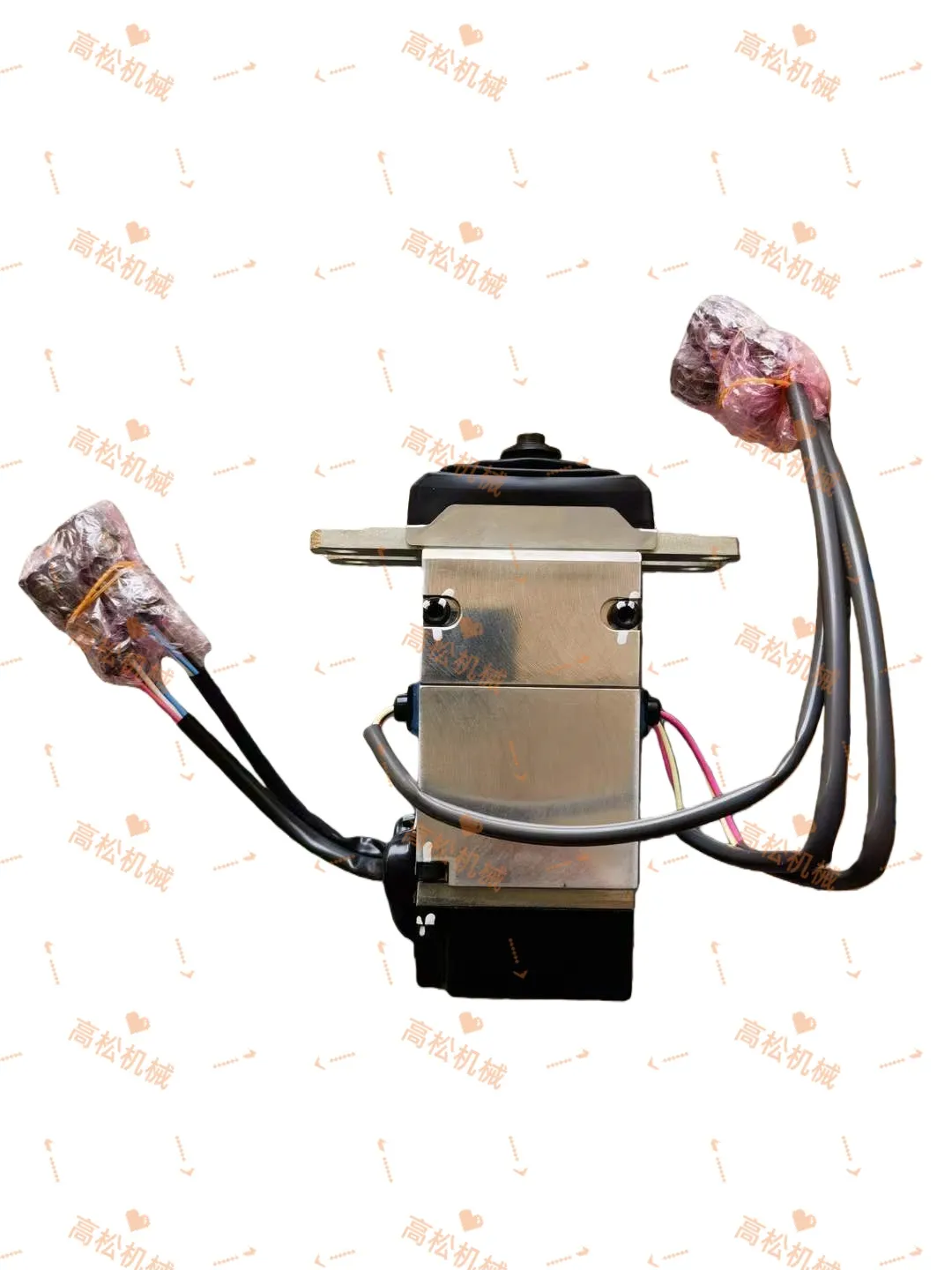 komatsu-part-702-16-02144 Lever Assembly D155A-6R D155AX-8E0 D475A-5E0 D85MS-15 D85EX-15E0 D65PX-18 D155AX-7 LEVER AND CONSOLE FLOOR FRAME TRAVEL CONTROL LEVER ROPS CAB, PCCS (PALM COMMAND CONTROL SYSTEM) LEVER
 -
 alarm 415-06-22100 – komatsu
 -
 198-06-56570 BUZZER-Komatsu Original Factory
 -
 112-946-4170 Komatsu Clip
 -
 Komatsu 09482-10000 VALVE, HOSE, price for… — Pricing.Parts
 -
 komatsu-part-21T-38-00160 21T-38-00170 21T-38-00180 21T-38-00190 PTO Assembly PC2000-8 PC2000-11 PTO (POWER TAKE OFF), INNER PARTS POWER TAKE OFF
 -
 Valve Assembly 21T-68-67940 for Komatsu PC2000-8 Excavator