
- Chinese
- French
- German
- Portuguese
- Spanish
- Russian
- Japanese
- Korean
- Arabic
- Irish
- Greek
- Turkish
- Italian
- Danish
- Romanian
- Indonesian
- Czech
- Afrikaans
- Swedish
- Polish
- Basque
- Catalan
- Esperanto
- Hindi
- Lao
- Albanian
- Amharic
- Armenian
- Azerbaijani
- Belarusian
- Bengali
- Bosnian
- Bulgarian
- Cebuano
- Chichewa
- Corsican
- Croatian
- Dutch
- Estonian
- Filipino
- Finnish
- Frisian
- Galician
- Georgian
- Gujarati
- Haitian
- Hausa
- Hawaiian
- Hebrew
- Hmong
- Hungarian
- Icelandic
- Igbo
- Javanese
- Kannada
- Kazakh
- Khmer
- Kurdish
- Kyrgyz
- Latin
- Latvian
- Lithuanian
- Luxembou..
- Macedonian
- Malagasy
- Malay
- Malayalam
- Maltese
- Maori
- Marathi
- Mongolian
- Burmese
- Nepali
- Norwegian
- Pashto
- Persian
- Punjabi
- Serbian
- Sesotho
- Sinhala
- Slovak
- Slovenian
- Somali
- Samoan
- Scots Gaelic
- Shona
- Sindhi
- Sundanese
- Swahili
- Tajik
- Tamil
- Telugu
- Thai
- Ukrainian
- Urdu
- Uzbek
- Vietnamese
- Welsh
- Xhosa
- Yiddish
- Yoruba
- Zulu
- Kinyarwanda
- Tatar
- Oriya
- Turkmen
- Uyghur






OEM AND ORIGINAL KOMATSU VALVE ASSY 569-43-83140
You see that part number, , and you think it's straightforward. It's a Komatsu valve assembly, probably for a pump control circuit on a mid-size excavator, something like a PC200-8. But here's where it gets messy. The term 'OEM AND ORIGINAL' in searches creates more confusion than clarity. In my experience, they're often treated as synonyms, but in the trenches of parts procurement, especially for older or hard-to-find Komatsu parts, the distinction is everything. An 'OEM' part from within the Komatsu system isn't always the same as the 'Original' part you'd pull from a Komatsu-branded box at the dealer. The tolerances, the metallurgy of the spool, the seal compound—sometimes they're identical, sometimes there's a variance that only shows up after 500 hours of operation. I've seen both work perfectly, and I've seen failures that trace back to assuming they were the same thing.
The Gray Area of OEM Supply
Let's break down what 'OEM within the Komatsu system' actually means. Companies like Jining Gaosong Construction Machinery Co., Ltd. operate in this space. They aren't just resellers; they are authorized manufacturers for specific components. When you look at their site, takematsumachinery.com, their description hits the nail on the head: they help solve parts supply challenges in certain countries. This is key. For a market where the official Komatsu distribution is thin or slow, they produce the valve assy to Komatsu's approved drawings and specs. It's not a copy; it's a licensed production. But—and this is a big but—the production run might be from last year, using a different batch of O-rings from a Komatsu-approved secondary vendor, versus the 'original' part made in Komatsu's primary facility last month.
The practical difference? Often none. But I recall a case on a PC300-6 where we installed an OEM-sourced from a reputable supplier. The machine developed a slow, intermittent droop on the arm. We chased everything—pump pressure, pilot lines. Finally, after days, we swapped in a genuine Komatsu boxed part. The issue vanished. Upon inspection, the OEM valve's spool lands were machined to the absolute outer limit of the tolerance band. It was technically in spec, but it interacted poorly with the wear in that particular machine's valve bank. The 'original' part, with a tighter median tolerance, compensated. It wasn't a failure of the OEM part per se, but a failure to match the part to the machine's condition.
This is where the expertise of a supplier matters. A company that's just a third-party seller might not know or disclose this. But a supplier that is both an OEM product supplier and a third-party sales agent, like Gaosong's description implies, understands the nuance. They can tell you, For a machine with over 10,000 hours, use this; for a newer machine, that one is fine. That intel is worth its weight in gold.
Identifying True OEM vs. Aftermarket
You can't always trust the packaging. I've seen fantastic aftermarket copies of the come in boxes that look more 'original' than the real thing. The tell? It's rarely the casting. It's the secondary components. Look at the solenoid pigtail connector, if it has one. The original Komatsu part will have a specific, often unmarked, molding seam and a particular shade of black plastic. The clone might be glossier. More critically, look at the part number engraving. Original Komatsu engraving is sharp, deep, and perfectly aligned. OEM parts from a licensed shop will have the same, but sometimes the font weight is slightly off. Aftermarket parts often have etched or laser-marked numbers that feel shallow.
Another point of failure is the seal kit. The valve assembly itself might be robust, but the included seals—the quad rings, the backup rings—are the weak link. A true OEM supplier will use the same polymer blend as Komatsu. Some third-party sellers will swap in a generic nitrile kit to save cost. It works... until it doesn't, especially in high-temperature climates. I always cross-reference the seal kit part numbers on the Komatsu parts system when evaluating a non-dealer source.
This brings me back to the stated role of solving supply challenges. When you're in a remote site and the dealer quotes a 12-week lead time for the Komatsu valve assy, you need a reliable alternative. The value of a company operating as an OEM supplier is that they can often produce and ship this part within a realistic timeframe, with a known pedigree. It's a calculated risk, but one based on a clearer chain of custody than buying a mystery part from a generic online marketplace.
Application Pitfalls and Field Fixes
Even with the correct part, installation isn't foolproof. The isn't a simple screw-in valve. It's a stackable section or a cartridge that interfaces with a bank. The mounting surface must be pristine. A single speck of debris or a tiny burr left from removing the old valve will cause a leak path or spool binding. I've made this mistake myself, rushing a job. Installed a brand-new OEM valve, only to have the same malfunction. The problem wasn't the part; it was the cavity I put it in. A light honing and a meticulous clean with brake cleaner solved it.
Then there's the pilot pressure check. This valve is often pilot-operated. Assuming the new valve is faulty because the function is slow, without first verifying the pilot pressure feeding it, is a classic error. I've seen mechanics replace the same valve two or three times before checking the upstream pressure reducer. The service manual is your friend here, but the real trick is a systematic process: isolate, test, then replace.
Also, don't ignore the software side on newer machines. A PC200-8 or similar might need a pump calibration after replacing a major control valve like this. If you don't perform the calibration procedure via the monitor, the machine might not recognize the new valve's flow characteristics, leading to jerky movements. It's not always required, but it's a step that separates a parts changer from a technician.
The Economics of the Original Label
Let's talk cost. The dealer's 'original' part carries a premium that covers their warranty, logistics, and brand. For a critical component on a machine that's your primary revenue earner, that premium is often justified insurance. However, for an older machine like a PC220-7, where the resale value is low but it still needs to run, the economics shift. A verified OEM part from a source like Jining Gaosong Construction Machinery becomes a very rational choice. You're getting the functional equivalent without the brand surcharge.
The risk calculation changes. If the OEM part fails, what's the recourse? A good supplier will have a warranty process and, more importantly, technical support. The phrase third-party sales company for Komatsu in their intro suggests they have the channel to escalate issues or get technical bulletins. This support network is what you're really buying, not just the piece of metal.
I've bought parts from suppliers who disappear after the sale. The ones that endure, and that we return to, are those who answer the phone when you have a fitment question. They might say, Yeah, for that serial number range, you need to also order the updated shim kit, part number XYZ. That knowledge shows they've dealt with this specific valve assy in the real world, not just pulled it from a catalog.
Concluding Thoughts on Sourcing Strategy
So, what's the verdict on the 'OEM AND ORIGINAL KOMATSU VALVE ASSY '? It's not an either/or question. It's about layered sourcing. For emergency breakdowns on a critical machine, you might bite the bullet and get the dealer part. For planned overhauls or for a fleet of older machines, developing a relationship with a competent OEM supplier is a smart business move. They provide the bridge when the official supply chain is too long or too expensive.
The goal is machine uptime. Whether the part comes in a blue box or a white box matters less than its provenance and the supplier's reputation. The description of helping solve parts supply challenges in certain countries is the core value proposition. They fill a gap. As a mechanic or fleet manager, your job is to vet these suppliers, ask for certifications or mill test reports for the steel, and maybe order one part for a test run on a less-critical machine before committing to a bulk purchase.
In the end, the part number is just a code. The real intelligence is understanding the ecosystem behind it—the licensed OEMs, the aftermarket clones, and the few suppliers who genuinely operate in both worlds to keep machines running. That's the unspoken reality of keeping a Komatsu fleet alive far from a major depot.
Related Products
Related Products

Best Selling Products
Best Selling Products-
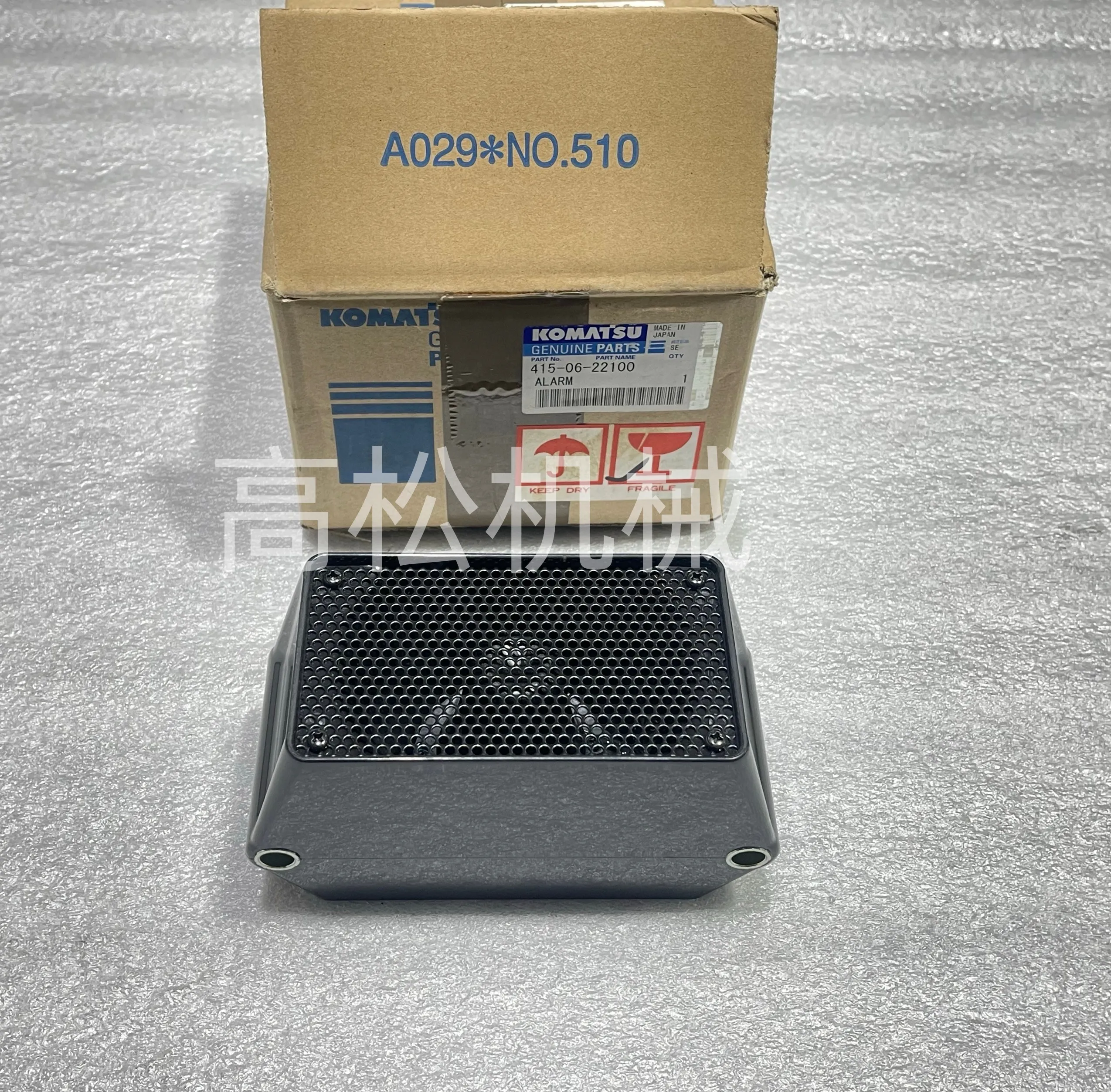
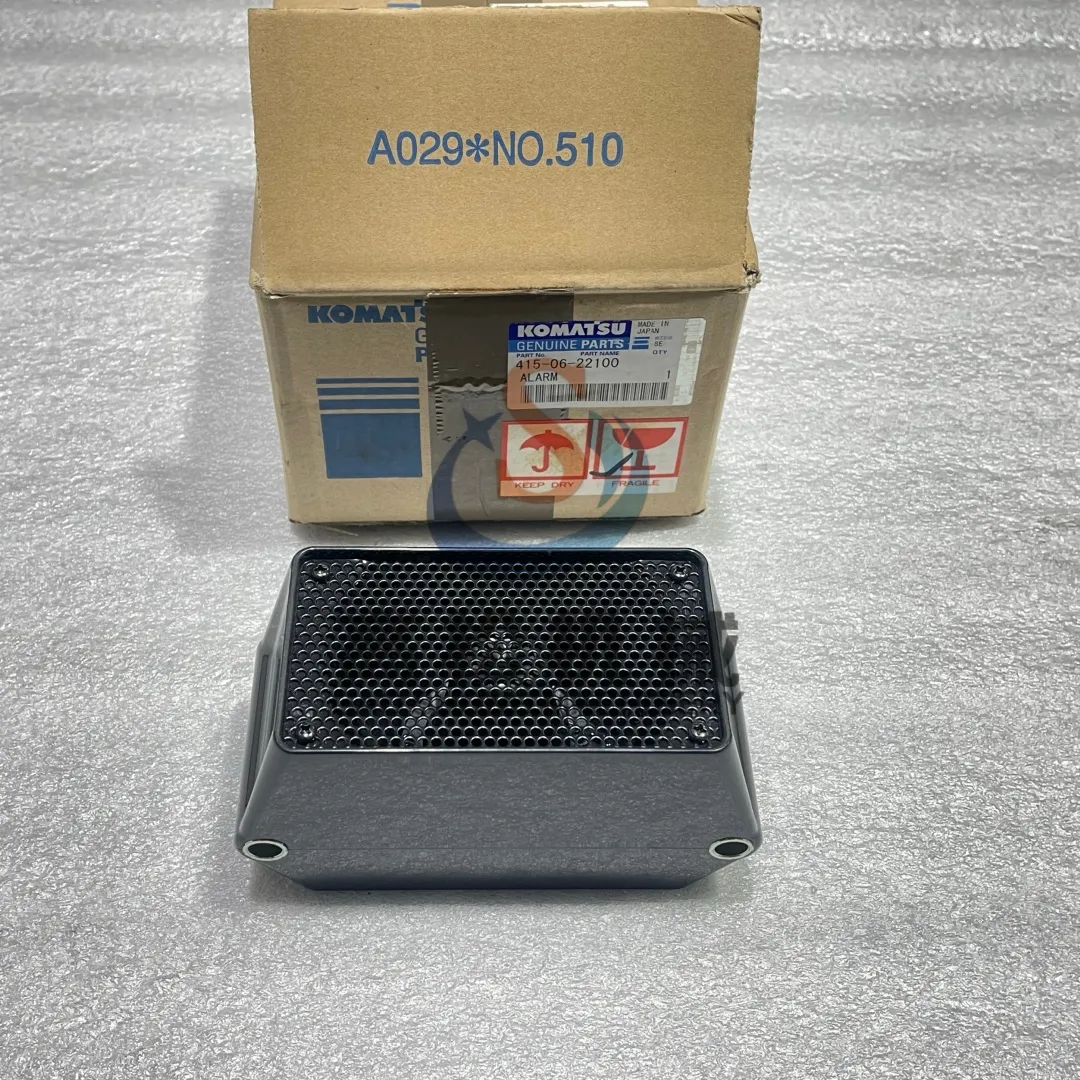 alarm 415-06-22100 – komatsu
 -
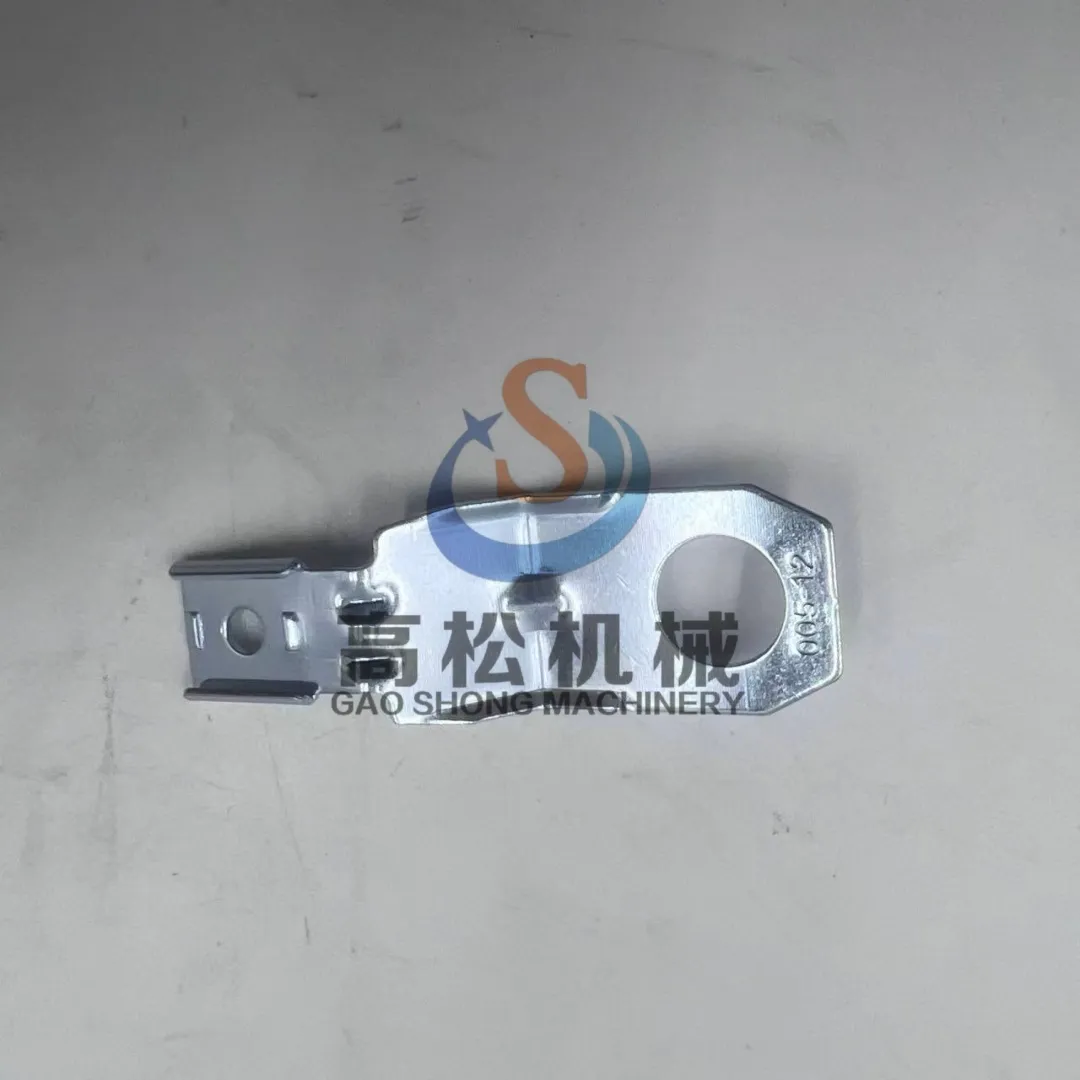 193-21012 CLIP,(WITHOUT ACCUMULATOR) – Komatsu
 -
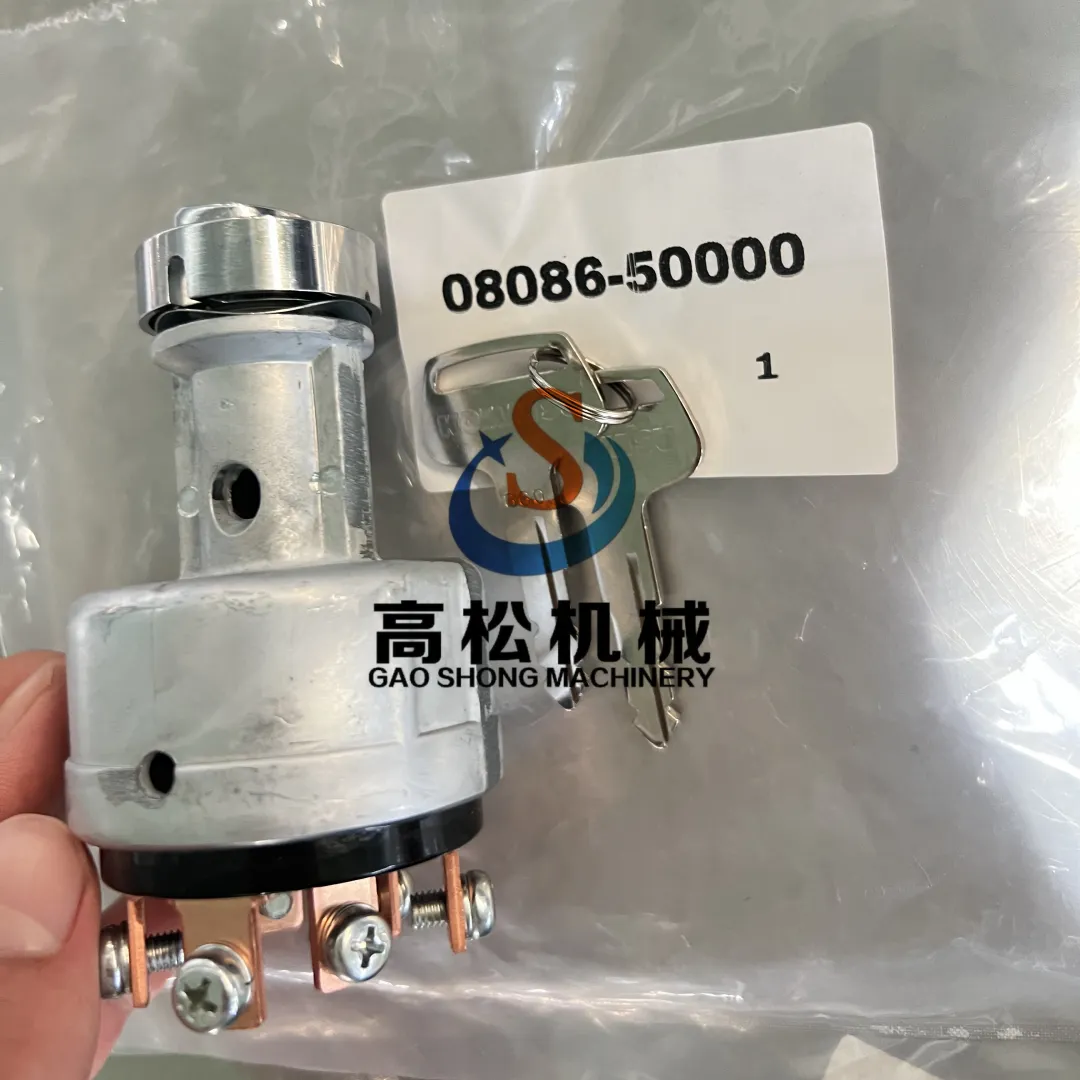 08086-50000Komatsu 08086-50000 Replacement Ignition Switch
 -
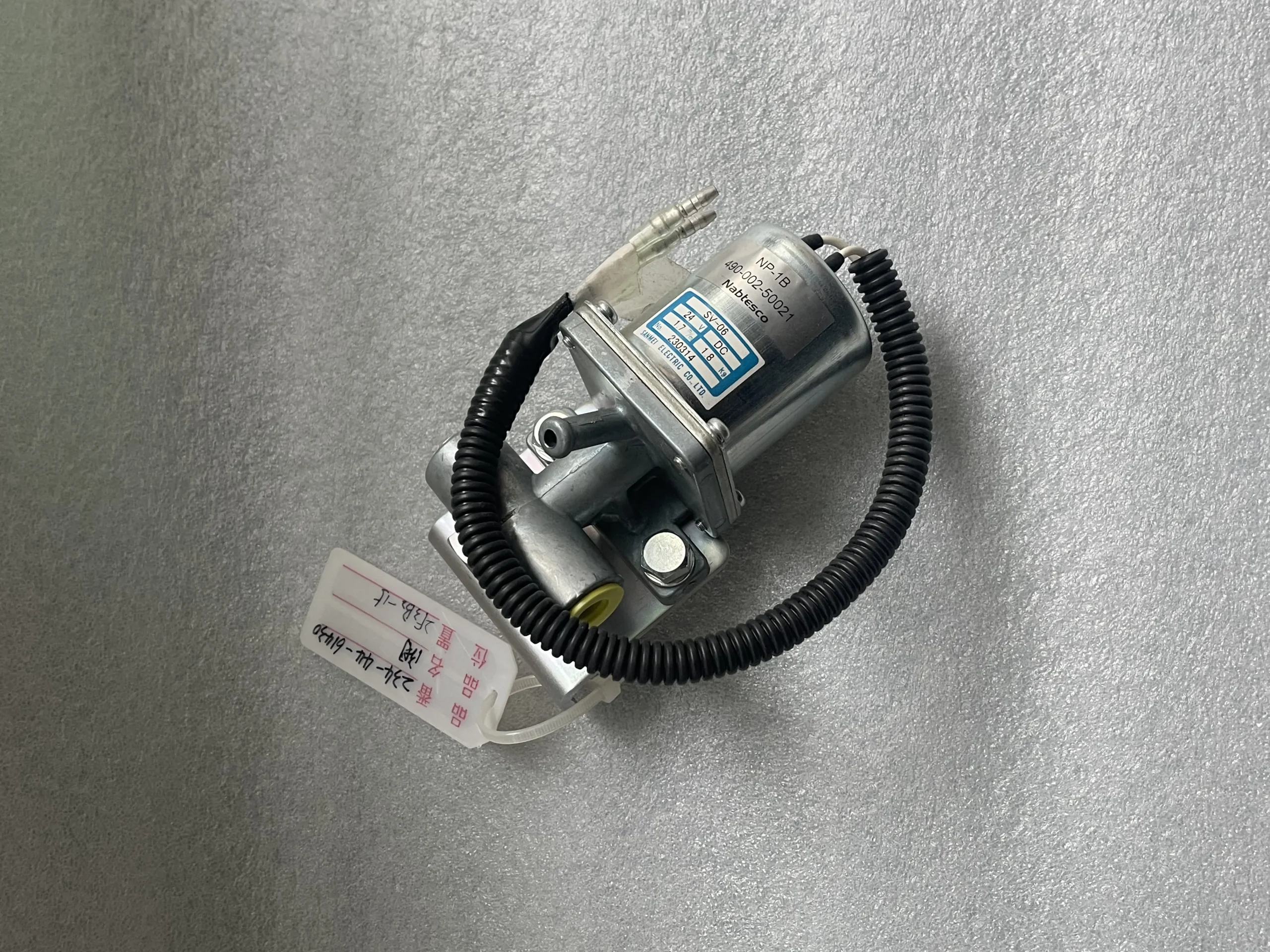 VALVE 234-44-61430
 -
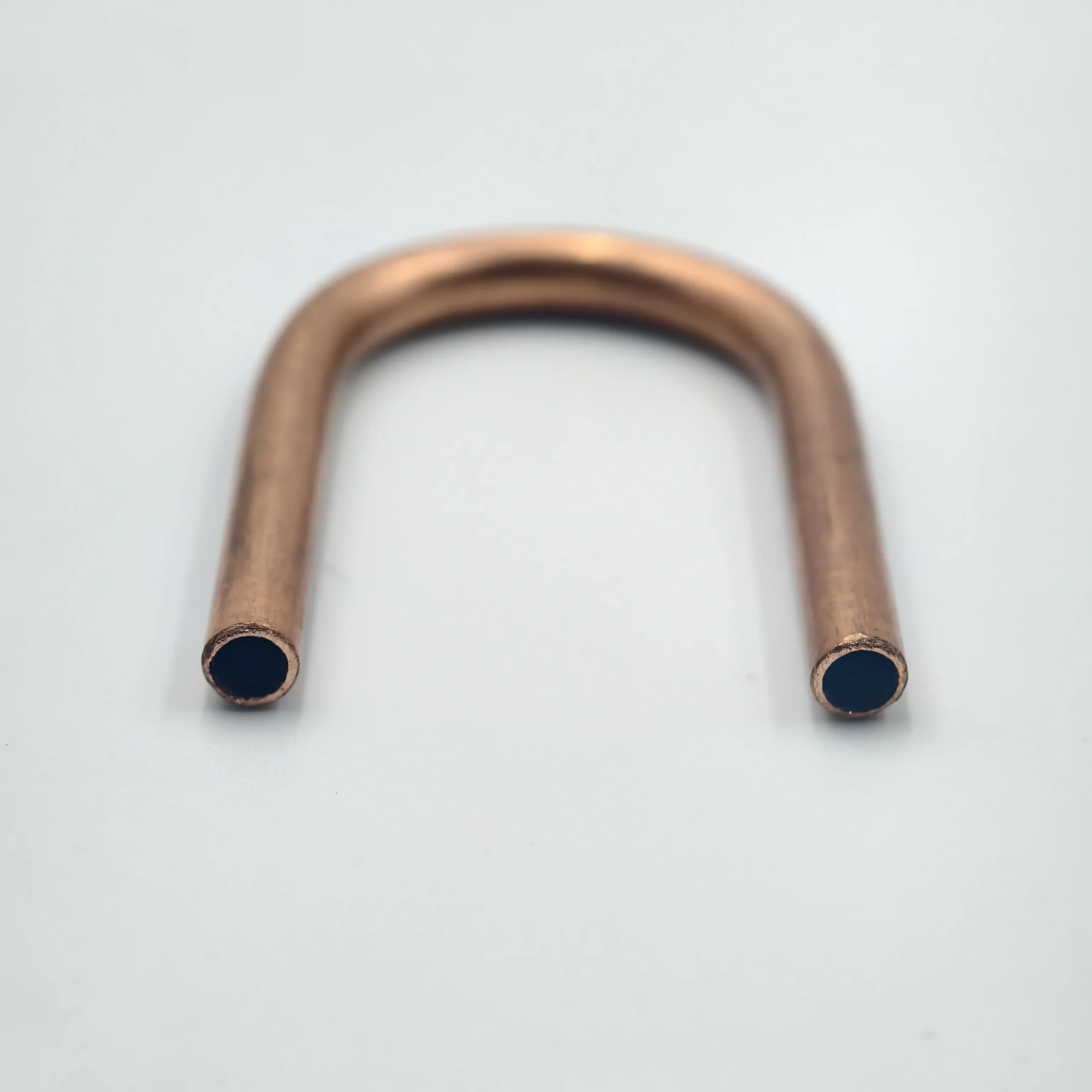 TUBE 21N-68-32360 – KOMATSU.
 -
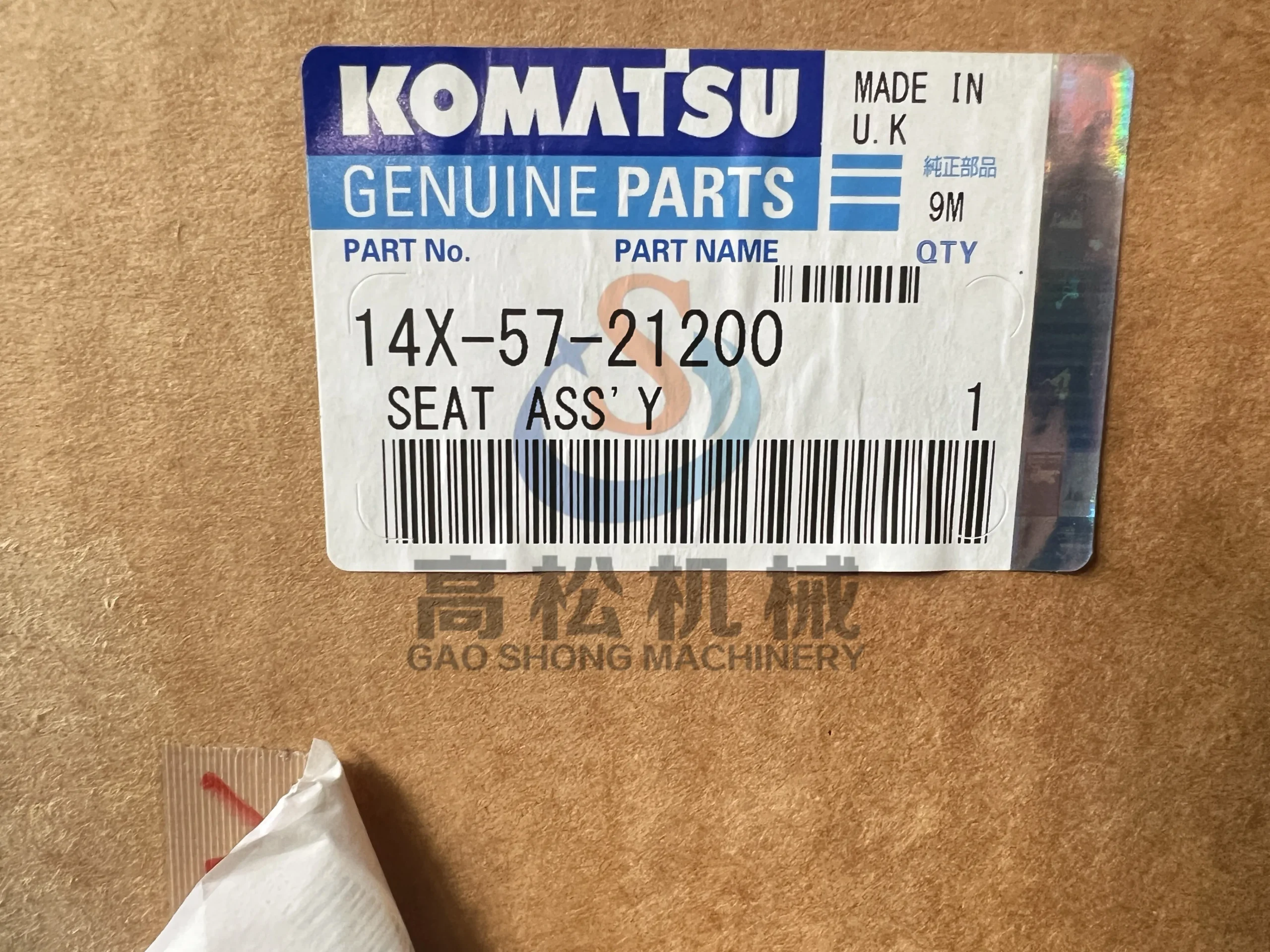 14X-57-21200 Komatsu SEAT ASS’Y,LEATHER
 -
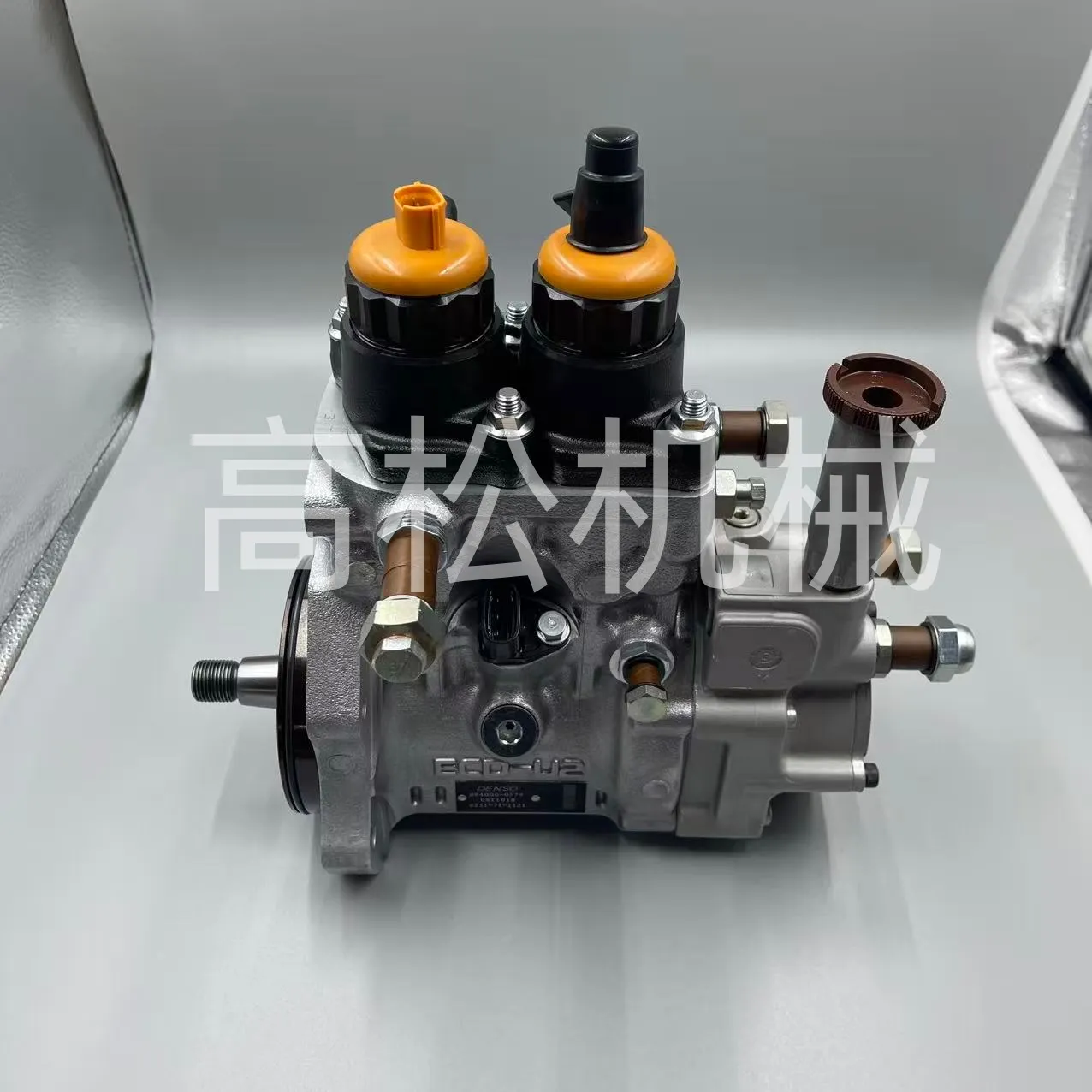 6251-71-1121 Pump Assembly, Fuel Injection-Komatsu Original Factory
 -
 HD785-7 center exhaust manifold 6215-11-5172
 -
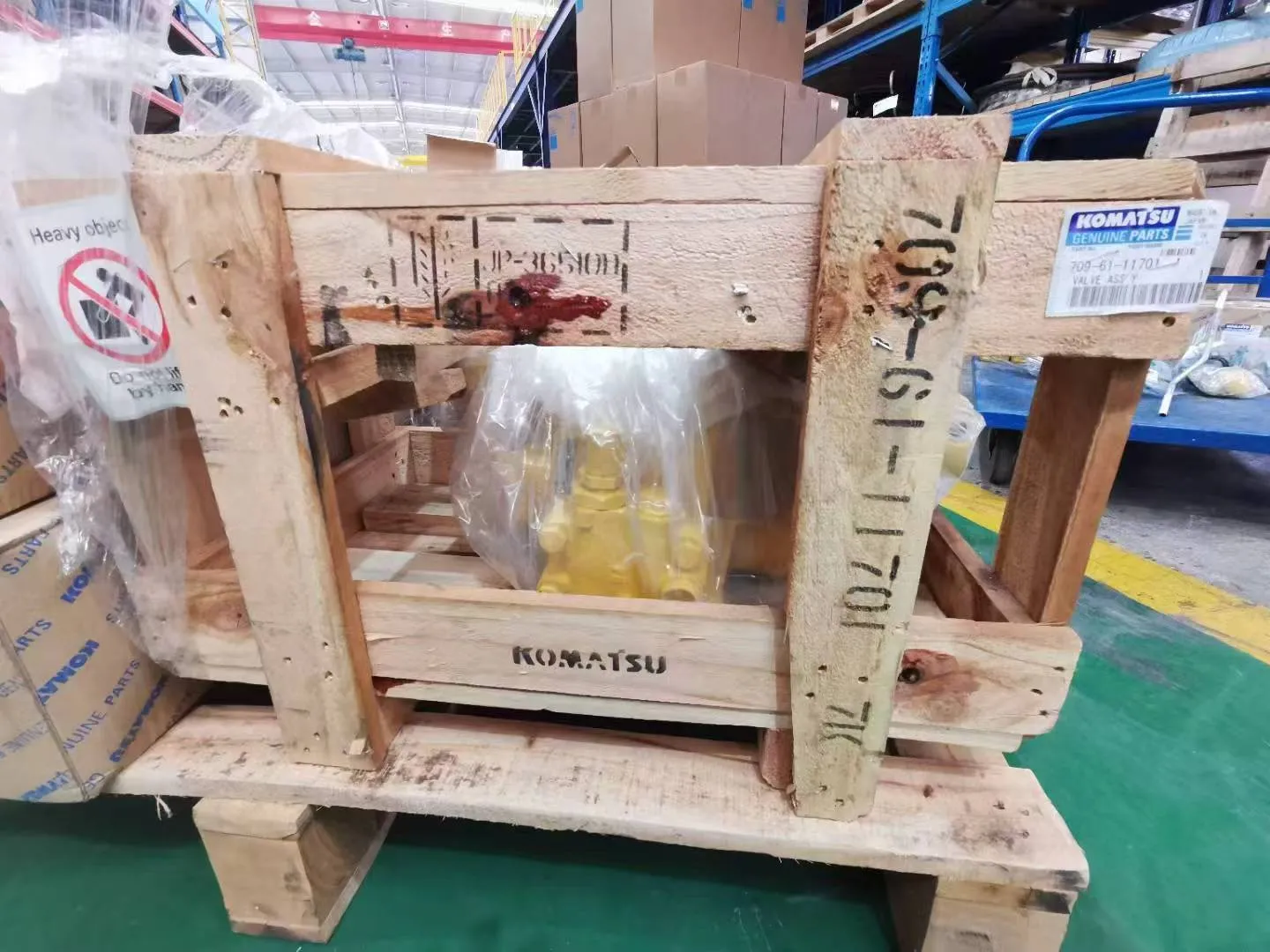 709-61-11701 709-61-11700 Vane poppet valve assembly
 -
 SWITCH ASS’Y 22U-06-22370 – KOMATSU
 -
 GEAR 6745-41-1131 – KOMATSU
 -
 Komatsu 21N-26-31140 Bearing, price for original… — Pricing.Parts