
- Chinese
- French
- German
- Portuguese
- Spanish
- Russian
- Japanese
- Korean
- Arabic
- Irish
- Greek
- Turkish
- Italian
- Danish
- Romanian
- Indonesian
- Czech
- Afrikaans
- Swedish
- Polish
- Basque
- Catalan
- Esperanto
- Hindi
- Lao
- Albanian
- Amharic
- Armenian
- Azerbaijani
- Belarusian
- Bengali
- Bosnian
- Bulgarian
- Cebuano
- Chichewa
- Corsican
- Croatian
- Dutch
- Estonian
- Filipino
- Finnish
- Frisian
- Galician
- Georgian
- Gujarati
- Haitian
- Hausa
- Hawaiian
- Hebrew
- Hmong
- Hungarian
- Icelandic
- Igbo
- Javanese
- Kannada
- Kazakh
- Khmer
- Kurdish
- Kyrgyz
- Latin
- Latvian
- Lithuanian
- Luxembou..
- Macedonian
- Malagasy
- Malay
- Malayalam
- Maltese
- Maori
- Marathi
- Mongolian
- Burmese
- Nepali
- Norwegian
- Pashto
- Persian
- Punjabi
- Serbian
- Sesotho
- Sinhala
- Slovak
- Slovenian
- Somali
- Samoan
- Scots Gaelic
- Shona
- Sindhi
- Sundanese
- Swahili
- Tajik
- Tamil
- Telugu
- Thai
- Ukrainian
- Urdu
- Uzbek
- Vietnamese
- Welsh
- Xhosa
- Yiddish
- Yoruba
- Zulu
- Kinyarwanda
- Tatar
- Oriya
- Turkmen
- Uyghur






OEM AND ORIGINAL KOMATSU VALVE ASSY 419-43-27401
If you're searching for the valve assembly, you're likely in a bind—a machine down, pressure dropping, maybe a PC200-8 acting up. The immediate thought is to grab the original part. But here's the rub: the term OEM and Original gets thrown around so much it's become meaningless in some corners. I've seen shops pay a premium for a box with a Komatsu logo, only to find a rebuilt unit inside, or worse, a casting that's off by a few critical millimeters. The 27401 isn't a simple gasket; it's a precision component for the main control valve. The difference between a true OEM-spec part and a passable copy isn't always visible until it's under 3500 PSI for 2000 hours.
The Spec Sheet vs. The Bench Test
Anyone can read a spec. The is for the main pump regulation circuit. It controls flow, manages pressure compensation. The drawings show tolerances, hardness grades, spring rates. The problem starts with sourcing. A genuine Komatsu box from a dealer is one thing, but supply chains are fractured. That's where companies like Jining Gaosong Construction Machinery Co., Ltd. come into the picture. They position themselves as an OEM product supplier within the Komatsu system. In practice, this often means they produce or source components that meet the original engineering specifications, sometimes using the same forging suppliers or tooling. It's not aftermarket in the traditional, reverse-engineered sense. It's a parallel system, which is crucial for markets where official dealer networks are thin or slow.
I had a case last year where we needed two 27401 units for a fleet in a remote mining site. The official lead time was 14 weeks. Unacceptable. We turned to a supplier channel that included https://www.takematsumachinery.com. Their claim of helping to solve parts supply challenges in certain countries was exactly our situation. The parts arrived in Komatsu-style packaging, but the plastic bags were different. First red flag? It's always in the packaging details. The valve bodies themselves looked correct—machining marks were clean, ports aligned. But the real test is never visual.
We bench-tested them. The spool movement was smooth, but the relief valve cartridge—the small but critical sub-component—had a slightly different spring preload. Not enough to fail a basic function test, but enough to alter the pressure curve marginally. Would it work? Yes. Would it perform identically to the unit that came off the Nagano line? Probably within 98%. For a non-critical application, maybe fine. For a machine running a precision grading operation, that 2% drift in response time could matter. This is the grey zone of OEM and Original.
Failure Points and Field Observations
The weakness in these valve assemblies rarely starts with the main body. It's in the seals, the O-rings, and the surface finish of the spool bore. I've pulled apart failed OEM units where the nitriding on the spool was subpar, leading to premature wear and metallic contamination in the hydraulic oil. The failure mode looks identical to a genuine part that's been abused—but the timeline is compressed. The genuine 27401 might show wear after 8,000 hours; a poor copy might start leaking at 3,000.
Another observation: the solenoid connectors. This is a dead giveaway. Komatsu uses specific, often proprietary, connector molds and seals. On a true original part, the connector clicks with a distinct feel and the rubber boot is a specific compound. Many parallel suppliers use a generic international connector. It fits, it works, but it lacks the environmental sealing (dust, moisture) of the original. In a harsh environment, that's a point of ingress. When you're evaluating a part from a third-party sales company for Komatsu, check the connector first. It tells you a lot about their attention to detail.
We learned this the hard way on a fleet of Dash-8 excavators. We used a well-regarded non-dealer source for several valve assys, including the . The machines ran, but we started getting intermittent solenoid codes. Traced it back to moisture in those connectors. The fix wasn't replacing the valve, but adding dielectric grease and shrink wrap—an extra labor cost that wiped out the part savings. The valve itself was functionally okay, but the peripheral execution failed.
The Economics of Good Enough
This is the core of the decision. Is the machine a primary production unit, or a backup? What's the cost of an unexpected secondary failure? If a valve fails catastrophically, it can send debris through the entire hydraulic system—that's a $50,000 repair, not a $1,500 part swap. The calculus changes.
For a contractor with a tight margin, waiting 14 weeks for an official part means a parked asset. A sourced unit from a company like Gaosong, delivered in 5 days, keeps cash flowing. The key is informed risk management. You must inspect the part upon arrival. Check the surface finish in the bores with a flashlight. Feel the spool movement—it should be butter-smooth with oil applied, with no gritty or sticky points. Weigh it against a known-good original. Subtle weight differences can indicate different casting densities or material grades.
The promise of being an OEM product supplier within the Komatsu system suggests a formal relationship. It doesn't mean Komatsu endorses every part, but it implies adherence to a material and process standard. In my experience, parts from entities with this stated role are typically a tier above generic aftermarket. They are often the same parts, minus the final branding and packaging that goes through Komatsu's official logistics. It's a shadow supply chain, but one built on the same blueprints.
Verification and Trust Building
You can't trust a website claim alone. When I first came across Takematsu Machinery's site, the clean presentation and direct language about solving supply challenges were promising. But the proof is in a sample order. We ordered a single as a test. We didn't just install it; we disassembled it alongside a worn-but-genuine unit.
The comparison was revealing. The valve body casting marks were nearly identical. The machining of the port relief grooves was sharp. The critical dimension—the bore diameter for the main spool—was within a micron of the original when measured with a bore gauge. The springs, however, were a different color code. That sent us down a rabbit hole. Were they a different spec? We set up a test rig to plot the pressure/flow curve. The curve was nearly superimposable on the original's, just a tiny hysteresis in the middle range. Conclusion: functionally equivalent for most earthmoving applications. The different spring was likely from an alternate approved vendor.
This process—ordering a sample, forensic comparison, functional testing—is how you build a trusted supplier list. It turns an anonymous online entity like Jining Gaosong Construction Machinery Co., Ltd. into a verified source. Their value isn't just in having the part number; it's in having a version of that part that doesn't fail in new and unexpected ways.
Wrapping It Back to the Valve on the Bench
So, when you hold that OEM AND ORIGINAL KOMATSU VALVE ASSY in your hand, what are you really holding? If it's from the dealer, you're holding certainty, traceability, and a very high price. If it's from the parallel supply channel, you're holding a calculated risk. You're holding a part that likely performs the core function, but may have compromises in secondary features—the coating on a bolt, the brand of an O-ring, the sealing on a connector.
For the field mechanic or fleet manager, the knowledge is in identifying those compromises and deciding if they matter. The part number is just the starting point. The real work is in the validation. Companies that are transparent about their role as a third-party sales company within the ecosystem are often more reliable than those claiming to be the original manufacturer. They exist to fill a gap, and when they do it well, they become an essential part of keeping iron moving. The 27401 valve is a perfect example—a complex, critical component where the difference between fits and functions identically is a world of pressure tests, material science, and hard-won field experience.
Related Products
Related Products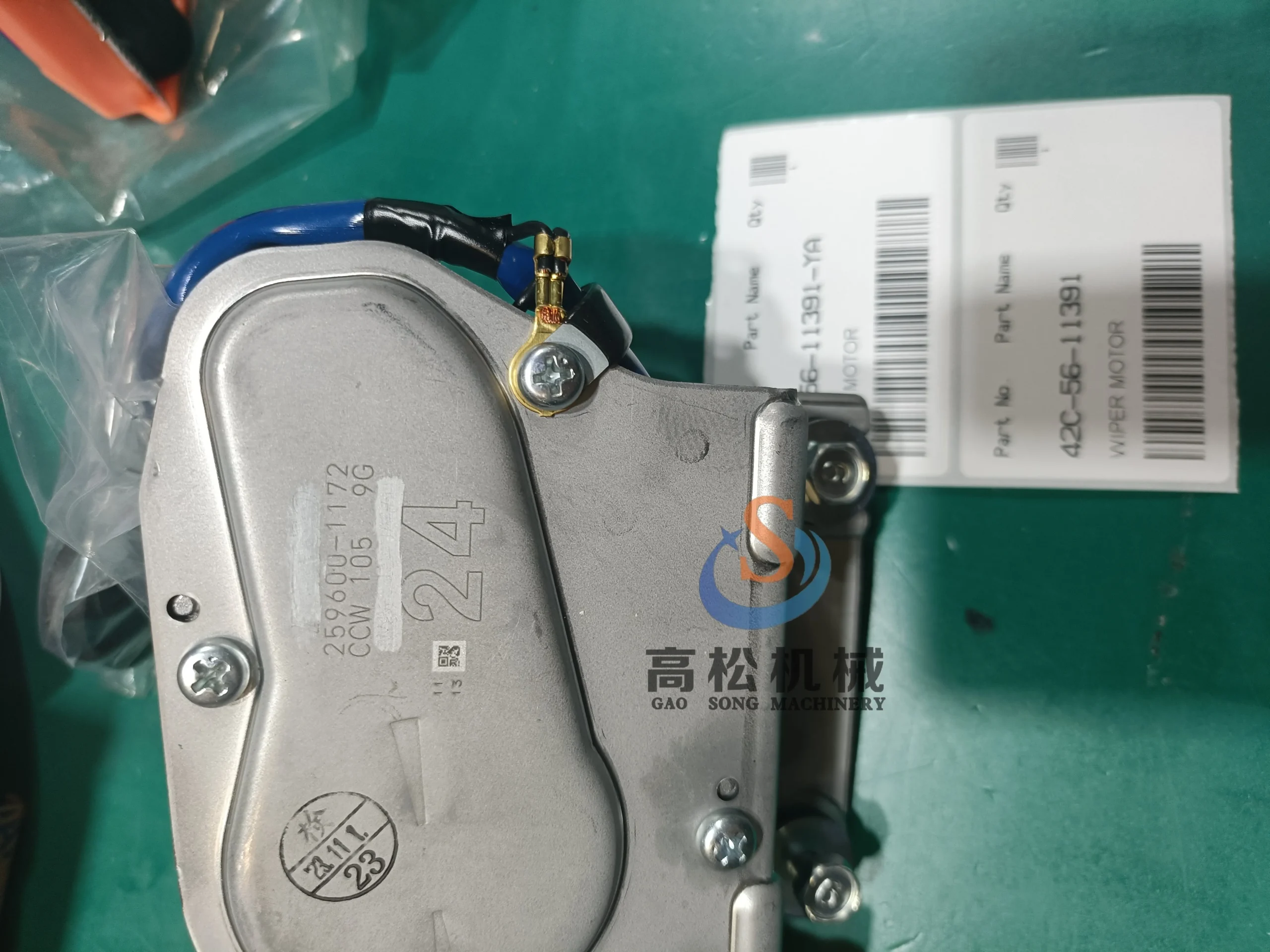
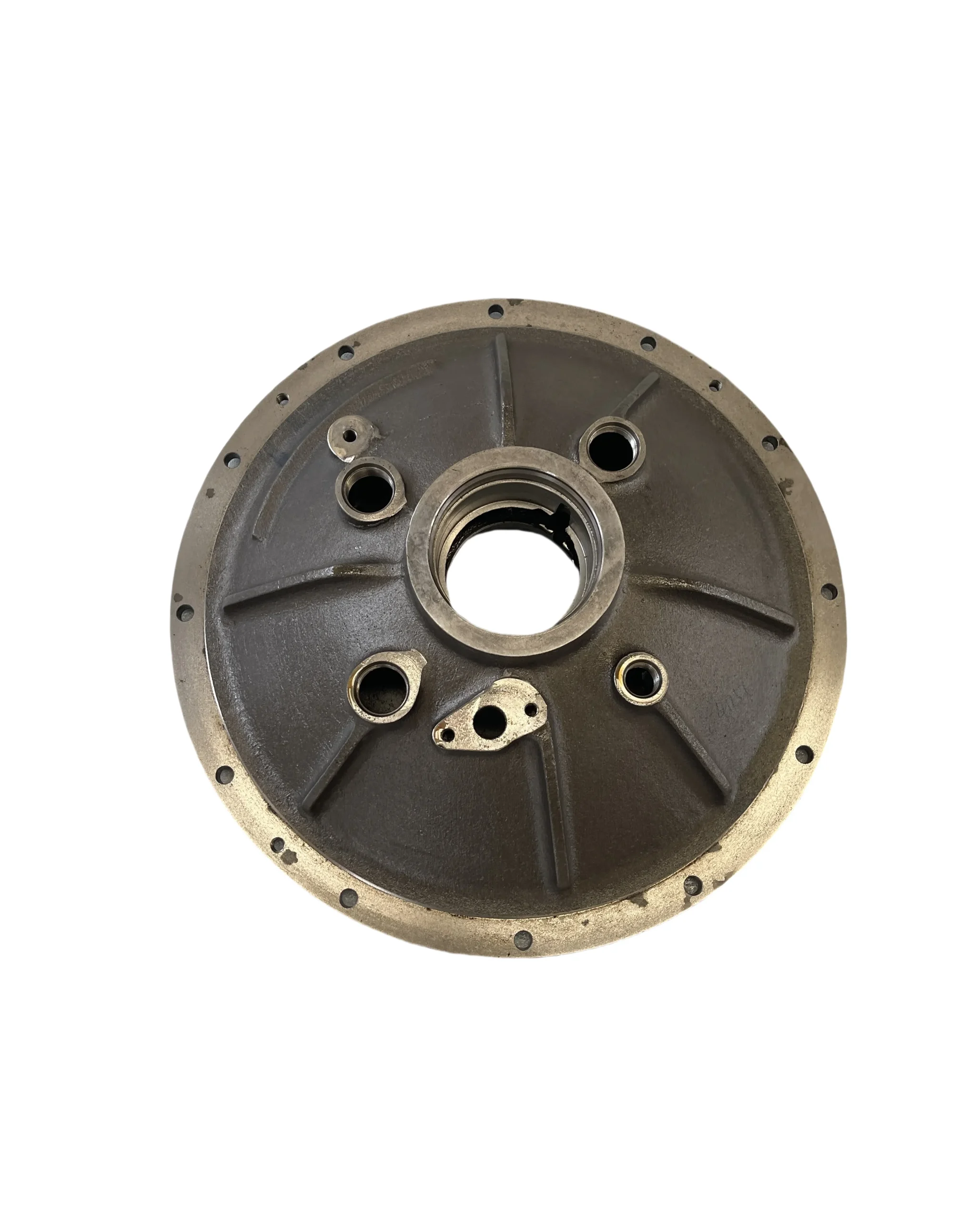
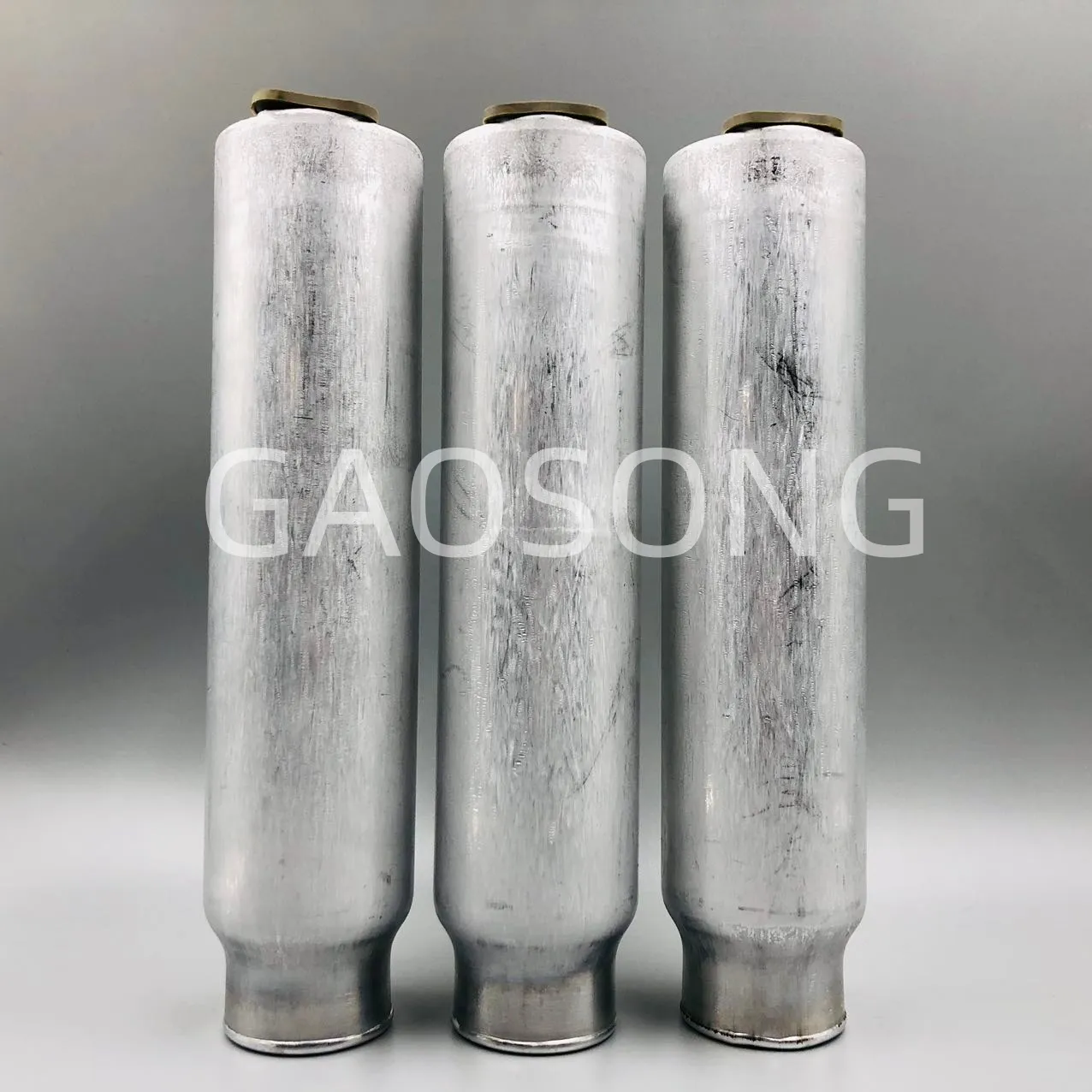
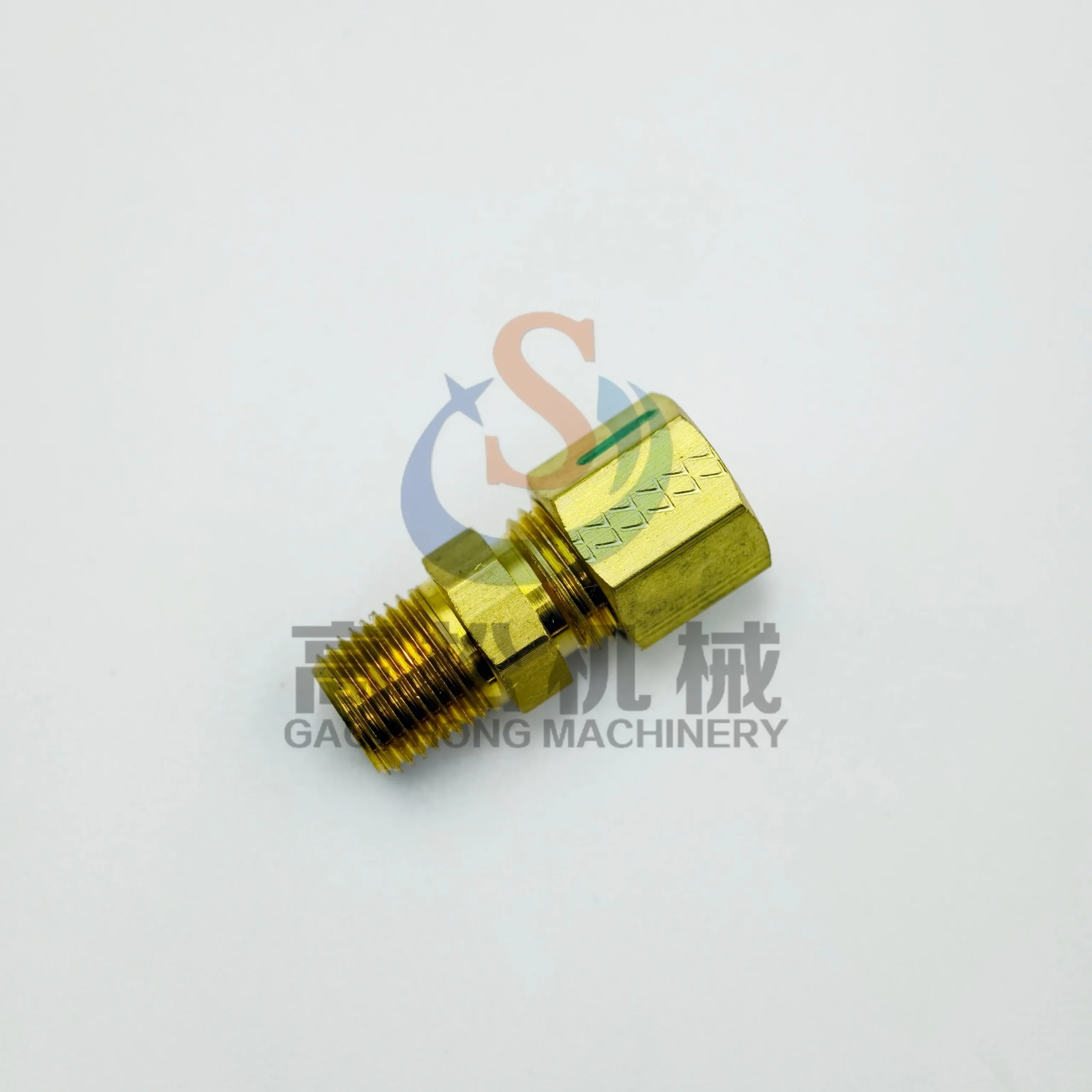

Best Selling Products
Best Selling Products-
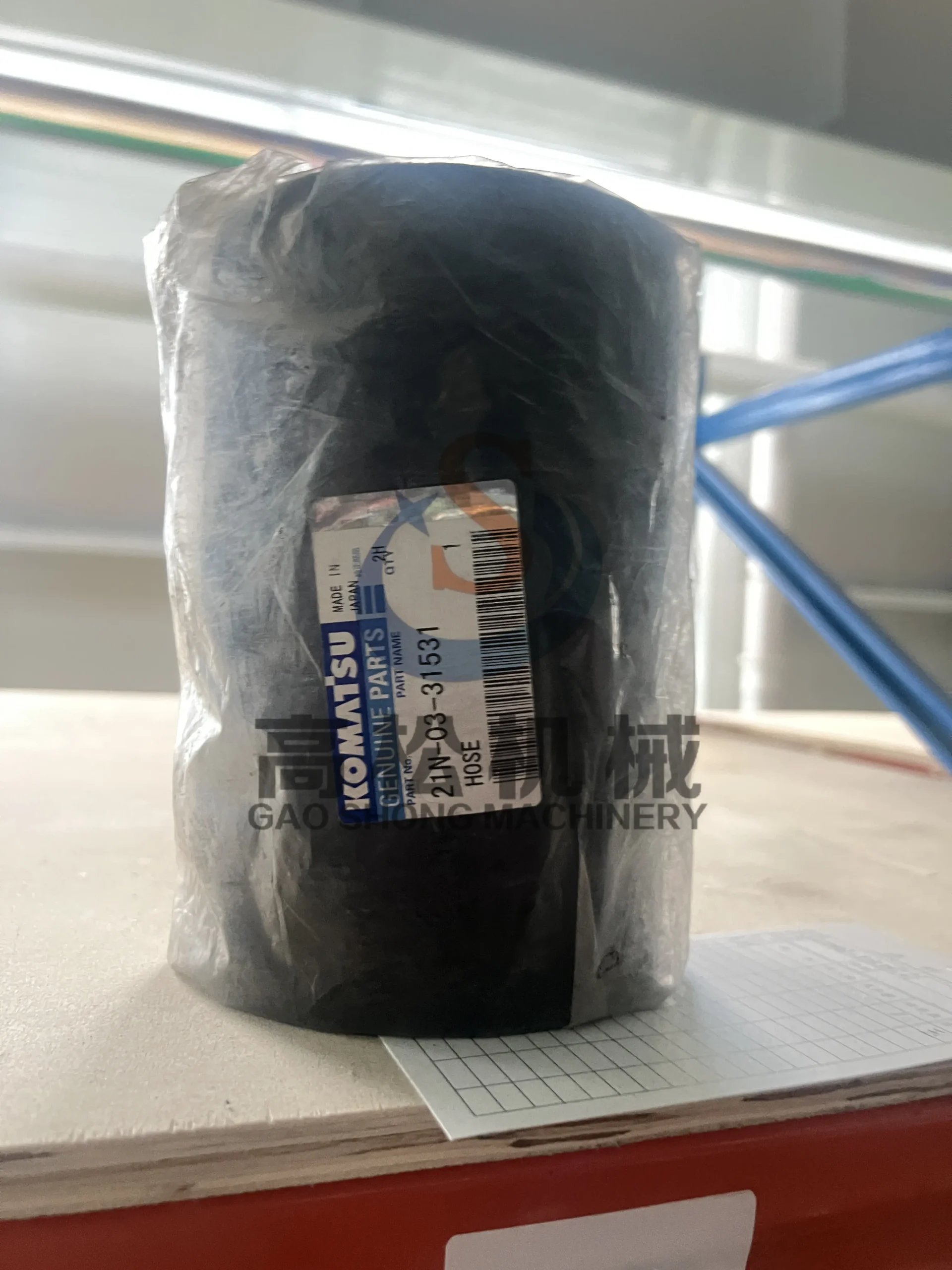 HOSE 21N-03-31531 – KOMATSU
 -
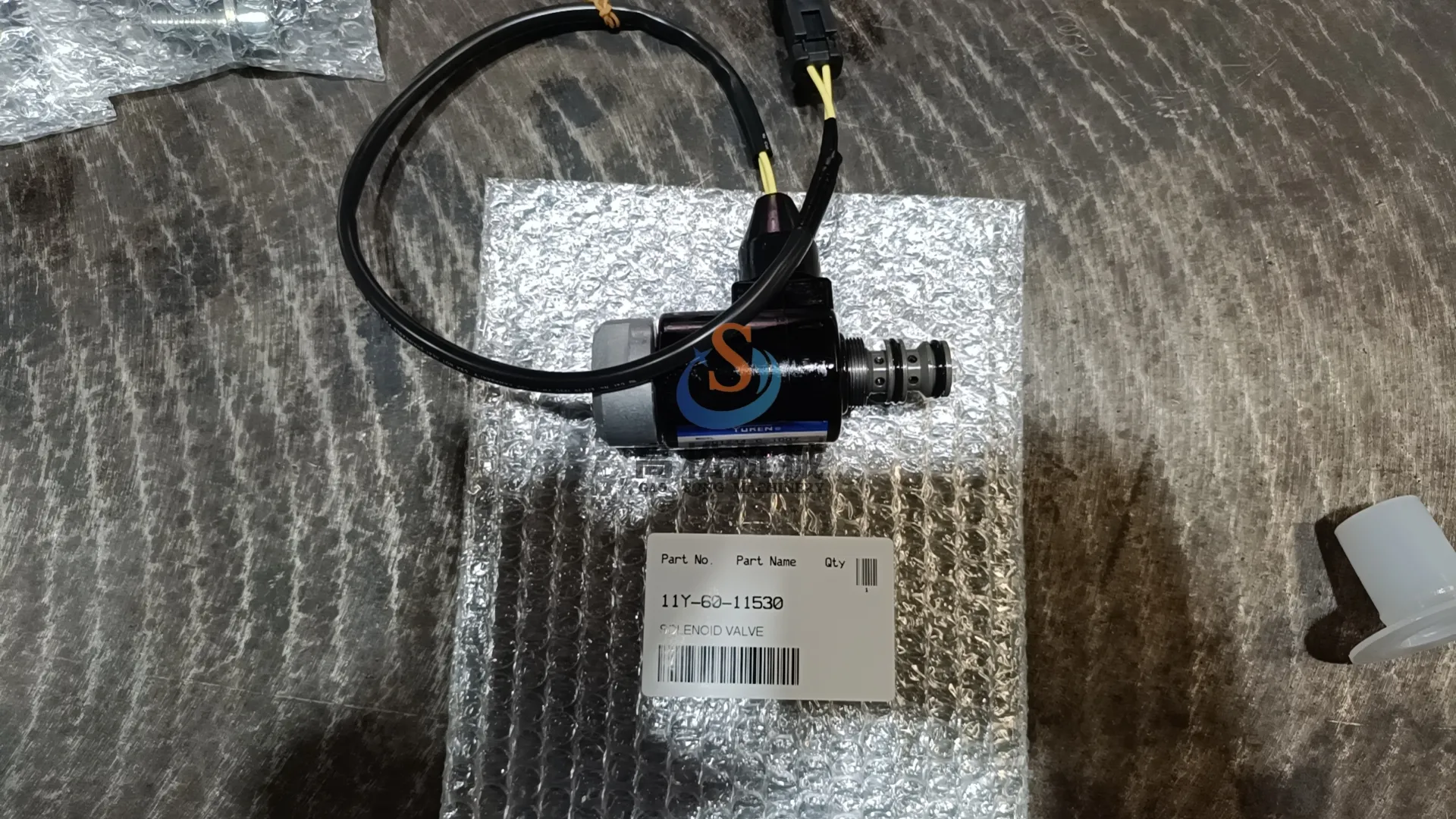 11Y-60-11530 komatsu SOLENOID VALVE
 -
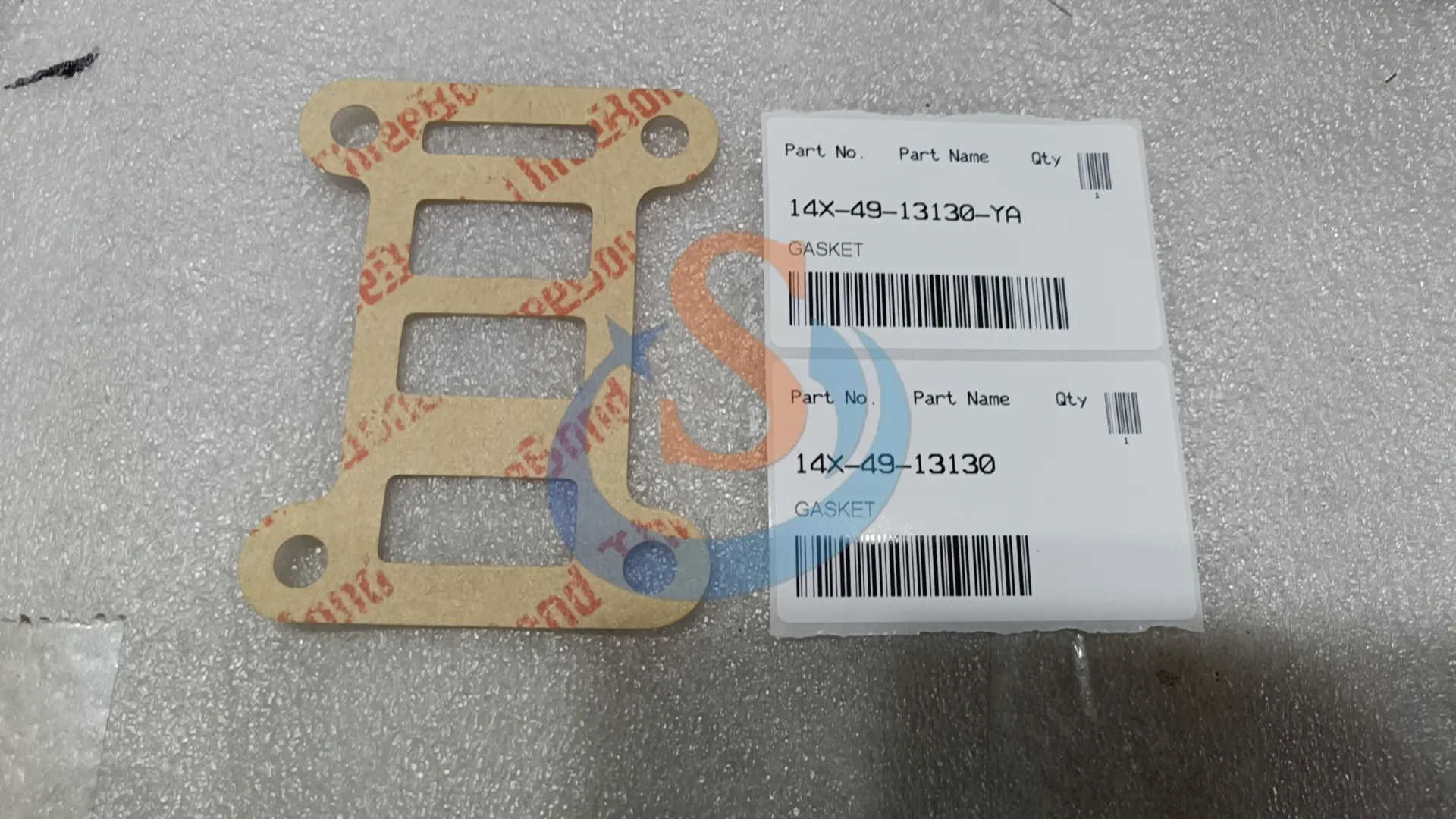 14X-49-13130,GASKET,D85ESS,D155A,D475A
 -
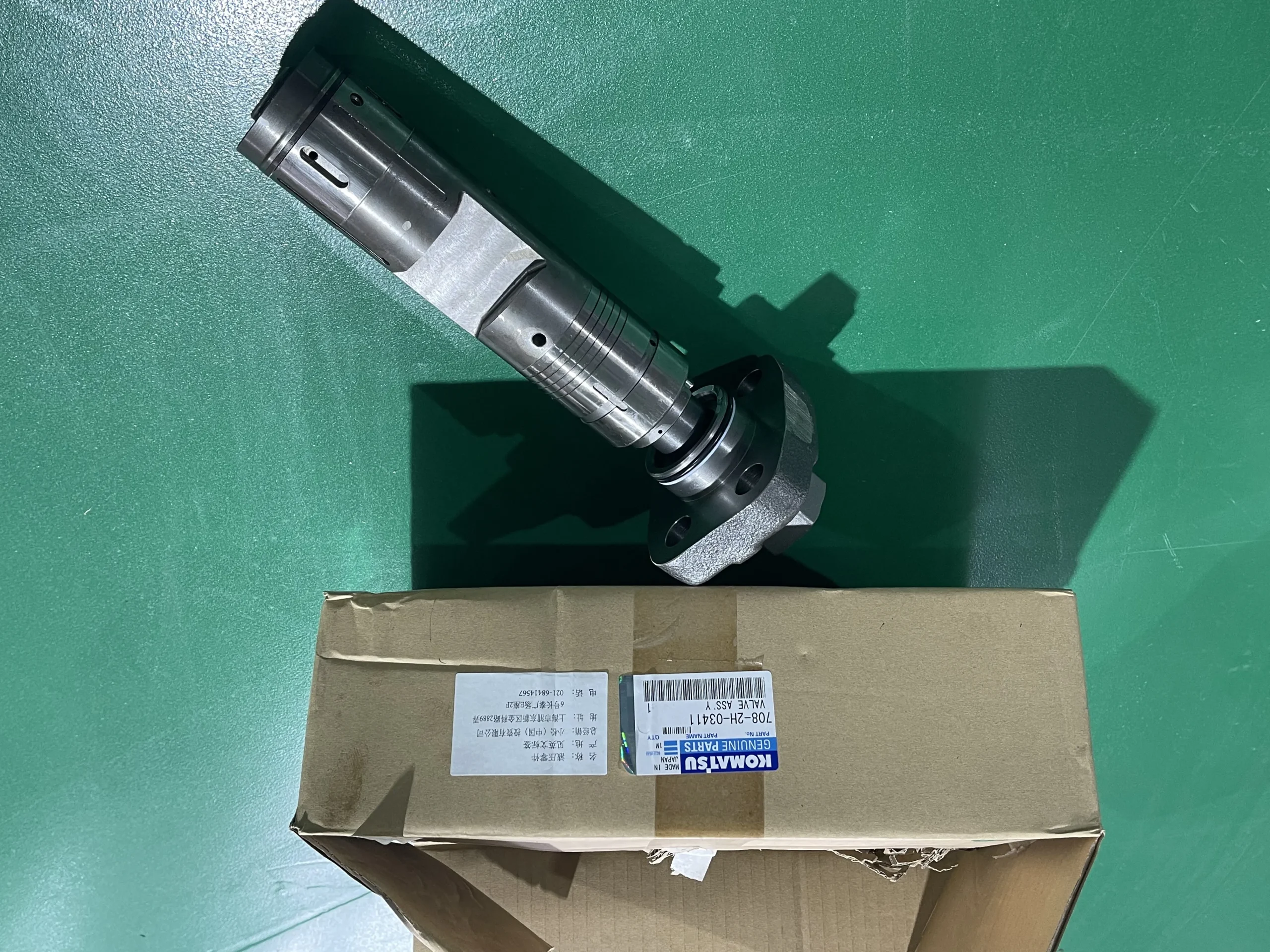 Relief Valve 708-2H-03411
 -
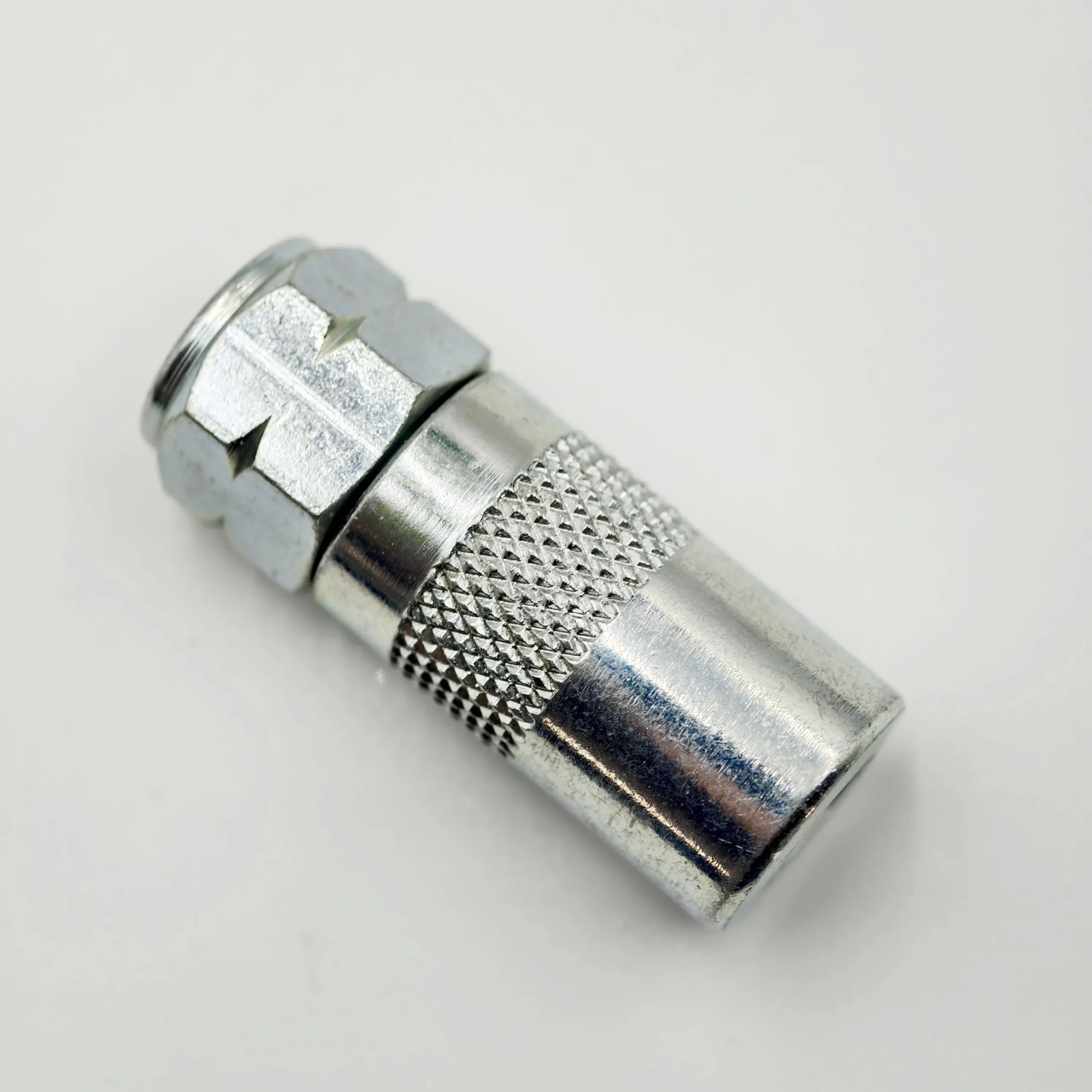 PC600-8/PC2000-8 Coupler 209-68-11640
 -
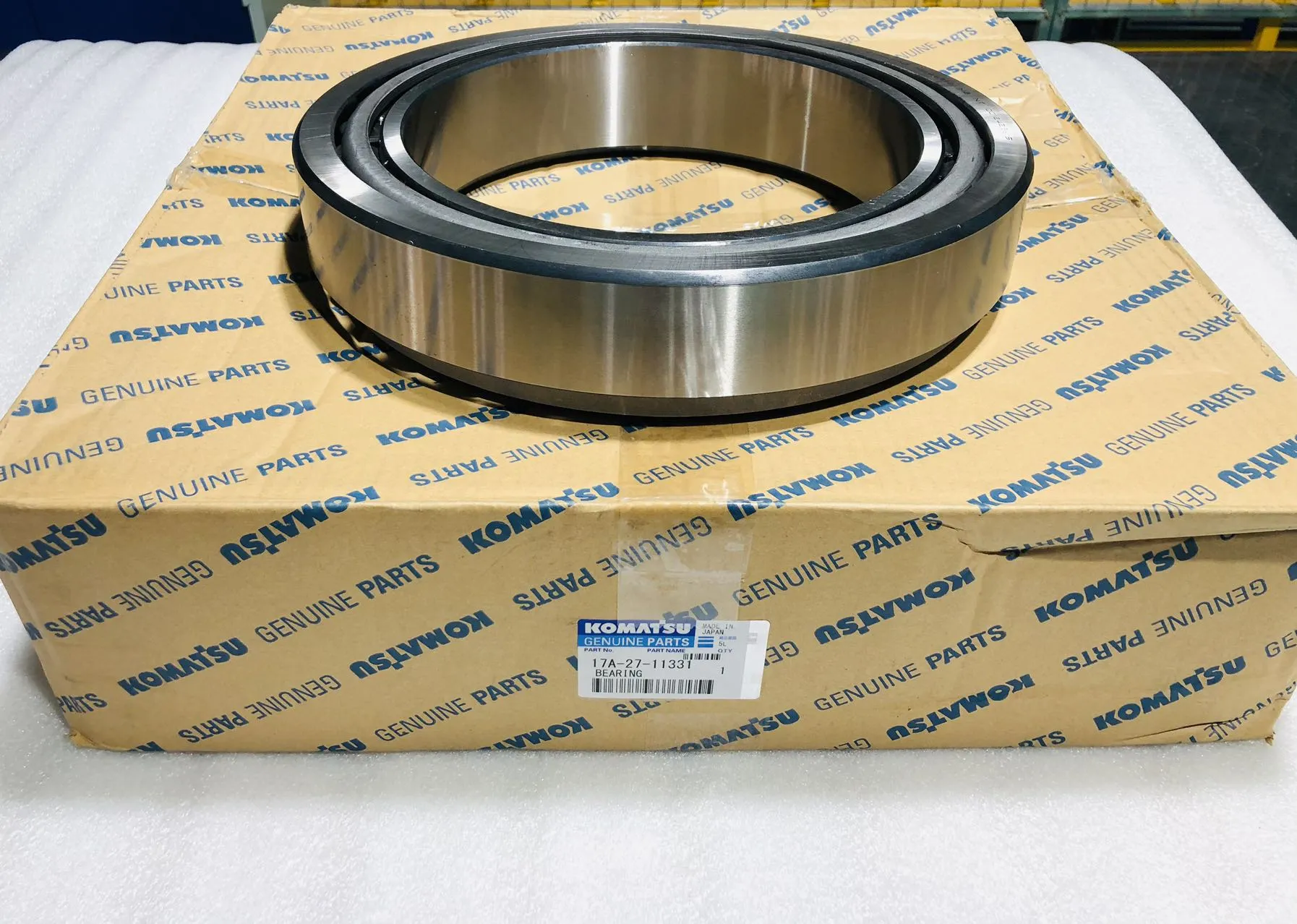 17A-27-11331 Komatsu D155
 -
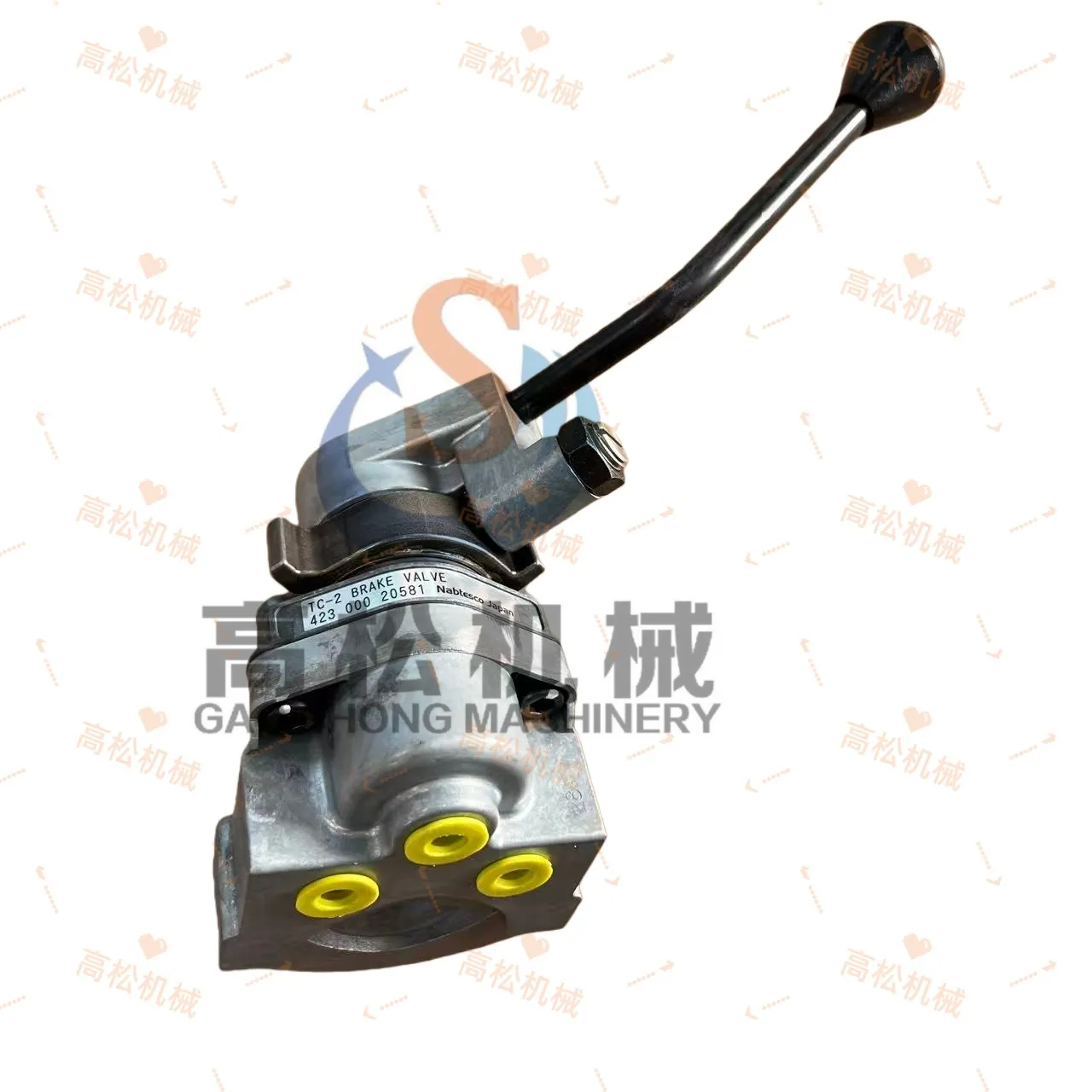 RETARDER VALVE ASS’Y HD785-5 RETARDER VALVE ASS’Y HD985-5 RETARDER VALVE ASS’Y HD255-5
 -
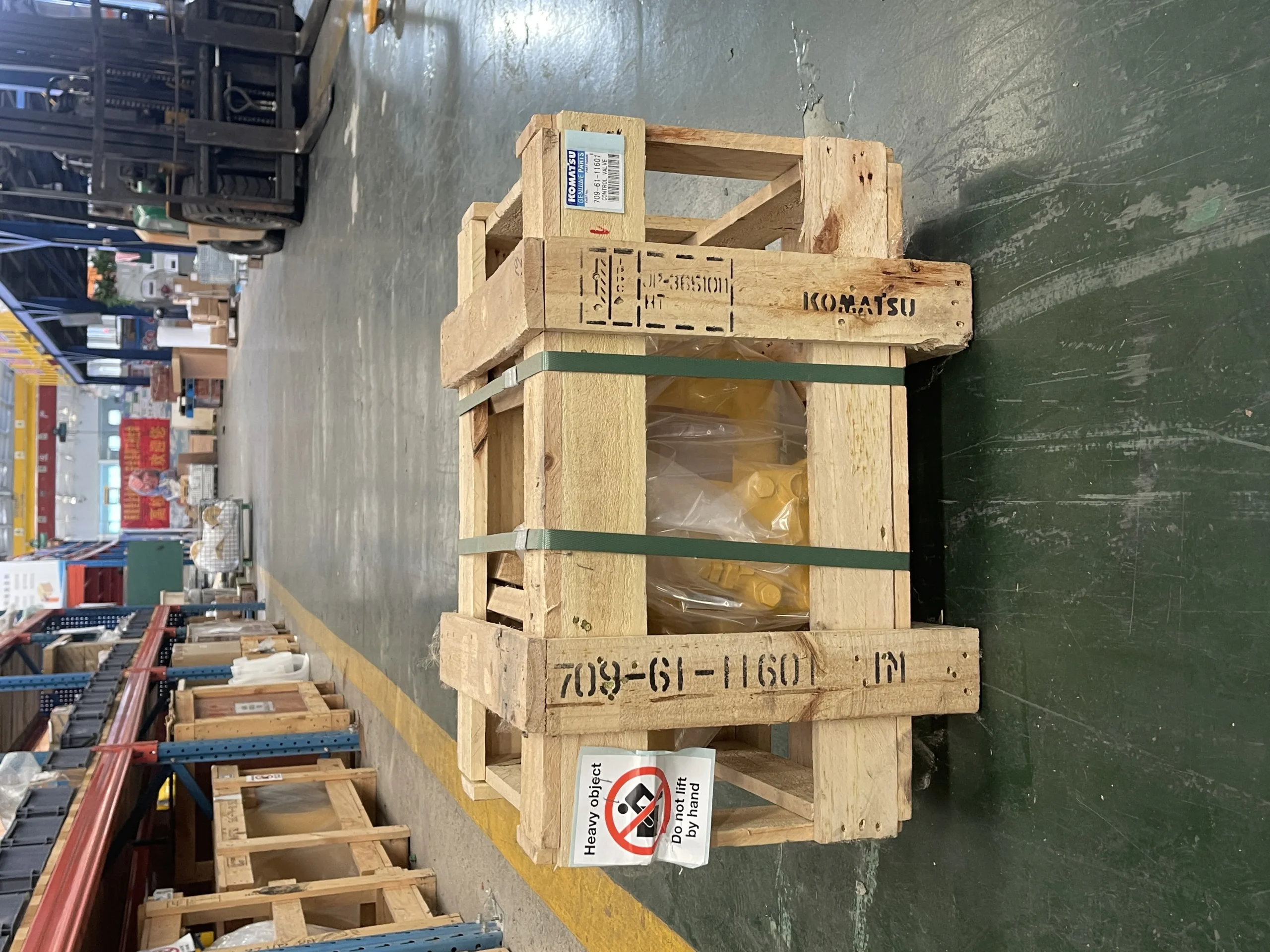 709-61-11601 Valve Assembly for Komatsu D375A-5
 -
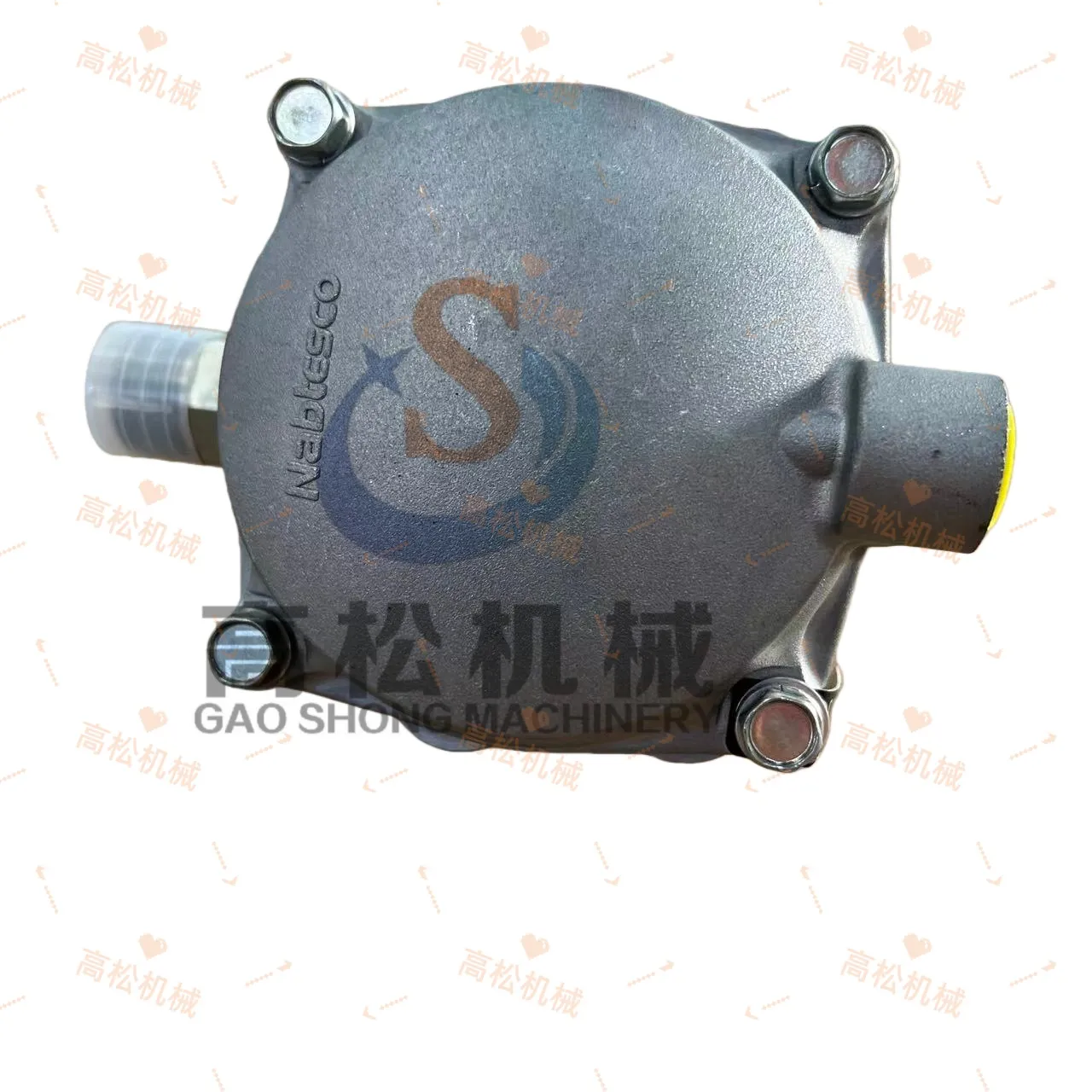 Komatsu HD785-5 Relay Valve 565-44-11200
 -
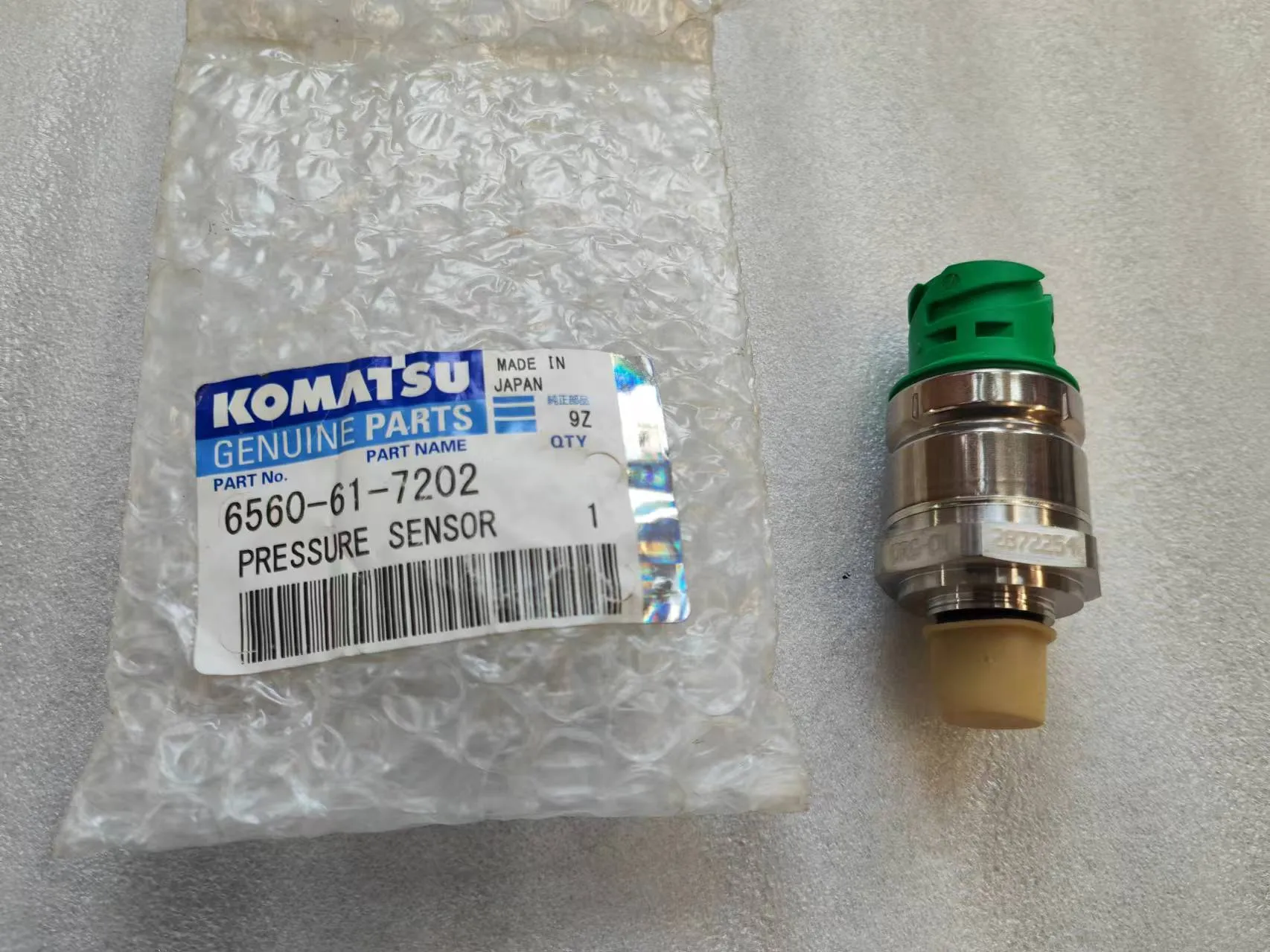
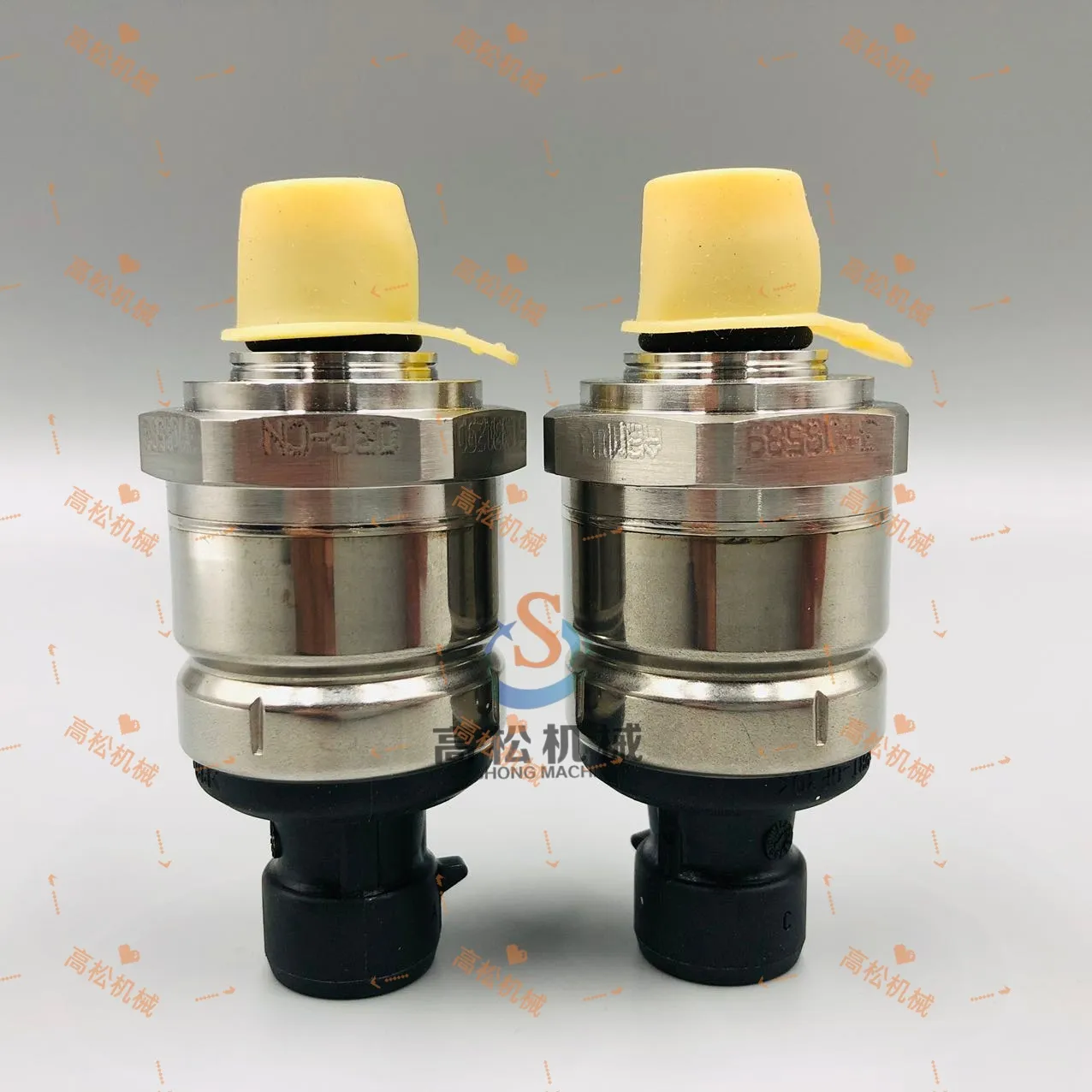 Pressure Sensor for Komatsu HM400 SAA6D140E WA500 6560-61-7201 6560617201
 -
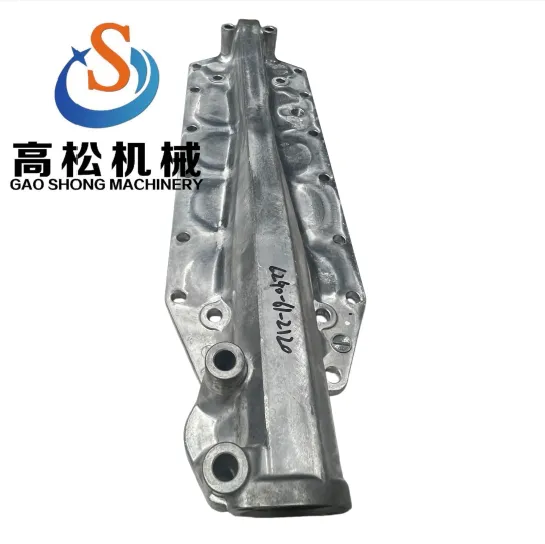
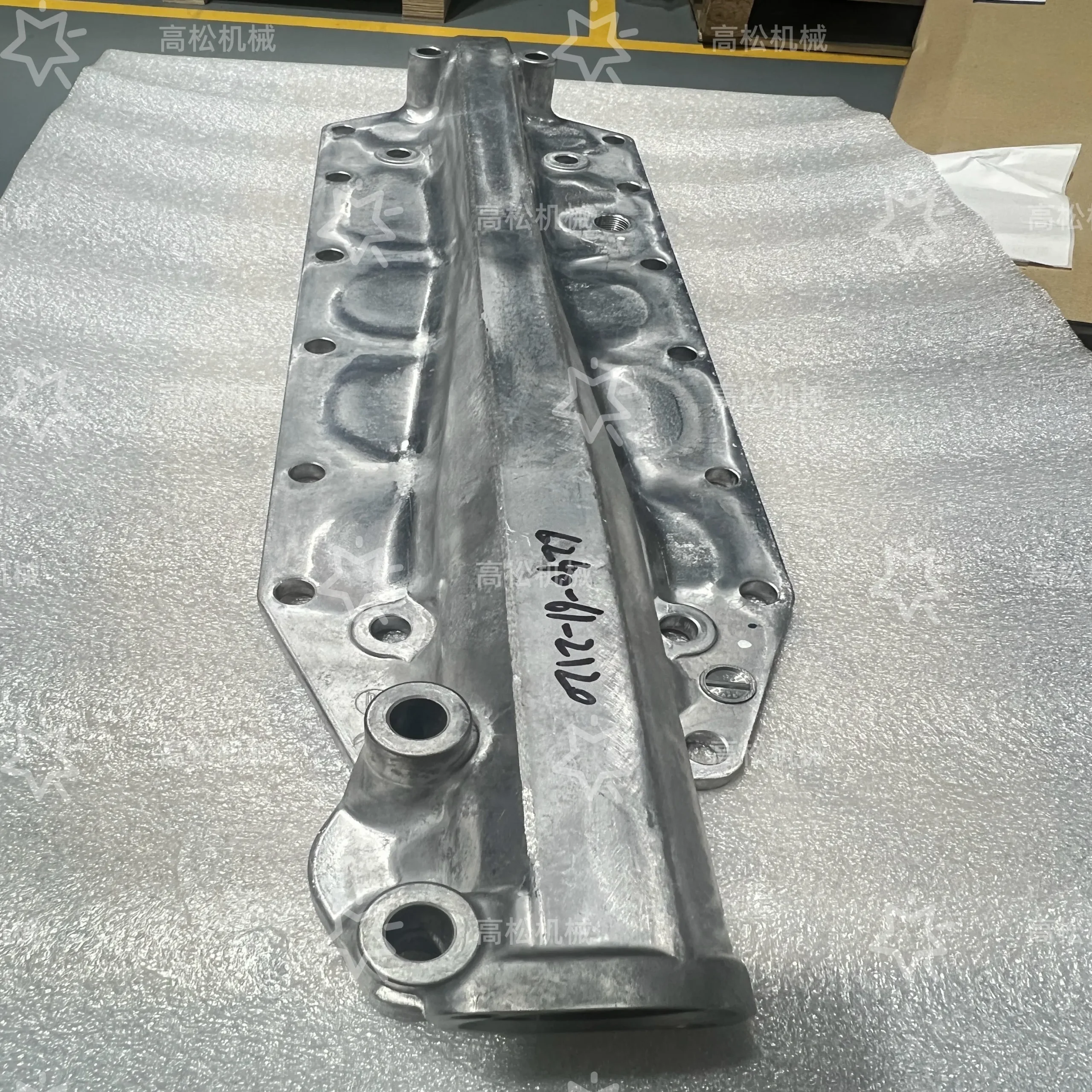 COVER 6240-61-2120 – KOMATSU Part catalog
 -
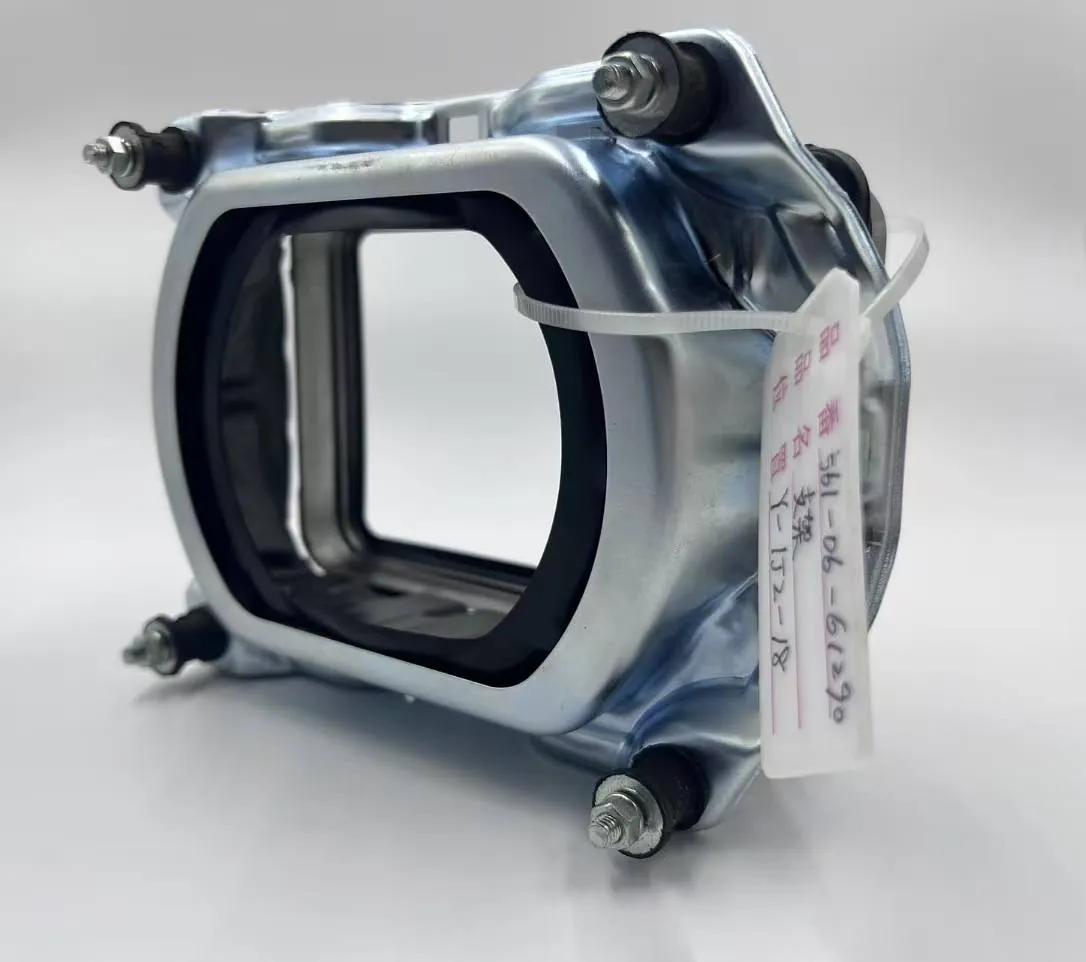 561-06-61290 – bracket komatsu