
- Chinese
- French
- German
- Portuguese
- Spanish
- Russian
- Japanese
- Korean
- Arabic
- Irish
- Greek
- Turkish
- Italian
- Danish
- Romanian
- Indonesian
- Czech
- Afrikaans
- Swedish
- Polish
- Basque
- Catalan
- Esperanto
- Hindi
- Lao
- Albanian
- Amharic
- Armenian
- Azerbaijani
- Belarusian
- Bengali
- Bosnian
- Bulgarian
- Cebuano
- Chichewa
- Corsican
- Croatian
- Dutch
- Estonian
- Filipino
- Finnish
- Frisian
- Galician
- Georgian
- Gujarati
- Haitian
- Hausa
- Hawaiian
- Hebrew
- Hmong
- Hungarian
- Icelandic
- Igbo
- Javanese
- Kannada
- Kazakh
- Khmer
- Kurdish
- Kyrgyz
- Latin
- Latvian
- Lithuanian
- Luxembou..
- Macedonian
- Malagasy
- Malay
- Malayalam
- Maltese
- Maori
- Marathi
- Mongolian
- Burmese
- Nepali
- Norwegian
- Pashto
- Persian
- Punjabi
- Serbian
- Sesotho
- Sinhala
- Slovak
- Slovenian
- Somali
- Samoan
- Scots Gaelic
- Shona
- Sindhi
- Sundanese
- Swahili
- Tajik
- Tamil
- Telugu
- Thai
- Ukrainian
- Urdu
- Uzbek
- Vietnamese
- Welsh
- Xhosa
- Yiddish
- Yoruba
- Zulu
- Kinyarwanda
- Tatar
- Oriya
- Turkmen
- Uyghur






OEM AND ORIGINAL KOMATSU VALVE ASSY 23C-15-65301
When you see that part number, 23C-15-65301, a valve assembly for Komatsu equipment, the immediate assumption in the field is often binary: it's either a genuine Komatsu part or a cheap knockoff. That's the first pitfall. The term 'OEM AND ORIGINAL' in listings, especially from suppliers like Jining Gaosong Construction Machinery Co., Ltd., isn't just marketing fluff—it's a critical distinction that speaks to supply chain realities. In my experience, 'OEM' here often means it's produced in the same factory that feeds Komatsu's official channels, sometimes even on the same line, but distributed through parallel networks. The 'ORIGINAL' tag is what confirms it meets the exact material and engineering specs. I've seen too many mechanics order a part expecting a shiny Komatsu-branded box, only to receive a plain white box with the same casting marks and performance. The confusion costs time and trust.
The Anatomy of a Parallel Part
Let's get specific about this valve assy. The 23C-15-65301 isn't a high-turnover item like a filter; it's a specialized component, likely for a hydraulic control circuit on a mid-sized excavator, maybe a PC200-8 or similar series. The challenge with these is that official dealer stock can be thin outside major markets. You might get quoted a 6-week lead time from the official channel. This is where the model of a company like Jining Gaosong comes into play. They position themselves within the Komatsu system, not outside it. Their website, https://www.takematsumachinery.com, states they are an OEM product supplier within Komatsu and a third-party sales company. In practice, this means they access the same manufacturing sources but operate outside the strict territorial distribution agreements. They're solving the supply challenge, but it requires a knowledgeable buyer.
The physical tell for a proper OEM-original part like this is in the details. The machining on the valve body should have the same finish, the O-ring grooves must be precise, and the steel grade should match. I remember a batch from a different supplier a few years back where the hardness was slightly off. The valves functioned but wore out the mating sleeve in half the expected hours. That was a lesson in OEM-spec versus OEM-original. The former might get the dimensions right but miss on metallurgy. When Gaosong says OEM product supplier, it implies a direct pipeline, which for a critical component like a valve assy, is the only thing I'd risk.
Why does this parallel supply exist? Komatsu's own production is massive, and their contracted factories have capacity. These factories are sometimes permitted to sell a percentage of output as unbranded or through licensed third parties to optimize their lines. It's not a secret; it's an open industry practice. The part you get from https://www.takematsumachinery.com might lack the Komatsu logo laser-etched on the side, but the core casting number, often a small '23C-15-65301' stamped in an inconspicuous spot, will be identical. You're paying for the engineering, not the paint.
On-the-Ground Verification and Pitfalls
Trust but verify. That's the mantra. When we first sourced a 23C-15-65301 from a third-party OEM supplier, the process wasn't smooth. The packing list said it was compatible with a PC220-7. It fit, but the pilot pressure response was sluggish. After cross-referencing with an old, genuine part we had as a benchmark, we found a minuscule difference in the bore of one damping orifice—maybe a 0.2mm deviation. It was enough to affect performance in a machine with other worn components. The supplier argued it was within tolerance. Maybe it was. But the experience taught me that OEM doesn't absolve you from due diligence. You need a supplier that understands the application, not just the part number.
This is where a supplier's stated mission matters. Jining Gaosong's note about helping to solve parts supply challenges in certain countries rings true. In regions where official distribution is sparse or politically complicated, they fill a gap. They aren't just drop-shippers; they should have technical backup. A good test is to ask them: For this Komatsu valve assy, what's the common failure mode you see in the field, and does this batch address any of those issues? If they can't answer, or give a generic response, that's a red flag. The right supplier will tell you if there was a running change in the seal material from Viton to a different polymer after 2019, for instance.
Another pitfall is documentation. A true OEM-original part should come with traceability. A lot of the white-box parts have a manufacturing lot code, sometimes even a QR code. If it doesn't, be wary. I've seen counterfeiters get very good at replicating the part but they often neglect the supporting data. When you're dealing with a hydraulic valve, having that traceability back to the foundry and heat treat batch is part of the quality you're paying for. It's what separates a part that merely fits from a part that performs and lasts.
Cost vs. Value in the Aftermarket
The price delta between an official Komatsu part and an OEM-original from a third party can be 30% to 50%. That's tempting. But the value calculation isn't straightforward. If you're down a machine on a remote site, the cost of downtime per day can eclipse the entire part's price. So, reliability is everything. The value of a supplier like the one behind https://www.takematsumachinery.com is reliability of supply and certainty of specification. You're not just buying a cheaper alternative; you're buying a predictable one from within the same ecosystem.
I recall a project in Southeast Asia where we standardized on such OEM-original parts for a fleet of older Komatsu machines. The official dealer couldn't support the volume we needed within our timeline. We used a supplier with a similar profile to Gaosong. The key was establishing a protocol: first order was a small test batch, which we installed on two machines and monitored for 500 hours. We compared pressure readings, cycle times, and tear-down inspection against the old parts. Only after that did we commit to volume. For the valve assy 23C-15-65301, this process caught a minor issue with the thread locker on the adjustment screw, which the supplier then rectified for all subsequent orders.
This approach treats the supplier as a partner. Their role as a third-party sales company for Komatsu suggests they should have that level of technical engagement. If they're just a warehouse, the risk is higher. The aftermarket is flooded with parts that look right. The ones that work right come from suppliers embedded in the technical reality of the equipment, who understand that a valve isn't just a piece of metal; it's a component in a system.
Beyond the Part Number: System Thinking
Focusing solely on the 23C-15-65301 can be a mistake. This valve assembly doesn't work in isolation. Its performance is tied to the condition of the hydraulic pump, the cleanliness of the oil, and the settings of the main relief valve. I've seen technicians blame a new OEM valve for a problem that was actually a failing pump causing pressure spikes. When you source a critical part from a non-official channel, you have to be doubly sure of your own diagnostics. The supplier's credibility is on the line if the part is faulty, but not if your system has an unrelated fault.
A competent supplier will sometimes push back on an order. It's a good sign. If you're ordering this valve assy for a machine with known contamination issues, they might ask about your filtration or recommend a flush kit. That shows they're thinking about the outcome, not just the sale. The website intro for Takematsu Machinery mentions solving supply challenges. The real solution isn't just having the part on a shelf; it's ensuring it works in the machine. That requires a dialogue that goes beyond the shopping cart.
Finally, the longevity test. An original Komatsu part has a documented service life under defined conditions. An OEM-original part from a trusted parallel source should match that. We've tracked some of these valves over 8,000 operating hours with no degradation. That's the ultimate validation. The part number is just an entry point. The real product is predictable, durable performance that keeps the machine running. That's what you're sourcing, whether it comes in a blue box or a white one.
Concluding Thoughts on Supply Chain Pragmatism
The landscape for parts like the OEM AND ORIGINAL KOMATSU VALVE ASSY 23C-15-65301 is nuanced. The binary of genuine vs. aftermarket is outdated. There's a mature middle ground occupied by integrated OEM suppliers. Companies like Jining Gaosong Construction Machinery Co., Ltd. exist because the official supply chain, while excellent, can't be everywhere at once. Their model provides a necessary buffer.
For the end user, the mechanic, or the fleet manager, the takeaway is to develop a sourcing protocol. Verify the supplier's claims with a test order. Inspect the parts against a known-good benchmark—not just visually, but dimensionally if possible. Build a relationship with a supplier who provides technical context, not just a price list. The goal is to turn a supply challenge into a non-issue. The part becomes a commodity you don't have to worry about.
In the end, it comes down to trust built on evidence. A part number is a promise. The supplier's role is to keep that promise consistently. When you find a source that does, whether it's the official dealer or a capable third-party within the system like the one at takematsumachinery.com, you stick with them. Because in this business, reliability is the only currency that matters.
Related Products
Related Products

Best Selling Products
Best Selling Products-
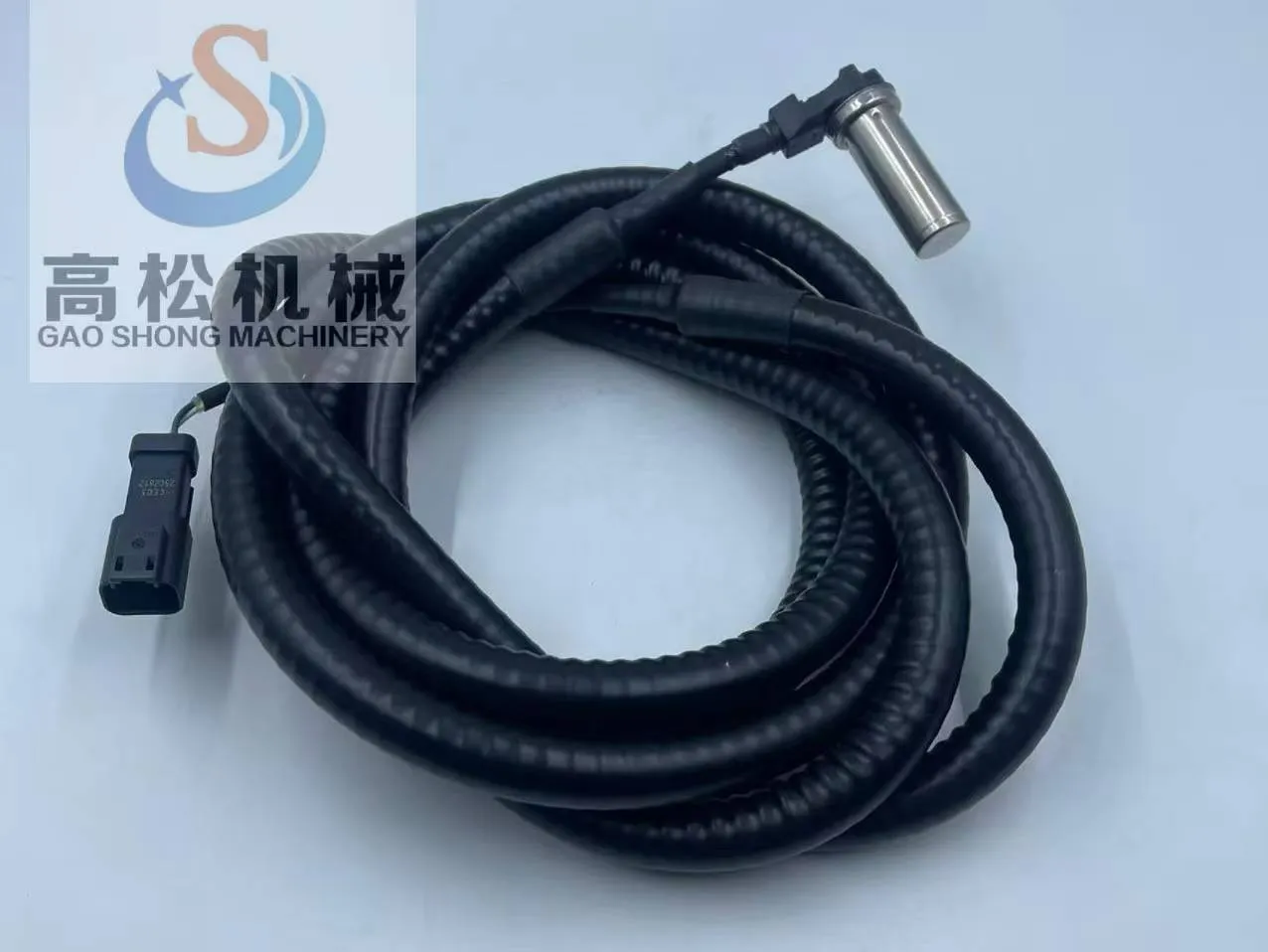 Sensor for Komatsu HD785-7 Dump Truck 566-88-66143
 -
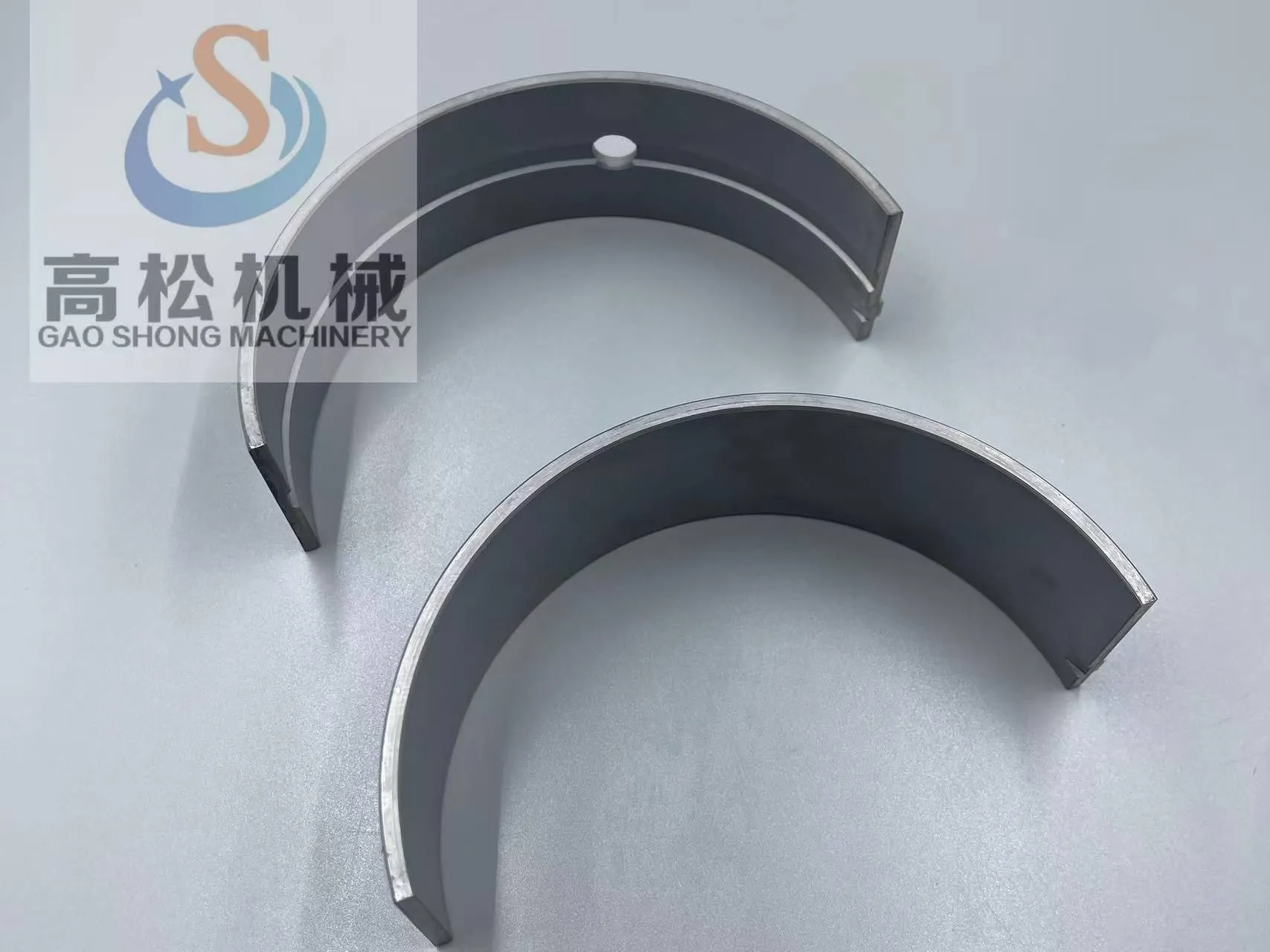 Main bearing of mechanical engine 6162-23-8010, applicable to S6d170 wheel loader, WA600 type Buildozer D375 engine
 -
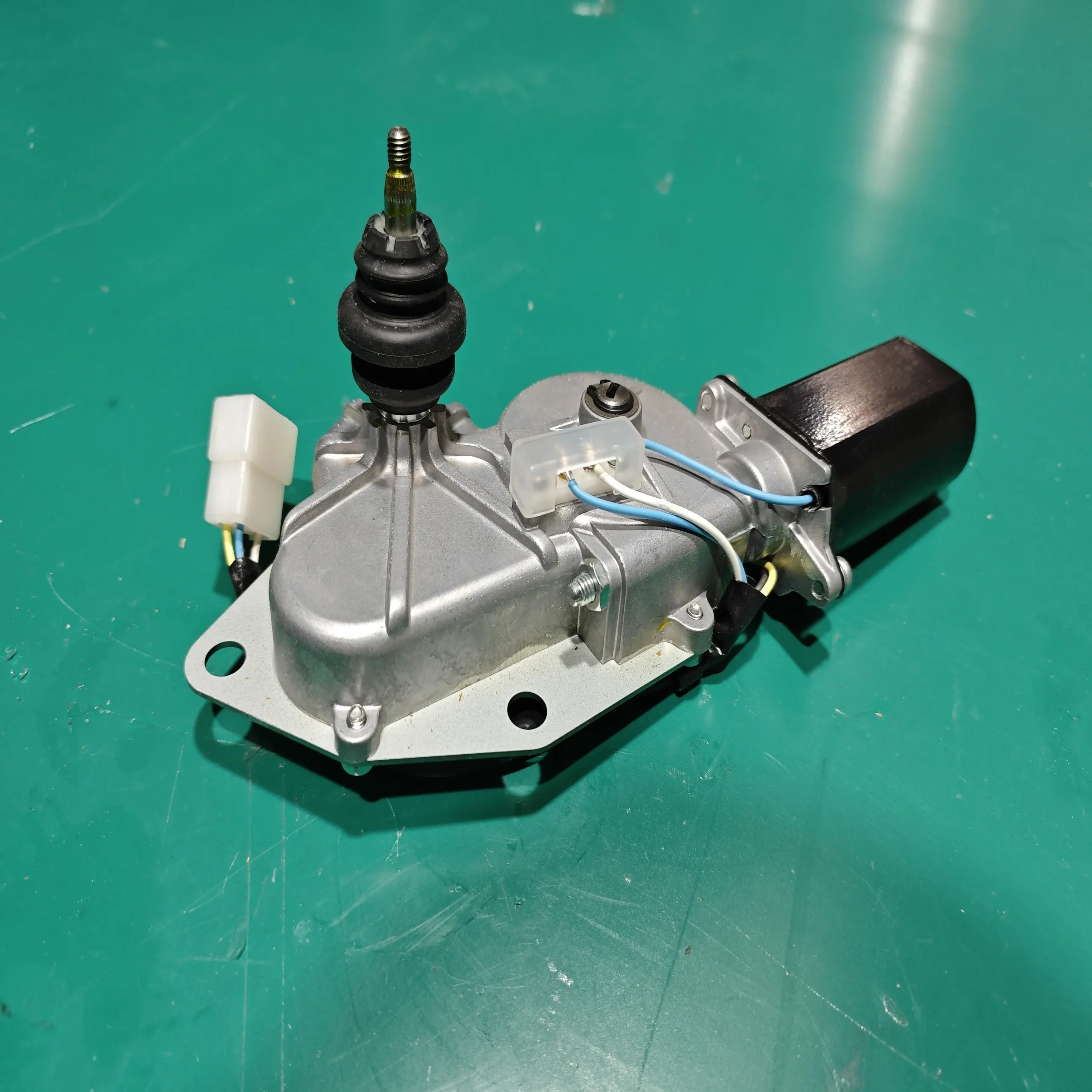 KOMATSUWIPERMOTOR23B-951-2610
 -
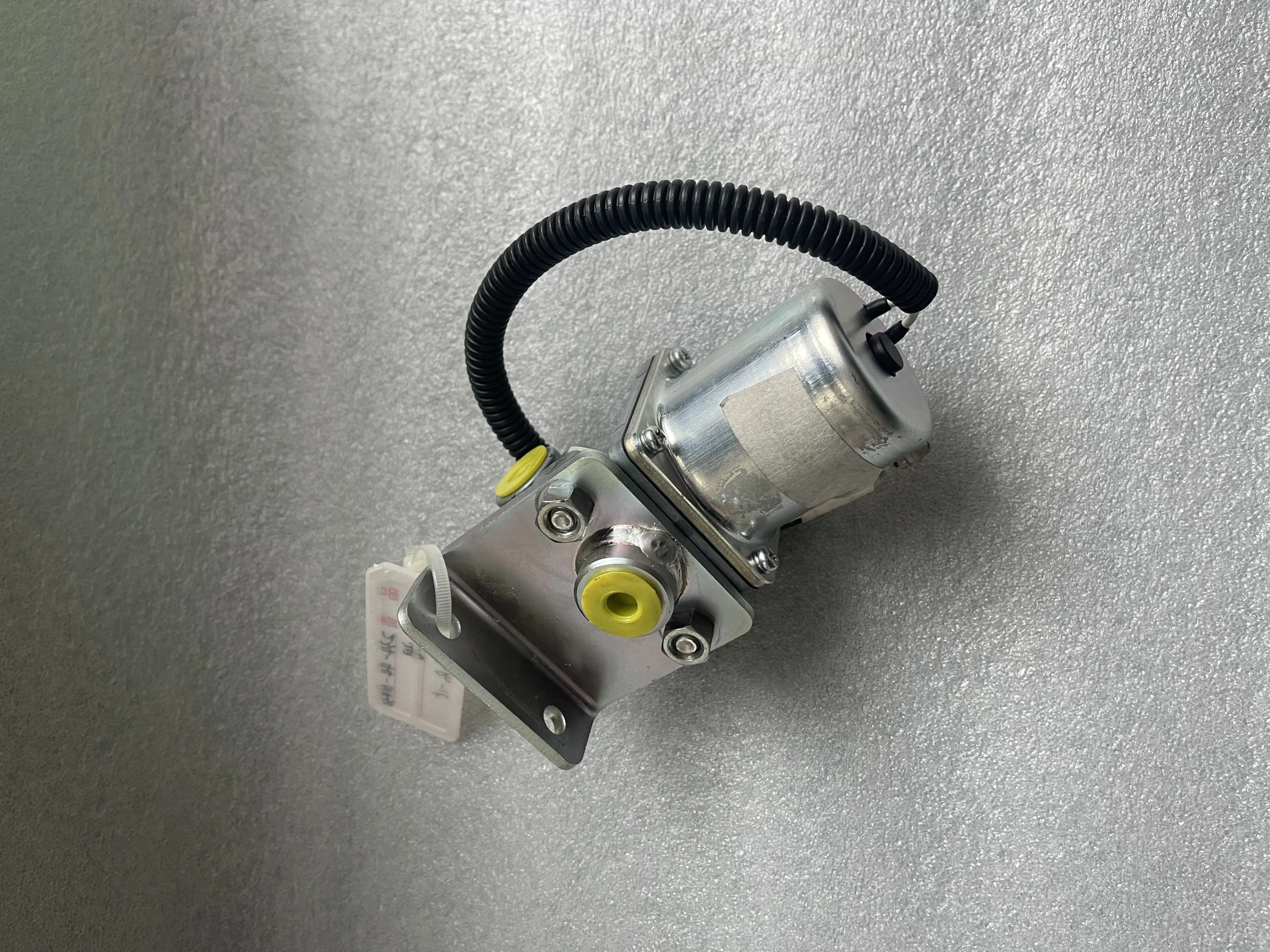 234-44-61430-VALVE Applicable: Komatsu GD825 / GD705
 -
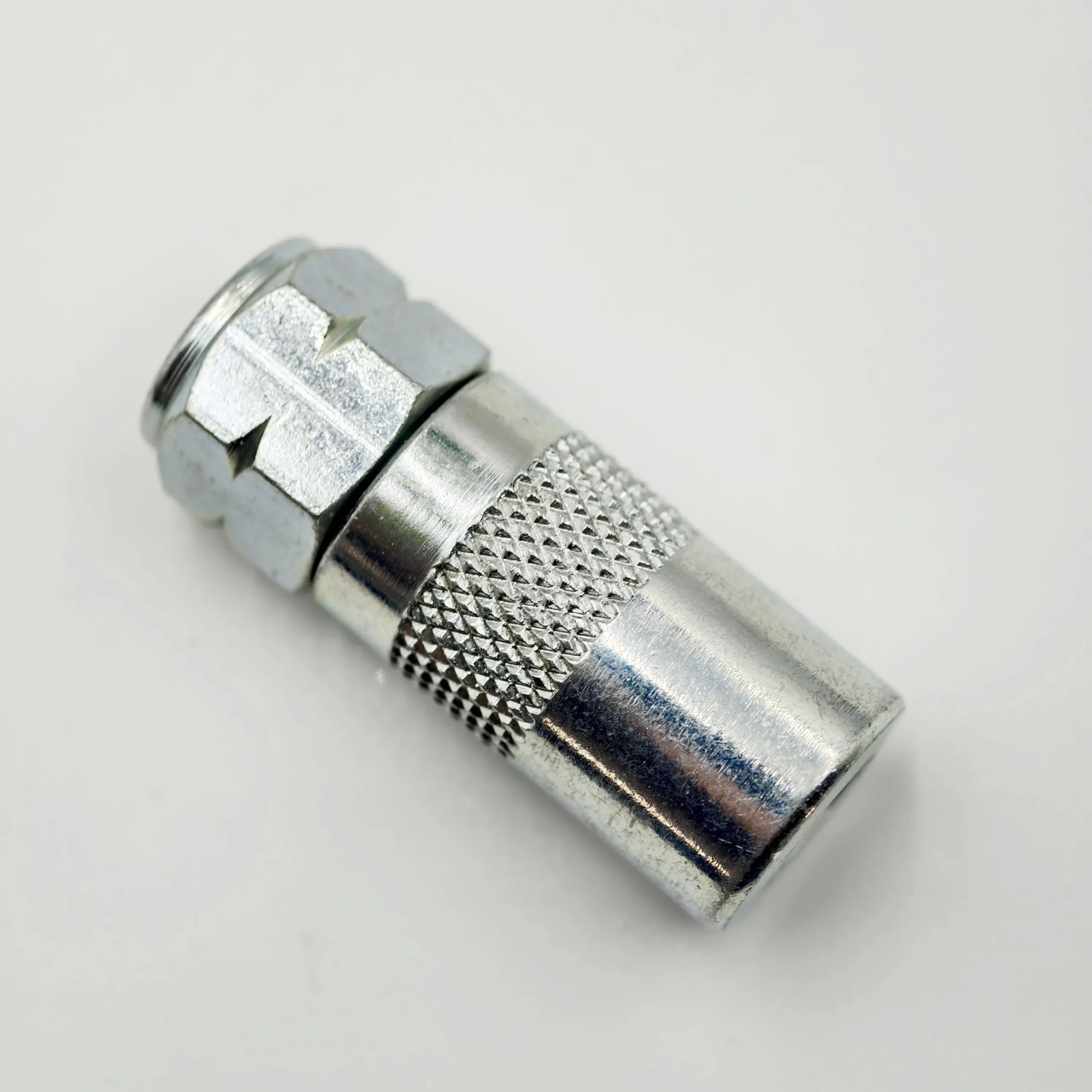 PC600-8/PC2000-8 Coupler 209-68-11640
 -
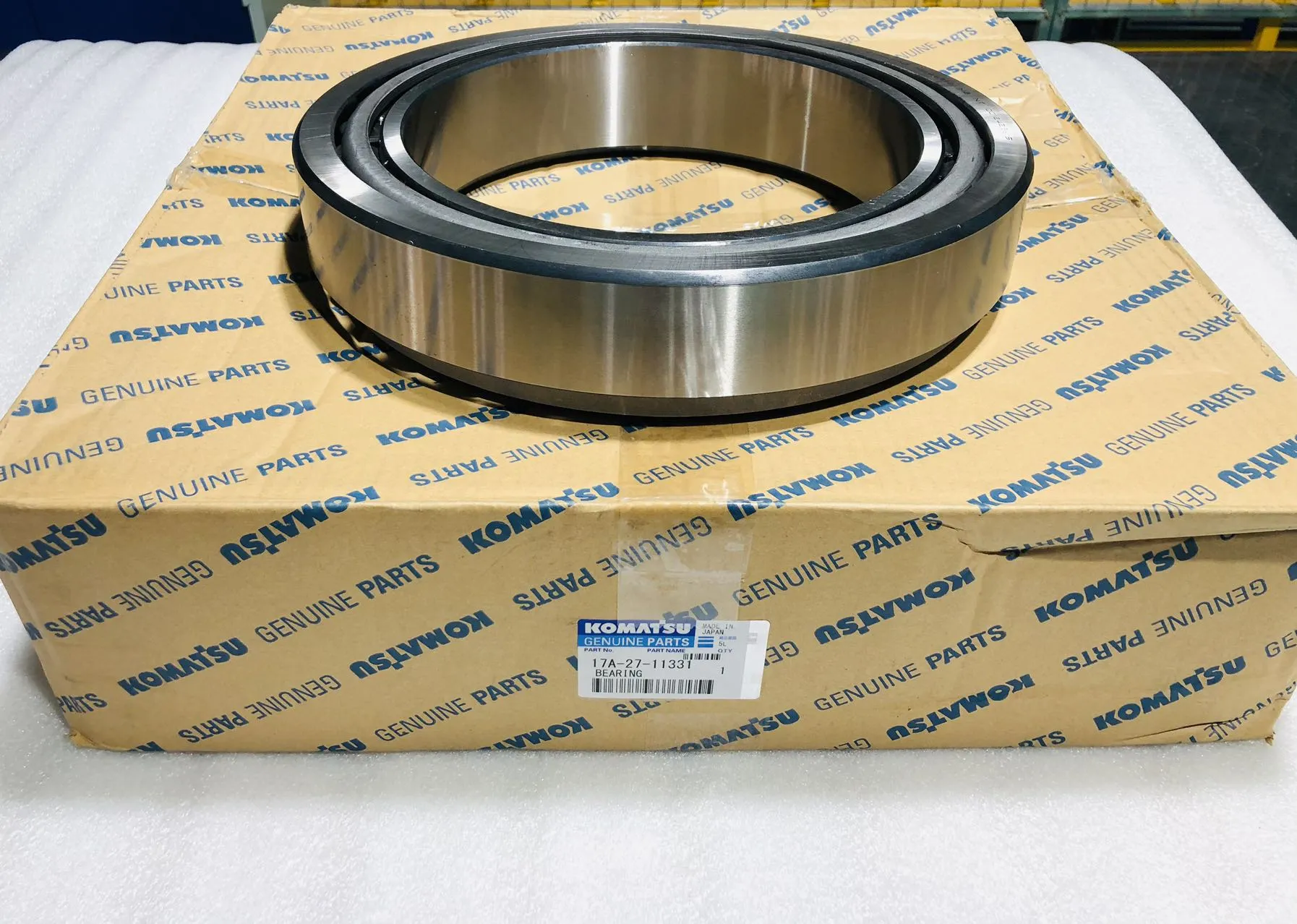 17A-27-11331 Komatsu D155
 -
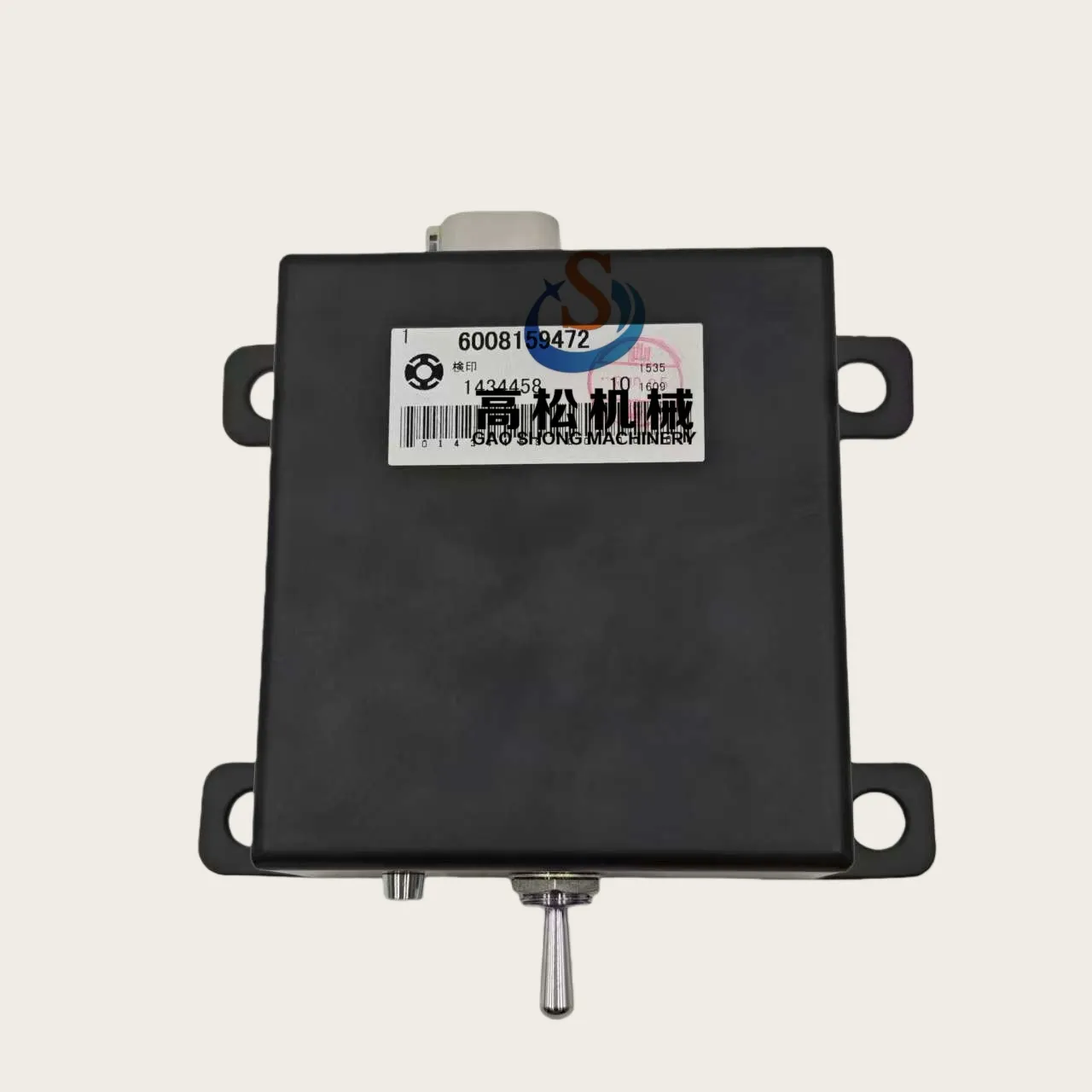 21T-68-67940 Komatsu Valve Assembly
 -
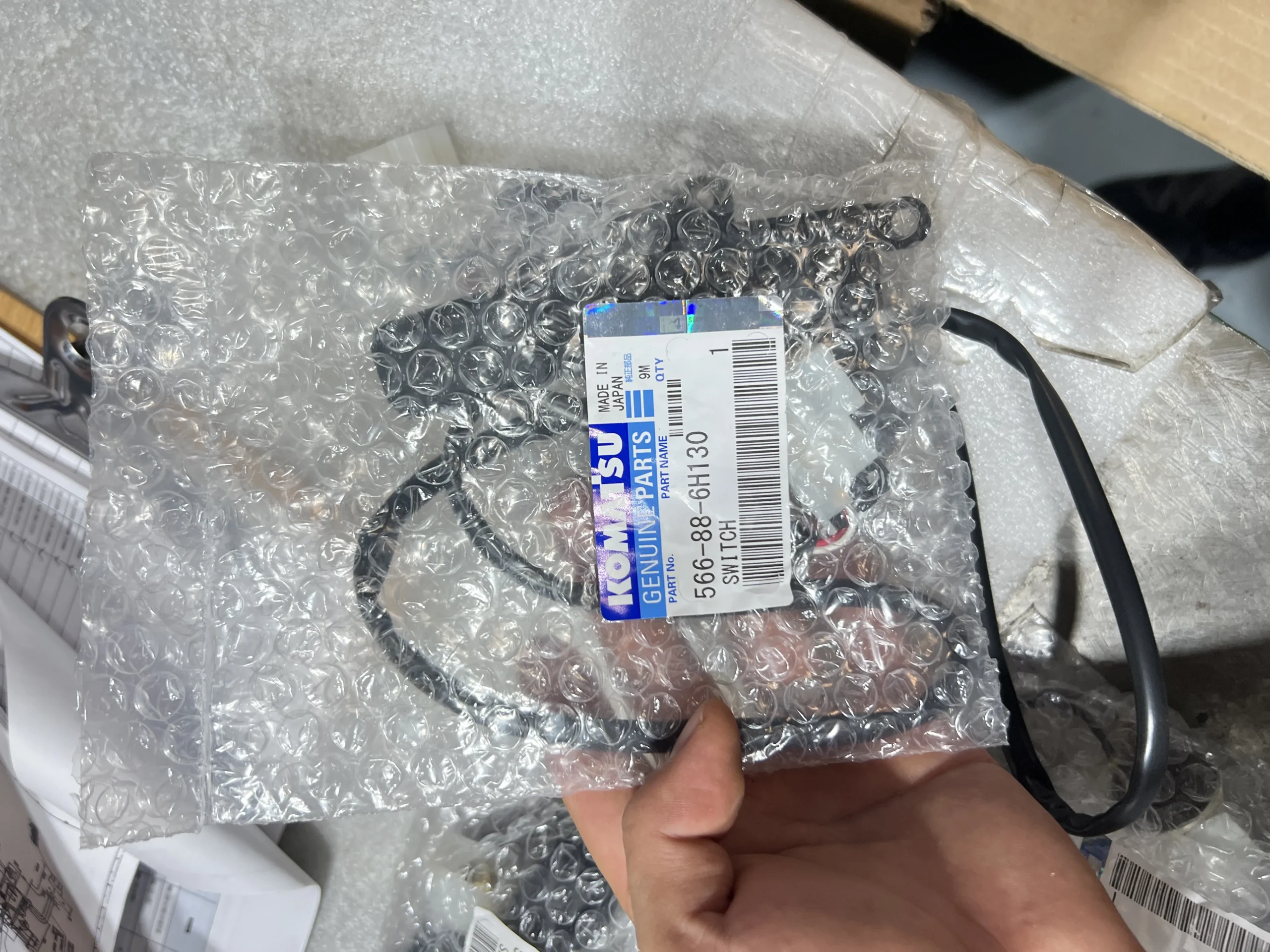 566-88-6H130 Komatsu Switch, Retarder
 -
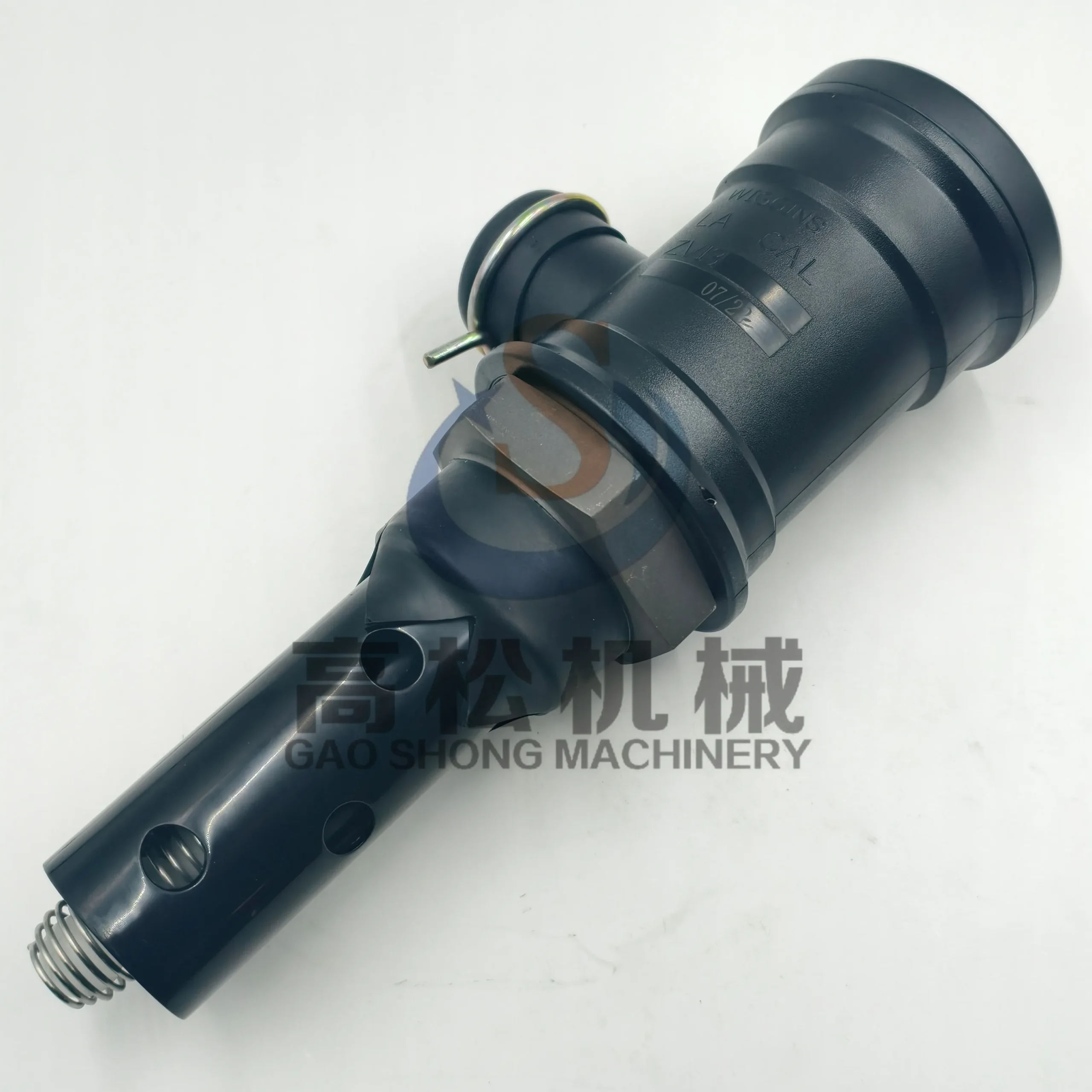 21T-04-31130 KOMATSU VENT ASSY
 -
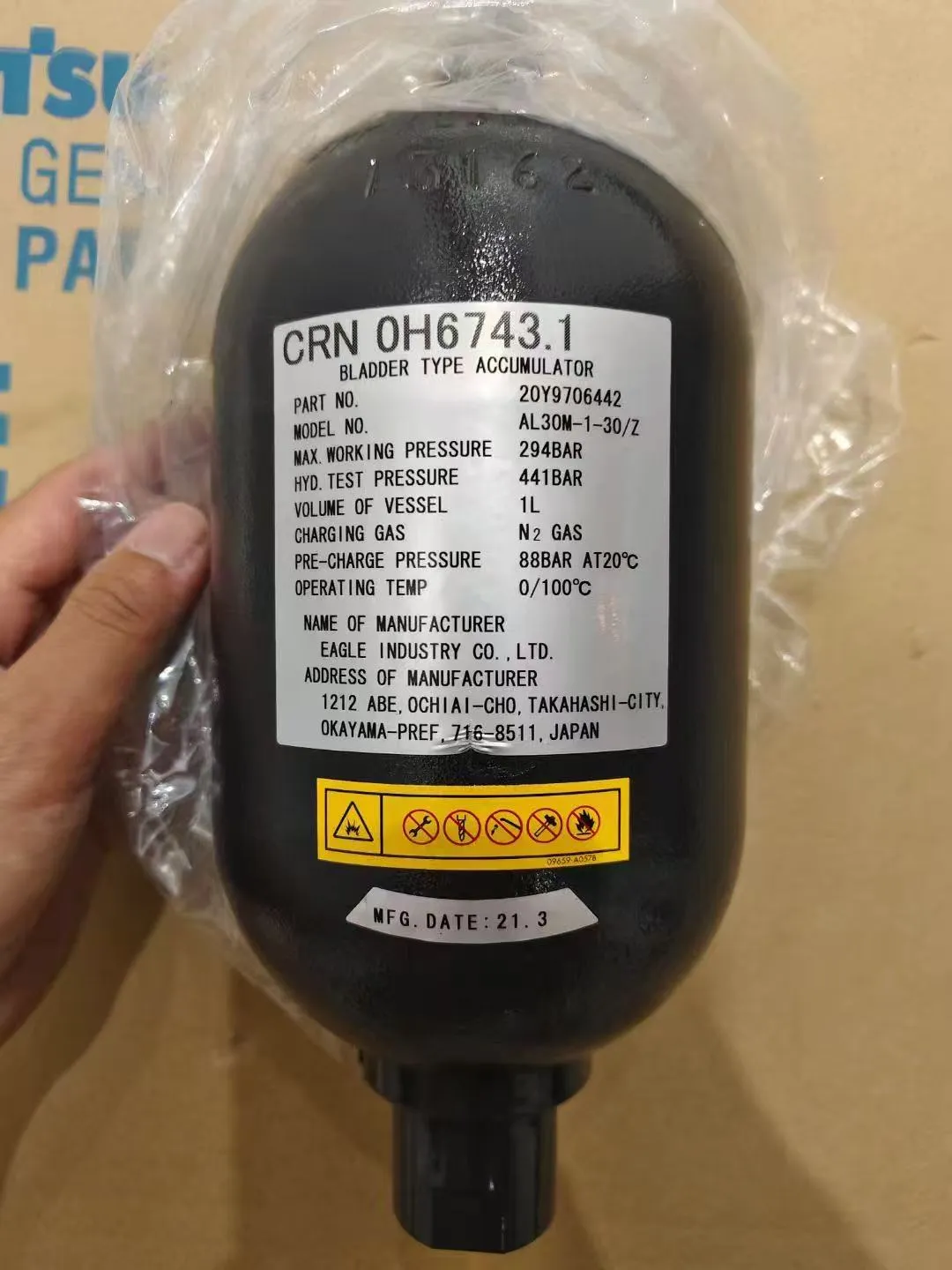 20Y-970-6442 Komatsu Accumulator Assembly
 -
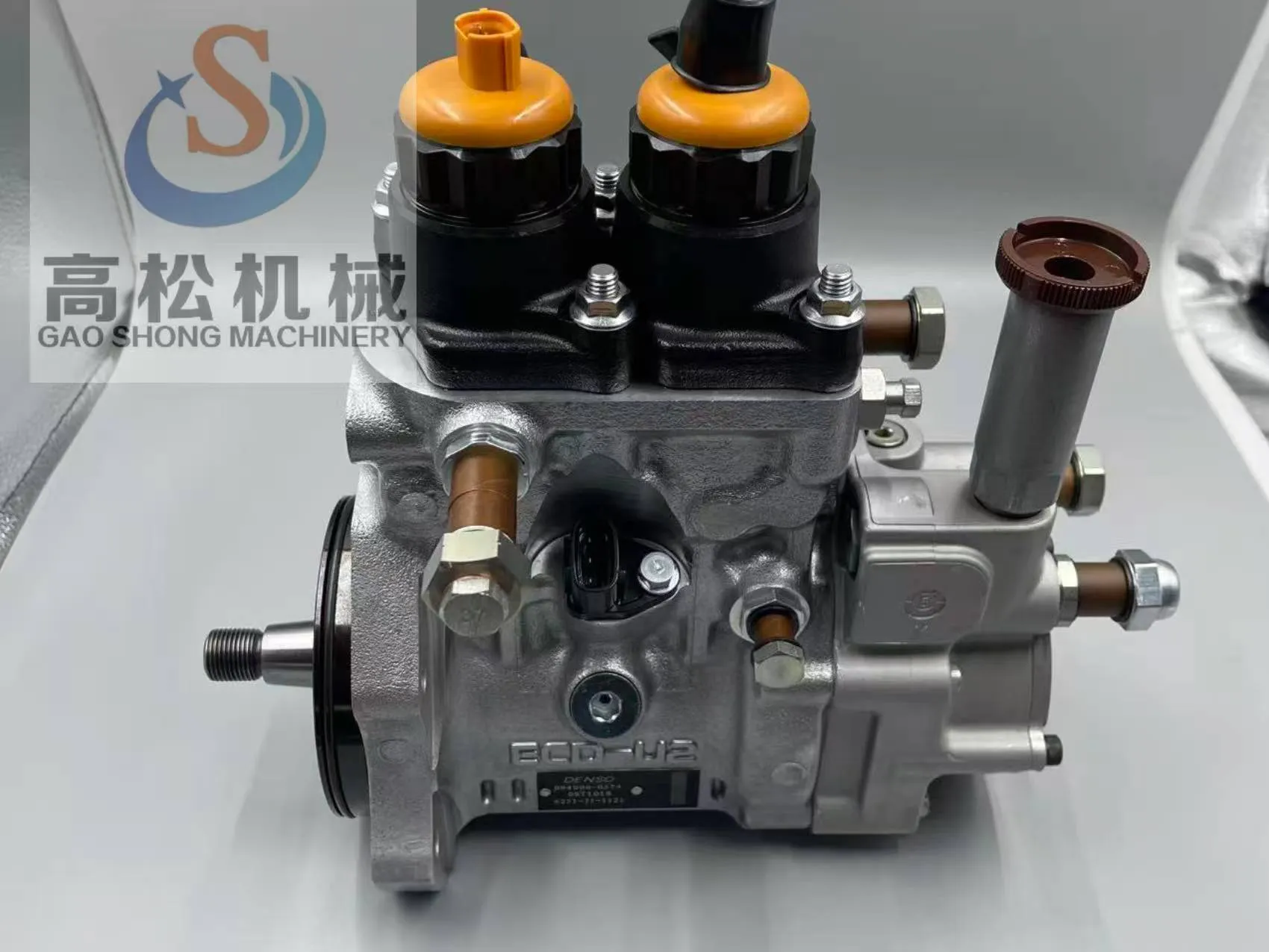 Pc450-8 pc400-8 high pressure fuel pump 6251-71-1121 spare parts for excavators
 -
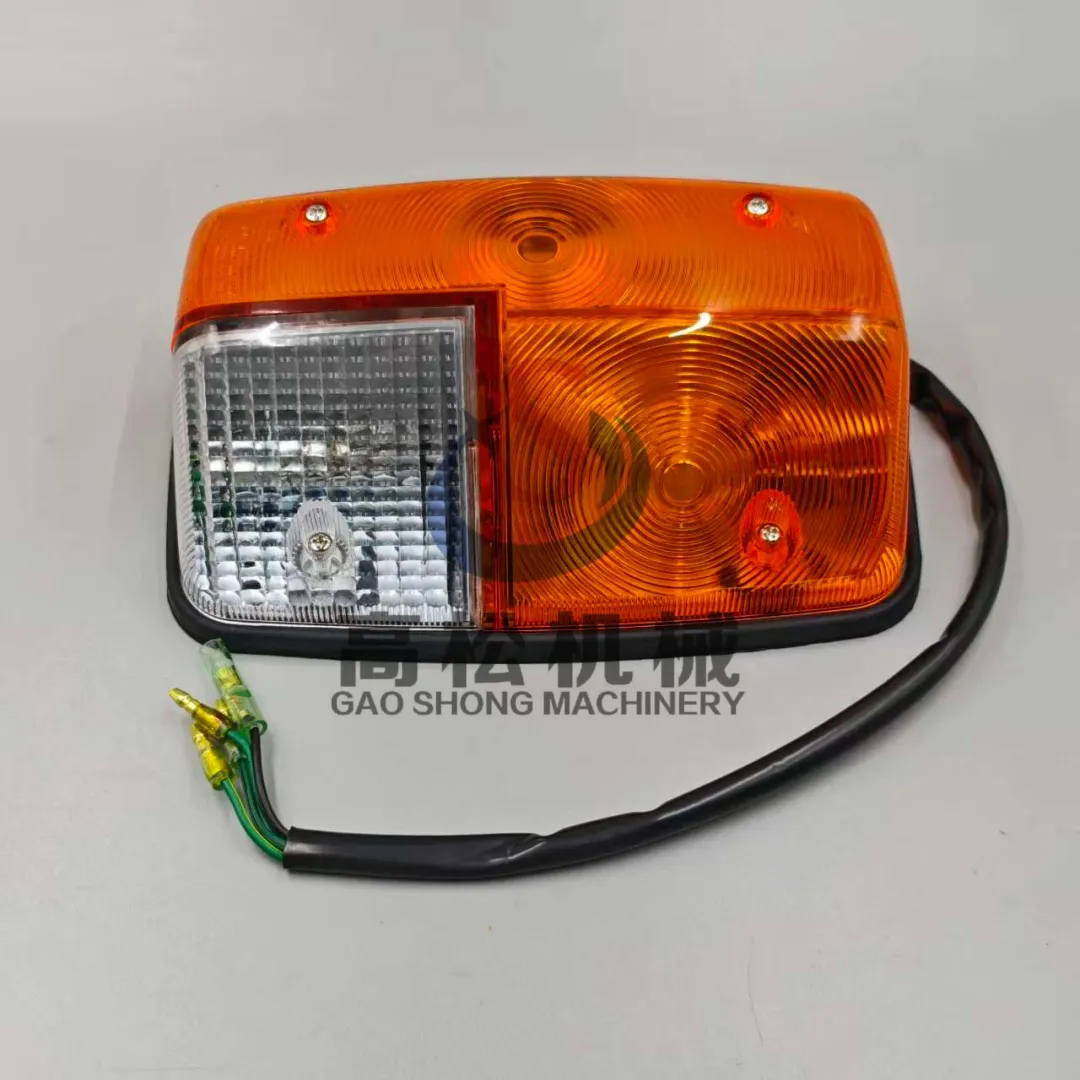 421-06-13401 LIGHT ASSEMBLY, TURN SIGNAL AND PARKING