
- Chinese
- French
- German
- Portuguese
- Spanish
- Russian
- Japanese
- Korean
- Arabic
- Irish
- Greek
- Turkish
- Italian
- Danish
- Romanian
- Indonesian
- Czech
- Afrikaans
- Swedish
- Polish
- Basque
- Catalan
- Esperanto
- Hindi
- Lao
- Albanian
- Amharic
- Armenian
- Azerbaijani
- Belarusian
- Bengali
- Bosnian
- Bulgarian
- Cebuano
- Chichewa
- Corsican
- Croatian
- Dutch
- Estonian
- Filipino
- Finnish
- Frisian
- Galician
- Georgian
- Gujarati
- Haitian
- Hausa
- Hawaiian
- Hebrew
- Hmong
- Hungarian
- Icelandic
- Igbo
- Javanese
- Kannada
- Kazakh
- Khmer
- Kurdish
- Kyrgyz
- Latin
- Latvian
- Lithuanian
- Luxembou..
- Macedonian
- Malagasy
- Malay
- Malayalam
- Maltese
- Maori
- Marathi
- Mongolian
- Burmese
- Nepali
- Norwegian
- Pashto
- Persian
- Punjabi
- Serbian
- Sesotho
- Sinhala
- Slovak
- Slovenian
- Somali
- Samoan
- Scots Gaelic
- Shona
- Sindhi
- Sundanese
- Swahili
- Tajik
- Tamil
- Telugu
- Thai
- Ukrainian
- Urdu
- Uzbek
- Vietnamese
- Welsh
- Xhosa
- Yiddish
- Yoruba
- Zulu
- Kinyarwanda
- Tatar
- Oriya
- Turkmen
- Uyghur






OEM AND ORIGINAL KOMATSU VALVE 709-62-12101
Let's talk about that part number, . If you're ordering this, you're likely dealing with a Komatsu hydraulic system, probably on an excavator or a dozer. The immediate thought is always get the original. But here's the rub: the term OEM AND ORIGINAL KOMATSU VALVE gets thrown around so loosely it's lost meaning. I've seen boxes stamped Genuine that were anything but. The real confusion starts when a supplier claims to be within the Komatsu system. Does that mean they get parts from Komatsu Ltd. directly, or they manufacture to the same print? Big difference.
The OEM Within the System Reality Check
I came across Jining Gaosong Construction Machinery Co., Ltd. a while back, operating through their portal at https://www.takematsumachinery.com. Their pitch is interesting: an OEM product supplier within the Komatsu system and a third-party sales company. This isn't some random parts reseller. When they say within the system, it typically implies they have a formal manufacturing agreement or license to produce certain components, like this valve, to Komatsu's specifications. They're not just reverse-engineering it.
The practical value for someone like me, managing a fleet, is in solving supply chain gaps. As they note, they help with parts supply challenges in certain countries. I've been there—waiting 12 weeks for a genuine valve from official channels while a machine gathers dust. A licensed OEM alternative that gets you running in two weeks is a serious proposition. But the trust factor is everything.
You have to verify what OEM means in each case. For a valve, it's about the casting integrity, the precision of the spool bore, the grade of seals used. A true system-OEM part should interchange directly, with no modification. I've tested parts from suppliers making similar claims; sometimes the port threads are off by a fraction, or the pressure rating is borderline. With Gaosong, the proof was in the fit. The 12101 valve we sourced matched the worn-out original in every dimension, down to the stamping depth.
Why the Original is a Benchmark
The original Komatsu valve for this application is a piece of precise engineering. It's not just a block of metal with holes. The tolerances on the pilot stage and the main spool are tight. When you get a cheap imitation, the first symptom is usually a slight drift in the function it controls, or a sluggish response. The machine doesn't feel sharp.
We learned this the hard way years ago. Trying to save cost, we installed a non-OEM 12101. It worked... sort of. But the cylinder creep was noticeable within a week, and under full load, the system would overheat. The metallurgy couldn't handle the cyclic stress. Tore it down and found scoring on the spool. That's when you realize the original part's value isn't in the brand, but in the applied physics and testing behind it.
So when a company like the one behind takematsumachinery.com positions itself as a solution for supply challenges, the immediate question is: does their OEM AND ORIGINAL KOMATSU VALVE meet that physical benchmark? From my engagement, their strength is transparency. They didn't hide that certain sub-components might come from their approved vendor list, but the critical machining and assembly adhere to the OEM standard. It's a pragmatic approach.
Field Observations and Fitment Nuances
Let's get into the weeds on installation. Even with a perfect replica valve, you can run into issues if you don't treat the whole system. Swapping a isn't just a plug-and-play. The hydraulic oil cleanliness is paramount. I've seen new valves fail prematurely because the circuit was contaminated from the old valve's breakdown.
A good practice we adopted—and one that aligns with advice from technical contacts at suppliers—is to flush the related manifold. When we used the valve sourced via Gaosong's channel, we did a full flush. The valve performed within spec from startup. No odd noises, no lag. This is a critical detail: a reputable supplier often provides these ancillary maintenance notes, which adds to their credibility as a system partner, not just a box mover.
Another nuance is the seal kit. Sometimes the OEM valve comes with seals, sometimes not. Their offering included a compatible kit. The seals felt identical in durometer and geometry to the Komatsu-packaged ones we had left over. It's these small consistencies that build confidence in the OEM product supplier claim.
The Third-Party Sales Role in the Ecosystem
Their dual role as a third-party sales company is key. It means they can often supply true original Komatsu parts (when available) alongside their OEM lines. This is practical. For critical components where you must have the factory-branded part, they can source it. For items like this valve, where a system-OEM part is acceptable, they provide a viable, often more accessible alternative.
This model directly tackles the certain countries problem they mention. In some regions, official distribution is thin or pricing is prohibitive. A knowledgeable third-party entity that understands the engineering and supply landscape is invaluable. They bridge the gap between the rigid official channel and the chaotic aftermarket.
It shifts the relationship from a transactional parts order to a sourcing consultation. You can ask: For this machine model and this failure mode, what's the best option? Their answer for the was context-dependent. For a machine under warranty, they'd push for the original. For an older unit with availability issues, their OEM version was the recommended solution. That balanced judgment is what you want.
Concluding Thoughts on Sourcing Decisions
At the end of the day, the part number is just a code. The substance is in the component that arrives on your bench. The industry needs clear distinctions. Original should mean Komatsu-branded. OEM within the system should mean made to the same source design by a licensed partner. Both have their place.
Suppliers like Jining Gaosong, through their structured approach at takematsumachinery.com, clarify this ecosystem. They don't pretend their OEM part is the original Komatsu valve, but they assert its equivalence in form, fit, and function based on their sanctioned role. That's a credible position.
My takeaway? Always validate. Ask for manufacturing certifications, material reports, and if possible, test a single unit first. For the KOMATSU VALVE , the market is full of copies. But a verified system-OEM part from a transparent supplier is a legitimate tool for keeping equipment running, especially when the official pipeline is dry. It's not about choosing cheap over quality; it's about finding qualified quality within a complex global supply chain.
Related Products
Related Products

Best Selling Products
Best Selling Products-
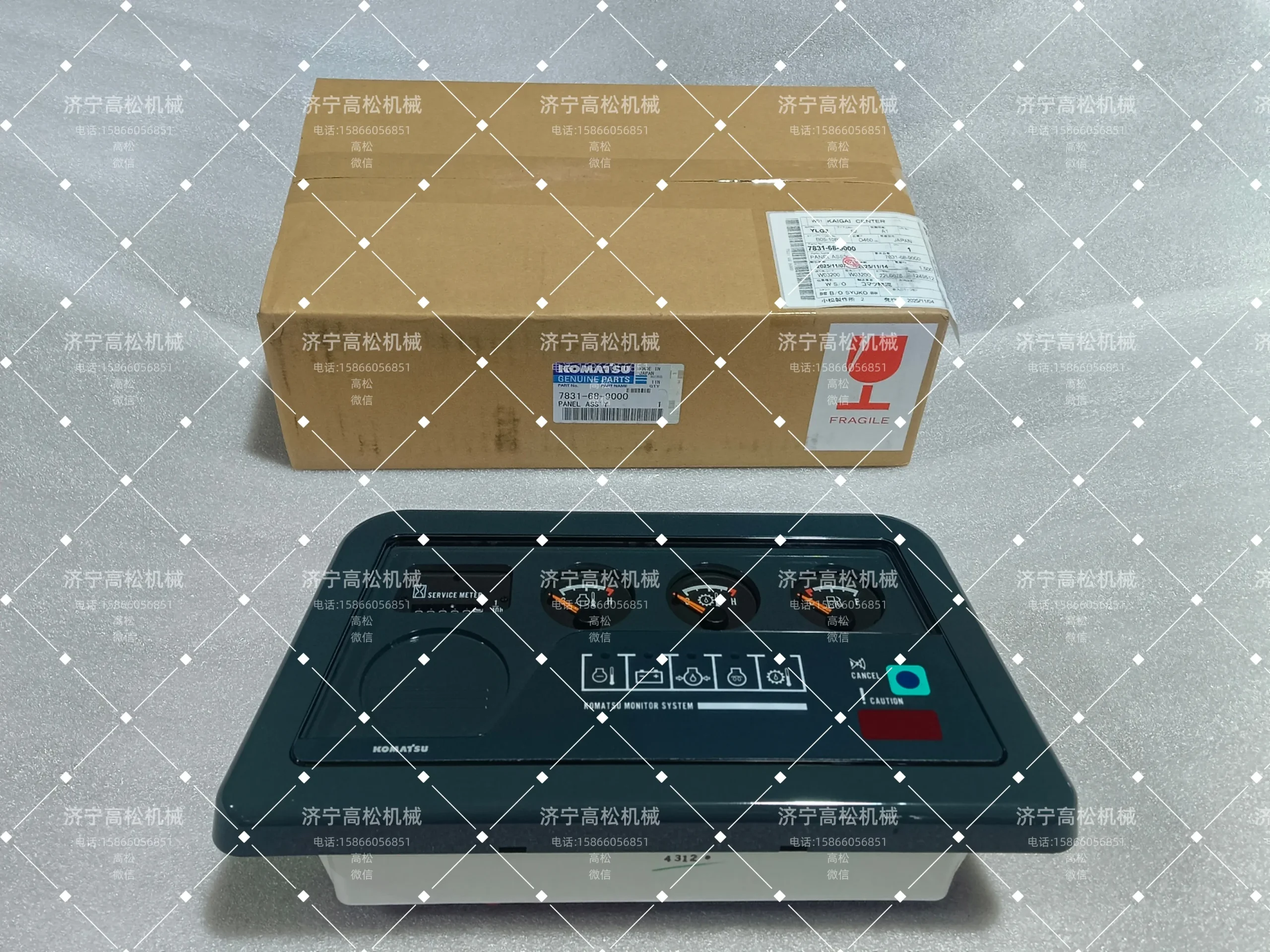 Komatsu 7831-68-9000 PANEL ASS’Y, price for… — Pricing.Parts
 -
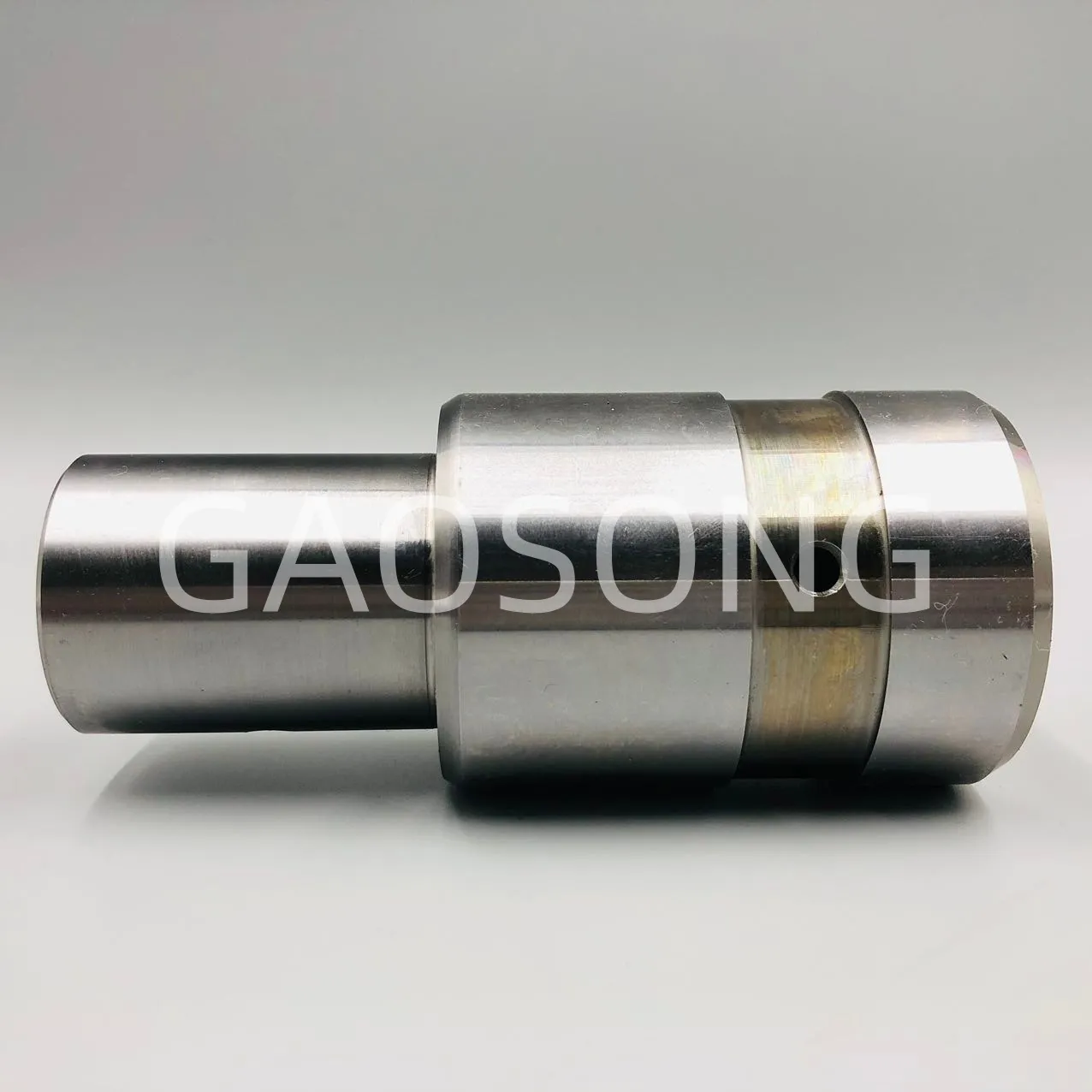 6240-61-4630 • SHAFT-Komatsu Original Factory
 -
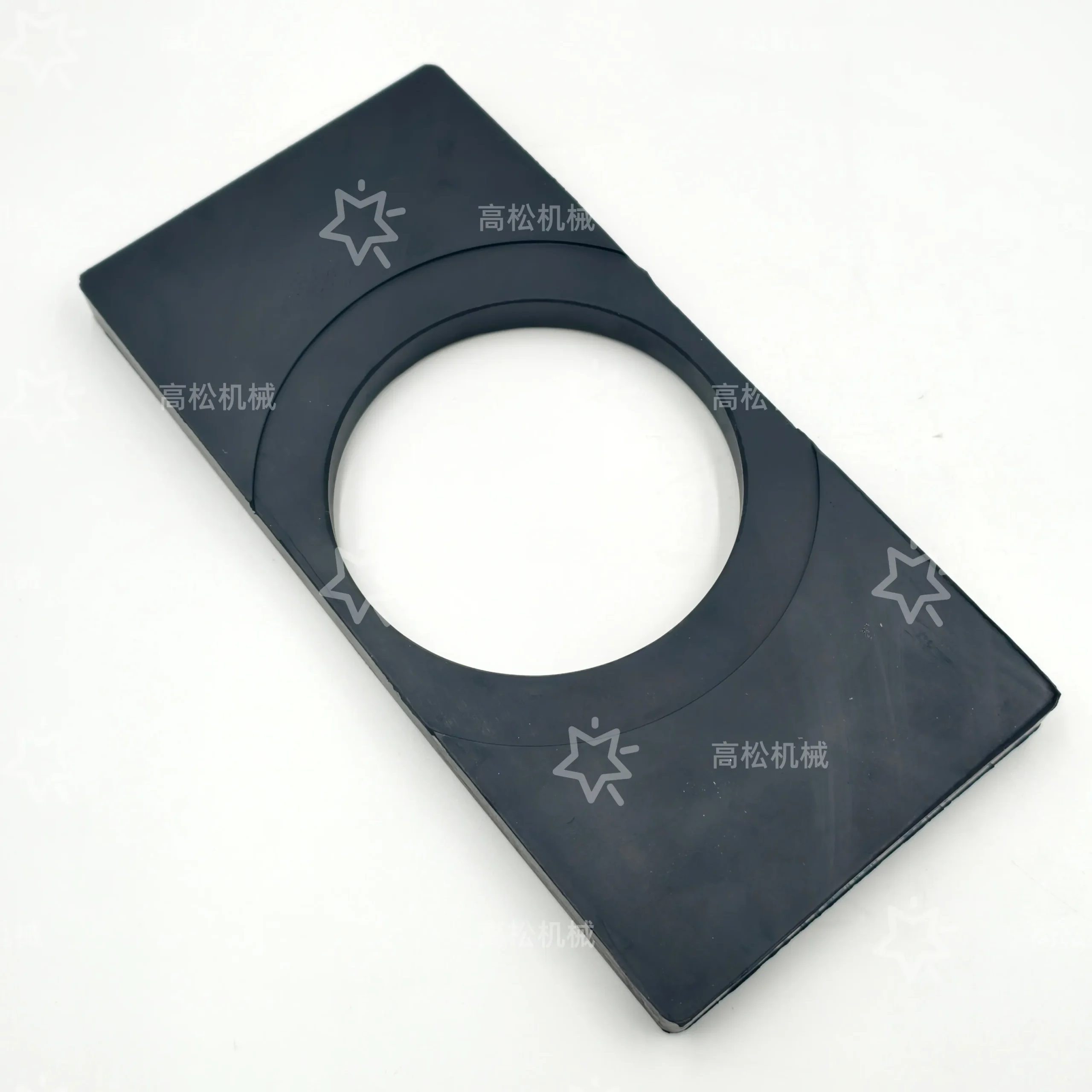 561-03-81550Shock Absorber KOMATSU HD465 HD785 PARTS for Komatsu
 -
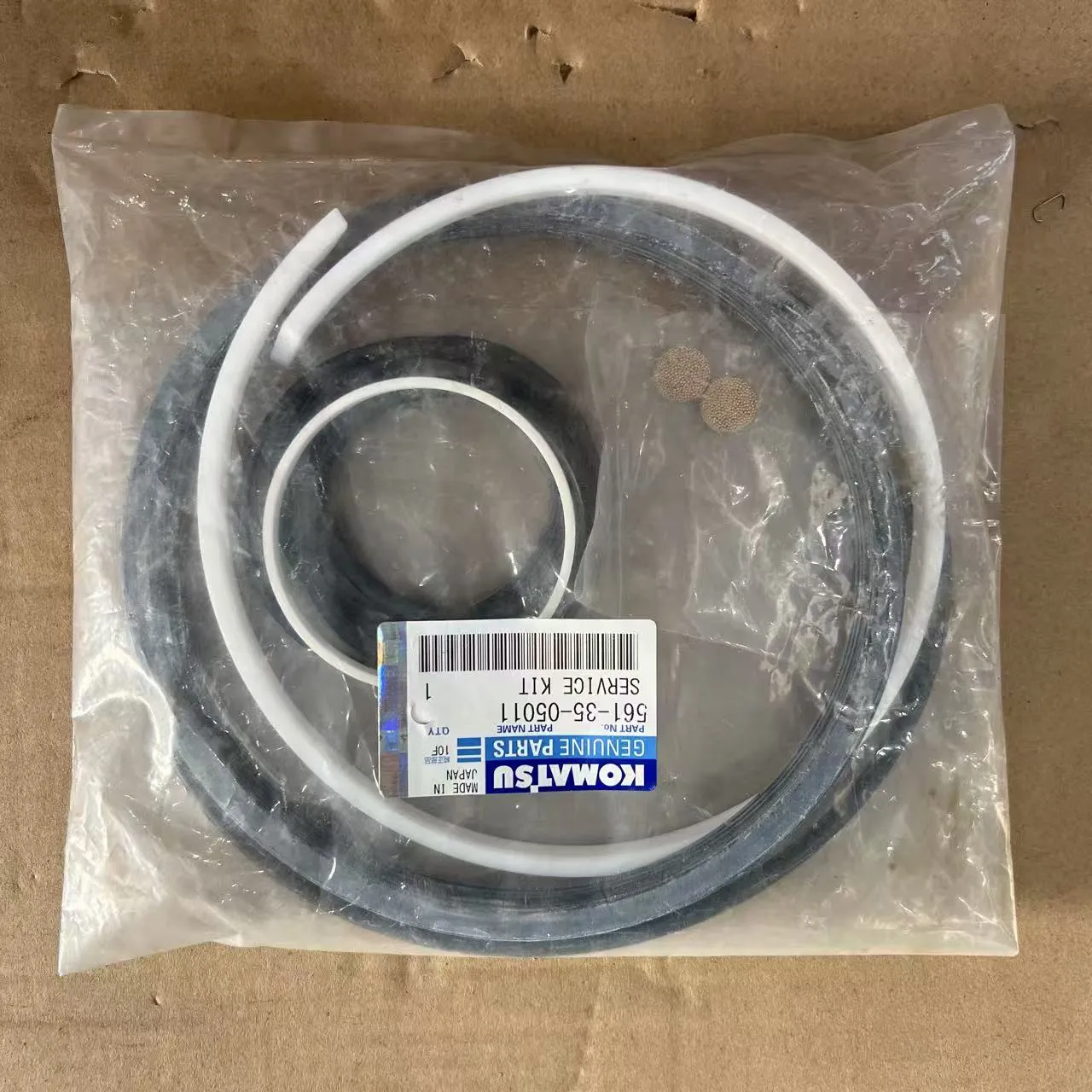 SERVICE KIT – 561-35-05011
 -
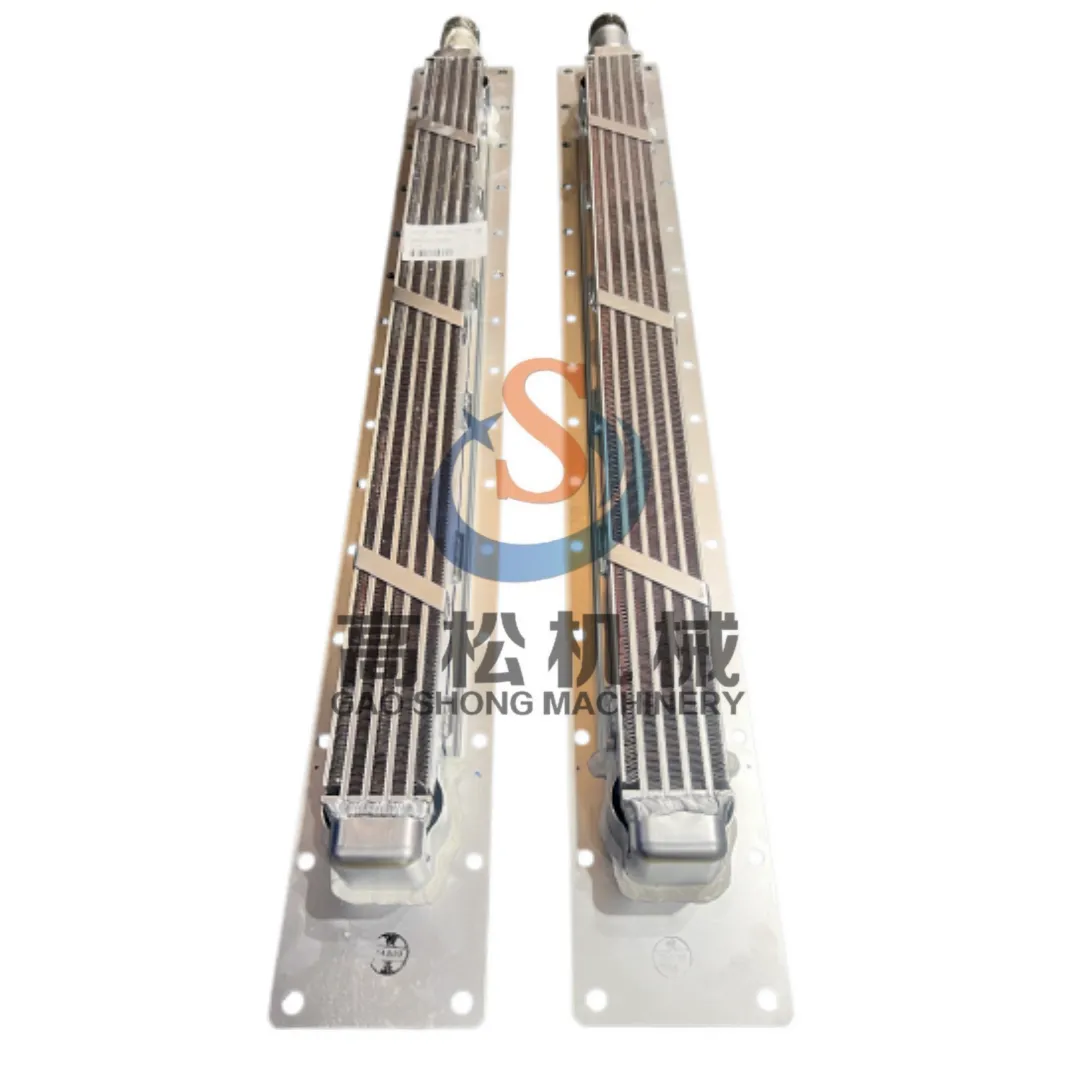 Original Stock Engine Parts Core 6212-61-6121 Is Suitable for Komatsu SA6D140-1 Engine – Image 2 Original Stock Engine Parts Core 6212-61-6121 Is Suitable for Komatsu SA6D140-1 Engine – Image 3 Original Stock Engine Parts Core 6212-61-6121 Is Suitable for Komatsu SA6D140-1 Engine – Image 4 Original Stock Engine Parts Core 6212-61-6121 Is Suitable for Komatsu SA6D140-1 Engine – Image 5 Original Stock Engine Parts Core 6212-61-6121 Is Suitable for Komatsu SA6D140-1 Engine – Image 6 Original Stock Engine Parts Core 6212-61-6121 Is Suitable for Komatsu SA6D140-1 Engine
 -
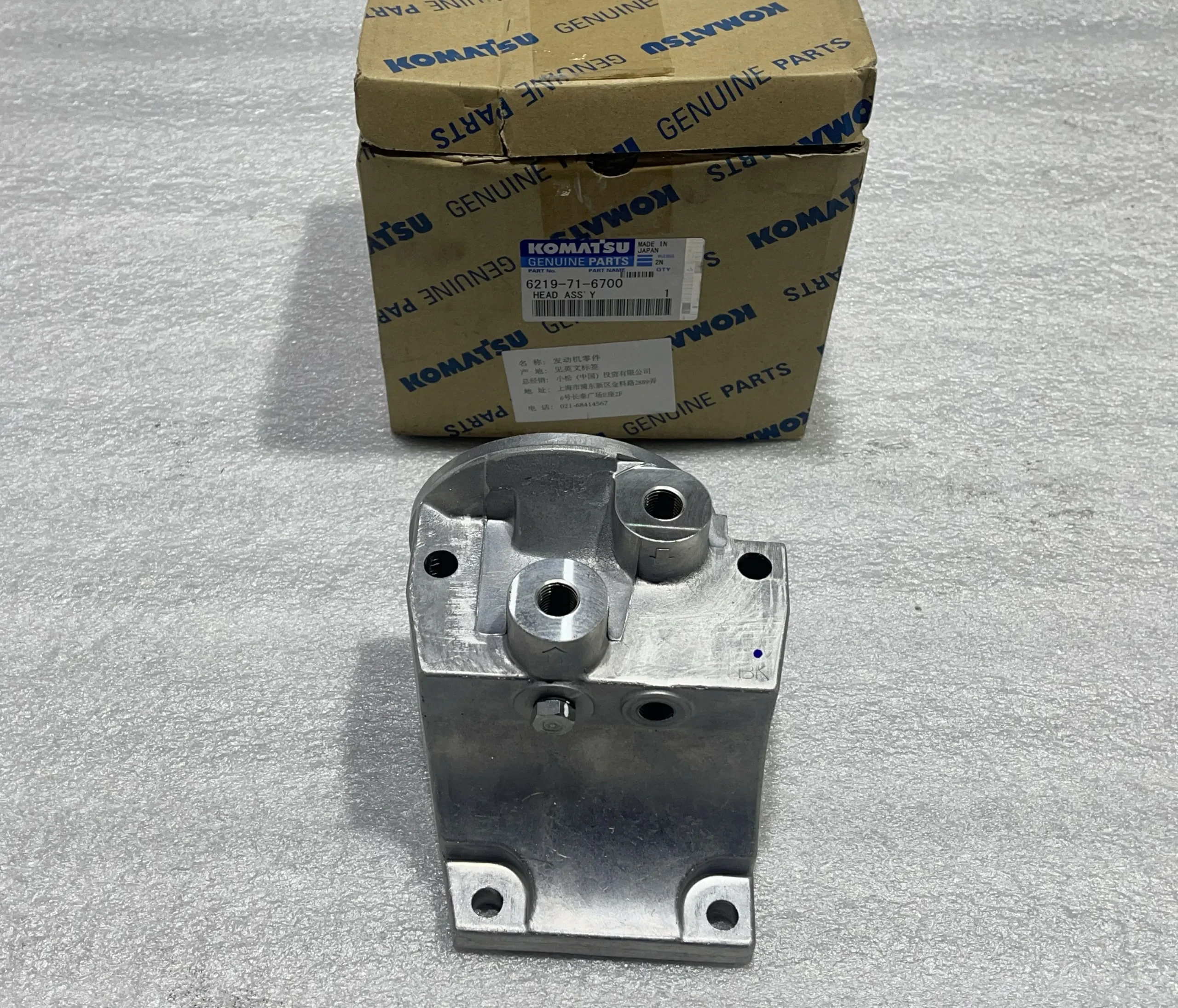 6219-71-6700 HEAD ASS’Y,FUEL FILTER-Komatsu Original Factory Accessories
 -
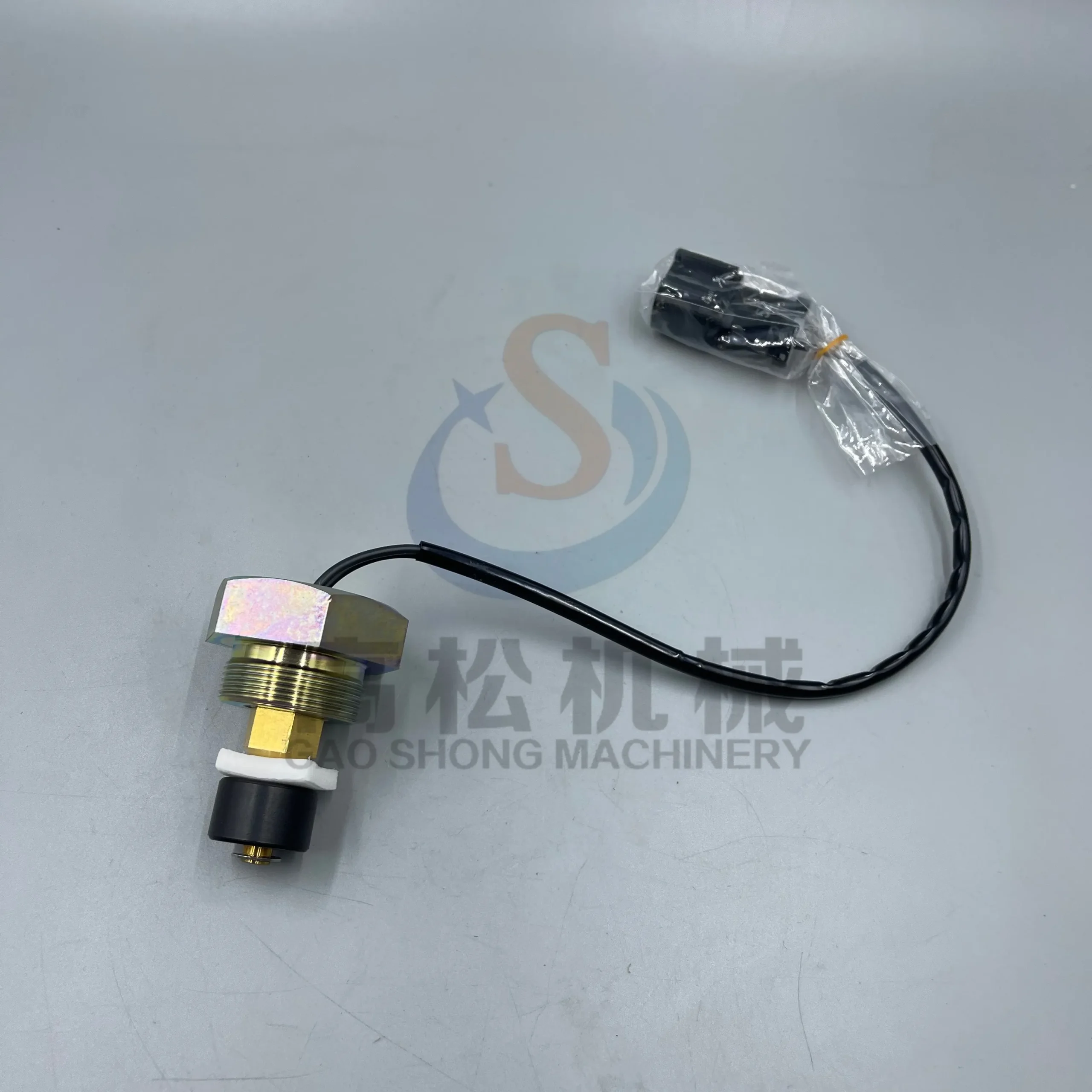 7861-92-4500 Komatsu SENSOR,HYDRAULIC OIL LEVEL
 -
 6693-22-5600 Komatsu Valve Assembly
 -
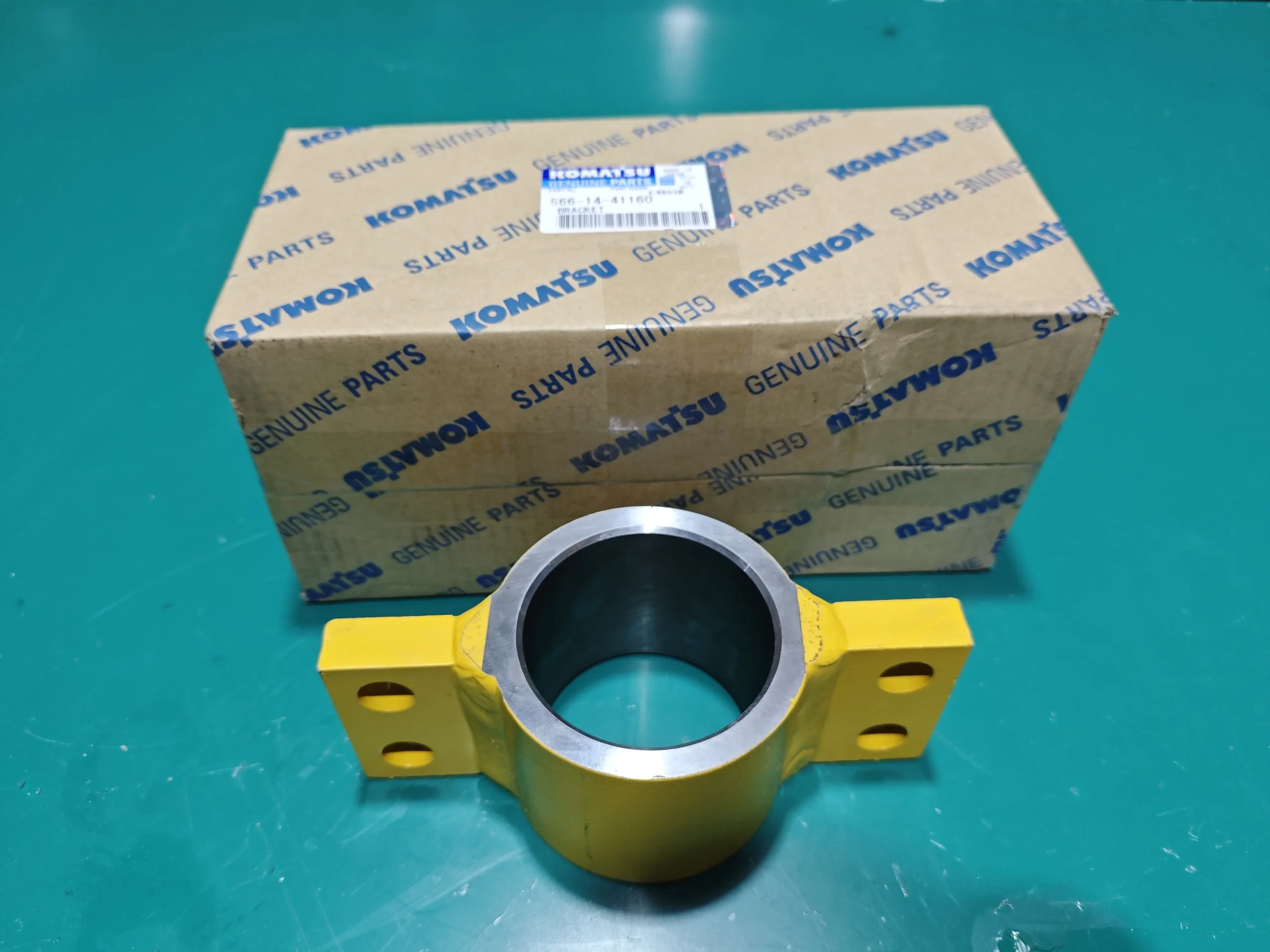
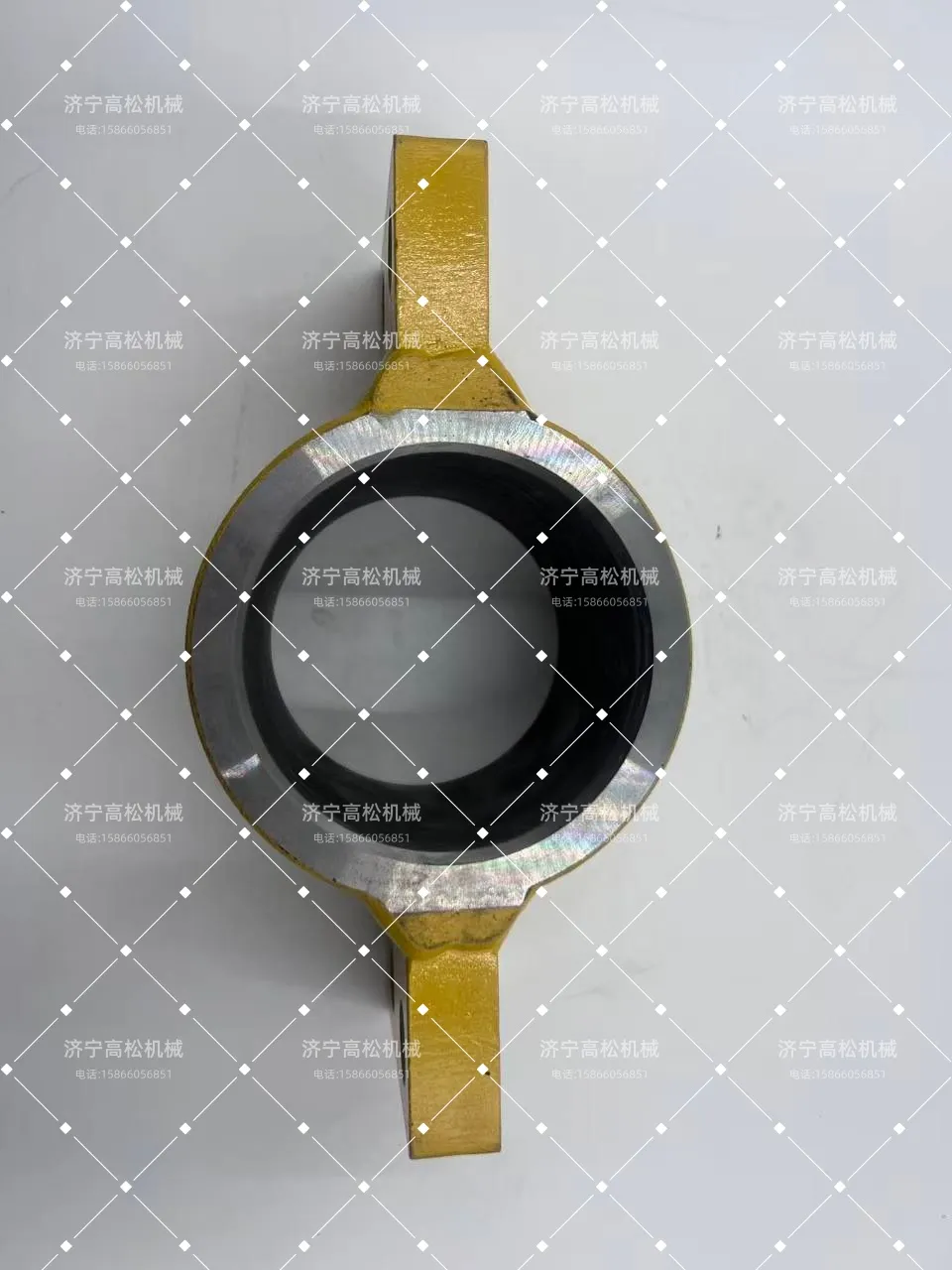 Komatsu Parçaları için İnşaatın Omurgası 566-14-41160 Braketi
 -
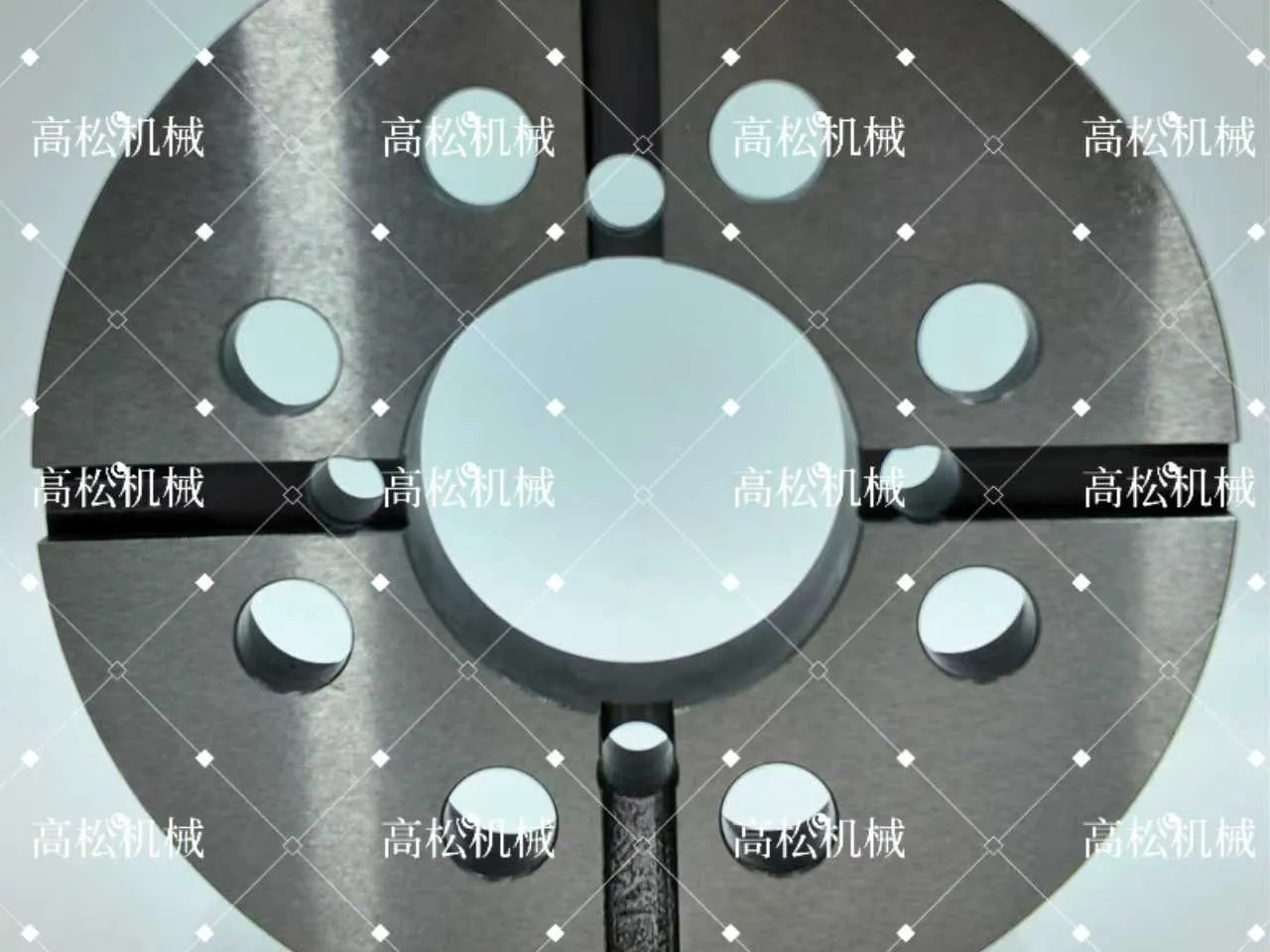 56B-27-12361 Fixed ring Komatsu parts HM350, HM400
 -
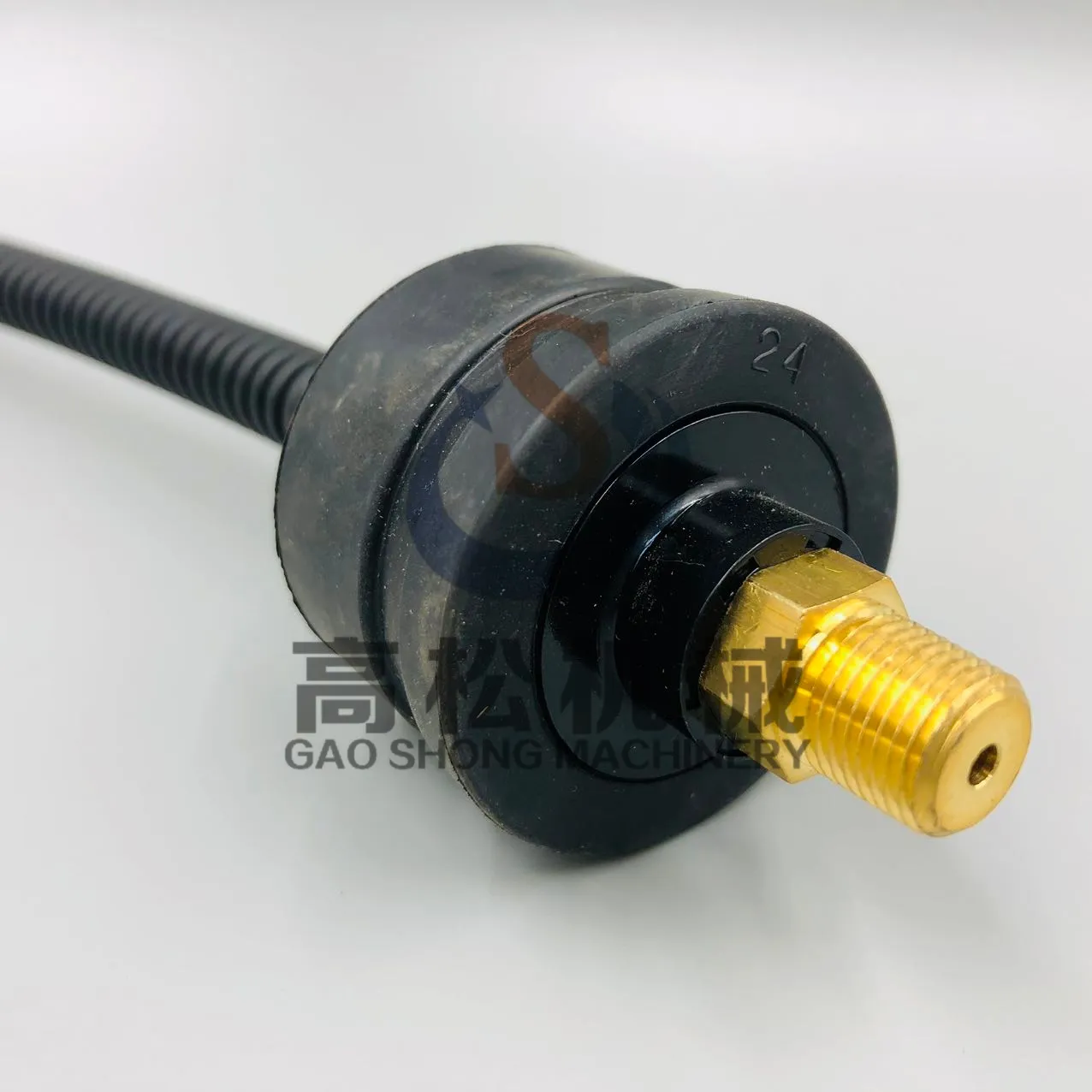 7861-93-1430Komatsu Sensor, Dust Indicator
 -
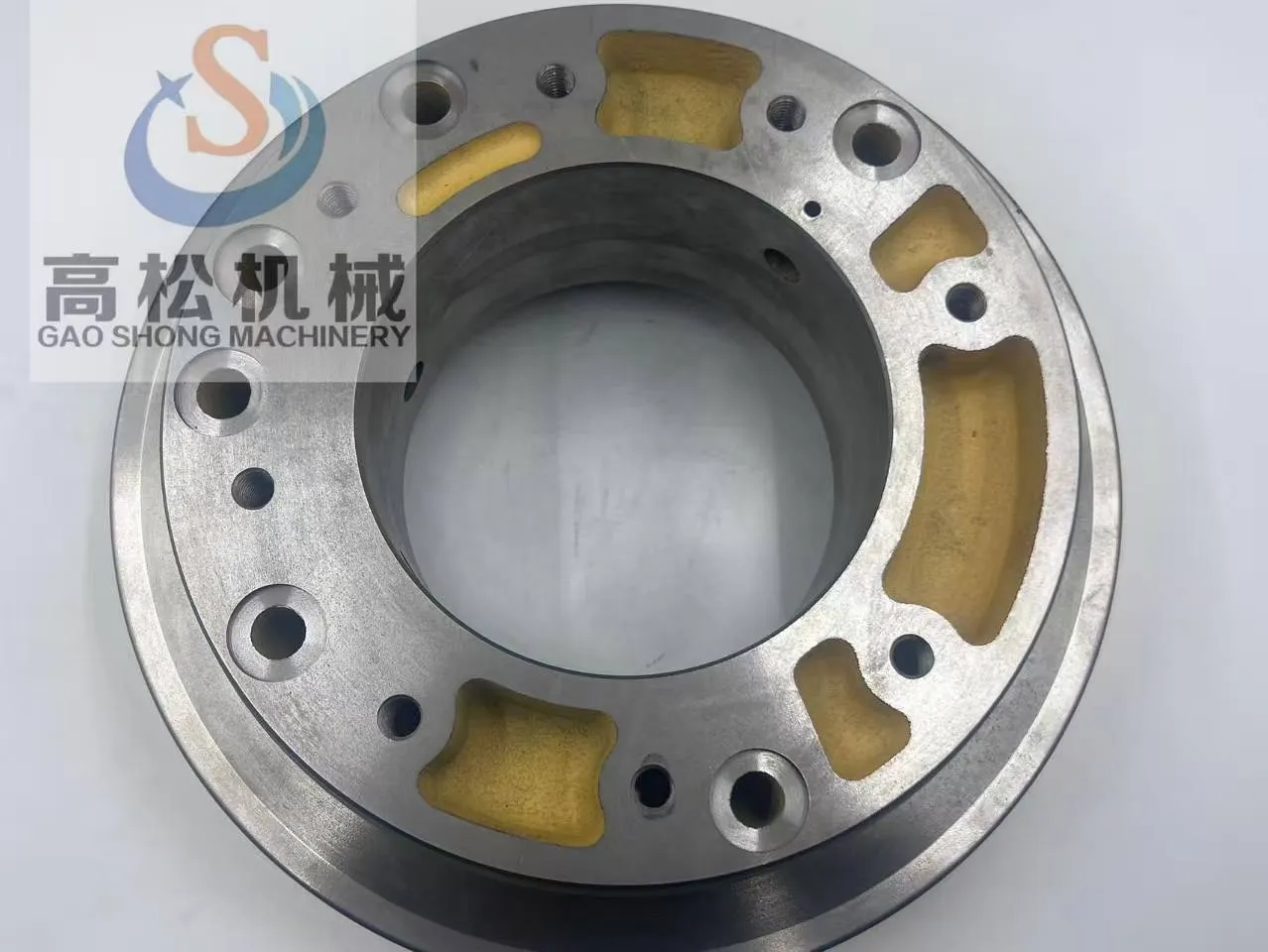 Komatsu D155A-5 cylinder 17A-22-11132