
- Chinese
- French
- German
- Portuguese
- Spanish
- Russian
- Japanese
- Korean
- Arabic
- Irish
- Greek
- Turkish
- Italian
- Danish
- Romanian
- Indonesian
- Czech
- Afrikaans
- Swedish
- Polish
- Basque
- Catalan
- Esperanto
- Hindi
- Lao
- Albanian
- Amharic
- Armenian
- Azerbaijani
- Belarusian
- Bengali
- Bosnian
- Bulgarian
- Cebuano
- Chichewa
- Corsican
- Croatian
- Dutch
- Estonian
- Filipino
- Finnish
- Frisian
- Galician
- Georgian
- Gujarati
- Haitian
- Hausa
- Hawaiian
- Hebrew
- Hmong
- Hungarian
- Icelandic
- Igbo
- Javanese
- Kannada
- Kazakh
- Khmer
- Kurdish
- Kyrgyz
- Latin
- Latvian
- Lithuanian
- Luxembou..
- Macedonian
- Malagasy
- Malay
- Malayalam
- Maltese
- Maori
- Marathi
- Mongolian
- Burmese
- Nepali
- Norwegian
- Pashto
- Persian
- Punjabi
- Serbian
- Sesotho
- Sinhala
- Slovak
- Slovenian
- Somali
- Samoan
- Scots Gaelic
- Shona
- Sindhi
- Sundanese
- Swahili
- Tajik
- Tamil
- Telugu
- Thai
- Ukrainian
- Urdu
- Uzbek
- Vietnamese
- Welsh
- Xhosa
- Yiddish
- Yoruba
- Zulu
- Kinyarwanda
- Tatar
- Oriya
- Turkmen
- Uyghur






OEM AND ORIGINAL KOMATSU VALVE 6211-61-2111
When you see a part number like pop up on a service screen, it’s rarely just a simple order. It’s a decision point. The term OEM and Original gets thrown around so much in our line of work that it’s created this foggy middle ground. Some guys think if it’s not in a Komatsu-branded box, it’s automatically inferior. Others swear by certain aftermarket alternatives. But for a critical hydraulic component like this valve, which manages pilot pressure on a PC300 or similar model, that binary thinking can cost you weeks of downtime. I’ve seen it. The real conversation isn't just about the stamp on the part; it's about the pedigree of the supply chain that puts it in your hands.
The Spec Sheet vs. The Workshop Floor
On paper, the is a solenoid valve. Its specs are clear. But paper doesn't tell you about the batch of units from late 2019 that had a subtle machining burr on the spool bore, causing intermittent sticking in cold weather. That wasn't a design flaw; it was a manufacturing hiccup that never made it to a public bulletin. An original part sourced directly from Komatsu’s main channels would eventually get you the corrected version. But if you went through a non-vetted third party at that time, you might have gotten old stock, and you'd be chasing a ghost problem for days. This is where the Original promise gets tested. It’s not just authenticity; it’s access to the continuous product lineage and silent revisions.
I recall a contractor in Indonesia who bought what was sold as an OEM valve from a local supplier. It looked perfect, even had the correct casting marks. But the solenoid's resistance was off by just a few ohms. The machine’s controller didn't throw a code immediately; it just led to sluggish implement response. They replaced pumps, checked lines—a whole saga. Finally, they cross-referenced the solenoid’s sub-part number with a trusted supplier and found the mismatch. That’s the hidden cost. OEM can sometimes mean made to original specs, but the devil is in the sub-components, the grade of copper wire, the temper of the spring.
So, how do you navigate this? You develop sources that are embedded in the system. This is why I’ve worked with channels like Jining Gaosong Construction Machinery Co., Ltd.. They position themselves uniquely as an OEM product supplier within the Komatsu system. That phrasing matters. It implies a formal recognition, not just a backdoor parts broker. Their role in helping solve parts supply challenges in certain countries aligns exactly with the pain point I'm describing. When a major port gets congested or regional distribution is sparse, having a technically literate supplier who can validate the provenance of a Komatsu Valve is invaluable.
The Economics of Genuine in a Tight Market
Let's talk money. A price quote for an original valve that's 60% below market average isn't a deal; it's a red flag. The production cost for Komatsu or its certified partners is relatively fixed. The delta you pay for a verifiable original part is insurance. It's the cost of knowing the metallurgy of the valve body matches the fatigue cycles it will endure, and that the O-rings are the exact compound to resist the specific hydraulic oil formulation. I’ve tried cheaper alternatives on less critical systems, sometimes successfully. But for a valve governing control logic, a failure doesn't just stop one function; it can cascade.
A practical example: we had a fleet owner in Australia who standardized on aftermarket valves for a range of parts to cut costs. For things like filter housings, it worked. But for the , the failure rate tripled. The root cause? The pilot orifice diameter in the knock-off was within tolerance, but the surface finish was rougher, leading to accelerated erosion and drift. The downtime from multiple machine failures wiped out all the upfront savings. He switched back to a verified original supply chain, using a partner like the one mentioned at https://www.takematsumachinery.com, and the problem vanished. The site itself is straightforward—it’s a tool for validation and contact, not flashy marketing, which in this business is often a good sign.
This isn't to say all aftermarket is bad. It's to say that the risk profile changes with the component. For this valve, the risk is high. Therefore, the supplier's role shifts from a mere vendor to a technical partner. A company acting as a third-party sales company for Komatsu fills a specific gap. They aren't the first-party dealer, but they operate with a level of sanctioned access, which is different from a purely independent parts reseller. They can often explain why a part is on backorder and offer a realistic timeline, or even suggest a compatible interim solution if one exists, which for this valve, rarely does.
Verification and the Paper Trail
So, you've decided to source an original. What now? The purchase order is just step one. The verification happens upon receipt. First, the packaging. It should be Komatsu's specific anti-corrosion bagging, not generic plastic. The part number should be laser-etched, not stamped or stickered. Check the country of origin—it should match Komatsu's known manufacturing bases for that component at that time. But here's a pro tip: the certificate of conformity or the traceability lot number is king. A reputable supplier can provide this. If they hesitate, walk away.
I learned this the hard way early on. Received a valve that looked impeccable. Installed it. Machine tested fine for 48 hours, then faulted. Upon removal, we noticed the laser etching was slightly shallower than usual. We pushed the supplier on the paperwork; they couldn't produce a valid traceability document. It was a high-quality replica, but the solenoid's duty cycle rating was lower. It couldn't handle the continuous pilot circuit load. The machine's computer detected an amperage draw anomaly and shut down. The lesson? Your eyes can be fooled. The documentation, especially from a system-integrated supplier, is harder to falsify.
This is the tangible value of a company like Jining Gaosong in this context. As an OEM product supplier within the Komatsu system, their business model is built on providing that verifiable link. Their website, Takematsu Machinery, states their mission is helping to solve parts supply challenges. In practice, this means they have the channels and the relationships to get the real part with the right paperwork, even when the official local dealer has a 12-week lead time. They solve for availability without compromising on the original definition.
Beyond the Part Number: System Integration Thoughts
Focusing solely on the valve as a standalone item is another common trap. The doesn't work in isolation. It interacts with the hydraulic pump's output, the ECU's signal, the cleanliness of the entire pilot circuit. I've seen technicians replace this valve three times, blaming bad batches, only to discover a failing capacitor in the controller module was sending a voltage spike, cooking the solenoid coil. The valve was the symptom, not the cause.
Therefore, when sourcing an original, you're also sourcing the assumption that its performance parameters are perfectly aligned with the machine's original design. This allows you to confidently eliminate the part itself as a variable during troubleshooting. If you install a verified original Komatsu Valve and the problem persists, your diagnostic focus immediately shifts elsewhere—to wiring harnesses, controllers, or pressure compensators. This saves immense time and labor.
This systemic view is what separates parts changers from diagnosticians. A good supplier understands this. When you call them about this valve, they might ask, What's the machine serial number and what's the exact fault code? not just How many do you need? That technical dialogue is a hallmark of a partner who is more than a warehouse. It indicates they're thinking about the repair, not just the sale.
Concluding Without a Conclusion
There's no grand finale to this. The cycle just repeats with the next part number. The takeaway on is about building a resilient supply strategy. It acknowledges that Original is a spectrum defined by traceability and technical support, not just a logo. It accepts that pure first-party channels aren't always accessible, hence the need for credentialed third-party allies embedded in the OEM ecosystem.
Companies that explicitly state their role as a third-party sales company for Komatsu and an OEM product supplier are stating their position in that spectrum. They are a pragmatic node in the global parts network. For a fleet manager in a remote location or a workshop facing a critical downtime situation, that node can be the difference between a two-day fix and a two-month nightmare.
So next time that part number comes up, the question isn't just OEM or Original? It's Who can get me the right one, with the right proof, and understands what it actually does? That’s the real-world filter. Everything else is just noise.
Related Products
Related Products

Best Selling Products
Best Selling Products-
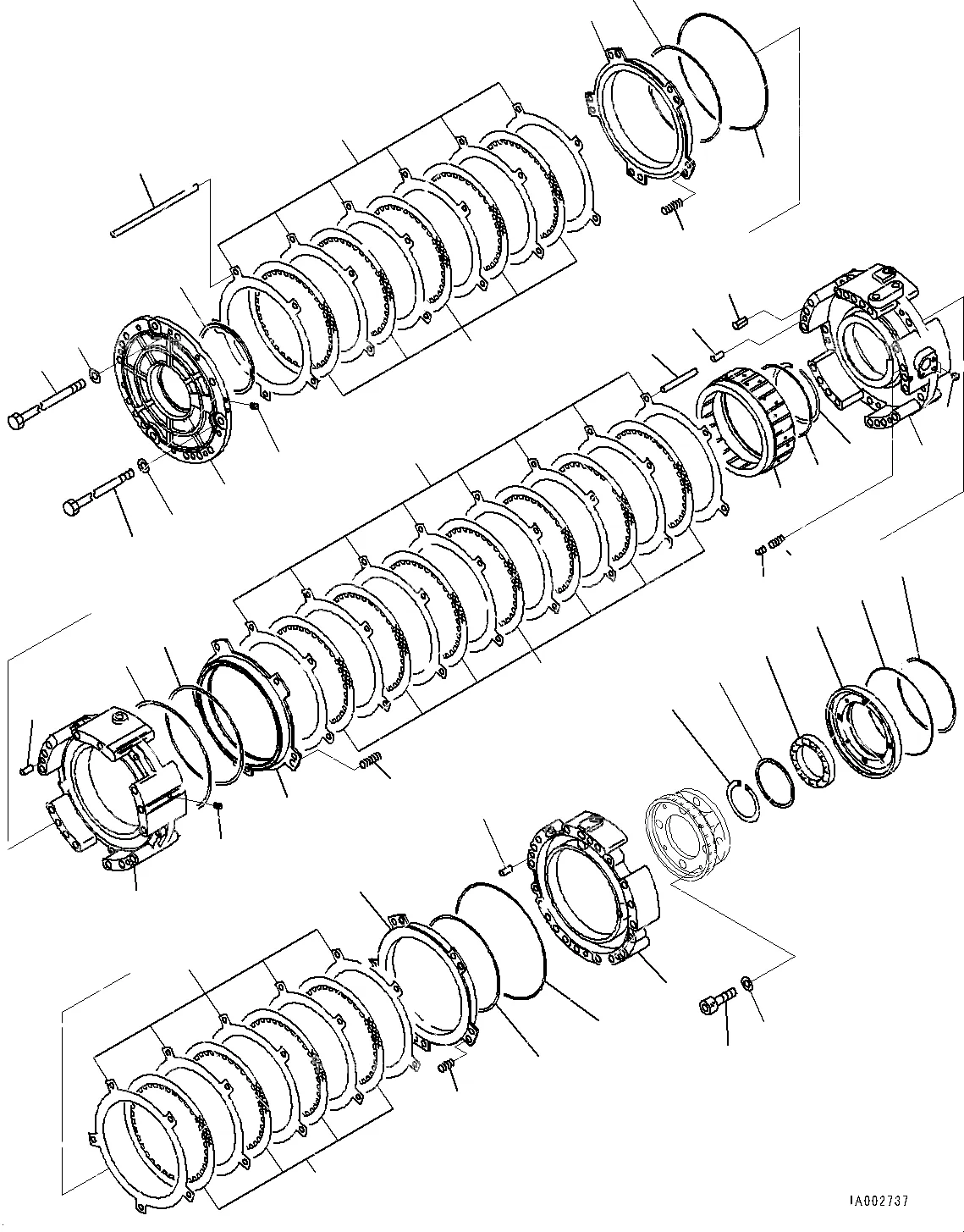 14X-15-19210 14X-15-19220 for D65 D68 D85 WA500 Bulldozer…
 -
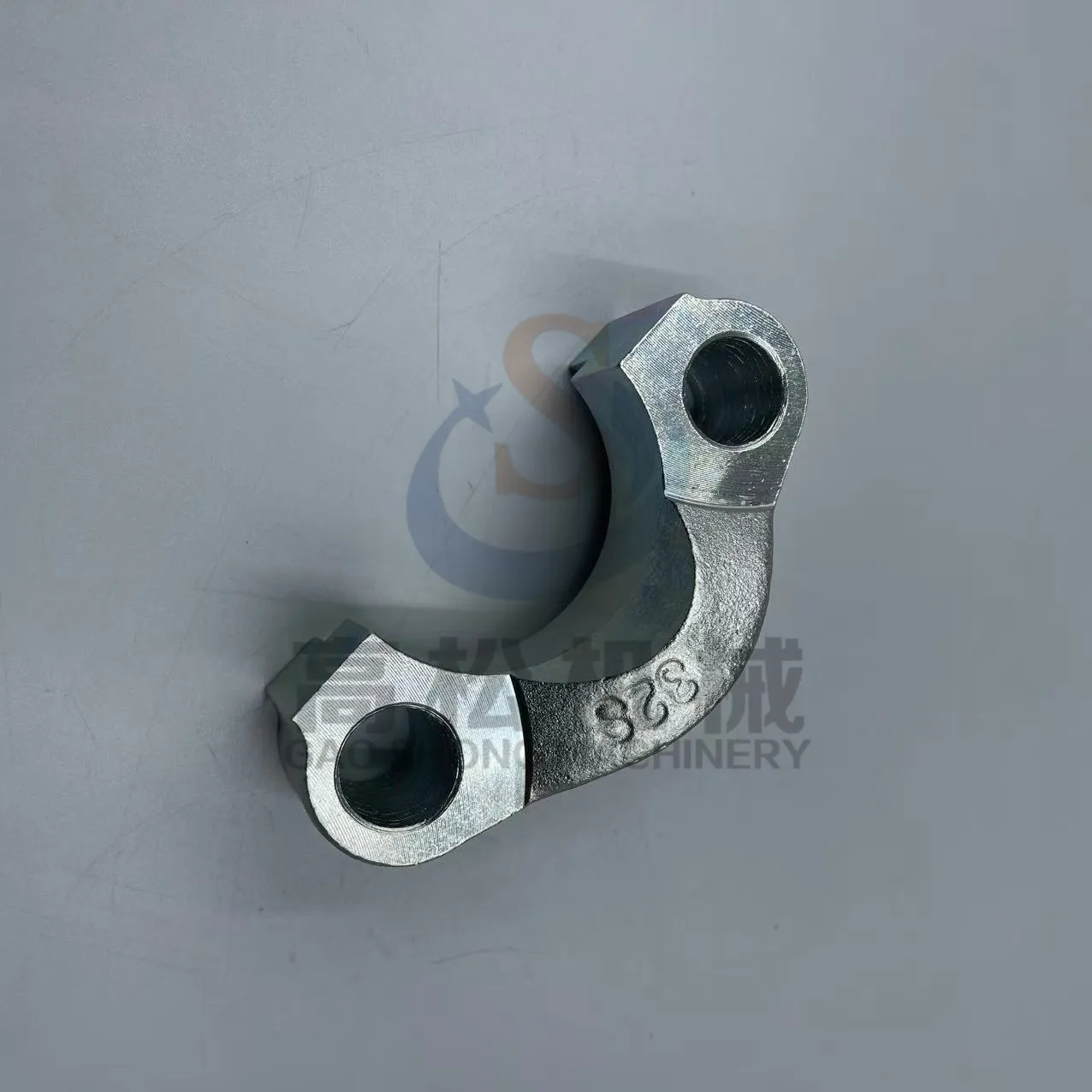 FLANGE 07371-52080 – KOMATSU
 -
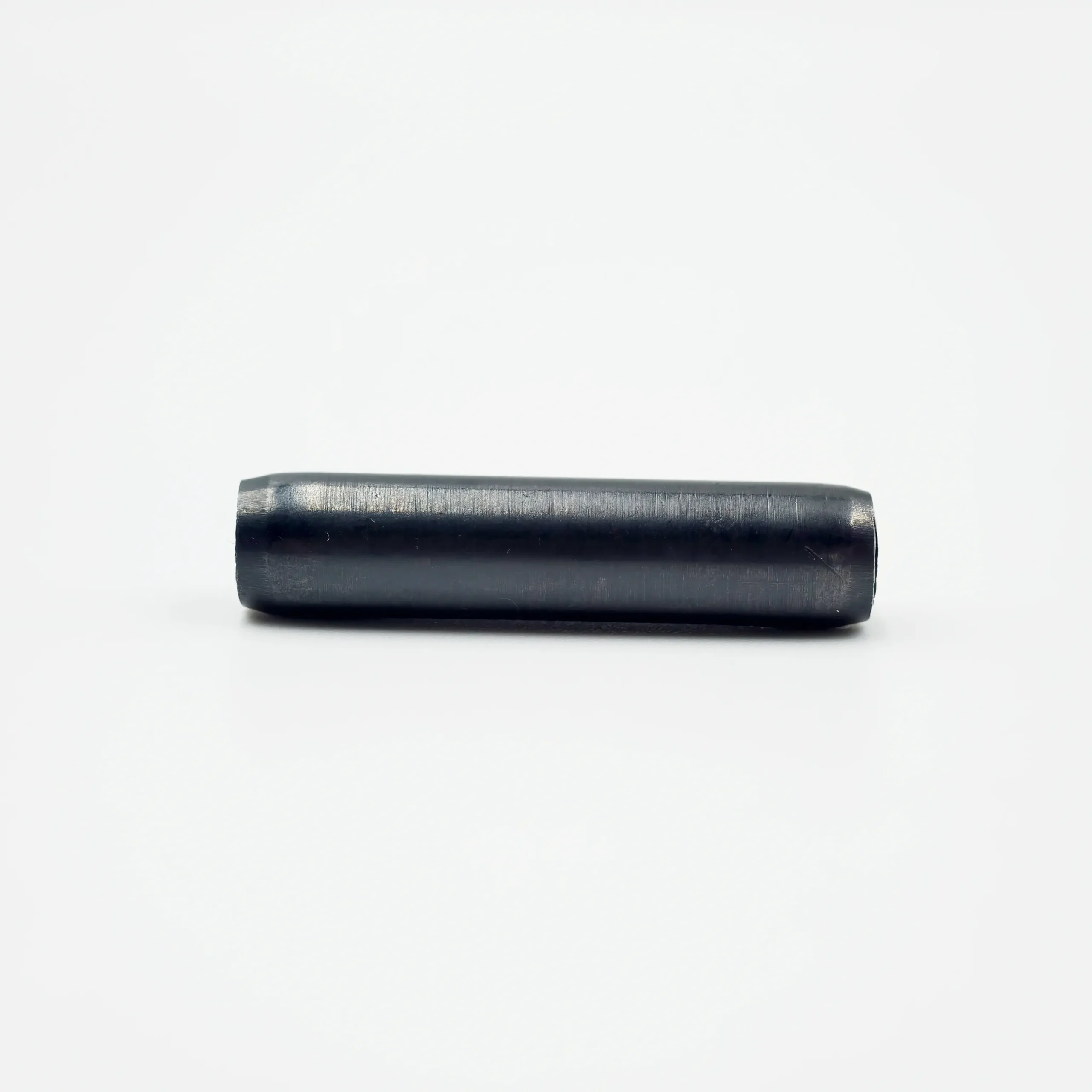 PIN 421-22-32570 – KOMATSU
 -
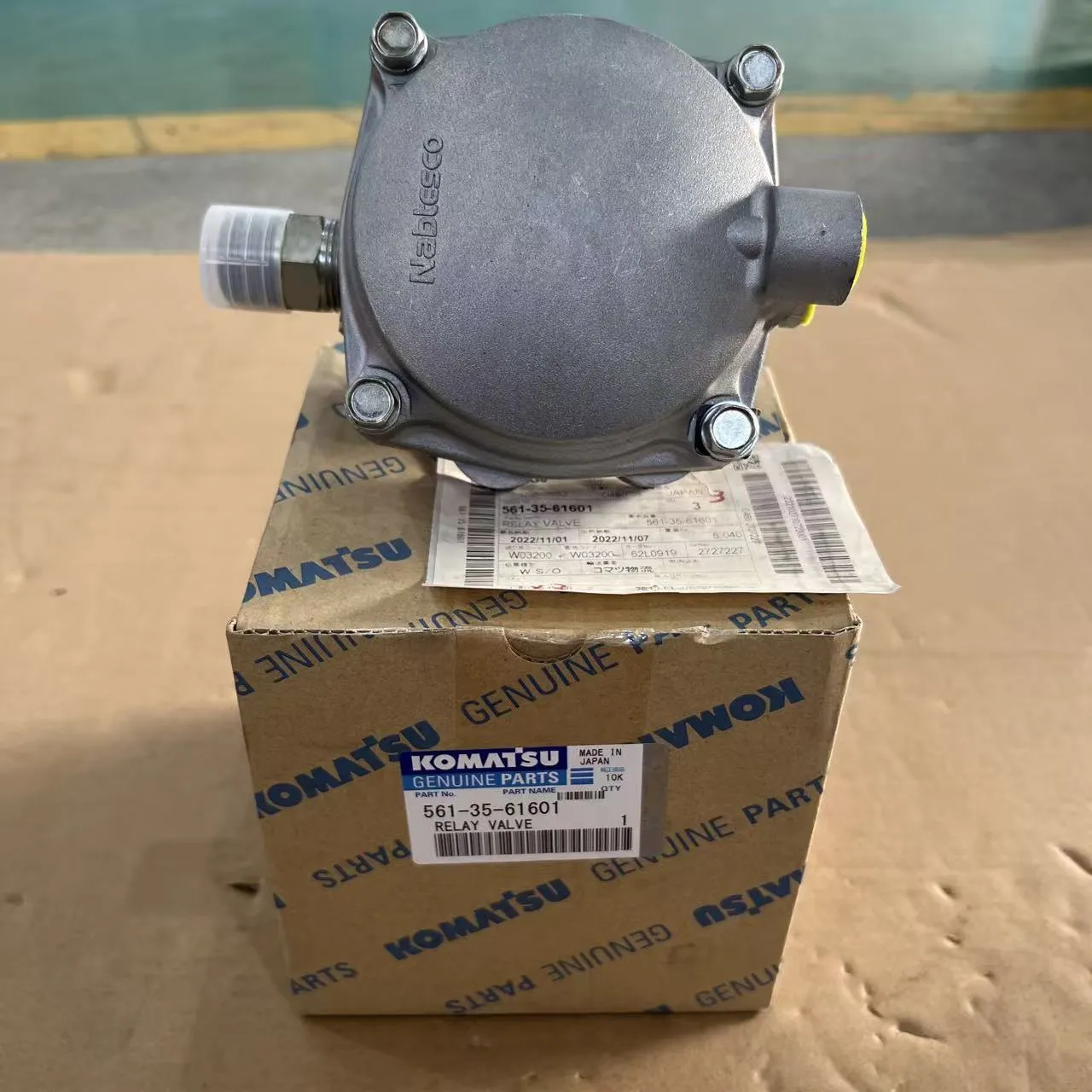 RELAY VALVE ASS’Y 561-35-61601 – KOMATSU
 -
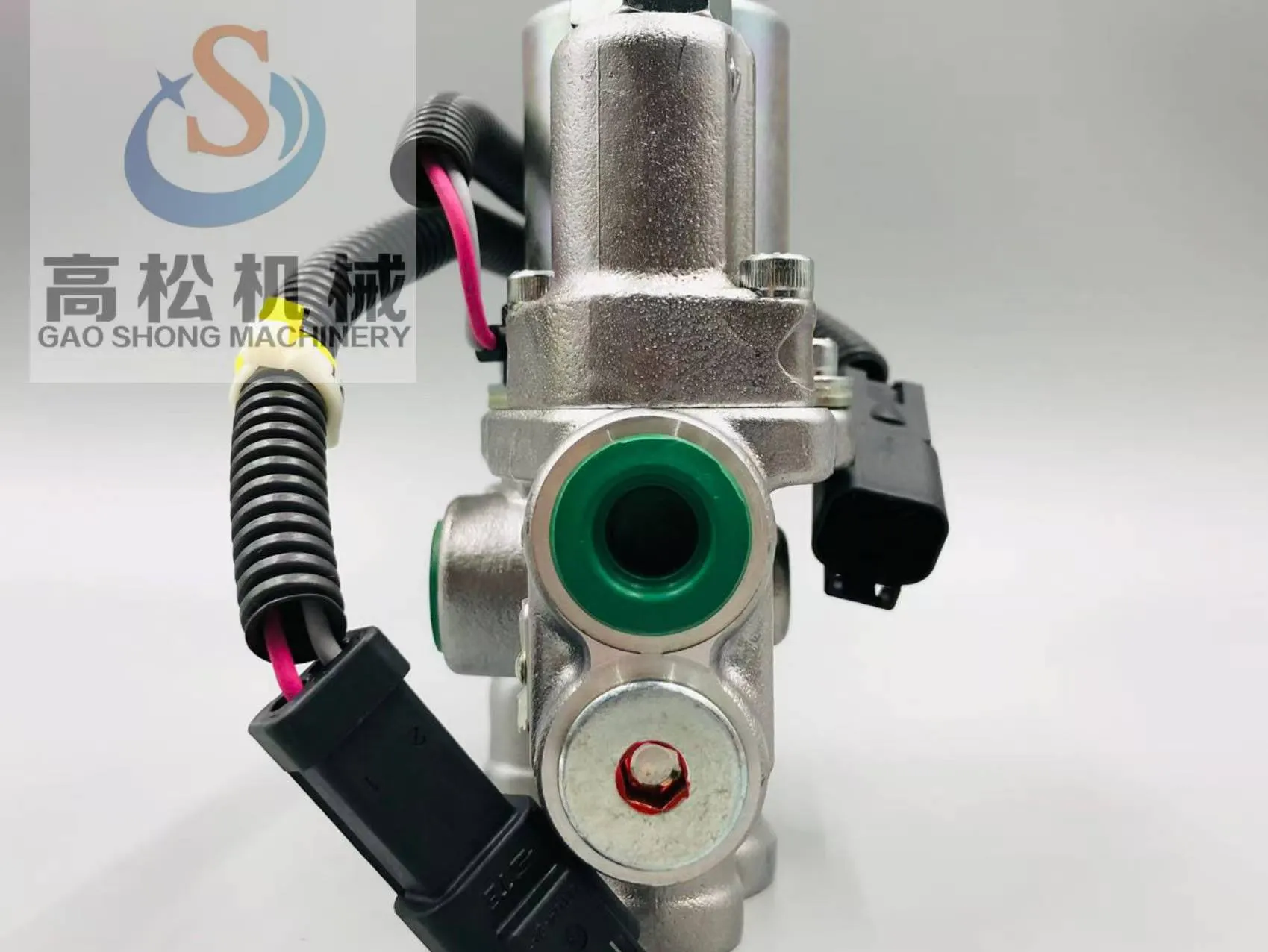 22F-60-31600/22F-60-21201 Electromagnetic valve assembly for PC40MR PC55MR PC56-7 excavator parts
 -
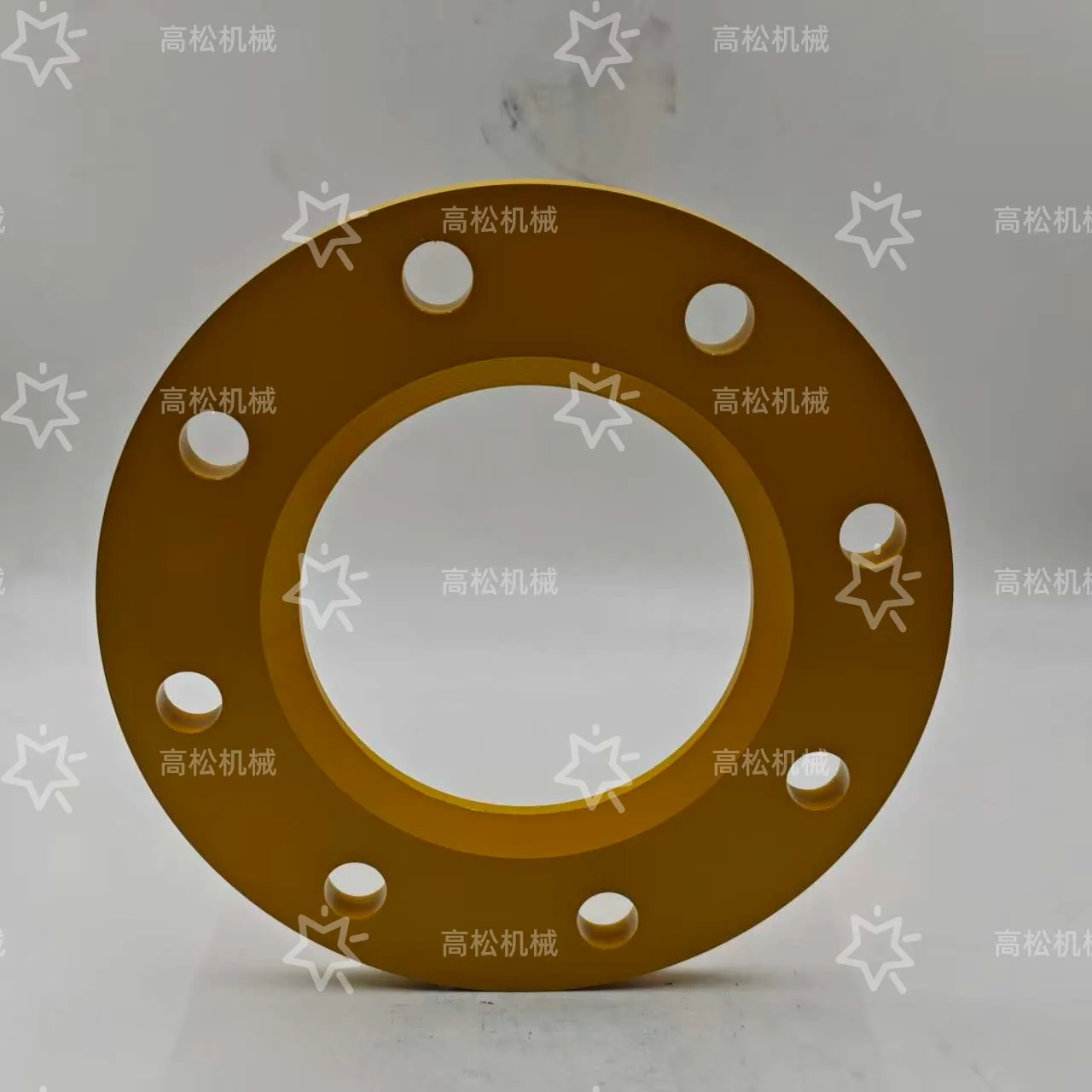 Komatsu 41E-70-15461 board
 -
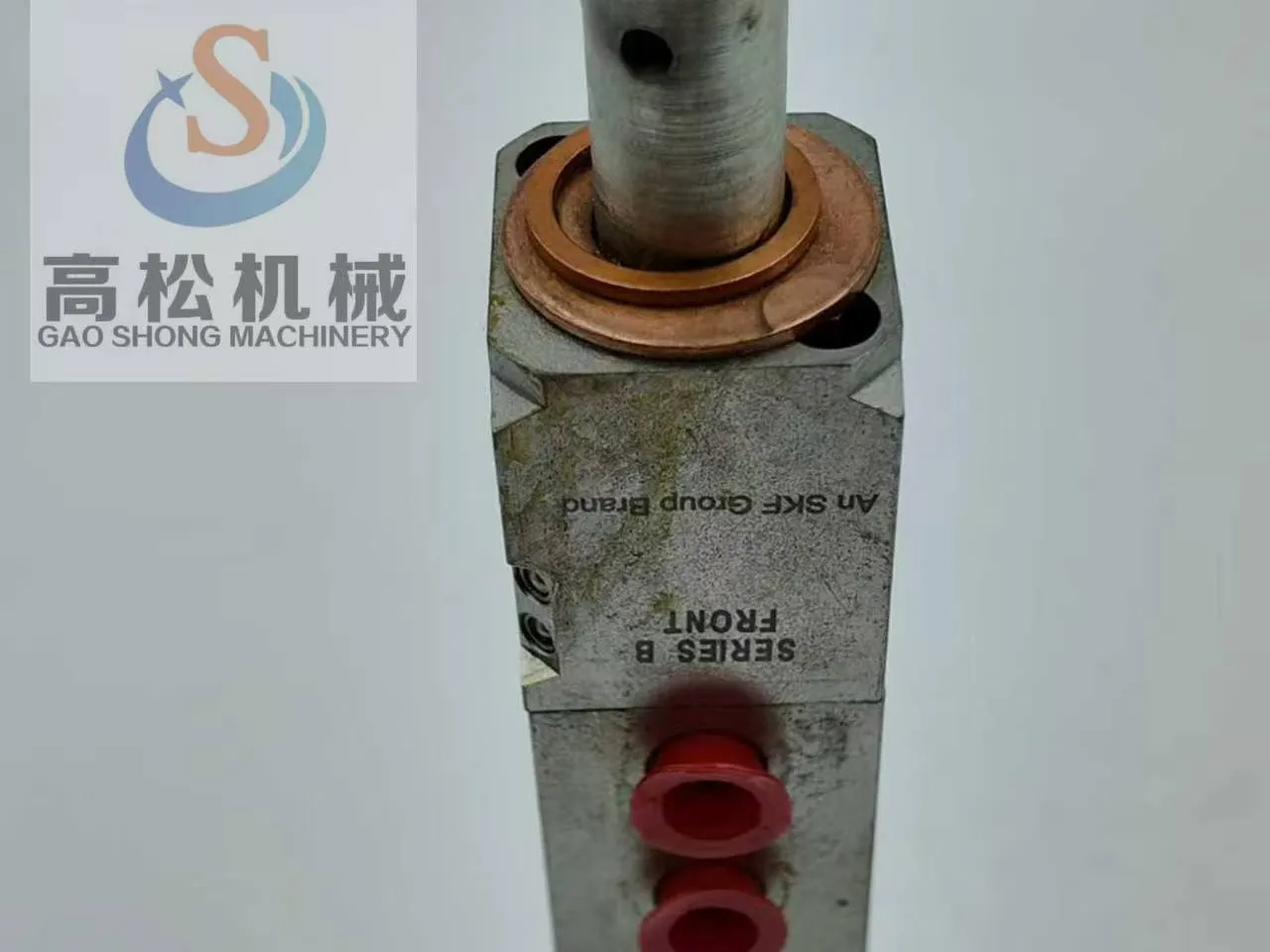 561-95-83030 561-95-84080 injector assembly for hd785-7 injectors
 -
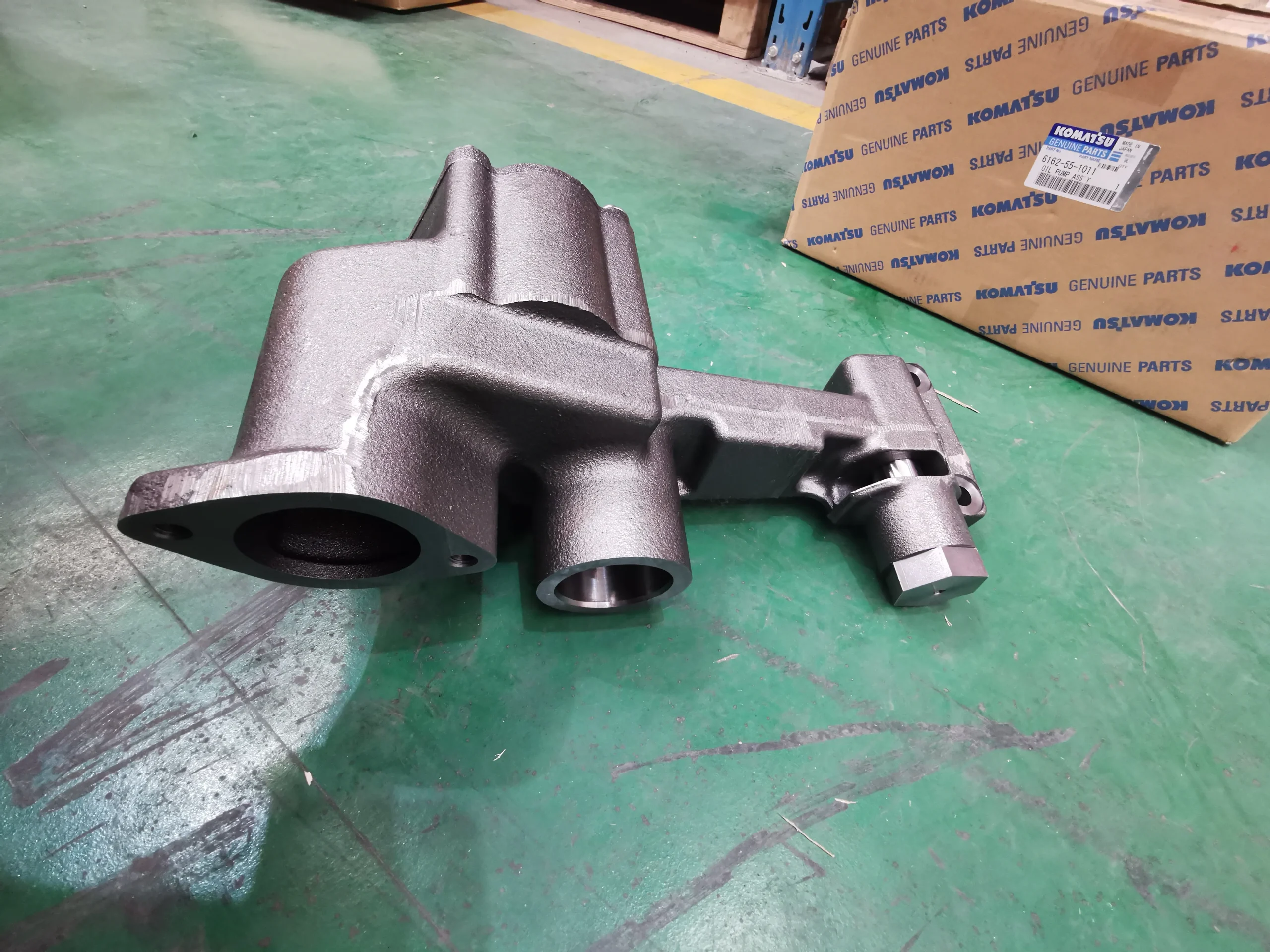 Supply Komatsu S6D170E-2A Oil Pump 6162-55-1011
 -
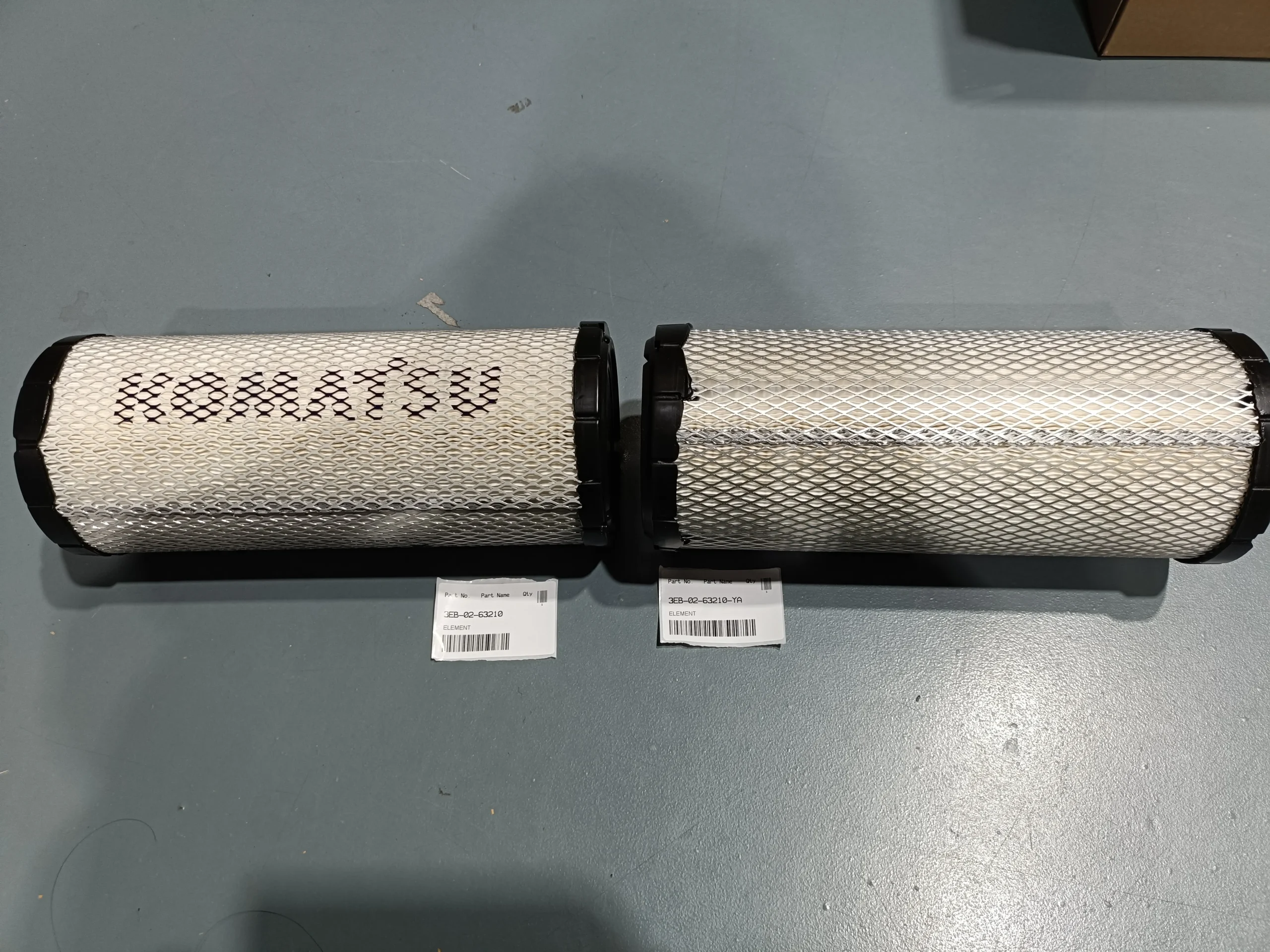 3EB-02-63210 komatsu ELEMENT-PC45MR/PC55MR
 -
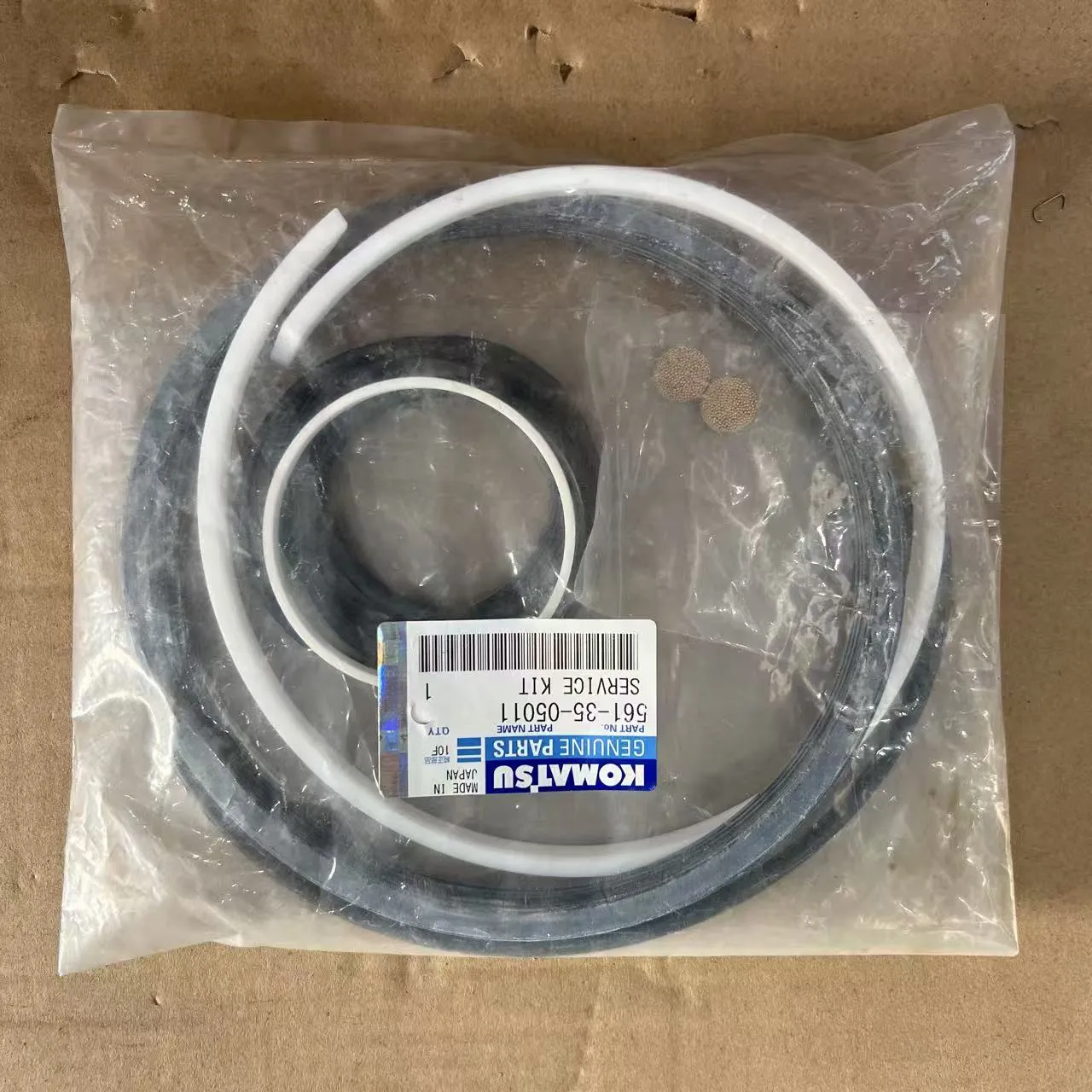 SERVICE KIT – 561-35-05011
 -
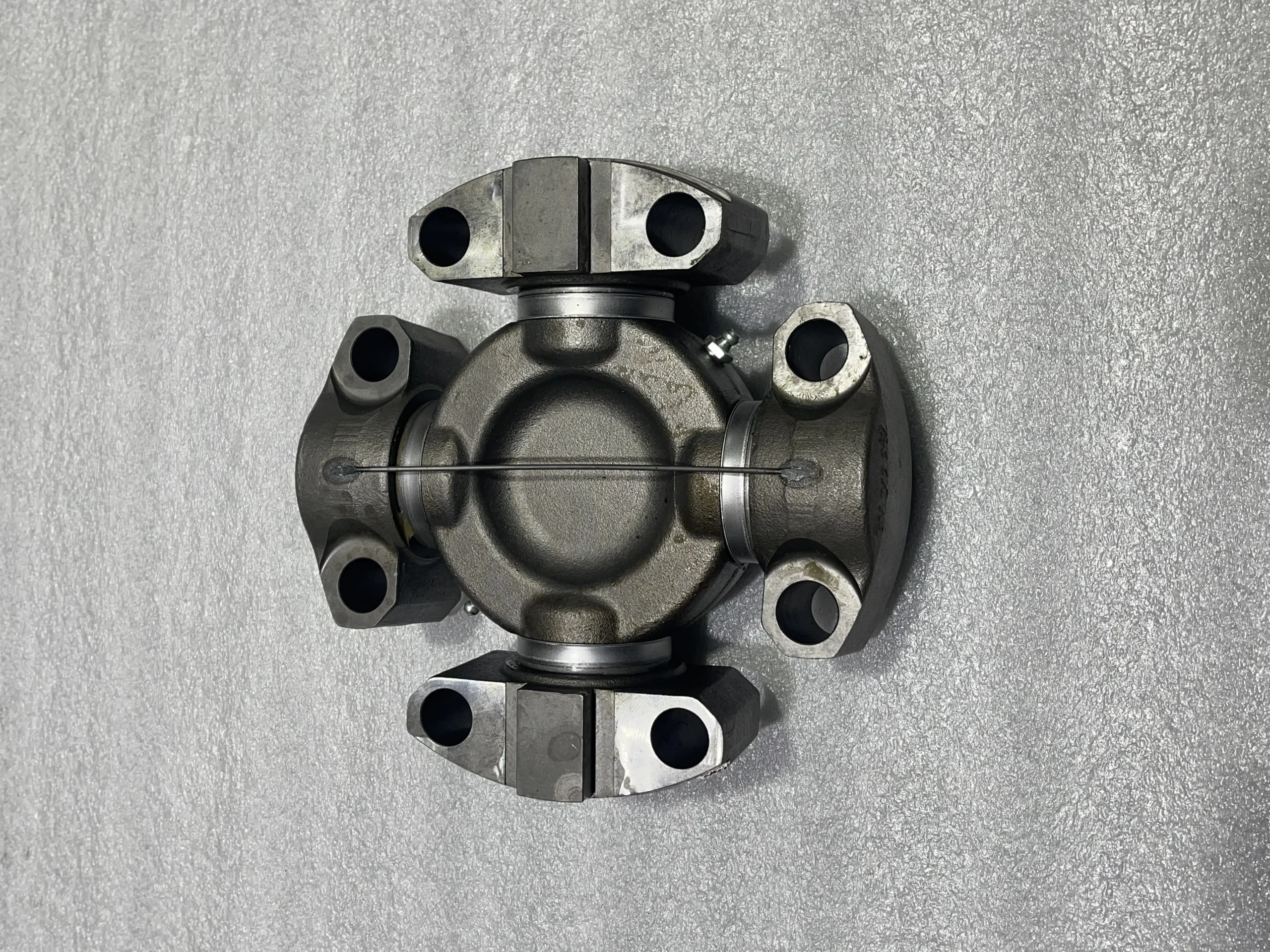 561-20-71100• SPIDER Komatsu Original Factory
 -
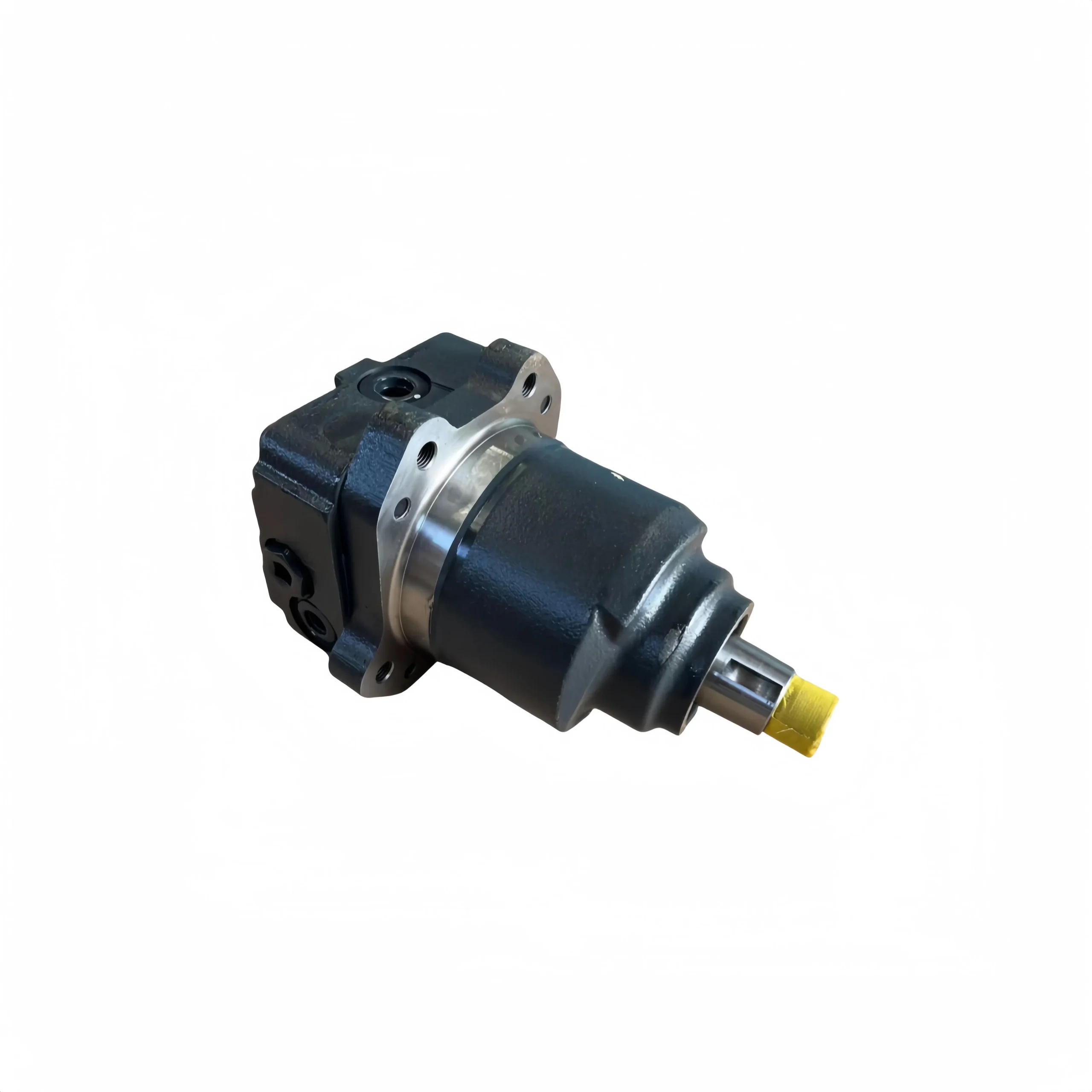 708-7W-00021 Fan Motor for Komatsu D275A-5D