
- Chinese
- French
- German
- Portuguese
- Spanish
- Russian
- Japanese
- Korean
- Arabic
- Irish
- Greek
- Turkish
- Italian
- Danish
- Romanian
- Indonesian
- Czech
- Afrikaans
- Swedish
- Polish
- Basque
- Catalan
- Esperanto
- Hindi
- Lao
- Albanian
- Amharic
- Armenian
- Azerbaijani
- Belarusian
- Bengali
- Bosnian
- Bulgarian
- Cebuano
- Chichewa
- Corsican
- Croatian
- Dutch
- Estonian
- Filipino
- Finnish
- Frisian
- Galician
- Georgian
- Gujarati
- Haitian
- Hausa
- Hawaiian
- Hebrew
- Hmong
- Hungarian
- Icelandic
- Igbo
- Javanese
- Kannada
- Kazakh
- Khmer
- Kurdish
- Kyrgyz
- Latin
- Latvian
- Lithuanian
- Luxembou..
- Macedonian
- Malagasy
- Malay
- Malayalam
- Maltese
- Maori
- Marathi
- Mongolian
- Burmese
- Nepali
- Norwegian
- Pashto
- Persian
- Punjabi
- Serbian
- Sesotho
- Sinhala
- Slovak
- Slovenian
- Somali
- Samoan
- Scots Gaelic
- Shona
- Sindhi
- Sundanese
- Swahili
- Tajik
- Tamil
- Telugu
- Thai
- Ukrainian
- Urdu
- Uzbek
- Vietnamese
- Welsh
- Xhosa
- Yiddish
- Yoruba
- Zulu
- Kinyarwanda
- Tatar
- Oriya
- Turkmen
- Uyghur






OEM AND ORIGINAL KOMATSU VALVE 56B-43-17300
Let's talk about that part number, 56B-43-17300. It's a valve, sure, but in the world of Komatsu excavators and dozers, it's more than that—it's a point of confusion. Everyone wants original, but the sticker shock from the dealer makes people hunt for alternatives. That's where the whole OEM vs. original debate gets messy. I've seen shops order a part with this number, get a box that looks perfect, install it, and then have it fail in half the expected time. The issue isn't always counterfeit; sometimes it's a misunderstanding of the supply chain. OEM AND ORIGINAL KOMATSU VALVE 56B-43-17300 isn't just a description; it's a spectrum of quality and origin that you need to decode.
The Original Illusion and the OEM Reality
First, a hard truth: if you're not buying it directly from a Komatsu dealer's parts counter, that part didn't come from Komatsu's assembly line. That's the only original in the purest sense. What we usually deal with are OEM (Original Equipment Manufacturer) parts. This means the component was made by the same factory that supplies Komatsu, but it's sold through different channels, often without the Komatsu logo and packaging. For a valve like the 56B-43-17300, used in hydraulic systems for models like the PC200-8 or D65, the OEM version is functionally identical. The metallurgy, the tolerances, the seal grooves—they should be the same. The core difference is the paper trail and the price.
I learned this the hard way years ago. We had a PC300-6 with a slow, weak boom. Tracked it down to a failing control valve. The dealer quote was astronomical. We found a supplier offering original 56B-43-17300 valves at a 60% discount. They arrived in plain boxes, no Komatsu markings, but the machining looked crisp. We installed one. It worked... for about 300 hours. Then the spool started sticking again, causing jerky movements. The failure wasn't catastrophic, but it was a nuisance. Upon disassembly, we found the bore finish was slightly rougher than the one we pulled out, accelerating wear. It was an OEM part, but likely from a lower-tier batch or one where the post-production QC wasn't as rigorous. That's the gamble.
This is where a company's position in the ecosystem matters. A supplier like Jining Gaosong Construction Machinery Co., Ltd. explicitly states they are an OEM product supplier within the Komatsu system. That phrasing is key. It suggests a direct contractual relationship with the manufacturing foundries, not just buying from a distributor's surplus. They're inside the system, which theoretically gives them access to parts that meet the factory spec before the Komatsu branding is applied. Their role as a third-party sales company, as noted on their site https://www.takematsumachinery.com, is to bridge the supply gap, especially in regions where official dealer networks are sparse or slow. They're not selling mystery parts; they're selling the same physical item through a parallel, often more efficient, pipeline.
Decoding the Valve Itself: Why 56B-43-17300 Matters
Zooming in on the component, the 56B-43-17300 isn't some generic check valve. It's typically a main relief valve or a sectional control valve for a specific pump. Its job is brutal: managing high-pressure hydraulic fluid, enduring constant pressure spikes, and maintaining a precise cracking pressure. If its spring rate is off by a few percent, or if the pilot orifice is slightly out of spec, the entire machine's hydraulic performance suffers—loss of power, overheating, uncontrollable drift.
The manufacturing of these isn't trivial. It requires precision grinding, specific alloy for the spring, and perfect sealing surfaces. A true OEM part will have these details right. A clone might get the dimensions right but use inferior steel for the valve seat, leading to rapid pitting and leakage. I've cut open failed valves. The good ones show uniform wear. The bad ones have galling on the seat or a spring that's taken a set. The part number is just the starting point; the certificate of material and the supplier's reputation are what back it up.
When you look at a site like Takematsu Machinery, their value isn't just in having the part. It's in having the correct part for the serial number range. Komatsu often makes silent running changes. A valve for an early PC200-7 might have a different spring than one for a late PC200-7, even if the part number supersedes to 56B-43-17300. A good supplier knows these nuances. They help solve parts supply challenges by not just shipping a box, but by asking for your machine's serial number to confirm compatibility. That's the practical, on-the-ground service that matters more than a fancy website.
Practical Sourcing and Risk Assessment
So, how do you navigate this? If absolute, no-doubt reliability is needed for a critical machine on a tight-deadline job, and budget is secondary, you go to the dealer. You pay for the peace of mind and the warranty. But for fleet maintenance, for older machines, or when lead times are impossible, the OEM route through a trusted intermediary is the smart play. The goal is to get the factory-quality part without the factory-branded markup.
My process now is more surgical. I'll source a critical valve like this from a supplier with a clear technical backline. I'll call and ask specific questions: Is this from the ShinMaywa factory? or Can you confirm the material spec for the sleeve? If they can't answer or get defensive, it's a red flag. Companies that are truly embedded, like Jining Gaosong, usually have the technical data sheets or can get them. They're not just order-takers. Their company intro says they're helping to solve supply challenges—that implies they understand the technical hurdles, not just the logistical ones.
We tried a batch of three 56B-43-17300 valves from a new supplier last year. Two were perfect. One had a slight burr on the port thread, which we caught during pre-installation inspection. It was a simple fix with a file, but it wasted time. The lesson? Even with a reputable OEM channel, inspection is non-negotiable. Check the threading, the surface finish, the cleanliness of the internal galleries. Compare it to the old part. That five-minute check can save a ten-hour re-do.
The Economics of the Parallel Supply Chain
Let's talk money, because that's why this market exists. The price delta between the dealer's original and a system-OEM part can be 40% to 60%. For a fleet of 20 machines, that's massive. But the cost isn't just the part price. It's the downtime cost. If a cheaper valve fails in 1,000 hours and a proper OEM one lasts 5,000, the cheaper part is far more expensive. The economic calculation has to include mean time between failure (MTBF).
This is where the third-party sales model proves its worth. They streamline the logistics, often shipping directly from ports near the manufacturing hubs, cutting out multiple middlemen. Their website, https://www.takematsumachinery.com, functions as a portal, but the real business is done via direct contact, where they can provide tailored solutions for certain countries with complex import rules or limited dealer support. They're not competing with Komatsu; they're complementing them by serving markets or customers the main network can't efficiently reach.
I've seen this work in remote mining sites. The official lead time for a part was 12 weeks. A local distributor connected with an OEM supplier like Gaosong had it air-freighted in 10 days. The machine was down for 11 days, not 90. The part was identical to what would have come in the Komatsu box. The savings in downtime alone paid for the entire component ten times over. That's solving a real challenge.
Closing the Loop: Trust, Verification, and Moving Forward
Ultimately, the keyword OEM AND ORIGINAL KOMATSU VALVE 56B-43-17300 represents a choice based on risk tolerance and operational context. Original is a pedigree. OEM is a provenance. You need to trust the provenance. Building that trust comes from repeated, successful transactions and a supplier's willingness to be transparent.
My advice? Start small. Order one non-critical part. Inspect it meticulously. Install it on a machine you can monitor closely. Track its hours and performance. If it holds up, you've found a resource. Suppliers that are confident in their product, like those stating they are an OEM product supplier within the Komatsu system, will understand this trial process. They're not selling magic; they're selling engineering.
The landscape is moving away from black-and-white genuine vs. fake to a more nuanced understanding of tiered manufacturing and authorized parallel distribution. For the 56B-43-17300 and thousands of parts like it, the value is in the material, the machining, and the knowledge behind the sale. Finding a source that provides all three is the real win. It turns a routine purchase into a strategic advantage, keeping iron moving without breaking the bank. That's the practical endgame.
Related Products
Related Products

Best Selling Products
Best Selling Products-
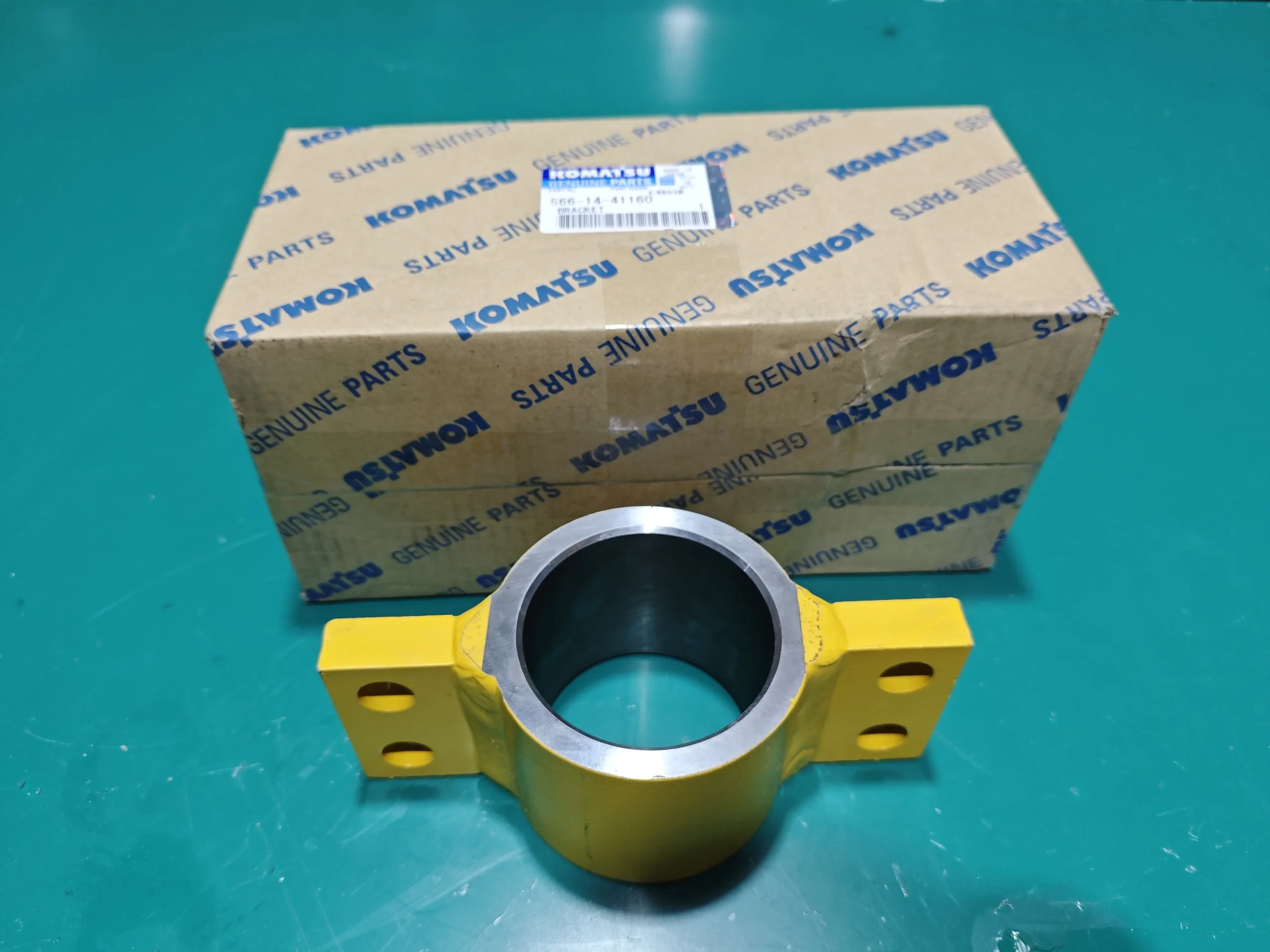
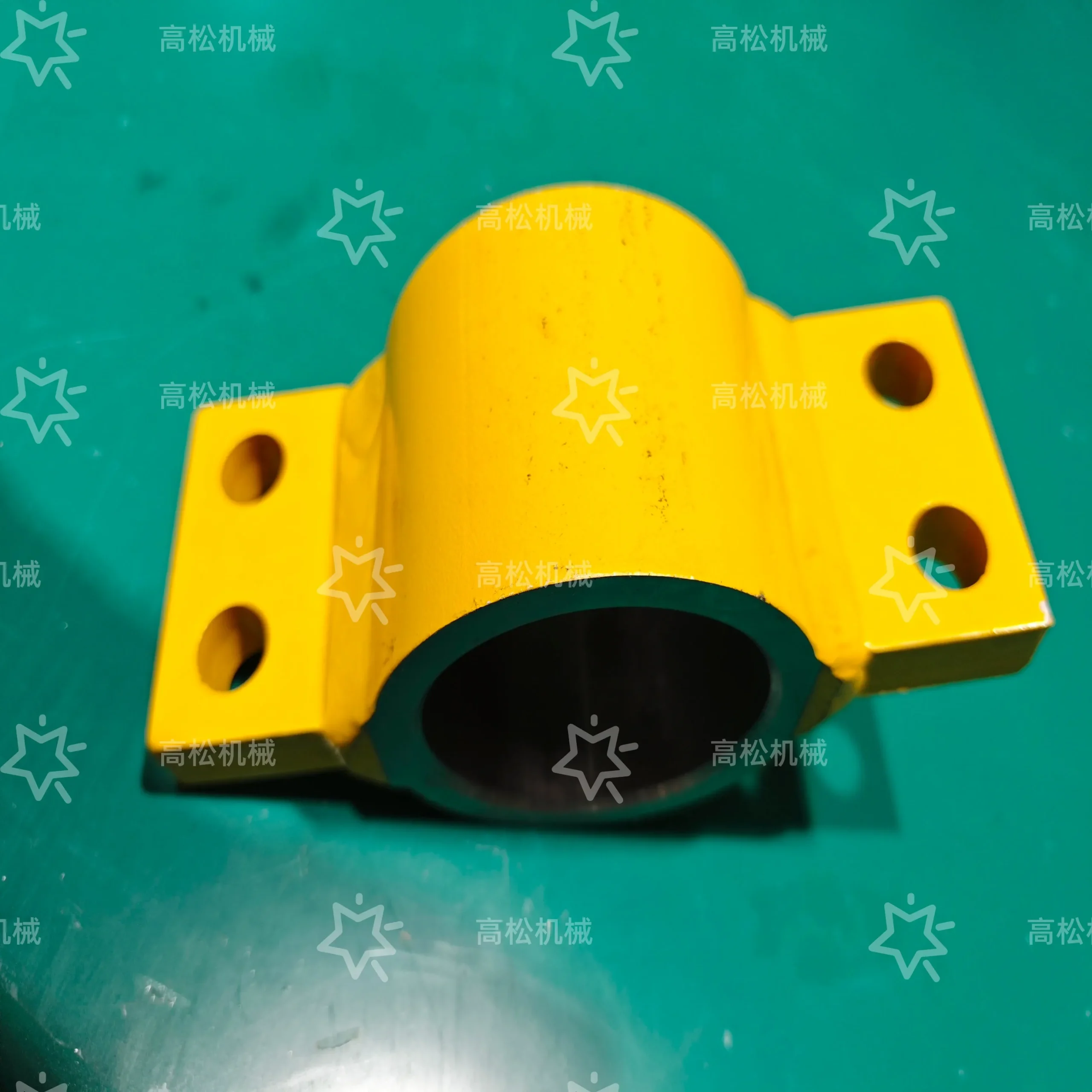 part 566-14-41160 Bracket (Komatsu)
 -
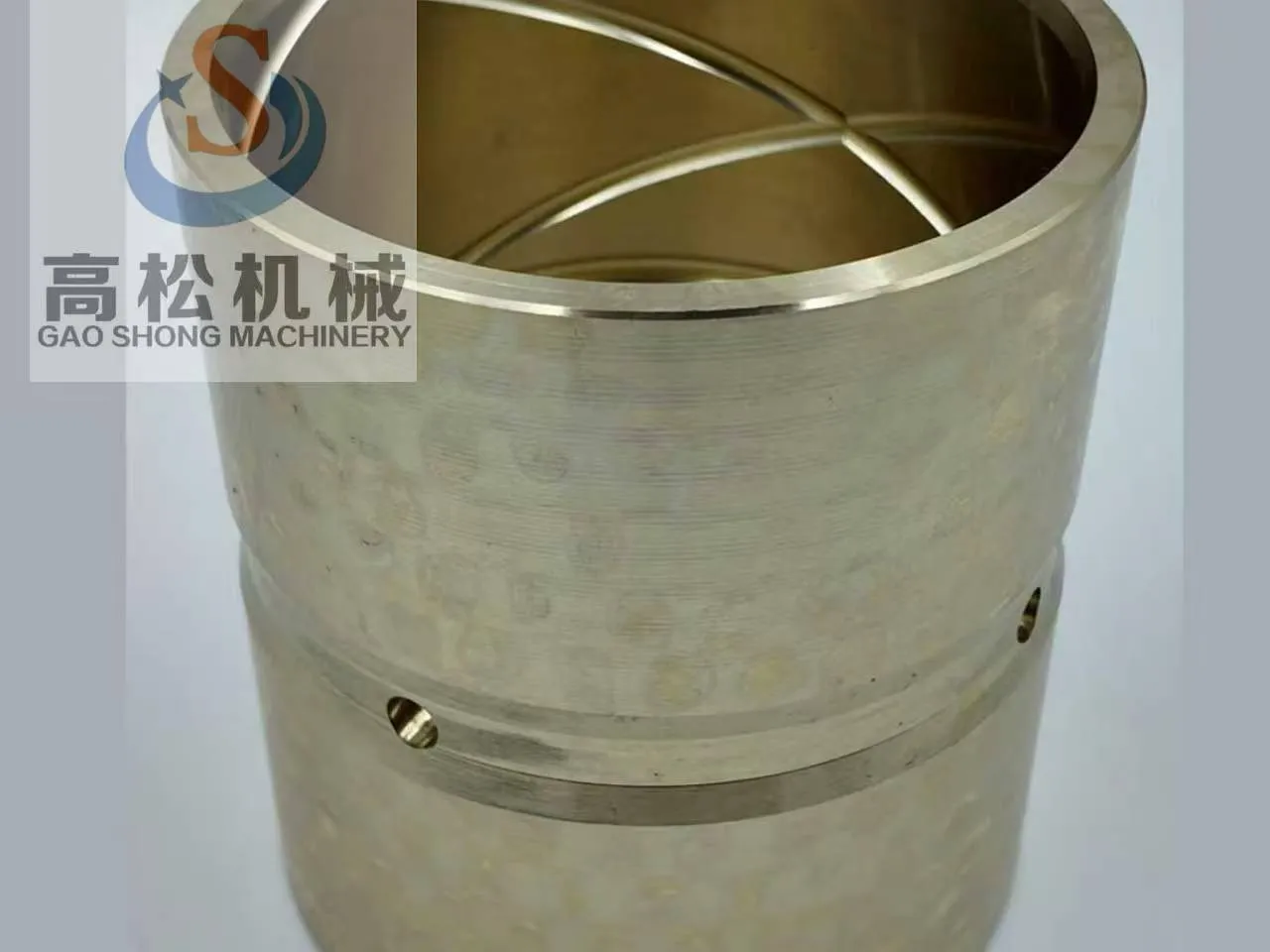 207-70-61610 Bushing For Excavator Komatsu PC300LC-7 PC300-8 PC300LC-7L PC300-7 PC350-7
 -
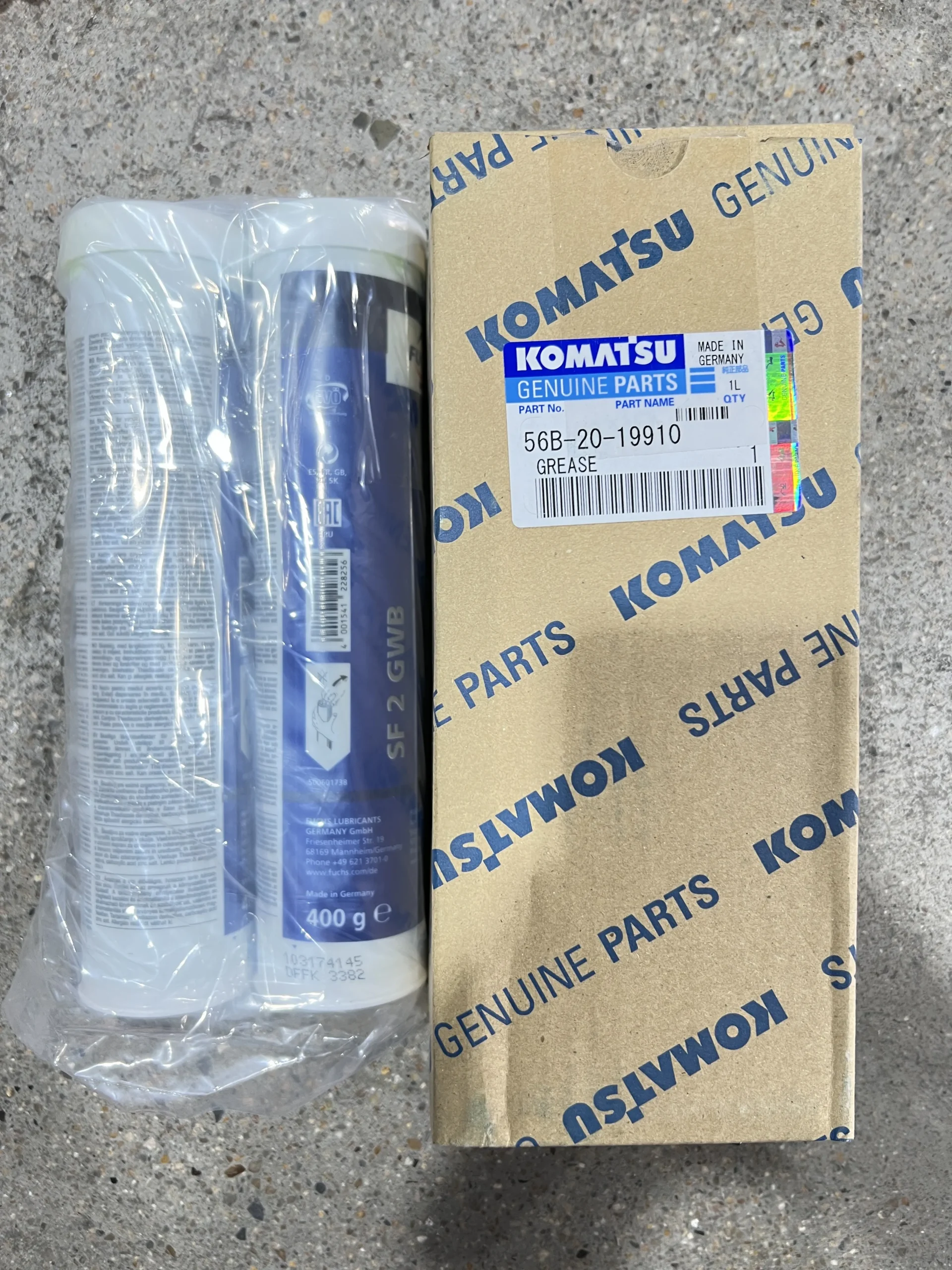 Original Hot Sale GREASE 56B-20-19910 GREASE for Komatsu HM400-1 HM350-1
 -
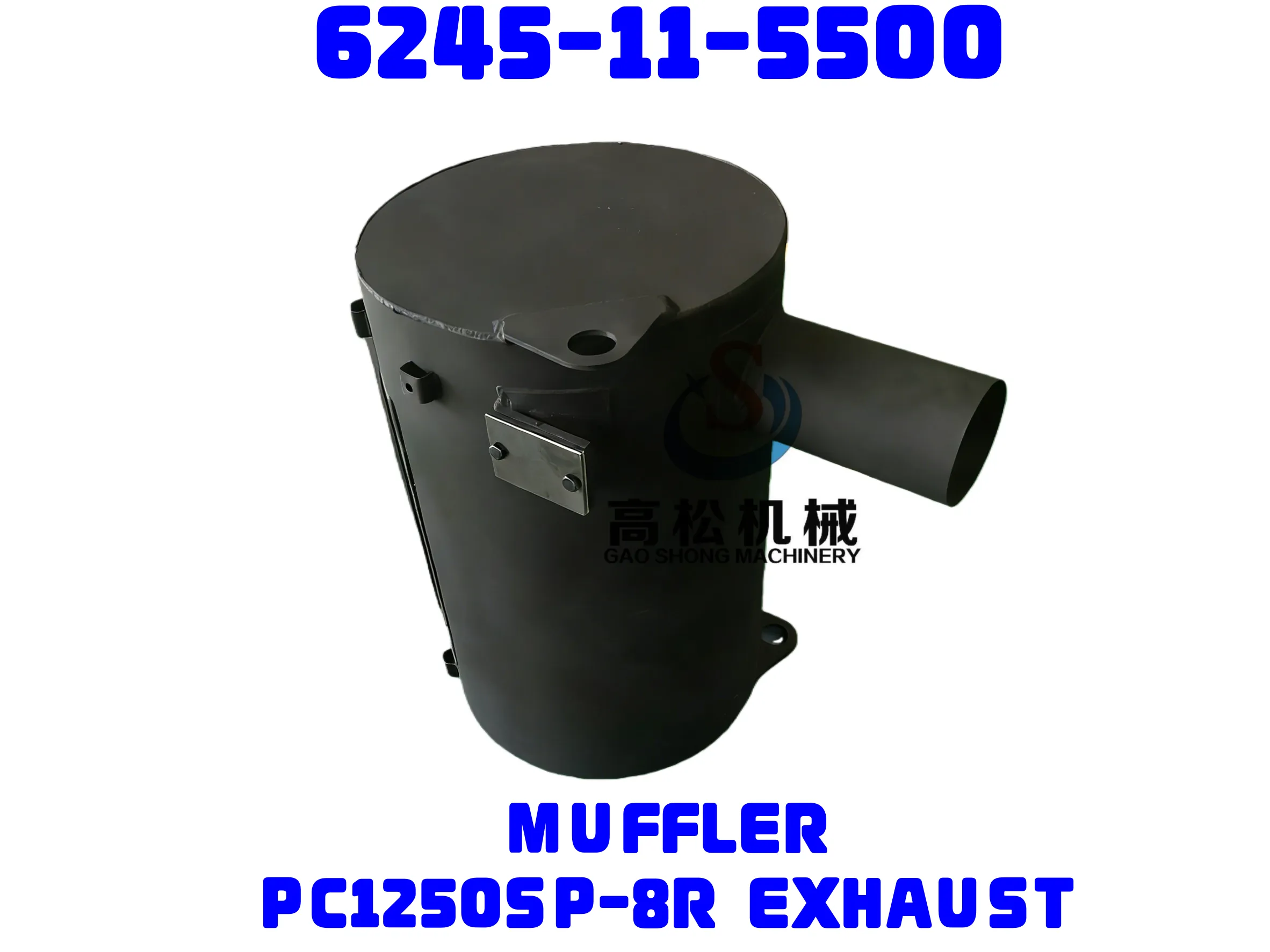 komatsu parts 6245-11-5500 MUFFLER PC1250SP-8R EXHAUST MUFFLER SAA6D170E-5CR-W MUFFLER MOUNTING
 -
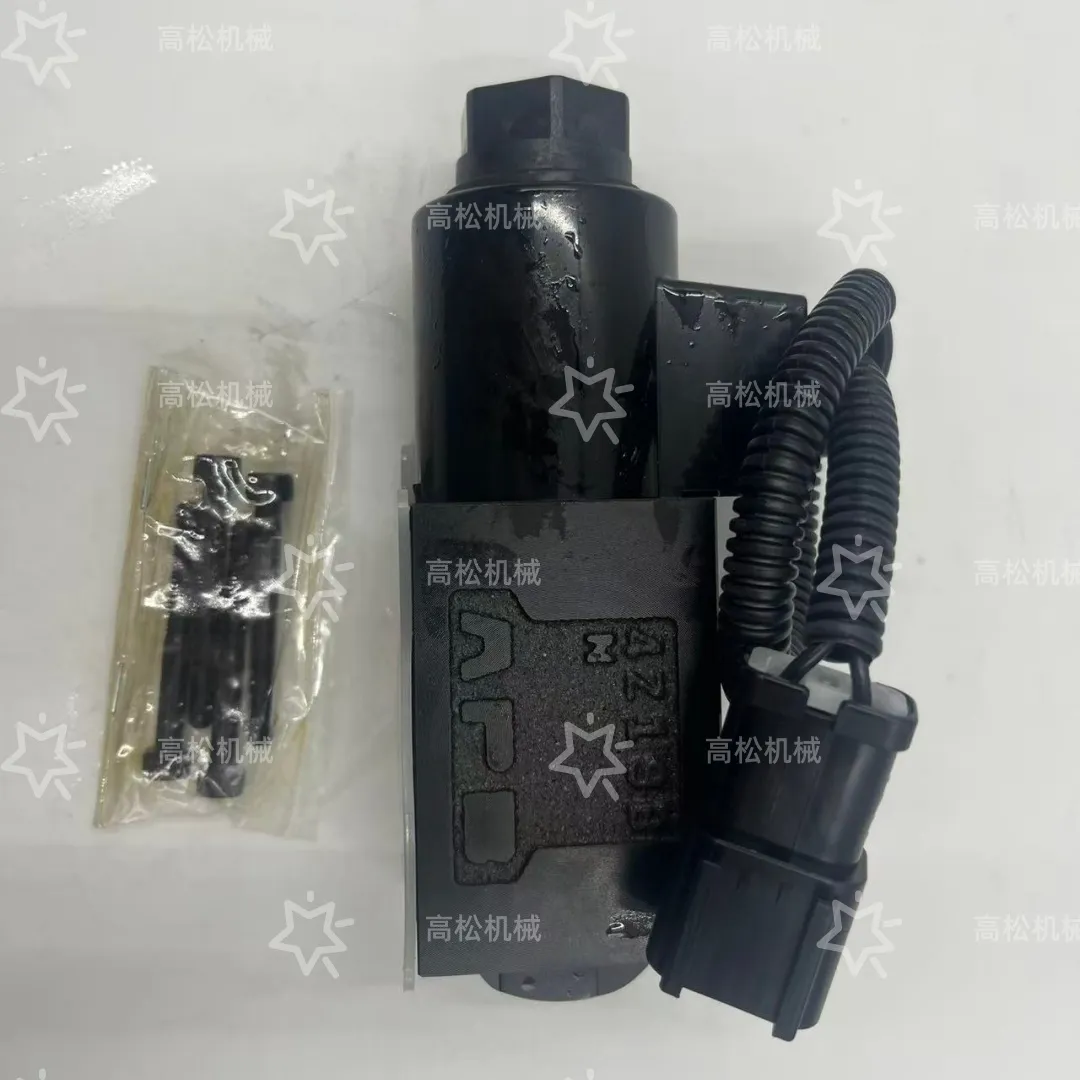 23W-60-28230 VALVE ASSEMBLY,SOLENOID – Komatsu
 -
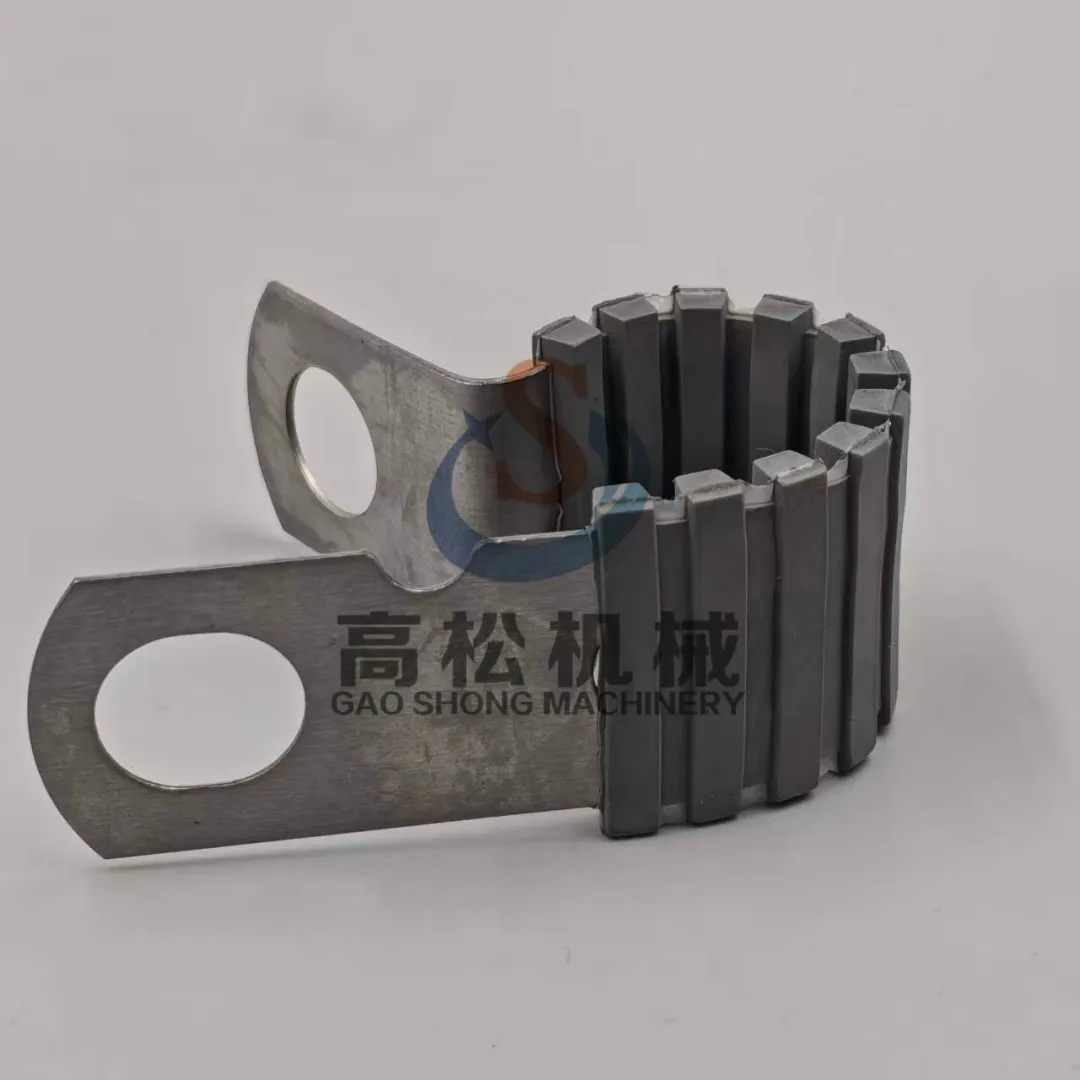 600-051-2180Spare part 600-051-2180 Clip (Komatsu)
 -
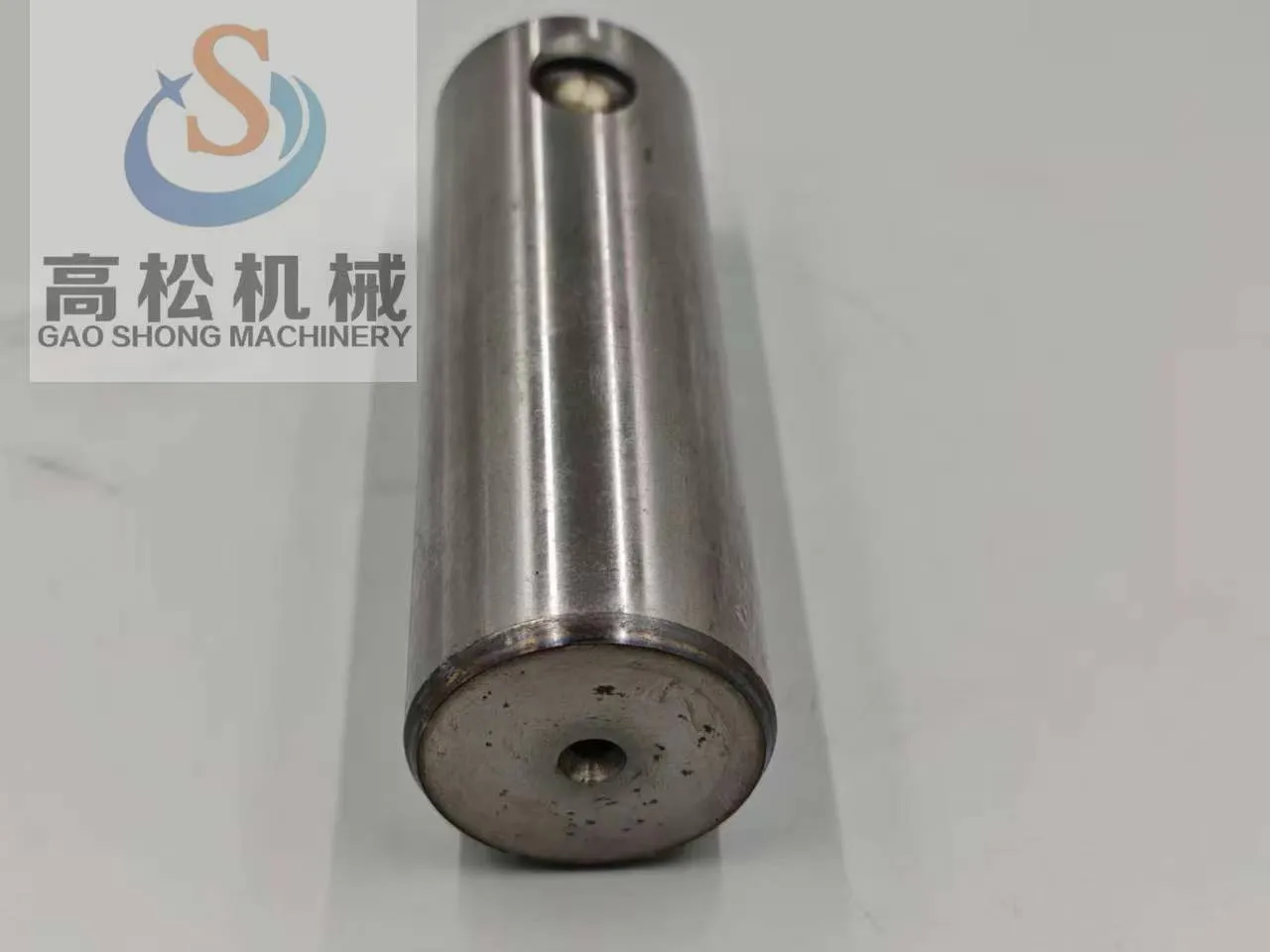 High quality new finger – pin 424-22-12510 for komatsu hm350-2 hm400-2 articulated dump truck
 -
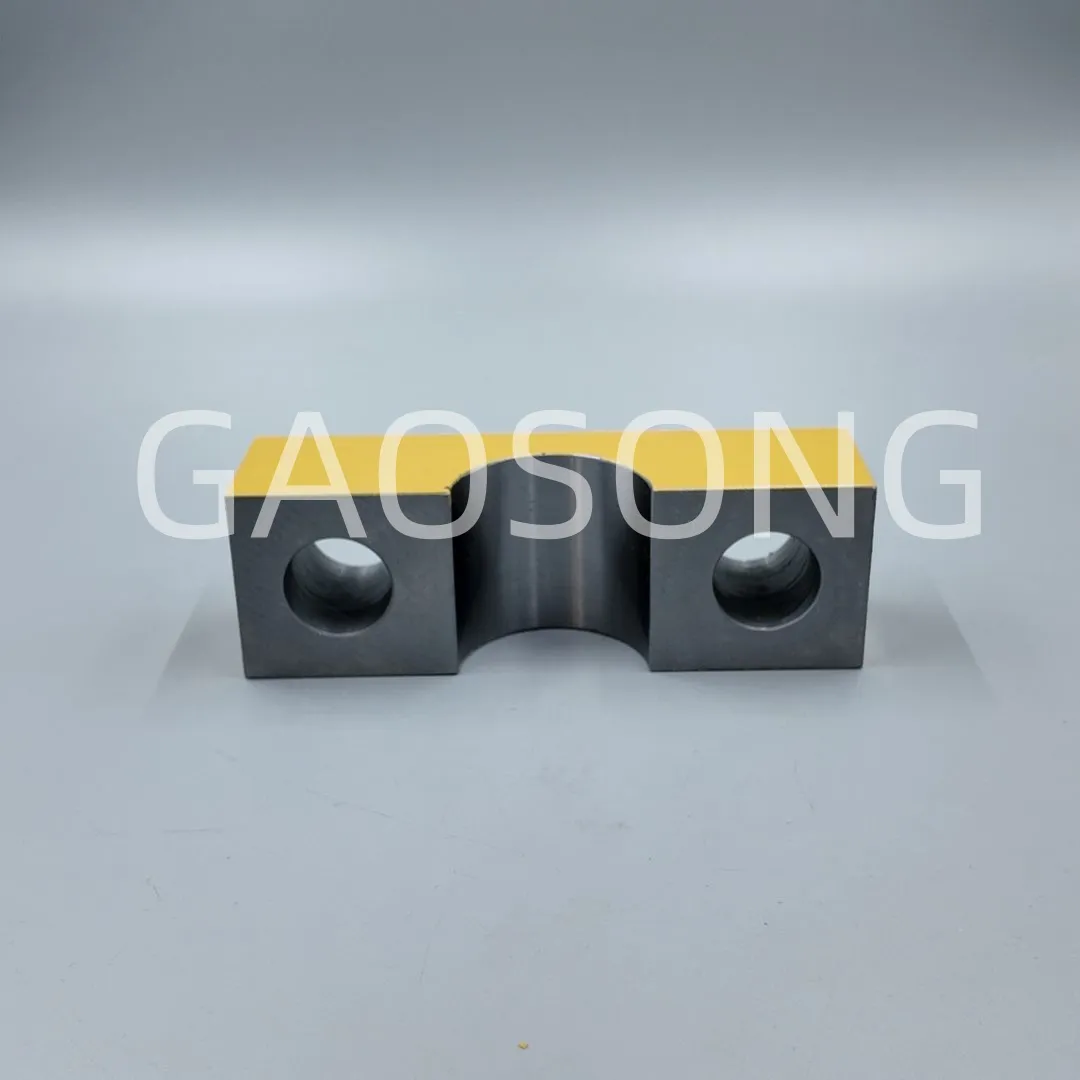 56B-50-12150 Komatsu Plate
 -
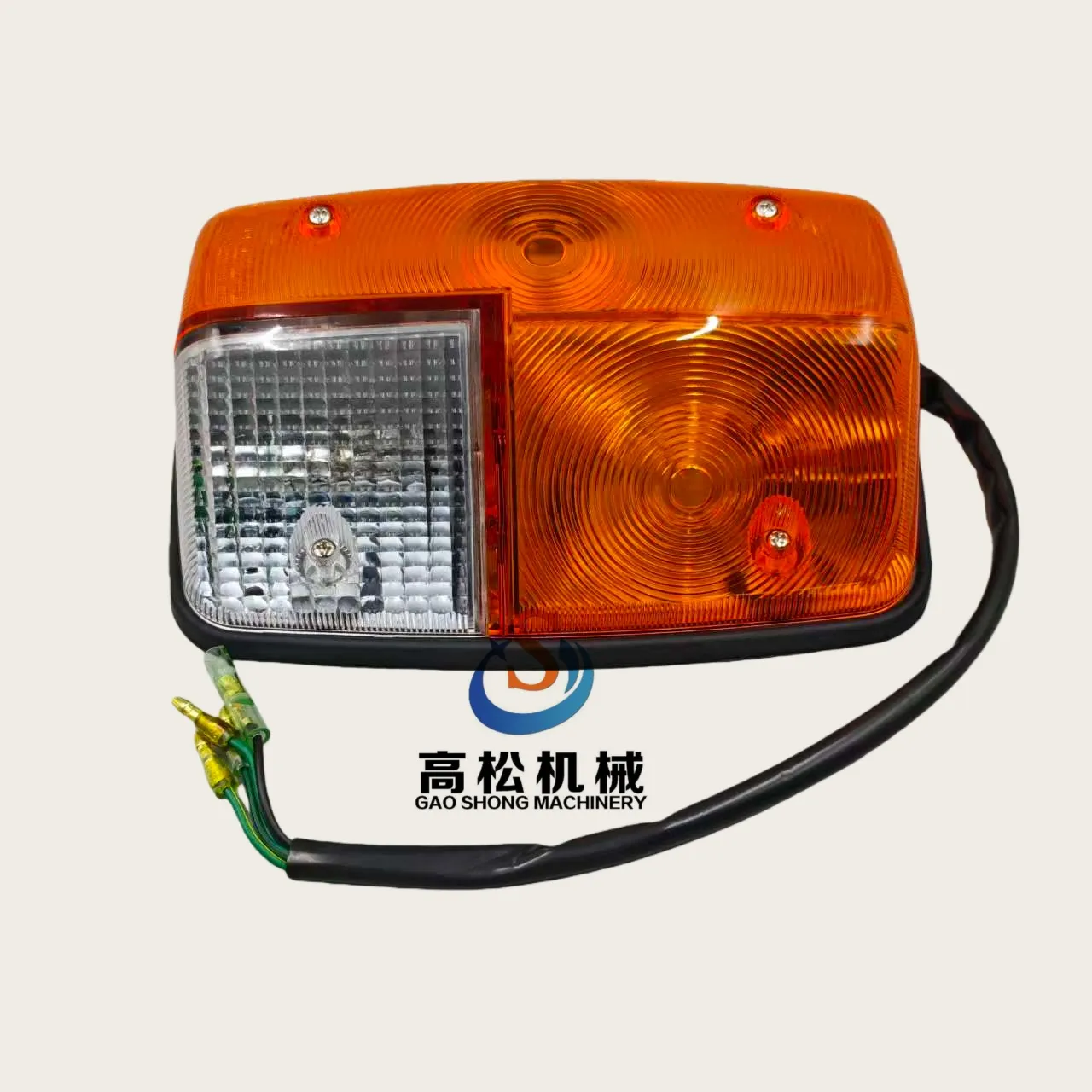 komatsu-part-421-06-13401 LAMP ASS’Y,R.H. HD255-5 HD255-5EO GS360-2 GD305A-1 GD355A-1 GD405A-2 GC380F-1 GD605A-5 HD325-6W HD605-5 HD605-7 HD465-7 HD465-5 HD785-3 HD985-5 WA100-1 WA120-1 WA150-1 WA100SS-1 WA350-1 WA420-1 WA600-1 WA470-1 WA450-1 WA500-1LC 330M LAMP AND FUSE ELECTRICAL SYSTEM (FRONT LAMP)
 -
 14Y-21-13242 Chainsaw Drive Sprocket Kit Alloy Steel 7-Tooth for…
 -
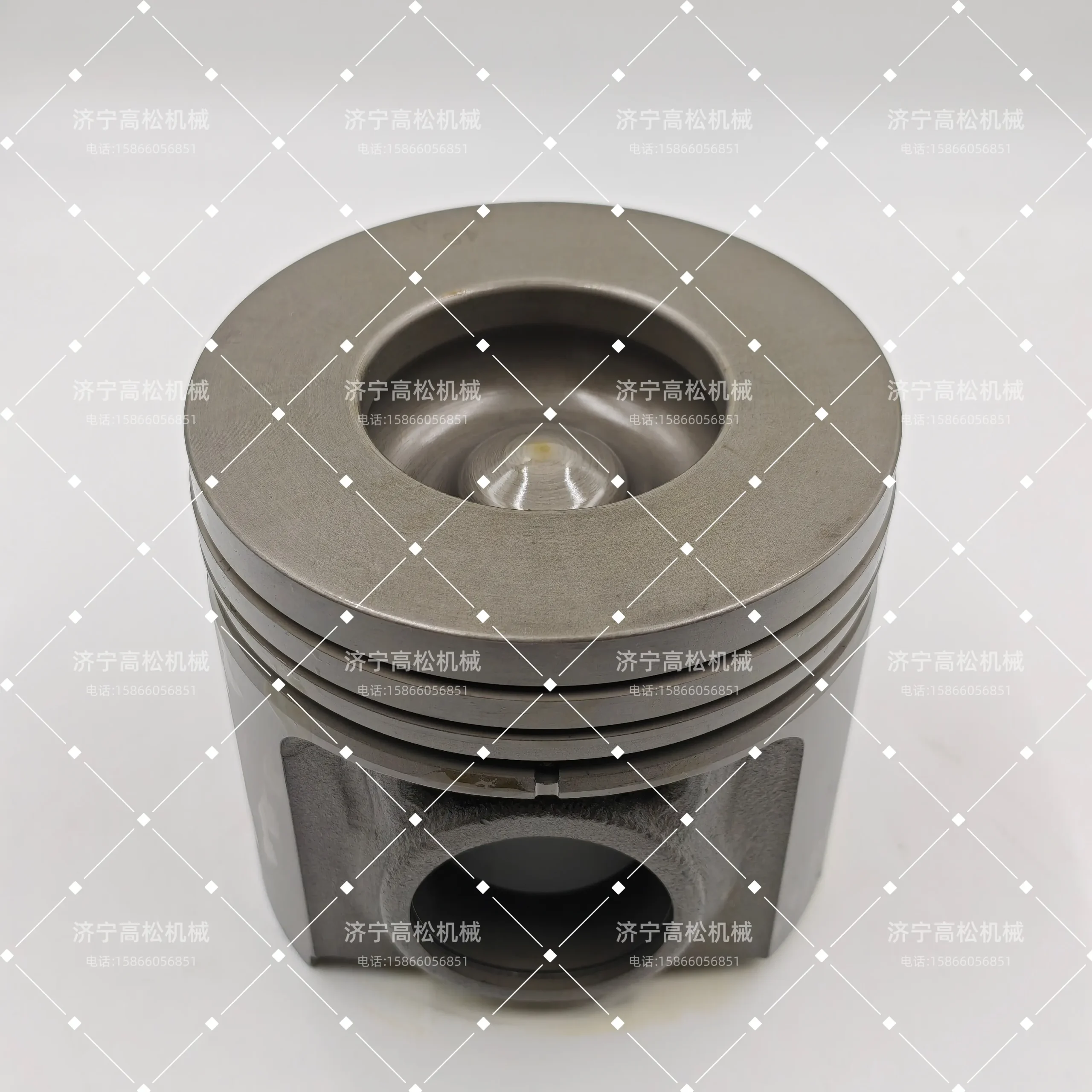 6152-32-2510 Piston for.
 -
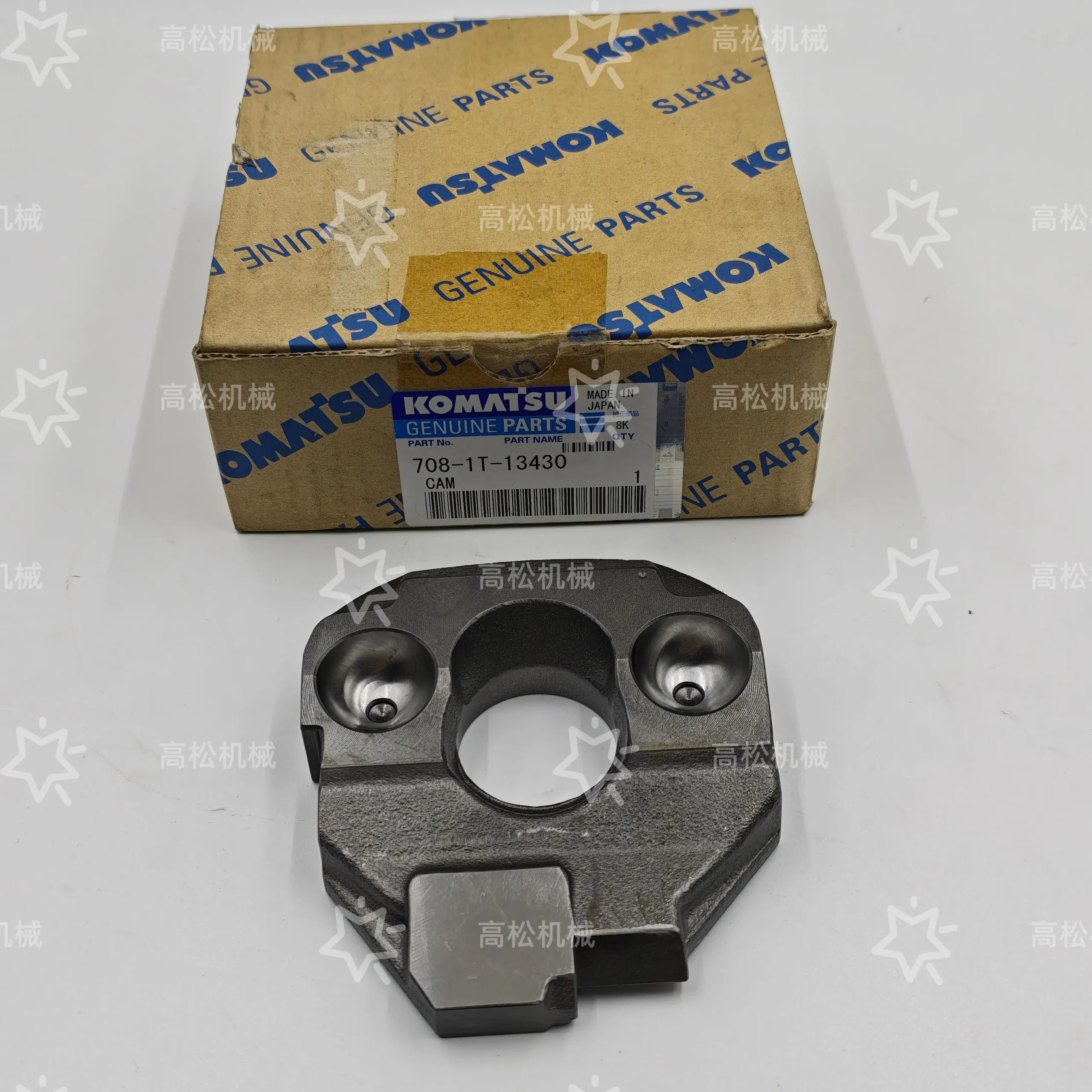 ROCKER CAM 708-1T-13430 for BULLDOZER D275A