
- Chinese
- French
- German
- Portuguese
- Spanish
- Russian
- Japanese
- Korean
- Arabic
- Irish
- Greek
- Turkish
- Italian
- Danish
- Romanian
- Indonesian
- Czech
- Afrikaans
- Swedish
- Polish
- Basque
- Catalan
- Esperanto
- Hindi
- Lao
- Albanian
- Amharic
- Armenian
- Azerbaijani
- Belarusian
- Bengali
- Bosnian
- Bulgarian
- Cebuano
- Chichewa
- Corsican
- Croatian
- Dutch
- Estonian
- Filipino
- Finnish
- Frisian
- Galician
- Georgian
- Gujarati
- Haitian
- Hausa
- Hawaiian
- Hebrew
- Hmong
- Hungarian
- Icelandic
- Igbo
- Javanese
- Kannada
- Kazakh
- Khmer
- Kurdish
- Kyrgyz
- Latin
- Latvian
- Lithuanian
- Luxembou..
- Macedonian
- Malagasy
- Malay
- Malayalam
- Maltese
- Maori
- Marathi
- Mongolian
- Burmese
- Nepali
- Norwegian
- Pashto
- Persian
- Punjabi
- Serbian
- Sesotho
- Sinhala
- Slovak
- Slovenian
- Somali
- Samoan
- Scots Gaelic
- Shona
- Sindhi
- Sundanese
- Swahili
- Tajik
- Tamil
- Telugu
- Thai
- Ukrainian
- Urdu
- Uzbek
- Vietnamese
- Welsh
- Xhosa
- Yiddish
- Yoruba
- Zulu
- Kinyarwanda
- Tatar
- Oriya
- Turkmen
- Uyghur






OEM AND ORIGINAL KOMATSU VALVE 569-43-83171
When you see that part number, , pop up on a screen or a quote, the immediate assumption is you're dealing with a genuine Komatsu part. That's where the first pitfall is. In our line, OEM and Original gets thrown around so much it's lost meaning. I've seen boxes stamped with that phrase containing parts that might fit but won't last. The real question isn't just about the stamp; it's about the supply chain. Is it coming directly from Komatsu's controlled network, or is it from a supplier like Jining Gaosong Construction Machinery Co., Ltd. who operates within the OEM system? That distinction changes everything.
The Gray Area of OEM-System Parts
Let's talk about Jining Gaosong. Their site, https://www.takematsumachinery.com, states they're an OEM product supplier within Komatsu's system and a third-party sales company. This is a crucial, real-world model. It doesn't mean they're Komatsu. It means they have the specifications, the engineering tolerances, and often, the manufacturing approval to produce a component like the OEM AND ORIGINAL KOMATSU VALVE . Is it original? If by original you mean made to the exact same blueprint as the one installed at the Komatsu factory, then yes, potentially. It's not a copy; it's a licensed production.
The practical advantage here is solving supply dead-ends. I've had projects in regions where the official distributor was out of stock for months. Waiting wasn't an option. A source like Gaosong, which explicitly helps solve parts supply challenges in certain countries, becomes operational. You order the , it arrives, it fits the valve block on your PC300-8 excavator perfectly. The surface finish on the spool looks right, the hardening seems correct. But you're still holding your breath for the first 500 hours.
Where the hesitation comes in is the metallurgy and batch consistency. Komatsu's own foundries and forging processes are legendary. An OEM-system supplier might source their steel from a different mill. It might meet the spec on paper, but the grain structure under stress? That's where field failures whisper the truth. I've seen two valves from such a source with the same part number: one ran for 8000 hours, the other started weeping at the stem seal after 1500. The difference was trace elements in the alloy that weren't part of the spec sheet but affected long-term fatigue.
Spotting the Differences: A Hands-On Check
You can't tell just from the box. The packaging is often identical—same Komatsu-style parts labels, same protective coating. The giveaway sometimes isn't the part itself, but the ancillary items. The seal kit that sometimes comes bundled. Official Komatsu kits have a specific, almost rubbery texture to their O-rings. Some OEM-system parts come with seals that feel harder, more plastic-like. That's your first red flag. For the valve, pay attention to the machining marks inside the pilot pressure port. Komatsu's finish is almost polished; some alternatives have visible, concentric tooling marks that can affect fluid dynamics.
Then there's the branding. A genuine part will have the Komatsu logo laser-etched or cast-in, clean and sharp. An OEM-system part might have a blank area there, or a supplier's own code. I recall a batch where the part number was correct, but the sub-code etched nearby was different. It turned out to be a revision the supplier hadn't fully implemented. It worked, but its pressure response curve was slightly off, causing a barely perceptible lag in the attachment function. The machine operator wouldn't notice, but the system efficiency dropped about 3%.
Weight is another old-school check. Get a genuine part and weigh it. Then weigh the one from your OEM-system supplier. A discrepancy of more than a few grams on a part this size can indicate a different material density or a slight variation in wall thickness. It's not definitive, but it adds to the evidence.
When the Original Fails: A Case Log
I want to share a failure, because that's where you learn. We installed a valve labeled as OEM AND ORIGINAL KOMATSU VALVE from a reputable third-party supplier (not Gaosong, but a similar model) on a mid-life PC360. It passed all initial checks. Within 200 hours, the machine developed an intermittent jerky swing motion. Diagnostics pointed to inconsistent pilot pressure. We spent days chasing pumps and sensors. Finally, we isolated it to the new valve. Under a thermal camera, one section of the valve body showed a different heat dissipation pattern than the rest.
Post-mortem: a microscopic casting flaw inside a fluid gallery created a tiny, turbulent vortex when the hydraulic oil reached operating temperature. This vortex caused a minute but critical pressure drop at random intervals. The flaw wasn't in the design; it was in the casting quality control of that specific batch. A genuine Komatsu part would have been X-ray or pressure-tested in a way that likely would have caught it. This supplier's batch testing was probably statistical, and this piece slipped through.
The cost wasn't just the part. It was 40 hours of mechanic and engineer time, plus machine downtime. This is the hidden calculus. The part from Jining Gaosong Construction Machinery Co., Ltd. might cost 30% less upfront, but you must factor in the reliability pedigree of their specific factory. Have they had such issues? You need to ask. Their role as a problem-solver in the supply chain is valuable, but the onus is on them to prove their quality control matches the promise of OEM.
The Supplier's Role and Your Due Diligence
So, what does a company like Gaosong actually do? They aren't just resellers. As an OEM product supplier within the Komatsu system, they likely manage the entire production run for certain components, possibly including valves like the , for specific regional markets. This helps Komatsu manage global logistics without flooding every warehouse. Your due diligence shifts from Is this fake? to Is this supplier's quality management robust?
You need to ask for material certifications, not just the part number. Ask for the test reports for the batch your part comes from. A serious supplier will have them. Check their physical address and if possible, their factory audit status. The website https://www.takematsumachinery.com is a front; the real value is in the manufacturing partnership behind it. How long have they been producing this specific part number? Can they provide field performance data?
In the end, the keyword OEM AND ORIGINAL KOMATSU VALVE represents a spectrum. At one end is the part from Komatsu's direct line. At the other are copies. In the middle is this legitimate, complex space of OEM-system manufacturing. It's a viable, often necessary solution. But you trade the absolute, no-questions-asked assurance of the factory part for a cost and availability advantage, backed by a supplier's reputation. You must know how to verify that reputation. Don't just buy the part number; buy the traceability behind it.
Final Take: A Pragmatic Approach
My rule now is context-dependent. For a critical machine on a major, time-sensitive earthworks project, I'll push harder and pay more for the part through Komatsu's official channel, even if I have to wait. The risk is too high. For a backup machine, or for a region where supply is chronically problematic, a trusted OEM-system supplier like the one described becomes a key partner. You build a relationship, you give them a low-risk trial order, and you monitor performance meticulously.
The valve is just one example. This applies to pumps, cylinders, even filters. The industry runs on these layered supply chains. The phrase OEM and Original is the starting point of the conversation, not the end of it. It tells you the design is approved. It doesn't tell you about the piece of metal in your hands. That's on you to figure out.
So next time you order, look past the label. Ask where it was cast, machined, and tested. The answer, or the hesitation in providing it, will tell you more than any product description ever could. That's the difference between just replacing a part and actually maintaining a machine.
Related Products
Related Products

Best Selling Products
Best Selling Products-
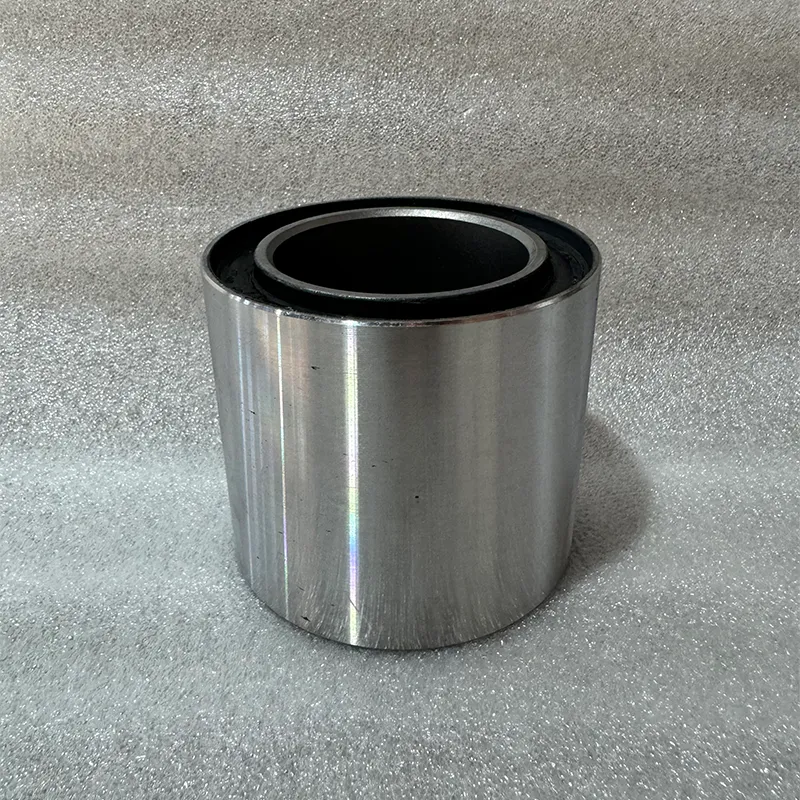 Original komatsu WA900-3 pad 569-14-41130
 -
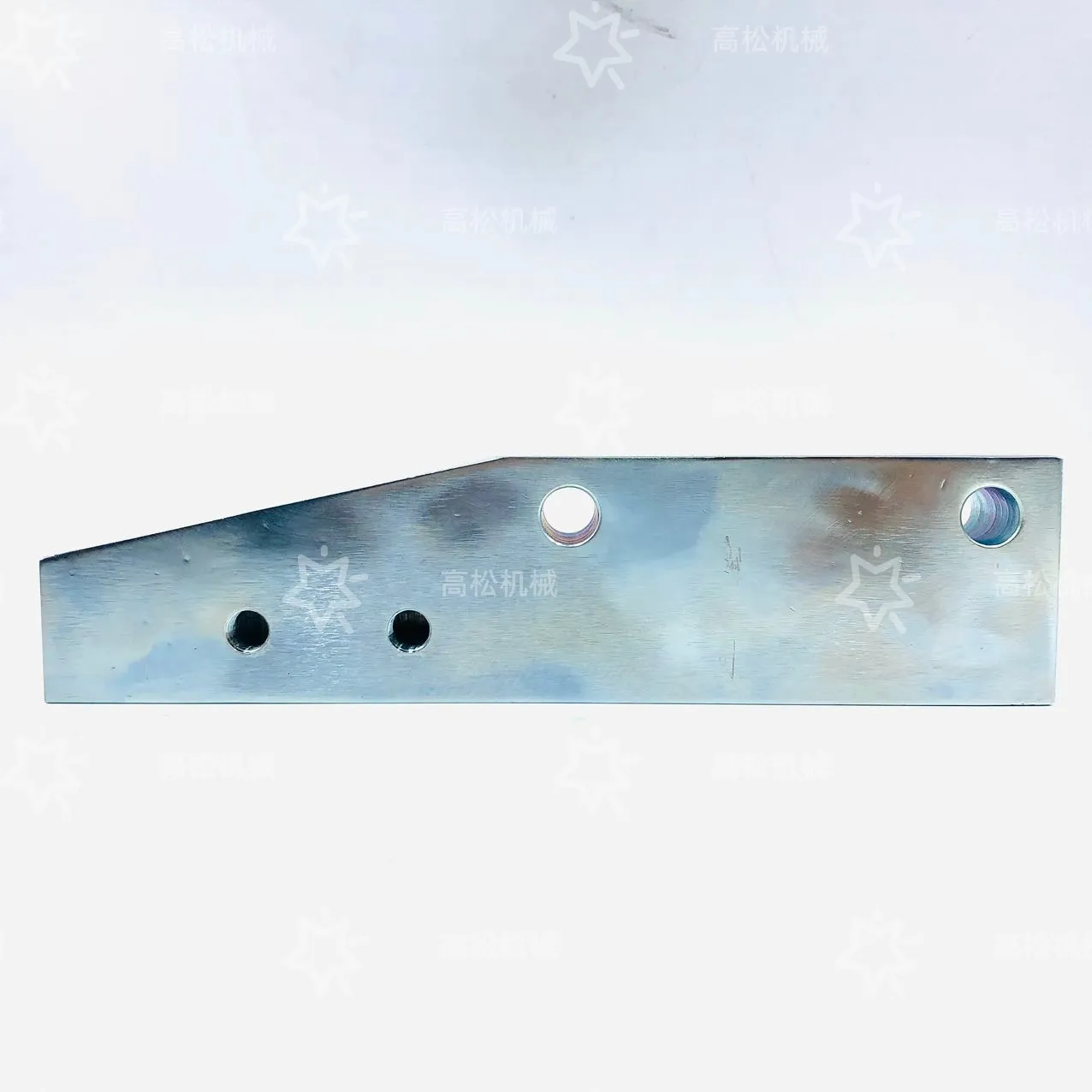 209-38-73281 BLOCK made to fit KOMATSU
 -
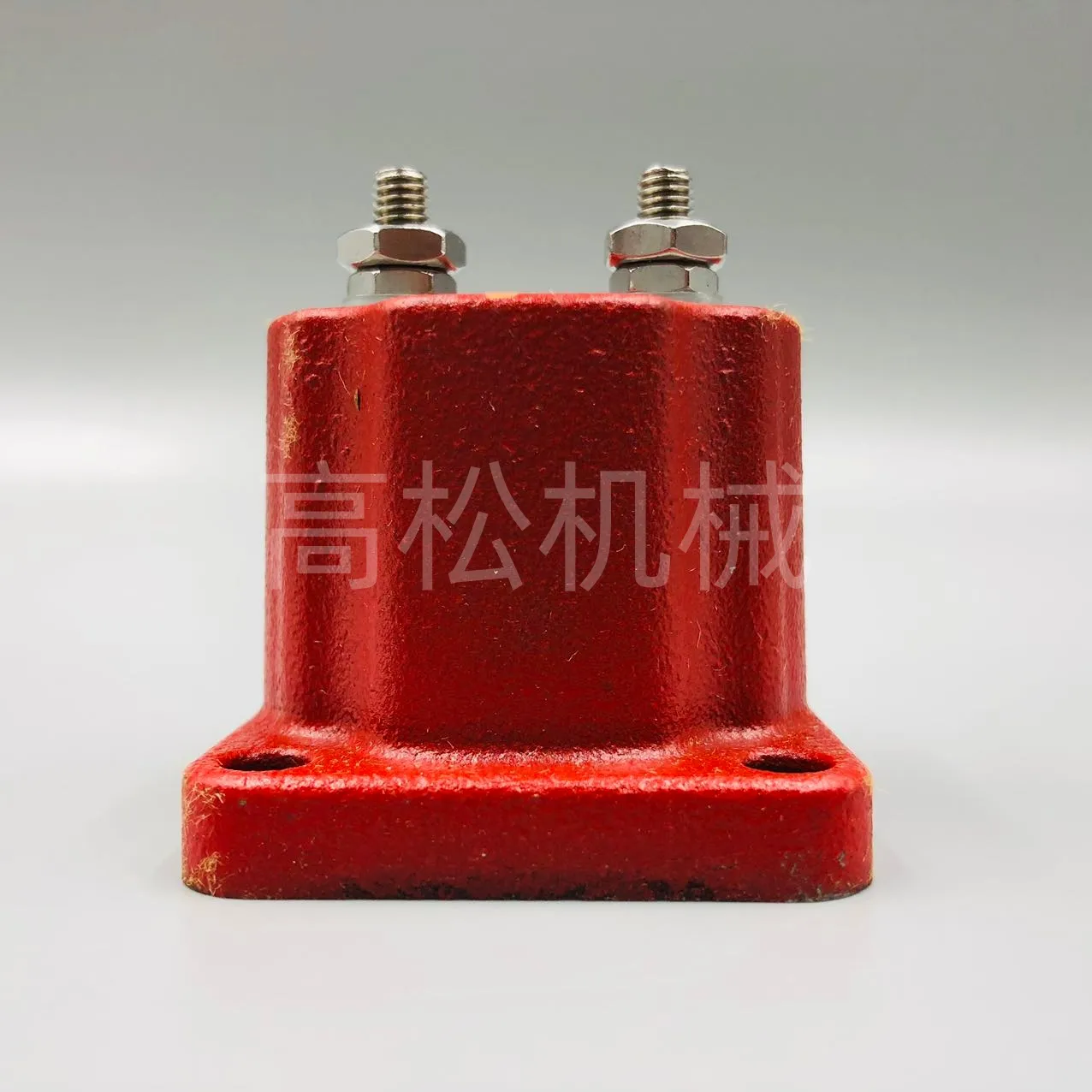 6560-51-1510 • SOLENOID-Komatsu Original Factory
 -
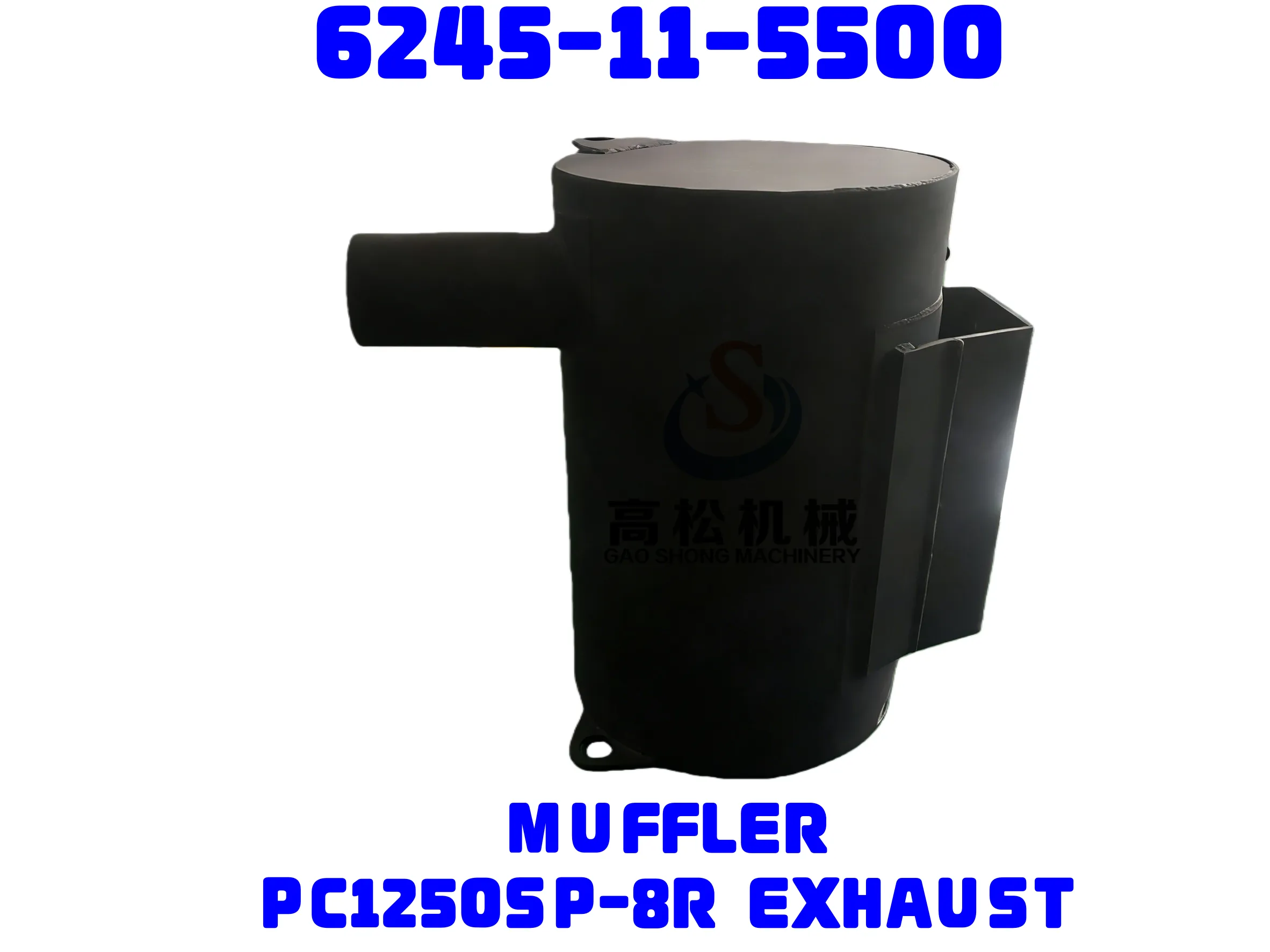 Muffler Silencer 6245-11-5500 for Komatsu Engine 6D170E-5 Excavator PC1250-8 PC1250-8R PC1250LC-8 PC1250SP-8 PC1250SP-8R
 -
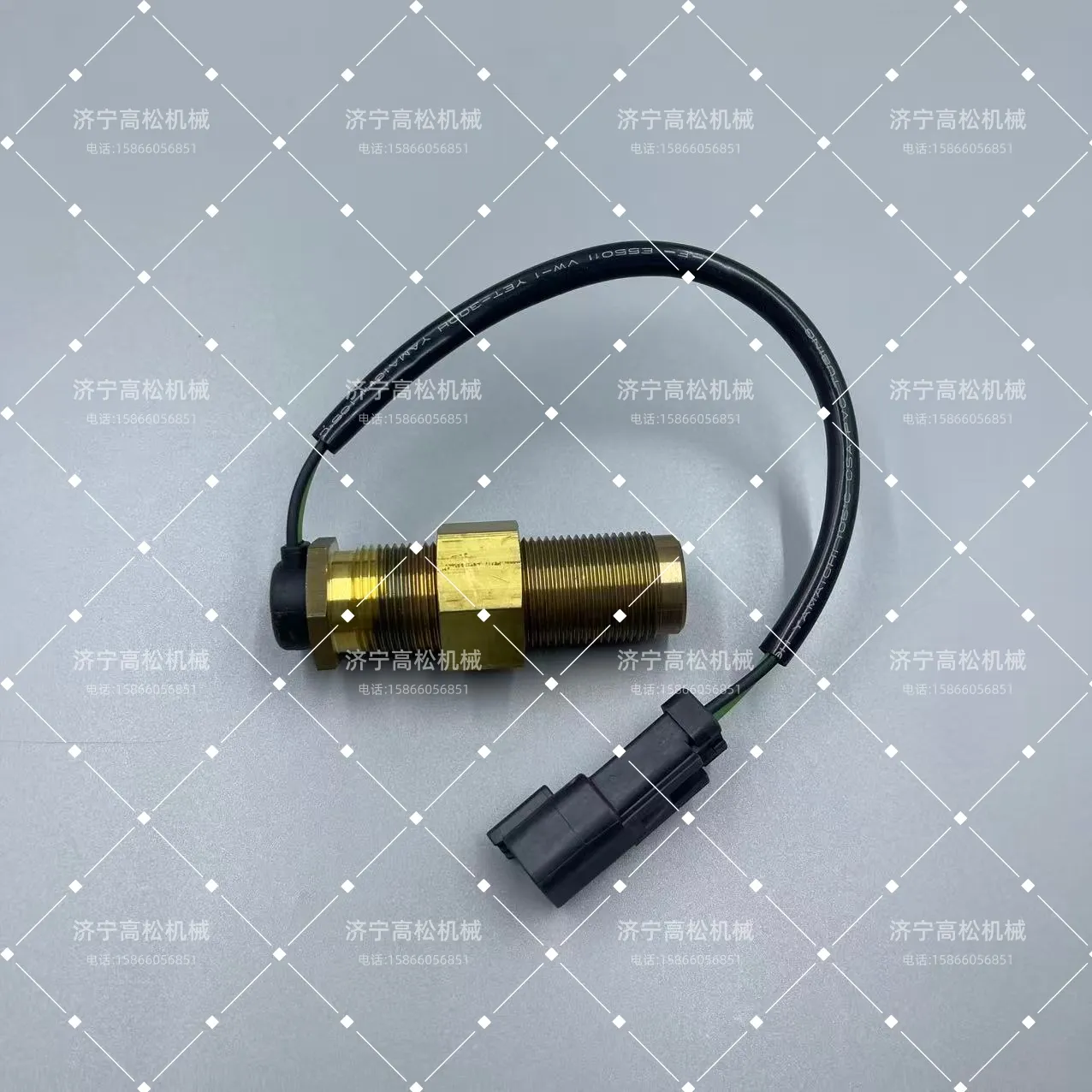 Revolution Sensor 7861-93-2330 for Bulldozer D85EX-15
 -
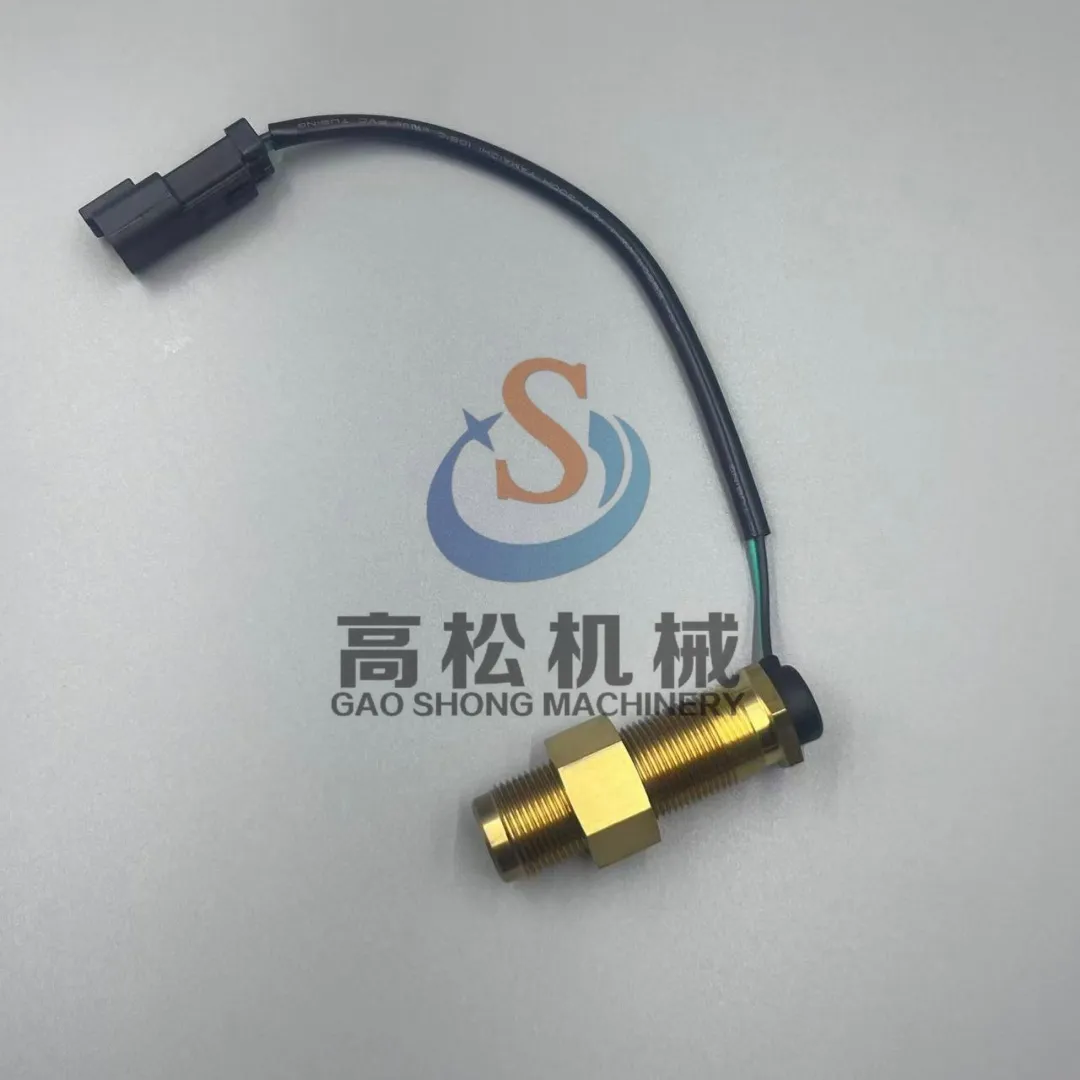 7861-92-2340 7861-93-2330 Fits for Komatsu PC200-3
 -
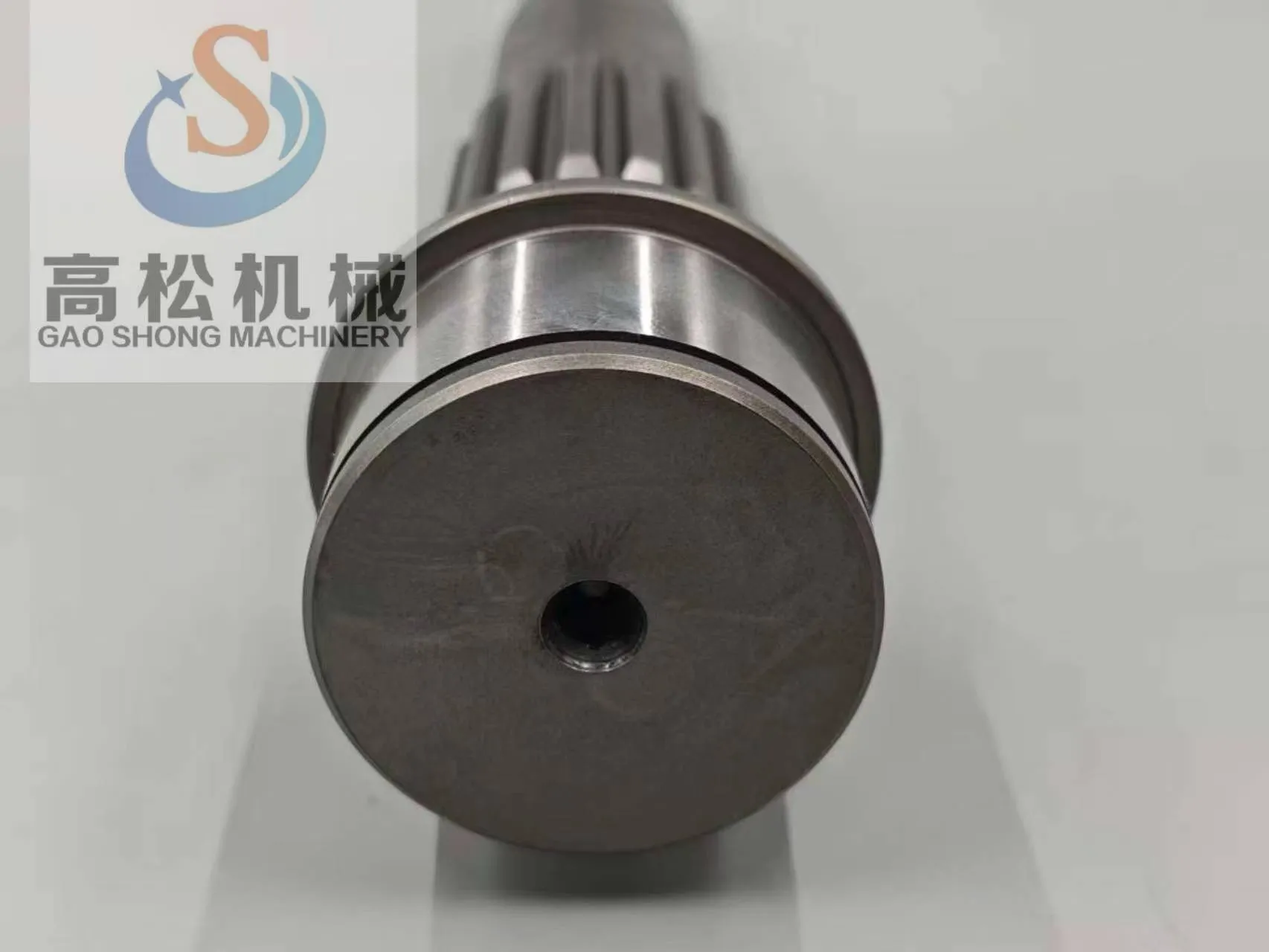 Driven Shaft Komatsu HPV140 708-2G-12121 | ASPECT PLUS
 -
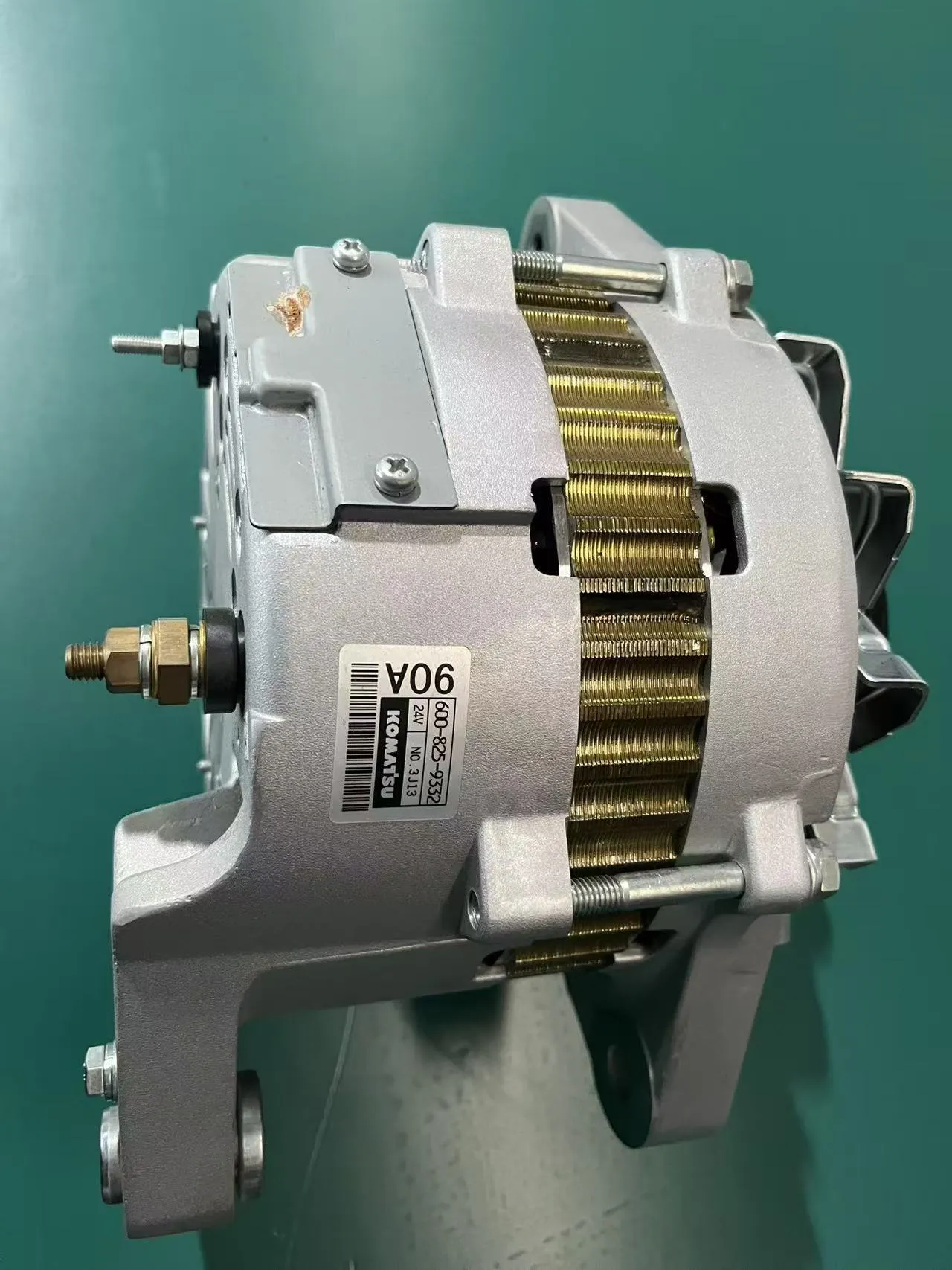 600-825-9332 alternator Generator
 -
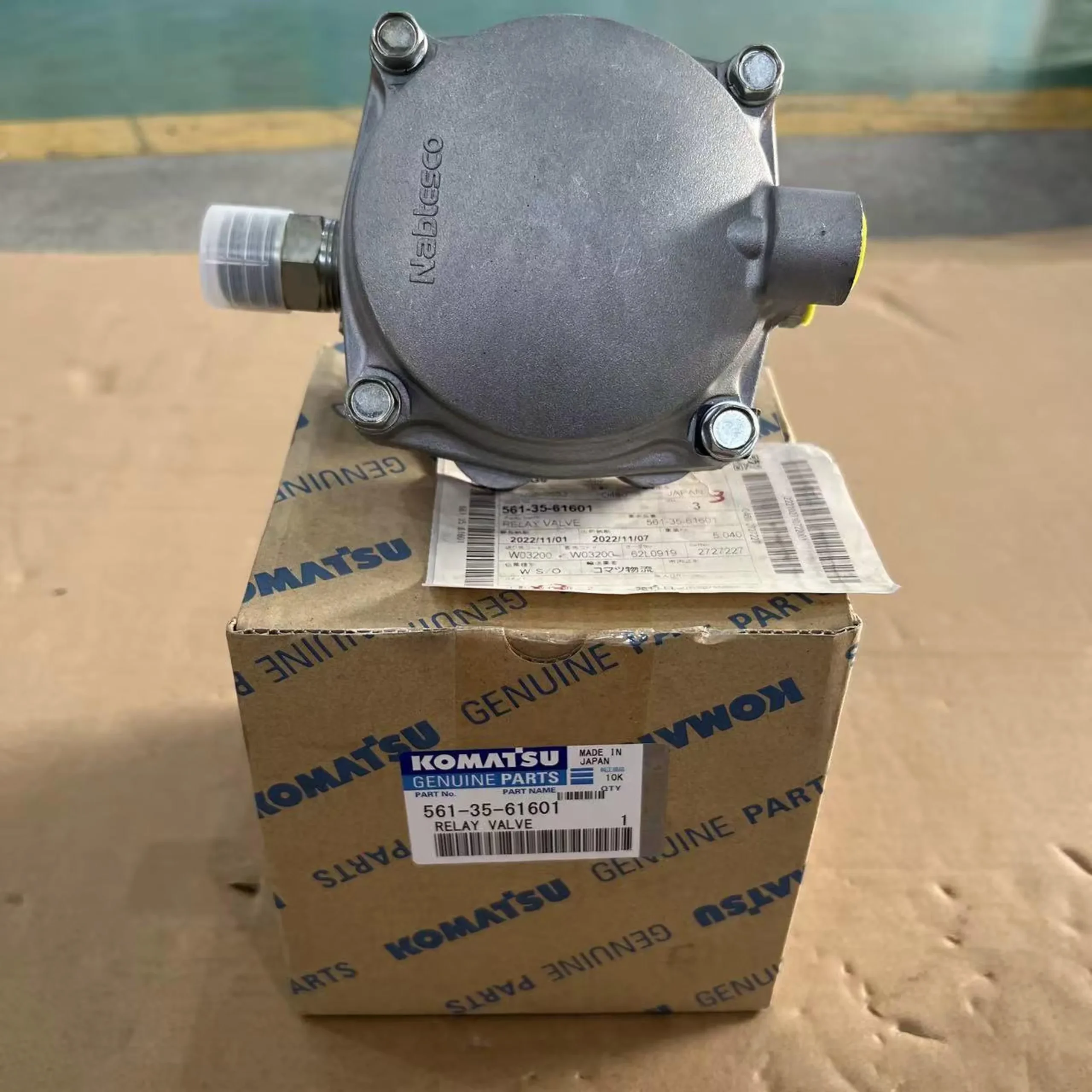 Valve 561-35-61601 for Komatsu Rigid Dumper
 -
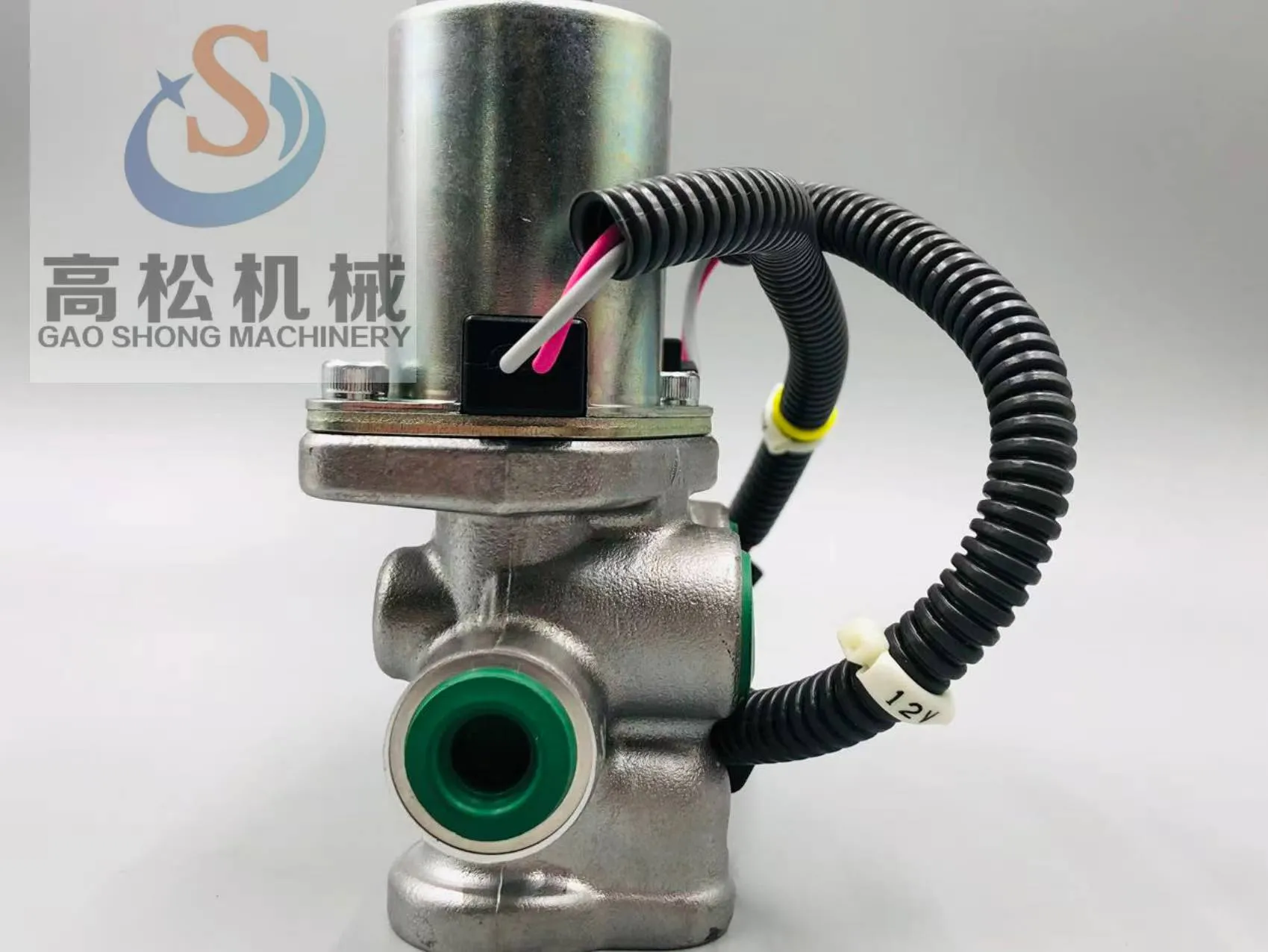 22F-60-21201 22F-60-31600 Solenoid Valve PC56-7 PC55MR-2
 -
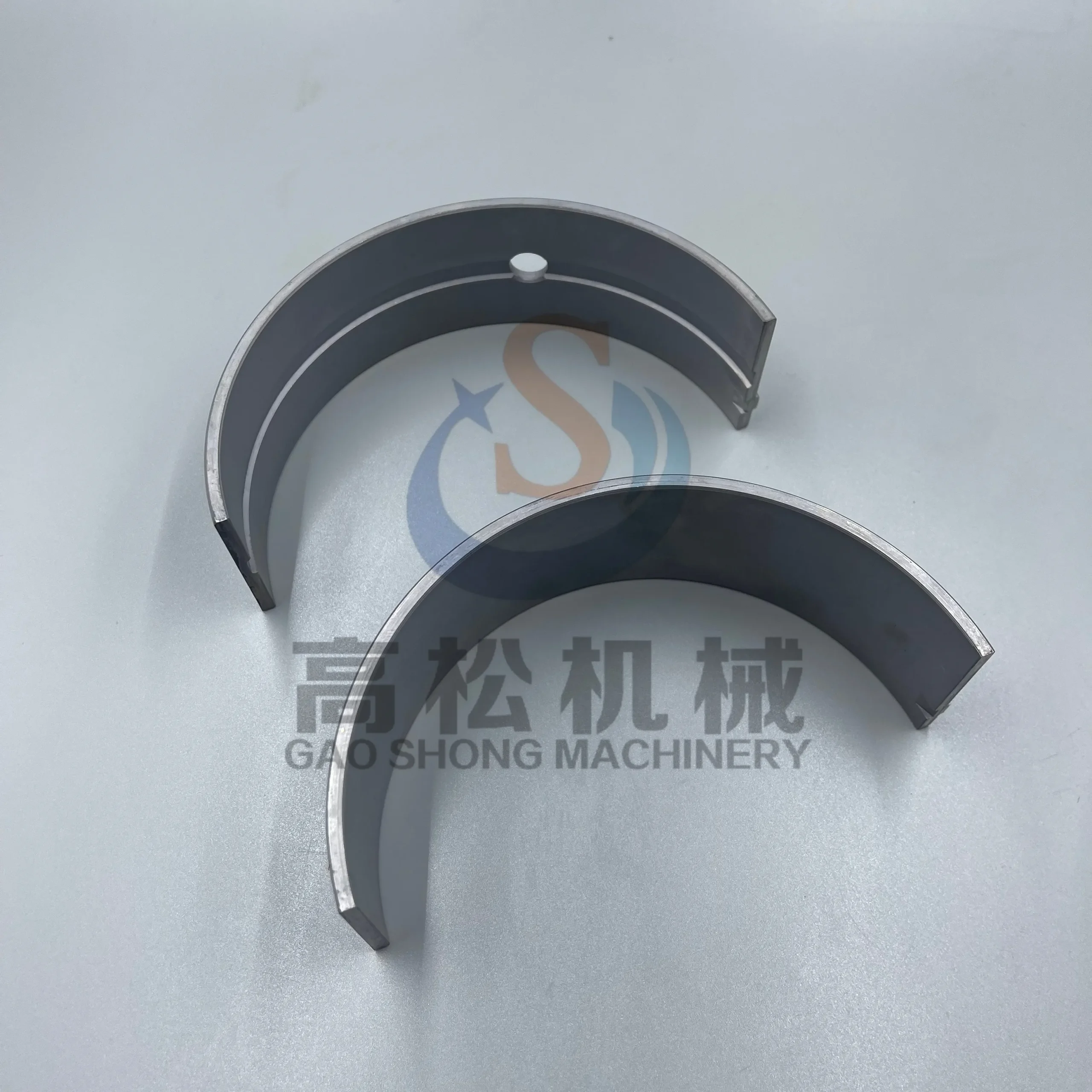 Engine 6162-23-8010 Metal Assembly
 -
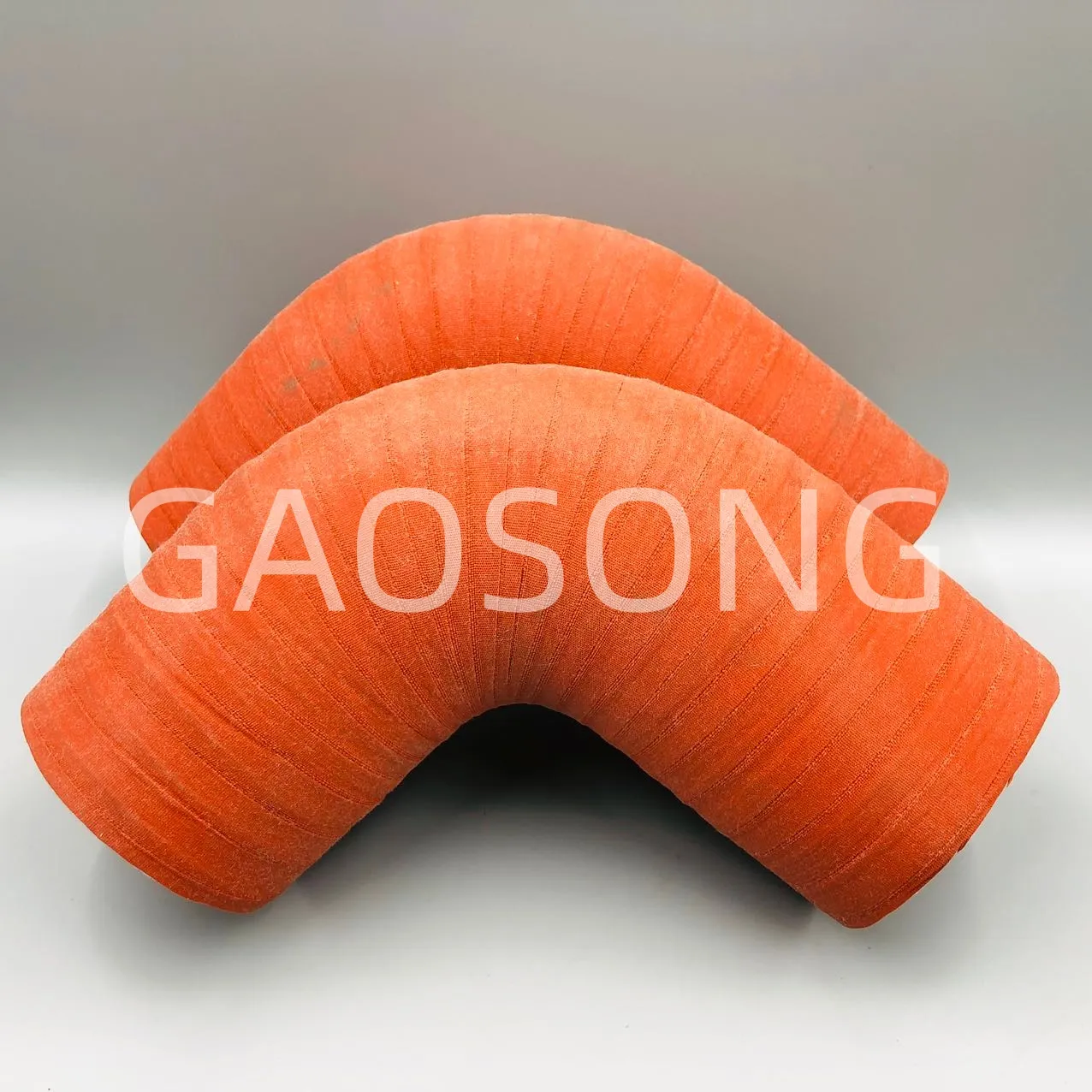 6743-11-4931 HOSE-Komatsu Original Factory