
- Chinese
- French
- German
- Portuguese
- Spanish
- Russian
- Japanese
- Korean
- Arabic
- Irish
- Greek
- Turkish
- Italian
- Danish
- Romanian
- Indonesian
- Czech
- Afrikaans
- Swedish
- Polish
- Basque
- Catalan
- Esperanto
- Hindi
- Lao
- Albanian
- Amharic
- Armenian
- Azerbaijani
- Belarusian
- Bengali
- Bosnian
- Bulgarian
- Cebuano
- Chichewa
- Corsican
- Croatian
- Dutch
- Estonian
- Filipino
- Finnish
- Frisian
- Galician
- Georgian
- Gujarati
- Haitian
- Hausa
- Hawaiian
- Hebrew
- Hmong
- Hungarian
- Icelandic
- Igbo
- Javanese
- Kannada
- Kazakh
- Khmer
- Kurdish
- Kyrgyz
- Latin
- Latvian
- Lithuanian
- Luxembou..
- Macedonian
- Malagasy
- Malay
- Malayalam
- Maltese
- Maori
- Marathi
- Mongolian
- Burmese
- Nepali
- Norwegian
- Pashto
- Persian
- Punjabi
- Serbian
- Sesotho
- Sinhala
- Slovak
- Slovenian
- Somali
- Samoan
- Scots Gaelic
- Shona
- Sindhi
- Sundanese
- Swahili
- Tajik
- Tamil
- Telugu
- Thai
- Ukrainian
- Urdu
- Uzbek
- Vietnamese
- Welsh
- Xhosa
- Yiddish
- Yoruba
- Zulu
- Kinyarwanda
- Tatar
- Oriya
- Turkmen
- Uyghur






OEM AND ORIGINAL KOMATSU VALVE 426-43-37702
When you see that part number pop up in a search or on a quote, , it's one of those Komatsu valves that sits in a weird spot. Everyone wants original, but the price tag from the direct channel can stall a project. Then you see OEM offered by a supplier like Jining Gaosong, and the immediate gut reaction for a lot of guys is to question if it's a copy. That's the first hurdle. In my experience, the term OEM within the Komatsu system is the critical piece most people gloss over. It doesn't mean they made it for Komatsu Japan, but it often means they are a sanctioned producer for certain lines or regions, building to the exact material and engineering specs. The valve , used in a number of mid-size excavator hydraulic circuits, is a perfect example of where this distinction makes or breaks your repair.
The Original vs. OEM Fog
Let's be clear: an original Komatsu part comes in that iconic yellow box, sourced directly from Komatsu's own distribution. The OEM AND ORIGINAL KOMATSU VALVE debate heats up when the OEM version arrives in a plain or supplier-branded box. The instinct is to doubt it. I've been there, holding two valves side-by-side. The casting marks might differ slightly—maybe a different foundry code—but the critical dimensions, the bore finish, the hardness of the spool? Identical. The mistake is assuming OEM equals aftermarket. In Komatsu's global supply chain, companies like Jining Gaosong Construction Machinery Co., Ltd. operate as authorized producers. Their website, https://www.takematsumachinery.com, frames it right: they're an OEM product supplier within the system and a third-party sales channel. That within the system bit is the legit stamp. It's not a grey market part; it's a parallel, specification-compliant supply line.
I learned this the hard way a few years back on a site in Indonesia. We needed a for a PC300-8 that was down. The local Komatsu dealer had a 6-week lead time. We found a genuine one from a non-authorized reseller at a premium, and it failed in 80 hours. It was a perfect visual replica, but the metallurgy was wrong—it scored under pressure. That's when I started digging into what true OEM means. The valve from a recognized OEM supplier like Gaosong won't have the Komatsu logo laser-etched on it, but it will have the same performance pedigree because it's built to the same print. The challenge is verifying the supplier's claim, which leads to the next point.
So how do you cut through the fog? You stop looking for the logo and start asking for the documentation. A proper OEM supplier can provide material certifications, test reports for pressure cycling, and often a traceable heat code for the steel. If they balk at that, walk away. The real OEM AND ORIGINAL KOMATSU VALVE from a company like the one mentioned will have that paper trail. It's less about the branding and more about the provable adherence to the engineering standard. This is what they mean by helping to solve parts supply challenges. They're not selling alternatives; they're selling supply chain redundancy with accountability.
Why the Specifically is a Benchmark
This particular valve isn't some simple check valve. It's a multi-function control valve, often for the swing or travel circuit. Its tolerances are tight, and its failure modes are brutal—usually leading to hydraulic contamination or complete function loss. Because of its role, it becomes a benchmark for supplier quality. If a supplier can reliably deliver a robust , you can generally trust their other Komatsu-spec parts.
We did a field test last year, running a Gaosong-sourced against the dealer-original in two identical PC360-7 machines on the same quarry site. Same filters, same oil, same operator rotation. Tear-down at the 2000-hour PM interval showed virtually identical wear patterns on the spool and bore. The key was the surface finish and the seal groove dimensions. Any deviation there causes internal leakage and heat generation. The OEM unit held up. That's the practical test that matters more than any marketing claim on a website.
The nuance with this part number is there have been subtle revisions. Not all suppliers are on top of that. A legit OEM supplier will know if the current suffix is -1 or if the seat material was updated for a certain serial number range. When you're talking to them, ask that specific question: Are you supplying to the latest engineering revision for the ? Their answer tells you everything. A vague yes, it's all the same is a red flag. A detailed we are producing to the -1 revision with the updated polymer seal shows engagement. That's the kind of detail you find from suppliers who are deep in the system.
The On-the-Ground Supply Reality
Here's the unsaid truth: Komatsu's primary distribution network is fantastic, until it isn't. In certain countries, import duties, logistics snarls, or simply low local stock can mean catastrophic downtime. This is exactly the gap a company like Jining Gaosong fills. They aren't trying to replace the dealer; they're providing a verified, spec-compliant bridge to keep equipment running. Their model as a third-party sales company for Komatsu parts makes sense in this context. For the KOMATSU VALVE , this might mean having a container of them already landed in a regional warehouse, cutting delivery from months to days.
I've used this channel for projects in remote areas. The process isn't as slick as ordering from an online portal. It's emails, PDFs of specs, proforma invoices, and sometimes sending your old part for them to match. It feels more hands-on. You're not just buying a part; you're vetting a source. But when a machine is worth $500 an hour and it's sitting idle, that hands-on process is worth it. The cost saving versus the dealer list price is significant, but it's not cheap. It should be priced as a quality component, not a bargain-bin item. If the quote seems too good to be true, it almost certainly is a counterfeit.
The risk, of course, is the certain countries part of their mission. The market is flooded with junk parts that look right. You have to do your homework. Checking their business history, asking for references from other mining or construction contractors, and starting with a non-critical component order are all prudent steps. The website https://www.takematsumachinery.com is a starting point, but the real verification happens off-page, in technical correspondence and the quality of the parts received.
Failure Points and What to Look For
Let's get technical for a minute. When a fails, it's rarely catastrophic fracture. It's usually degradation. You'll see increased cycle times, drift in the function it controls, and higher oil temperatures. Upon disassembly, the tells are in the details. Look for scoring on the spool—a sign of inferior hardening or contamination. Check the housing bore for galling. The most common issue I've seen with non-OEM copies is the precision of the pilot pressure channels; they're often drilled slightly off-spec, affecting control response.
A true OEM part should mate perfectly with the original manifold. No need for extra shims or force. The bolt holes should align without elongation. It sounds basic, but you'd be surprised how many direct fit parts require persuasion with a hammer. Another test is the weight. A proper casting for this valve has a specific heft. Counterfeits often use lower-grade, less dense iron or even adulterated steel, so they feel lighter. It's a crude but sometimes effective first check.
When you install a valve from a new source, monitor the system pressure and temperature closely for the first 50 hours. Log it. Any deviation from the baseline with the old part is a warning sign. A proper OEM AND ORIGINAL spec valve will integrate seamlessly, with no performance delta. This post-installation validation is as important as the purchasing decision. It closes the loop and either builds trust or tells you to find another supplier.
Wrapping It Up: A Matter of Trust and Verification
So, back to the original keyword: OEM AND ORIGINAL KOMATSU VALVE . The AND is what's interesting. It's not OR. For professionals managing fleet uptime and repair budgets, the solution often needs to be both: OEM quality without the original brand markup and supply delay. That's the niche being served.
It boils down to this: Can you trust the supplier more than you trust the part number on a box? The part number is just a code. The engineering behind it is what you're buying. Suppliers like Jining Gaosong position themselves as conduits for that engineering, just outside the main branded pipeline. Their value proposition—solving supply challenges—is real, but it's not a free pass. It requires more diligence from the buyer.
In the end, the valve doesn't care what logo is on it. The machine doesn't either. What matters is whether the component meets the functional specification for millions of cycles under pressure. Getting that, reliably and without the flagship distribution overhead, is the goal. That's the conversation we should be having, moving past the simplistic original vs. copy debate to a more practical one about verified specifications and resilient supply chains. The is just one example, but it's a good one to think it all through.
Related Products
Related Products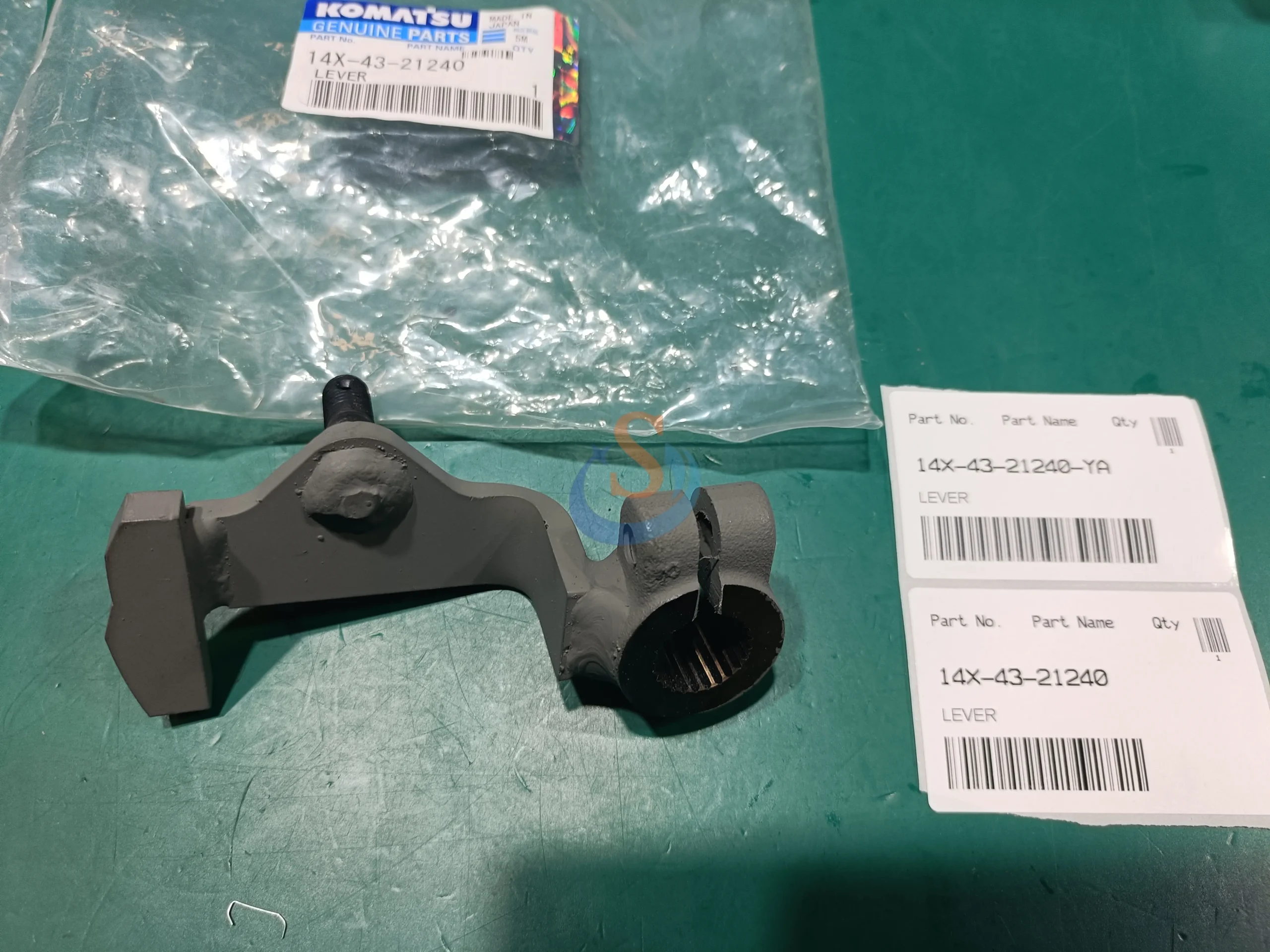
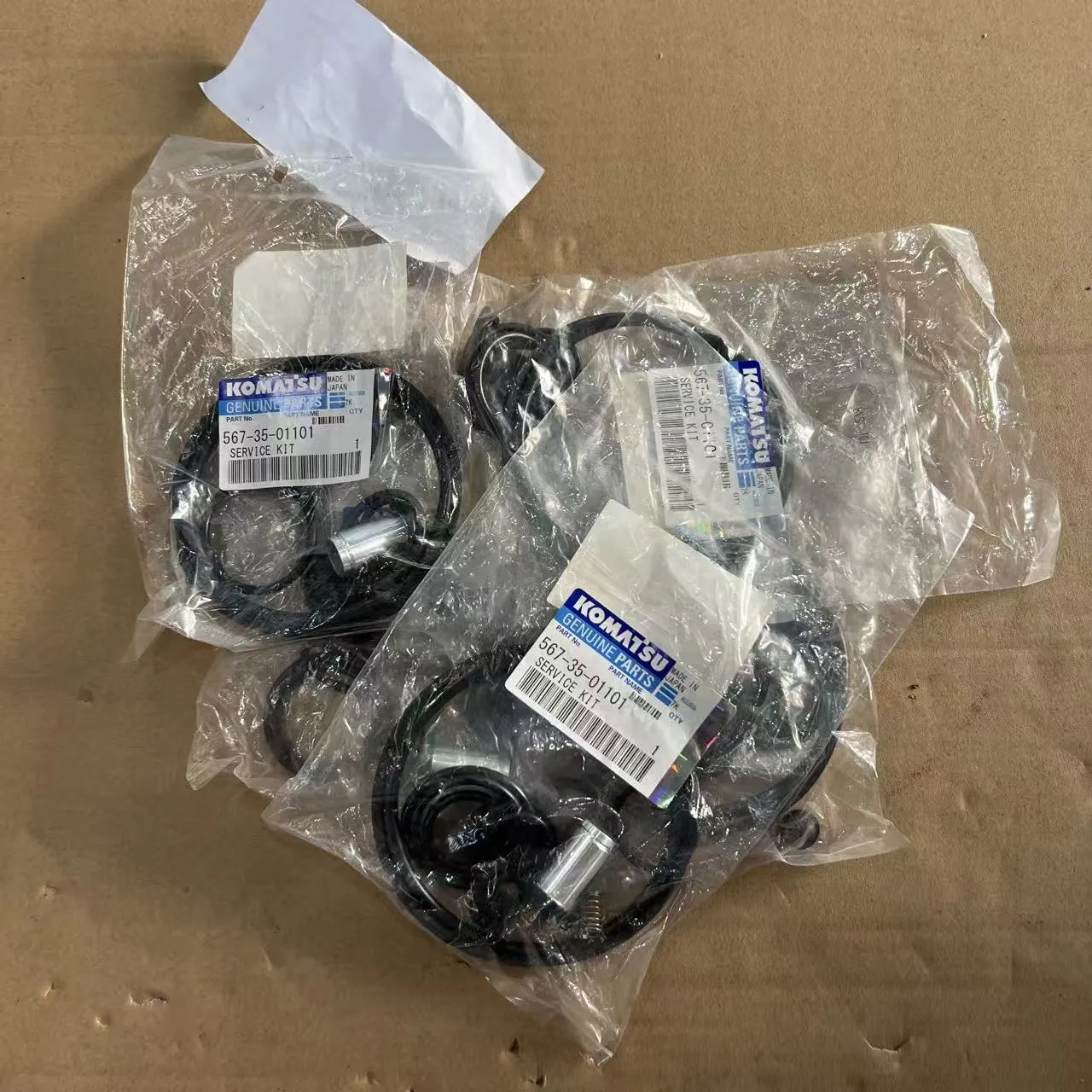
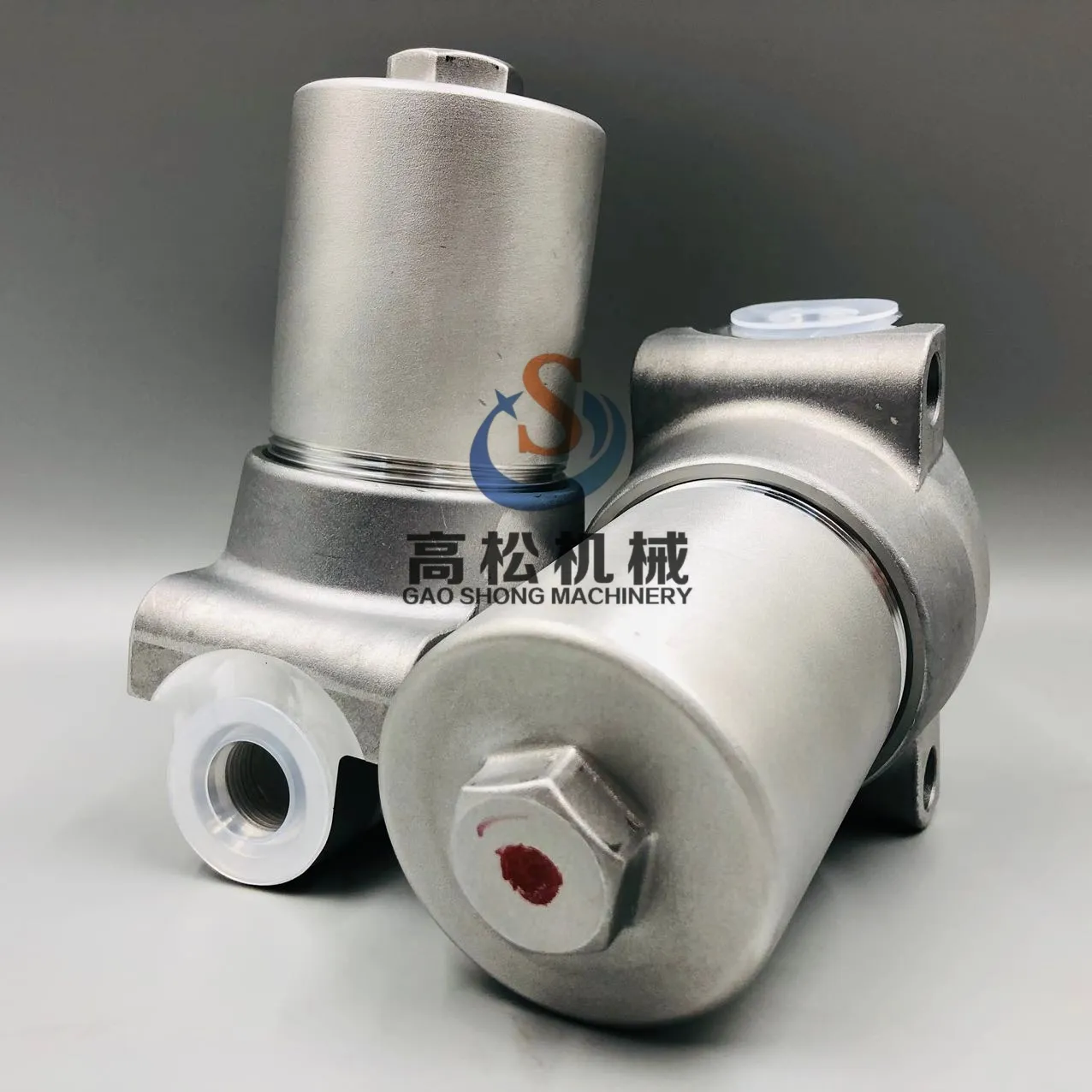
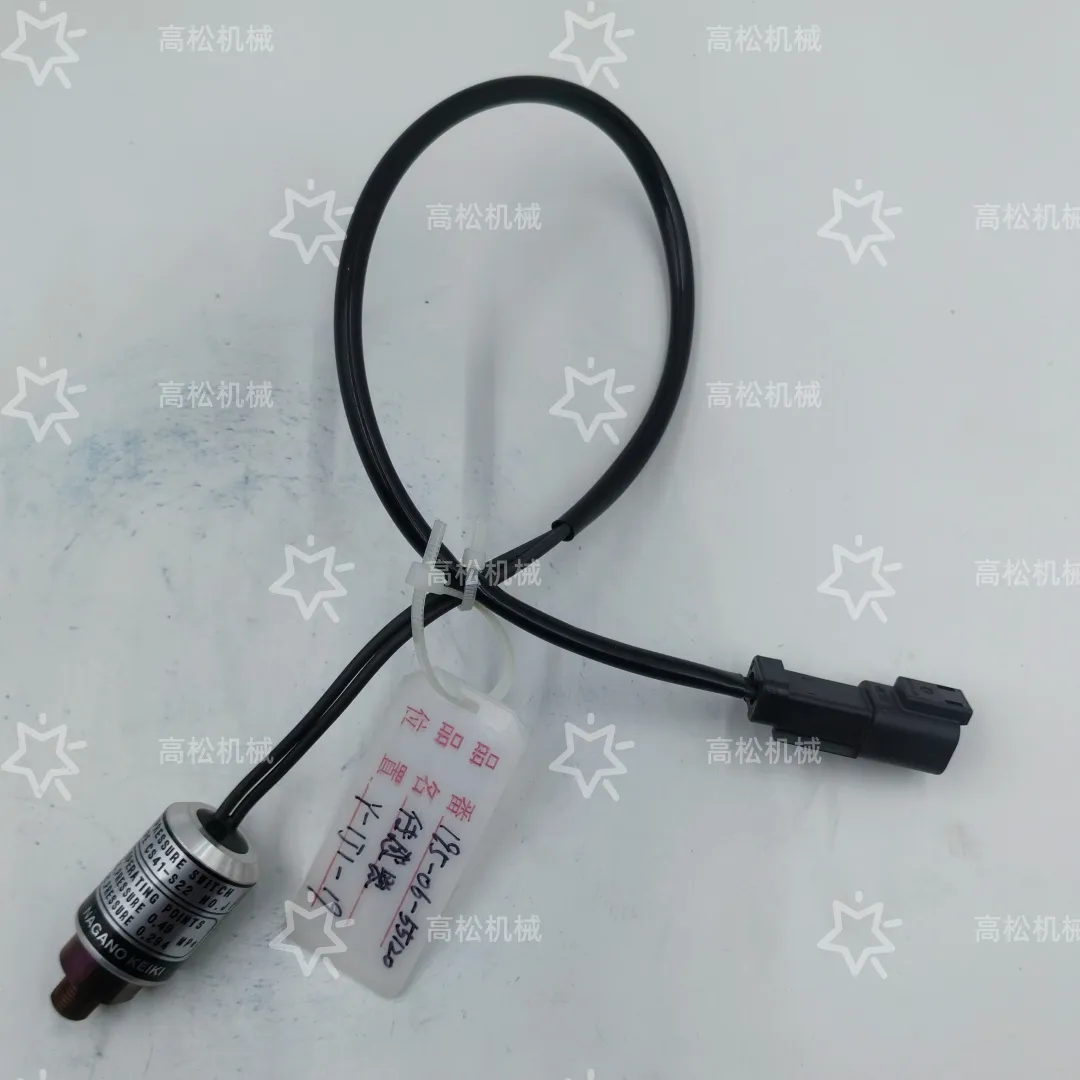

Best Selling Products
Best Selling Products-
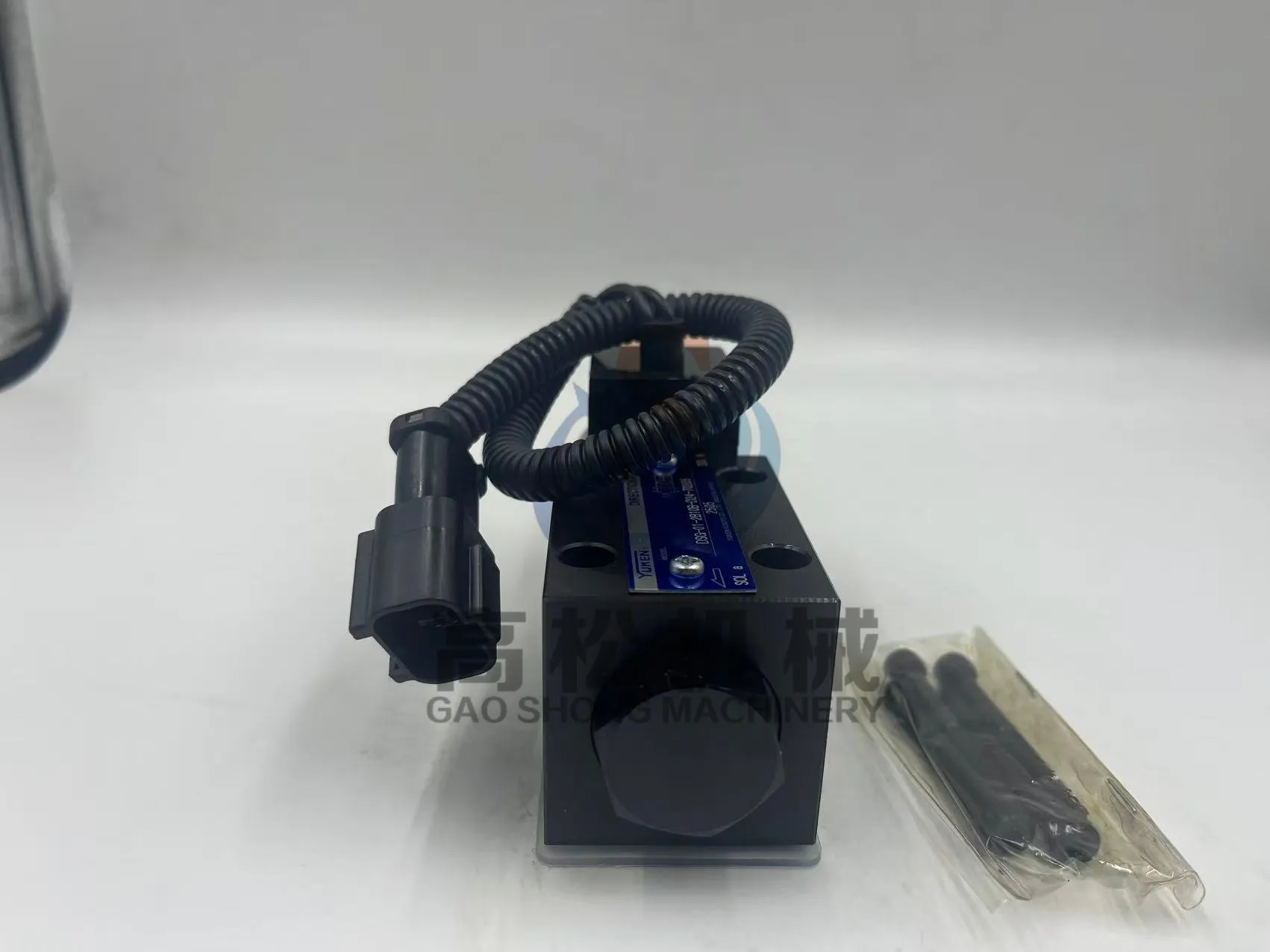 VALVE ASS’Y 23W-60-28230 – KOMATSU
 -
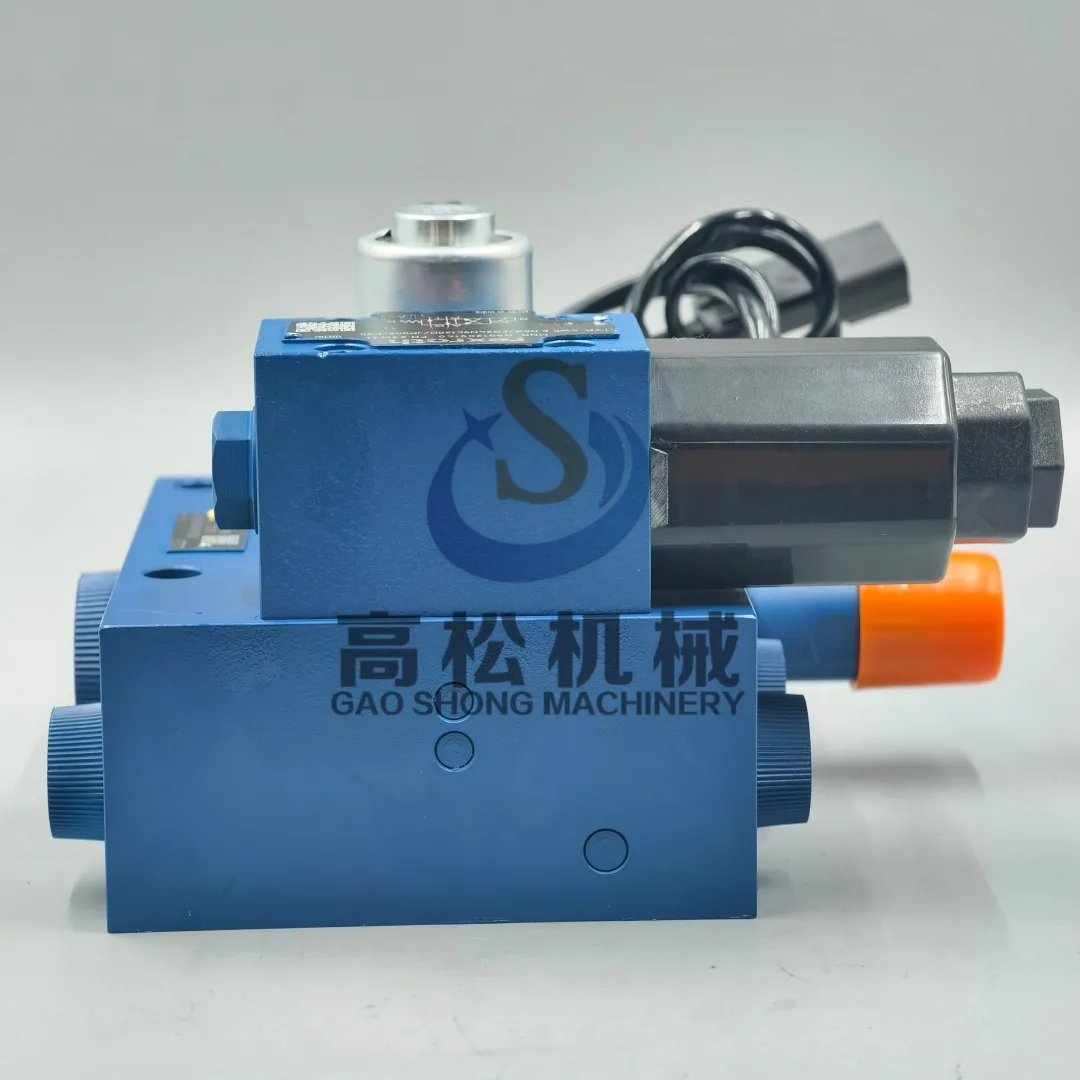 Komatsu 56B-43-12402 Valve for machines model HD405-7
 -
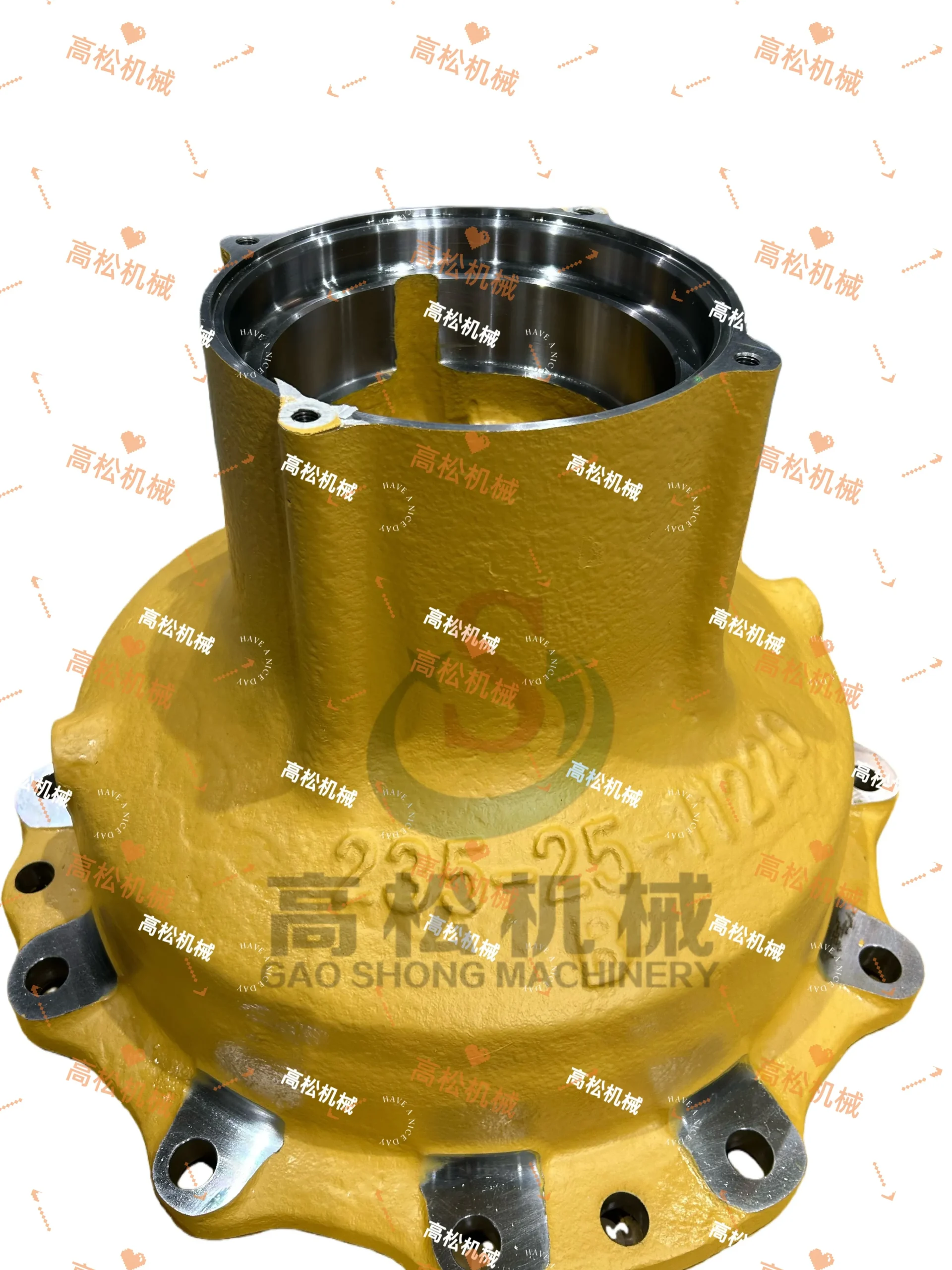 komatsu-part-235-25-11220 CAGE GD805A-1 GD825A-2 GD825A-2E0 TANDEM DRIVE GEAR AND CHAIN TANDEM DRIVE GEAR
 -
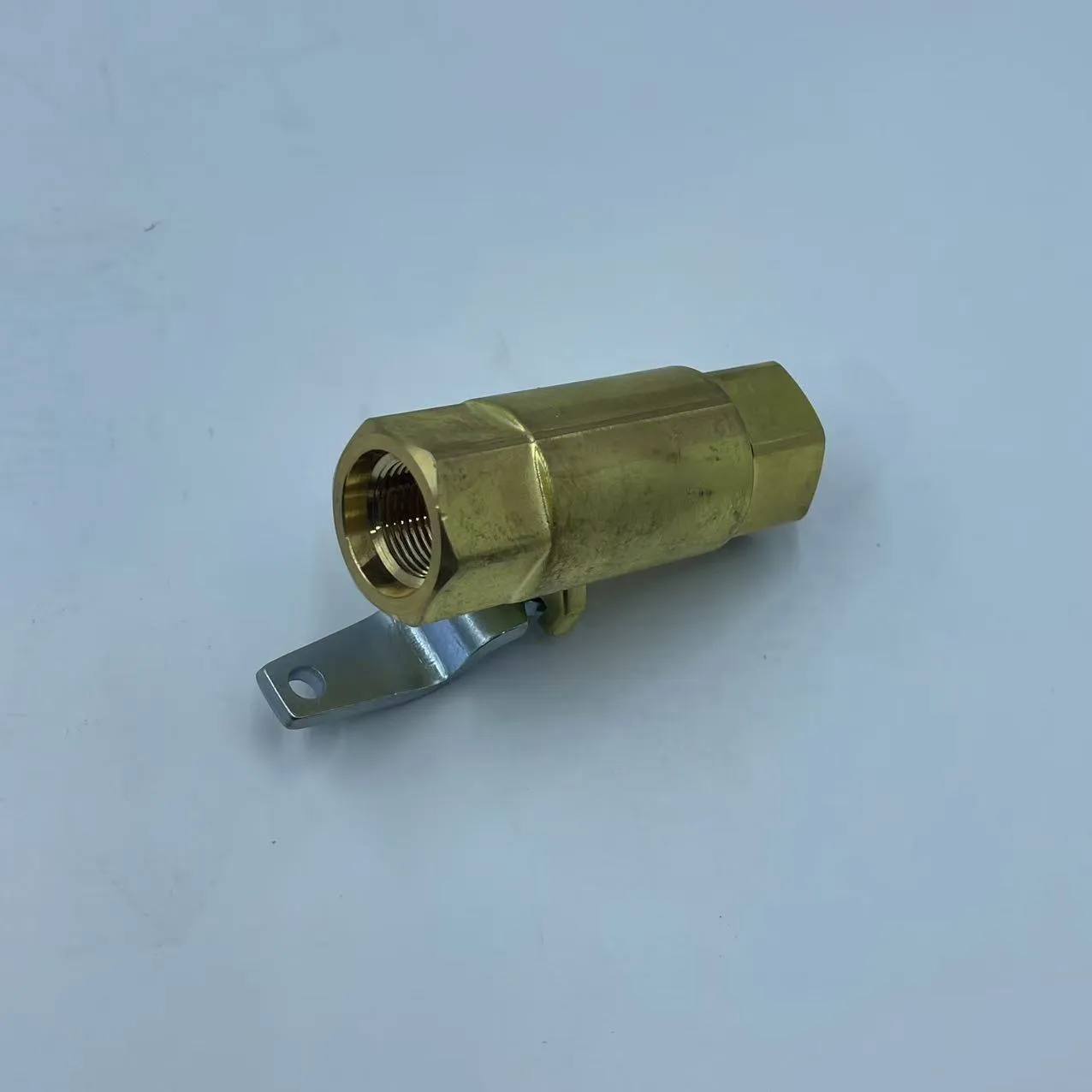 Komatsu Excavator PC200 Valve 20Y-62-15651
 -
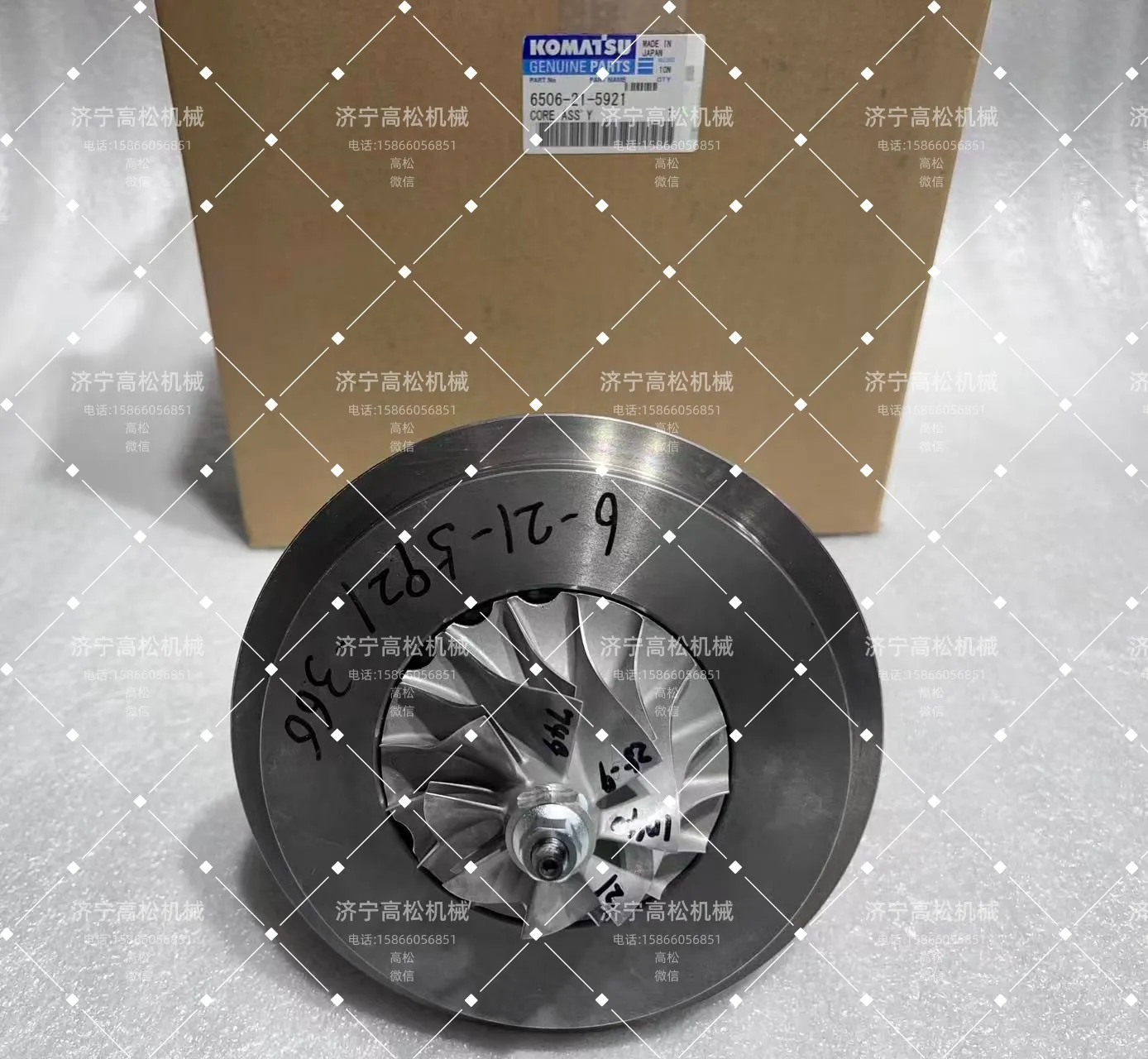 6506-21-5921 Komatsu Core Assembly
 -
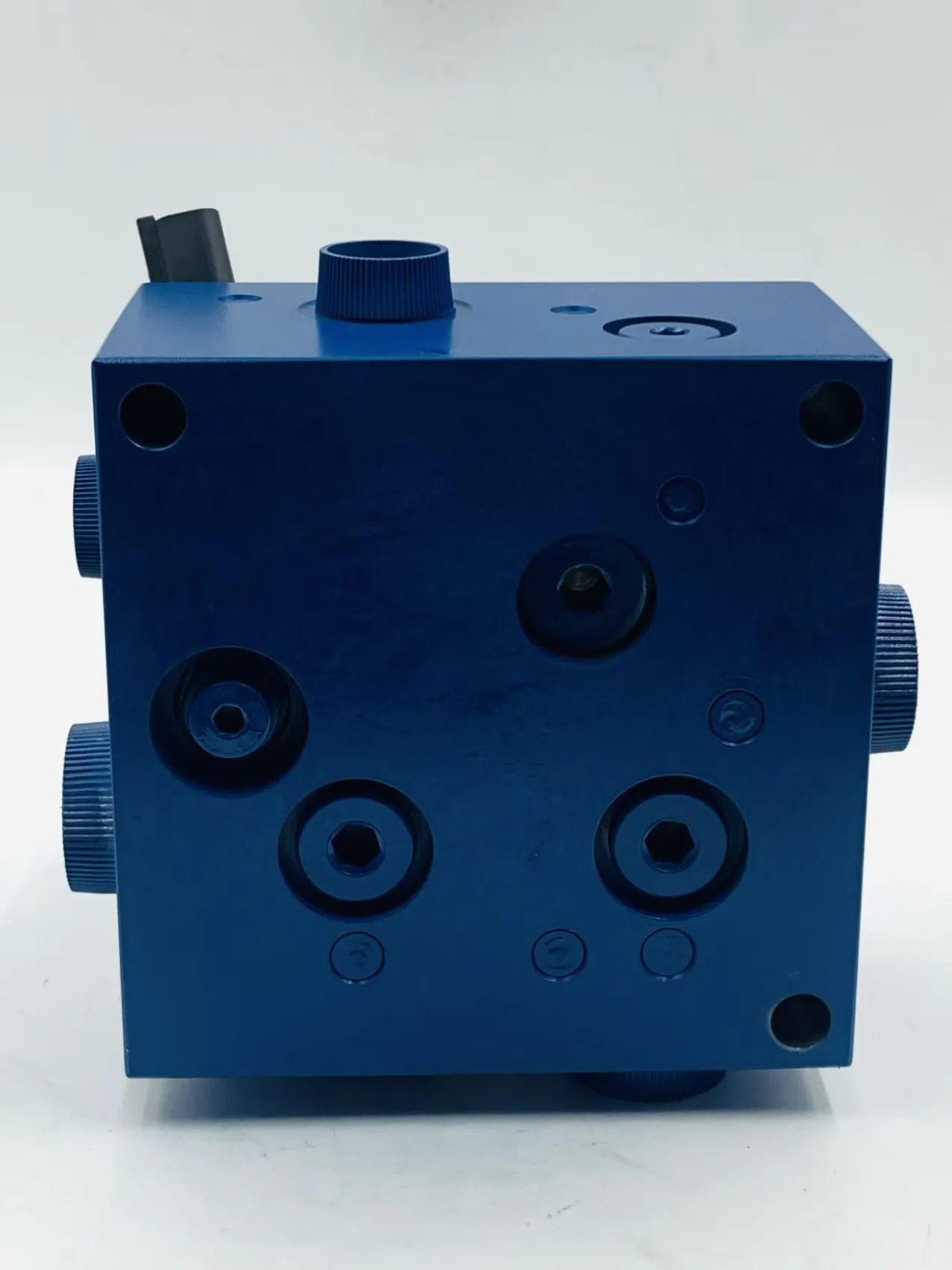 56D-43-37101 Komatsu HM400 Valve Assembly
 -
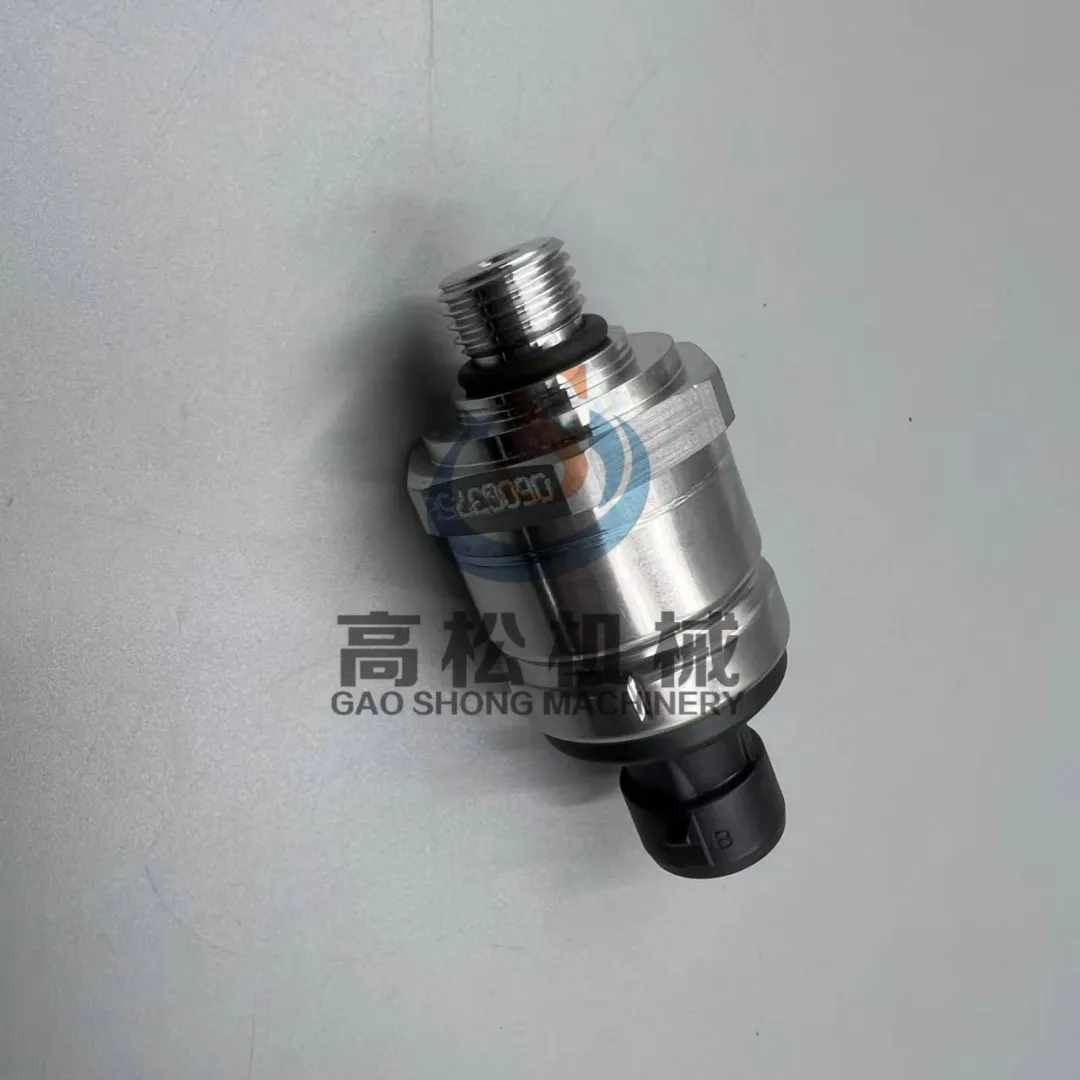 Pressure Sensor 6560-51-6200 6560-51-6201 6560-51-6202 for Komatsu WA600-3 Loader
 -
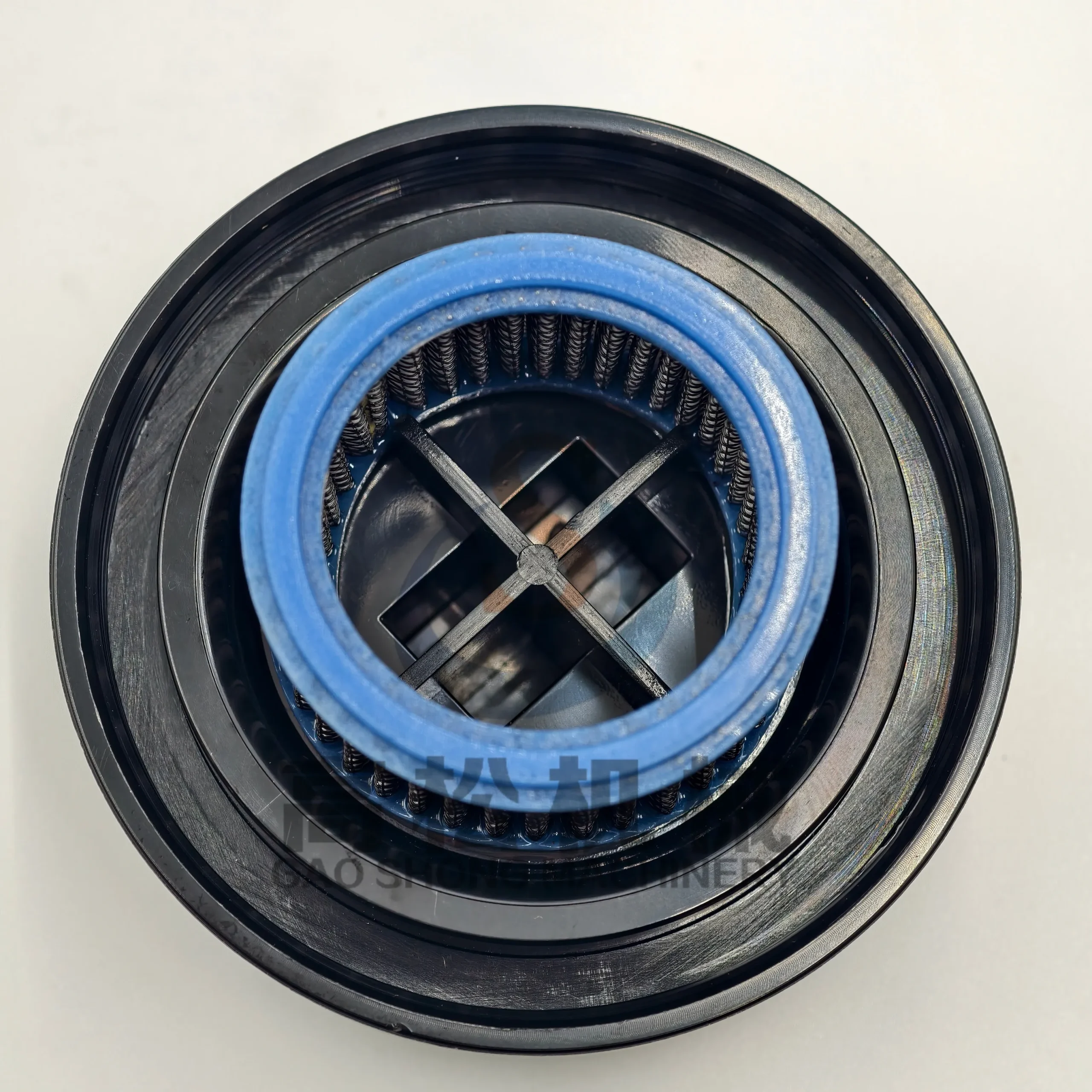 21T-04-31170 Komatsu fuel tank filter vent pipe
 -
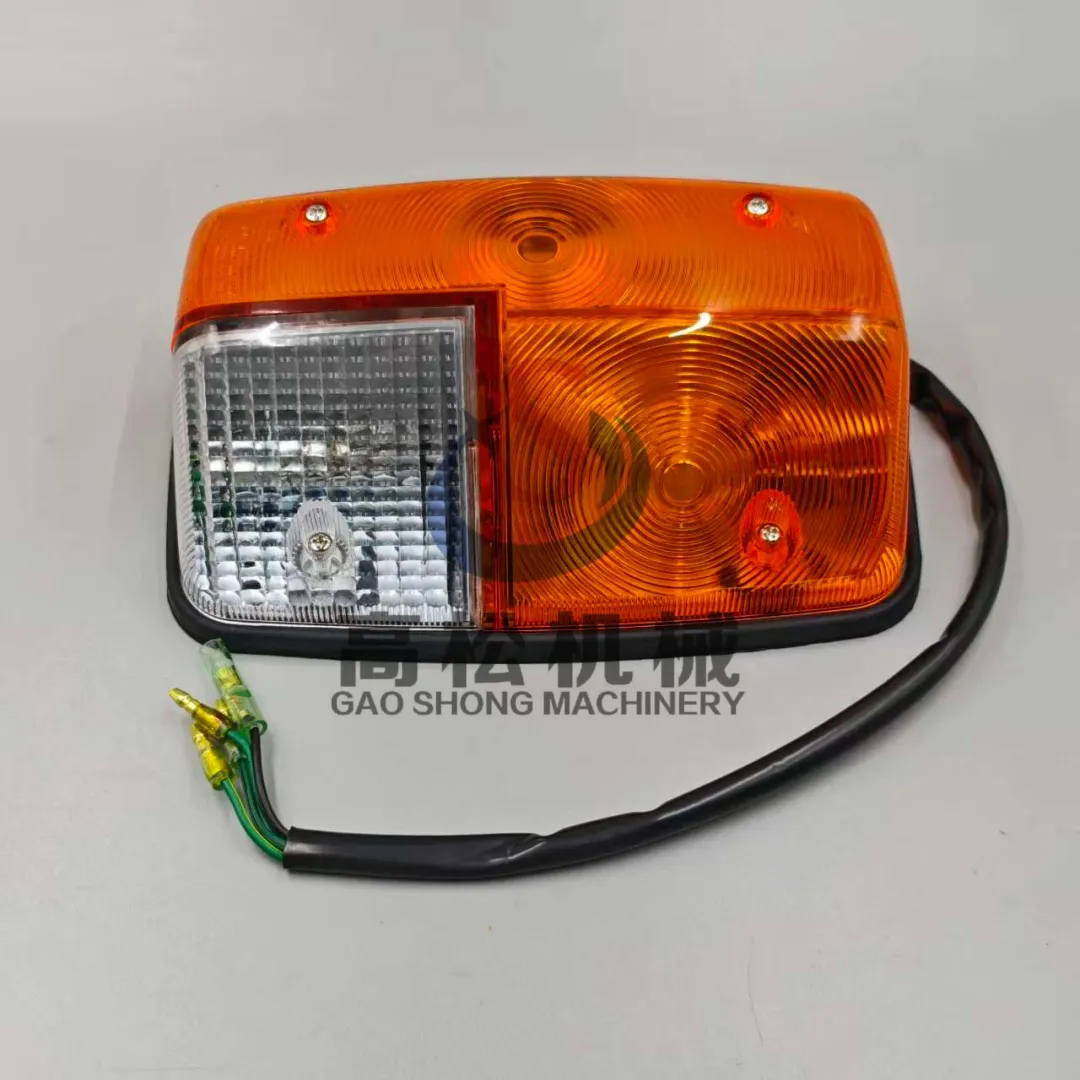 421-06-13401 LIGHT ASSEMBLY, TURN SIGNAL AND PARKING
 -
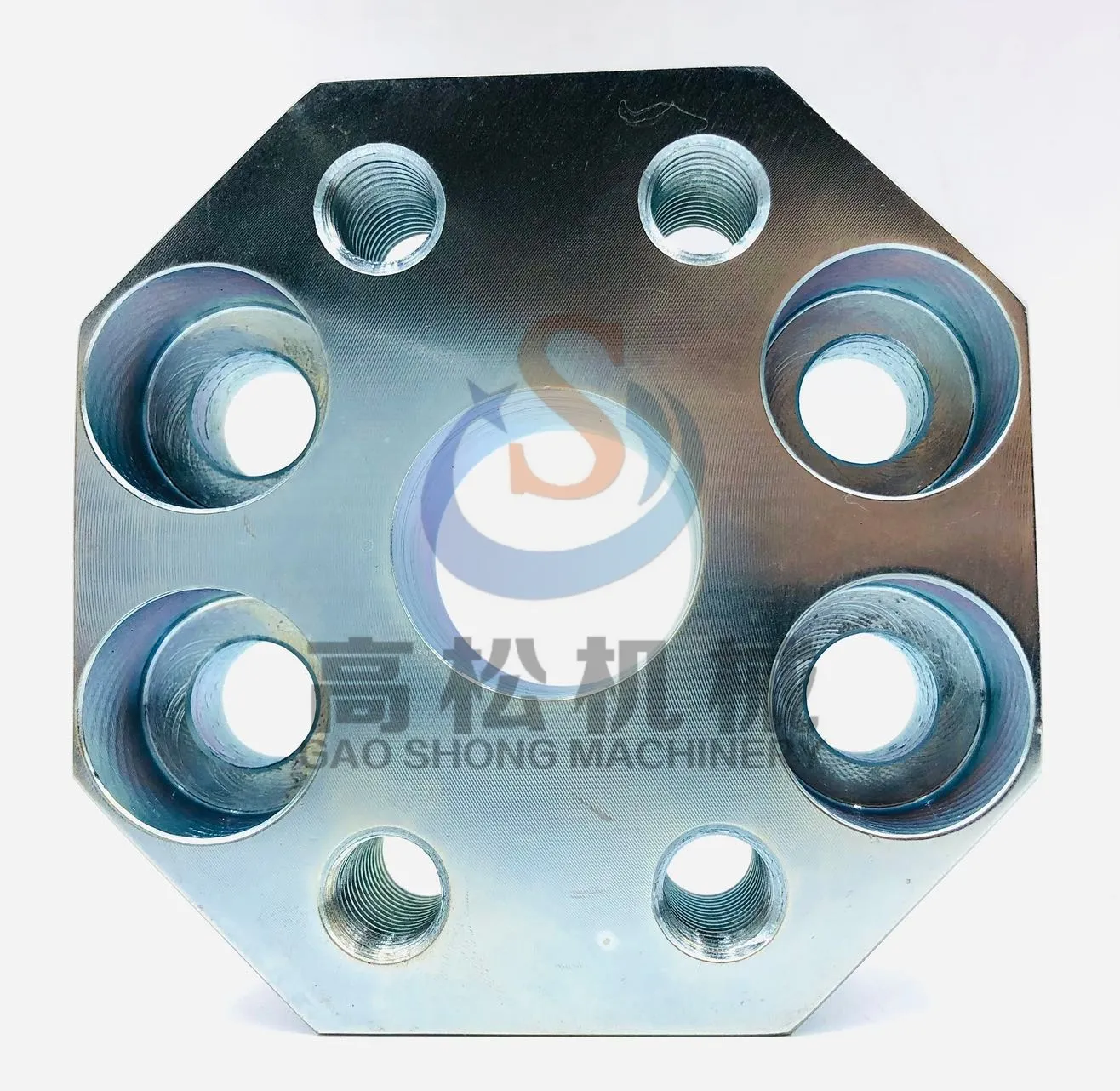 Komatsu excavator PC1250 flange 21N-62-11361
 -
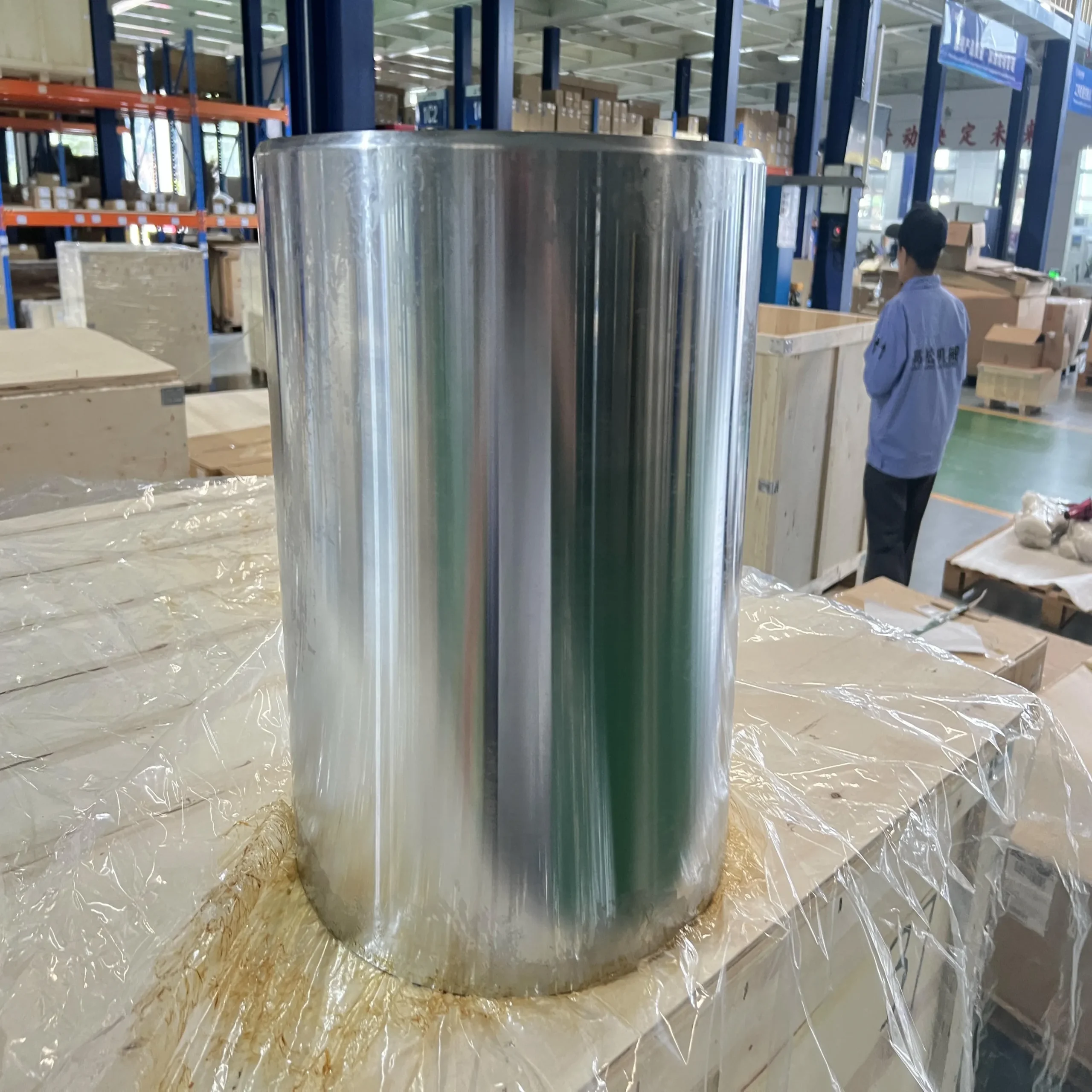 Komatsu D275-2/-5 17M-30-26620 Heavy Duty Swing Motors
 -
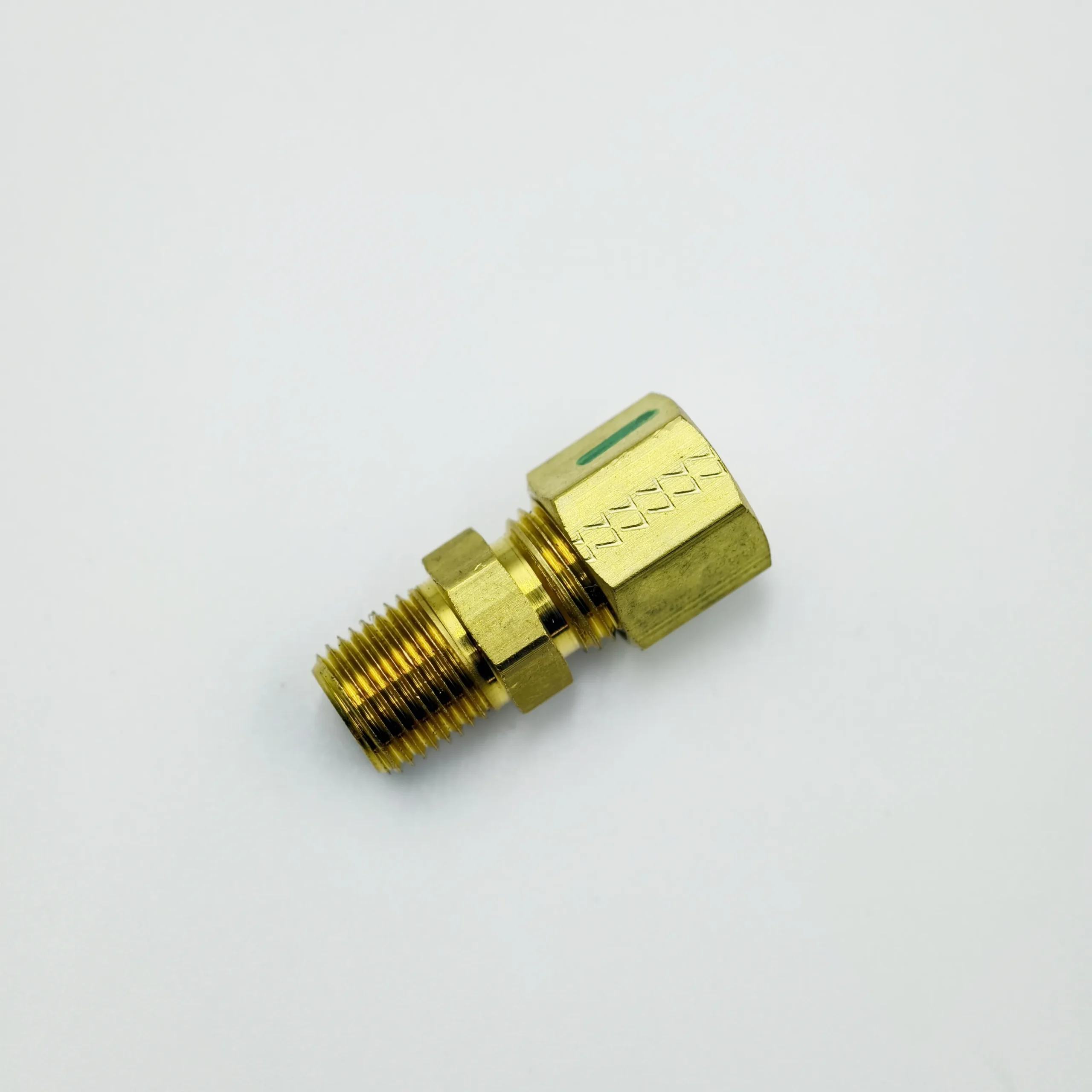 The PC1250SP-8 connector 21N-68-32320 is used for automotive grease in various countries ..