
- Chinese
- French
- German
- Portuguese
- Spanish
- Russian
- Japanese
- Korean
- Arabic
- Irish
- Greek
- Turkish
- Italian
- Danish
- Romanian
- Indonesian
- Czech
- Afrikaans
- Swedish
- Polish
- Basque
- Catalan
- Esperanto
- Hindi
- Lao
- Albanian
- Amharic
- Armenian
- Azerbaijani
- Belarusian
- Bengali
- Bosnian
- Bulgarian
- Cebuano
- Chichewa
- Corsican
- Croatian
- Dutch
- Estonian
- Filipino
- Finnish
- Frisian
- Galician
- Georgian
- Gujarati
- Haitian
- Hausa
- Hawaiian
- Hebrew
- Hmong
- Hungarian
- Icelandic
- Igbo
- Javanese
- Kannada
- Kazakh
- Khmer
- Kurdish
- Kyrgyz
- Latin
- Latvian
- Lithuanian
- Luxembou..
- Macedonian
- Malagasy
- Malay
- Malayalam
- Maltese
- Maori
- Marathi
- Mongolian
- Burmese
- Nepali
- Norwegian
- Pashto
- Persian
- Punjabi
- Serbian
- Sesotho
- Sinhala
- Slovak
- Slovenian
- Somali
- Samoan
- Scots Gaelic
- Shona
- Sindhi
- Sundanese
- Swahili
- Tajik
- Tamil
- Telugu
- Thai
- Ukrainian
- Urdu
- Uzbek
- Vietnamese
- Welsh
- Xhosa
- Yiddish
- Yoruba
- Zulu
- Kinyarwanda
- Tatar
- Oriya
- Turkmen
- Uyghur






OEM AND ORIGINAL KOMATSU VALVE 419-43-27913
Let's talk about the . If you're sourcing this, you're likely deep in the weeds with a Komatsu excavator or dozer, probably a mid-2000s model. The immediate thought is always get the original. But here's the rub: what does original even mean in today's market? Is it the part in the Komatsu box from the dealer, or is it the identical component made by the same factory that supplies Komatsu, just without the branded packaging? That's the core confusion with terms like OEM AND ORIGINAL KOMATSU VALVE. Many buyers see OEM and think aftermarket copy, but in the Komatsu ecosystem, it's often more nuanced. The genuine article might come through a different channel.
The Reality of the in the Field
This specific valve is a workhorse, but it fails in predictable ways. Usually, it's not a catastrophic blowout; it's a gradual loss of pressure or a sticky spool that causes erratic arm or travel function. I've seen machines where operators just learned to live with a slight lag, not realizing it was this valve slowly giving up. The diagnostic isn't always straightforward—it can mimic pump issues. You really need to tee in a gauge. The metal composition and the precision of the bore in the valve body are what separate a good part from a bad one. A subpar version will wear out the housing sleeve prematurely, turning a simple valve swap into a much bigger, more expensive job.
This is where the supplier's role becomes critical. A company like Jining Gaosong Construction Machinery Co., Ltd. operates in that interesting space. They position themselves as an OEM product supplier within the Komatsu system. In practice, this often means they have access to production lines that manufacture to Komatsu's engineering drawings and material specs. The part you get, say the , might be physically indistinguishable from the one in the Komatsu box because it came from the same source. Their stated mission of helping to solve parts supply challenges in certain countries is real. I've waited 12 weeks for a genuine valve from an official channel in some regions, while a supplier like this had it on the shelf, likely from the same factory batch.
I learned this the hard way years ago. We had a PC300-6 down for a swing issue. The official dealer quoted a long lead time and a high price for the control valve block. Out of desperation, we tried a compatible part from a general aftermarket seller. It fit, but the machine never had the same smooth, powerful swing. We later pulled it and found the tolerances were just off—maybe a few microns—enough to cause internal leakage and heat generation. That was a lesson: compatible is not the same as OEM AND ORIGINAL. The true OEM-level part should have no performance difference.
Navigating Supplier Claims and Quality Verification
So, you see a website like https://www.takematsumachinery.com. How do you vet it? The first thing I do is look for specificity. Do they just list part numbers, or do they provide context—machine models, serial number ranges, even old part number supersessions? A serious supplier does. For the , they should know it fits the Komatsu PC200-6, PC200-7, PC200-8, and possibly some PC220 models, and that it supersedes an older number. This shows depth.
The second test is material certification. For a valve like this, the steel grade and the plating on the spool (usually a chrome alloy) are everything. A credible supplier, especially one claiming OEM lineage, should be able to provide or at least reference material test reports. They don't have to give you the proprietary spec sheet, but they should confidently tell you it meets Komatsu's STD-xxxx standard. If they dodge that question, it's a red flag.
Packaging is a minor but telling point. Real OEM-origin parts often come in plain white boxes with only the part number and maybe a supplier code. The plastic bag inside is anti-static. The part itself should be coated in a clear, non-greasy preservative oil, not a thick, sticky cosmoline. When you handle a genuine or true OEM valve, the machining marks are consistent, the part number is etched cleanly, and all ports are sealed with proper plugs, not cheap plastic or paper. I've received parts where the plugs were just tape—that tells you about the care in the warehouse.
Cost vs. Value: The Real Calculation
The price delta between the dealer's original and an OEM product supplier's part can be 40-60%. The immediate temptation is to see pure savings. But the calculation isn't that simple. You have to factor in downtime cost. If the cheaper part fails in 6 months, you've lost all savings and more. The value proposition from a company like Jining Gaosong isn't just lower price; it's availability. When a machine is down in a remote location, getting the part in 3 days versus 3 months is what keeps a project solvent.
We ran a trial on a fleet of five older PC200-7s. We sourced two valves from the official dealer and three from a supplier making similar claims to Gaosong. We tracked hours of operation, fluid contamination, and performance. After 3000 hours, we pulled one of each for inspection. The wear patterns on the spools and sleeves were virtually identical under magnification. The key was that all five valves performed without issue. The cost savings on just that one part across the fleet paid for a hydraulic hose replacement kit.
The risk, of course, is in the grey market. Some suppliers sell OEM but it's actually high-grade counterfeit—excellent copies that are hard to detect. The only defense is building a relationship with a supplier. Start with a non-critical part. Ask for their sourcing story. A legitimate third-party sales company for Komatsu will be transparent about their limitations; they won't claim to have every part, and they'll tell you when a part is aftermarket versus OEM-sourced.
Practical Steps for Procurement
When you need that , don't just search the number. Contact the supplier directly. A good test is to ask: Can you confirm the O-ring kit number that comes with this valve, and is it included? The genuine/OEM valve often comes with a specific seal kit. If they know it's 419-99-xxx, you're probably talking to someone with real parts knowledge, not just a warehouse picker.
Always, always inspect upon arrival. Check the etching of the part number. Compare the weight to an old original part—significant differences indicate different materials. Dry-fit it if you have the old one; the ports should align perfectly without force. The feel of the spool moving inside the body (with clean oil) should be smooth with no binding points.
Finally, document everything. Keep the packaging, the shipping documents, and the invoice. If there is an issue, a professional supplier will want this information. Their willingness to support a warranty claim is the ultimate test of their claim to be part of the solution for parts supply challenges. It turns a transaction into a potential partnership.
Closing Thoughts on the Ecosystem
The market for parts like the OEM AND ORIGINAL KOMATSU VALVE is messy but navigable. The binary of genuine vs. aftermarket is outdated. There's a legitimate middle layer of suppliers who provide OEM-identical parts through parallel channels. Companies like Jining Gaosong exist because the official distribution chain can't or won't serve every market efficiently.
For the technician or fleet manager, the goal is machine uptime. Sometimes that means paying the premium for the dealer part for warranty compliance. Often, especially with older machines, it means finding a reliable source in that OEM-supplier space. It requires diligence, asking the right questions, and trusting but verifying.
In the end, the valve doesn't know what box it came in. It only knows if it was made to the right spec with the right materials. Your job is to find the source that delivers that, whether it's called Komatsu, OEM, or comes from a website you found through a deep dive search. The number is just a code; the quality behind it is what keeps the machine running.
Related Products
Related Products

Best Selling Products
Best Selling Products-
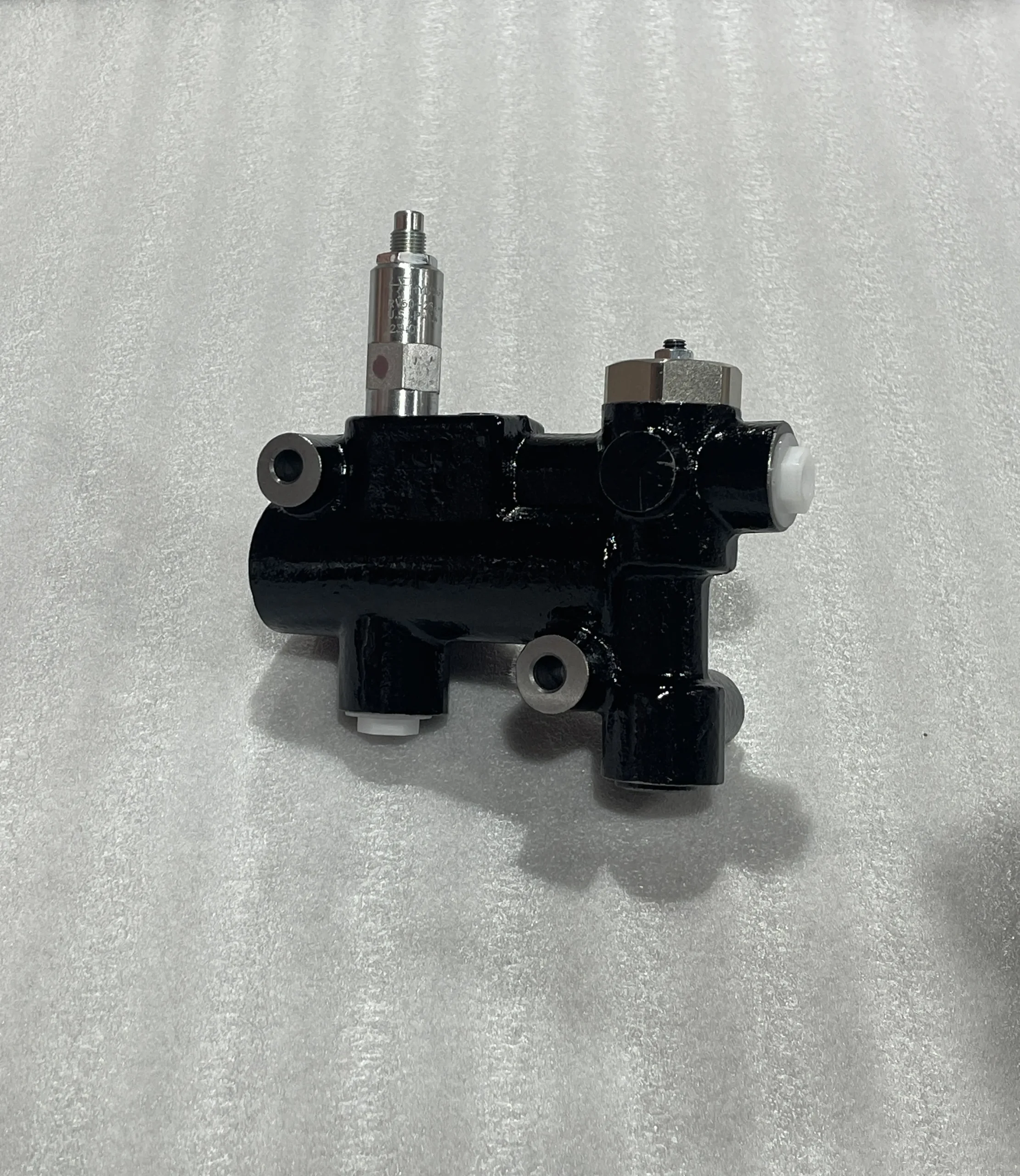 accumulator inflation valve
 -
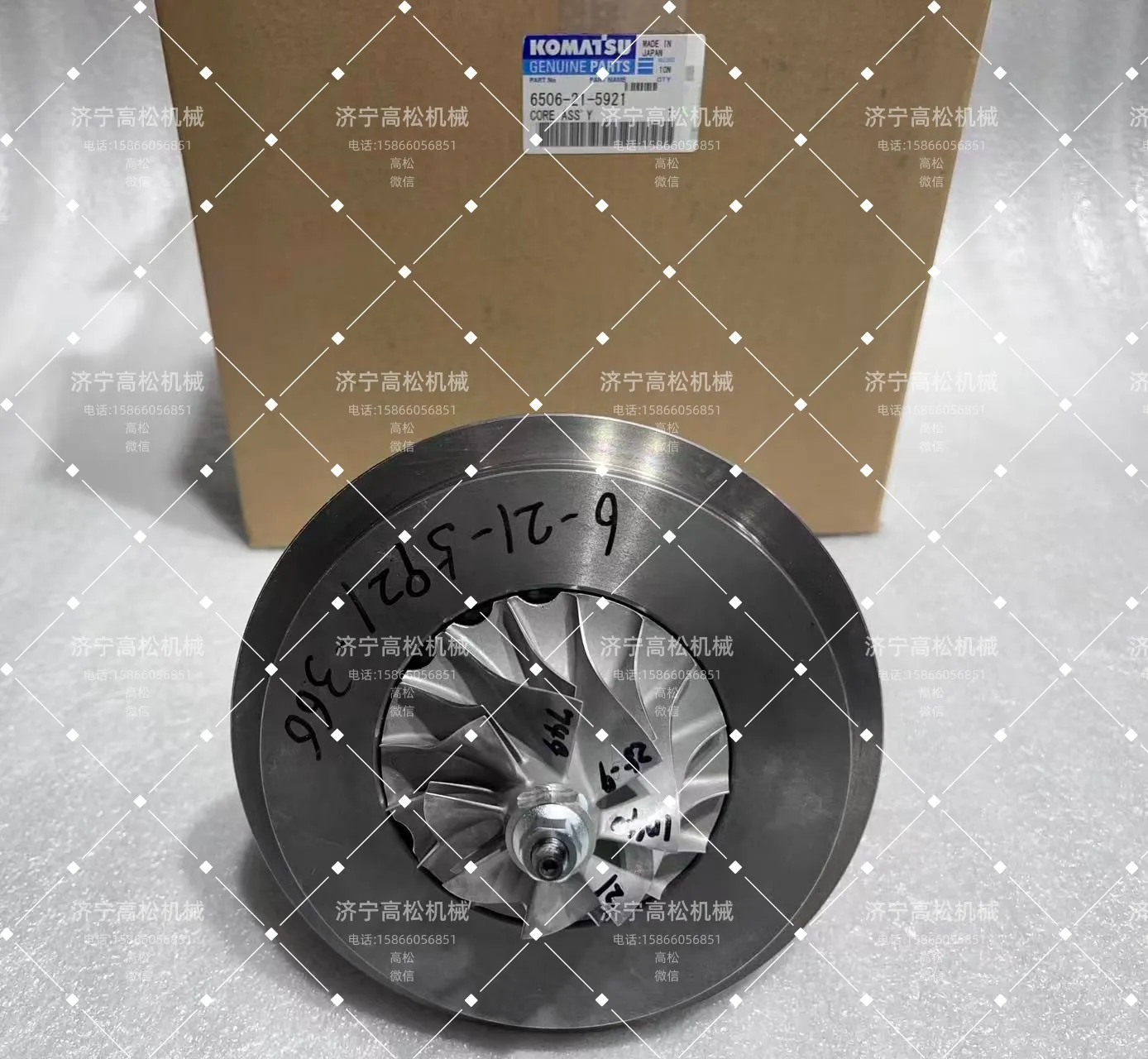 6506-21-5921 Komatsu Core Assembly
 -
Komatsu PC220-8, PC350-8, PC450-8 excavator filter assemblies 20Y-62-51681 (20Y62-51681, 20Y-625168) (pilot filters
-
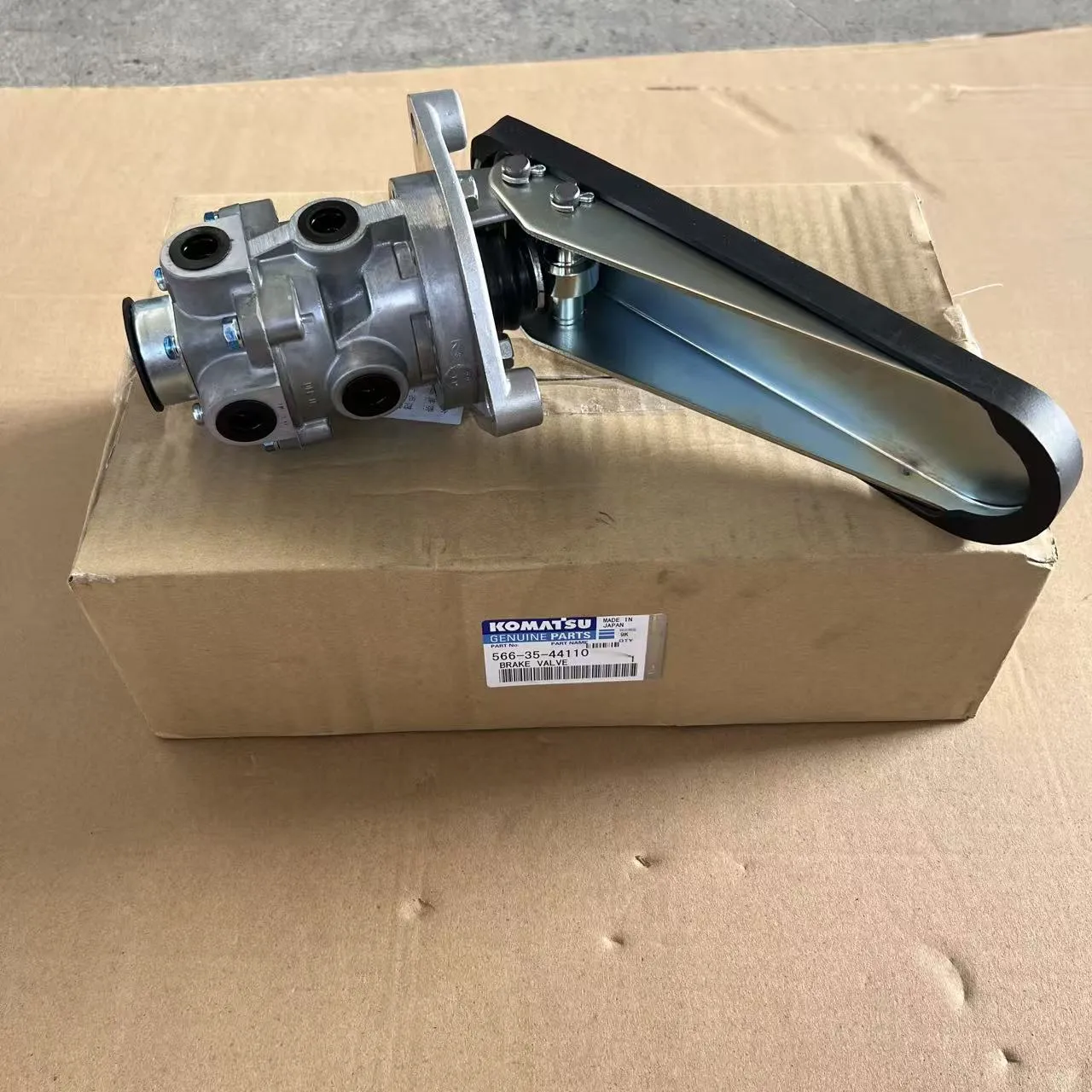 Komatsu Dump Truck Original HD785-5 Brake Valve 566-35-44110
 -
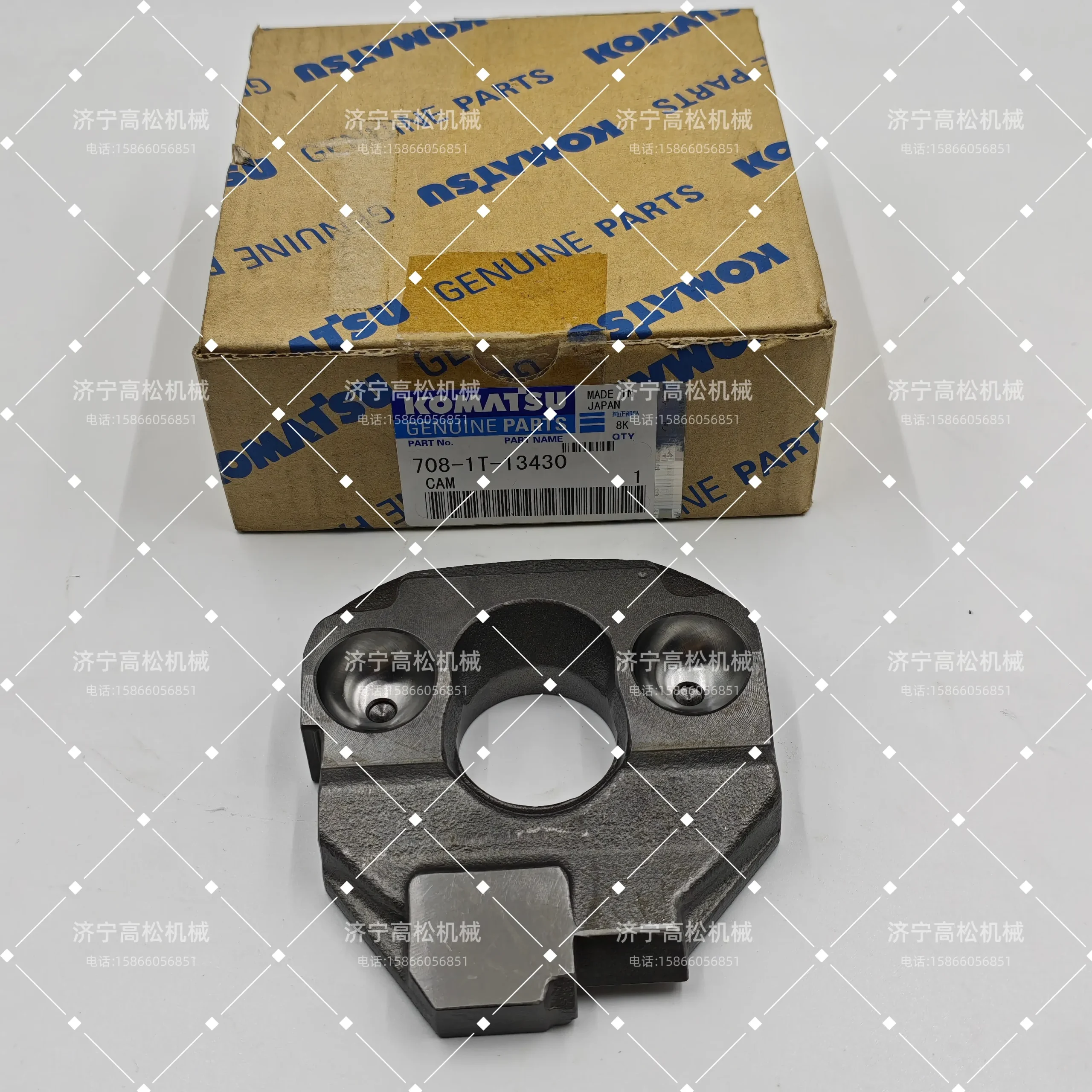 708-1T-13430 Komatsu Cam, Rocker
 -
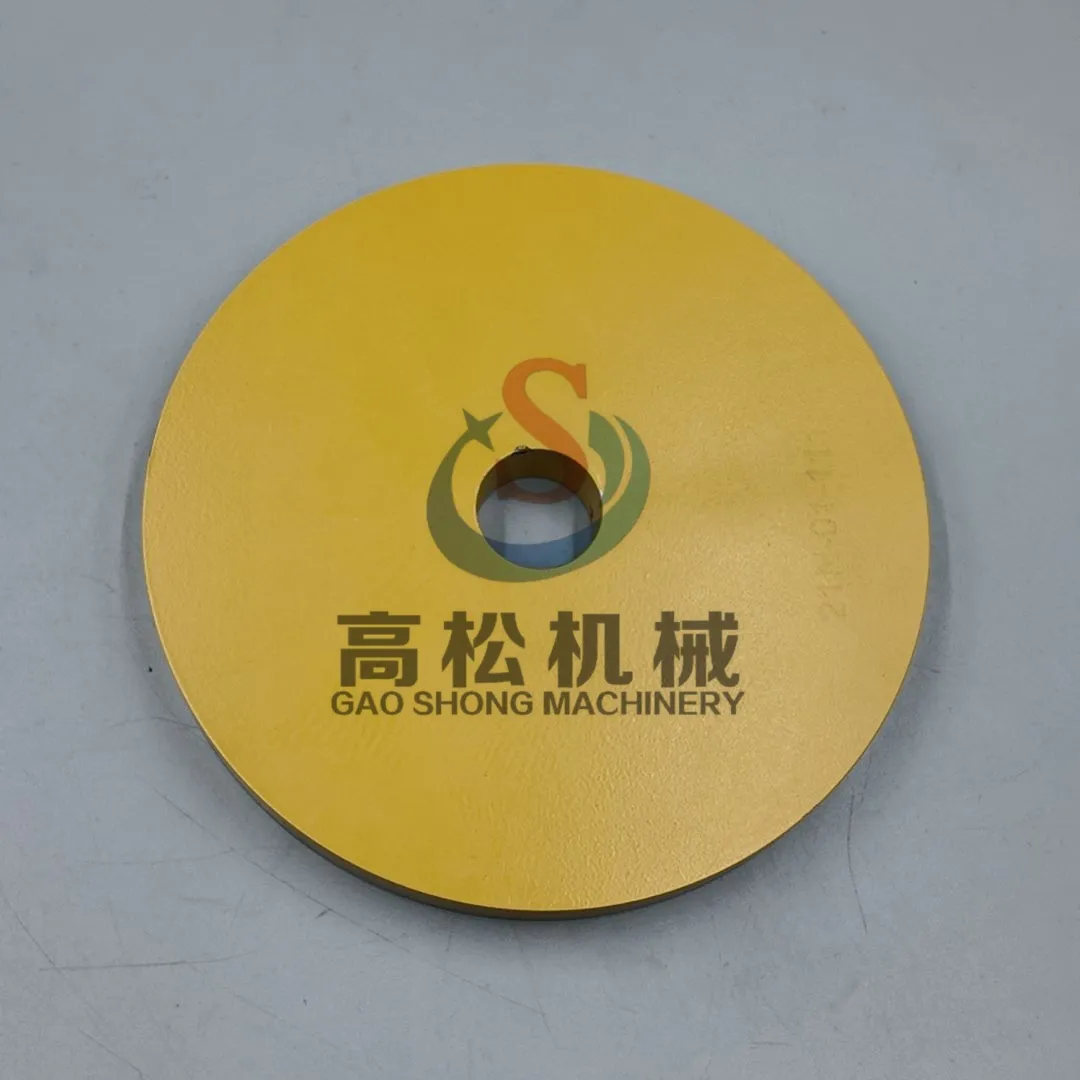 21T-01-11150 21N-01-11120 Cushion KOMATSU Excavator Spare Parts For PC800LC-8E0 PC850-8E0
 -
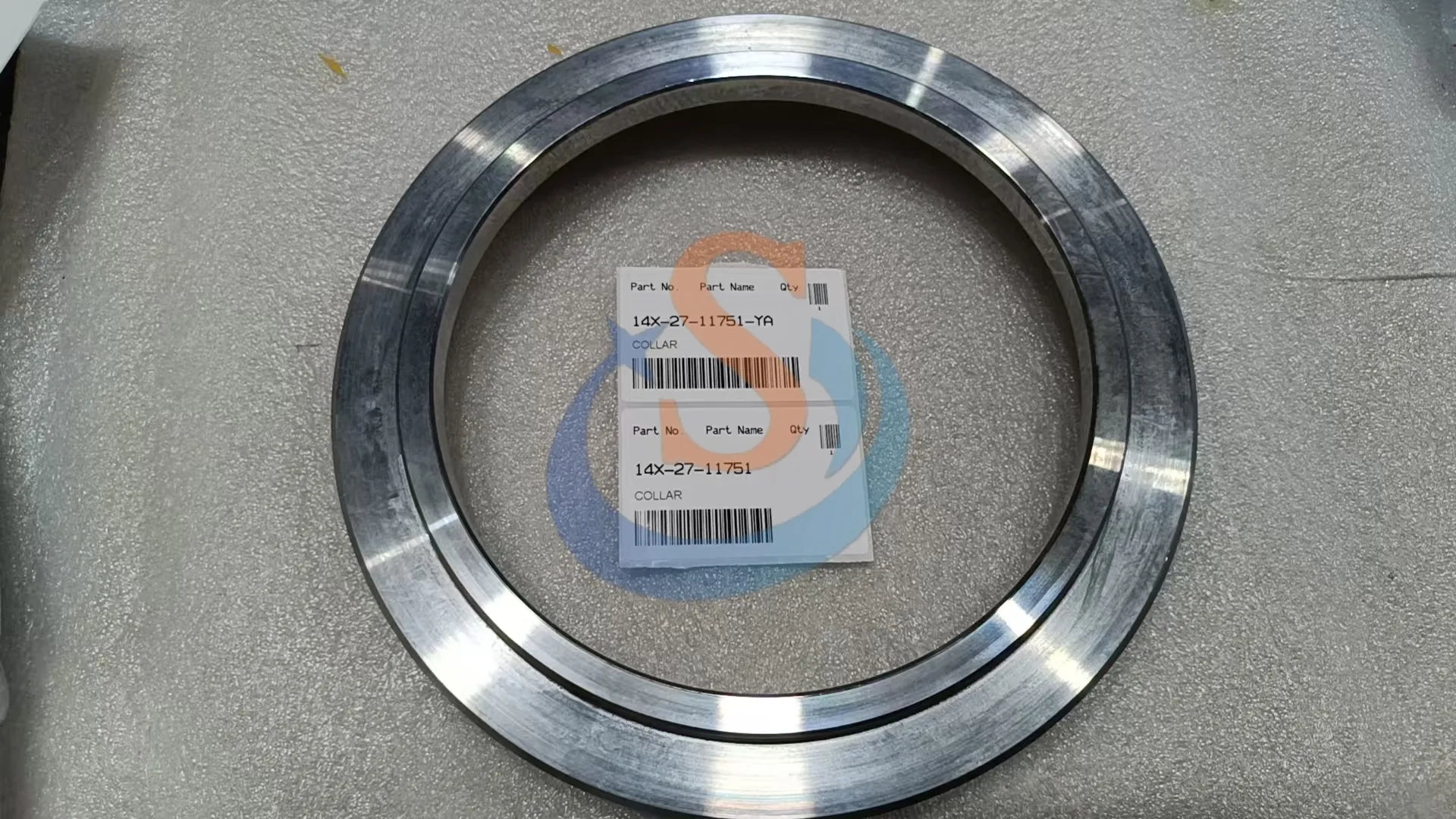 14X-27-11751,COLLAR,D65PX,D65WX,D85E
 -
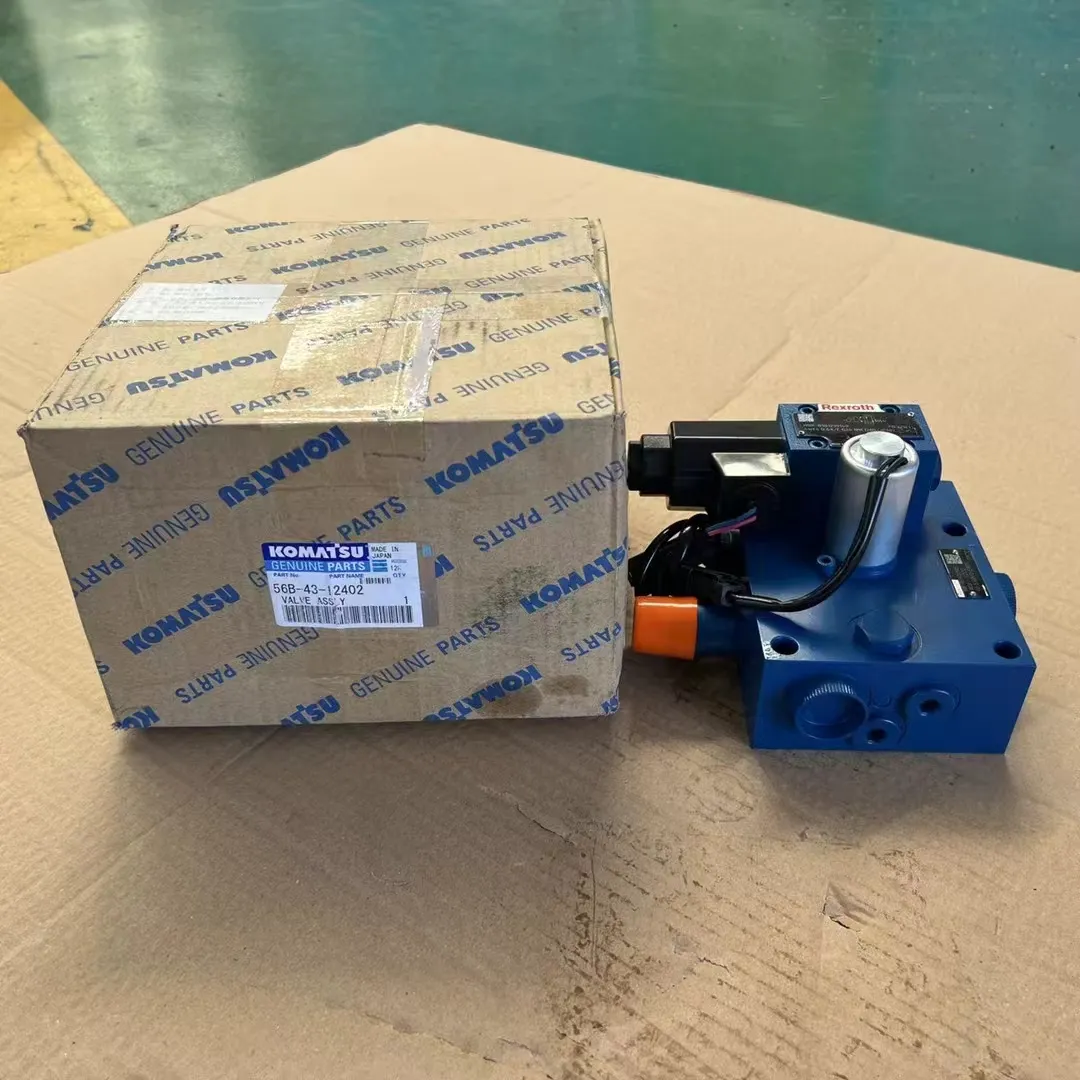 Supply Komatsu HD465-7EPC dump truck valve 56B-43-12402
 -
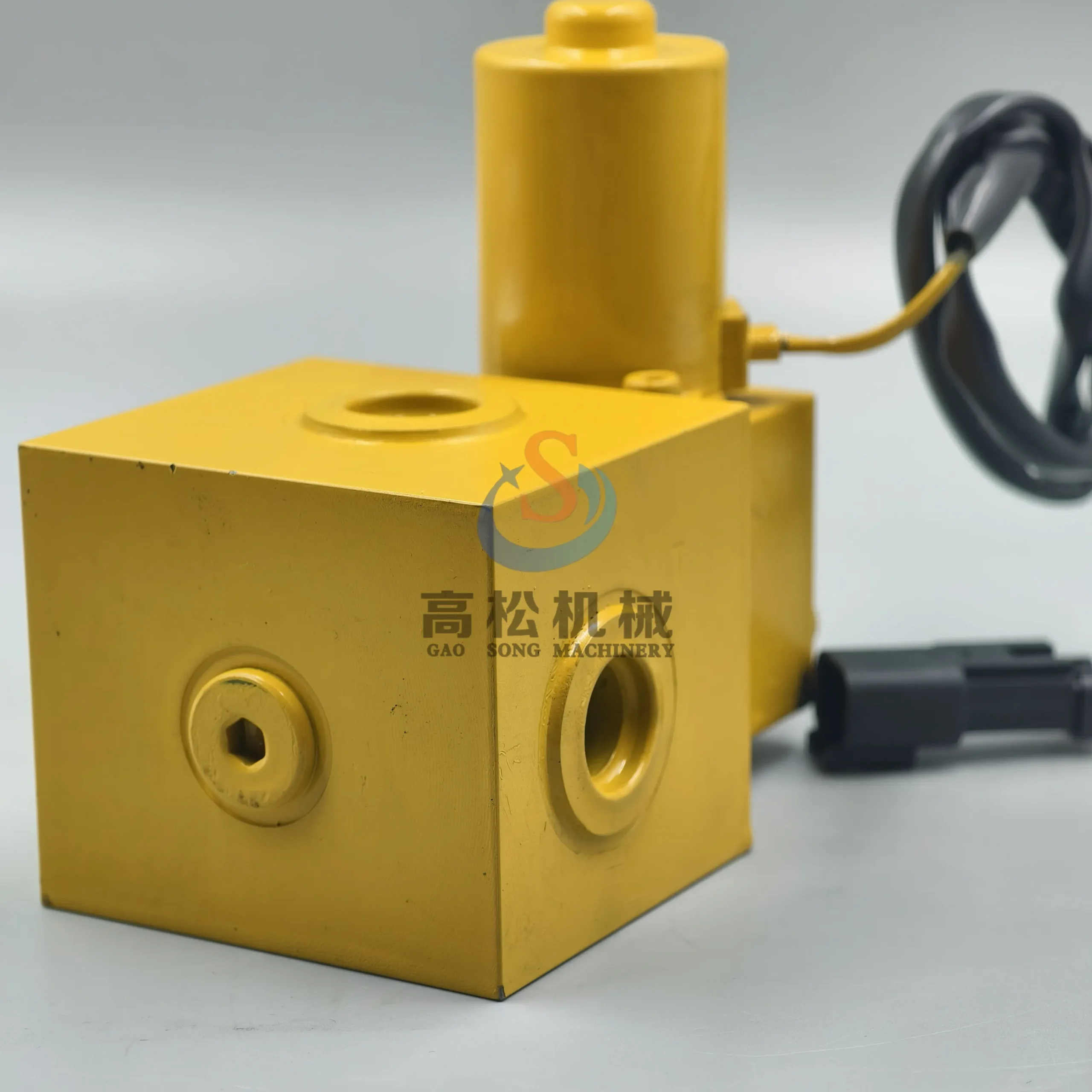 209-60-77220 komatsu vavle-PC600/PC700
 -
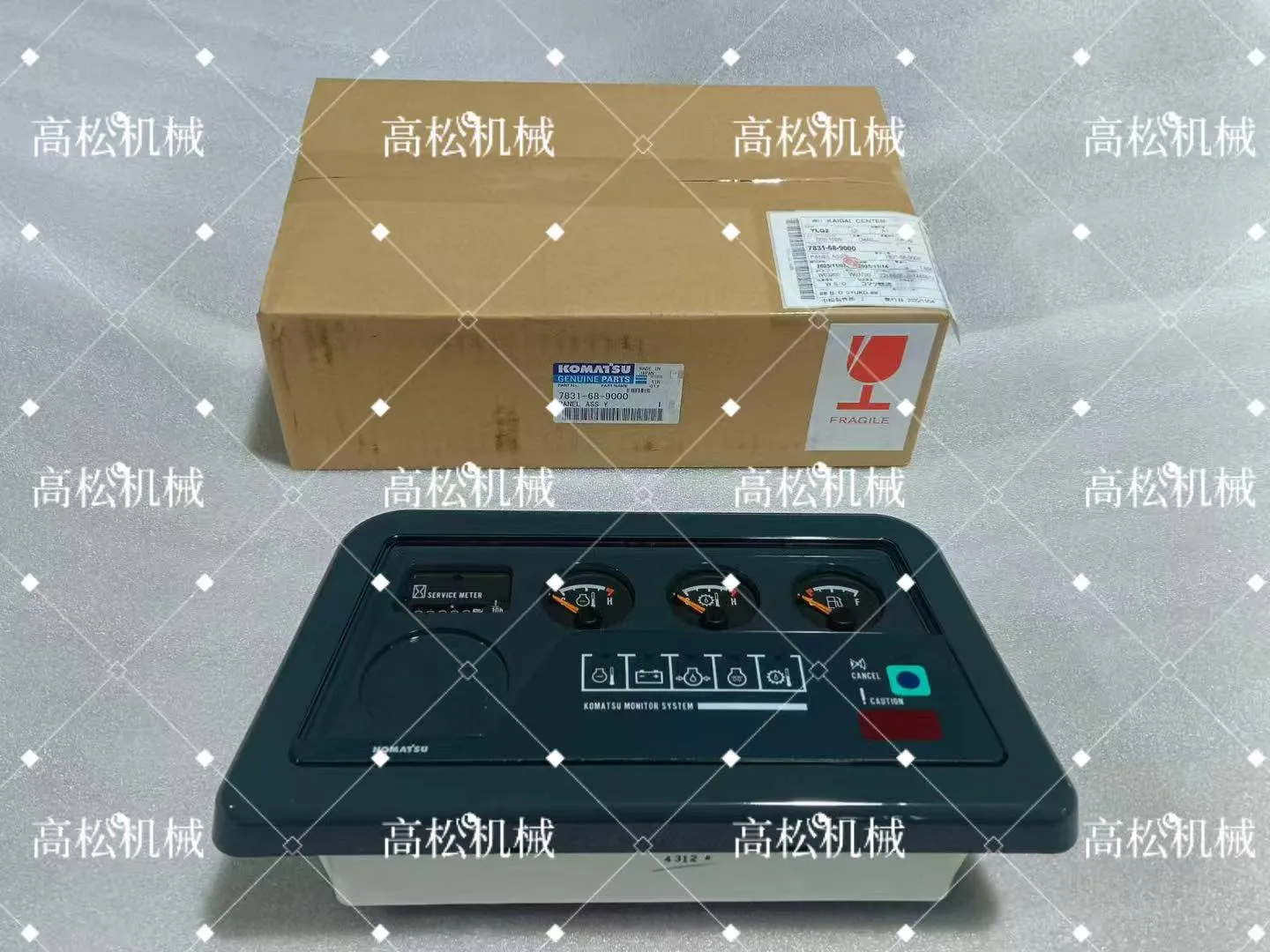 n-stock items. Part No.: 7831-68-9000. Genuine Komatsu panel. Suitable for D155 and D375 models.
 -
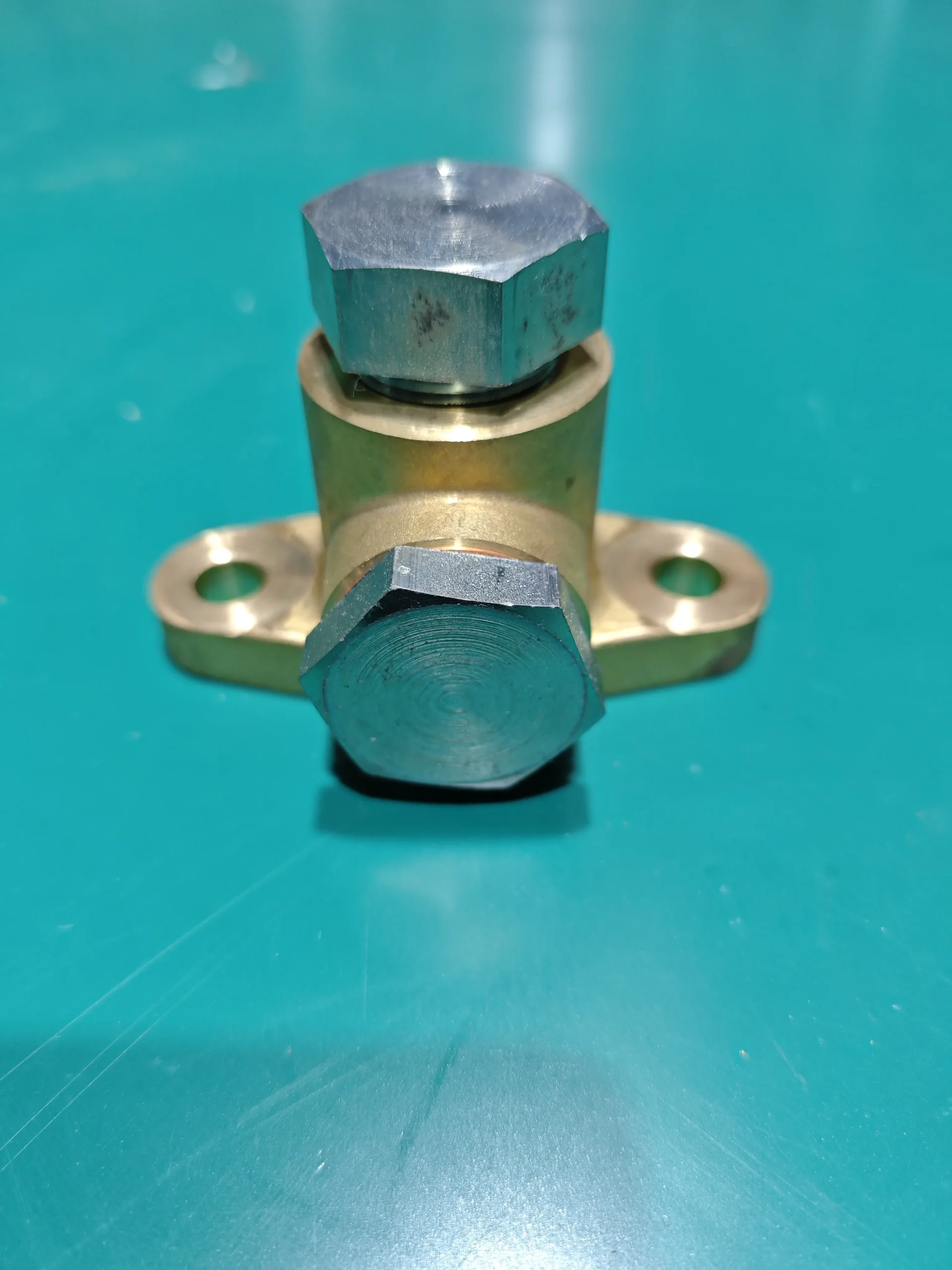 6693-22-5600 VALVE ASS’Y,OIL PAN DRAIN (Komatsu)
 -
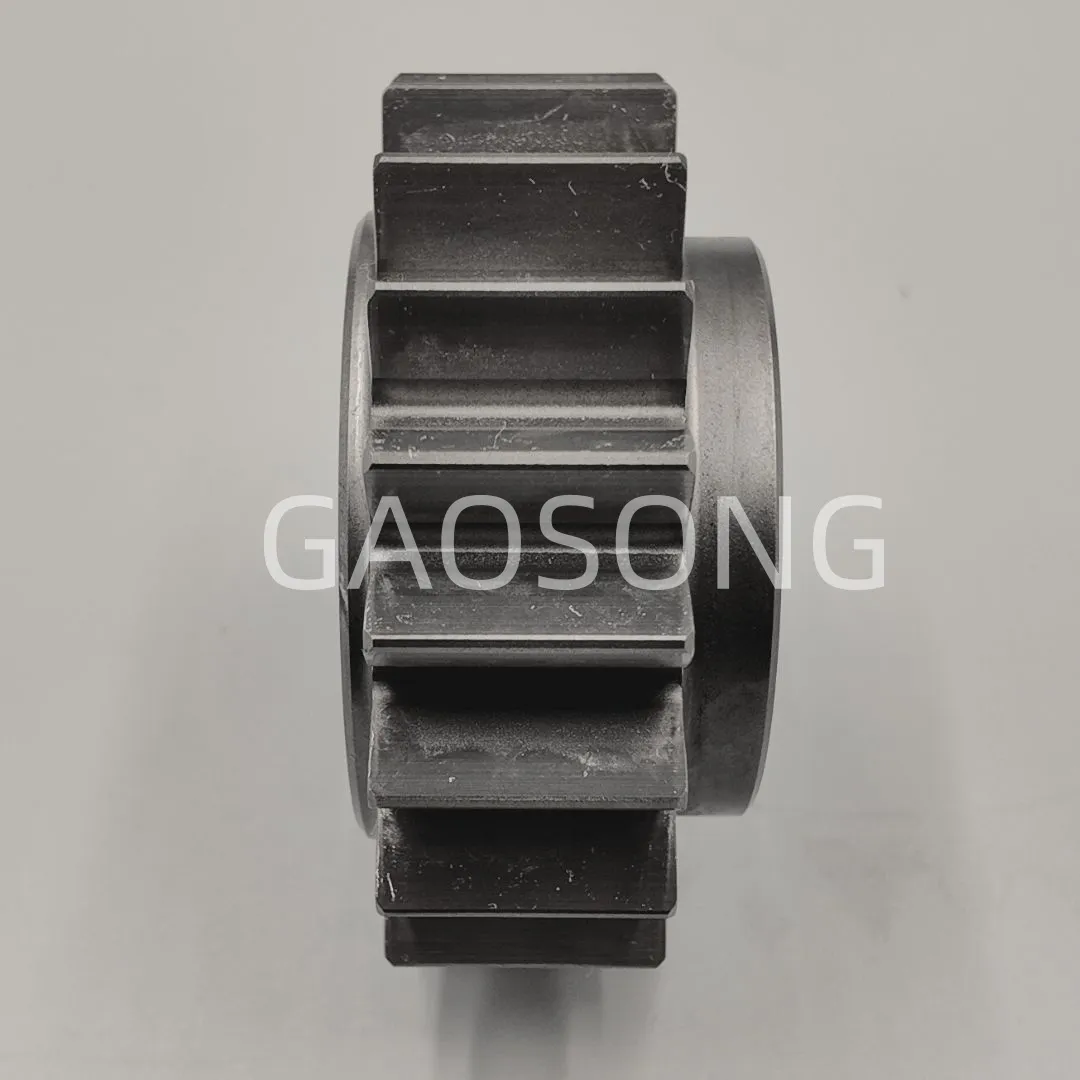 207-26-71510 Gear–Komatsu Original Factory