
- Chinese
- French
- German
- Portuguese
- Spanish
- Russian
- Japanese
- Korean
- Arabic
- Irish
- Greek
- Turkish
- Italian
- Danish
- Romanian
- Indonesian
- Czech
- Afrikaans
- Swedish
- Polish
- Basque
- Catalan
- Esperanto
- Hindi
- Lao
- Albanian
- Amharic
- Armenian
- Azerbaijani
- Belarusian
- Bengali
- Bosnian
- Bulgarian
- Cebuano
- Chichewa
- Corsican
- Croatian
- Dutch
- Estonian
- Filipino
- Finnish
- Frisian
- Galician
- Georgian
- Gujarati
- Haitian
- Hausa
- Hawaiian
- Hebrew
- Hmong
- Hungarian
- Icelandic
- Igbo
- Javanese
- Kannada
- Kazakh
- Khmer
- Kurdish
- Kyrgyz
- Latin
- Latvian
- Lithuanian
- Luxembou..
- Macedonian
- Malagasy
- Malay
- Malayalam
- Maltese
- Maori
- Marathi
- Mongolian
- Burmese
- Nepali
- Norwegian
- Pashto
- Persian
- Punjabi
- Serbian
- Sesotho
- Sinhala
- Slovak
- Slovenian
- Somali
- Samoan
- Scots Gaelic
- Shona
- Sindhi
- Sundanese
- Swahili
- Tajik
- Tamil
- Telugu
- Thai
- Ukrainian
- Urdu
- Uzbek
- Vietnamese
- Welsh
- Xhosa
- Yiddish
- Yoruba
- Zulu
- Kinyarwanda
- Tatar
- Oriya
- Turkmen
- Uyghur






OEM AND ORIGINAL KOMATSU VALVE 208-60-71340
When you see a part number like , especially with the terms 'OEM' and 'Original Komatsu' attached, it's easy to assume it's a straightforward purchase. But in the field, that's where the real conversation starts. I've seen too many guys, even seasoned mechanics, get tripped up thinking 'OEM' from a third-party supplier means the exact same thing as the part coming directly from Komatsu's own packaging. It doesn't, and that distinction costs people time and money. The valve is a perfect example—a critical component for certain Komatsu excavator hydraulic systems where tolerances aren't just a suggestion.
The Core Confusion: OEM vs. Original Komatsu
Let's break this down. Original Komatsu means the valve was manufactured in a factory authorized and controlled by Komatsu, meeting every single material, dimensional, and performance spec. It's the benchmark. OEM, in the context of a company like Jining Gaosong Construction Machinery Co., Ltd., means something slightly different but equally valid. They operate as an OEM product supplier within the Komatsu system. This often means they produce components to Komatsu's blueprints and standards, sometimes even on the same production lines, but the parts may be destined for the aftermarket or specific regional supply chains rather than direct factory installation.
The practical difference? Often, none in performance. I've fitted their valves alongside ones from Komatsu's own network. The machining, the bore finish, the stamping—identical. But the paperwork and the packaging differ. The risk comes from suppliers who misuse the term 'OEM' to describe reverse-engineered or compatible parts. That's where you get premature wear or pressure issues. Gaosong's position is clearer because they're integrated into the system; they're not just a reseller.
Why does this matter for the ? This isn't a simple check valve. It's involved in precise pilot control. A micron-level deviation in spool fit or spring rate can lead to sluggish operation or, worse, internal leakage that overheats the entire hydraulic system. You can't afford a 'maybe' on spec.
On-the-Ground Application and Common Pitfalls
I recall a job on a Komatsu PC300-8 where the main control valve block was acting up. Diagnostics pointed to the pilot section, specifically the logic valve associated with . The customer had sourced a 'genuine' part from a local vendor at a great price. Upon inspection, the part looked right, but the O-ring grooves were a hair shallow—a classic sign of a copy. It sealed initially but failed under thermal cycling after 40 hours.
We replaced it with a valve sourced through Takematsu Machinery, which is Gaosong's portal. The fit was perfect, first time. No shimming, no forcing. That's the tell. Their role as a third-party sales company for Komatsu isn't about selling alternatives; it's about providing authentic system parts where the official distribution is thin or backlogged. For countries with supply challenges, they're not a workaround; they're a legitimate channel.
The installation process for this valve is also instructive. It's not just a swap-out. You have to be religious about cleanliness. Any contamination during installation will wreck it faster than a bad metallurgy. I always pre-fill the valve cavity with clean hydraulic fluid before final torque. It's a small step, but one that's saved countless comebacks.
Material and Manufacturing Traceability
This is where the rubber meets the road. An original uses a specific grade of steel for the body and a particular alloy for the spool. The hardening process is critical. I've had 'OEM' valves from dubious sources where the spool showed galling after minimal cycles. Analysis? Subpar surface treatment. The Gaosong-supplied parts we've cut apart for analysis (yes, we destructively test samples) show consistent case hardening depth and the correct chrome plating.
Traceability is key. A proper part from an integrated supplier will have batch codes. It might not be a Komatsu-branded box, but you can often cross-reference the manufacturing data. This is a huge point of confidence. When you're ordering from their site, you're not just buying a part number; you're accessing a supply chain that has upstream visibility. They're helping to solve parts supply challenges precisely because they are in the system, not outside it trying to mimic it.
Another detail: the machining marks. On the original and true system-OEM parts, the port faces have a specific cross-hatch pattern from the final finishing process. It's a fingerprint. I've learned to check that with a loupe. A mirror finish or inconsistent marks are a red flag.
Cost vs. Value and Operational Downtime
Everyone wants to save money. The from a pure aftermarket brand might be 60% the cost of one from a supplier like Jining Gaosong Construction Machinery Co., Ltd.. The math seems simple. But factor in the labor for installation, the hydraulic oil you'll contaminate if it fails, and, most critically, the machine downtime. A failed valve can strand a $300,000 excavator. That $500 savings evaporates in the first hour of unscheduled downtime.
Their model works because they strip out some of the logistics and branding costs of the full Komatsu distribution ladder but maintain the technical pedigree. You're paying for the engineering and the certainty, not the global advertising. For fleet managers, this is a viable strategy for managing maintenance budgets without gambling on machine availability.
I've advised clients to build a relationship with such suppliers for critical wear items. Stocking a genuine from them is smarter than waiting for a crisis and then risking an unknown part. It turns a reactive repair into a planned maintenance event.
Final Thoughts: Judging a Part Beyond the Number
So, when you're looking for an OEM AND ORIGINAL KOMATSU VALVE , the part number is just the starting point. The origin story is what matters. Is it from a factory within Komatsu's ecosystem, or is it from a workshop that measured an old one? The distinction is everything.
Companies that are transparent about their position, like Gaosong stating they are an OEM product supplier within the Komatsu system, provide that crucial context. It allows you to make an informed decision. You're not buying a mystery; you're buying a documented component with a clear path back to the original specifications.
In the end, my rule is simple: for non-critical seals or brackets, maybe you can experiment. For a precision hydraulic control valve like the , you go with a source that has direct lineage. The machine's performance, and your reputation, depend on that judgment call. It's not about brand loyalty; it's about physics and reliability, which, in our line of work, are the only things that truly pay the bills.
Related Products
Related Products
Best Selling Products
Best Selling Products-
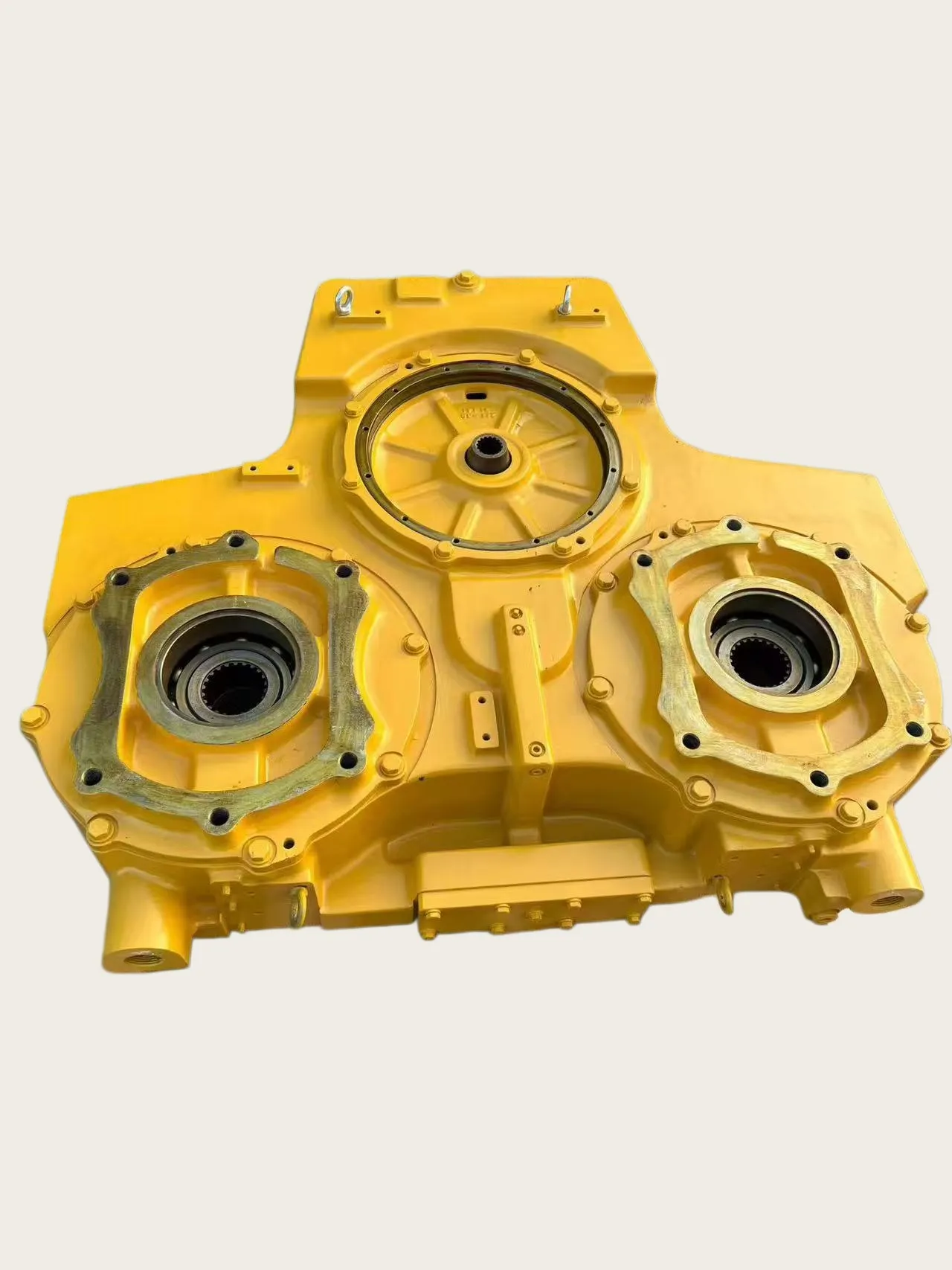 komatsu-part-21T-38-00160 21T-38-00170 21T-38-00180 21T-38-00190 PTO Assembly PC2000-8 PC2000-11 PTO (POWER TAKE OFF), INNER PARTS POWER TAKE OFF
 -
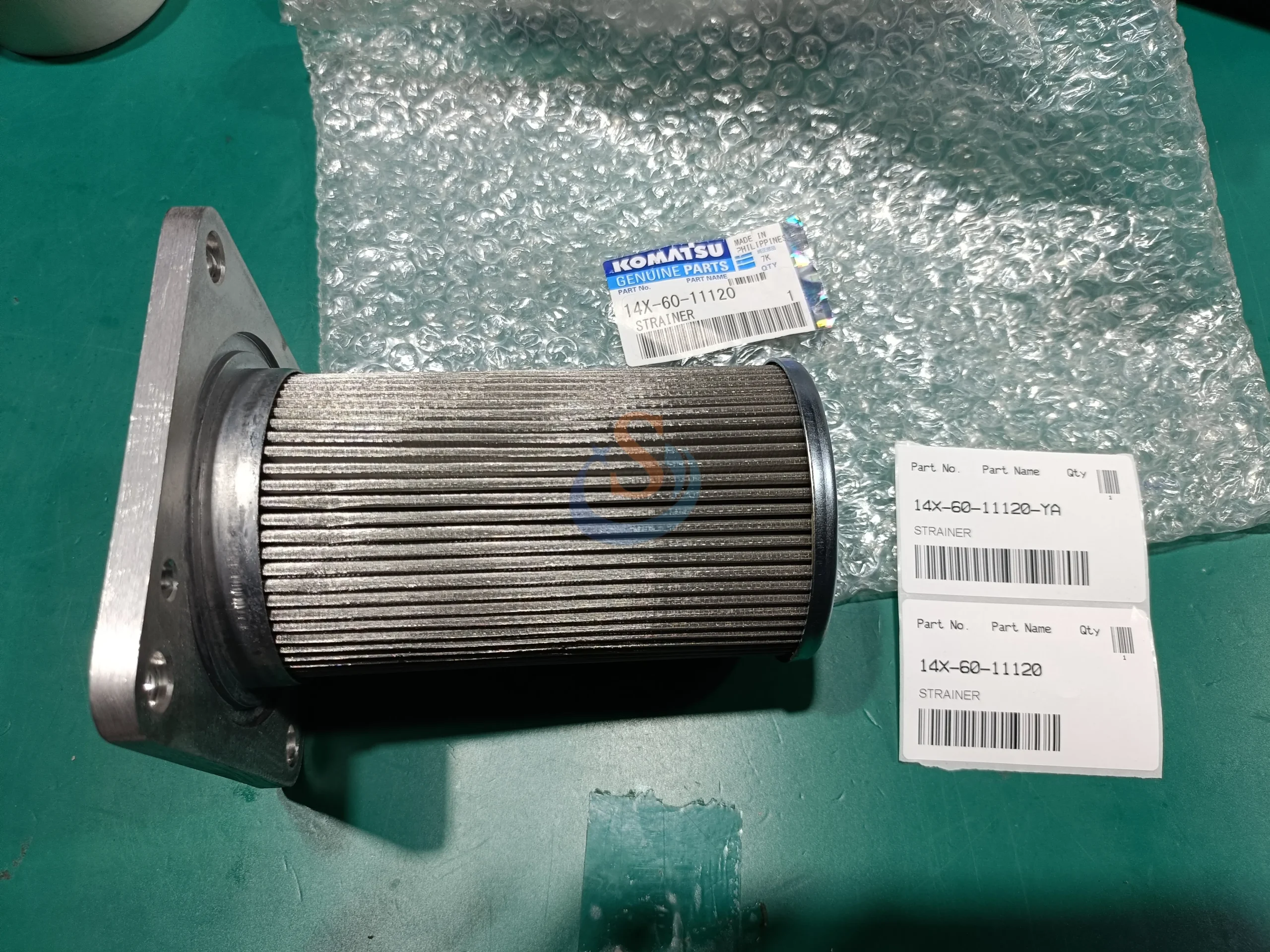 14X-60-11120,STRAINER,D31PX,D31EX,D65PX
 -
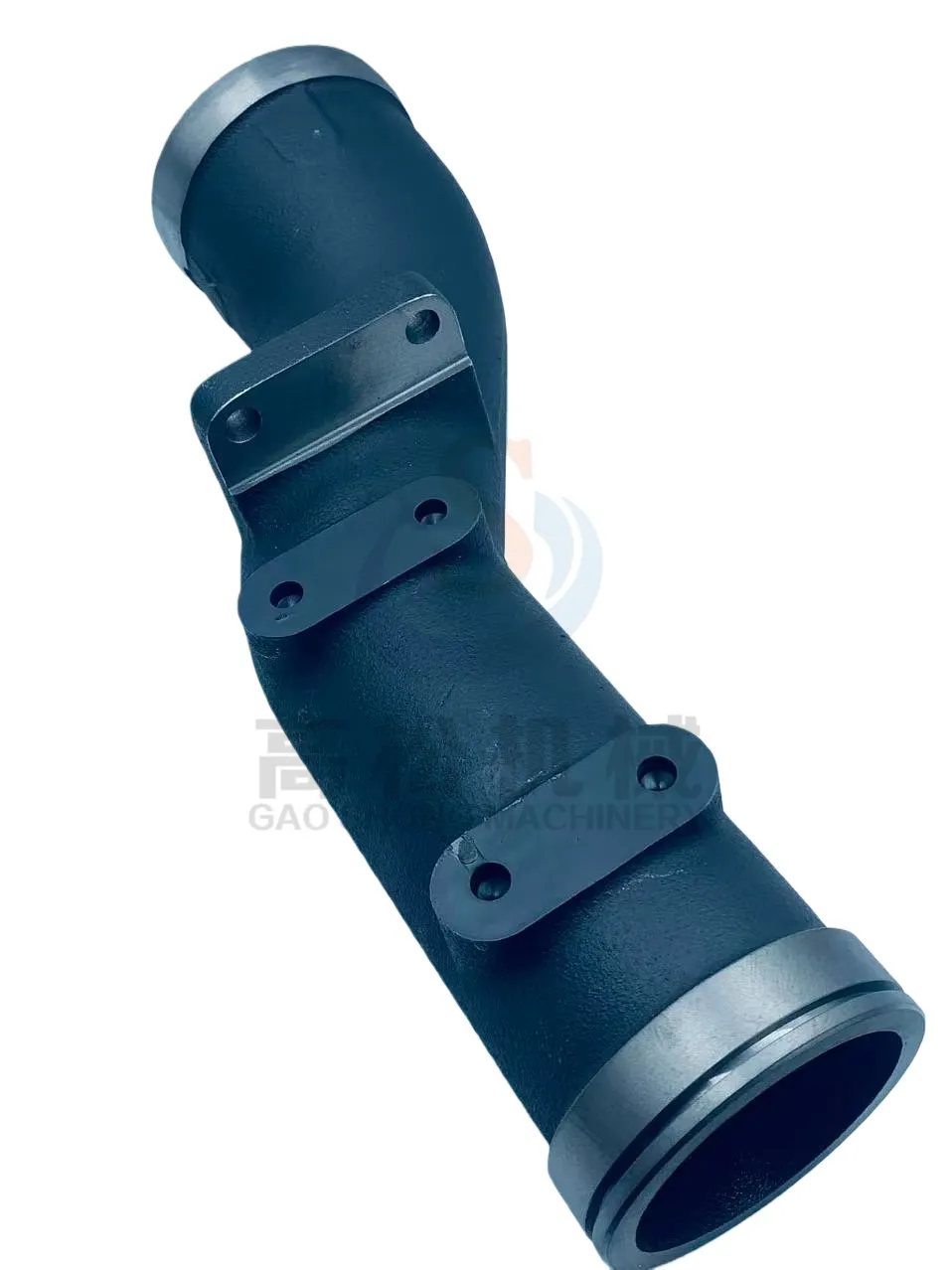 KOMATSU CONNECTOR 6156-11-5521 PC400-7 MUFFLER CONNECTOR SAA6D125E-3K-8W MUFFLER
 -
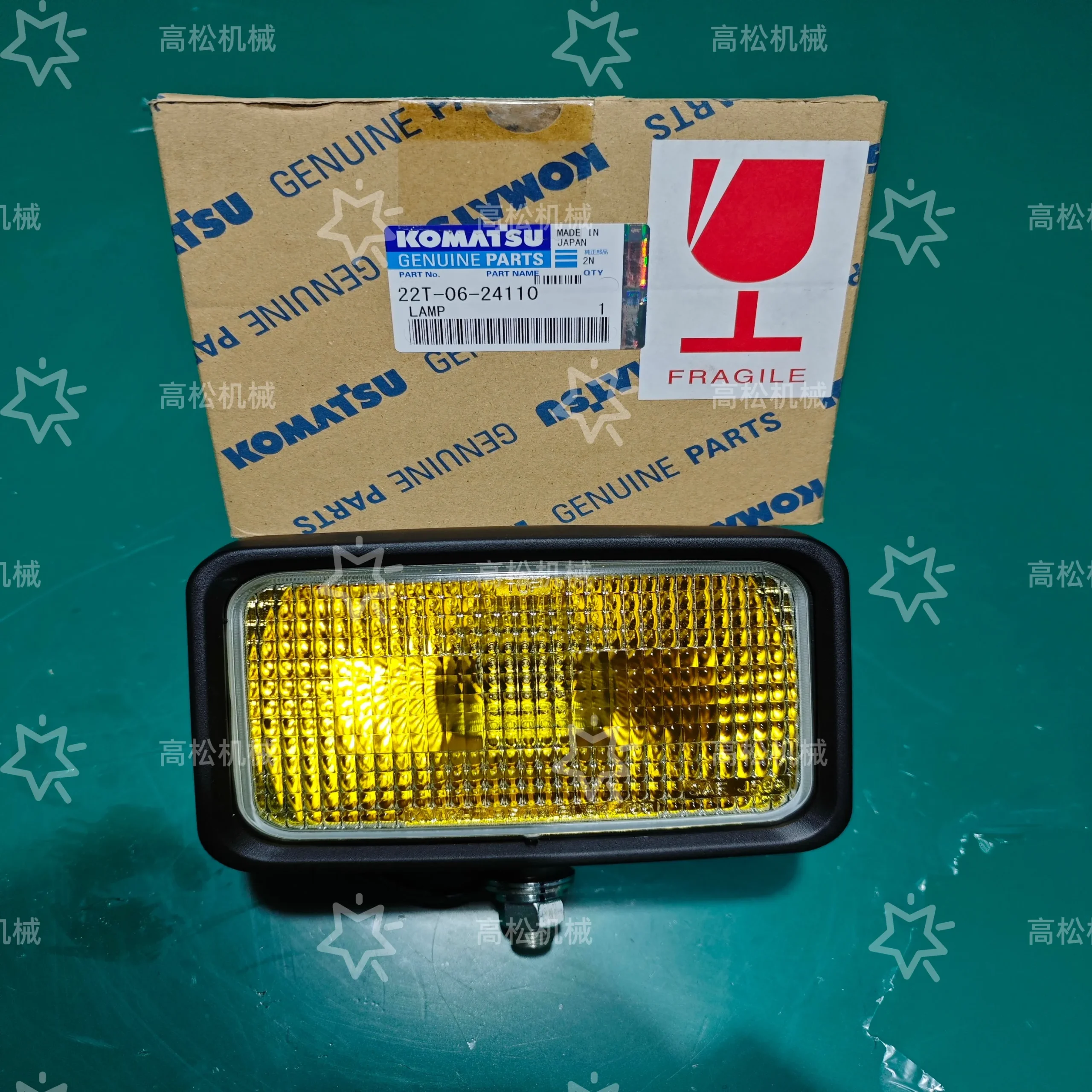 LAMP 22T-06-24110 – KOMATSU
 -
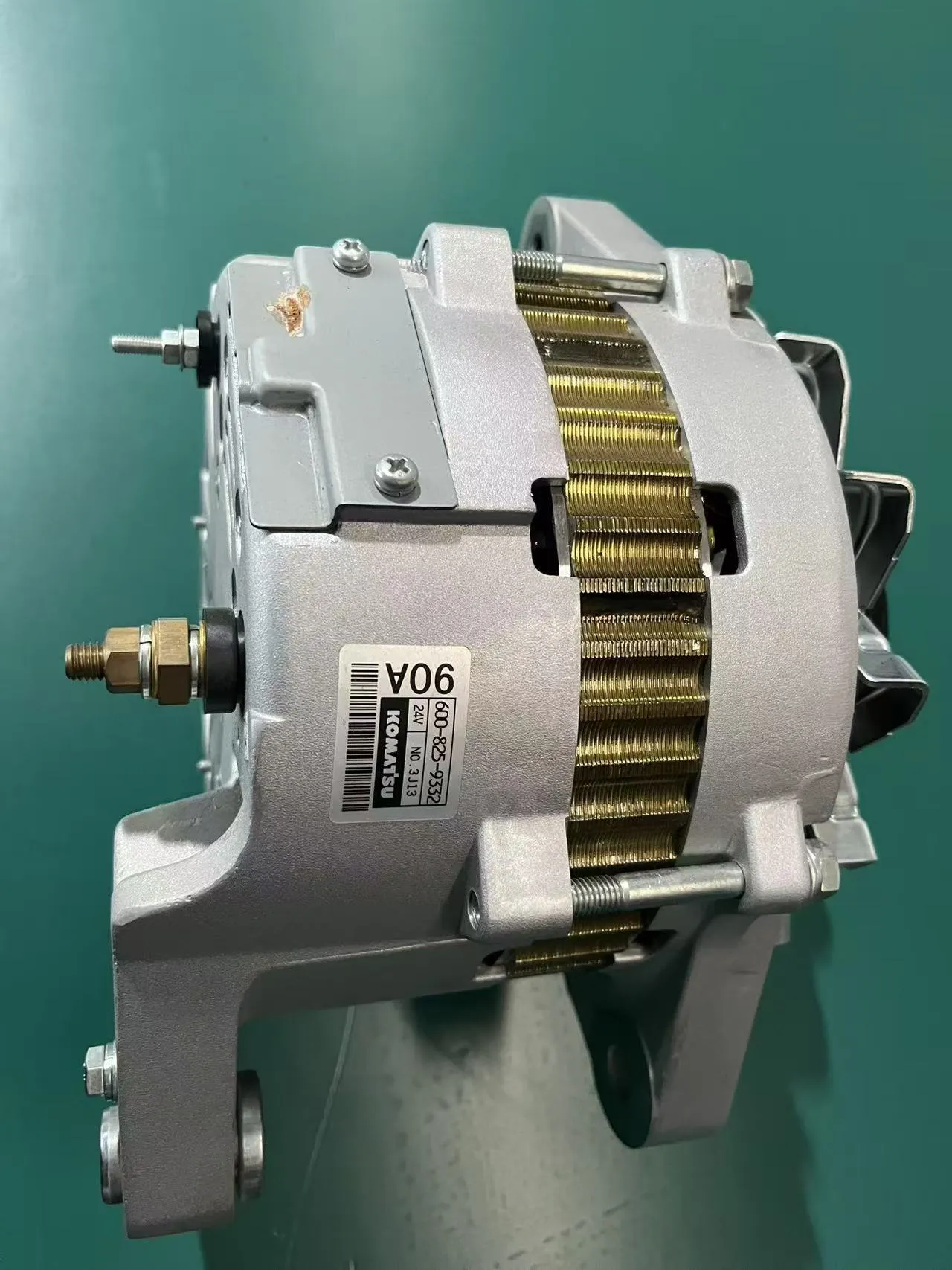 600-825-9332 alternator Generator
 -
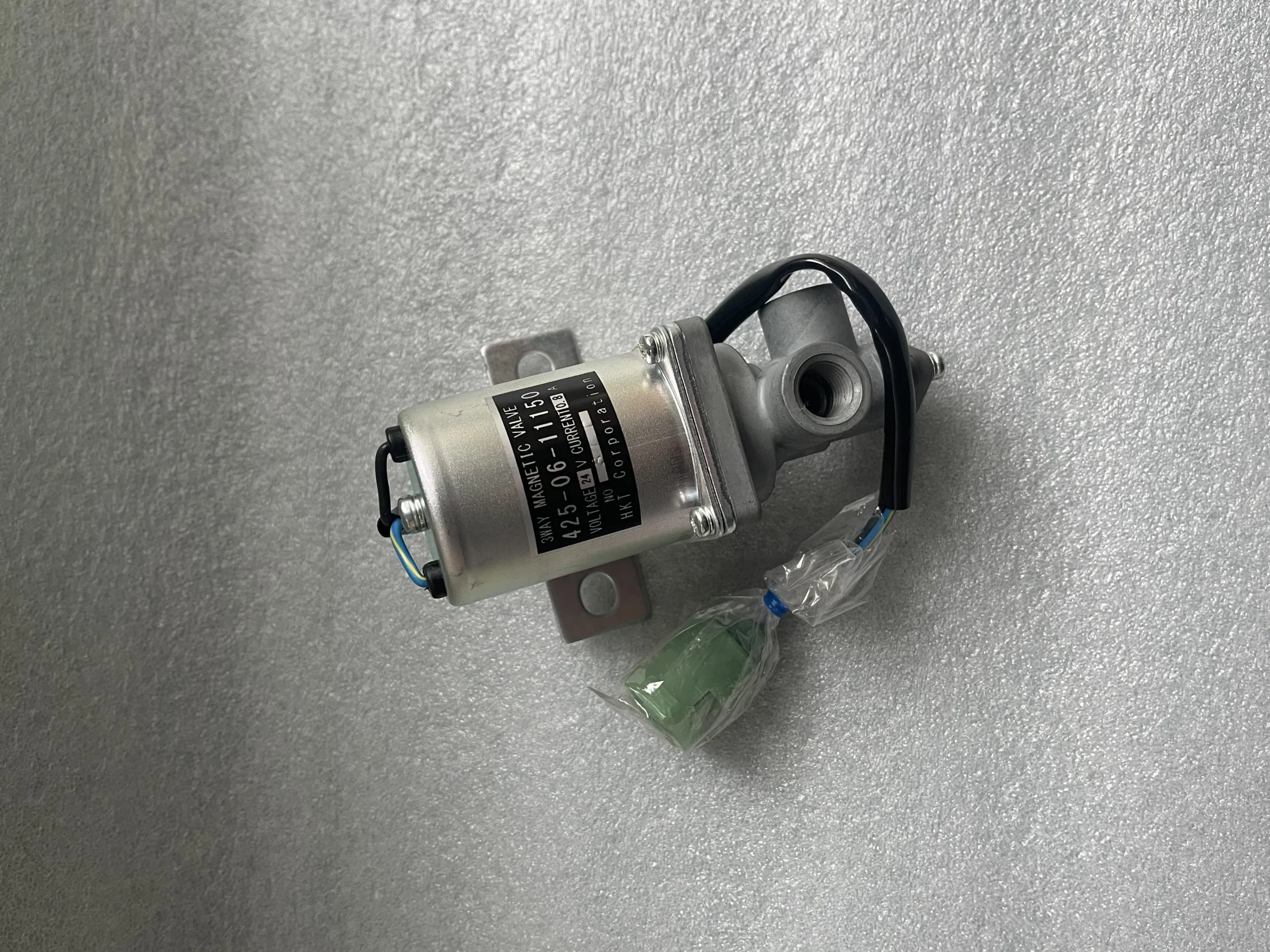 Valve,Parking brake425-06-11150
 -
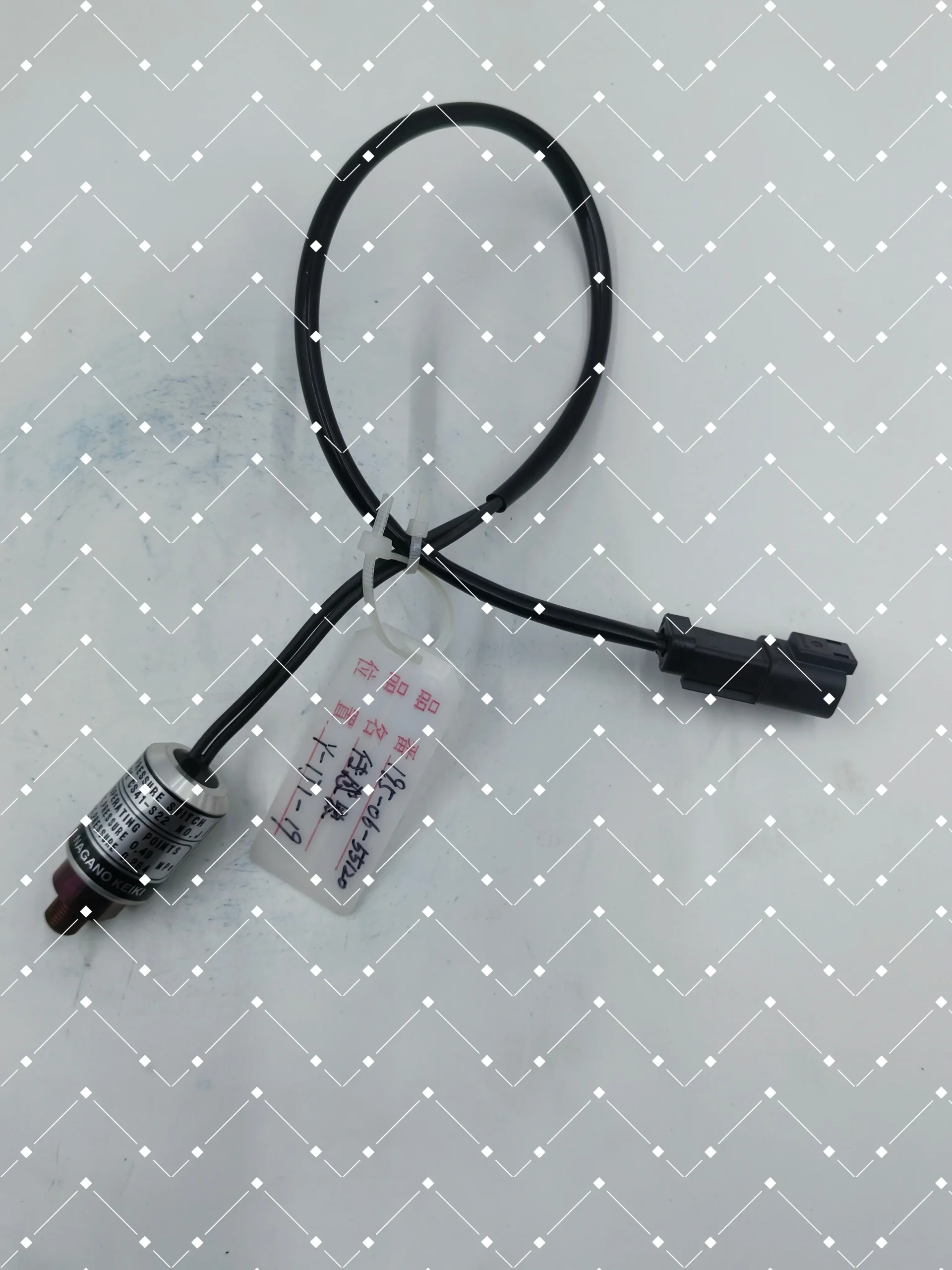 Komatsu 195-06-55120 Switch, price for original and… — Pricing.Parts
 -
21N-25-31130 Komatsu harness – Komatsu
-
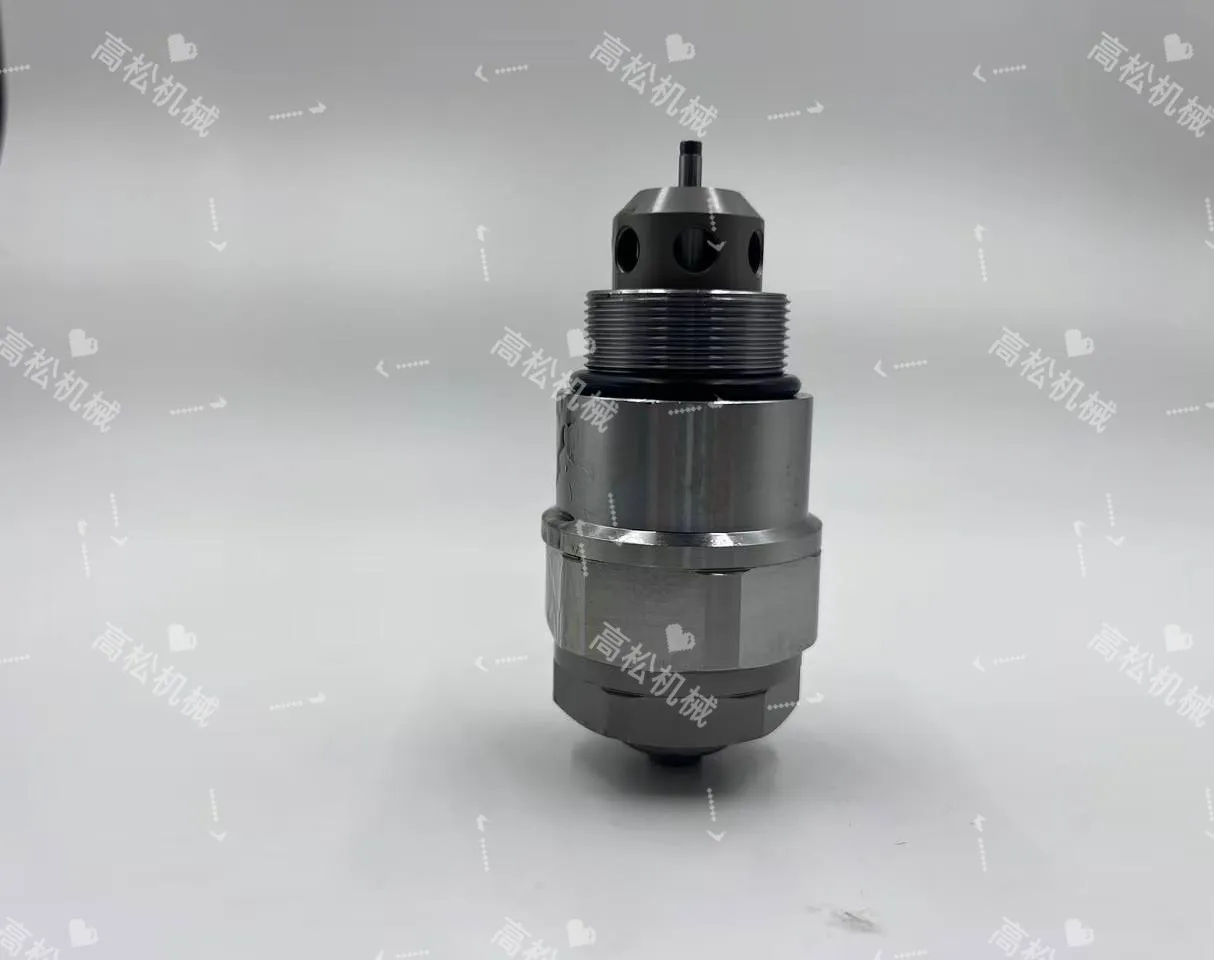 709-90-71700VALVE ASS’Y,SUCTION AND SAFETY D155A-2A CONTROL VALVE VALVE ASS’Y,SUCTION AND SAFETY PC1250SP-8R MAIN VALVE
 -
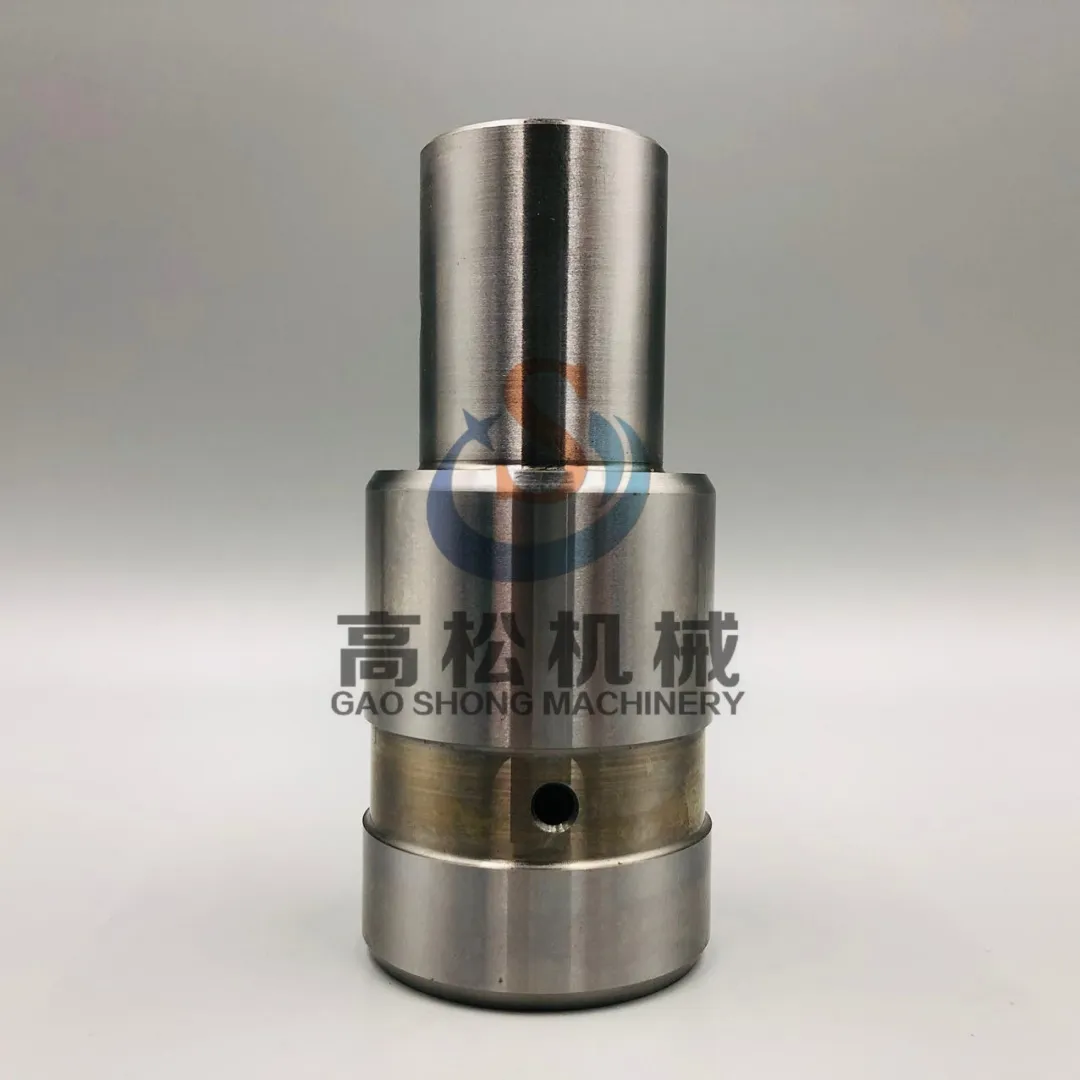 komatsu 6240-61-4630 shaft komatsu original
 -
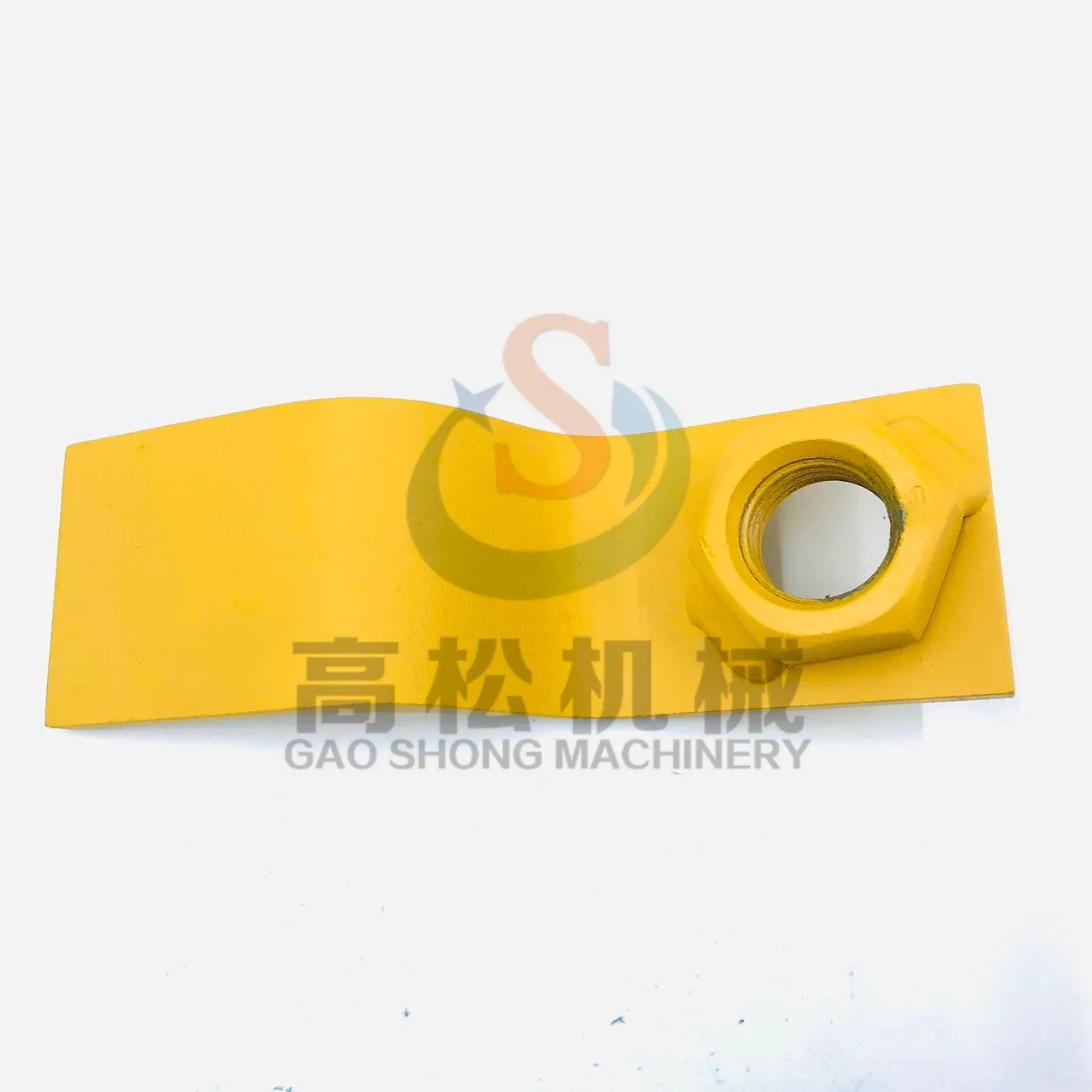 21T-00-67330 Plate (Komatsu)
 -
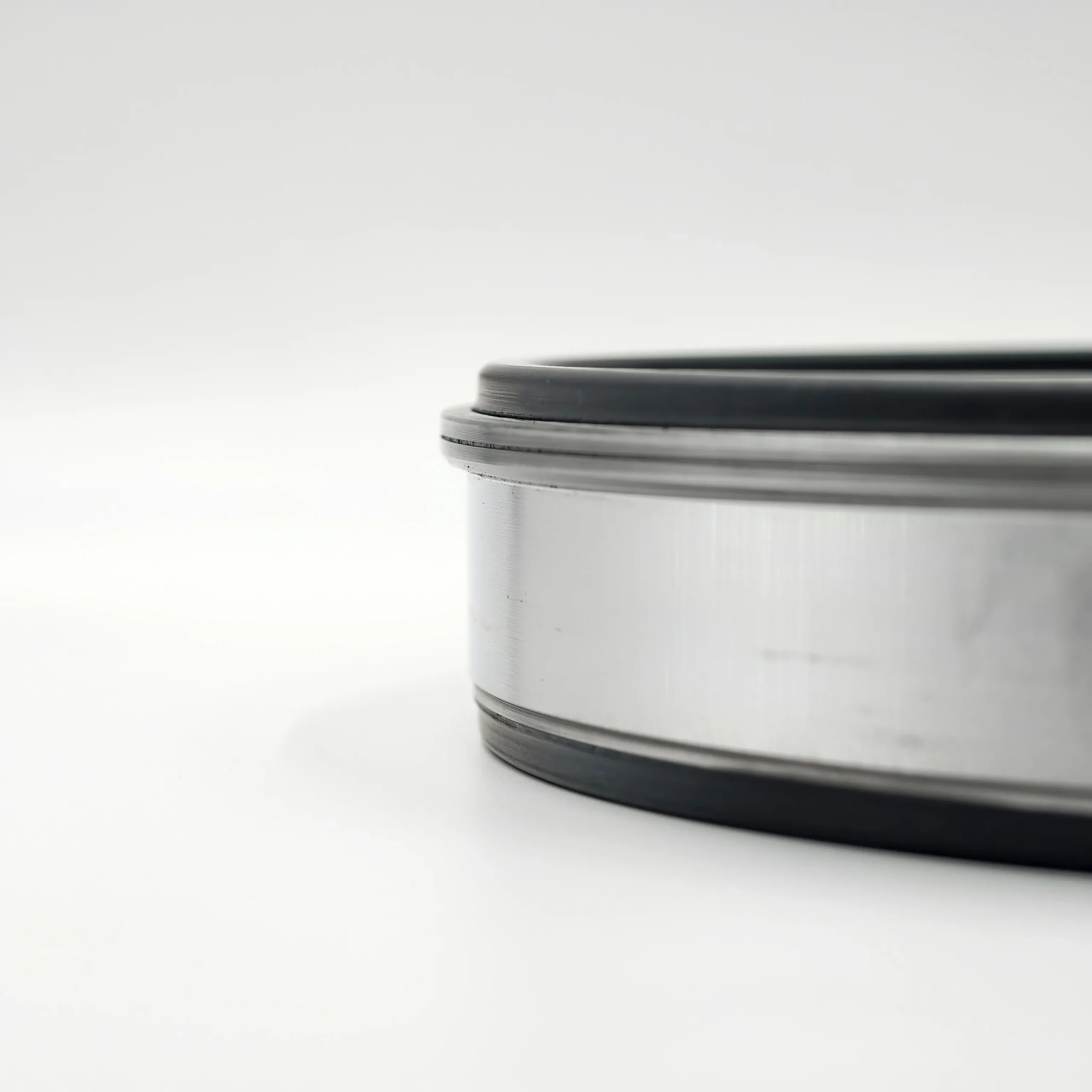 KOMATSU-Collar Assembly 14Y-21-13242