
- Chinese
- French
- German
- Portuguese
- Spanish
- Russian
- Japanese
- Korean
- Arabic
- Irish
- Greek
- Turkish
- Italian
- Danish
- Romanian
- Indonesian
- Czech
- Afrikaans
- Swedish
- Polish
- Basque
- Catalan
- Esperanto
- Hindi
- Lao
- Albanian
- Amharic
- Armenian
- Azerbaijani
- Belarusian
- Bengali
- Bosnian
- Bulgarian
- Cebuano
- Chichewa
- Corsican
- Croatian
- Dutch
- Estonian
- Filipino
- Finnish
- Frisian
- Galician
- Georgian
- Gujarati
- Haitian
- Hausa
- Hawaiian
- Hebrew
- Hmong
- Hungarian
- Icelandic
- Igbo
- Javanese
- Kannada
- Kazakh
- Khmer
- Kurdish
- Kyrgyz
- Latin
- Latvian
- Lithuanian
- Luxembou..
- Macedonian
- Malagasy
- Malay
- Malayalam
- Maltese
- Maori
- Marathi
- Mongolian
- Burmese
- Nepali
- Norwegian
- Pashto
- Persian
- Punjabi
- Serbian
- Sesotho
- Sinhala
- Slovak
- Slovenian
- Somali
- Samoan
- Scots Gaelic
- Shona
- Sindhi
- Sundanese
- Swahili
- Tajik
- Tamil
- Telugu
- Thai
- Ukrainian
- Urdu
- Uzbek
- Vietnamese
- Welsh
- Xhosa
- Yiddish
- Yoruba
- Zulu
- Kinyarwanda
- Tatar
- Oriya
- Turkmen
- Uyghur






OEM AND ORIGINAL KOMATSU UNIVERSAL JOINT 198-20-62000
Let's cut through the noise. When you see 'OEM AND ORIGINAL KOMATSU UNIVERSAL JOINT ' in a listing, your first thought might be 'genuine Komatsu box.' But in the trenches, that phrase is a spectrum. It can mean a part made by the exact factory supplying Komatsu, under the same specs, but without the logo and paint. Or, it can be a cleverly marketed high-quality aftermarket copy. The devil is in the supply chain details, and that's where most assumptions fail.
The OEM Reality vs. The Original Label
I've handled the more times than I can count. The true OEM scenario for this universal joint often involves a specialized bearing or driveline manufacturer that has a supply agreement with Komatsu. They produce the joint, it gets stamped or packaged, and shipped to Komatsu's distribution network. When a company like Jining Gaosong Construction Machinery Co., Ltd. says they are an OEM product supplier within the Komatsu system, it typically means they have access to that very same factory output, perhaps as a sub-distributor or through surplus channels. The part is physically identical, but the paperwork and the path it took to get to you are different.
This is crucial for operations where machine uptime is critical. I've seen fleets insist on 'original' only to receive a part in a plain brown box, panic, and then waste days verifying its authenticity. Meanwhile, the machine sits idle. The metallurgy, the hardness of the bearing cups, the tolerance on the cross—if it's from the OEM factory, it's the same. The obsession with the branded box is a costly misconception.
Where it gets murky is the term original. Legally, it can be ambiguous. Some suppliers use it to denote compatibility, not provenance. A true OEM-sourced Komatsu universal joint will have traceable steel grades and heat treatment batches. The failure pattern, when it eventually happens after thousands of hours, will mirror that of a branded part. A good test? Check the finish on the bearing bores and the stamping on the cross. OEM-level parts have a specific, consistent machine finish and clear, sharp stampings. Fakes often have softer edges or inconsistent markings.
Supply Chain Gaps and How Companies Like Gaosong Fit In
Komatsu's official network is robust, but it's not omnipresent. In certain regions, especially remote mining sites or in countries with complex import logistics, getting a genuine, boxed part can take weeks. This is the gap that third-party sales companies operate in. Their value isn't just price; it's access and velocity.
Jining Gaosong Construction Machinery Co., Ltd. positions itself in this space. From my interactions and order placements, their model seems to be: leverage their OEM factory connections to source components like the universal joint, and then distribute them to markets where the official supply is constrained or slow. They're not selling mystery parts; they're providing an alternative pipeline for the same physical product. You can see this on their platform, takematsumachinery.com, where the focus is on solving supply challenges, not just listing parts.
I recall a situation in a Southeast Asian quarry. A PC800 excavator was down with a failed universal joint on the pump drive. The local Komatsu dealer quoted a 4-week lead time. We sourced a claimed OEM-spec through a channel similar to Gaosong's. It arrived in 5 days. We mic'ed the components, checked the snap ring grooves—dimensions were perfect. Installation was seamless, and the joint lasted the expected service interval. That's the practical win. It wasn't about bypassing Komatsu; it was about getting the machine working with a part that met the engineering standard.
Failure Points and What to Really Inspect
Let's talk about why the fails. It's rarely a clean break. Usually, it's wear in the bearing cups leading to play, which then hammers the drive flanges. When evaluating an OEM or original part, you're not just buying the joint; you're buying the consistency of its hardness and lubrication.
A common pitfall with non-OEM sources is the grease. The joint should be packed with a high-temperature, high-pressure lithium complex grease from the factory. Some lower-tier replacements have a cheaper grease that washes out or cokes up under high torque. I've opened 'new' joints that were already half-dry. The tell? The grease color and consistency should be uniform and sticky, not watery or separated.
Another detail is the seal. The rubber dust seals on the ends are critical. On a true OEM-level part, the rubber is pliable but tough, and it sits tightly in its groove. I've seen aftermarket versions where the seal is loose or tears during installation. That's a death sentence for the joint, letting in abrasive dust. Always flex the seal gently with a pick before installing—it shouldn't crack or feel brittle.
The Cost of Genuine and Total Cost of Ownership
The price delta between a Komatsu-branded box and an OEM-sourced part from a third-party supplier can be 40% or more. For a fleet manager, that's tempting. But the calculation isn't just part cost. It's downtime cost, installation labor, and the risk of collateral damage.
If the OEM-sourced part is verified, the total cost of ownership is often lower. You're paying less for the component and getting similar life. The risk enters if the supply chain is opaque. A bad universal joint can wreck a drive shaft or damage the transmission splines. That's a $20,000 problem from a $200 part. This is why the reputation of the supplier matters immensely. Their claim of being within the Komatsu system needs to be backed by consistent quality and technical knowledge, not just a website.
My approach has been to order a single unit first—a test buy. Install it on a machine that's not mission-critical, or better yet, keep it as a spare and inspect it thoroughly. Measure everything. Compare it to a worn-out genuine part you removed. Look at the wear pattern on your old joint; the new one's contact surfaces should match precisely. This hands-on verification is what separates a reliable supplier from a parts catalog.
Final Take: Navigating the Market
So, back to OEM AND ORIGINAL KOMATSU UNIVERSAL JOINT . It's a real category, but it demands skepticism and verification. Companies like Jining Gaosong Construction Machinery Co., Ltd. fill a legitimate niche by addressing parts supply challenges in certain countries. Their value proposition makes sense if their sourcing is transparent.
Don't get hung up on semantics. Ask specific questions: Which factory produced this? Can you provide material certifications? What is the lead time from the factory floor? A supplier with real OEM access will have answers, or will get them. A reseller of generic aftermarket parts will waffle.
In the end, the part number is just a code. The substance is in the steel, the heat treatment, and the precision. Whether it comes in a blue Komatsu box or a plain white one from a verified OEM channel like Gaosong's, if those material truths align, the machine won't know the difference. But your budget and your downtime log certainly will.
Related Products
Related Products

Best Selling Products
Best Selling Products-
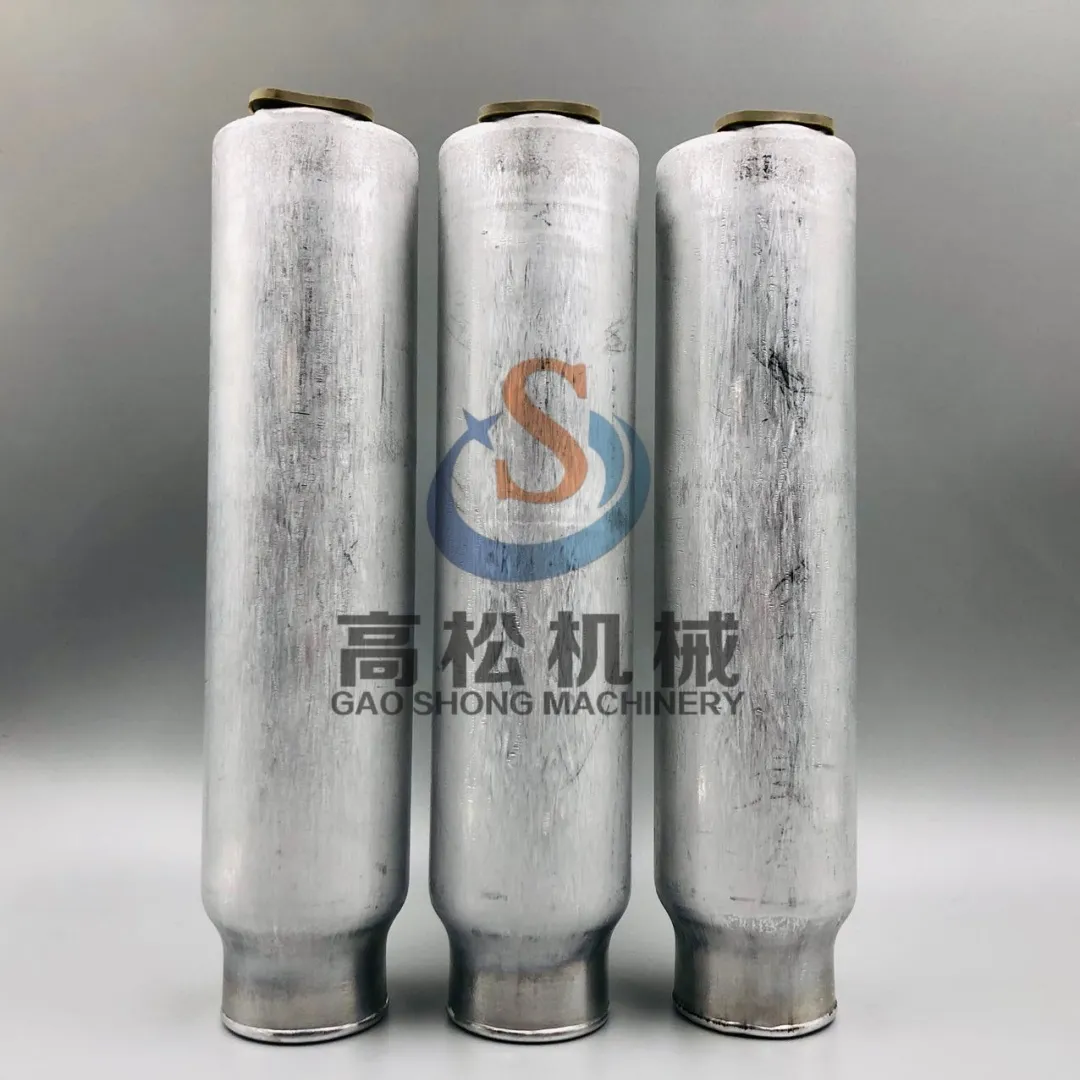 20Y-979-3120 Receiver Drier For Komatsu Equipment
 -
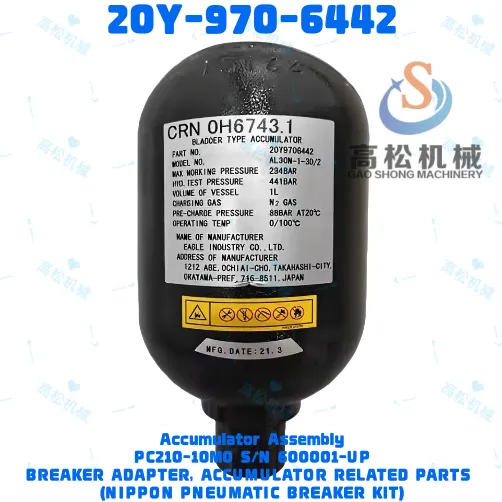 20Y-970-6442 Accumulator Assembly PC210-10M0 BREAKER ADAPTER, ACCUMULATOR RELATED PARTS (NIPPON PNEUMATIC BREAKER KIT) PC500LC-10M0 PC500LC-10R
 -
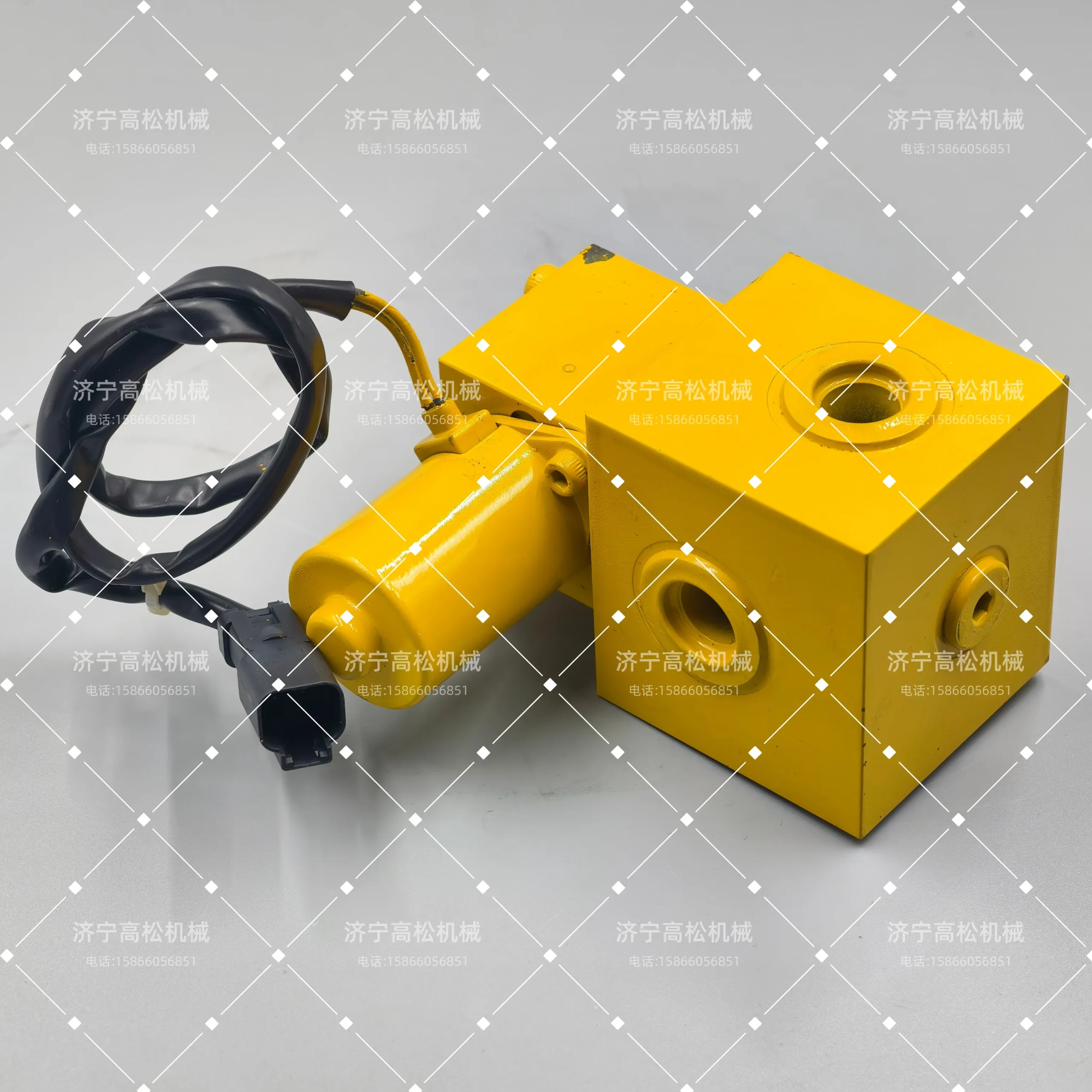 209-60-77220 Komatsu Valve Assembly
 -
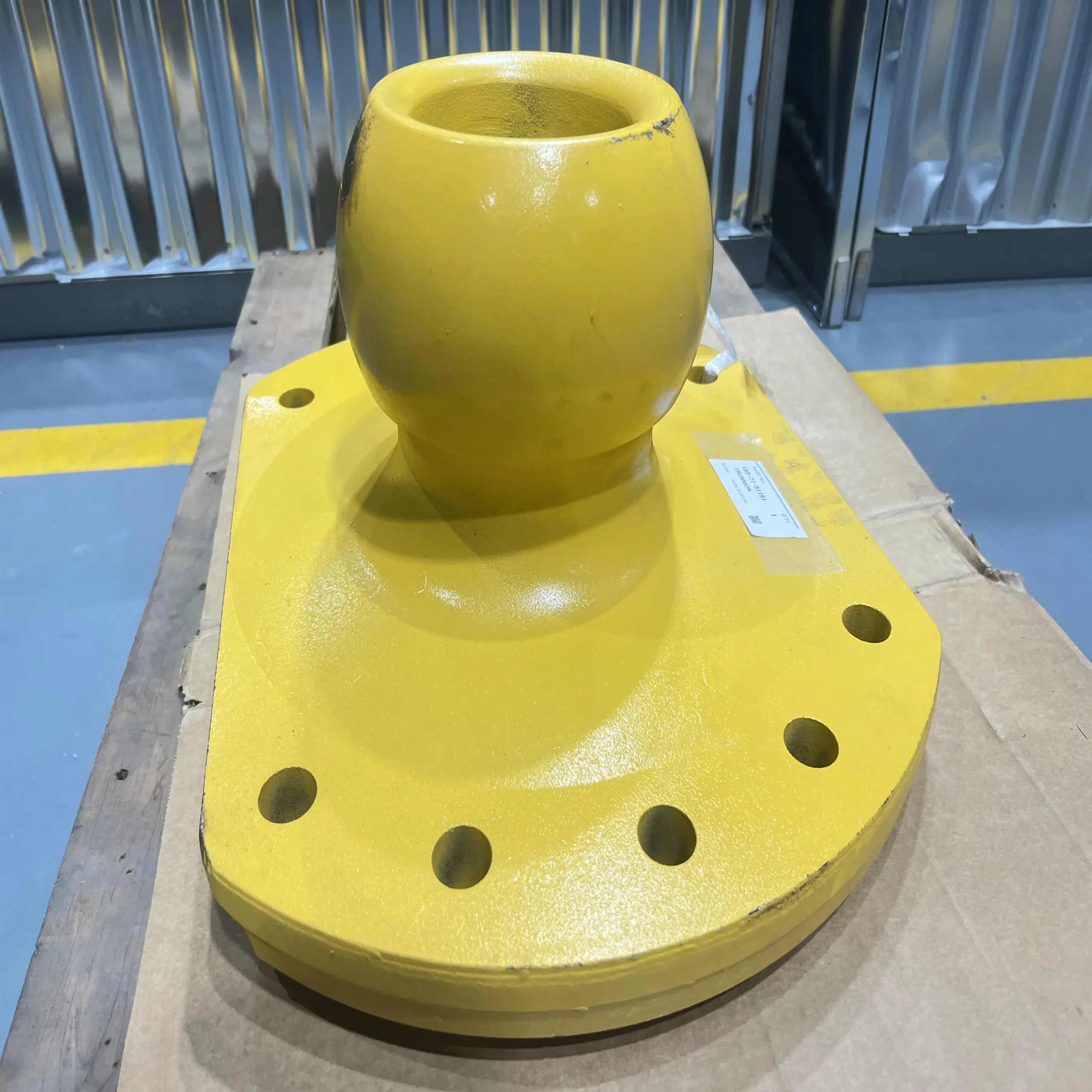 Suitable for Komatsu D375 pin/195-30-62100/195-71-51191/195-71-00342
 -
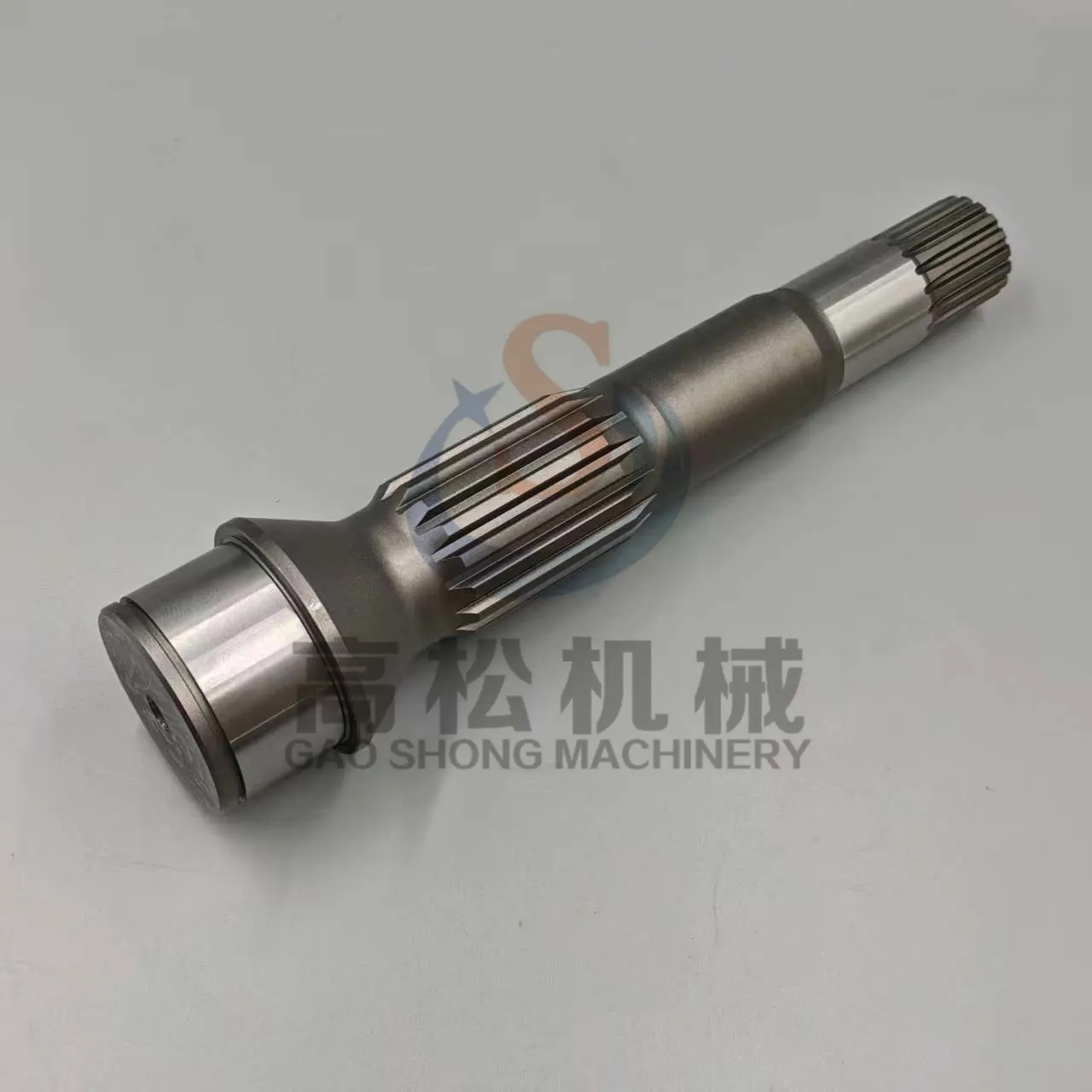 SHAFT 708-2G-12121 – KOMATSU
 -
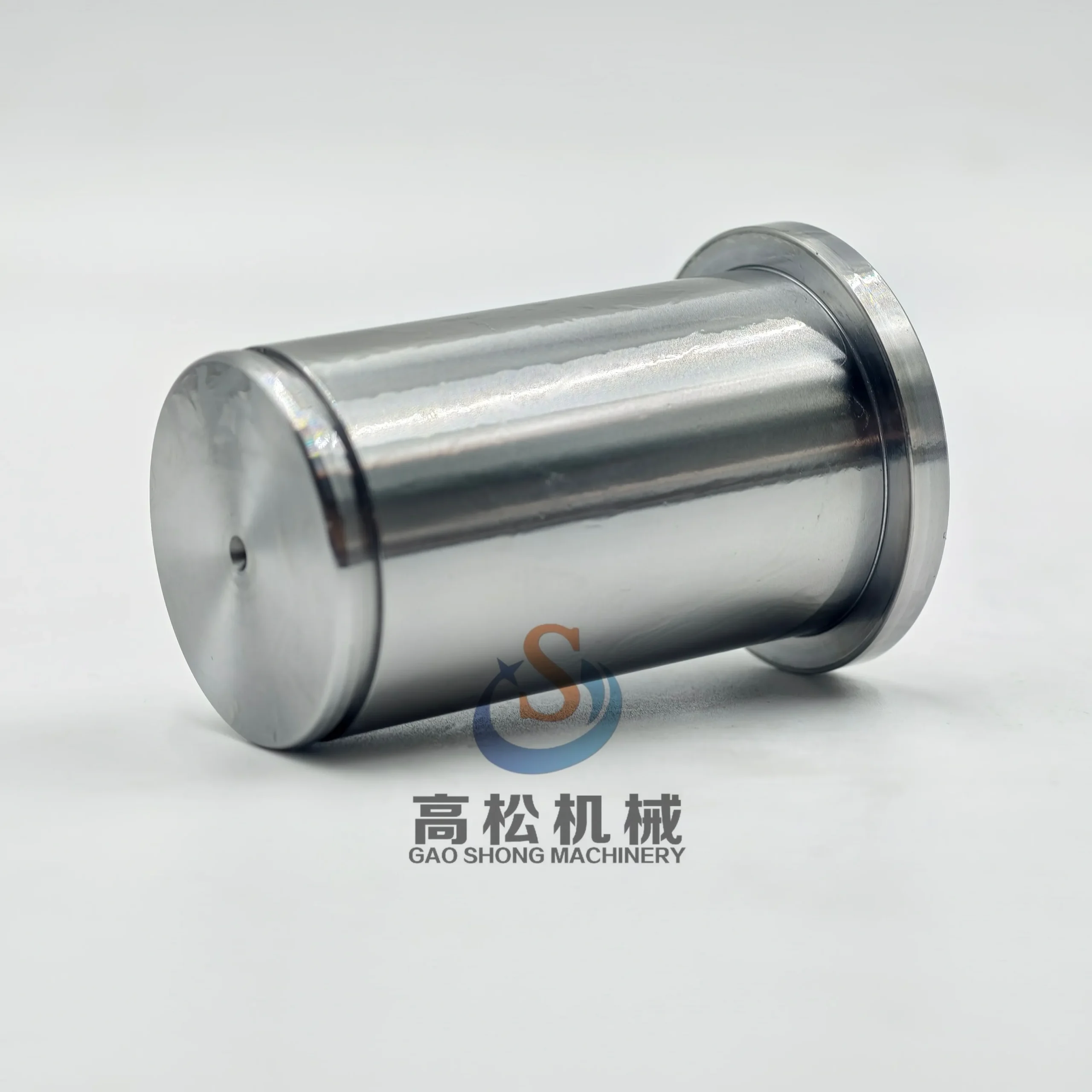 komatsu parts 21N-26-33240 Pin PC1250-11 SWING MACHINERY AND MOTOR, FRONT
 -
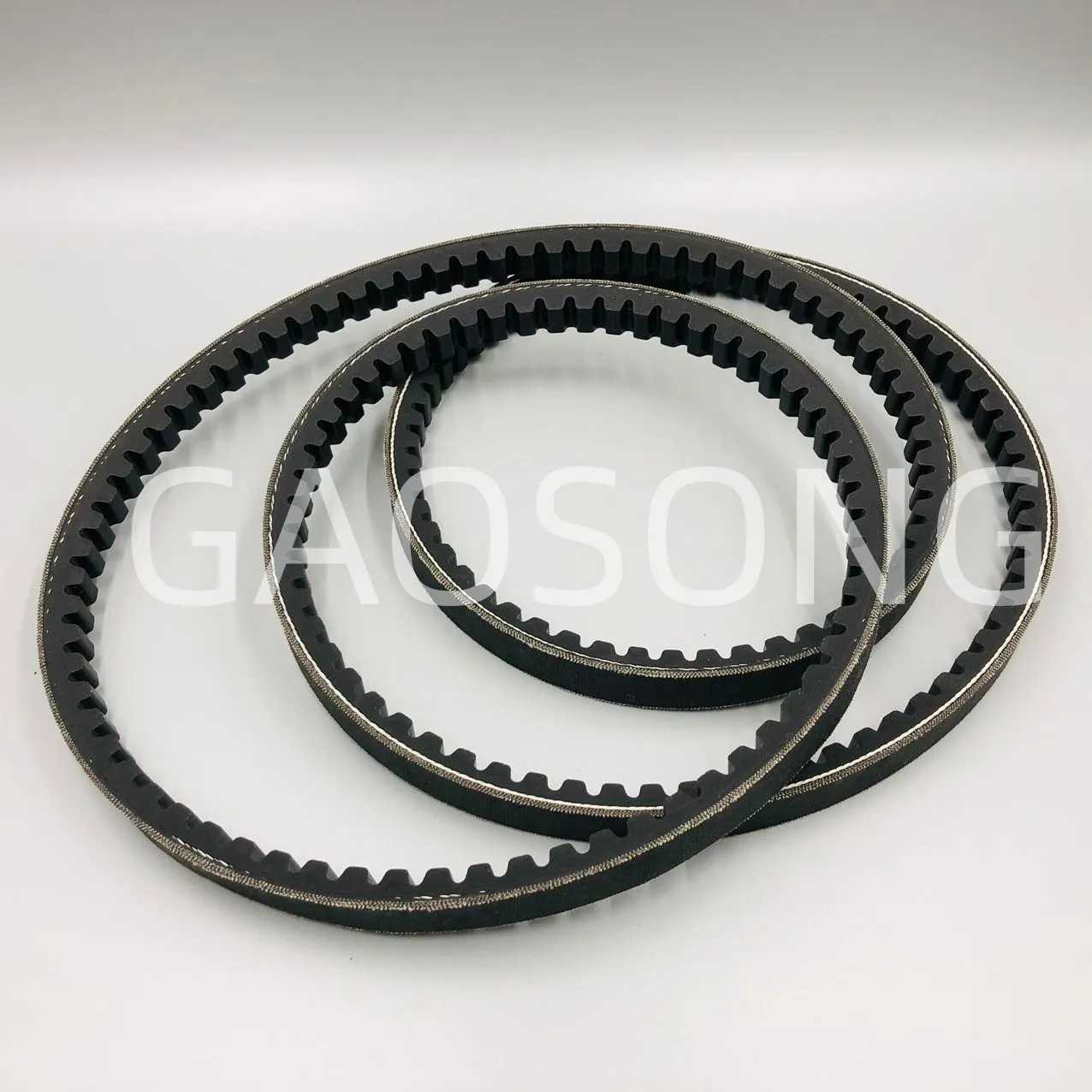 V-BELT – 6219-61-3420
 -
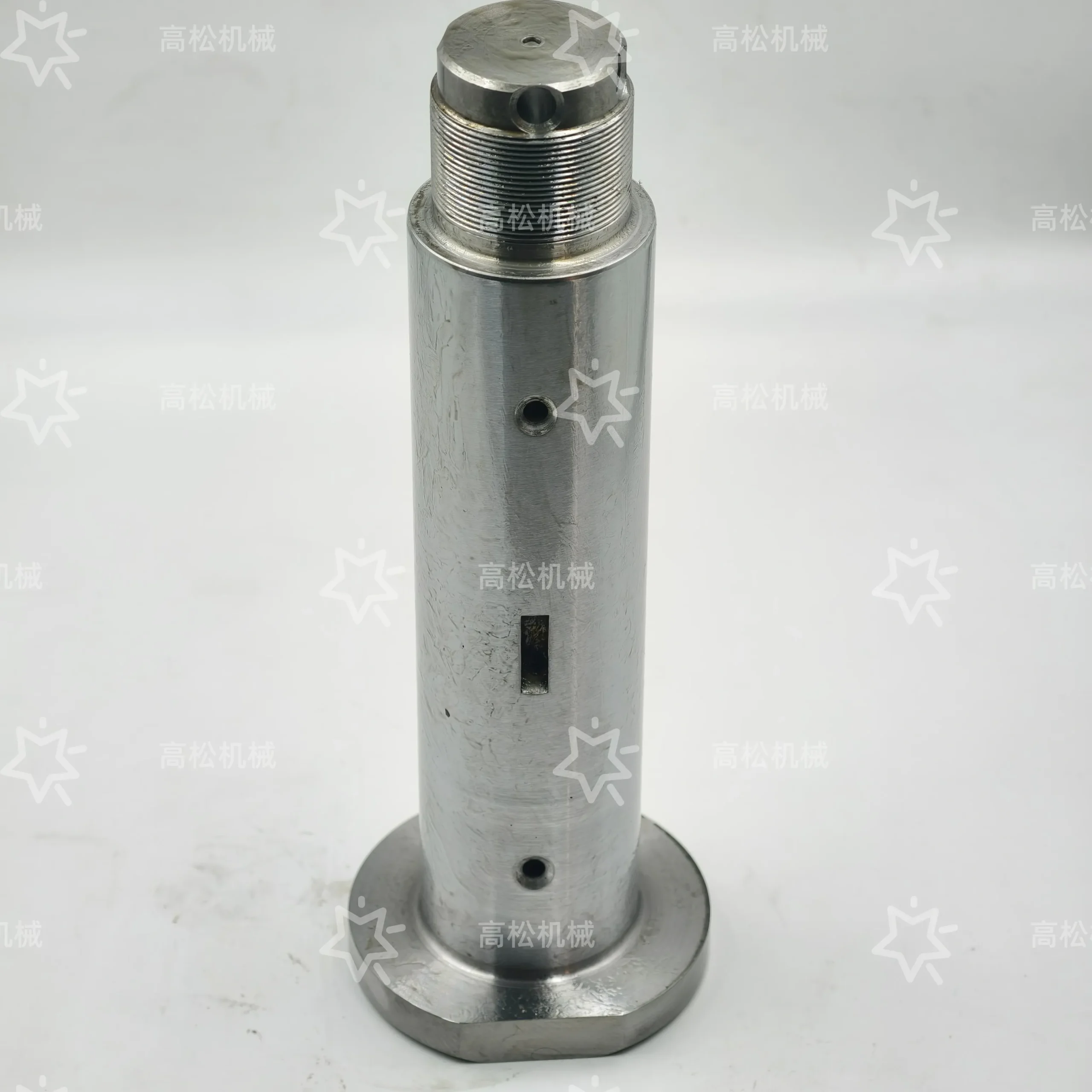 235-27-31330Grader Gd825A-2 Pin 235-27-31330 2352731330
 -
 Komatsu hinge card HM350 shock absorber 56B-16-11211
 -
 Komatsu 195-Z11-2180 Dozer Replacement Mirror
 -
 SWITCH 11Y-06-22150 – KOMATSU
 -
 BUZZER 198-06-56570 – KOMATSU