
- Chinese
- French
- German
- Portuguese
- Spanish
- Russian
- Japanese
- Korean
- Arabic
- Irish
- Greek
- Turkish
- Italian
- Danish
- Romanian
- Indonesian
- Czech
- Afrikaans
- Swedish
- Polish
- Basque
- Catalan
- Esperanto
- Hindi
- Lao
- Albanian
- Amharic
- Armenian
- Azerbaijani
- Belarusian
- Bengali
- Bosnian
- Bulgarian
- Cebuano
- Chichewa
- Corsican
- Croatian
- Dutch
- Estonian
- Filipino
- Finnish
- Frisian
- Galician
- Georgian
- Gujarati
- Haitian
- Hausa
- Hawaiian
- Hebrew
- Hmong
- Hungarian
- Icelandic
- Igbo
- Javanese
- Kannada
- Kazakh
- Khmer
- Kurdish
- Kyrgyz
- Latin
- Latvian
- Lithuanian
- Luxembou..
- Macedonian
- Malagasy
- Malay
- Malayalam
- Maltese
- Maori
- Marathi
- Mongolian
- Burmese
- Nepali
- Norwegian
- Pashto
- Persian
- Punjabi
- Serbian
- Sesotho
- Sinhala
- Slovak
- Slovenian
- Somali
- Samoan
- Scots Gaelic
- Shona
- Sindhi
- Sundanese
- Swahili
- Tajik
- Tamil
- Telugu
- Thai
- Ukrainian
- Urdu
- Uzbek
- Vietnamese
- Welsh
- Xhosa
- Yiddish
- Yoruba
- Zulu
- Kinyarwanda
- Tatar
- Oriya
- Turkmen
- Uyghur






OEM AND ORIGINAL KOMATSU UNIVERSAL JOINT 195-20-33000
Let’s cut through the noise. When you see 'OEM AND ORIGINAL KOMATSU UNIVERSAL JOINT ' in a listing, your first thought might be, Great, a genuine part. But in this business, that phrase is a minefield. It often blurs the line between a part made by Komatsu's official network and one made by a licensed supplier to Komatsu's specs—and the practical difference matters more than the marketing copy. I've seen too many guys order what they thought was a factory-sealed kit, only to get a box that just looks right. The universal joint for Komatsu excavators and loaders is a perfect example. It's a high-wear item, and the wrong version can lead to premature failure, vibration, and costly downtime. The term 'OEM' gets thrown around loosely, but from my bench, it's about traceability and material certification, not just a logo.
The Reality of the OEM Label
Here's the insider take. Komatsu doesn't forge every single u-joint in-house. They have a system of approved manufacturers who produce to their exact drawings and material specifications. These parts are packaged as Komatsu genuine and carry the full warranty. When a company like Jining Gaosong Construction Machinery Co., Ltd. says they are an OEM product supplier within the Komatsu system, it typically means they are part of this authorized manufacturing chain. Their parts should be functionally identical to what's in the Komatsu box. I've cross-referenced their supplied components against genuine ones I've pulled from machines; the heat treatment marks, bearing cup tolerances, and even the grease fitting thread pitch were spot-on. That's the real test.
Where the confusion starts is with aftermarket original quality parts. They might look the same, even dimensionally correct, but the alloy composition or the hardness of the bearing crosses can be off. I learned this the hard way years ago. We installed a non-OEM-spec u-joint on a PC300-8. It lasted about 400 hours before developing a severe knock. Upon teardown, the trunnion ends showed spalling—a classic sign of inferior steel. The cost of the part was saved, but the labor for a second repair and the machine downtime wiped out any benefit. That experience cemented my view: for core driveline components, you need that OEM-grade pedigree.
So, how do you verify? It's not just about a certificate. It's about the supplier's position in the chain. A supplier like the one mentioned, which also acts as a third-party sales channel for Komatsu, often has direct access to these OEM production lines. Their role in solving parts supply challenges in certain regions, as noted on their site https://www.takematsumachinery.com, is key. They aren't just a reseller; they're often a conduit for the same parts that go into the official distribution network, just packaged or routed differently to bypass regional shortages. This is a crucial nuance.
Dissecting the : Why Specs Matter
Let's get into the weeds on this specific part number. The Komatsu universal joint isn't a generic component. It's designed for specific torque loads and articulation angles in Komatsu's driveline configurations. The devil is in details like the snap ring groove depth and the type of needle bearings used. An out-of-spec groove means the bearing cup can walk out under load. I've measured aftermarket parts where the groove was a mere half-millimeter shallower—enough to cause a failure.
The grease passage design is another tell. Genuine/OEM parts have a specific internal channeling that ensures lubrication reaches all needle rollers evenly. Some alternatives have simpler drilling that leaves the center rollers starved. You might not see this until a premature wear pattern emerges. When we evaluate a part, we do a bench lubrication test. We pump grease into the zerk and watch how it purges from all four bearing cups. A poor flow pattern is an immediate red flag.
This is where a supplier's technical knowledge is critical. A good one won't just sell you the part; they'll understand its application—whether it's for a WA380 loader or a specific serial range of an excavator. There can be subtle revisions. I recall a case where a batch of u-joints had a slightly different seal design that was incompatible with an older driveshaft yoke, causing grease contamination. The supplier, if they are truly integrated, should have that revision history and be able to flag it.
Supply Chain Pragmatism: The Third-Party Role
The theory of a seamless global parts network is nice. The reality is, in many countries, getting a genuine Komatsu part can take weeks, if it's even available. This is the gap that companies like Jining Gaosong fill. They operate as a third-party sales company for Komatsu, as their site states. In practice, this means they can often provide the OEM product through alternative logistics, sometimes even from the same factory floor, but without the bureaucratic holdups of the official regional distributor.
I've used this model in Africa and parts of Southeast Asia. Instead of waiting 12 weeks for a part to clear official channels, we sourced an OEM-spec universal joint through a similar channel and had it in 10 days. The machine was back earning money. The part performed identically. The key is transparency: the supplier must be clear that the part is OEM-spec from the Komatsu system, not just compatible. The website https://www.takematsumachinery.com explicitly frames their role as helping to solve parts supply challenges, which aligns with this pragmatic need.
However, this route requires due diligence. You have to ask pointed questions: Can you provide the material certification? What is the country of origin for the manufacturing plant? Is this part from the current Komatsu engineering revision? A reputable supplier will have these answers. If they hesitate or give marketing fluff, walk away. The goal is to get the right part faster, not a gamble.
Field Failures and Diagnostic Clues
Even with the right part, installation and diagnosis are half the battle. A common misdiagnosis is blaming the universal joint for a vibration that's actually caused by a misaligned driveshaft or a worn output flange. I've been there. We replaced a u-joint, only for the vibration to persist. The real culprit was a slight burr on the transmission yoke that prevented the new joint from seating perfectly. A lesson in checking the mating surfaces meticulously.
Another failure pattern I've documented is repeated premature wear on the same driveline side. This often points to a persistent angularity issue or a failing center bearing, not a defective u-joint. Replacing the joint without addressing the root cause is just throwing parts at the problem. The OEM part will fail just as quickly if the operating angle is excessive. This is why simply buying the original isn't a magic bullet; it must be part of a correct repair procedure.
When you do get a suspected bad part—say, a new joint with rough rotation or noticeable play—the first step is to document everything: batch numbers, photos of the defect, and the specific machine application. Then, go back to your supplier. An OEM-aligned supplier will want this feedback to trace it back to production. A fly-by-night seller will make excuses. This feedback loop is part of what separates a parts partner from a mere vendor.
Concluding Thoughts: Value Beyond the Price Tag
So, what's the bottom line on sourcing the OEM AND ORIGINAL KOMATSU ? It's about total cost of ownership, not unit price. The cheapest option is almost never the cheapest in the long run when you factor in labor, downtime, and collateral damage. The value of a true OEM-system part, whether it comes in a Komatsu box or from an authorized supplier's plain box, is predictability and reliability.
Suppliers who are embedded in the system, like the example we've discussed, provide a vital service by bridging availability gaps. Their dual role as an OEM product supplier and a third-party sales channel is a legitimate model that addresses real-world logistics headaches. The key for us on the ground is to verify their claims with technical specifics and build a relationship based on consistent quality.
In the end, it comes down to trust built on evidence. When a part performs indistinguishably from the one you'd wait months for, and it comes with the technical backing to prove its provenance, you've found a resource worth keeping. That's the real meaning behind those keywords in the listing—it's a promise of specification, not just a description.
Related Products
Related Products

Best Selling Products
Best Selling Products-
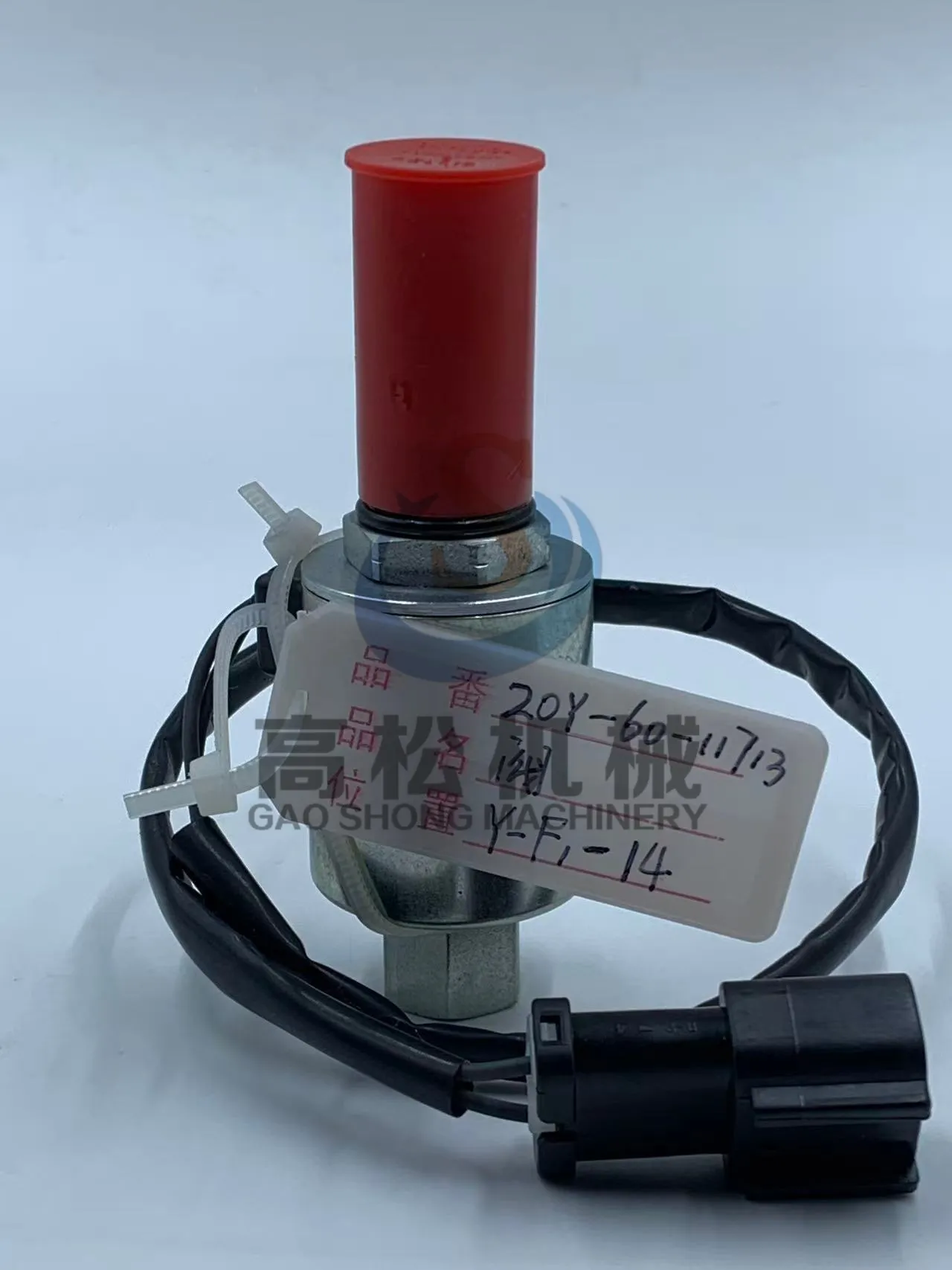 Swing Motor Solenoid Valve 20Y-60-11713
 -
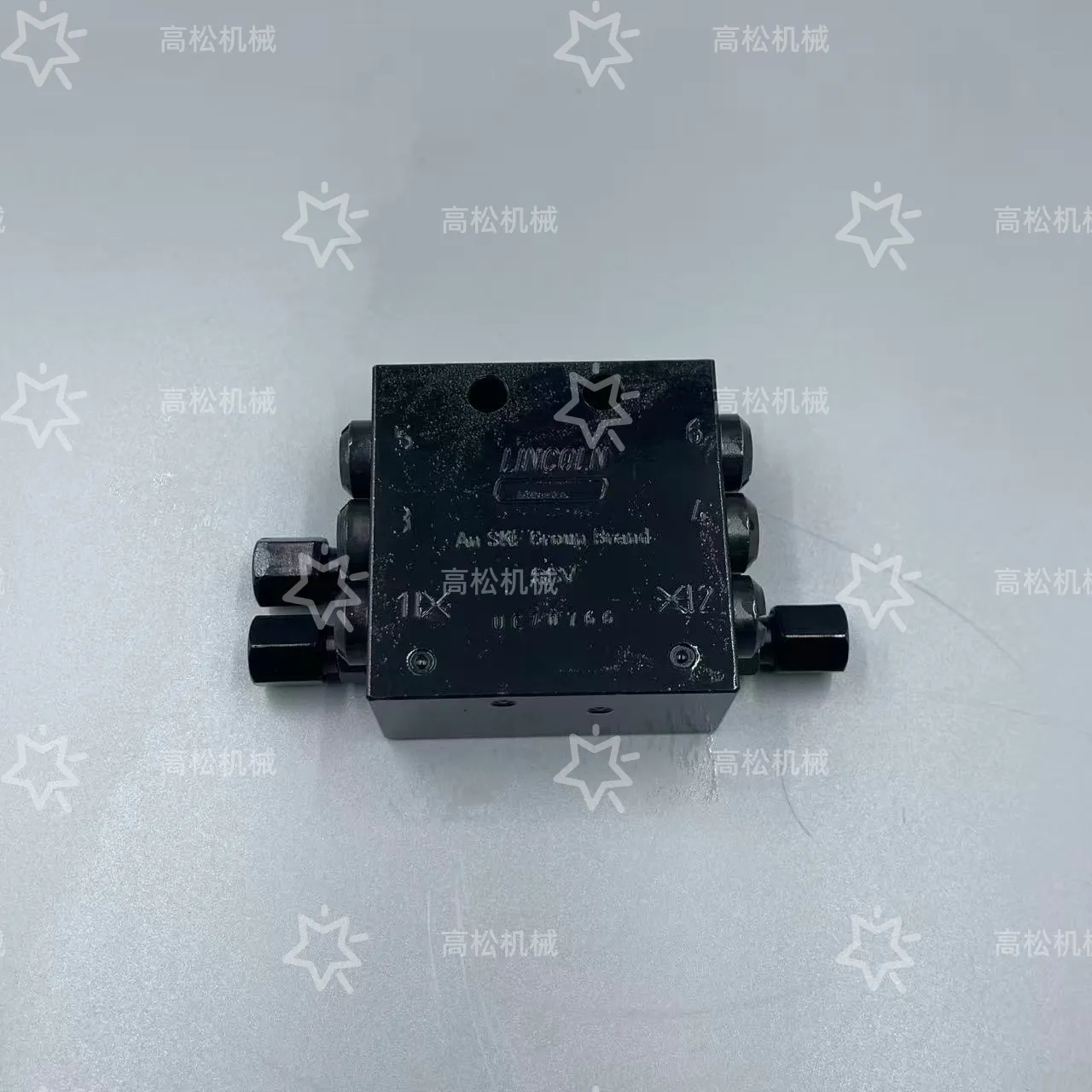 21T-68-67940 Komatsu Valve Assembly
 -
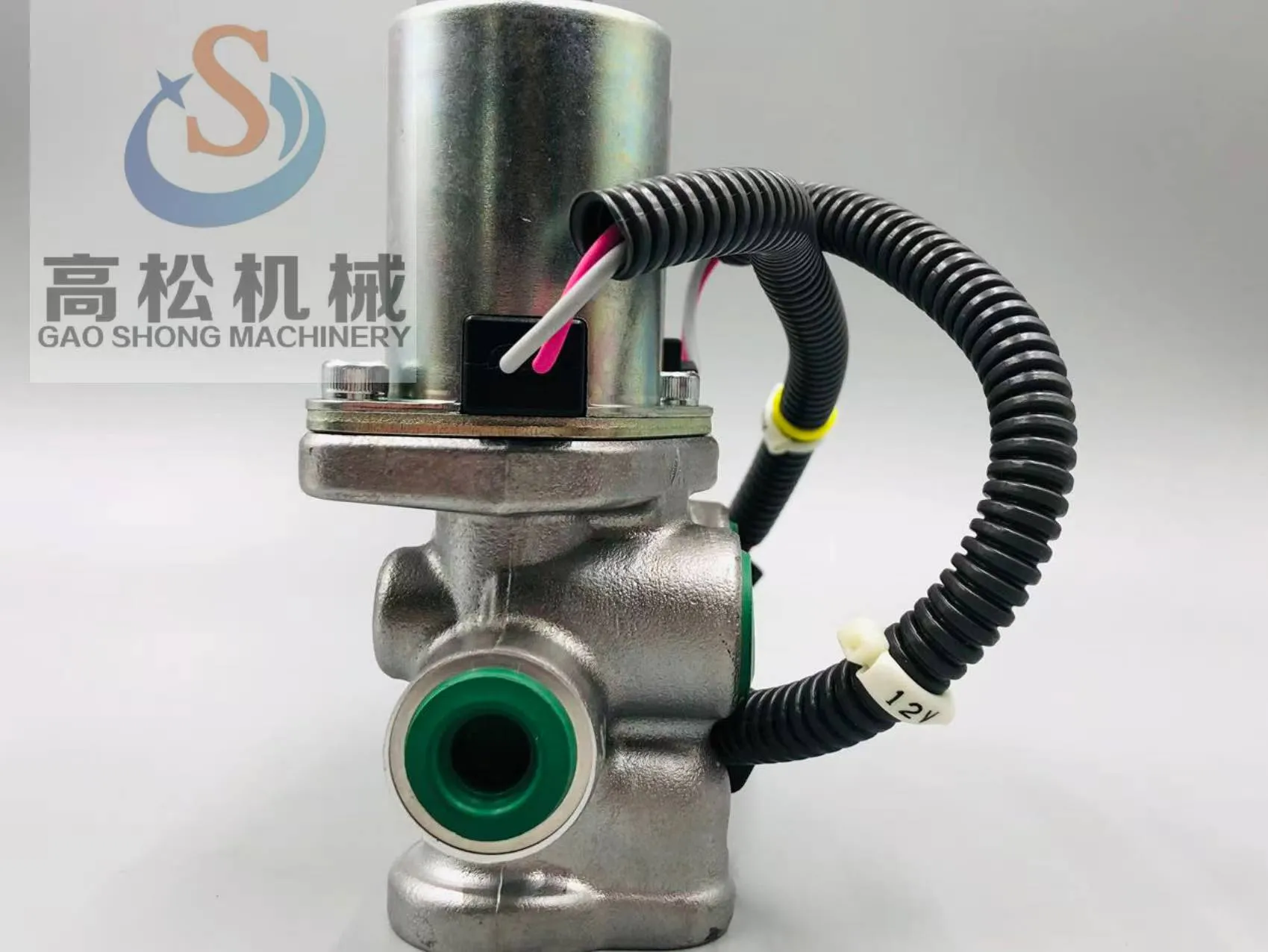 22F-60-21201 22F-60-31600 Solenoid Valve PC56-7 PC55MR-2
 -
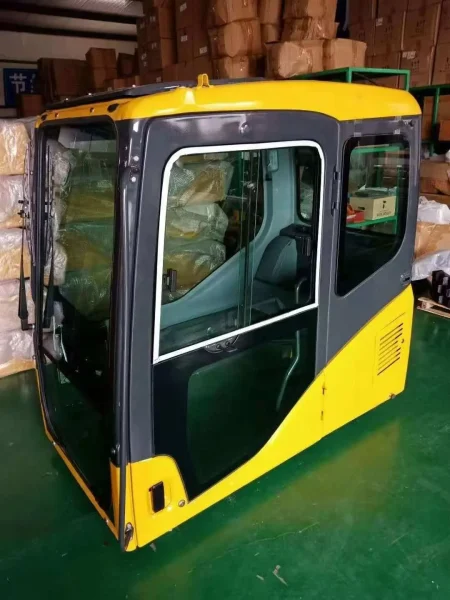 21T-54-00303 21T-54-00302 CAB ASS’Y FOR PC2000-8
 -
 424-15-16410 Komatsu SHIM, 0.5mm
 -
 Original komatsu GD661A-1 Pull Rod 238-46-11810
 -
 Original ND116410-9681 UNIT SUB ASS’Y for HM300-1 HM350-1 ND1164109681
 -
 COVER 6240-61-2120 for ENGINE SA6D170E
 -
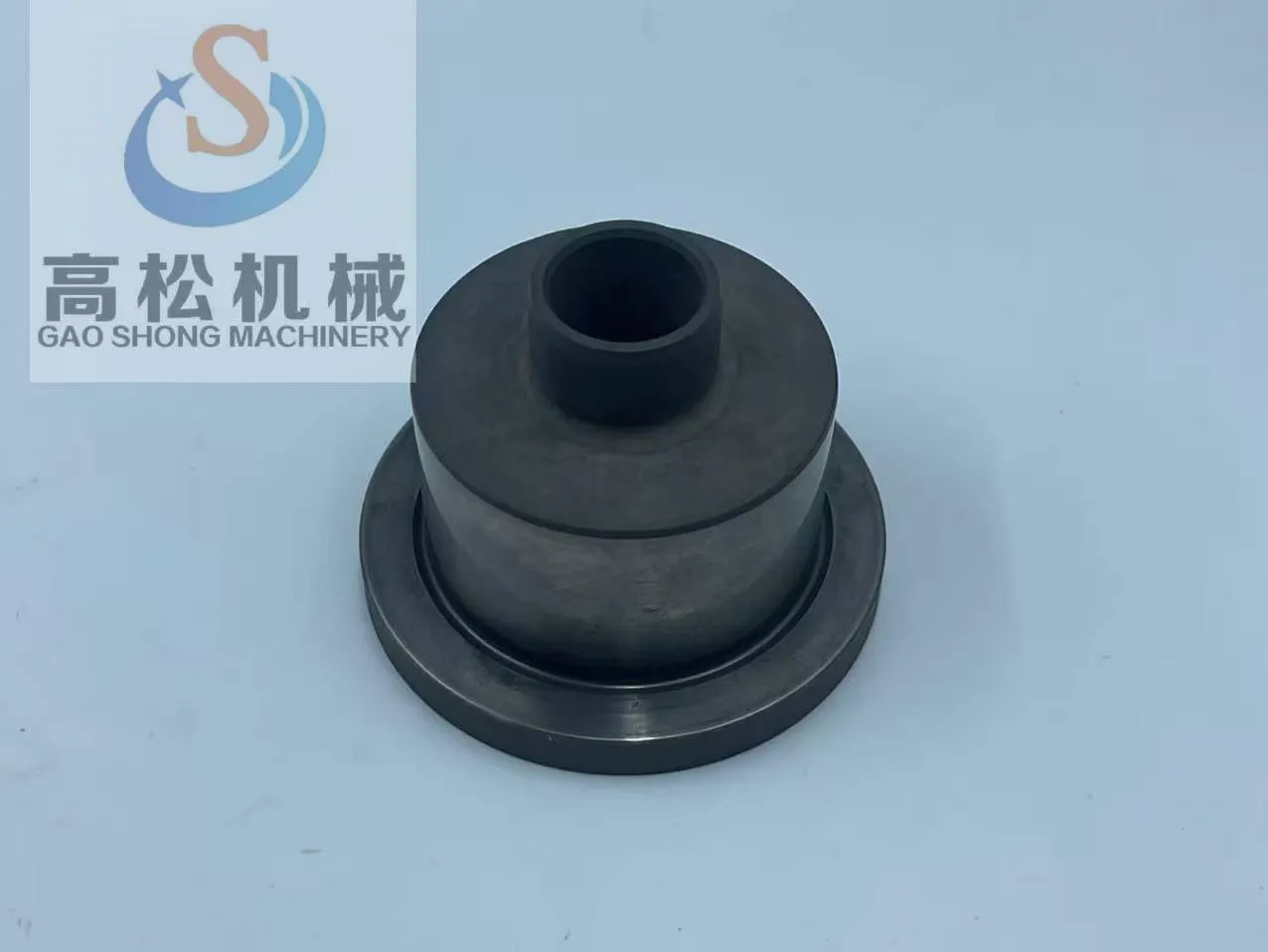 Direct sale, original fast delivery shaft 6212-21-2511 for parts of construction machinery komatsu
 -
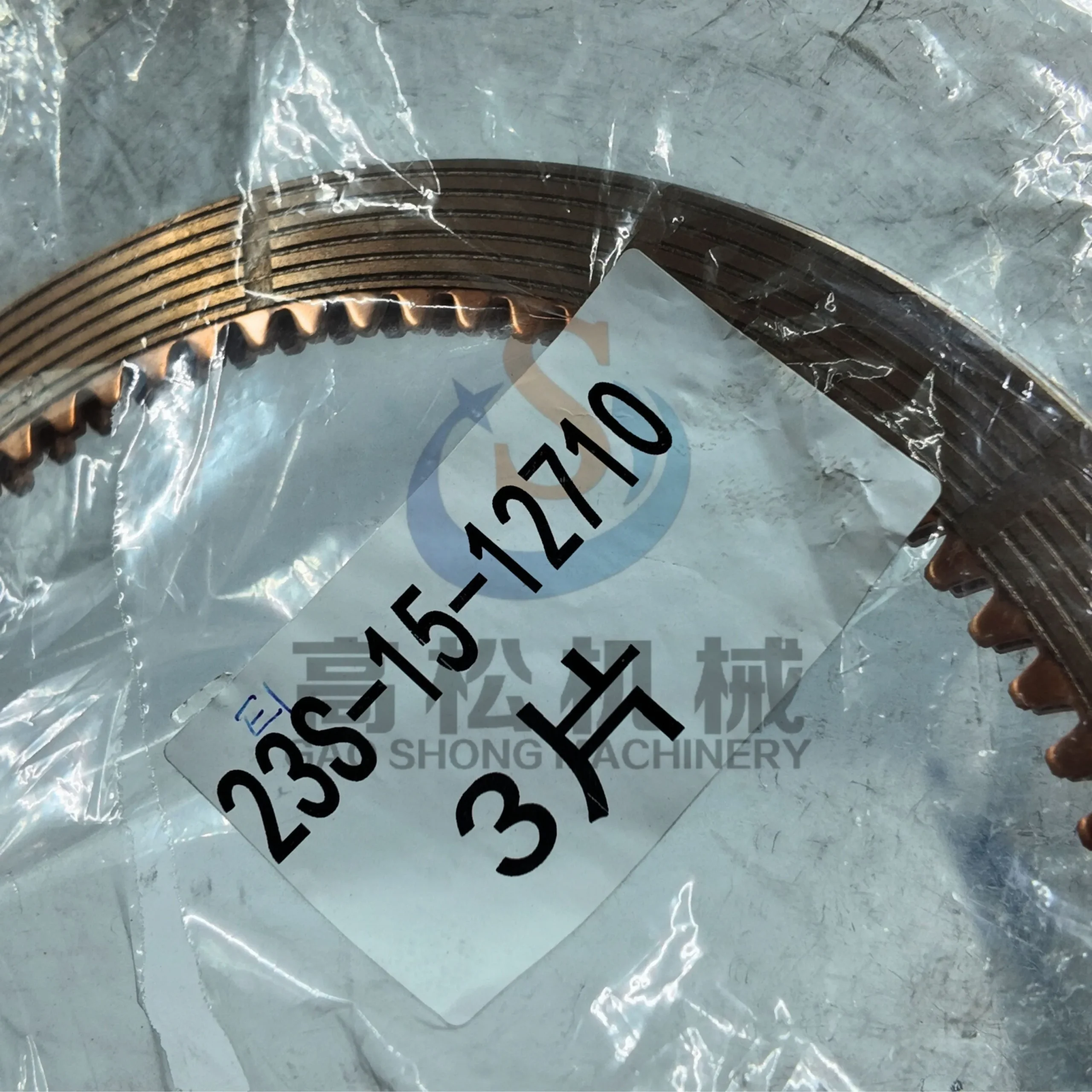 23S-15-12710 Komatsu Disc
 -
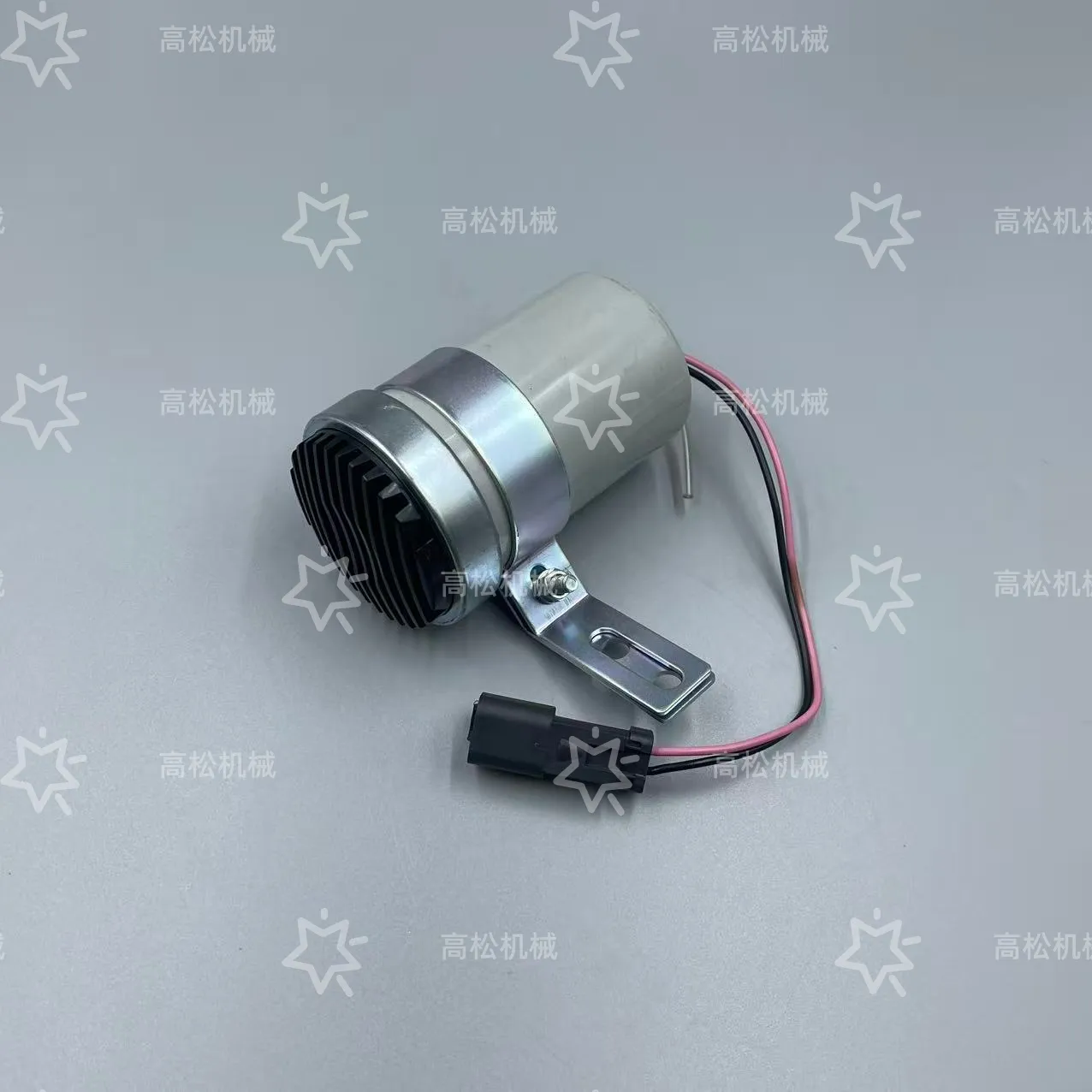 Komatsu Alarm 198-06-56570 for Bulldozer D65PX-15EO
 -
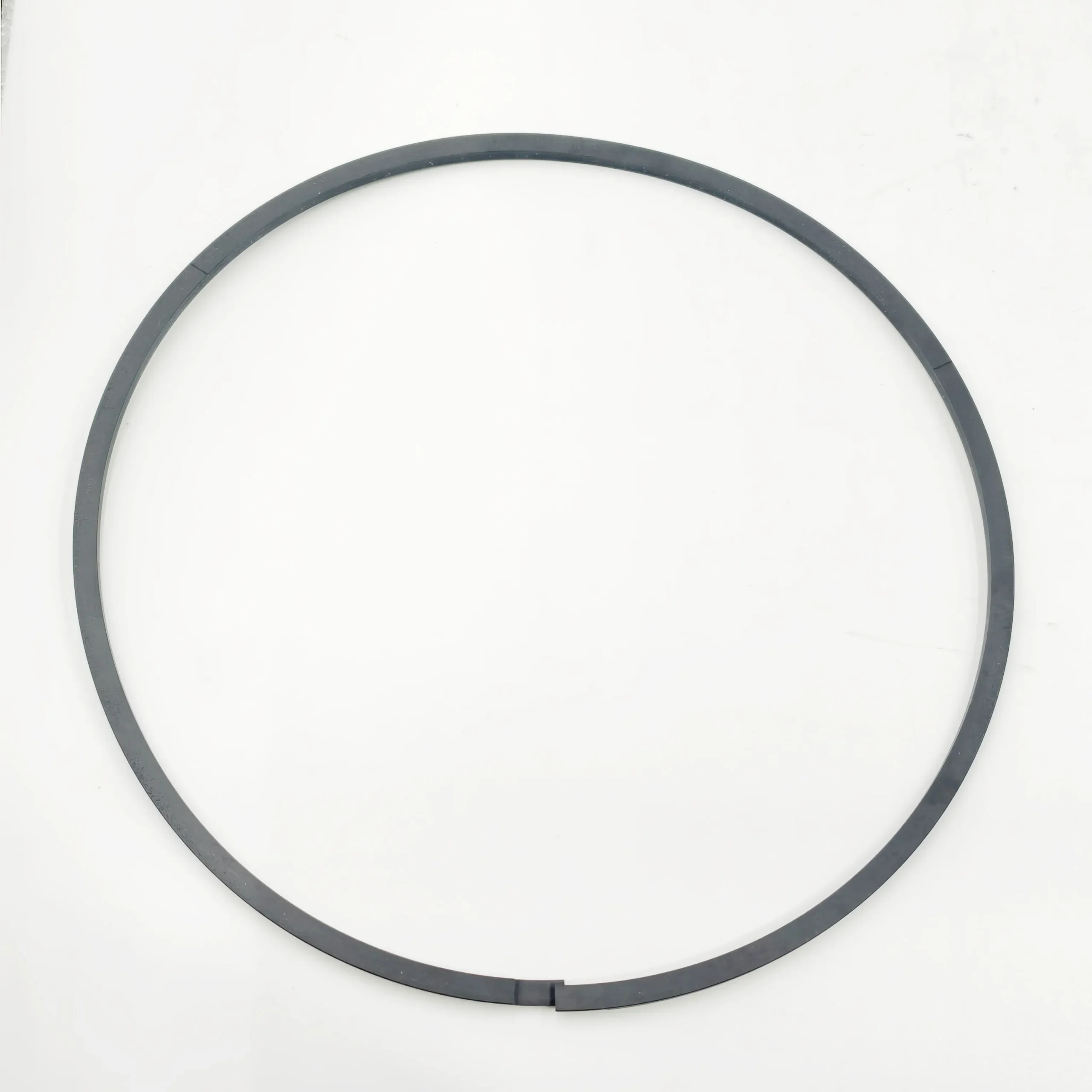 KOMATSU-SEAL RING 14X-15-19210