
- Chinese
- French
- German
- Portuguese
- Spanish
- Russian
- Japanese
- Korean
- Arabic
- Irish
- Greek
- Turkish
- Italian
- Danish
- Romanian
- Indonesian
- Czech
- Afrikaans
- Swedish
- Polish
- Basque
- Catalan
- Esperanto
- Hindi
- Lao
- Albanian
- Amharic
- Armenian
- Azerbaijani
- Belarusian
- Bengali
- Bosnian
- Bulgarian
- Cebuano
- Chichewa
- Corsican
- Croatian
- Dutch
- Estonian
- Filipino
- Finnish
- Frisian
- Galician
- Georgian
- Gujarati
- Haitian
- Hausa
- Hawaiian
- Hebrew
- Hmong
- Hungarian
- Icelandic
- Igbo
- Javanese
- Kannada
- Kazakh
- Khmer
- Kurdish
- Kyrgyz
- Latin
- Latvian
- Lithuanian
- Luxembou..
- Macedonian
- Malagasy
- Malay
- Malayalam
- Maltese
- Maori
- Marathi
- Mongolian
- Burmese
- Nepali
- Norwegian
- Pashto
- Persian
- Punjabi
- Serbian
- Sesotho
- Sinhala
- Slovak
- Slovenian
- Somali
- Samoan
- Scots Gaelic
- Shona
- Sindhi
- Sundanese
- Swahili
- Tajik
- Tamil
- Telugu
- Thai
- Ukrainian
- Urdu
- Uzbek
- Vietnamese
- Welsh
- Xhosa
- Yiddish
- Yoruba
- Zulu
- Kinyarwanda
- Tatar
- Oriya
- Turkmen
- Uyghur






OEM AND ORIGINAL KOMATSU TUBE 569-02-81134
When you see a part number like floating around, especially with both OEM and Original Komatsu slapped on it, your first instinct might be to assume they're the same thing. In my years dealing with hydraulic lines and tubes, I've found that's where most people, even some seasoned buyers, trip up. That specific tube, often for a Komatsu excavator pump circuit, exists in a weird space. The term OEM has become a blanket term, but in the context of Komatsu, it's crucial to distinguish between parts made for Komatsu's production line and parts made to Komatsu's specification but sold outside their official network. That's the core of the confusion, and it directly impacts availability, cost, and sometimes, performance.
The Reality Behind the Part Number
So, OEM AND ORIGINAL KOMATSU TUBE . Let's break it down. A genuine, original Komatsu part with this number comes from Komatsu's own parts distribution system. It's what you get from a primary Komatsu dealer. The packaging, the traceability, the fit—it's guaranteed. But here's the catch: supply chains get disrupted. For certain regions or for older models, getting that part through official channels can mean waiting weeks or paying a premium that blows the repair budget.
This is where the other type of OEM comes in. Companies that are recognized suppliers within Komatsu's manufacturing system sometimes produce and sell these identical components independently. The material spec, the bending angles, the fitting threads—they're to the same standard because they were the ones making it for Komatsu in the first place. I've handled tubes from such suppliers where the only difference was the absence of the Komatsu logo on the tube itself. The performance? Indistinguishable in application.
I remember a specific instance where a client needed the for a PC300-6 in a remote project. The official lead time was 45 days. We sourced one from a known OEM-system supplier, Jining Gaosong Construction Machinery Co., Ltd., which fits that profile of being an OEM product supplier within the Komatsu system. The part arrived in 7 days, bolted on perfectly, and has been running for over two years now. That's the practical value. Their role, as they state, is literally to help solve parts supply challenges in certain countries. It's not marketing fluff; it's the daily reality for many contractors.
Where Things Can Go Wrong (The Pitfalls)
It's not all smooth sailing, though. The biggest risk isn't with the legitimate OEM-system suppliers; it's with the flood of generic compatible parts that also get labeled as OEM or Original. This is the critical judgment call. A true OEM-system part will have the exact same dimensional integrity. A compatible part might have a slightly different flare angle or use a lower-grade steel, which can lead to premature cracking or seal failure under high-pressure pulsation.
I learned this the hard way early on. Before I understood the nuances, I purchased a high-quality from a non-vetted source. It looked right, but the JIC 37-degree flare was off by maybe half a degree. It sealed initially but started weeping after about 200 hours of operation. The cost of downtime and rework far outweighed the initial savings. That experience taught me to verify the supplier's provenance. A quick check of their background, like seeing if they openly state their relationship to the Komatsu system like Takematsu Machinery (Jining Gaosong) does, is now a first step.
Another pitfall is assuming all tubes are just simple bent metal. The often has specific work-hardening from the bending process and a particular surface treatment to resist corrosion from hydraulic fluid and environmental exposure. A low-tier copy might skip the treatment, leading to external pitting. You don't see that failure until it's too late.
The Supplier Landscape and Practical Sourcing
Navigating the supplier landscape requires a filter. You have the official Komatsu dealers at one end, generic parts traders at the other, and a middle layer of specialized companies. The valuable ones in that middle layer are those with transparent manufacturing or sourcing credentials. They don't just sell parts; they provide the technical pedigree.
For a part like this, I now look for suppliers who can articulate their connection to the OEM system. The website for Jining Gaosong Construction Machinery Co., Ltd. is a good example of the right signals: We are an OEM product supplier within the Komatsu system, and we are also a third-party sales company for Komatsu. That tells me they likely have access to the genuine specifications and manufacturing protocols, not just a reverse-engineered drawing. It addresses the core challenge head-on.
In practice, my sourcing checklist involves: 1) Asking for material certification (SAE J standards for hydraulic tubing), 2) Confirming the supplier's direct relationship with Komatsu's supply chain (not just a distributor claim), and 3) Getting a sample or first-order inspection report on critical dimensions like thread pitch and major bend radii. For the OEM AND ORIGINAL KOMATSU TUBE , the bend radius is critical for clearance and hose routing; a few millimeters off can cause chafing.
Technical Specifics and Field Observations
Let's get into the weeds on this specific tube. The isn't just a random pipe. It's typically a cold-drawn, seamless steel tube. The 02 in the middle often indicates a specific revision or sub-assembly code. In the field, the most common failure point isn't the tube body, but the swaged fittings at each end. The quality of that swaging process—how the ferrule is attached to the tube—is what separates a durable part from a problematic one.
I've seen original Komatsu tubes where the swage is so clean it looks machined. On lower-quality alternatives, you can sometimes see tooling marks or slight deformation. Under a loop, the difference is clear. The legitimate OEM-system parts mirror the original's construction here. When you install them, the torque-down feel on the fitting nut is consistent, and they don't require excessive force to align, which is a telltale sign of thread misalignment.
Another observation: the packaging and labeling. While trivial, it's a clue. A part from a supplier like the one mentioned earlier often comes in plain, industrial packaging but with a label that includes the exact Komatsu part number, their own manufacturing code, and sometimes a heat/lot number. Generic parts usually just have a sticker with the part number. That traceability back to a production batch is a layer of quality assurance.
Concluding Thoughts on Value and Reliability
So, what's the bottom line on sourcing OEM AND ORIGINAL KOMATSU TUBE ? It boils down to risk management. For mission-critical machines with zero tolerance for downtime, the official original part is the default, cost notwithstanding. But for the vast majority of repair and maintenance scenarios, a part from a verified OEM-system supplier represents the best balance of reliability, availability, and cost.
The value of a company acting as a third-party sales company for Komatsu is that they bridge the gap created by geographical and logistical bottlenecks. They aren't selling mystery metal; they're providing a supply chain alternative with a documented lineage to the original specification. This isn't about undercutting the brand; it's about sustaining equipment that the official network can't always support efficiently.
In the end, the part number is just a code. The real knowledge is understanding what stands behind it. Is it Komatsu's direct logistics? Is it the factory that supplied Komatsu? Or is it a workshop guessing at the specs? For the and parts like it, identifying and using those legitimate channels in the middle—the true OEM-system suppliers—is often the most professional, practical choice you can make in the field. It keeps machines running without compromising on the engineering that was put into them in the first place.
Related Products
Related Products

Best Selling Products
Best Selling Products-
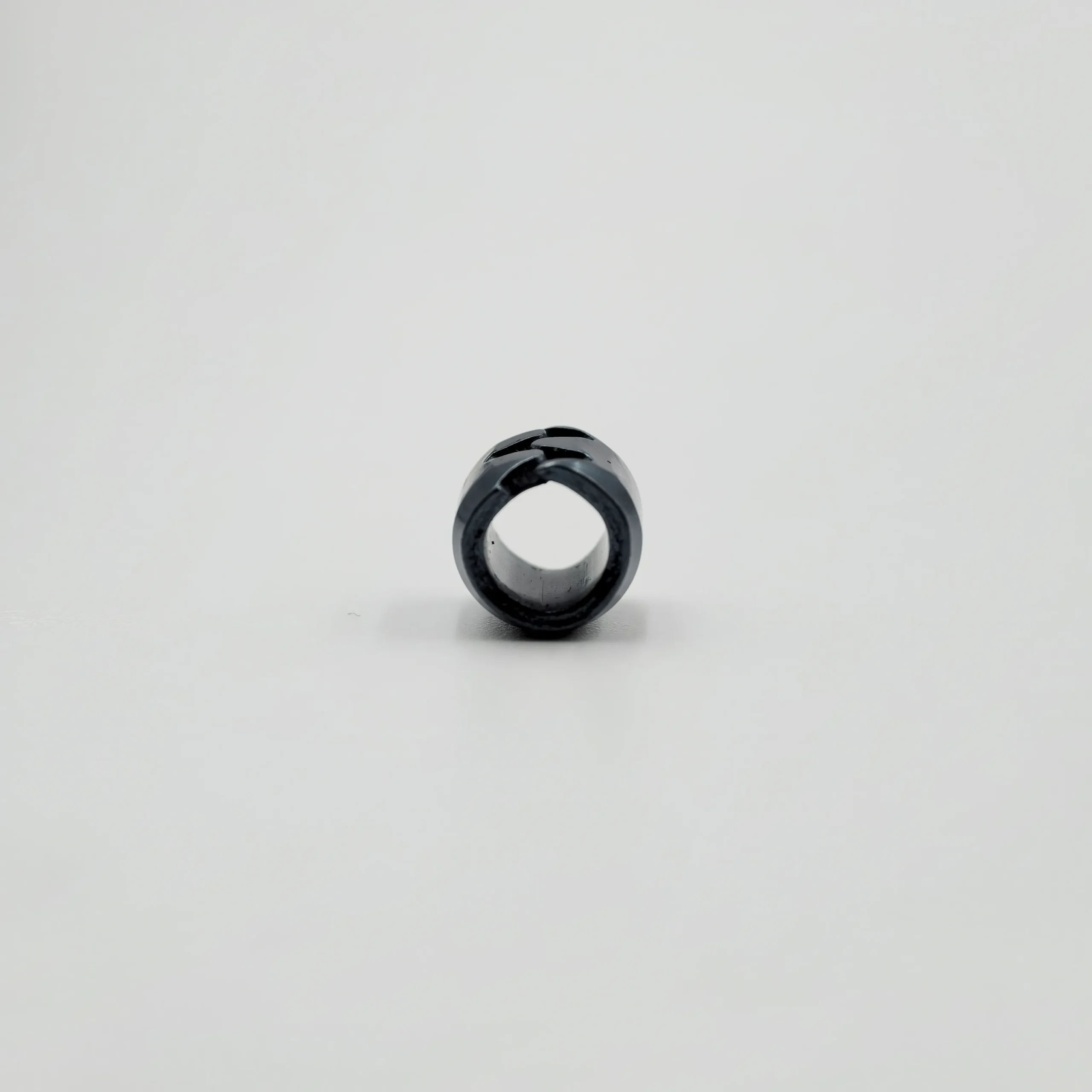 144-70-15251 Komatsu Pin, Dowel
 -
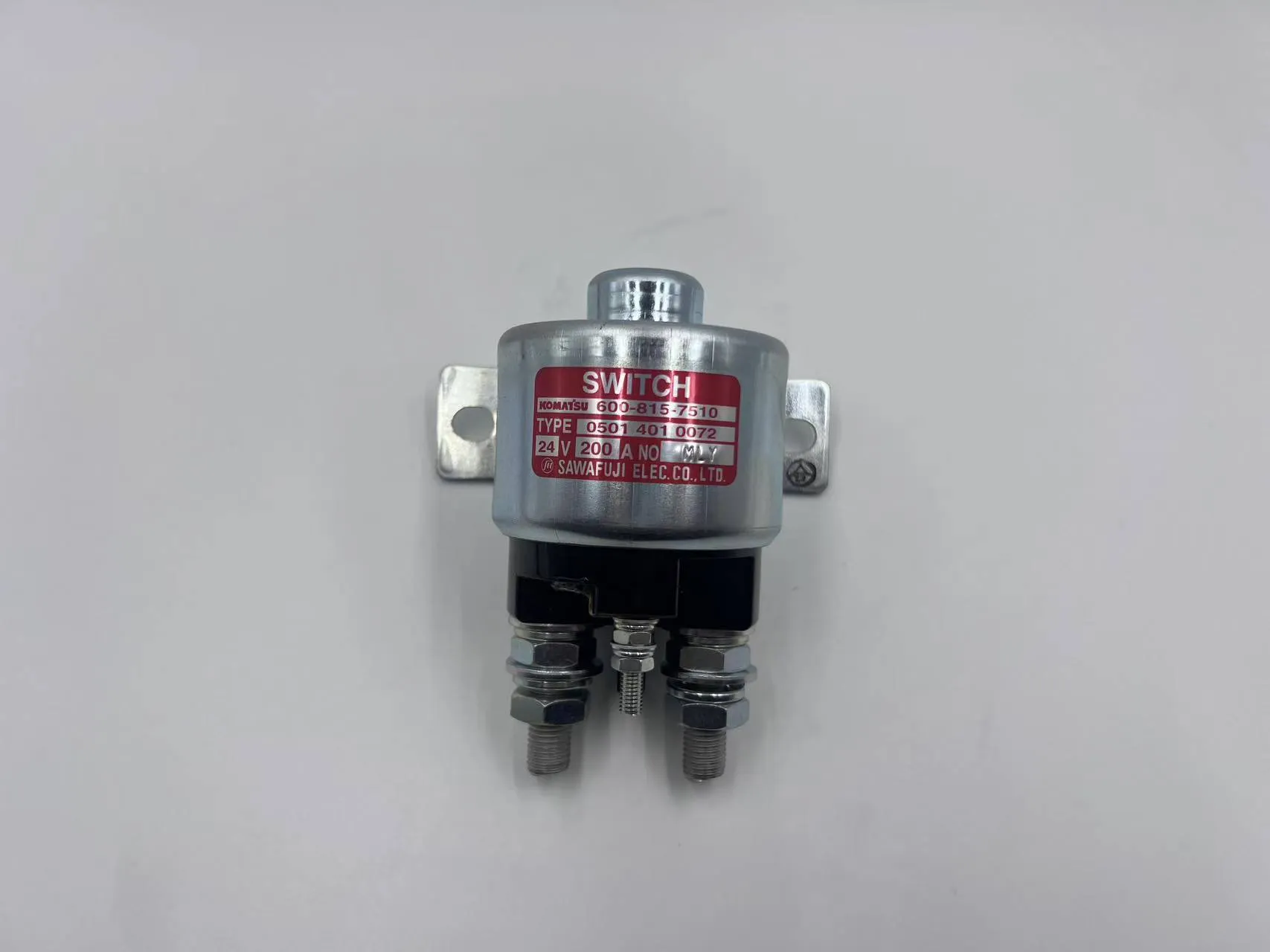 600-815-7510- SWITCH-Komatsu Original Factory
 -
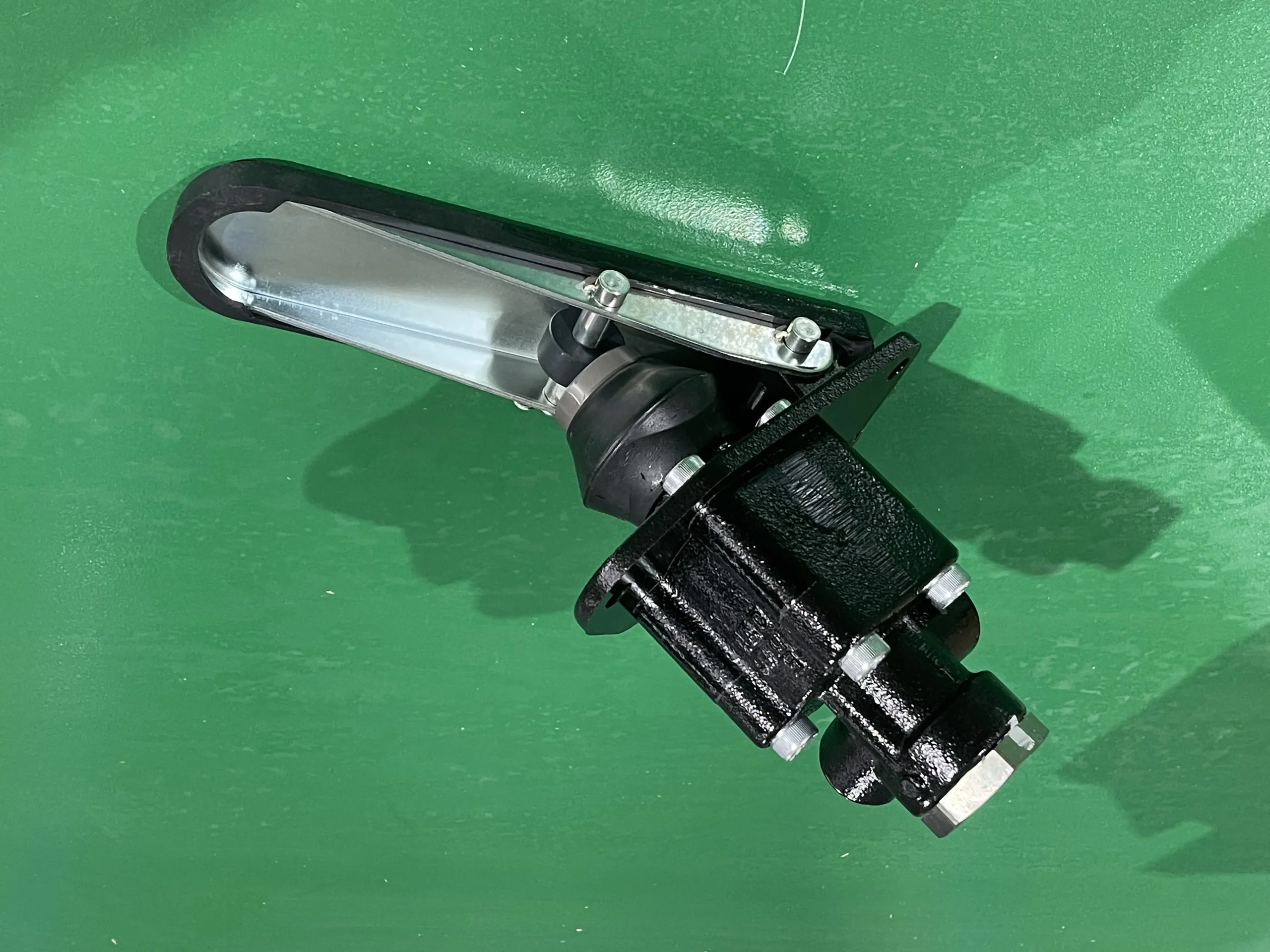 425-43-37200 Komatsu VALVE ASS’Y
 -
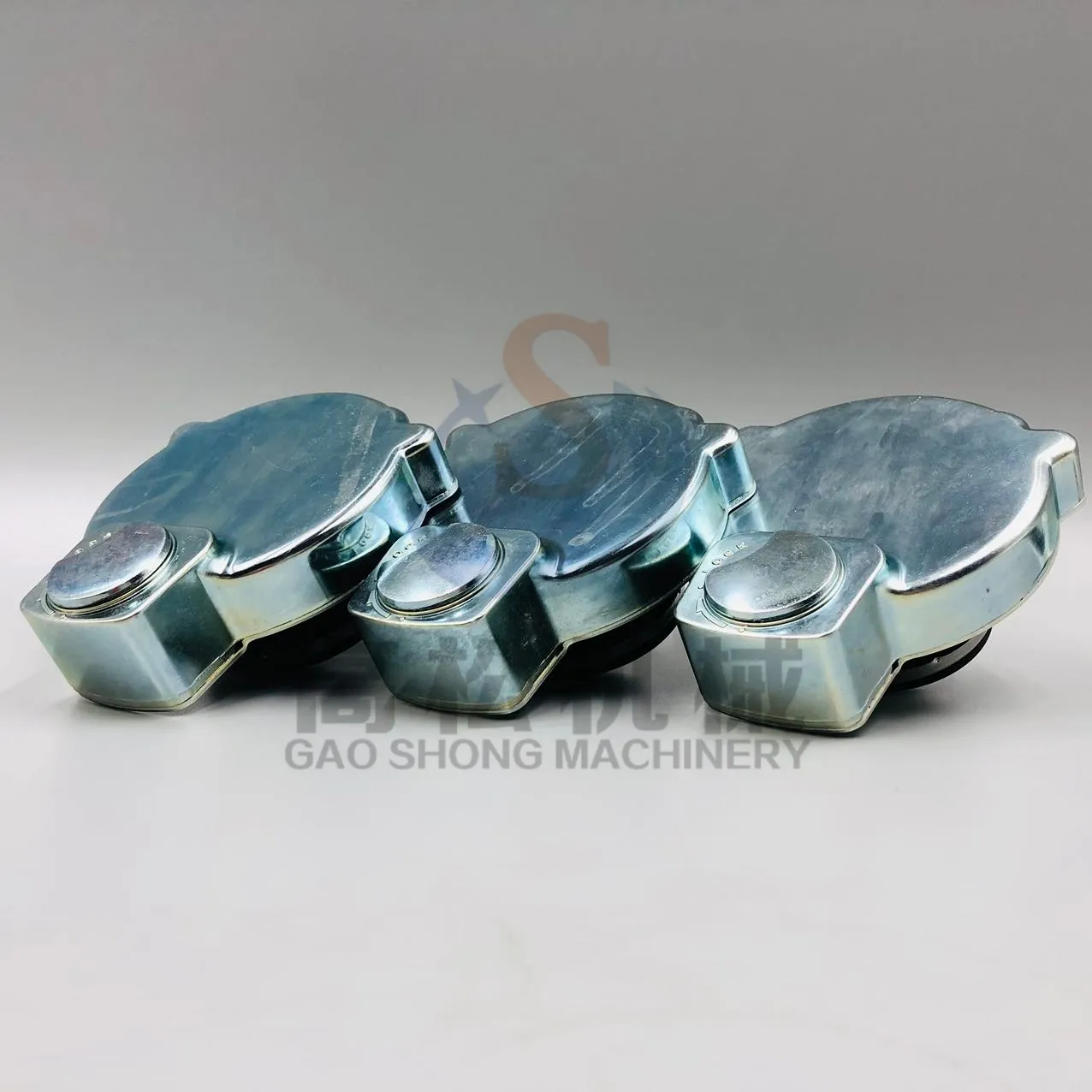 Komatsu fuel tank cap 17A-60-11310
 -
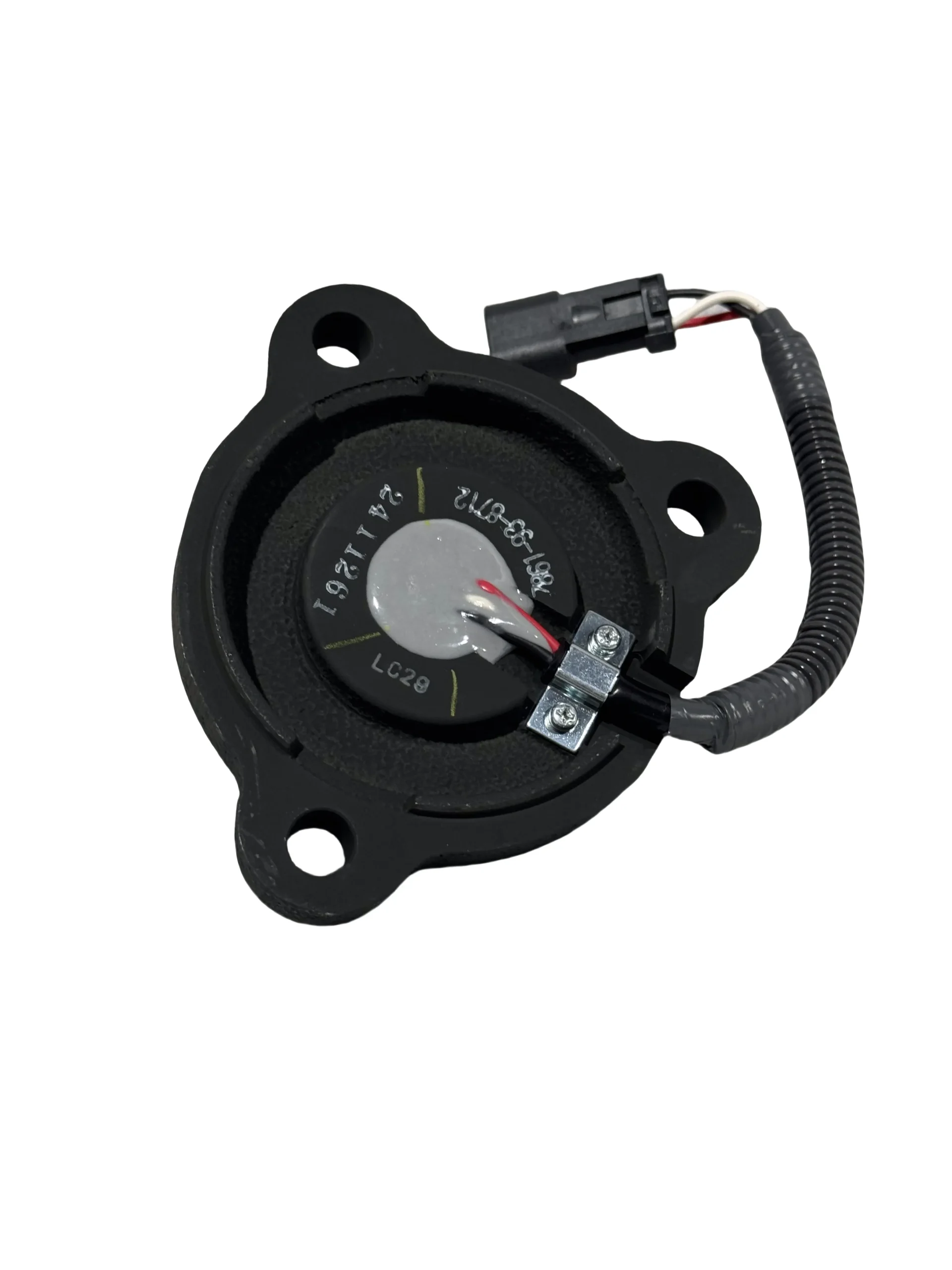 7861-93-8711 Steering Sensor for Komatsu HD785-7
 -
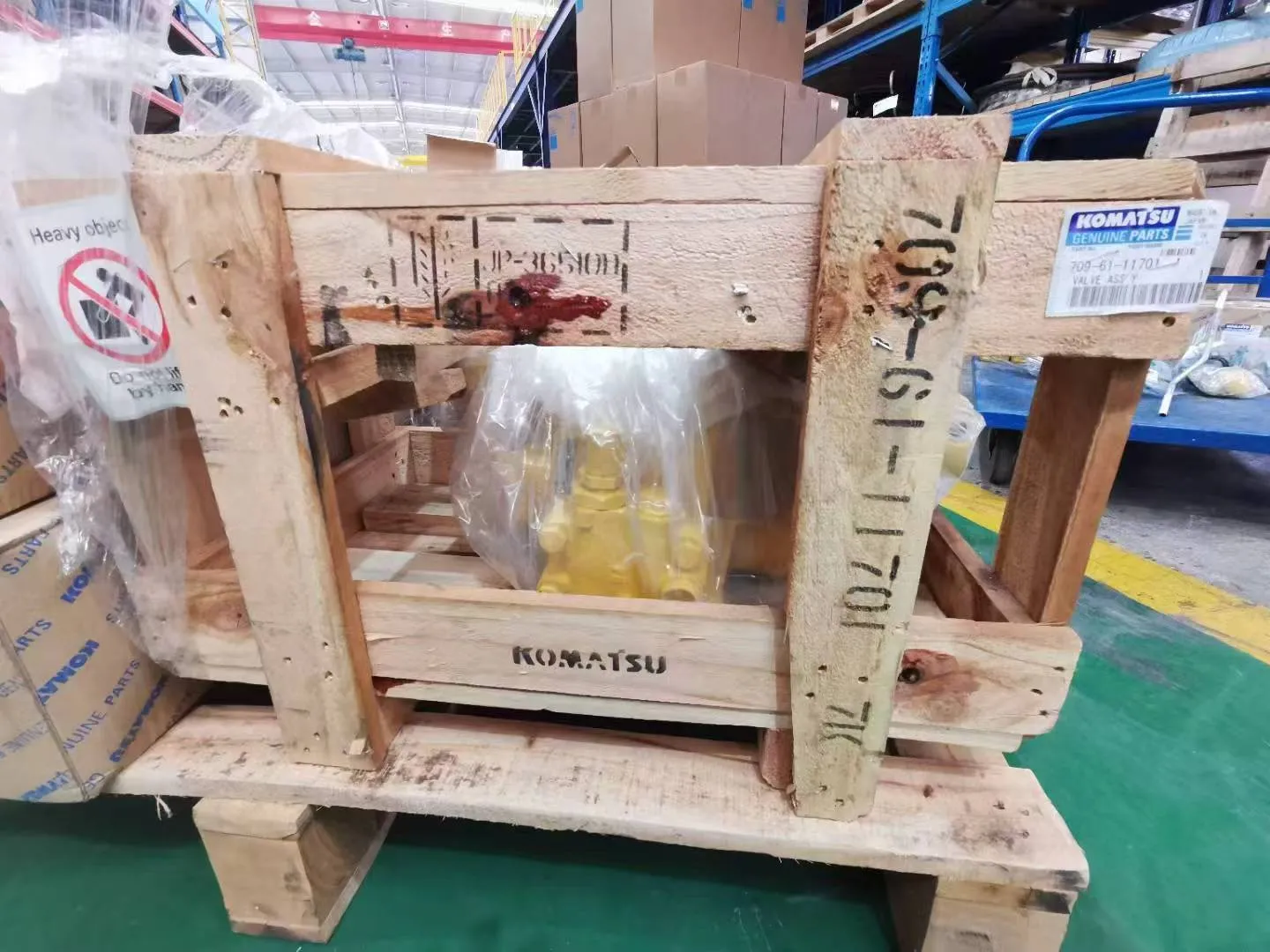 709-61-11701 709-61-11700 Vane poppet valve assembly
 -
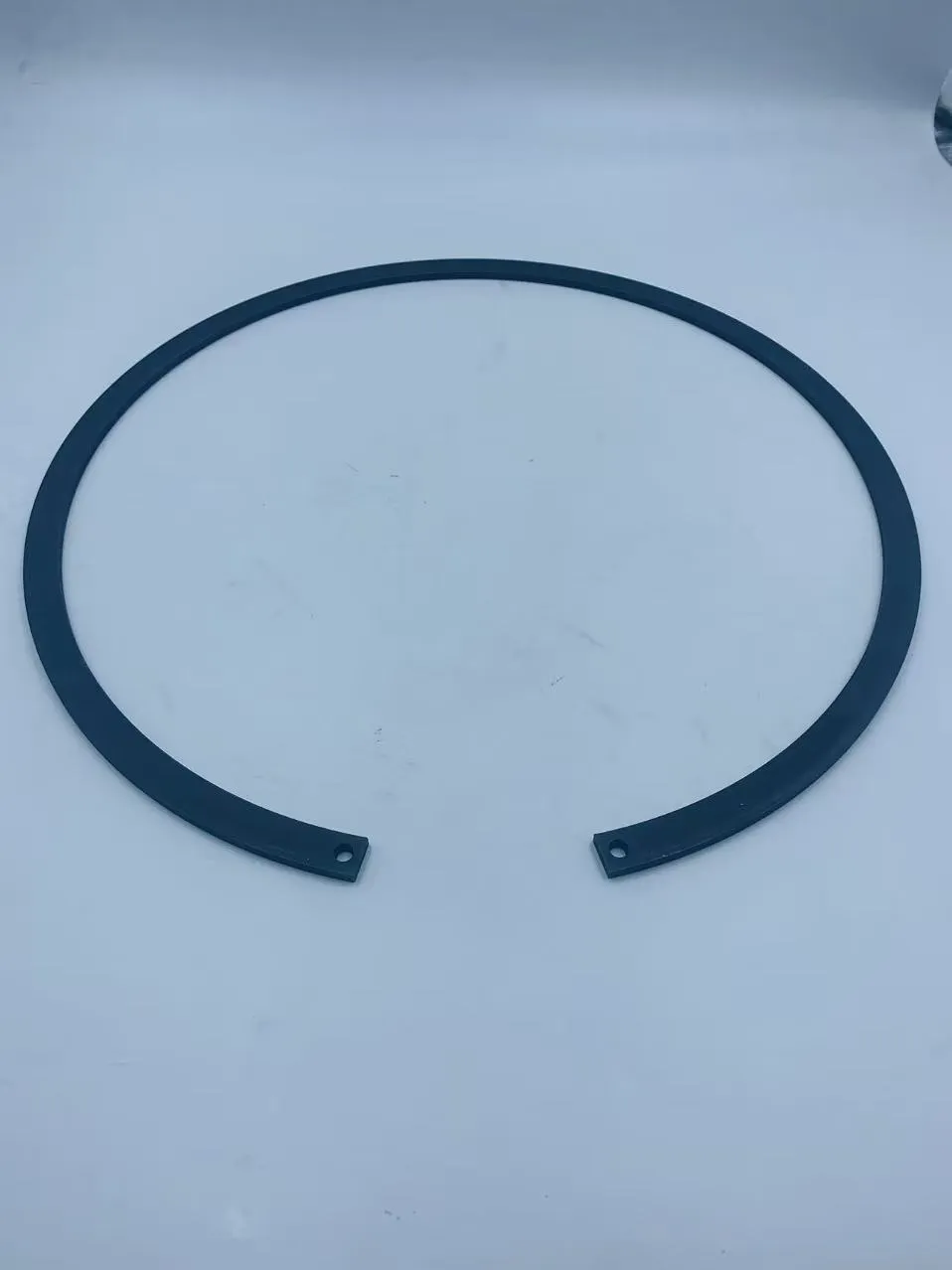 21T-26-11270 Komatsu Snap
 -
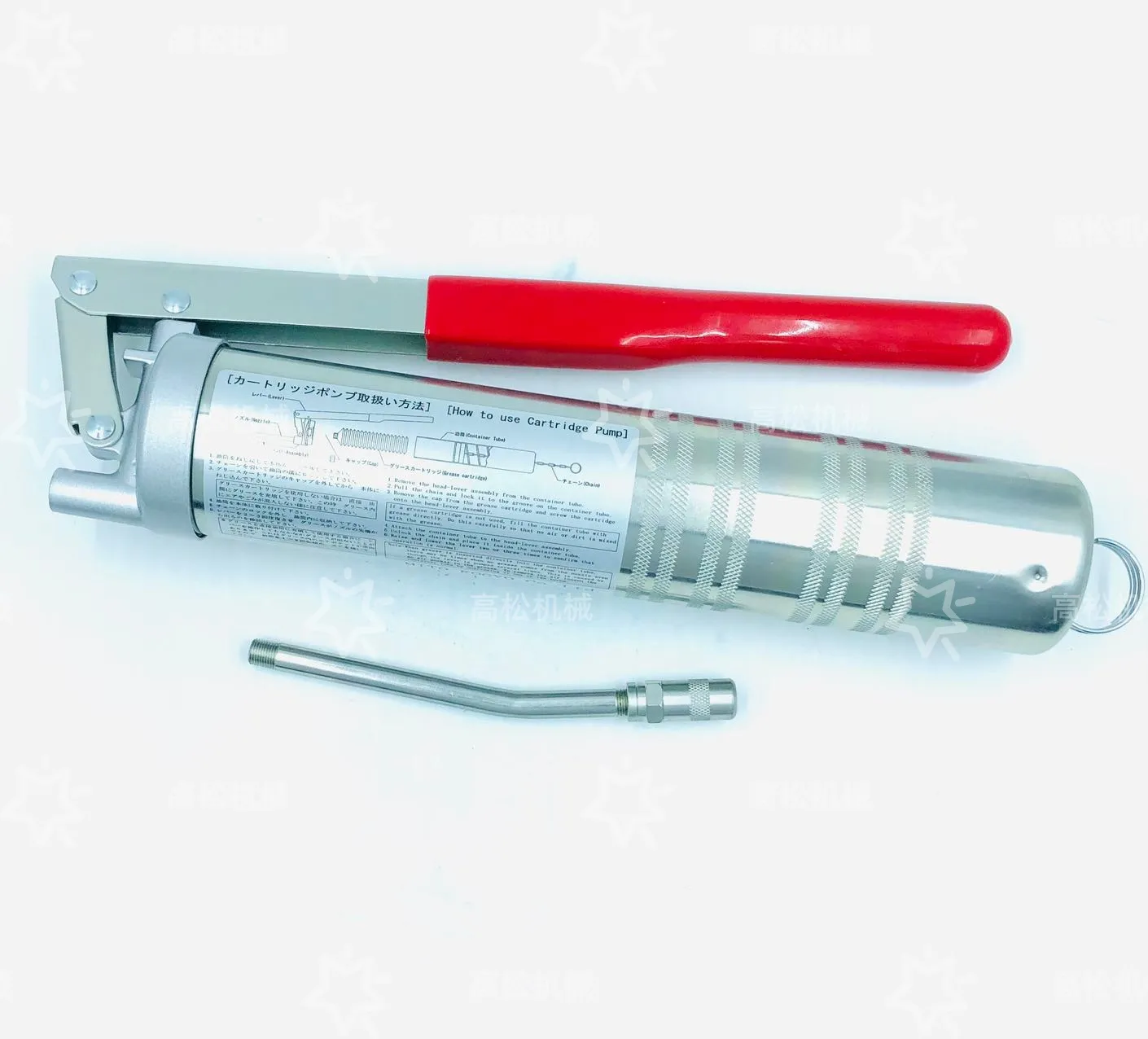 HM400 GREASE PUMP 07952-70014 07952-70004 For Komatsu Original
 -
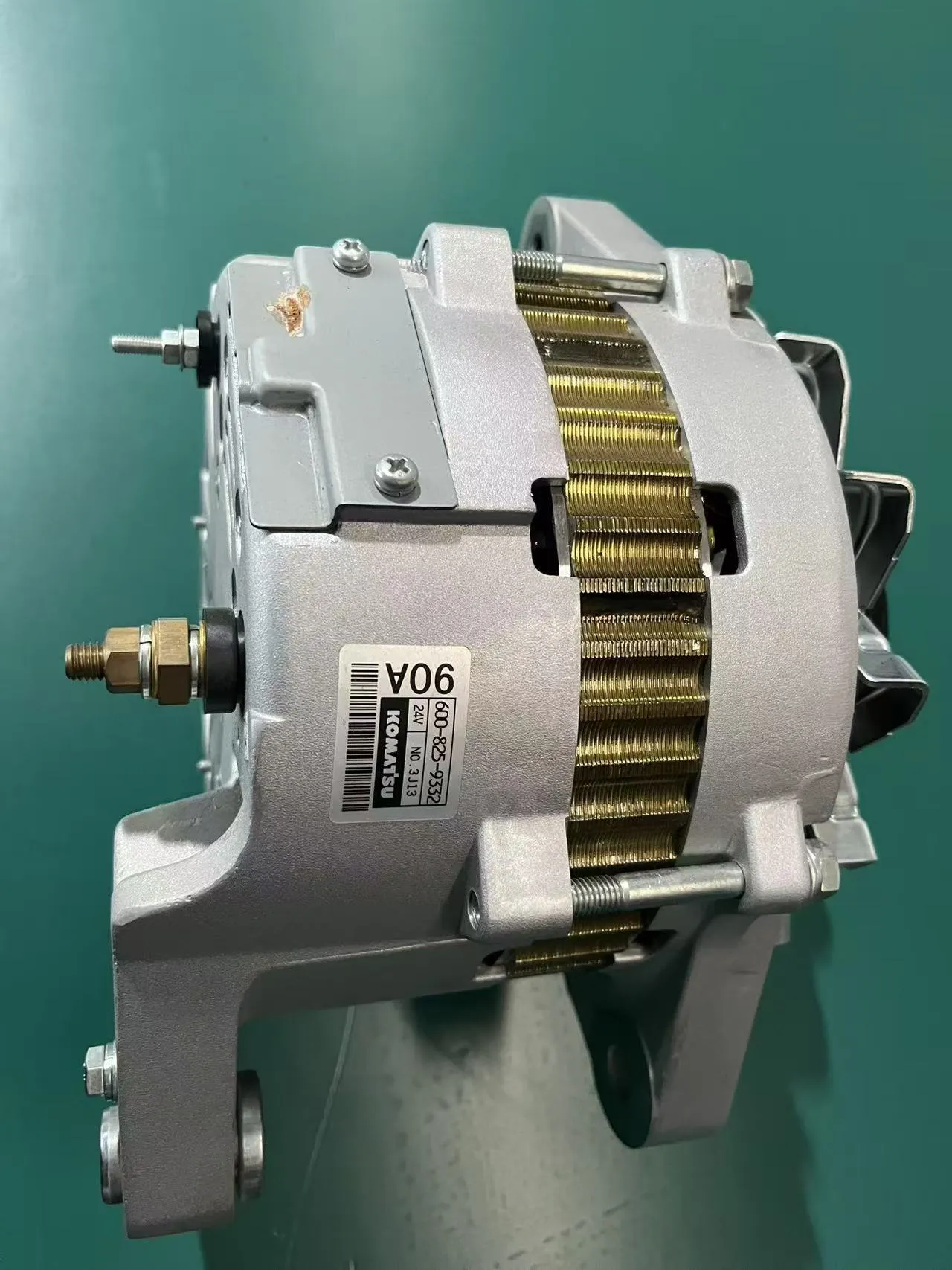 600-825-9332 alternator Generator
 -
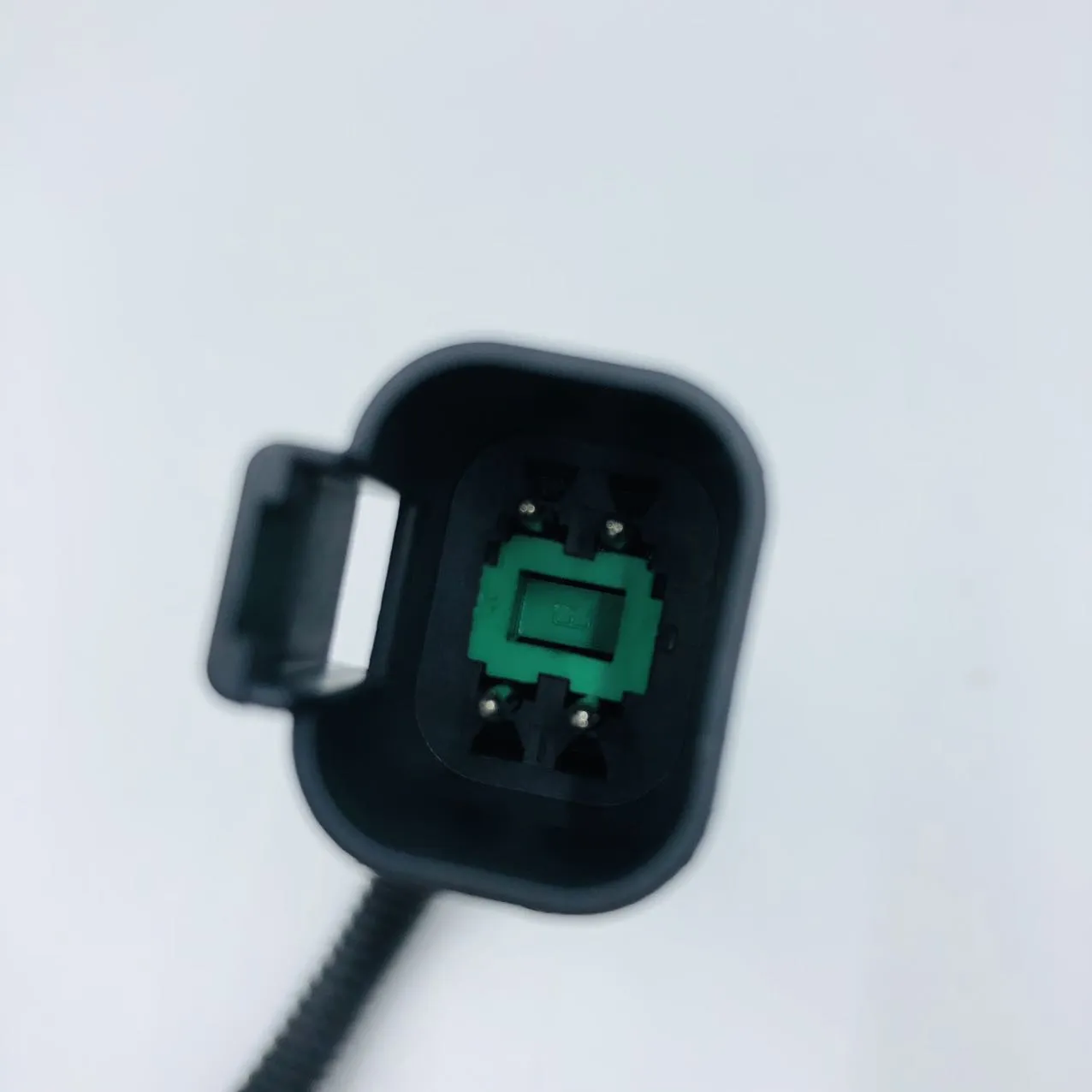 7861-93-5410Komatsu Acceleration Sensor, 7861-93-5410
 -
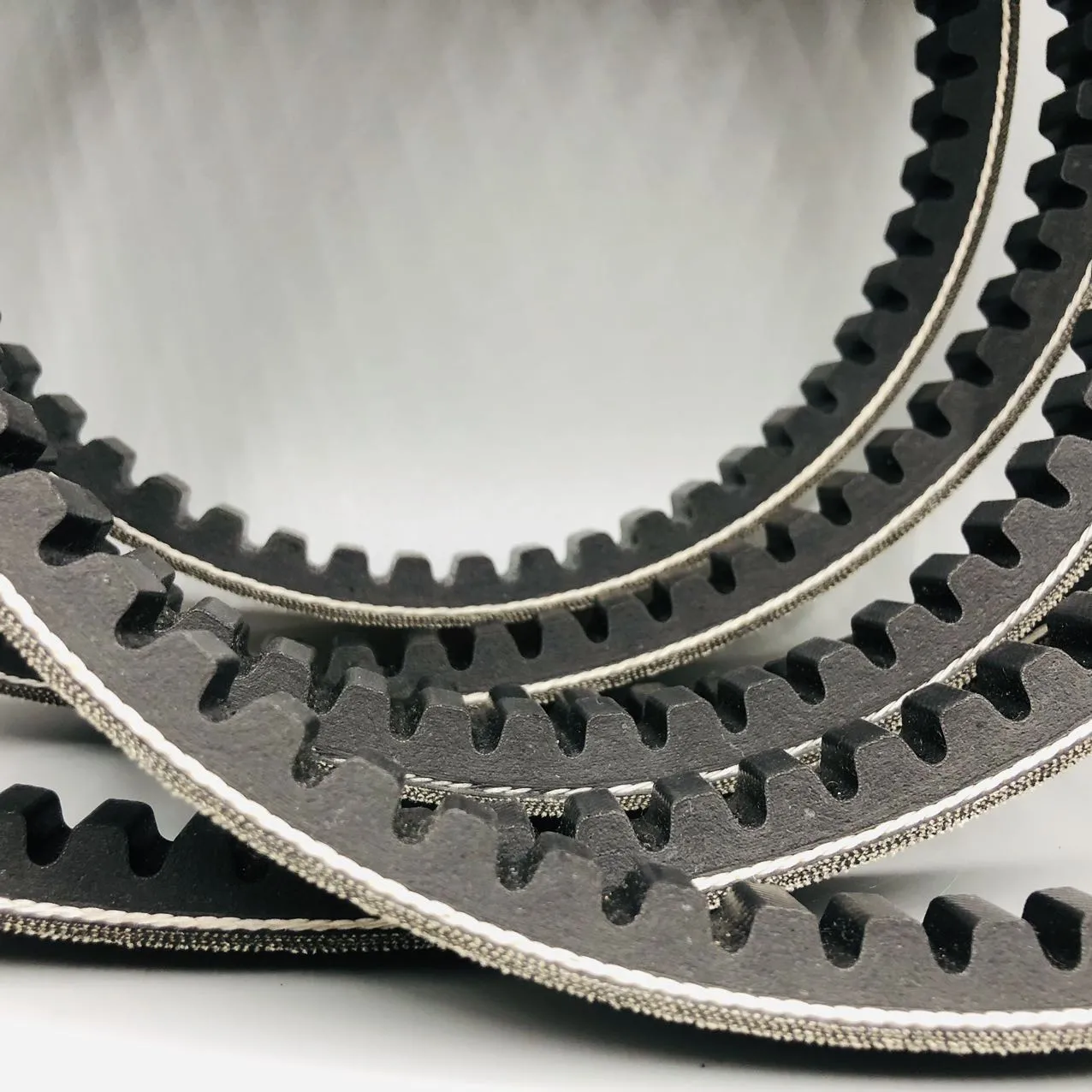 Komatsu mechanical belt6219-61-3420
 -
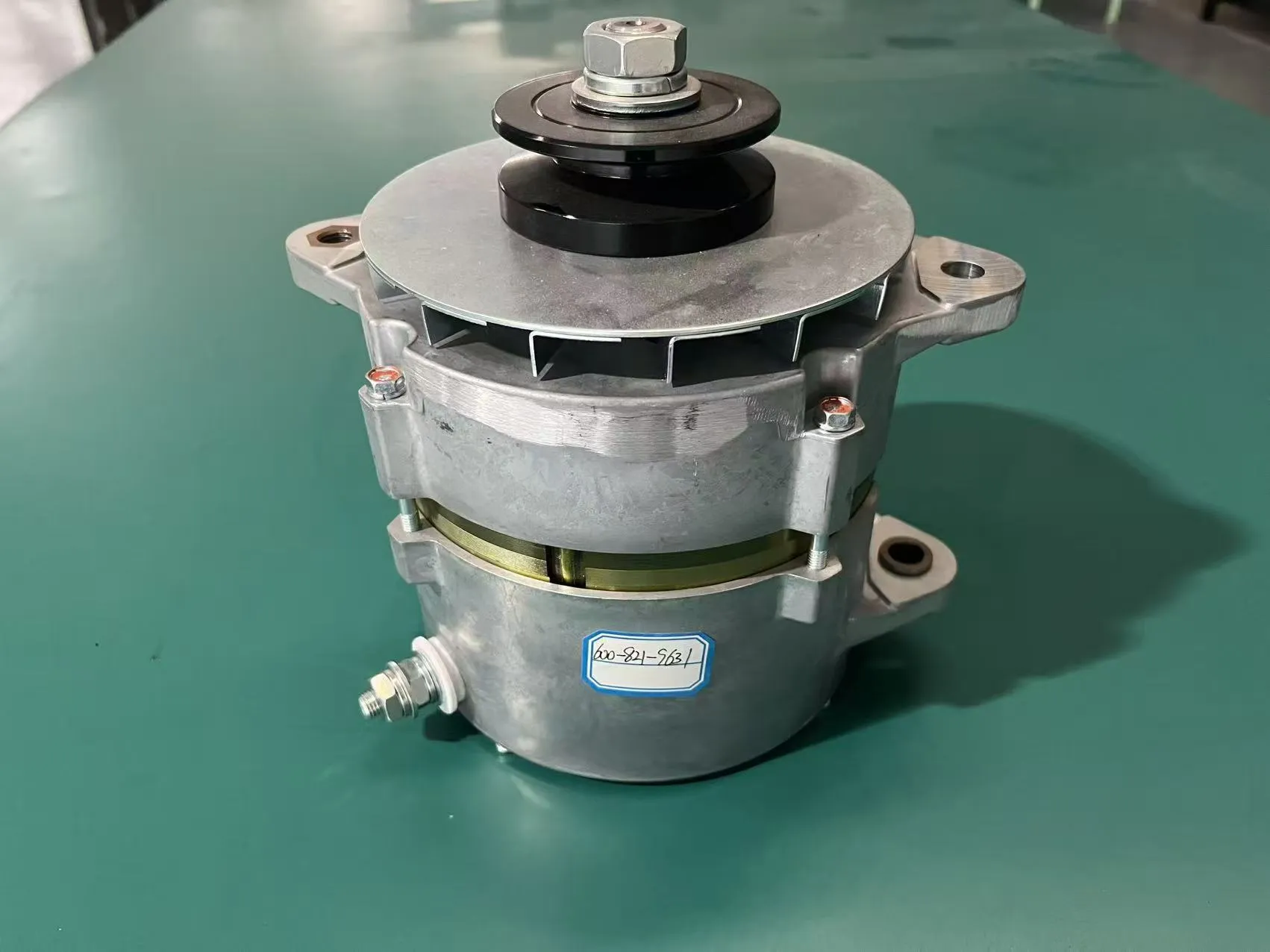 600-821-9631 Komatsu SA12V140 ALTERNATOR