
- Chinese
- French
- German
- Portuguese
- Spanish
- Russian
- Japanese
- Korean
- Arabic
- Irish
- Greek
- Turkish
- Italian
- Danish
- Romanian
- Indonesian
- Czech
- Afrikaans
- Swedish
- Polish
- Basque
- Catalan
- Esperanto
- Hindi
- Lao
- Albanian
- Amharic
- Armenian
- Azerbaijani
- Belarusian
- Bengali
- Bosnian
- Bulgarian
- Cebuano
- Chichewa
- Corsican
- Croatian
- Dutch
- Estonian
- Filipino
- Finnish
- Frisian
- Galician
- Georgian
- Gujarati
- Haitian
- Hausa
- Hawaiian
- Hebrew
- Hmong
- Hungarian
- Icelandic
- Igbo
- Javanese
- Kannada
- Kazakh
- Khmer
- Kurdish
- Kyrgyz
- Latin
- Latvian
- Lithuanian
- Luxembou..
- Macedonian
- Malagasy
- Malay
- Malayalam
- Maltese
- Maori
- Marathi
- Mongolian
- Burmese
- Nepali
- Norwegian
- Pashto
- Persian
- Punjabi
- Serbian
- Sesotho
- Sinhala
- Slovak
- Slovenian
- Somali
- Samoan
- Scots Gaelic
- Shona
- Sindhi
- Sundanese
- Swahili
- Tajik
- Tamil
- Telugu
- Thai
- Ukrainian
- Urdu
- Uzbek
- Vietnamese
- Welsh
- Xhosa
- Yiddish
- Yoruba
- Zulu
- Kinyarwanda
- Tatar
- Oriya
- Turkmen
- Uyghur






OEM AND ORIGINAL KOMATSU TUBE 562-02-3B141
When you see a part number like OEM AND ORIGINAL KOMATSU TUBE 562-02-3B141, the immediate assumption is it's a genuine Komatsu part, straight from the factory line. That's where a lot of people, even some with years in the field, get tripped up. The term OEM gets thrown around loosely, but in the Komatsu ecosystem, it's a specific channel. I've seen too many orders where the buyer thought they were getting the exact same tube that goes into a new PC200-8 or PC300-6 hydraulic circuit, only to find subtle differences in the flare fitting tolerances or the annealing process. It's not always about counterfeits; sometimes it's about understanding the supply chain tiers.
The Nuance of OEM in the Komatsu World
Here's the reality check. Komatsu doesn't manufacture every single tube and hose in-house. They have a network of approved component manufacturers who produce to Komatsu's exacting specifications. These parts, bearing the Komatsu part number and often packaged in Komatsu-branded boxes, are what we call genuine OEM. The 562-02-3B141 is a perfect example—it's a specific hydraulic tube, likely for a boom or arm circuit. The OEM AND ORIGINAL label, when used correctly, should mean it's sourced from that authorized network, not just a generic tube that fits.
This is where companies like Jining Gaosong Construction Machinery Co., Ltd. operate. They position themselves within that system. From my dealings, their stated role as an OEM product supplier within the Komatsu system suggests they have access to these authorized factory channels or produce components under license. It's a different level from a standard aftermarket parts reseller. You can check their portal at https://www.takematsumachinery.com to see their approach. Their mission to solve parts supply challenges in certain countries rings true—I've been in markets where getting a genuine Komatsu tube meant a 12-week lead time, killing project viability.
The grey area appears with original specification parts. These might be made on the same tooling, from the same blueprints, but not through Komatsu's official logistics. They might be physically identical, but lack the traceability and the factory warranty backing. For a critical pressure line like the 562-02-3B141, that traceability matters. A failure audit leads back to the batch number, the steel mill origin—details you only get with the full OEM pedigree.
Field Realities and the Fitment Trap
Let me walk through a concrete headache. We had a PC220-7 with a leaking hydraulic line. The part number cross-referenced to this 562-02-3B141 family. The local supplier offered an original quality tube at half the price. It looked right, threaded on, and even held pressure... for about 80 hours of operation. Then it developed a hairline crack just behind the JIC flare. The issue wasn't the dimensions; it was the material's fatigue resistance. The OEM-spec tube uses a specific grade of seamless steel tubing with a particular stress-relieving process. The substitute didn't. The downtime cost dwarfed the parts savings.
This is the core of the supply challenge Jining Gaosong mentions. In many regions, you're forced to choose between an indefinite wait for a pure Komatsu box or rolling the dice on local stock. A supplier that can bridge that gap with verifiable OEM-line parts is invaluable. It's not just about having the part; it's about having the right part with the right documentation. I'd want to see material certificates and chain-of-custody paperwork for a component like this, not just a sales invoice.
Another practical note on tubes: the bending. The 3B141 suffix often indicates a pre-formed shape. An aftermarket bend-to-fit solution is a recipe for flow restriction and early failure. The OEM part is mandrel-bent at the factory to preserve the inner diameter and wall integrity throughout the curve. I've seen mechanics try to replicate a complex bend set, work-harden the tube, and create a future fracture point. If the part number calls for a pre-formed tube, that's what you must use.
Evaluating Suppliers and the Third-Party Role
The phrase third-party sales company for Komatsu used by Jining Gaosong is interesting. It typically means they are an independent entity authorized to distribute genuine parts, often focusing on markets not directly served by Komatsu's primary distributors. They aren't Komatsu, but they are a sanctioned link in the chain. For a buyer, this should translate to more flexible logistics and possibly better regional support, while still getting the authentic OEM AND ORIGINAL KOMATSU TUBE.
How do you verify this? It's not just about a website. It's in the details. Do they list official Komatsu part numbers without obfuscation? Can they provide the Komatsu Materials Identification (KMI) data for their components? For a tube, that includes specs on tensile strength, chemical composition, and compliance with Komatsu's internal standards like KES. A casual email inquiry about the certification for 562-02-3B141 can be very revealing. A vague answer is a red flag.
My own rule has become: for non-critical, wear-and-tear items, I might consider a high-grade alternative. But for core hydraulic pressure lines, especially those running at the system's relief pressure, the risk is too high. The cost of a pump failure or a sudden hydraulic oil dump on a job site due to a tube burst is catastrophic. Here, the OEM part isn't an expense; it's cheap insurance.
Concluding Thoughts from the Field
So, circling back to that part number. The OEM AND ORIGINAL KOMATSU TUBE 562-02-3B141 isn't just a piece of metal. It's a system component with defined performance characteristics. The industry's challenge, which companies like the one mentioned aim to address, is delivering that exact component to the point of need, reliably and without the typical bureaucratic or logistical delays of a fully centralized system.
The key takeaway is to move beyond the part number and the labels. Dig into the provenance. A supplier's value is in their transparency and their ability to prove their parts are not just compatible, but correct. In an ideal scenario, the part arrives, it fits perfectly without force, the flare seats seamlessly, and the material has that specific finish and heft you come to recognize. That's the real test.
Ultimately, it's about managing risk. Every equipment manager has their own threshold. For me, on critical hydraulic lines, the threshold is very low. The minor cost saving from a non-verified source never justifies the potential for major operational and financial damage. The supply might be a challenge, but that's precisely why specialized suppliers exist—to turn a months-long problem into a week-long solution with the right part in hand.
Related Products
Related Products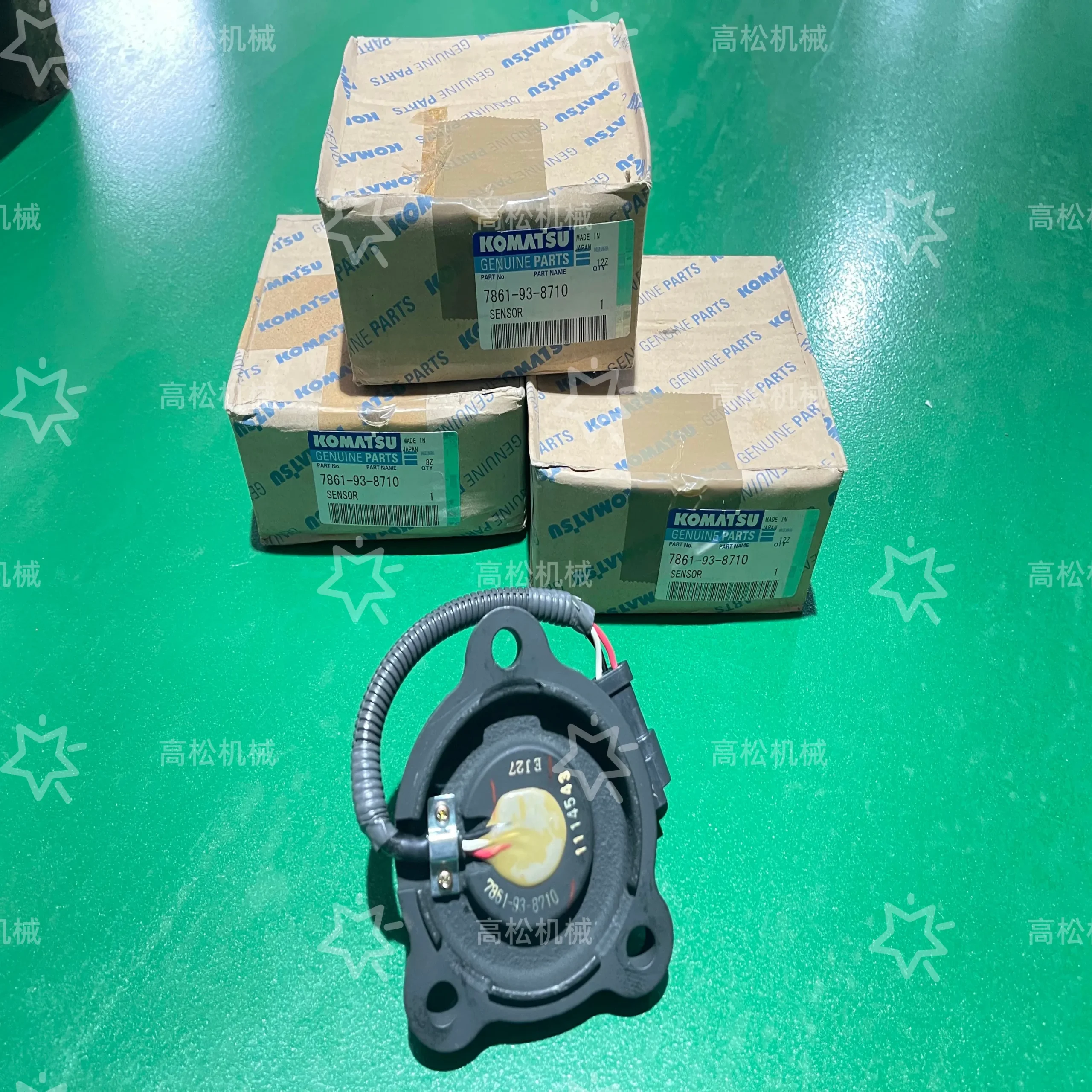
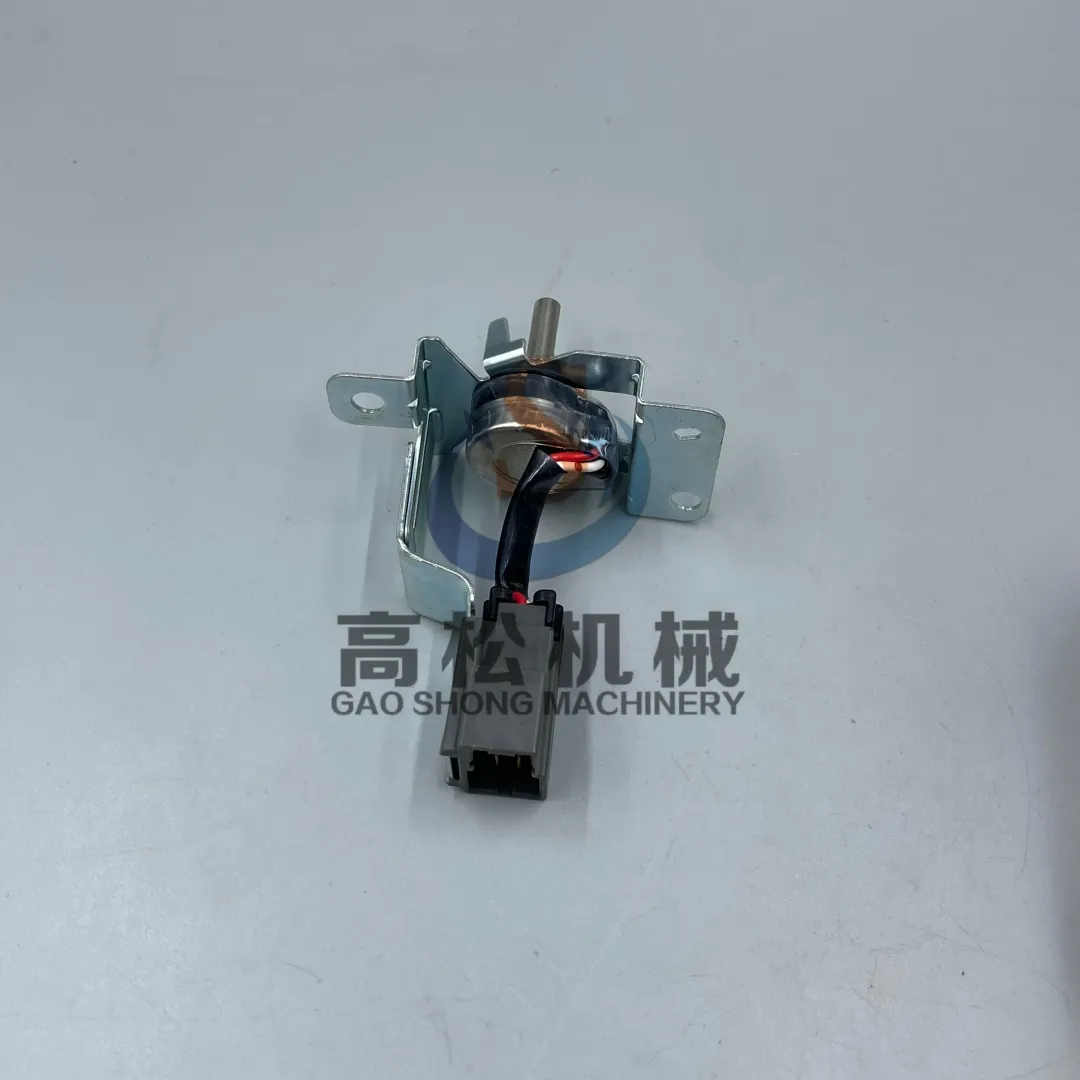

Best Selling Products
Best Selling Products-
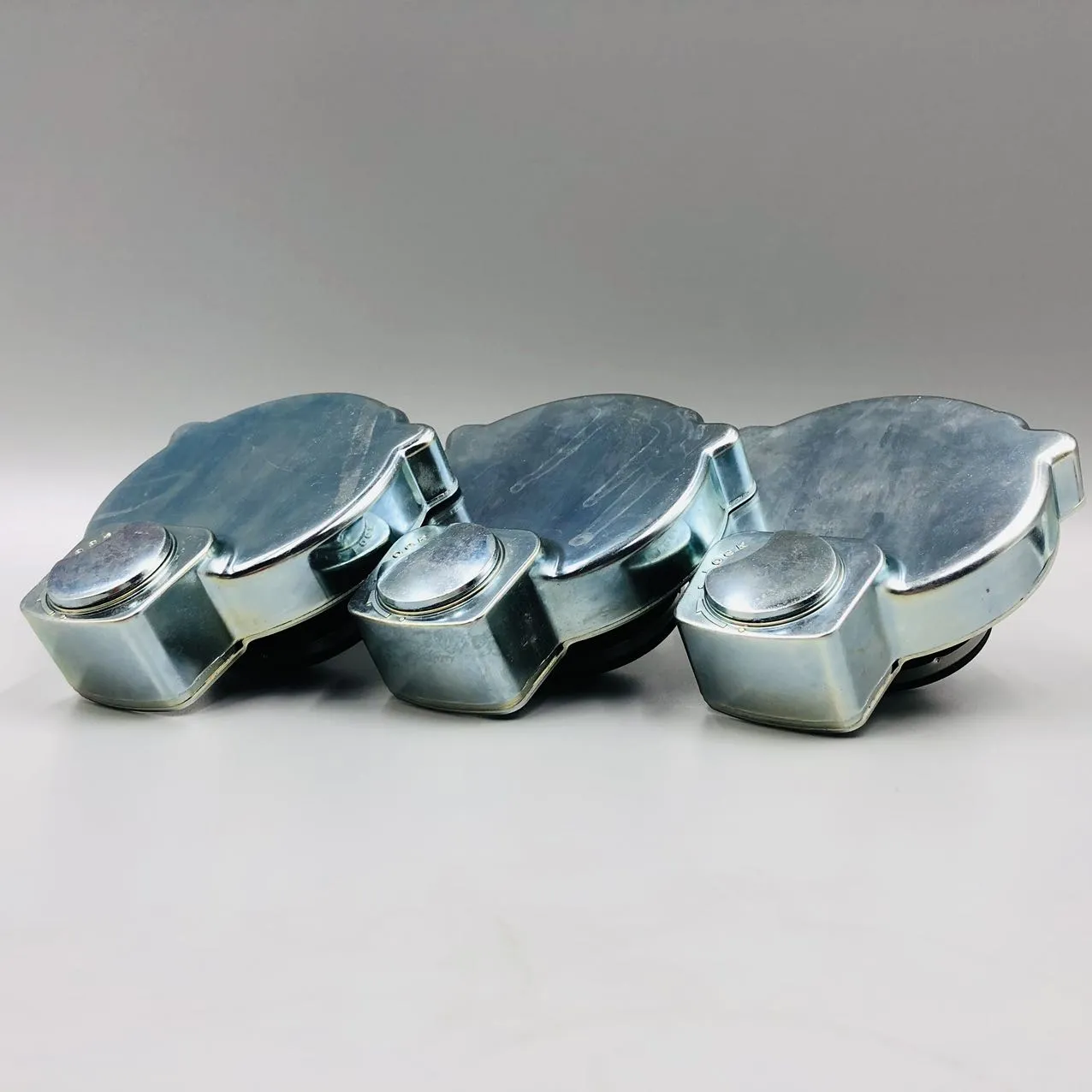 Hydraulic Oil Tank Cap 17A-60-11310 For Komatsu
 -
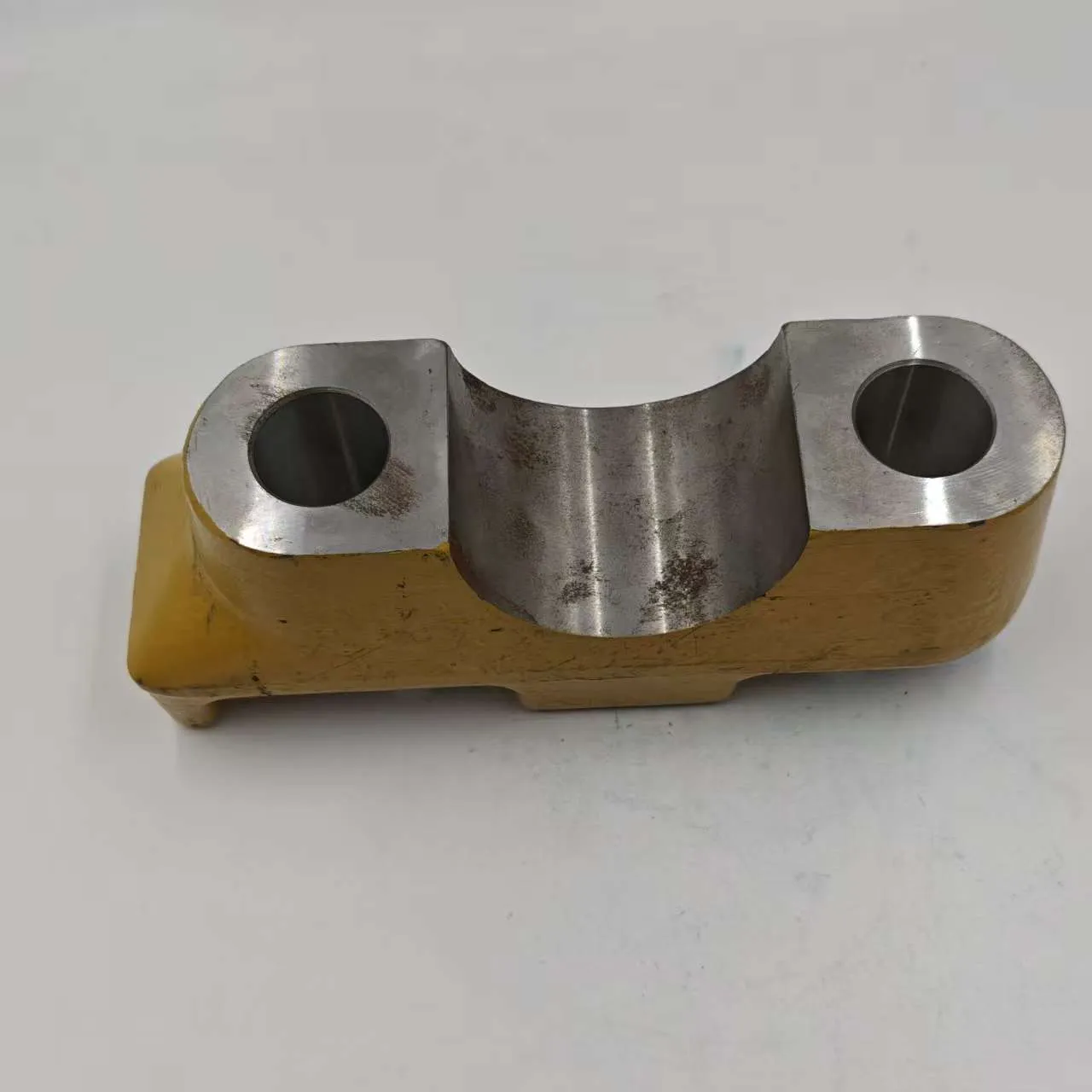 Cap 195-30-62141 for Komats Dozer D375A
 -
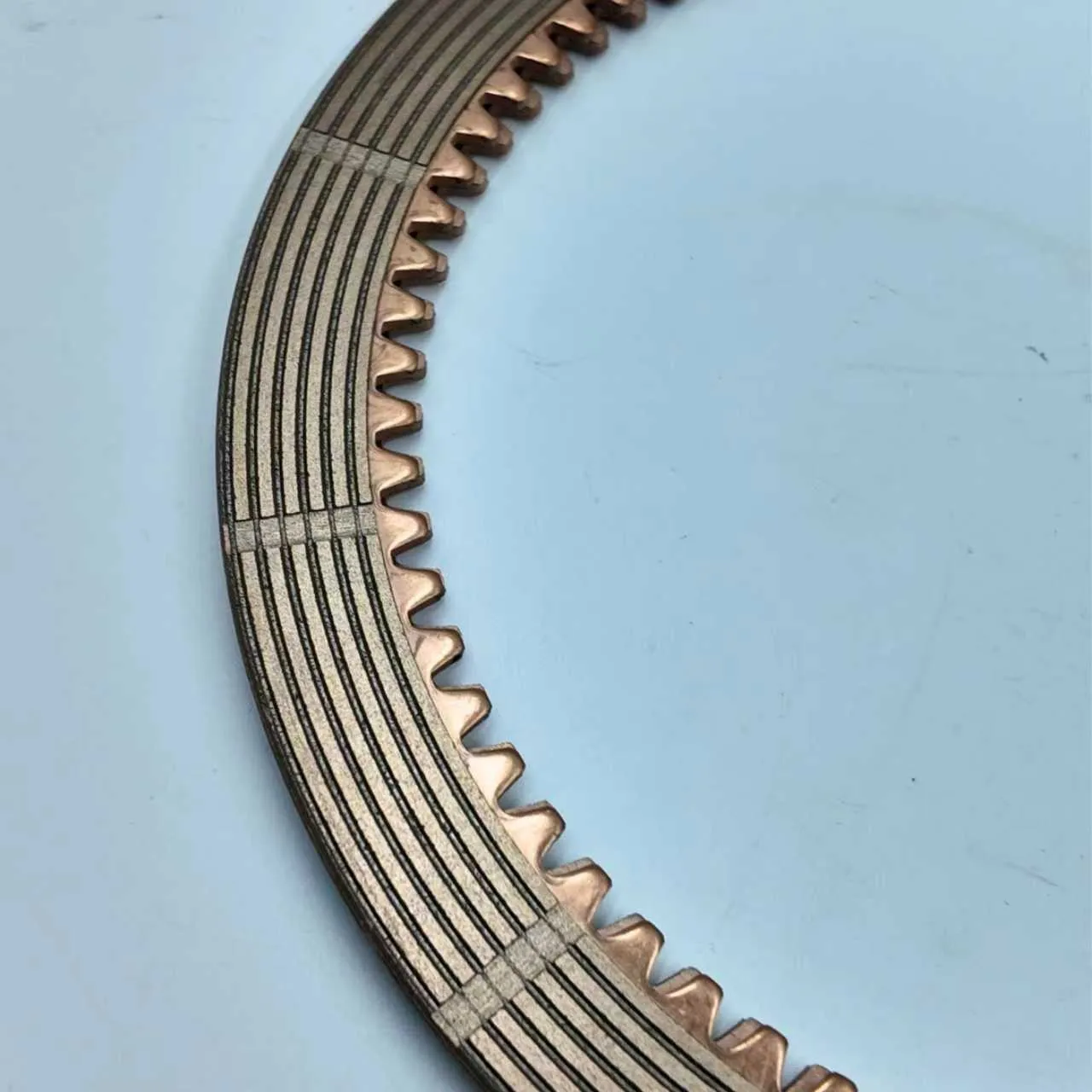 23S-15-12710 Komatsu Disc
 -
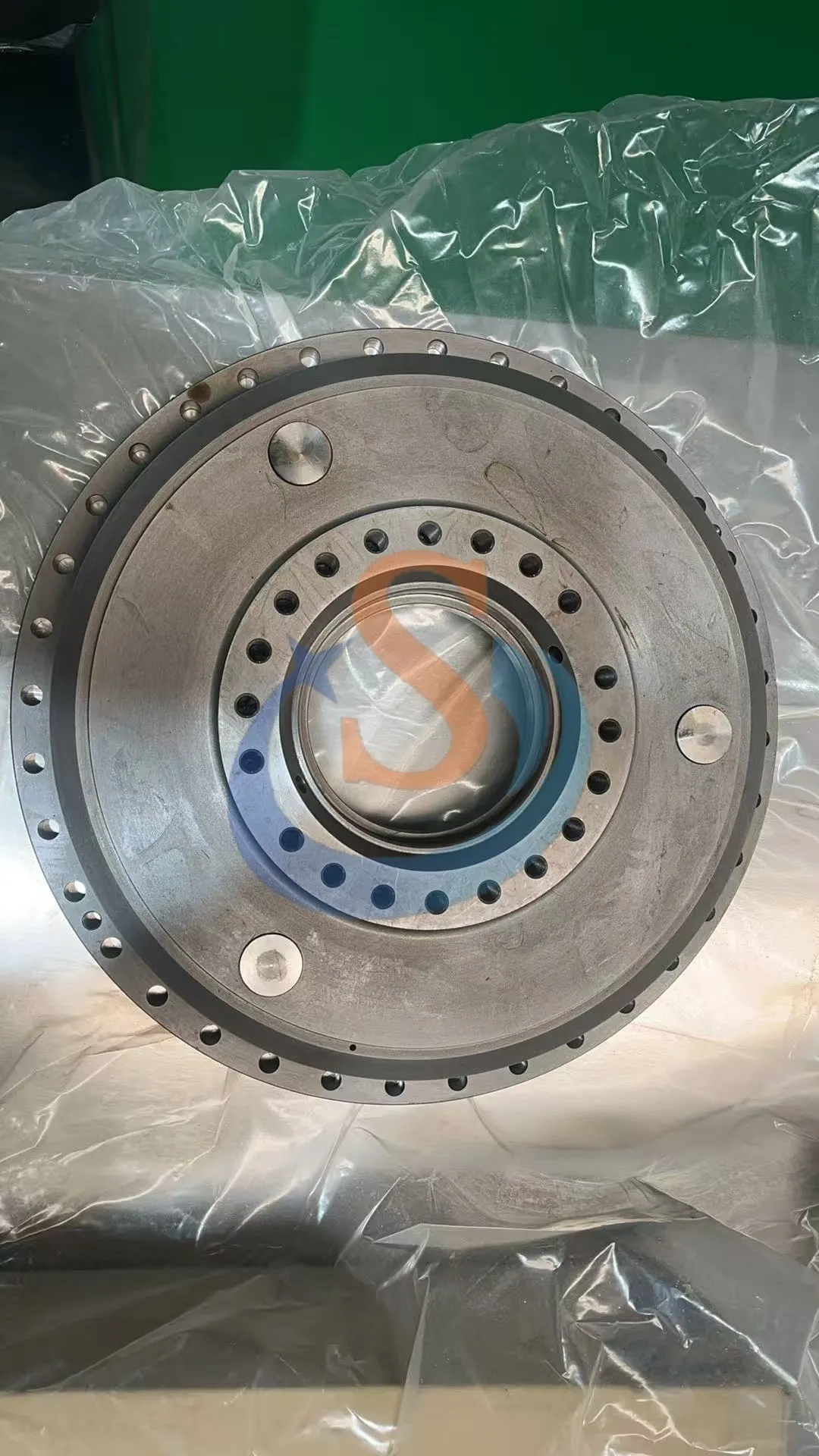 14X-13-57111 komatsu Housing D65
 -
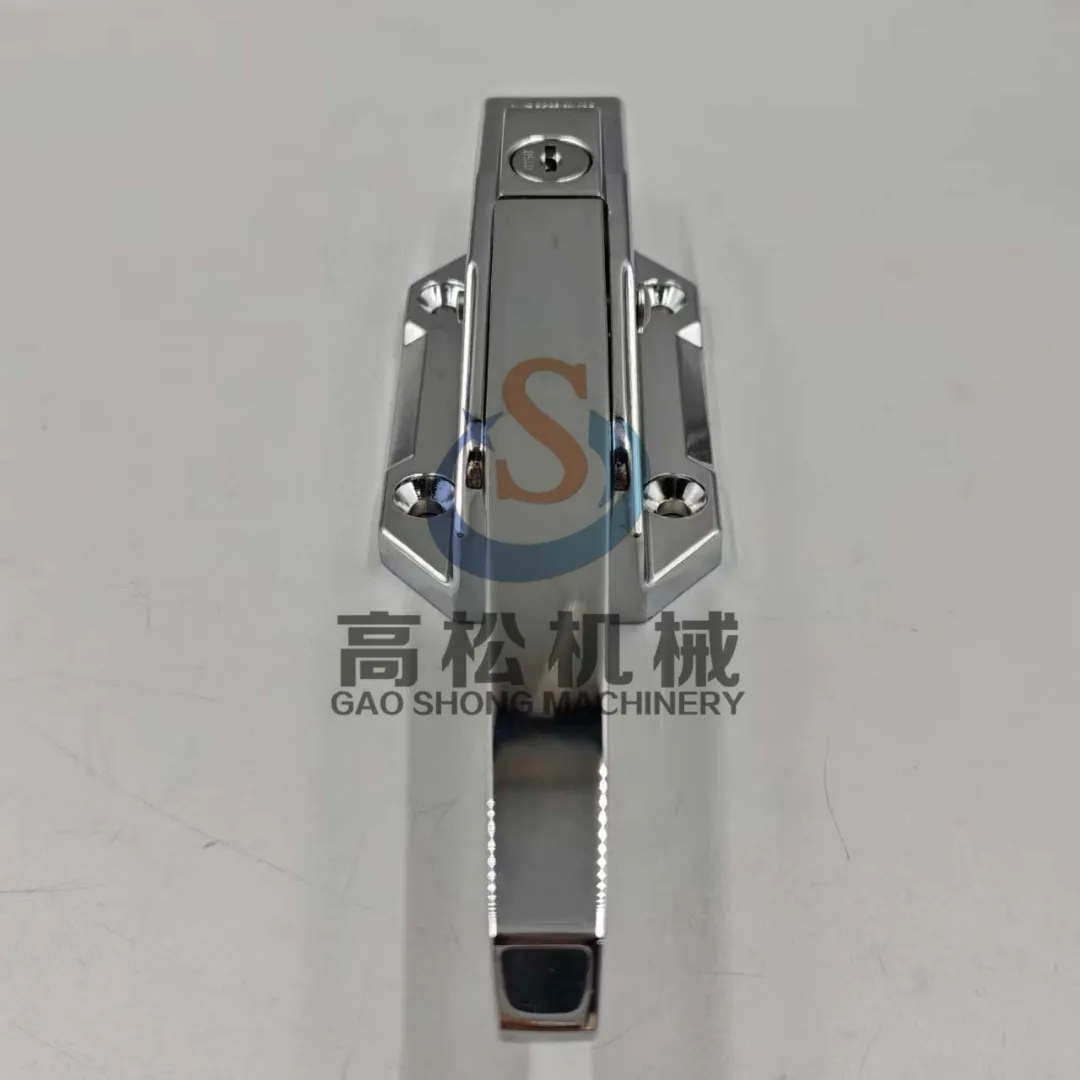 21T-54-35421 Komatsu Handle komatsu original
 -
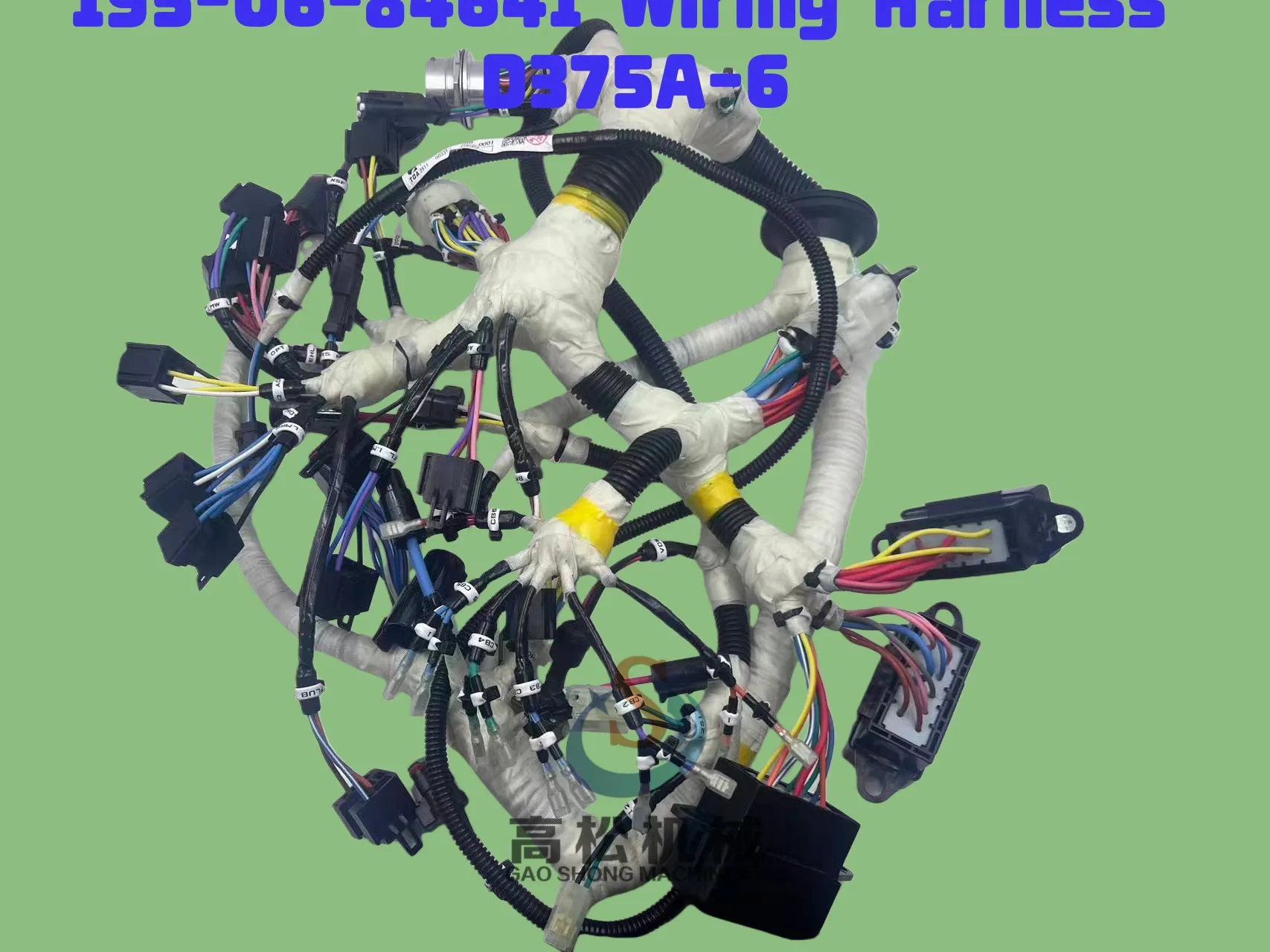 Wiring Harness 195-06-84641 D375A-6 S/N 60001-UP (Extreme Cold Area Arrangement (-40 deg C)) FLOOR FRAME, FUSE BOX AND RELAY
 -
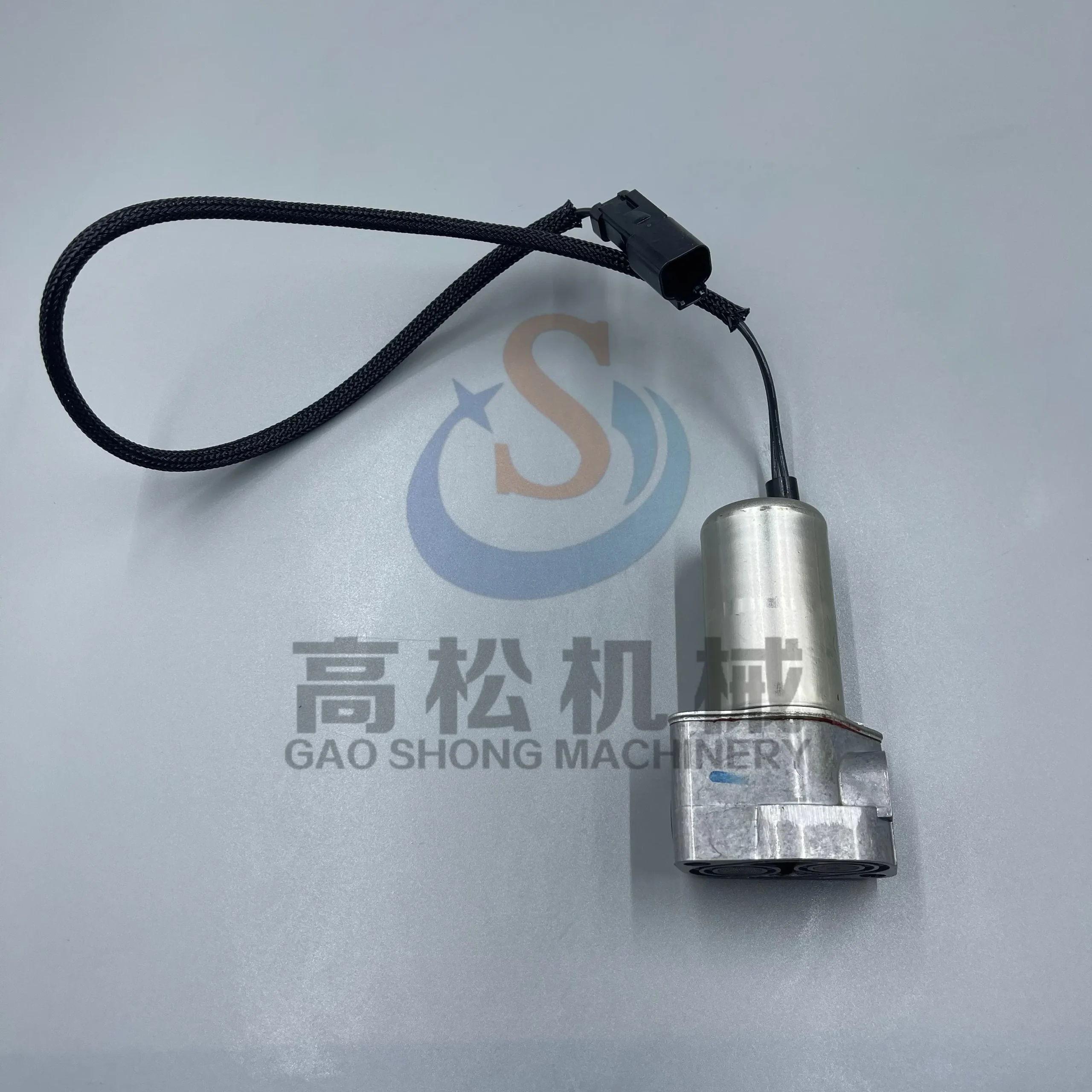 702-21-07620 SOLENOID VALVE (Komatsu)
 -
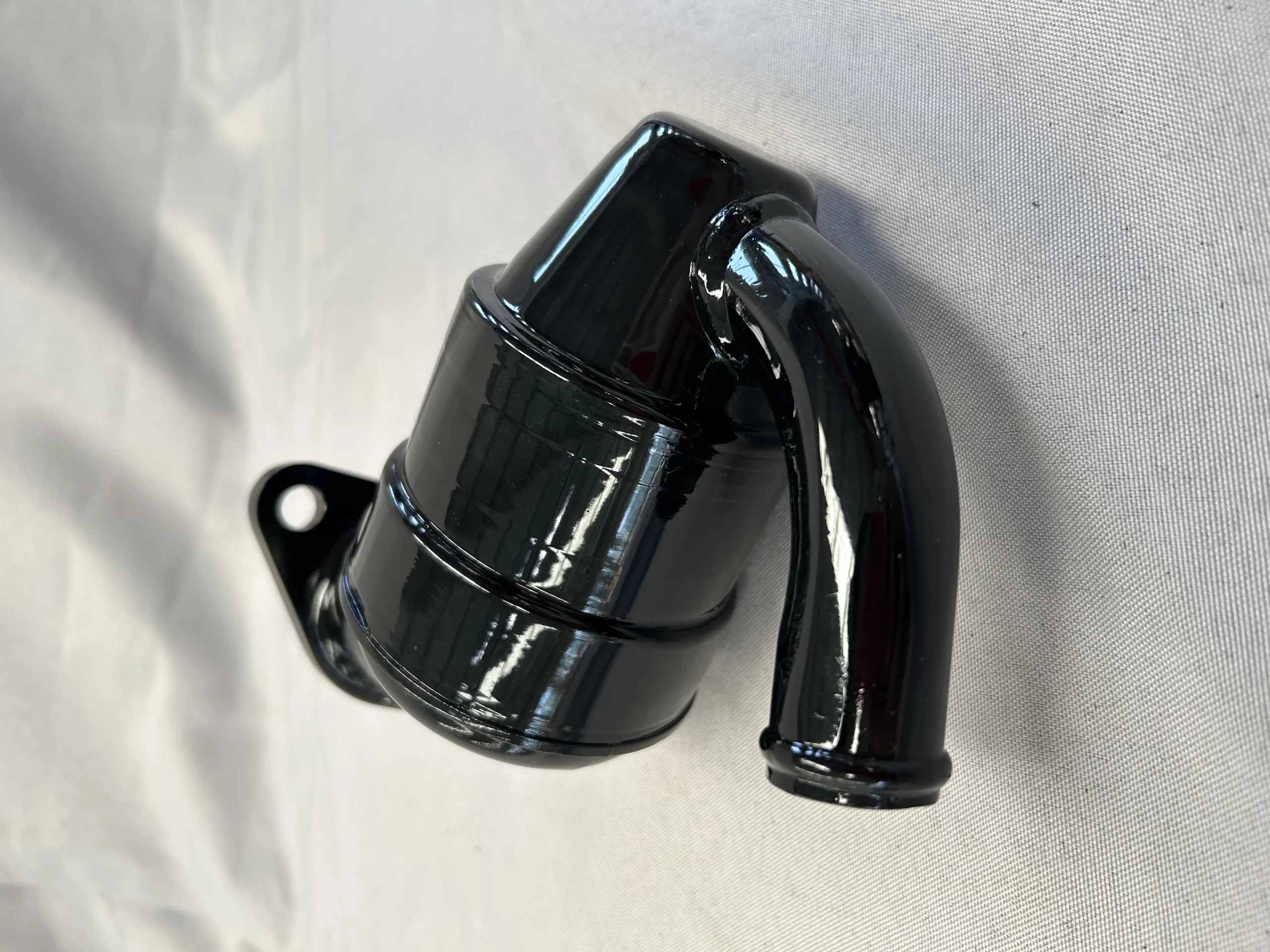 S6D170-1G Breathing Valve 6162-23-8510
 -
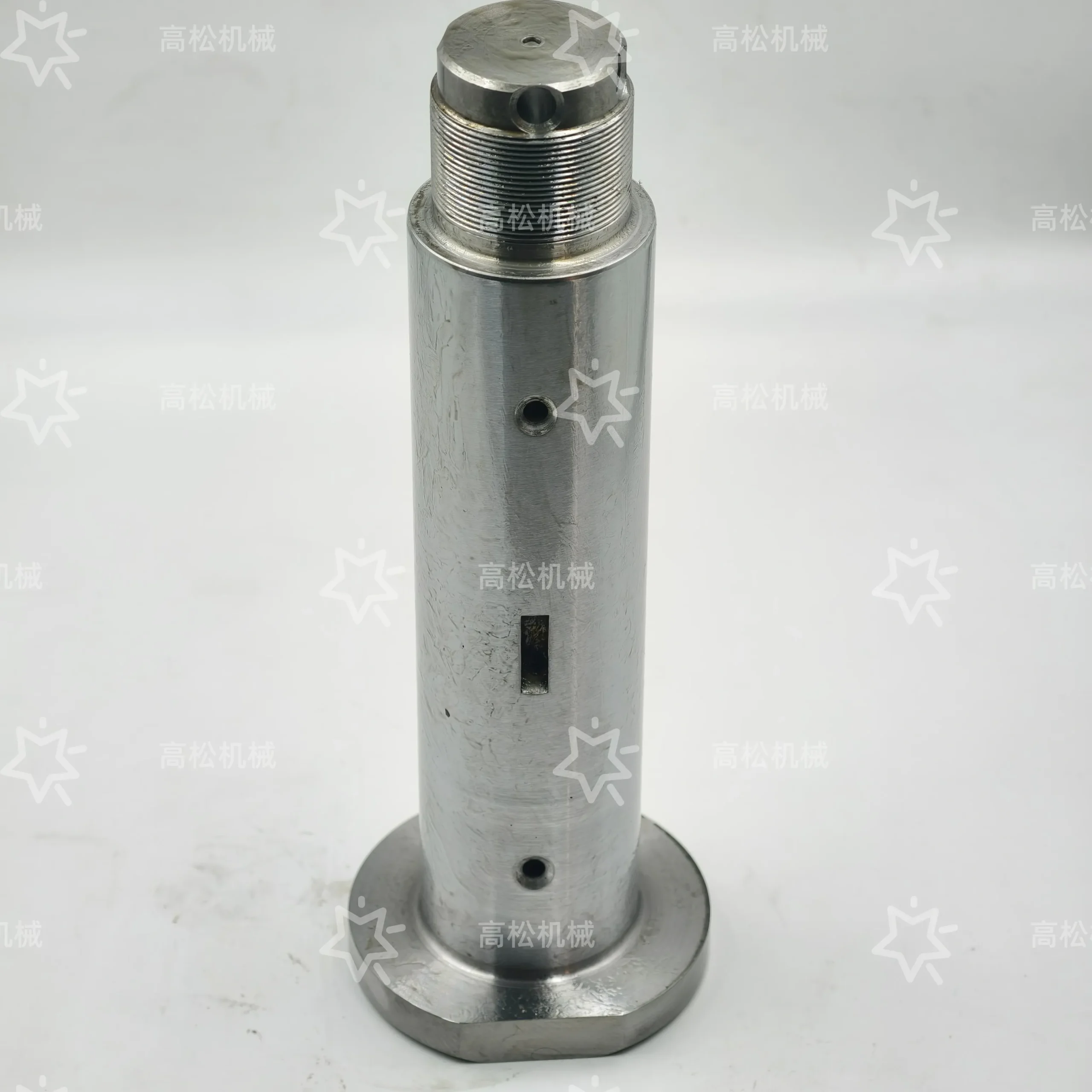 235-27-31330Grader Gd825A-2 Pin 235-27-31330 2352731330
 -
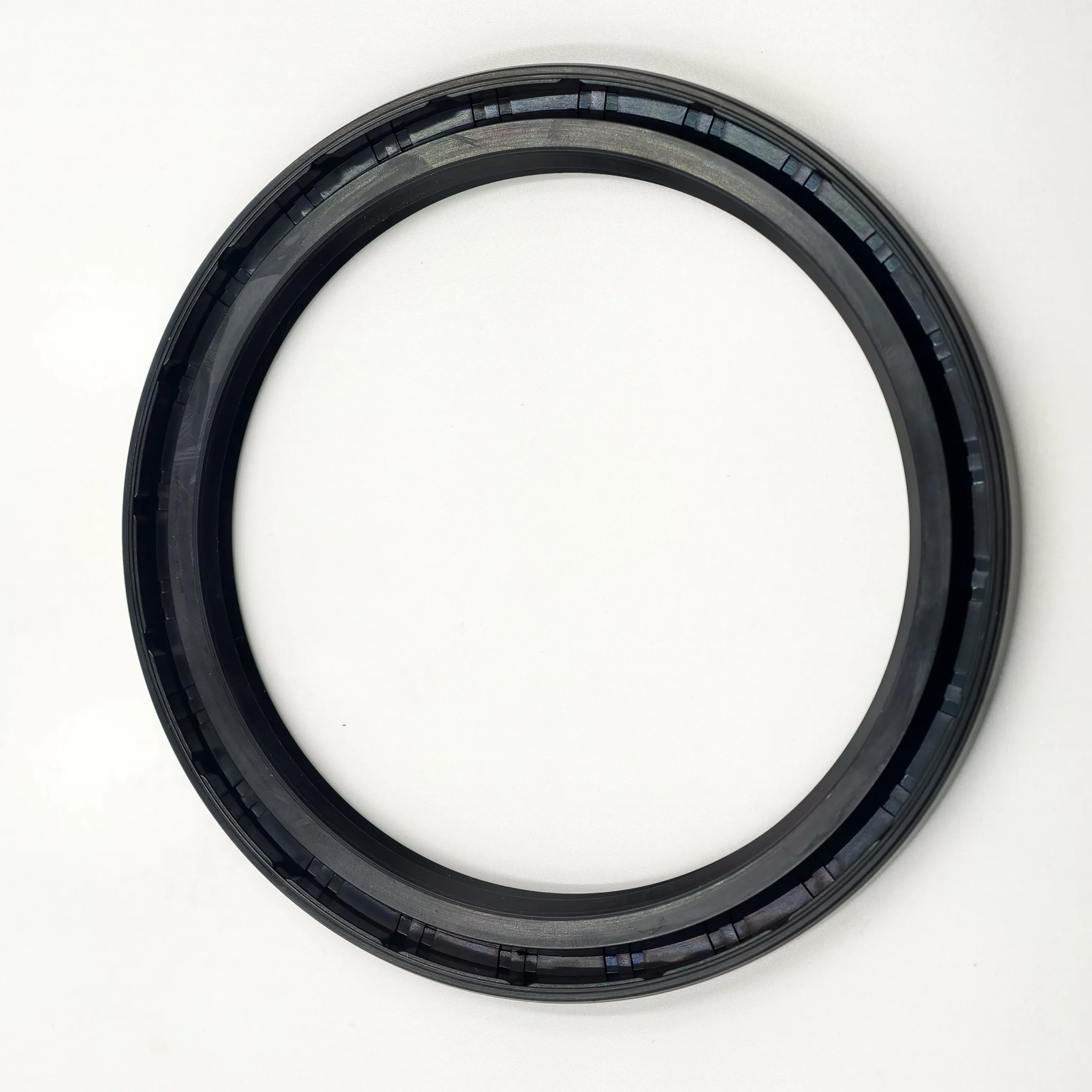 Komatsu56D-15-19810 Seal, Dust
 -
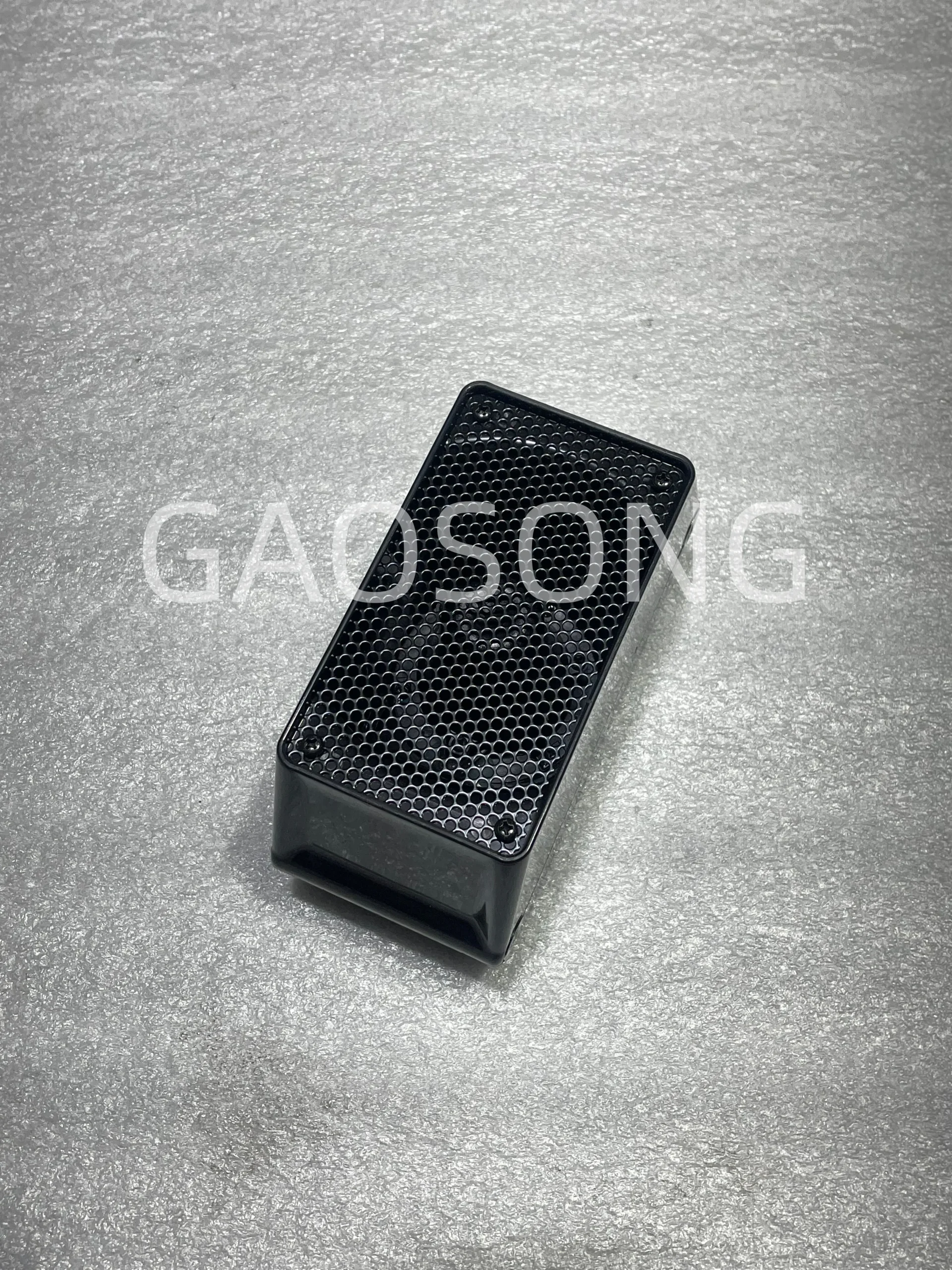 415-06-22100 ALARM.BACK-UP-Komatsu Original Factory
 -
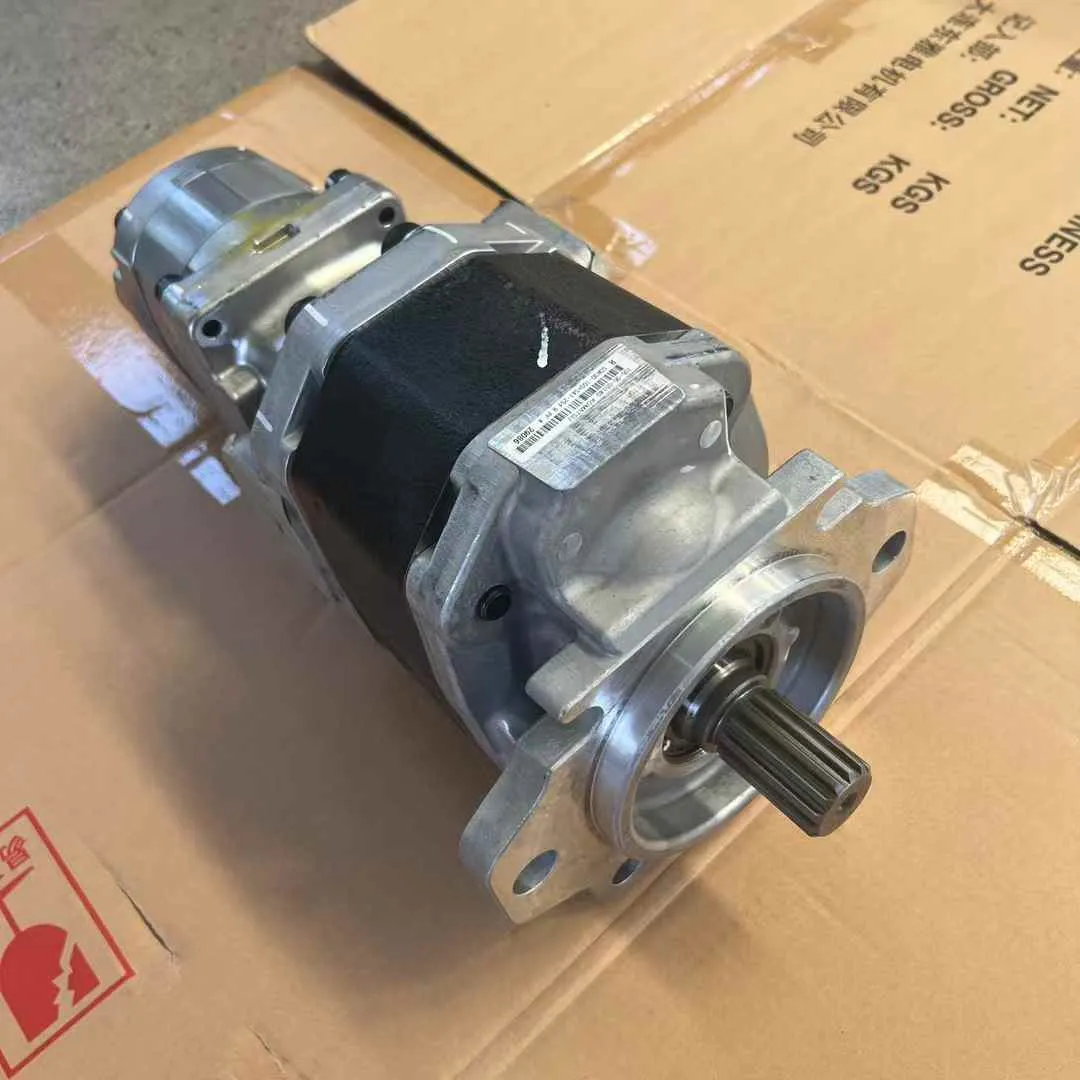 705-95-05140 HydraulicPump